




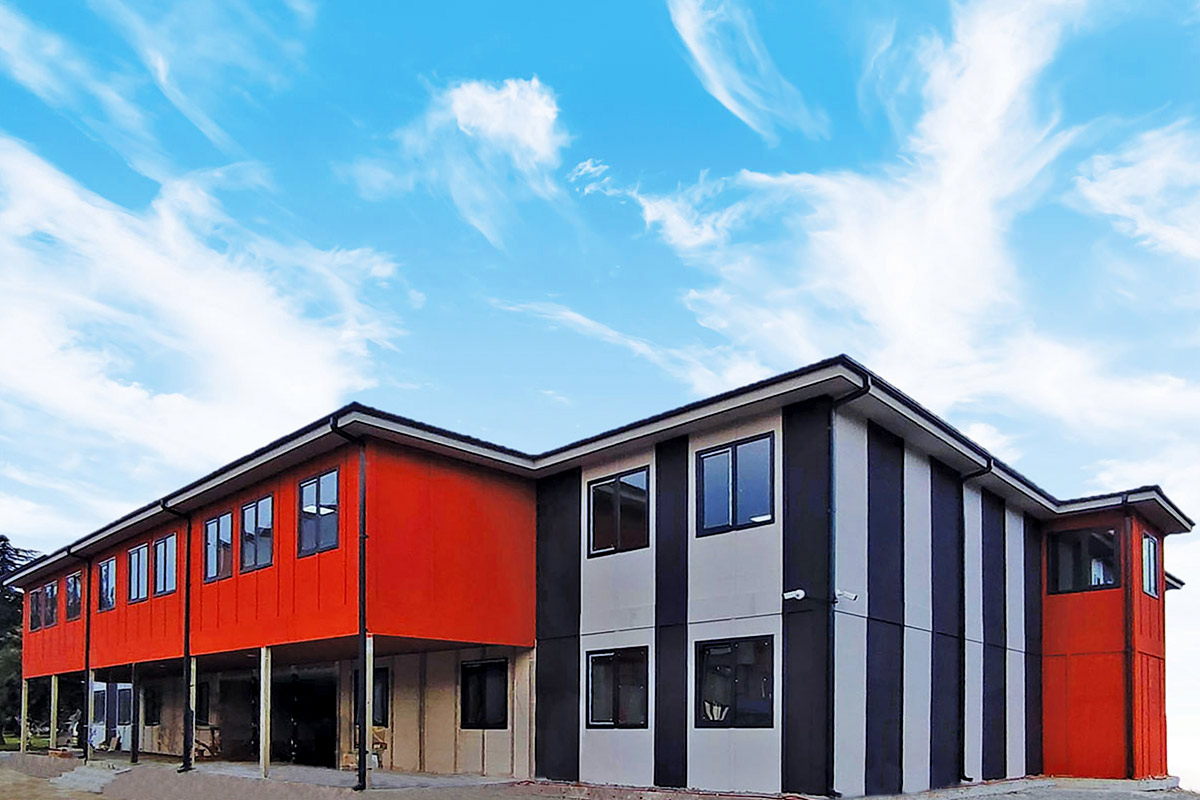
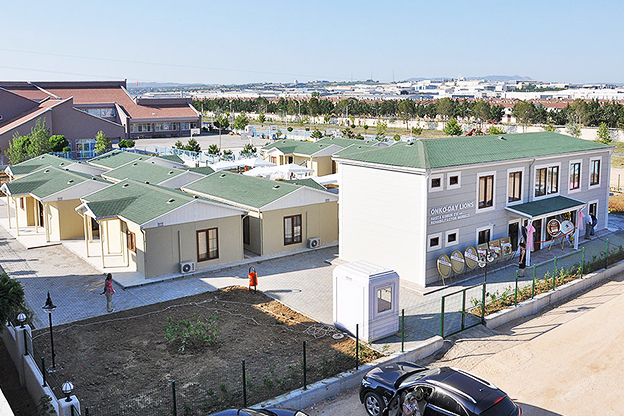
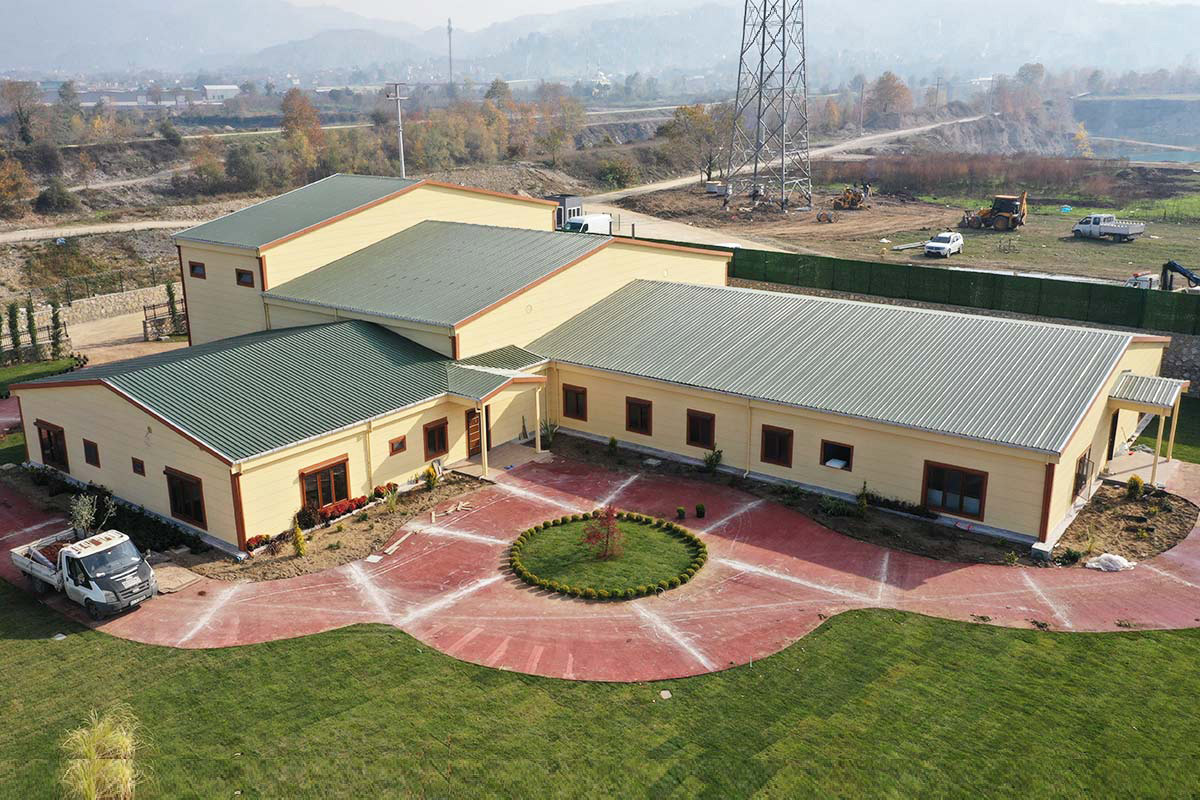
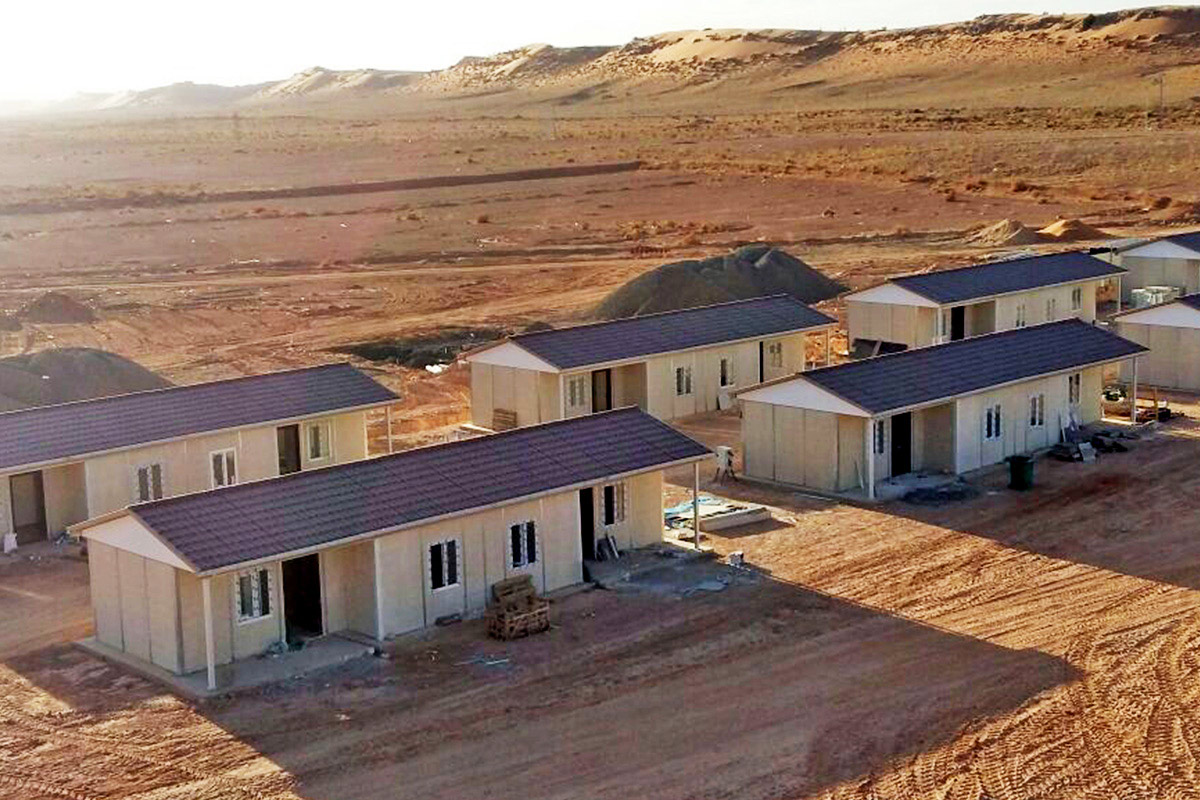

Italy’s construction and infrastructure landscape has been undergoing a visible transformation over the past decade. Rising labor costs, stricter building regulations, and the need for faster project delivery are pushing both public and private stakeholders to reconsider traditional construction methods. Within this context, modular buildings and prefabricated building solutions are increasingly viewed as practical, reliable, and scalable alternatives for a wide range of applications across Italy.
From industrial zones in Northern Italy to infrastructure and public projects in the central and southern regions, decision-makers are looking for building systems that balance speed, quality, and long-term performance. Modular and prefabricated structures respond directly to these expectations while aligning with Italy’s architectural, climatic, and regulatory requirements.
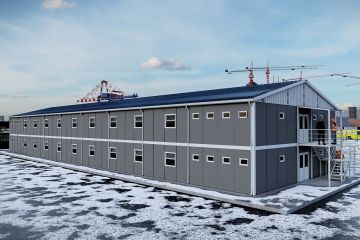
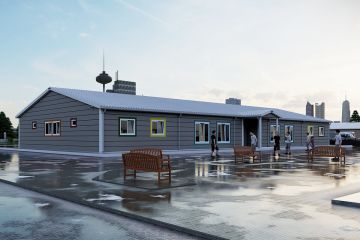
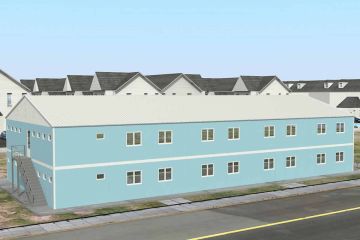
Why Modular Buildings Are in High Demand in Italy
One of the main drivers behind the growing adoption of modular buildings in Italy is labor efficiency. Skilled construction labor is both costly and limited, especially for large-scale or time-sensitive projects. Modular construction significantly reduces on-site labor requirements by shifting most of the production process into controlled factory environments. This approach minimizes delays caused by workforce shortages and weather conditions.
Construction timelines are another critical factor. In sectors such as logistics, energy, and public infrastructure, project delays can result in serious financial and operational consequences. Modular systems allow parallel progress: site preparation and building production can occur simultaneously. This makes it possible to complete projects in weeks rather than months, a major advantage in Italy’s competitive construction market.
Italy also has a consistent need for both temporary and permanent buildings. Temporary site offices, worker accommodation units, and seasonal facilities are common in infrastructure and restoration projects, while permanent modular buildings are increasingly used for industrial and administrative purposes. Additionally, Italy’s strong presence in sectors such as manufacturing, logistics, renewable energy, and public services creates continuous demand for flexible building solutions that can adapt to changing operational needs.
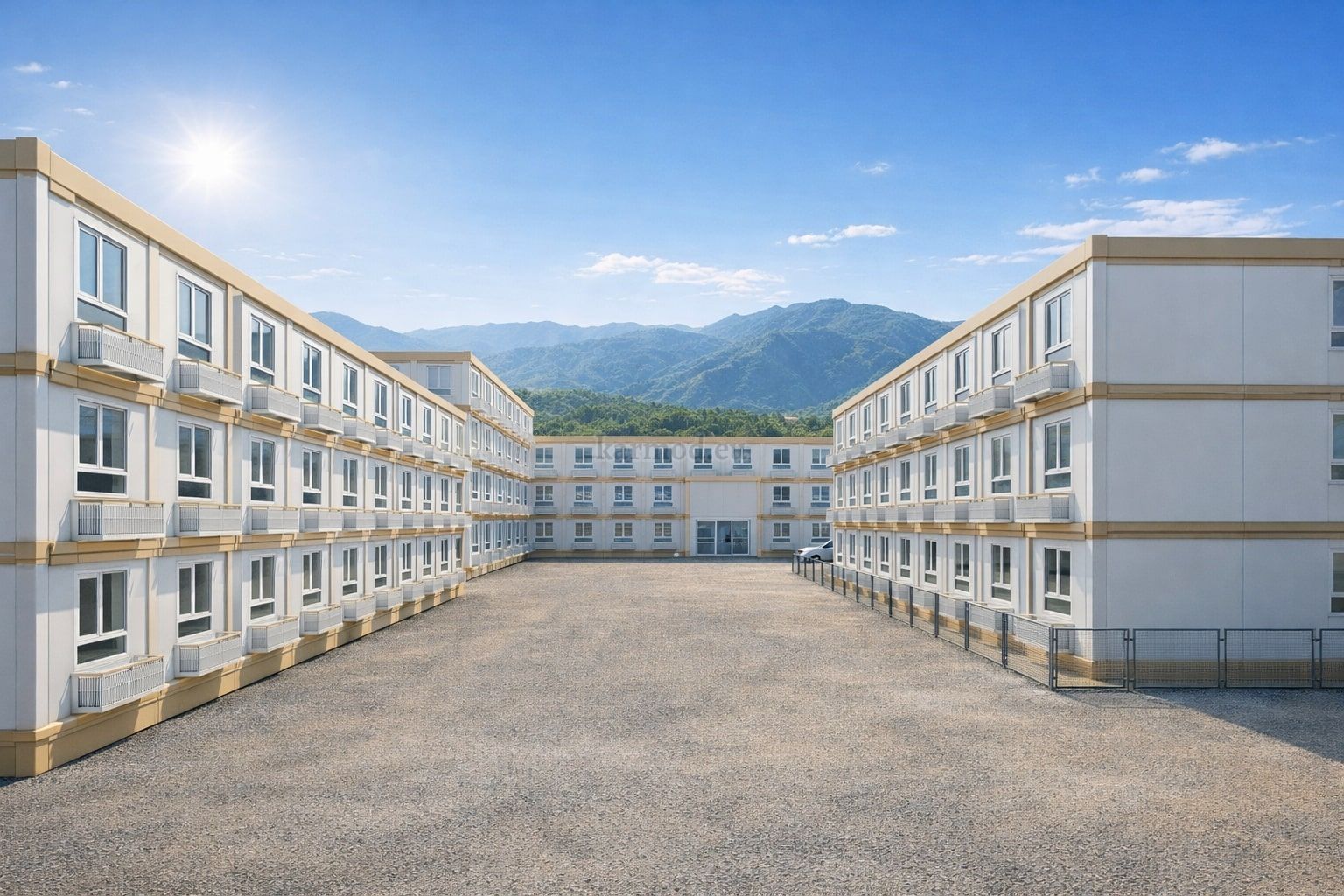
Modular Buildings vs. Prefabricated Building Systems
While often discussed together, modular buildings and prefabricated building systems serve different purposes and project priorities.
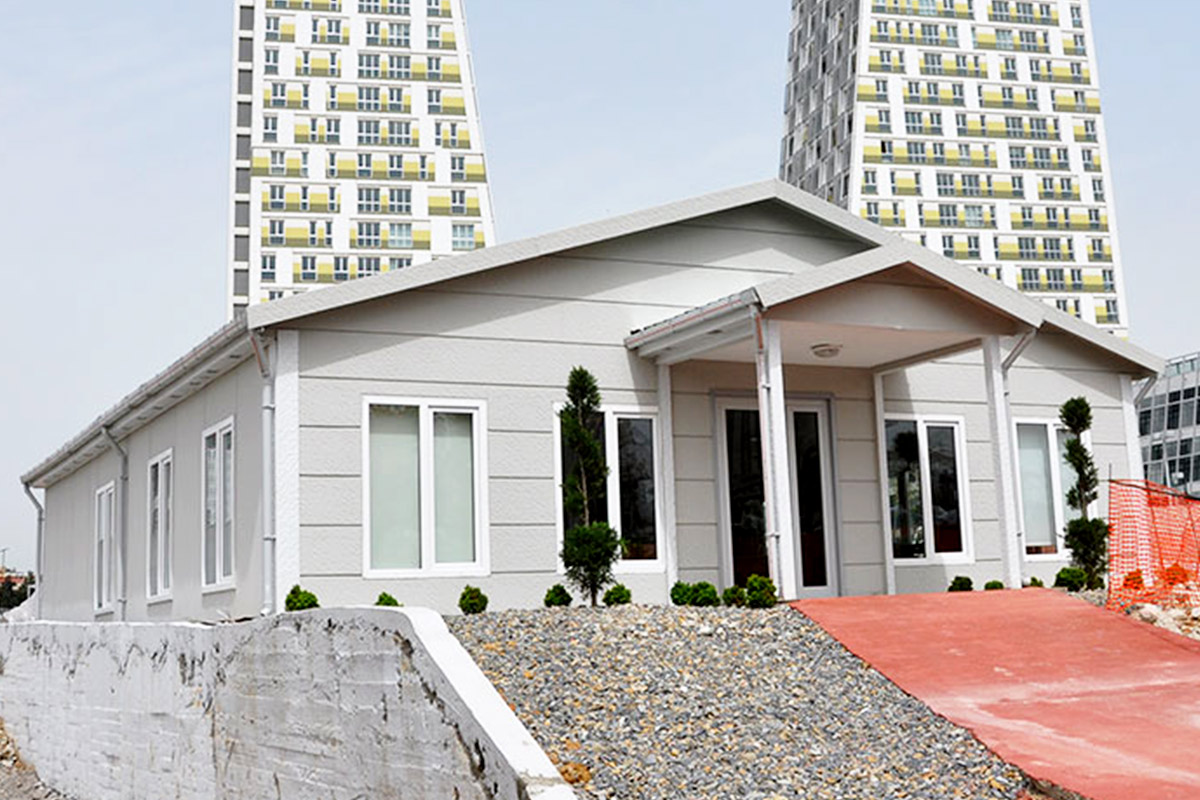
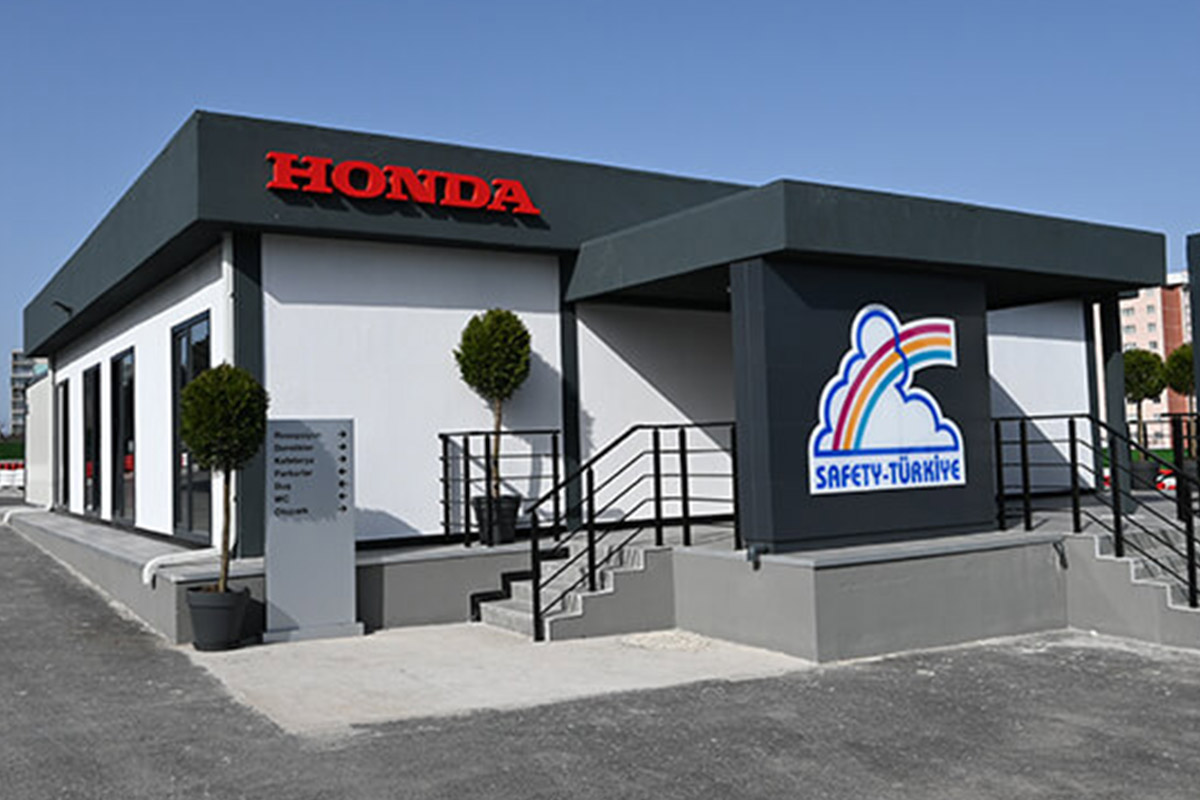
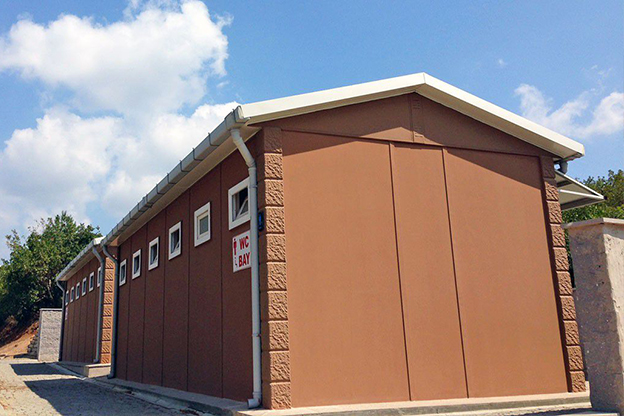
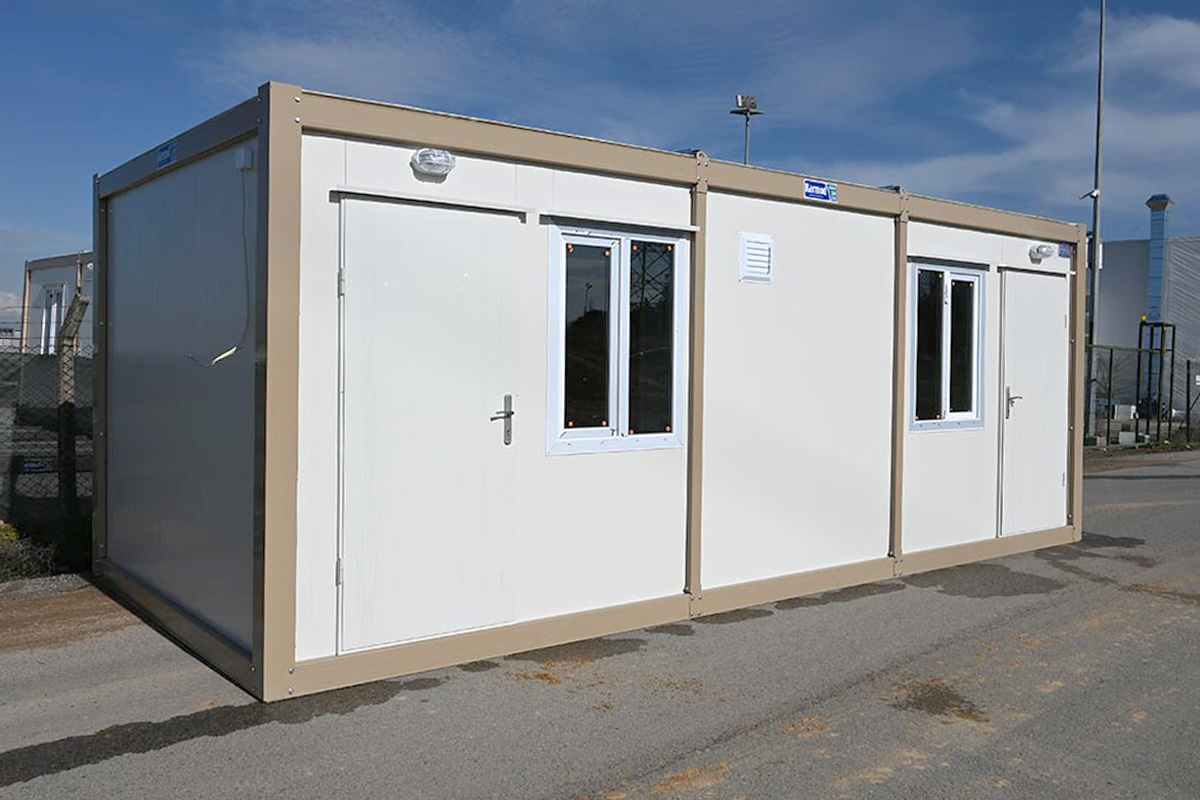
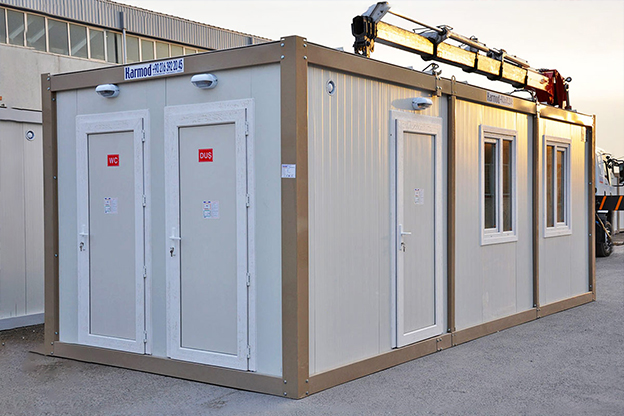
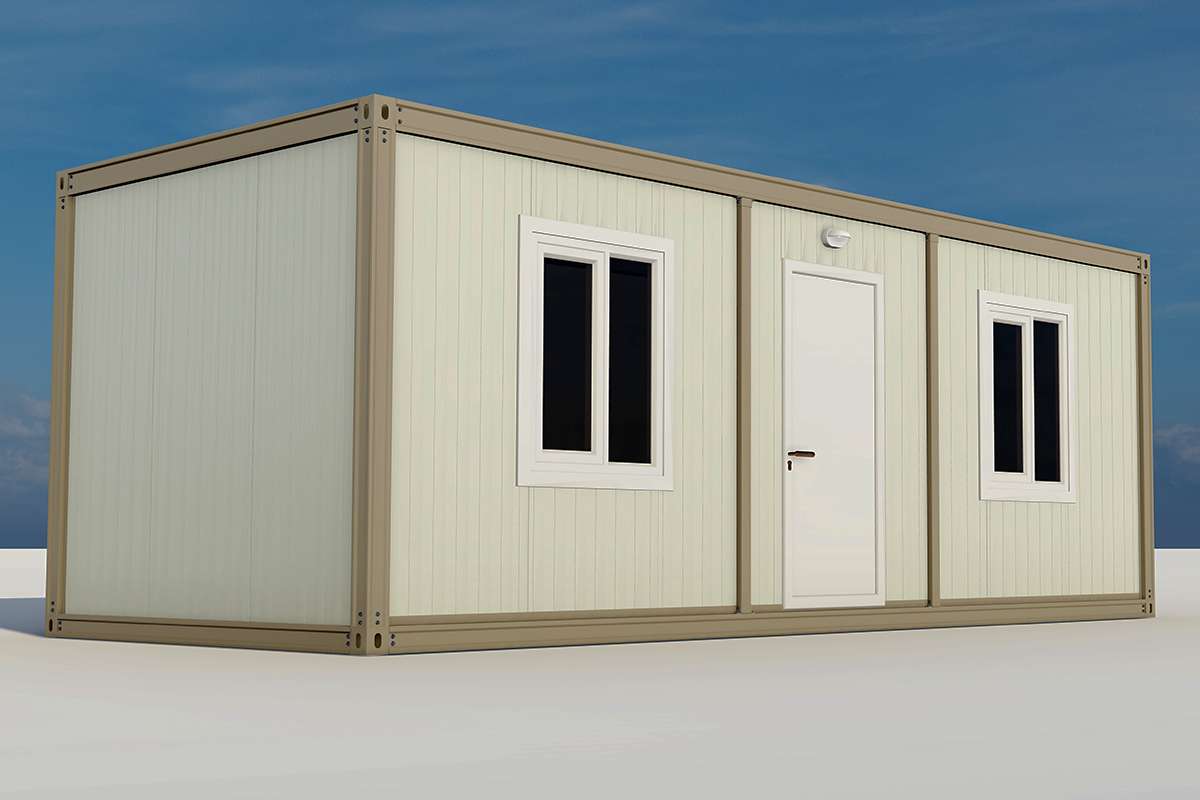
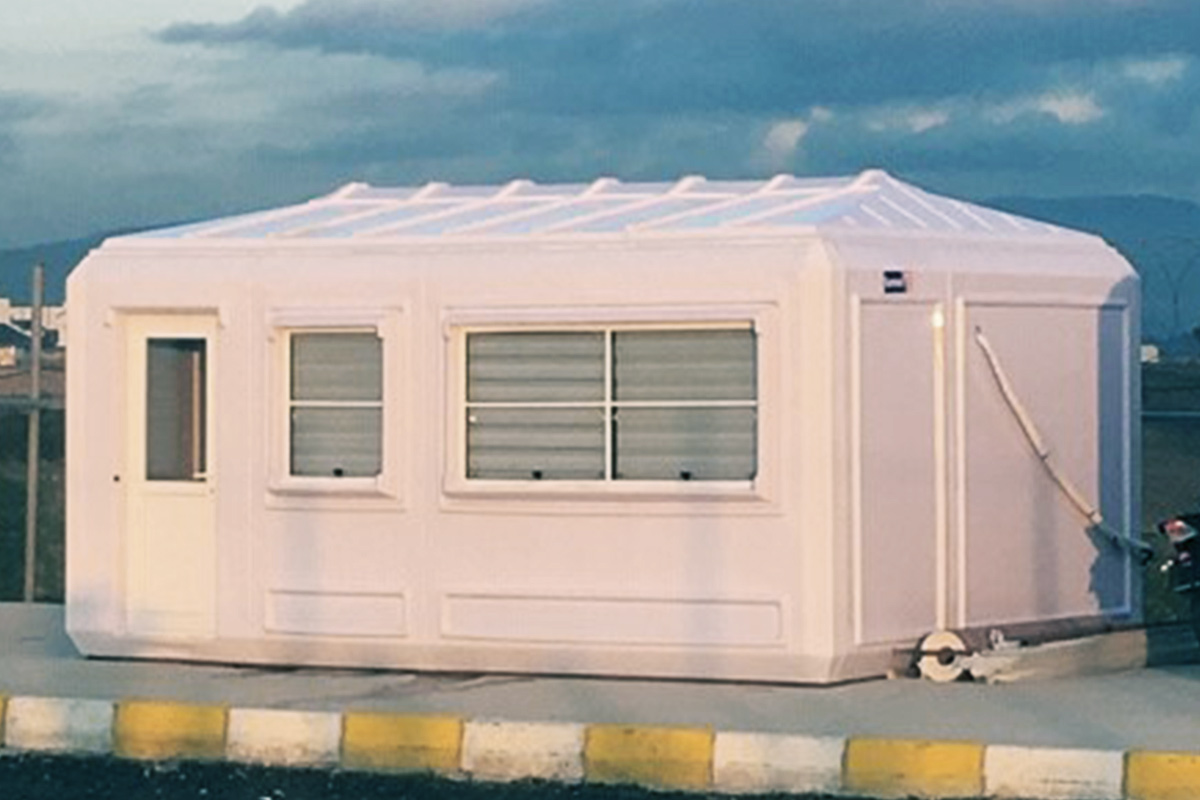
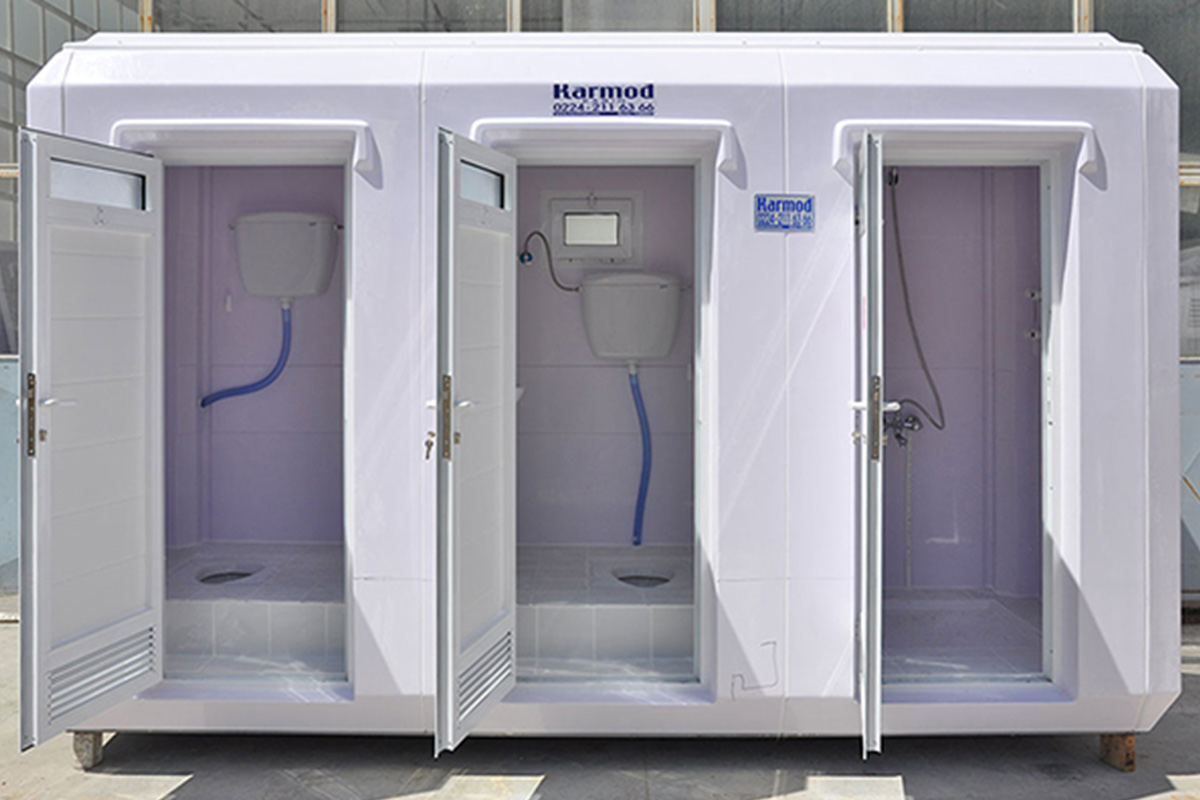
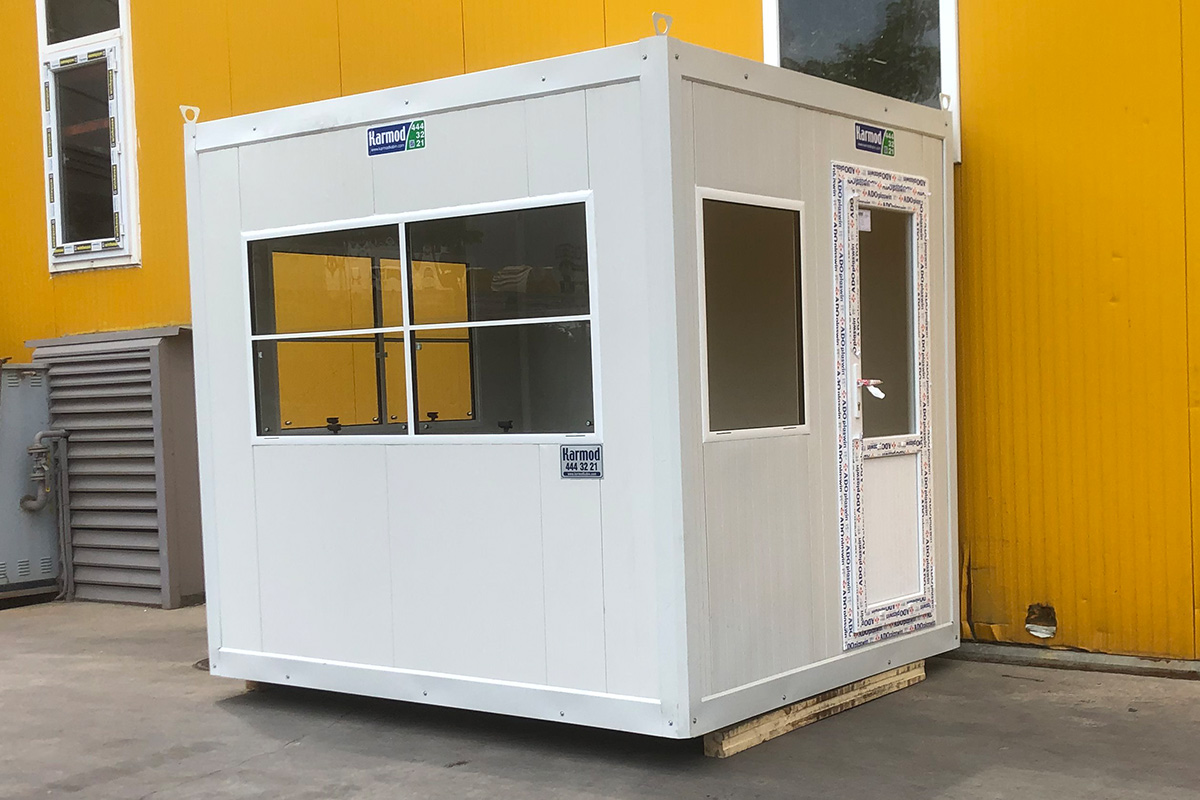
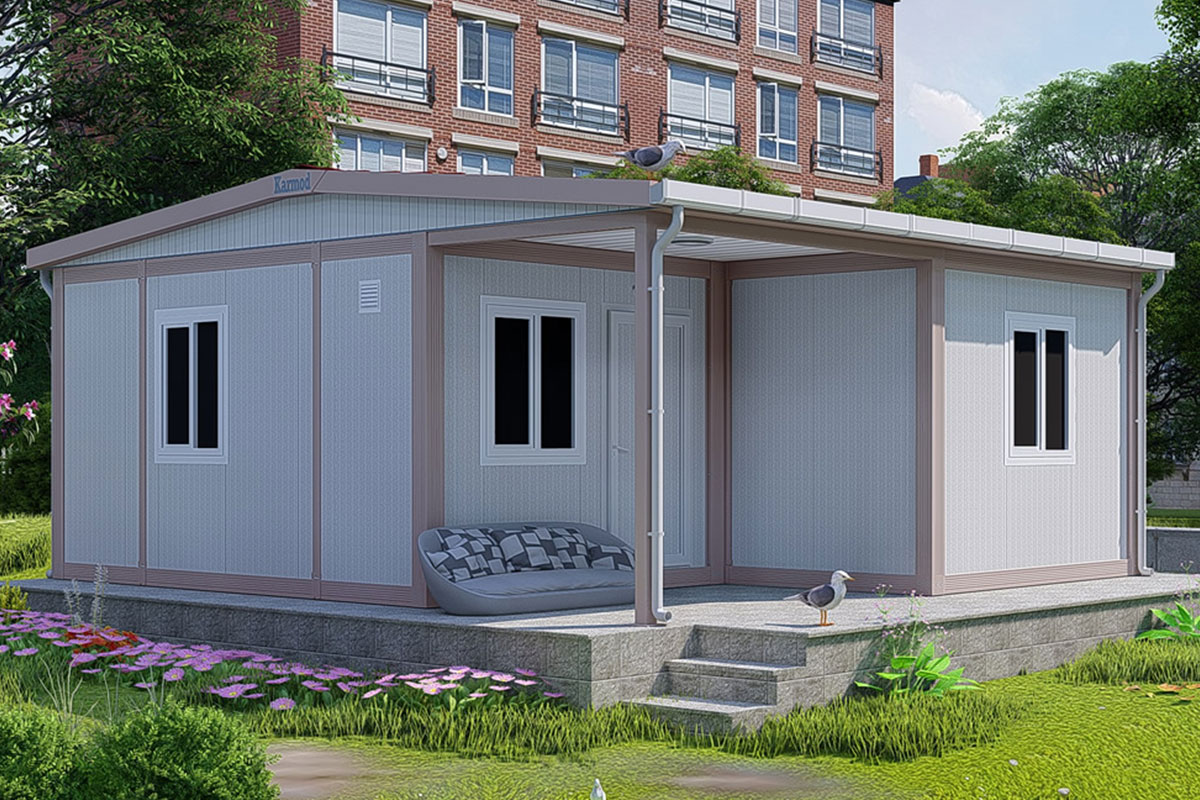
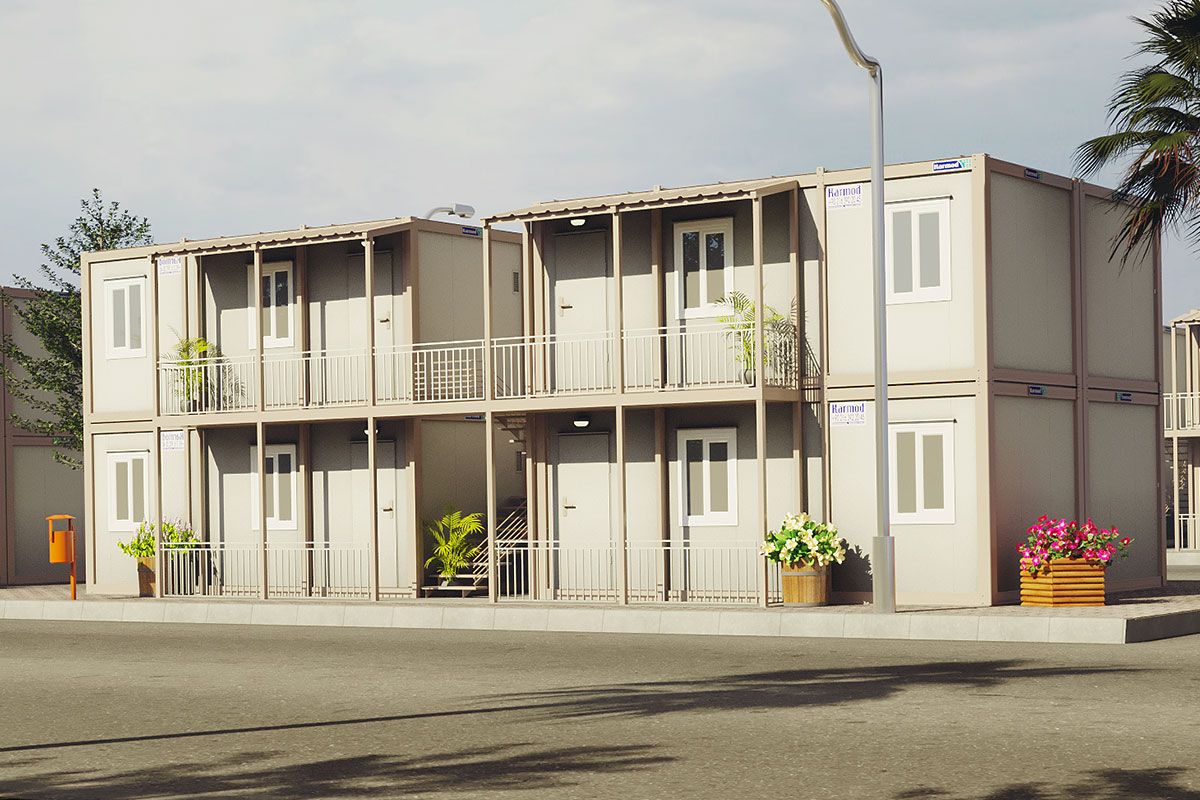
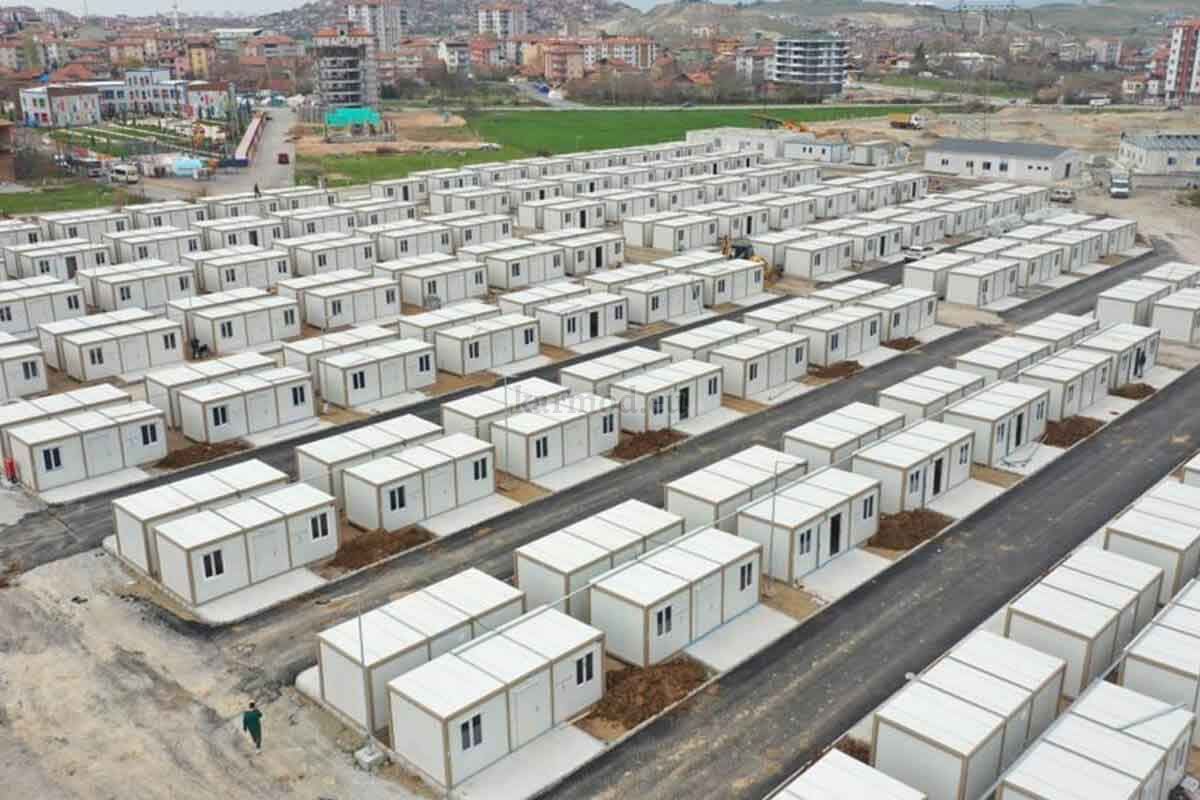
Modular buildings are based on volumetric modules that are fully or partially completed in the factory and then transported to the site. These modules are designed to be portable, relocatable, and expandable. In Italy, modular buildings are frequently preferred for site offices, worker accommodation, technical units, and projects where future relocation or expansion is expected.
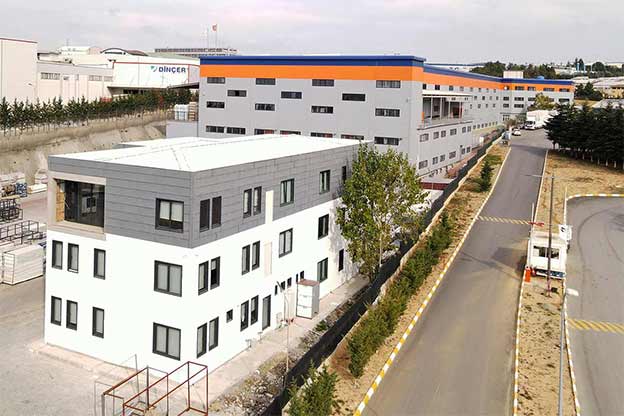
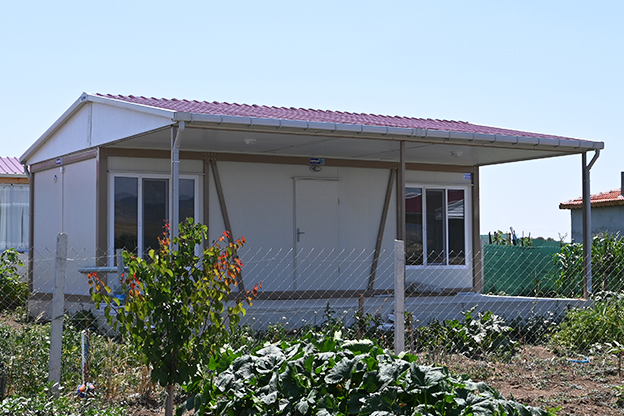
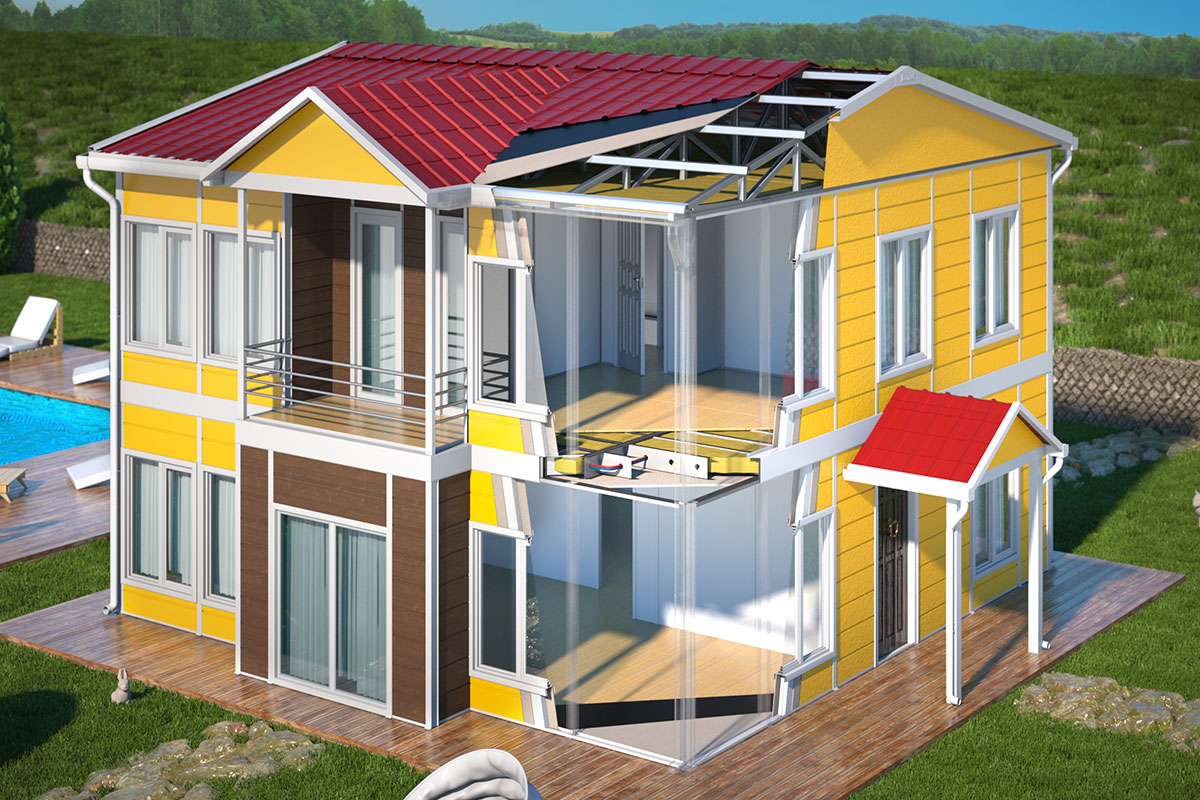
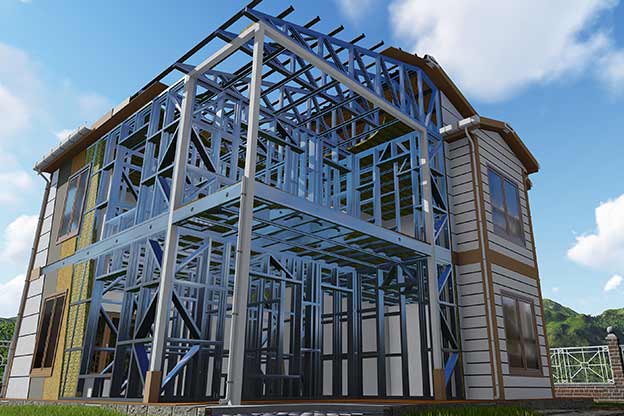
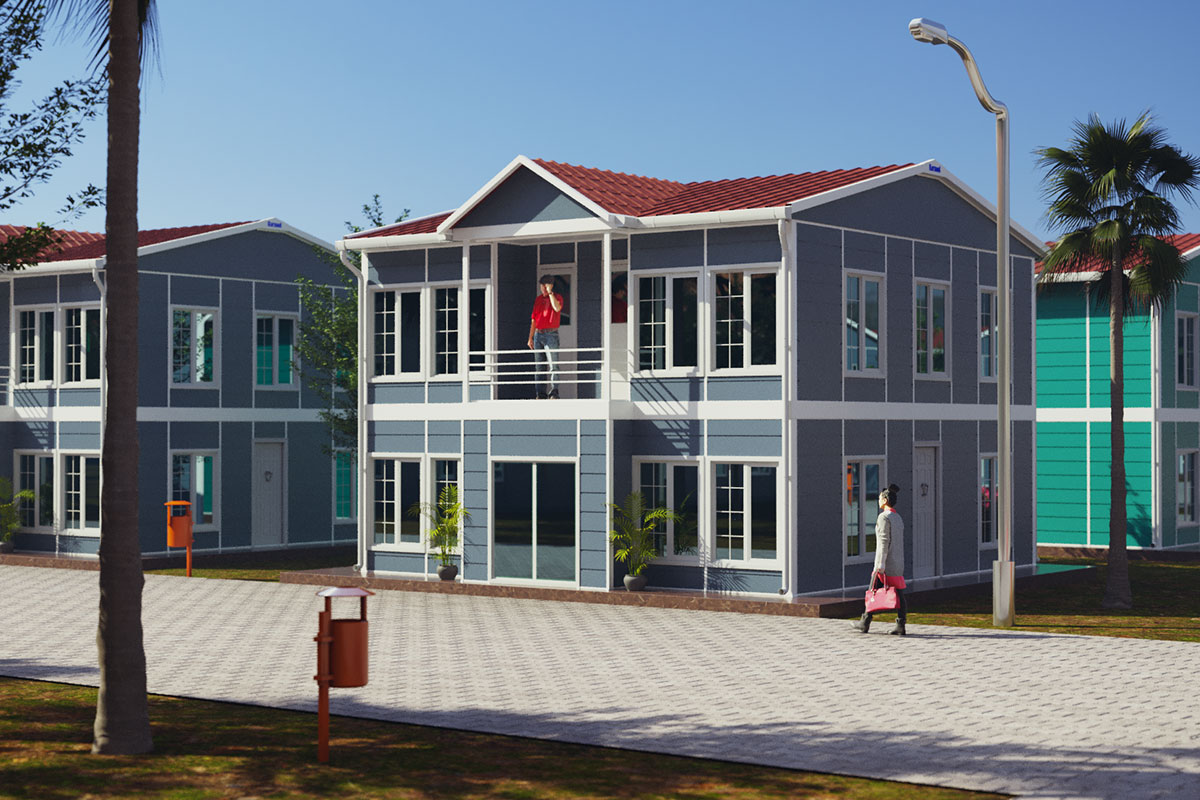
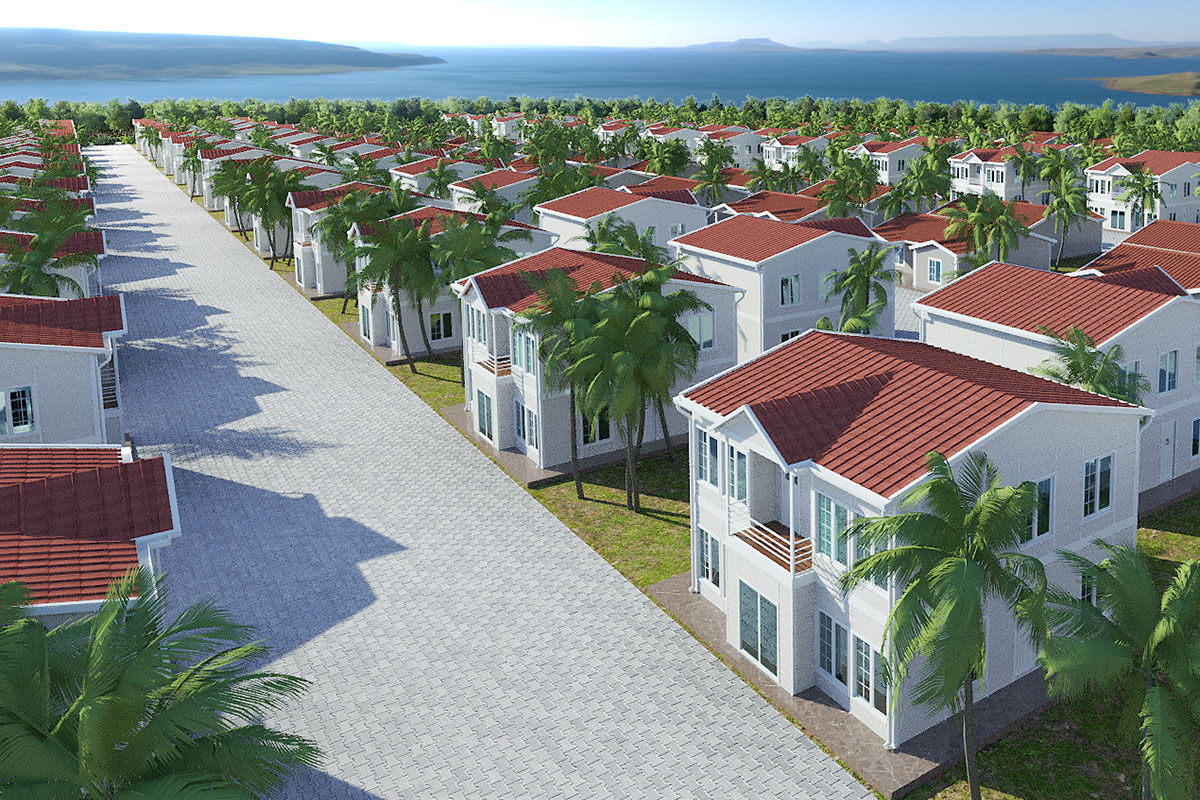
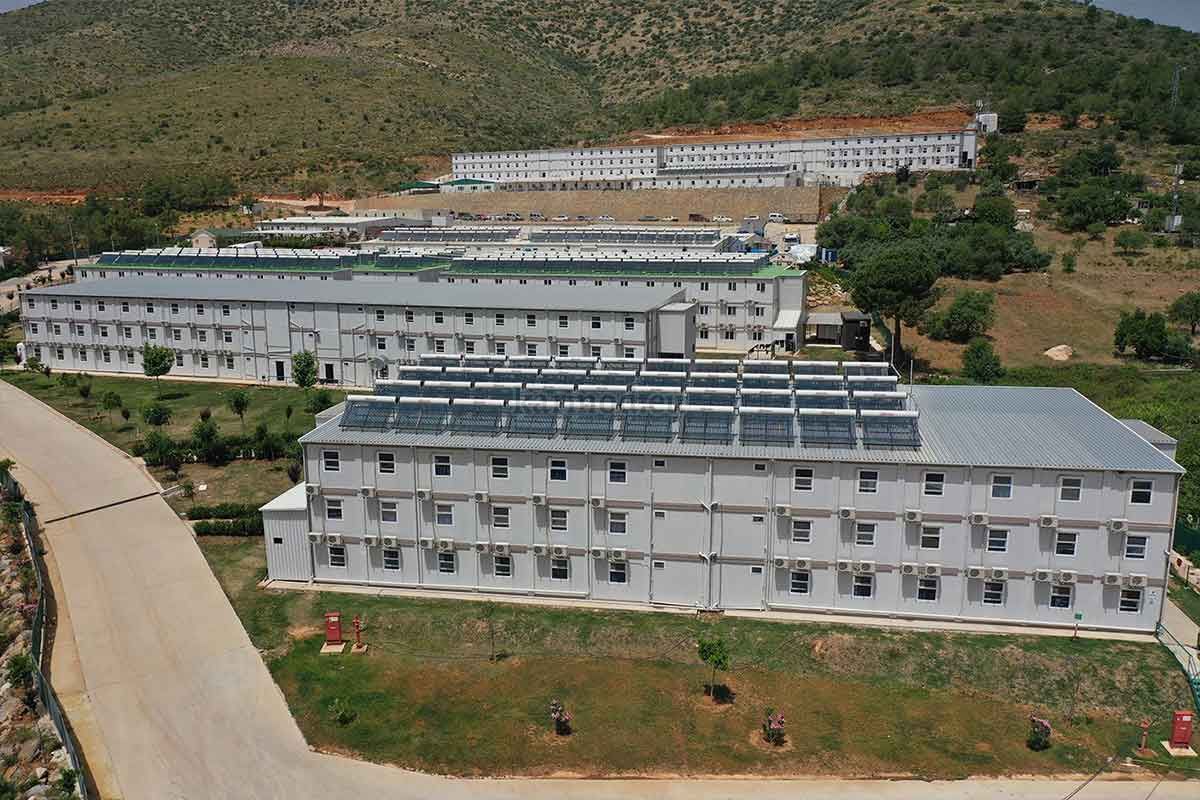
Prefabricated building systems, on the other hand, rely on panel-based or component-based production. Walls, floors, and structural elements are manufactured off-site and assembled on location to create more permanent structures. A prefabricated building solution is often selected in Italy for long-term facilities such as schools, healthcare units, and administrative buildings where architectural integration and permanence are priorities.
The choice between the two depends on the project’s lifecycle, regulatory requirements, and long-term plans. In many Italian projects, hybrid approaches are also used, combining modular speed with prefabricated durability.
Applications of Modular and Prefabricated Buildings in Italy
Modular and prefabricated solutions are widely used across different sectors in Italy, offering flexibility and efficiency without compromising quality:
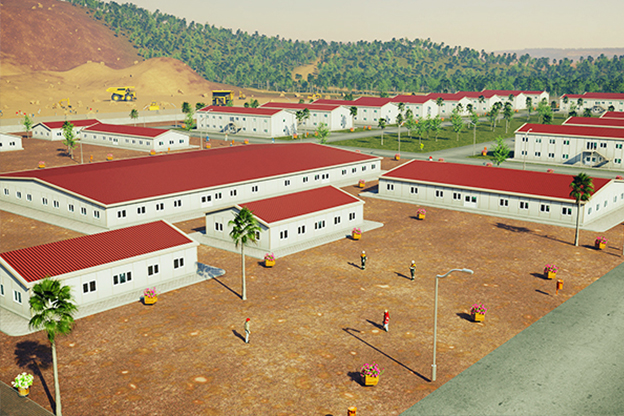
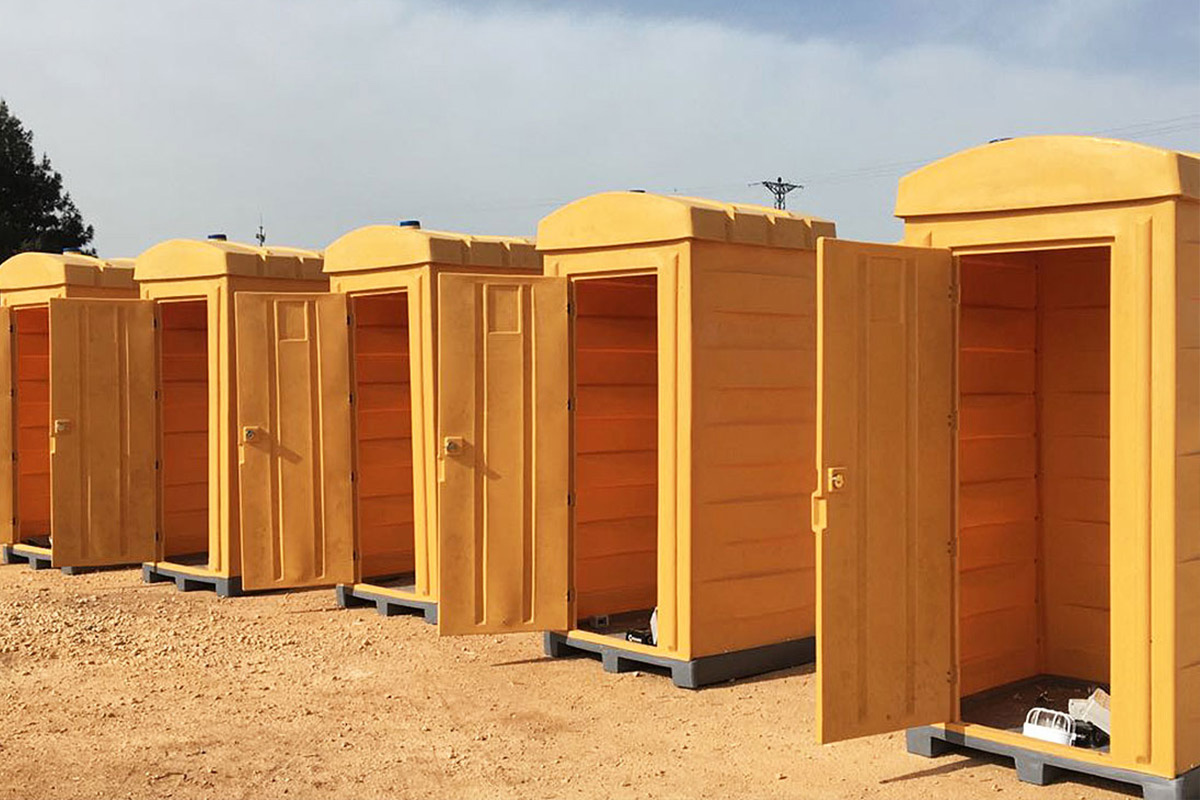
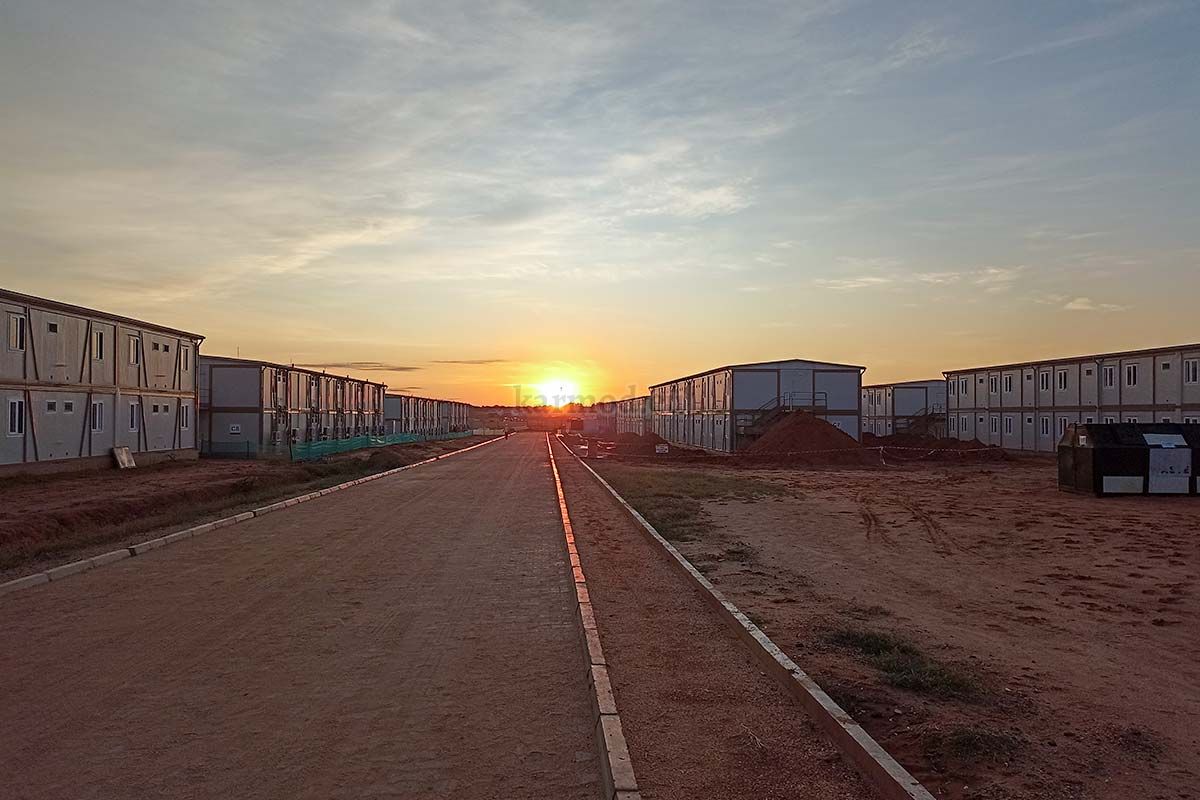
- Site offices & construction camps for infrastructure, restoration, and industrial projects
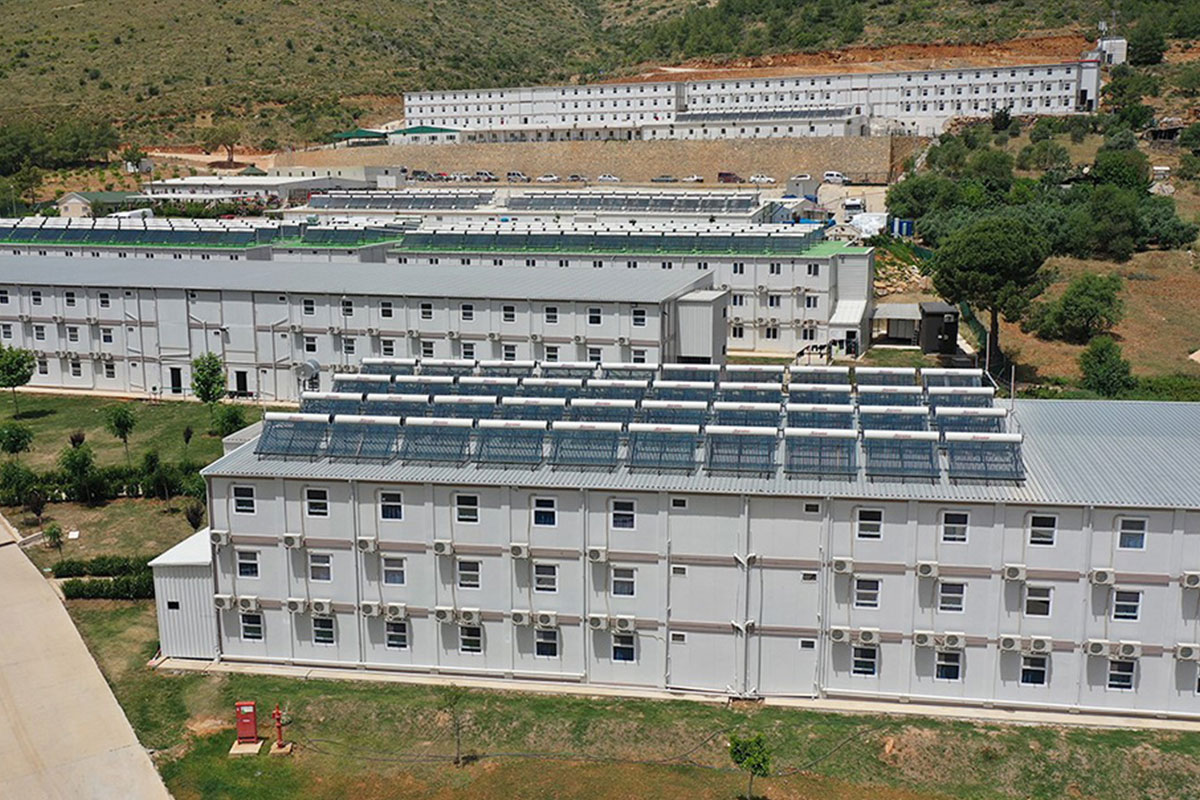
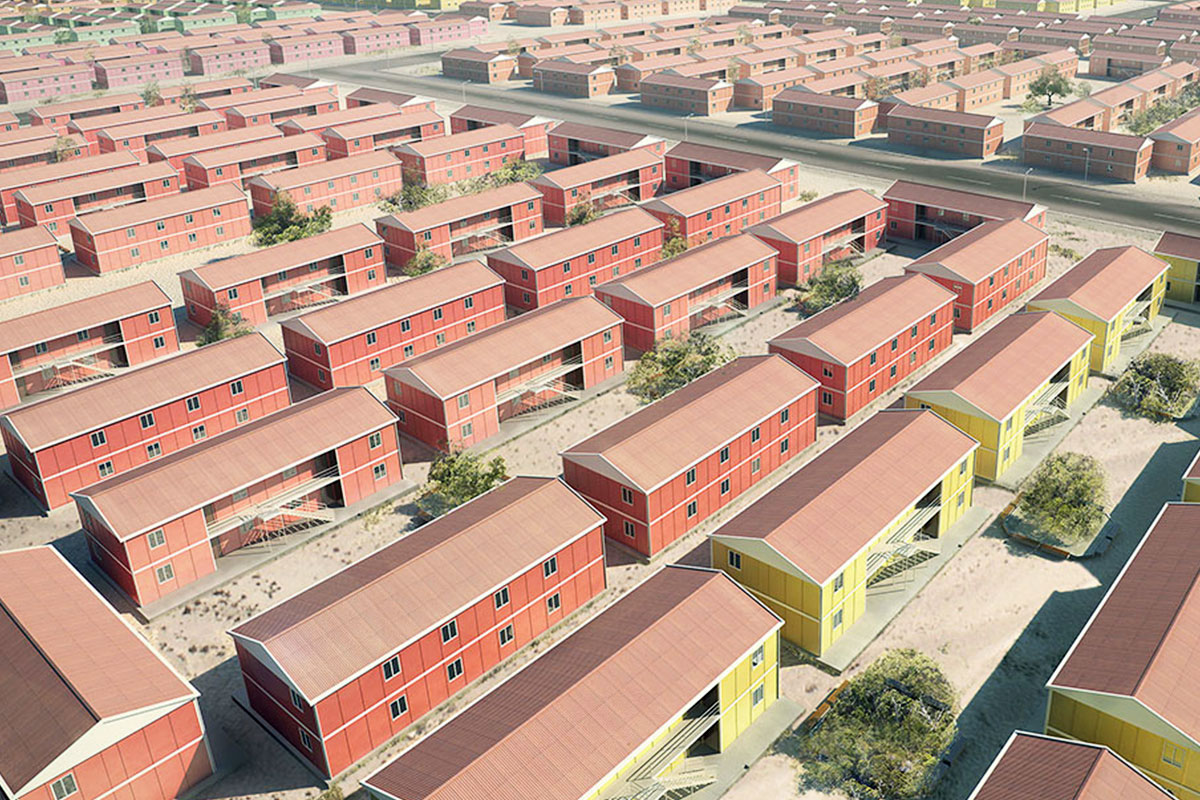
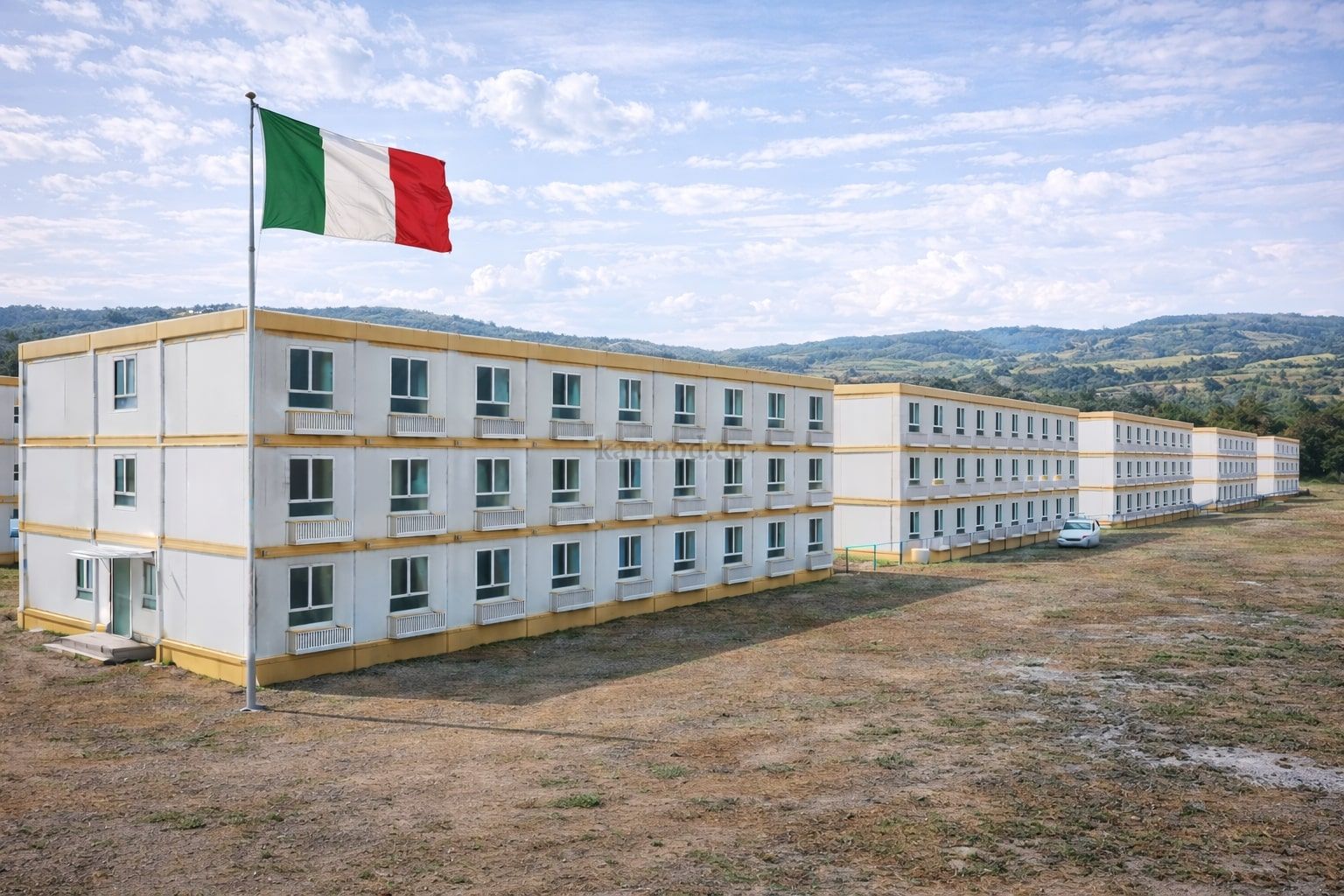
- Worker accommodation buildings supporting large-scale manufacturing, logistics, and energy developments
- Temporary schools & healthcare units addressing urgent capacity needs or renovation periods
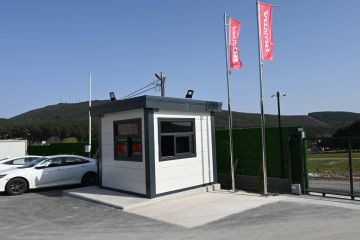
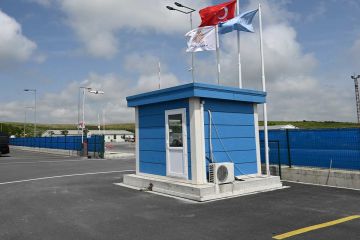
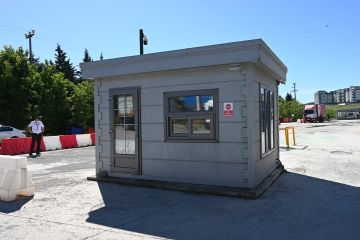
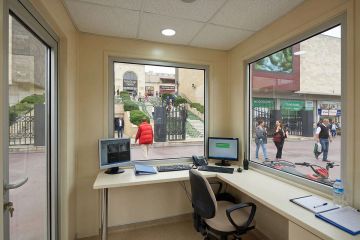
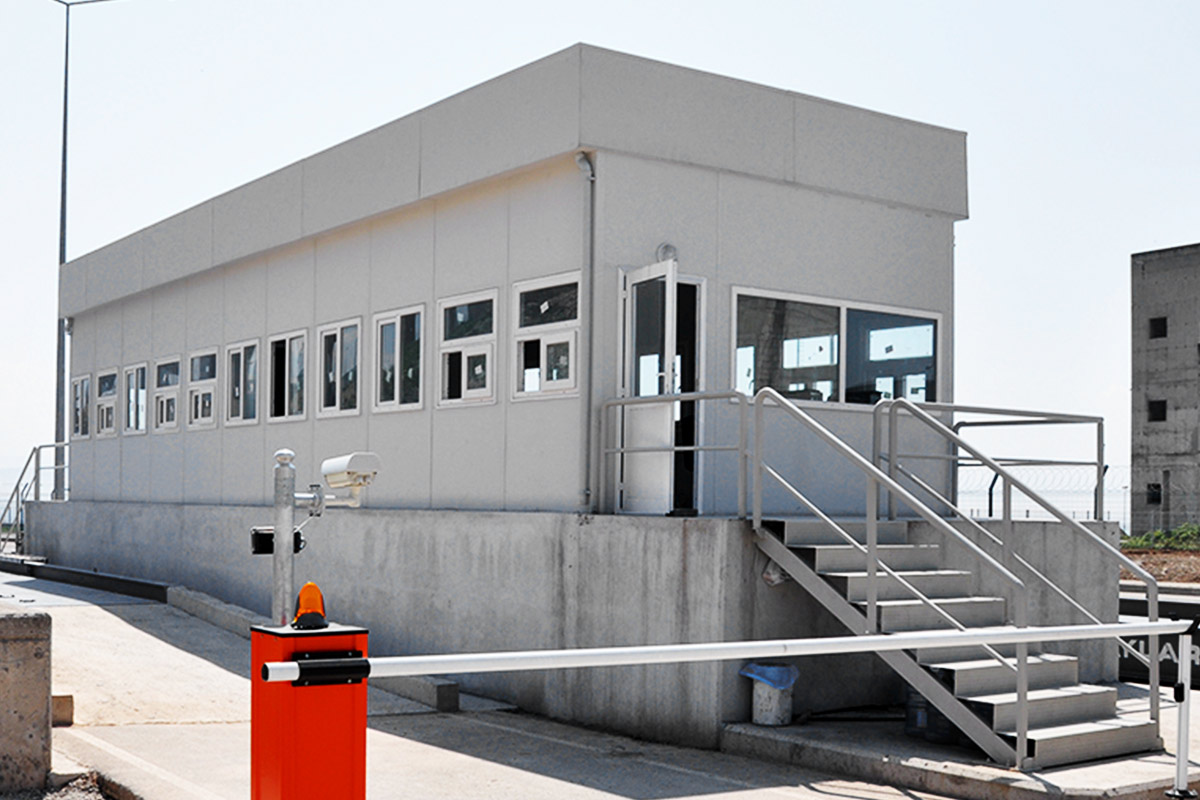
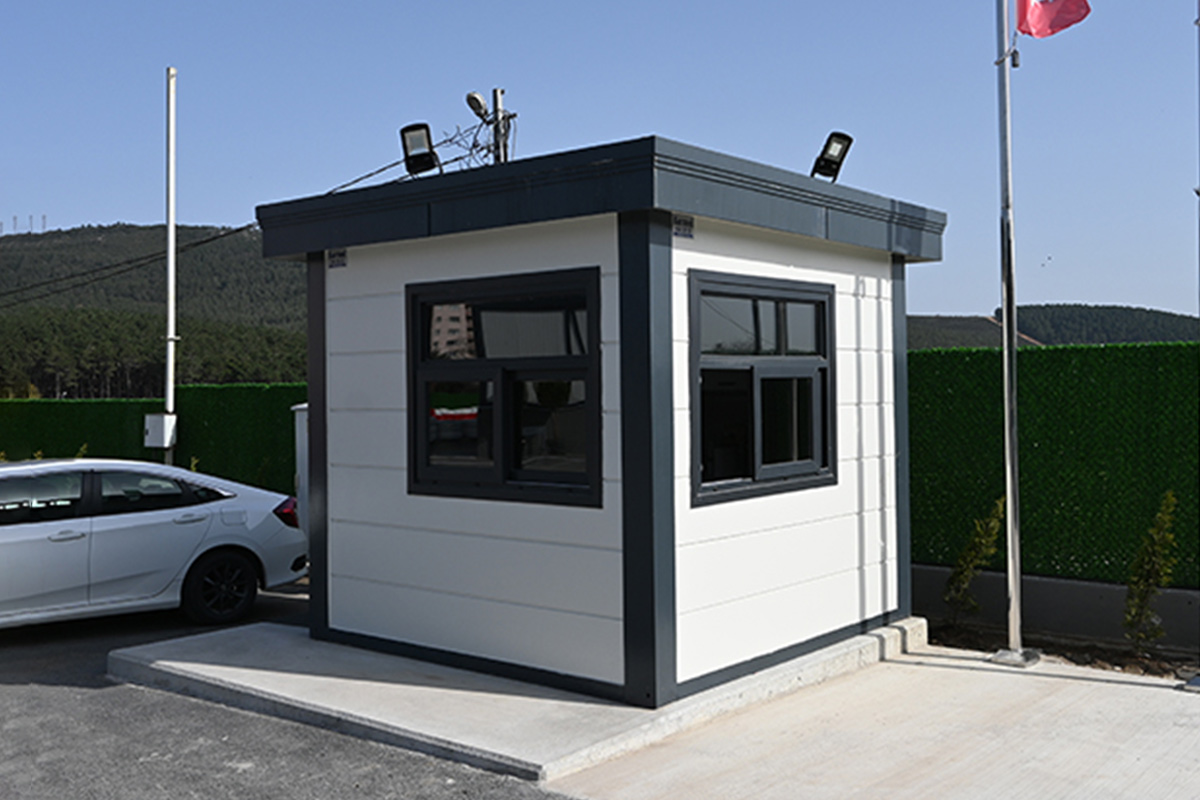
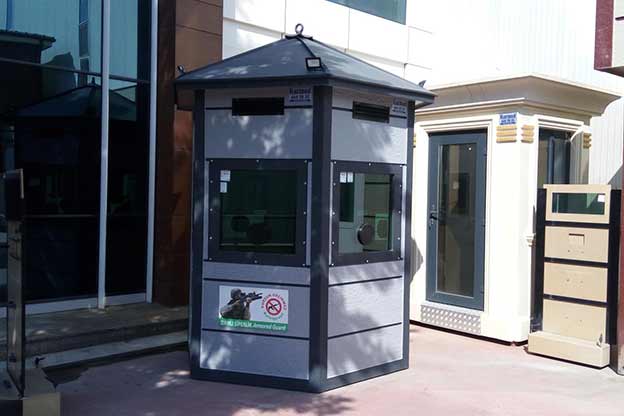
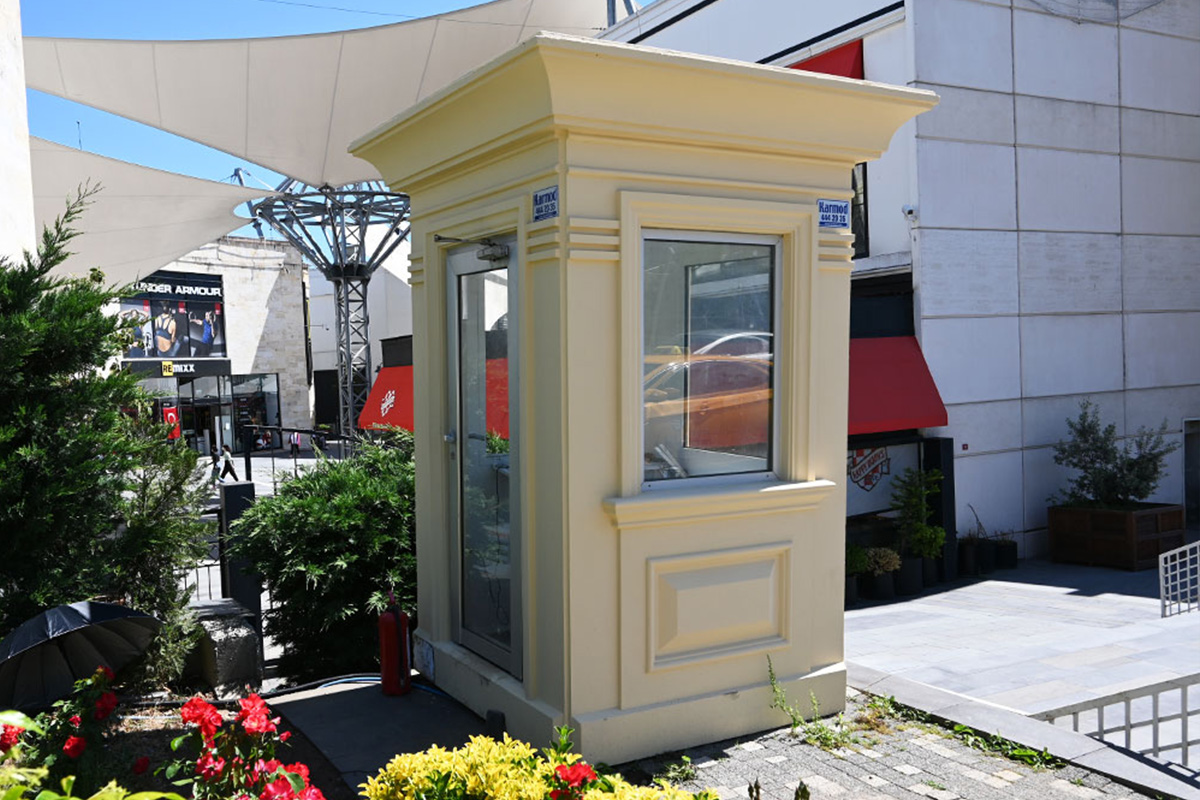
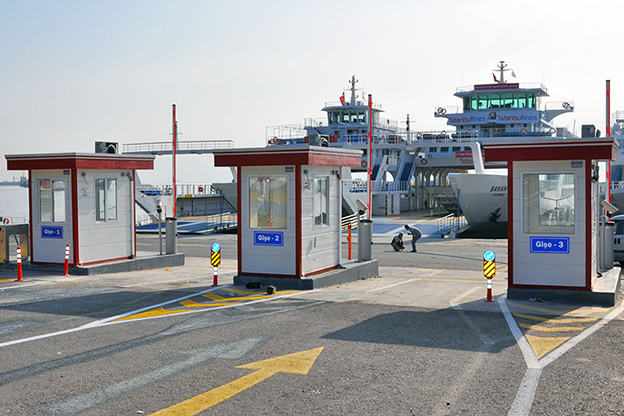
- Security buildings & technical units for controlled access points, energy facilities, and industrial zones
- Storage and logistics facilities supporting Italy’s strong supply chain and distribution networks
These applications demonstrate how modular buildings and prefabricated building systems respond to both short-term operational needs and long-term infrastructure strategies.
From Design to Installation: How the Process Works
The implementation process begins with a detailed project needs analysis. This stage defines functional requirements, regulatory constraints, and site conditions specific to Italy, including seismic considerations and local building codes.
Following this, custom design and technical specifications are developed. Layouts, insulation levels, fire safety measures, and architectural details are adapted to the project’s intended use and location. At this stage, experienced manufacturers such as Karmod rely on their European project background to align design solutions with Italian standards and expectations.
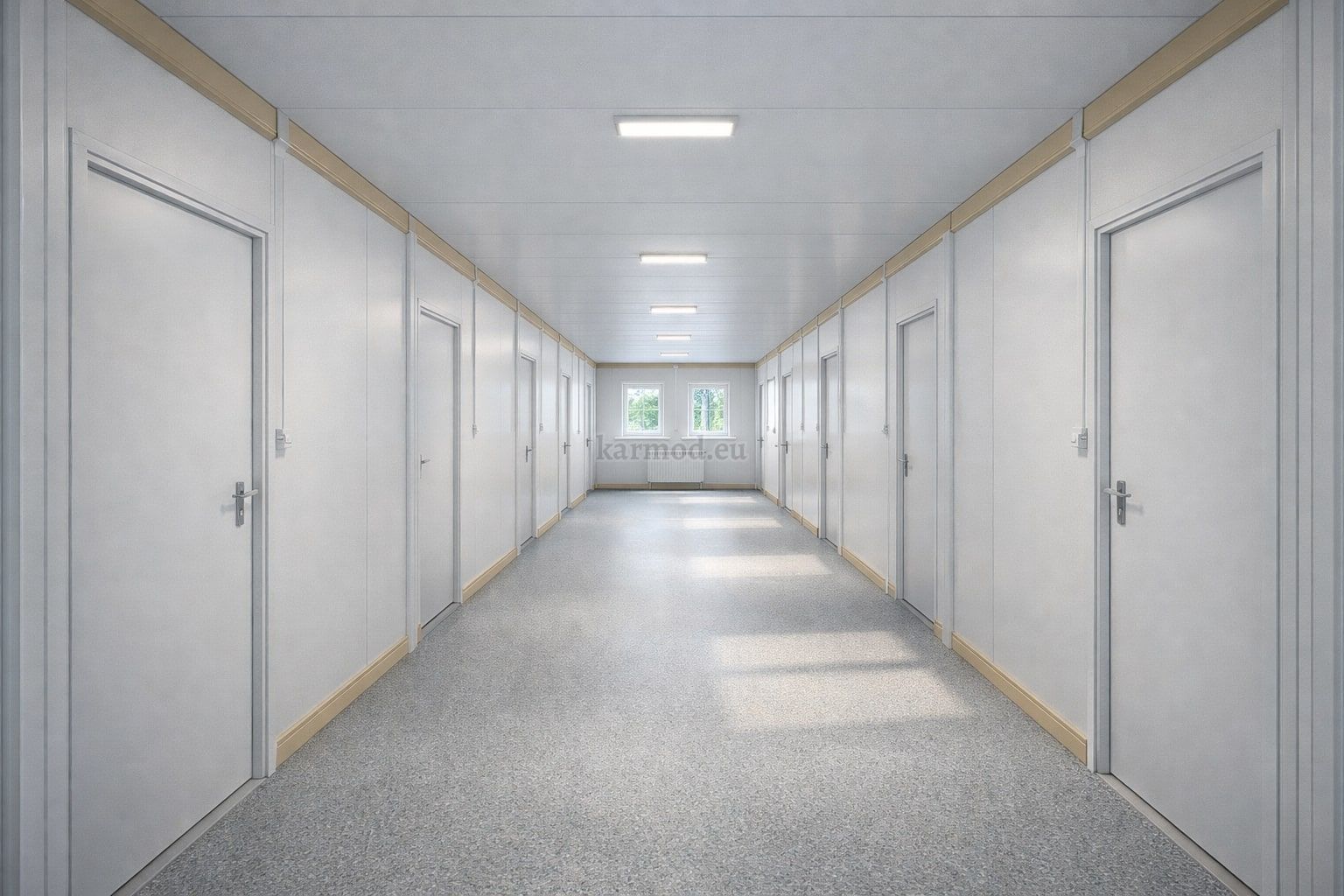
Factory production is then carried out under controlled conditions, ensuring consistent quality and precise execution. Once production is complete, the units are delivered to Italy using optimized logistics planning. On-site installation is typically fast and minimally disruptive, allowing buildings to become operational shortly after delivery.
Key Considerations for Modular Buildings in Italy
Thermal insulation is a major consideration due to Italy’s varied climate, ranging from alpine conditions in the north to Mediterranean climates in the south. Proper insulation design ensures energy efficiency and year-round comfort.
Fire safety standards are another essential factor. Buildings must comply with Italian and European fire regulations, particularly for public and industrial use. Modular systems are engineered to integrate certified fire-resistant materials and systems.
Climate suitability also plays a role in material selection and structural design. Modular buildings must perform reliably under humidity, heat, and seasonal temperature variations common across Italy.
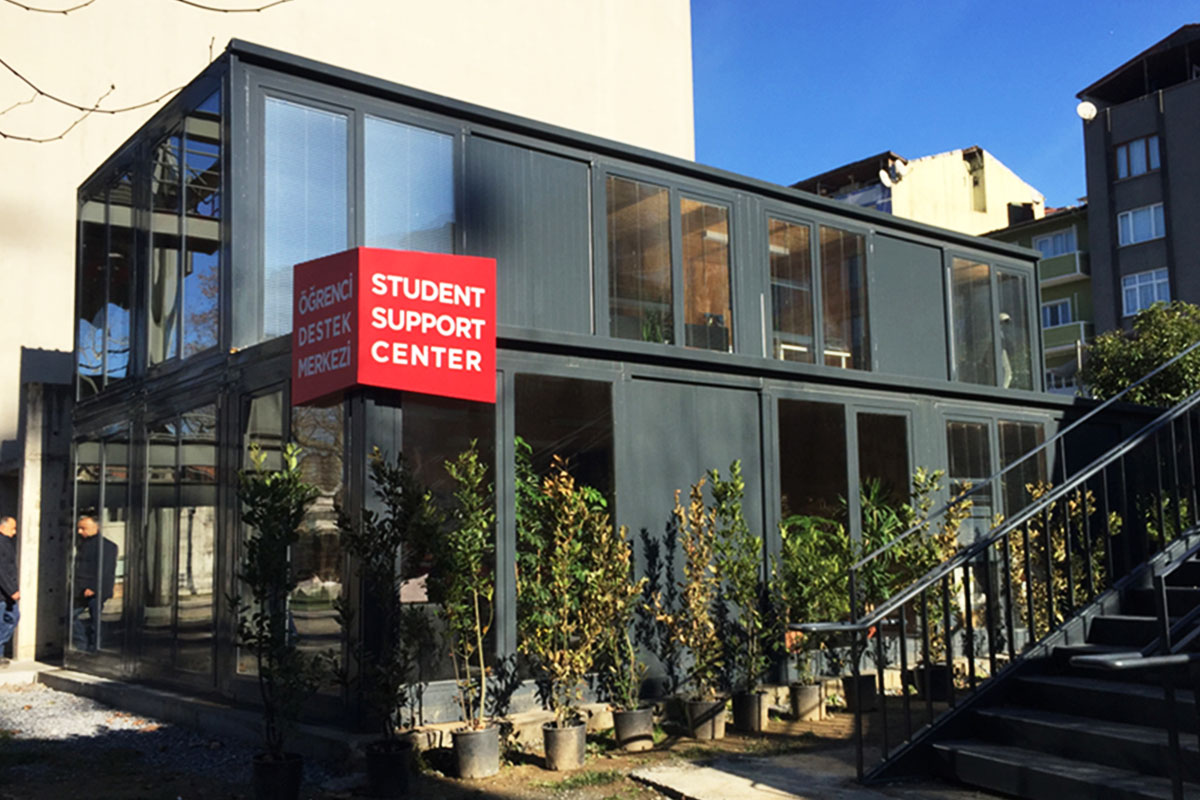
Custom layouts are increasingly important for Italian clients who value functional efficiency and architectural compatibility. Flexible interior planning allows modular and prefabricated structures to integrate smoothly into existing sites and urban environments. In this area, Karmod modular building solutions are designed to support tailored layouts without extending project timelines, offering a balance between customization and speed.
With its experience across diverse European markets, Karmod brings a practical understanding of how modular and prefabricated systems can be adapted to Italy’s regulatory framework and sector-specific demands, supporting projects that require reliability, flexibility, and long-term value.