



Mexico has become one of the most dynamic construction markets in the Americas, driven by industrial expansion, logistics investments, and public infrastructure programs. As projects accelerate across manufacturing zones, energy corridors, and urban developments, modular buildings and prefabricated building solutions are increasingly preferred by decision-makers who need speed, predictability, and long-term performance. This page is written specifically for Mexico, reflecting local construction realities, climate conditions, and sector-specific demands.
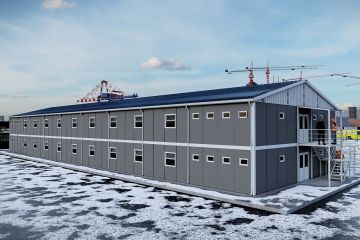
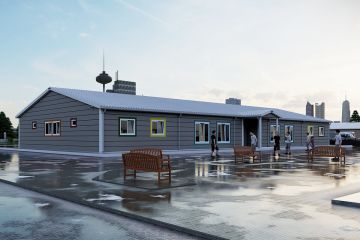
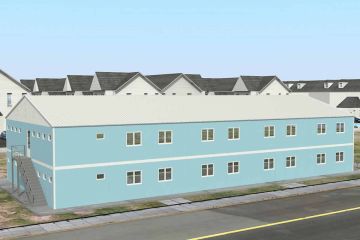
Why Modular Buildings Are in High Demand in Mexico
Mexico’s construction sector faces a unique combination of cost pressure, time sensitivity, and regional diversity. Labor availability varies significantly between industrial hubs and remote project areas, making conventional construction less predictable in both budget and schedule. Modular buildings respond directly to this challenge by shifting most production to controlled factory environments, reducing on-site labor dependency and minimizing delays.
Construction timelines are another decisive factor. Industrial and logistics projects linked to nearshoring, export manufacturing, and cross-border trade often operate on tight schedules. Modular systems allow parallel progress: while site preparation continues in Mexico, building modules are produced in the factory. This overlap shortens total project duration and supports faster operational readiness.
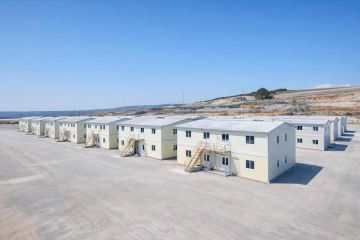
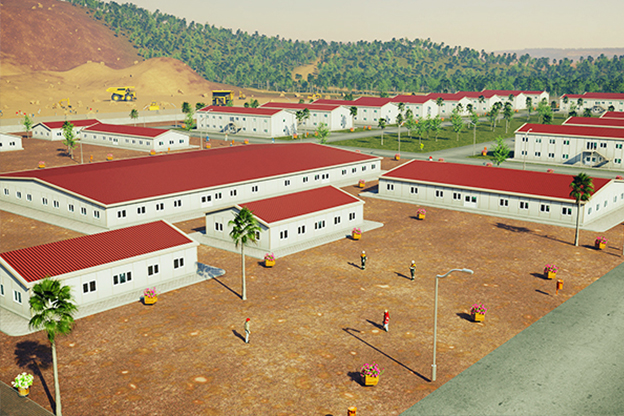
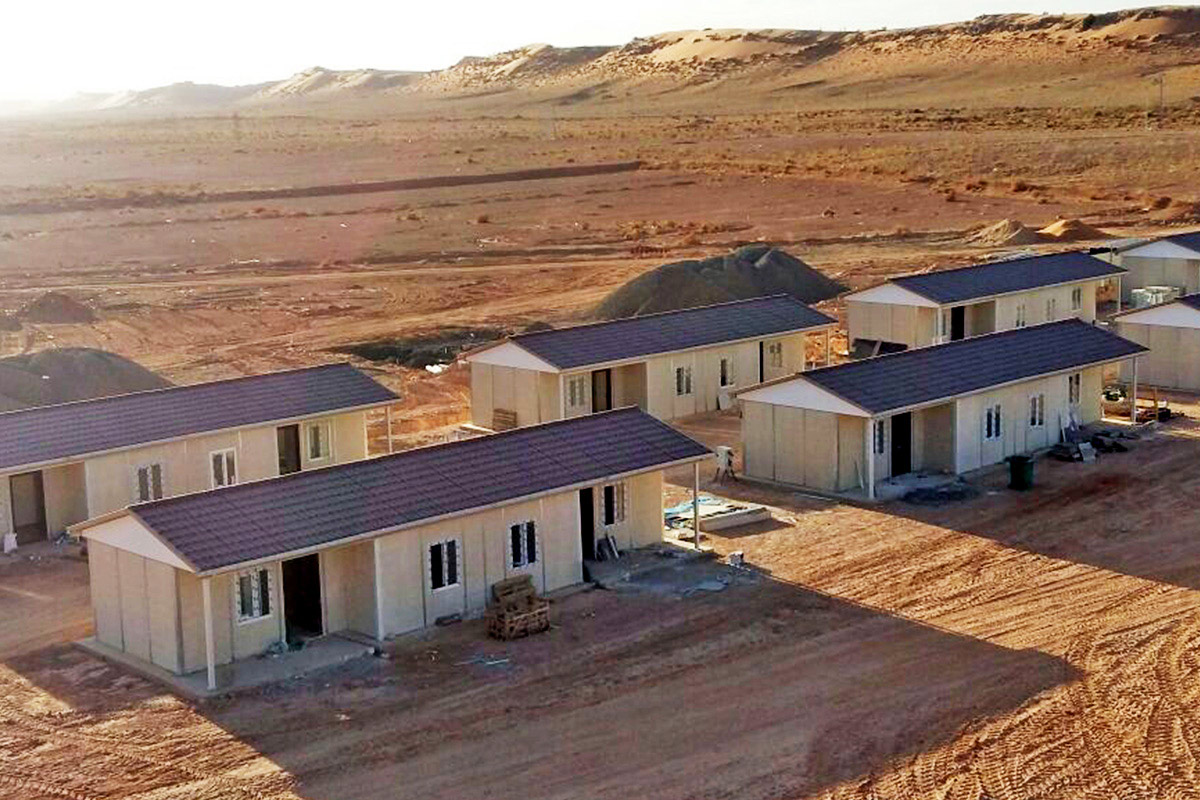
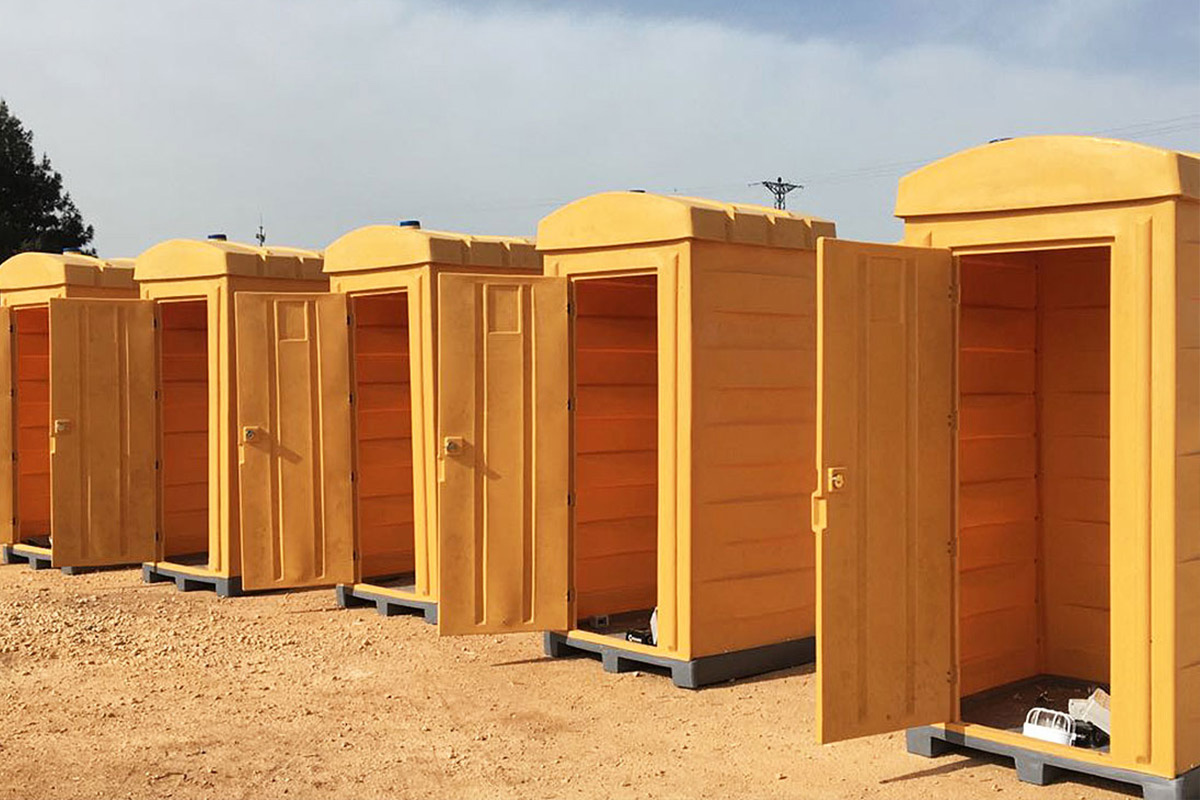
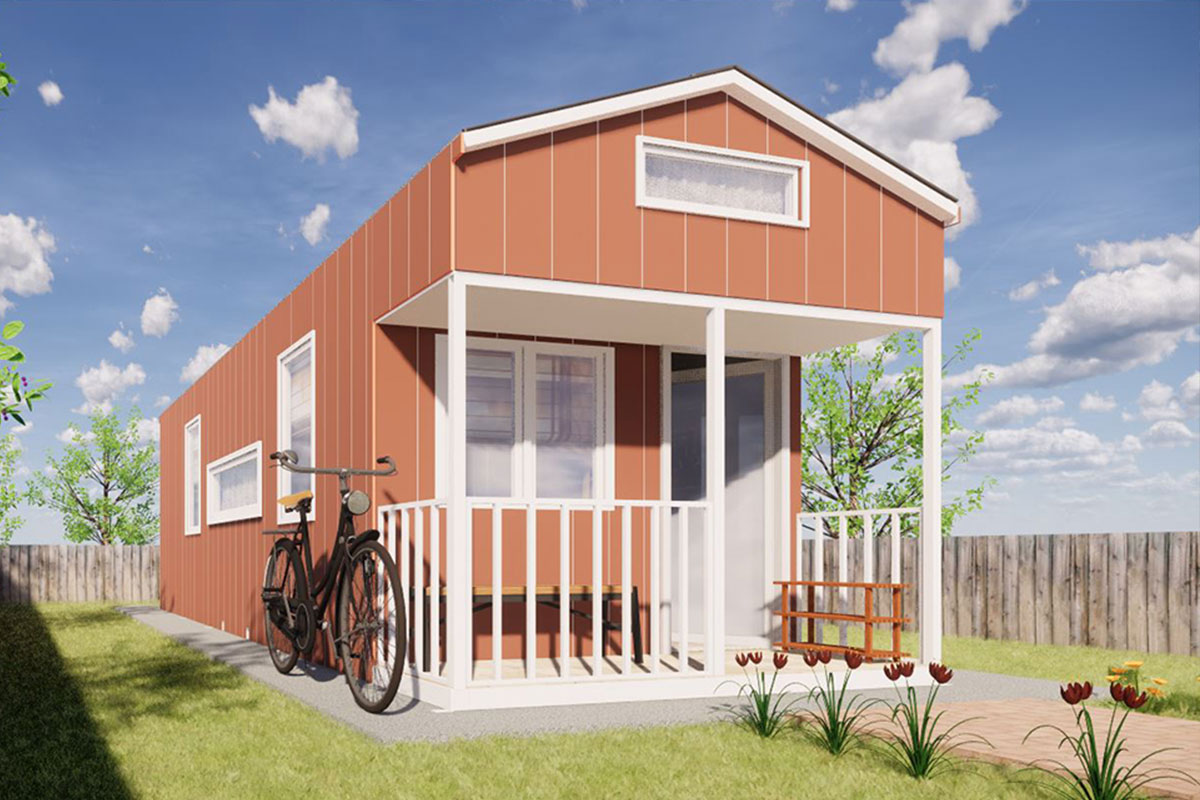
Mexico also requires both temporary and permanent building solutions. Mining sites, energy projects, and infrastructure works frequently need relocatable facilities such as site offices or accommodation units, while industrial parks and public institutions demand permanent, code-compliant structures. Modular buildings cover both needs with flexible configurations that can later be expanded, relocated, or repurposed.
Country-specific sectors further increase demand. Logistics and warehousing near ports and border crossings, automotive and electronics manufacturing clusters, public sector facilities, and renewable energy projects all benefit from standardized, rapidly deployable buildings that perform reliably across Mexico’s varied climates.
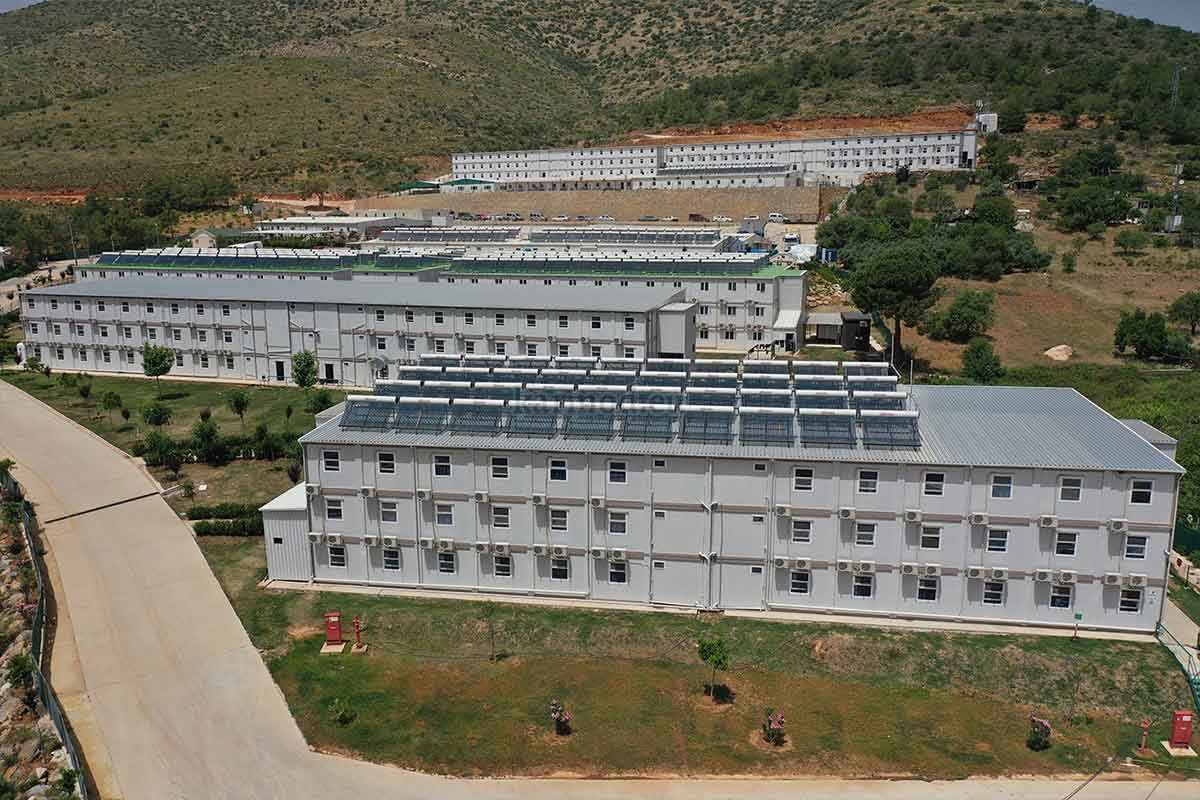
Modular Buildings vs. Prefabricated Building Systems
While the terms are often used together, modular buildings and prefabricated building systems serve different structural and operational priorities.
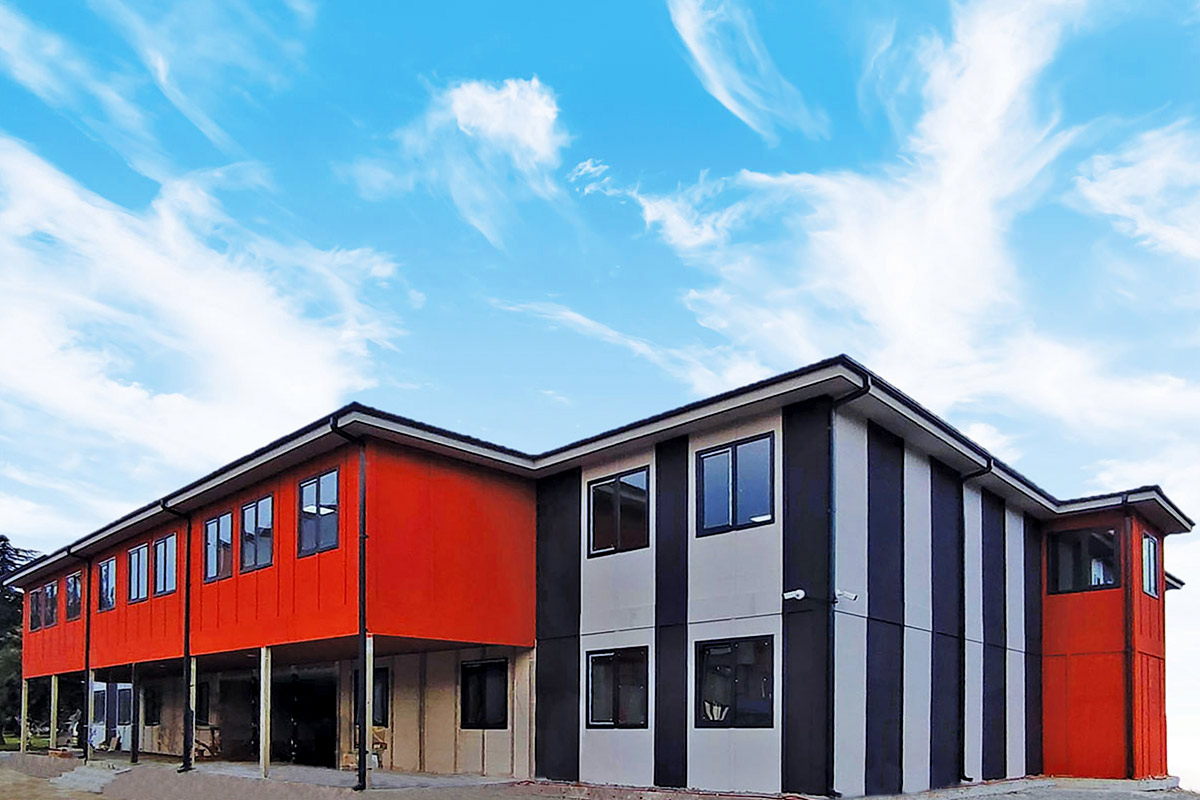
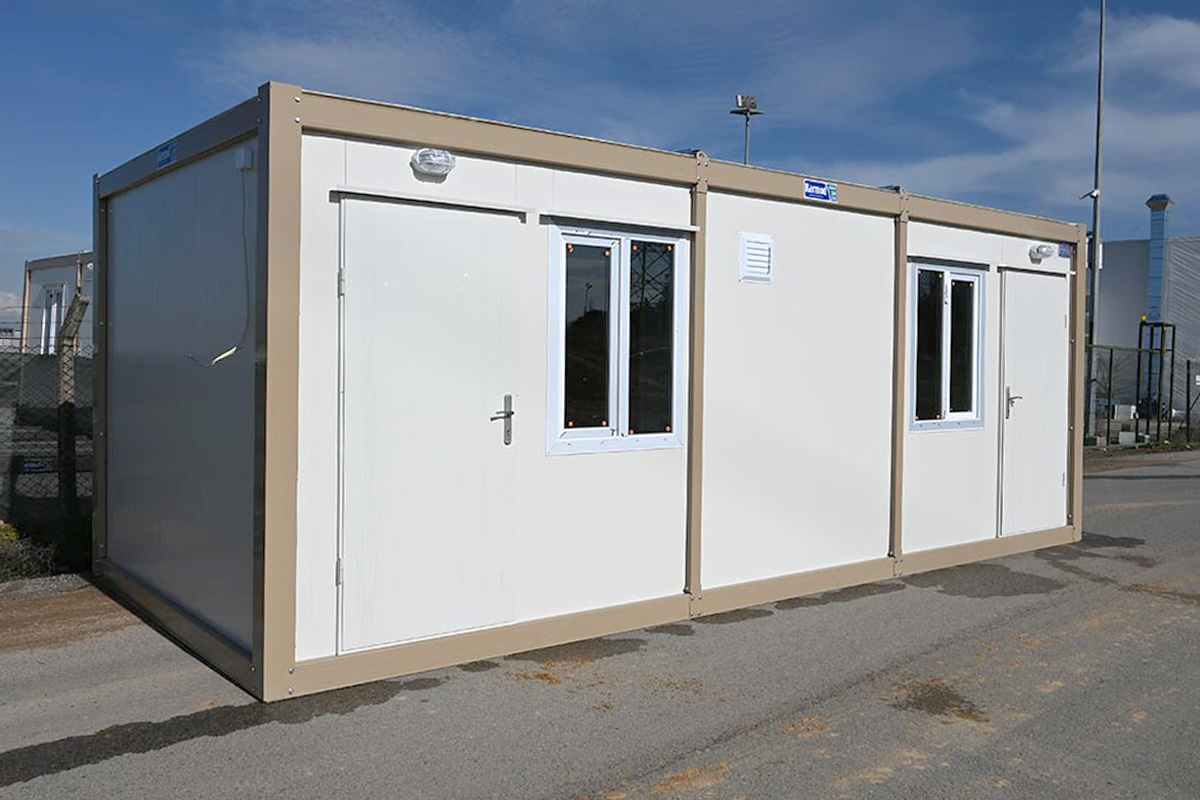
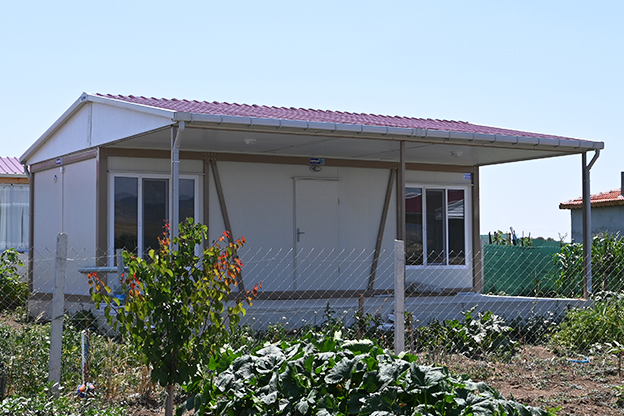
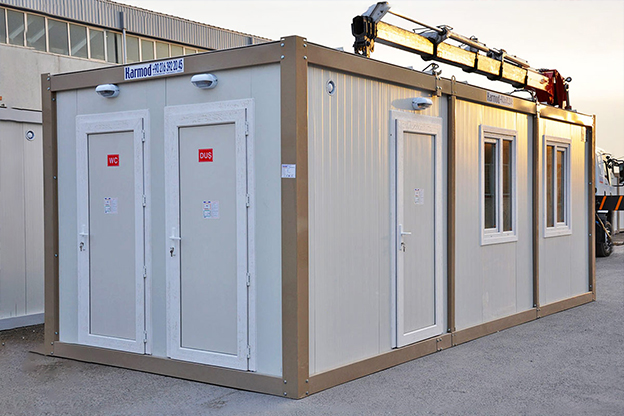
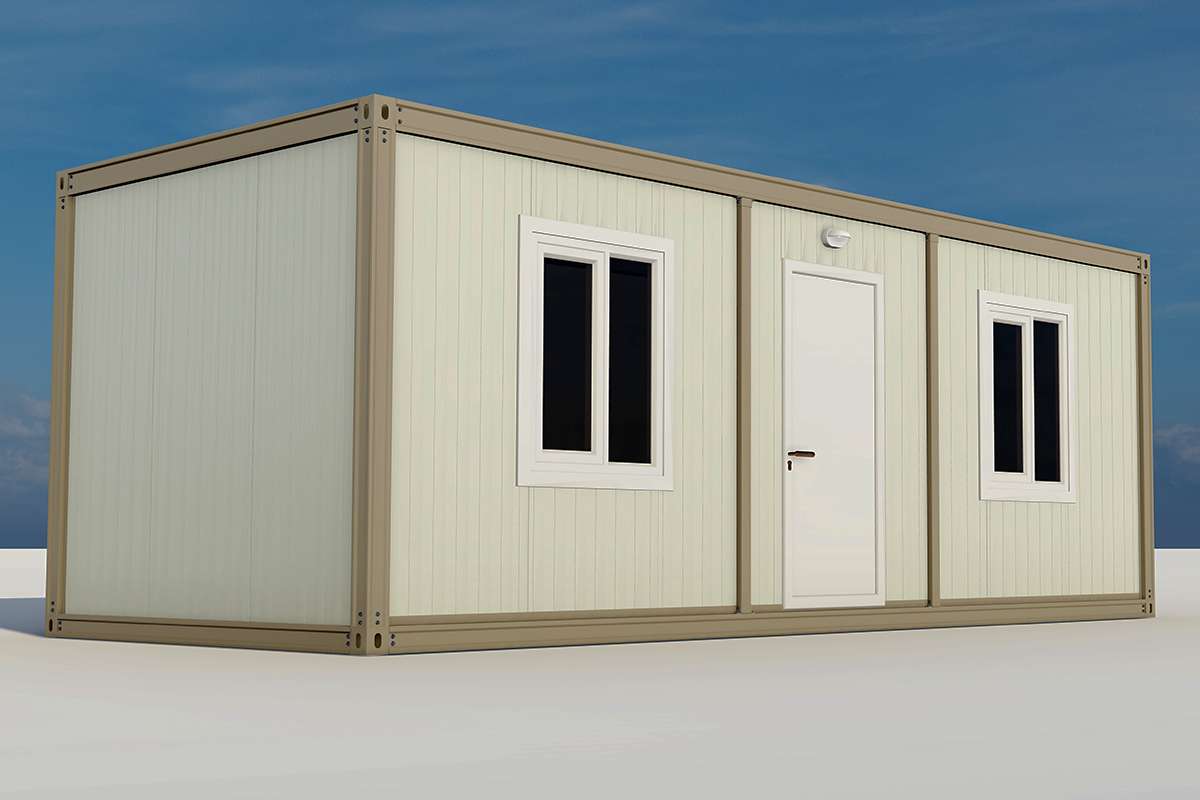
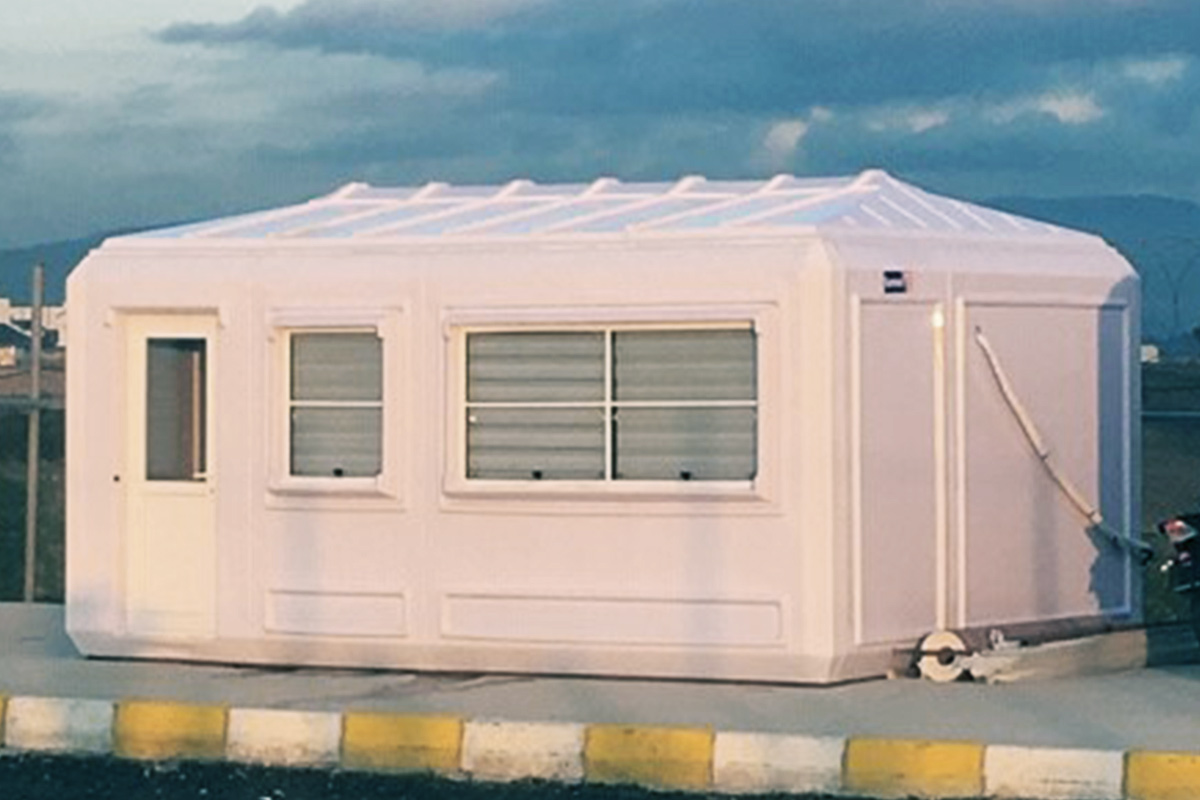
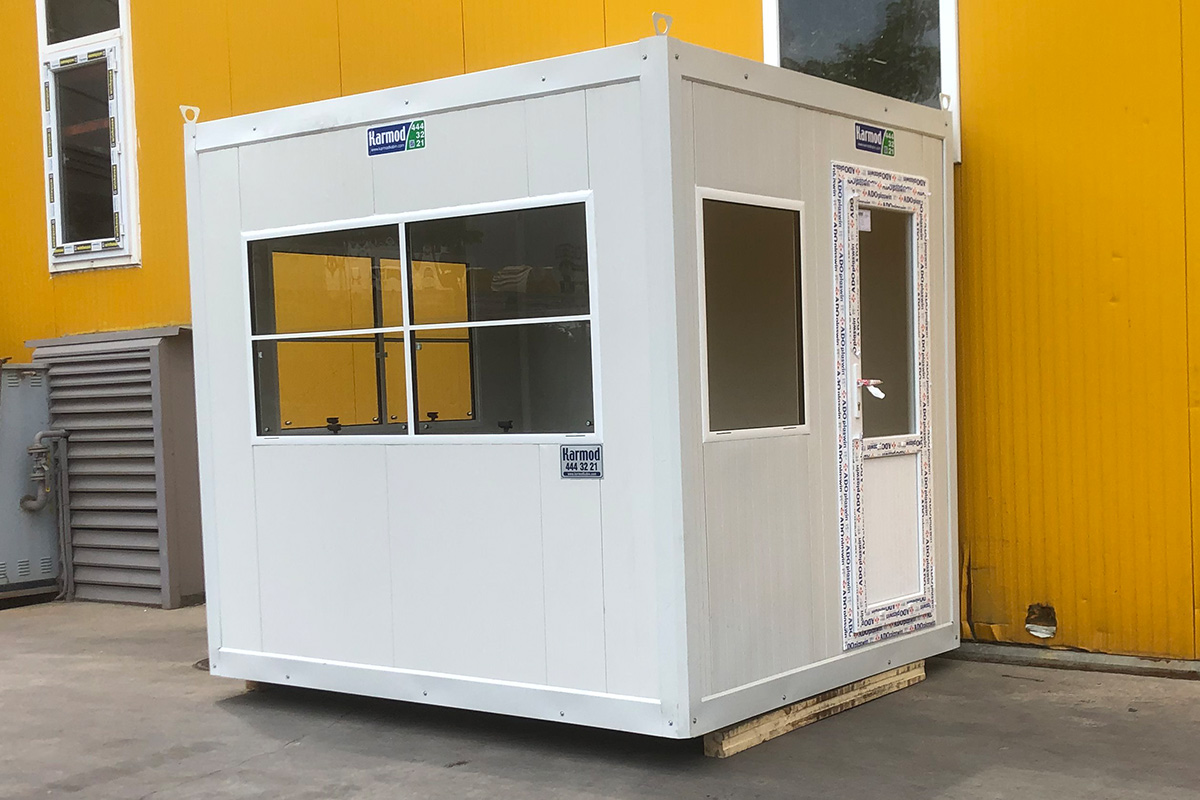
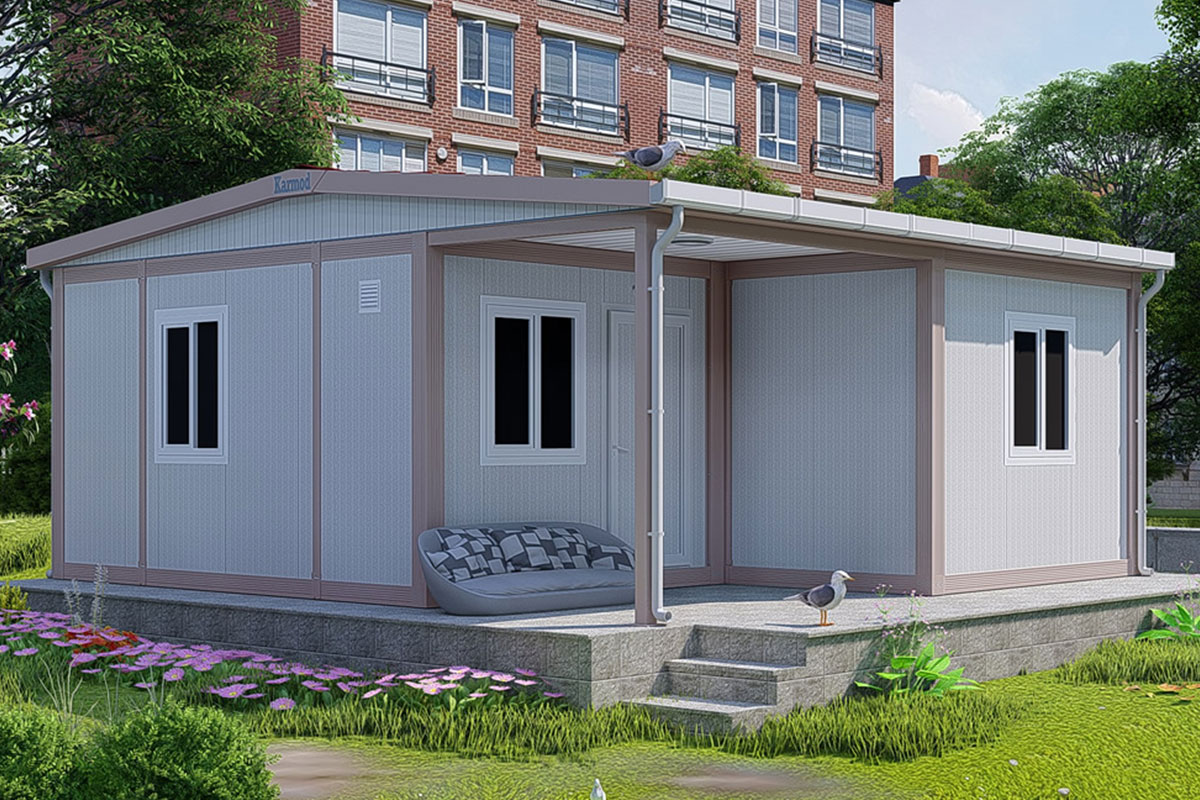
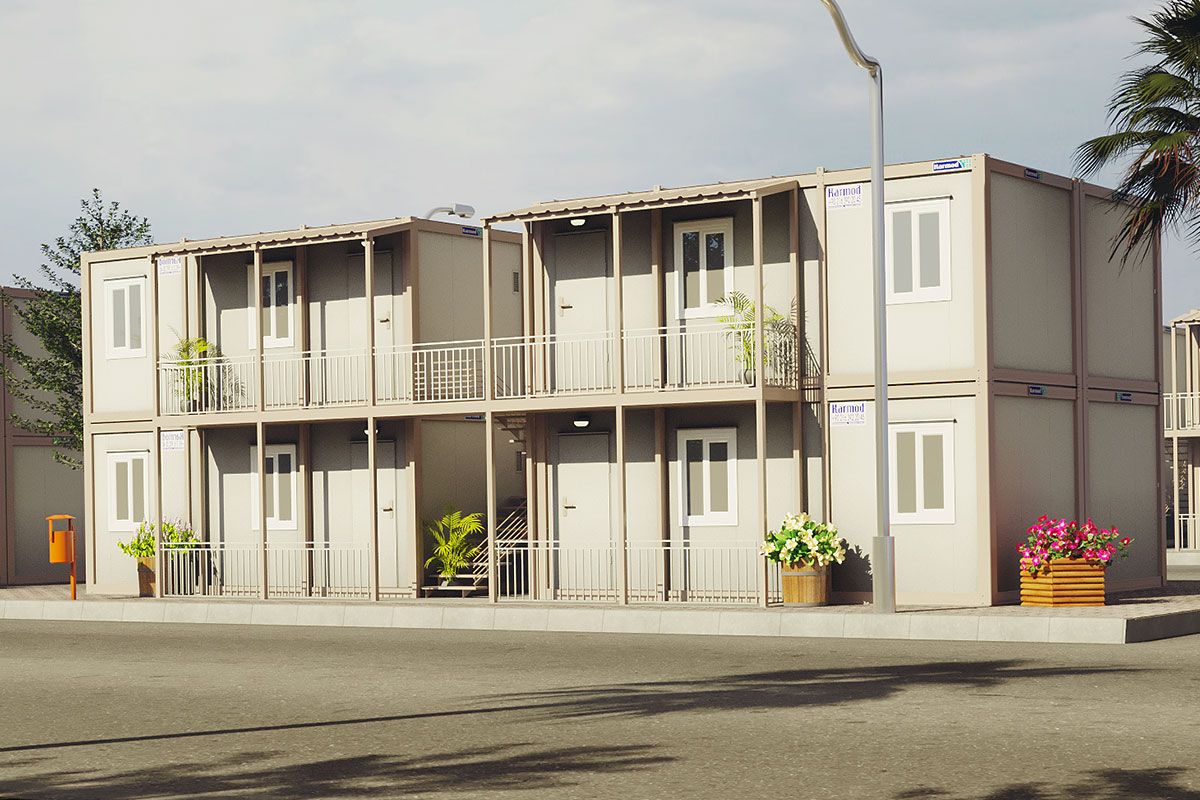
Modular buildings are produced as volumetric units. Each module is fully manufactured in the factory, including structural elements, insulation, and interior finishes. These modules are transported to the site and assembled quickly. Their key advantages include mobility, scalability, and the ability to expand or relocate with minimal disruption. In Mexico, this makes modular buildings especially suitable for industrial projects, logistics facilities, and remote-site operations.
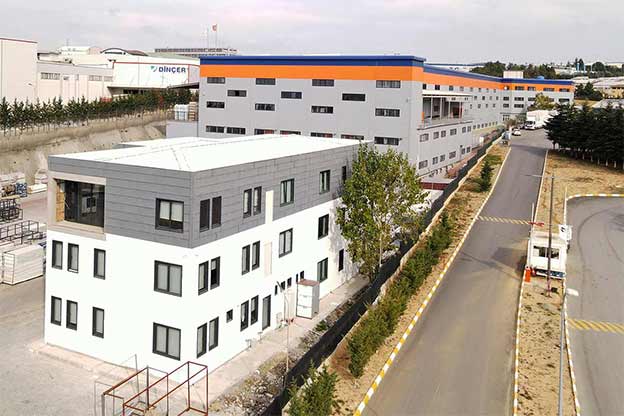
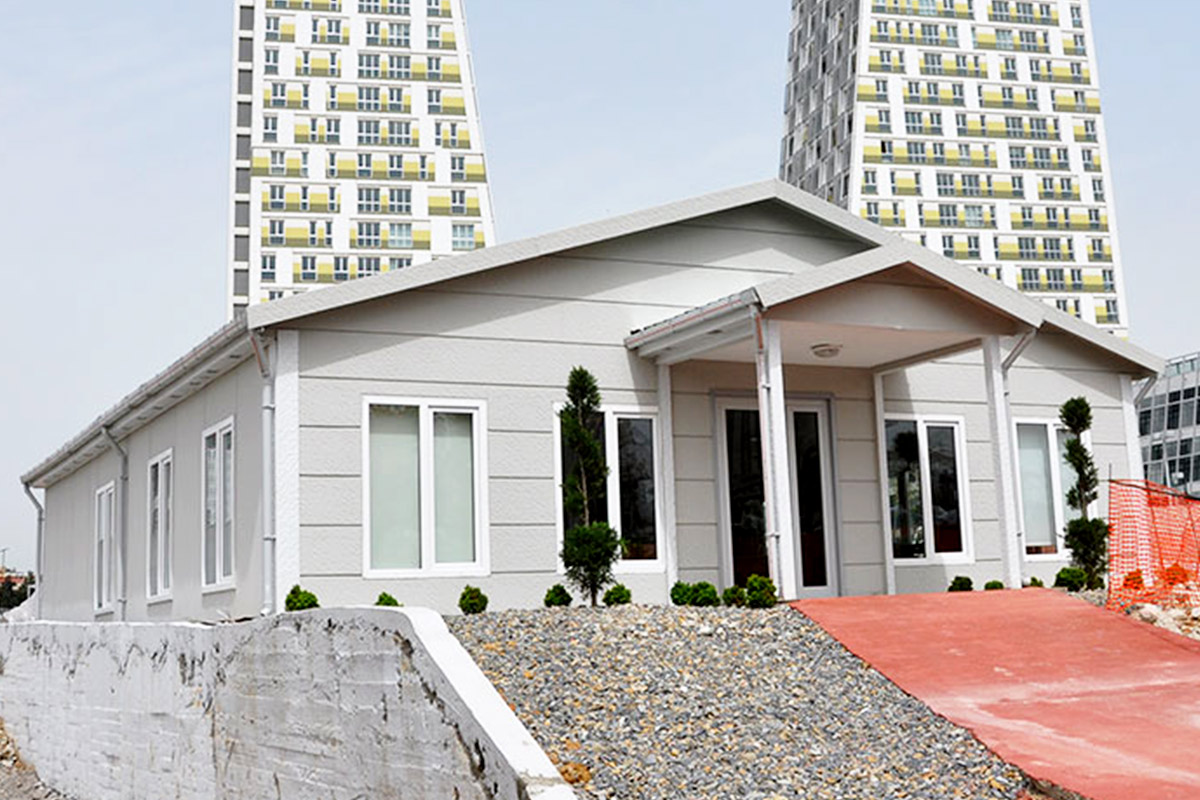
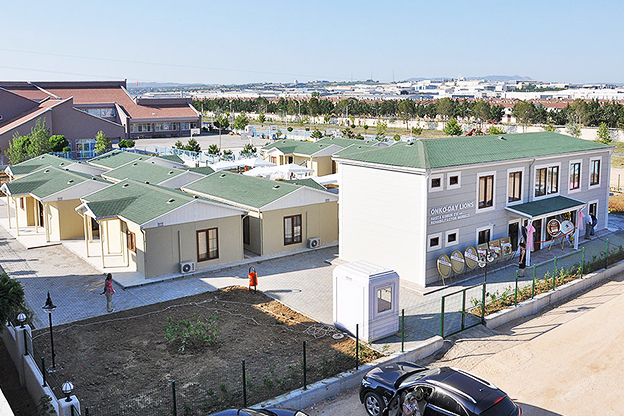
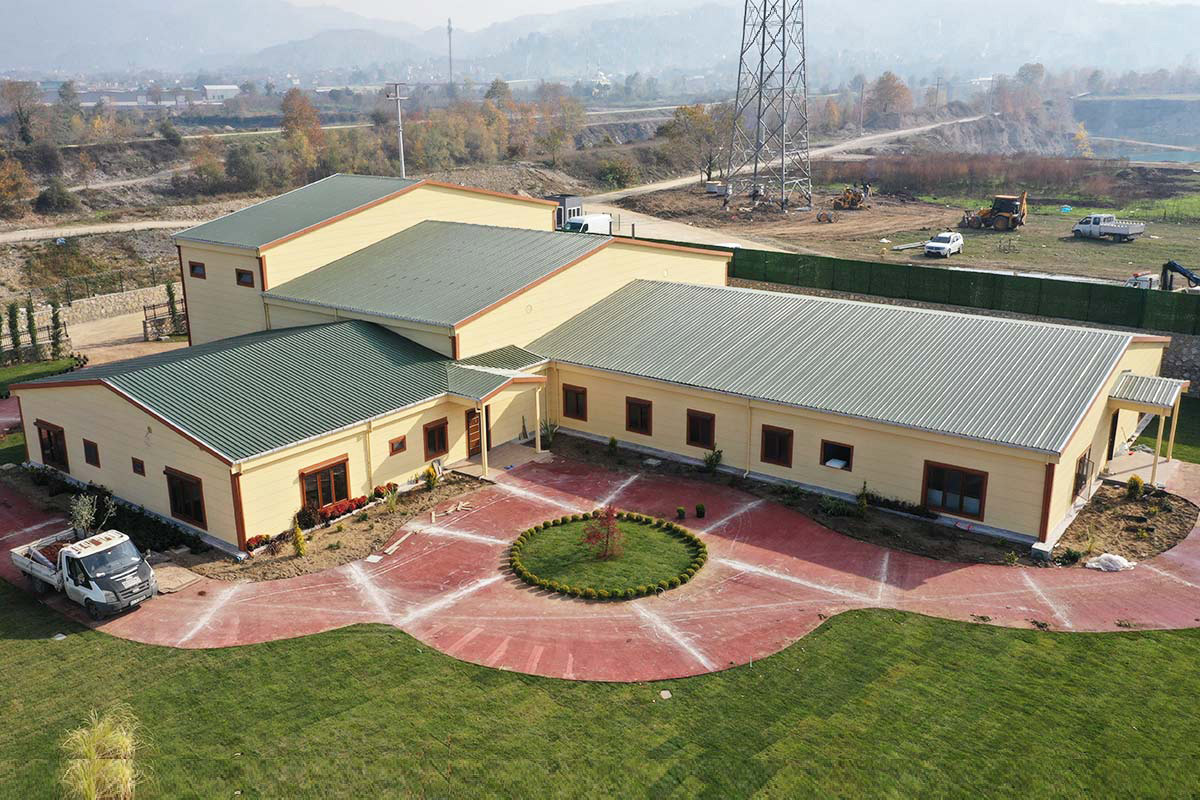
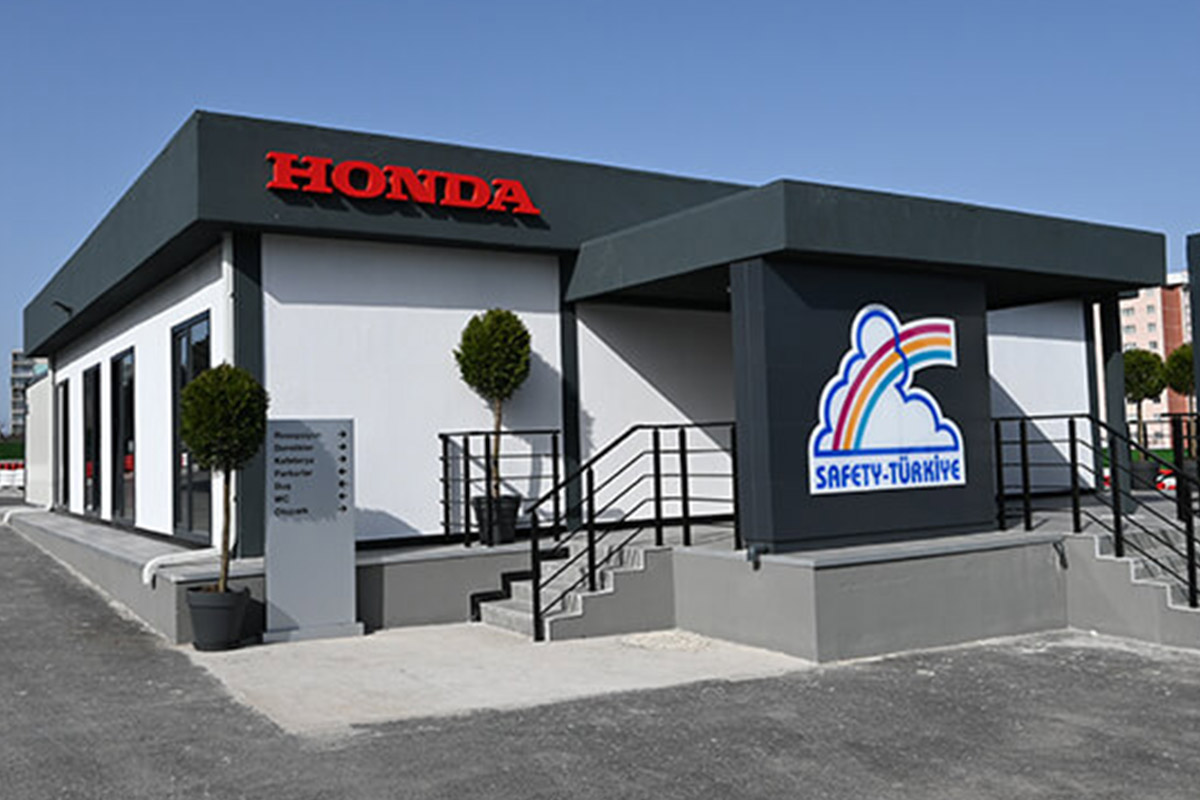
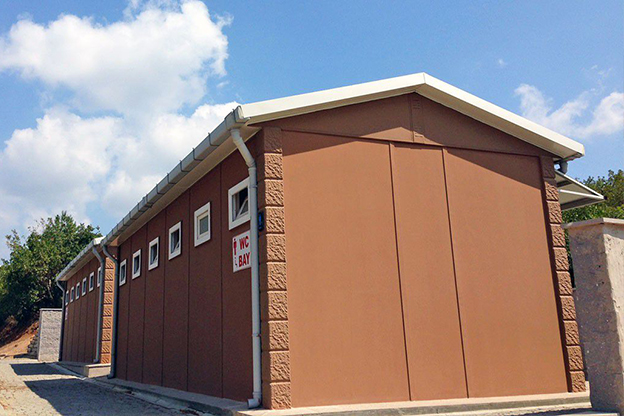
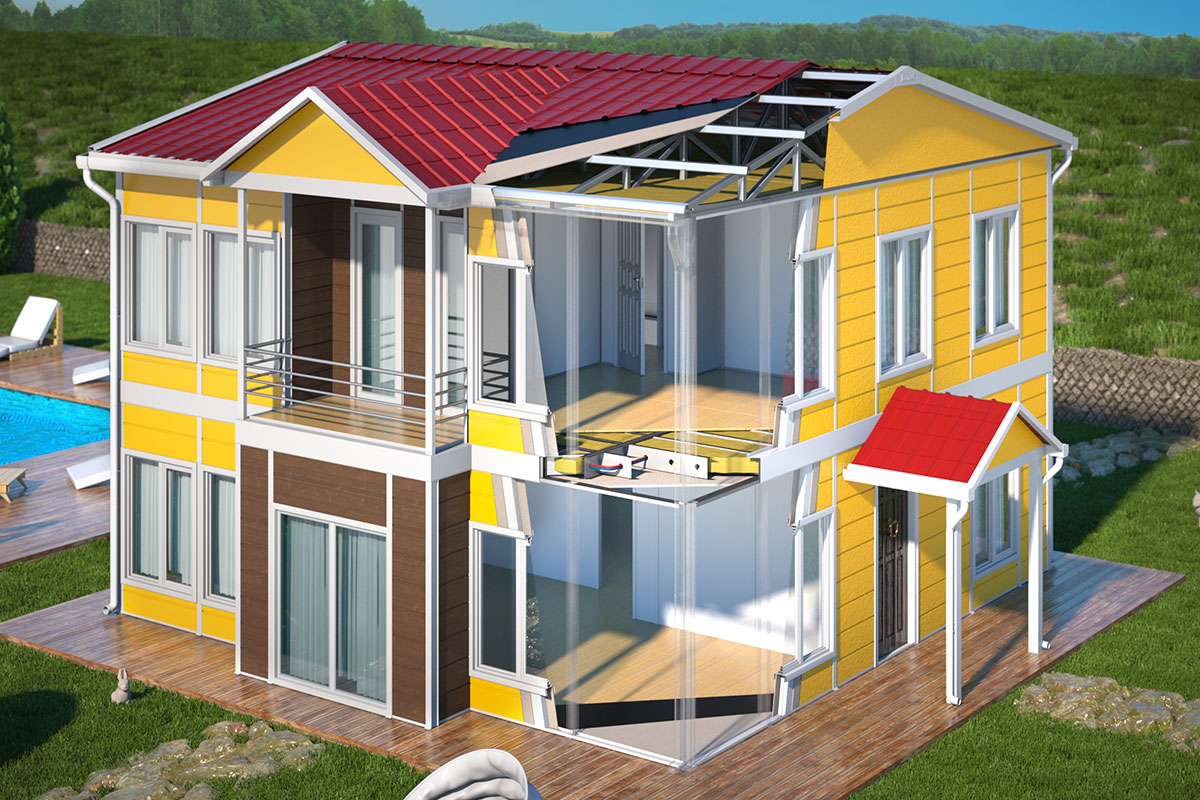
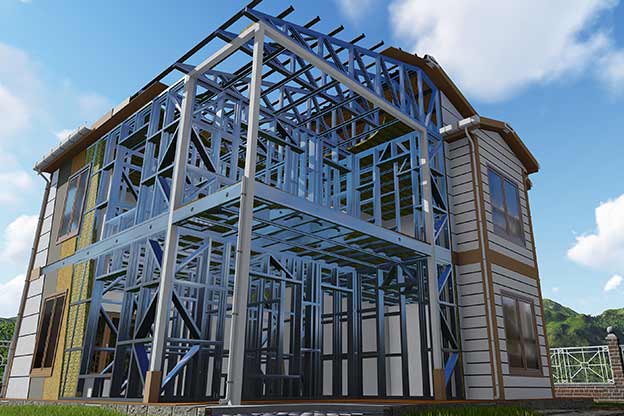
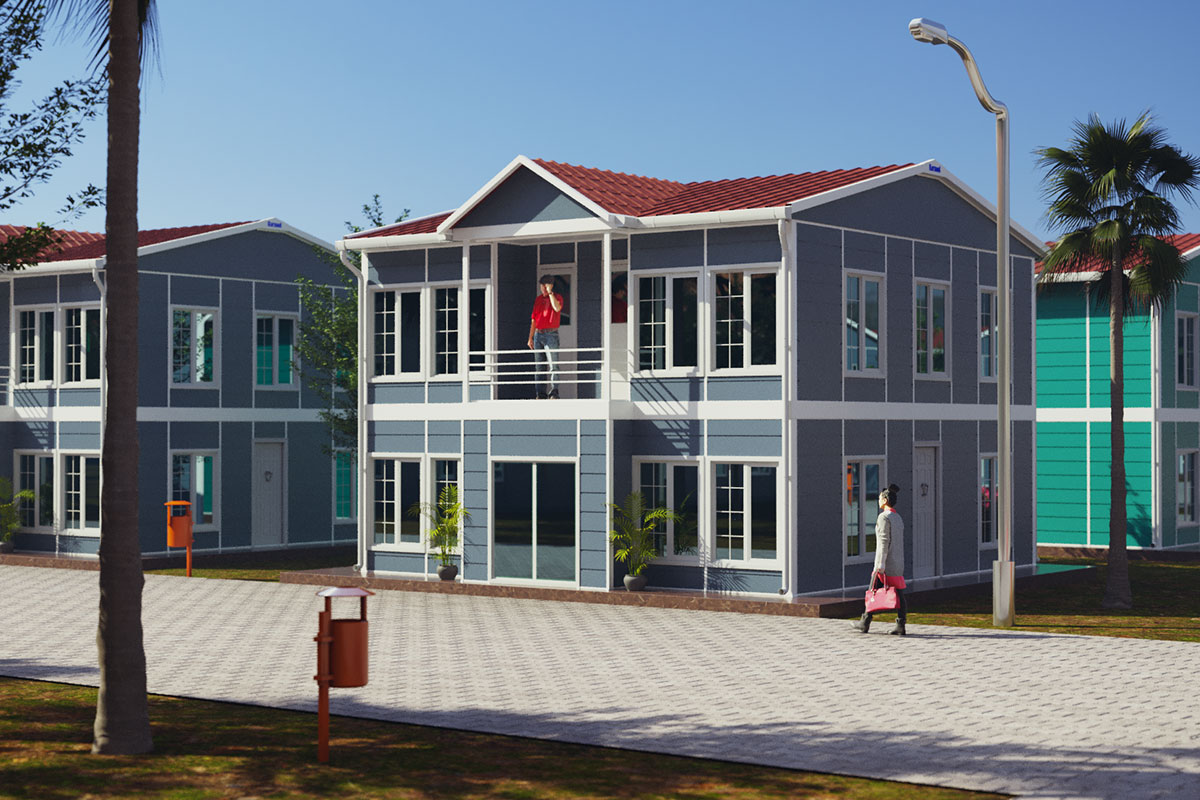
Prefabricated building systems, by contrast, are based on panels or structural components. Walls, floors, and roof elements are manufactured off-site and assembled permanently on location. This approach offers high architectural flexibility and is often chosen for long-term facilities where relocation is not expected. For public buildings, permanent offices, and social infrastructure in Mexico, prefabricated building solutions provide durability and design adaptability.
In practice, the choice depends on use case. Projects that require speed, adaptability, or future relocation tend to favor modular buildings. Developments focused on permanence and architectural integration often prefer prefabricated building systems.
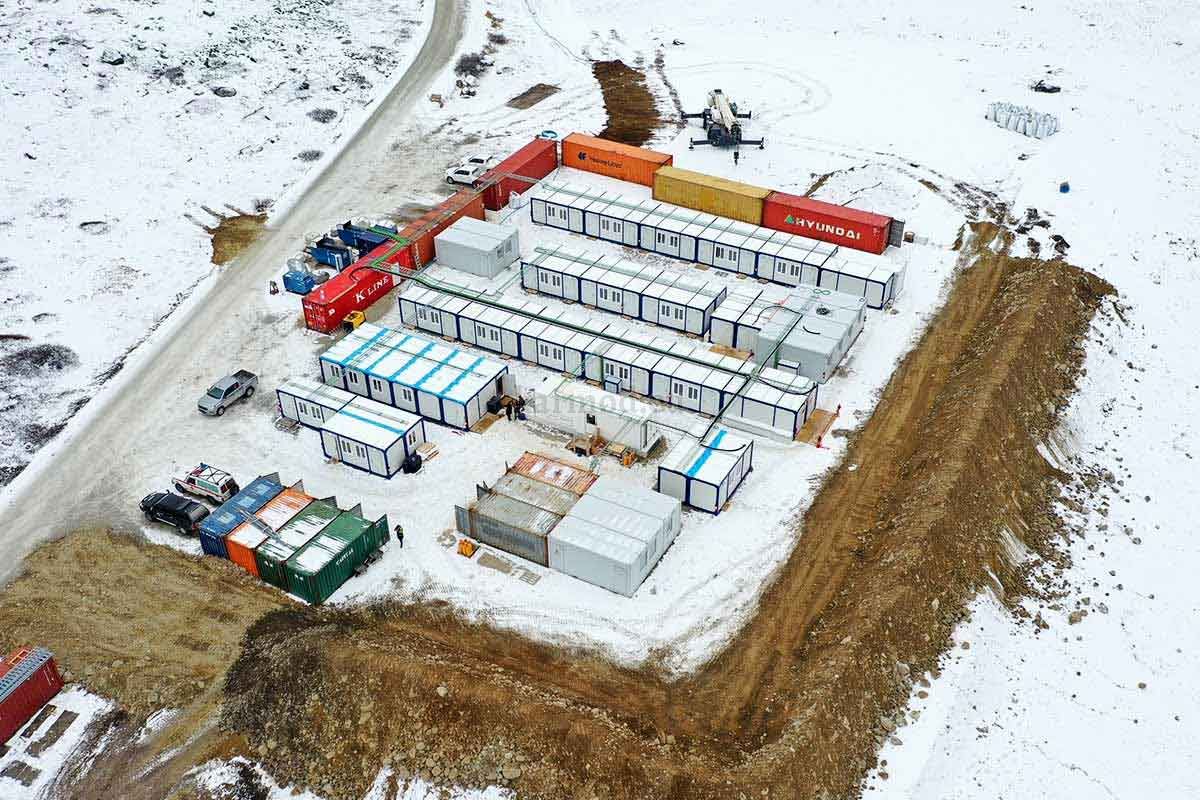
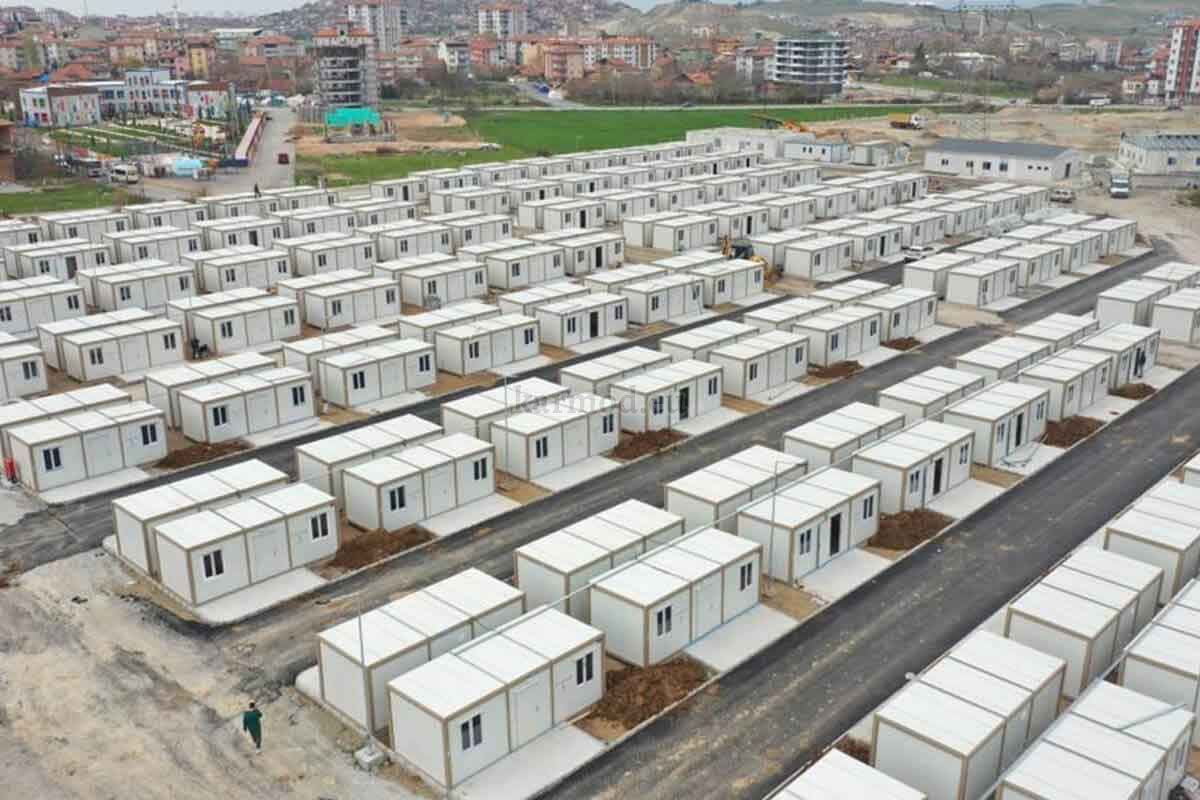
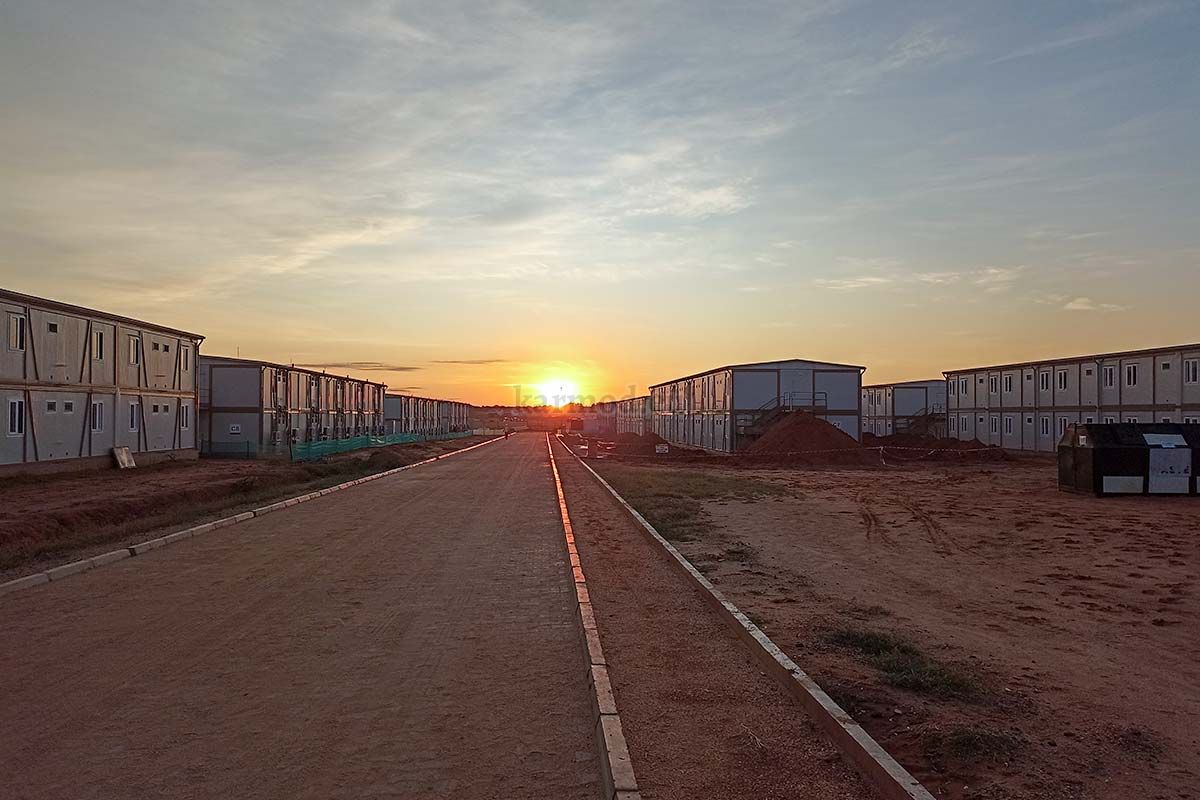
Applications of Modular and Prefabricated Buildings in Mexico
Across Mexico, these systems are applied in a wide range of professional and institutional contexts:
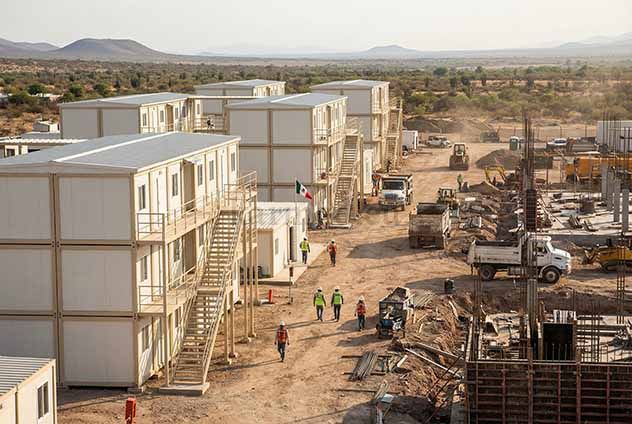
- Site offices & construction camps for infrastructure, energy, and industrial projects
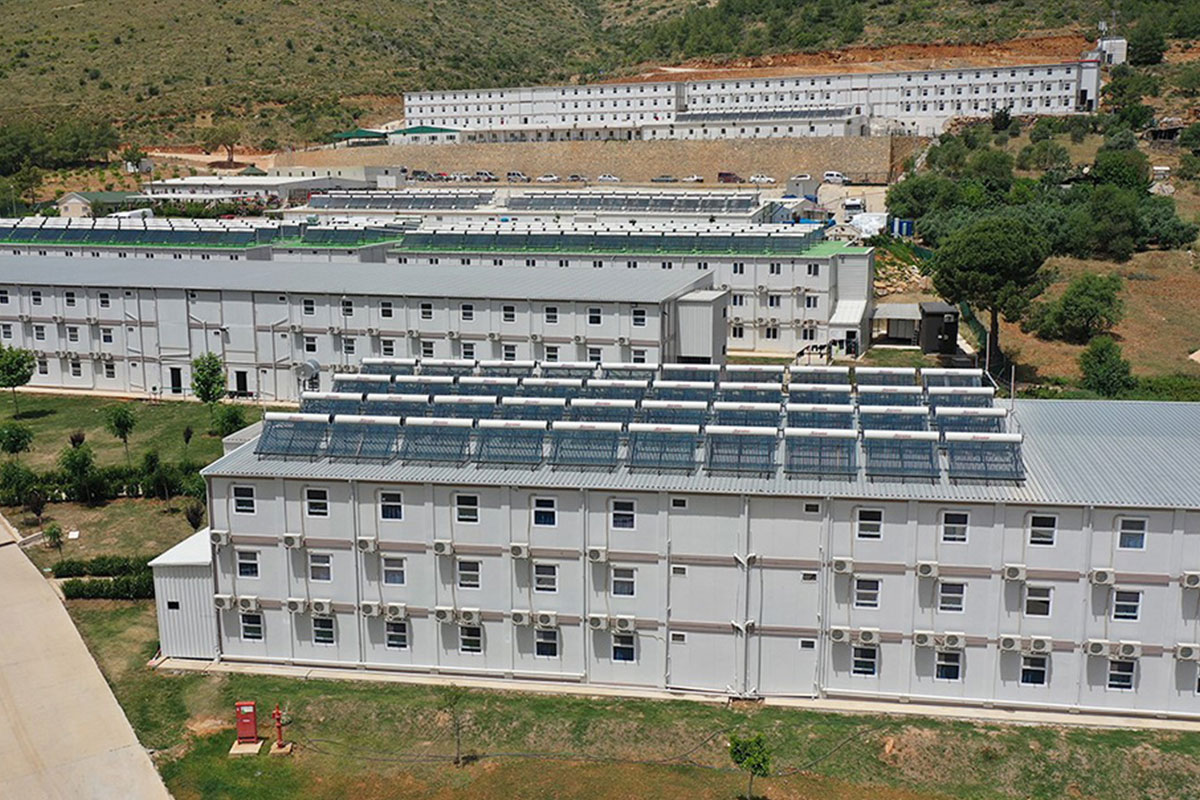
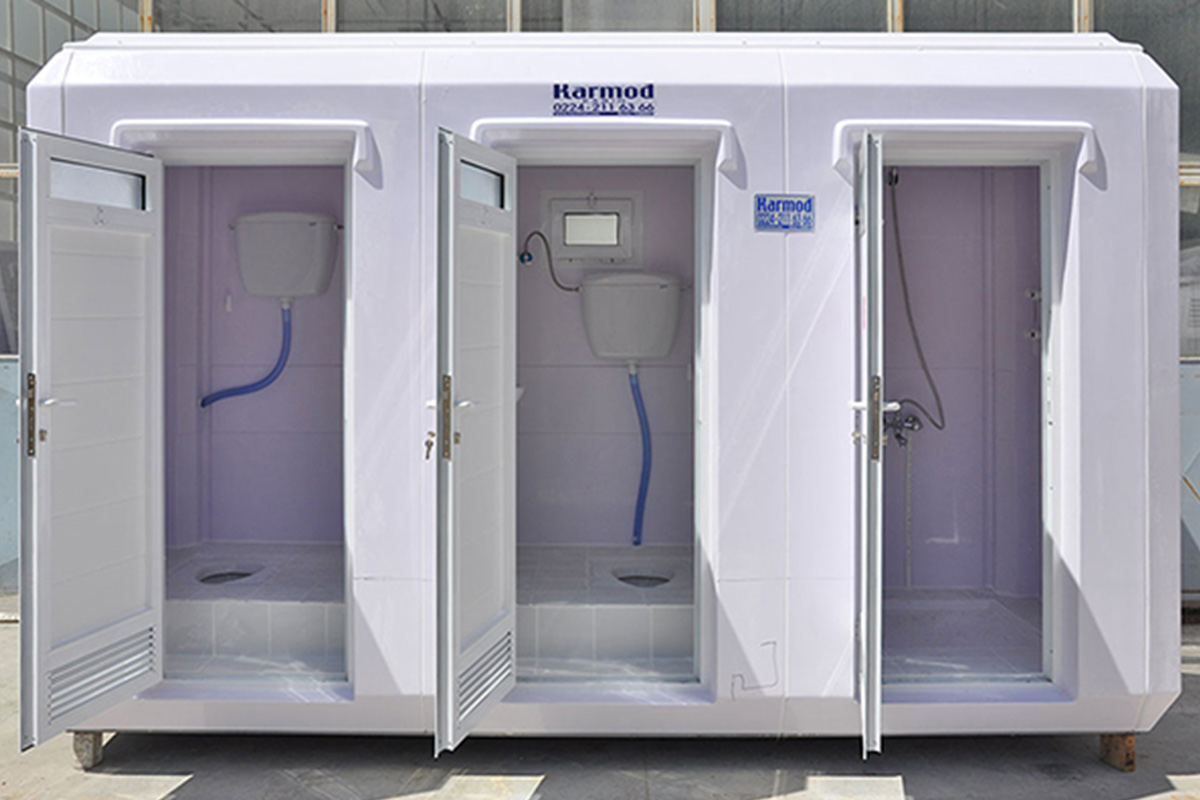
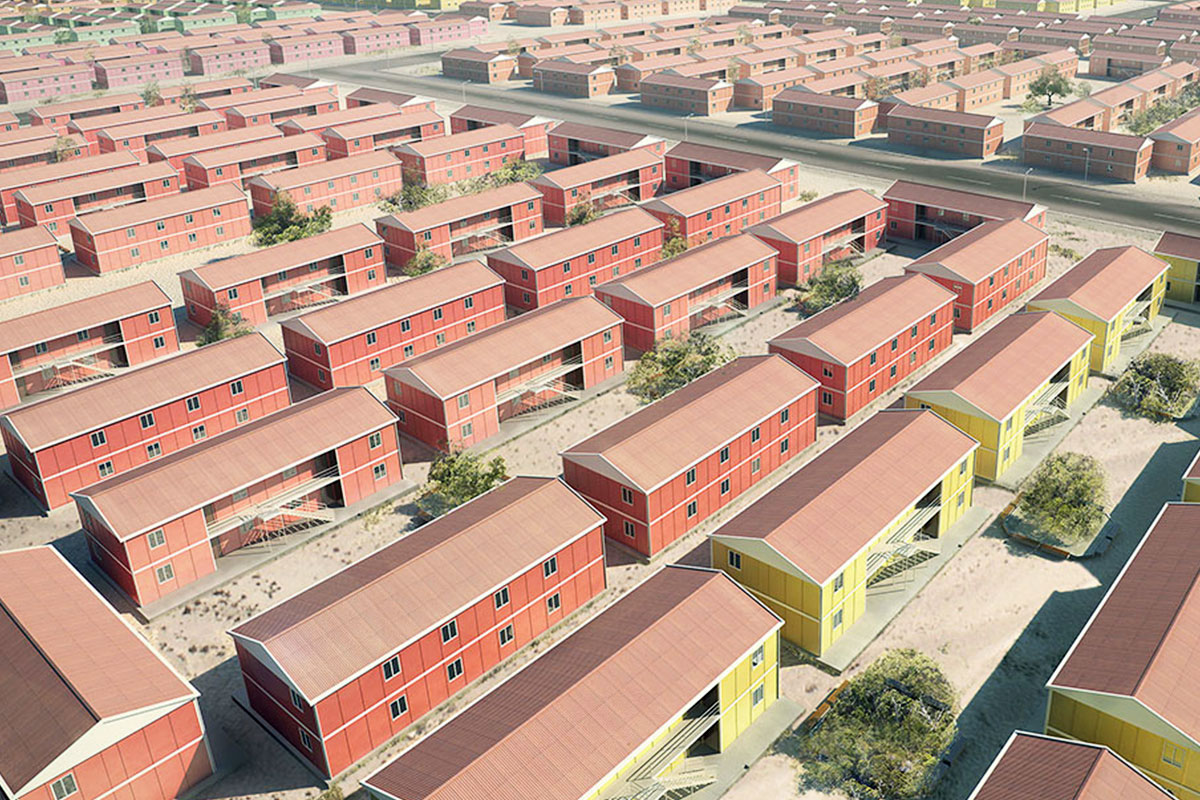
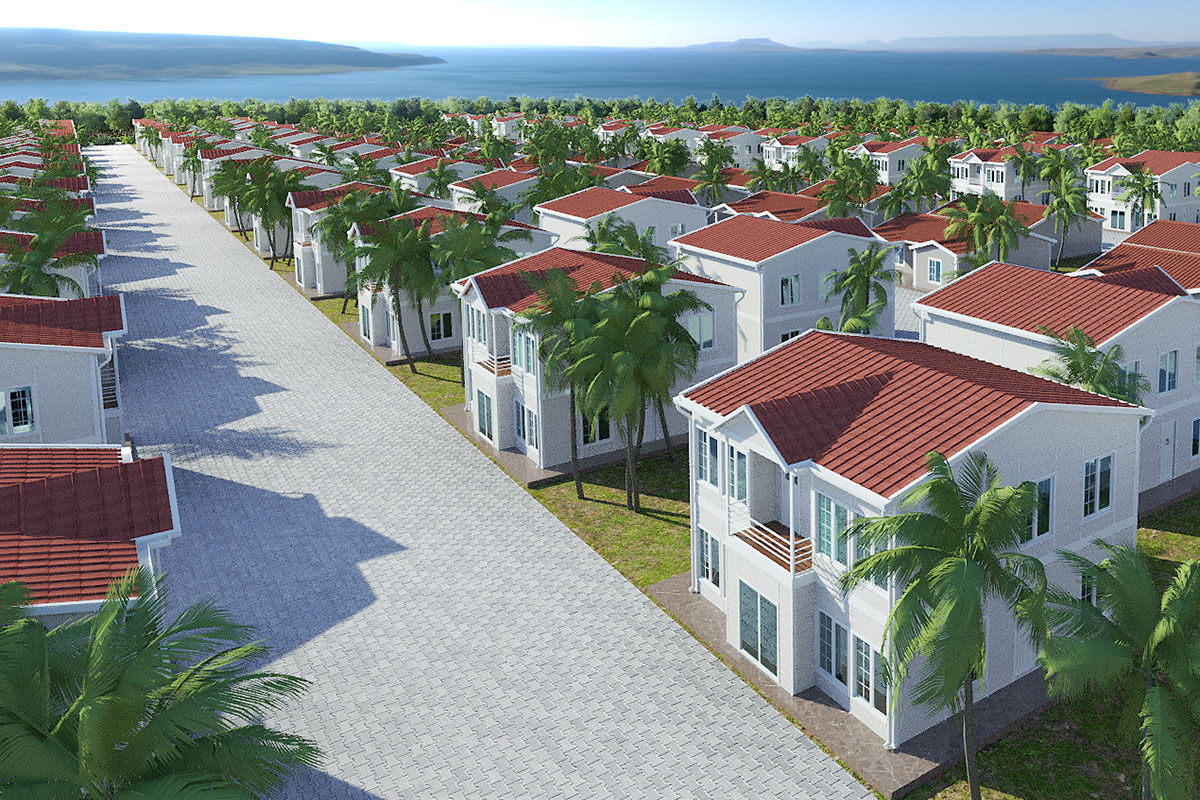
- Worker accommodation buildings supporting large-scale developments and remote operations
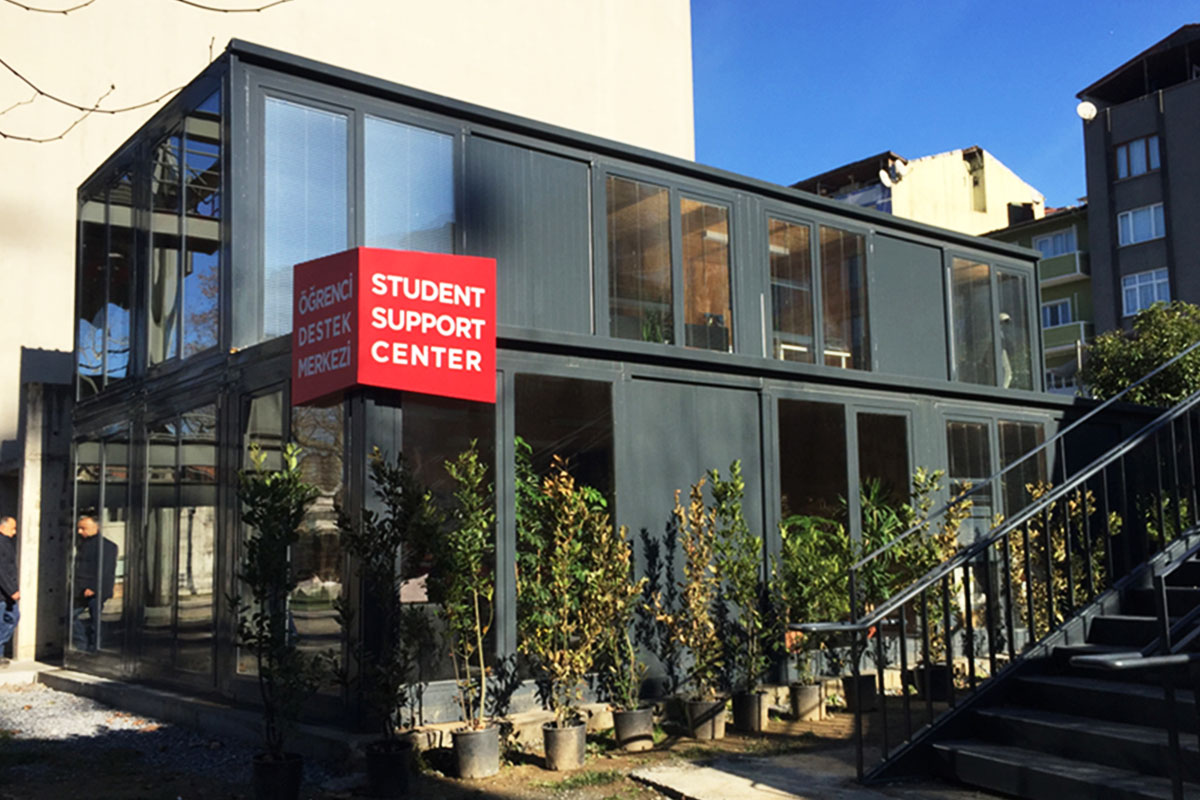
- Temporary schools & healthcare units responding to regional growth and public needs
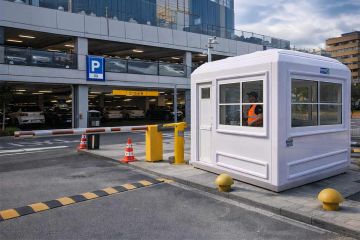
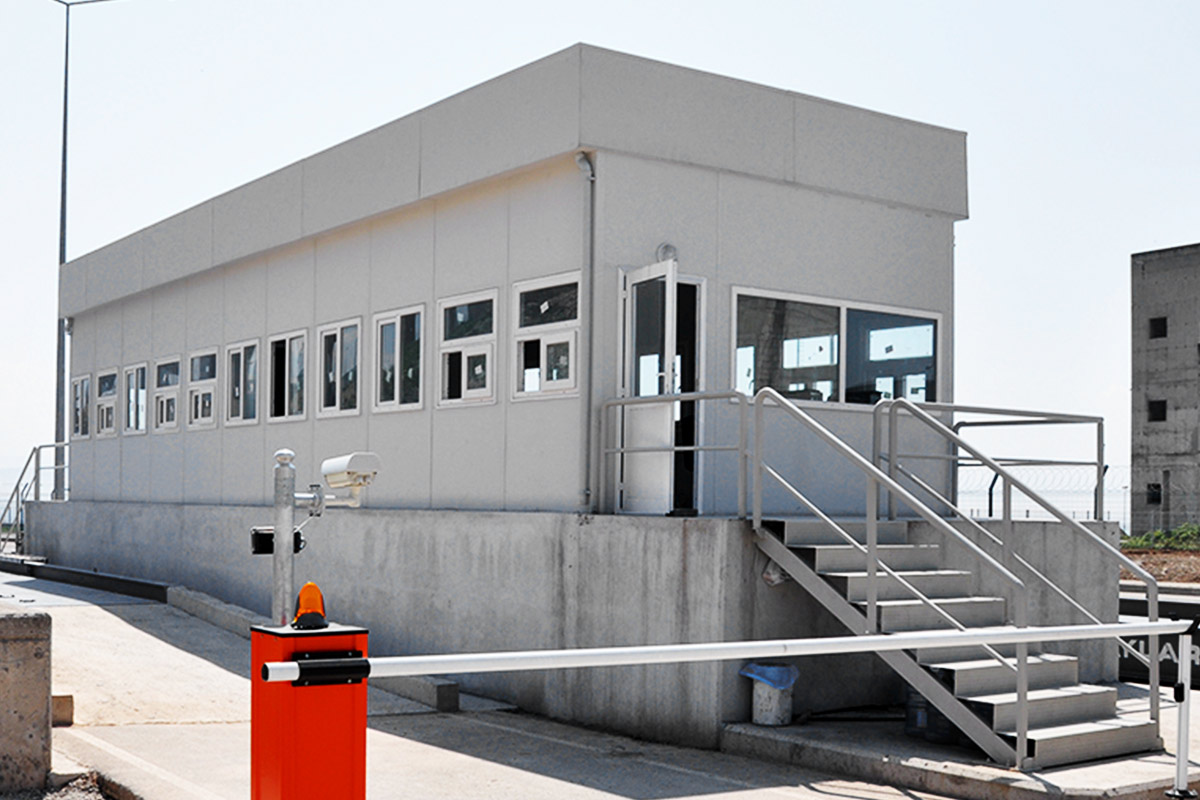
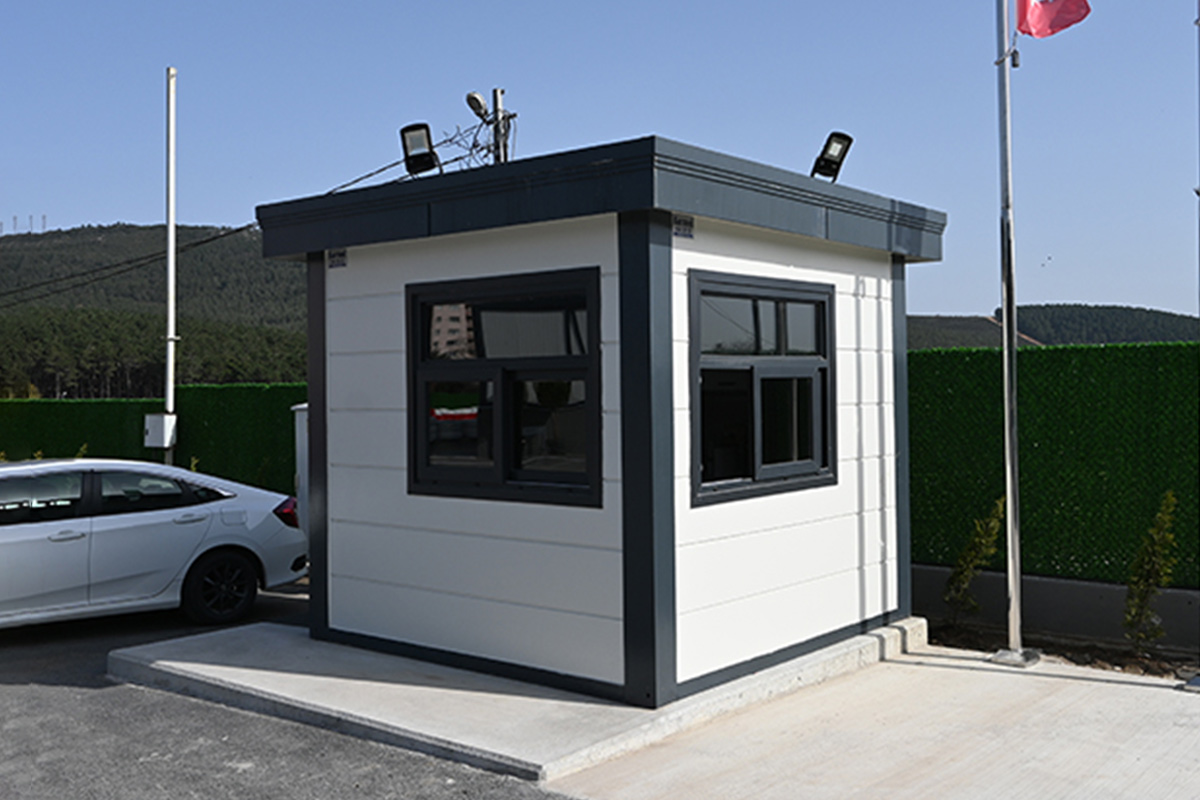
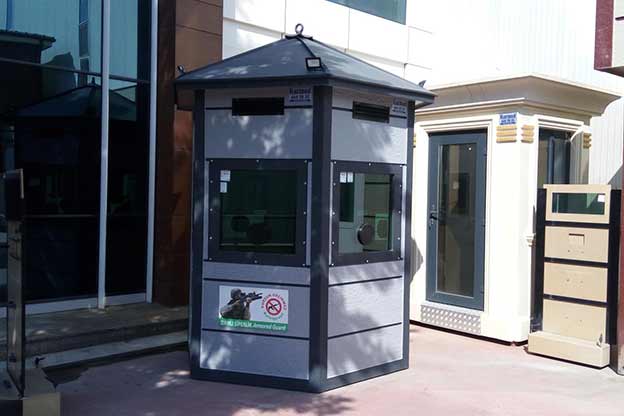
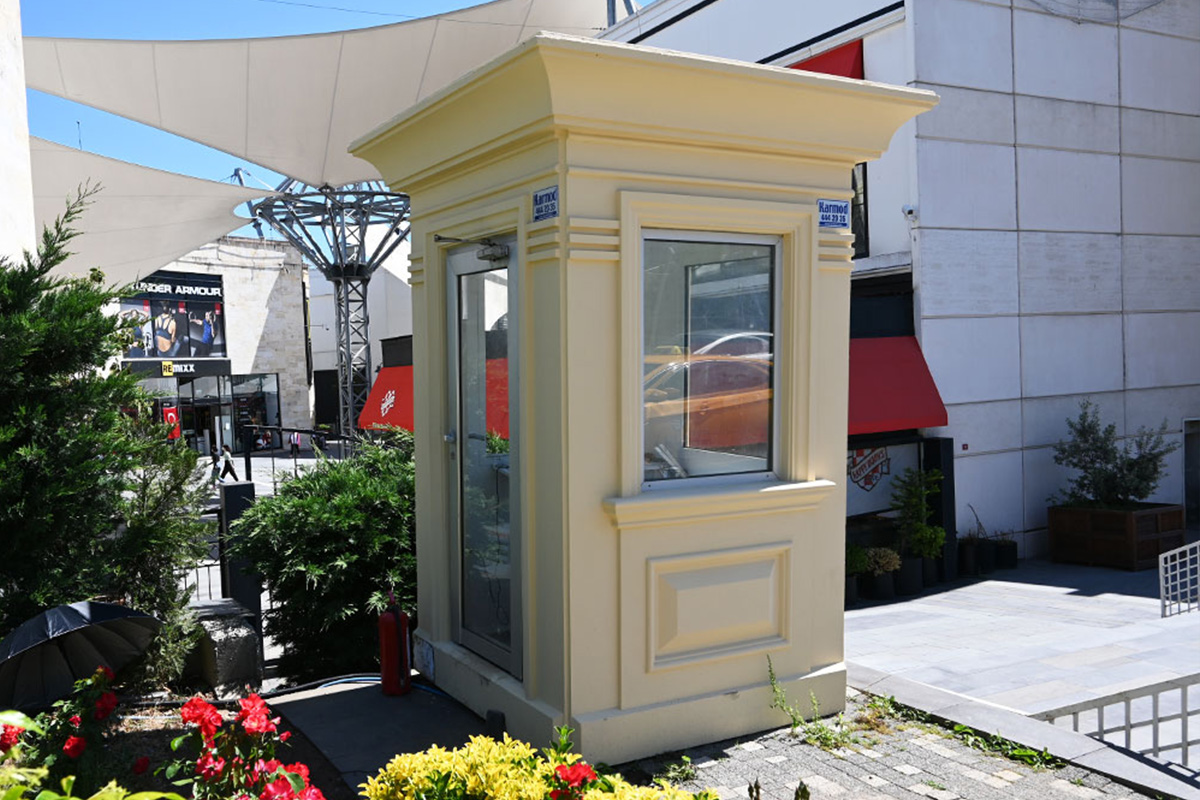
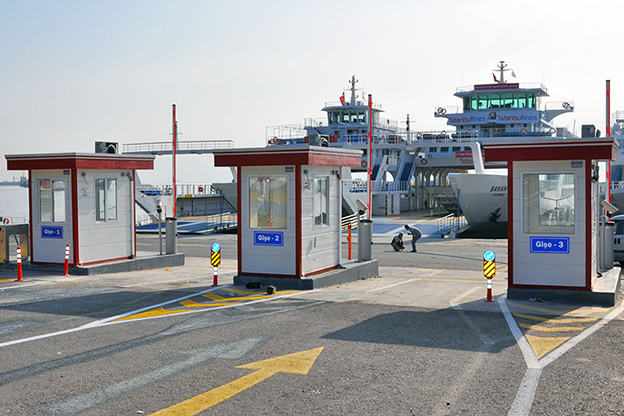
- Security buildings & technical units for controlled access and operational safety
- Storage and logistics facilities near ports, borders, and industrial corridors
This diversity of applications shows how modular and prefabricated solutions have moved beyond niche use, becoming a mainstream construction strategy in Mexico.
From Design to Installation: How the Process Works
The process begins with a detailed project needs analysis. Functional requirements, occupancy levels, local regulations, and climate conditions in Mexico are assessed to define the most suitable building approach.
Next comes custom design and specifications. Layouts, insulation levels, fire safety measures, and technical systems are tailored to the project’s purpose and location. This stage ensures compliance with both international standards and local expectations.
Factory production follows, where building components or modules are manufactured under controlled conditions. Quality consistency, material efficiency, and schedule reliability are key advantages at this stage.
Once production is complete, the units are delivered to Mexico using planned logistics routes that account for regional access and site constraints. On-site installation is then carried out efficiently, often within days rather than months, allowing projects to become operational quickly.
Key Considerations for Modular Buildings in Mexico
Thermal insulation is critical due to Mexico’s varied climate zones, ranging from hot coastal regions to cooler highland areas. Proper insulation ensures energy efficiency and occupant comfort.
Fire safety standards must align with both international norms and local regulations. Factory-controlled production supports consistent application of certified materials and systems.
Climate suitability goes beyond temperature. Wind loads, humidity, and seismic considerations are addressed during design to ensure long-term structural performance.
Custom layouts allow buildings to reflect operational workflows rather than forcing teams to adapt to rigid structures. This flexibility is a major reason modular buildings are increasingly specified in Mexico.
With experience gained across multiple international markets, Karmod has developed modular and prefabricated solutions that respond to these technical and operational considerations. Drawing on European project expertise, Karmod modular building solutions are designed to balance speed, durability, and adaptability for markets like Mexico. The company’s approach emphasizes engineering quality and long-term usability rather than short-term construction gains, making Karmod a reference point for organizations evaluating modular strategies in the Mexican market.
As Mexico continues to invest in industrial growth, logistics infrastructure, and public facilities, modular buildings and prefabricated building systems offer a clear pathway for organizations seeking reliable, scalable, and professionally executed construction solutions tailored to the country’s evolving needs.