






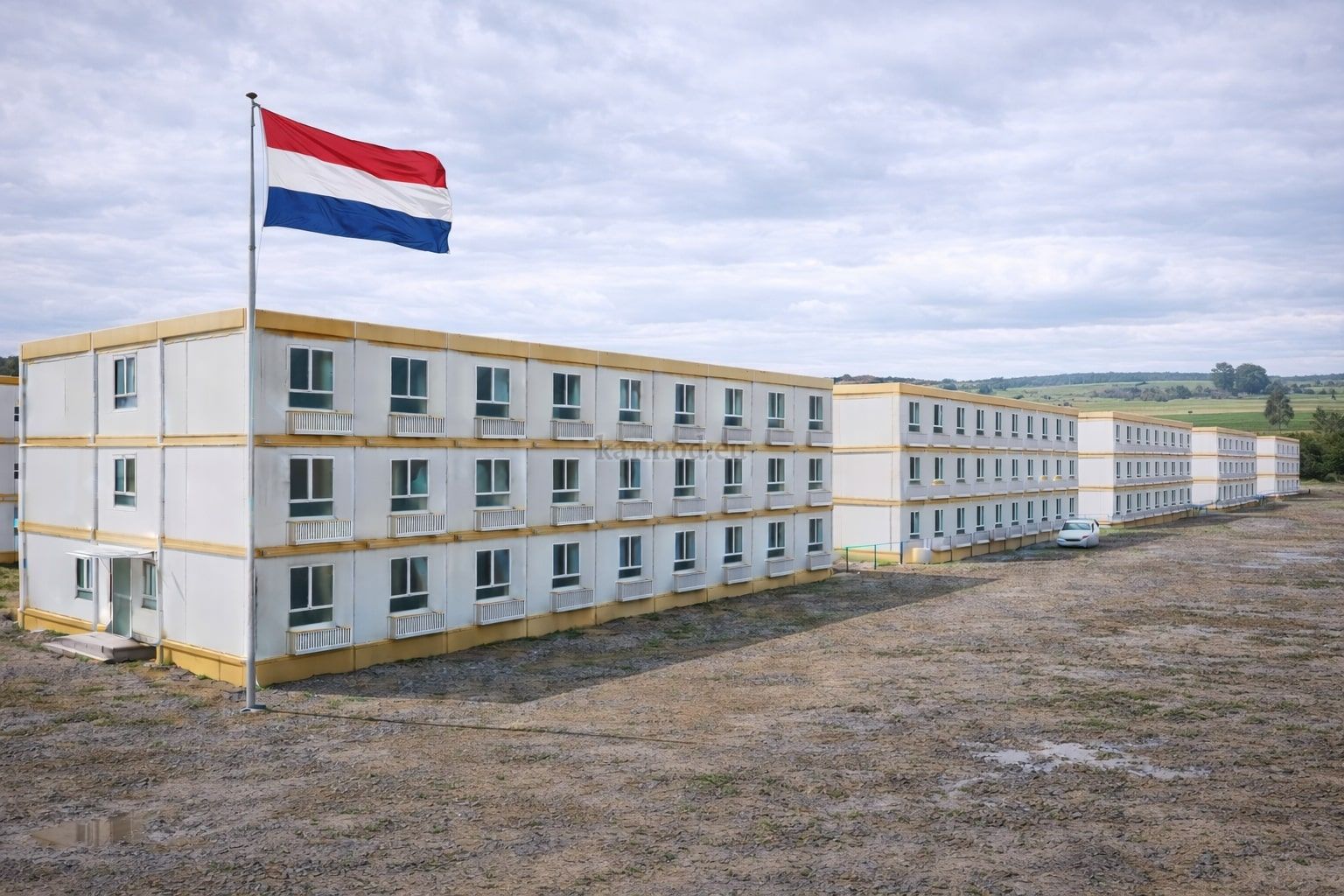
The Netherlands is widely recognized for its advanced construction standards, strong regulatory framework, and focus on sustainability and efficiency. With limited land availability, high urban density, and continuous investment in logistics, infrastructure, and public services, the demand for smarter construction methods continues to grow. In this environment, modular buildings and prefabricated building solutions have become a strategic choice for organizations seeking speed, precision, and long-term value. For corporate developers, public authorities, and international investors operating in the Netherlands, these systems offer a structured and reliable alternative to traditional construction.
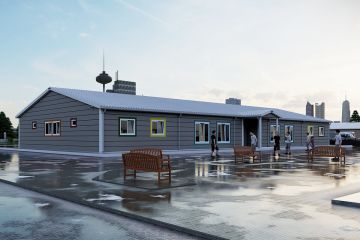
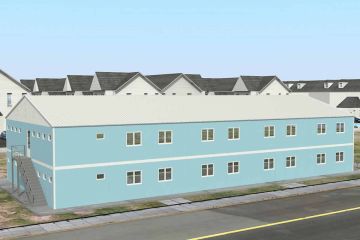
Why Modular Buildings Are in High Demand in the Netherlands
Labor costs in the Netherlands are among the highest in Europe, particularly for skilled construction trades. Modular buildings reduce on-site labor requirements by shifting a significant portion of construction activities to factory-controlled environments. This approach not only lowers labor-related risks but also ensures consistent workmanship and predictable quality.
Construction timelines are another critical factor. Projects in logistics, public infrastructure, and industrial development often face strict planning schedules and regulatory deadlines. Modular construction allows site preparation and building production to progress simultaneously, significantly shortening overall project durations and reducing exposure to delays.
The Netherlands also has a clear need for both temporary and permanent building solutions. Temporary structures are frequently required for construction projects, infrastructure upgrades, and transitional public services. At the same time, permanent facilities such as schools, healthcare buildings, and administrative offices must meet high performance and sustainability standards. Modular systems are capable of addressing both requirements while remaining adaptable over time.
Country-specific sectors further reinforce demand. Logistics and warehousing linked to major ports, advanced manufacturing, public-sector facilities, data centers, and renewable energy projects all benefit from standardized, scalable construction solutions. Modular buildings align well with the Netherlands’ emphasis on efficiency, circular economy principles, and space optimization.
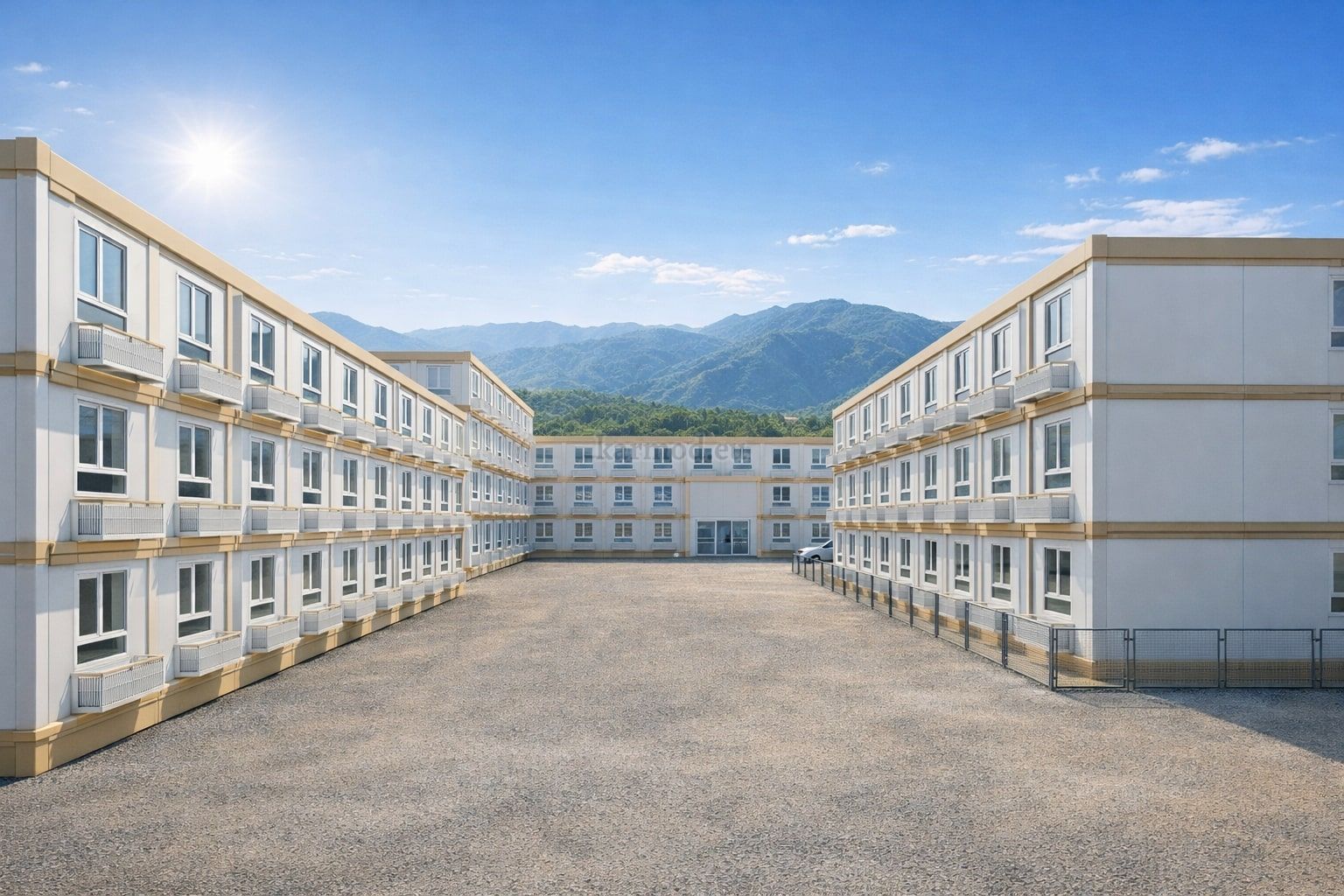
Modular Buildings vs. Prefabricated Building Systems
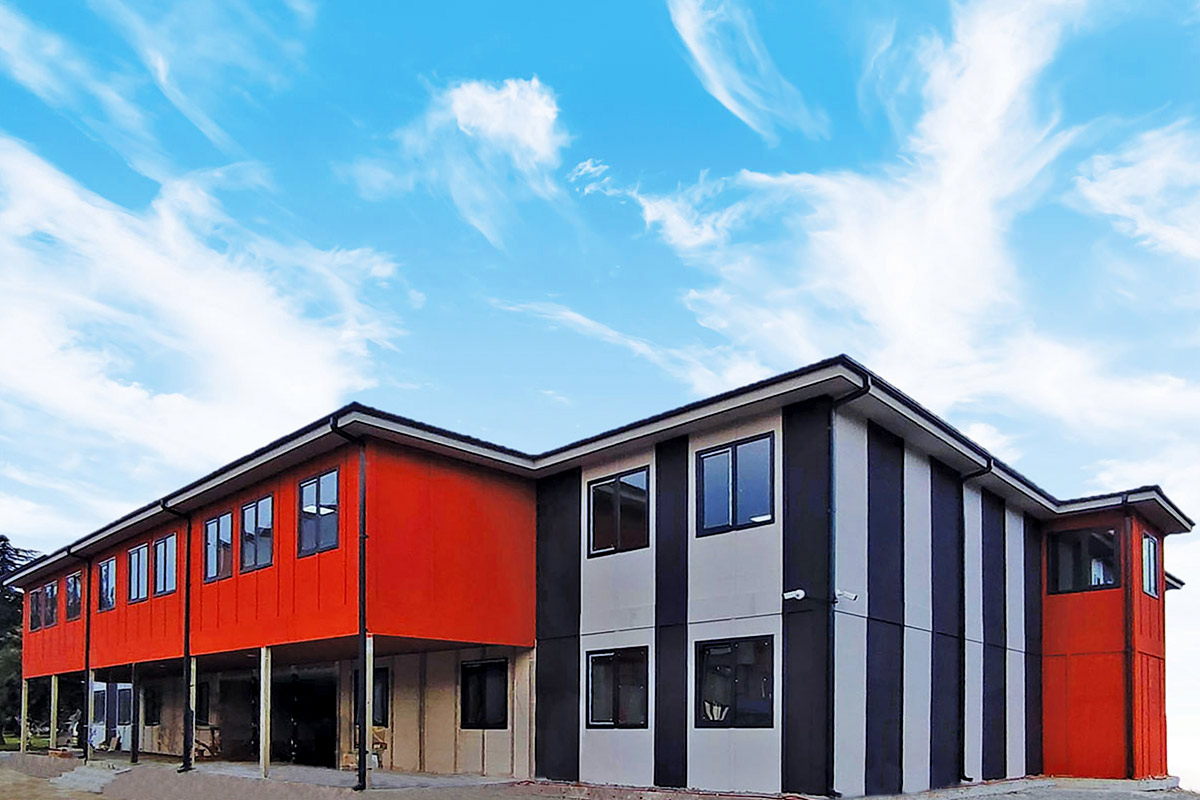
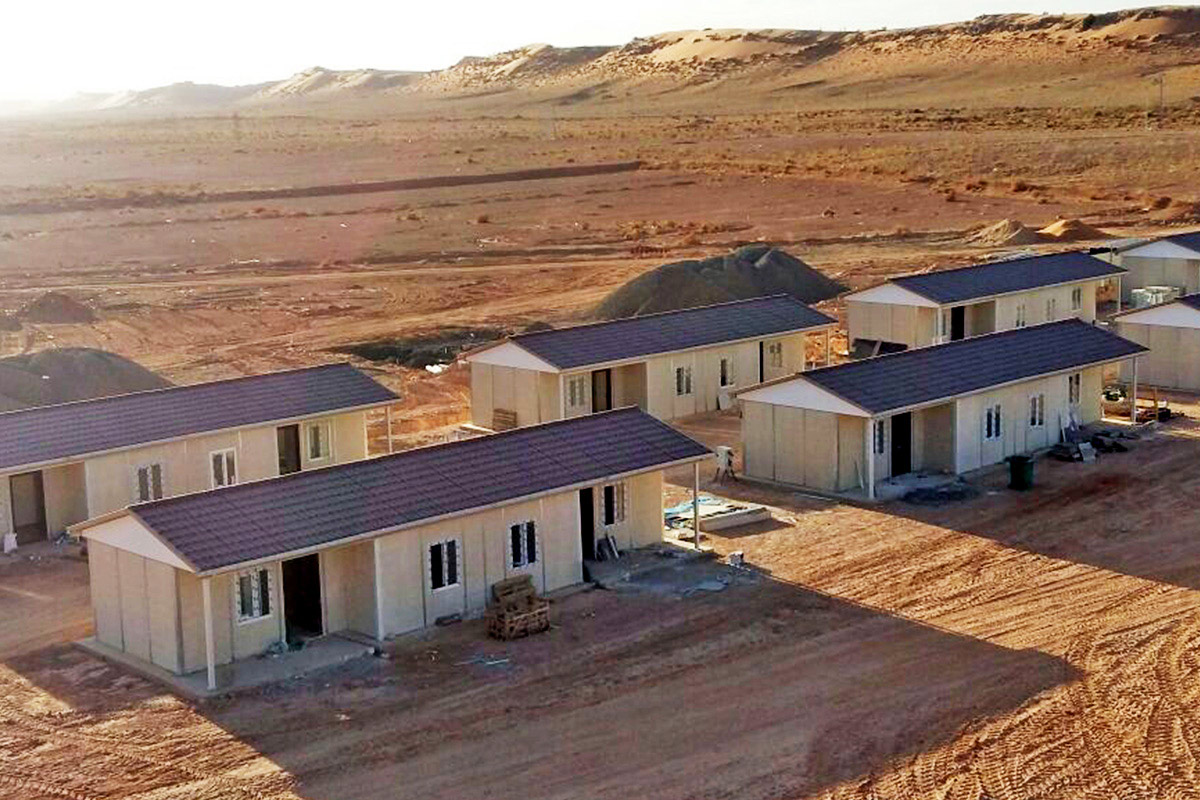
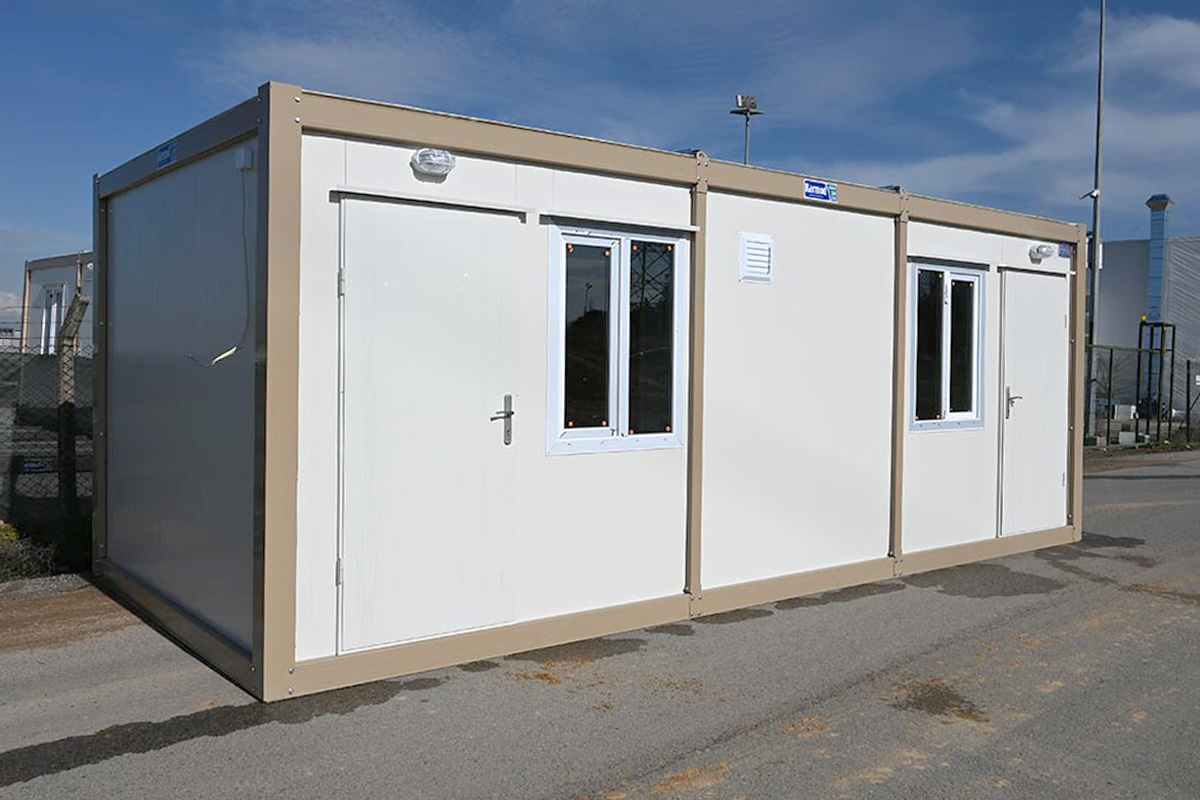
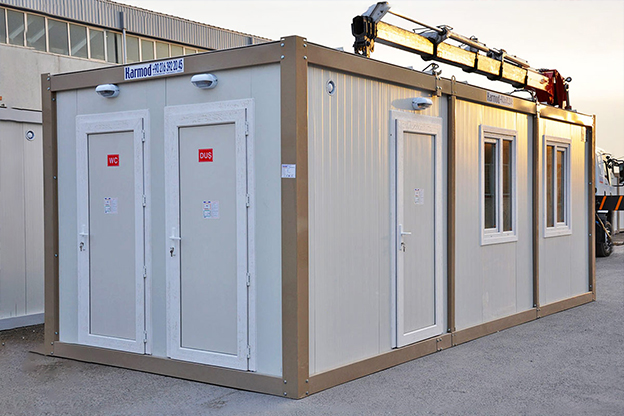
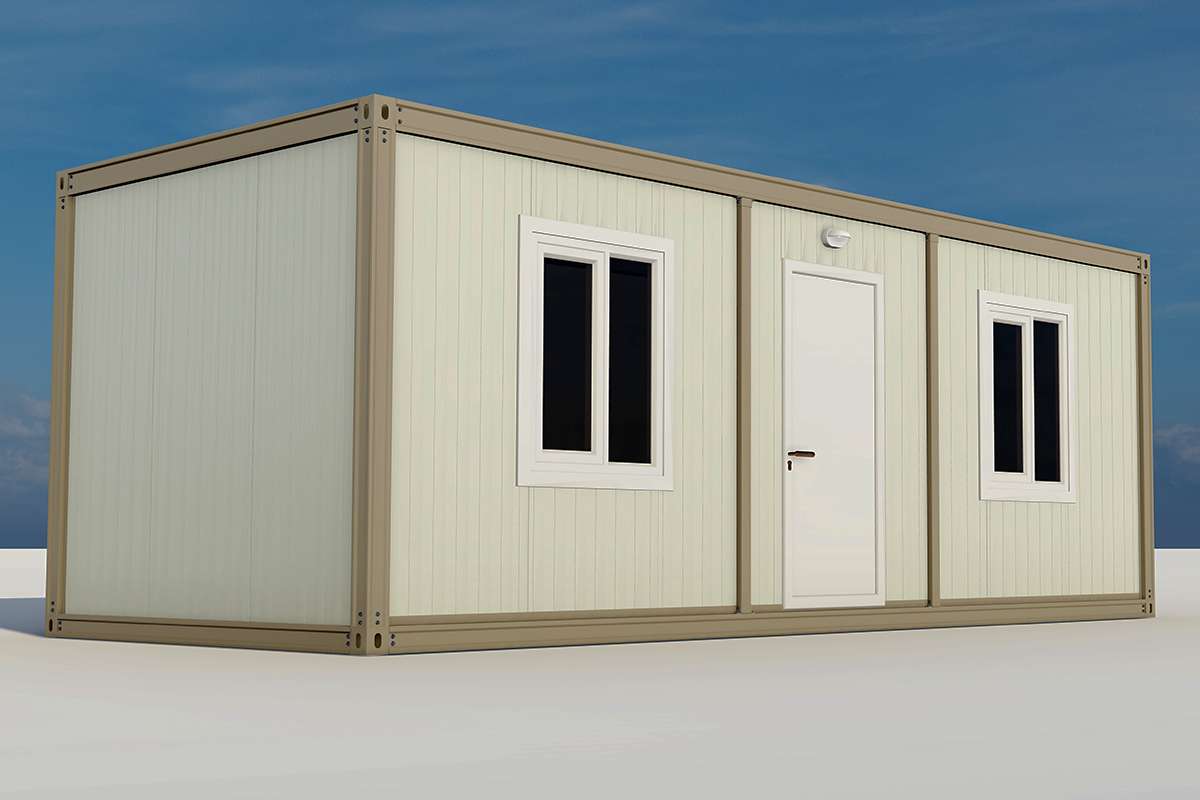
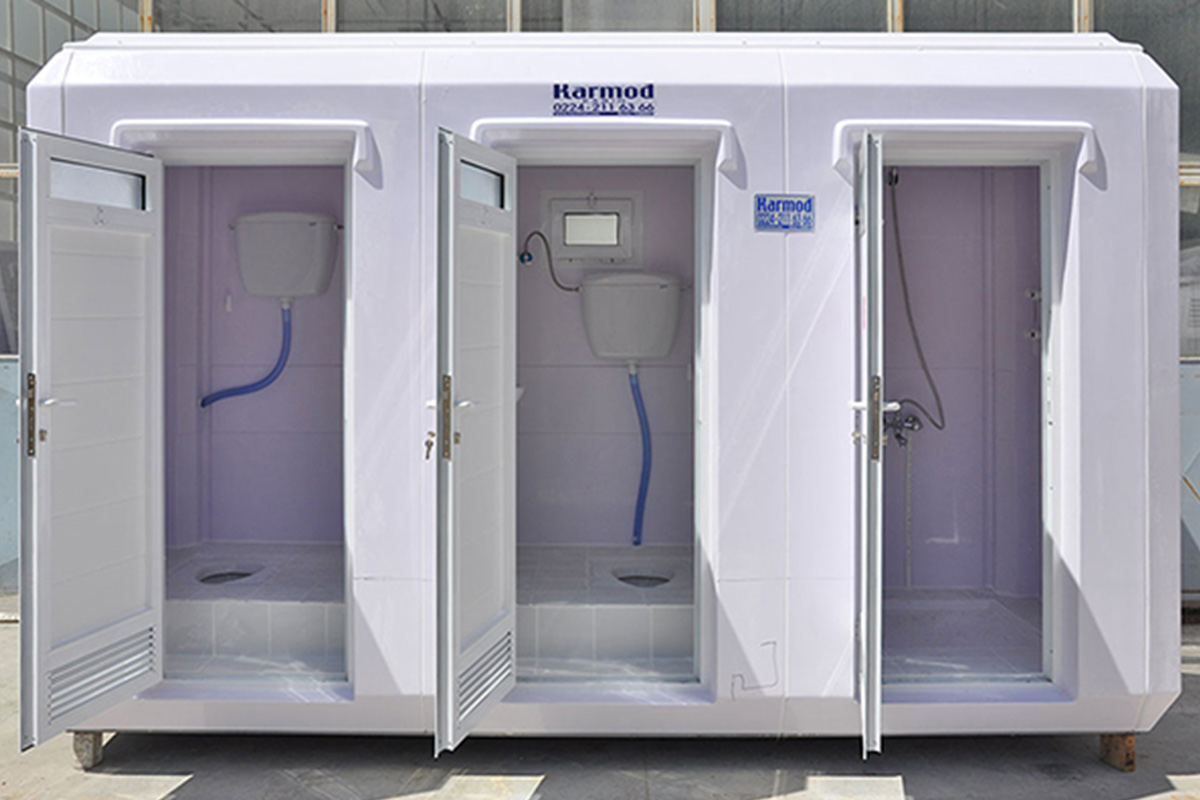
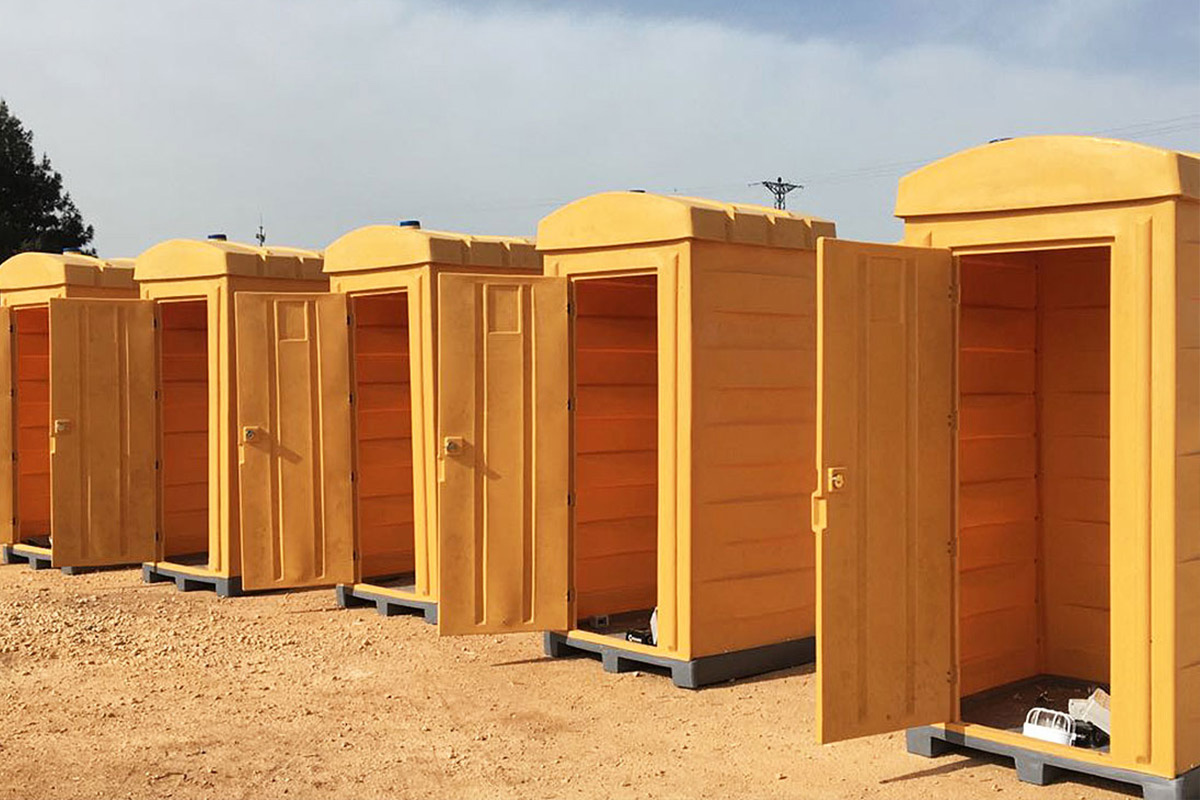
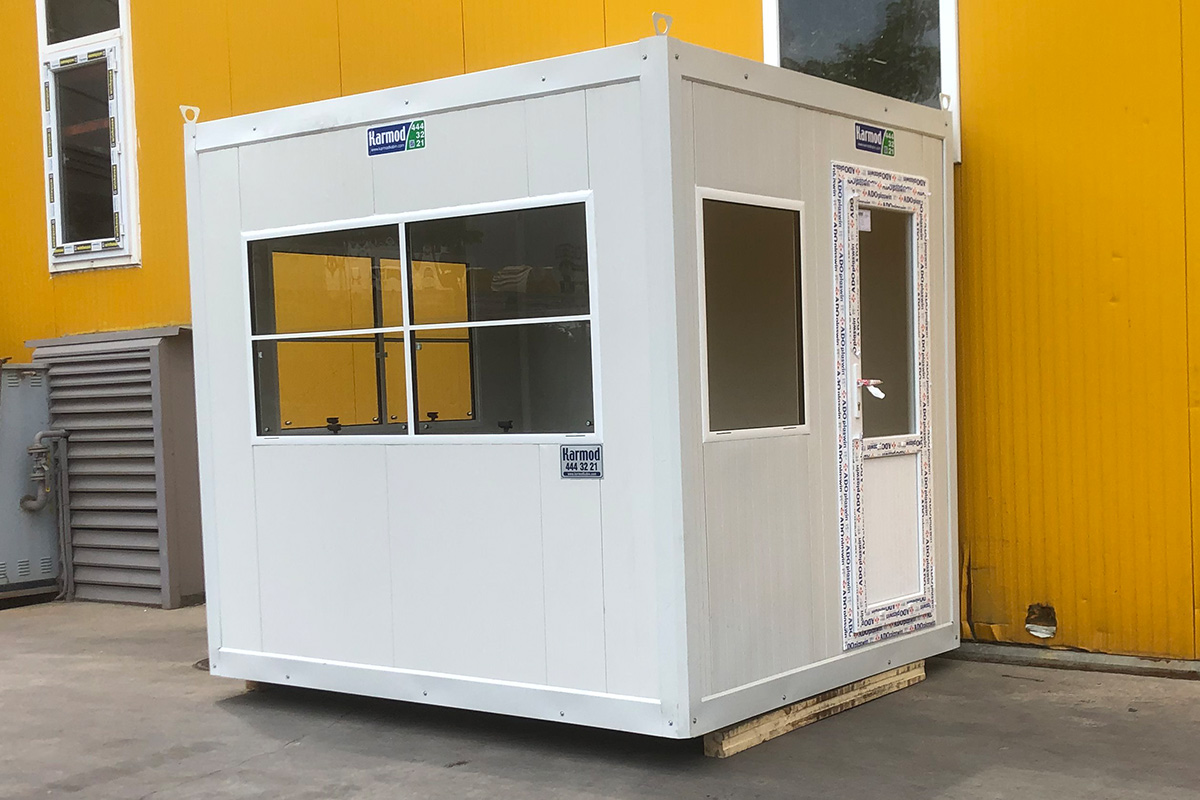
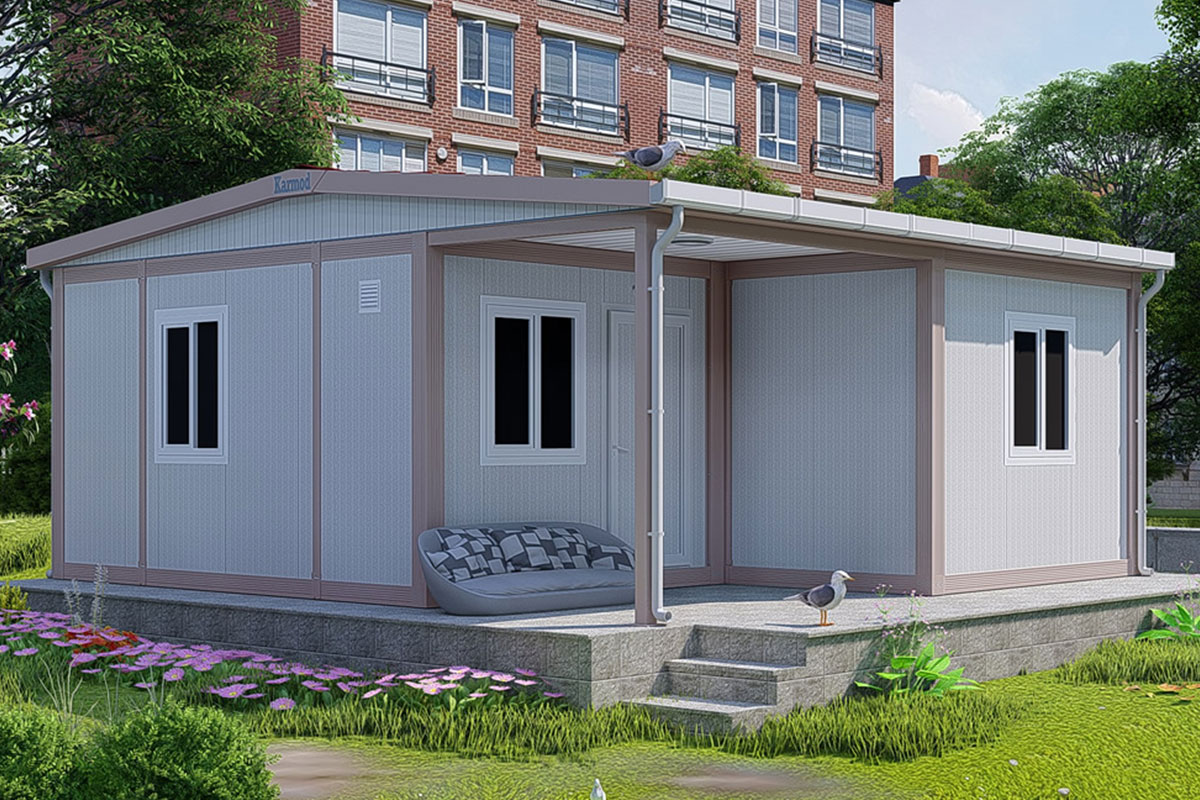
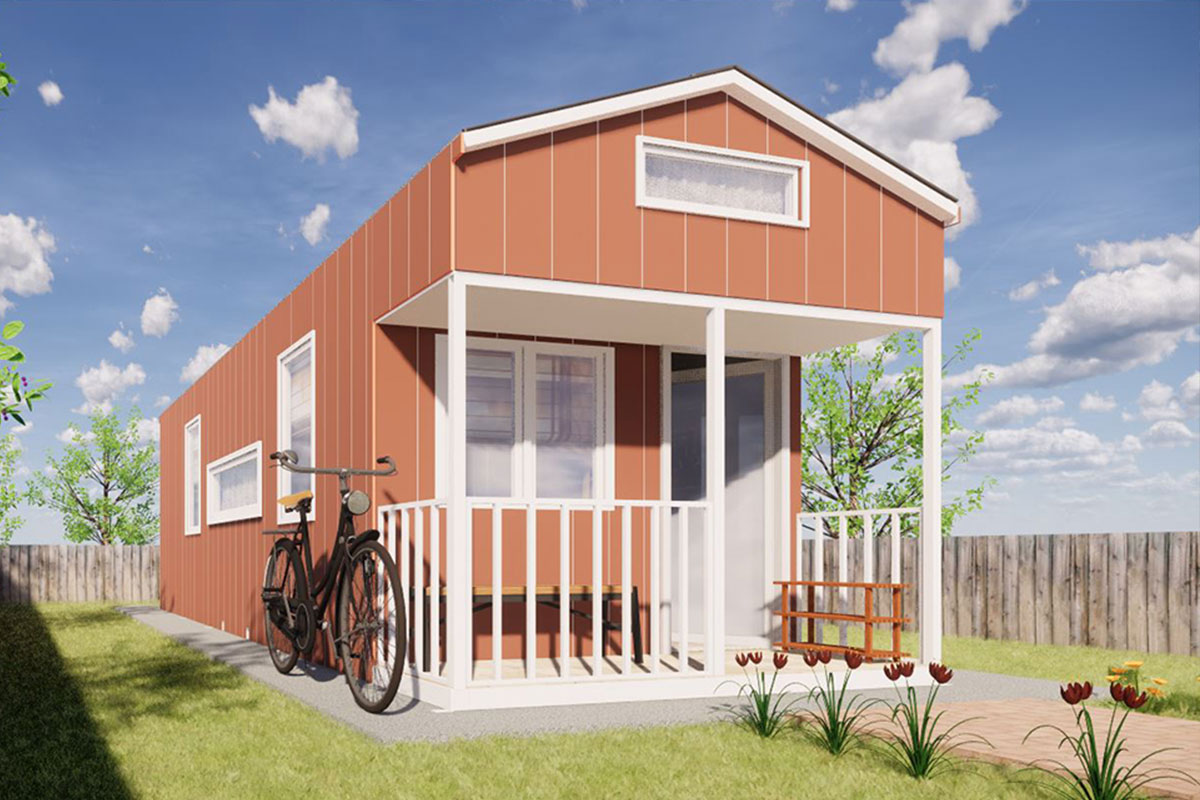
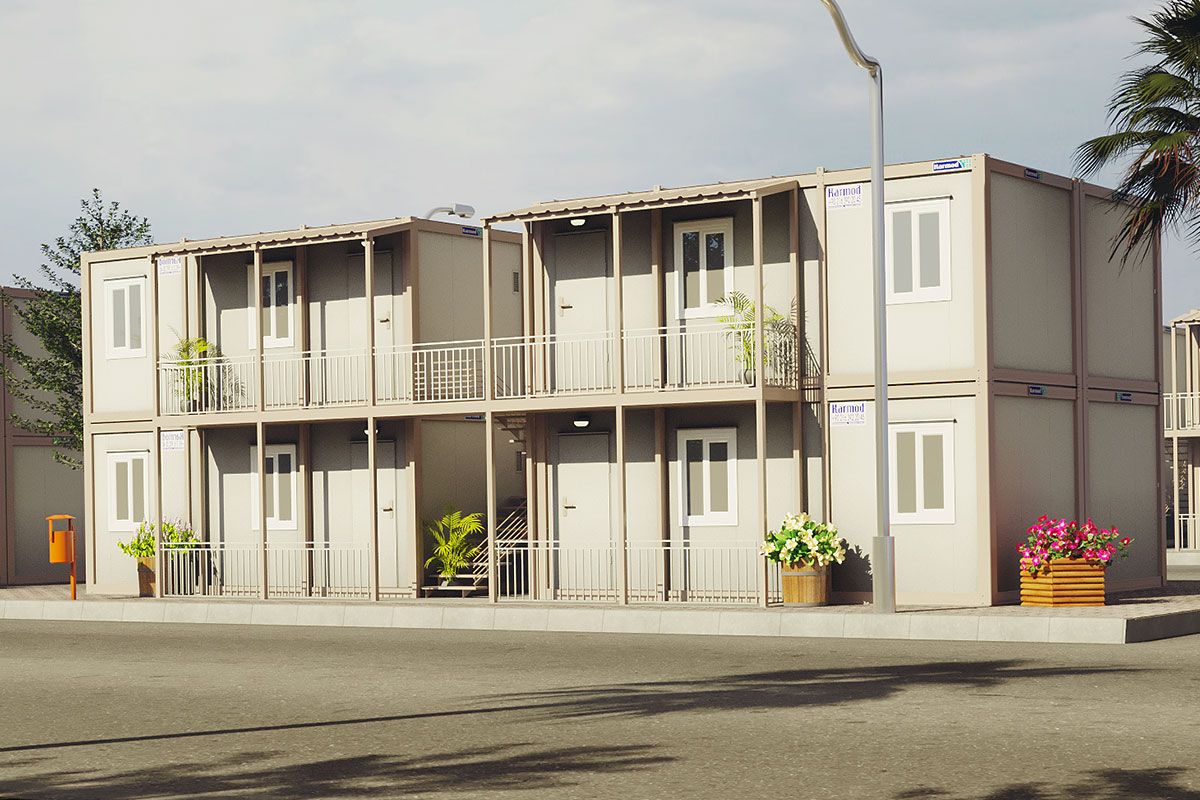
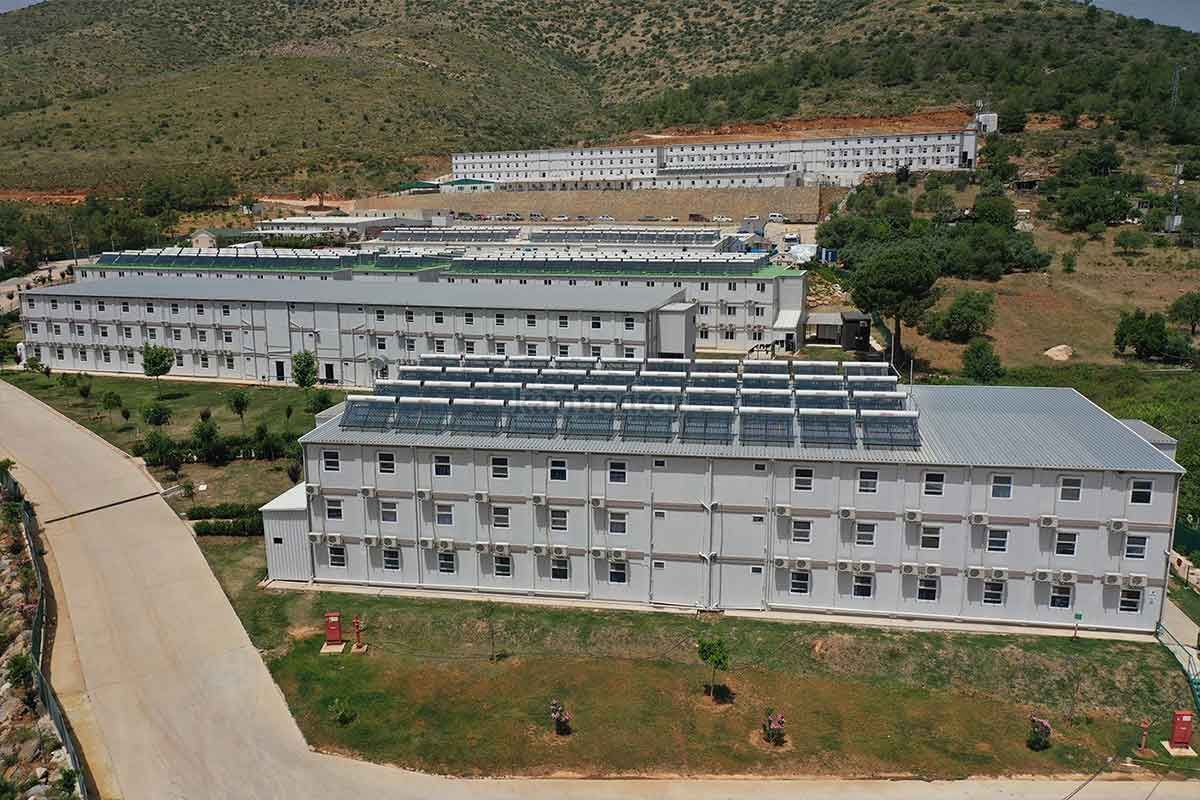
Although often discussed together, modular buildings and prefabricated building systems serve different functional priorities. Modular buildings are produced as volumetric units that arrive on site largely complete. Their module-based structure allows for fast installation, easy relocation, and future expansion, making them ideal for projects requiring flexibility or phased development.
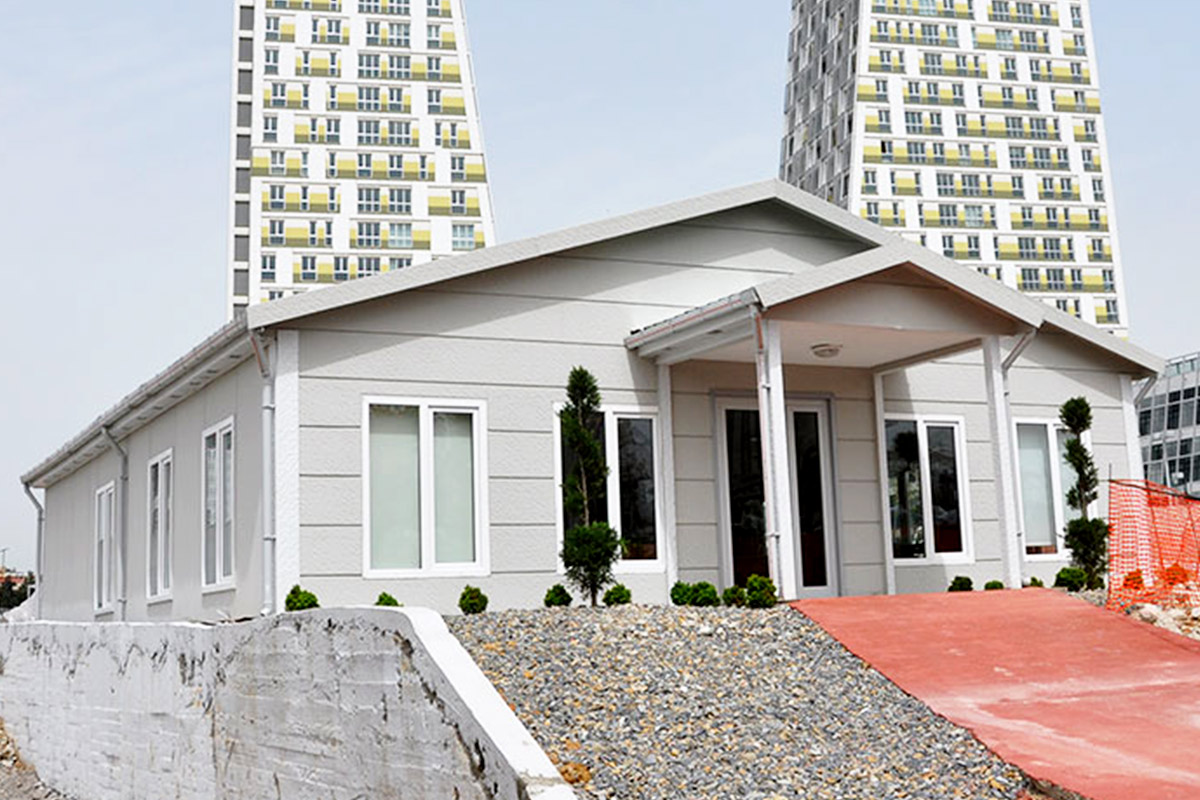
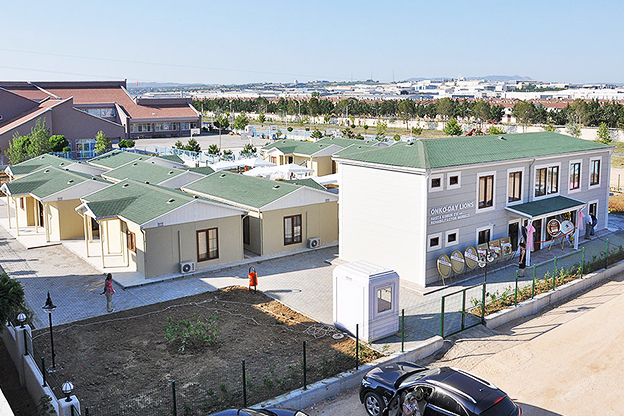
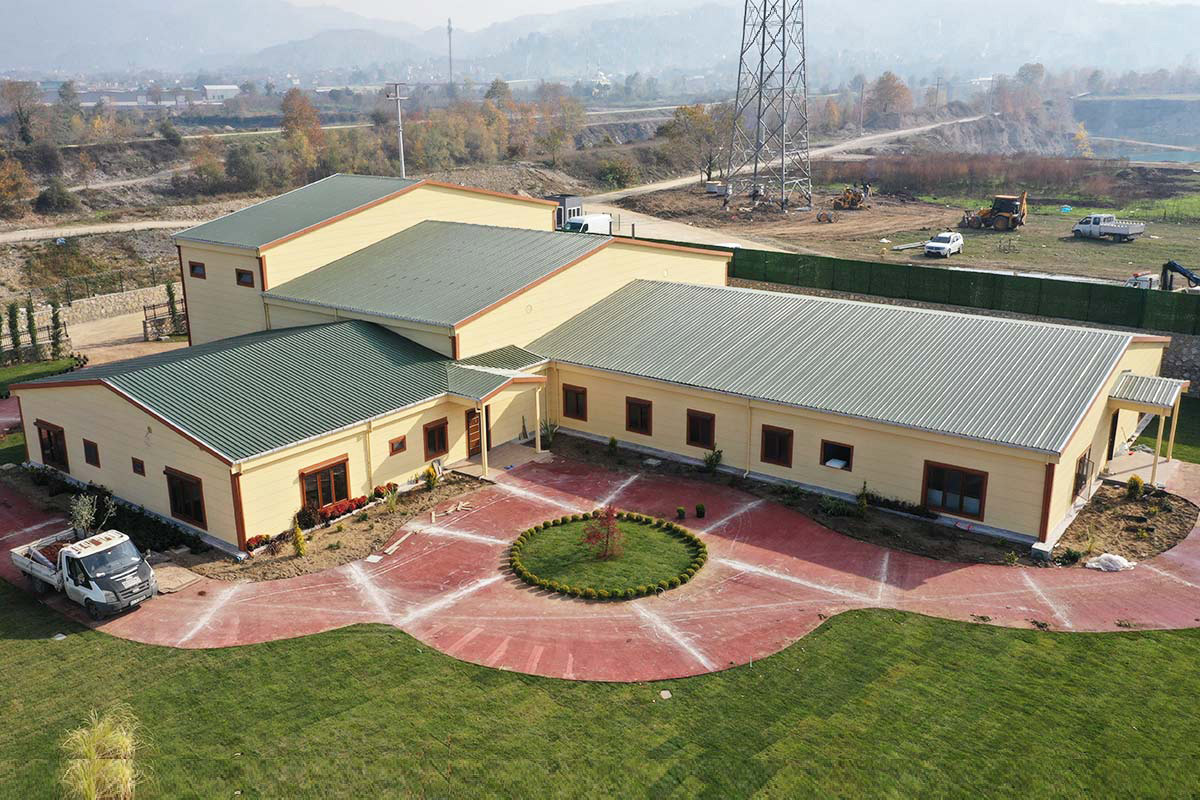
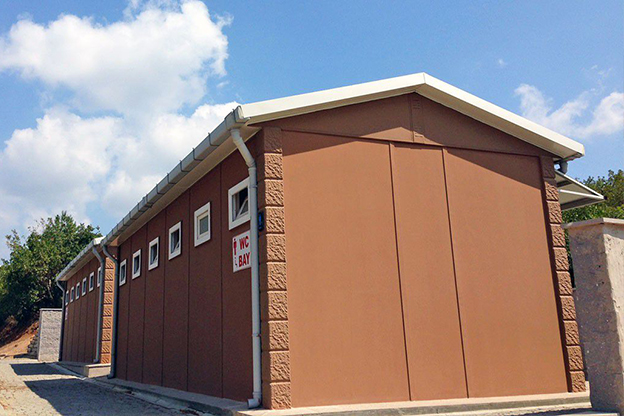
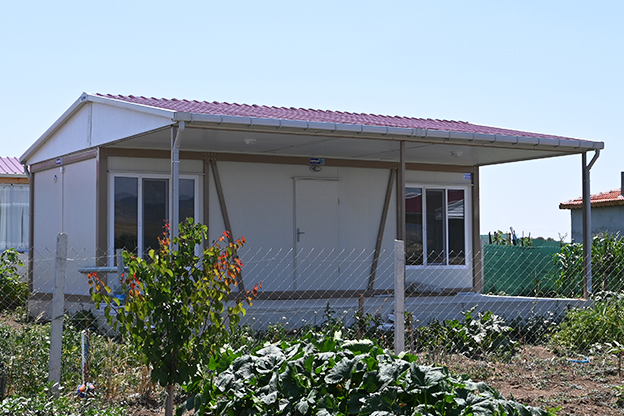
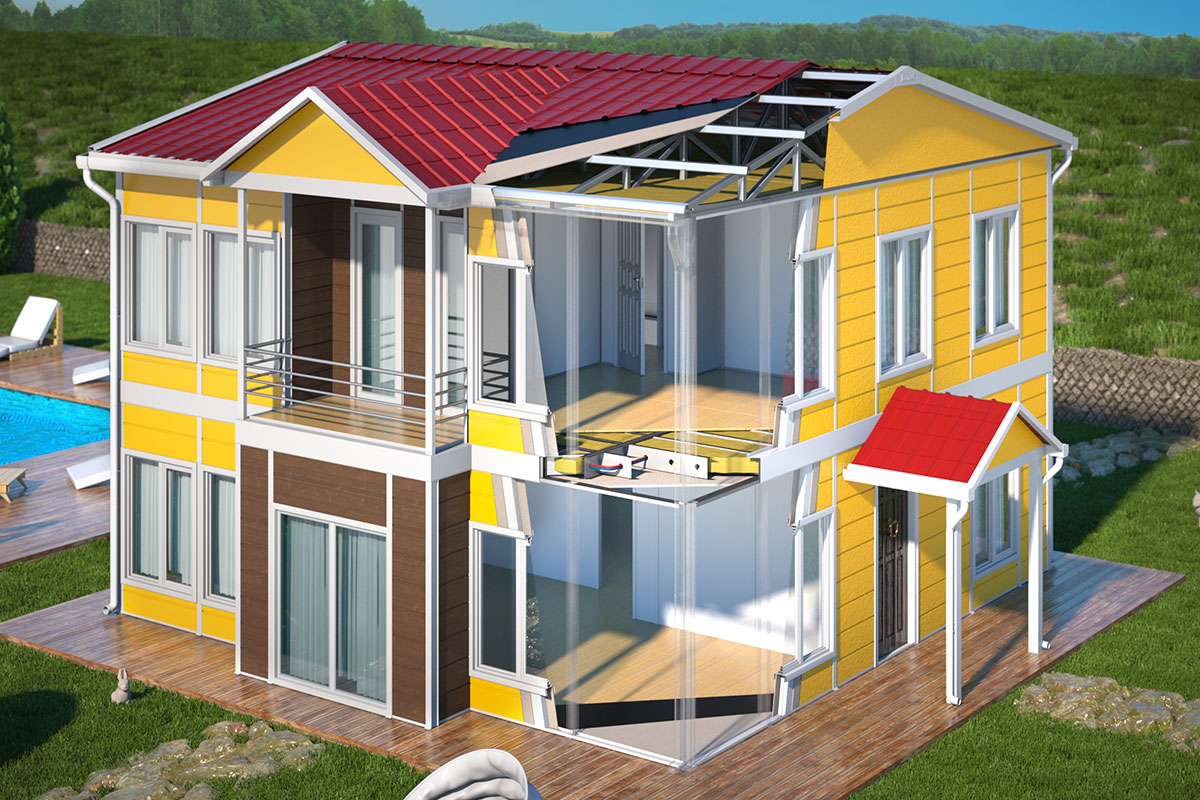
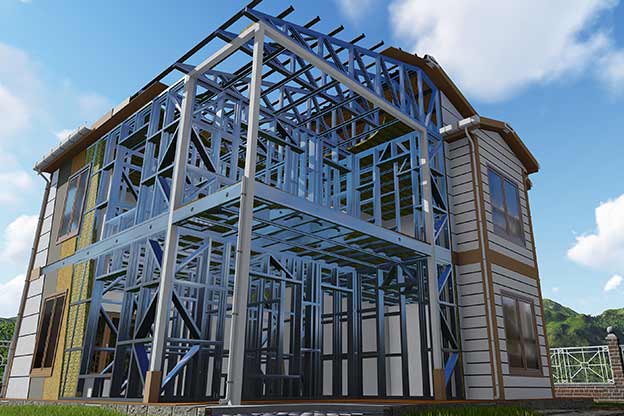
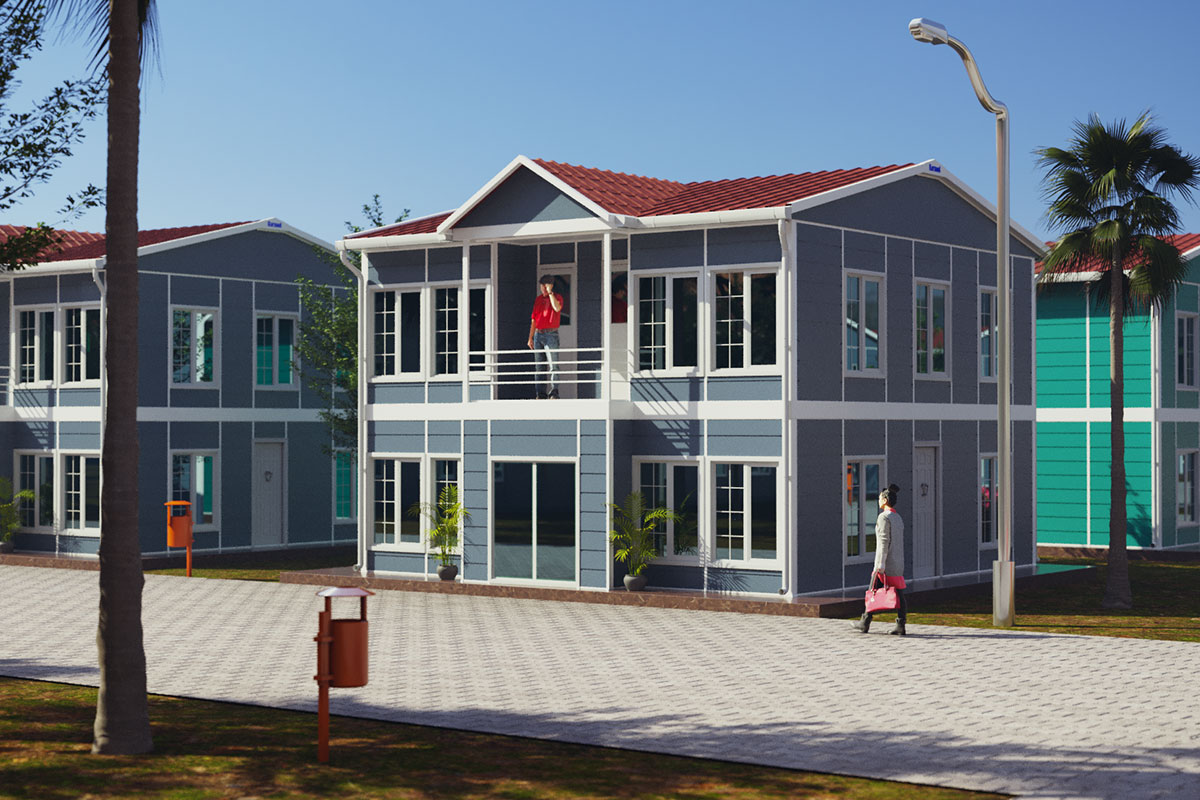
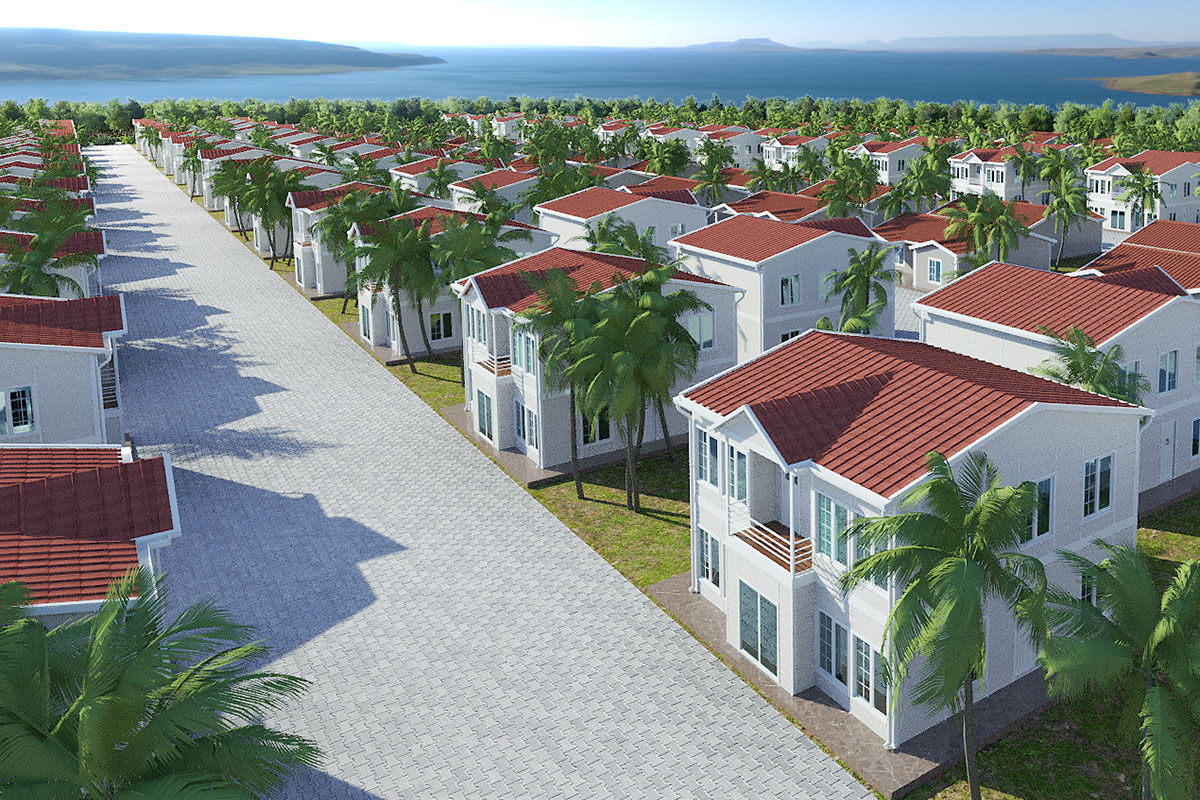
A prefabricated building, by contrast, is typically assembled on site using factory-produced panels or structural components. This approach is commonly preferred for permanent facilities where architectural integration, acoustic performance, and long-term durability are essential. Panel-based systems provide design flexibility while maintaining the benefits of off-site manufacturing.
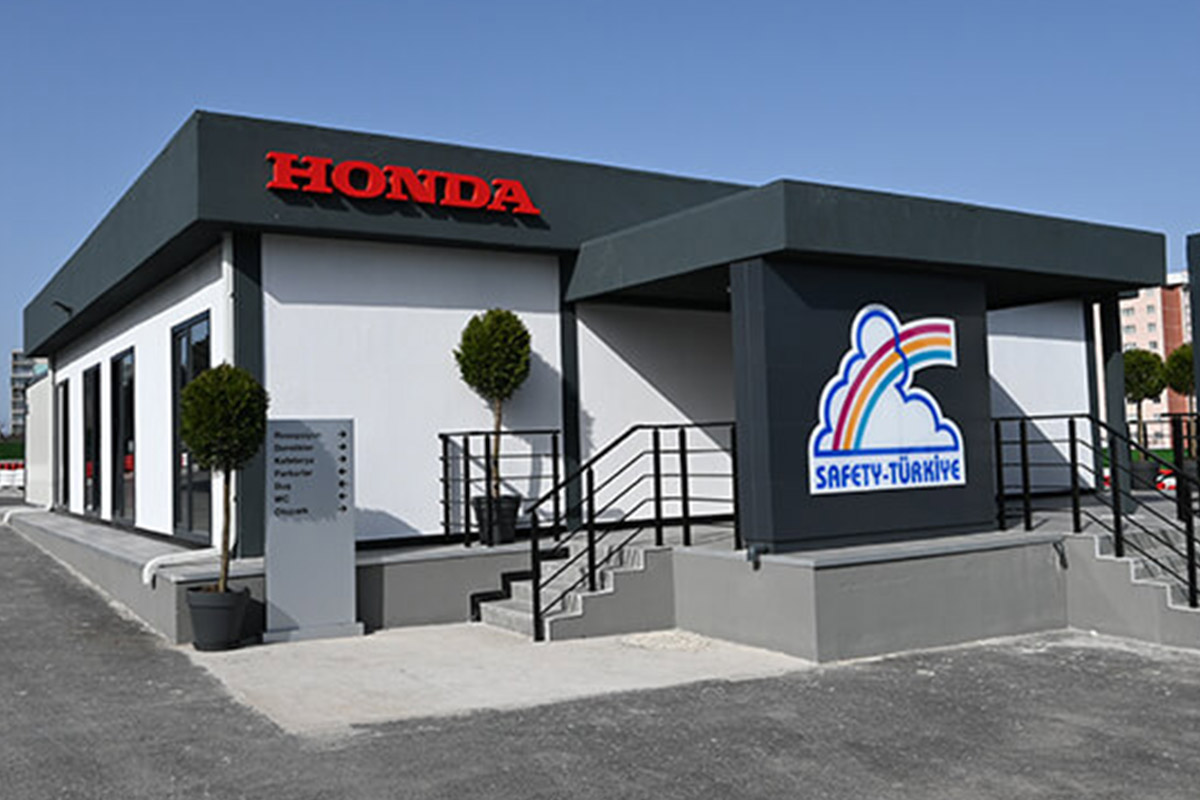
In the Netherlands, modular buildings are often selected for temporary offices, construction-related facilities, and scalable logistics buildings. Prefabricated building solutions are more frequently used for permanent schools, healthcare facilities, and office buildings that must comply with strict national building codes and sustainability requirements.
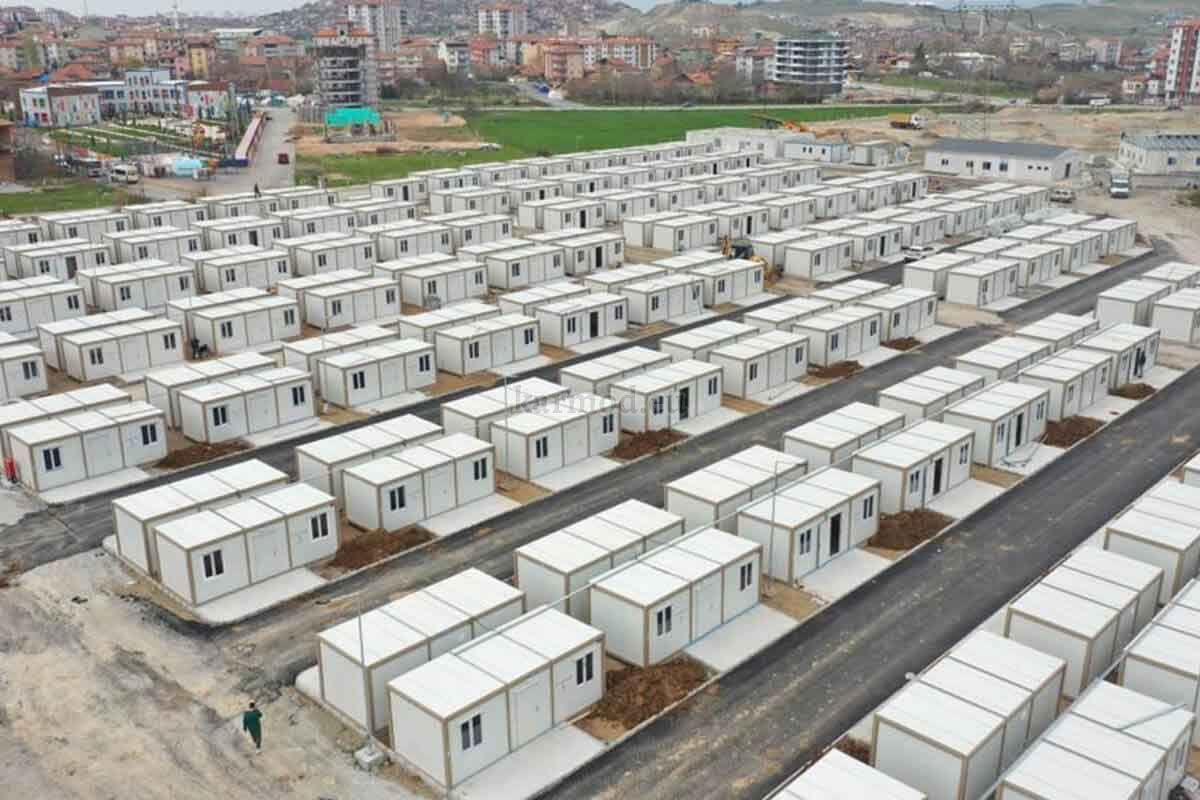
Applications of Modular and Prefabricated Buildings in the Netherlands
Across the Netherlands, these construction systems are used in a wide range of professional settings:
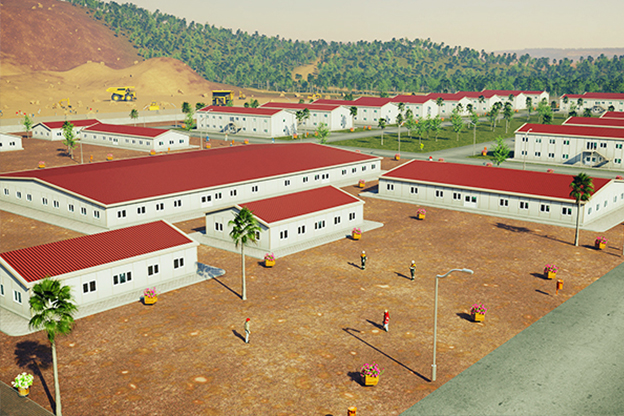
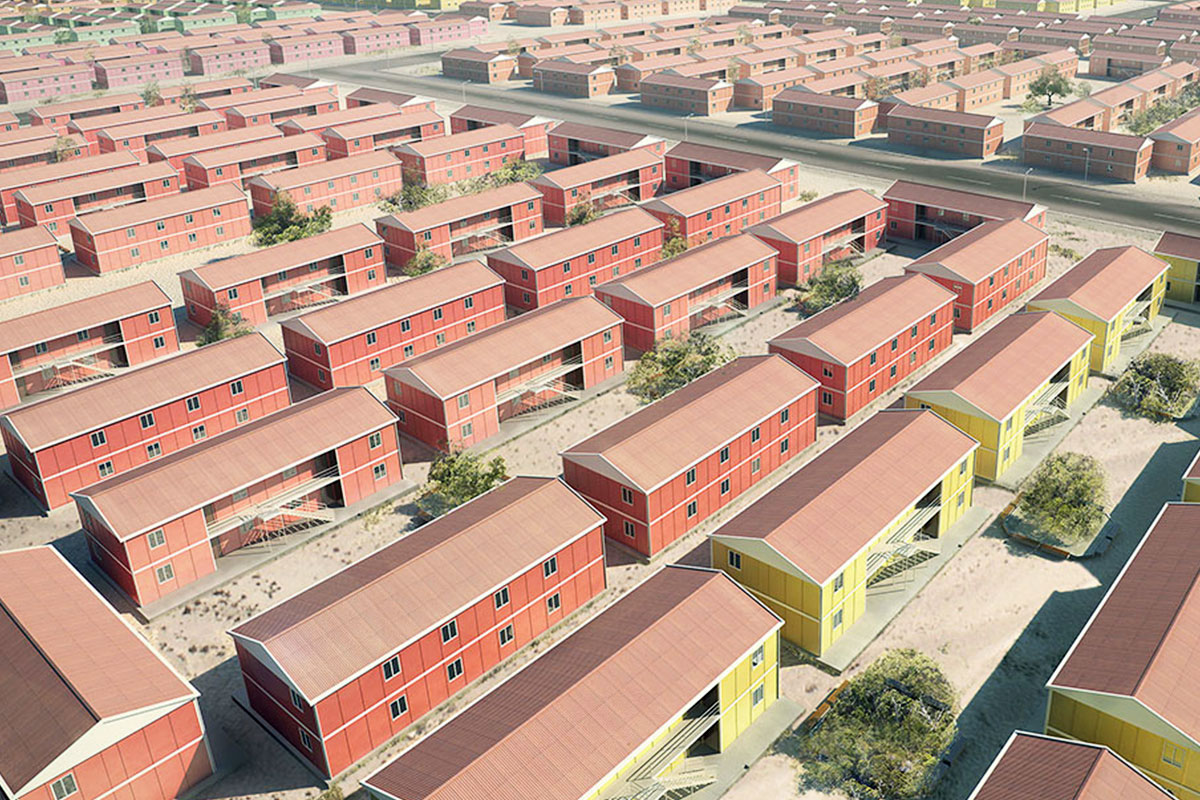
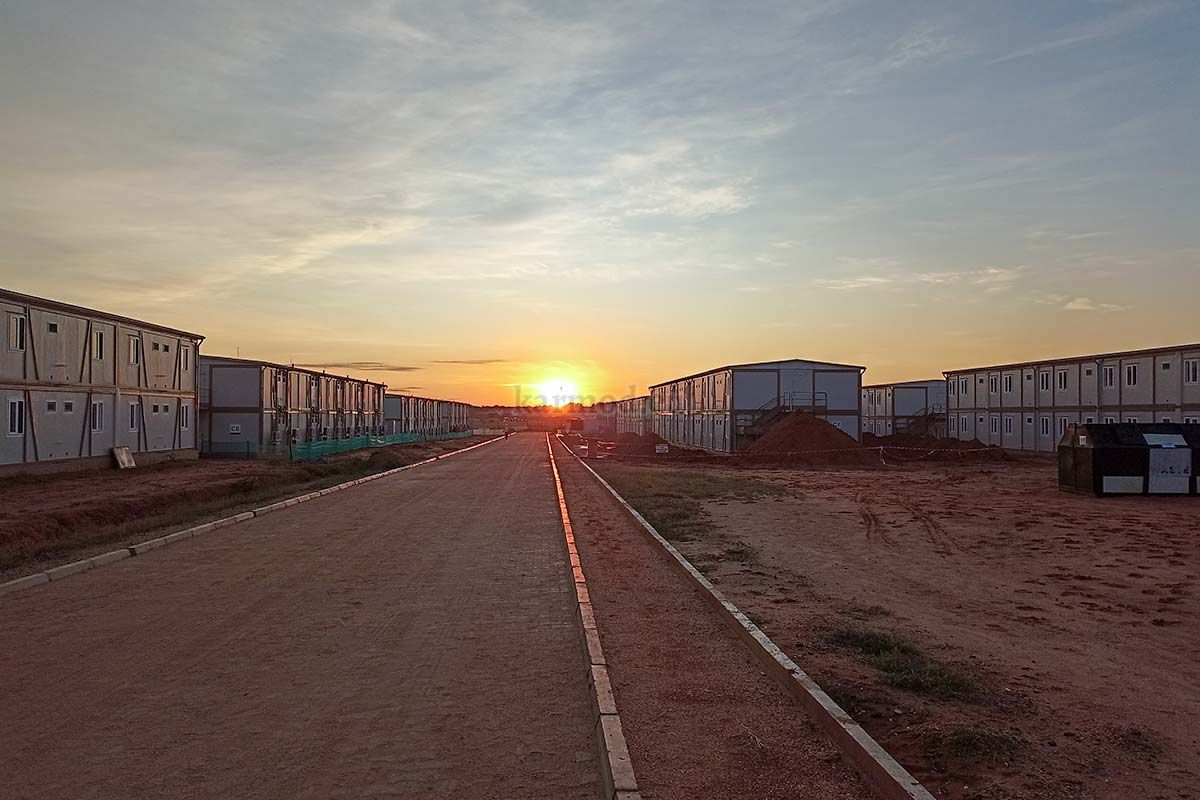
- Site offices & construction camps supporting infrastructure and urban development projects
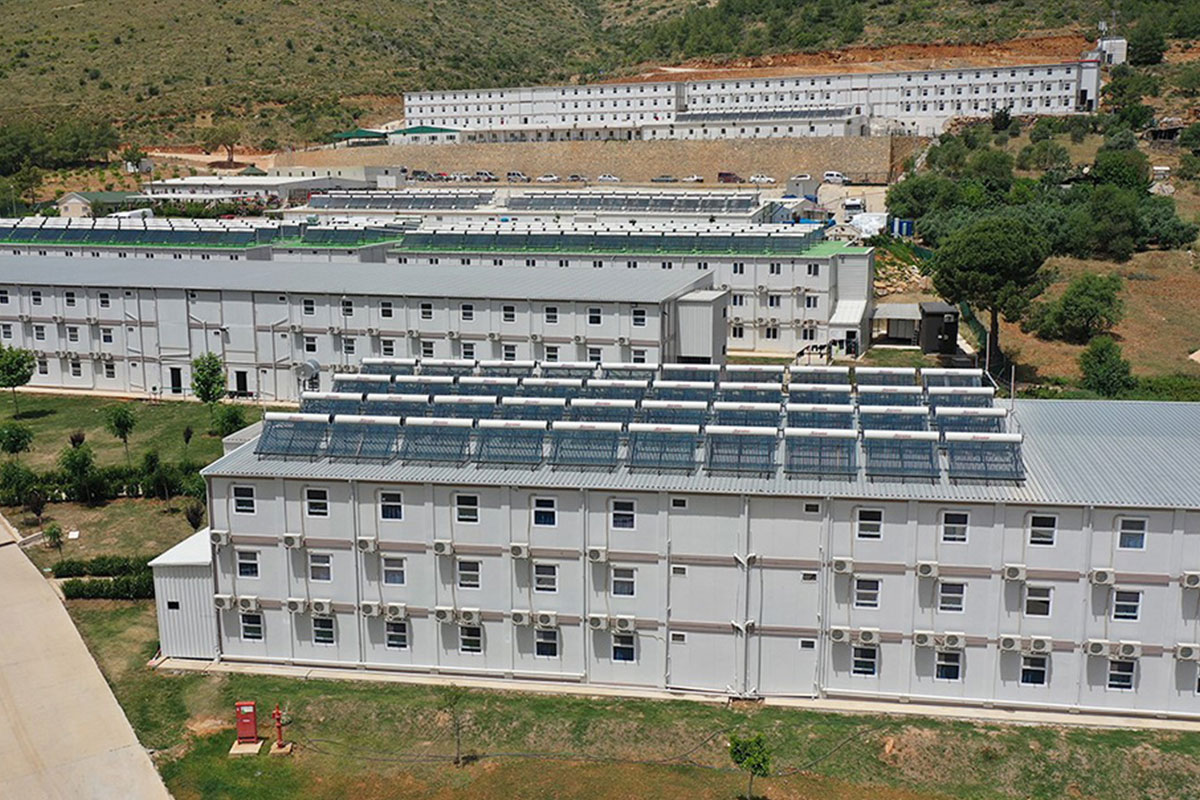
- Worker accommodation buildings designed in line with strict safety and comfort regulations
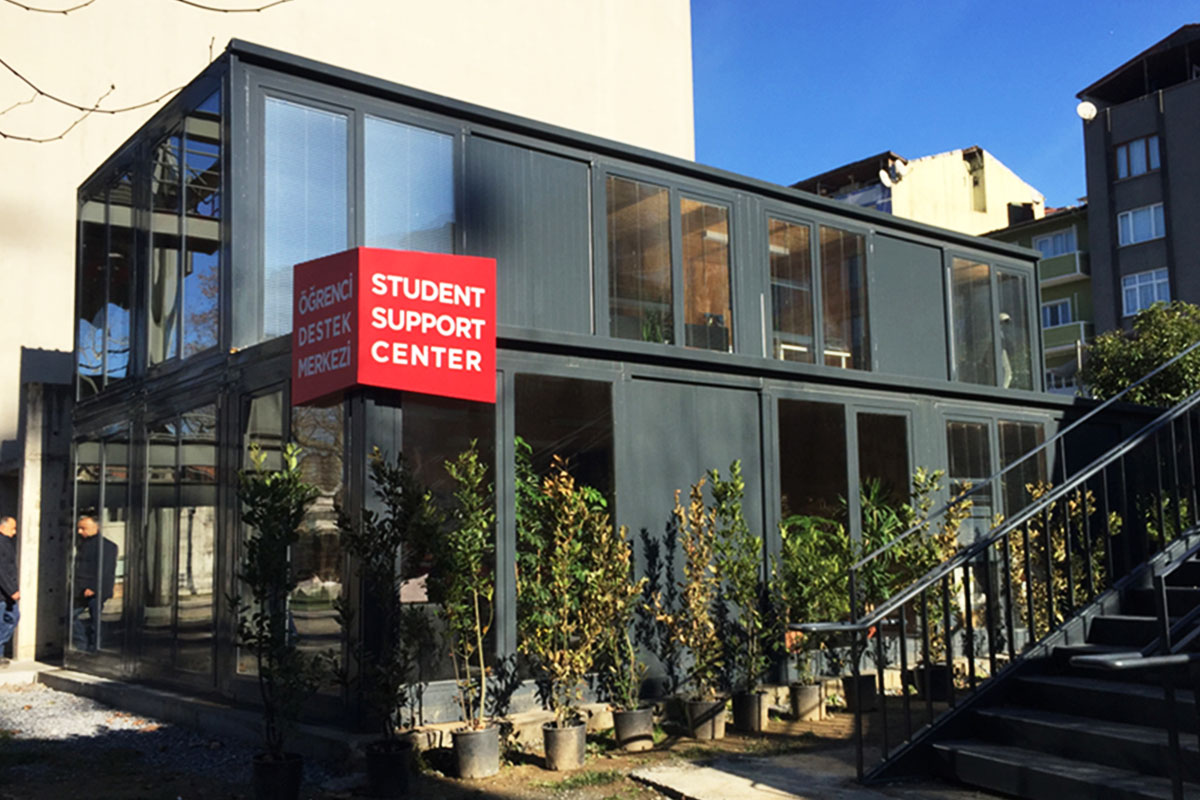
- Temporary schools & healthcare units addressing capacity needs during renovation or expansion phases
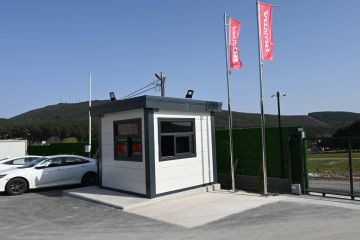
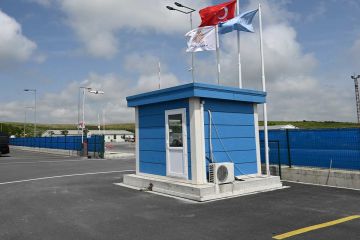
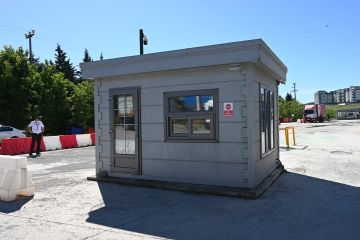
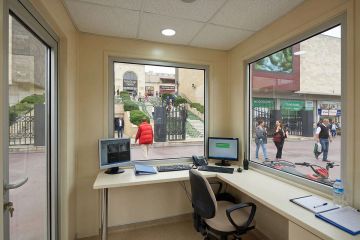
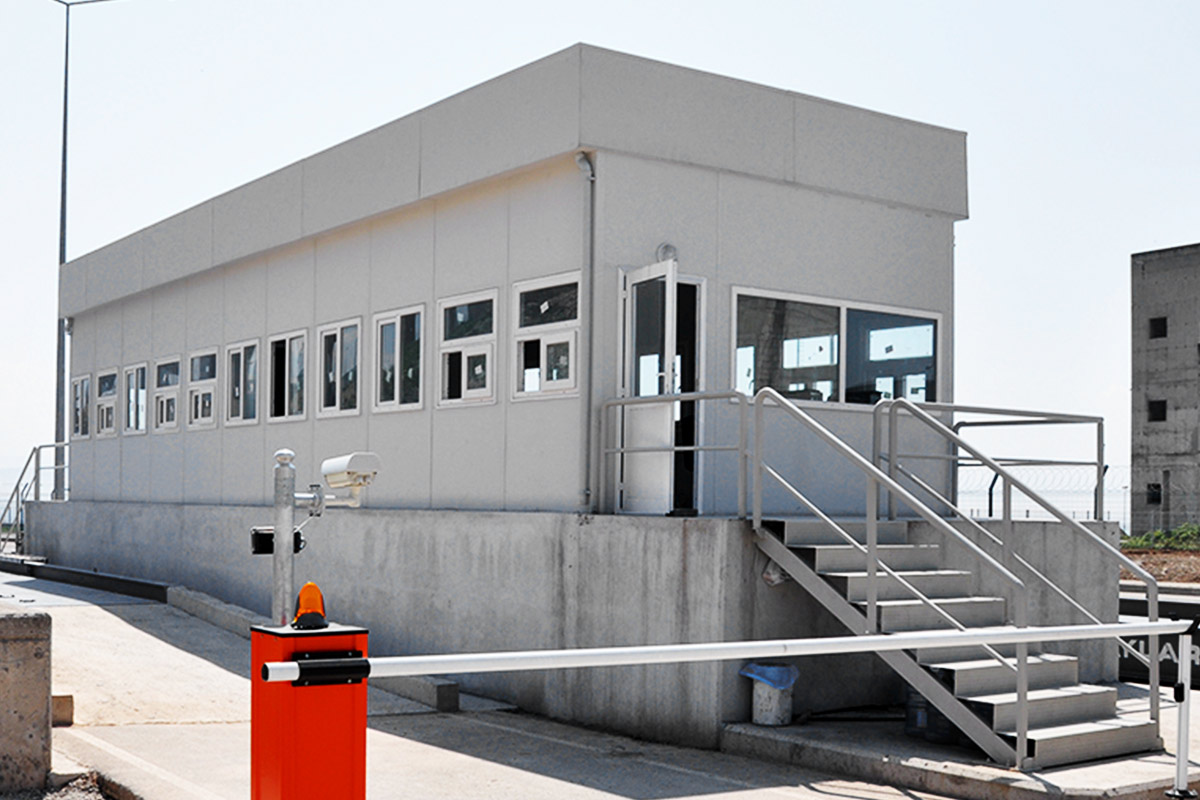
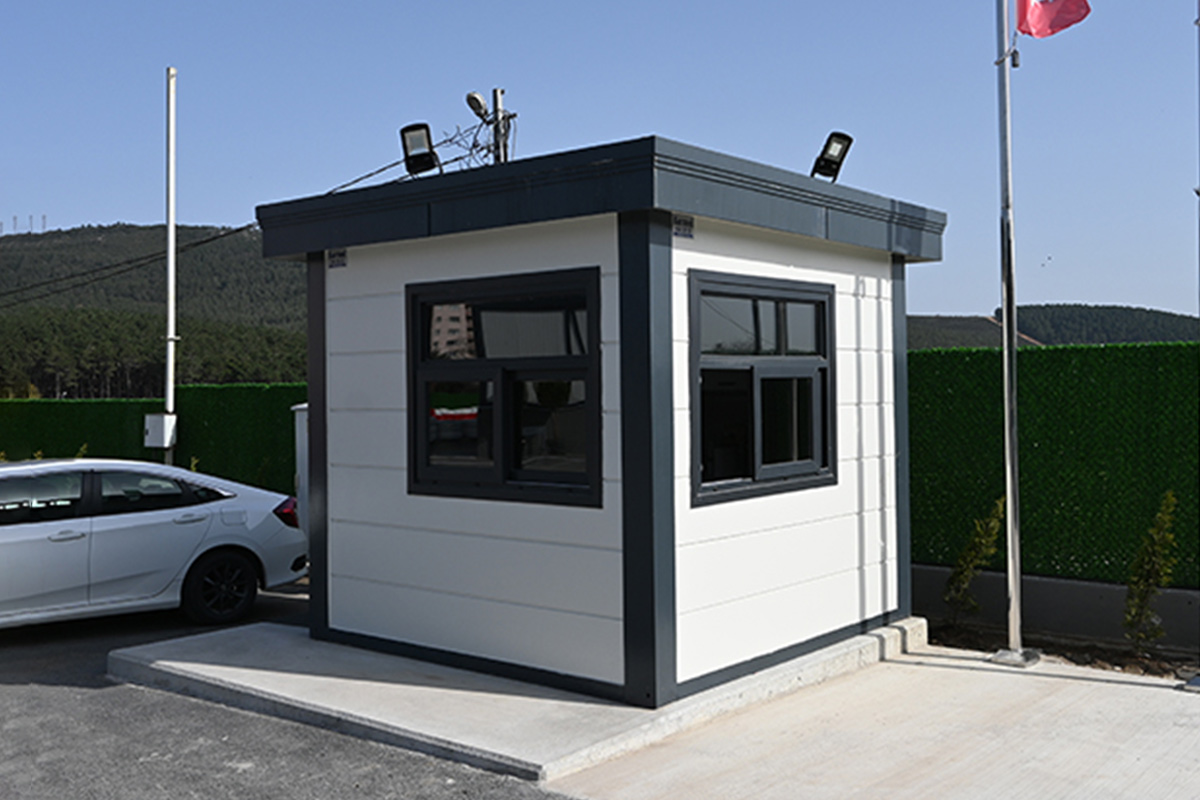
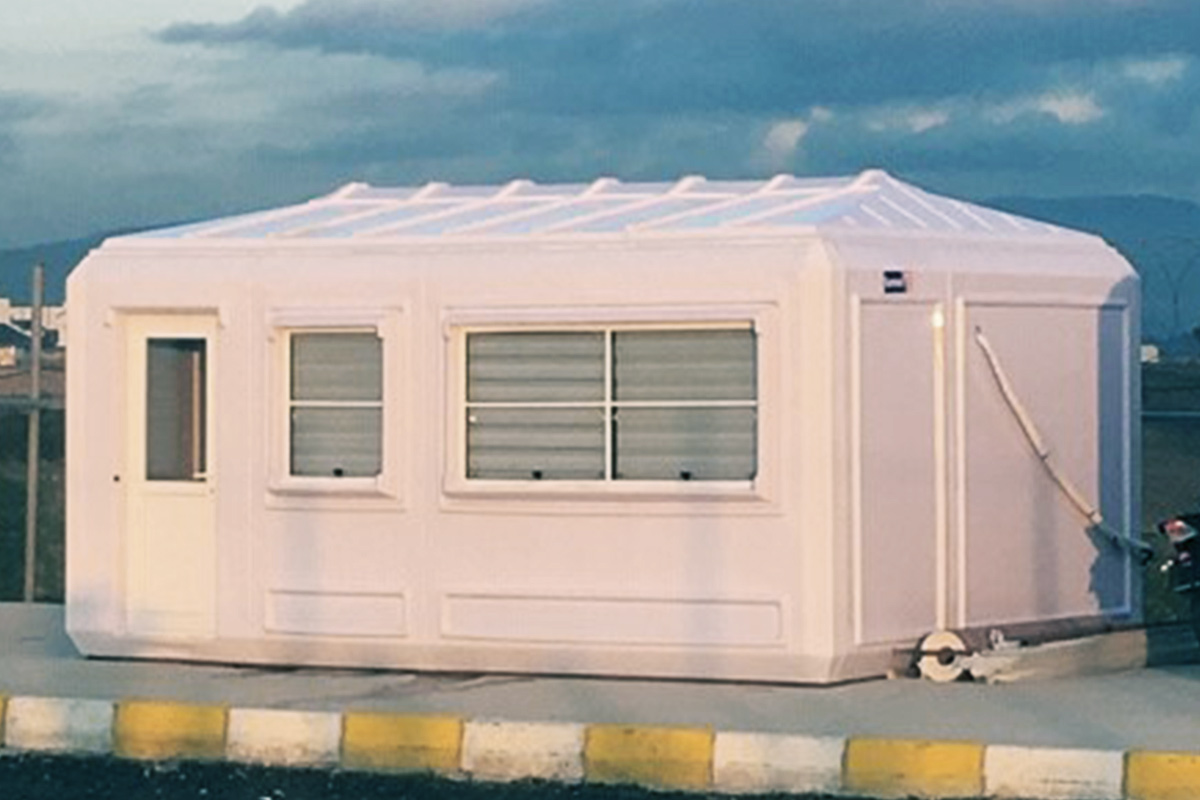
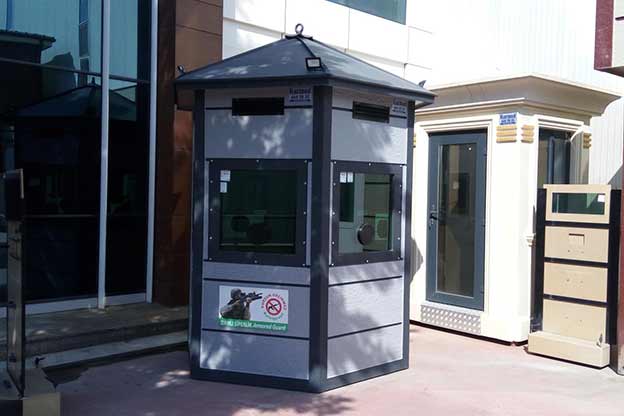
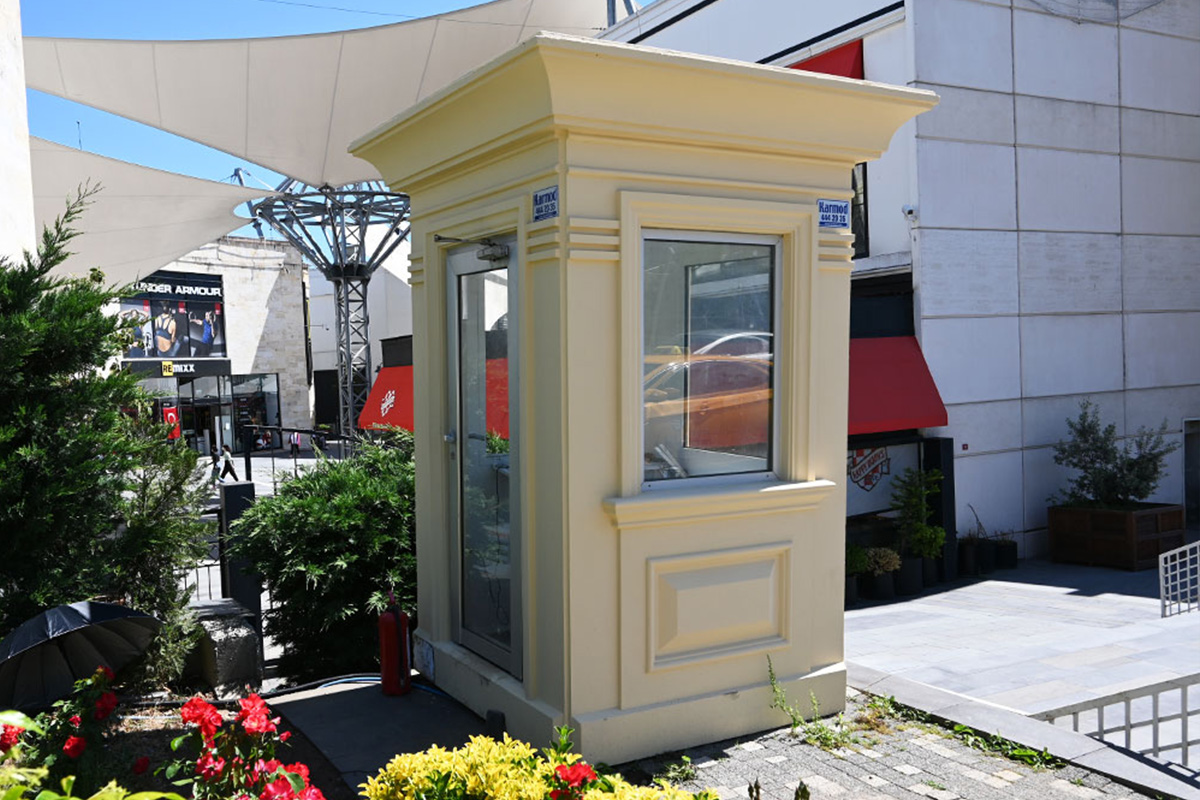
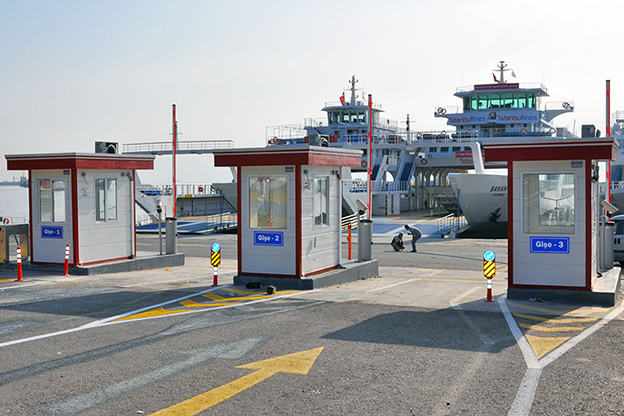
- Security buildings & technical units for controlled access and operational management
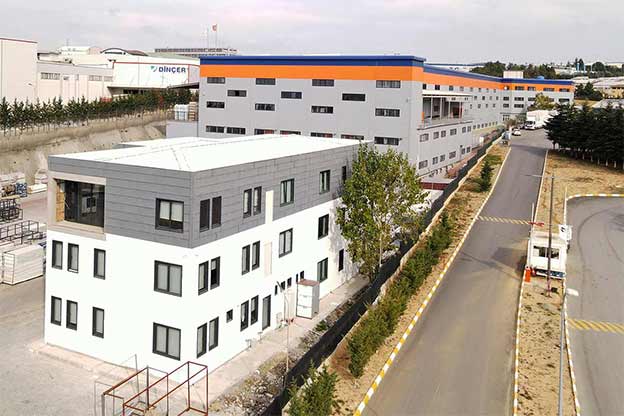
- Storage and logistics facilities serving ports, distribution centers, and industrial zones
These applications demonstrate how modular buildings and prefabricated building systems integrate seamlessly into the Netherlands’ highly regulated and efficiency-driven construction environment.
From Design to Installation: How the Process Works
The process begins with a detailed project needs analysis. Functional requirements, spatial constraints, sustainability targets, and regulatory conditions are assessed to determine the most suitable construction approach.
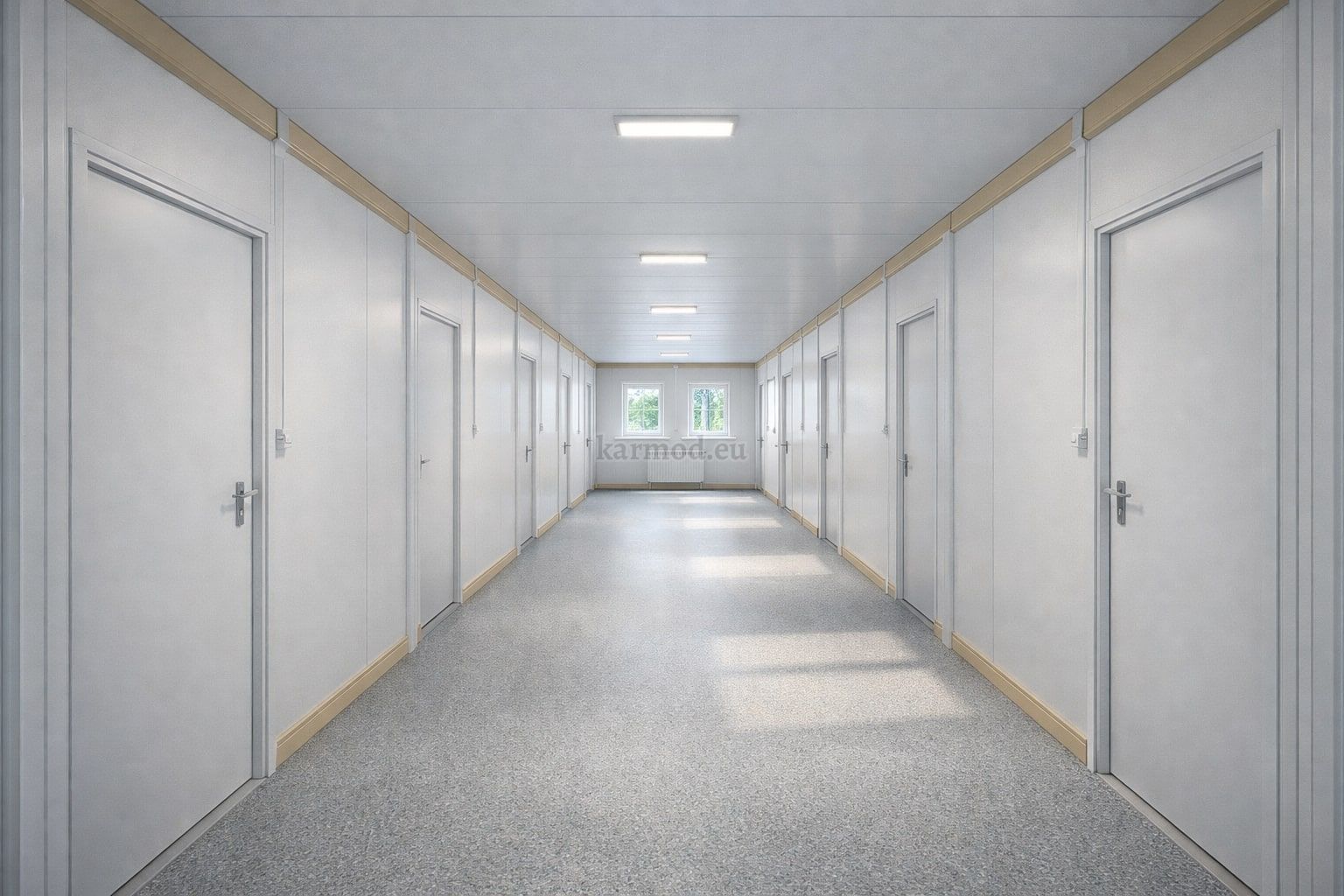
This is followed by custom design and technical specification development. Layouts, insulation systems, fire safety measures, and mechanical and electrical installations are defined to meet both operational needs and Dutch building standards. Once designs are approved, production takes place in factory environments where quality control and precision manufacturing are central.
Completed modules or structural components are then prepared for delivery to the Netherlands. Logistics planning ensures efficient transportation and compliance with local regulations. On-site installation is carried out by specialized teams, minimizing disruption and enabling buildings to become operational within a significantly reduced timeframe.
Key Considerations for Modular Buildings in the Netherlands
Thermal insulation is essential due to strict energy efficiency requirements. High-performance insulation systems help meet sustainability targets and reduce long-term operating costs.
Fire safety standards are particularly stringent. Certified materials, fire-resistant assemblies, and integrated safety systems are critical for regulatory compliance and occupant protection.
Climate suitability must account for the Netherlands’ maritime climate, including moisture, wind loads, and temperature variation. Proper detailing and material selection ensure durability and long-term performance.
Custom layouts allow organizations to adapt buildings to specific workflows, space constraints, and future expansion plans. This flexibility is especially valuable in dense urban and industrial environments.
With extensive experience in industrialized construction, Karmod brings international expertise to projects in the Netherlands. Drawing on experience gained across Europe, Karmod modular building solutions are designed to meet high regulatory expectations while delivering consistency, durability, and adaptability. This background supports decision-makers seeking reliable modular and prefabricated solutions within one of Europe’s most demanding construction markets.
For organizations planning new developments or optimizing existing facilities in the Netherlands, modular buildings and prefabricated building systems provide a disciplined construction approach that aligns with efficiency, sustainability, and long-term operational planning.