


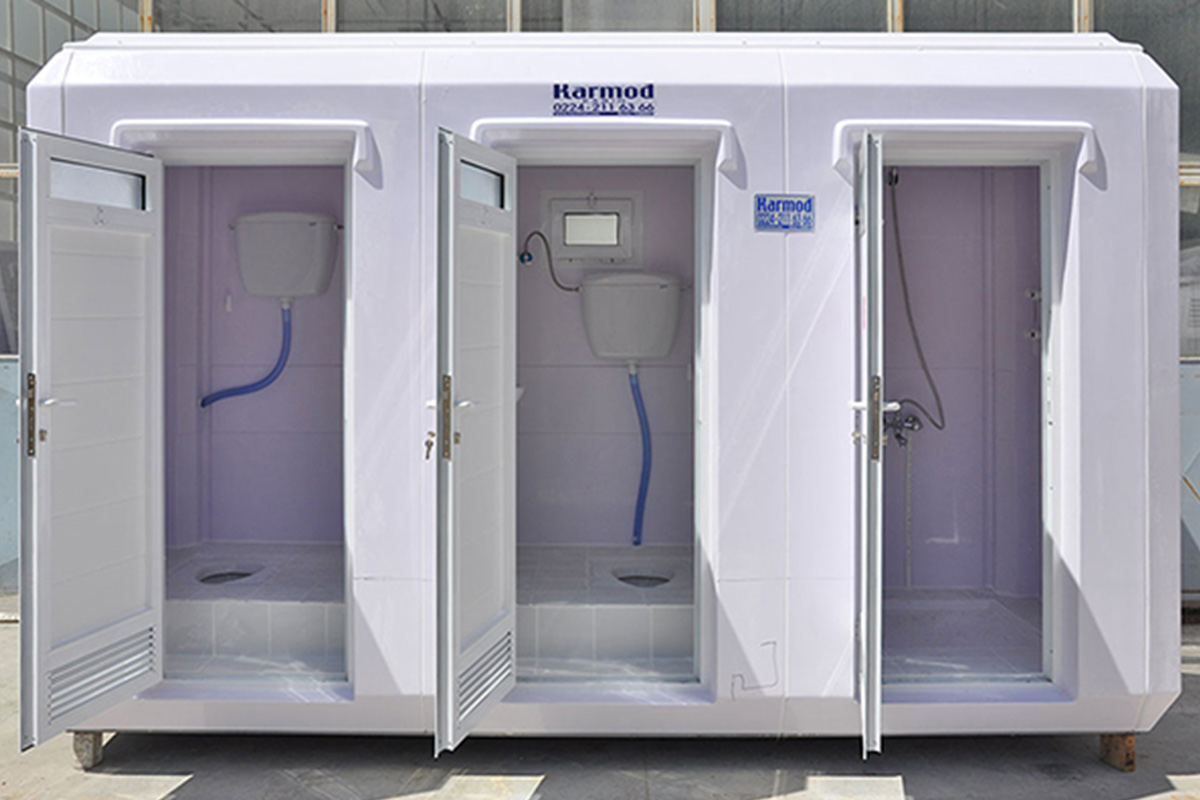
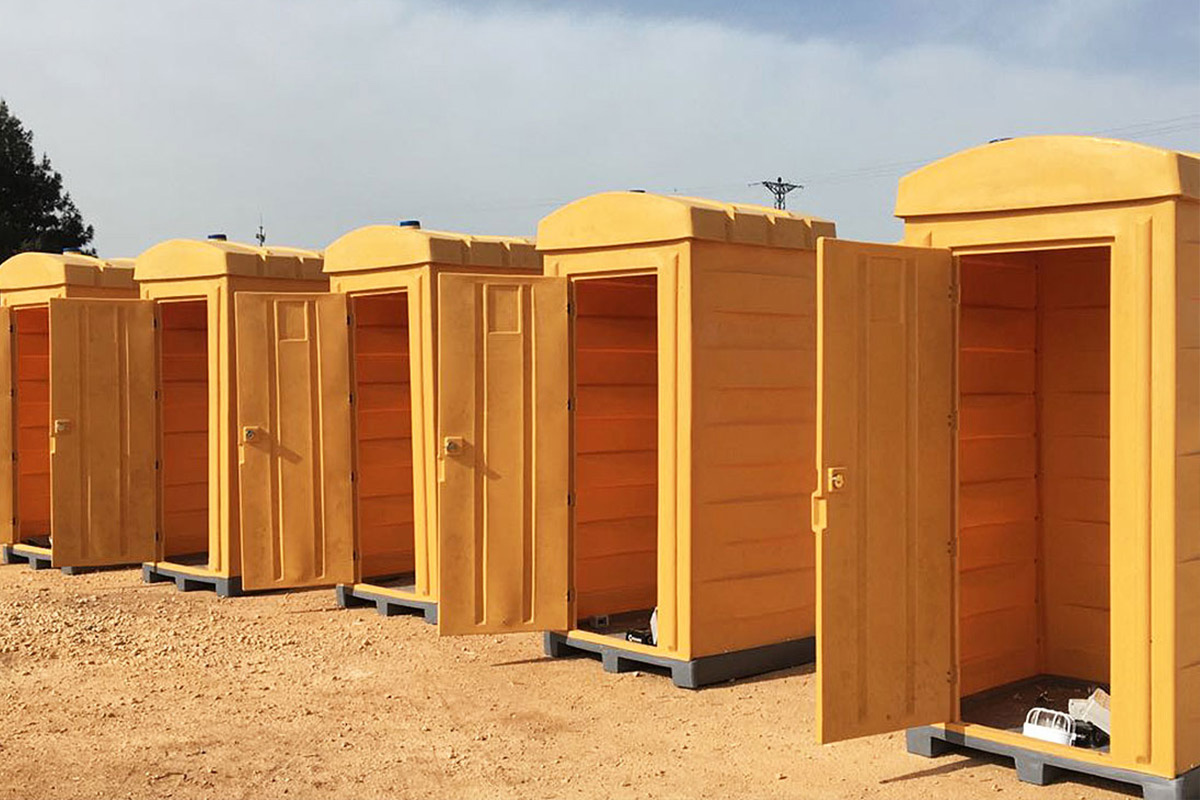
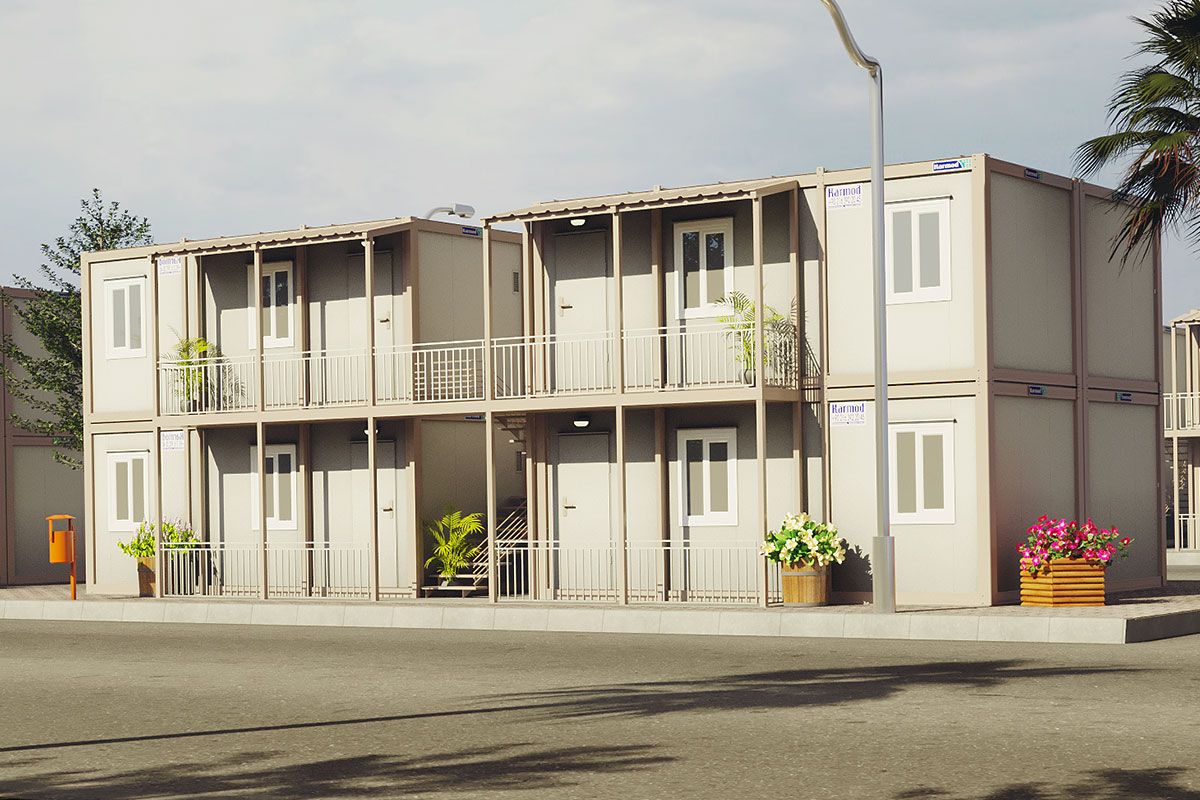
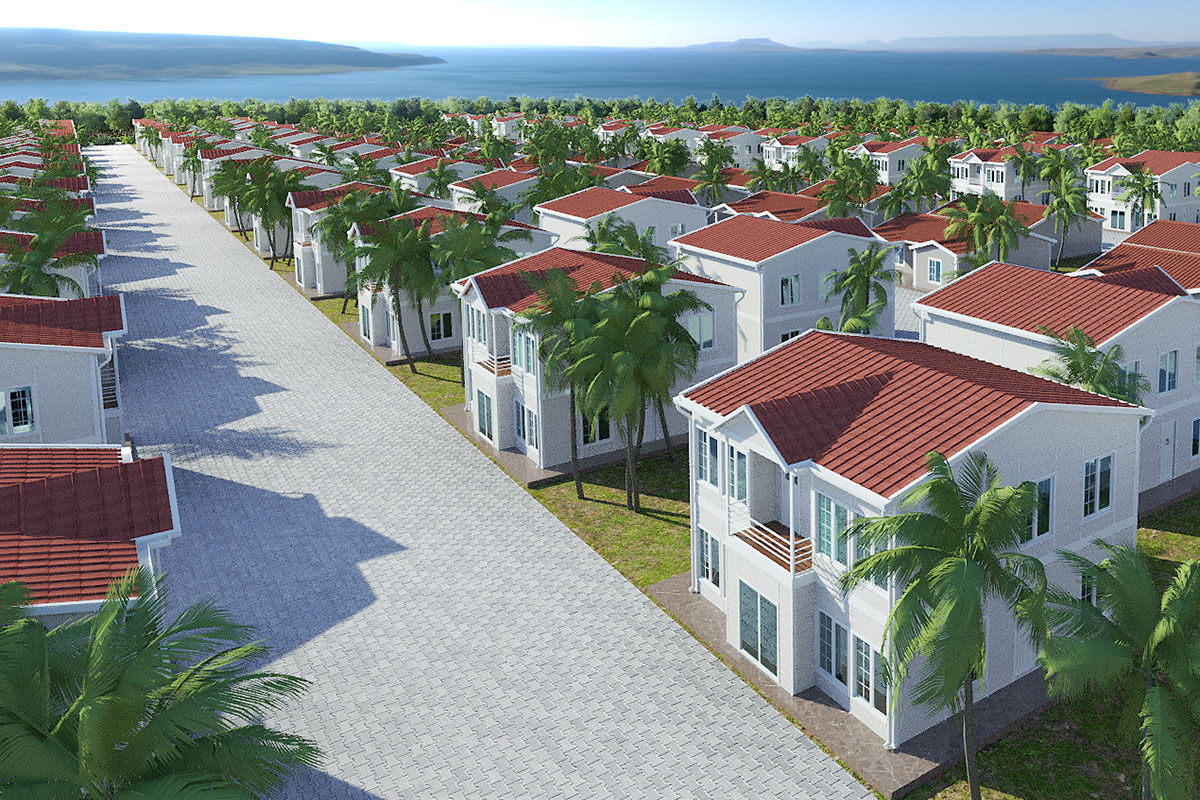
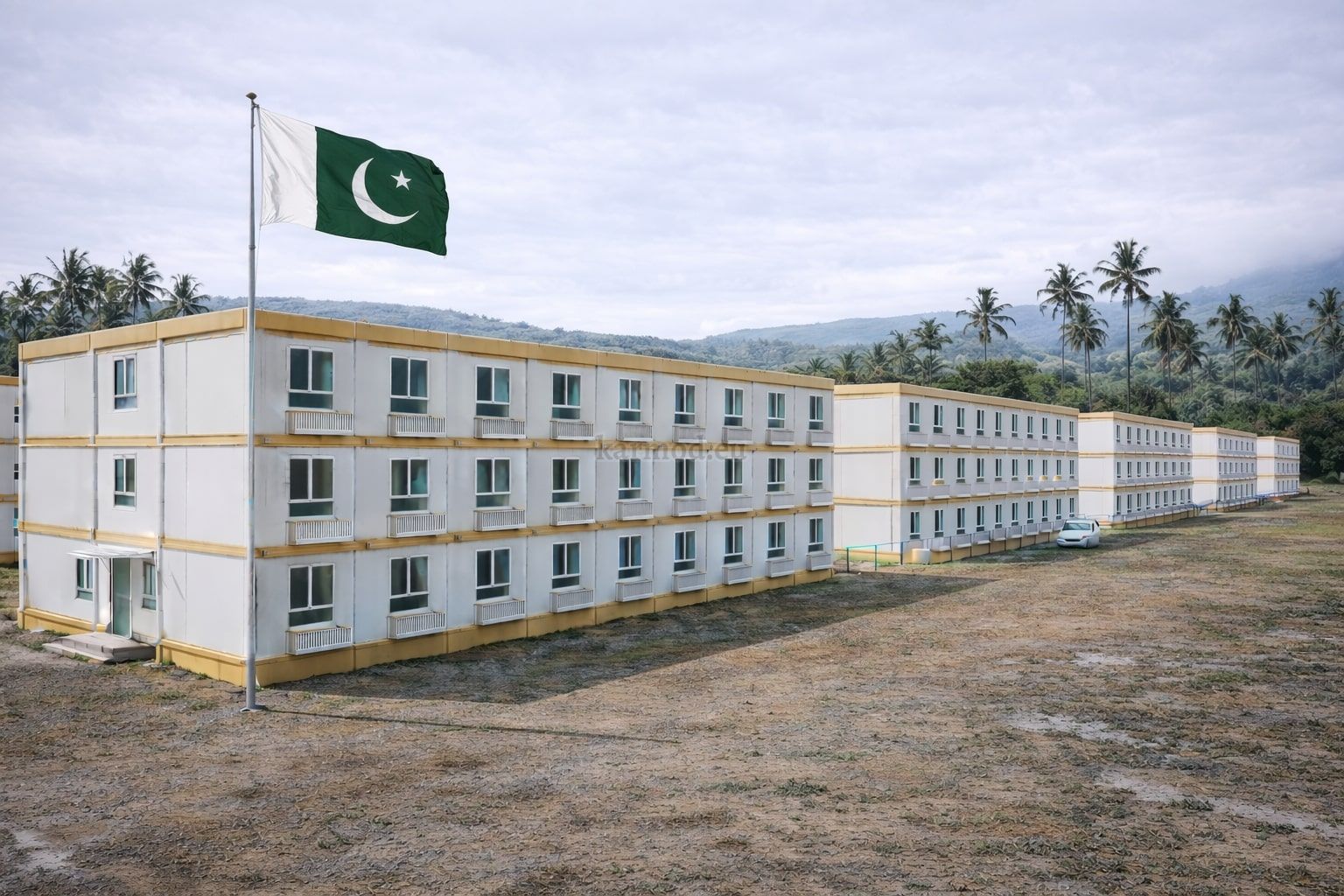
Pakistan’s construction and infrastructure landscape is undergoing a visible transformation. Rapid urbanization, population growth, and large-scale investments in transportation, energy, and industrial zones are creating a strong demand for faster, more controlled building methods. In this context, modular buildings and prefabricated building solutions are increasingly viewed as practical tools for organizations that need speed, cost predictability, and consistent quality. For corporate buyers, public authorities, and international contractors operating in Pakistan, these systems provide a reliable alternative to conventional construction models.
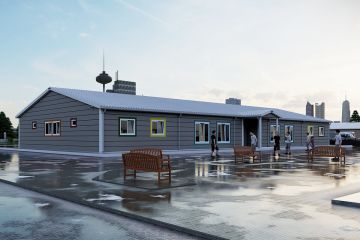
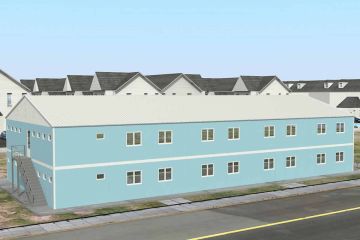
Why Modular Buildings Are in High Demand in Pakistan
Several structural factors are driving interest in modular buildings across Pakistan. Labor availability varies significantly between regions, and skilled workforce costs can fluctuate depending on project location. Modular construction reduces on-site labor dependency by shifting a large portion of the work to factory environments, where processes are standardized and timelines are easier to manage.
Construction schedules are another decisive factor. Major infrastructure and industrial projects often operate under tight deadlines, especially in logistics corridors, energy facilities, and public sector developments. Modular buildings allow parallel progress: site preparation continues while building units are manufactured off-site, shortening overall project durations.
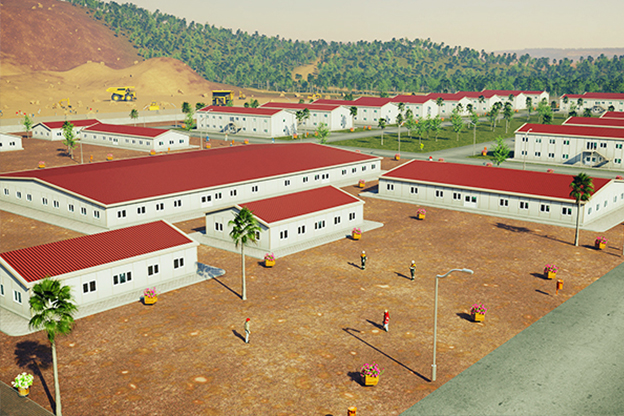
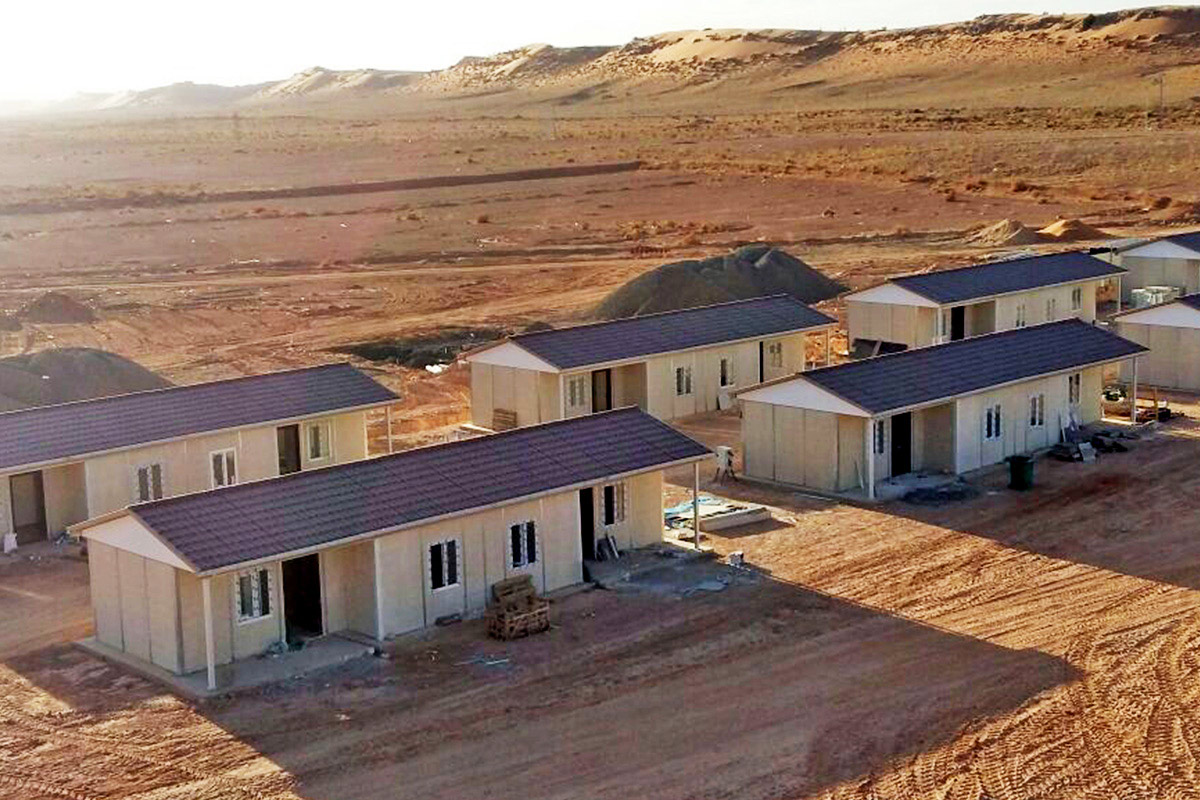
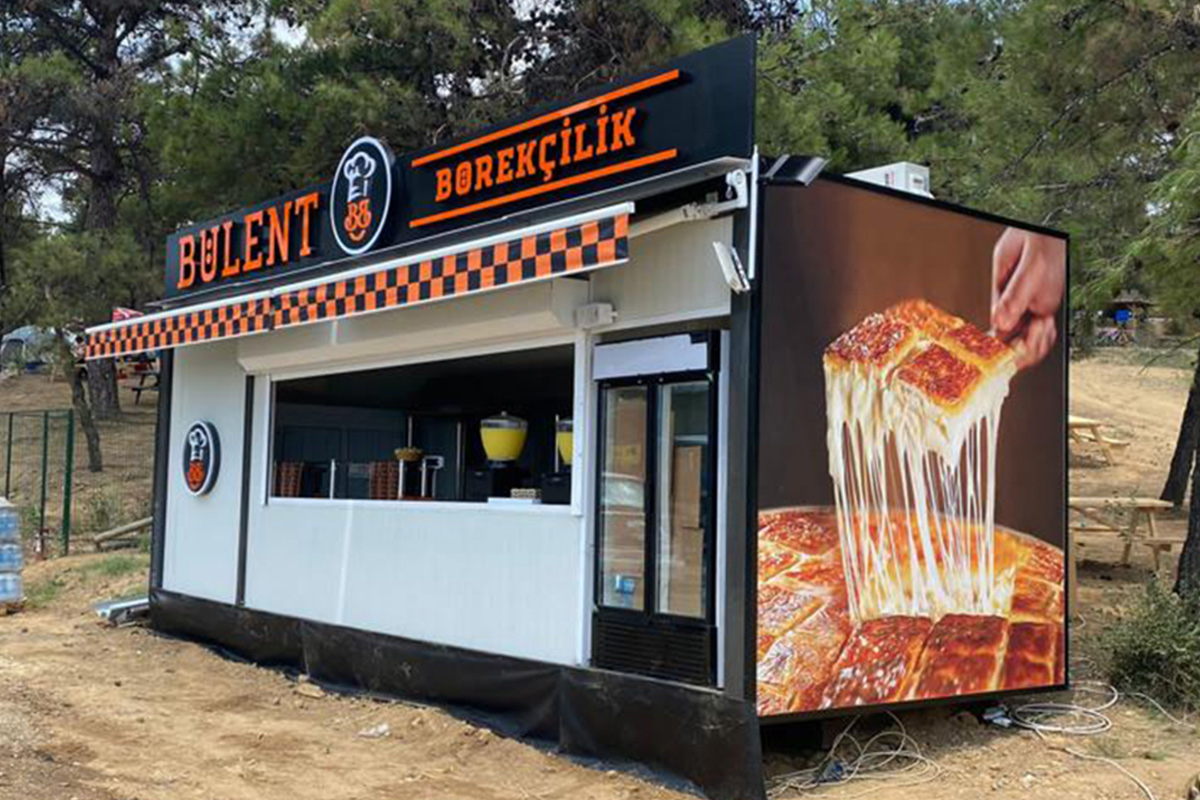
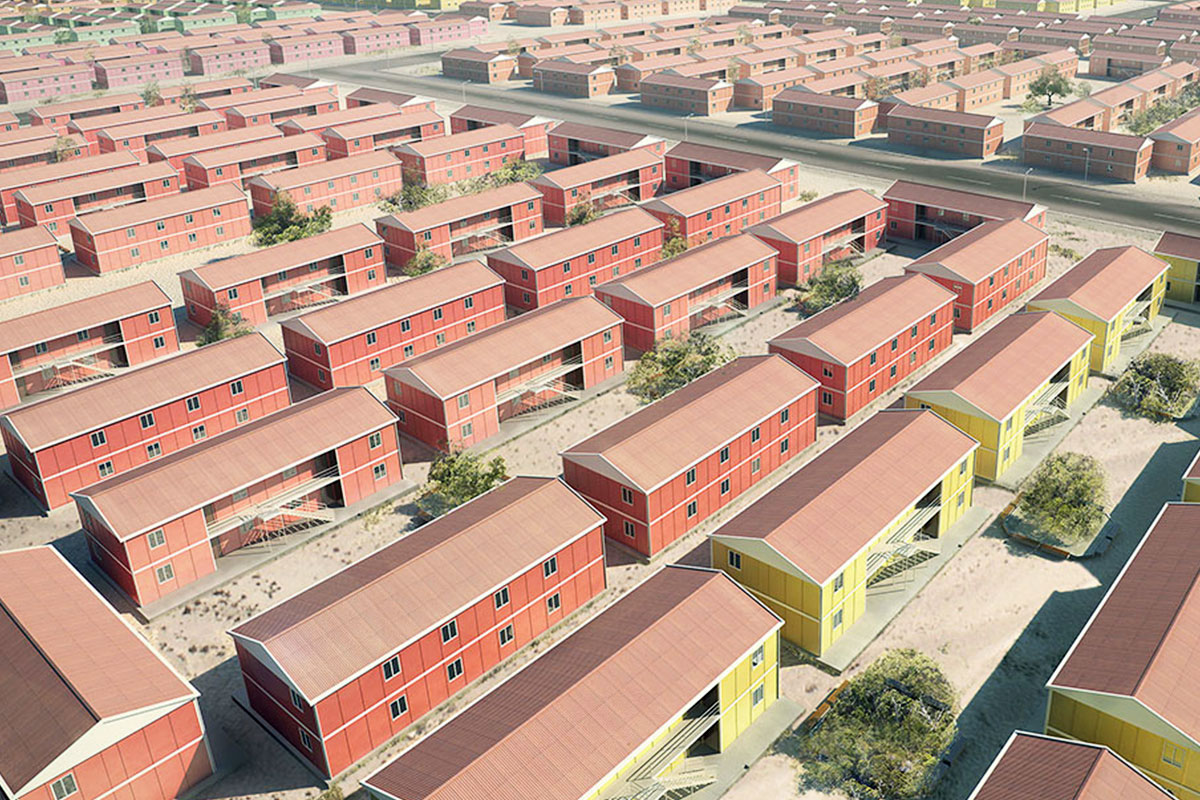
Pakistan also has a dual need for both temporary and permanent structures. Construction camps, site offices, and worker accommodation often need to be relocated as projects progress, while schools, healthcare units, and administrative buildings require long-term durability. Modular systems can address both requirements within the same structural logic.
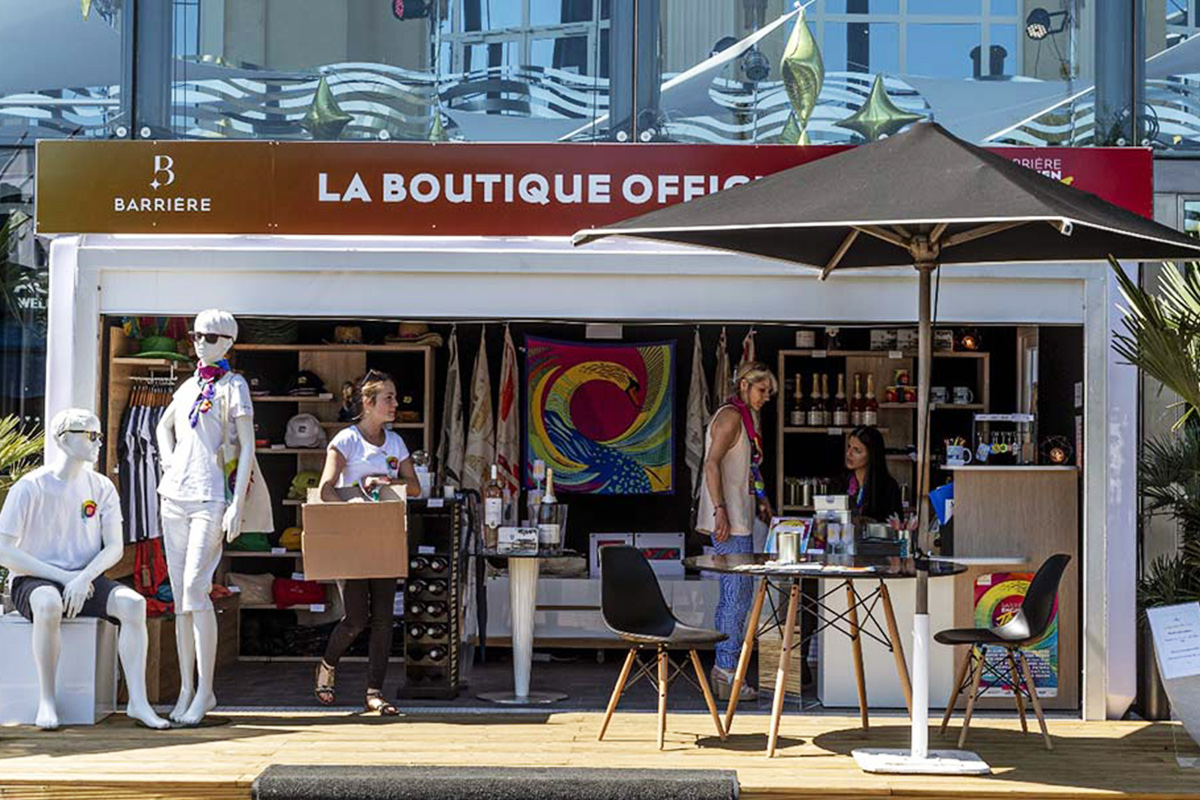
Sector-specific demand further strengthens this trend. Logistics hubs, industrial estates, power generation projects, and public infrastructure initiatives all require scalable and repeatable building solutions. Modular buildings offer flexibility in size and layout, making them suitable for diverse regional and sectoral needs across Pakistan.
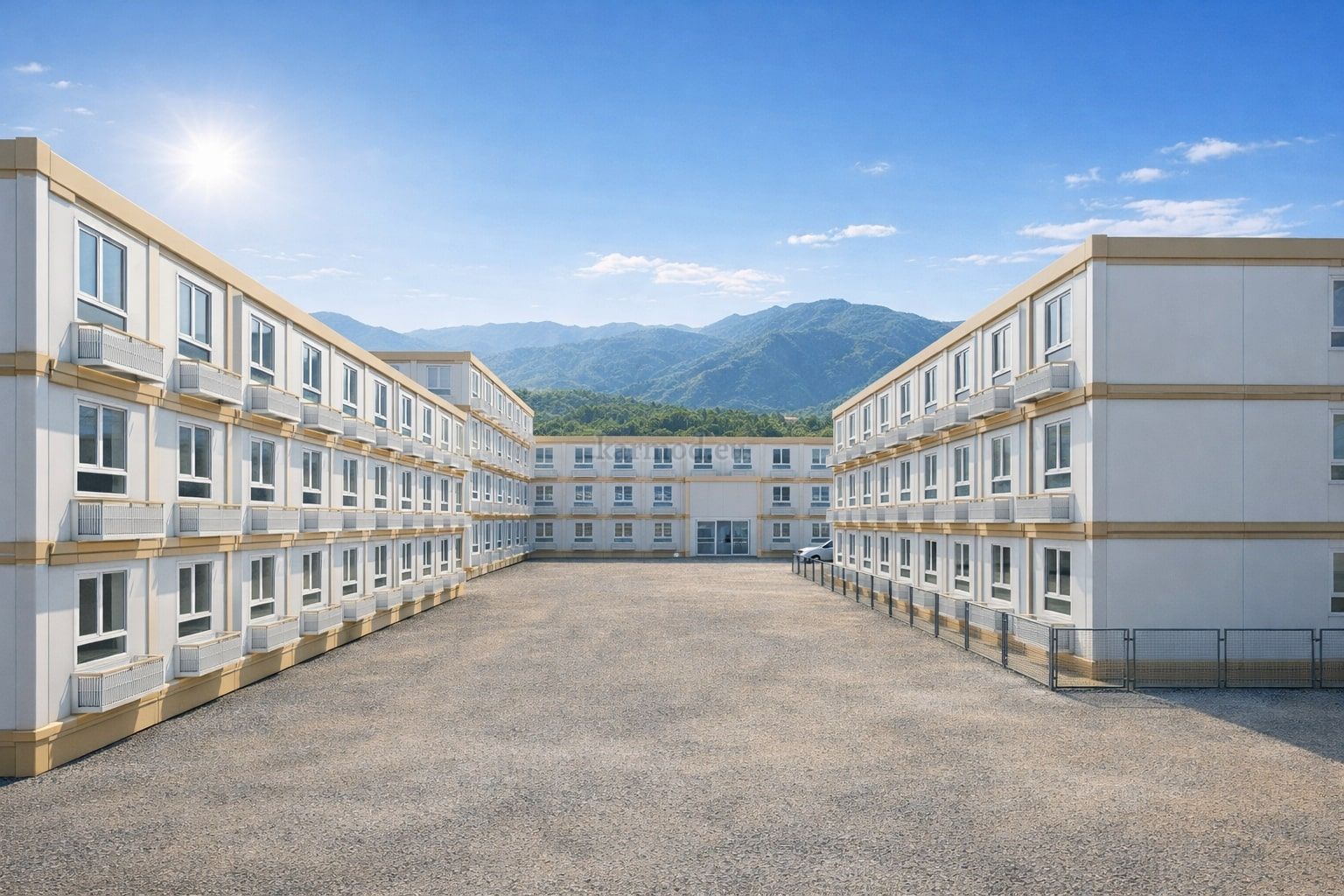
Modular Buildings vs. Prefabricated Building Systems
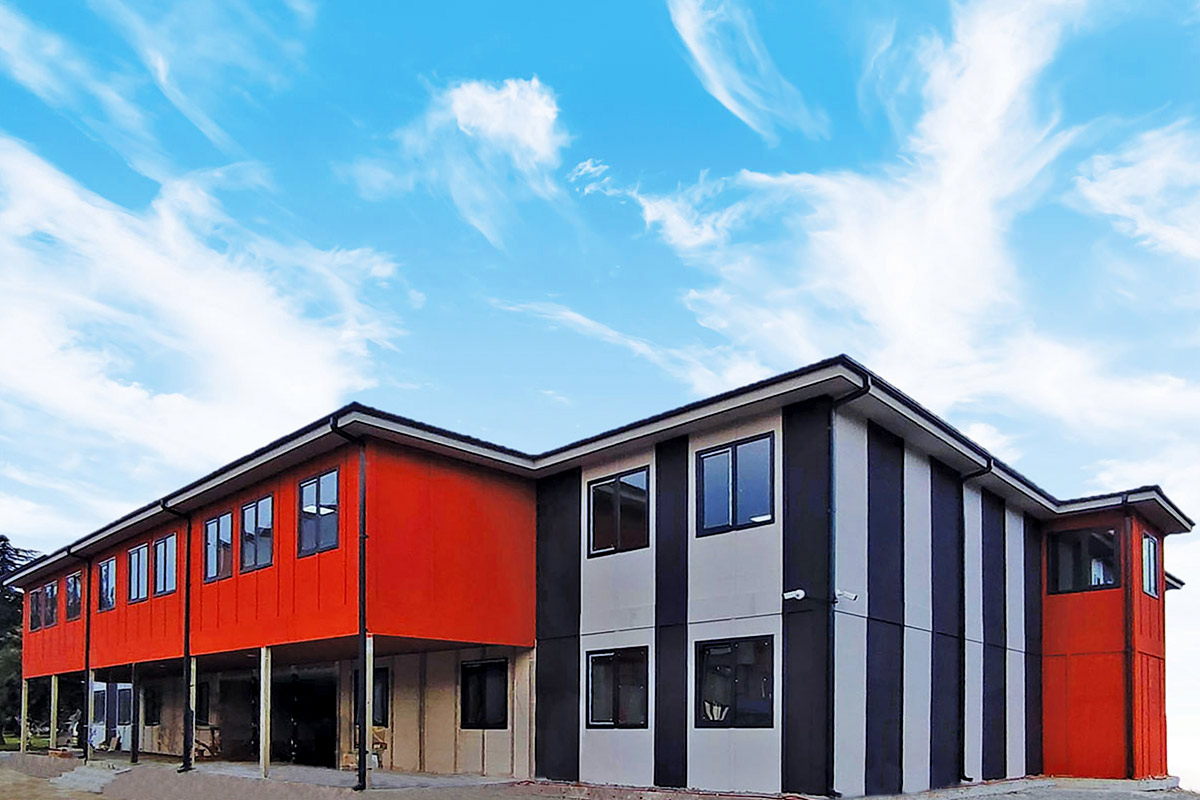
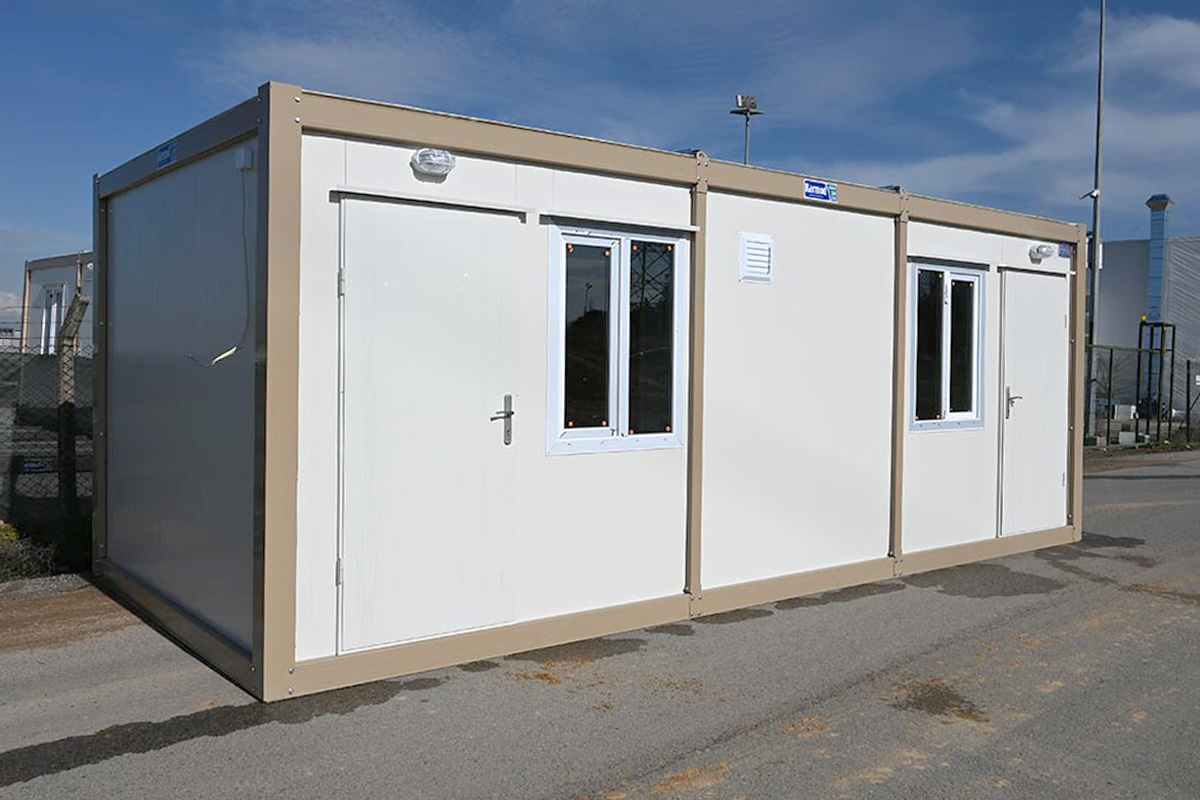
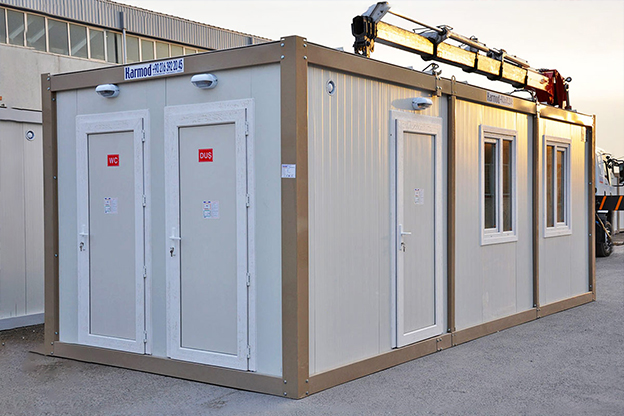
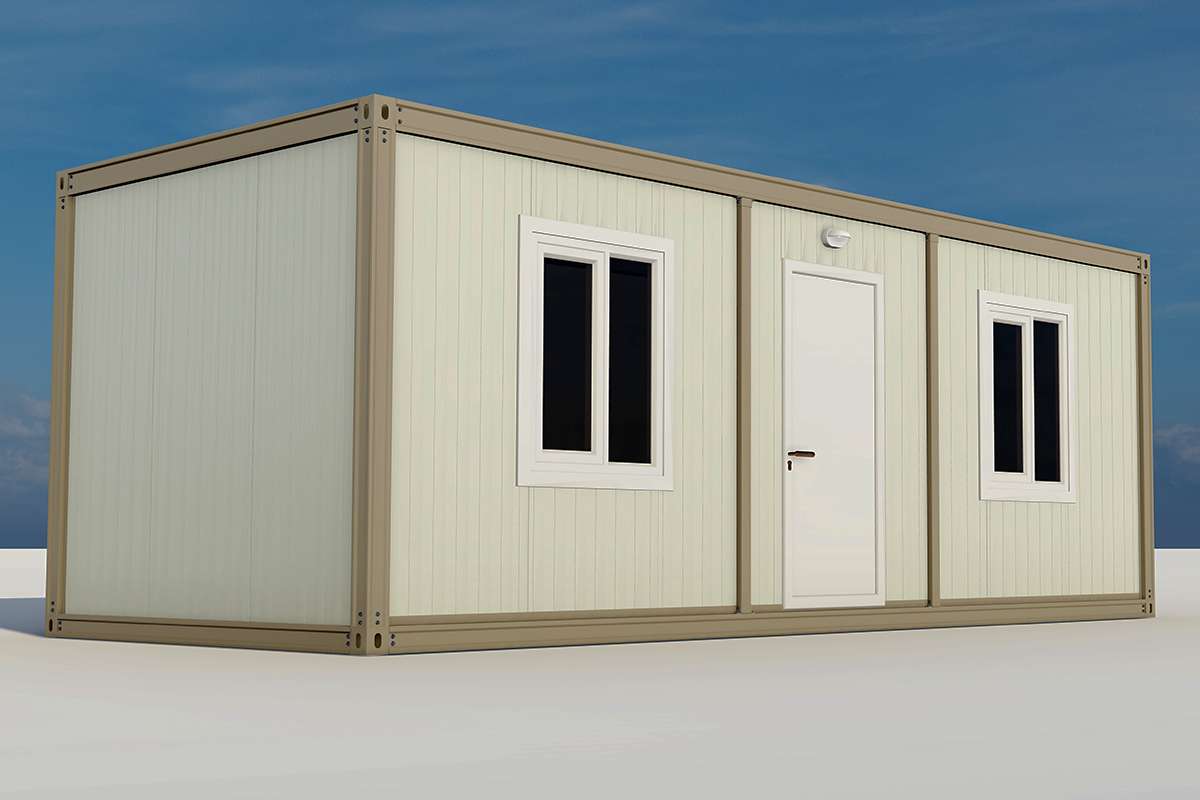
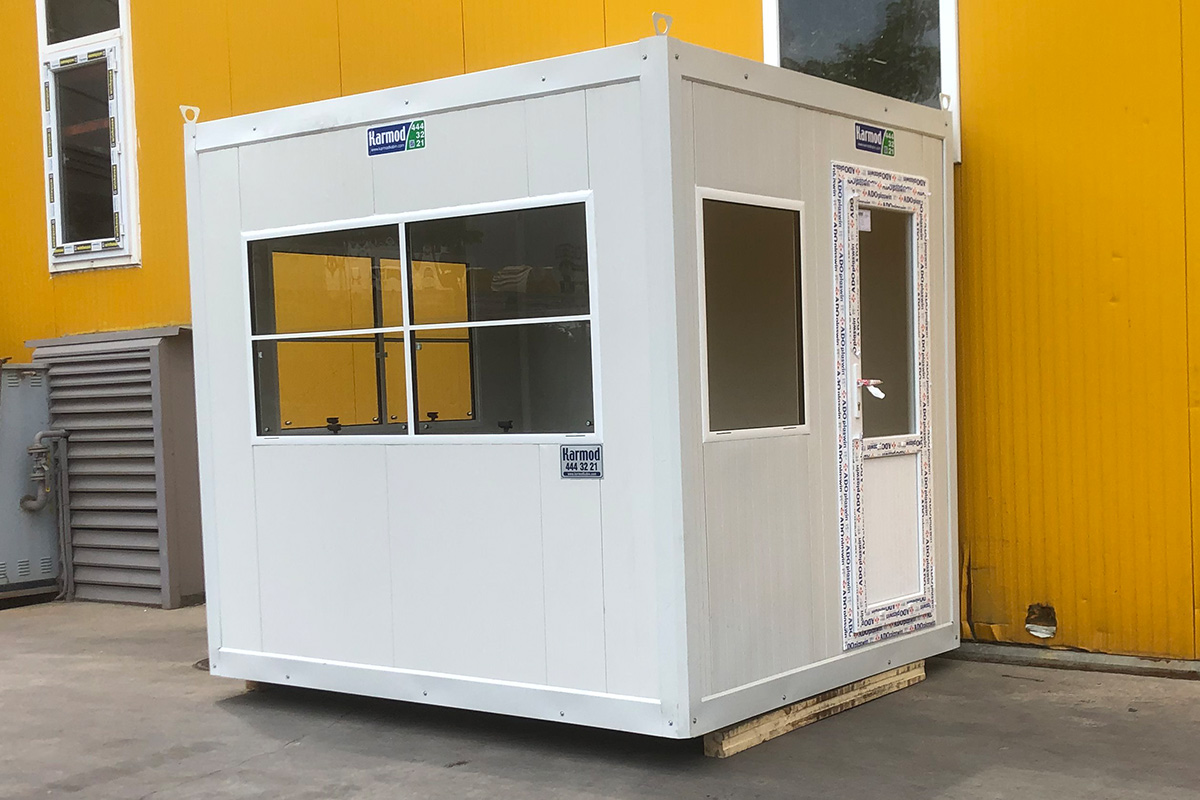
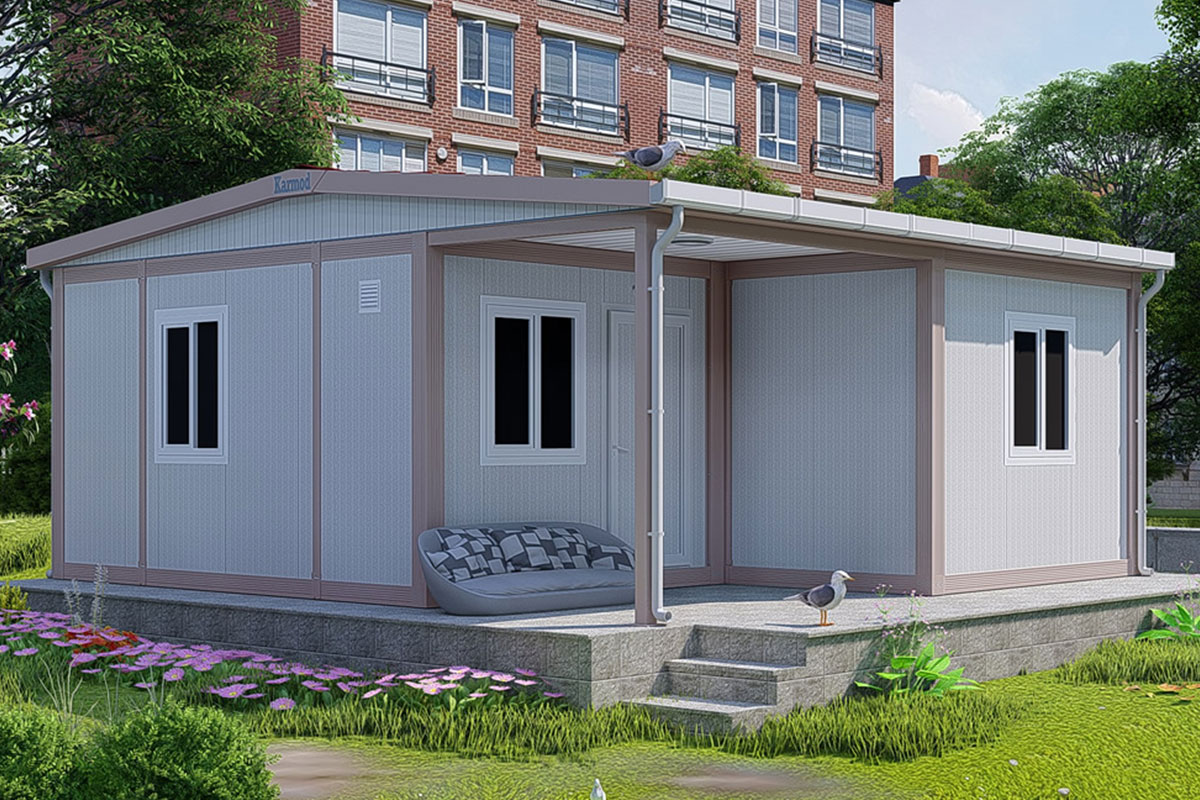
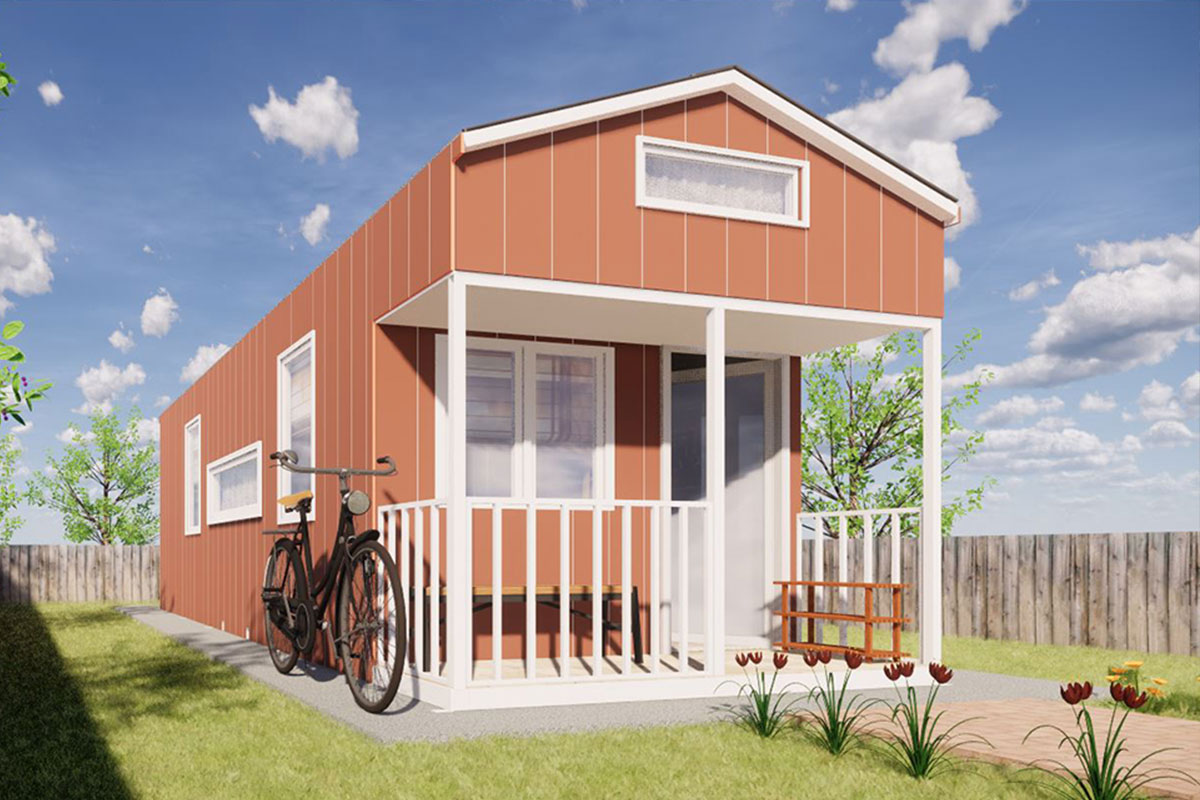
Although often mentioned together, modular buildings and prefabricated building systems serve different functional priorities. Modular buildings are produced as volumetric units that arrive on site largely complete. Their module-based structure makes them easy to transport, relocate, expand, or reconfigure over time. This approach is particularly effective for projects that anticipate future changes or phased growth.
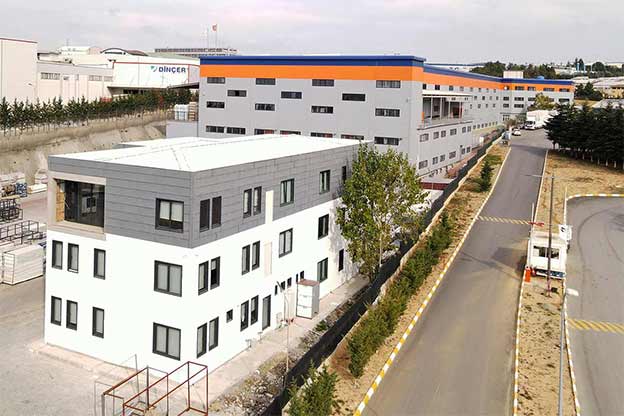
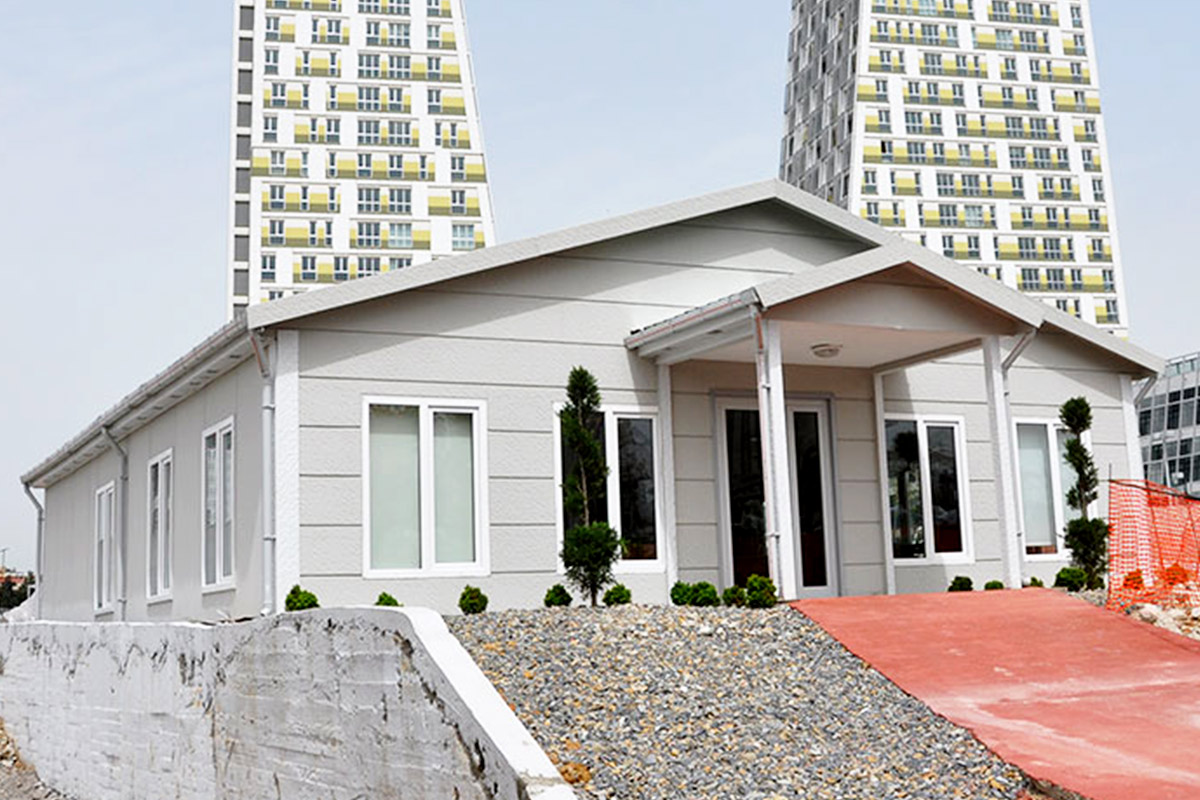
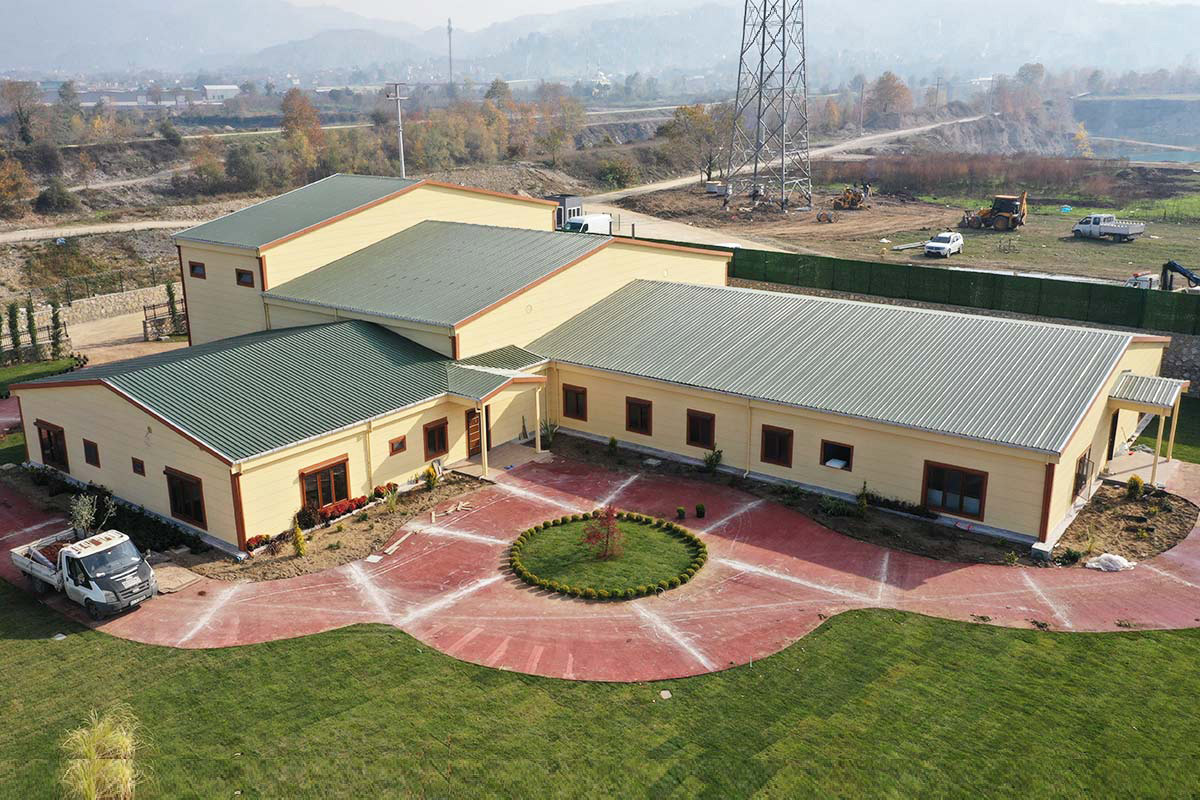
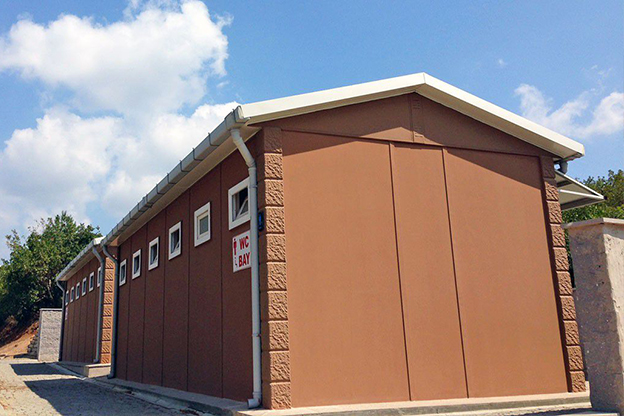
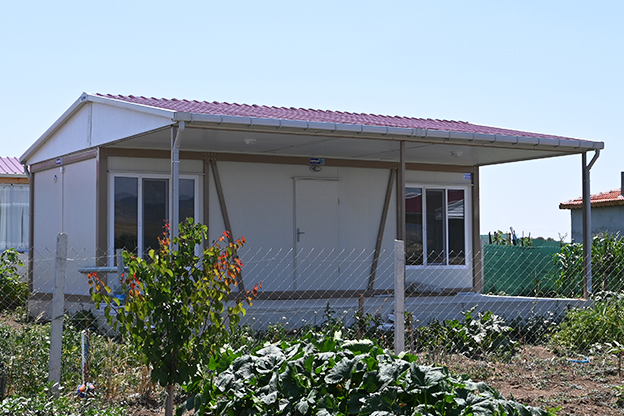
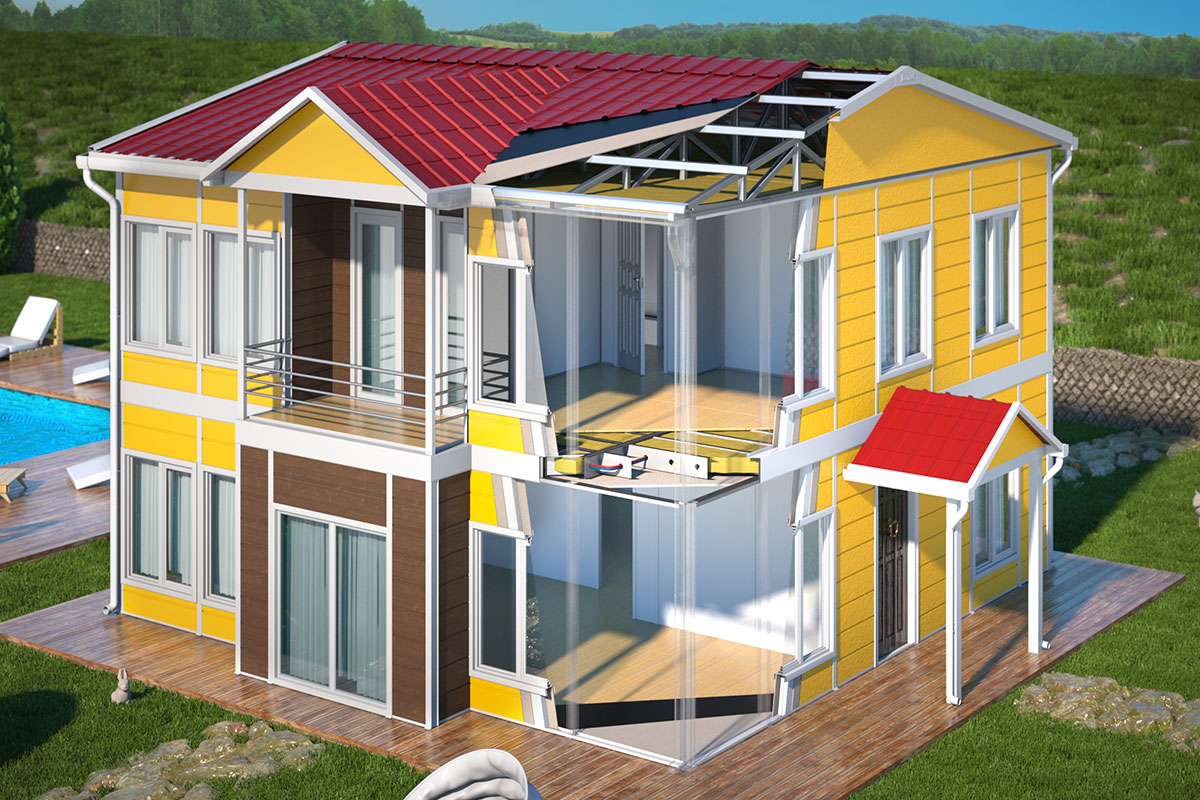
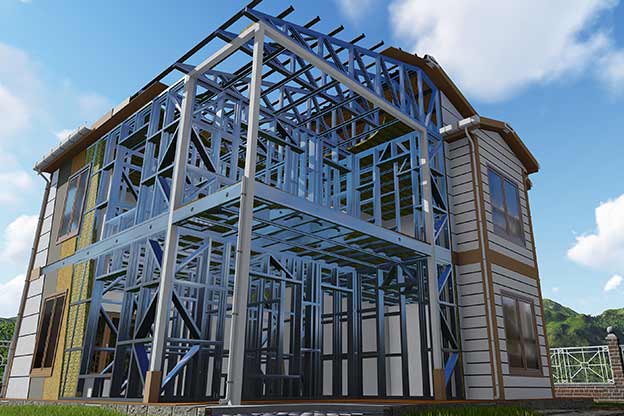
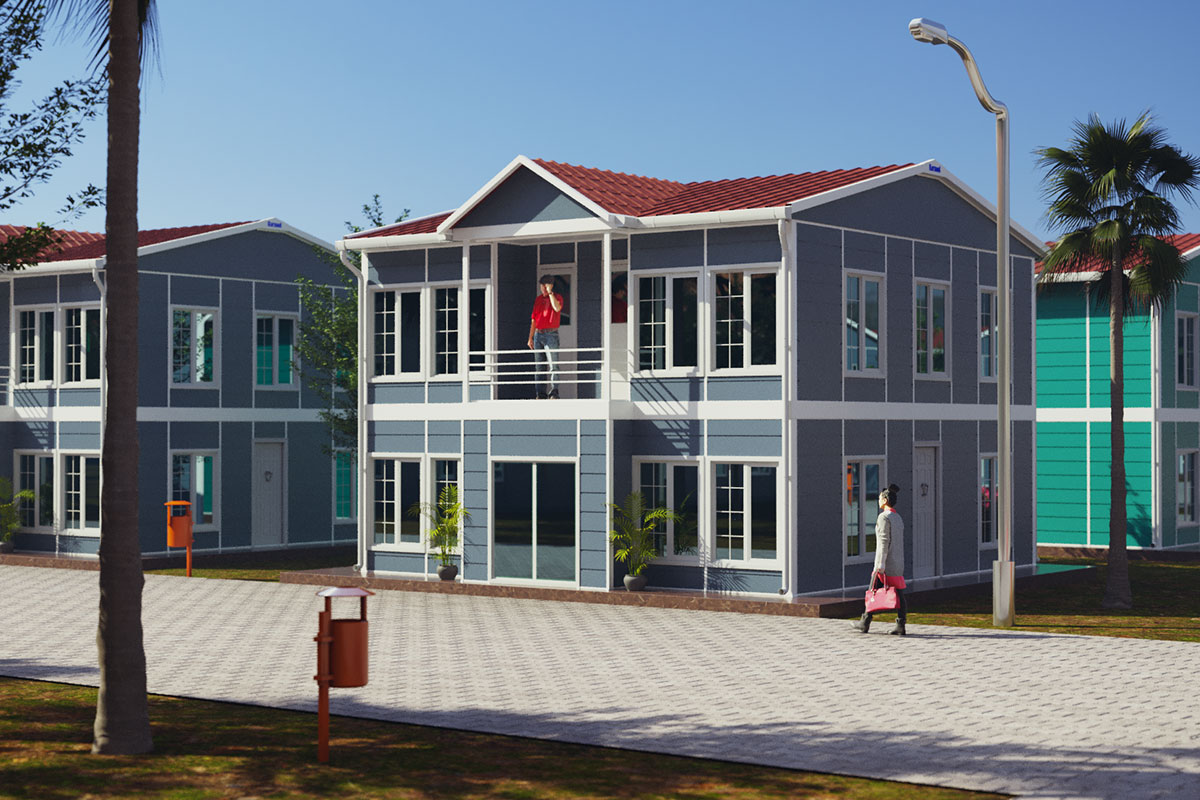
A prefabricated building, on the other hand, is typically constructed using panels or pre-engineered structural components. These elements are assembled on site to create more permanent facilities. This system is well suited to schools, clinics, offices, and industrial buildings where long-term use and architectural integration are key considerations.
In Pakistan, modular buildings are often preferred for construction camps, remote project sites, and fast-moving industrial developments. Prefabricated building solutions are more commonly selected for permanent public facilities and fixed industrial structures, especially where local regulations or long-term planning requirements apply.
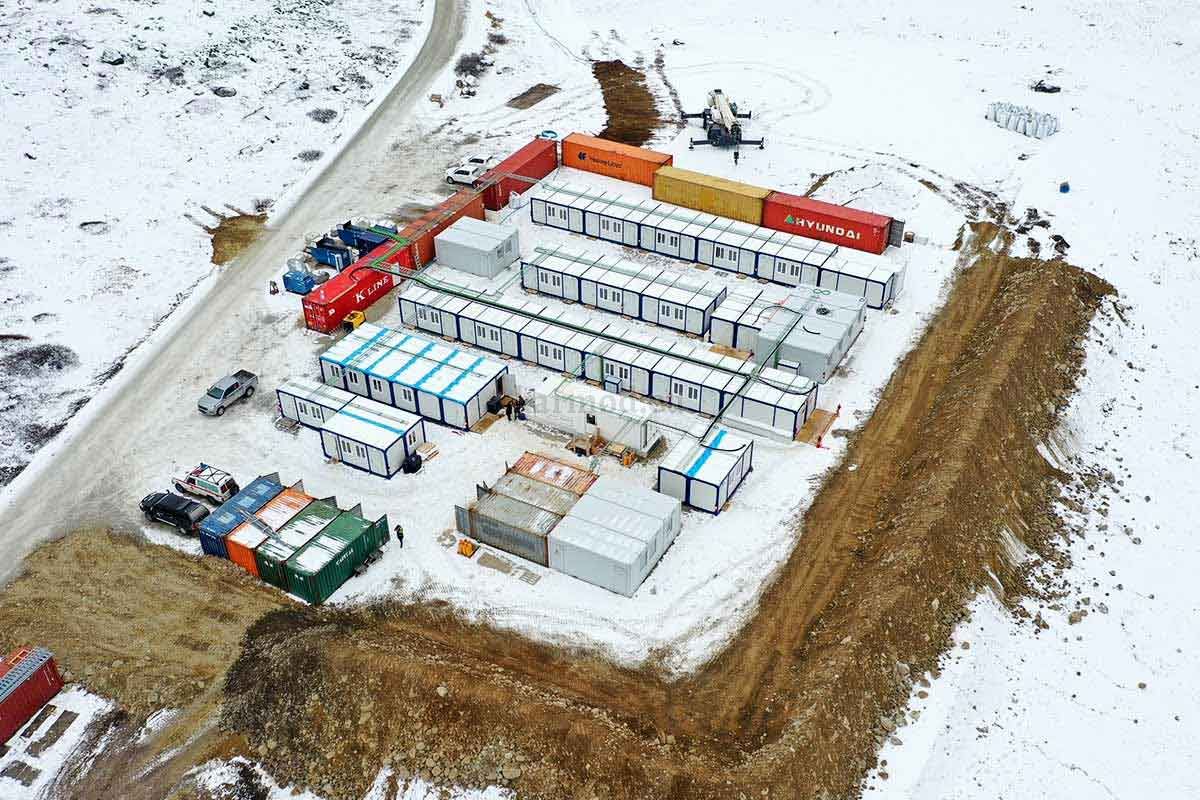
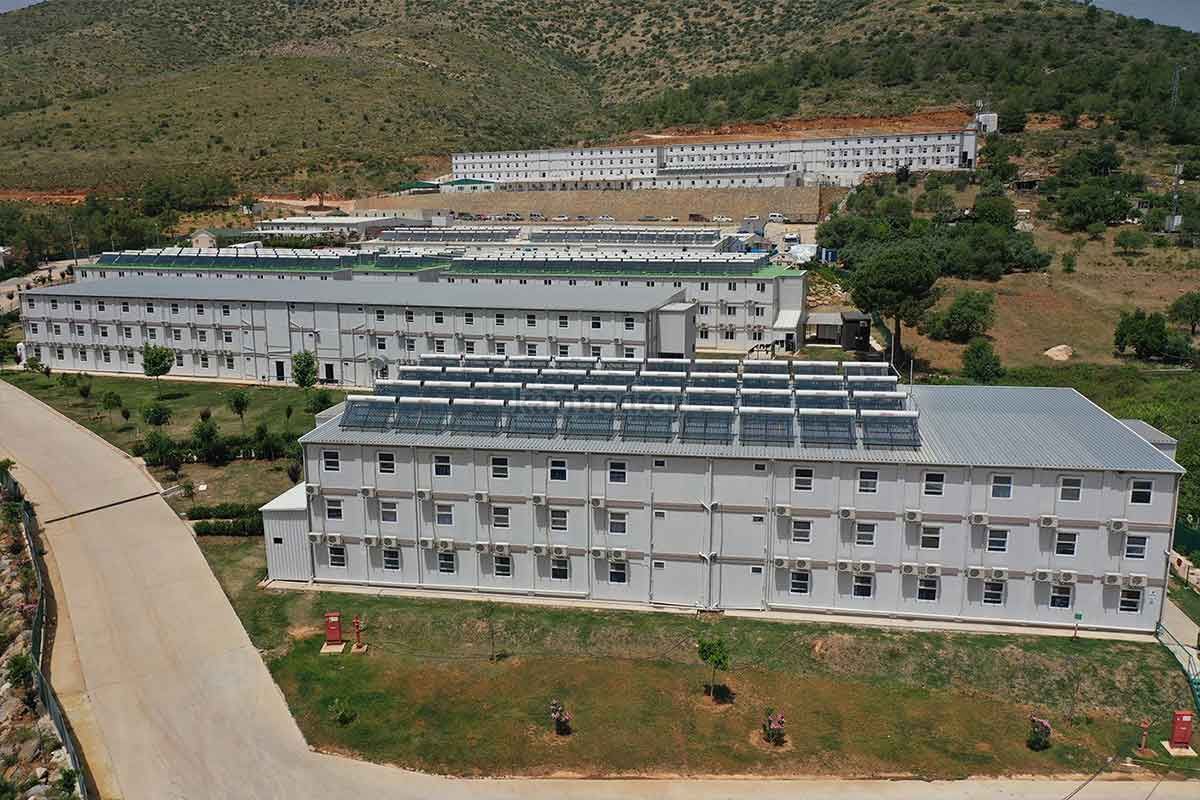
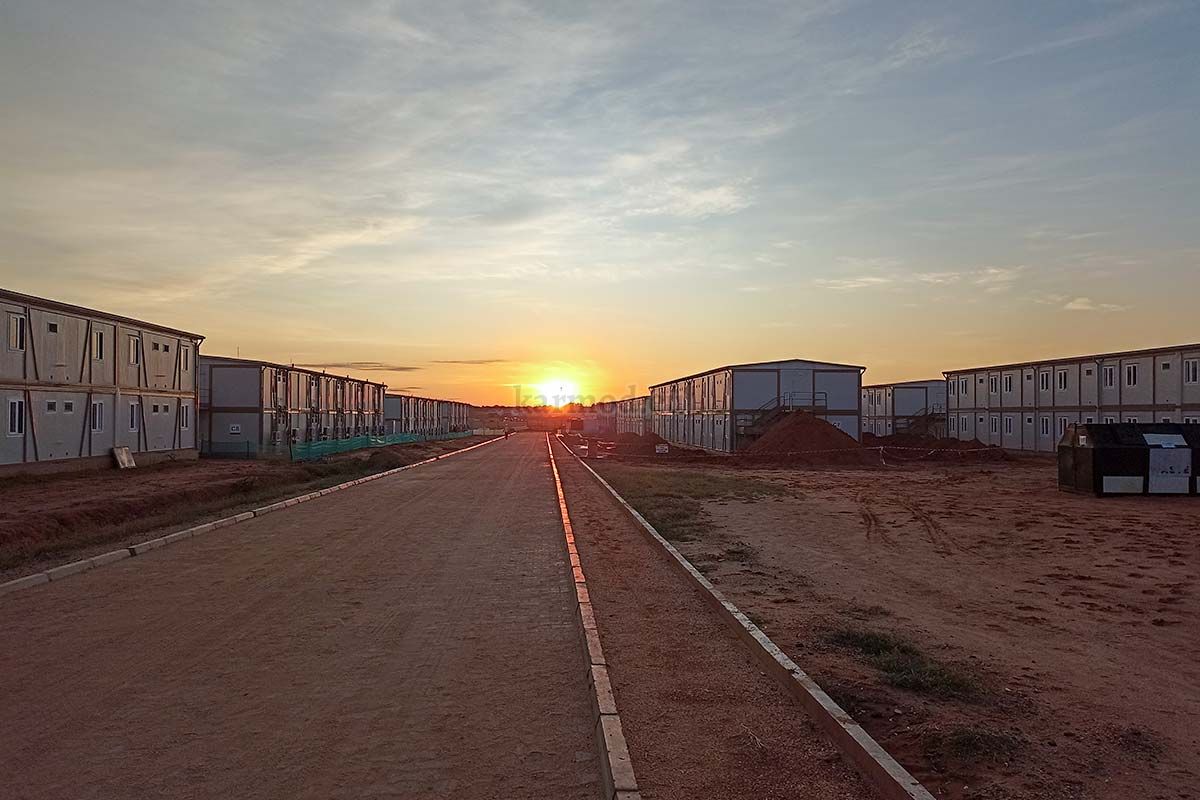
Applications of Modular and Prefabricated Buildings in Pakistan
The range of use cases for these building systems continues to expand across the country:
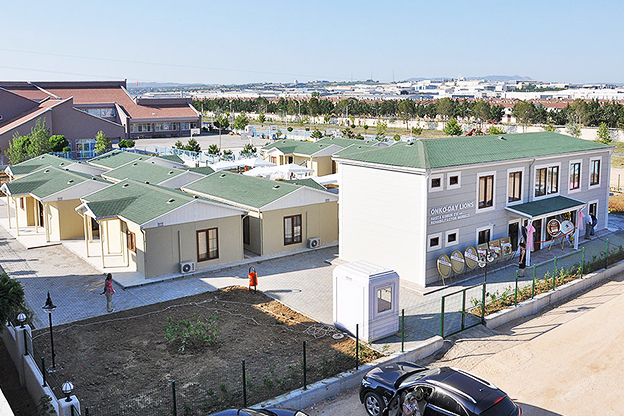
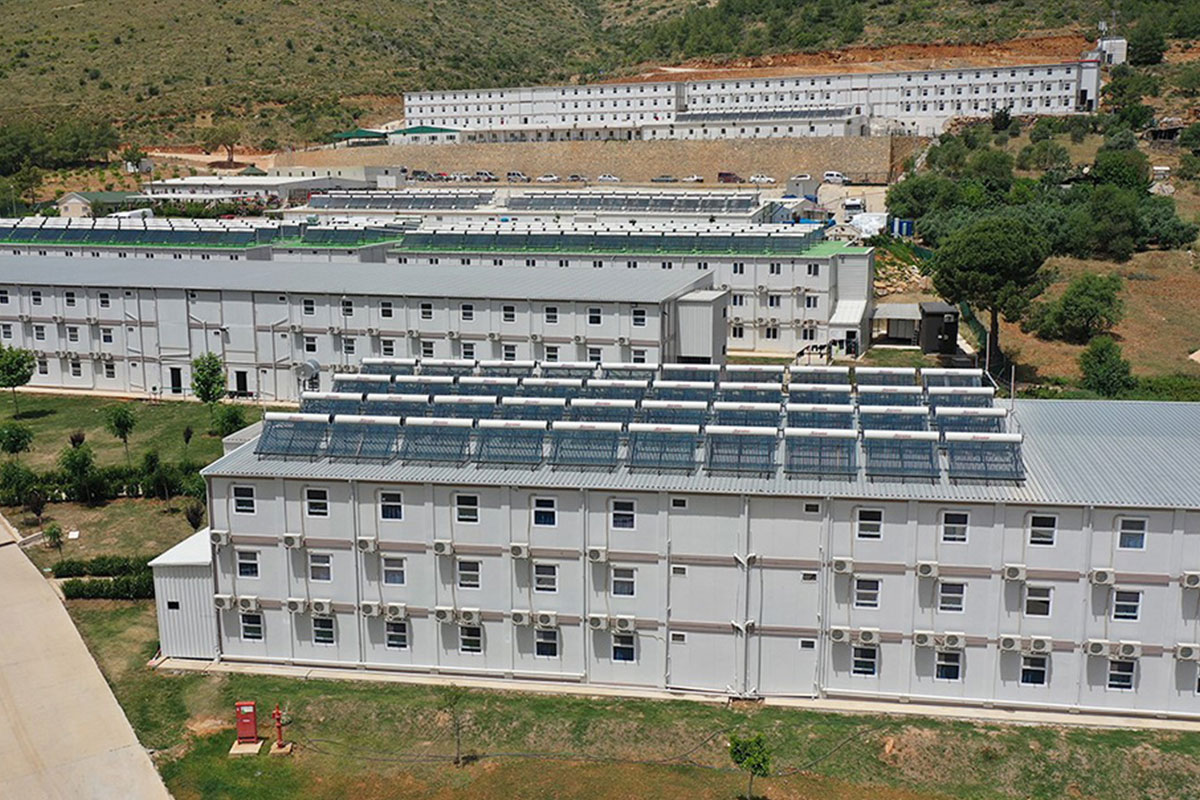
- Site offices & construction camps used by contractors in infrastructure and industrial projects
- Worker accommodation buildings designed to meet health, safety, and comfort expectations
- Temporary schools & healthcare units supporting underserved or rapidly growing areas
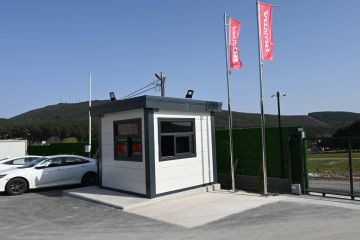
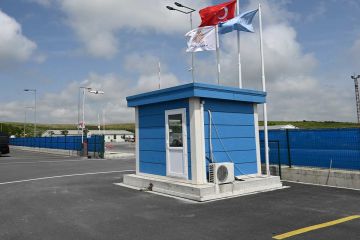
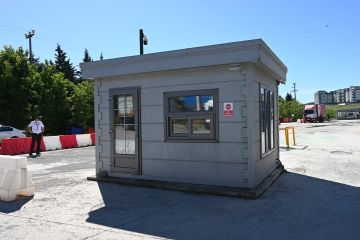
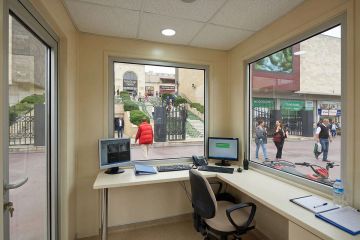
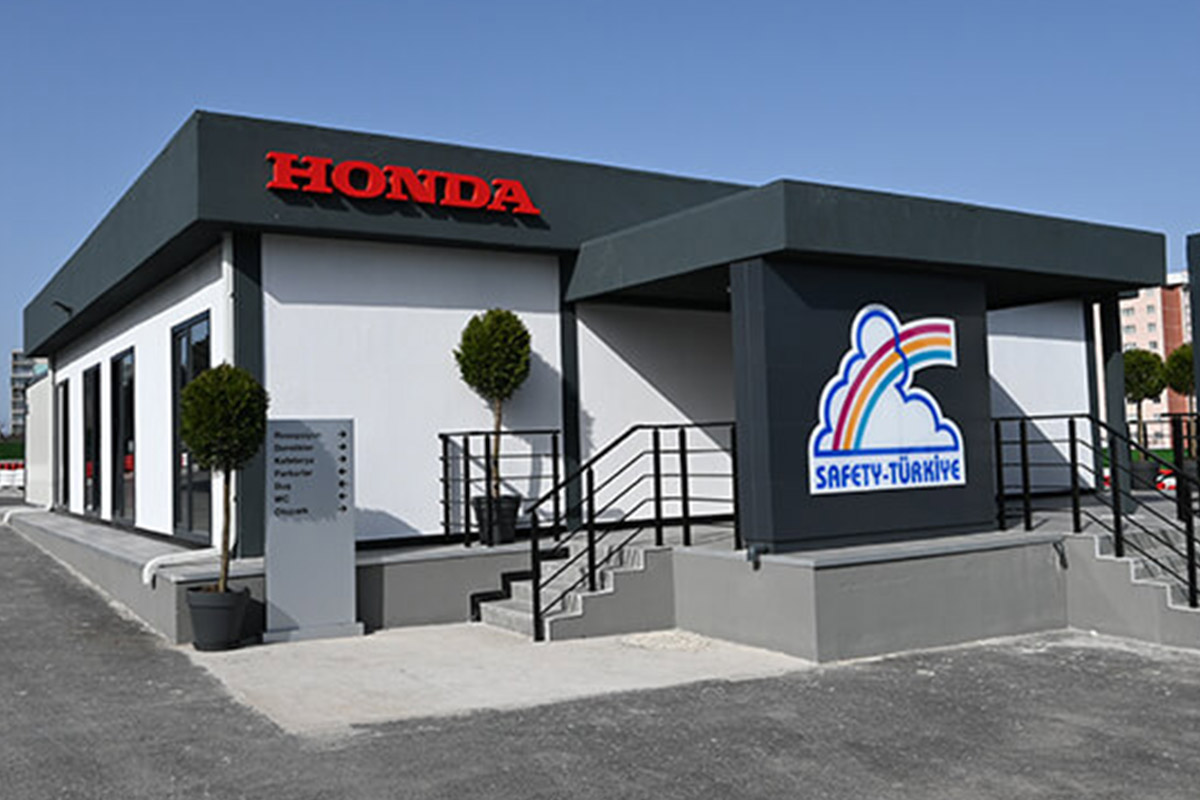
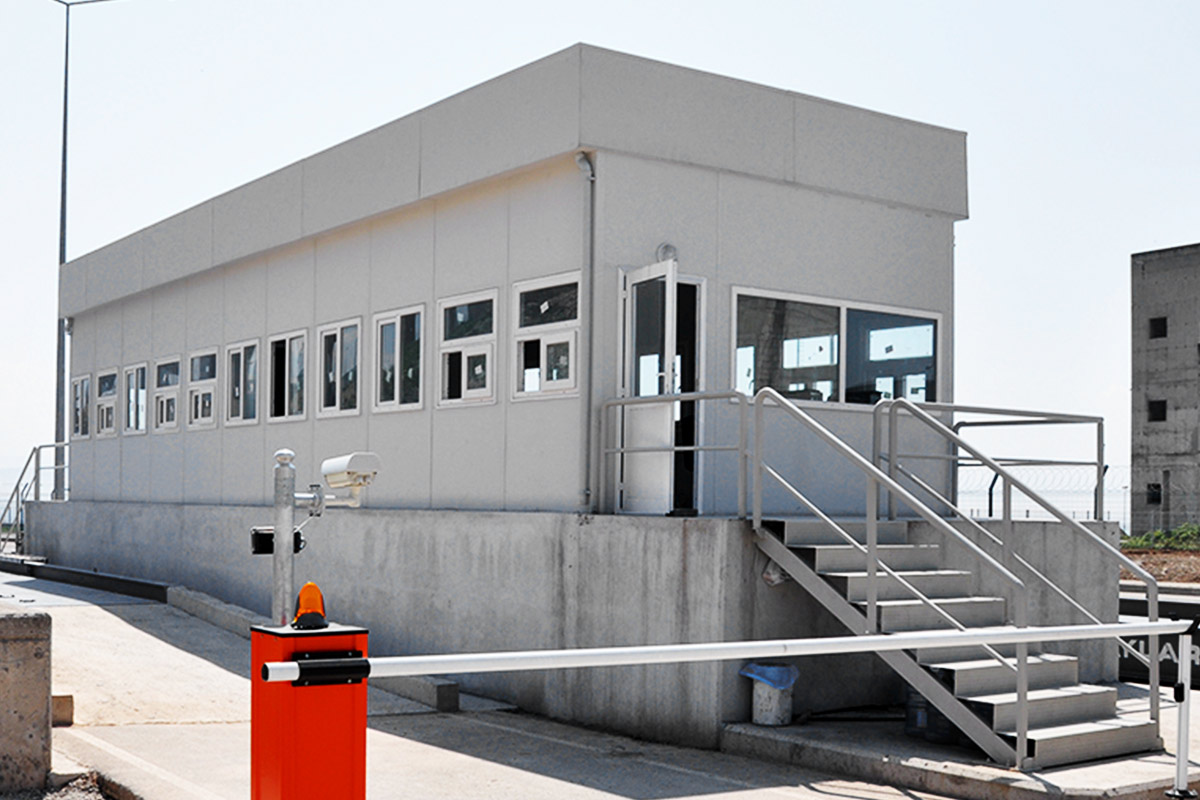
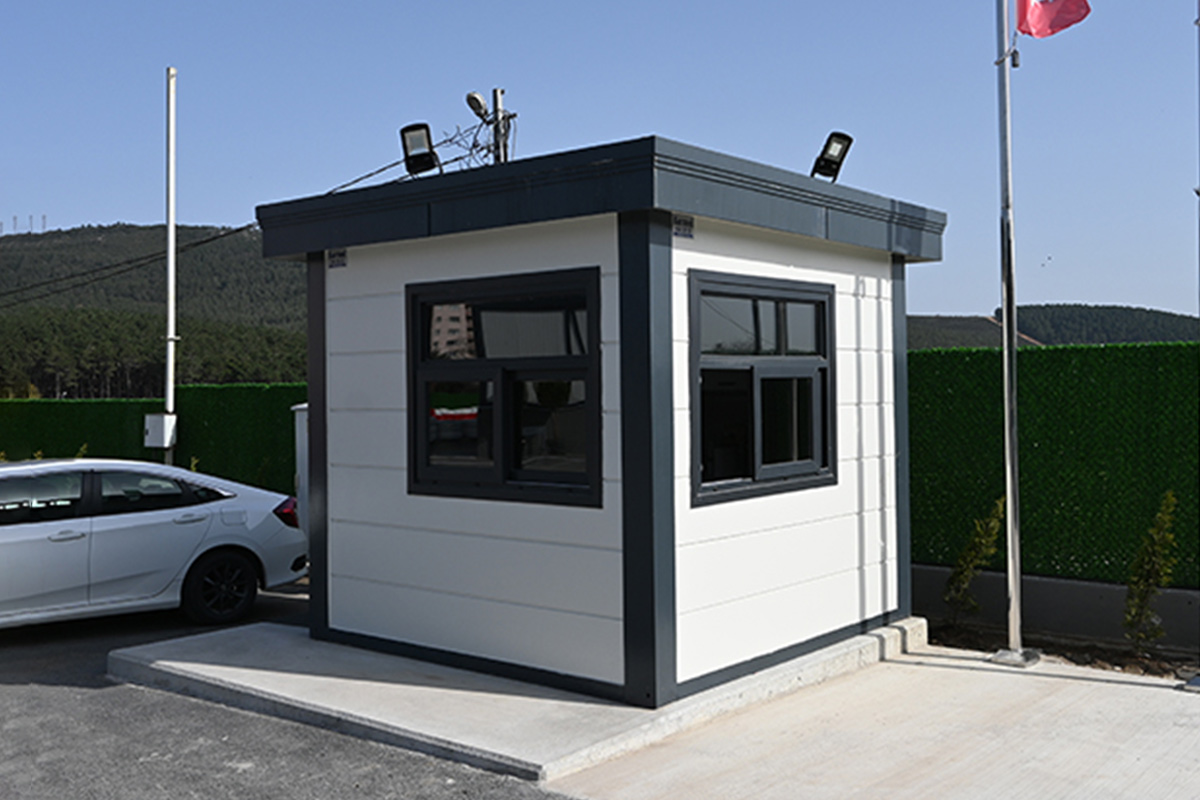
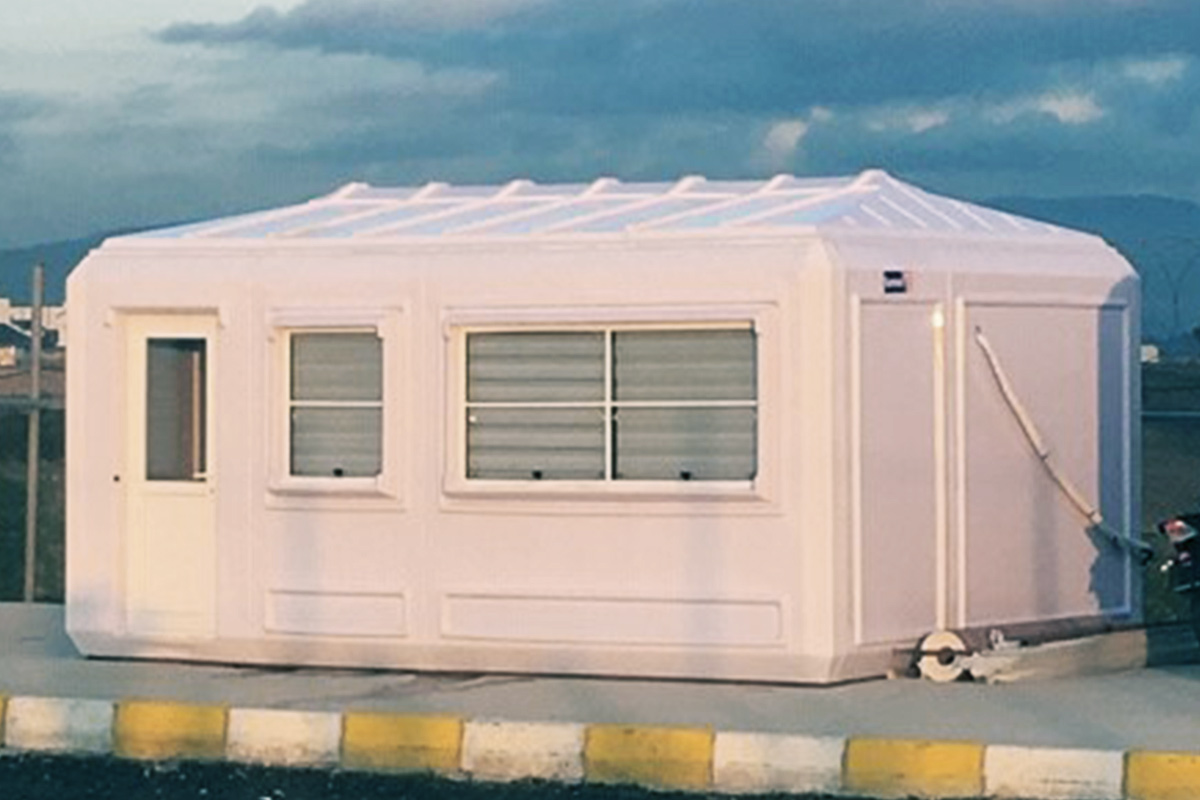
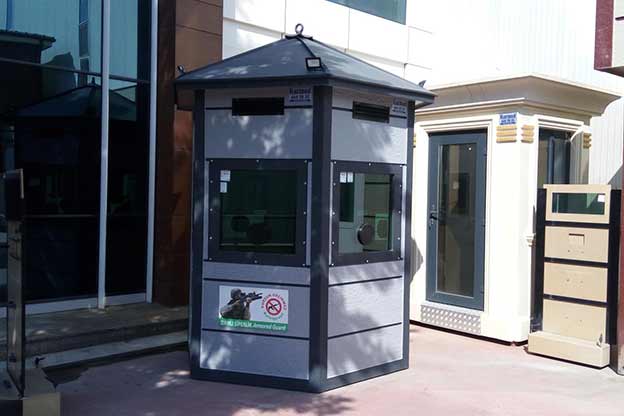
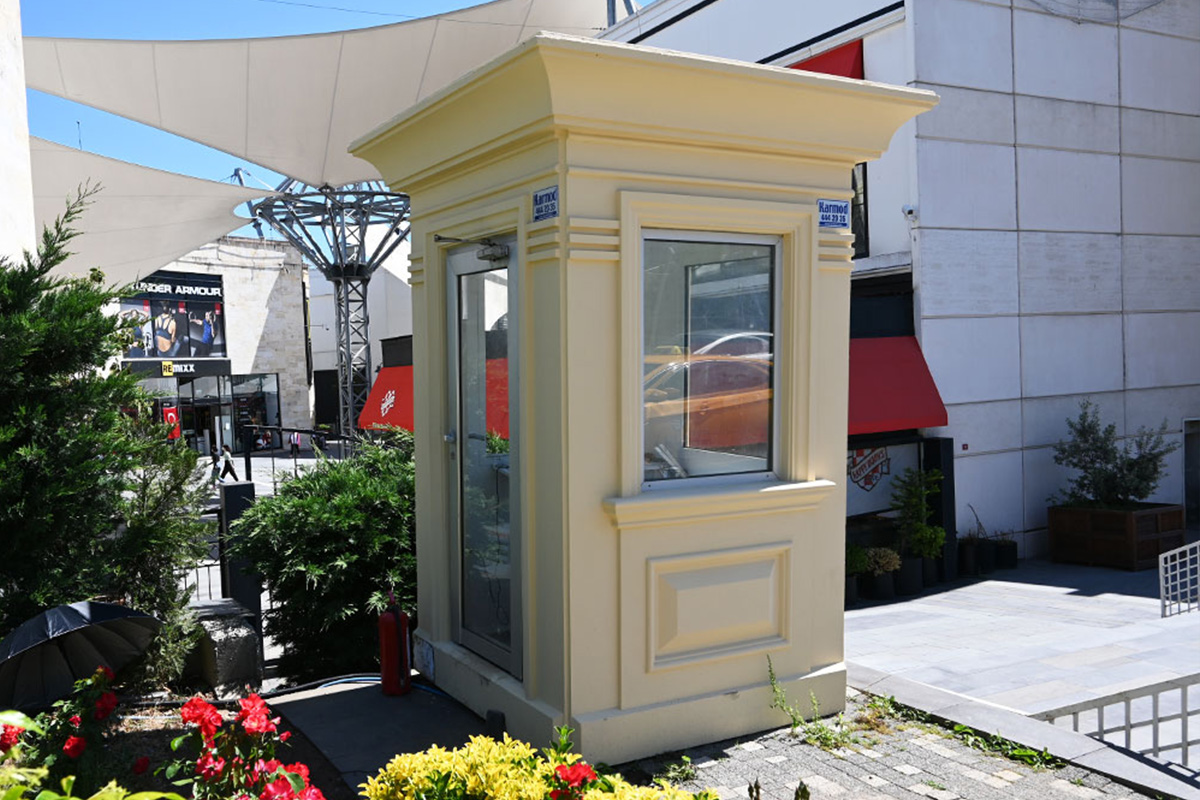
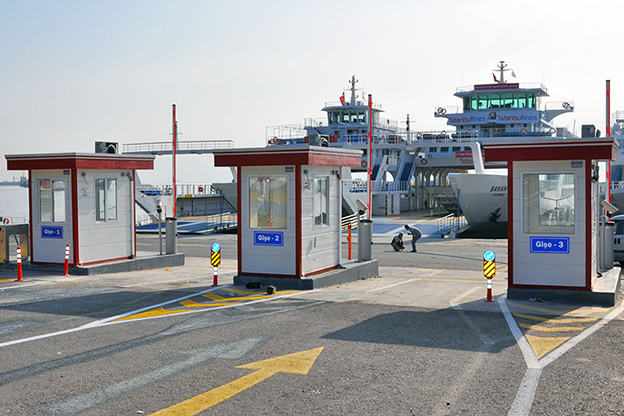
- Security buildings & technical units for controlled access points and operational facilities
- Storage and logistics facilities supporting supply chains and distribution networks
These applications highlight why modular buildings and prefabricated building systems are increasingly integrated into both private and public sector planning in Pakistan.
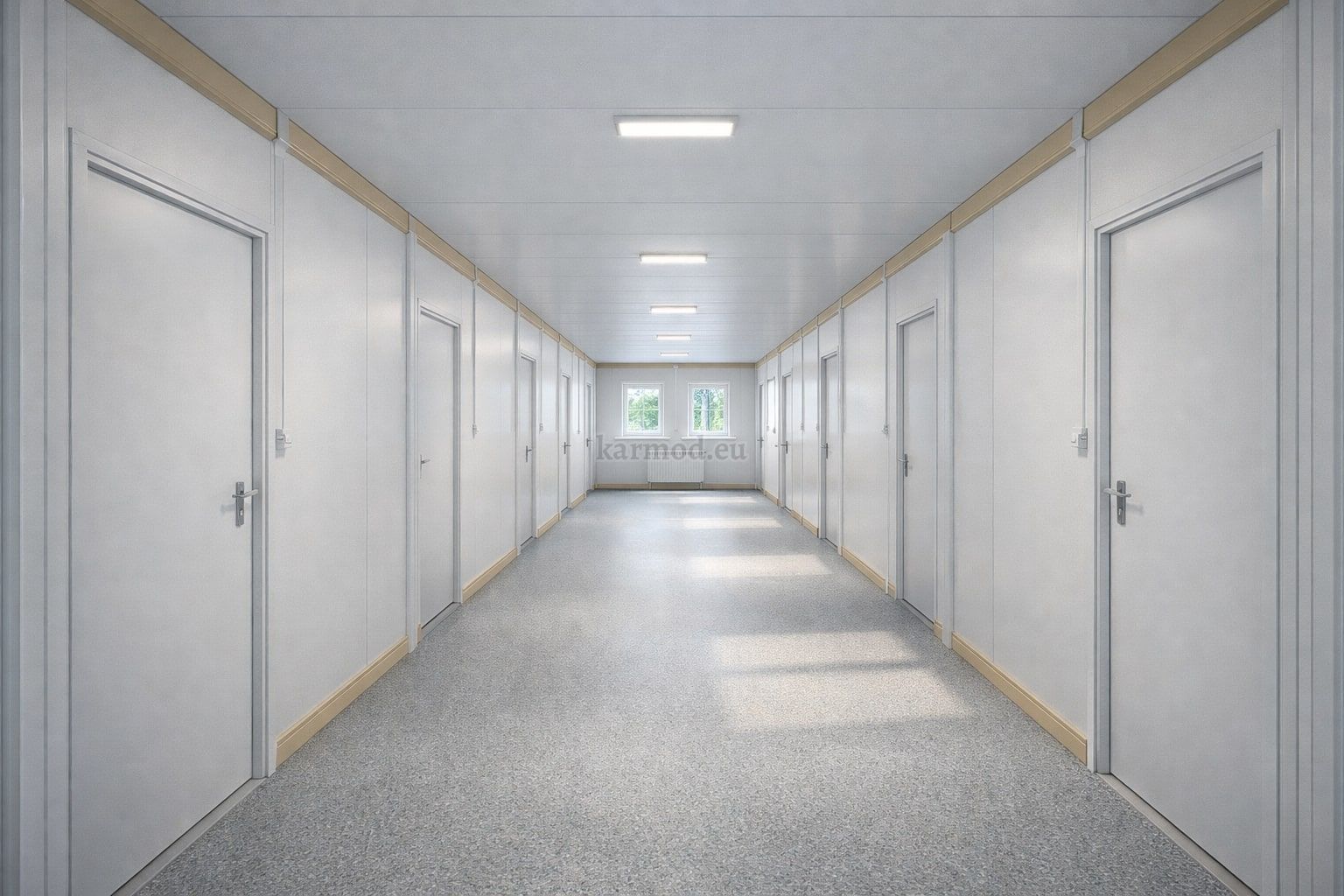
From Design to Installation: How the Process Works
The implementation process begins with a detailed analysis of project needs. Factors such as building function, occupancy, climate conditions, and local regulations are evaluated to define the most suitable structural approach.
Custom design and technical specifications follow this analysis. Layouts, insulation levels, fire safety features, and internal systems are tailored to the operational requirements of the project. Once approved, production moves to the factory environment, where quality control is applied at each stage.
After manufacturing, units or components are prepared for delivery to Pakistan. Logistics planning ensures efficient transportation and compliance with import procedures. On-site installation is then carried out by trained teams, significantly reducing disruption compared to traditional construction and allowing buildings to become operational in a short time frame.
Key Considerations for Modular Buildings in Pakistan
Thermal insulation is a primary concern due to regional temperature variations. Proper wall, roof, and floor insulation ensures energy efficiency and occupant comfort throughout the year.
Fire safety standards must align with local regulations and international best practices. Material selection, fire-resistant assemblies, and integrated safety systems are essential for both temporary and permanent structures.
Climate suitability is another critical factor. Buildings must perform reliably in hot, dusty, or humid environments, depending on the region. Structural detailing and material choices directly influence long-term performance.
Custom layouts allow organizations to adapt buildings to specific workflows, staffing levels, and operational processes. This flexibility is one of the strongest advantages of modular buildings and prefabricated building solutions in the Pakistani market.
With decades of experience in industrialized construction, Karmod brings international know-how to projects in Pakistan. Drawing on expertise developed across Europe, the Middle East, and Africa, Karmod modular building solutions are designed to meet diverse regulatory and climatic requirements while maintaining consistent quality standards. This experience enables decision-makers to approach modular and prefabricated projects with confidence, knowing that performance, durability, and scalability have been proven across multiple markets.
For organizations planning new facilities or expanding existing operations in Pakistan, modular buildings and prefabricated building systems represent a strategic construction approach that balances speed, cost control, and long-term reliability.