



Poland has become one of Central Europe’s most active construction and investment markets, driven by industrial growth, logistics expansion, and ongoing infrastructure modernization. In this environment, modular buildings and prefabricated building solutions are increasingly seen as strategic tools rather than short-term alternatives. Companies operating in Poland are looking for building systems that reduce risk, accelerate project timelines, and maintain predictable costs—while still meeting European quality and safety standards.
For decision-makers in construction, manufacturing, logistics, and public services, modular and prefabricated structures offer a practical response to labor constraints, tight schedules, and the need for flexible capacity.
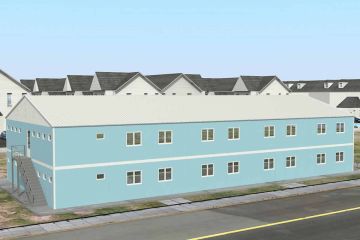
Why Modular Buildings Are in High Demand in Poland
Several market-specific factors explain the strong demand for modular solutions across Poland.
Labor costs and workforce availability have become a critical issue, particularly in large-scale construction and industrial projects. Skilled labor shortages and rising wages push investors toward factory-produced building systems that minimize on-site manpower and reduce dependency on variable labor conditions.
Construction timelines are another decisive factor. Poland’s logistics hubs, manufacturing plants, and infrastructure projects often operate under strict deadlines linked to supply chains or public funding schedules. Modular buildings significantly shorten project delivery by allowing parallel processes—site preparation and factory production happen at the same time.
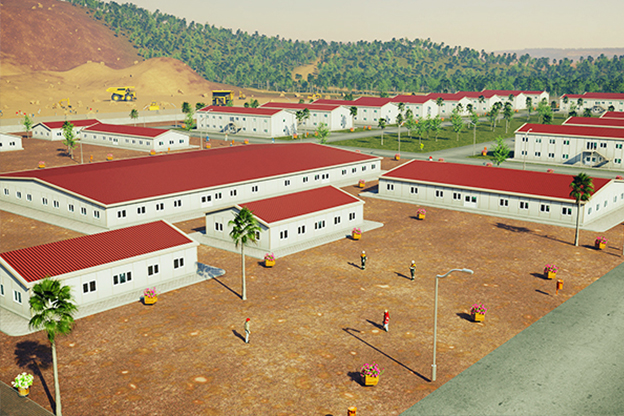
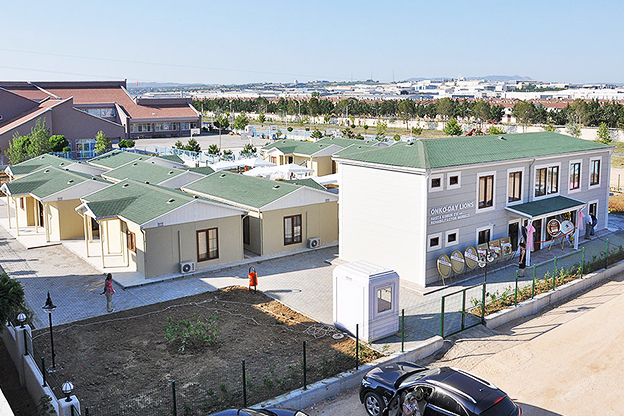
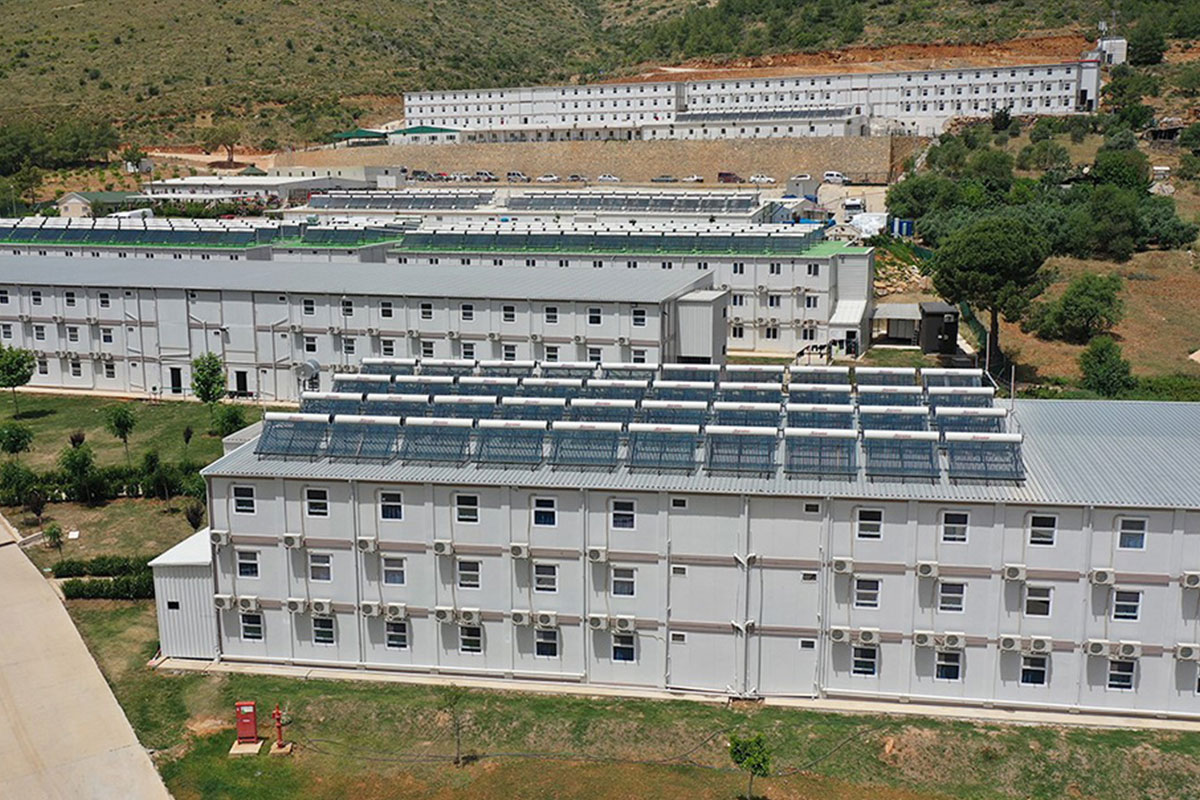
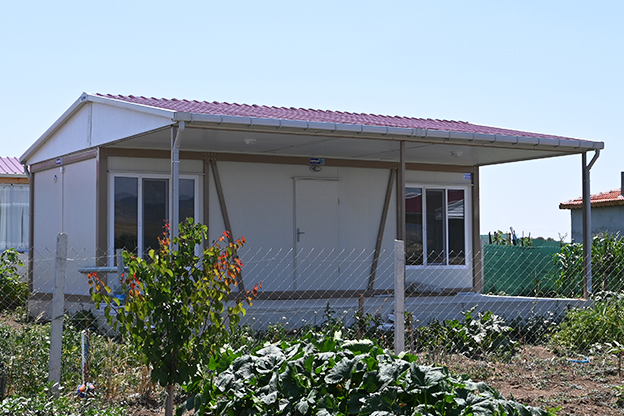
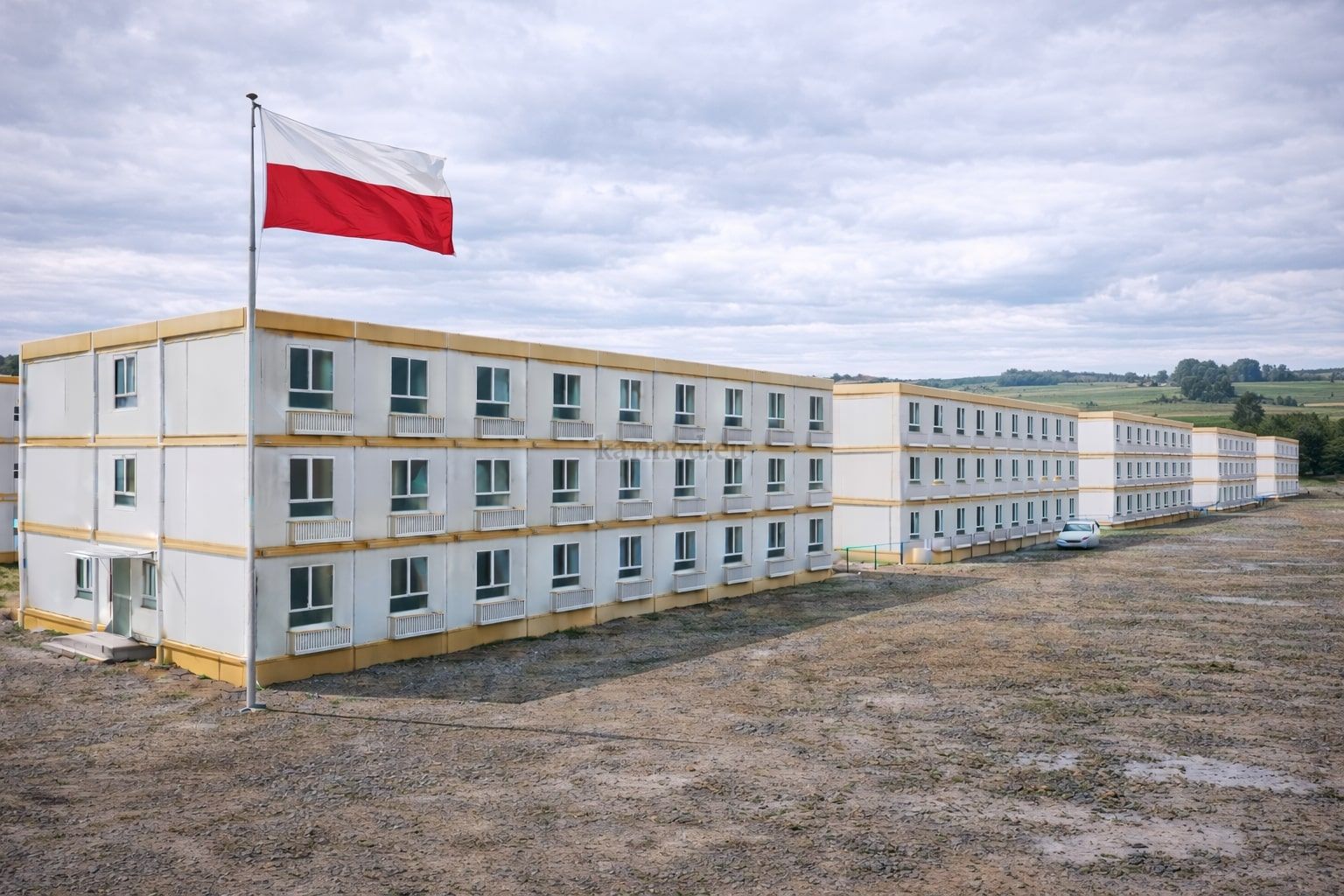
Temporary and permanent building needs coexist in the Polish market. Construction camps, temporary offices, and worker accommodation are required for infrastructure projects, while permanent facilities such as administrative buildings, production support units, and public service structures must meet long-term operational expectations. Modular systems can address both scenarios with the same structural logic.
Country-specific sectors also influence demand. Poland’s strong logistics sector, growing industrial zones, expanding energy projects, and public investments in education and healthcare create continuous demand for scalable and fast-to-deploy buildings.
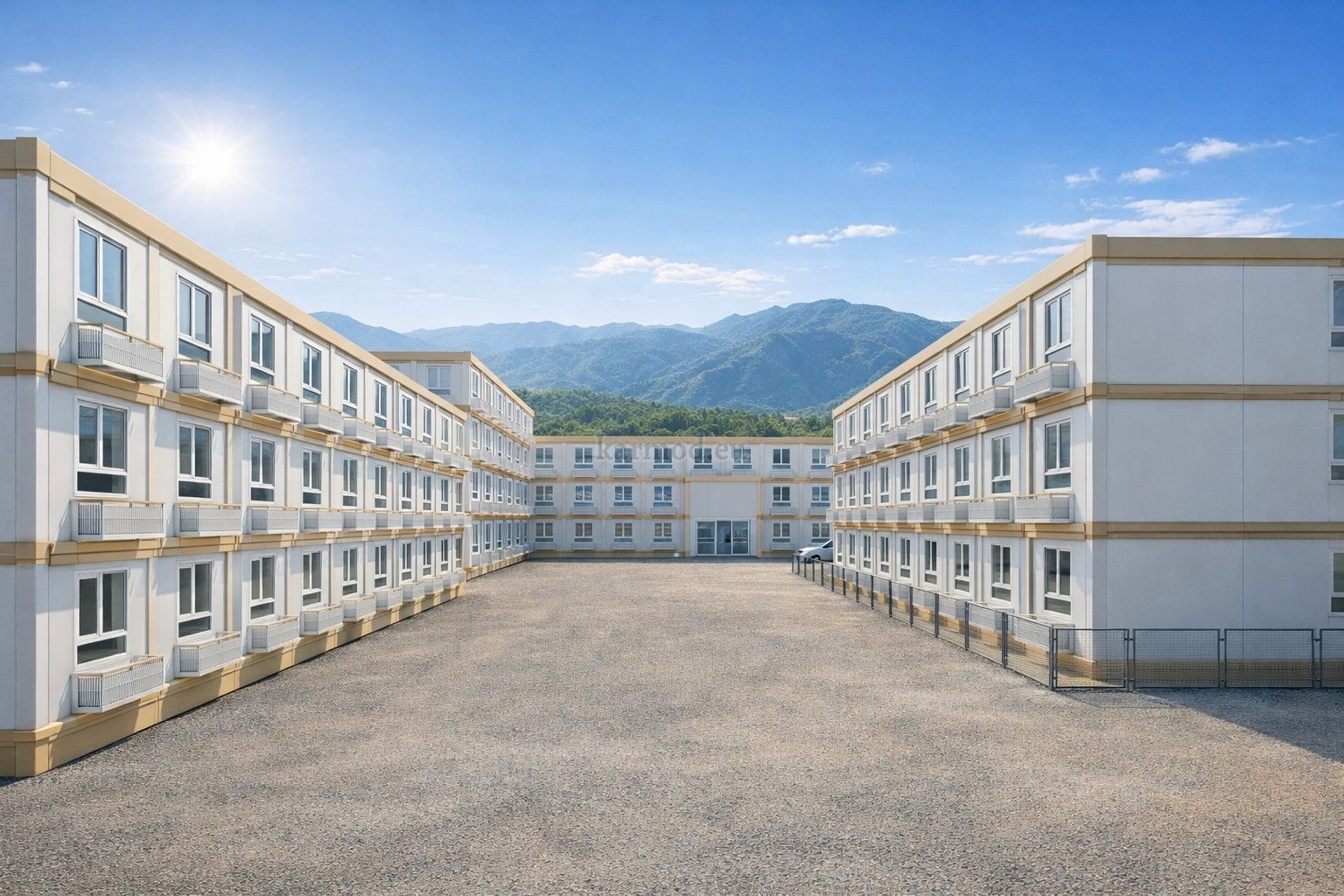
Modular Buildings vs. Prefabricated Building Systems
While often grouped together, modular buildings and prefabricated building systems serve different operational priorities.
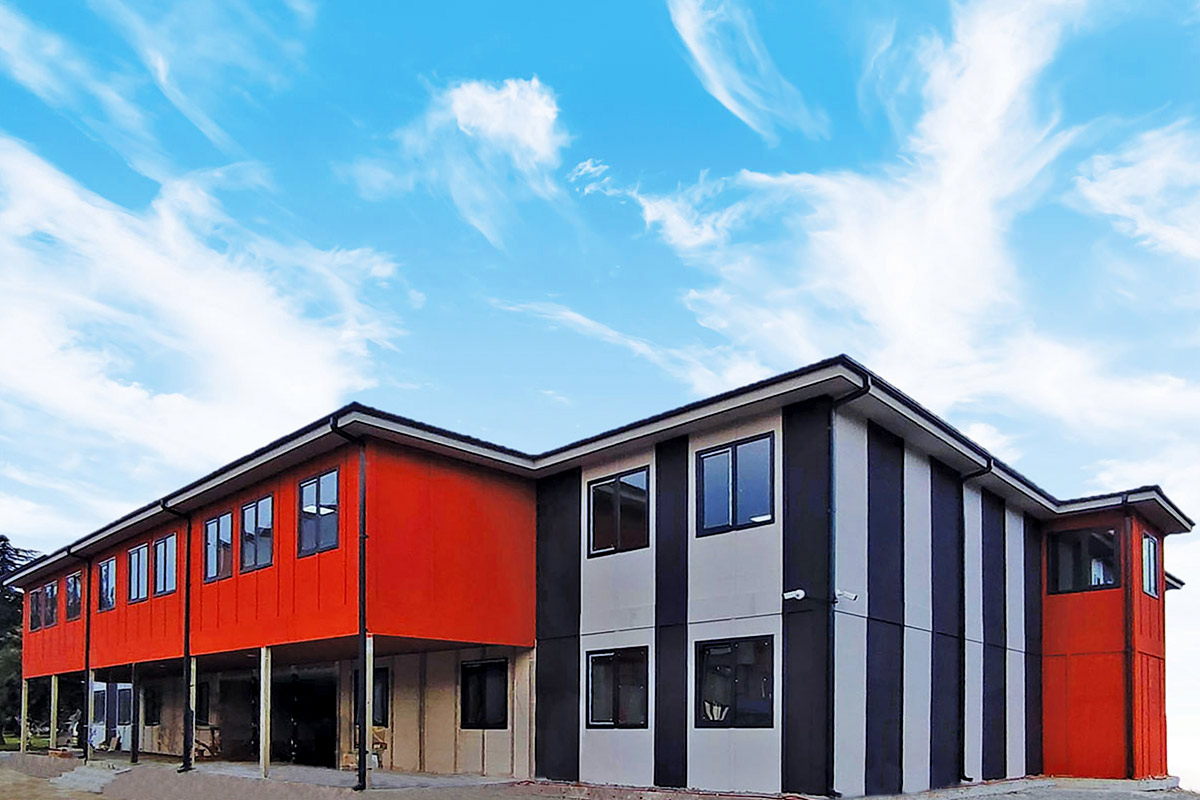
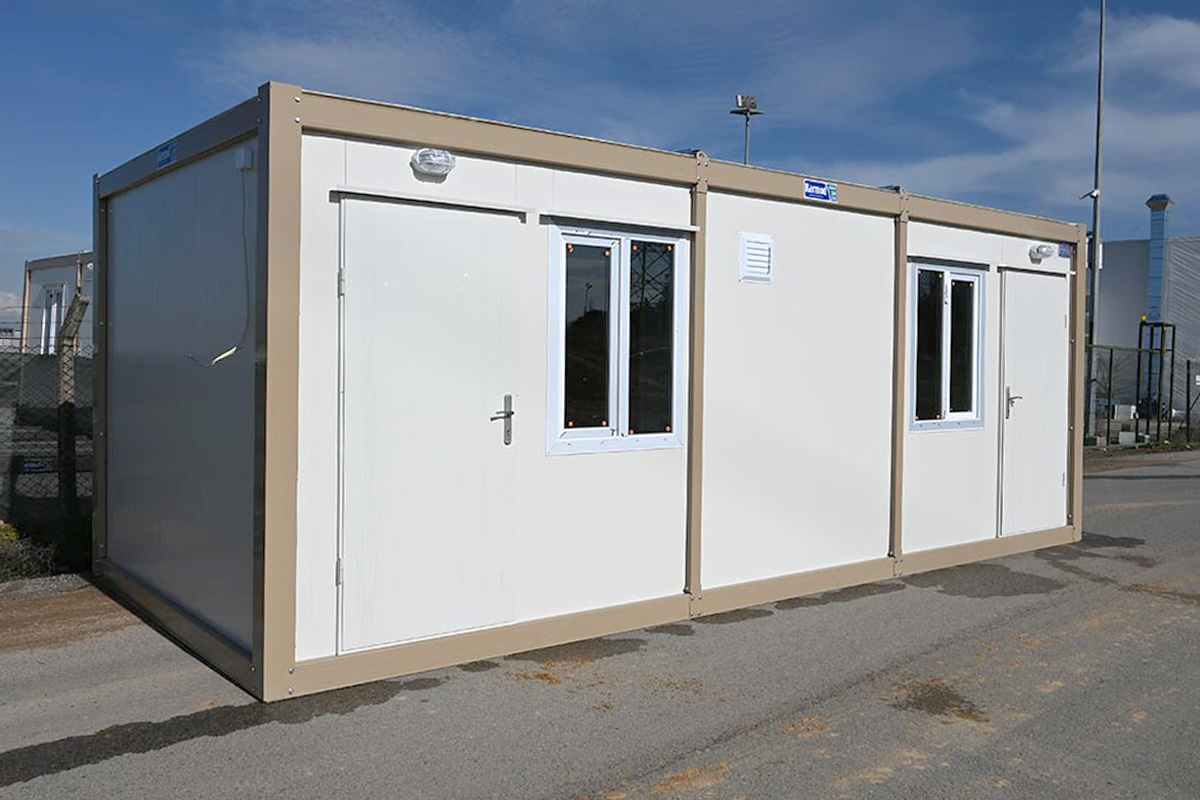
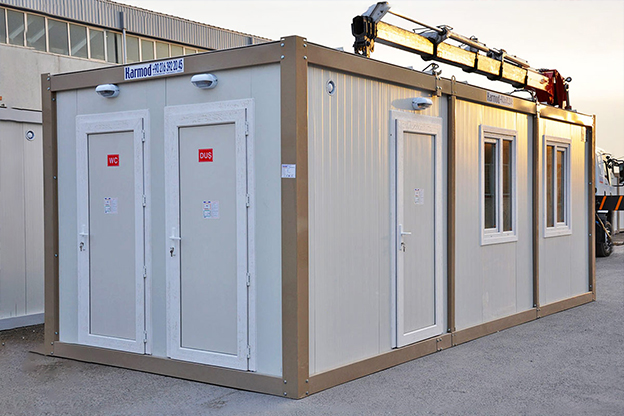
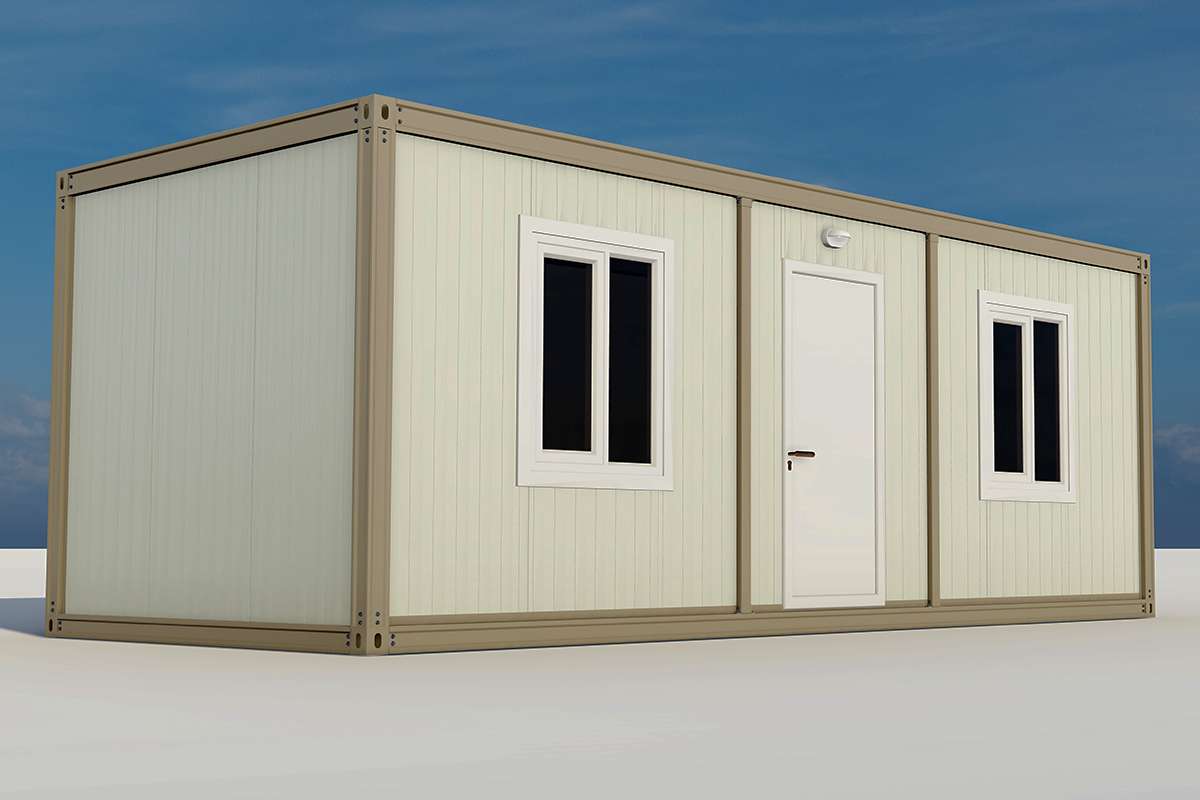
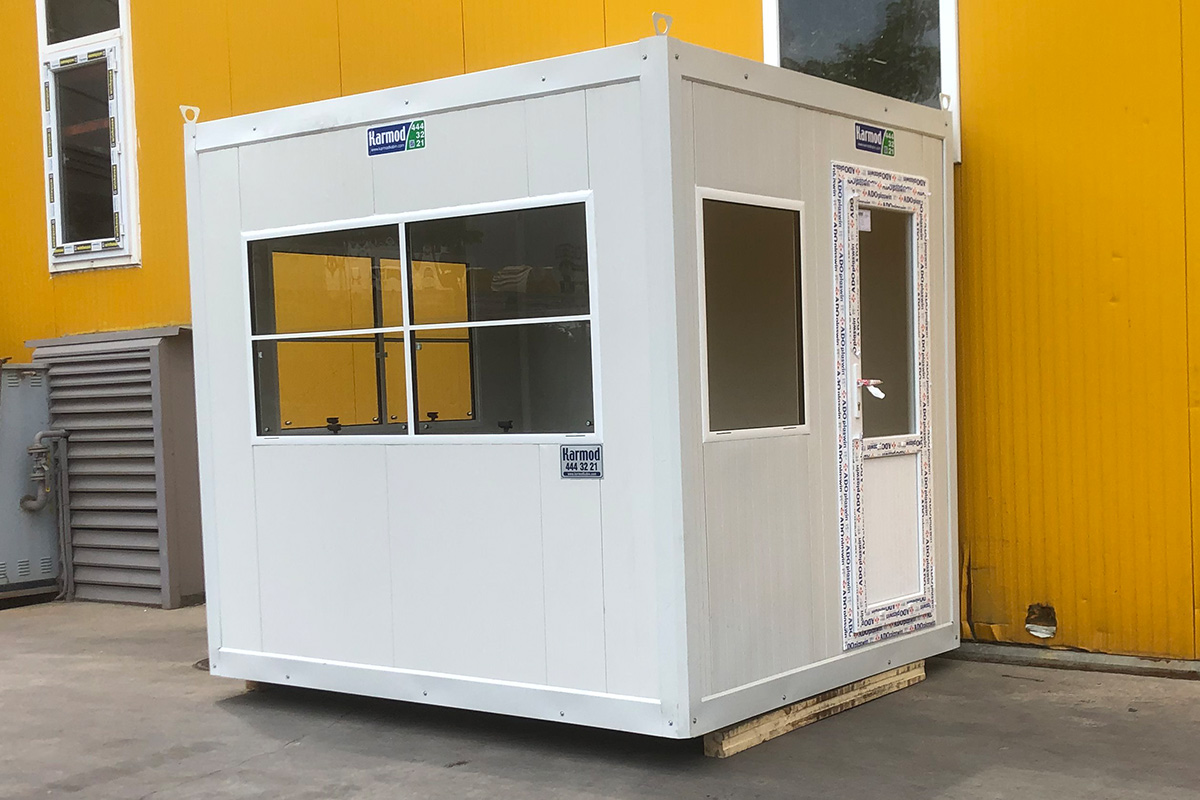
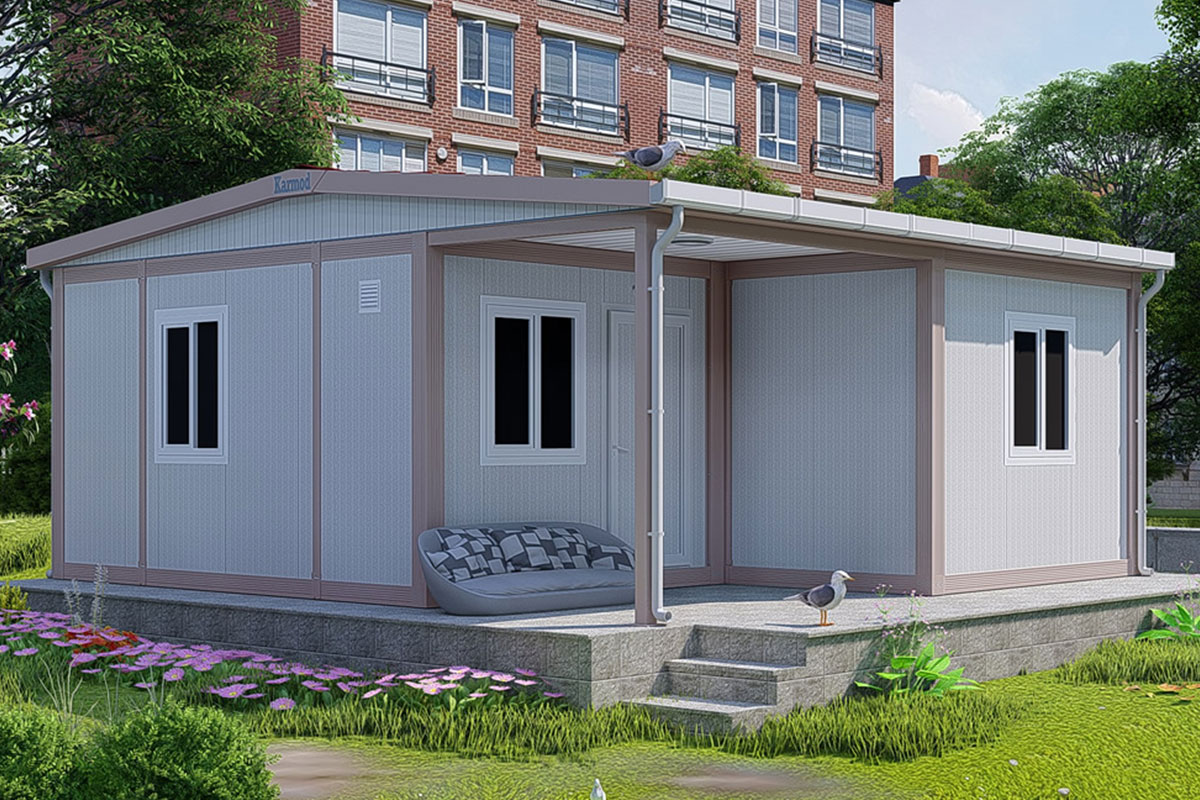
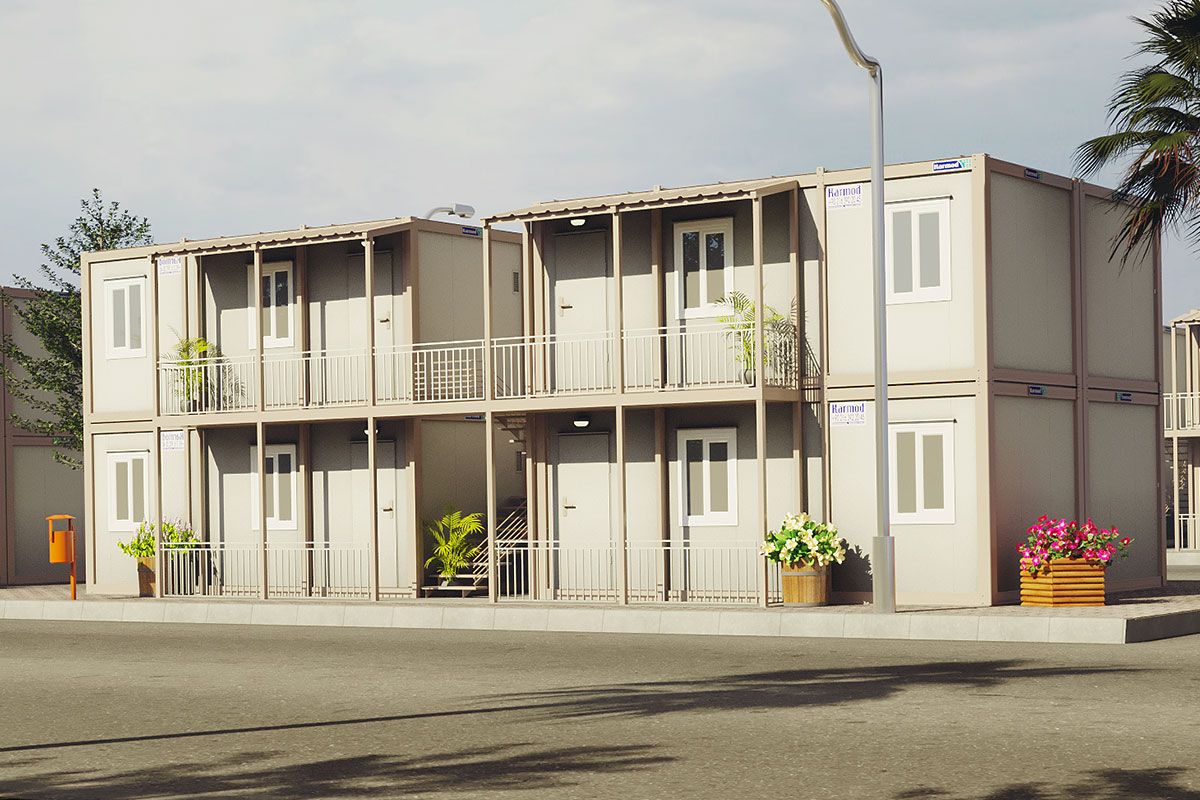
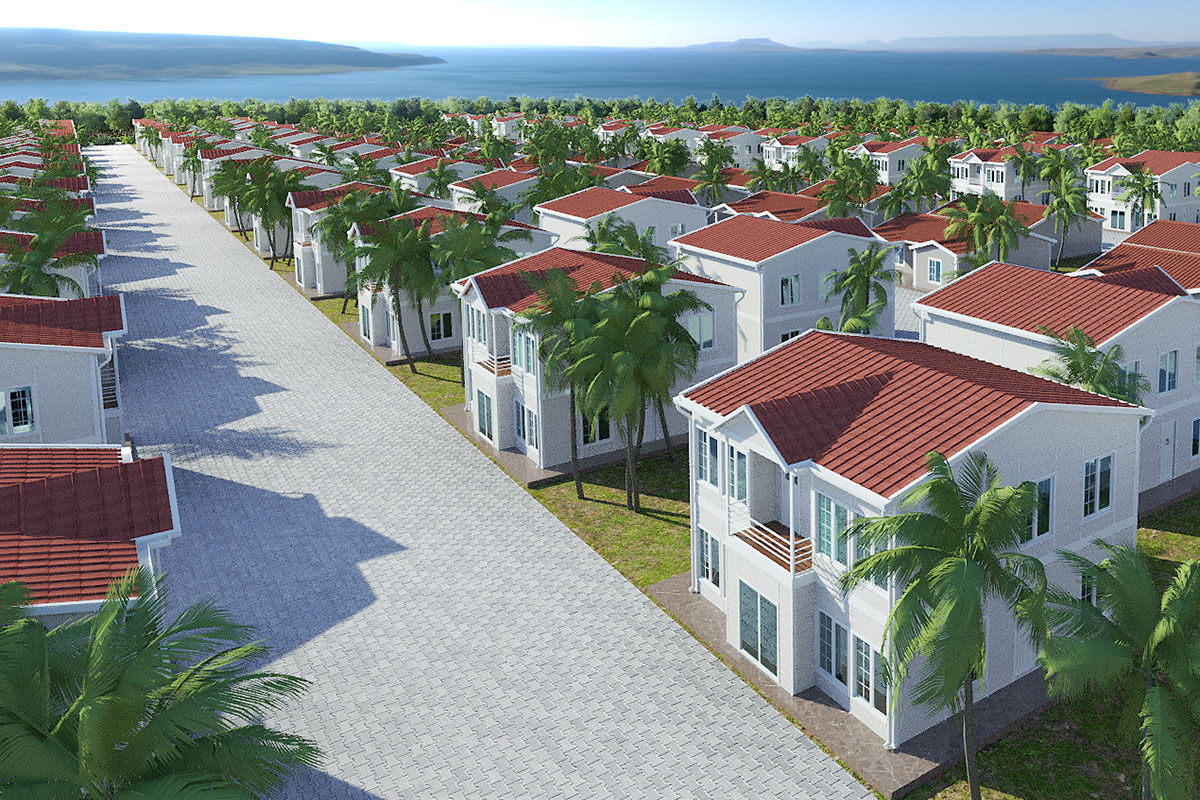
Modular buildings are produced as volumetric units. Each module is a fully or semi-finished space that can be transported, installed, relocated, or expanded over time. This approach is particularly effective for projects that require flexibility, phased growth, or potential relocation—such as site offices, temporary accommodation, and technical units.
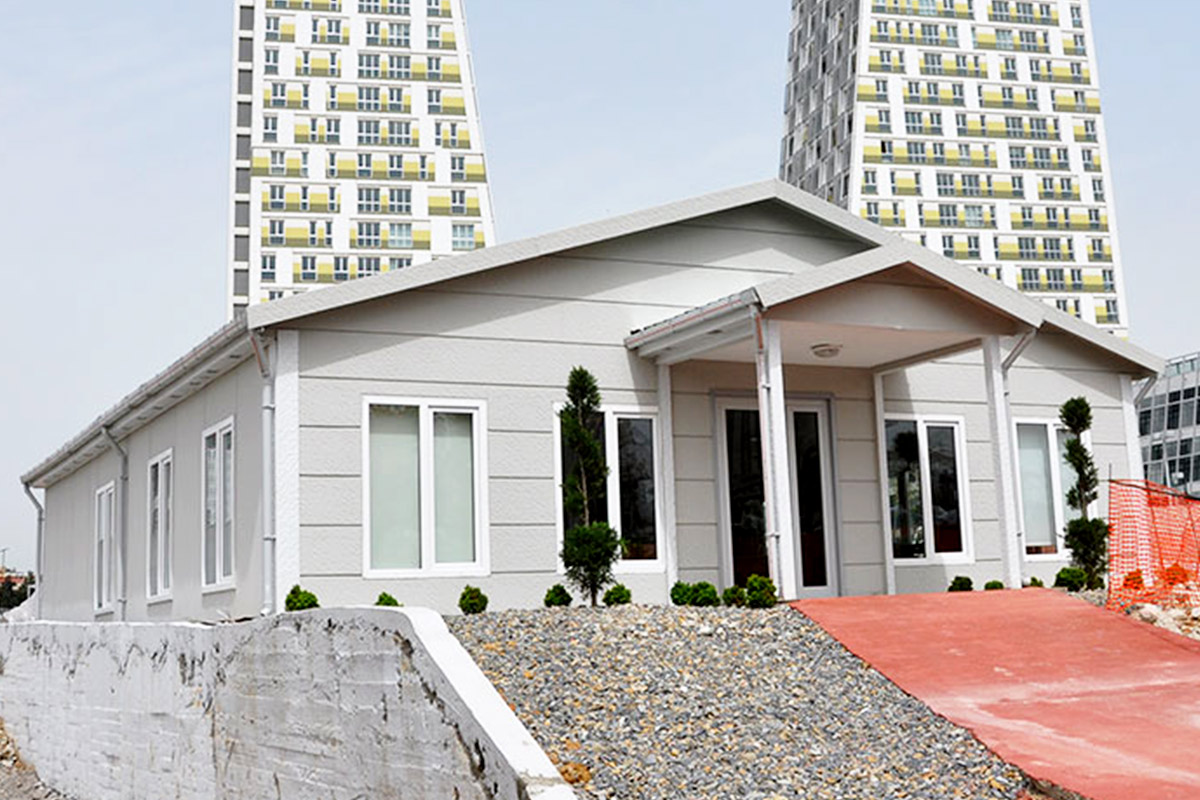
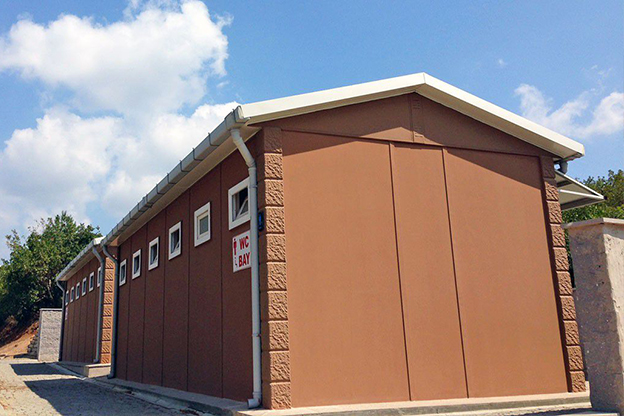
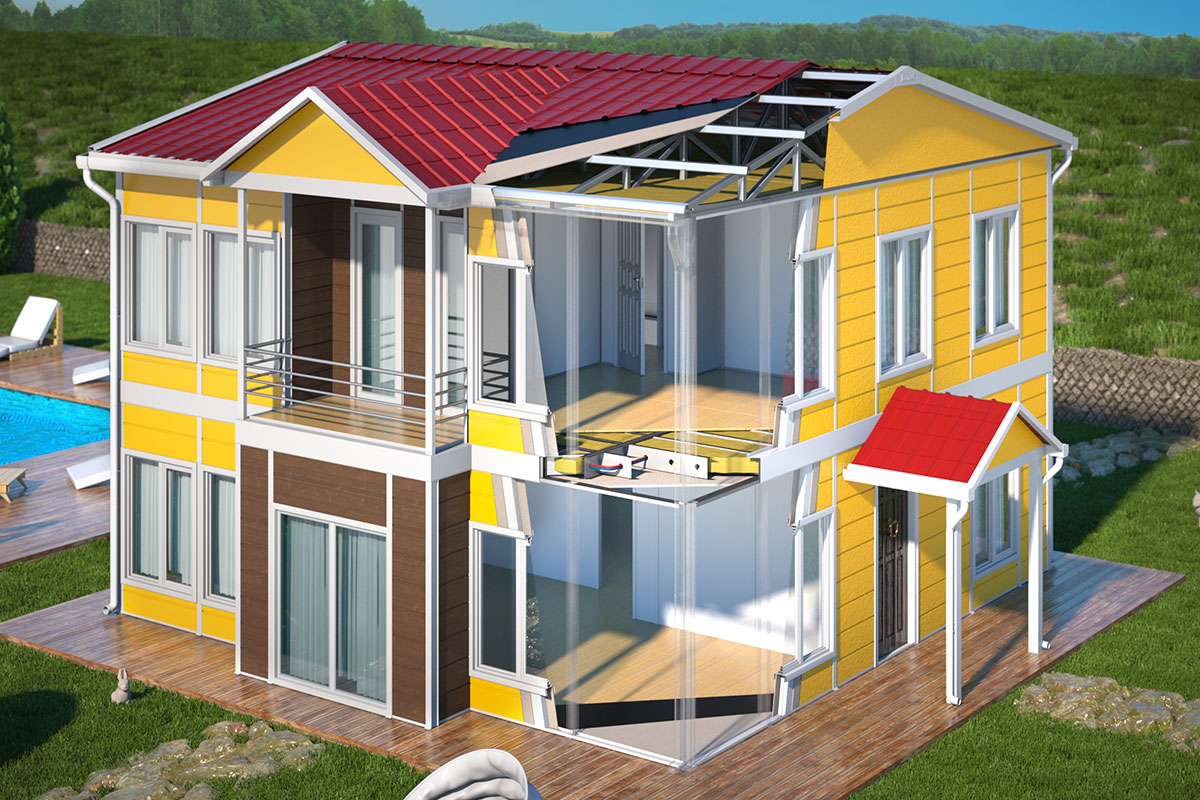
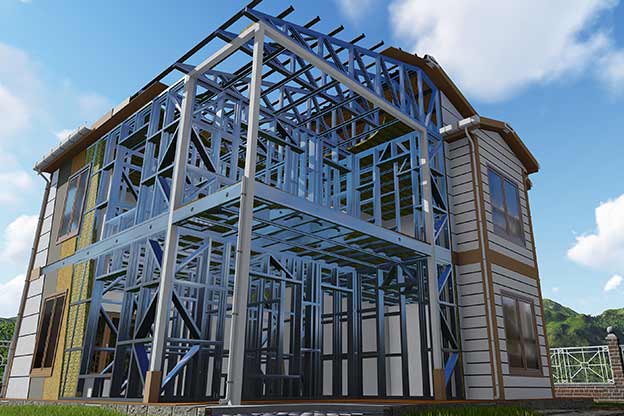
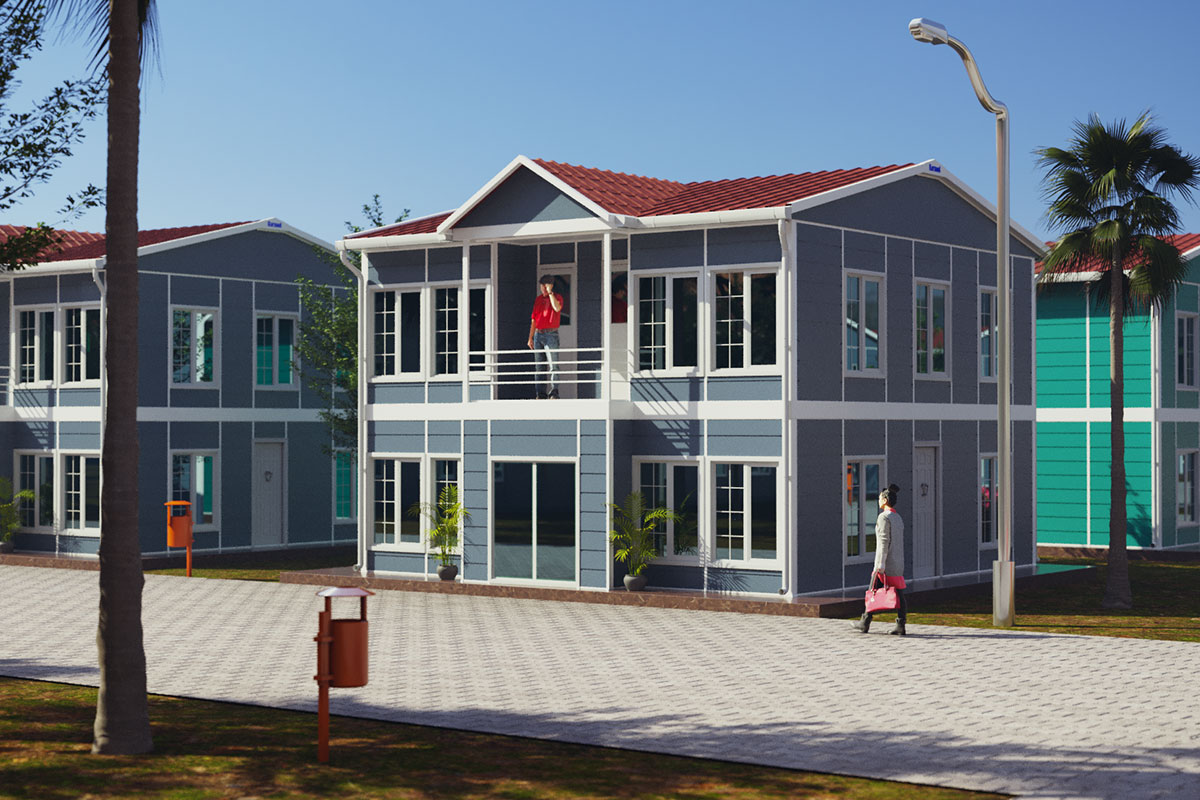
A prefabricated building, on the other hand, is typically based on panels or structural components manufactured off-site and assembled on location. These systems are generally preferred for permanent buildings where long-term use, architectural integration, and fixed layouts are priorities.
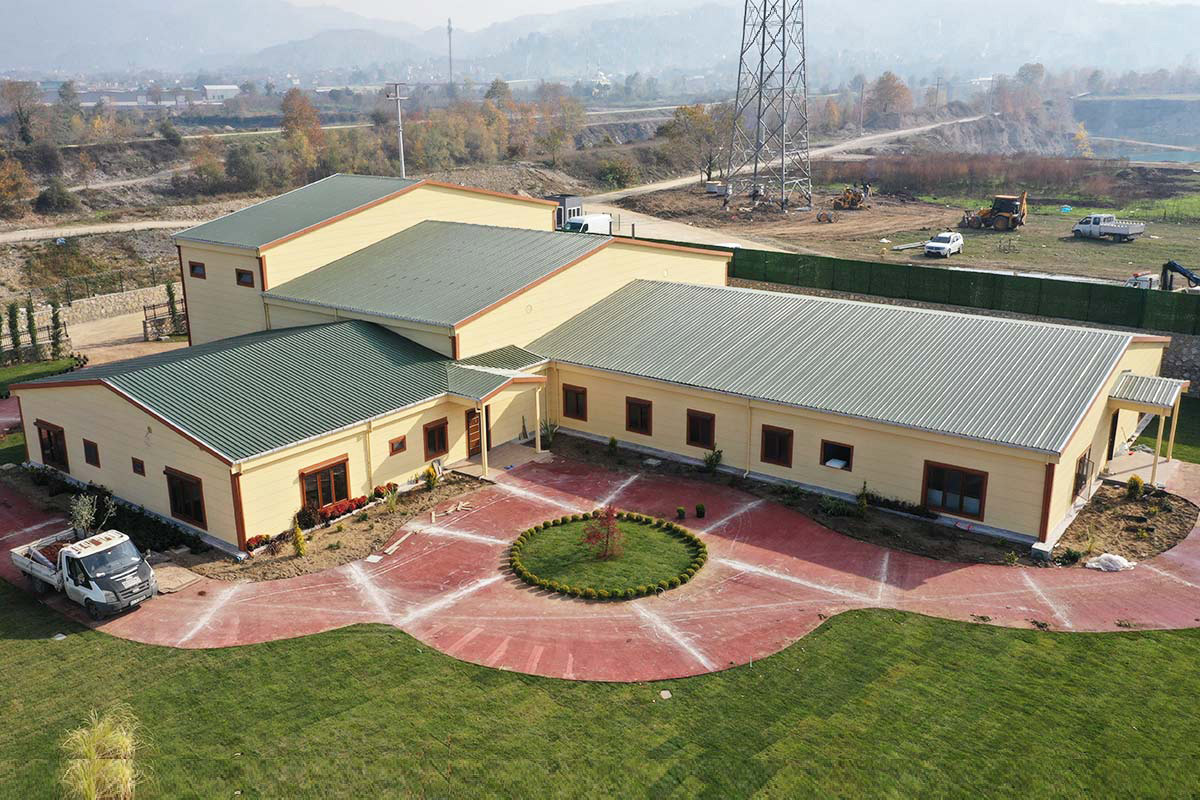
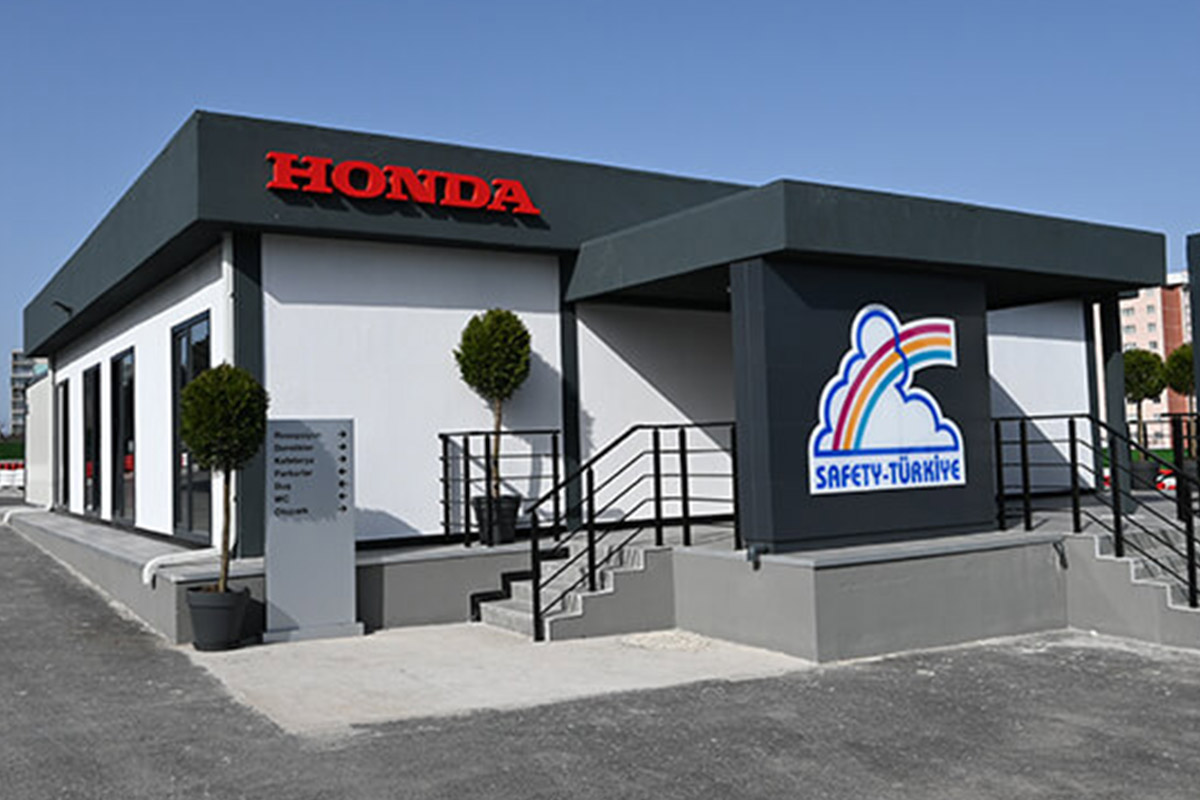
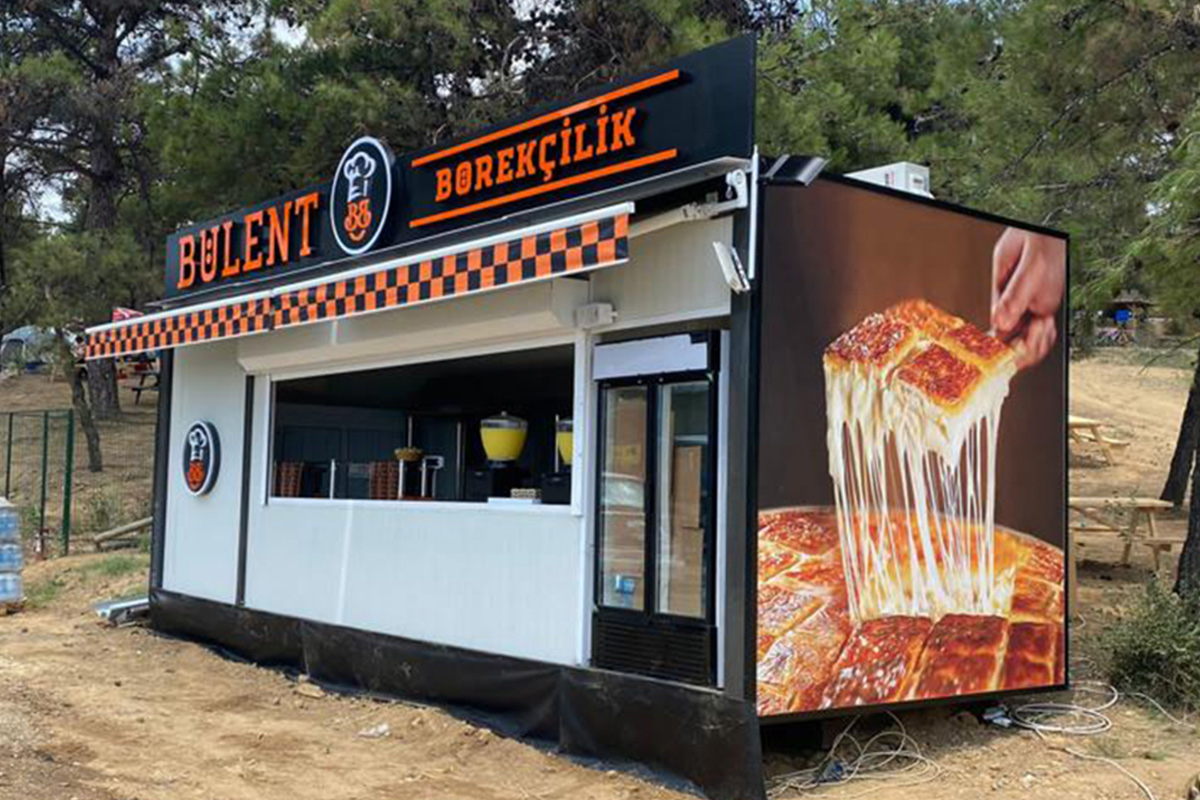
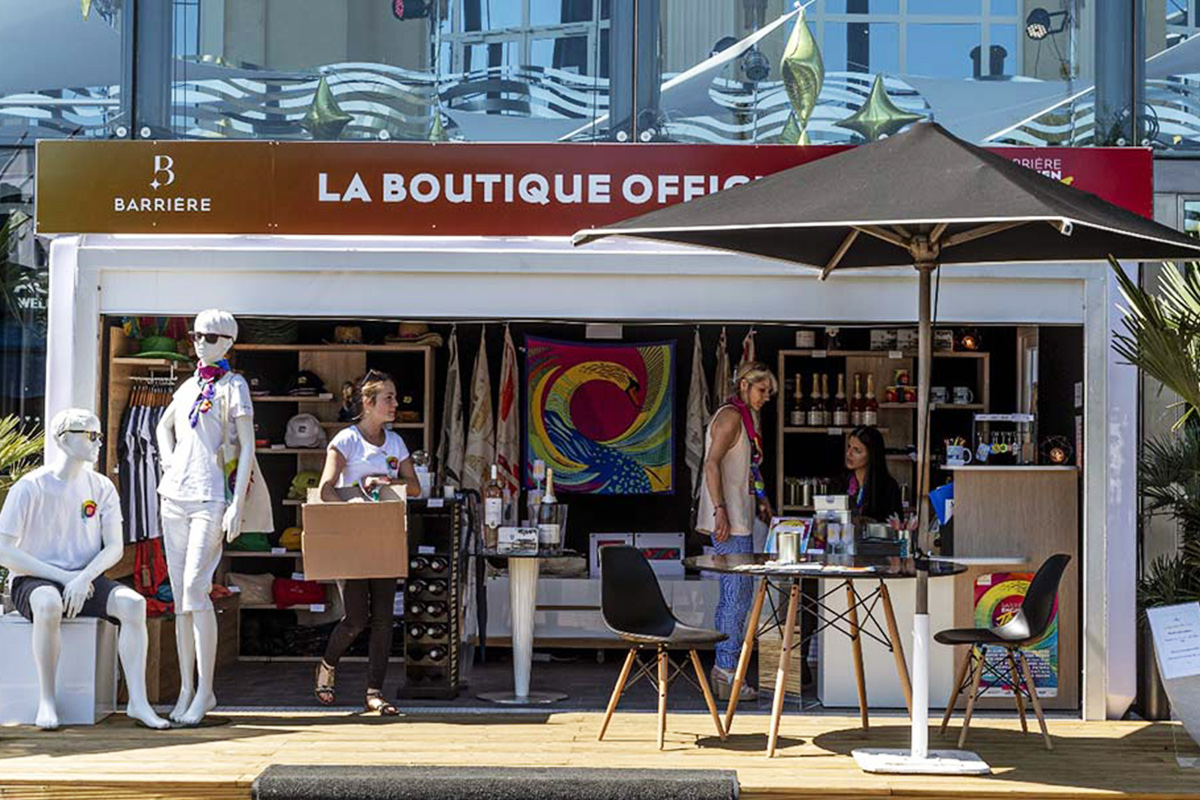
In Poland, modular buildings are often chosen for logistics facilities, construction camps, and temporary public units, while prefabricated building solutions are favored for permanent schools, healthcare buildings, and administrative structures that must blend into existing urban or industrial environments.
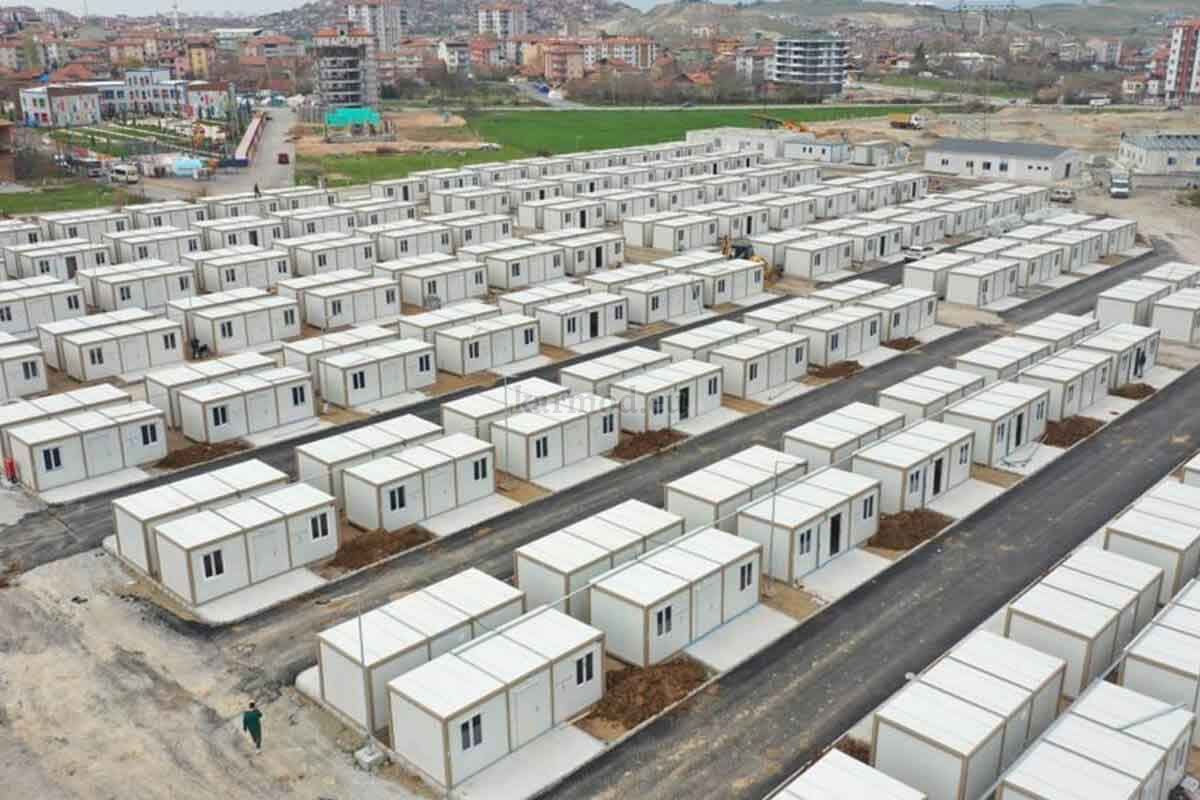
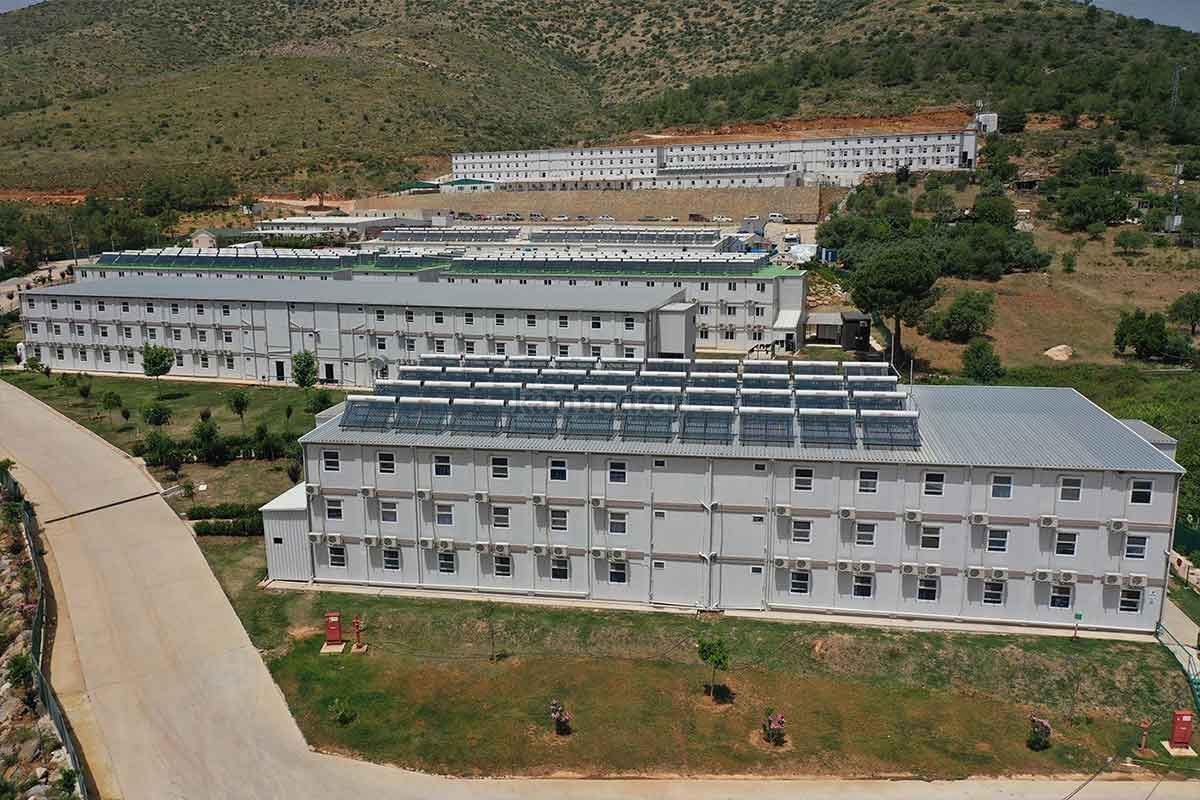
Applications of Modular and Prefabricated Buildings in Poland
Modular and prefabricated systems are used across a wide range of sectors in Poland, including:
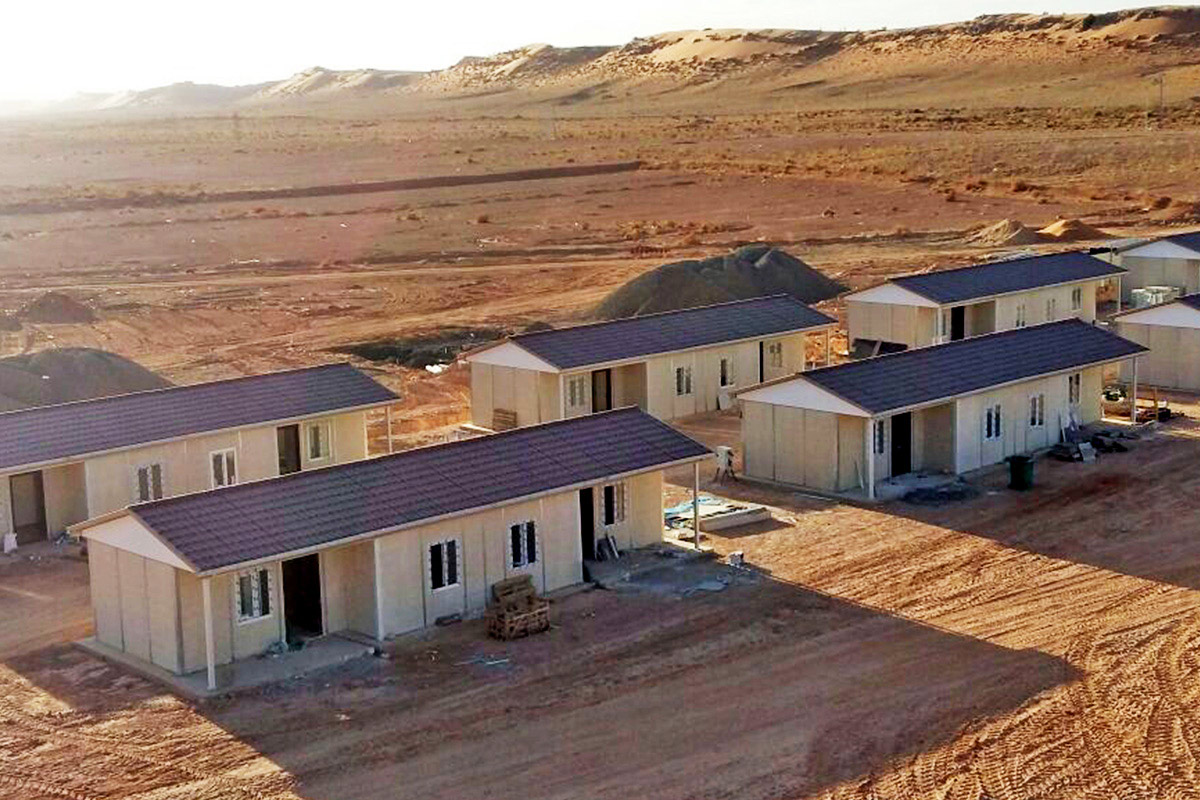
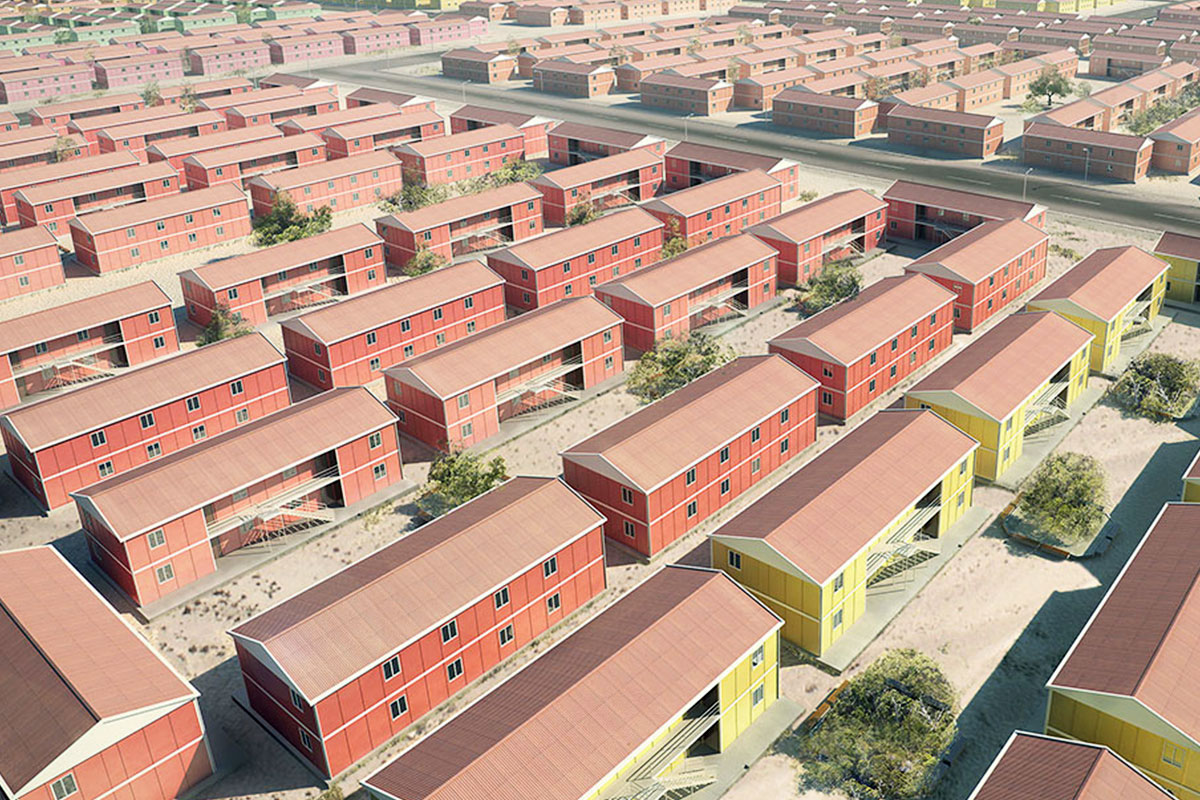
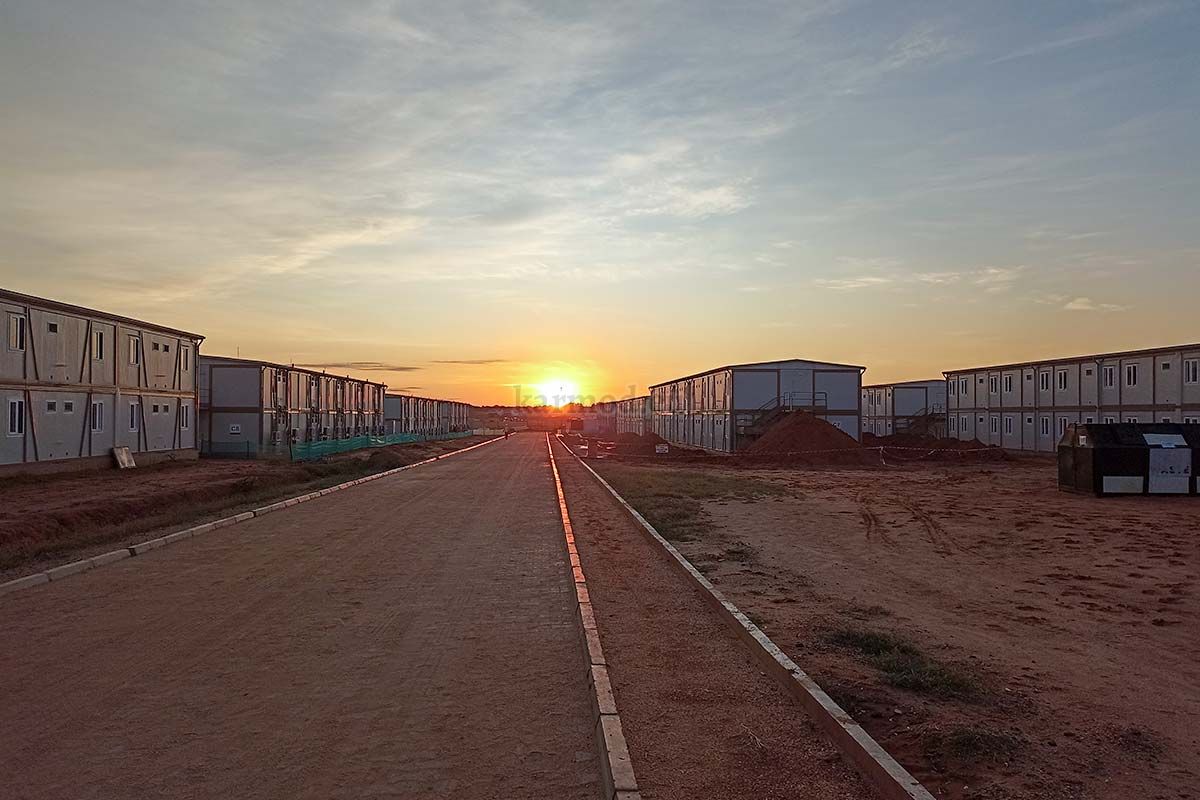
- Site offices & construction camps supporting infrastructure, road, and industrial projects
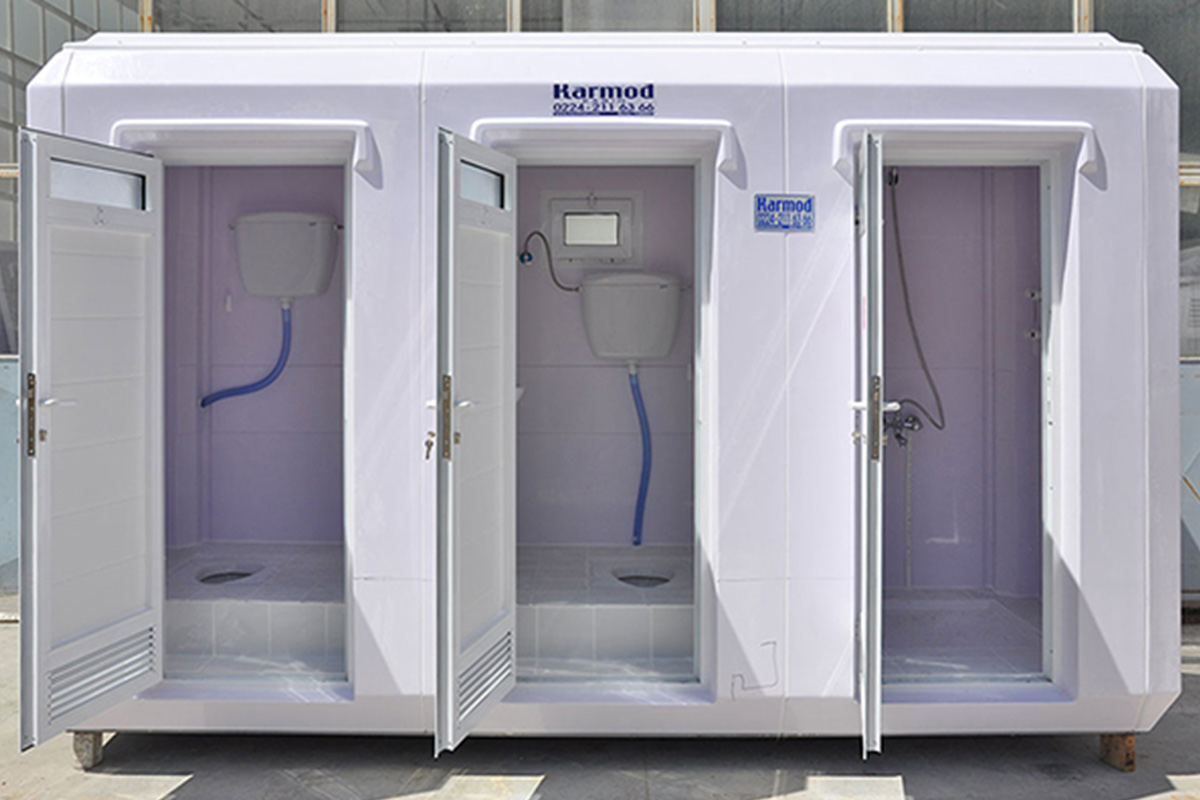
- Worker accommodation buildings for large-scale manufacturing and energy investments
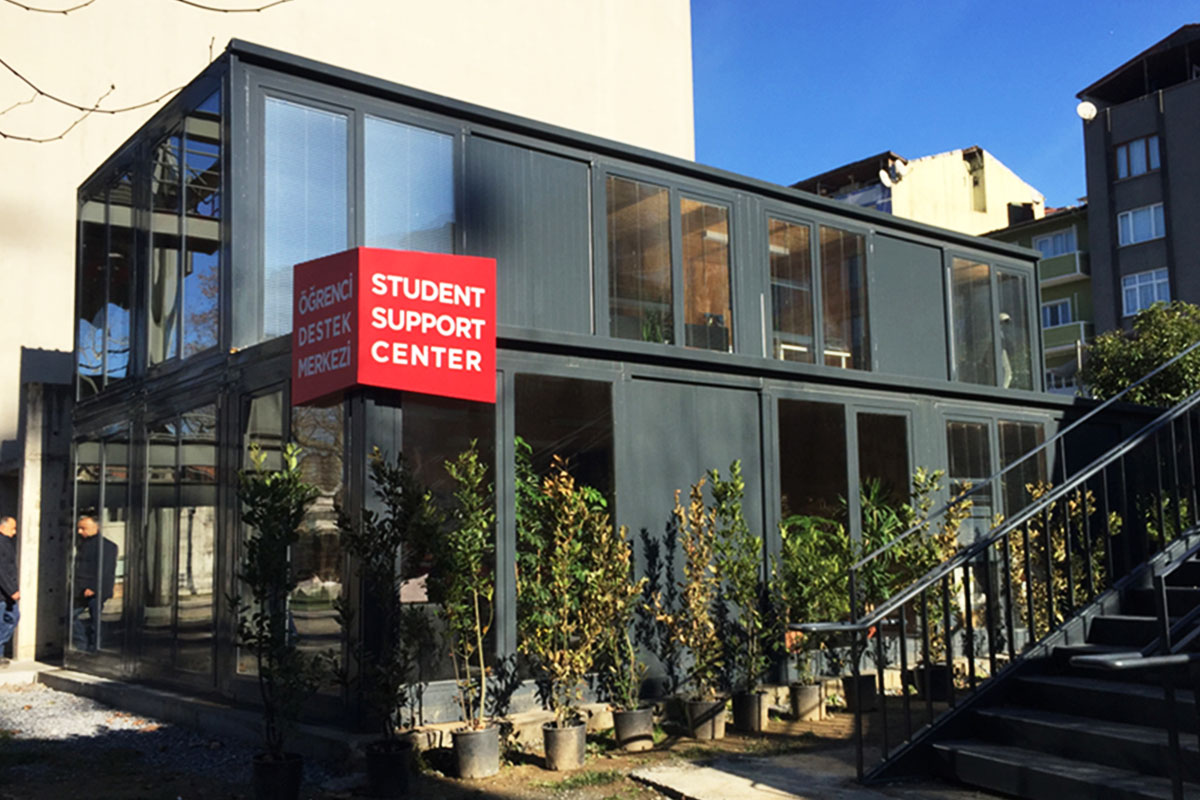
- Temporary schools & healthcare units addressing regional capacity needs
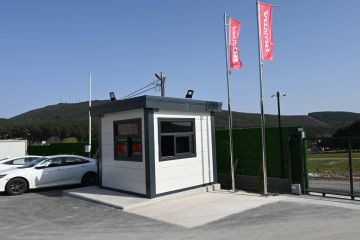
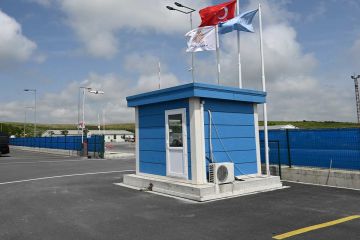
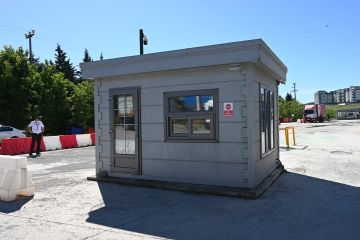
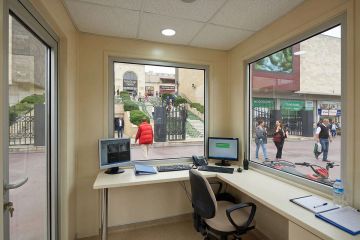
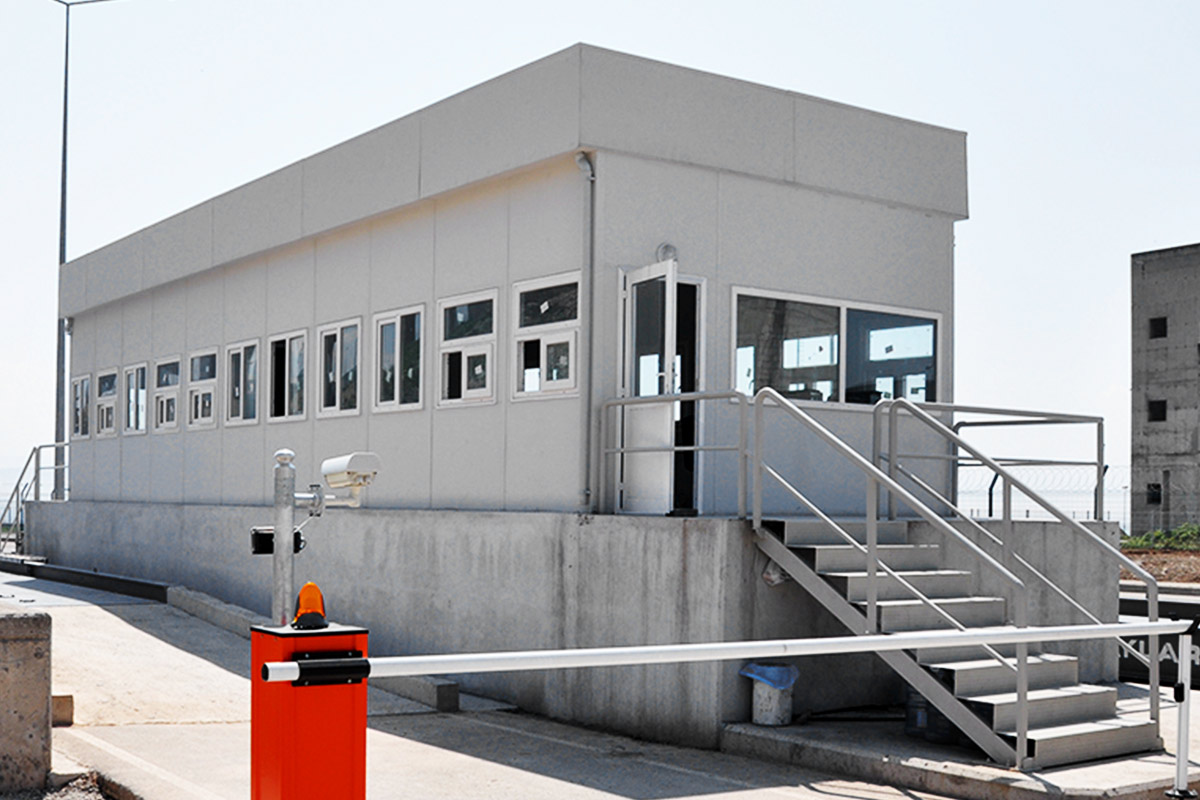
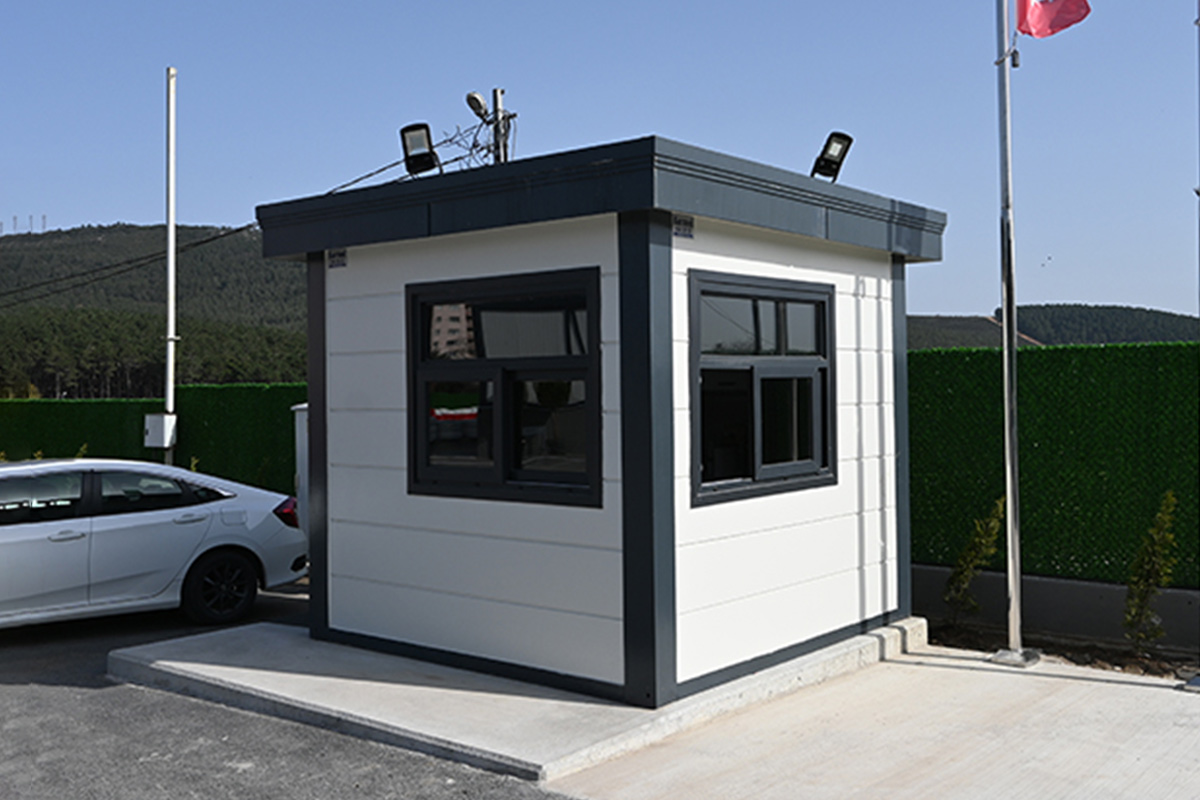
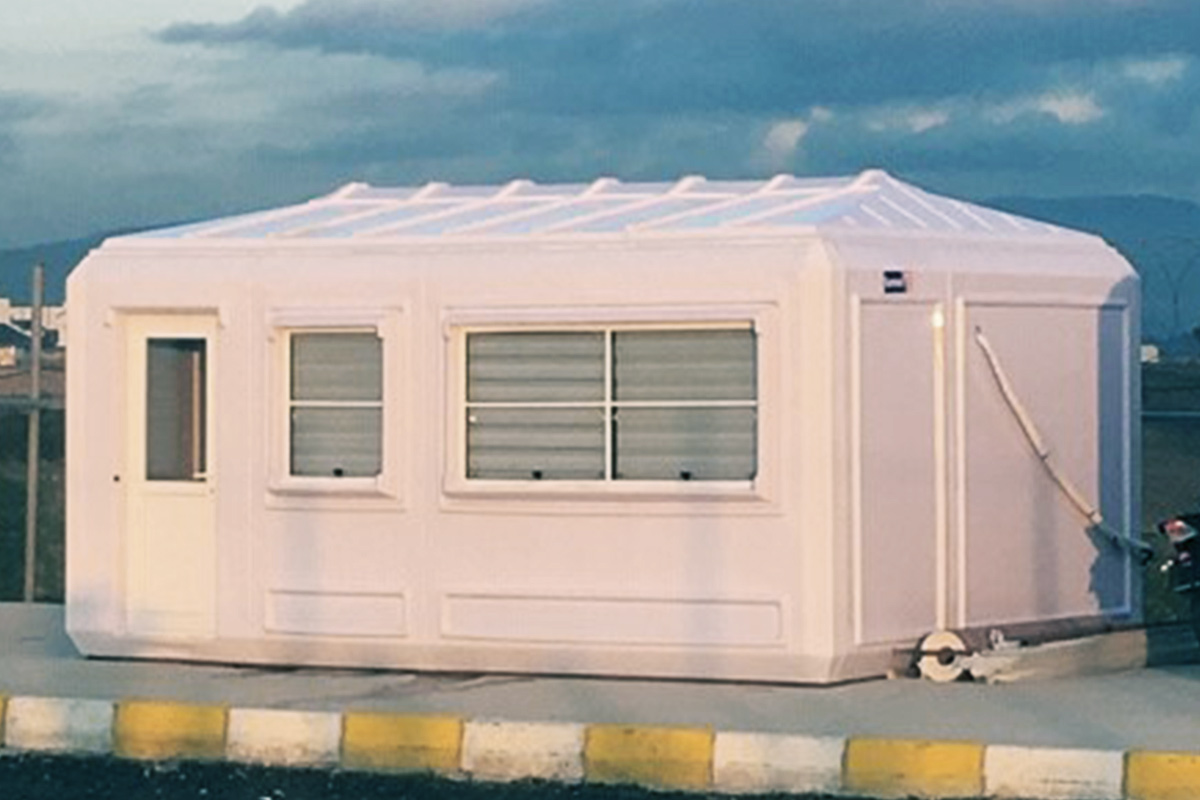
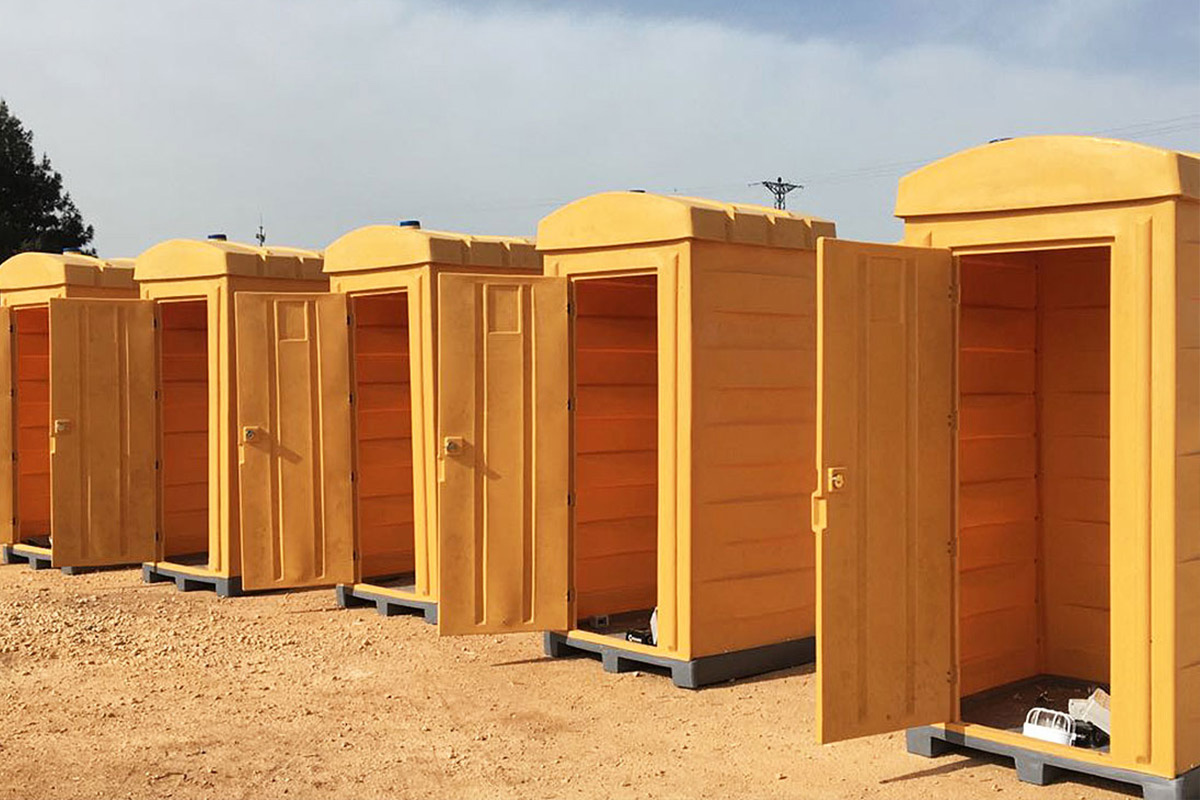
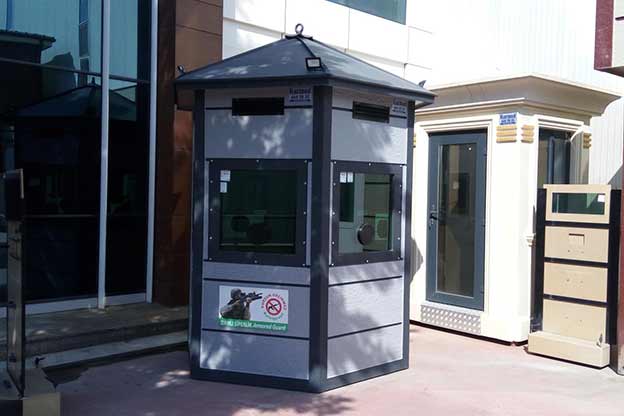
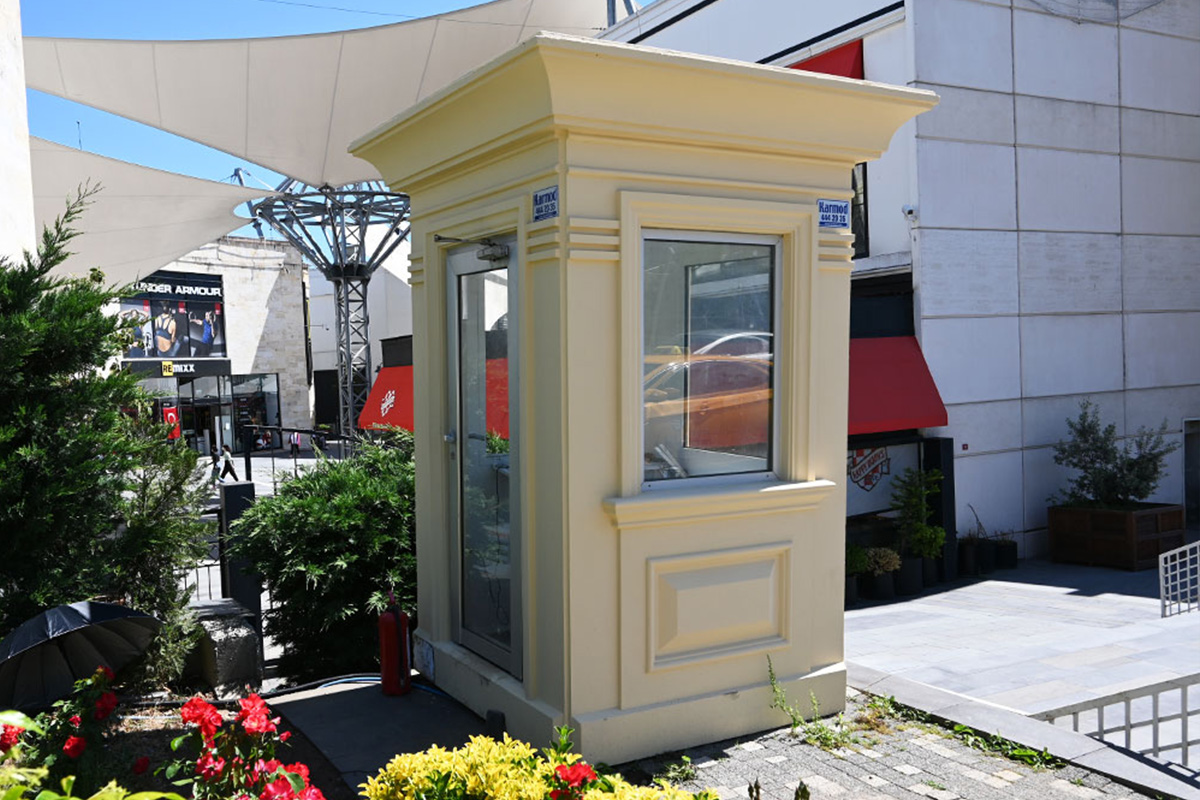
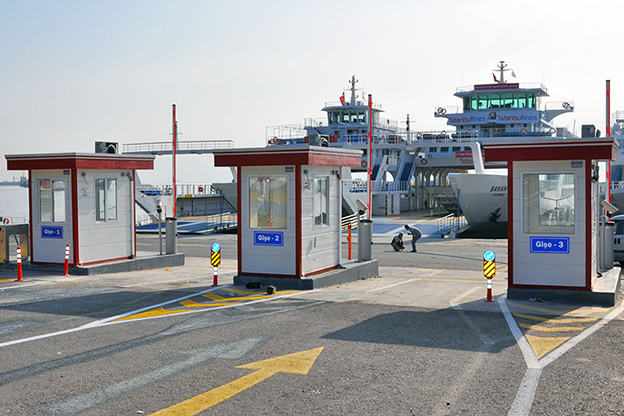
- Security buildings & technical units for industrial sites, logistics centers, and energy facilities
- Storage and logistics facilities requiring fast deployment near transport corridors
These applications reflect the market’s focus on speed, efficiency, and operational continuity rather than purely architectural considerations.
From Design to Installation: How the Process Works
The success of a modular or prefabricated project depends on a structured and transparent process.
The first step is project needs analysis, where operational requirements, capacity, timelines, and regulatory constraints are clearly defined. This phase ensures that the building system aligns with local standards and functional expectations.
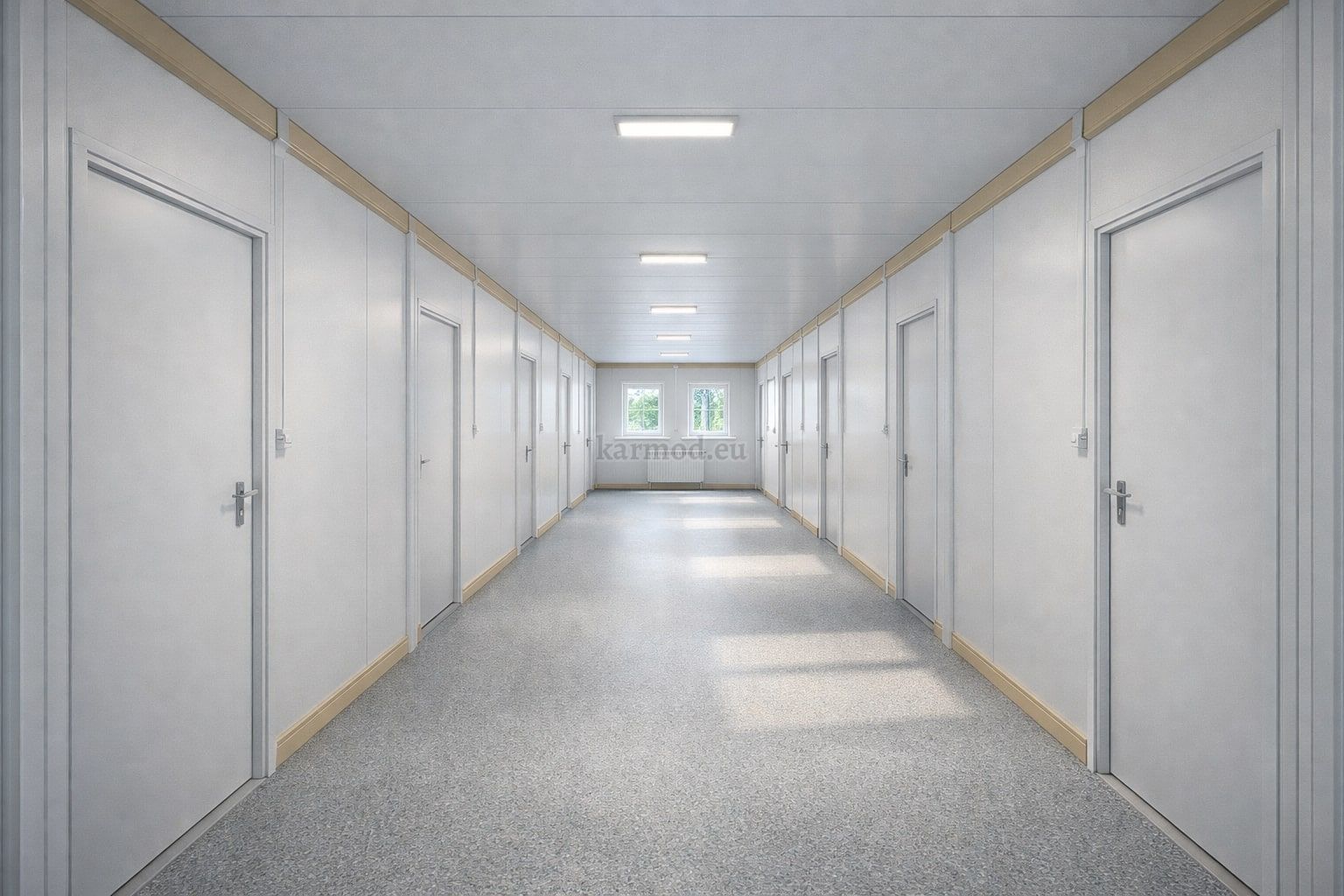
Next comes custom design and technical specifications. Layouts, technical systems, insulation levels, and finishes are adapted to the project’s purpose and Poland’s regulatory framework.
During factory production, building elements are manufactured under controlled conditions. This stage improves quality consistency and minimizes delays caused by weather or site limitations.
Delivery to Poland is planned to align with site readiness, reducing storage time and handling risks.
Finally, on-site installation is completed in a short timeframe, allowing operations to begin quickly with minimal disruption to surrounding activities.
Key Considerations for Modular Buildings in Poland
Thermal insulation is essential due to seasonal temperature variations. Building envelopes must meet energy efficiency expectations for both temporary and permanent use.
Fire safety standards are strictly regulated. Modular systems must comply with European fire resistance classifications and local safety requirements, especially for public and industrial buildings.
Climate suitability affects material selection, roofing systems, and façade details. Structures must perform reliably in cold winters and variable weather conditions.
Custom layouts play an important role for B2B users. Modular buildings should support workflow efficiency, technical installations, and future expansion without requiring major structural changes.
With these considerations in mind, Karmod modular building solutions are designed to support long-term operational needs while maintaining flexibility for evolving projects. This approach reflects a broader shift in Poland toward industrialized construction methods that balance speed, quality, and adaptability.
By aligning building strategies with local market conditions and sector-specific demands, modular and prefabricated solutions help organizations in Poland move from planning to operation with greater confidence and control.