





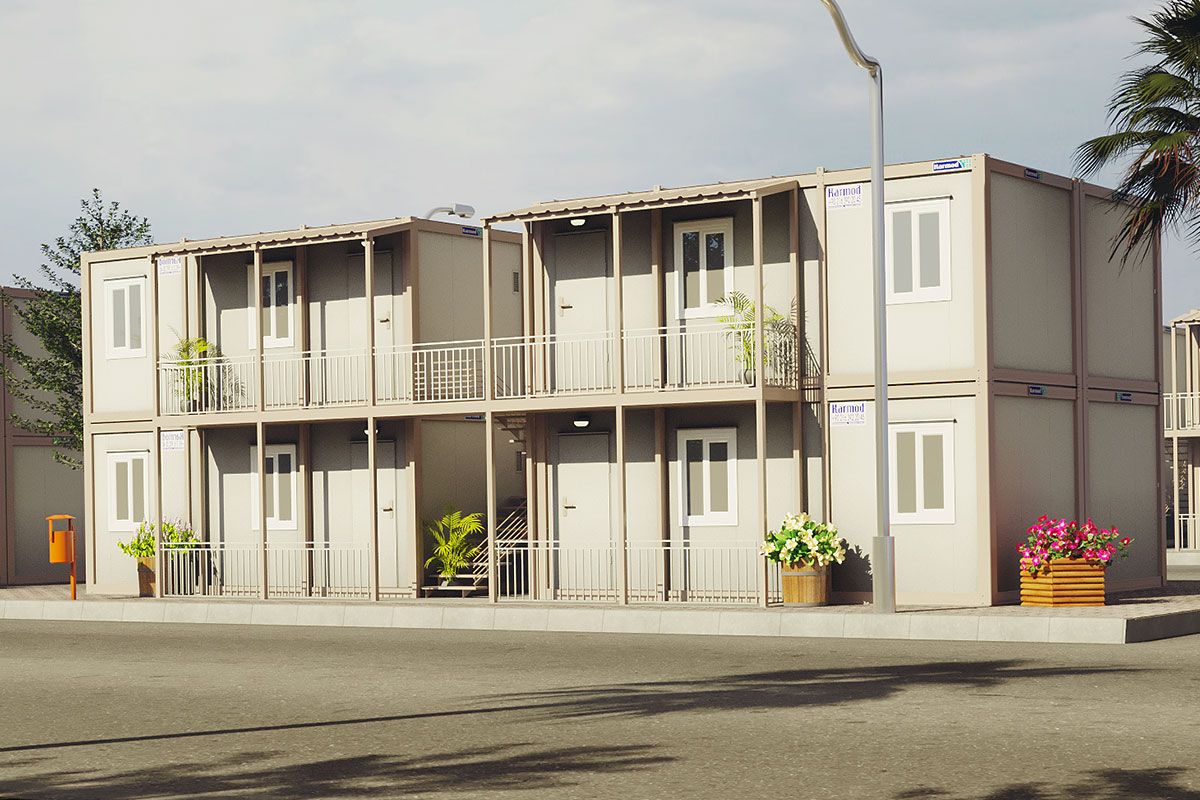
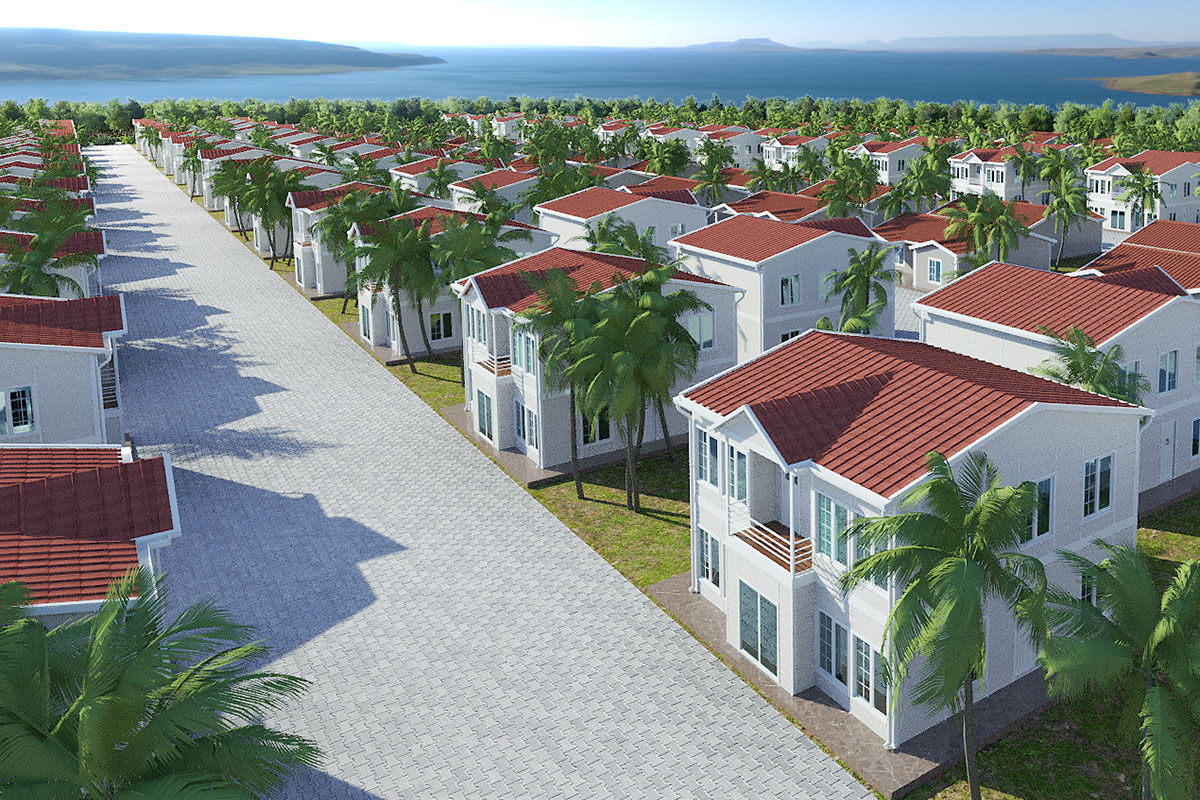
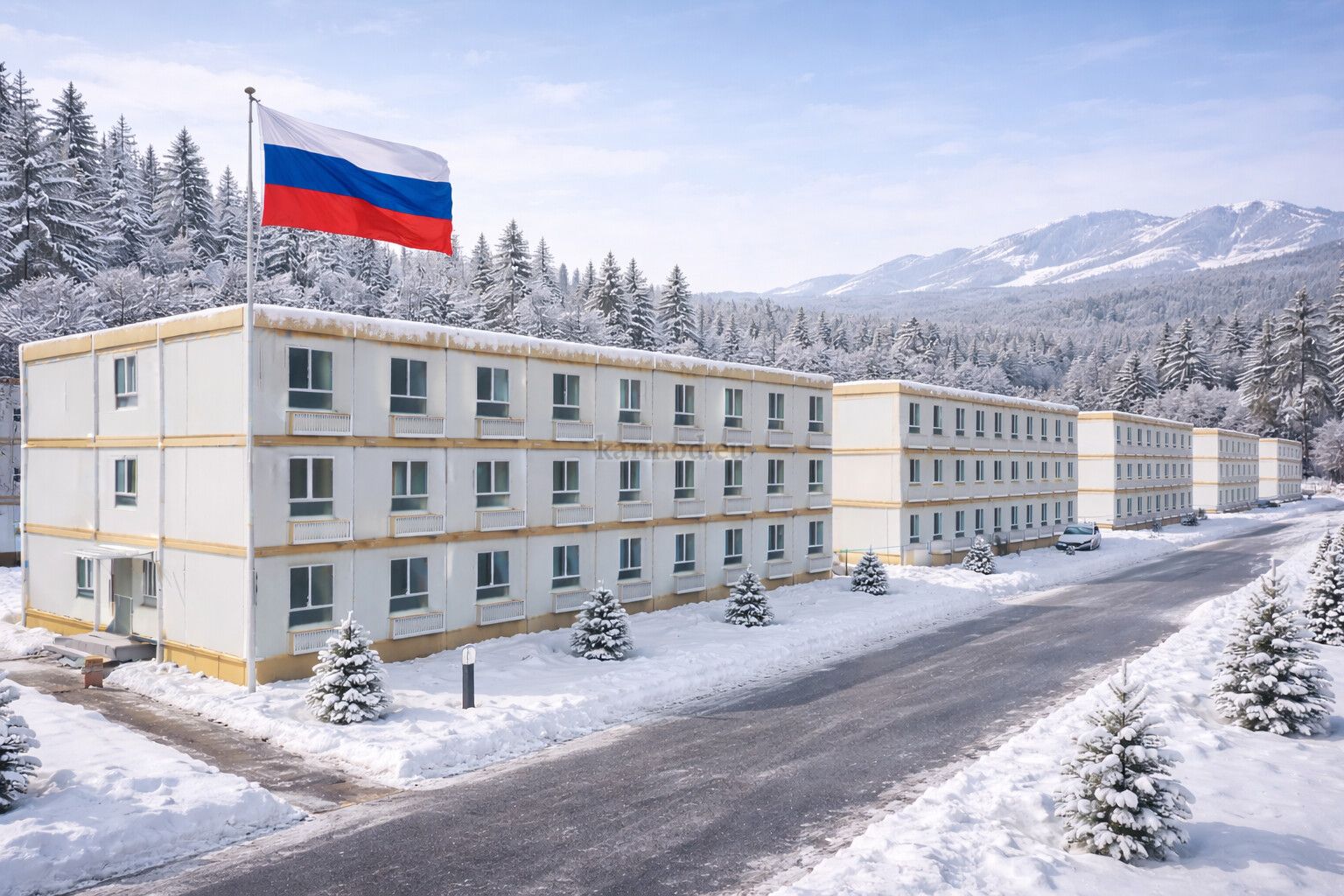
Russia’s vast geography, diverse climate zones, and large-scale industrial activity create a unique construction environment. From energy fields in remote regions to logistics hubs around major cities, project owners increasingly seek building systems that can be deployed quickly, controlled in cost, and adapted to both temporary and permanent use. In this context, modular buildings and prefabricated building solutions have become an established part of Russia’s construction strategy, particularly for B2B and public-sector projects where predictability and speed are critical.
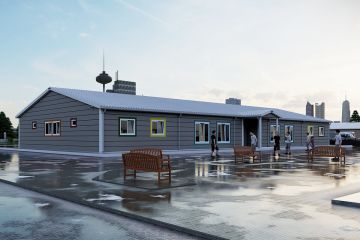
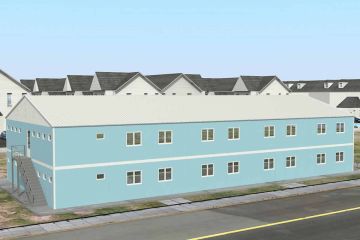
Why Modular Buildings Are in High Demand in Russia
Labor cost management is one of the strongest drivers behind the growing adoption of modular construction in Russia. In many regions, especially outside major metropolitan areas, skilled construction labor can be limited, expensive, or difficult to mobilize. Modular buildings significantly reduce on-site labor requirements by shifting most production activities to factory-controlled environments, where quality and efficiency can be managed more consistently.
Construction timelines are another decisive factor. Industrial plants, logistics terminals, mining operations, and energy projects often operate under strict schedules. Modular systems allow building production to run in parallel with site preparation, reducing total project duration. This time advantage is particularly valuable in regions with short construction seasons caused by harsh winter conditions.
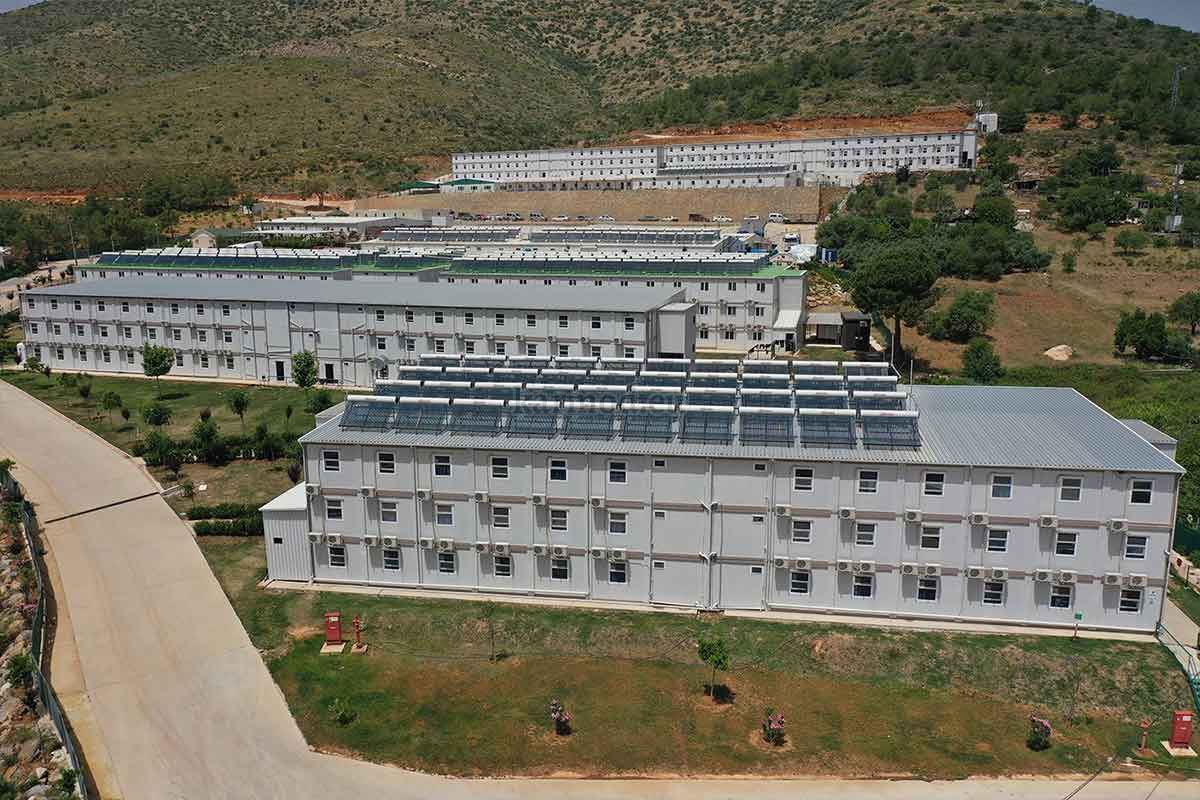
Russia also requires a combination of temporary and permanent building solutions. Temporary structures are widely used for construction camps, seasonal worker accommodation, and remote infrastructure projects. At the same time, permanent facilities such as offices, technical units, and social buildings increasingly rely on prefabricated methods to achieve long-term durability and controlled construction quality.
Sector-specific demand further strengthens this trend. Logistics, heavy industry, oil and gas, mining, and public infrastructure projects all depend on scalable, repeatable building models. Modular buildings align well with these sectors by offering flexibility without compromising structural performance.
Modular Buildings vs. Prefabricated Building Systems
Although the terms are sometimes used interchangeably, modular buildings and prefabricated building systems address different operational needs.
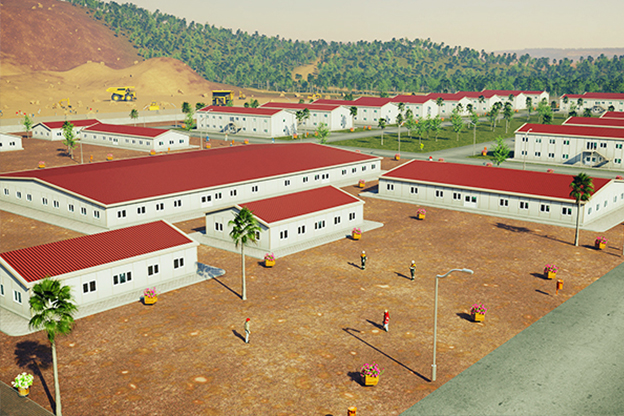
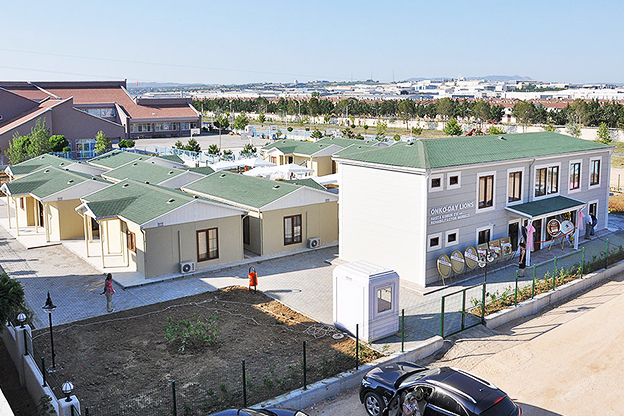
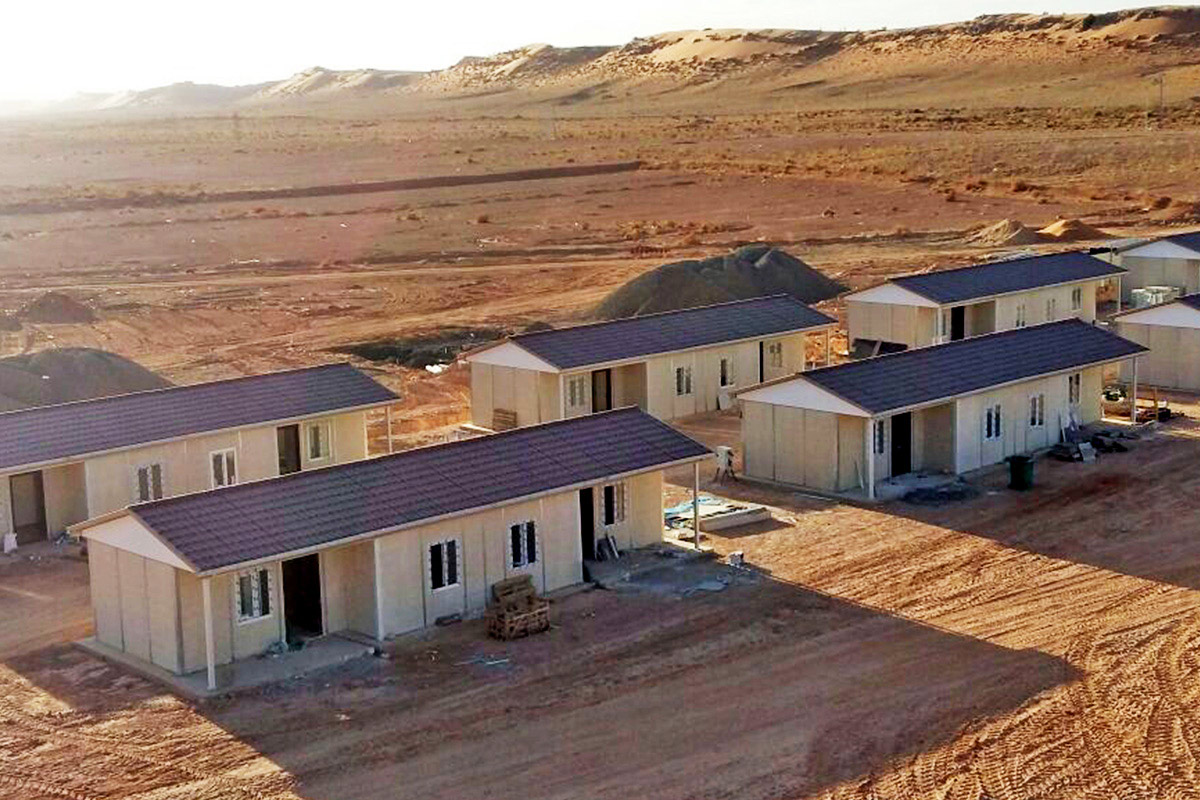
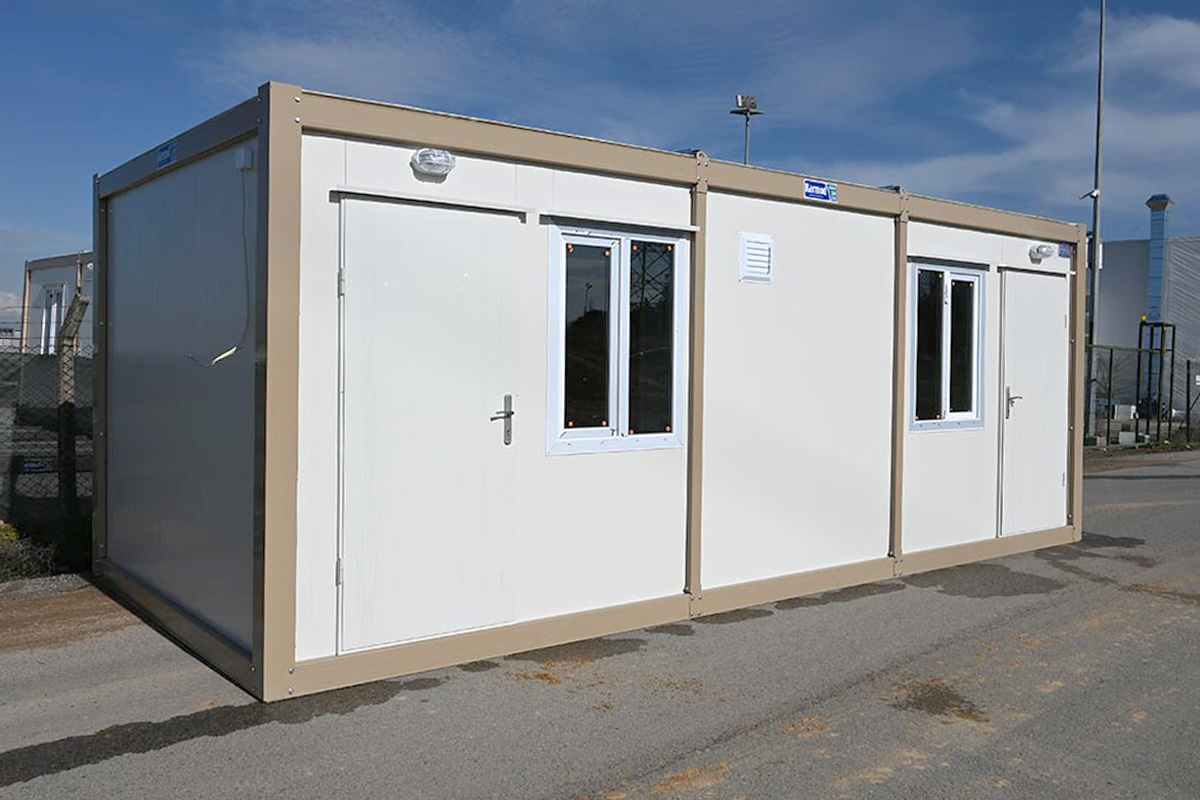
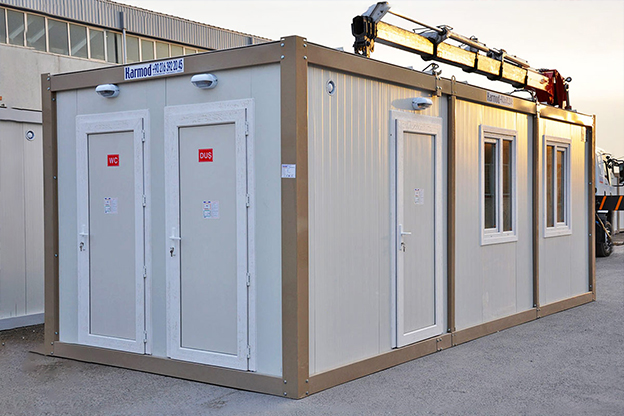
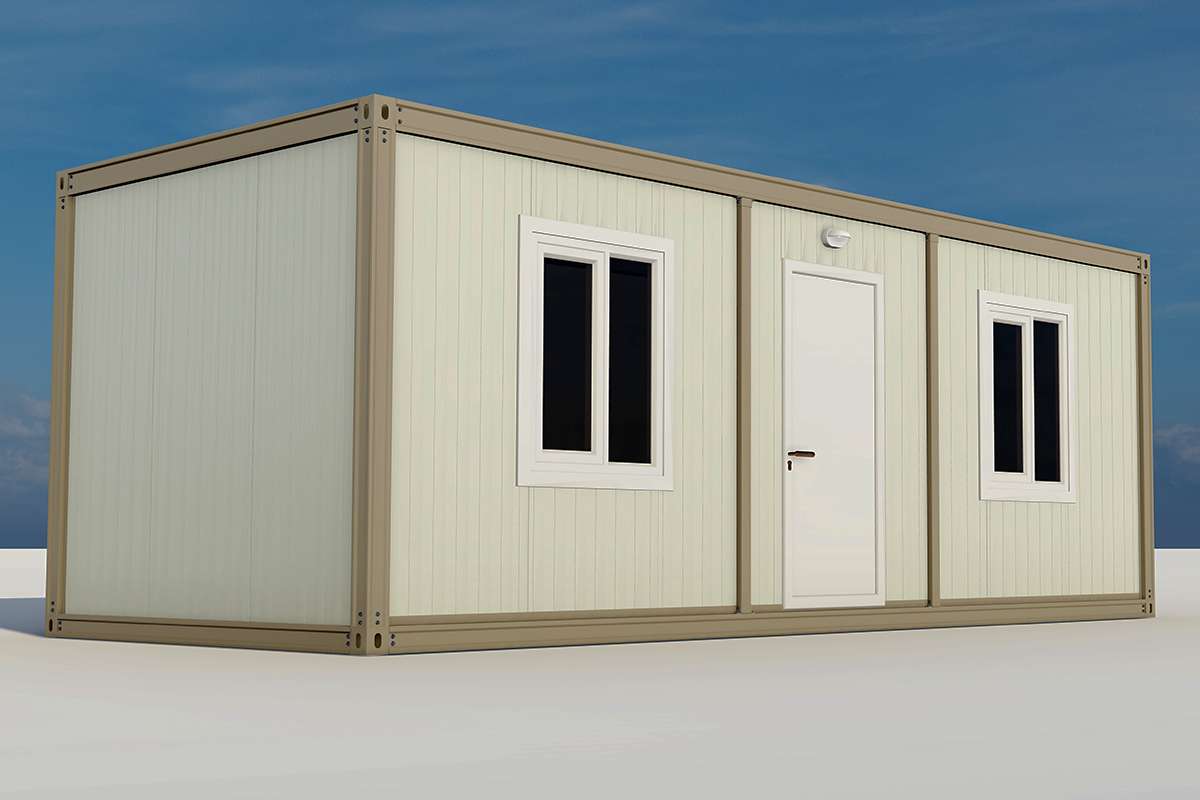
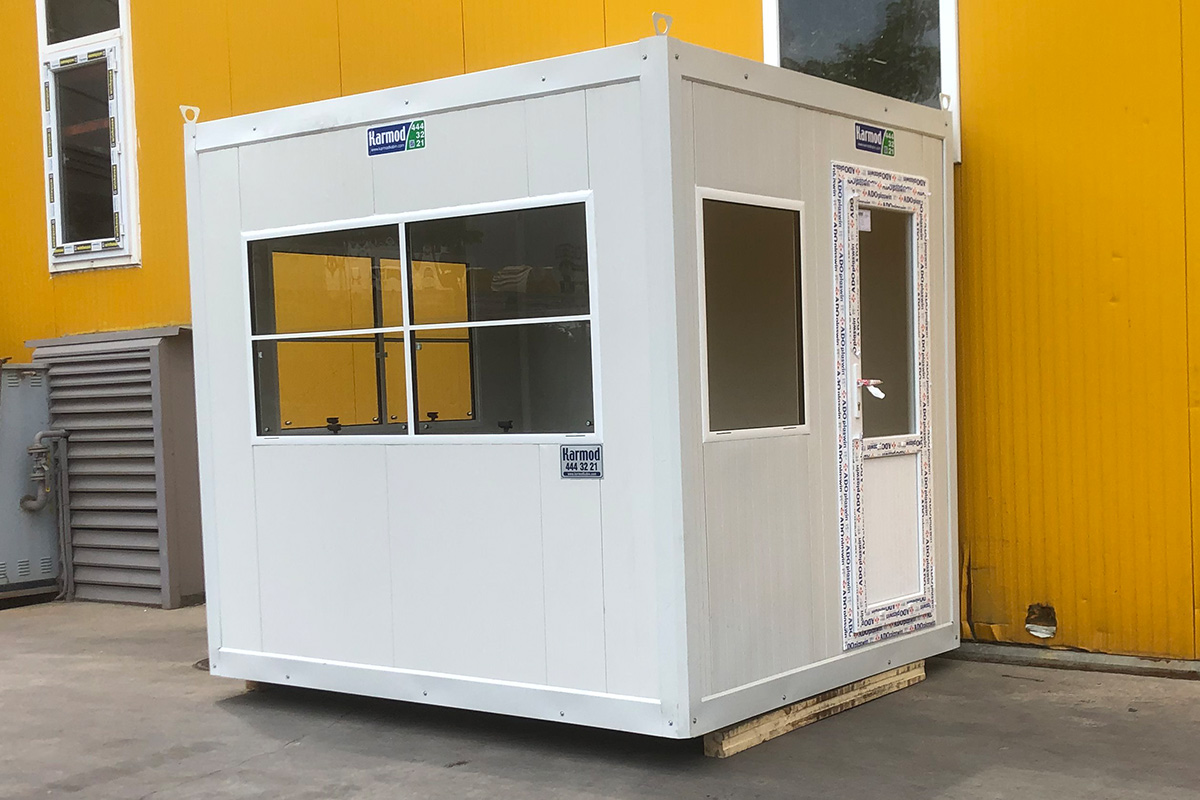
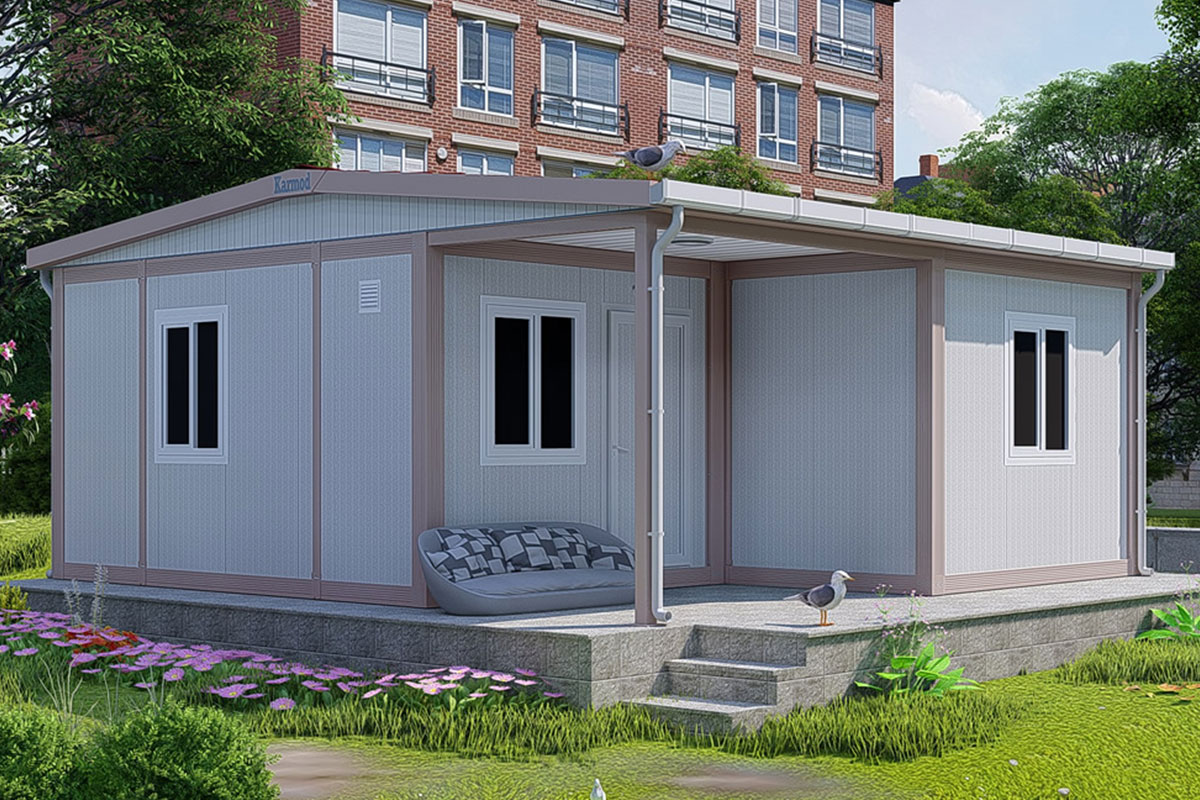
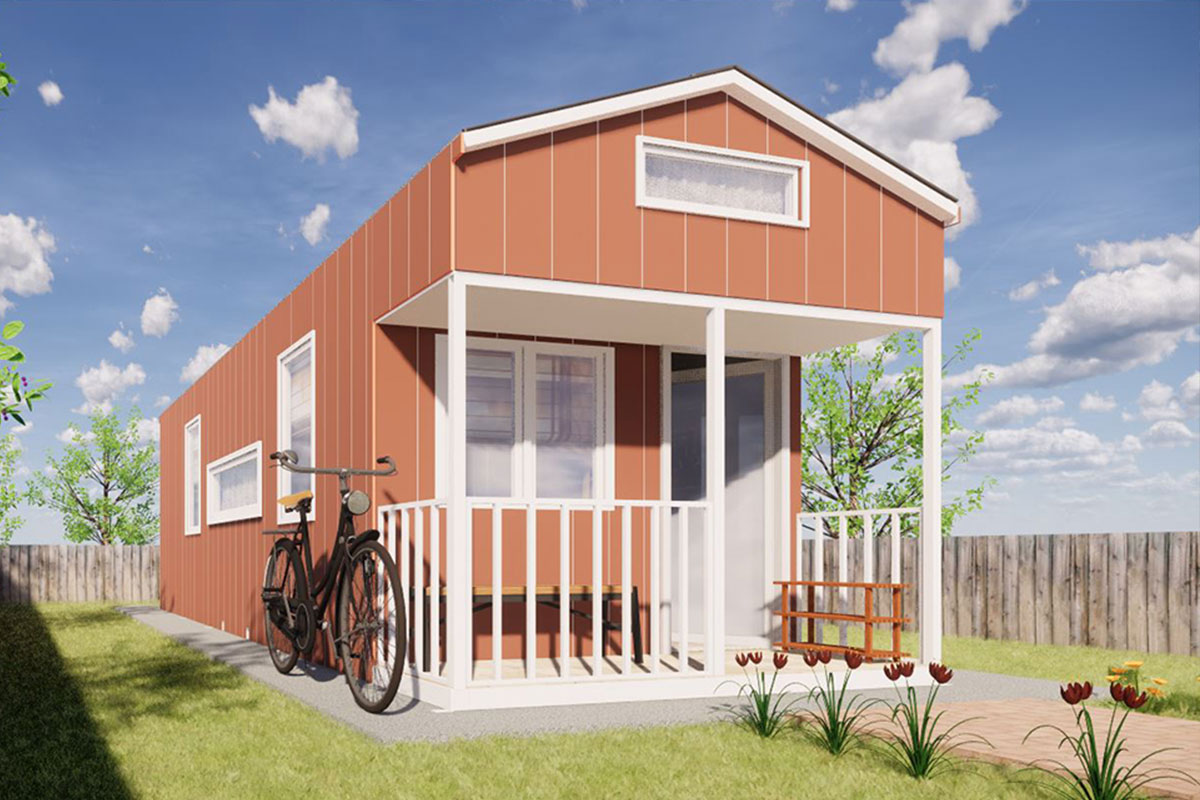
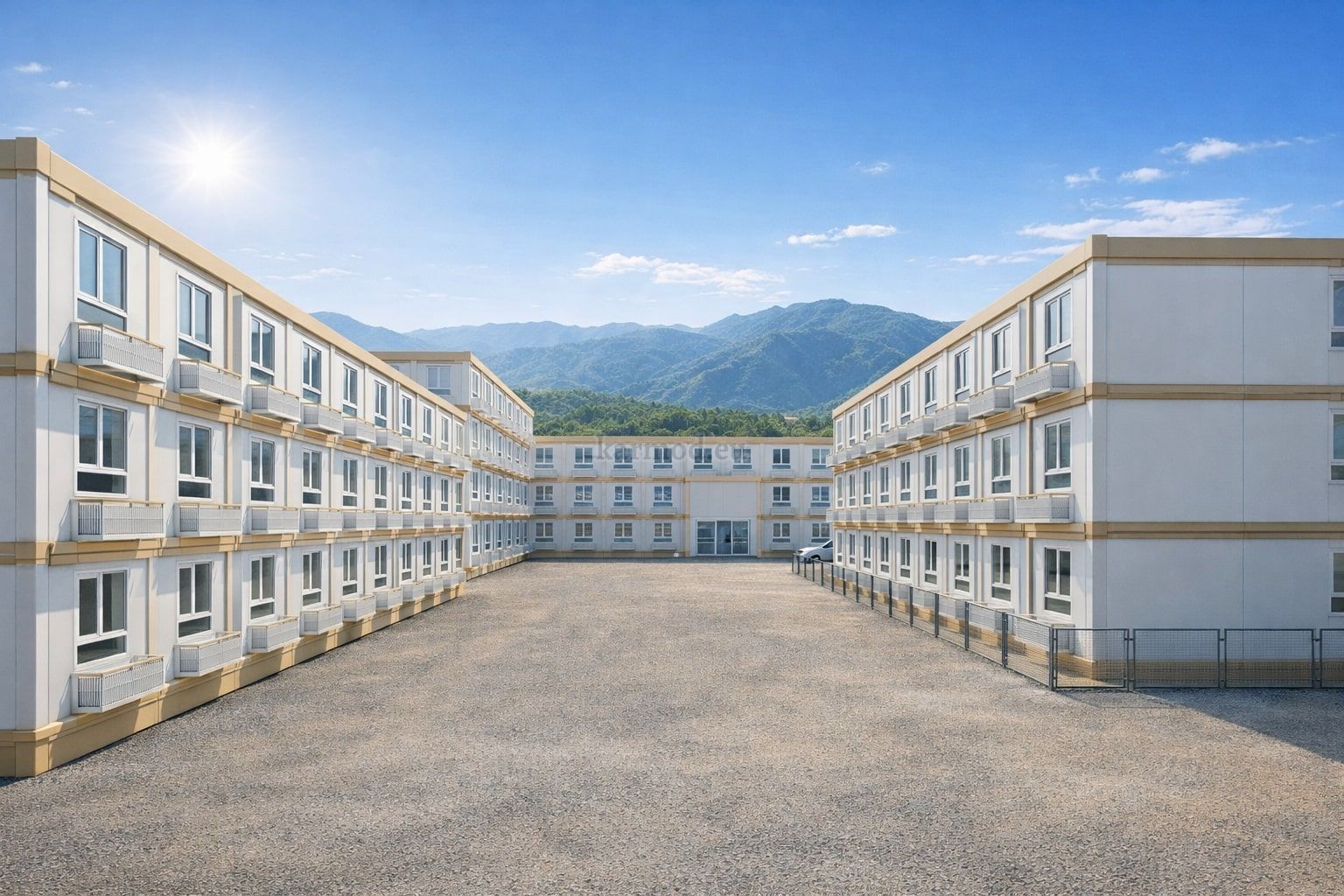
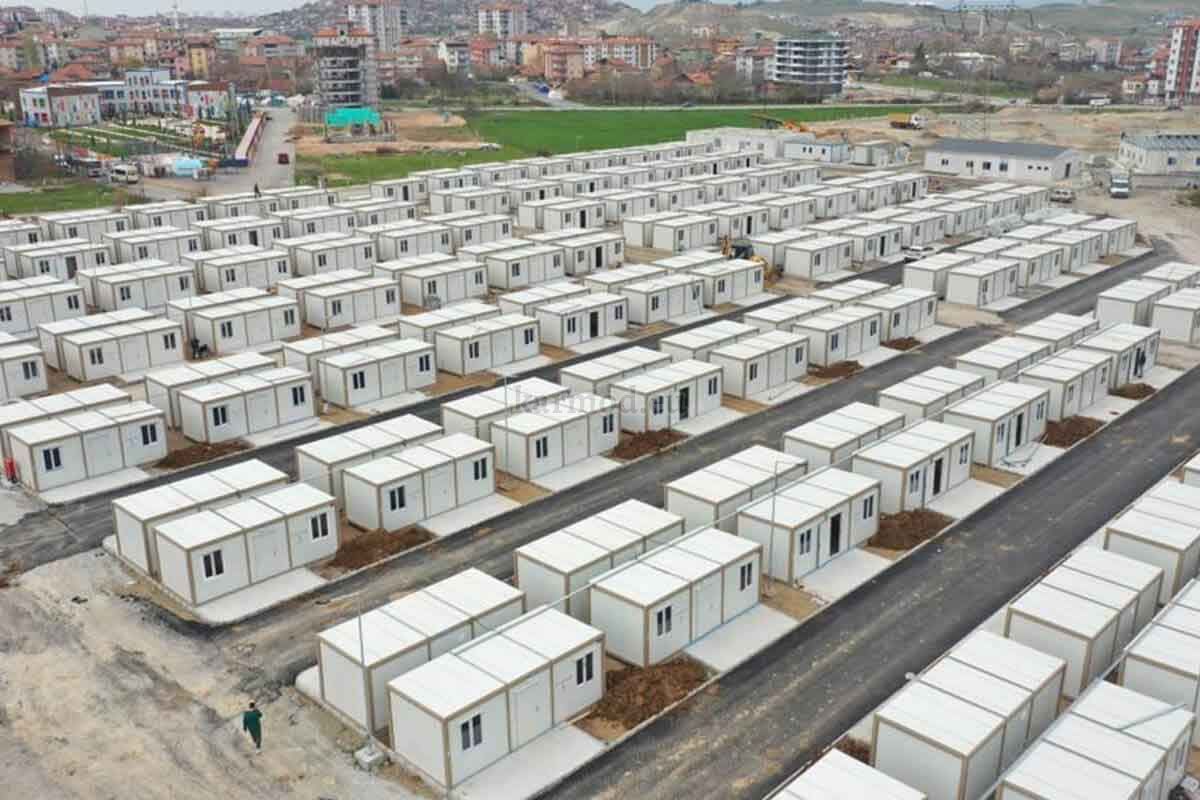
Modular buildings are based on fully volumetric modules manufactured in factory environments. These modules are transportable, can be relocated if required, and are easily expandable. In Russia, this approach is frequently preferred for remote sites, temporary camps, and projects where capacity or location may change over time.
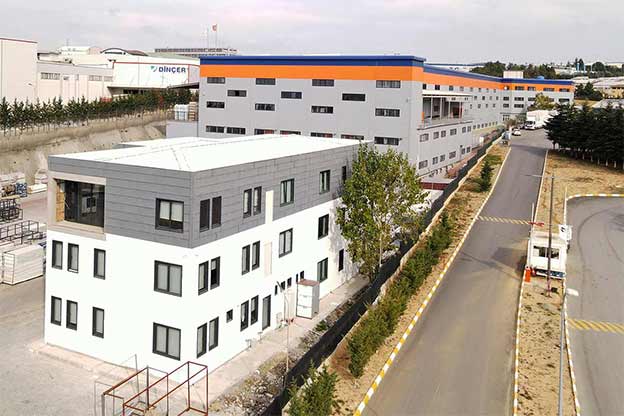
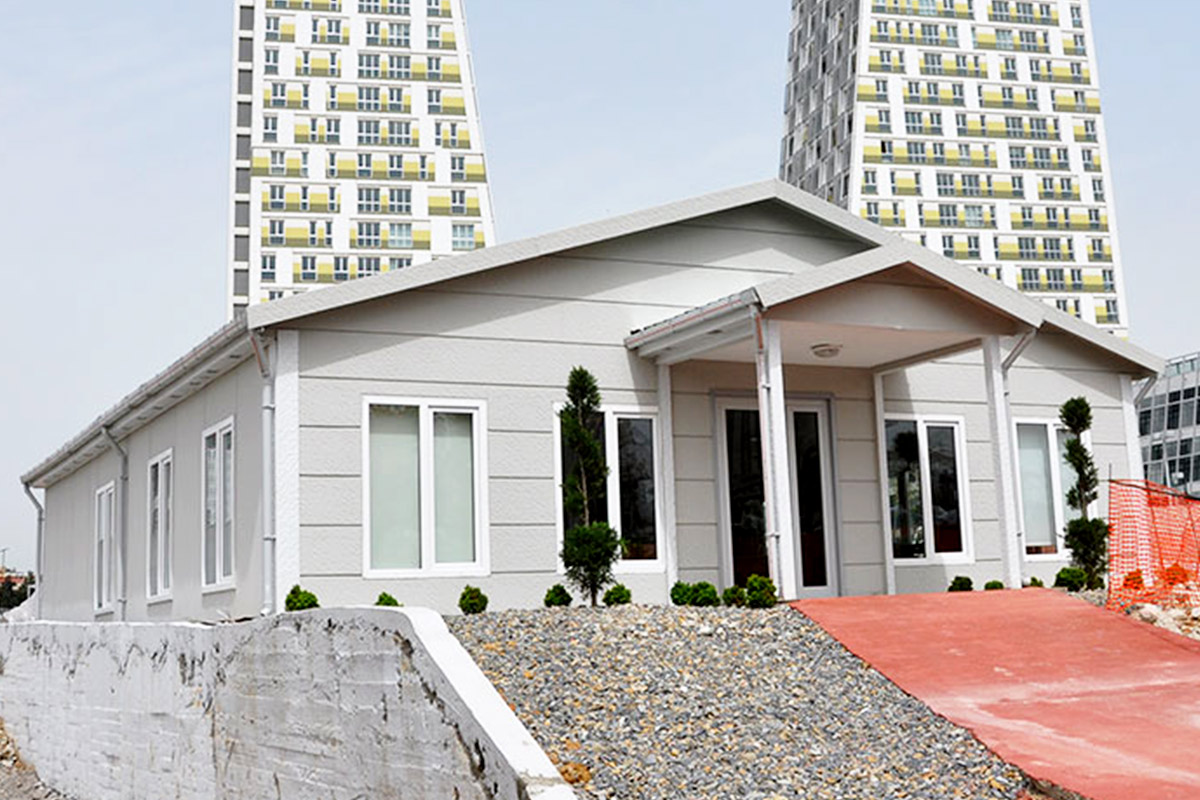
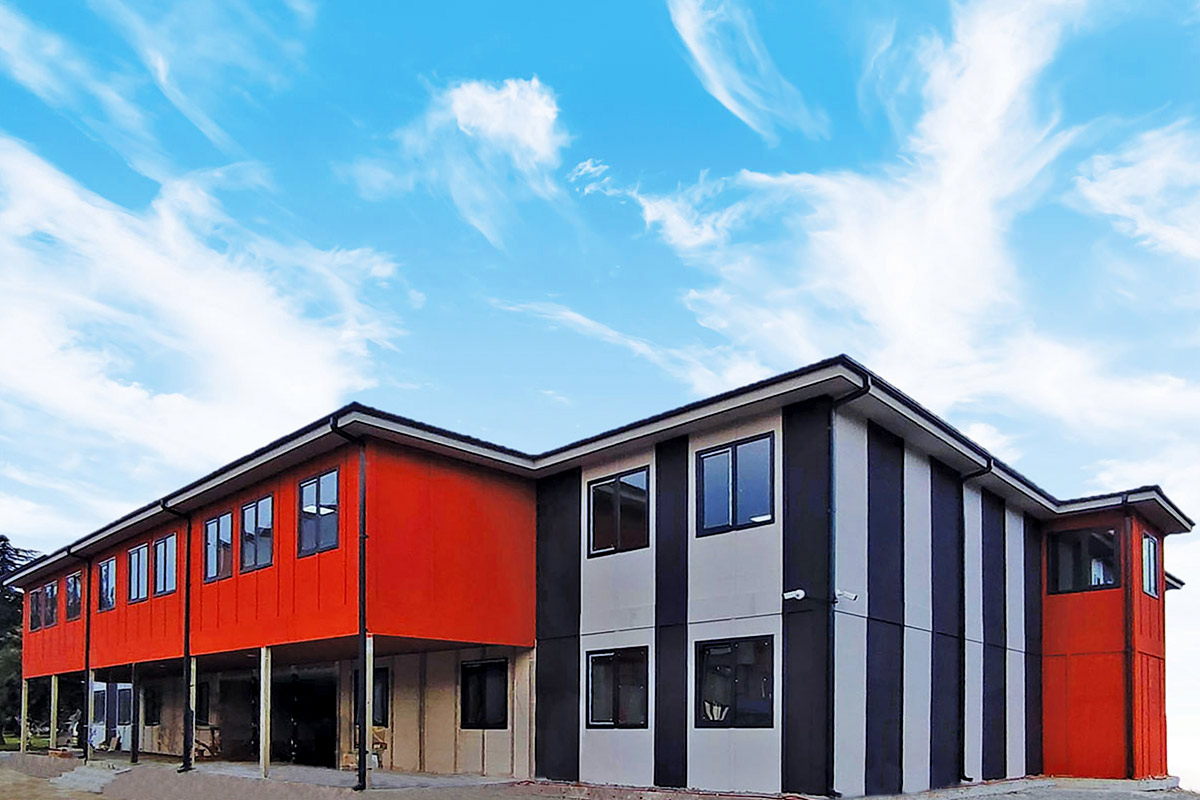
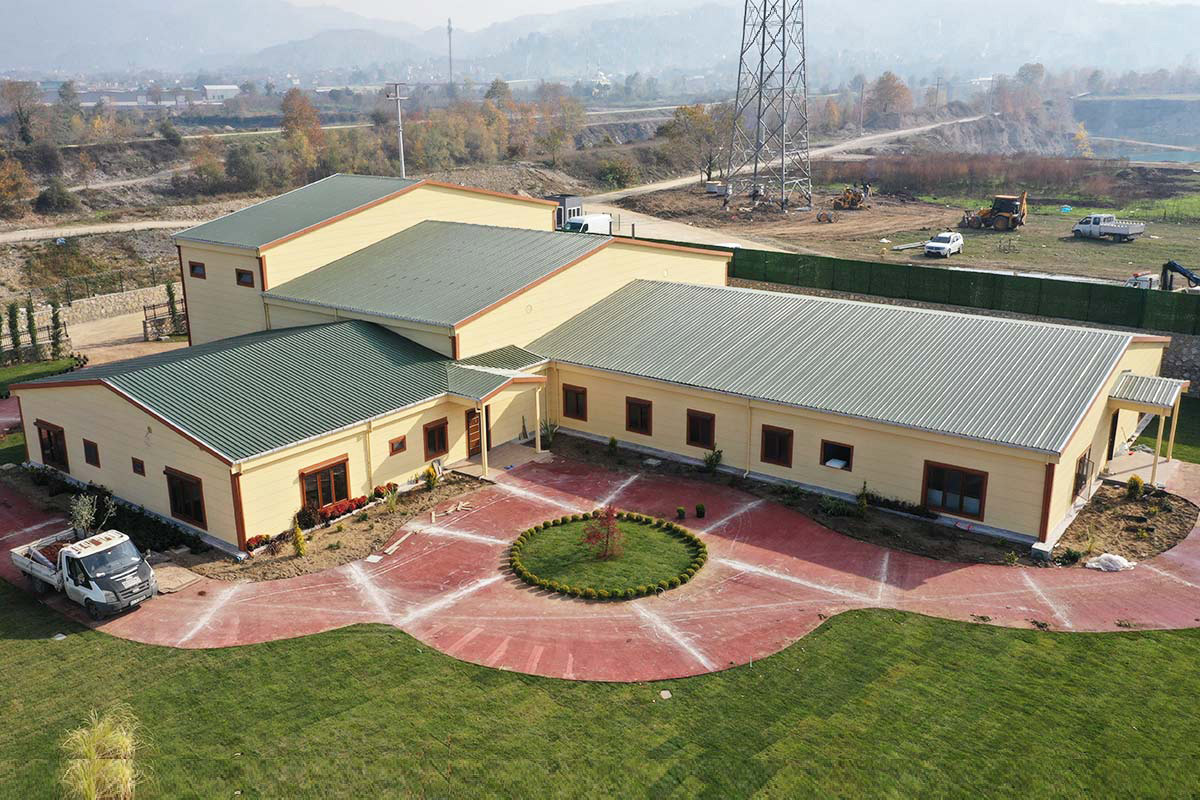
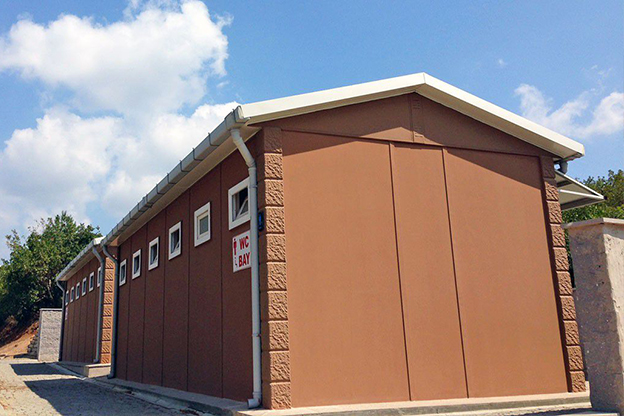
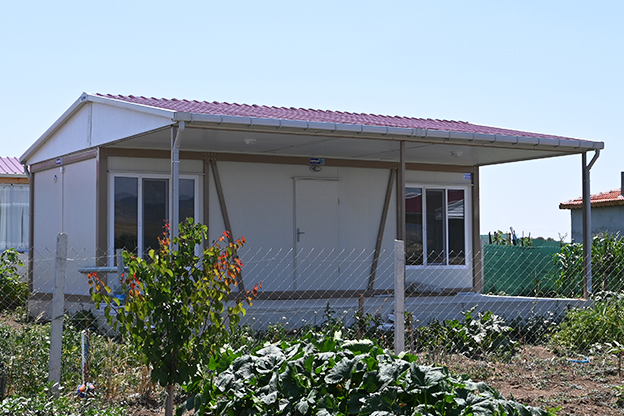
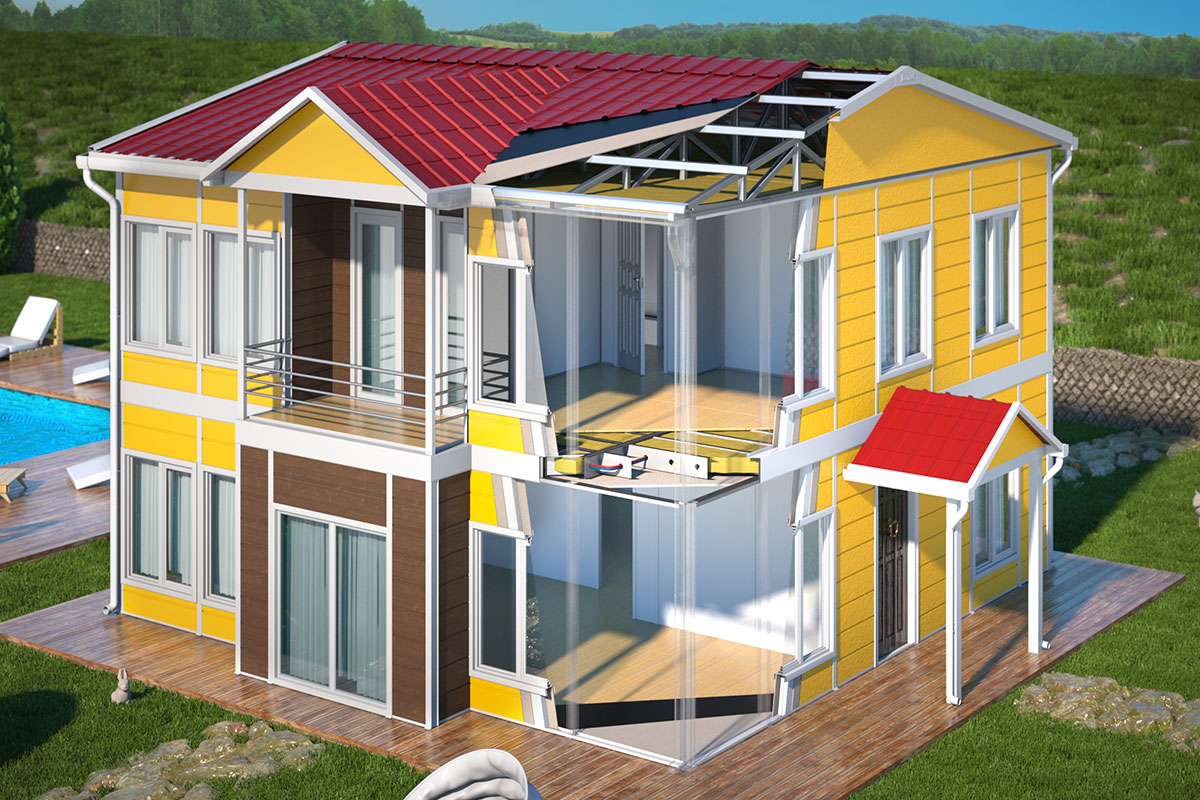
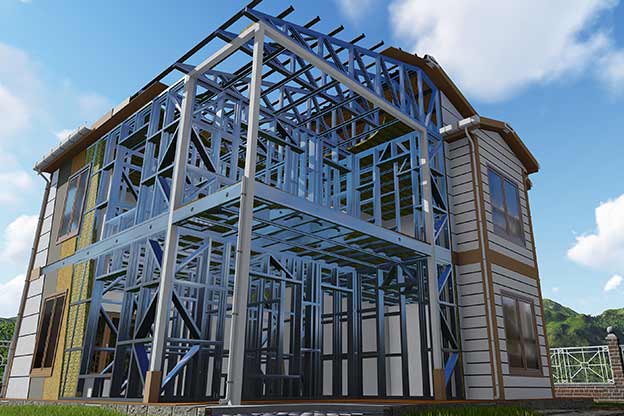
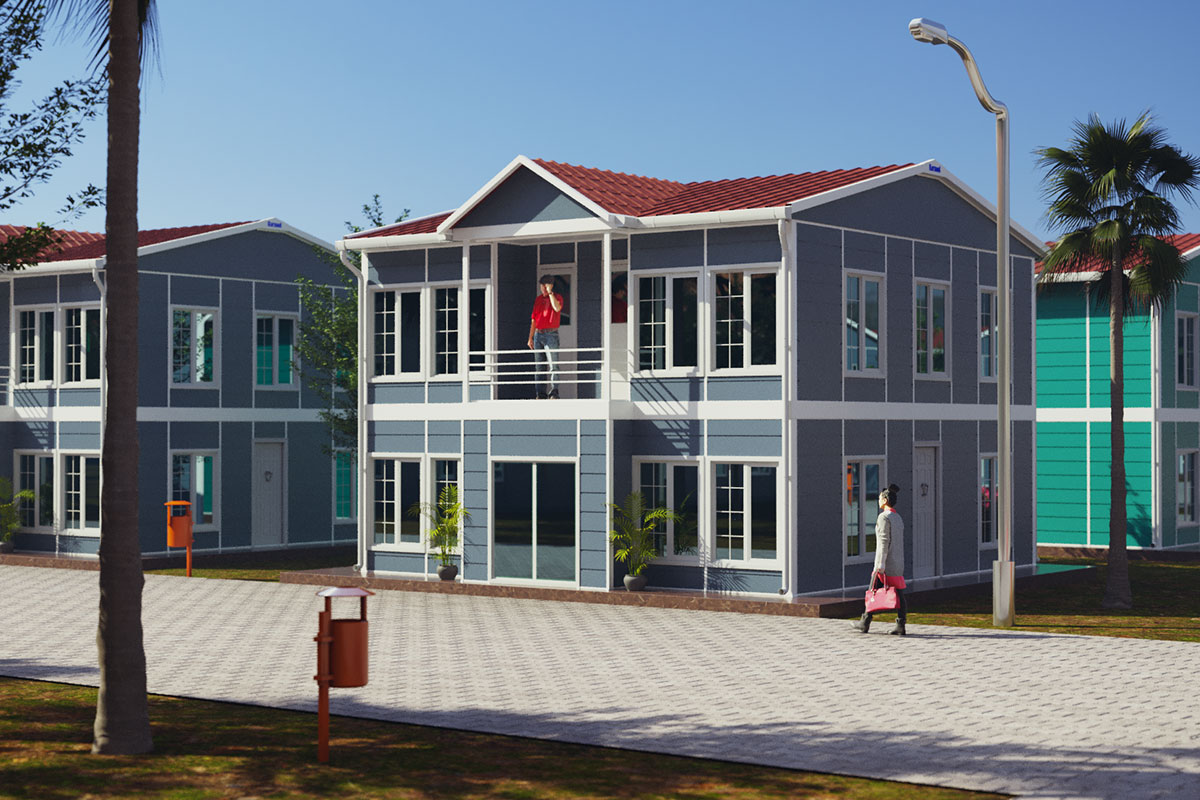
A prefabricated building, by contrast, is typically constructed using panels or structural components produced off-site and assembled at the project location. This system is commonly selected for permanent facilities where relocation is not anticipated, such as administrative buildings, industrial support units, or long-term public facilities.
In practice, modular buildings are often chosen for energy, mining, and large-scale construction projects in remote regions, while prefabricated building systems are more common in urban and semi-urban developments where long-term use and architectural integration are key priorities.
Applications of Modular and Prefabricated Buildings in Russia
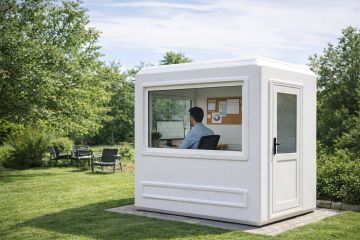
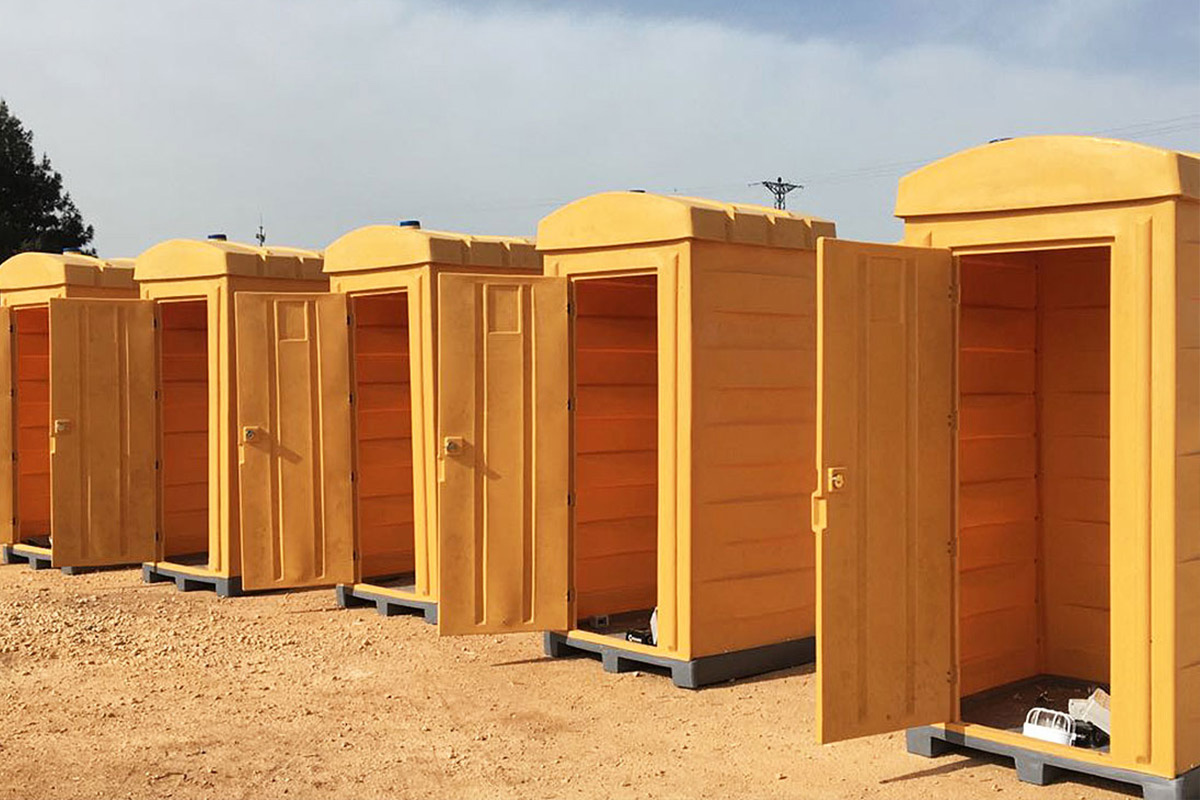
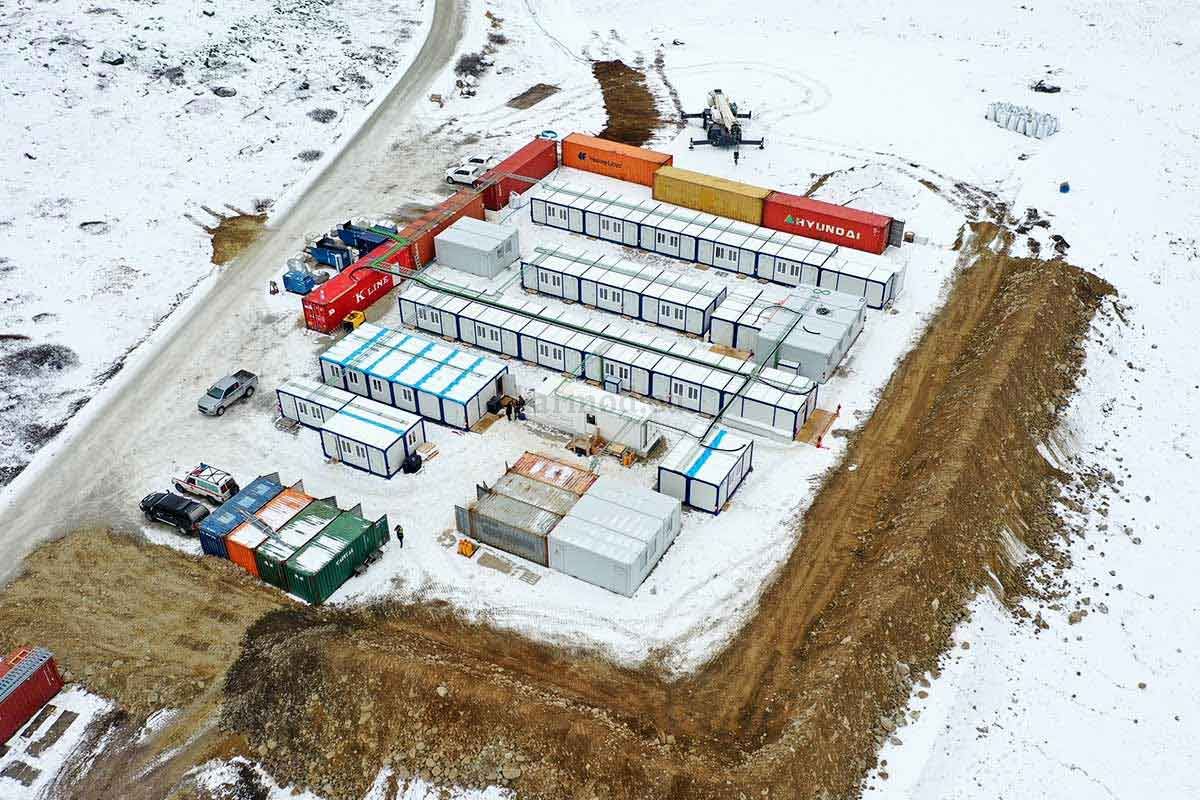
- Site offices & construction camps – Rapidly deployable buildings supporting project management and workforce coordination
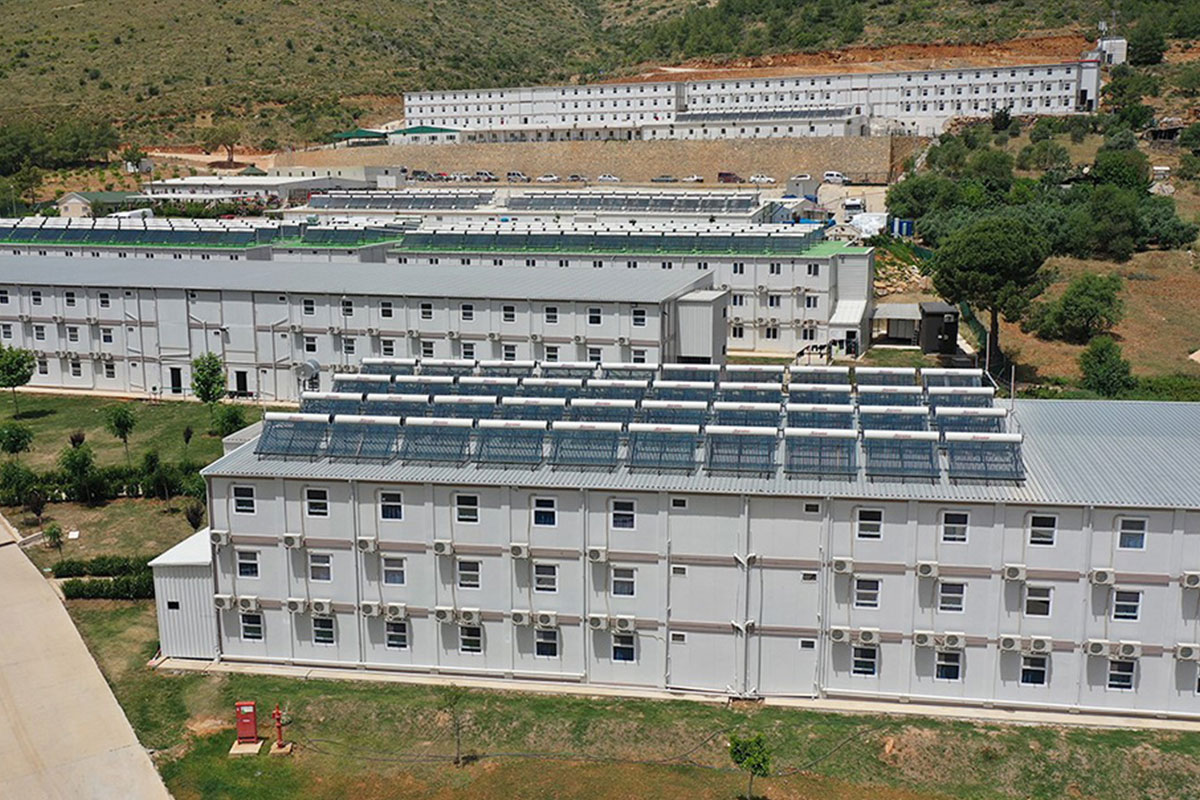
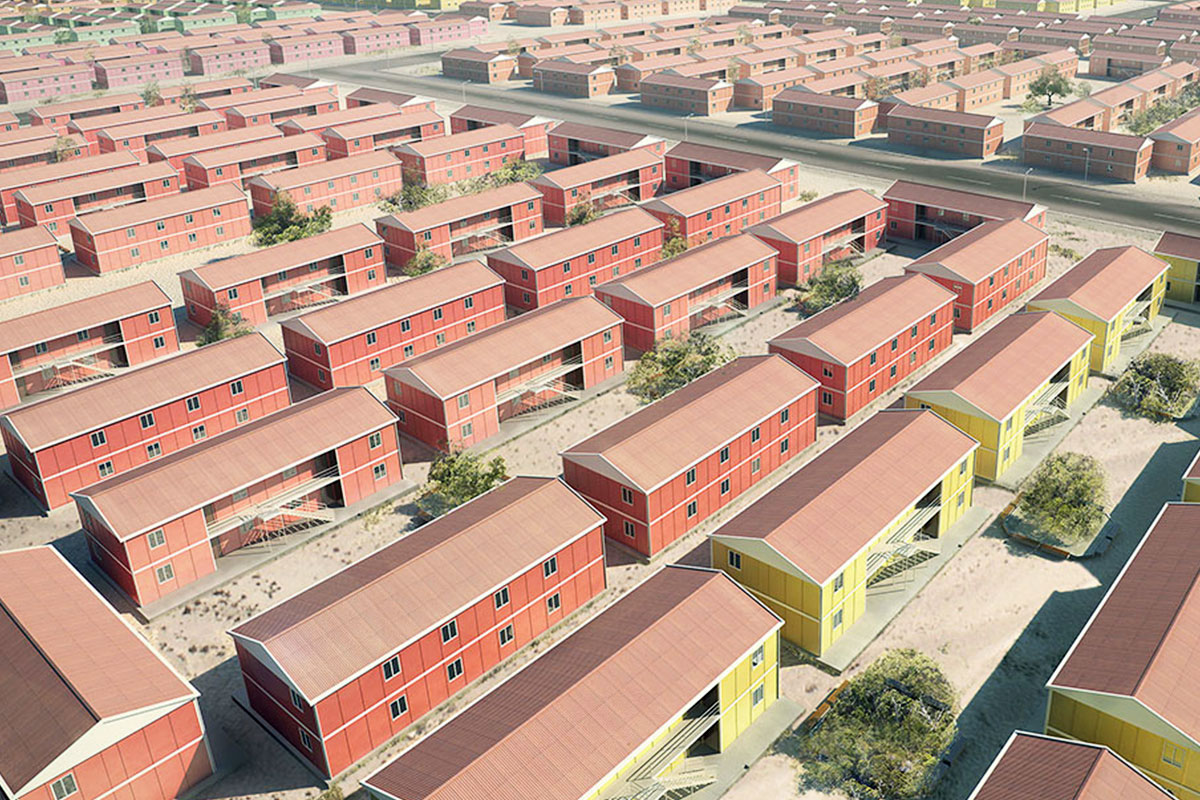
- Worker accommodation buildings – Insulated, comfortable living units designed for extended use in challenging climates
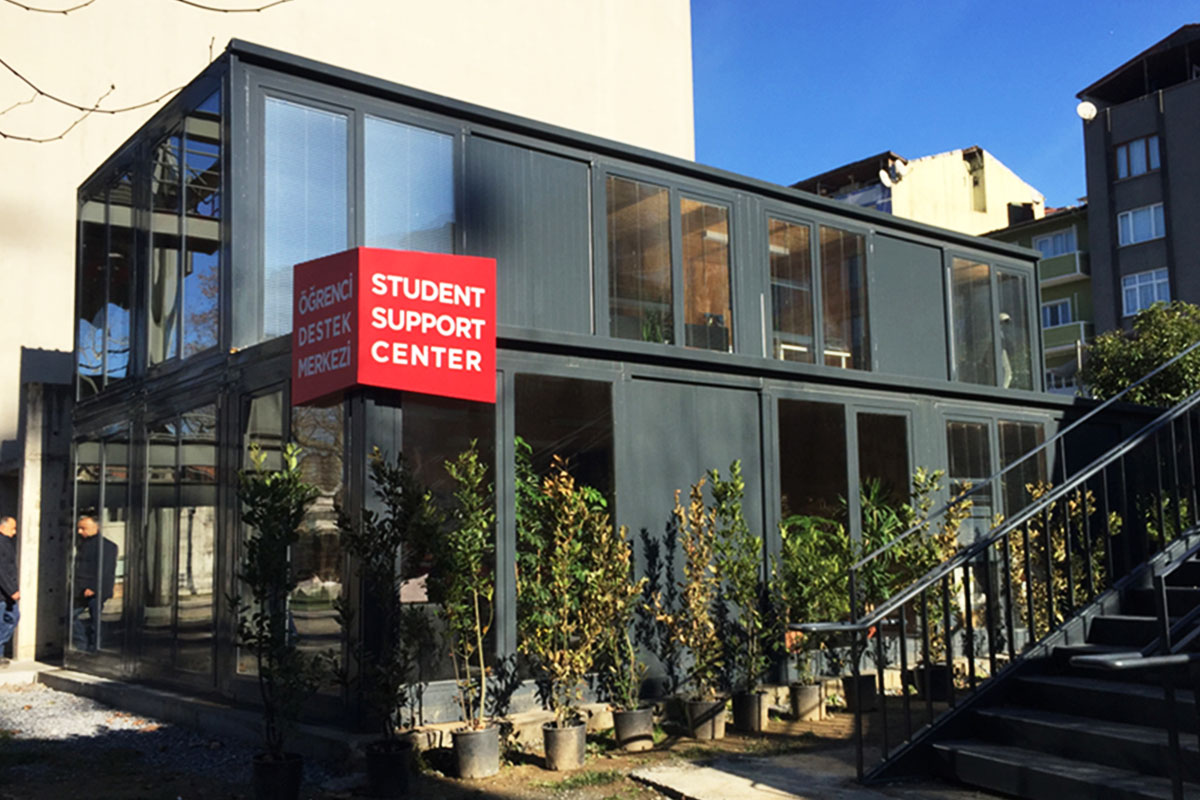
- Temporary schools & healthcare units – Fast-response facilities for underserved or rapidly developing areas
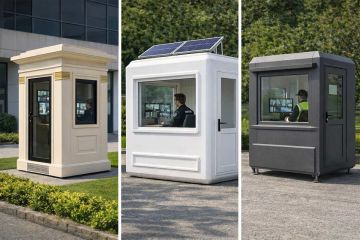
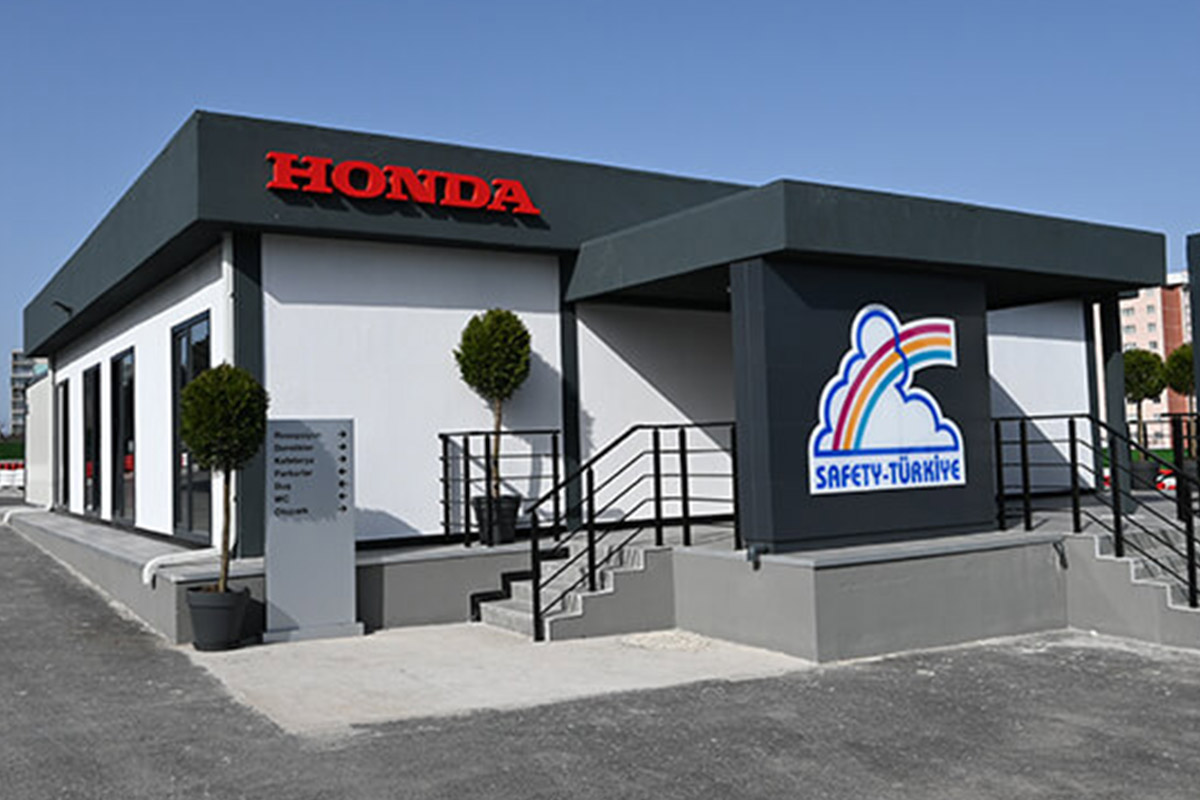
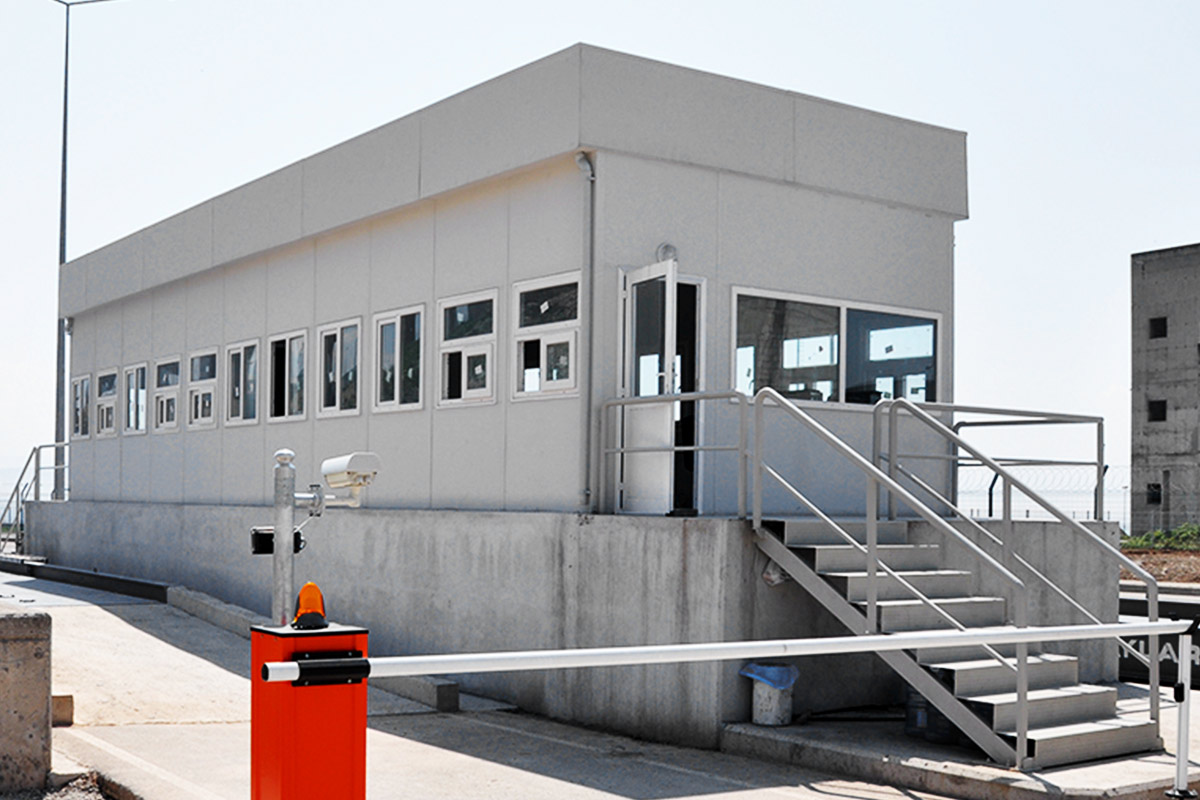
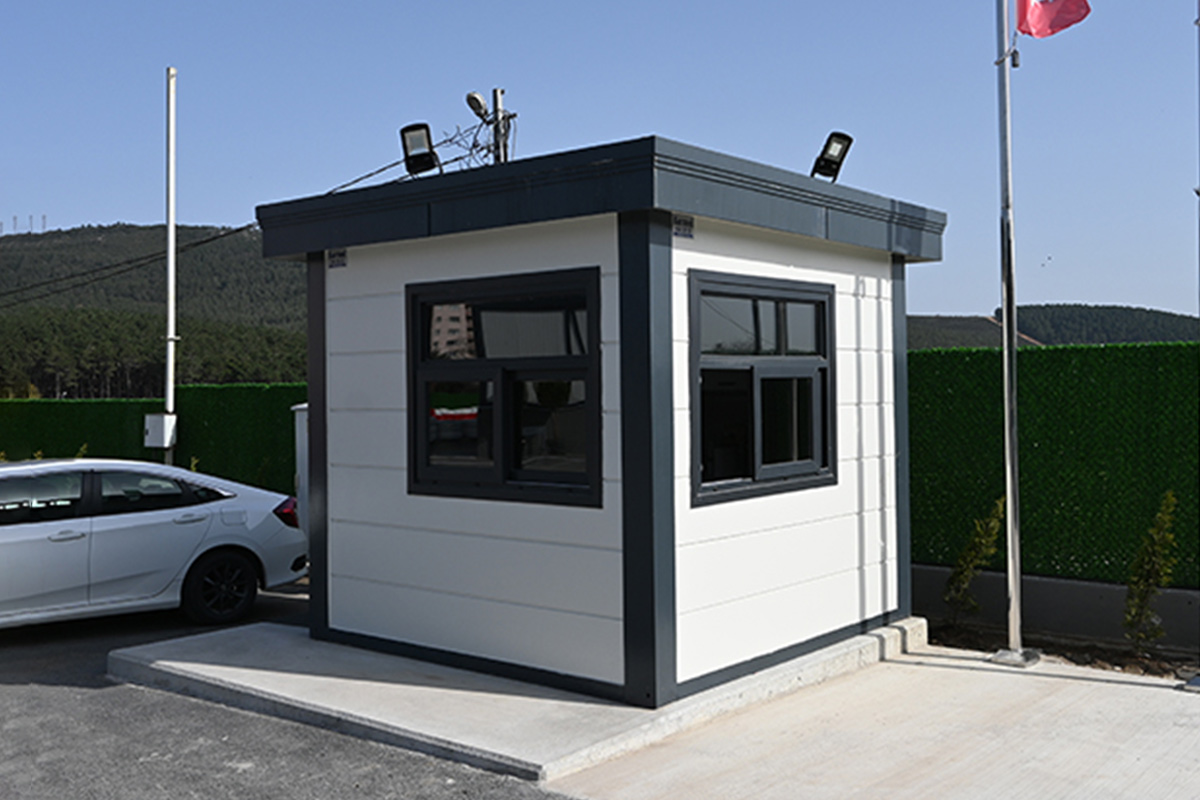
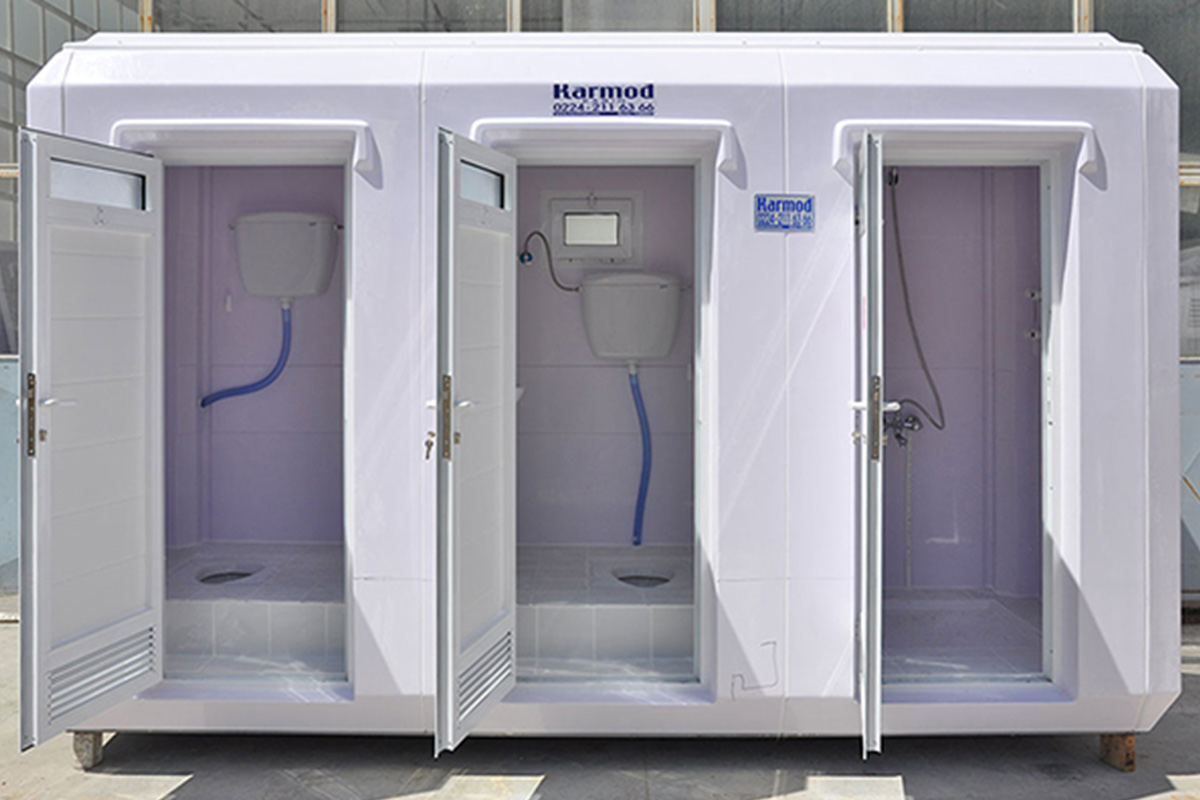
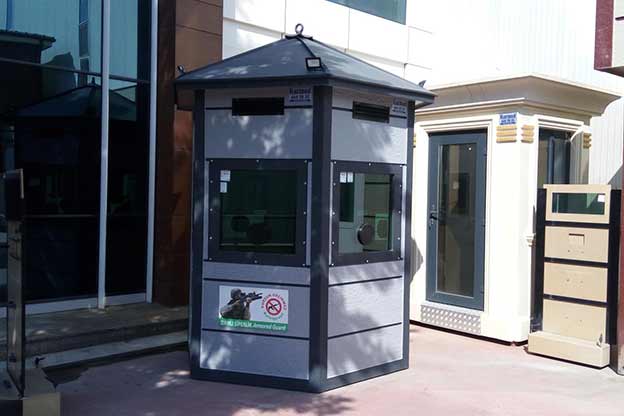
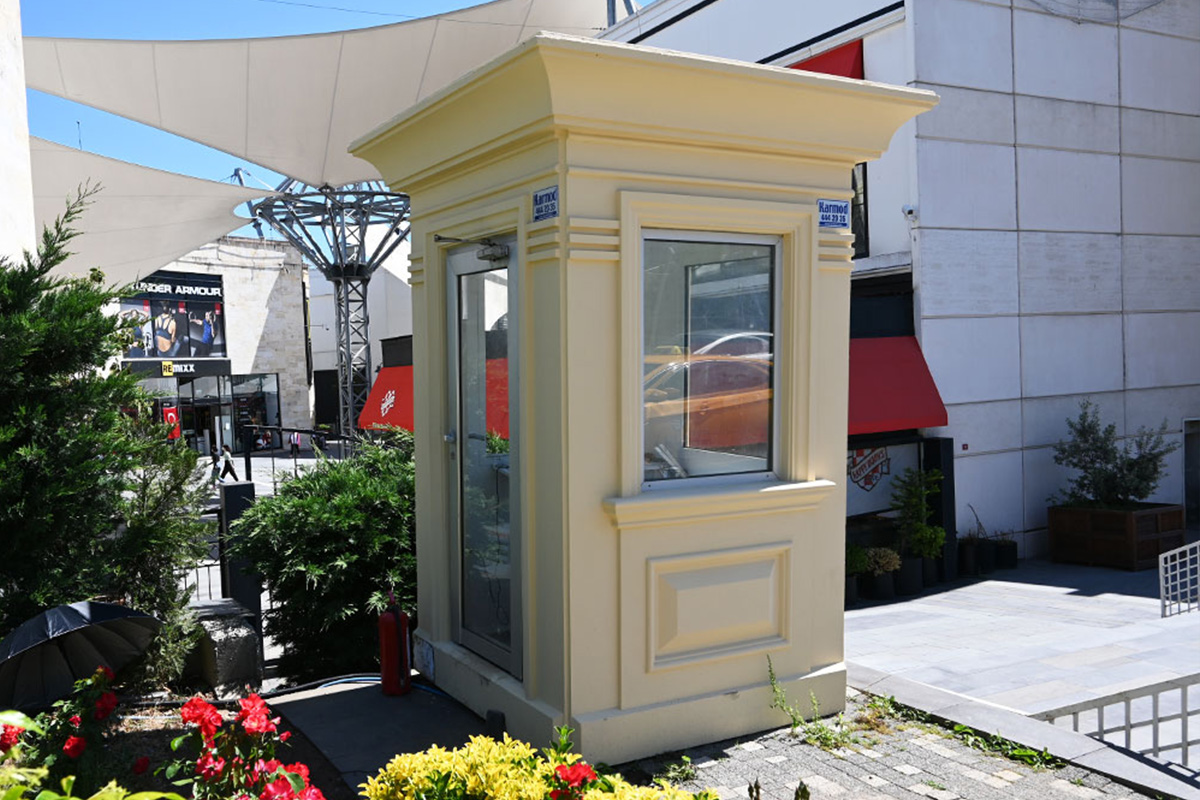
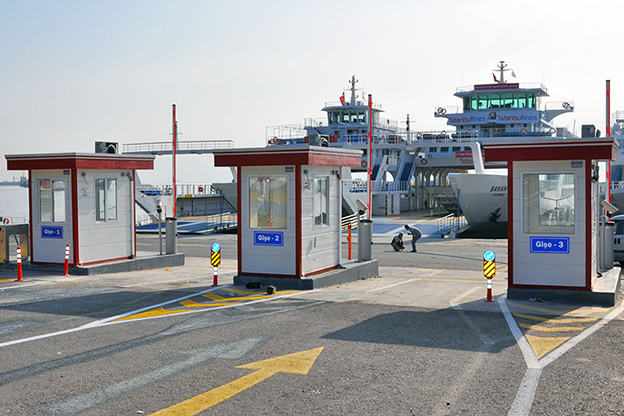
- Security buildings & technical units – Controlled-access structures for industrial zones, energy facilities, and logistics centers
- Storage and logistics facilities – Scalable buildings supporting supply chain and warehousing operations
These applications demonstrate how both modular and prefabricated systems support infrastructure development across Russia while maintaining operational efficiency.
From Design to Installation: How the Process Works
The process begins with a detailed project needs analysis. Location, climate conditions, capacity requirements, and operational use are evaluated to determine the most appropriate construction system.
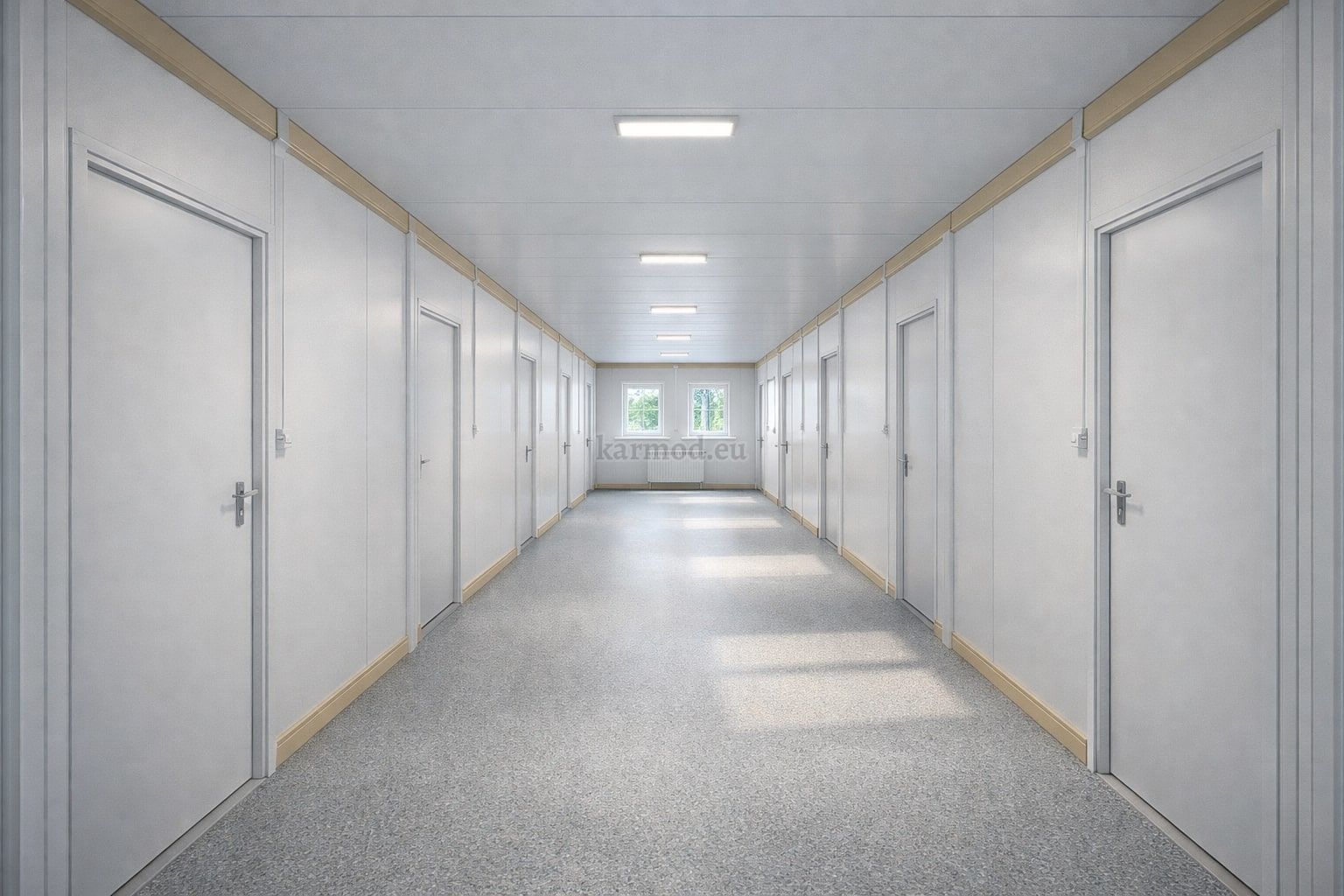
This is followed by custom design and technical specification development. Layouts, insulation levels, fire safety measures, and mechanical and electrical integrations are defined in accordance with Russian standards and project-specific requirements.
Factory production then takes place under controlled conditions. This stage ensures consistent quality, minimizes weather-related risks, and reduces uncertainty associated with on-site construction.
Once production is complete, modules or prefabricated components are delivered to project sites across Russia, including remote or logistically complex regions. Careful transportation planning is essential to maintain schedules.
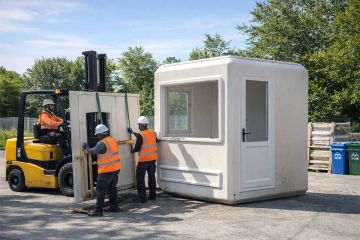
Finally, on-site installation is carried out efficiently. Modular buildings can often be installed and made operational within days, while prefabricated building systems are assembled with significantly reduced on-site labor compared to traditional construction.
Key Considerations for Modular Buildings in Russia
Thermal insulation: Extreme temperature variations make high-performance insulation and precise detailing essential for year-round usability.
Fire safety: Compliance with local regulations is critical, particularly for industrial and accommodation buildings. Certified materials and tested systems must be integrated from the design stage.
Climate suitability: In addition to cold resistance, designs must account for wind loads, snow accumulation, and regional environmental conditions.
Custom layouts: B2B users increasingly require buildings tailored to specific workflows, equipment, and occupancy patterns rather than generic configurations.
With extensive experience in international markets, Karmod approaches these requirements through an engineering-focused and practical methodology. Drawing on projects delivered across diverse regions, Karmod modular building solutions are designed to balance speed, durability, and adaptability without unnecessary complexity. For projects in Russia that must perform reliably under demanding conditions, this experience-driven approach supports confidence in long-term outcomes rather than short-term promises.