



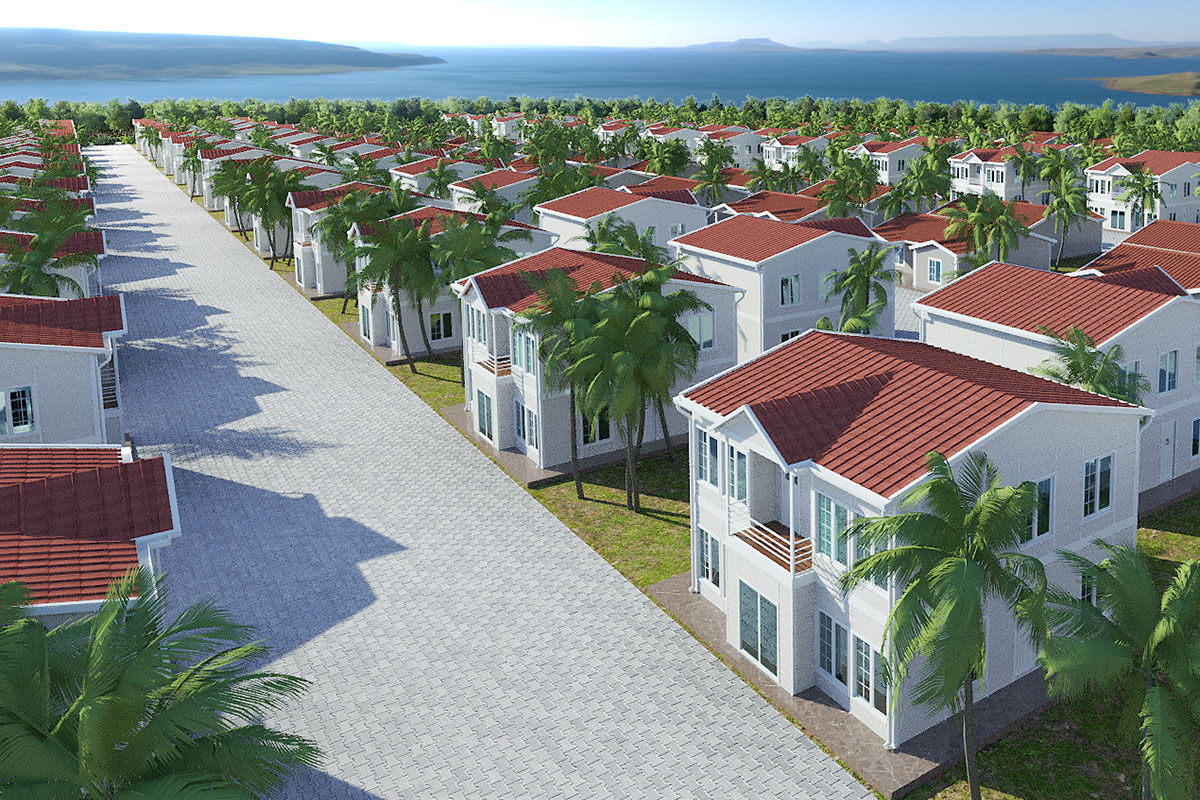
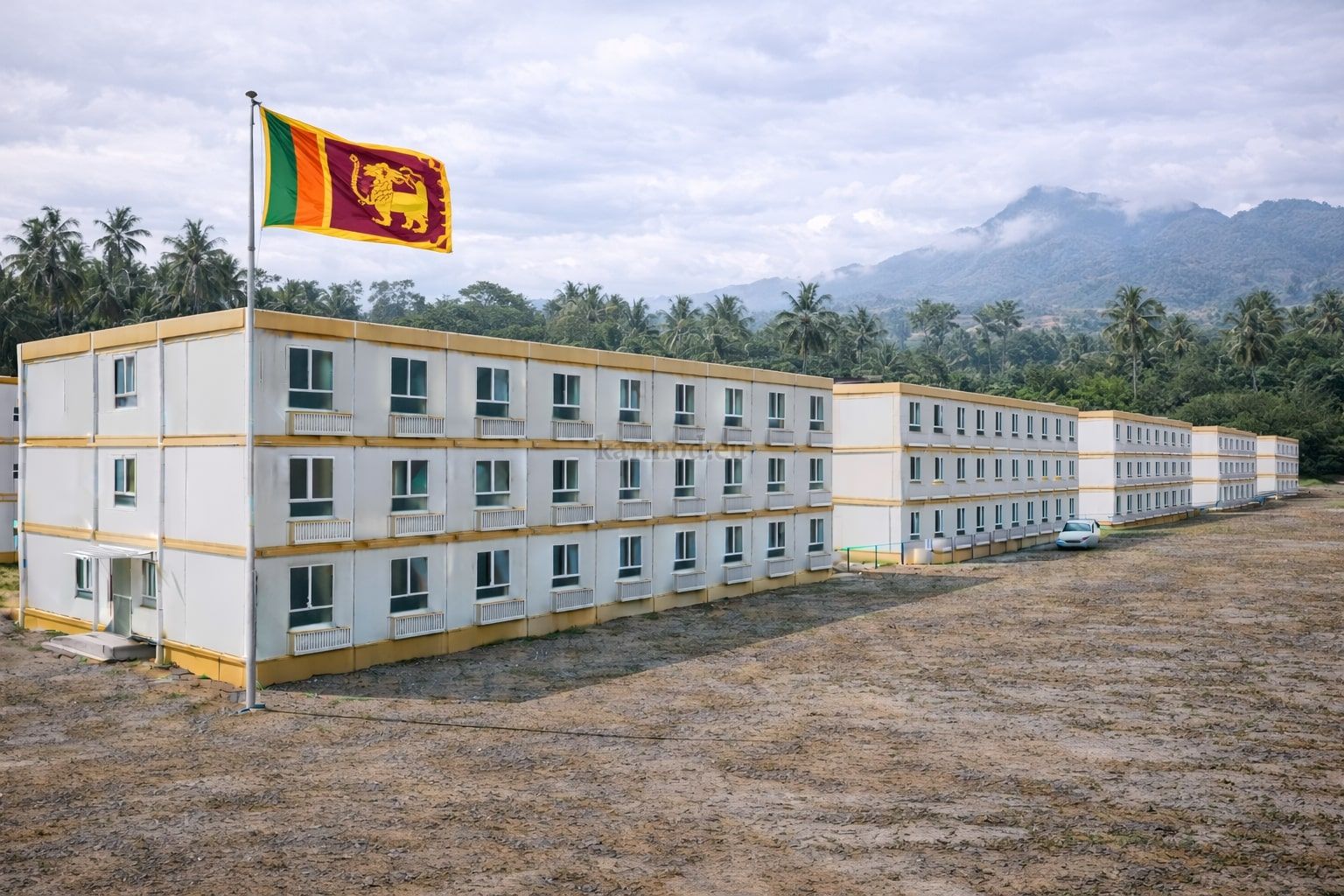
Sri Lanka is experiencing steady growth across construction, infrastructure, logistics, and public sector investments. From port developments and industrial zones to energy projects and urban expansion, project owners are under pressure to deliver facilities faster, with predictable costs and consistent quality. In this environment, modular buildings and prefabricated building solutions have become strategic construction methods rather than temporary alternatives.
For B2B decision-makers operating in Sri Lanka, these systems offer a practical response to labor constraints, tight timelines, and the need for scalable building solutions that can adapt to changing project demands.
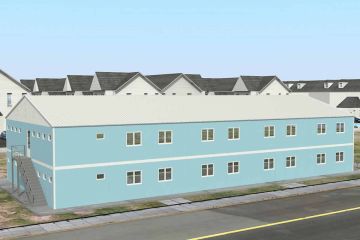
Why Modular Buildings Are in High Demand in Sri Lanka
The demand for modular buildings in Sri Lanka is driven by a combination of economic, operational, and sector-specific factors. Construction projects increasingly require speed and control without compromising on durability or compliance.
Labor availability and cost management play a key role. Skilled construction labor can be limited, especially for large-scale or remote projects. Modular buildings reduce on-site labor requirements by shifting most of the production to controlled factory environments, helping project owners stabilize budgets and schedules.
Construction timelines are another decisive factor. Traditional building methods can be vulnerable to weather conditions and logistical delays. Modular buildings are manufactured in parallel with site preparation, allowing projects to become operational much earlier. This time advantage is especially valuable for infrastructure, logistics, and energy-related developments.
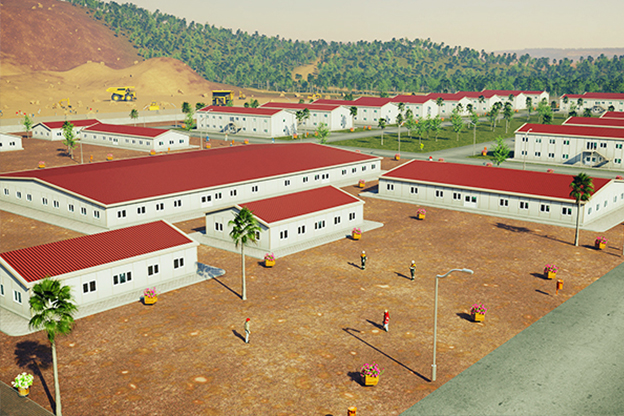
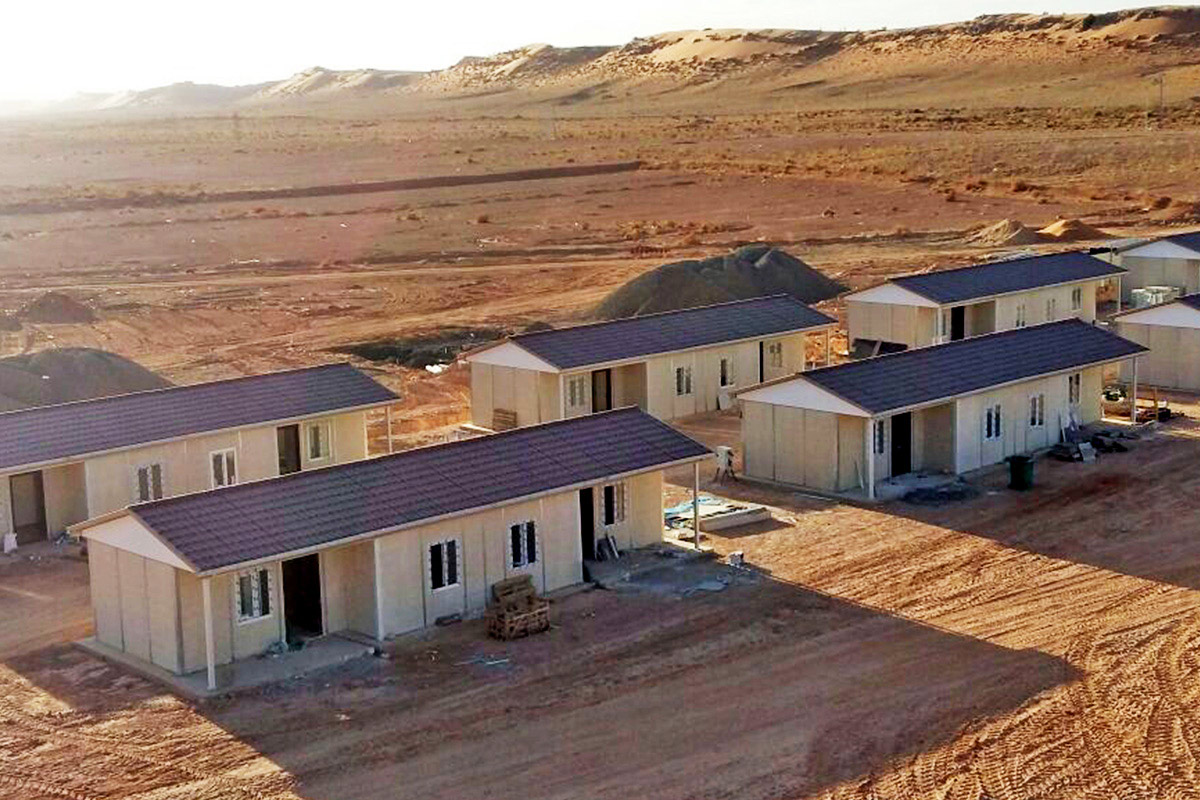
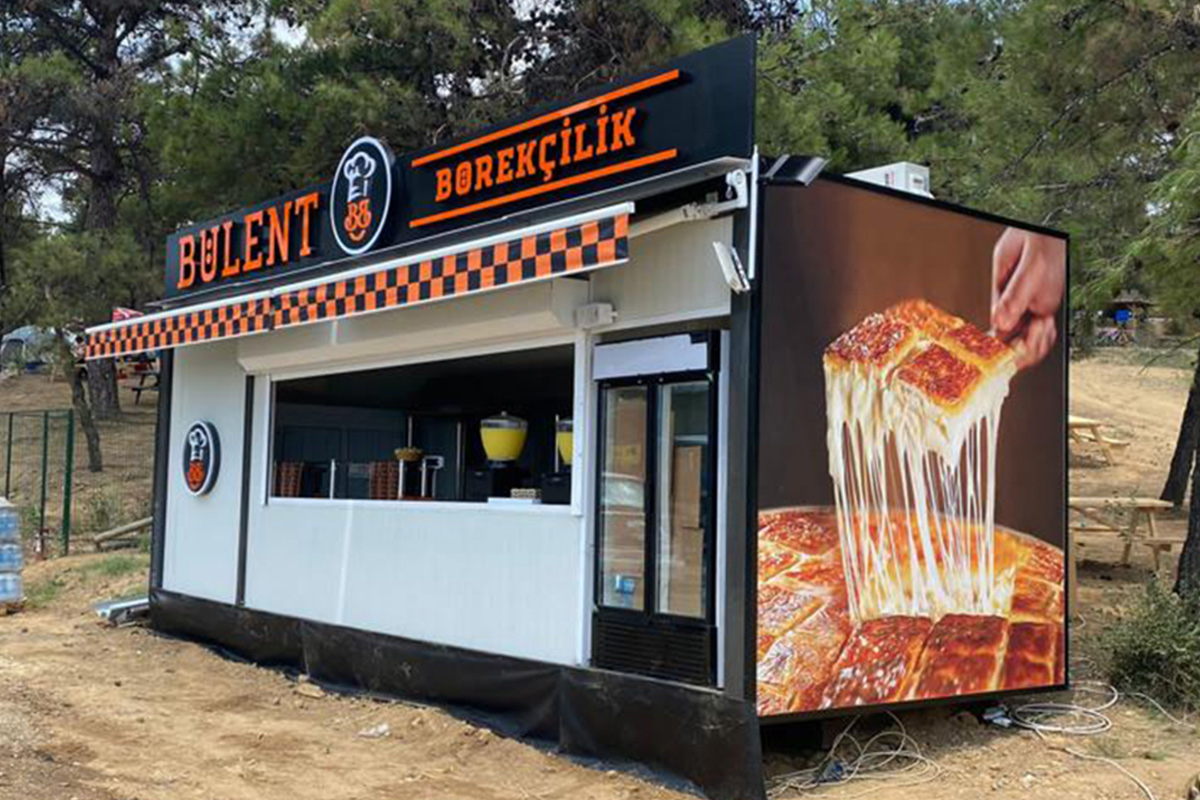
Sri Lanka also has a strong need for both temporary and permanent building solutions. Temporary facilities are required for construction camps, site offices, and workforce accommodation, while permanent buildings are needed for public services, industrial operations, and technical facilities. Modular systems address both needs with the same structural logic.
Sector demand is particularly strong in logistics and port operations, industrial manufacturing, public infrastructure, energy projects, and government-led developments. These sectors benefit from fast deployment, repeatable quality, and the ability to expand facilities over time.
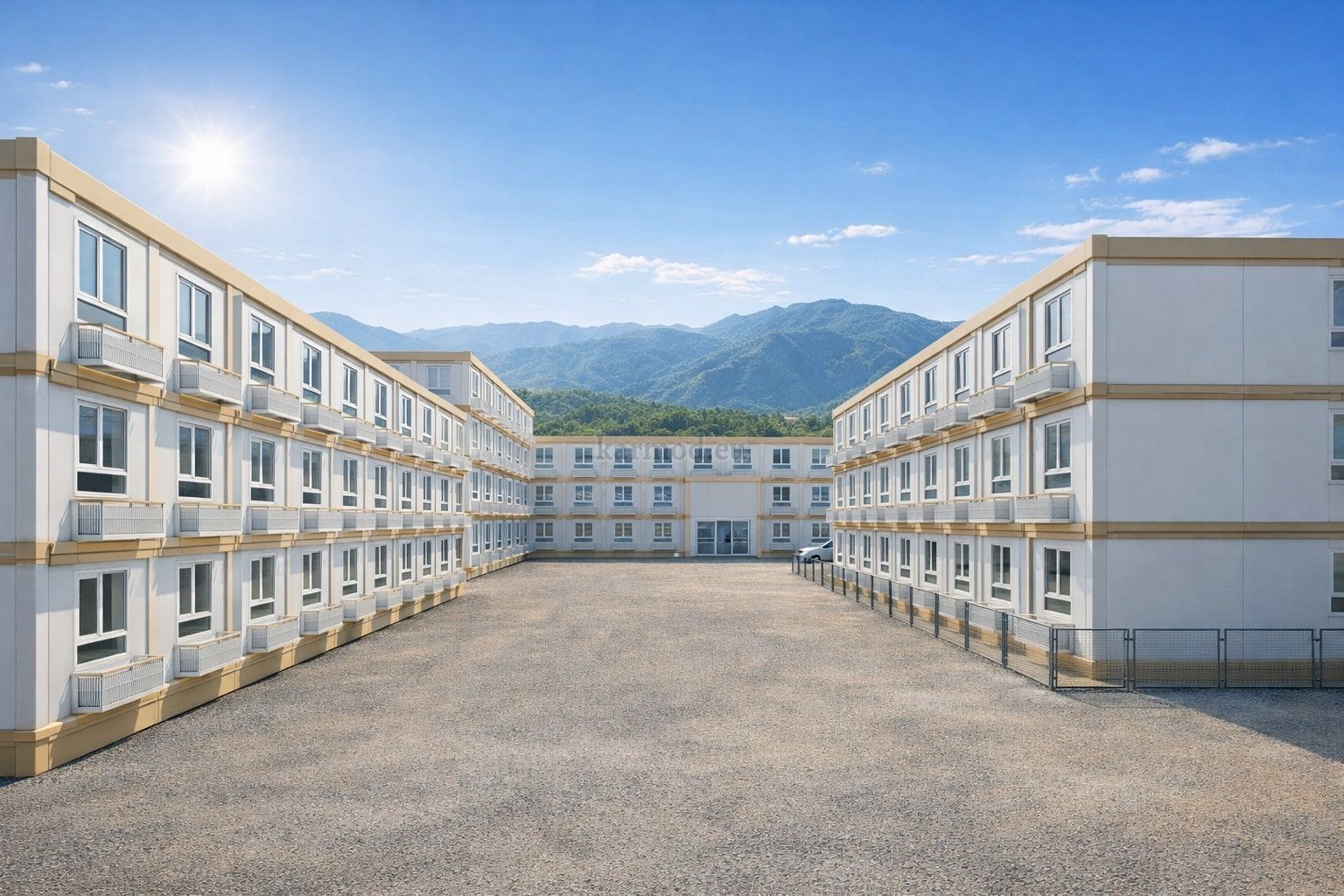
Modular Buildings vs. Prefabricated Building Systems
Although often mentioned together, modular buildings and prefabricated building systems serve different project requirements in Sri Lanka.
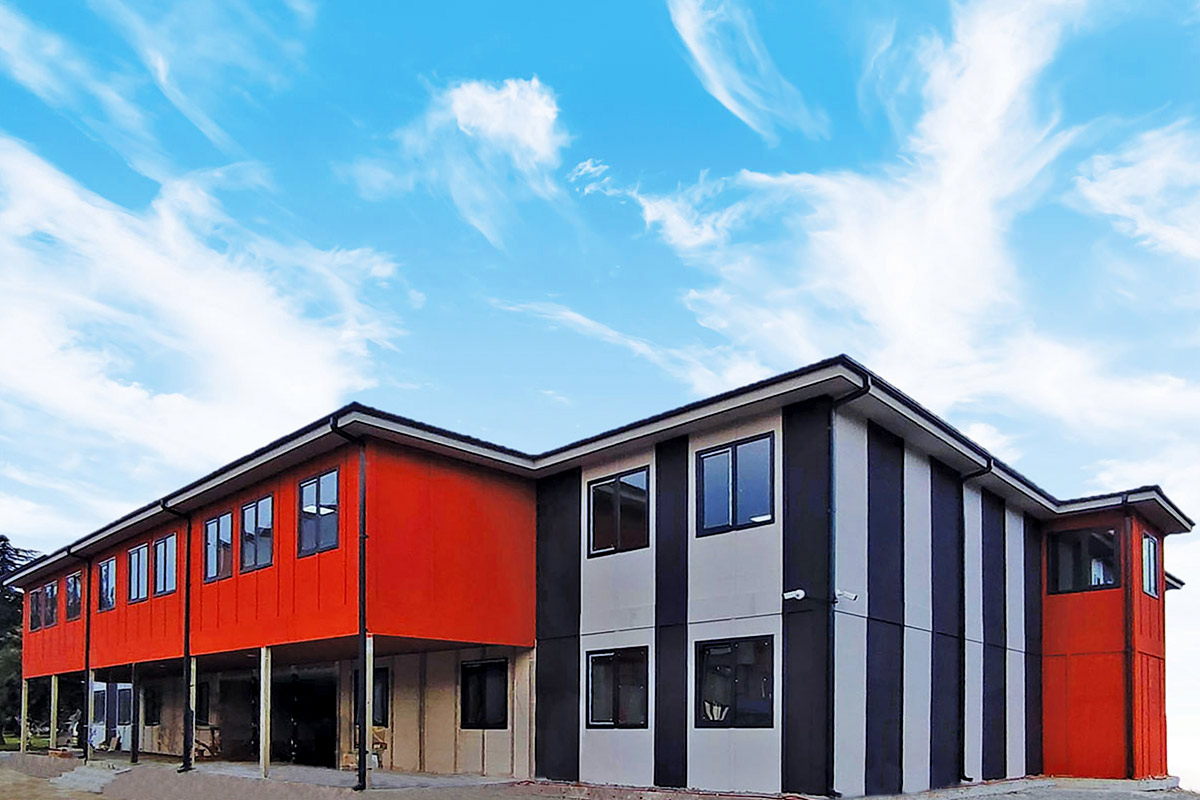
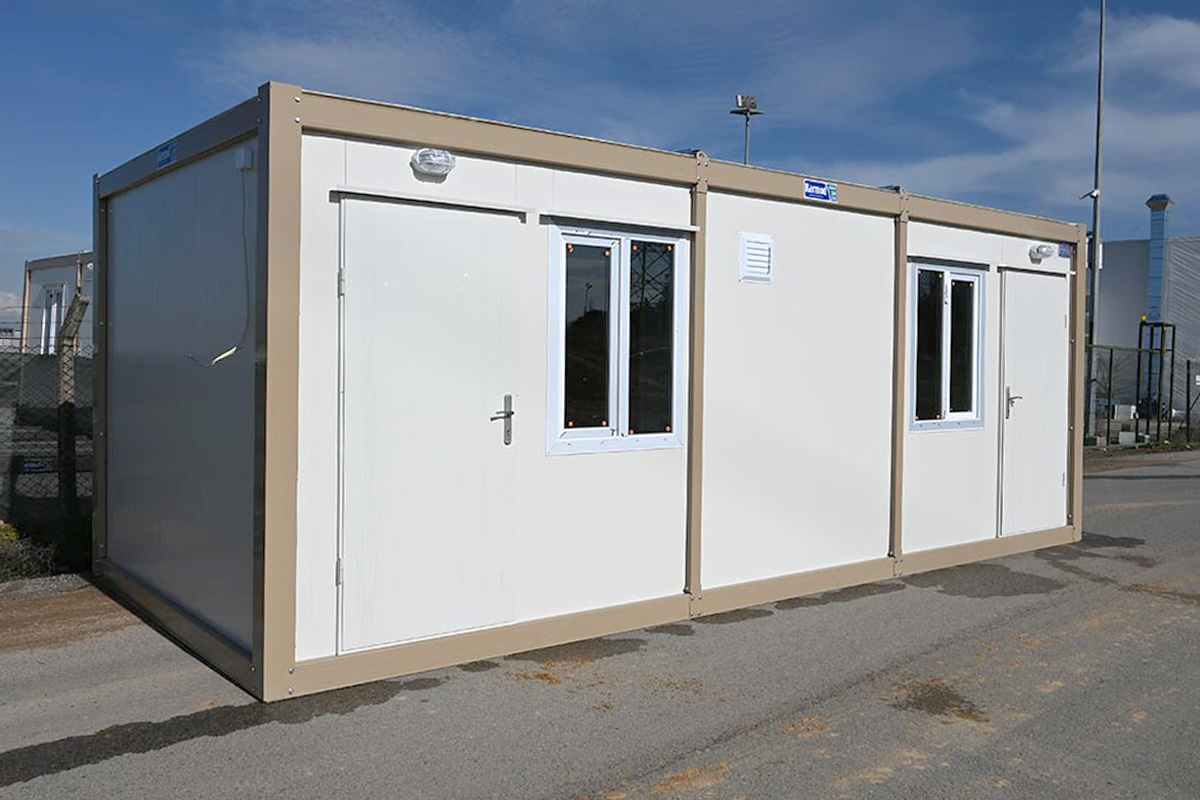
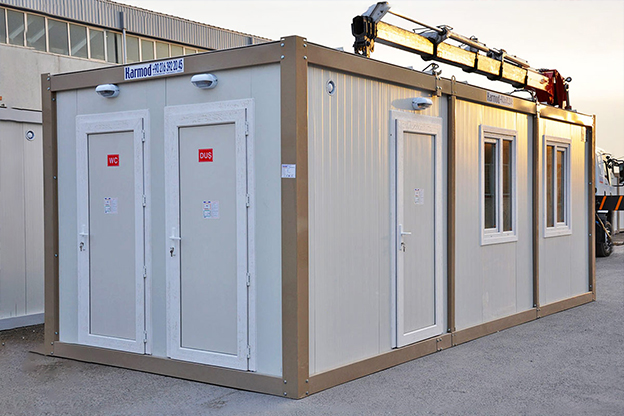
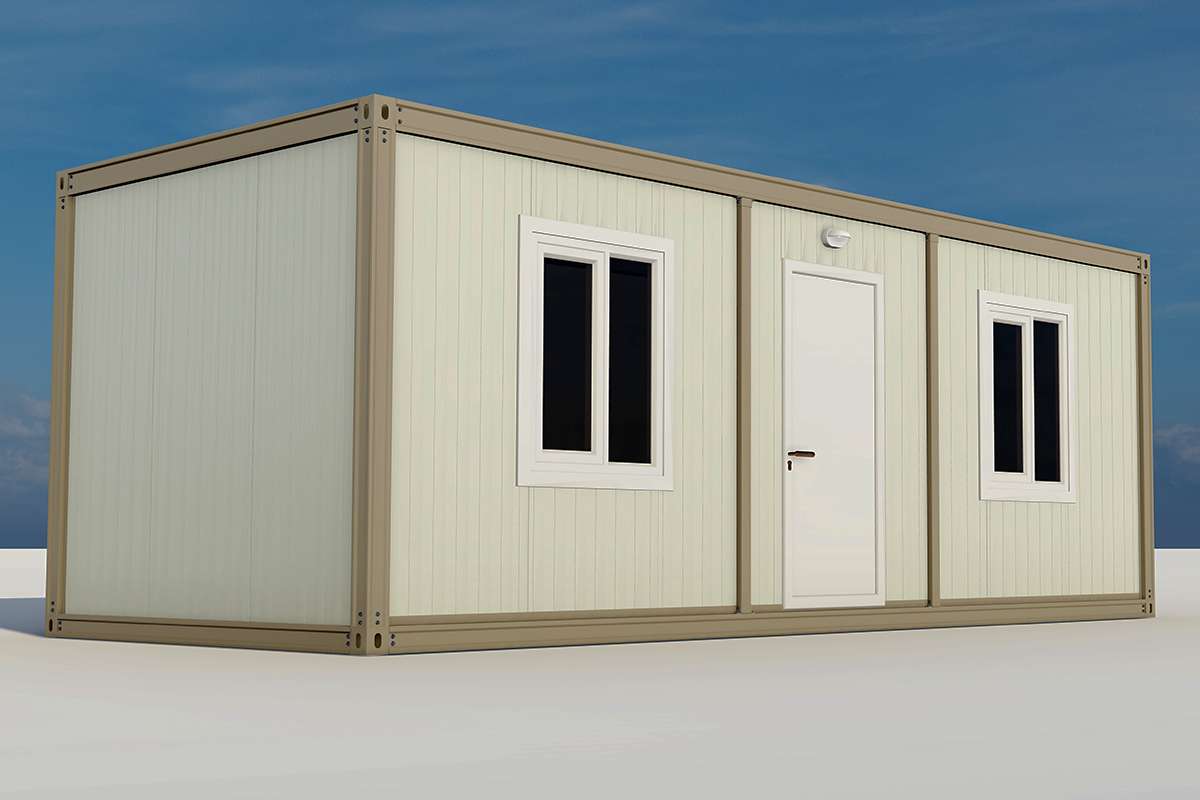
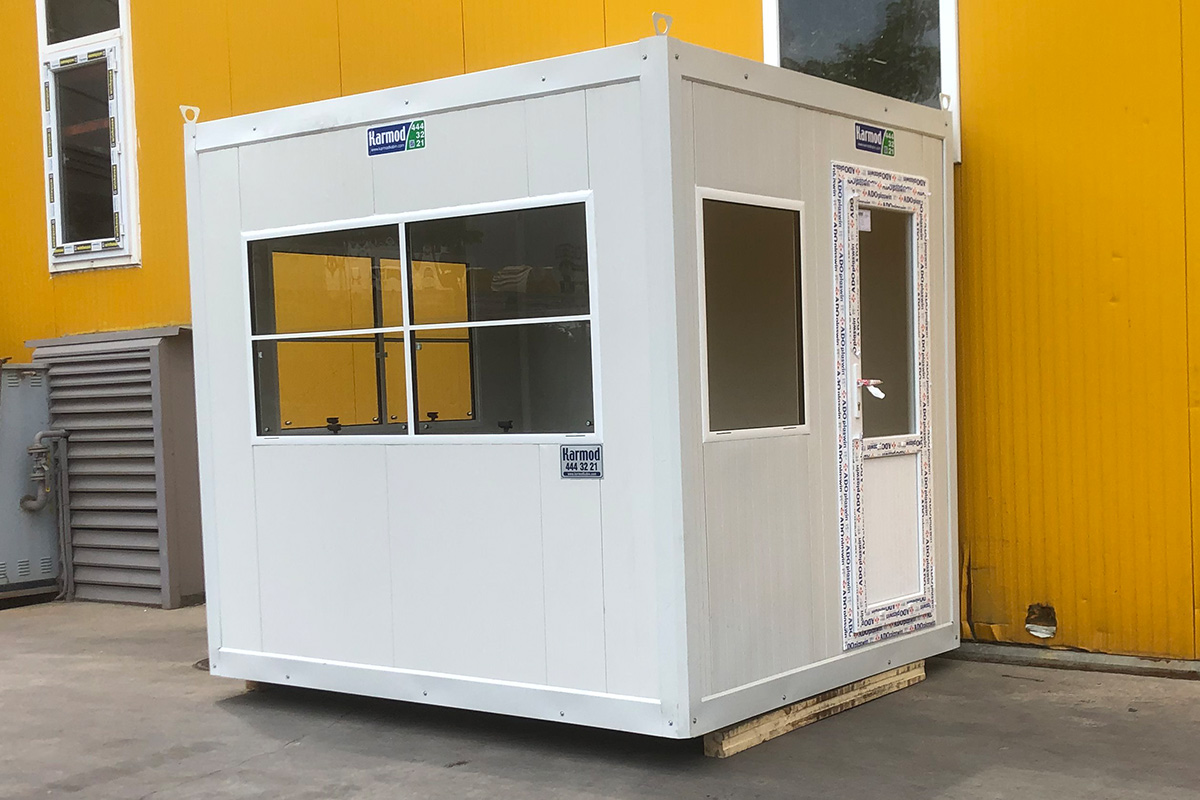
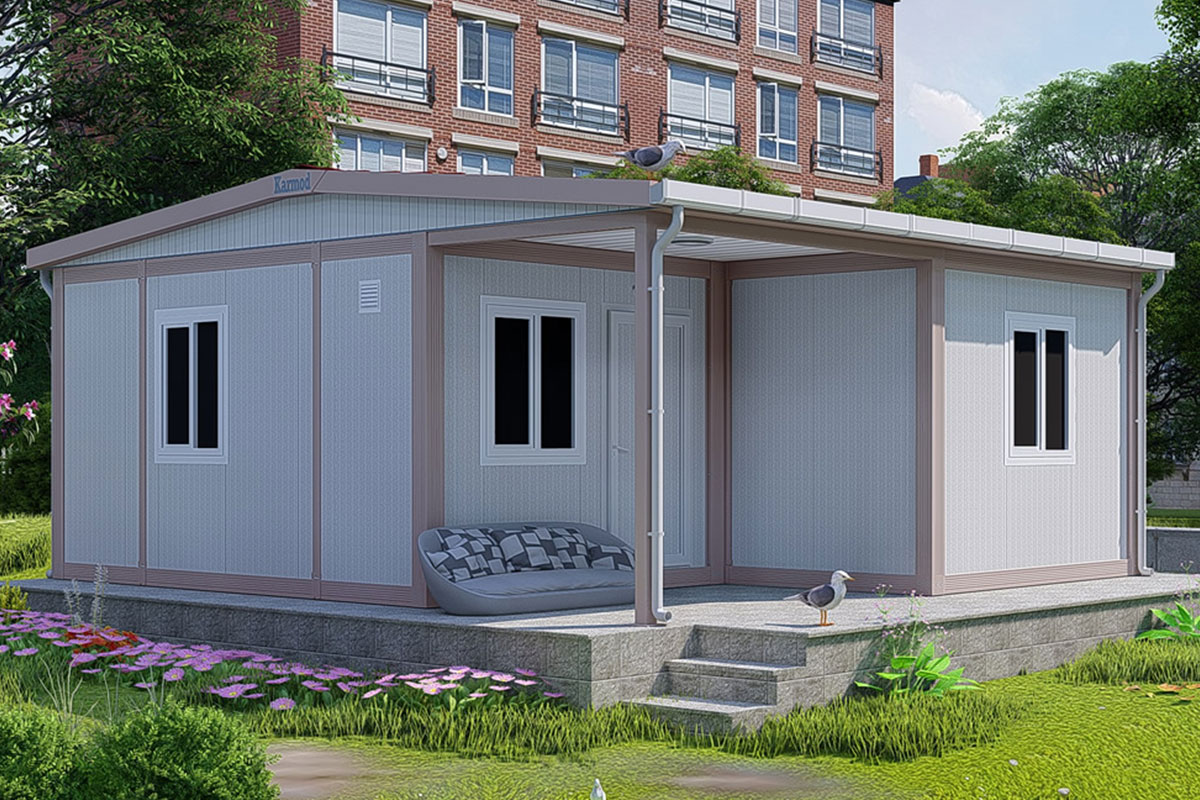
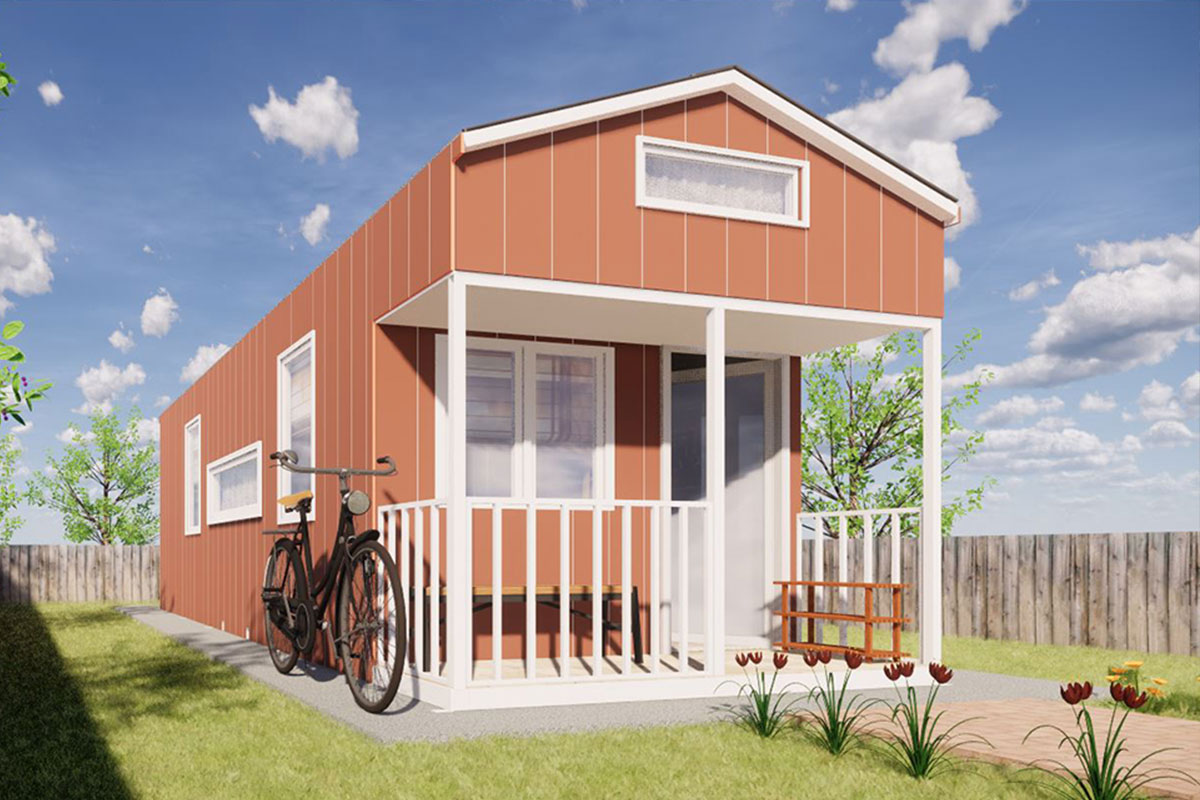
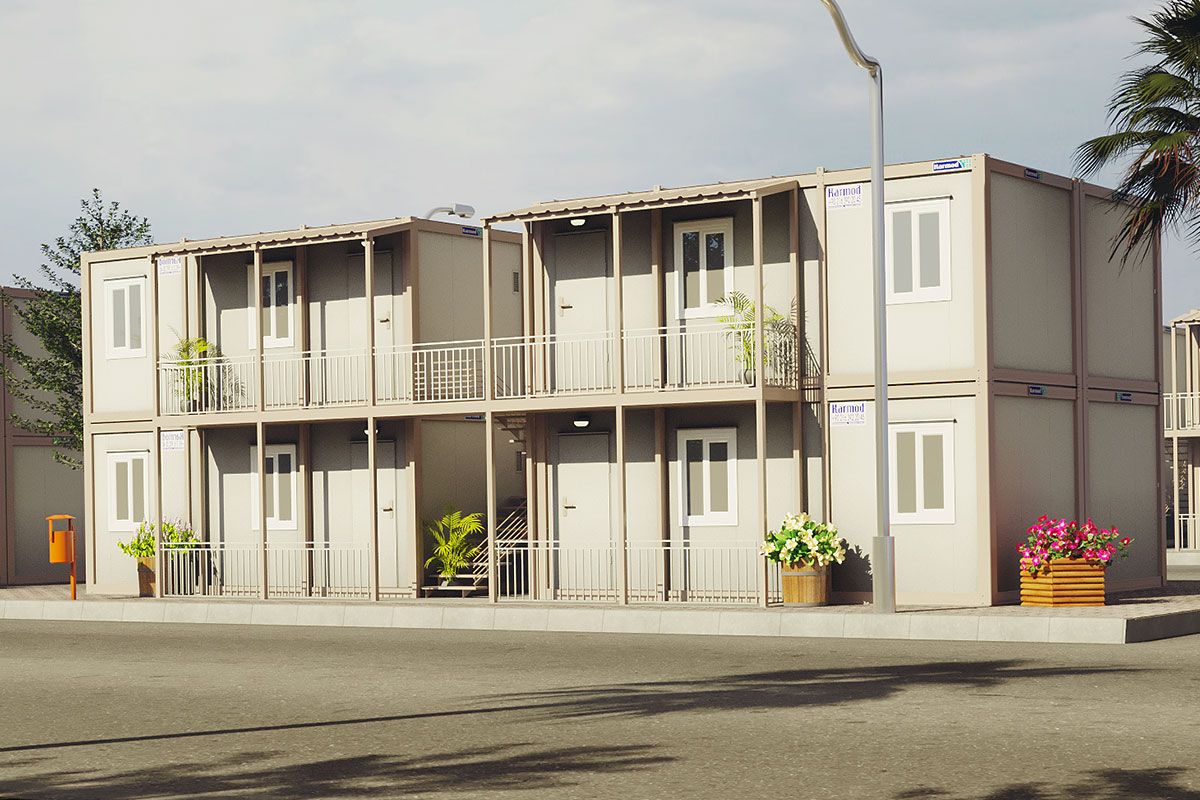
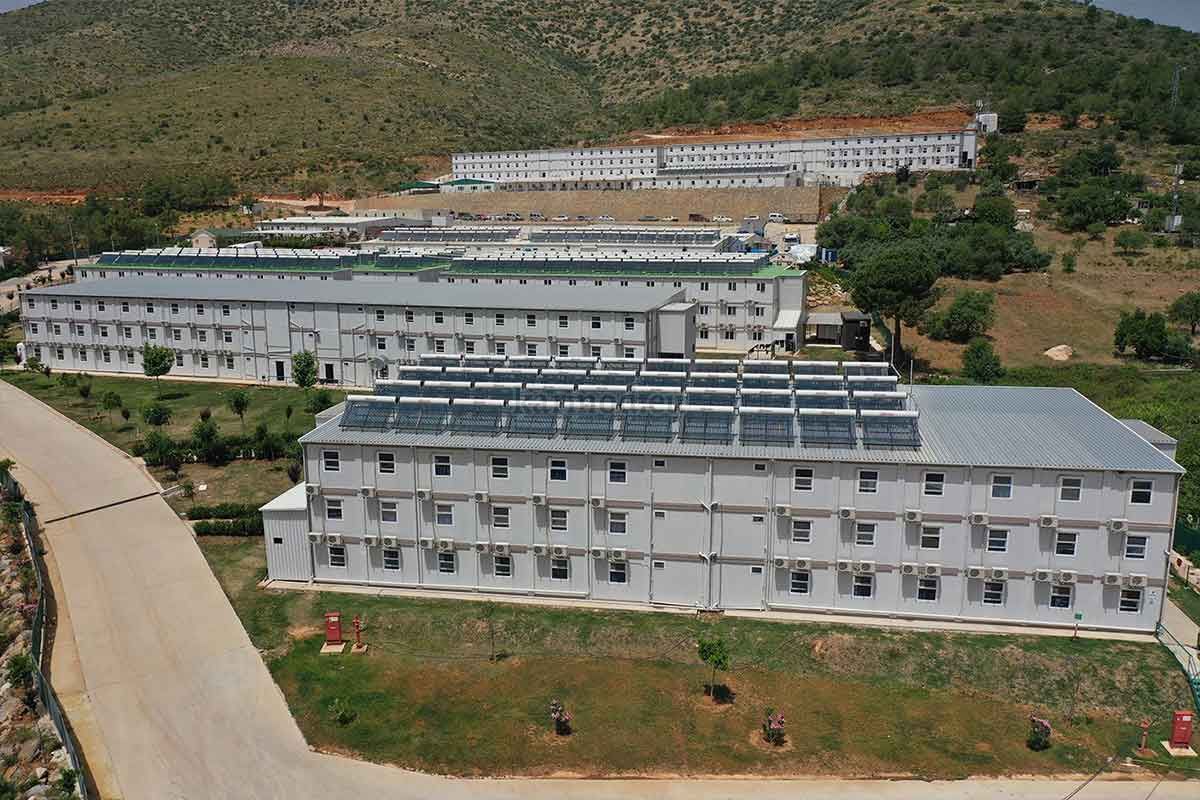
Modular buildings are based on volumetric modules manufactured as complete units. These modules can be transported, installed, relocated, or expanded with minimal disruption. For projects that require flexibility, phased growth, or potential relocation, modular buildings offer a clear advantage. Construction camps, temporary offices, and workforce housing frequently rely on this approach.
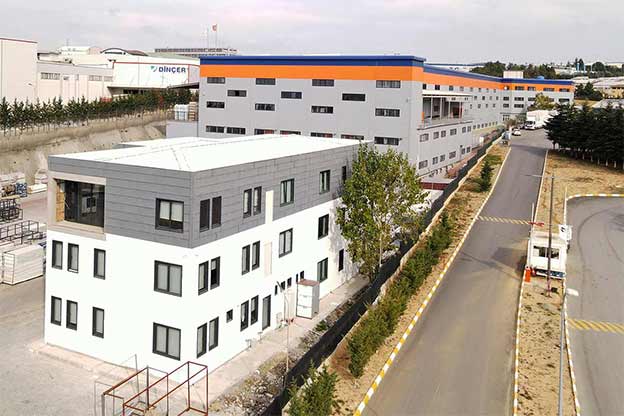
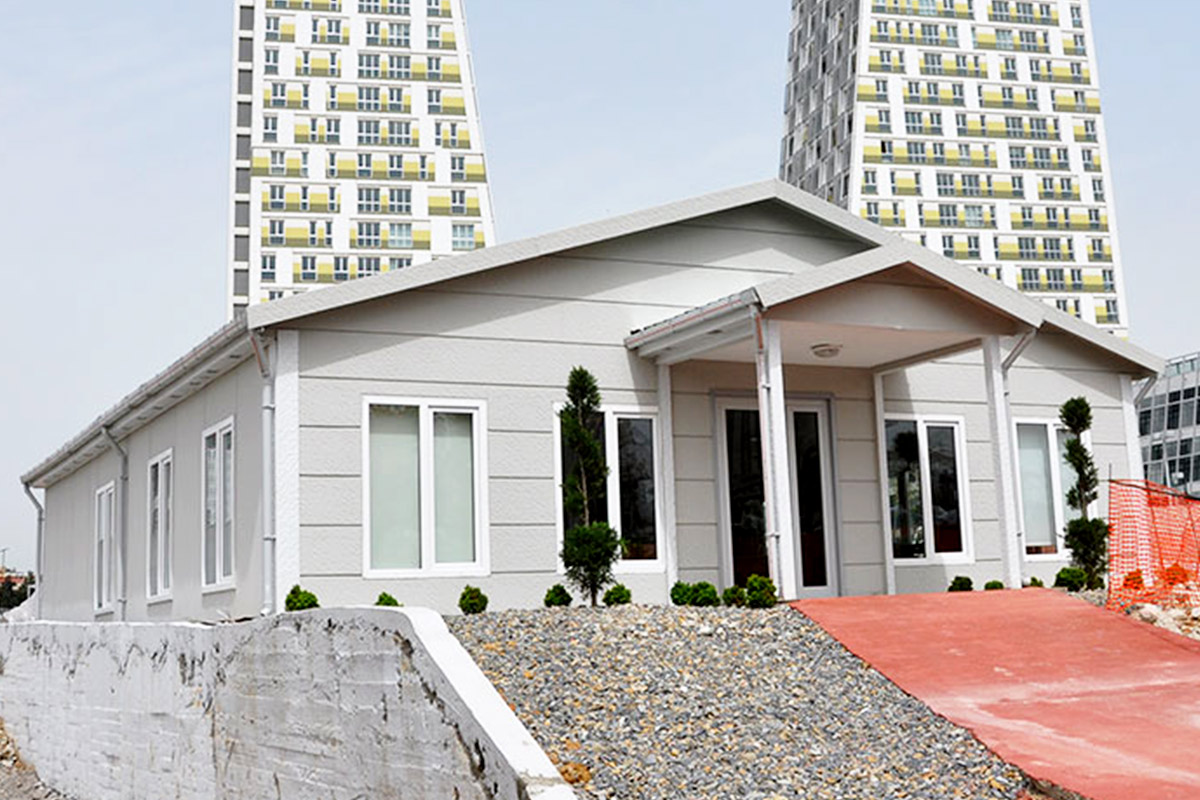
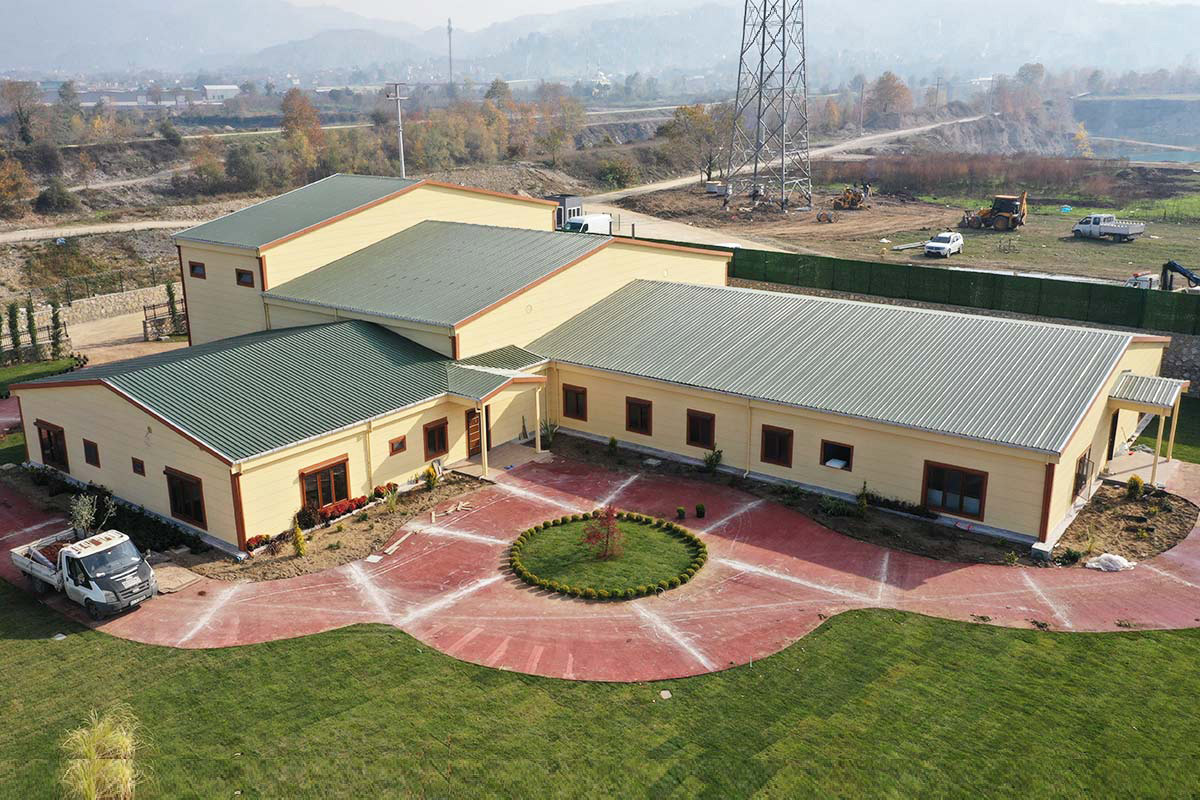
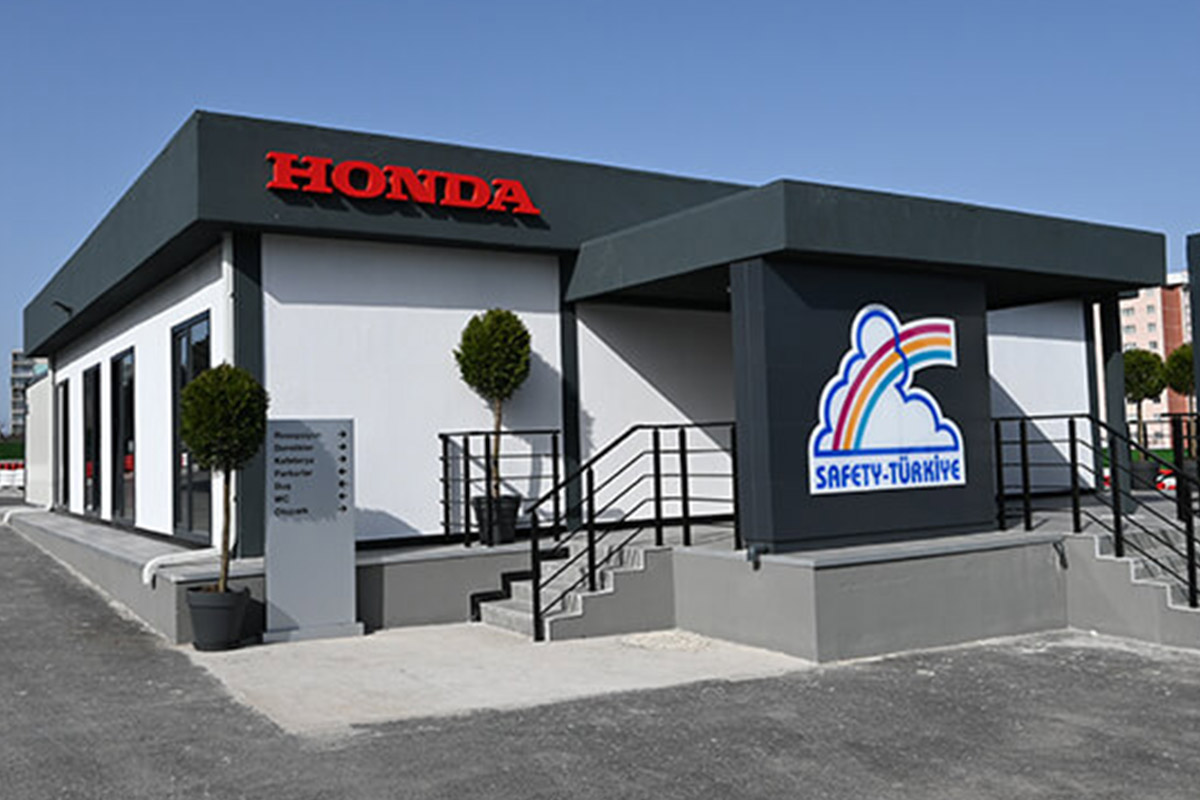
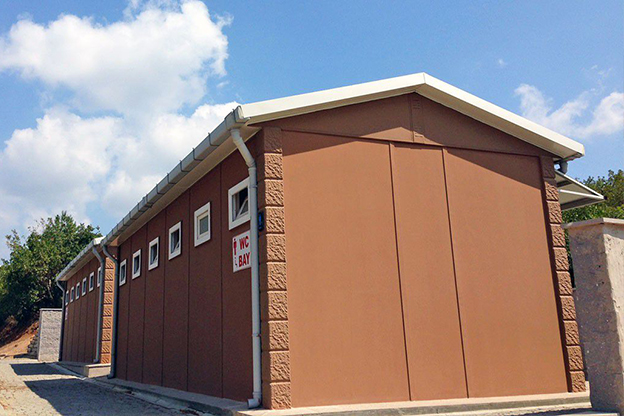
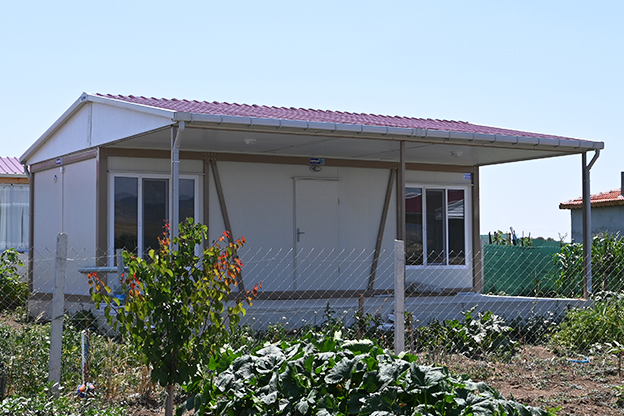
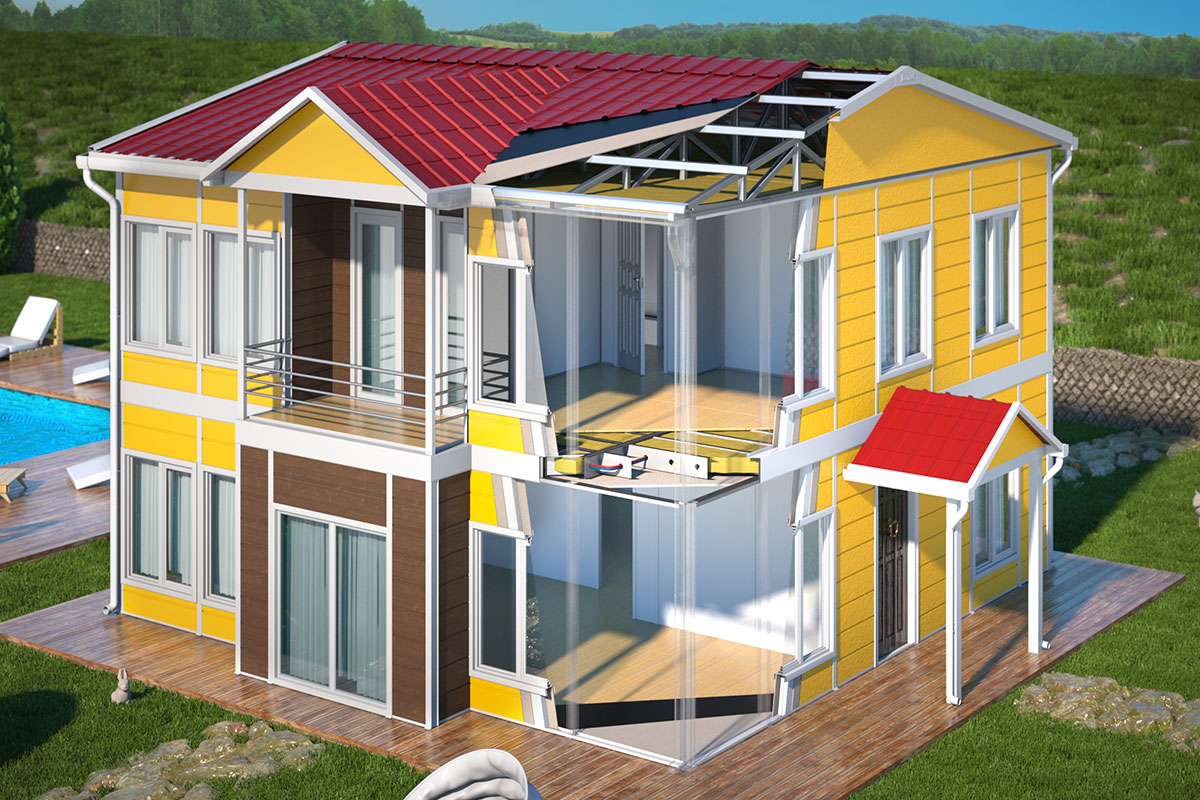
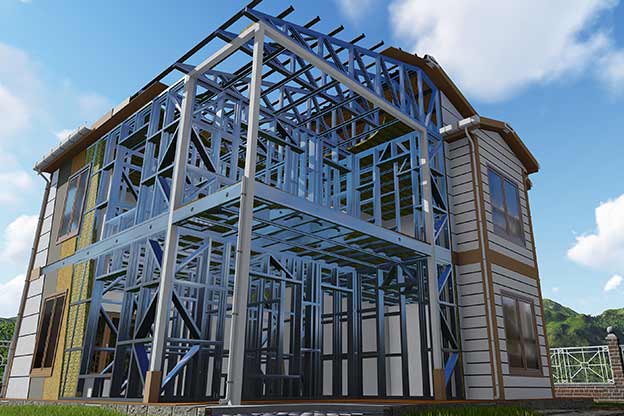
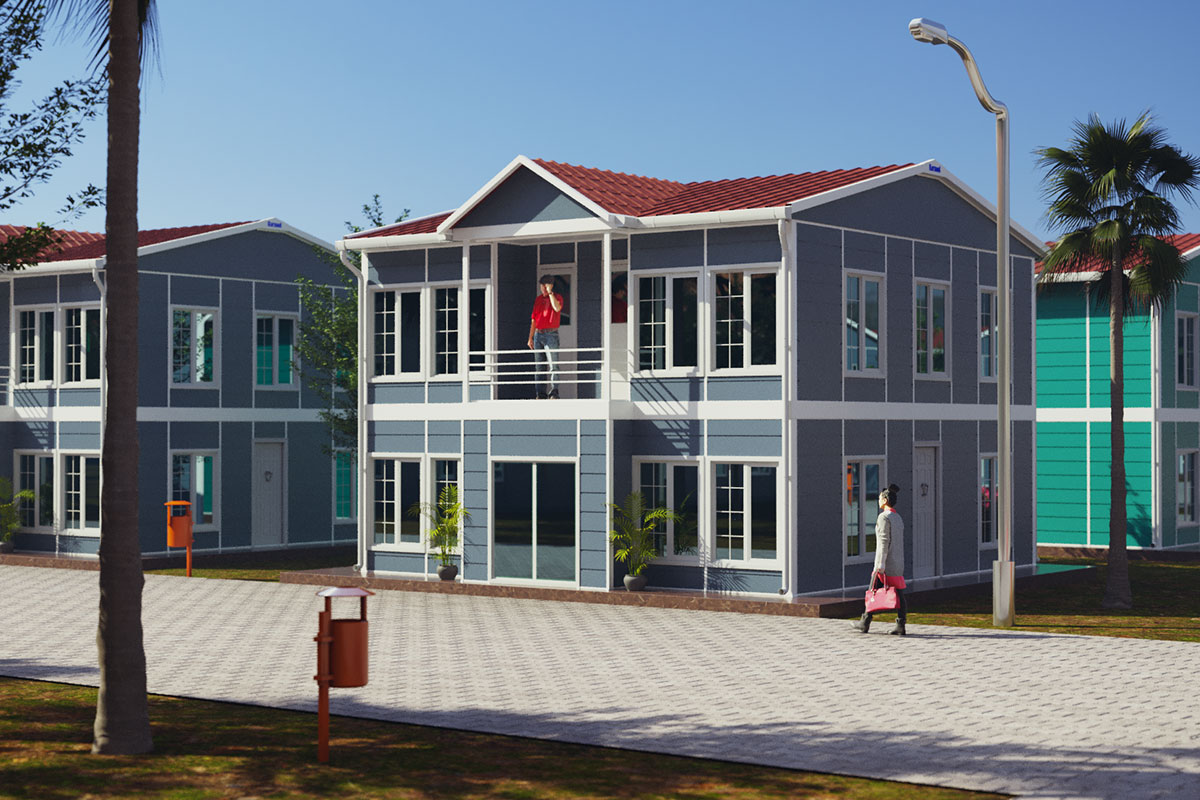
Prefabricated building systems, by contrast, are typically based on panels or structural components assembled on-site to create permanent structures. These systems are well suited for long-term facilities where relocation is not anticipated. They are commonly selected for schools, healthcare units, administrative buildings, and industrial facilities requiring a more conventional architectural appearance.
In Sri Lanka, modular buildings are often preferred for fast-moving projects in logistics, energy, and construction, while prefabricated building systems are chosen for public sector and long-term institutional use. The decision depends on lifecycle expectations, expansion plans, and operational priorities.
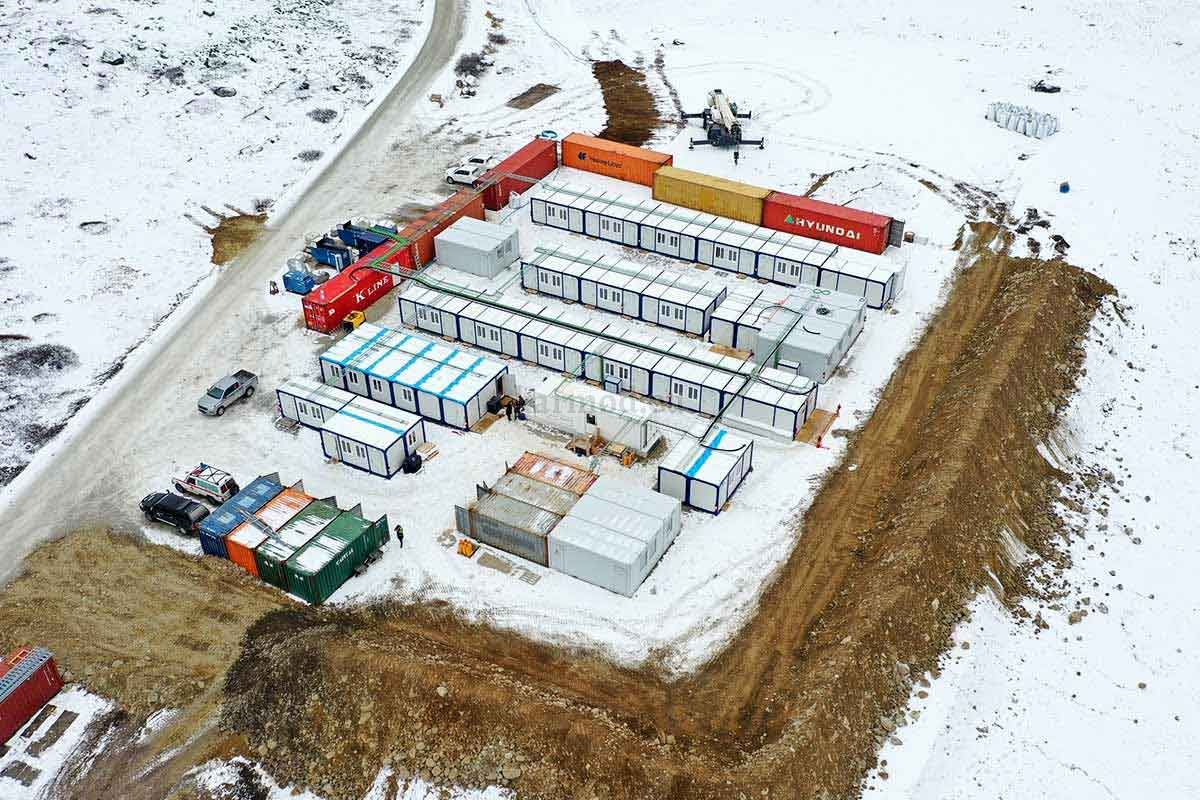
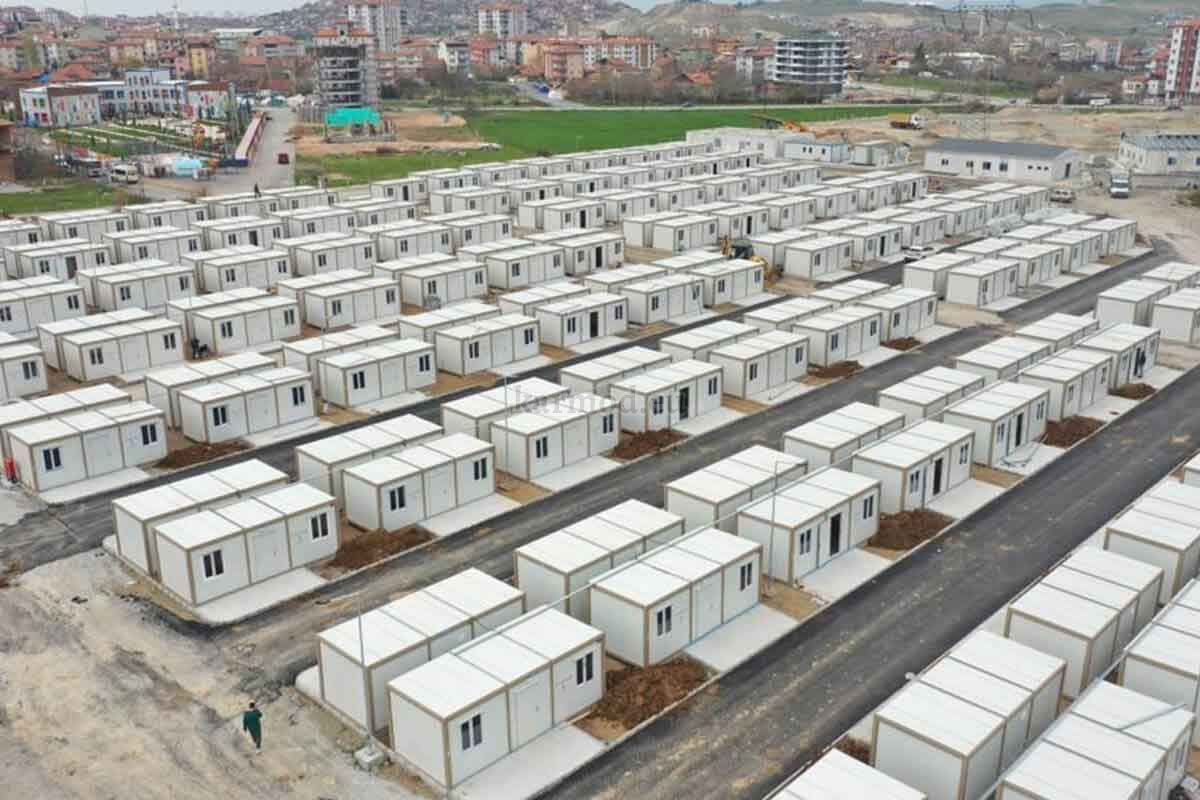
Applications of Modular and Prefabricated Buildings in Sri Lanka
Modular and prefabricated solutions are used across a wide range of sectors in Sri Lanka, supporting both temporary and permanent infrastructure needs.
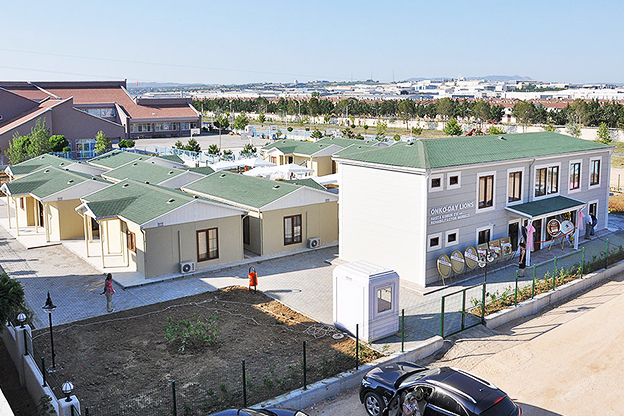
- Site offices and construction camps for infrastructure and industrial projects
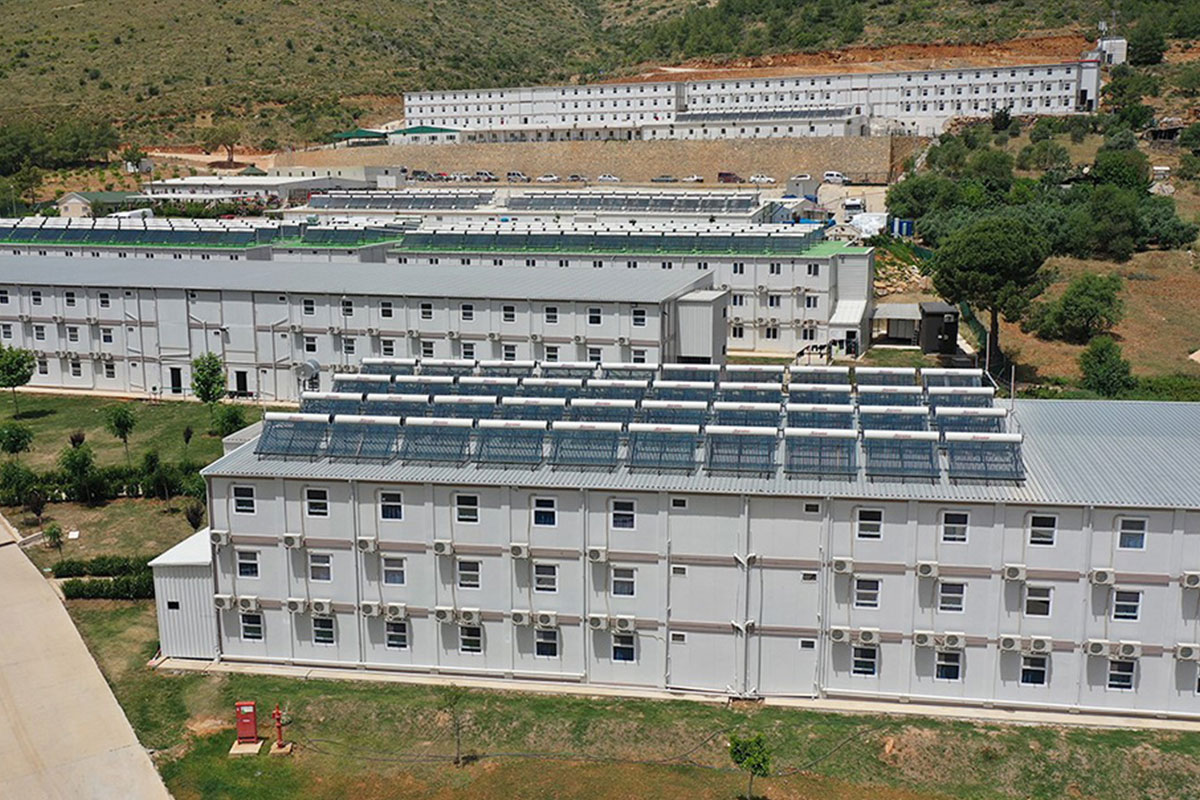
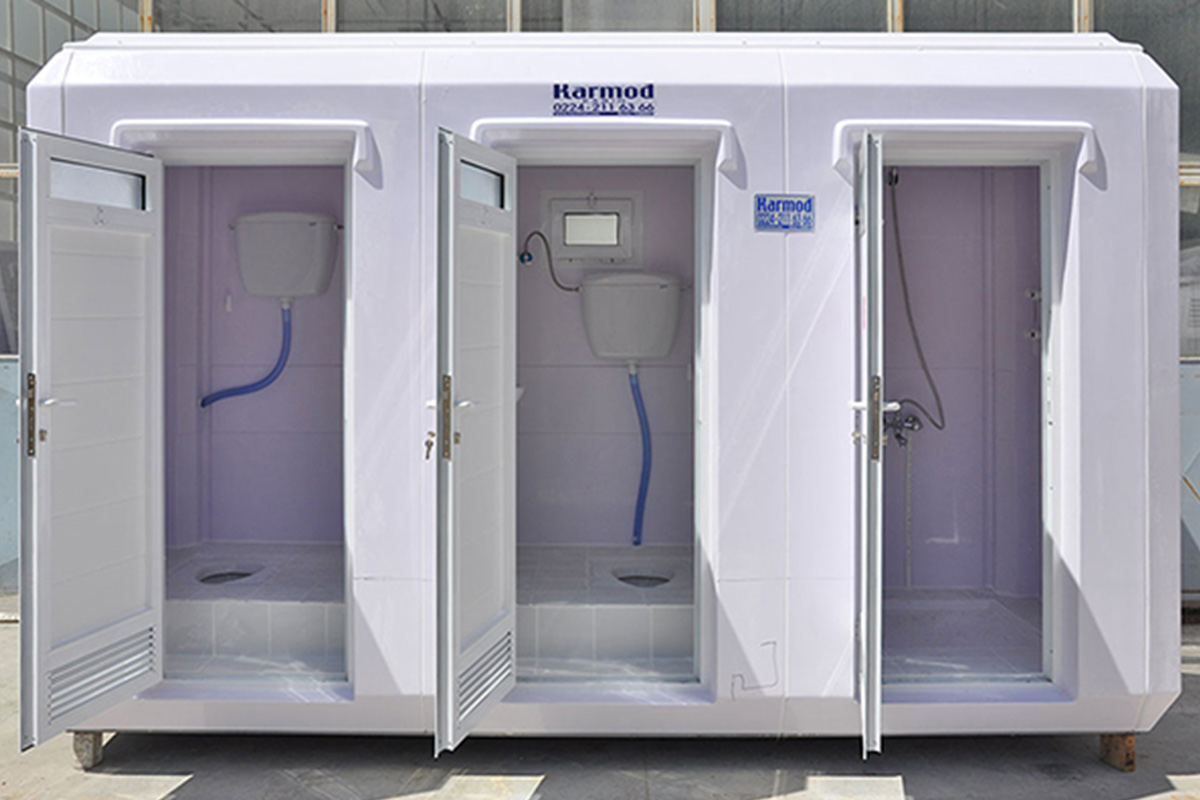
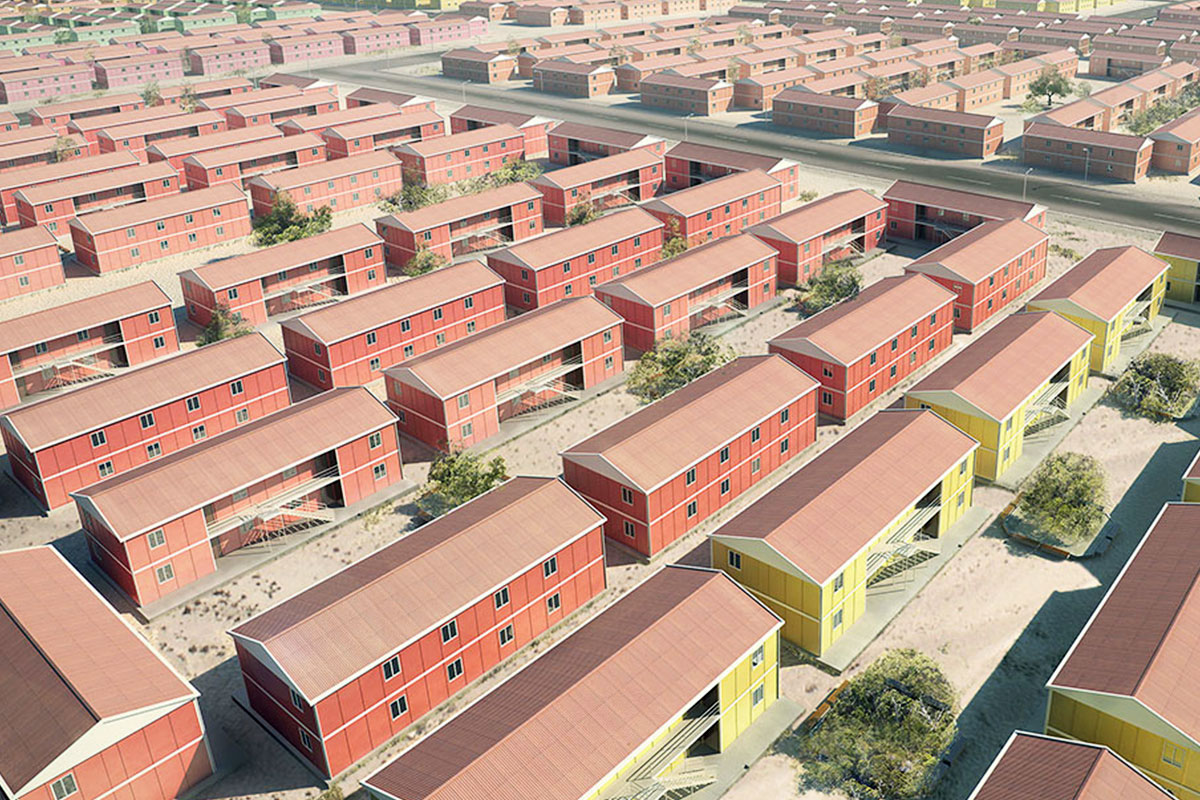
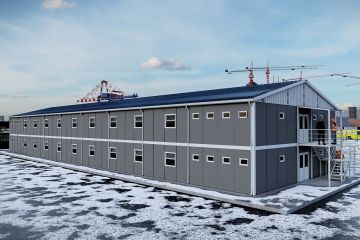
- Worker accommodation buildings for manufacturing zones, ports, and energy sites
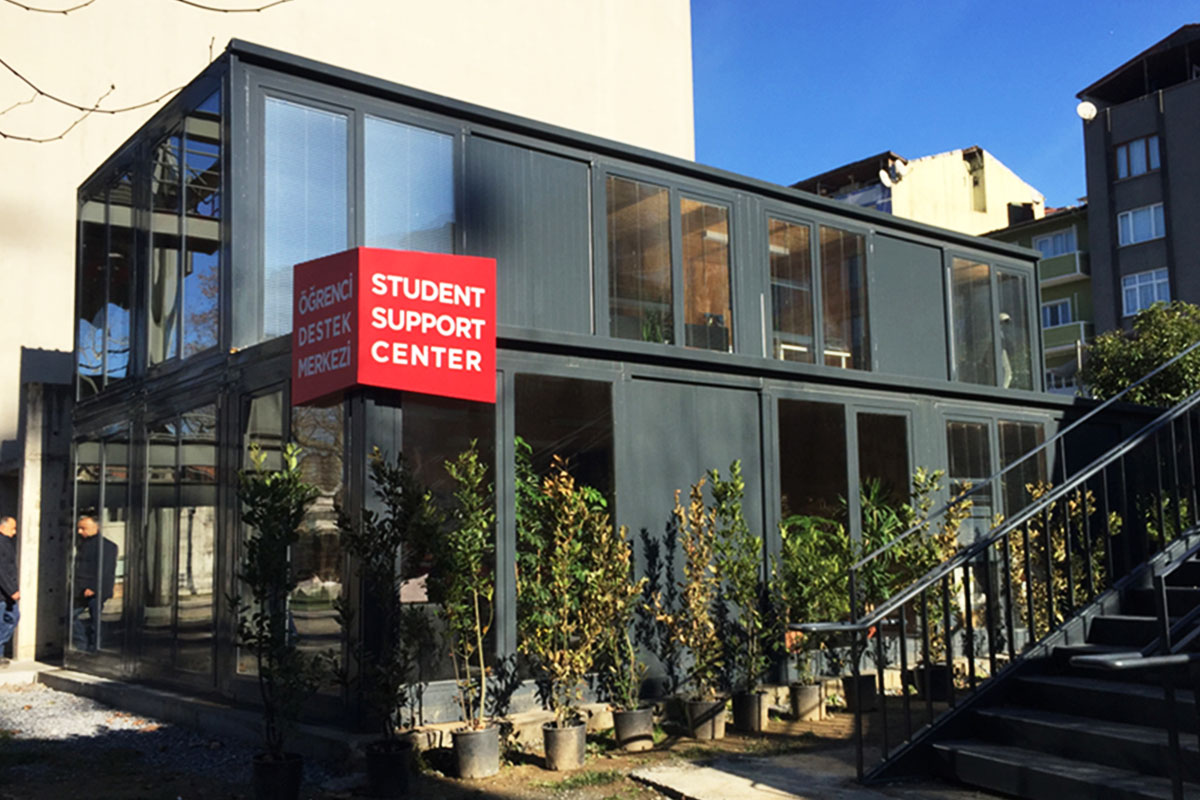
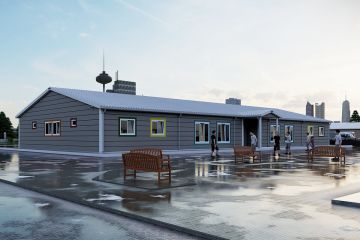
- Temporary schools and healthcare units in rapidly developing or remote areas
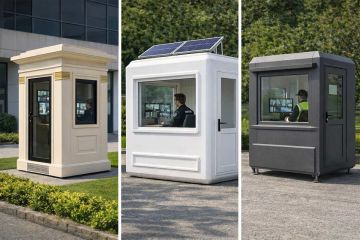
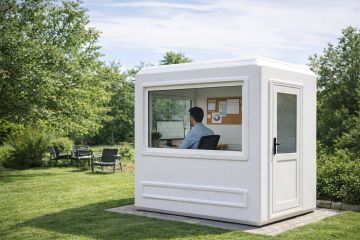
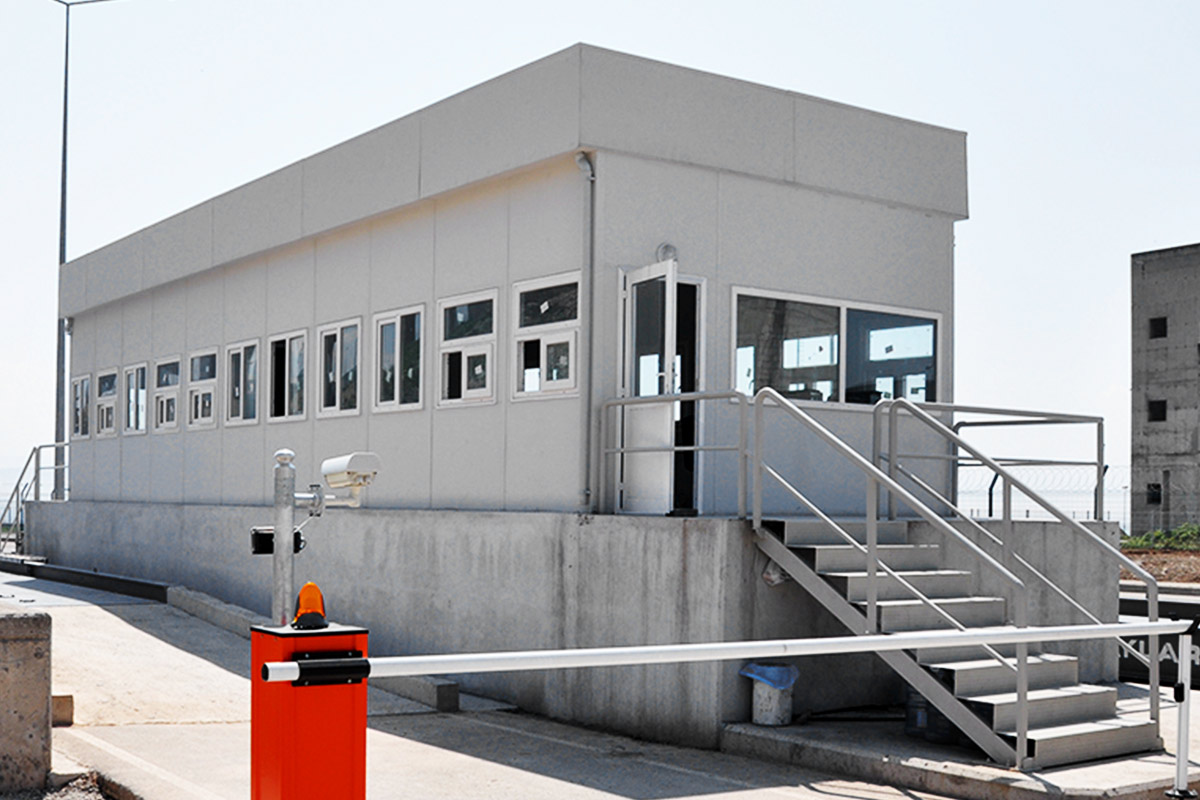
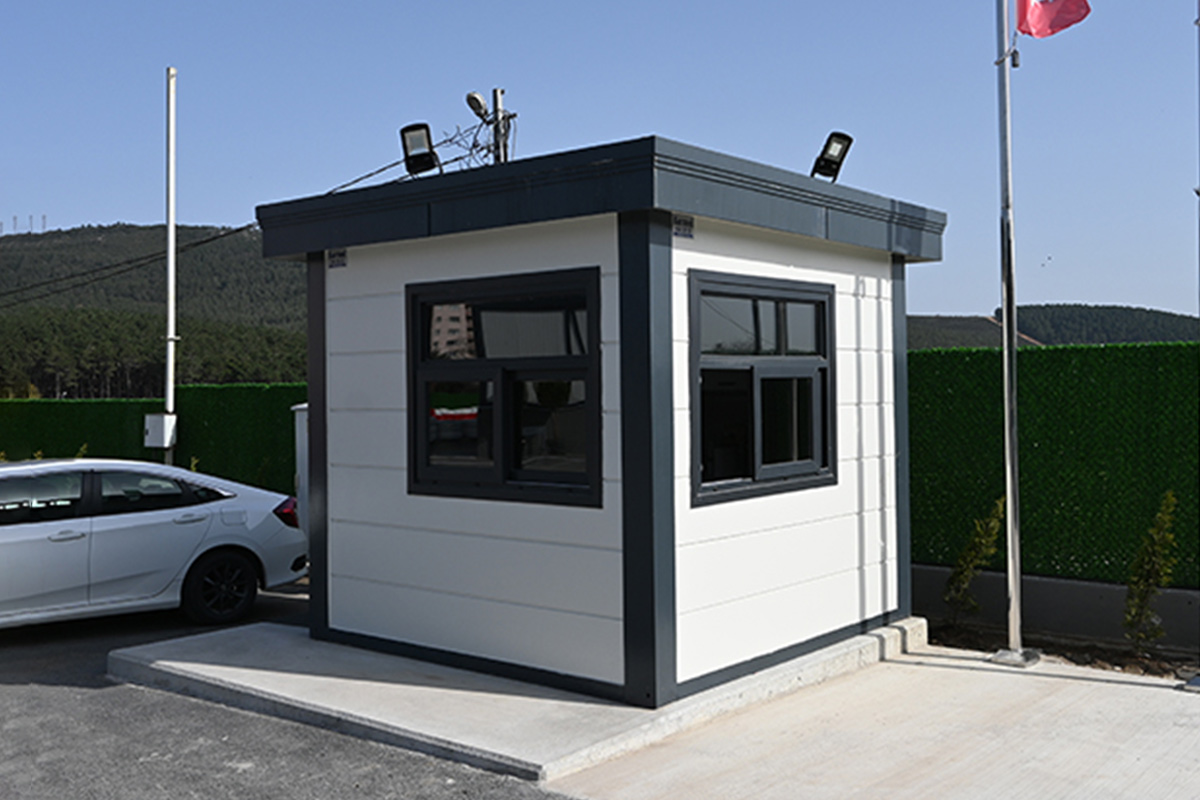
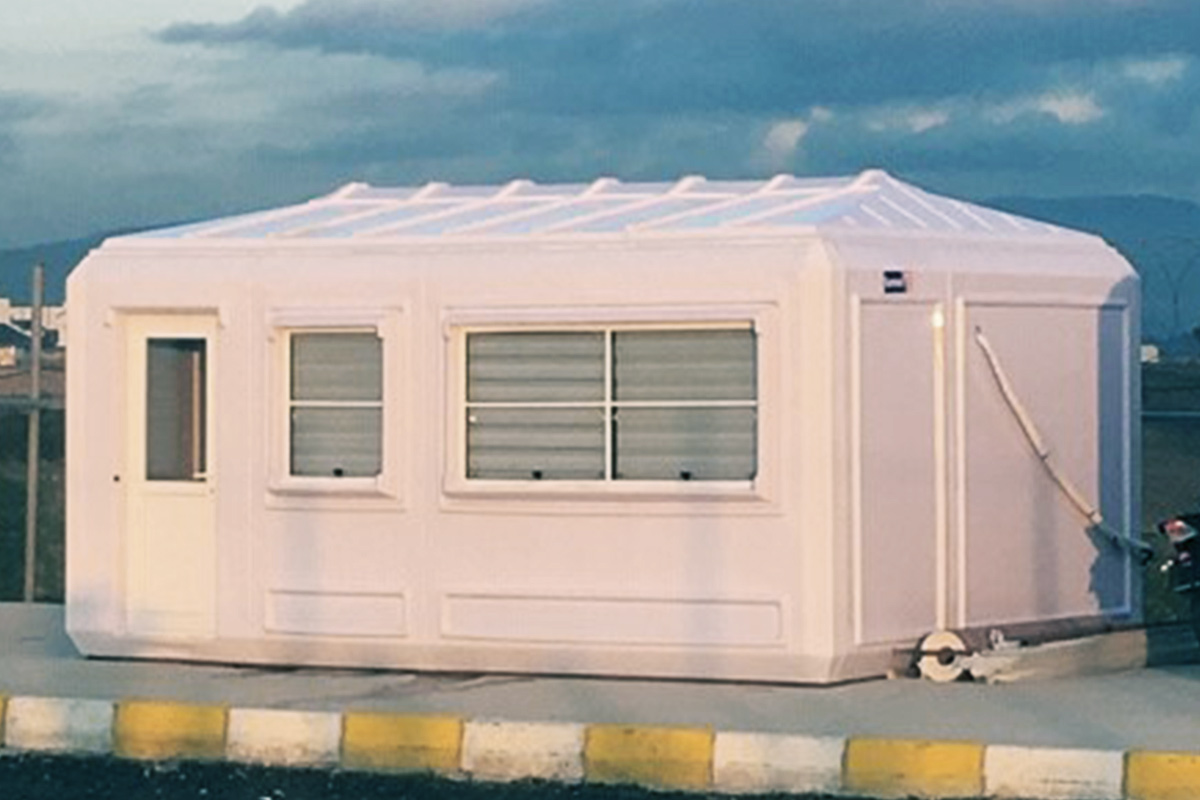
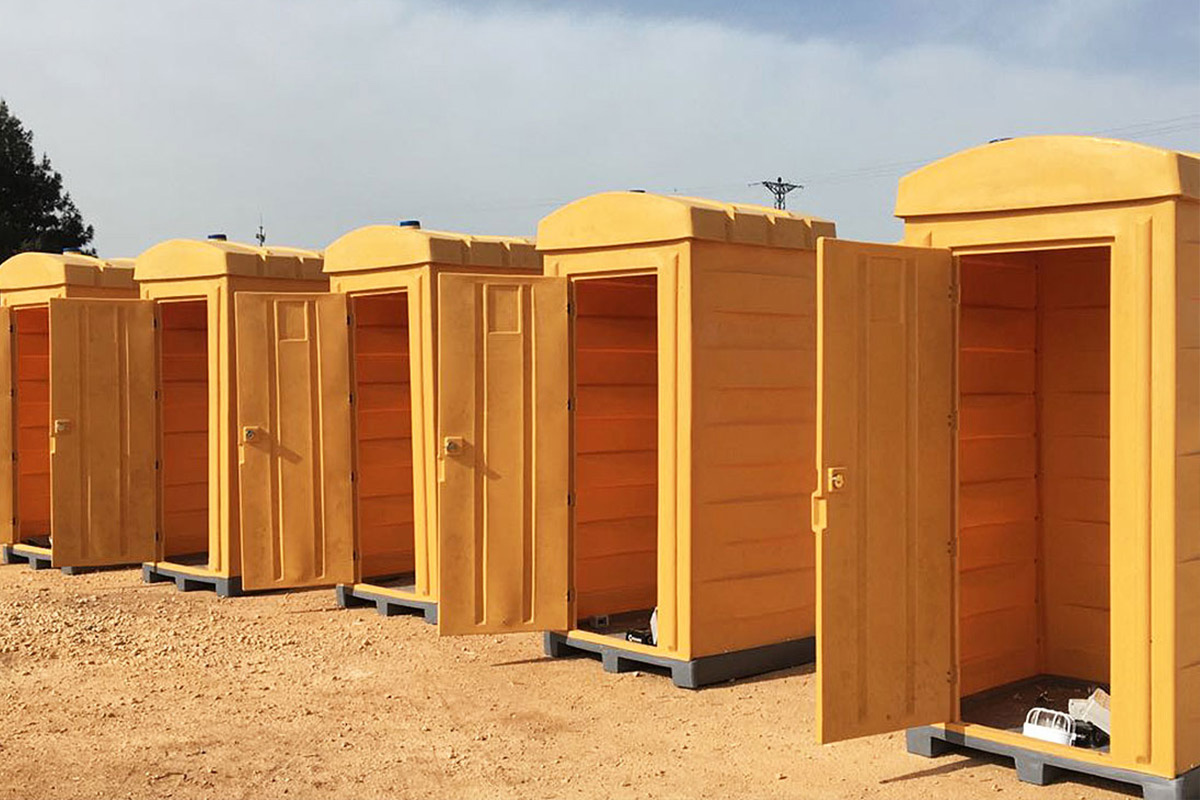
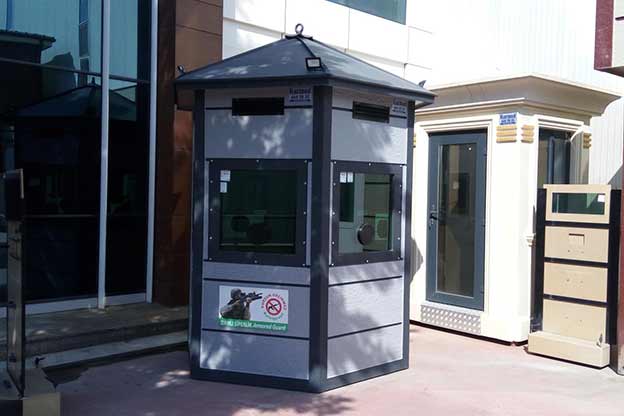
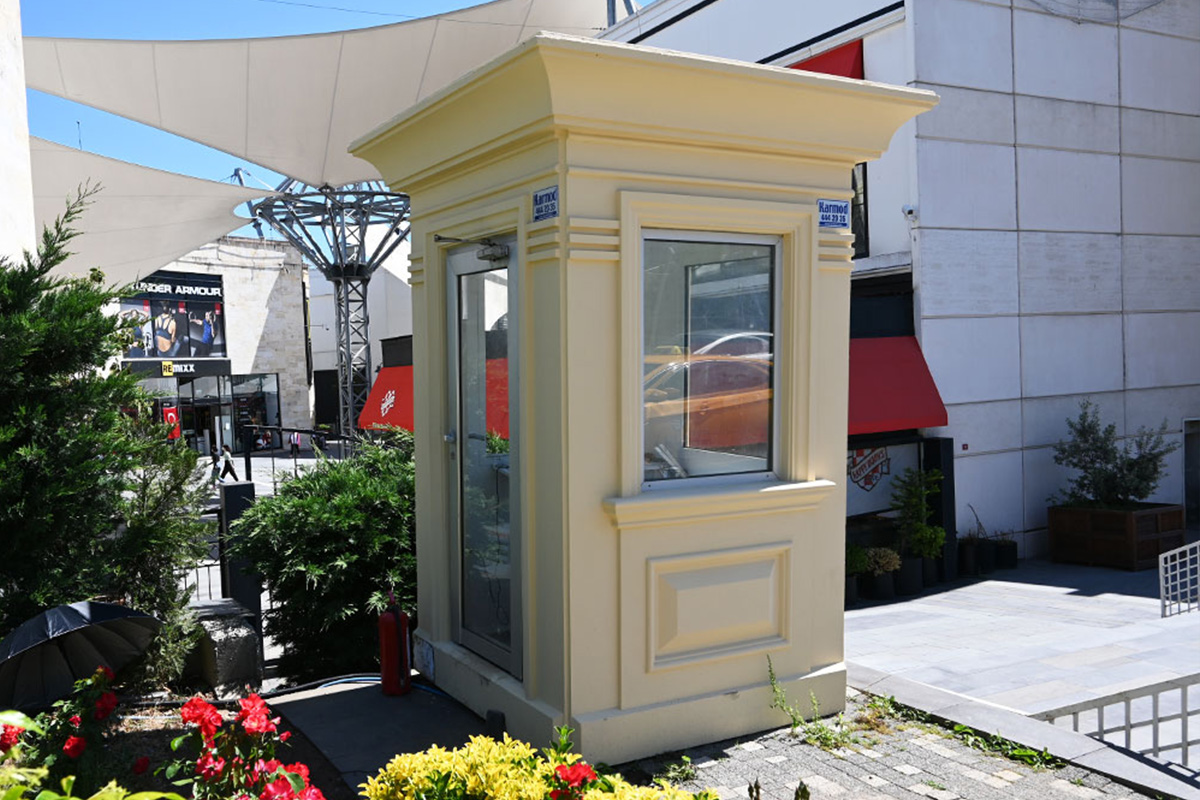
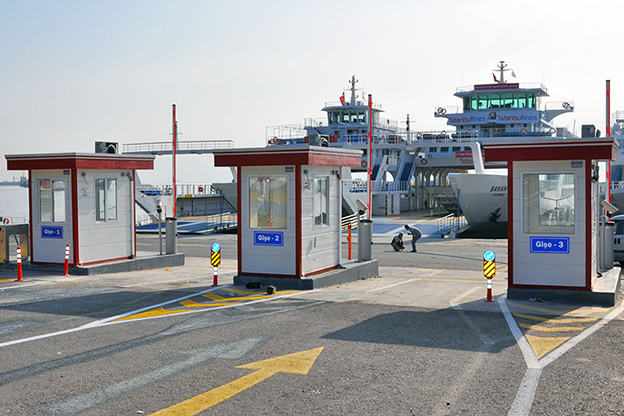
- Security buildings and technical units for controlled-access facilities
- Storage and logistics facilities supporting supply chain operations
These applications highlight how modular buildings can support operational continuity while maintaining quality standards across different project types.
From Design to Installation: How the Process Works
The delivery of modular buildings and prefabricated building systems follows a structured and transparent process, designed to minimize risk for project owners in Sri Lanka.
The process begins with a detailed analysis of project needs, including usage purpose, capacity requirements, site conditions, and regulatory expectations. This phase ensures that the building solution aligns with operational goals from the outset.
Custom design and technical specifications follow, allowing layouts, materials, and systems to be adapted to the project. Climate conditions, occupancy levels, and future expansion plans are considered at this stage.
Factory production then takes place under controlled conditions, ensuring consistent quality and reduced waste. This stage significantly shortens overall project timelines.
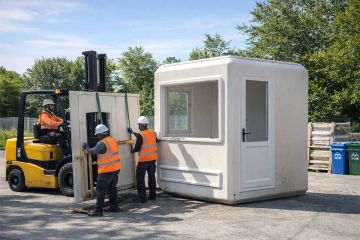
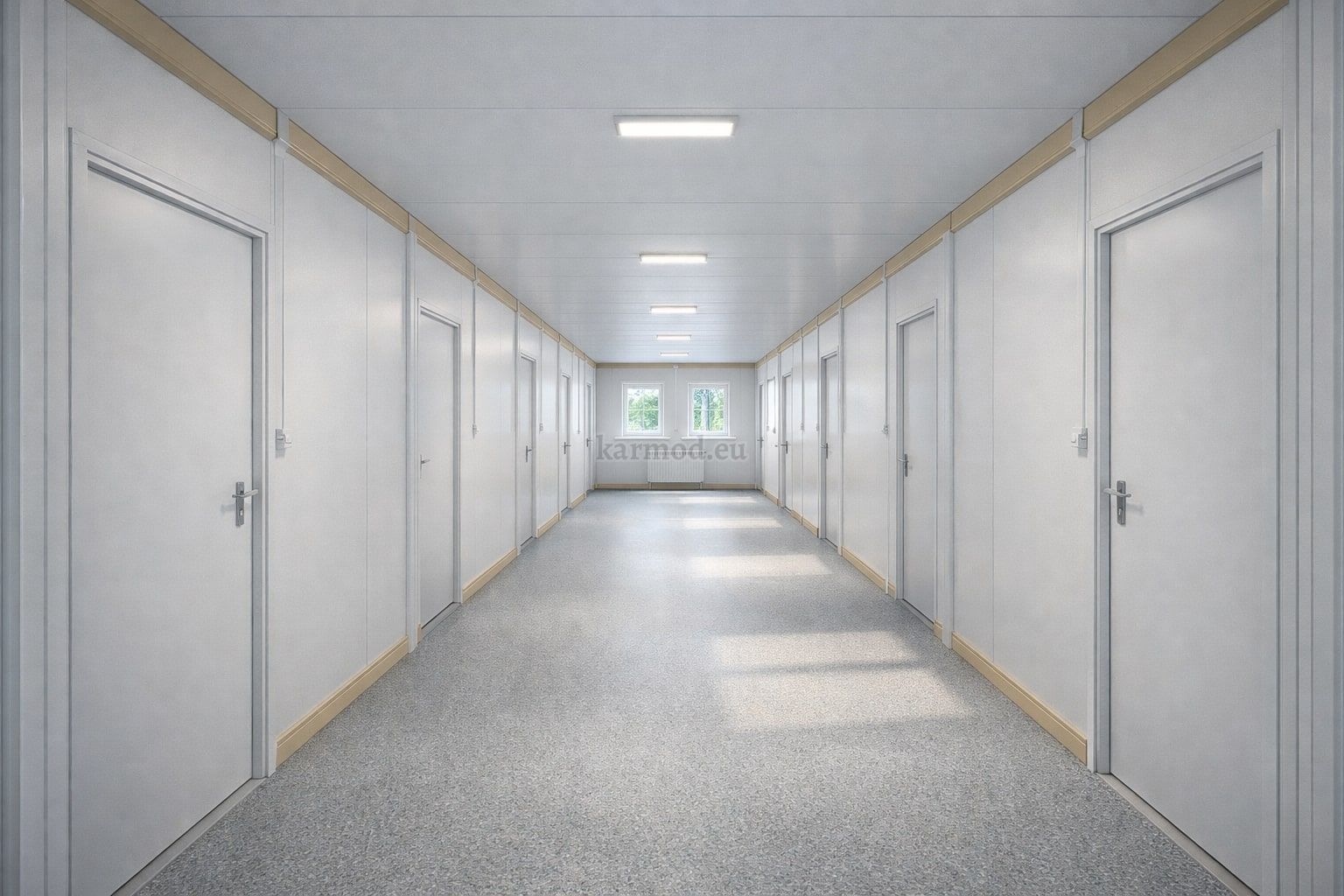
Once production is complete, units are delivered to Sri Lanka using planned logistics routes. On-site installation is carried out efficiently, often within days, allowing facilities to become operational quickly and safely.
Companies such as Karmod manage this process with a focus on coordination and quality control, drawing on international project experience to support complex deployments.
Key Considerations for Modular Buildings in Sri Lanka
Thermal insulation is essential due to warm temperatures and high humidity. Proper insulation improves indoor comfort and reduces long-term energy consumption.
Fire safety standards must align with local regulations and international expectations, particularly for workforce accommodation and public-use buildings.
Climate suitability is a critical consideration. Structures must be designed to withstand tropical weather conditions, including heavy rainfall and coastal environments.
Custom layouts allow buildings to match operational workflows, whether for administrative use, accommodation, or technical functions. Flexibility in design helps facilities remain efficient throughout their lifecycle.
With experience across diverse markets, Karmod modular building solutions are designed to meet these requirements while maintaining consistent manufacturing standards. Drawing on European market expertise, Karmod supports projects that require reliability, scalability, and long-term performance.
For organizations planning projects in Sri Lanka, modular buildings and prefabricated building systems offer a strategic path to faster delivery, controlled investment, and adaptable infrastructure—aligned with both immediate operational needs and future growth.