

Across Sweden, the construction sector is undergoing a structural shift. Rising labor costs, strict environmental regulations, and the need for fast, scalable building solutions are reshaping how companies and public institutions approach new projects. In this environment, modular buildings and prefabricated building systems are no longer niche alternatives; they have become strategic tools for efficiency, compliance, and long-term planning.
For logistics operators, industrial manufacturers, municipalities, and energy projects, speed and predictability matter as much as quality. Modular and prefabricated solutions respond directly to these expectations by reducing on-site work, improving cost control, and ensuring consistent standards—key factors in Sweden’s highly regulated construction landscape.
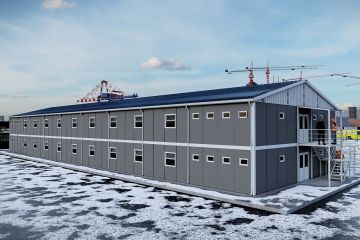
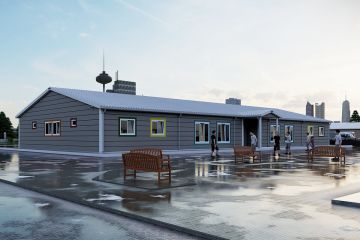
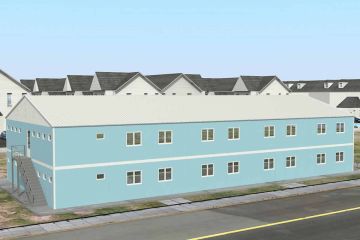
Why Modular Buildings Are in High Demand in Sweden
One of the strongest drivers behind the growing use of modular buildings in Sweden is labor economics. Skilled construction labor is both expensive and limited, particularly in northern regions and industrial zones. Modular construction minimizes on-site labor requirements by shifting most of the work to controlled factory environments, where productivity is higher and delays are easier to manage.
Construction timelines are another critical factor. Infrastructure expansions, renewable energy projects, and logistics hubs often operate under tight schedules. Modular systems allow parallel workflows—site preparation and building production happen at the same time—cutting total project durations significantly compared to conventional methods.
Sweden also has a balanced demand for both temporary and permanent buildings. Temporary solutions are frequently required for construction sites, public-sector overflow needs, or seasonal industrial operations. At the same time, permanent facilities such as worker housing, technical units, and administrative buildings must meet long-term performance expectations. Modular buildings can serve both roles, offering relocatable structures when flexibility is needed and long-lasting installations when permanence is the priority.
Sector-specific demand further accelerates adoption. Logistics centers supporting e-commerce, industrial manufacturing facilities, public infrastructure projects, and renewable energy installations all require fast, standardized buildings that can be expanded or adapted over time. Modular solutions align well with these operational realities.
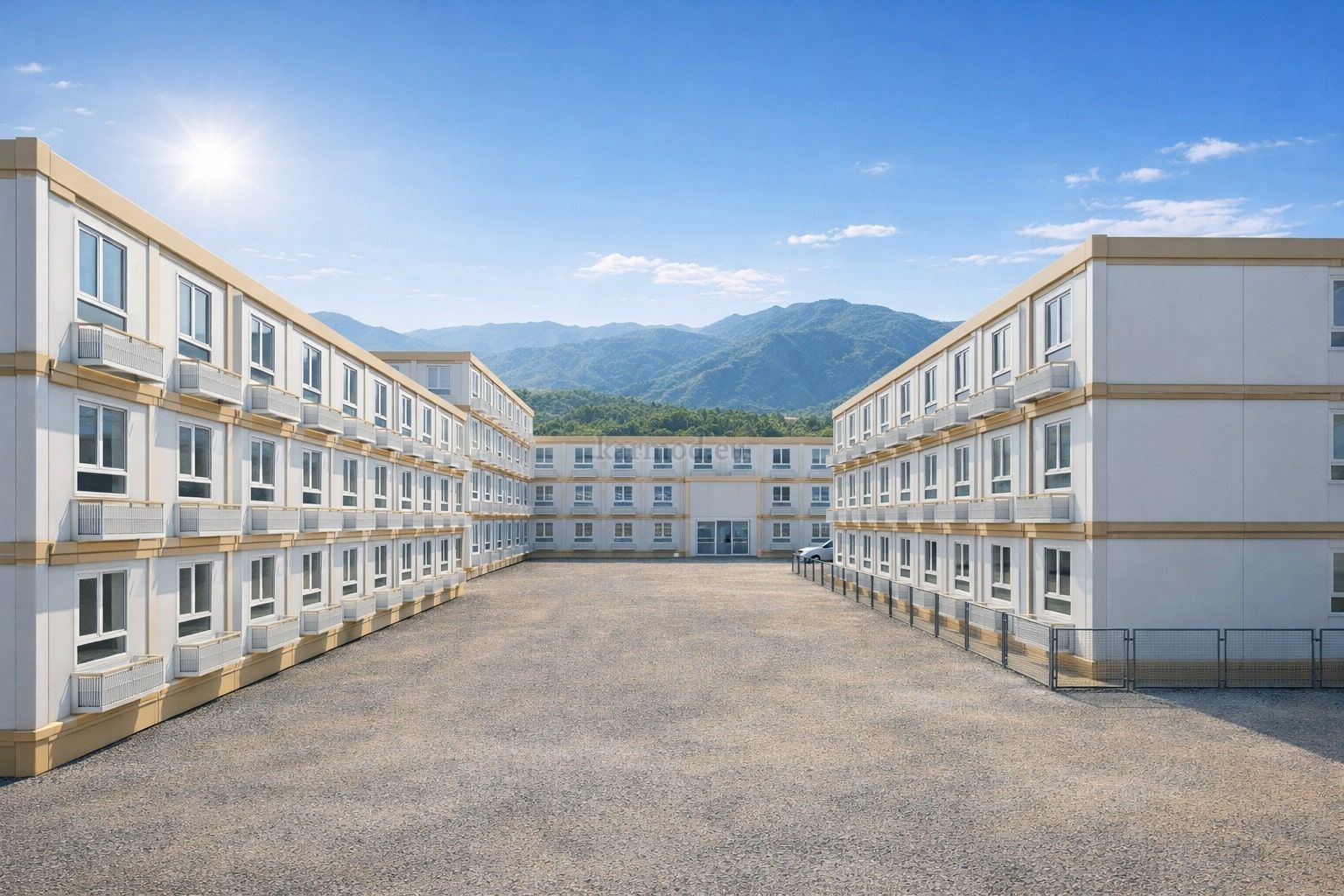
Modular Buildings vs. Prefabricated Building Systems
While the terms are often used together, modular buildings and prefabricated building systems serve different strategic purposes.
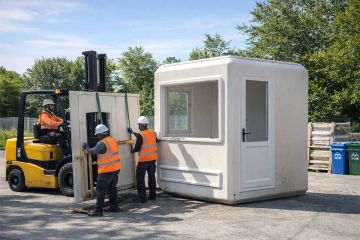
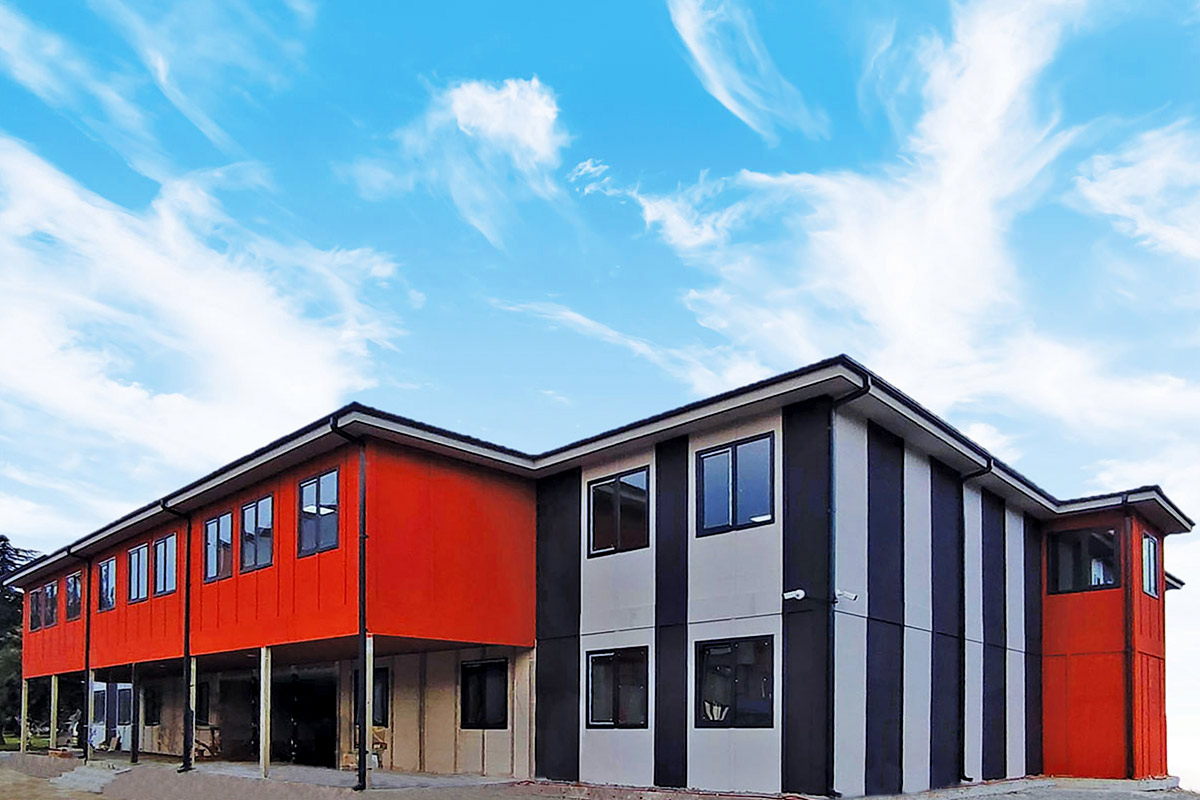
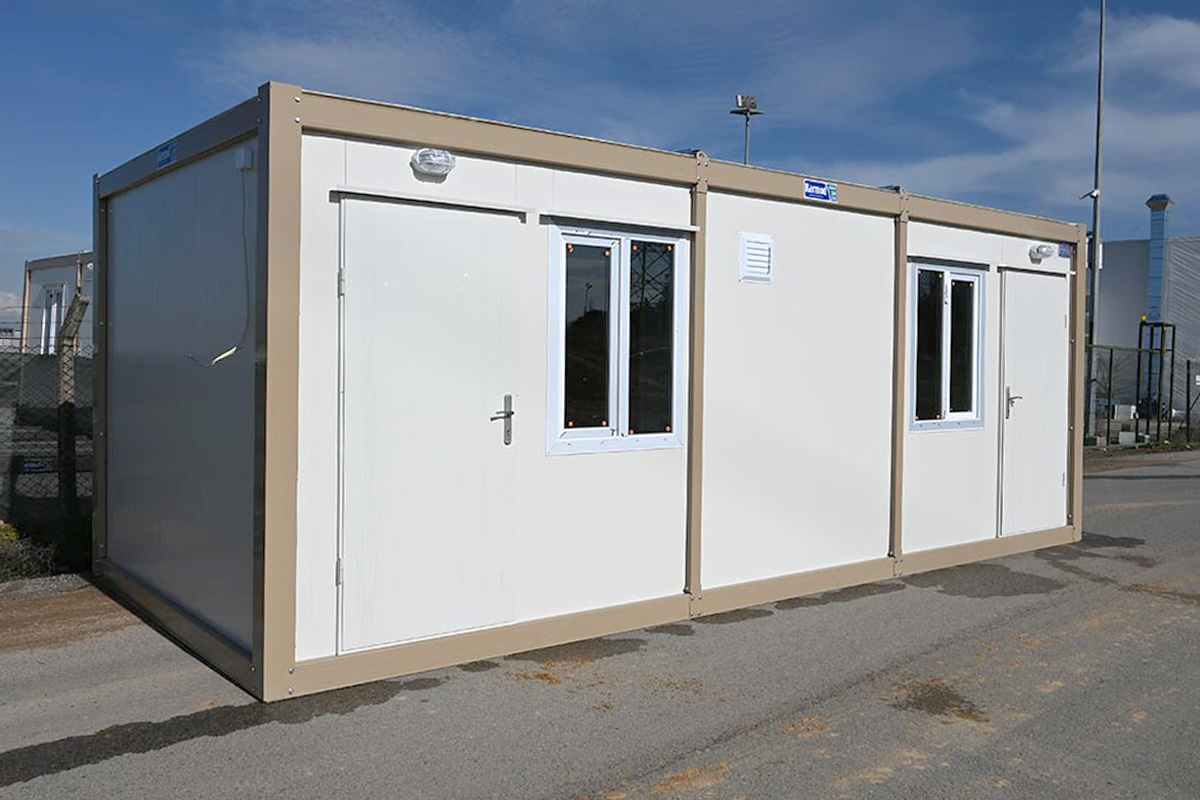
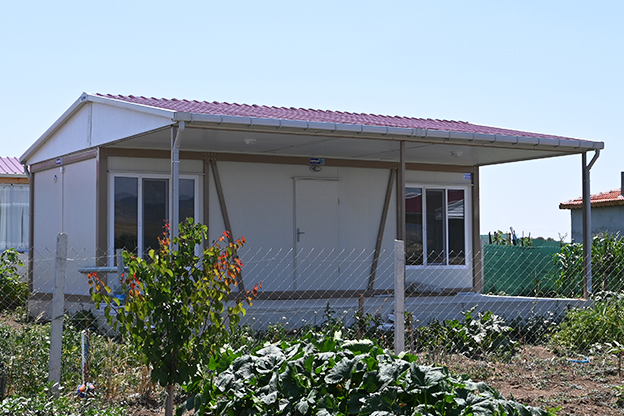
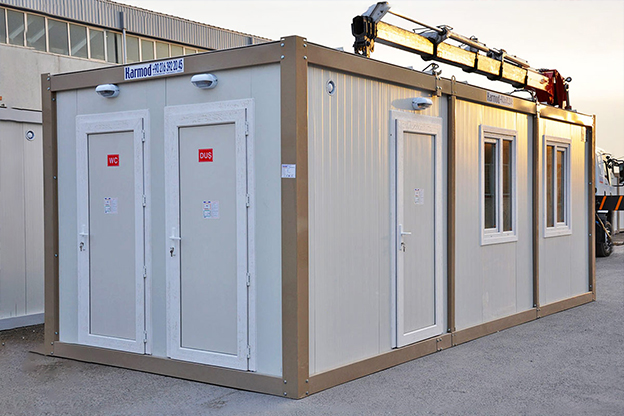
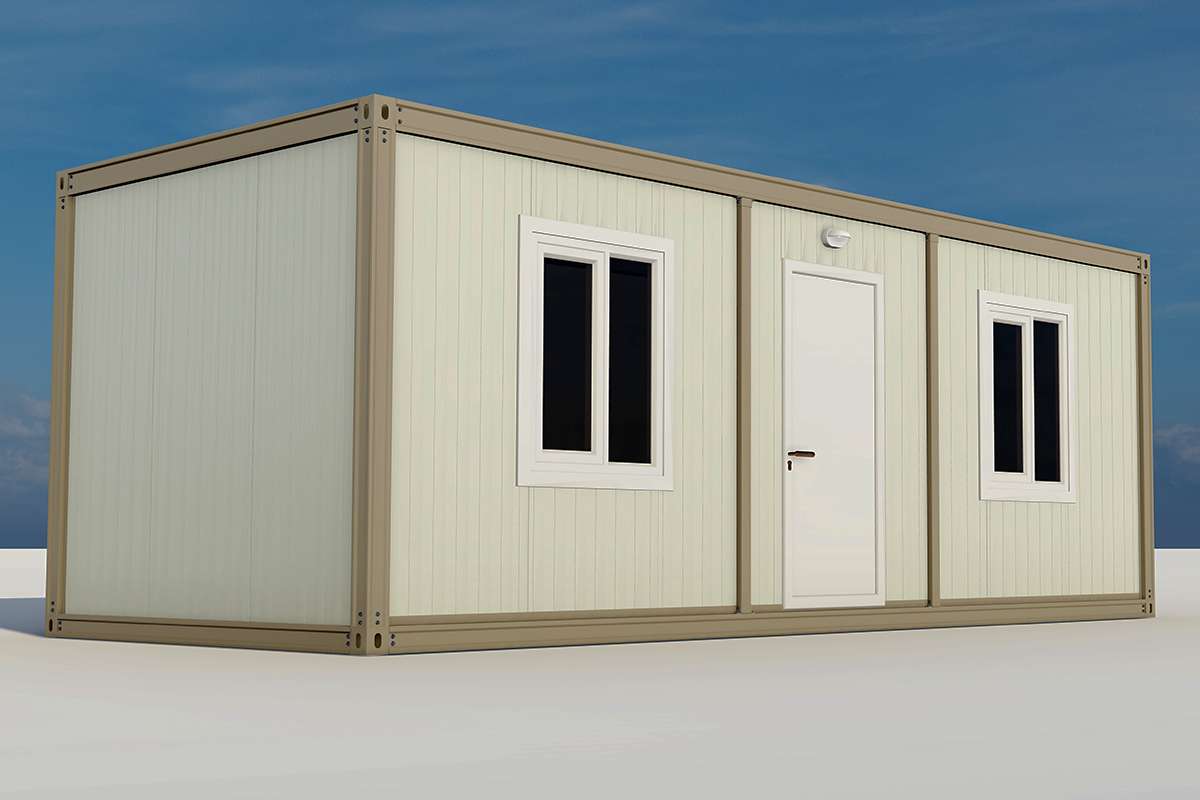
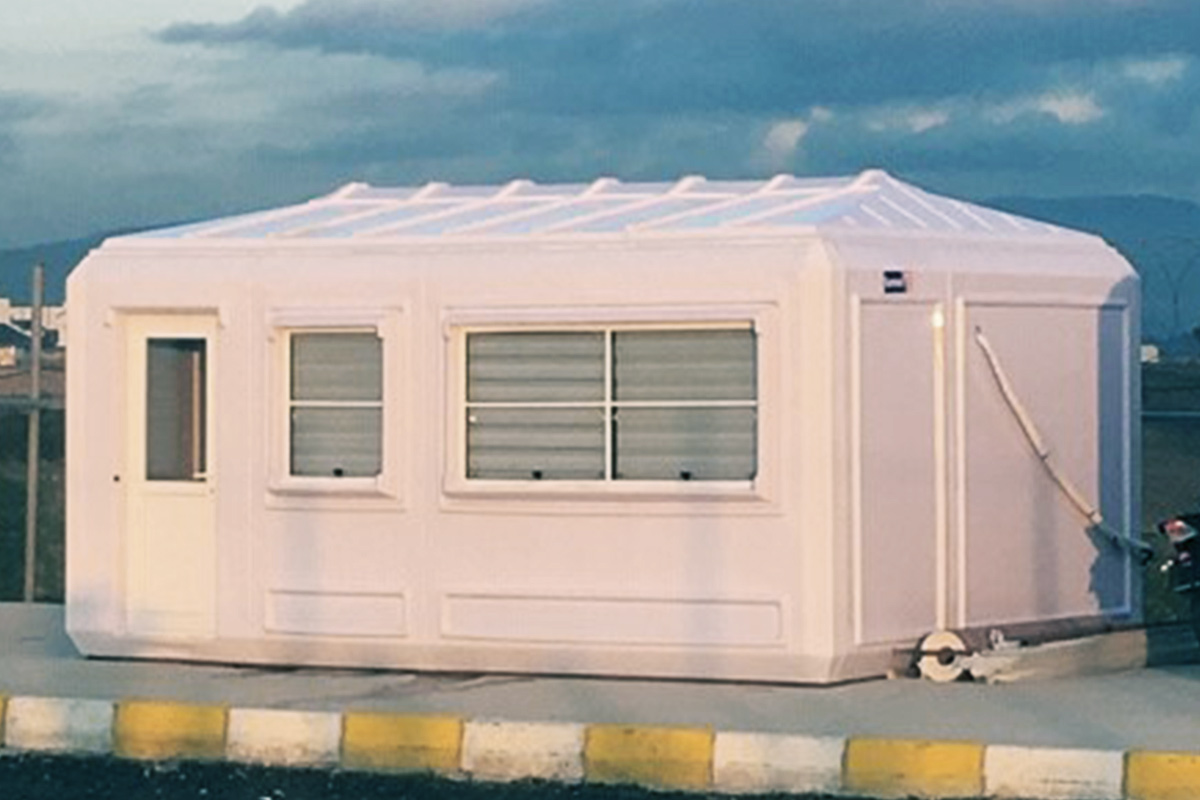
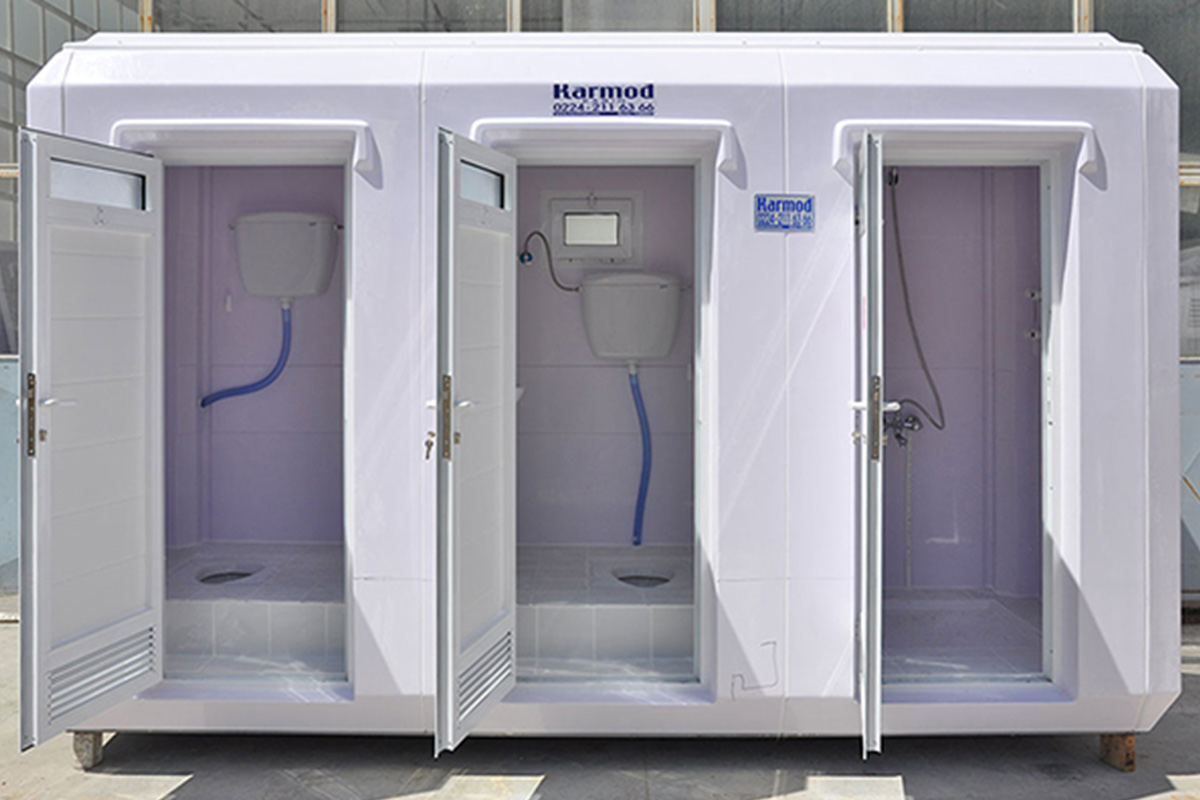
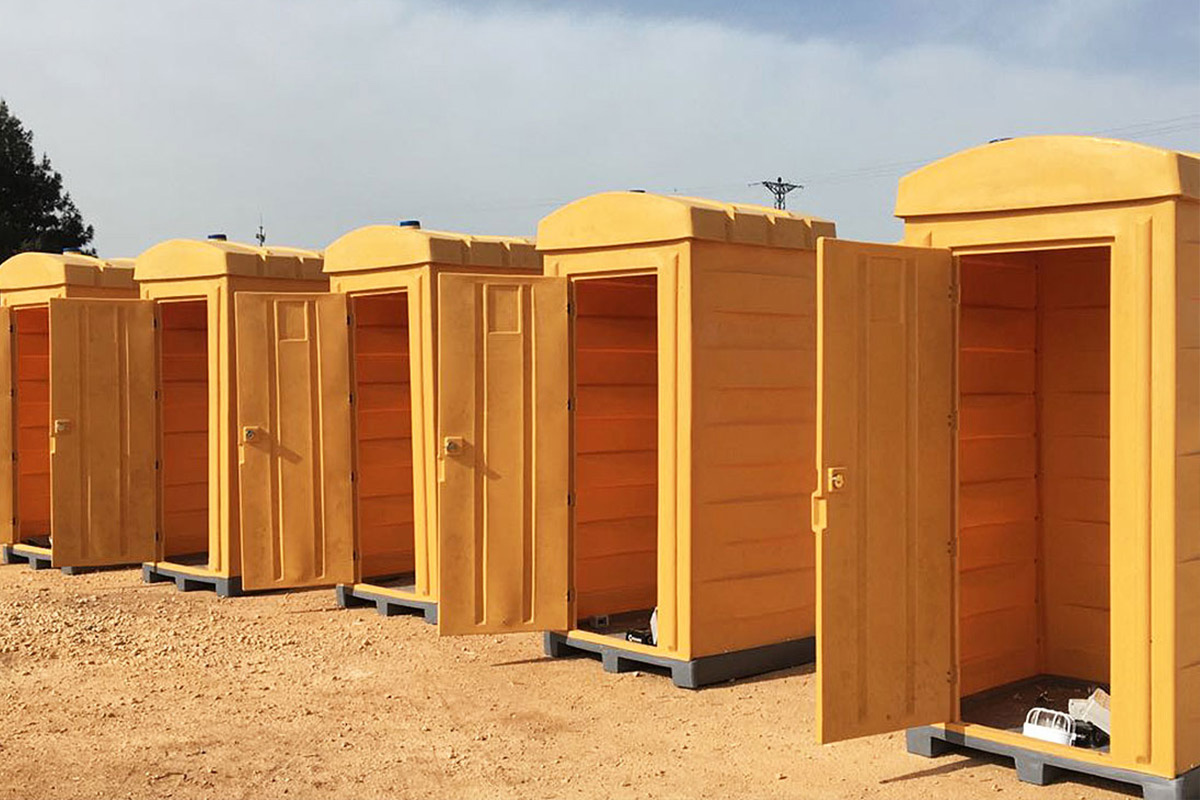
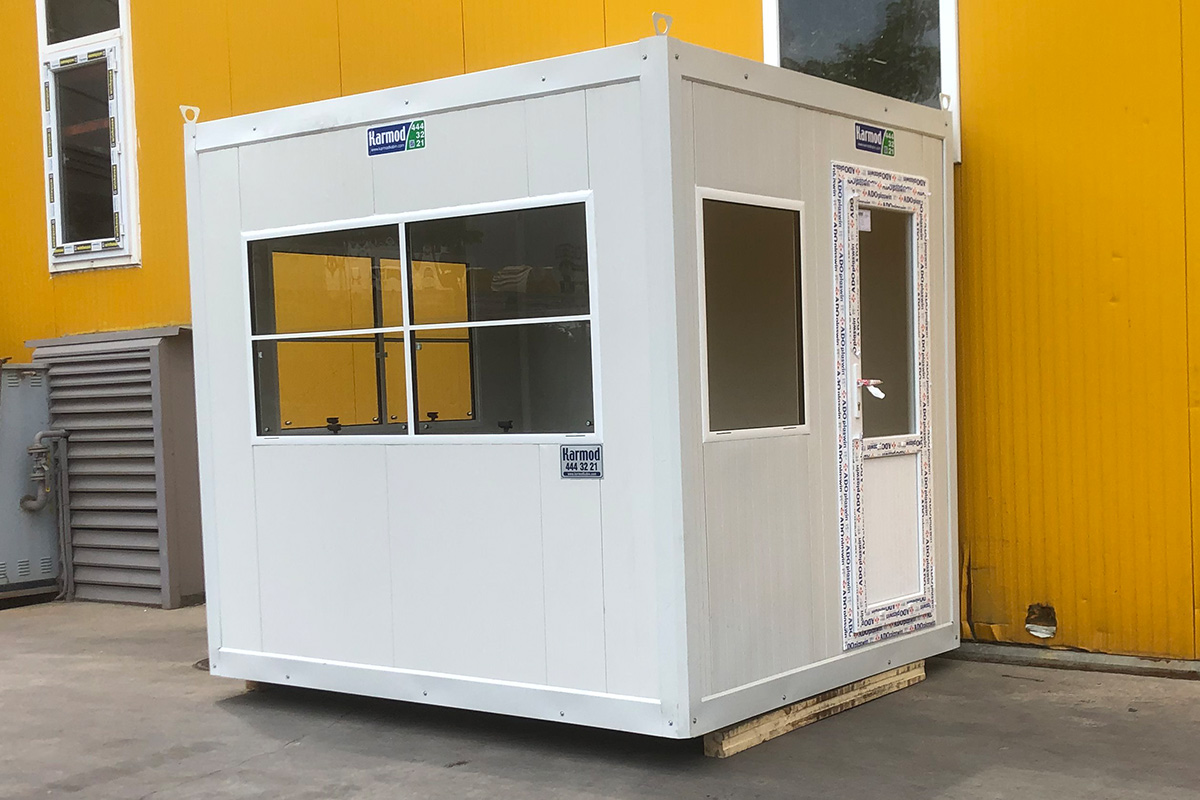
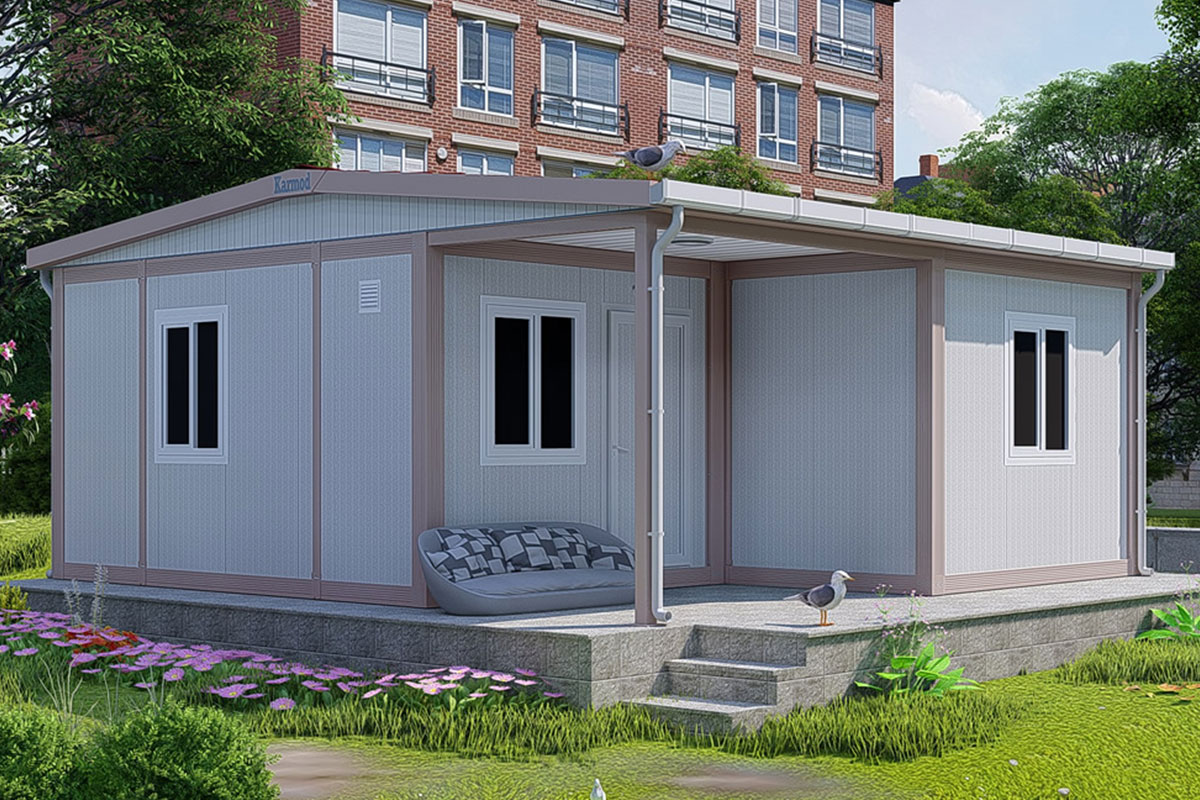
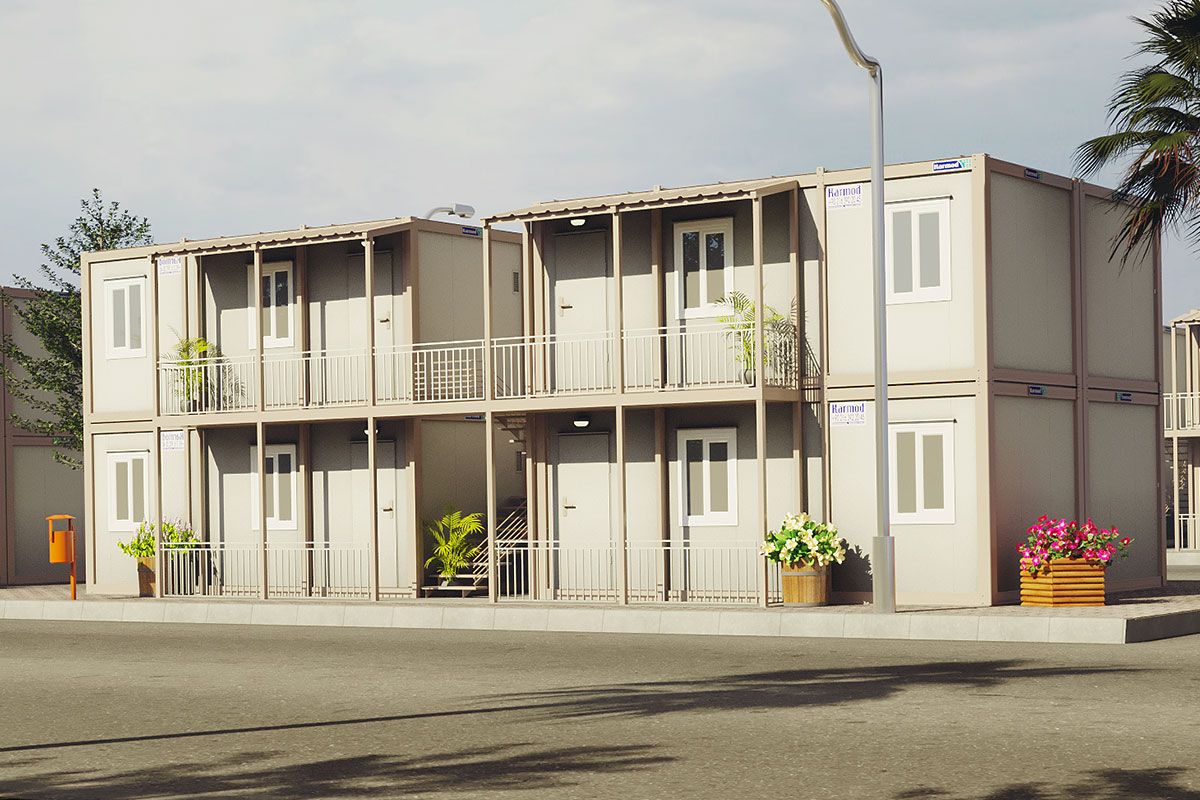
Modular buildings are produced as volumetric units. Each module is a fully formed space that can be transported, installed, relocated, or expanded as project needs evolve. This makes modular buildings particularly suitable for Sweden’s logistics hubs, remote industrial sites, and energy projects where future capacity changes are expected.
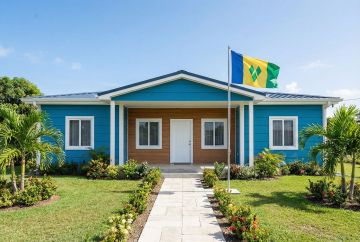
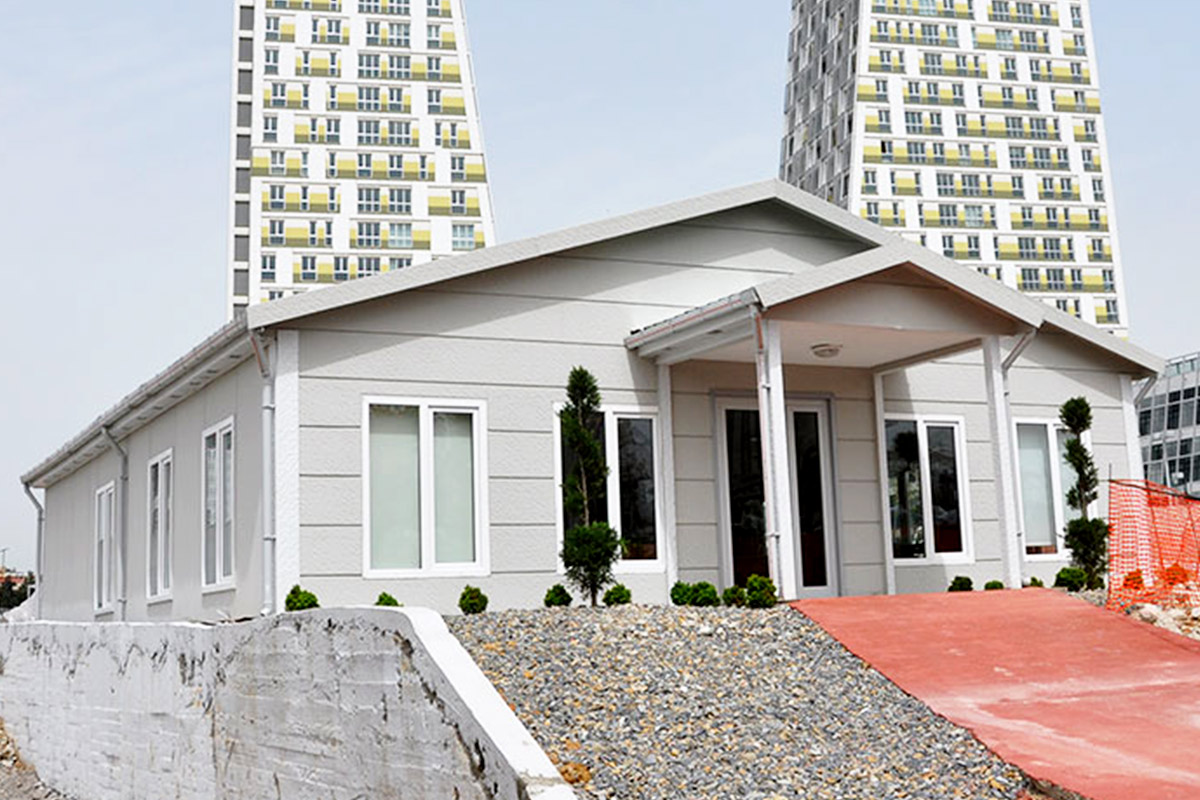
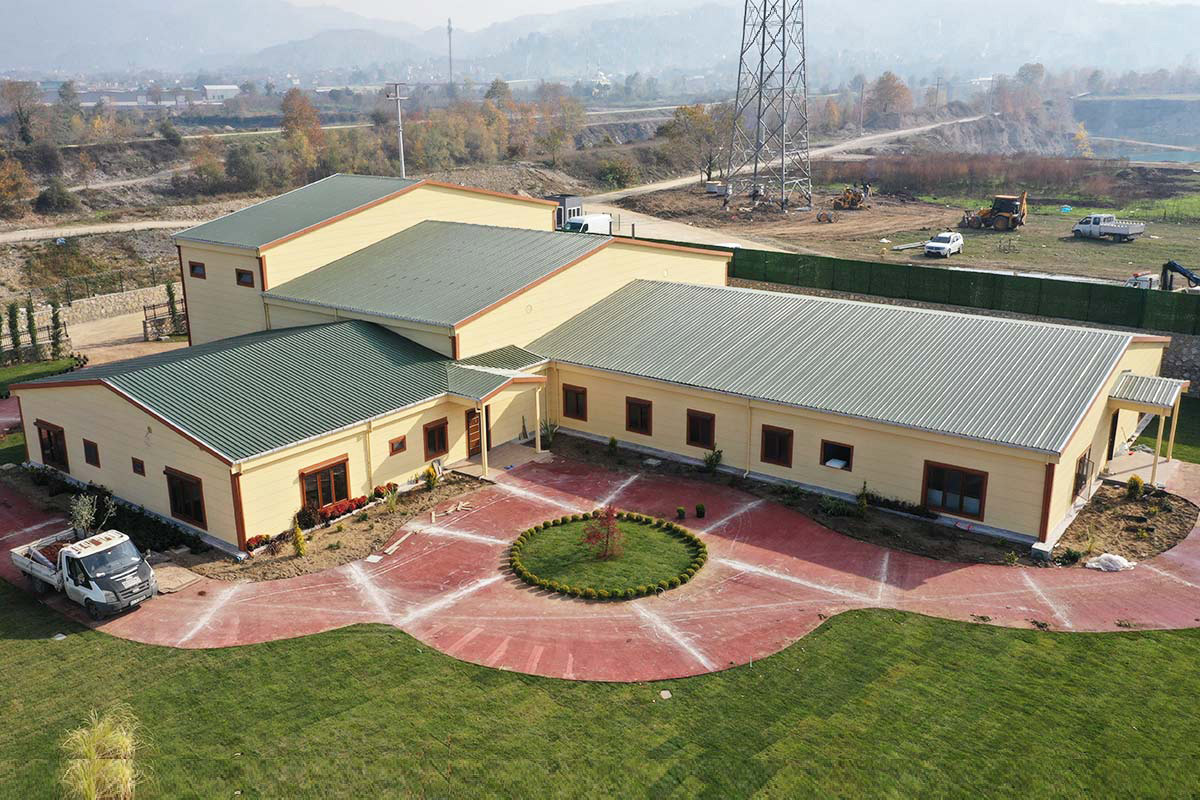
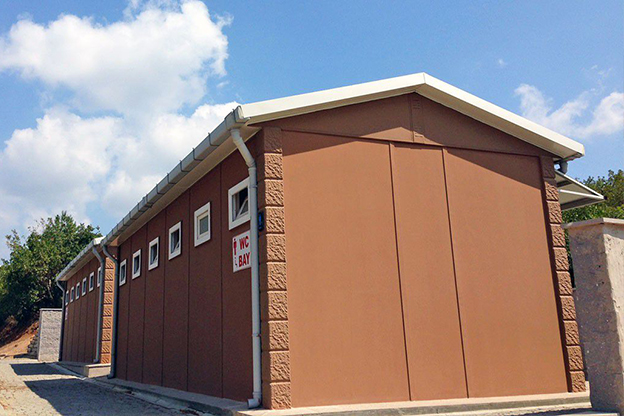
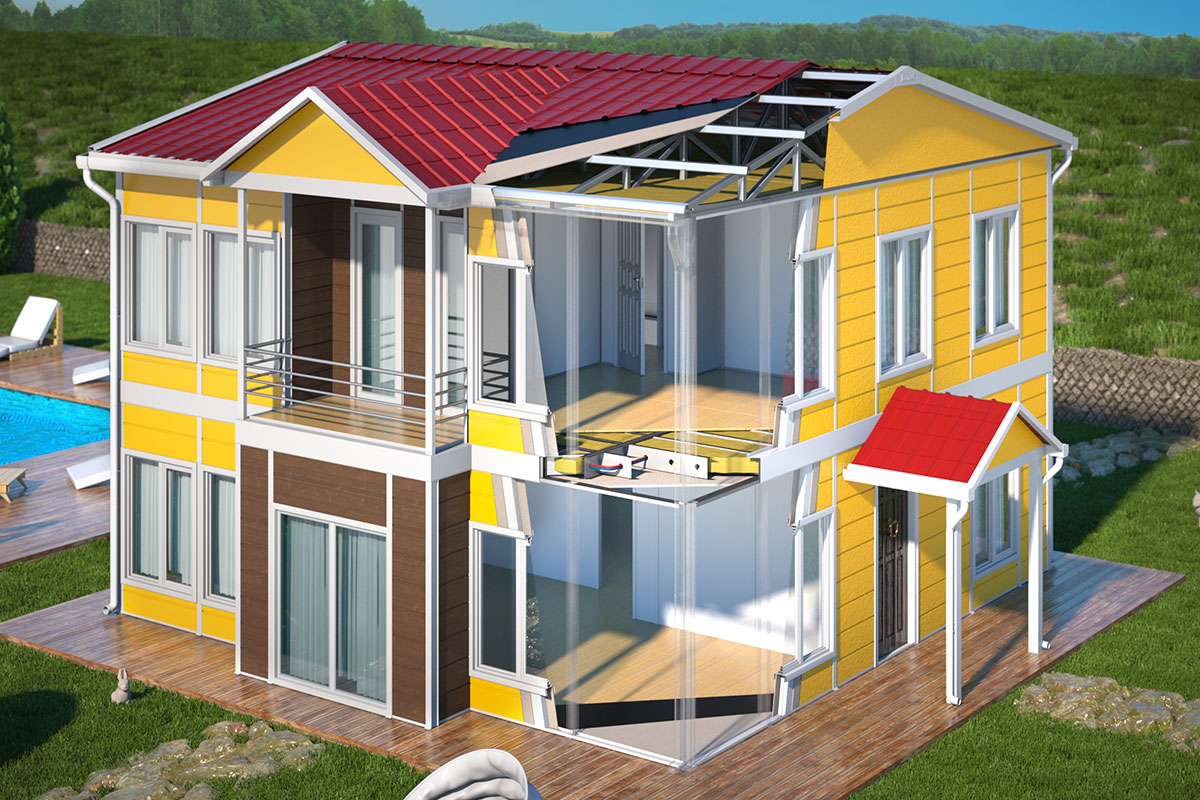
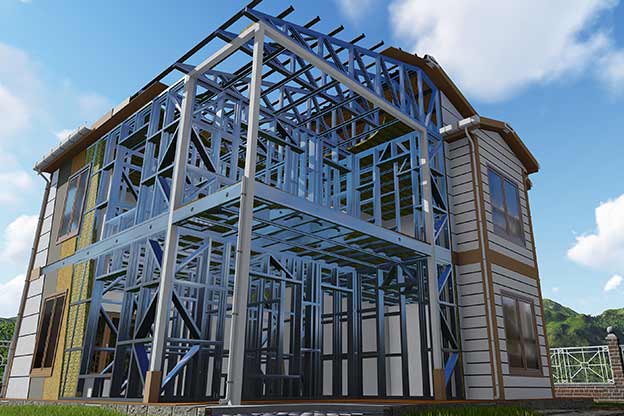
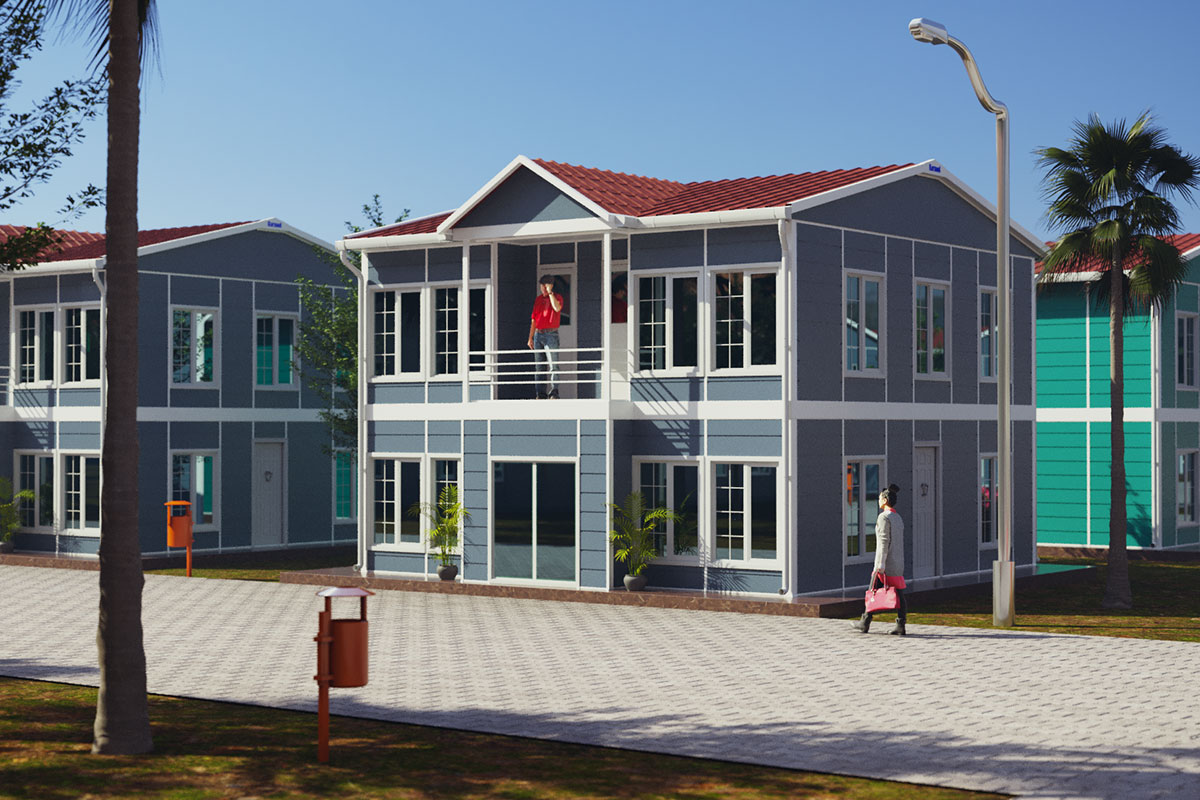
A prefabricated building, on the other hand, is typically based on panels or structural elements manufactured off-site and assembled on location. These systems are well suited for permanent structures where architectural integration, long-term occupancy, and compliance with local building codes are the primary concerns.
In Sweden, modular buildings are often preferred for site offices, temporary accommodation, and scalable facilities, while prefabricated building systems are commonly chosen for permanent public-sector buildings or long-term industrial use. Understanding this distinction helps decision-makers align the building method with operational goals rather than focusing solely on initial cost.
Applications of Modular and Prefabricated Buildings in Sweden
Modular and prefabricated solutions are used across a wide range of sectors in Sweden, including:
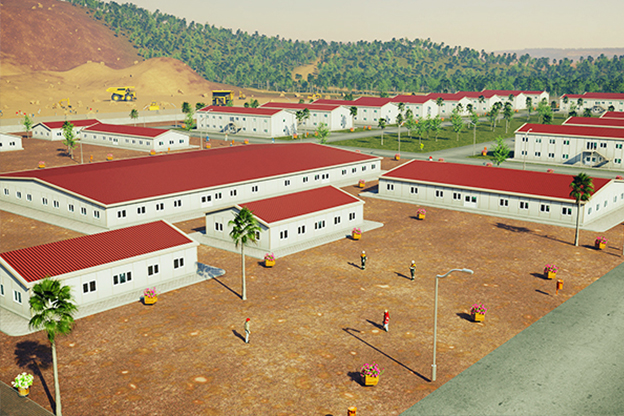
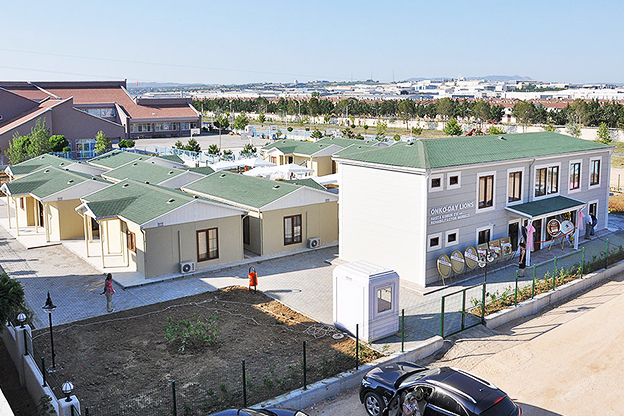
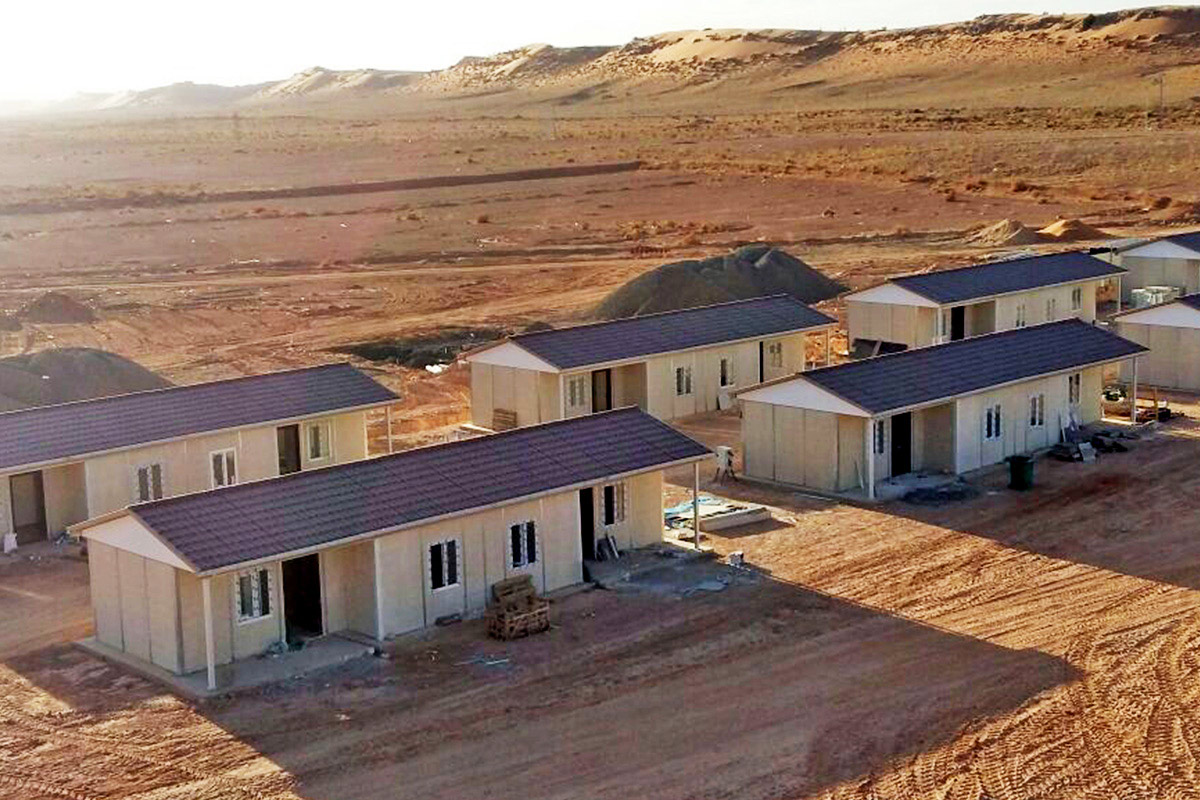
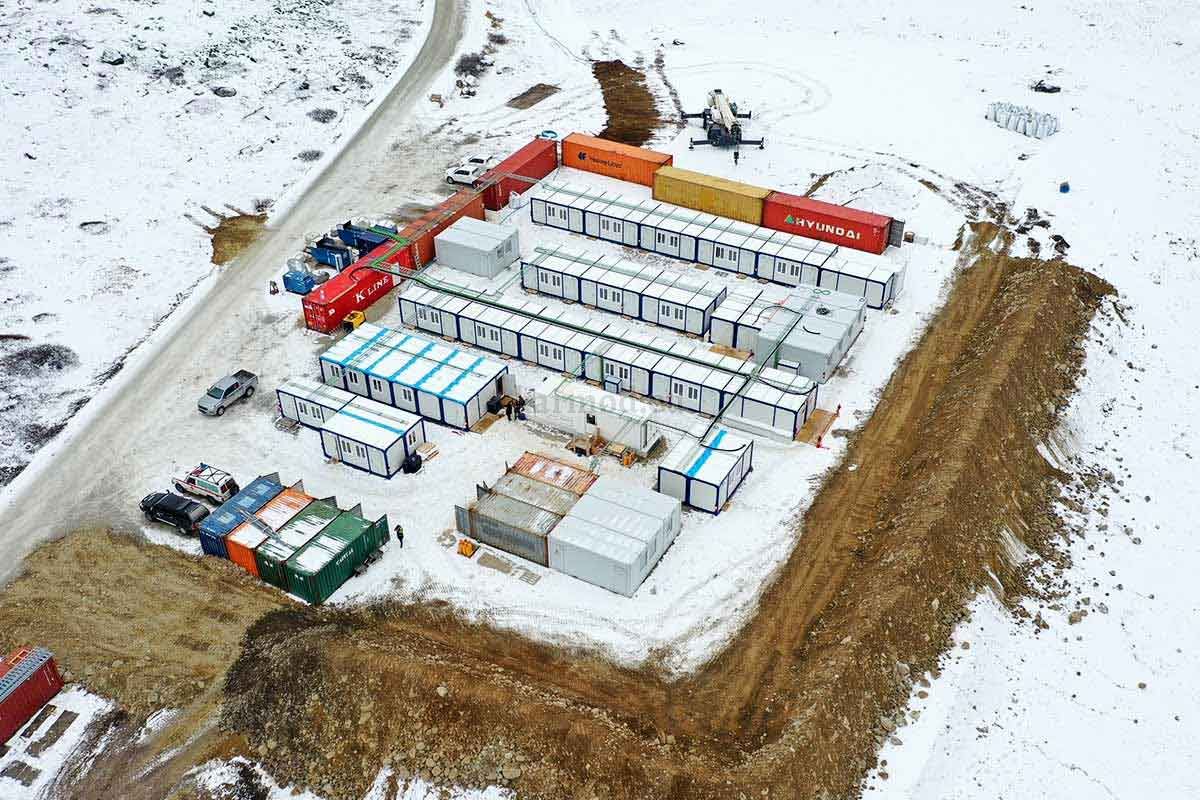
- Site offices & construction camps – Fast-deployed operational spaces with minimal site disruption
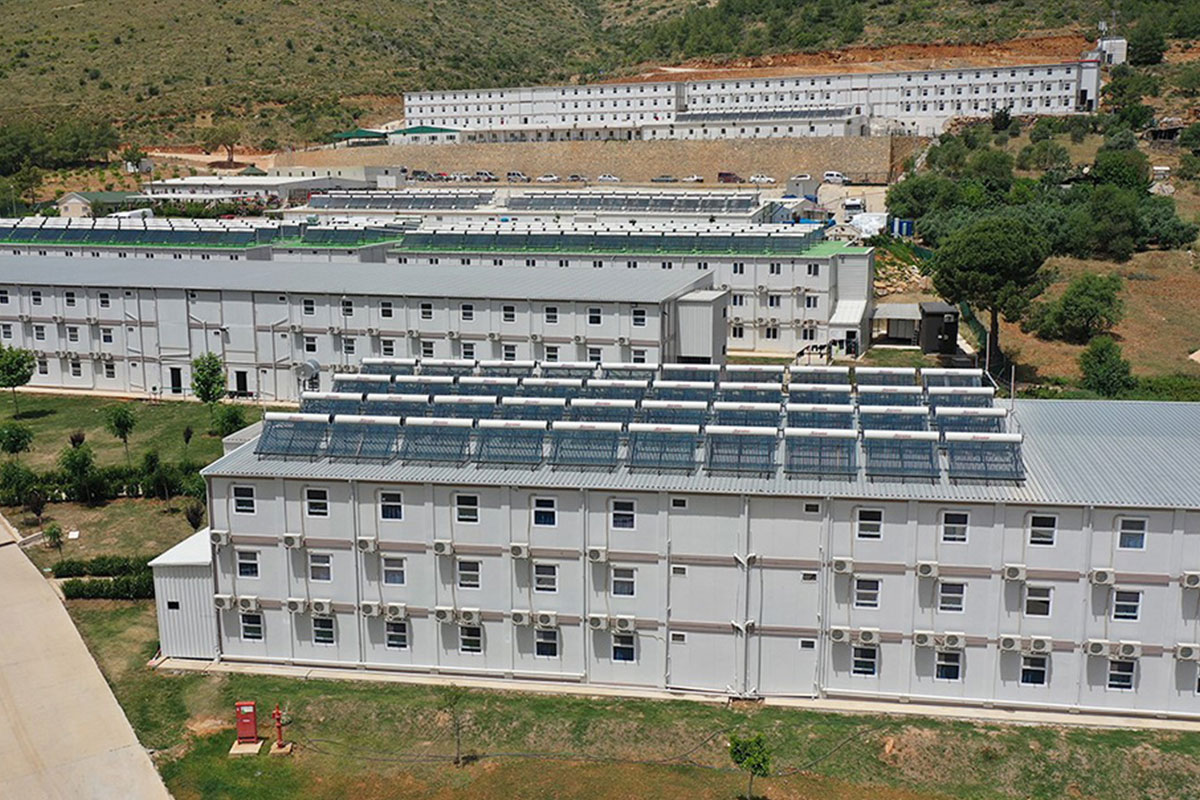
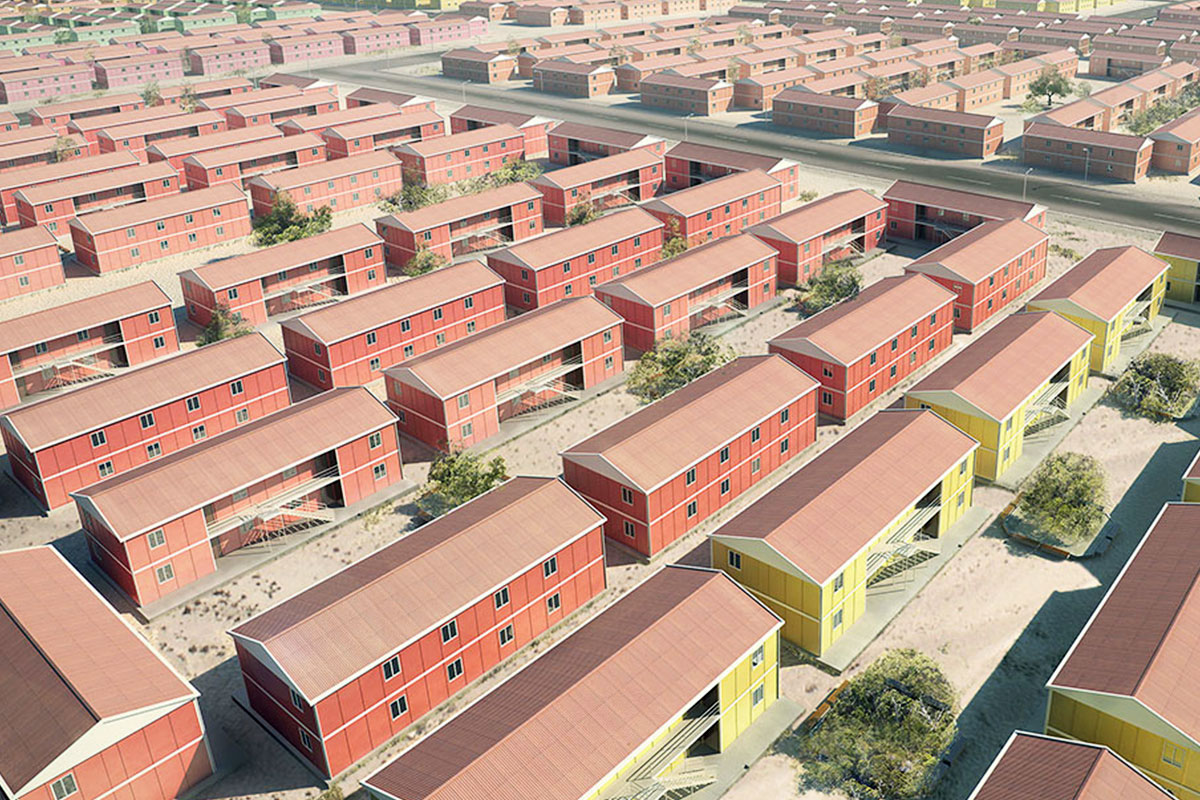
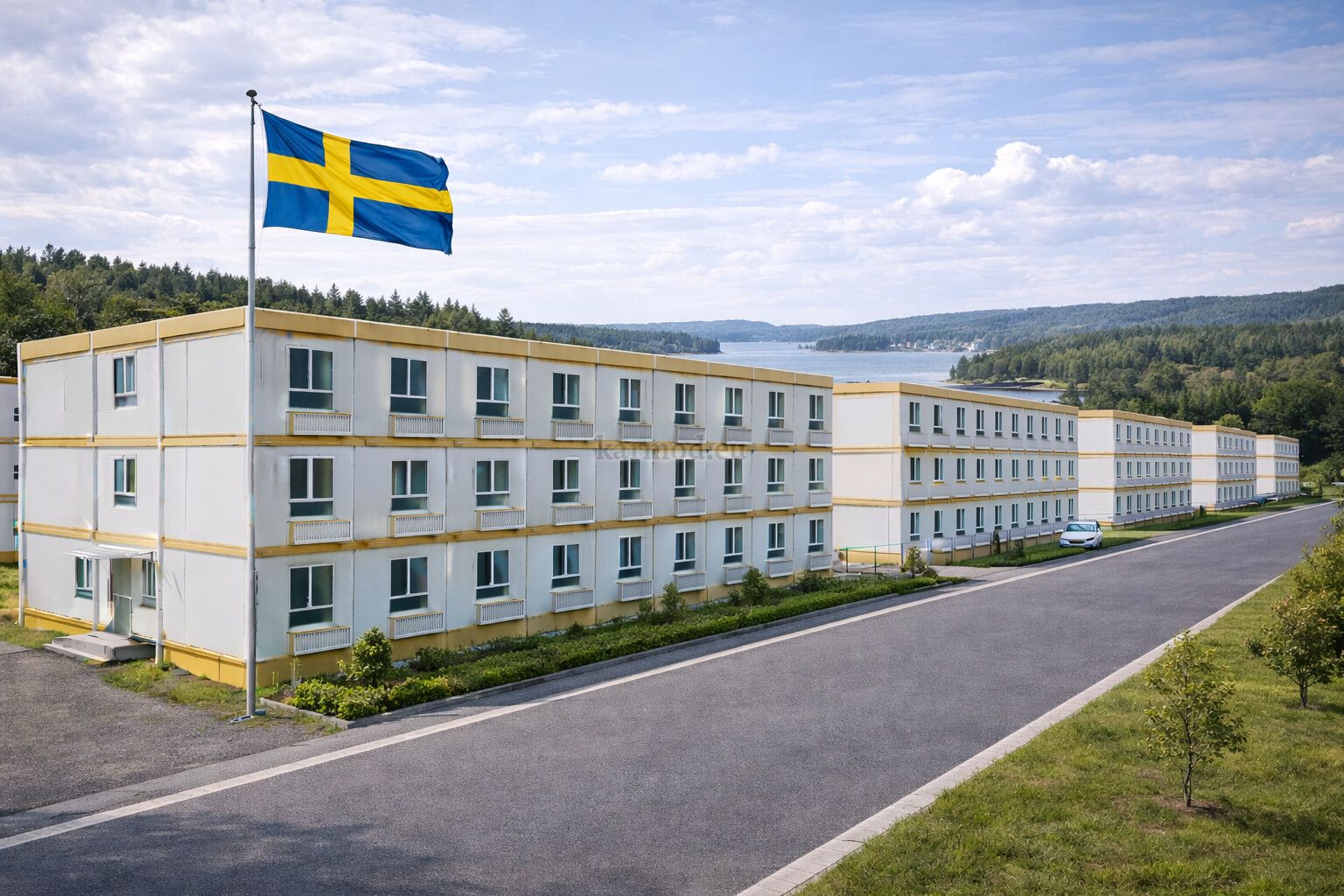
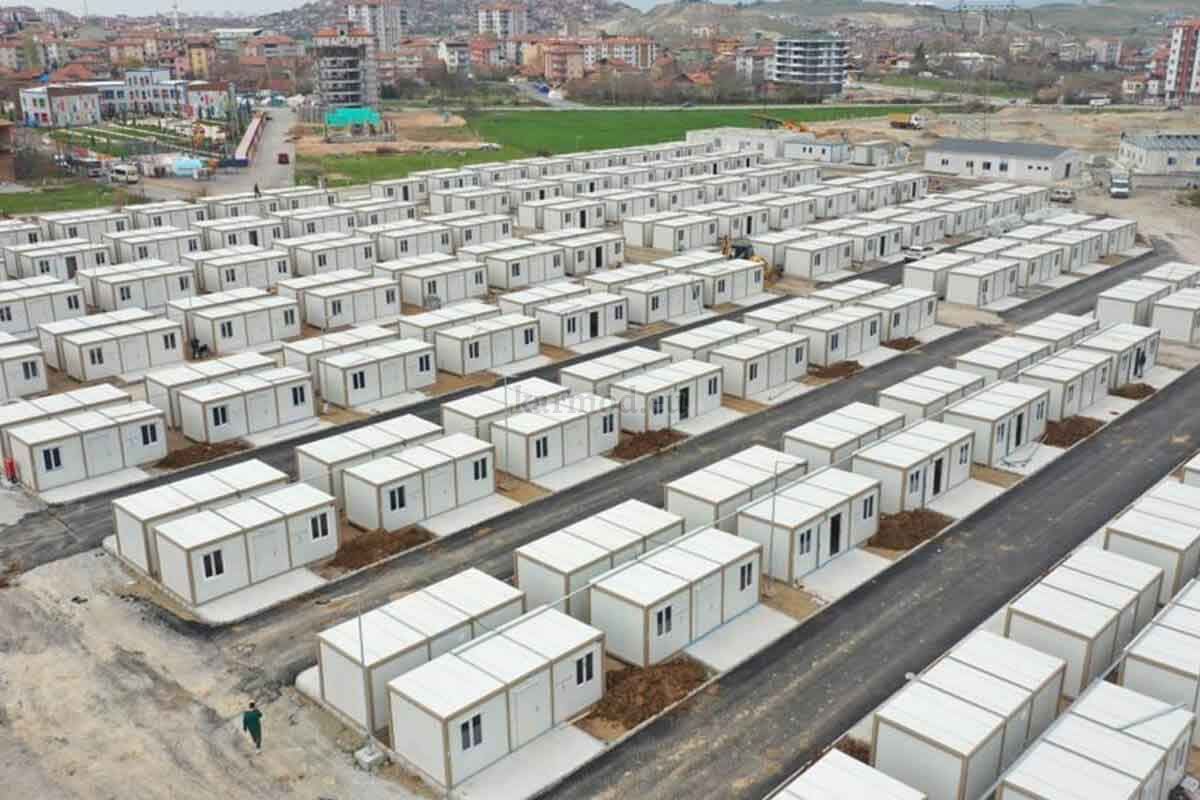
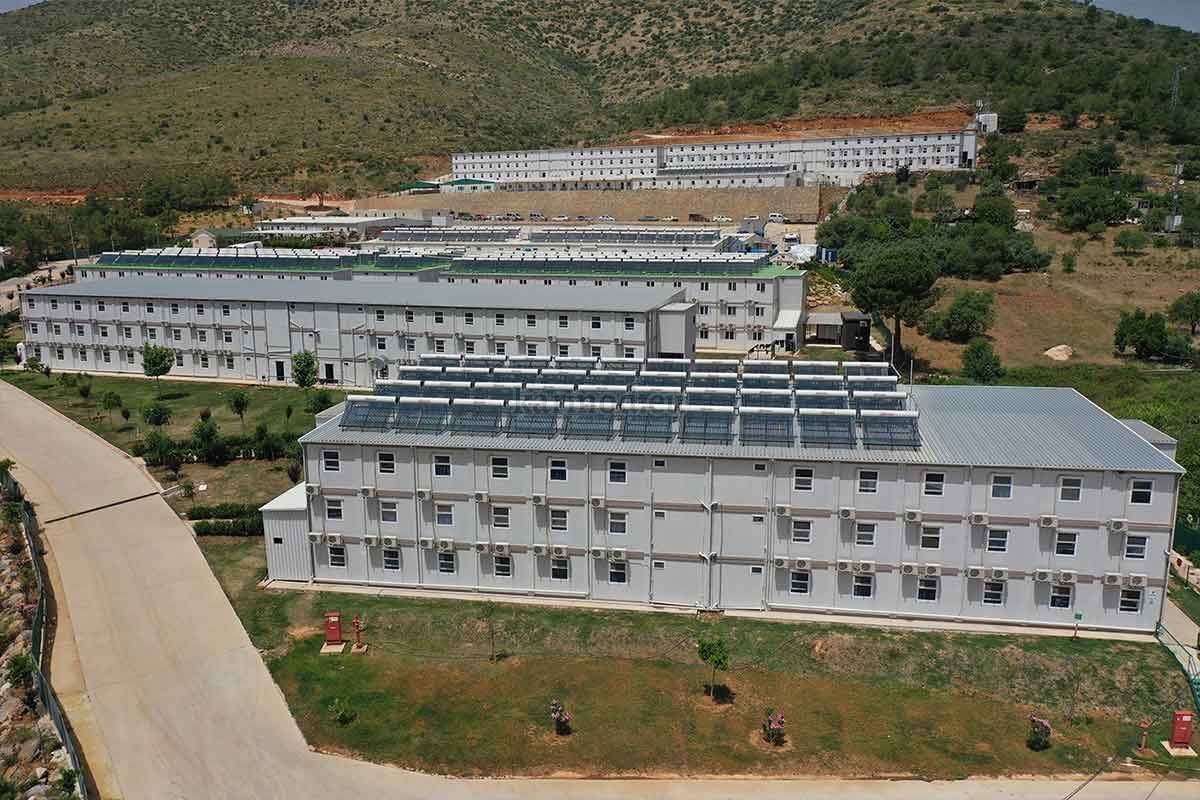
- Worker accommodation buildings – Housing solutions for infrastructure and energy projects in remote regions
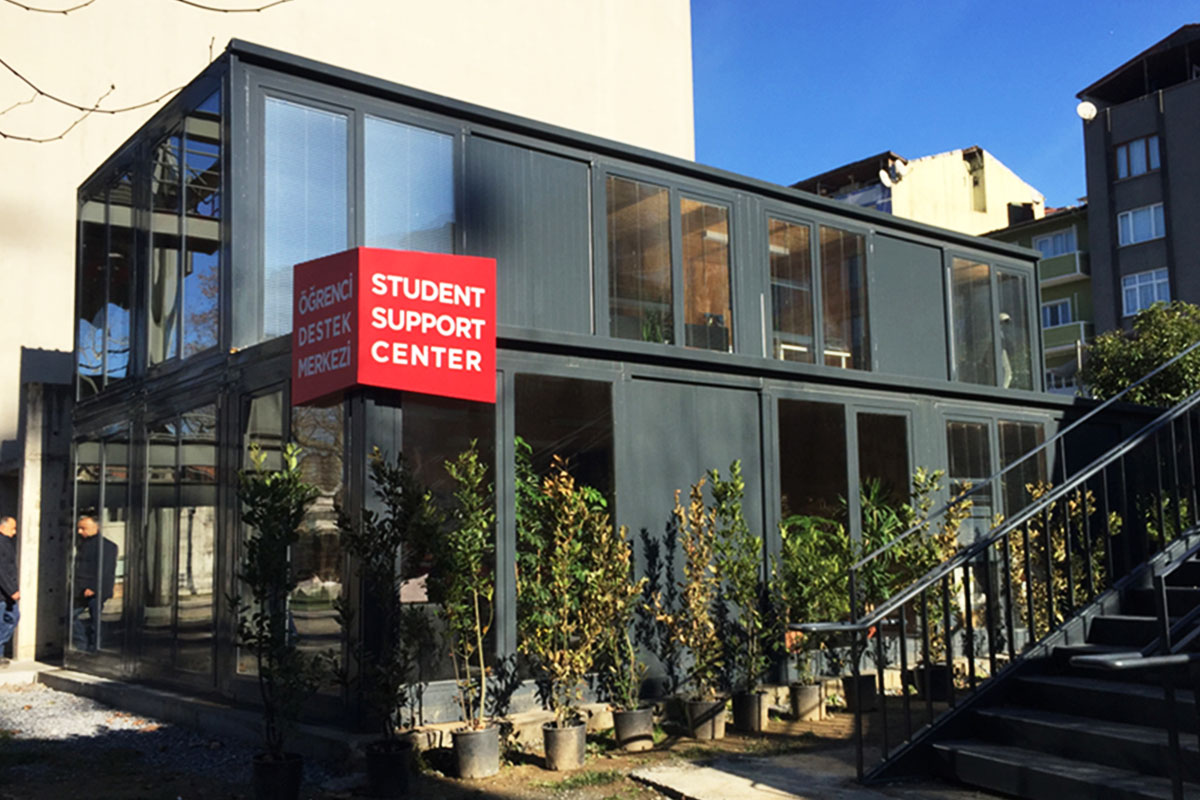
- Temporary schools & healthcare units – Facilities supporting municipalities during renovation or capacity shifts
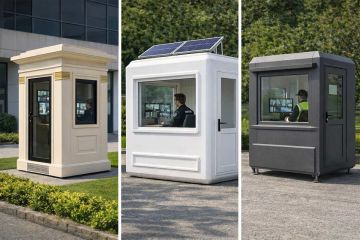
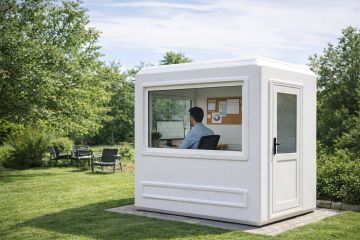
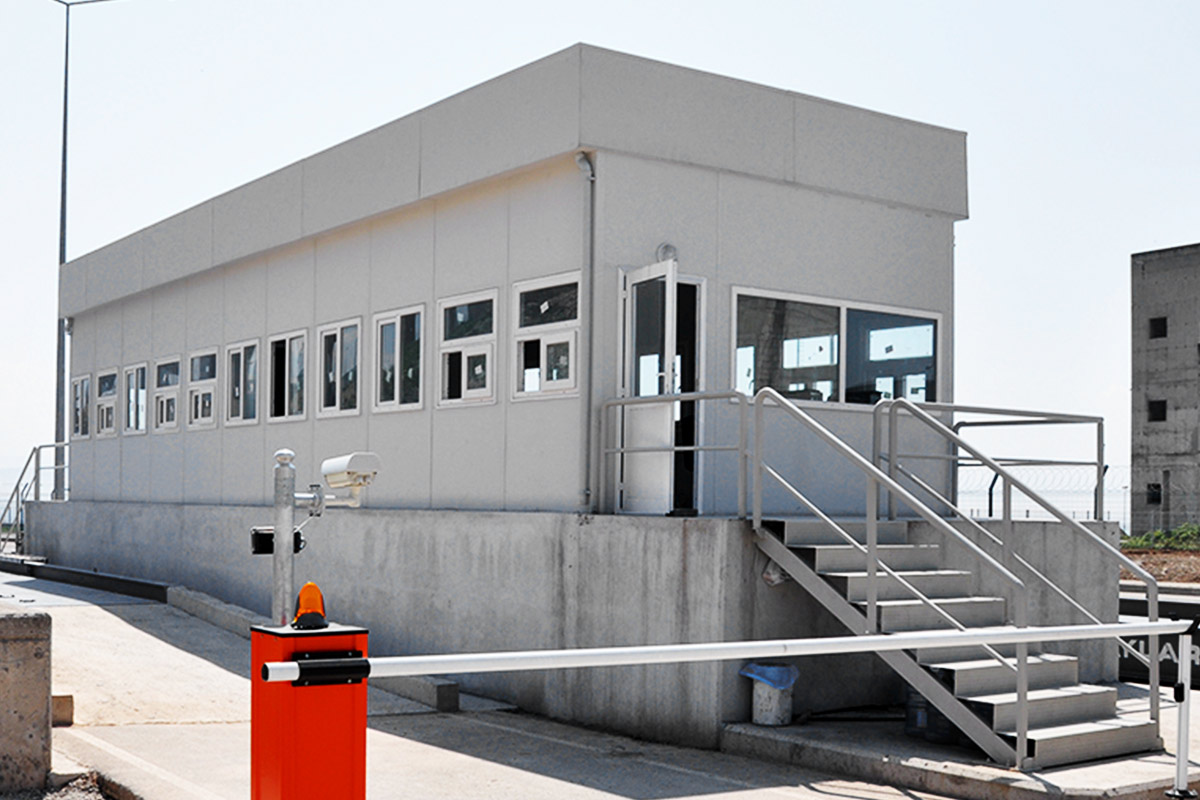
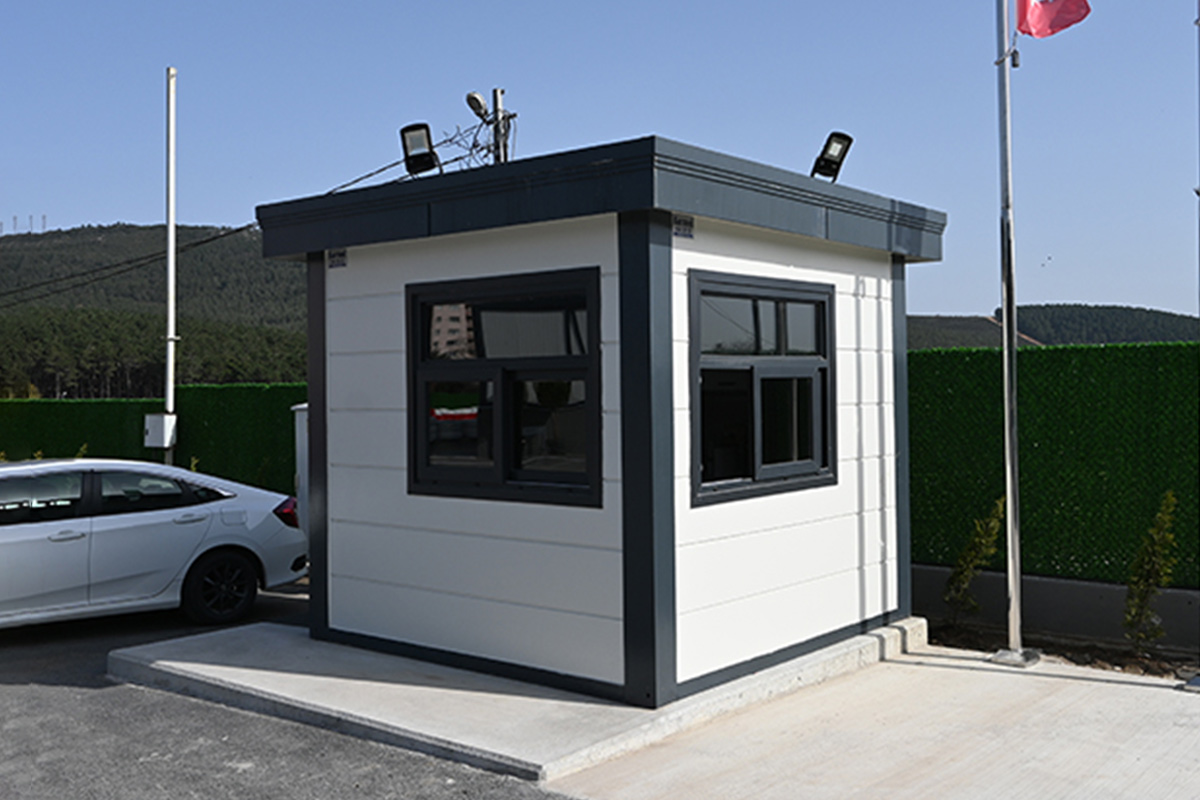
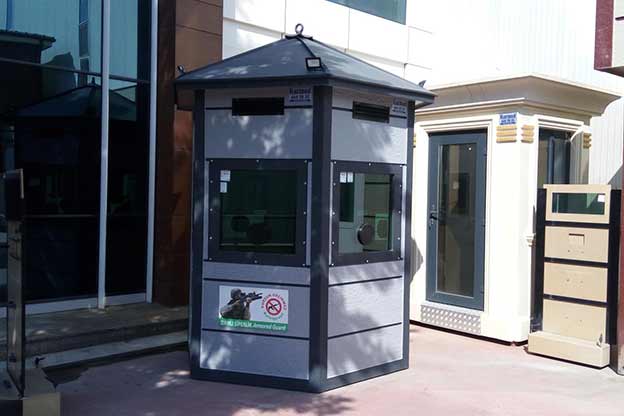
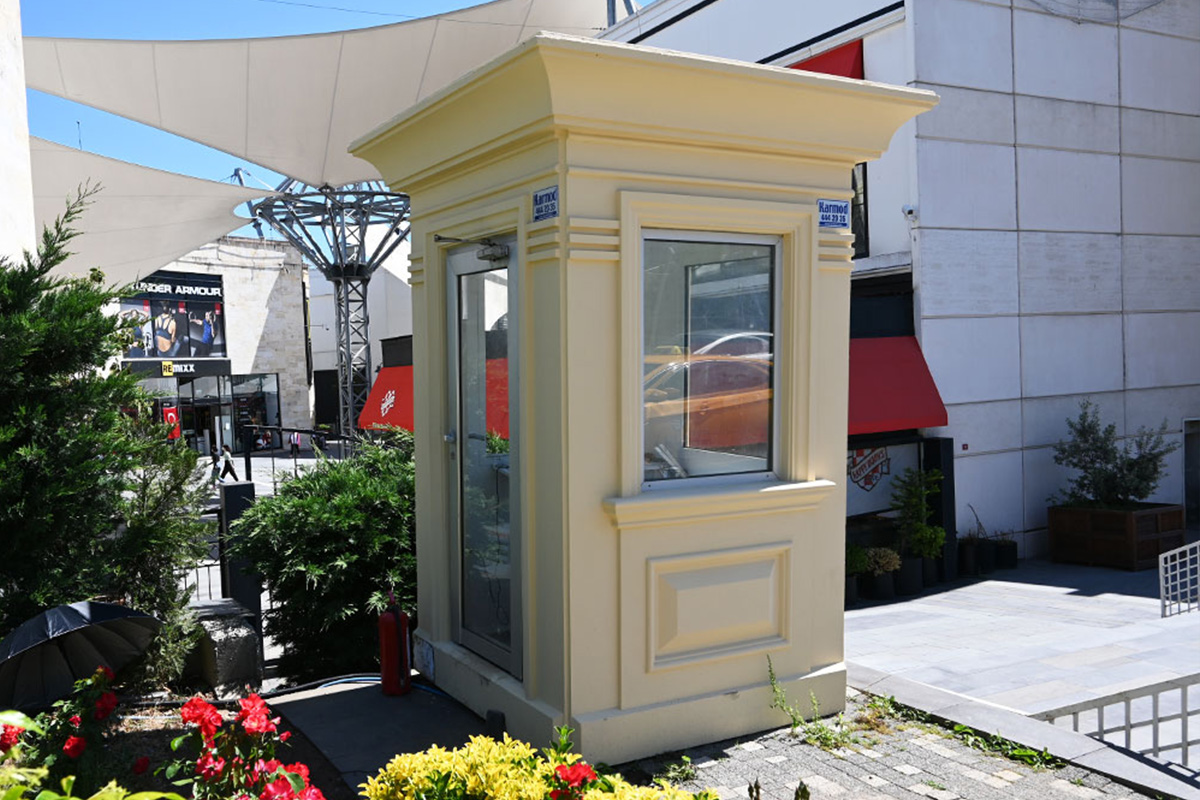
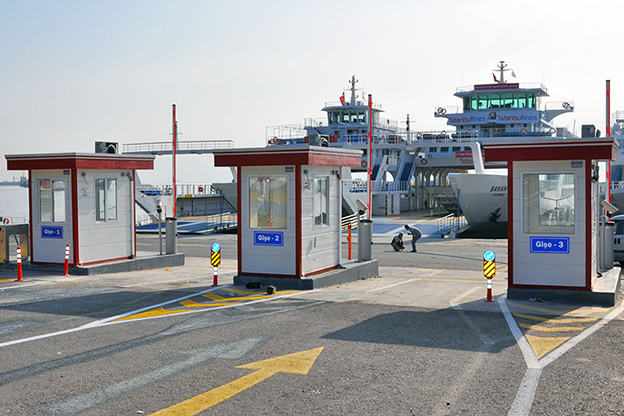
- Security buildings & technical units – Control and monitoring units for industrial and logistics environments
- Storage and logistics facilities – Scalable buildings supporting distribution and e-commerce operations
These applications demonstrate how off-site construction methods support both public and private sector requirements without compromising on performance or compliance.
From Design to Installation: How the Process Works
The modular and prefabricated building process follows a structured workflow designed to reduce risk and increase predictability.
The first step is project needs analysis, where functional requirements, timelines, and regulatory conditions are clearly defined. This stage is particularly important in Sweden, where building performance standards are strict and non-negotiable.
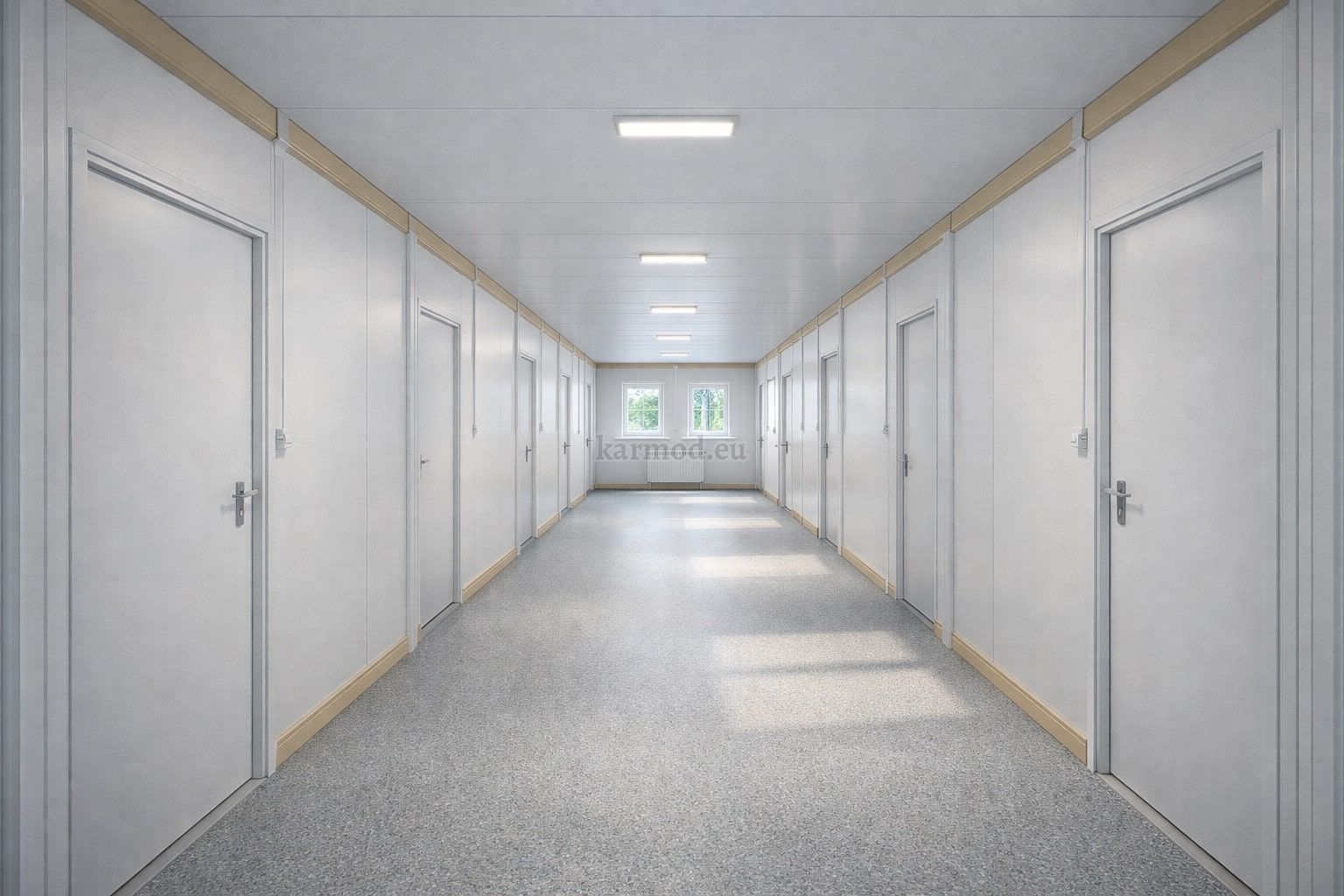
Next comes custom design and technical specifications. Layouts, insulation levels, fire safety requirements, and technical integrations are adapted to the project’s purpose and Nordic climate conditions.
Once designs are approved, factory production begins. Controlled manufacturing ensures consistent quality and reduces weather-related delays—an important advantage in cold climates.
After production, modules or prefabricated elements are prepared for delivery within Sweden, with logistics planning aligned to local transport regulations and site access.
On-site installation is completed in a short timeframe. Reduced site work minimizes disruption and allows facilities to become operational quickly.
Key Considerations for Modular Buildings in Sweden
Thermal insulation: High-performance insulation is essential to meet energy efficiency targets and ensure comfort in cold climates.
Fire safety standards: Systems must comply with national regulations and sector-specific requirements, particularly for public and industrial buildings.
Climate suitability: Snow loads, wind resistance, and moisture control directly influence structural design and material selection.
Custom layouts: Flexible interior planning allows buildings to support operational workflows and future adaptation.
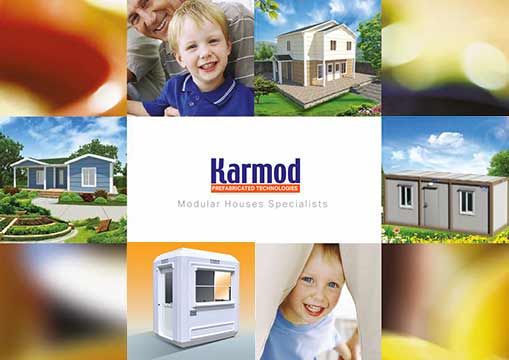
Manufacturers such as Karmod approach these factors as integrated design requirements rather than optional features. Drawing on extensive European experience, Karmod modular building solutions are developed to meet Swedish standards while maintaining adaptability across industries. This approach supports projects that demand speed, durability, and regulatory confidence without compromising long-term value.
By combining modular efficiency with prefabricated precision, organizations in Sweden can implement building strategies that respond to immediate needs while remaining resilient for future demands.