



Switzerland is known for precision, high standards, and a strong focus on efficiency across all sectors—including construction. In a market where quality expectations are uncompromising and project timelines are closely monitored, modular buildings and prefabricated building systems have become strategic tools rather than alternative solutions. For public authorities, industrial investors, and international contractors operating in Switzerland, these building methods offer predictability, speed, and long-term performance aligned with local regulations and operational realities.
Why Modular Buildings Are in High Demand in Switzerland
The Swiss construction market is shaped by several structural factors that directly increase demand for modular buildings.
Labor costs in Switzerland are among the highest in Europe. Modular construction minimizes on-site workforce requirements by shifting most production to controlled factory environments. This approach reduces labor exposure while maintaining strict quality control.
Construction timelines are another critical factor. Infrastructure projects, industrial expansions, and public facilities often operate under tight schedules. Modular buildings enable parallel processes—site preparation and building production occur simultaneously—significantly shortening overall project duration.
Switzerland also has a strong need for both temporary and permanent building solutions. Temporary structures are widely used for infrastructure upgrades, railway projects, alpine construction sites, and seasonal operations. At the same time, permanent modular solutions are increasingly preferred for offices, technical buildings, and public service units due to their durability and compliance with Swiss standards.
Sector-specific demand further drives adoption. Logistics hubs near transit corridors, industrial facilities, public administration projects, energy infrastructure, and transportation-related developments all benefit from fast, scalable construction models. In these contexts, modular buildings provide flexibility without compromising regulatory compliance or architectural quality.
Modular Buildings vs. Prefabricated Building Systems
Although often mentioned together, modular buildings and prefabricated building systems serve different structural and operational needs.
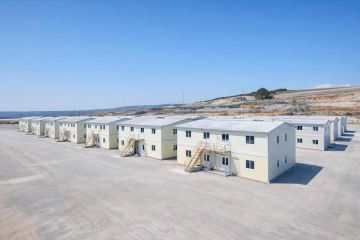
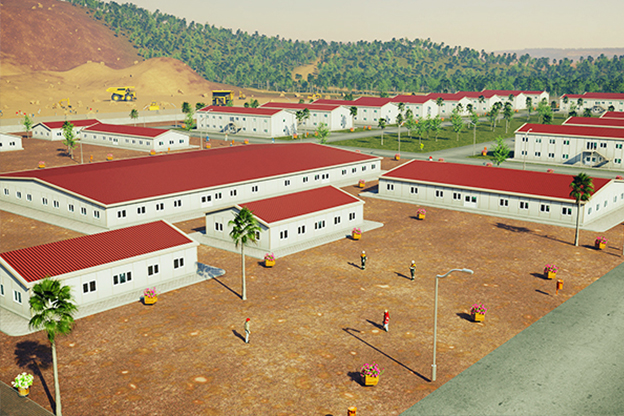
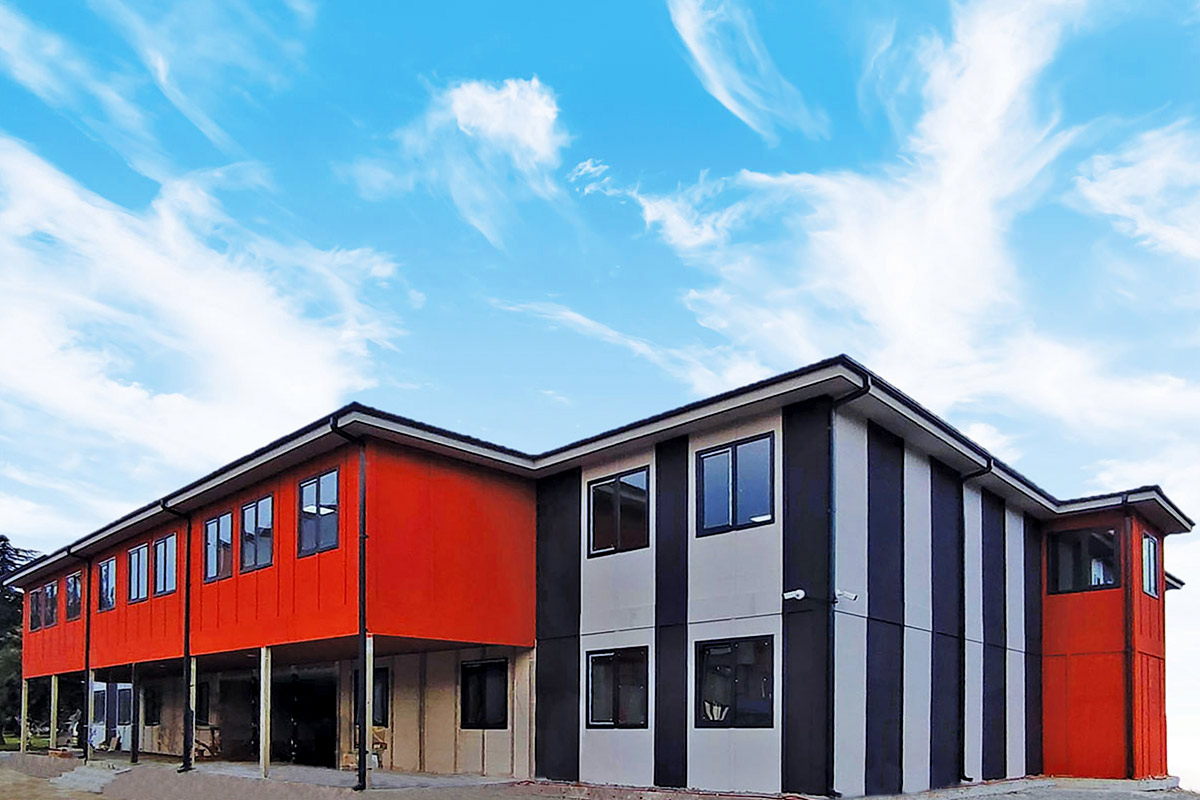
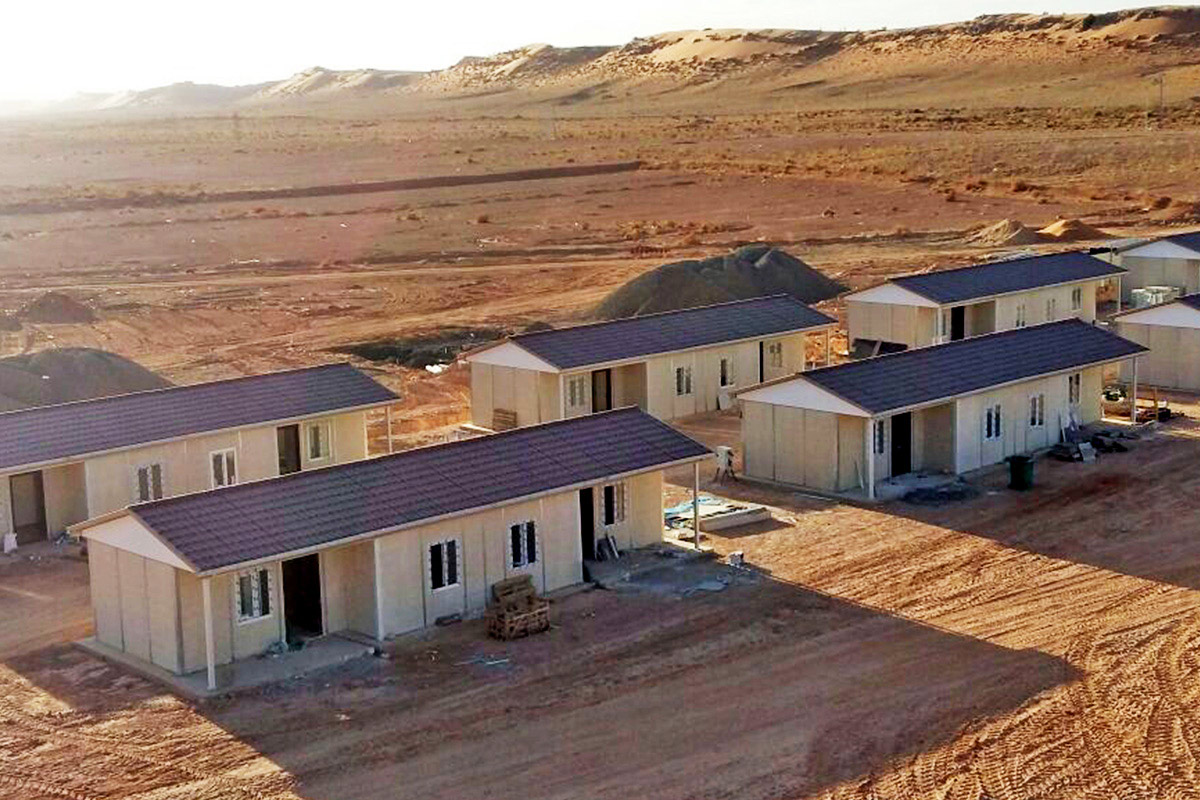
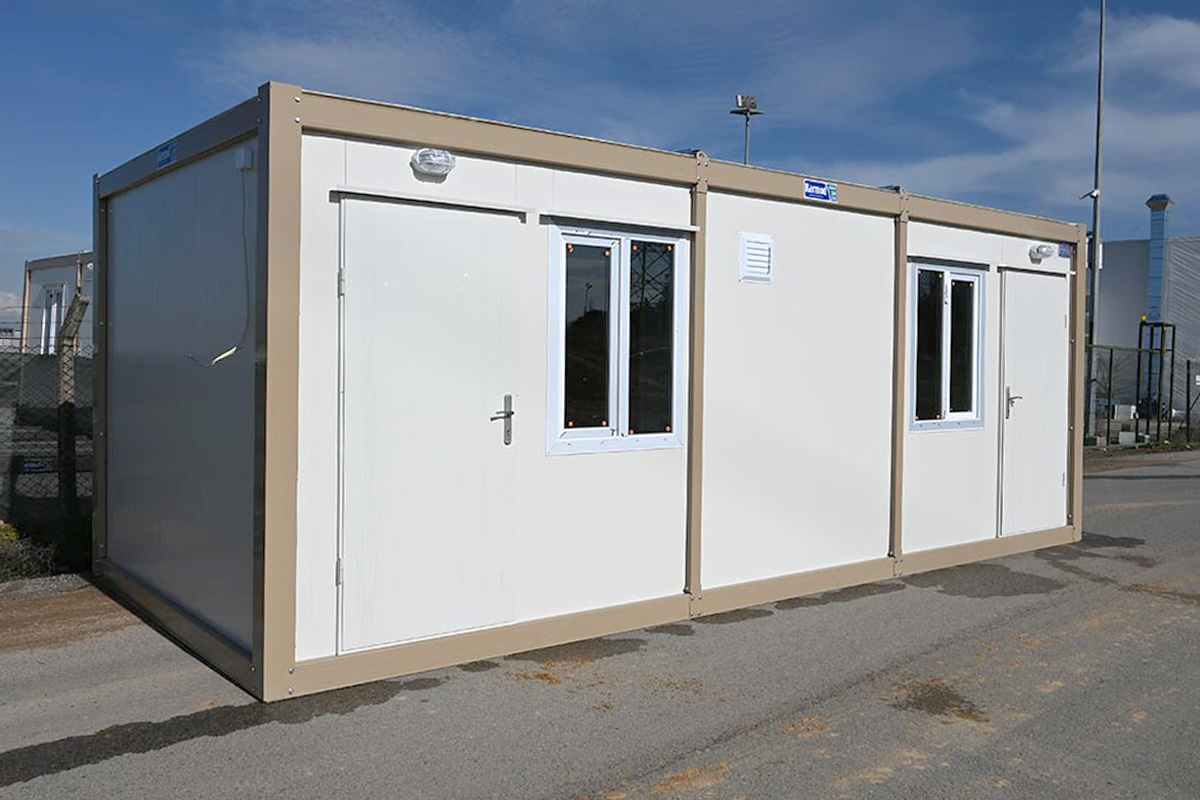
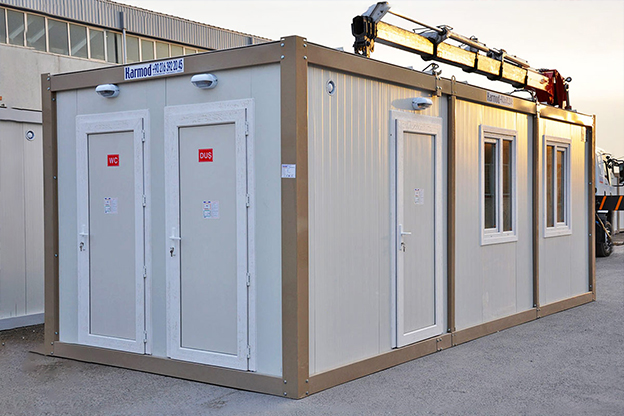
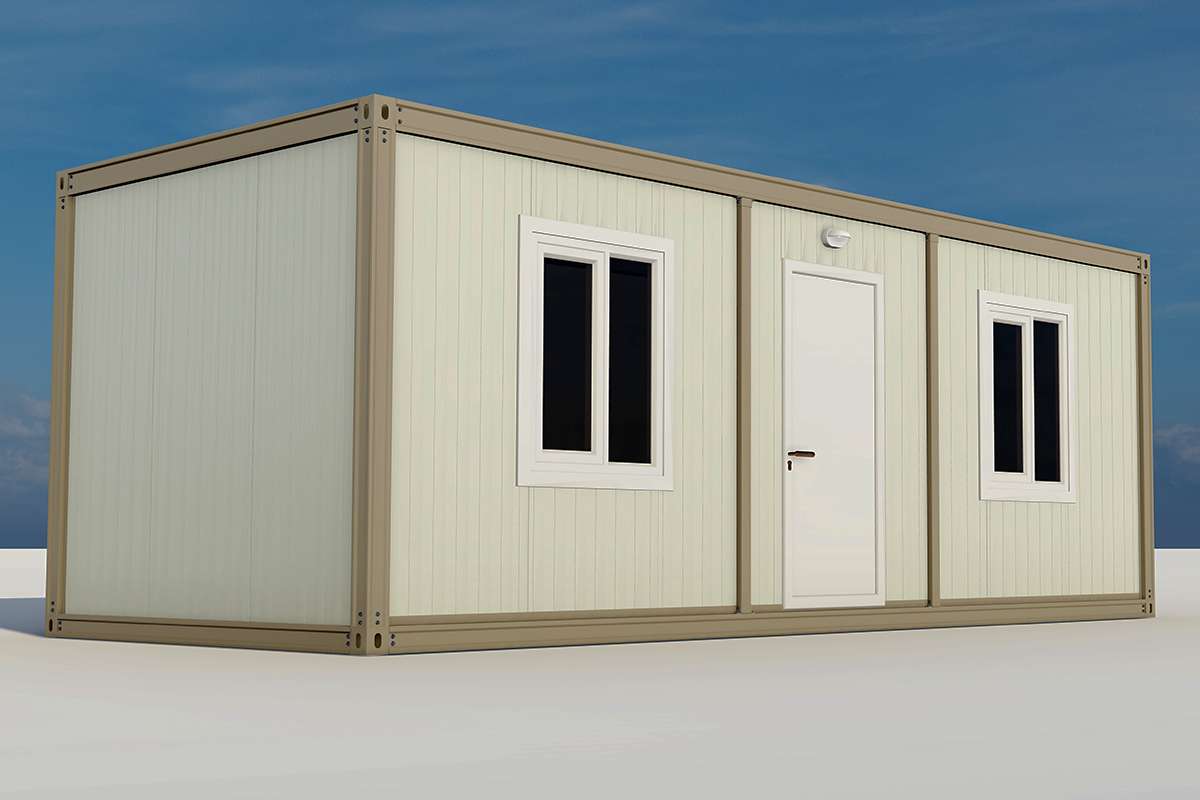
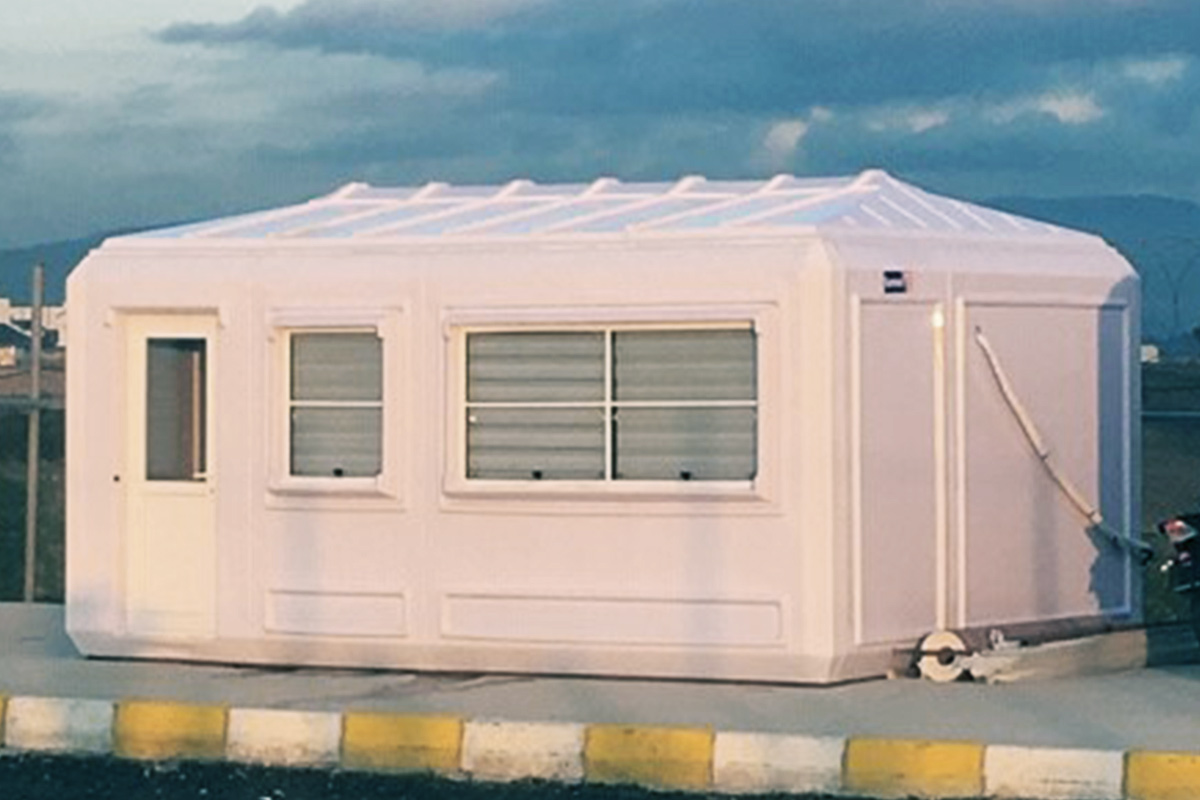
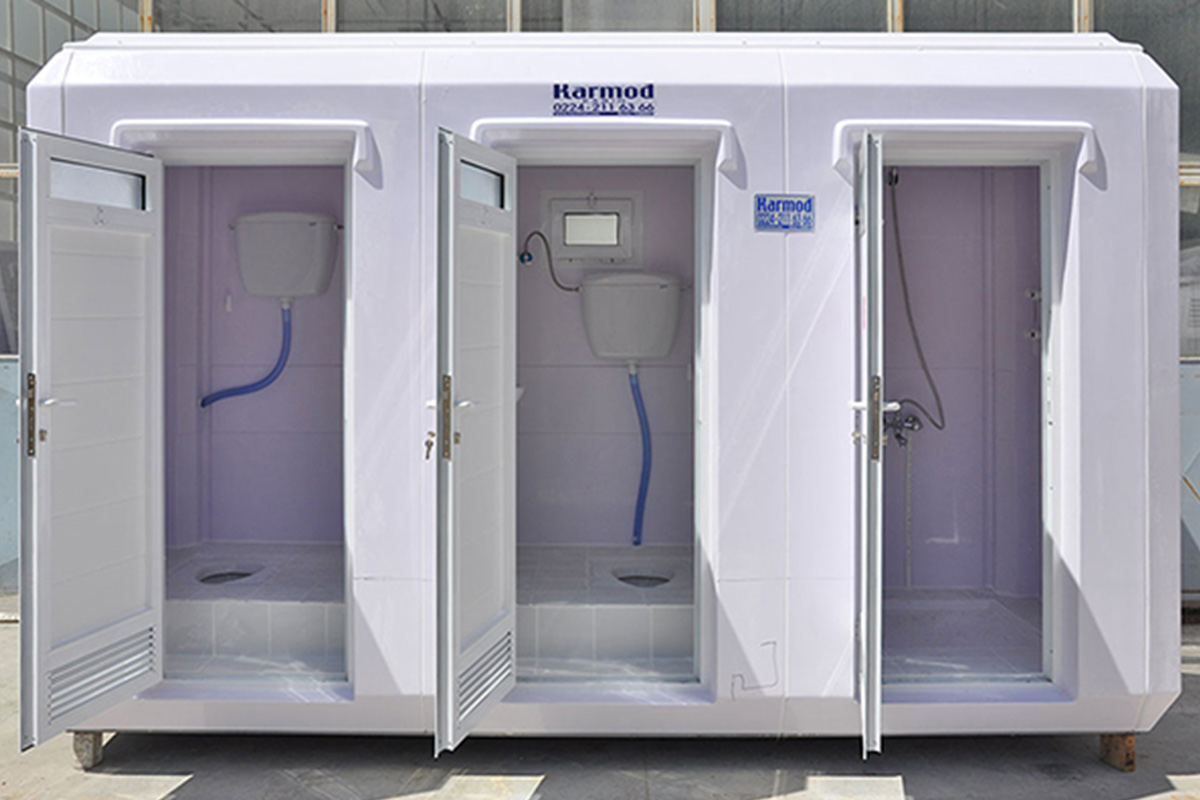
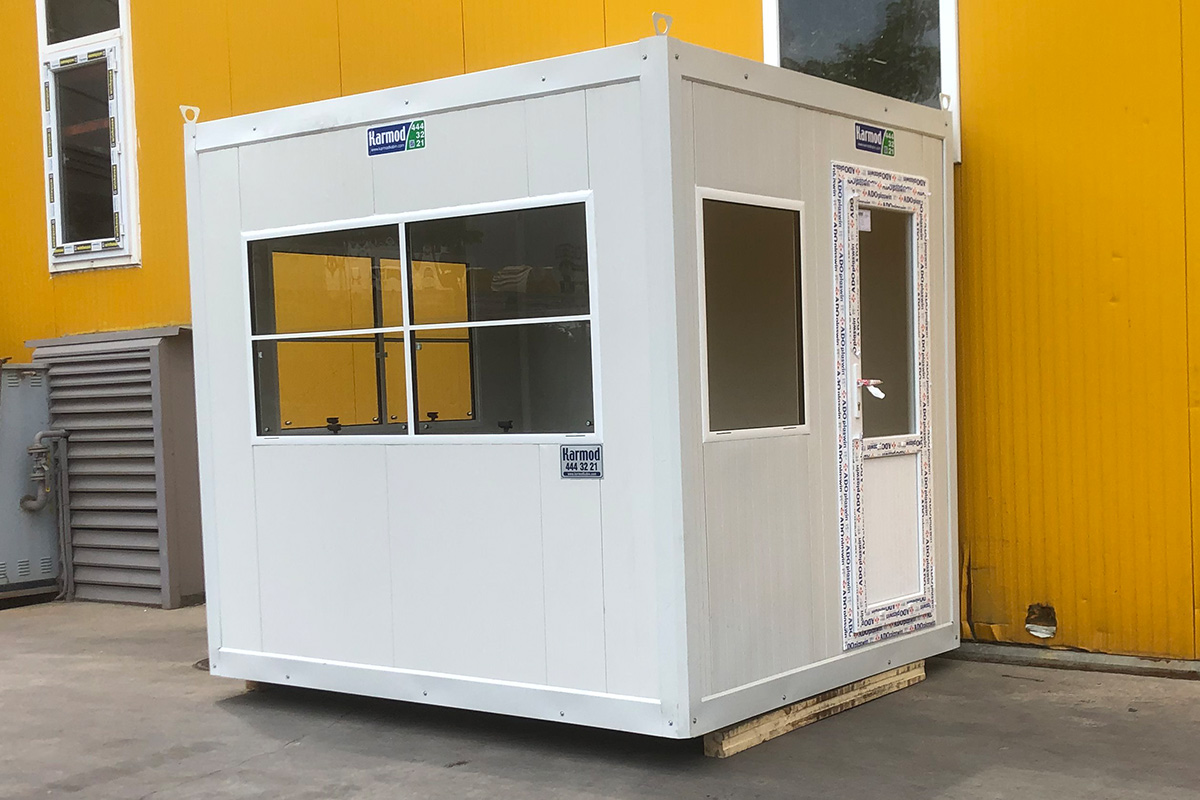
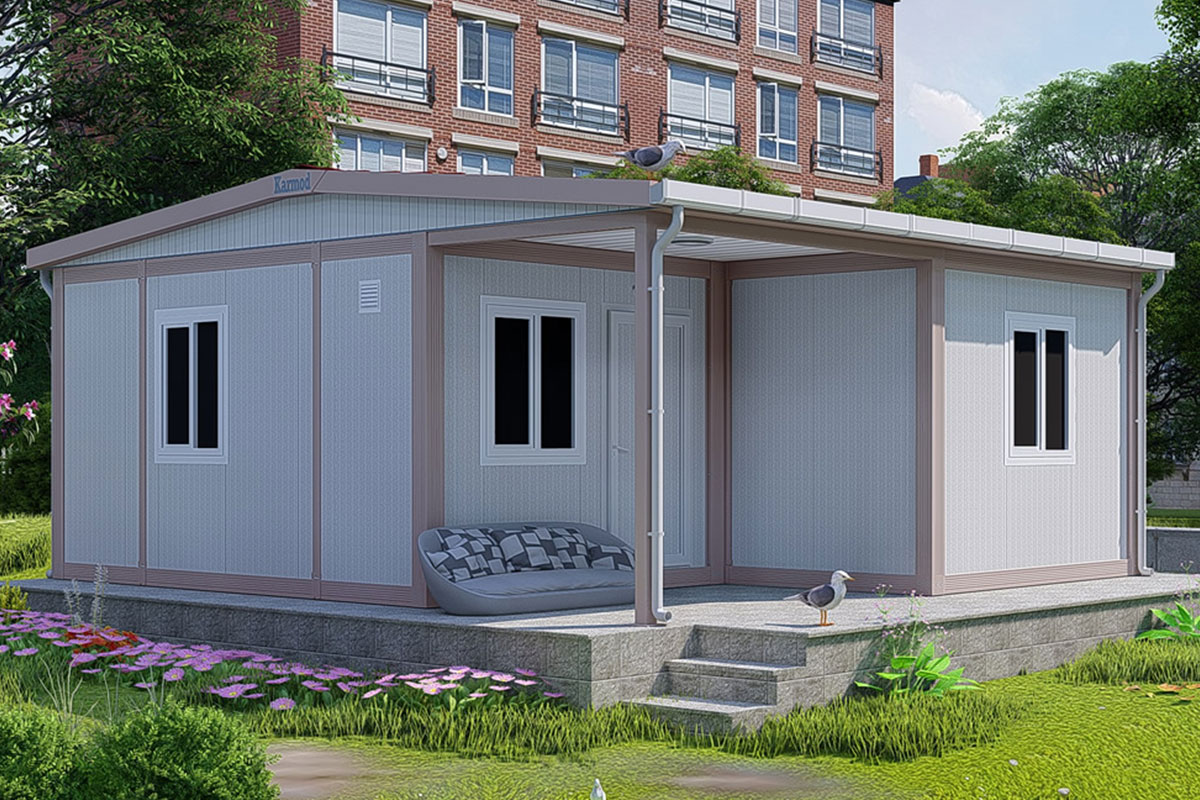
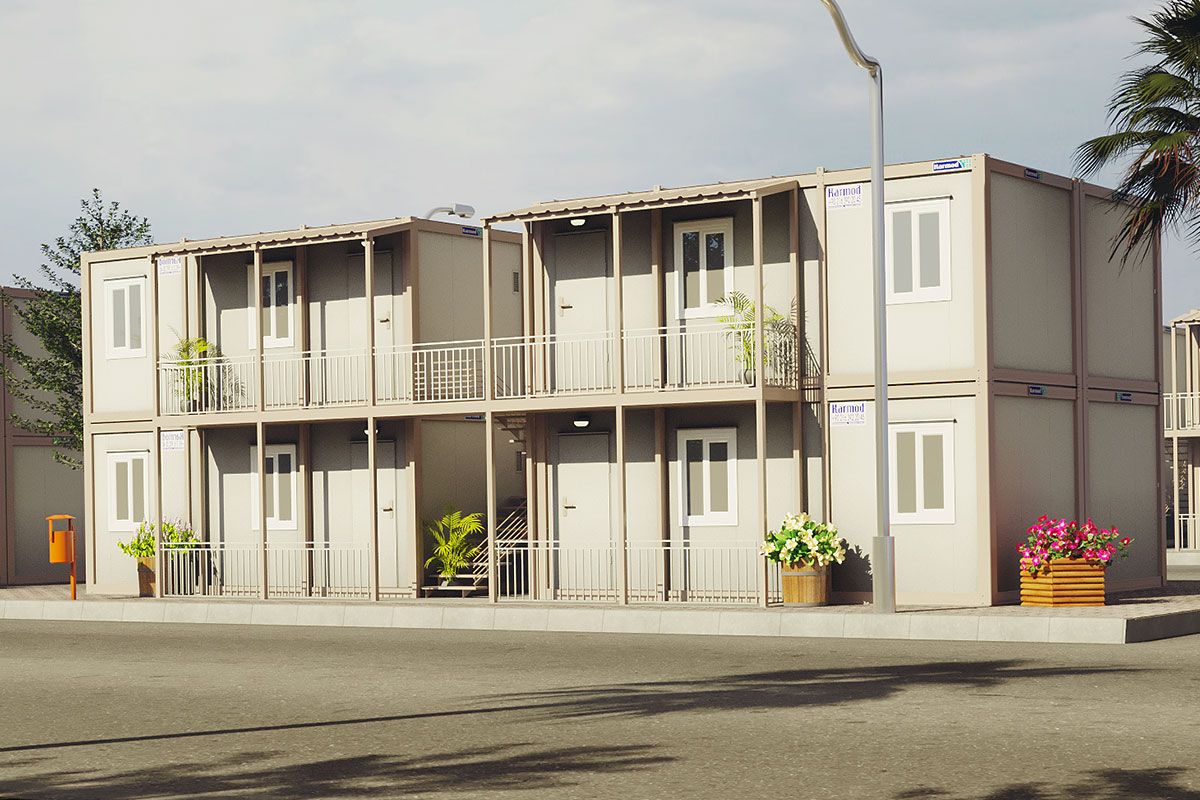
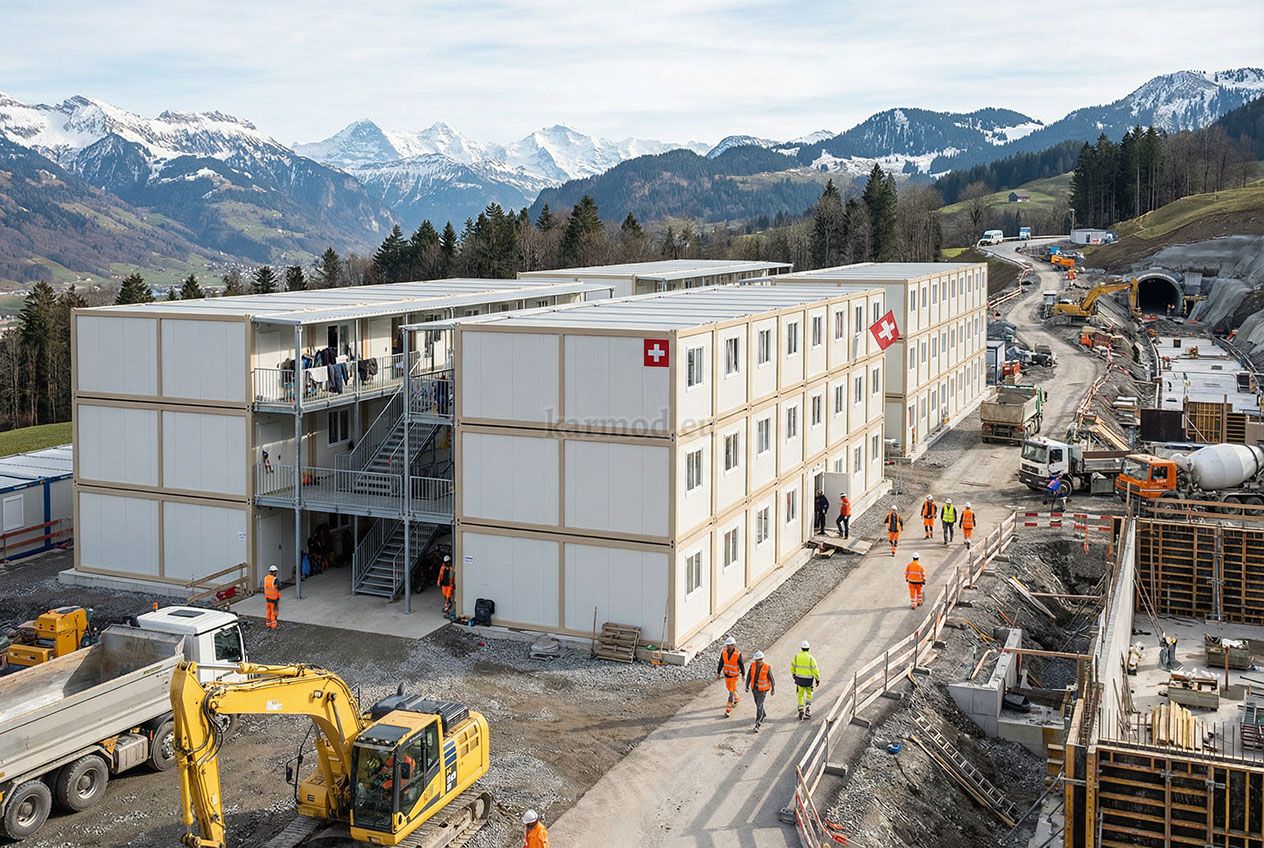
Modular buildings are produced as complete volumetric units. These modules are transportable, relocatable, and easily expandable. In Switzerland, this makes them particularly suitable for temporary offices, construction camps, remote industrial sites, and facilities that may require future reconfiguration or relocation.
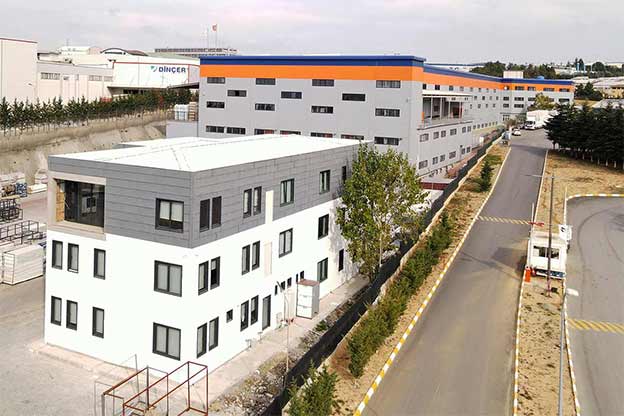
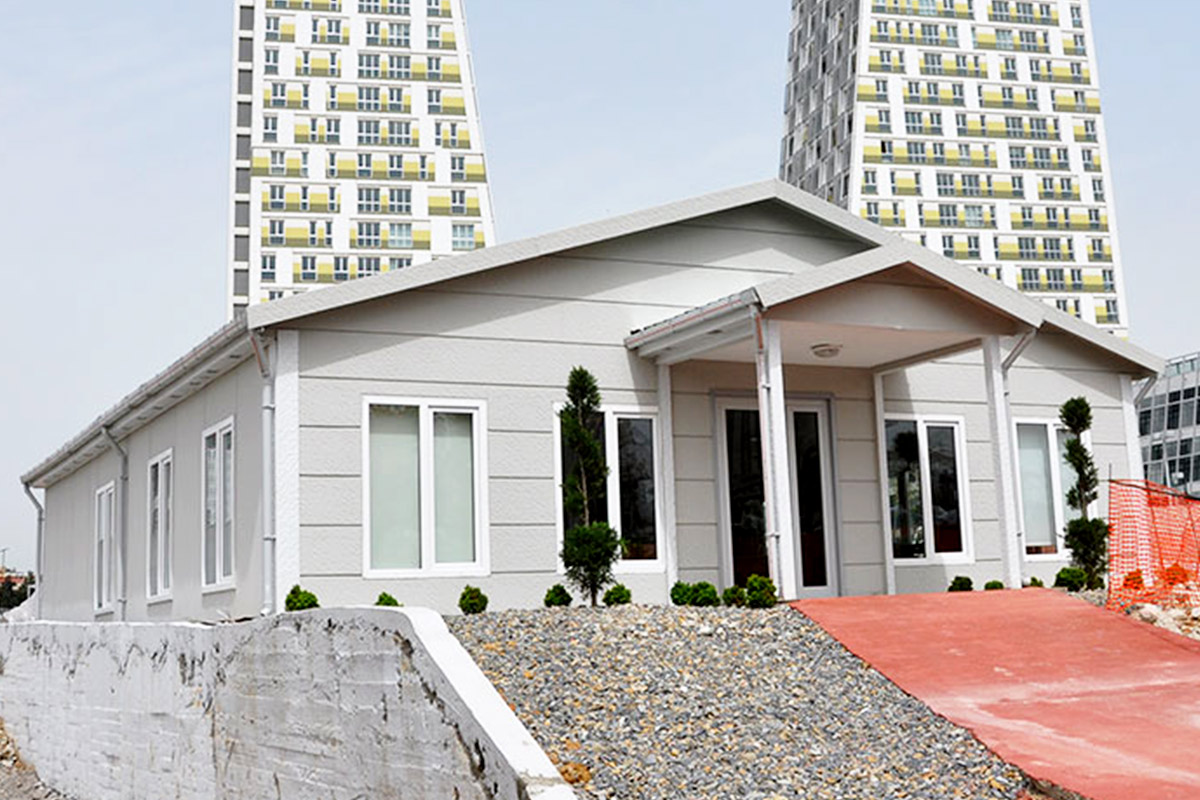
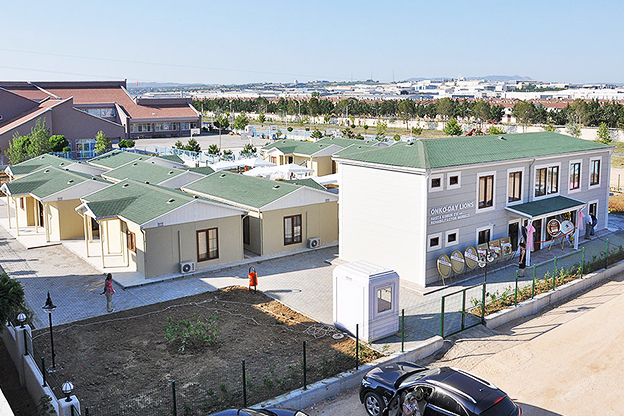
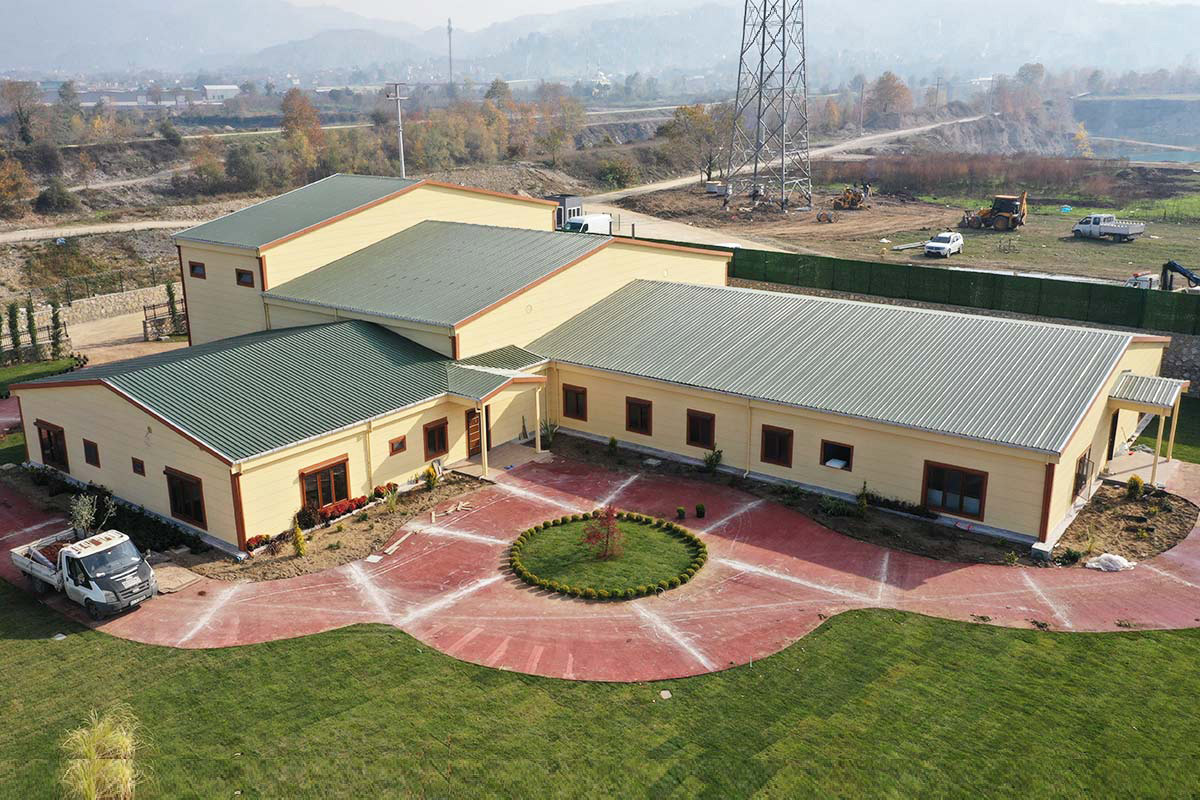
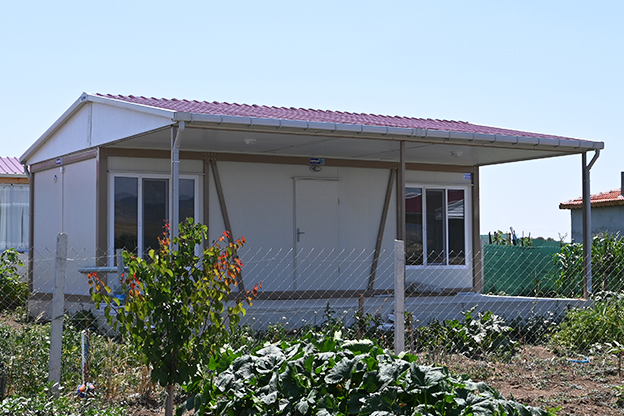
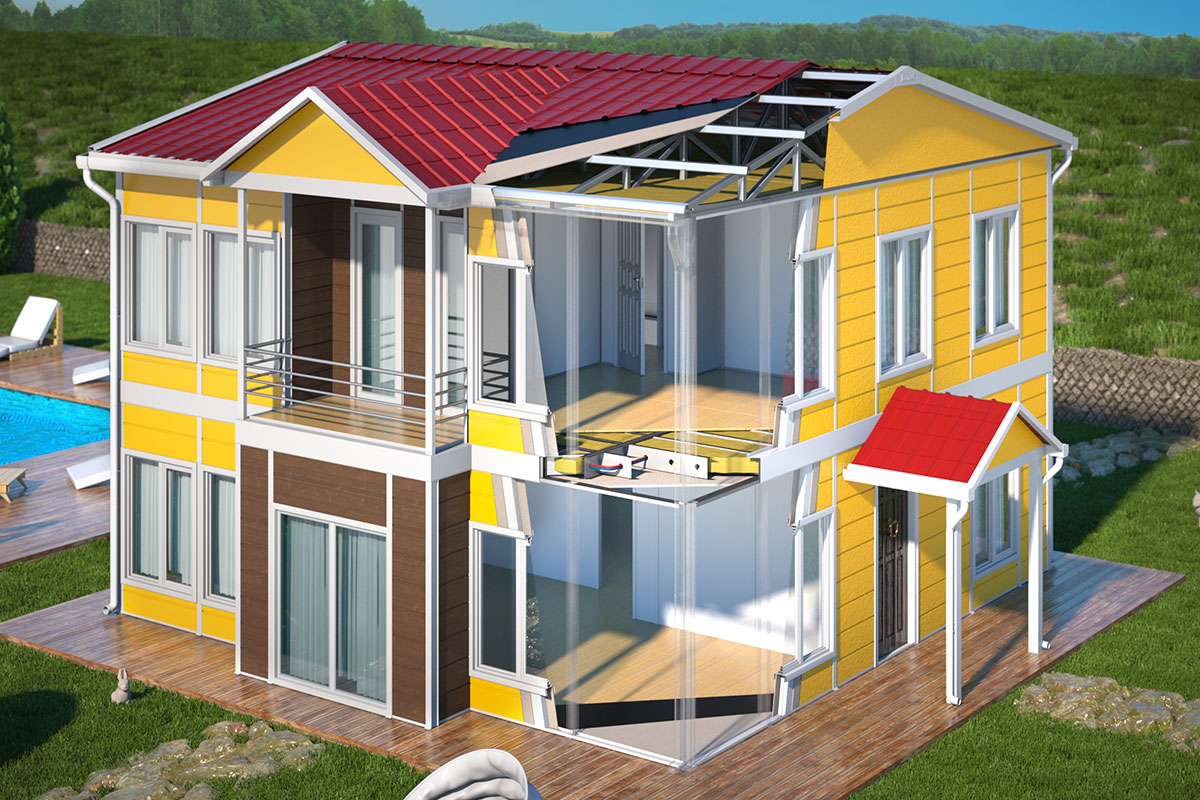
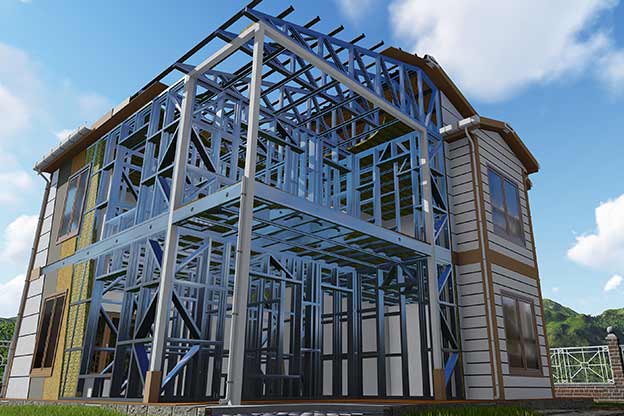
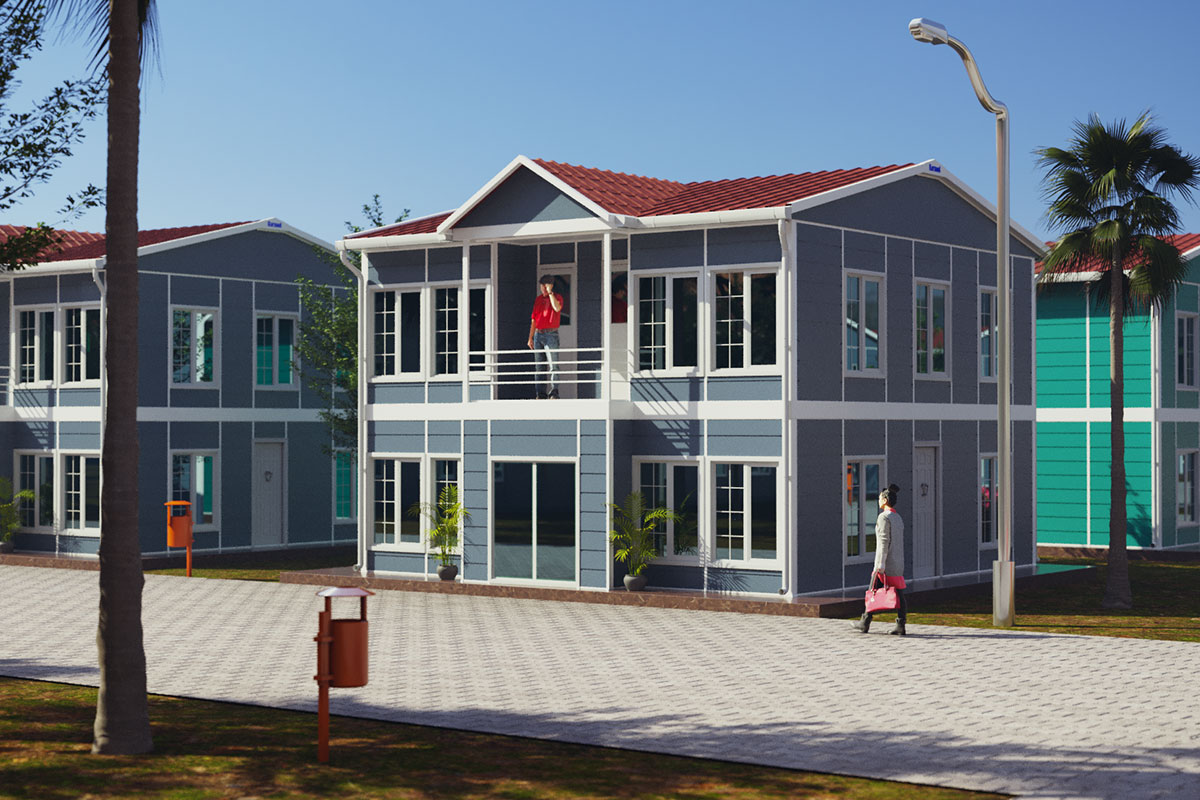
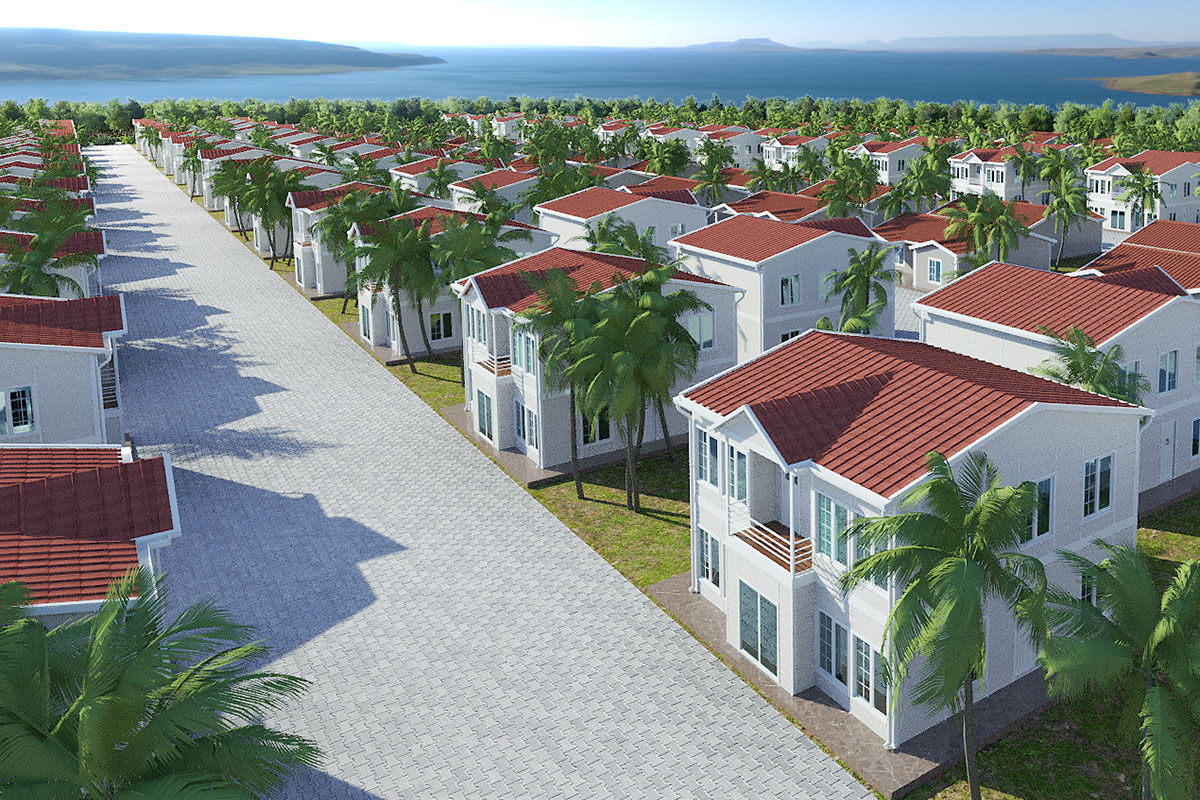
A prefabricated building, by contrast, is typically constructed using panels or structural components manufactured off-site and assembled on location. This system is usually chosen for permanent buildings where long-term use, architectural integration, and fixed layouts are priorities.
In the Swiss market, modular buildings are often preferred for projects requiring speed, flexibility, or phased development. Prefabricated building systems are more common in permanent public facilities, long-term industrial buildings, and projects where integration with surrounding architecture is essential. Understanding this distinction helps decision-makers select the most efficient solution for their specific use case.
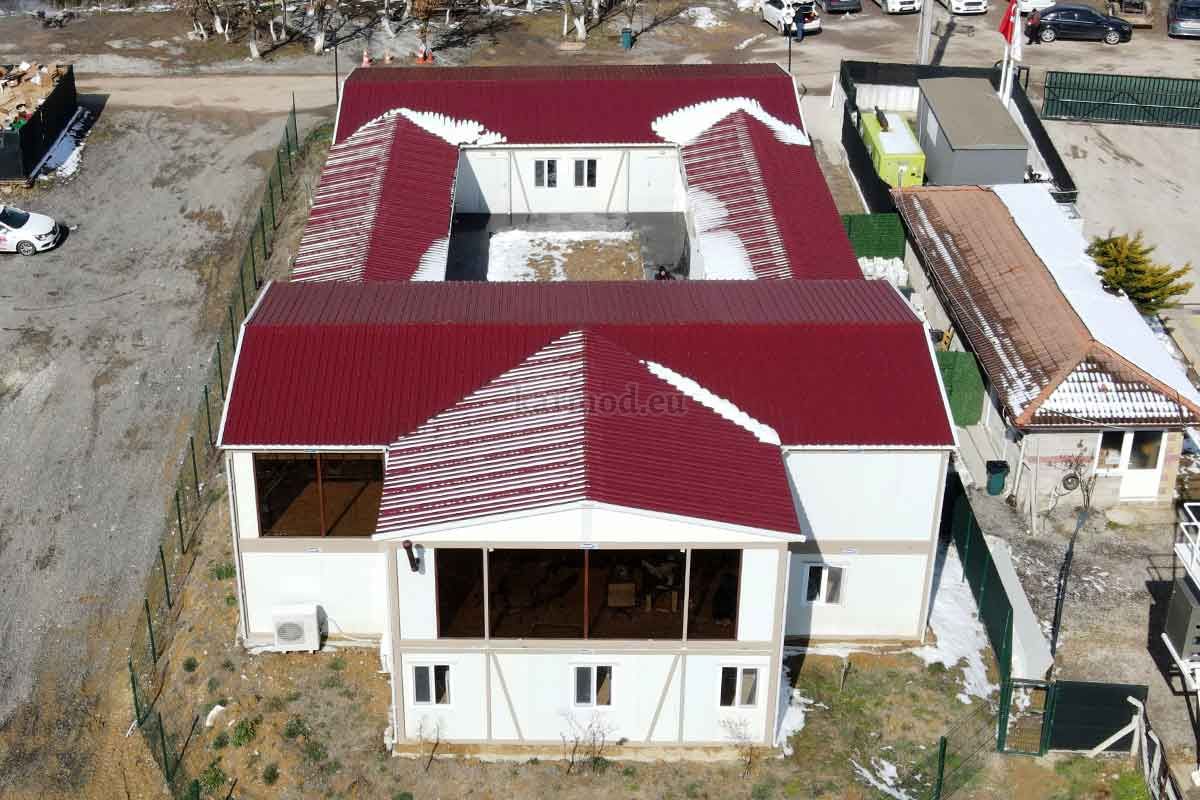
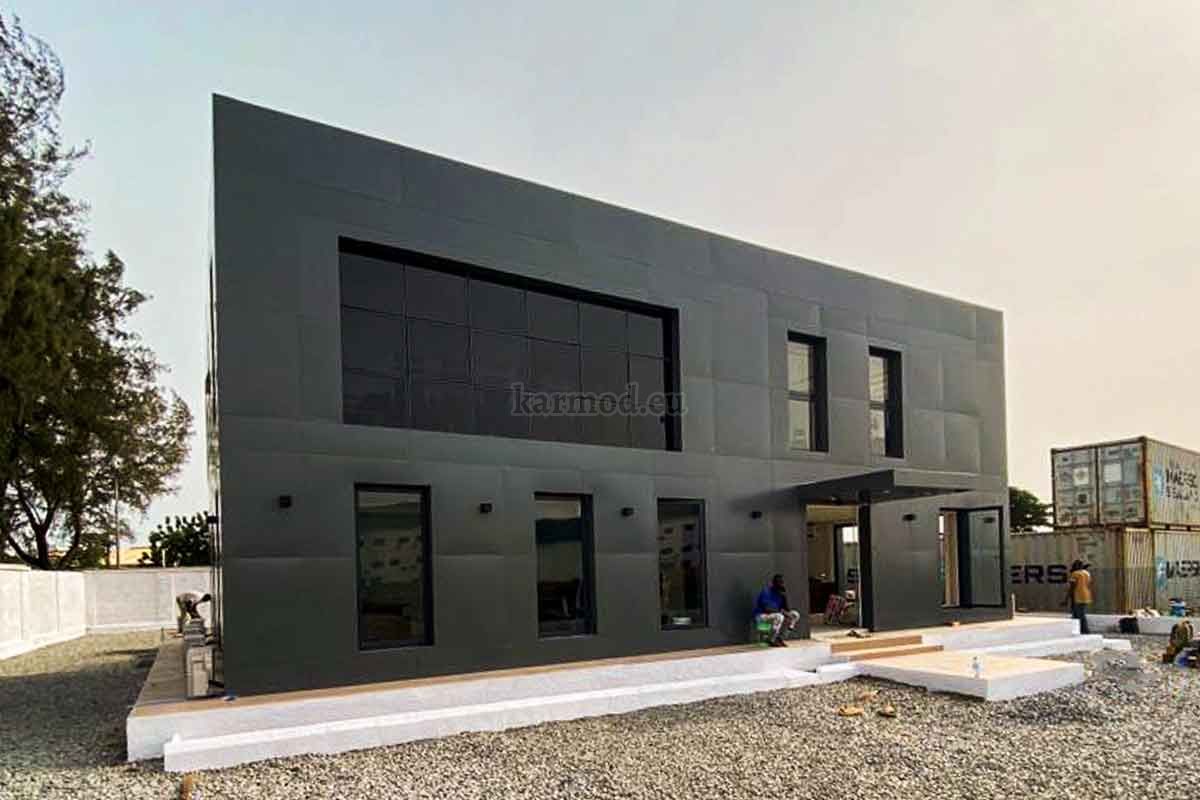
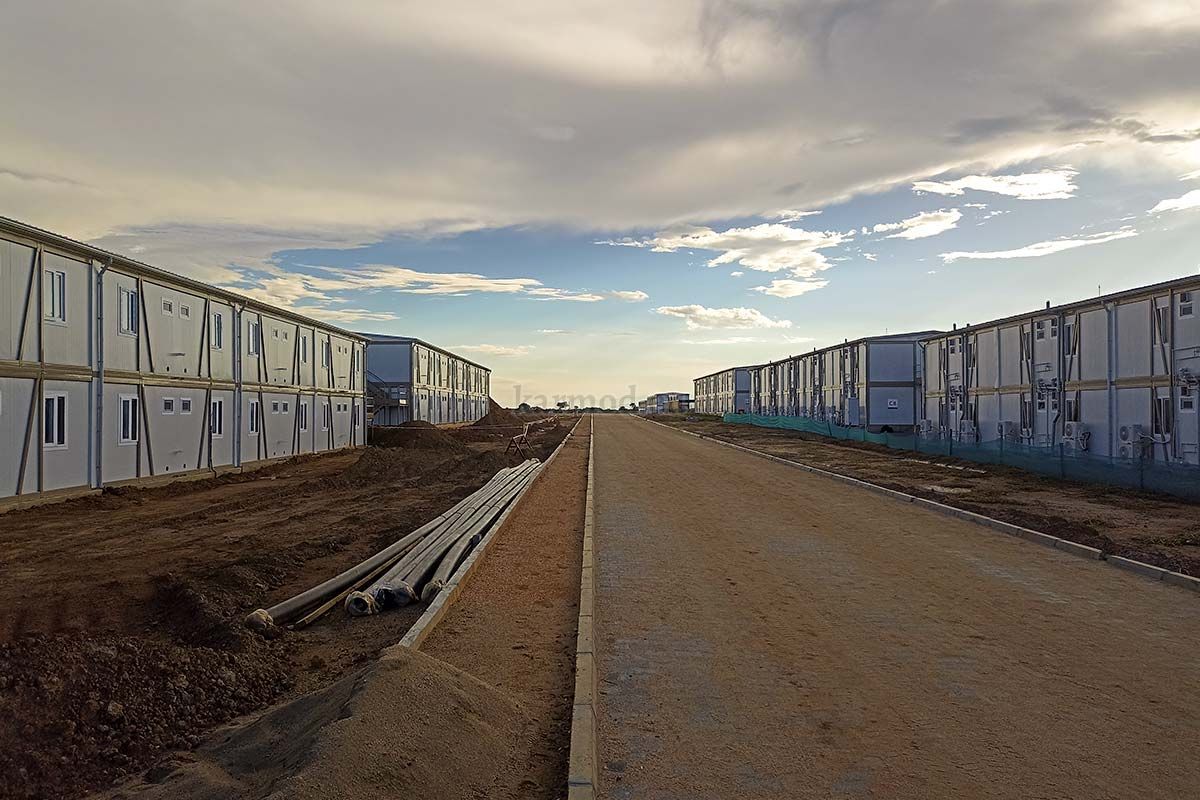
Applications of Modular and Prefabricated Buildings in Switzerland
Both systems are widely used across Switzerland in a variety of operational environments:
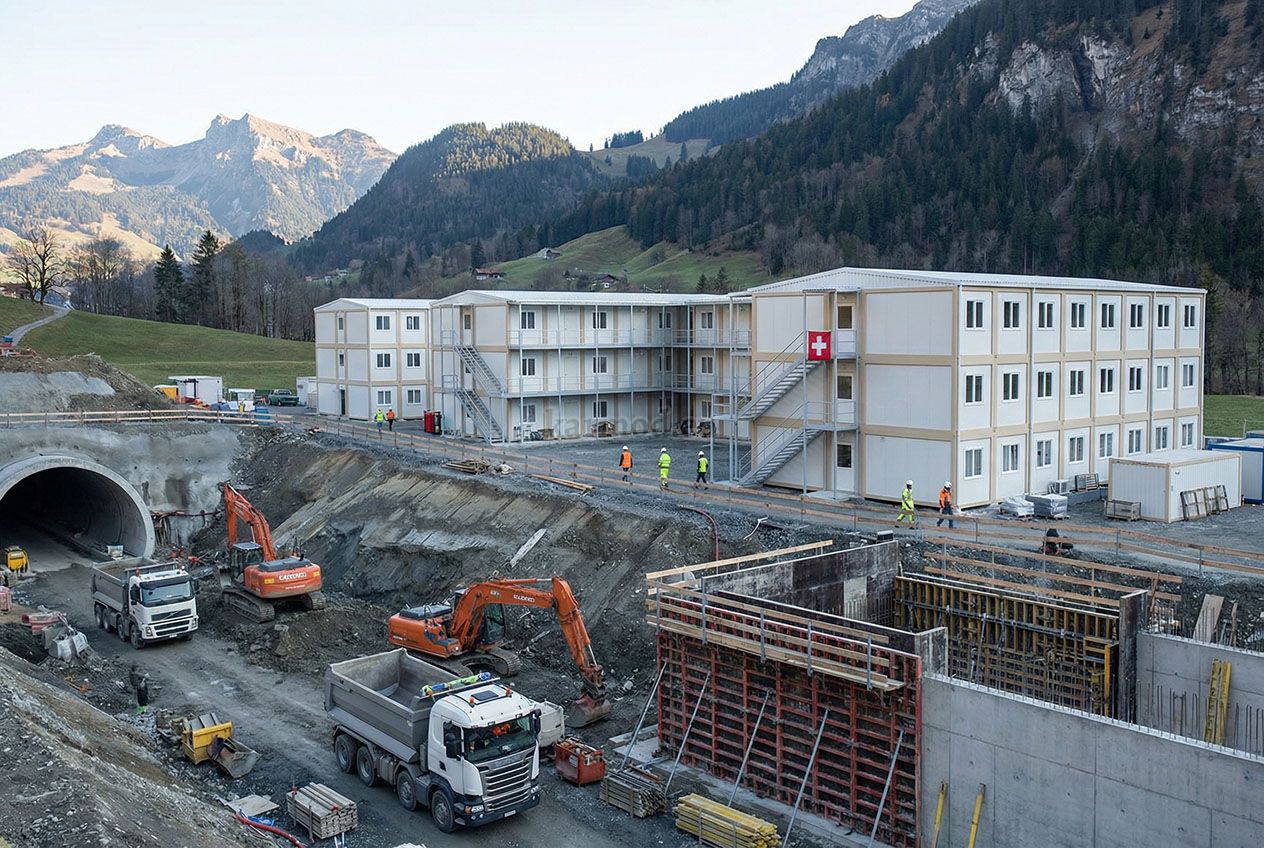
- Site offices & construction camps for infrastructure, tunnel, railway, and alpine projects
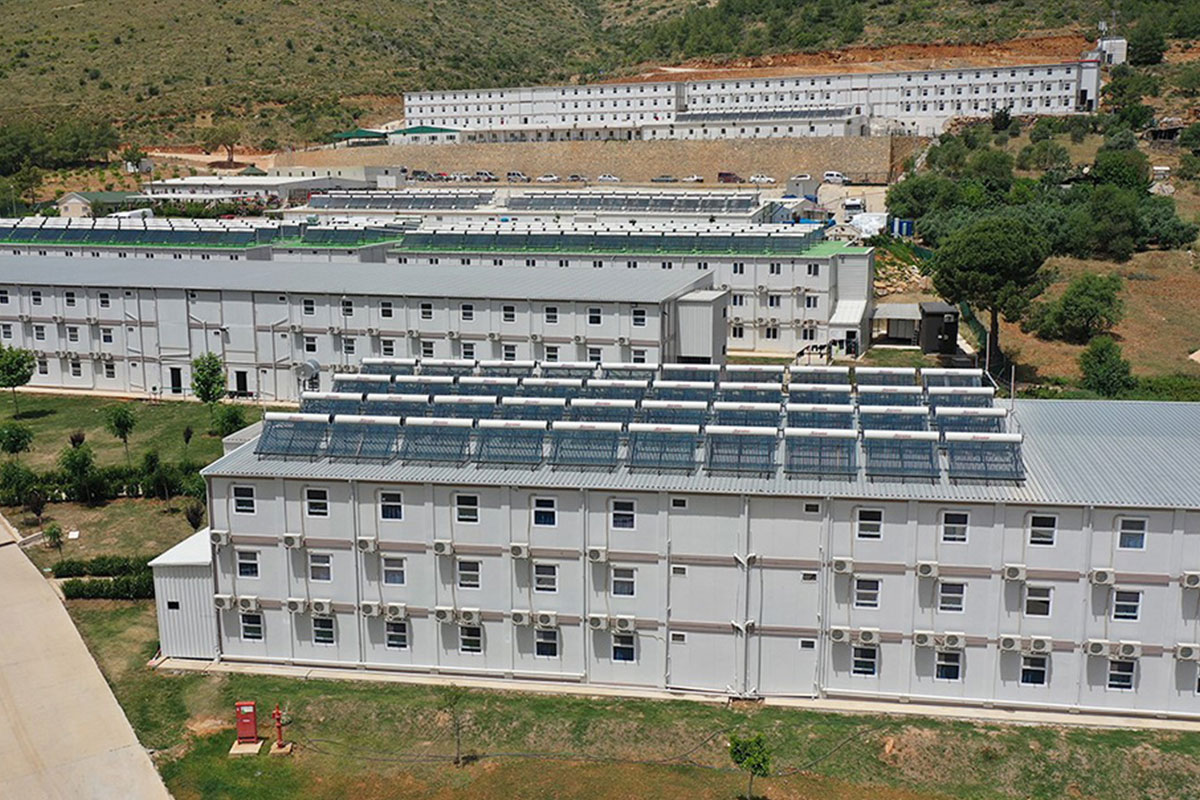
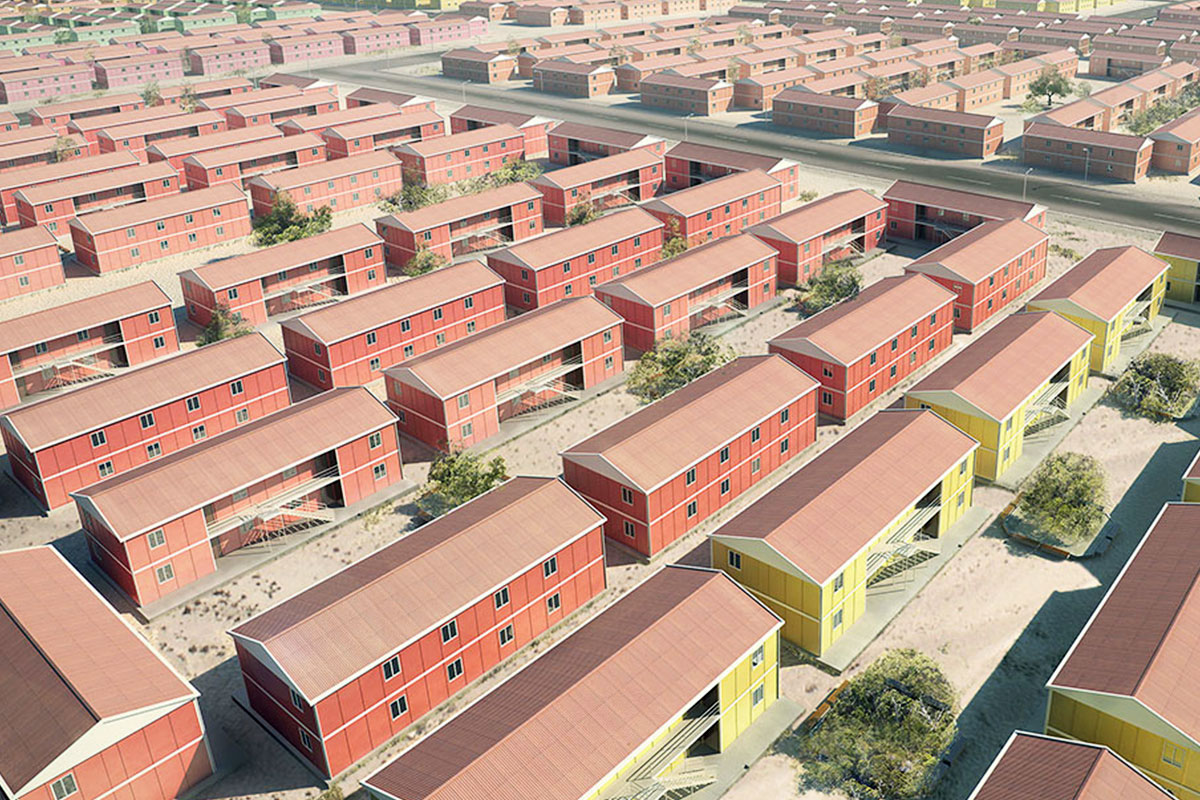
- Worker accommodation buildings designed for comfort, safety, and compliance with labor standards
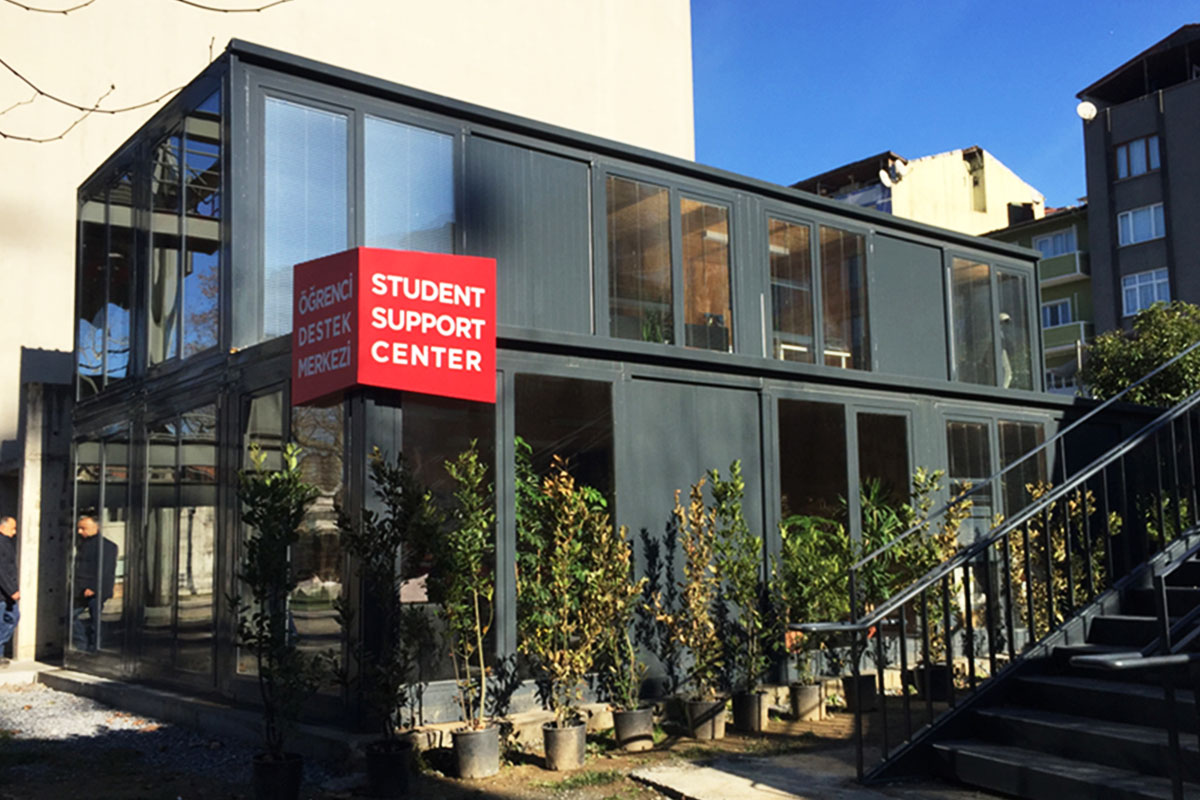
- Temporary schools & healthcare units supporting urban development phases and public service continuity
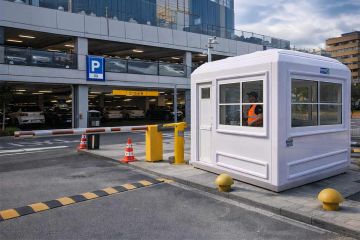
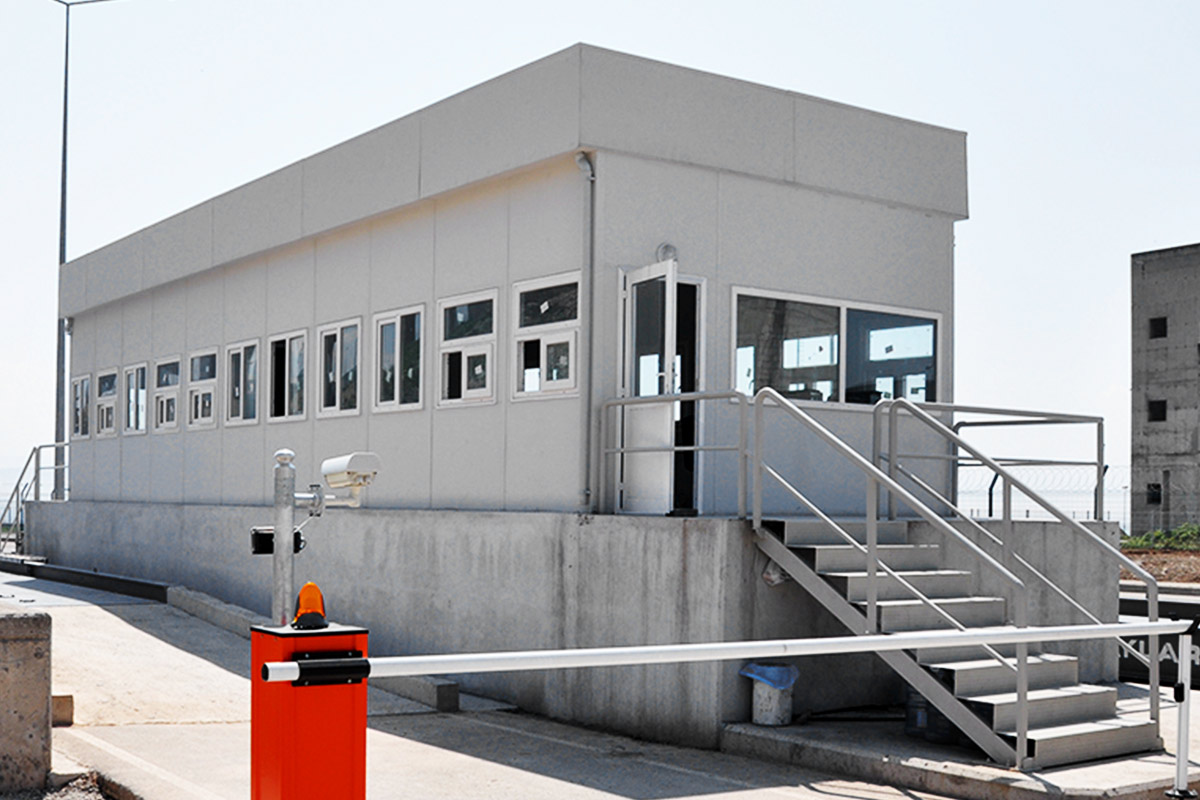
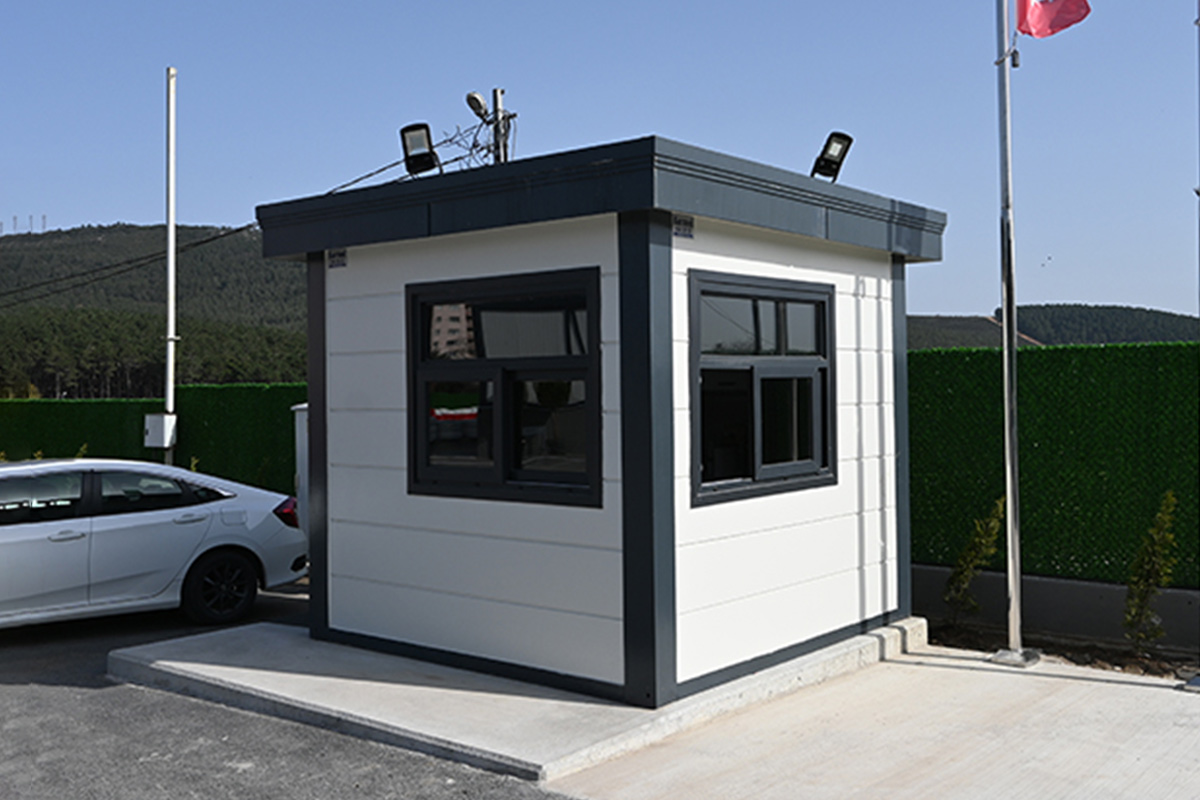
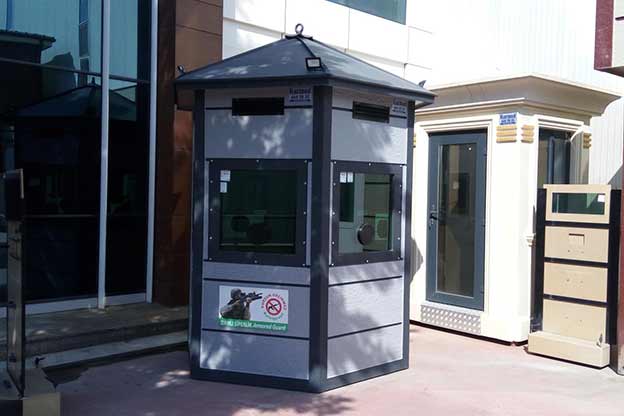
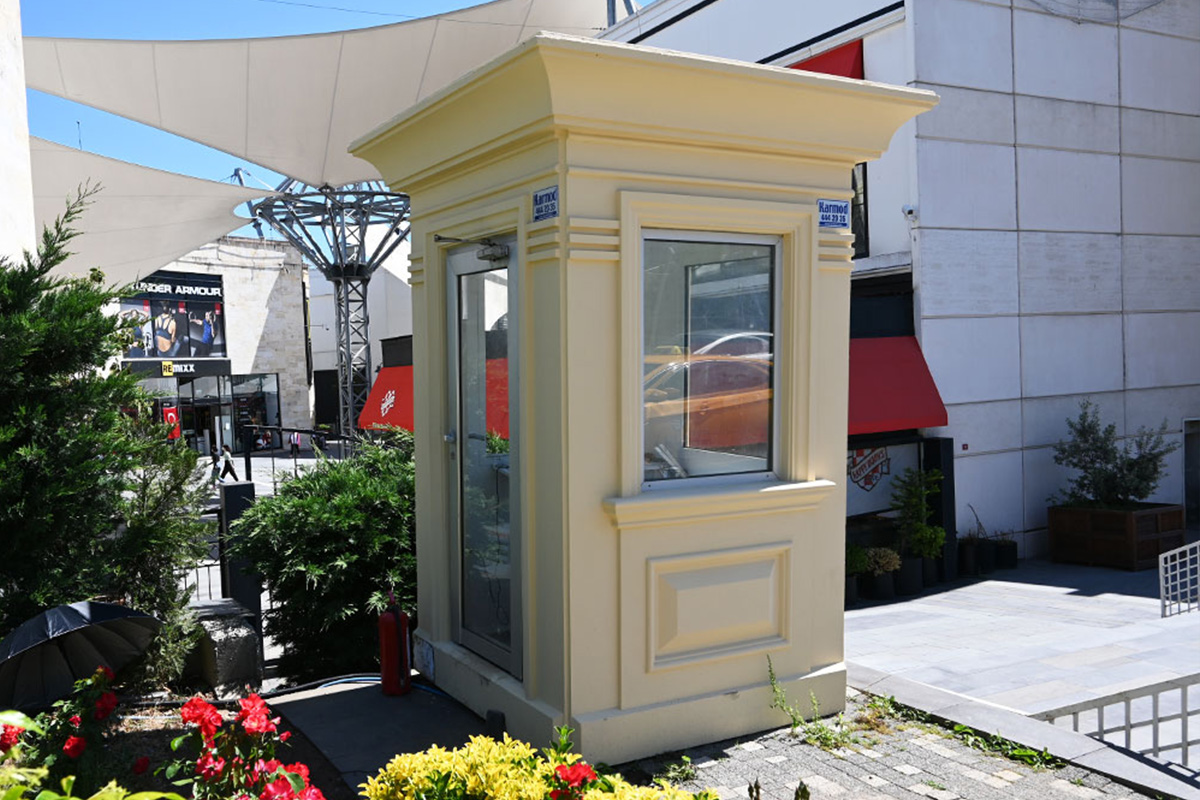
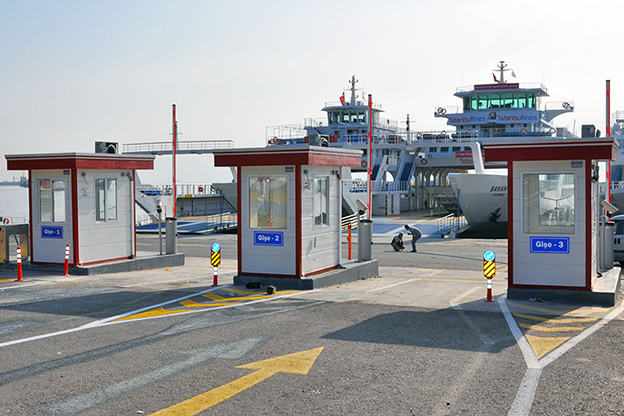
- Security buildings & technical units for controlled access, monitoring, and operational support
- Storage and logistics facilities near transport hubs and industrial zones
These applications reflect Switzerland’s need for adaptable buildings that meet strict performance and safety requirements while remaining economically viable.
From Design to Installation: How the Process Works
The implementation of modular buildings and prefabricated building systems follows a structured and transparent process.
The first step is project needs analysis, where operational requirements, site conditions, timelines, and regulatory constraints are evaluated. This stage ensures alignment with Swiss building codes and functional expectations.
Next comes custom design & specifications. Layouts, insulation standards, fire safety requirements, and technical systems are defined in detail. Customization plays a key role, especially in Switzerland, where projects often require precise technical solutions.
During factory production, building components or modules are manufactured under controlled conditions. This stage ensures consistent quality, reduced material waste, and predictable timelines.
Once completed, the units are prepared for delivery to Switzerland, with logistics planned according to local transport regulations and site accessibility.
The final phase is on-site installation, which is typically fast and minimally disruptive. This efficiency is particularly valuable in urban centers and sensitive environments where construction impact must be limited.
Key Considerations for Modular Buildings in Switzerland
Successful modular projects in Switzerland depend on several critical factors.
Thermal insulation is essential due to cold winters and energy efficiency regulations. High-performance insulation systems ensure year-round comfort and compliance with local standards.
Fire safety standards are strictly enforced. Modular and prefabricated structures must meet Swiss fire resistance classifications, evacuation requirements, and material regulations.
Climate suitability is another decisive element. Buildings must perform reliably in alpine regions, high-altitude locations, and varying weather conditions without degradation.
Custom layouts allow buildings to adapt to specific operational workflows. From technical rooms to administrative offices, flexibility in design supports long-term usability and efficiency.
In this context, Karmod, with its extensive experience across Europe, delivers modular and prefabricated solutions developed to meet diverse regulatory and climatic requirements. Karmod modular building solutions are designed to balance speed, durability, and technical precision—qualities that align well with the expectations of the Swiss market. Drawing on its international project portfolio, Karmod supports investors and institutions seeking reliable building systems without unnecessary complexity.
By integrating modular buildings and prefabricated building strategies into project planning, organizations in Switzerland gain control over timelines, costs, and long-term performance—key priorities in one of Europe’s most demanding construction environments.