



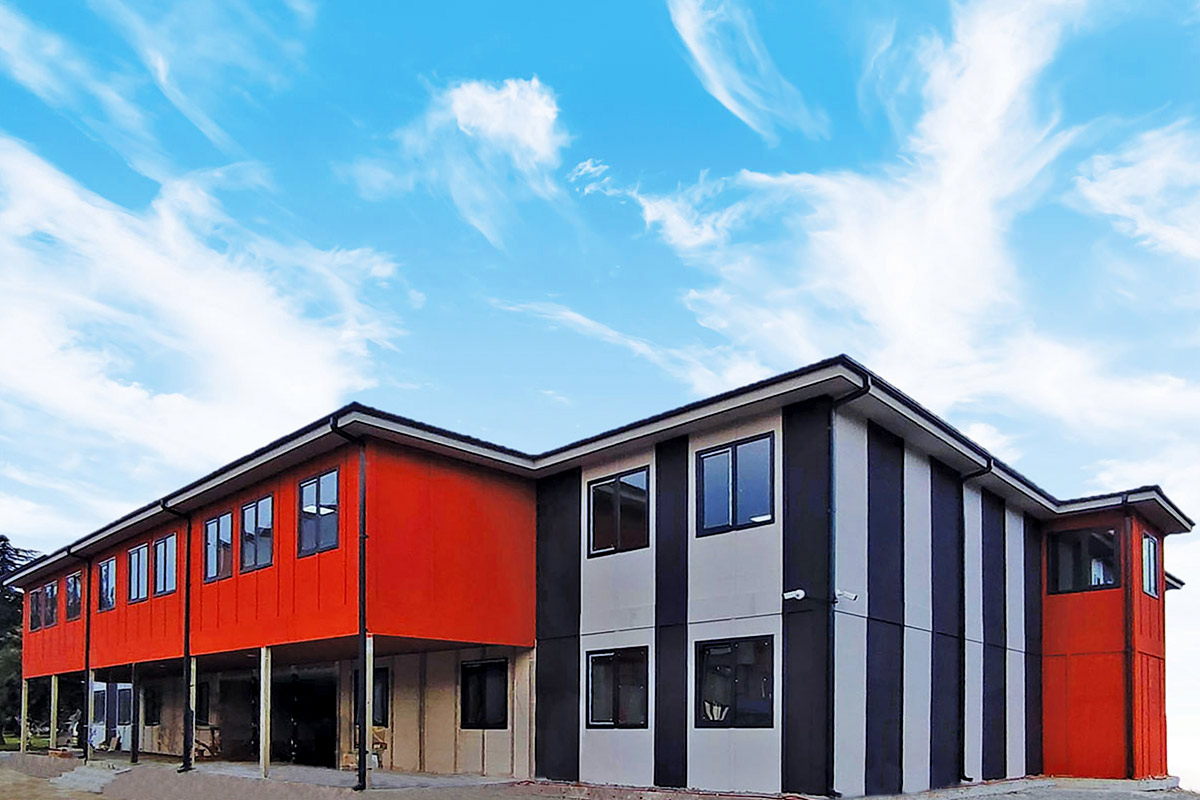
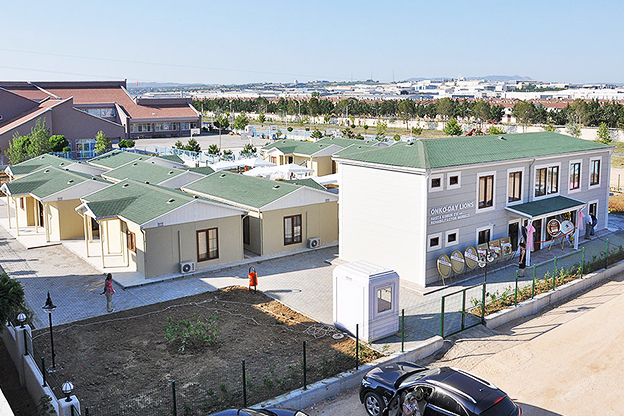
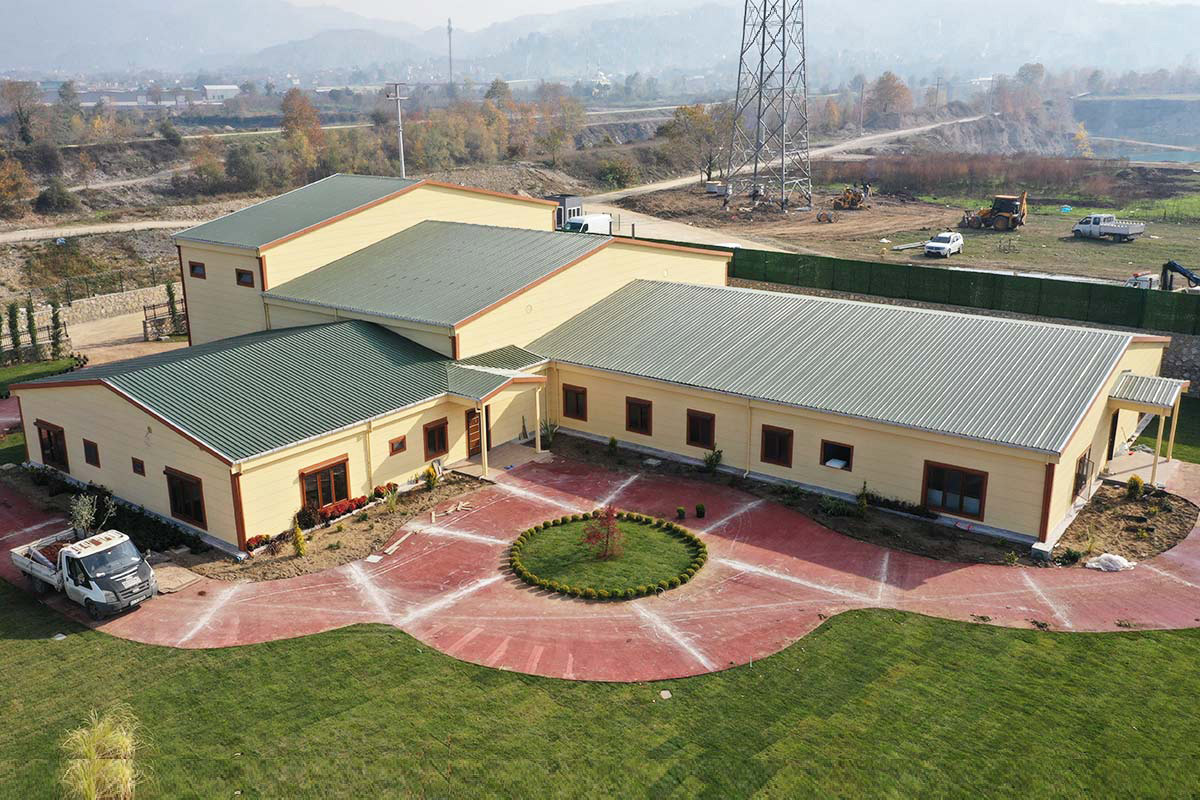
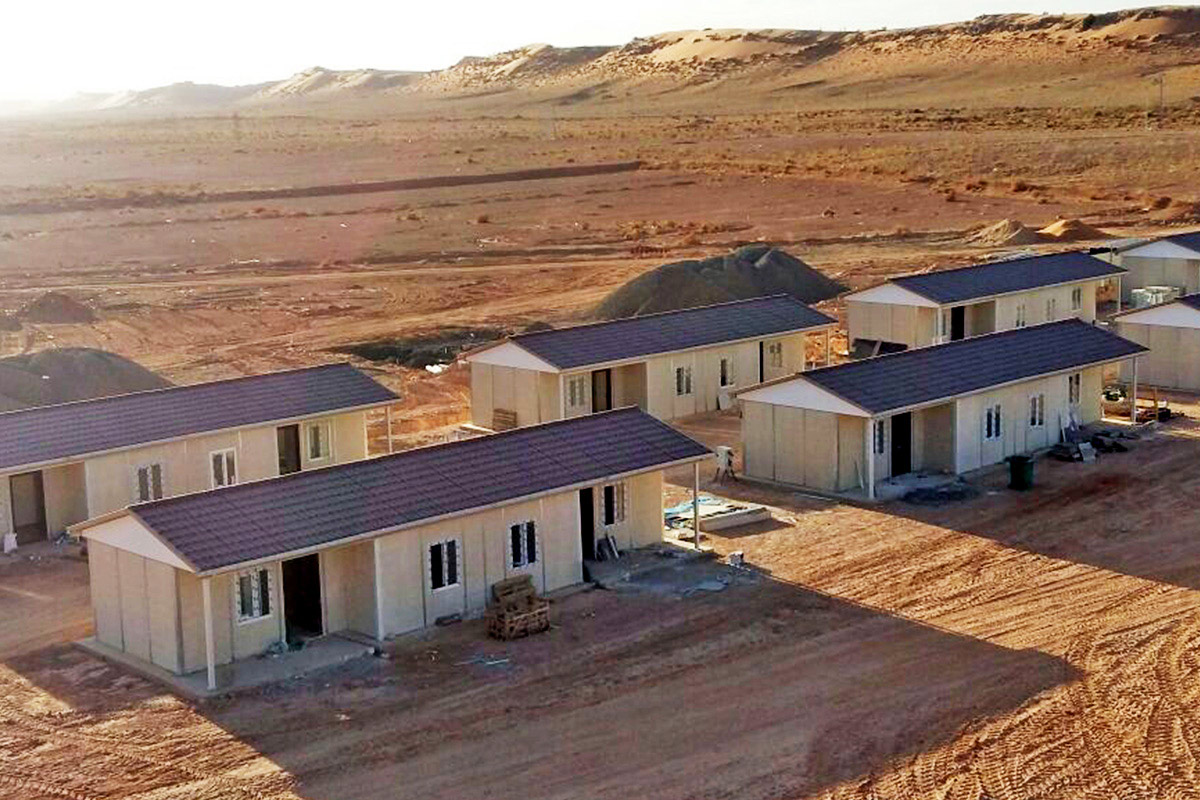
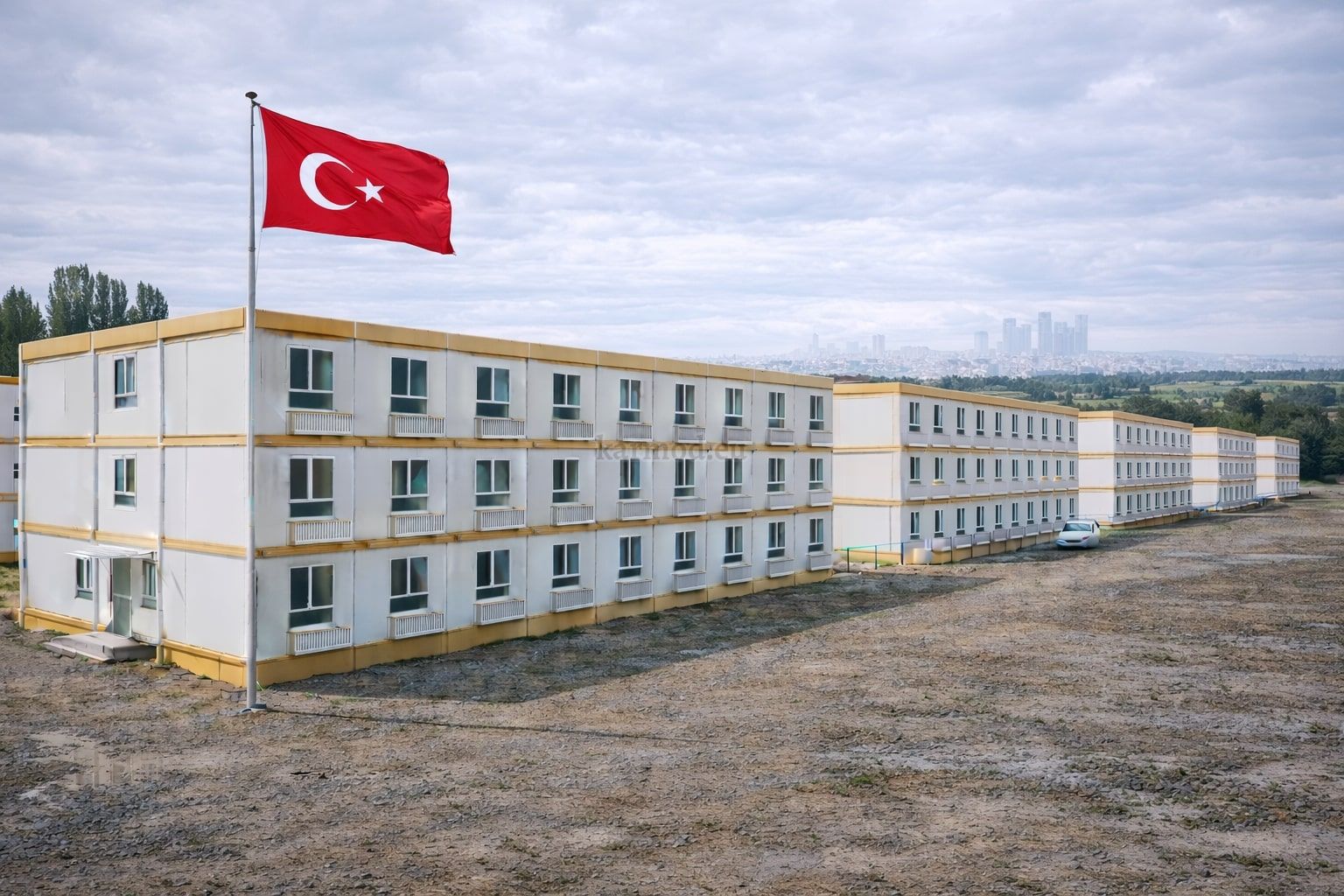
Turkey has become one of the most dynamic construction and investment environments in its region. Rapid urban development, large-scale infrastructure projects, and continuous industrial growth have pushed decision makers to look for faster, more controlled, and scalable construction methods. In this context, modular buildings and prefabricated building systems are no longer seen as niche alternatives but as practical solutions aligned with Turkey’s economic and operational realities.
From logistics hubs near major ports to energy projects in remote regions, companies and public institutions increasingly prioritize structures that can be delivered on time, adapted to changing needs, and managed with predictable costs. This shift is closely linked to labor dynamics, project timelines, and the need for both temporary and long-term building strategies.
Why Modular Buildings Are in High Demand in Turkey
Several structural factors explain why modular buildings are gaining strong momentum in Turkey. Labor costs in conventional construction have increased steadily, while skilled workforce availability has become less predictable. Modular construction minimizes on-site labor by transferring most of the production process to controlled factory environments.
Construction timelines are another decisive factor. Many projects in Turkey—especially in infrastructure, logistics, and industrial investments—operate under strict deadlines. Modular buildings allow parallel progress, as site preparation and building production advance simultaneously, significantly reducing overall project duration.
Turkey’s economy also creates a clear distinction between temporary and permanent building needs. Construction camps, site offices, and seasonal facilities require flexibility, while public buildings, industrial units, and service structures demand long-term durability. Modular systems respond well to both scenarios by offering relocatable or expandable solutions when required.
Sector-specific demand further accelerates this trend. Logistics centers, manufacturing zones, energy facilities, and public projects all require fast-deploying, functional spaces. In these sectors, modular buildings provide operational continuity without compromising quality or safety standards.
Modular Buildings vs. Prefabricated Building Systems
While modular buildings and prefabricated building solutions are often mentioned together, their technical logic and use cases differ.
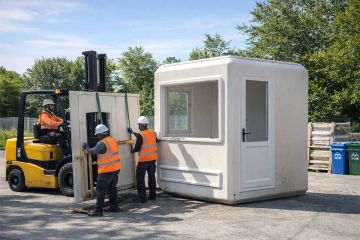
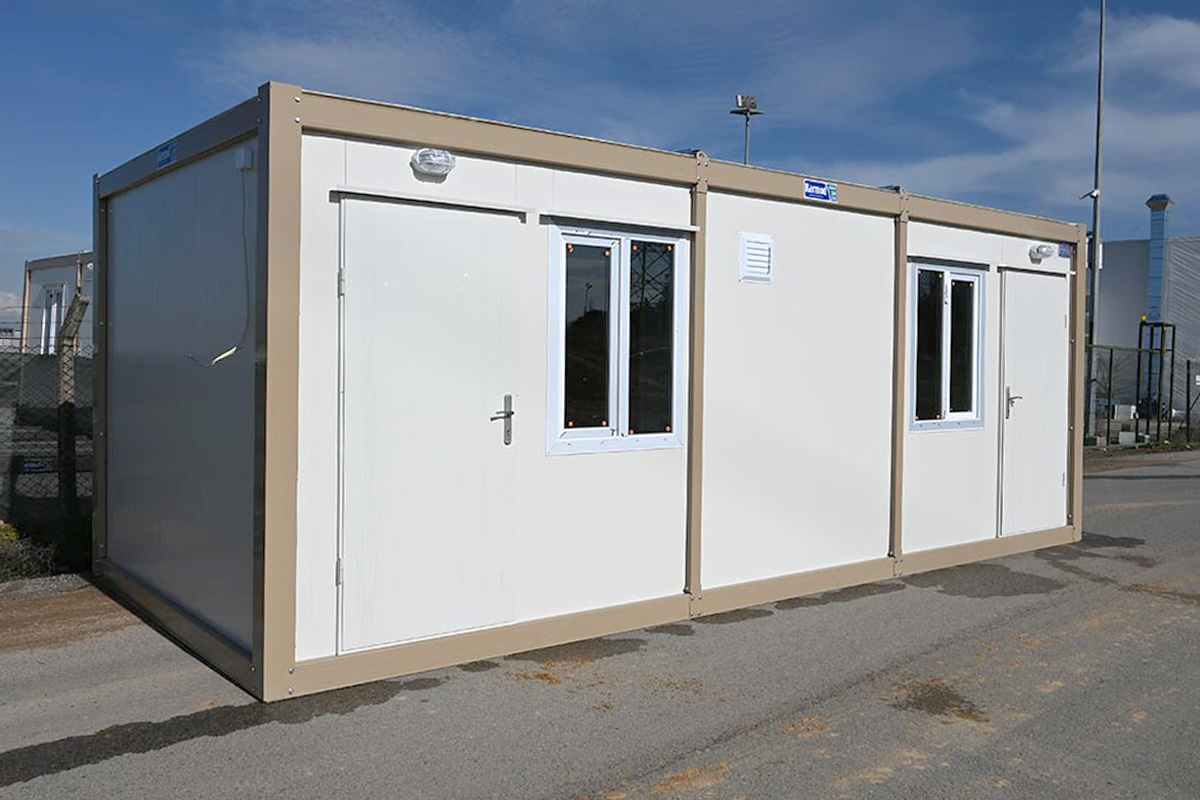
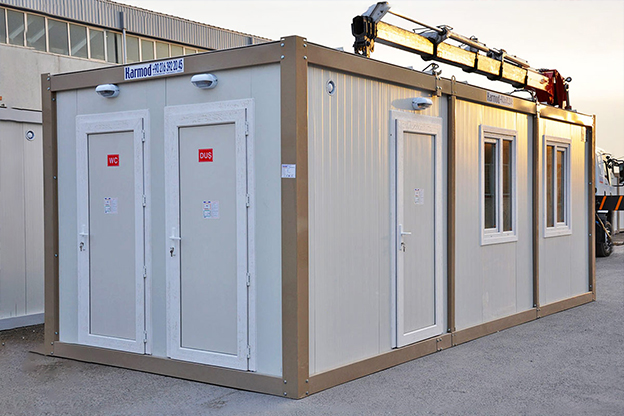
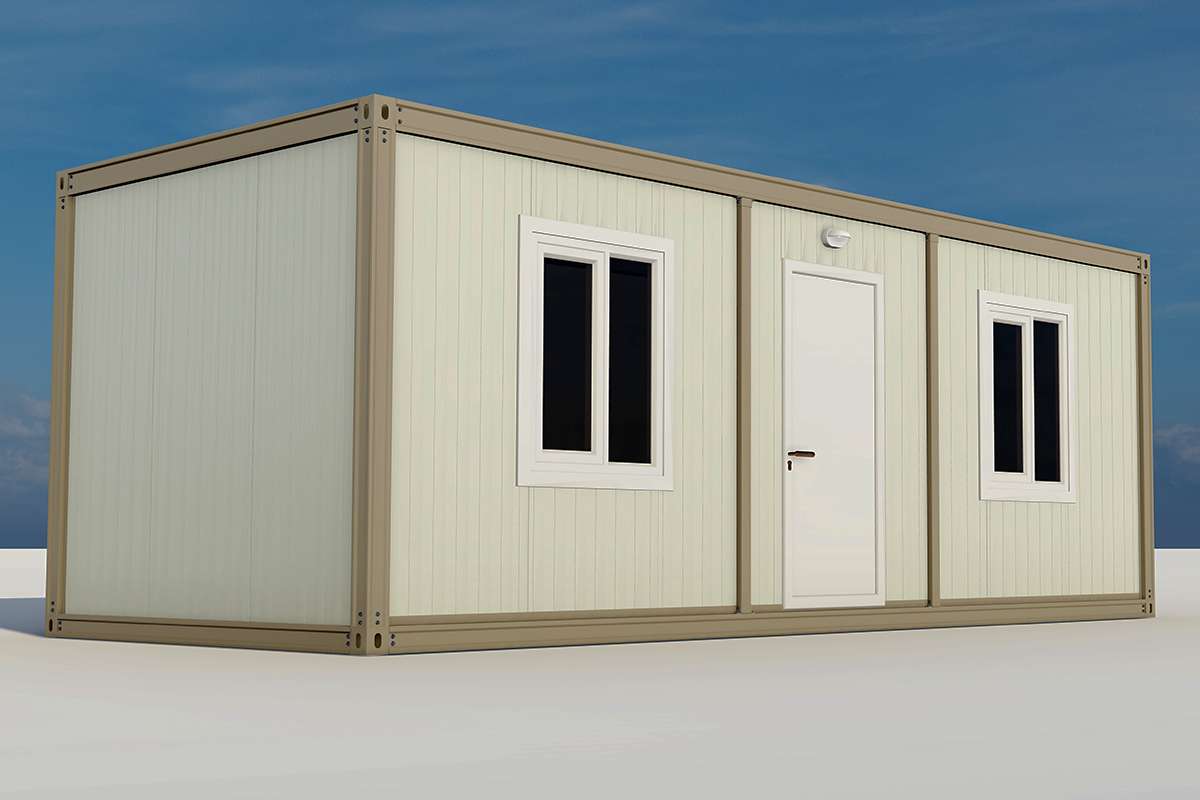
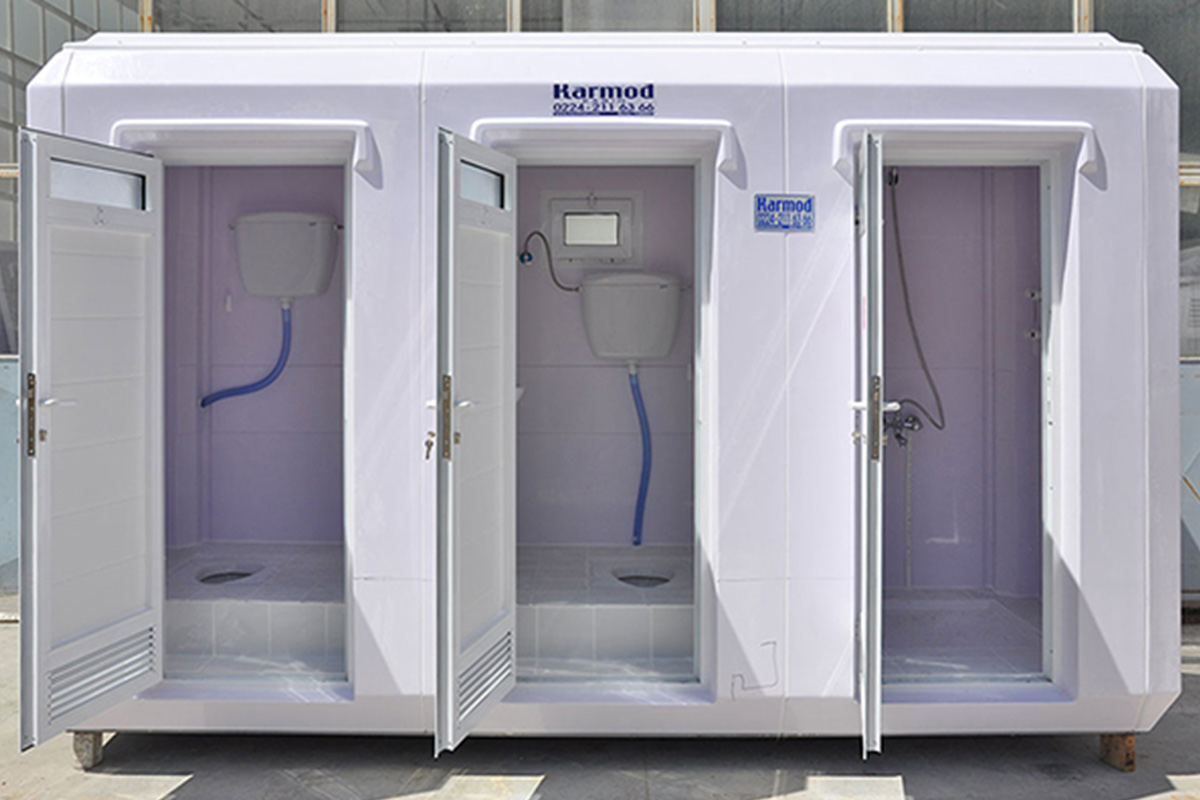
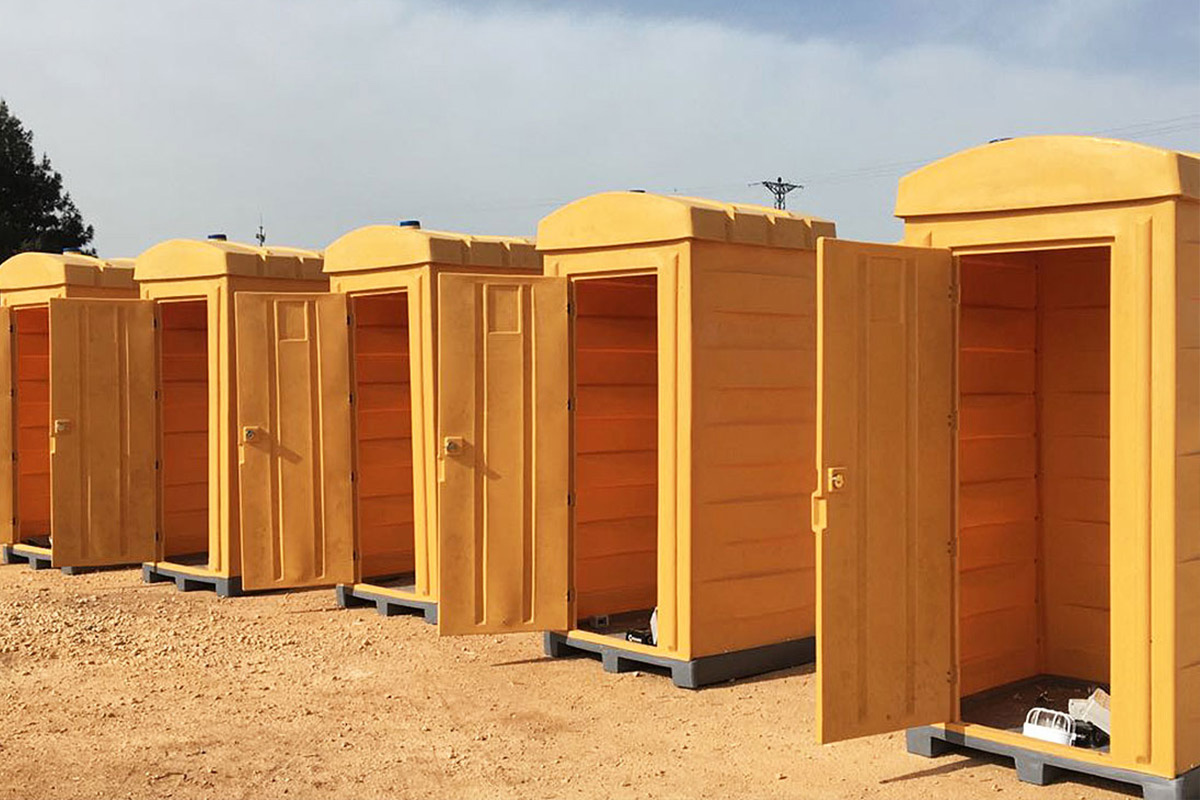
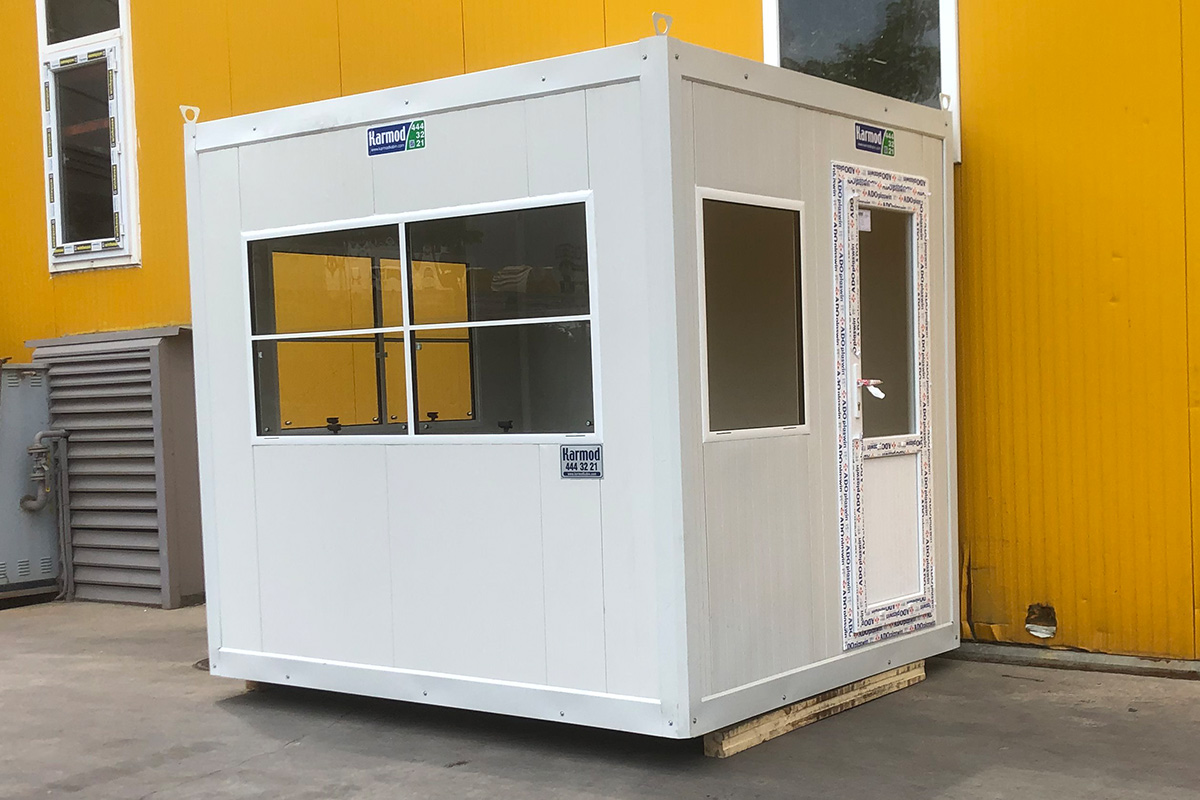
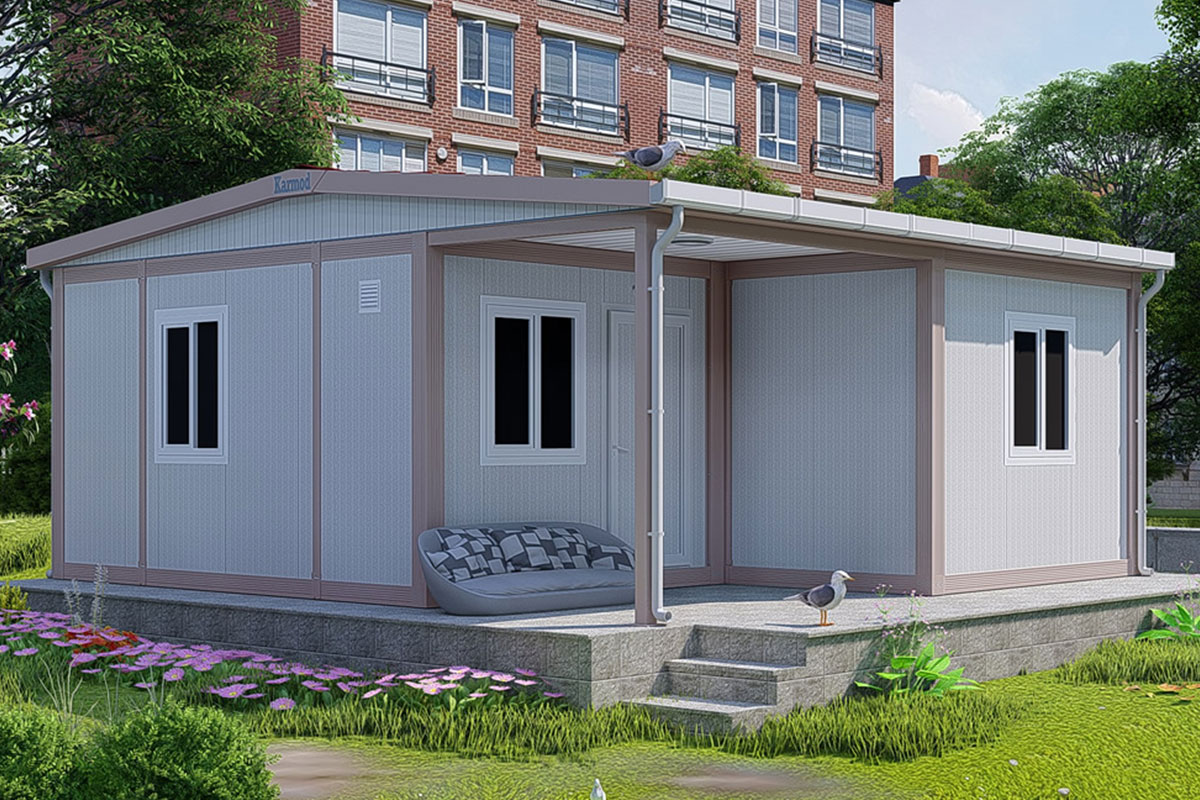
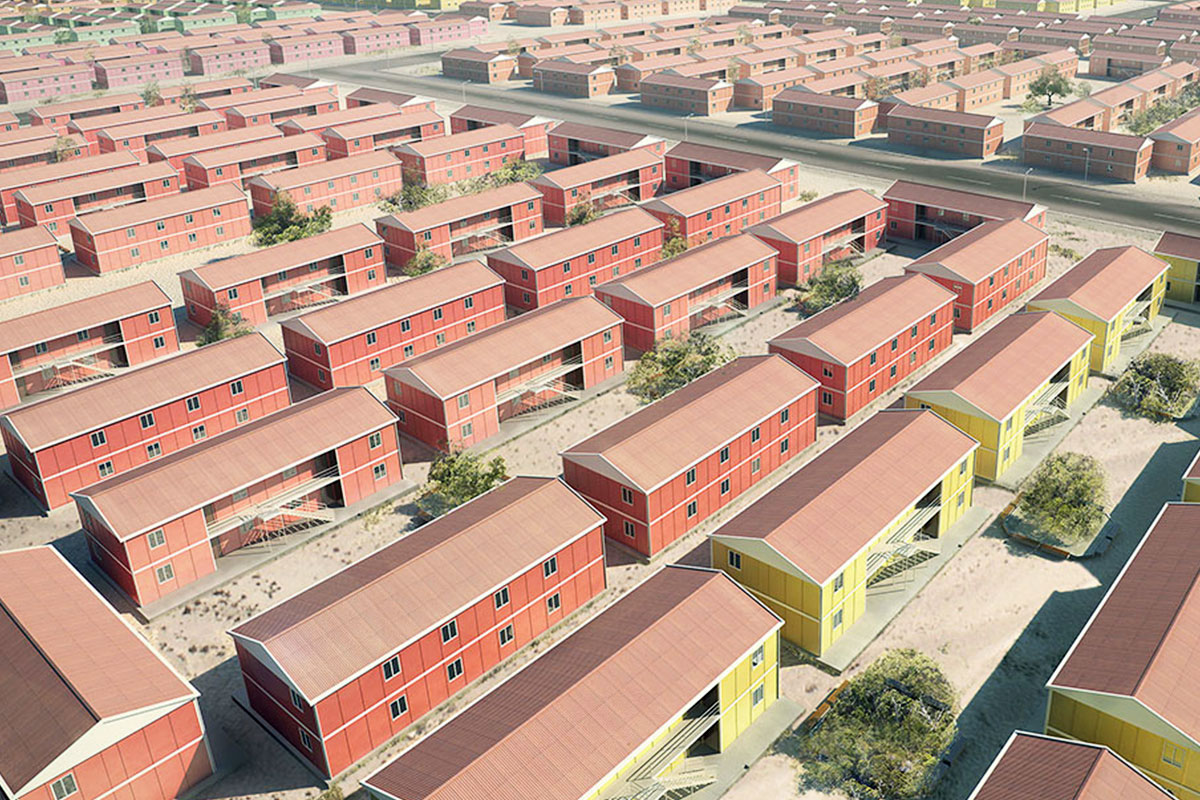
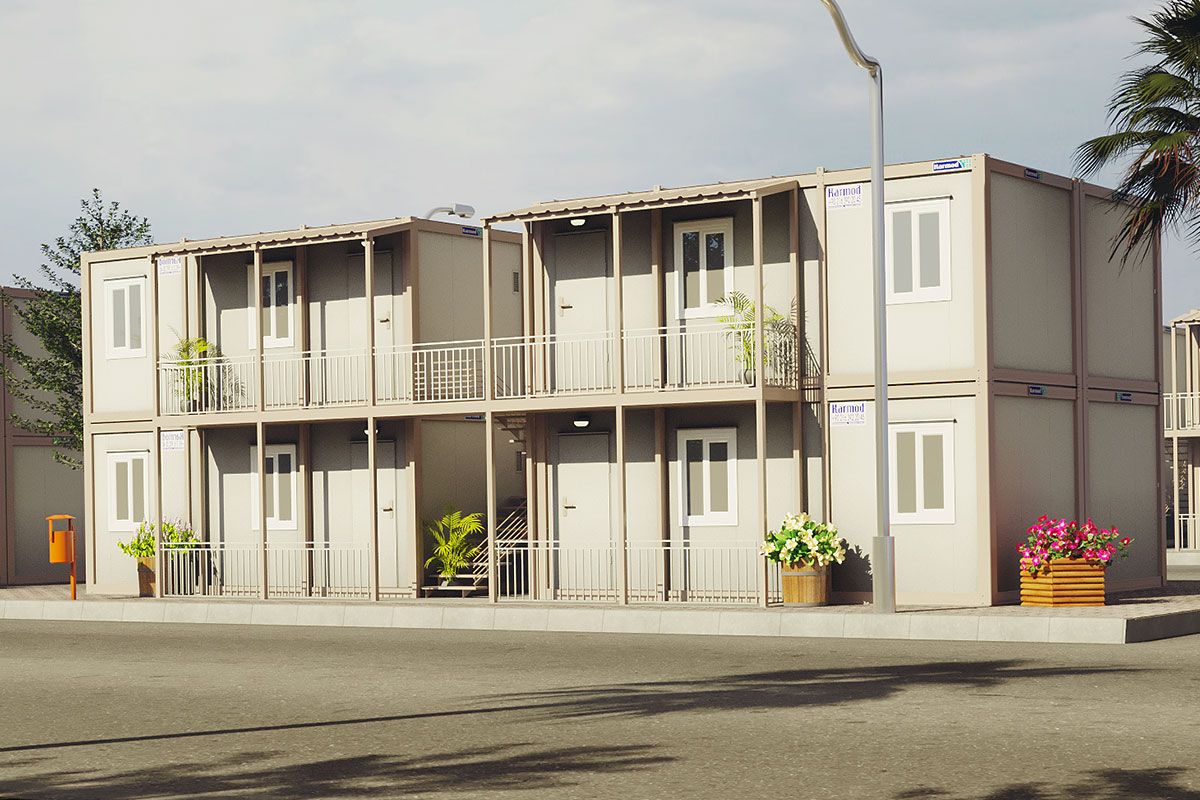
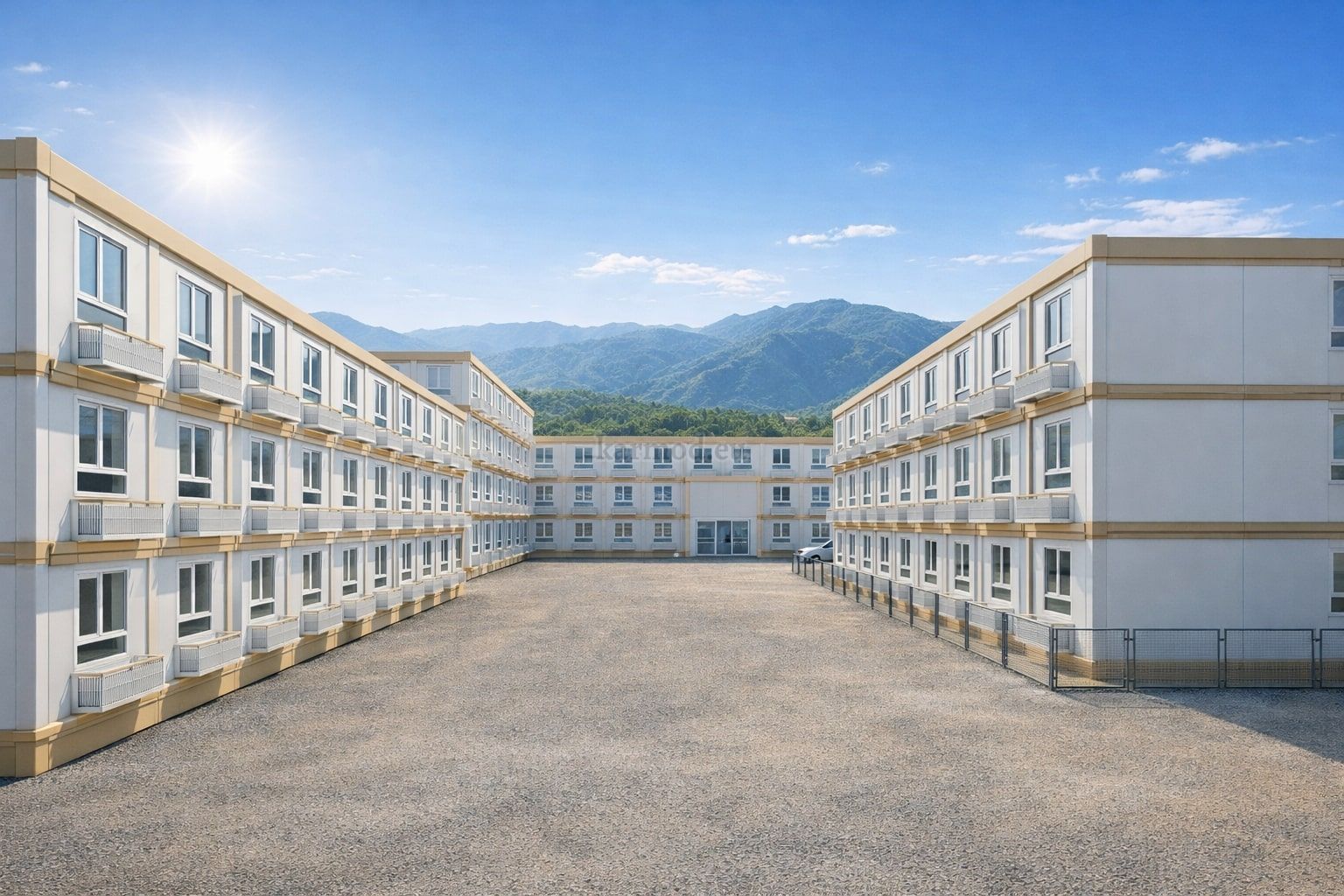
Modular buildings are based on fully finished modules produced in factories. These units are transported to the site, installed quickly, and can be relocated, expanded, or reconfigured over time. This makes them suitable for projects that anticipate growth, relocation, or phased investment.
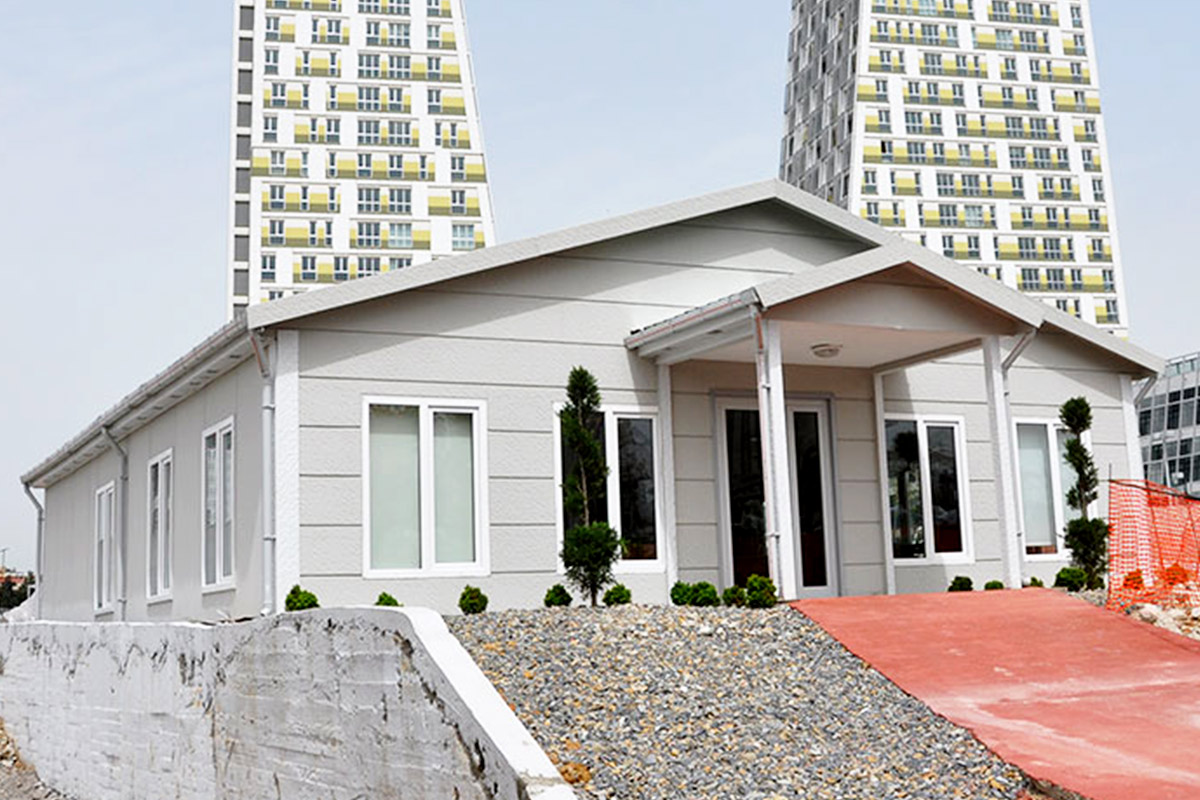
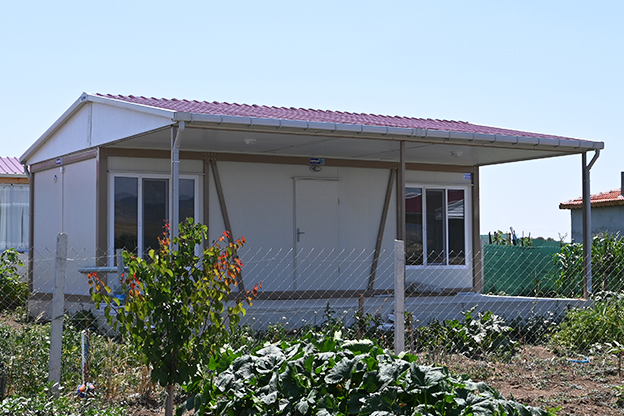
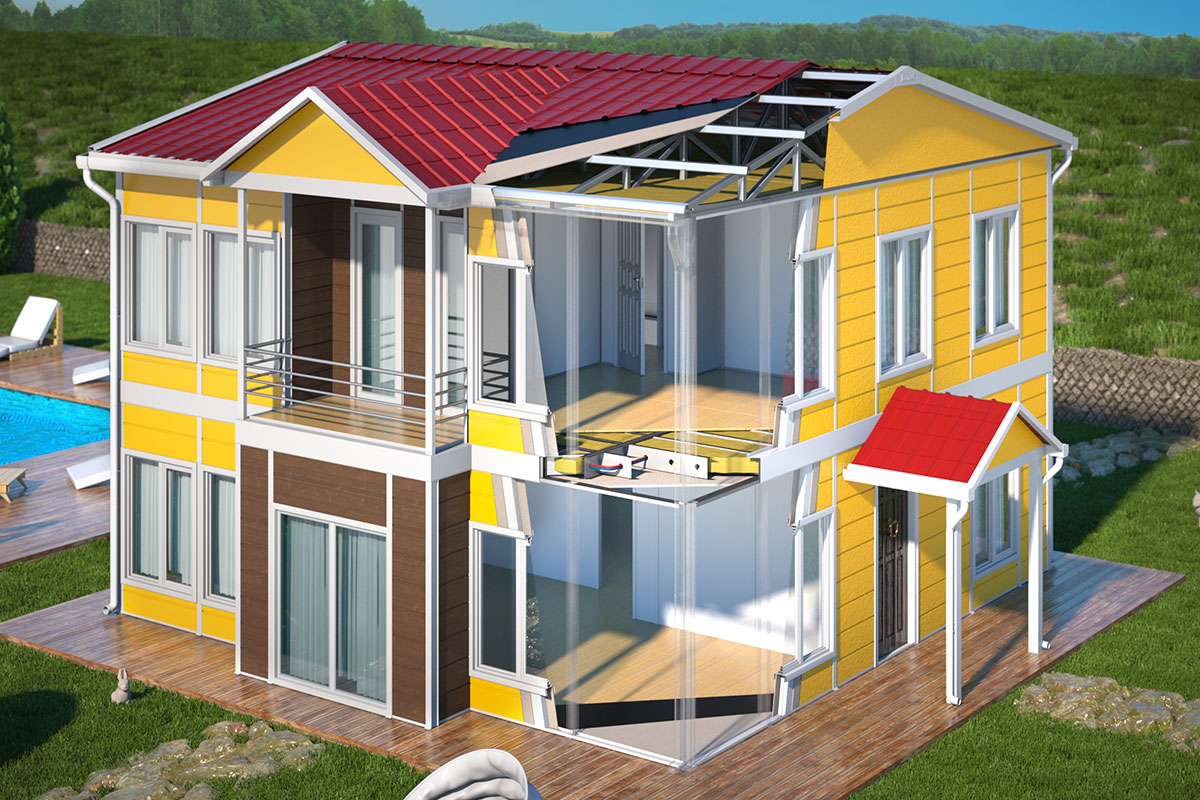
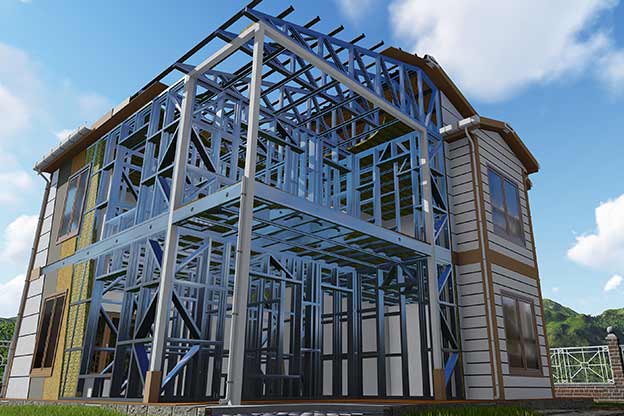
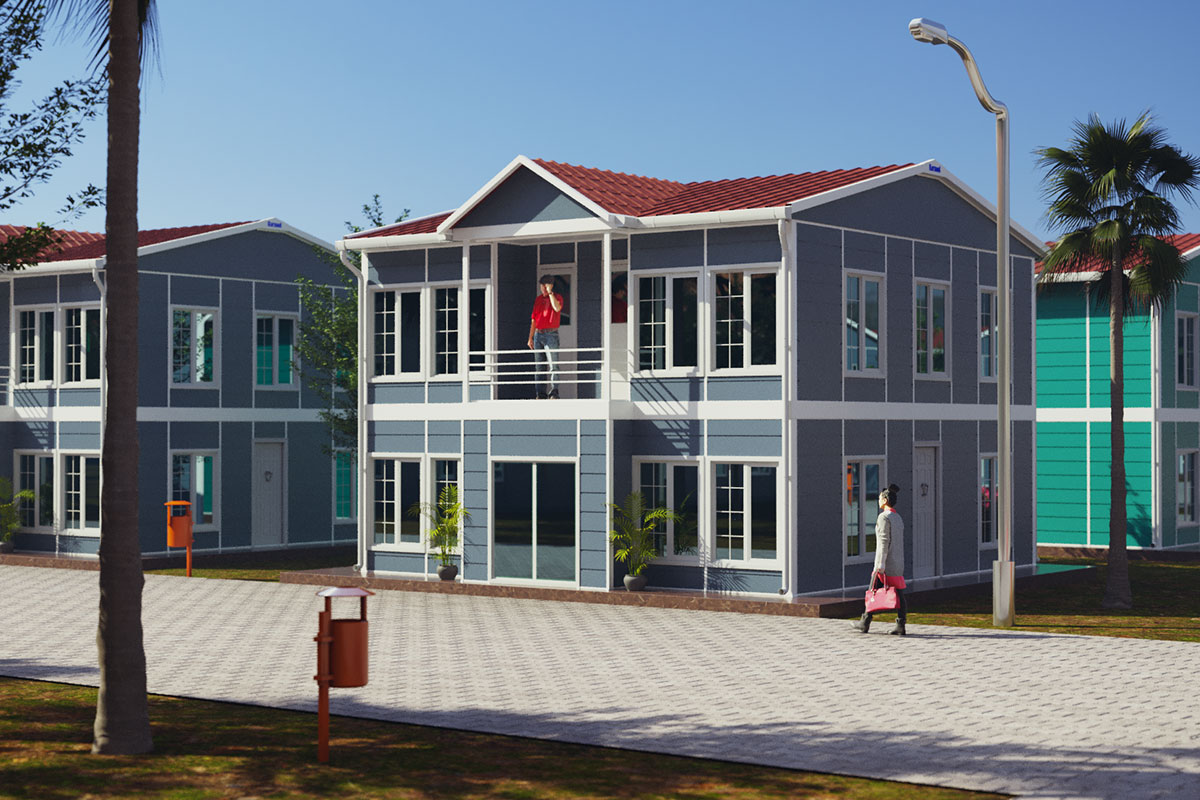
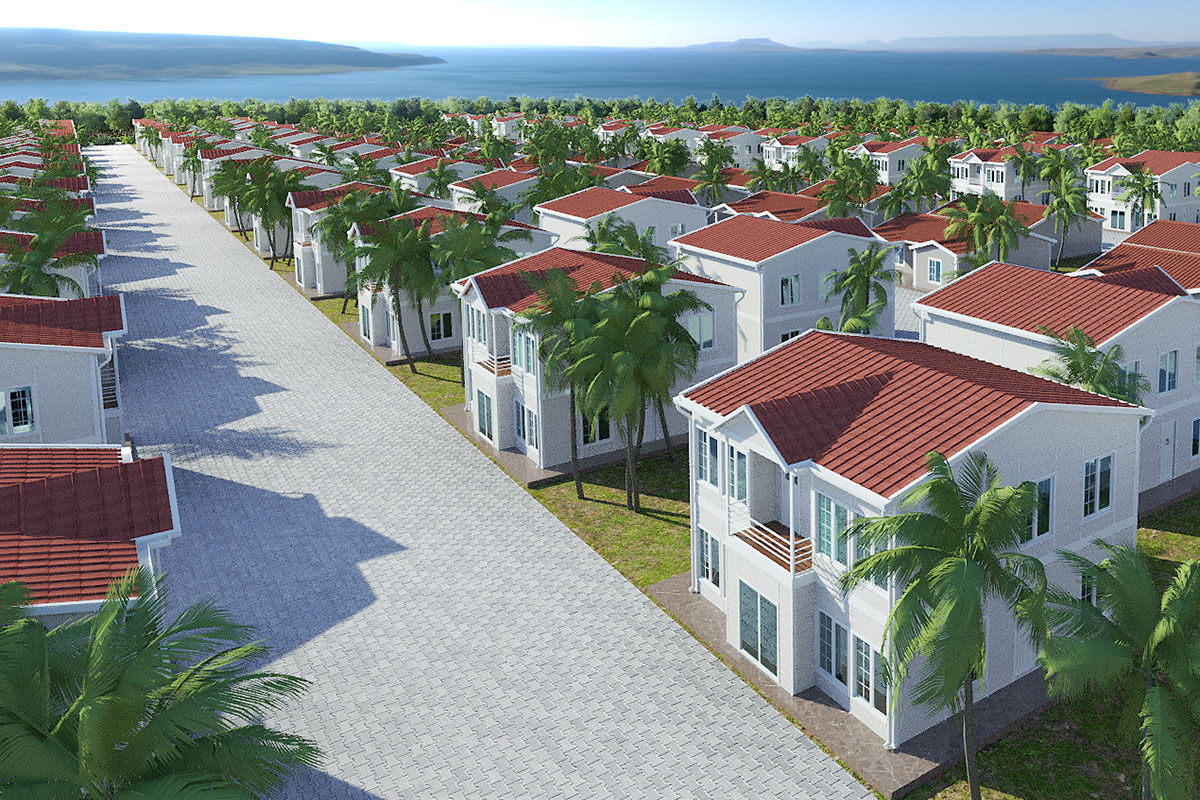
Prefabricated building systems, on the other hand, rely on panels or structural components assembled on site. They are generally designed as permanent solutions and are preferred when long-term stability and architectural integration are priorities.
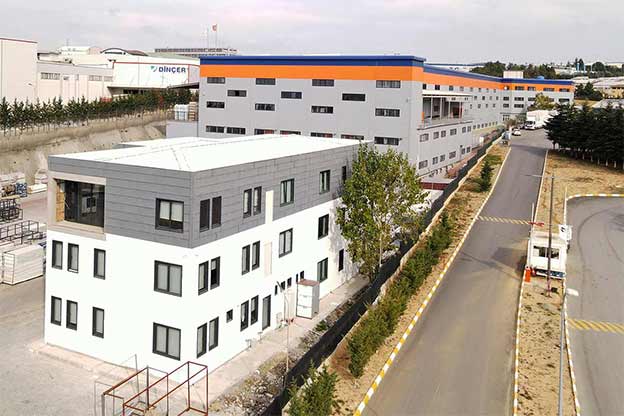
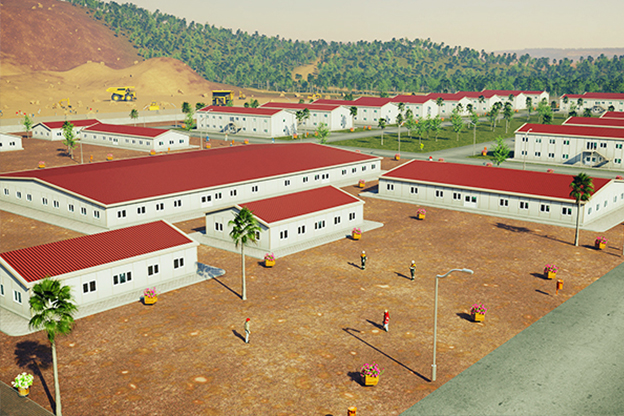
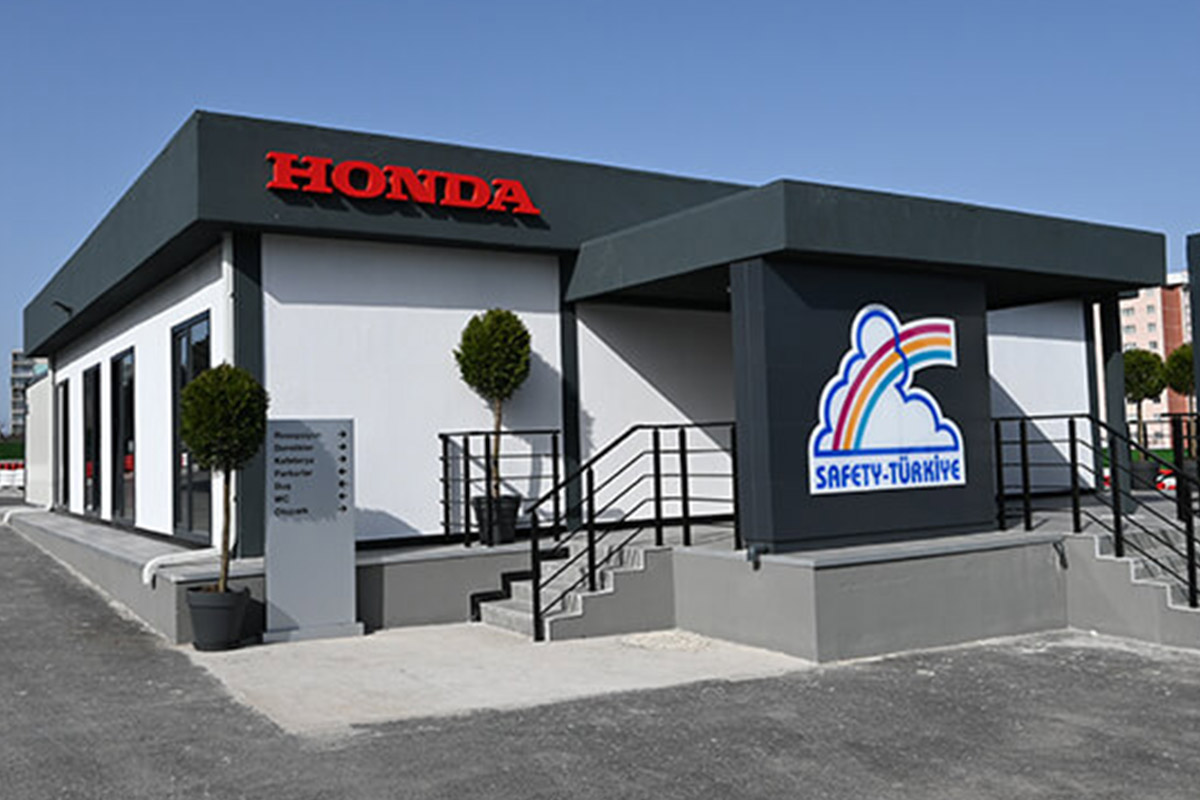
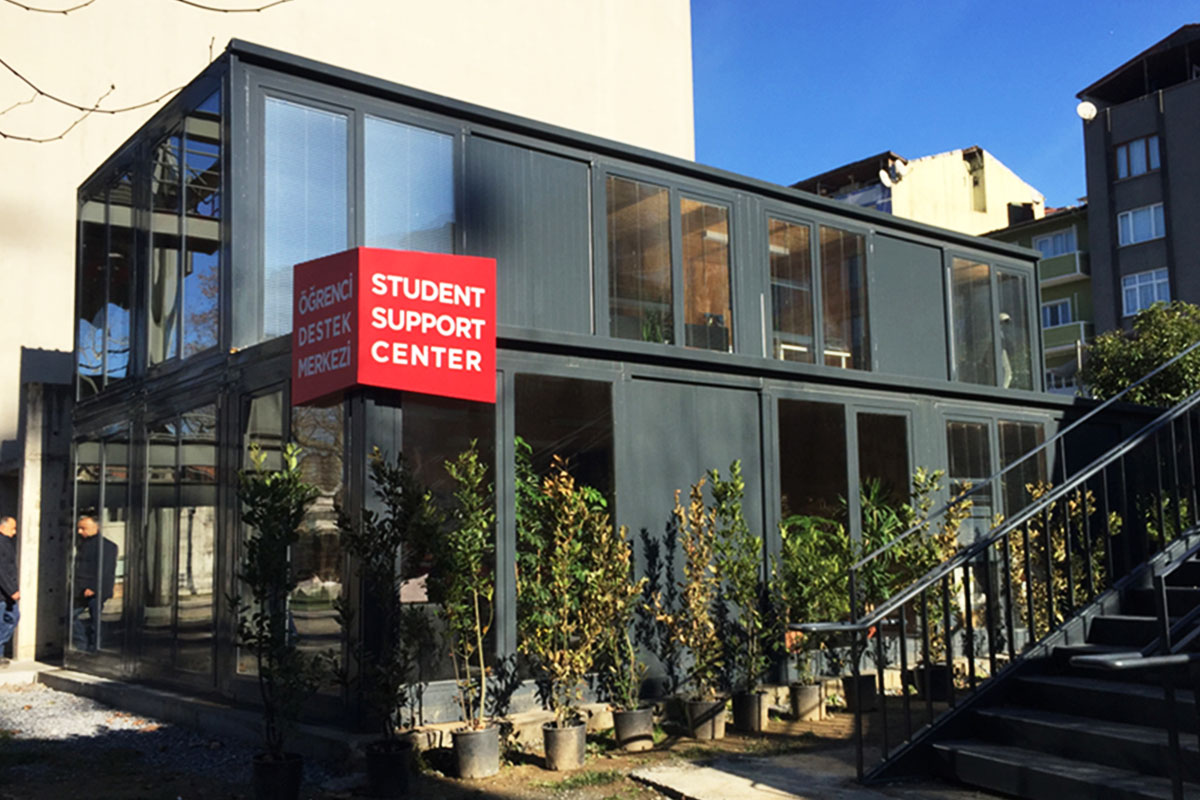
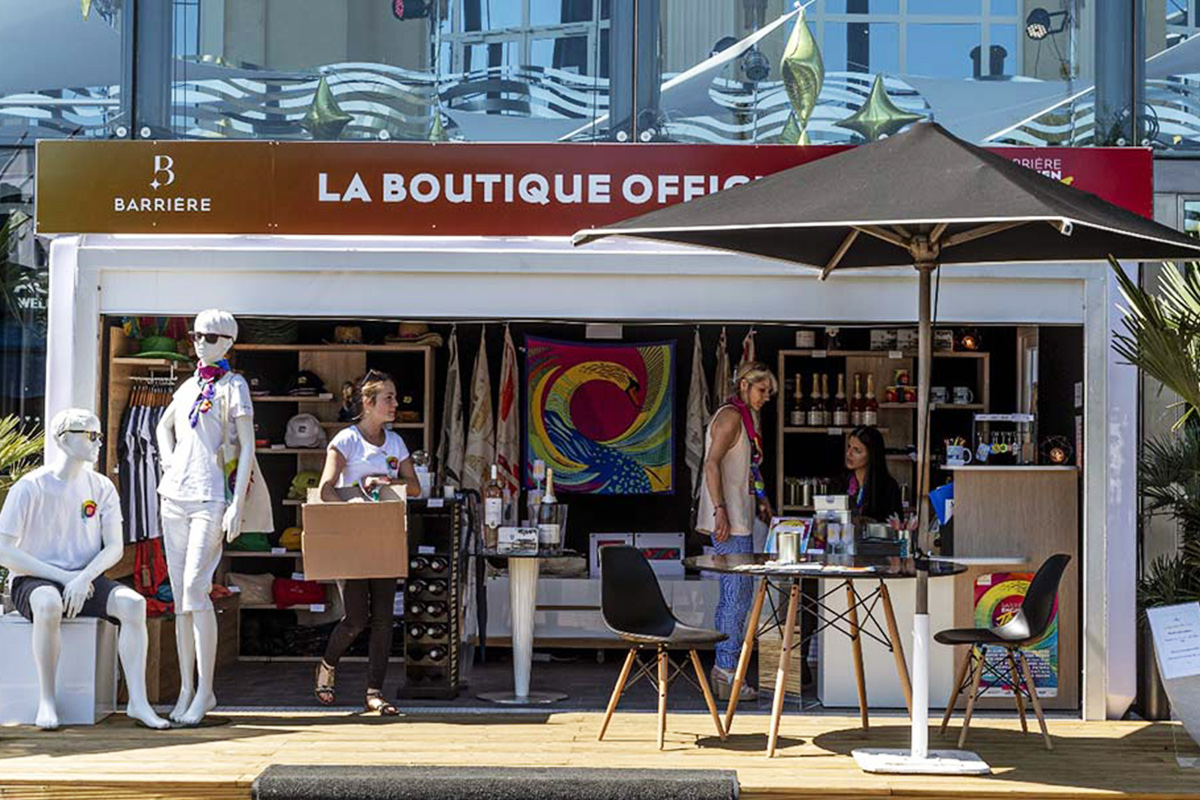
In Turkey, modular buildings are frequently chosen for construction sites, worker accommodation, and temporary public facilities, where speed and flexibility are critical. Prefabricated building systems are more common in permanent industrial buildings, schools, and healthcare units that require a longer service life in a fixed location.
Understanding this distinction helps investors and project managers select the right system according to operational goals rather than treating both approaches as interchangeable.
Applications of Modular and Prefabricated Buildings in Turkey
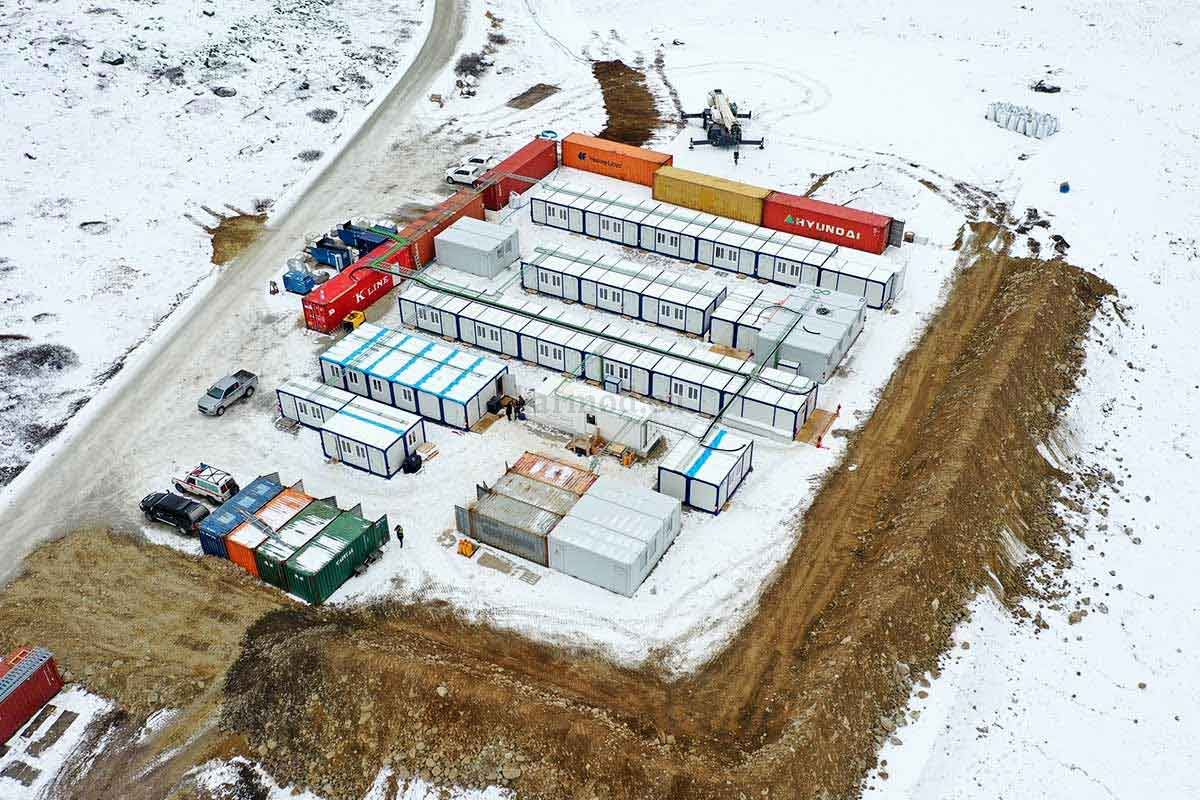
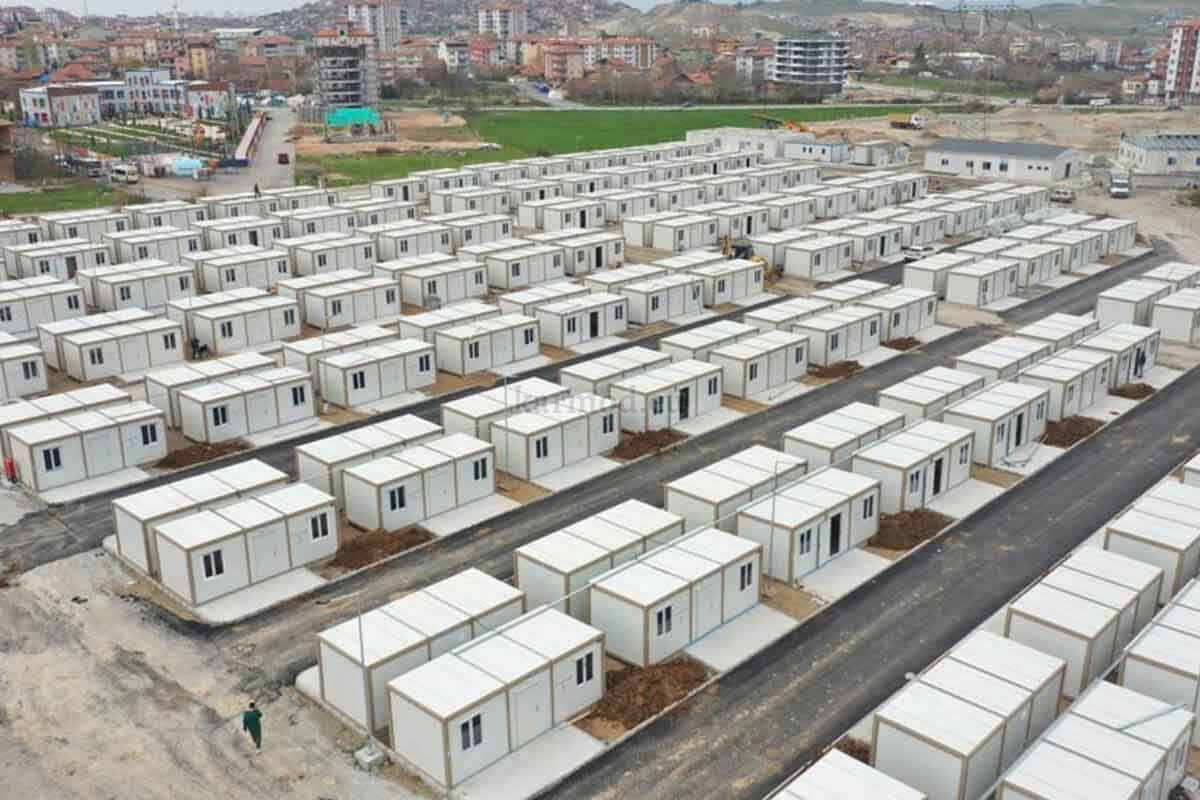
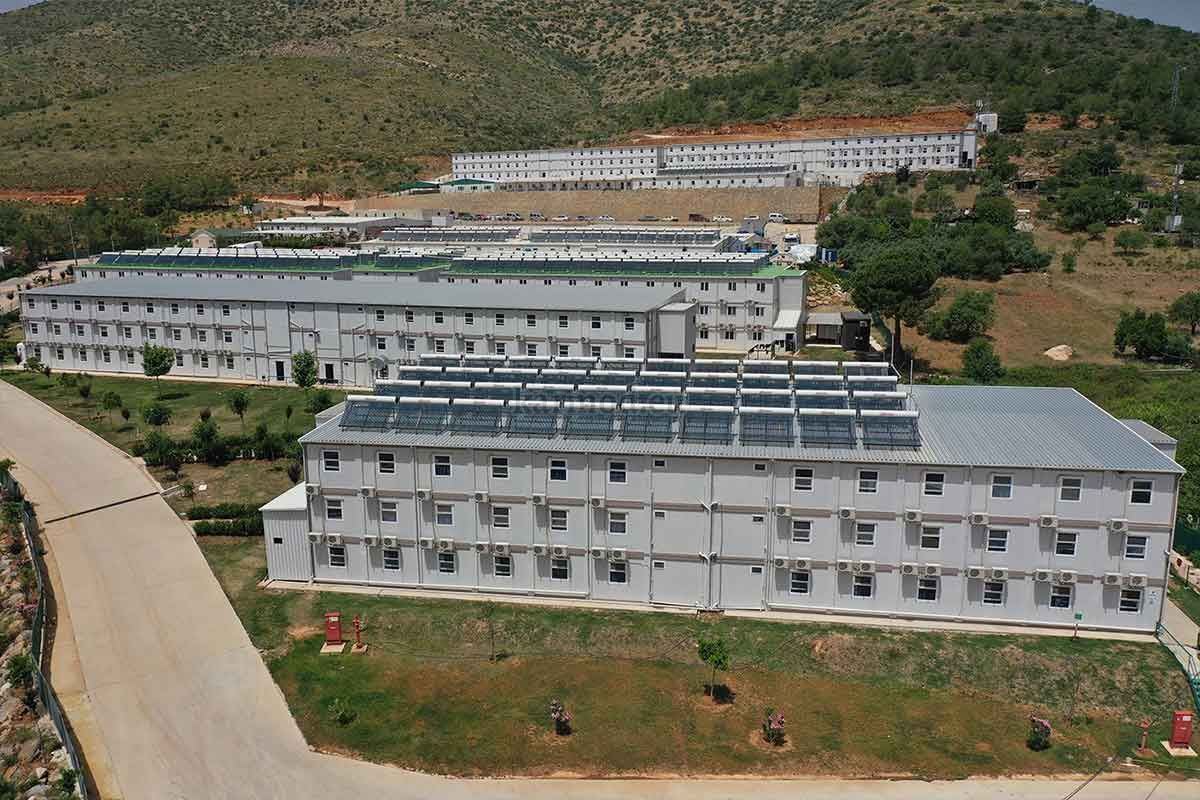
Across Turkey, modular and prefabricated structures serve a wide range of practical applications:
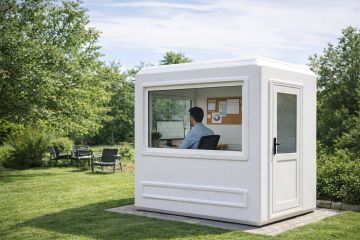
- Site offices & construction camps
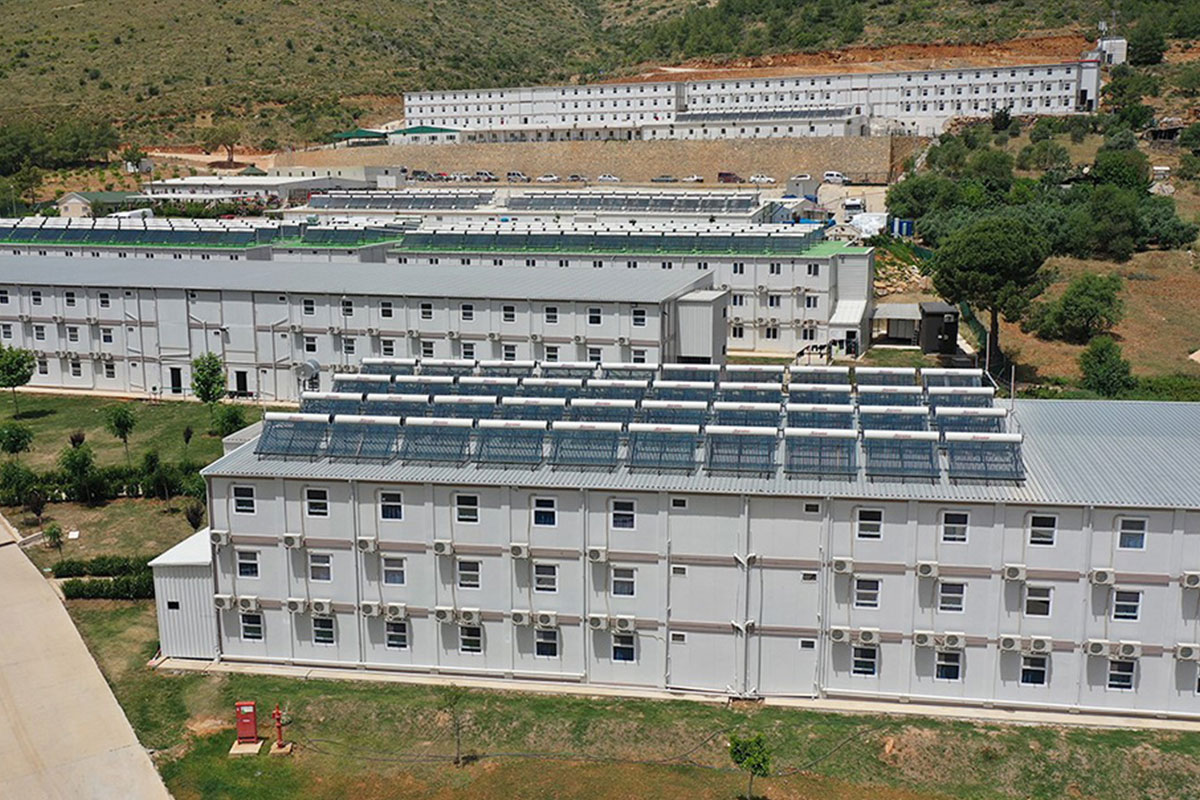
- Worker accommodation buildings
- Temporary schools & healthcare units
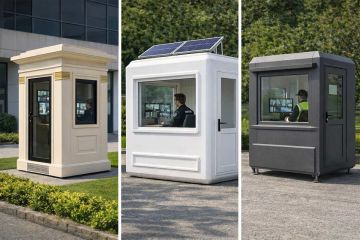
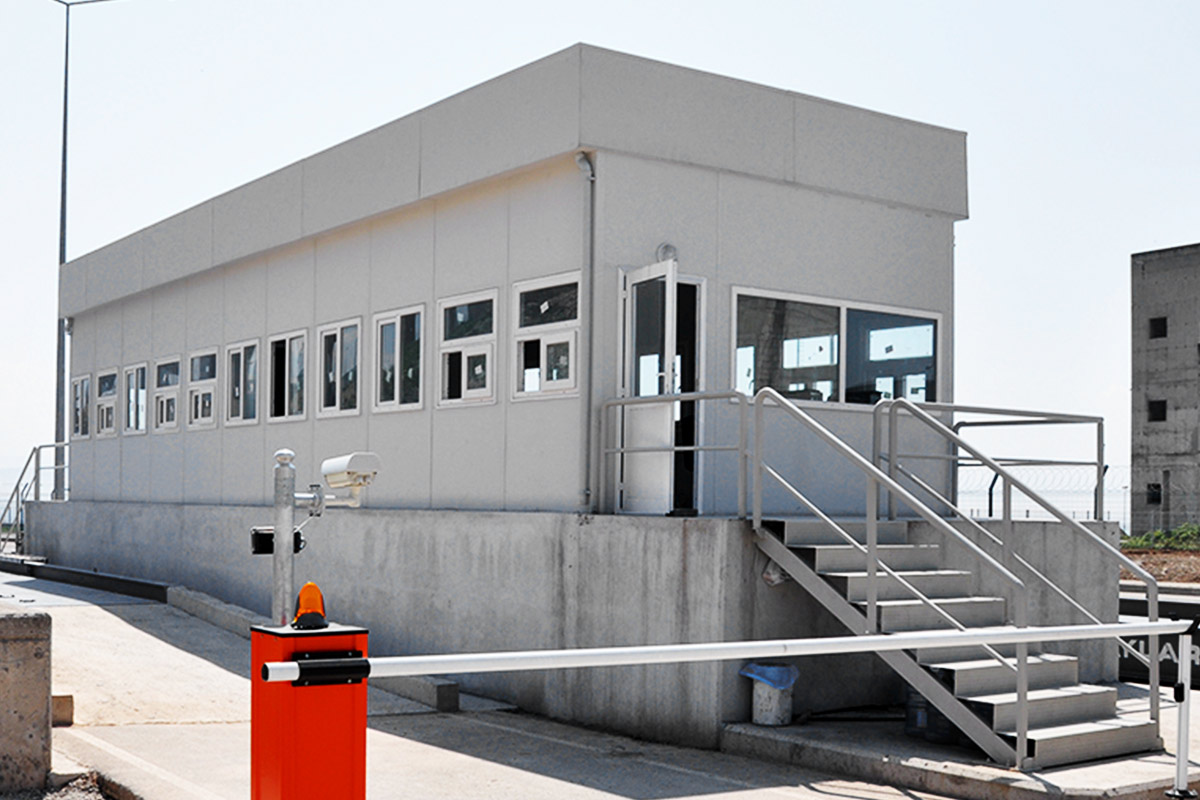
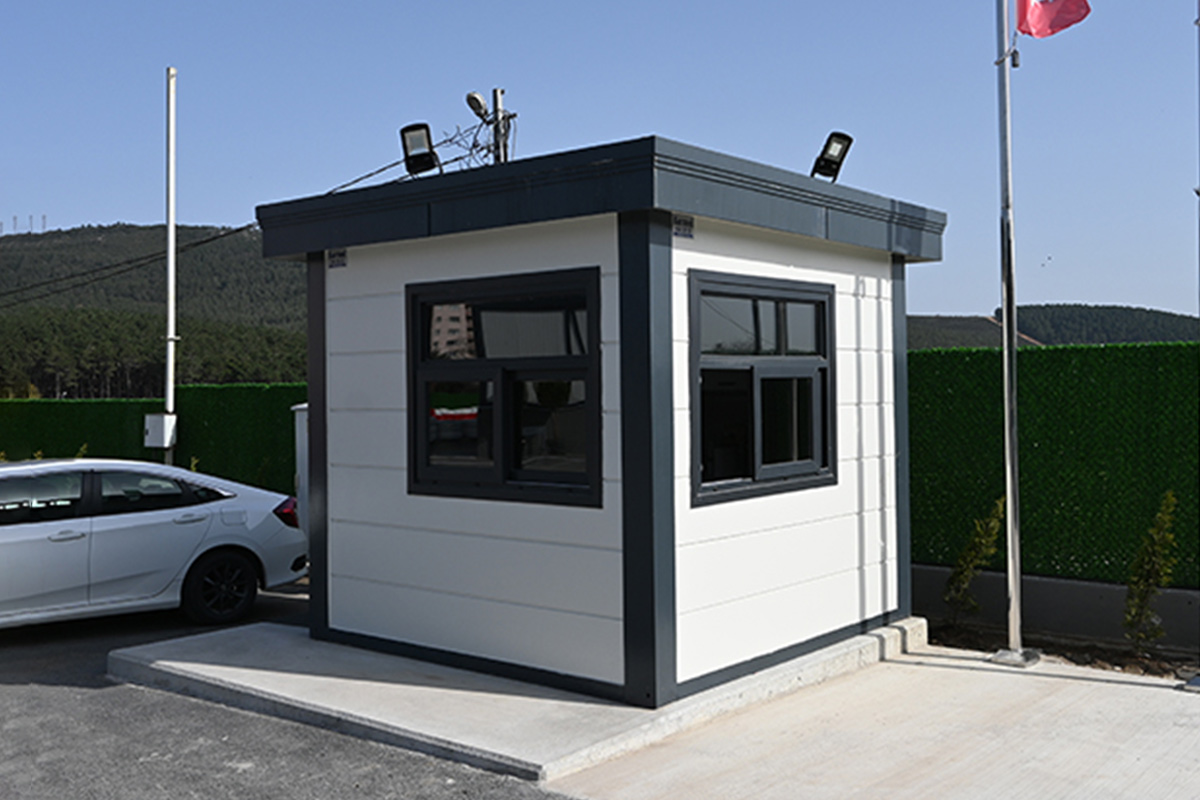
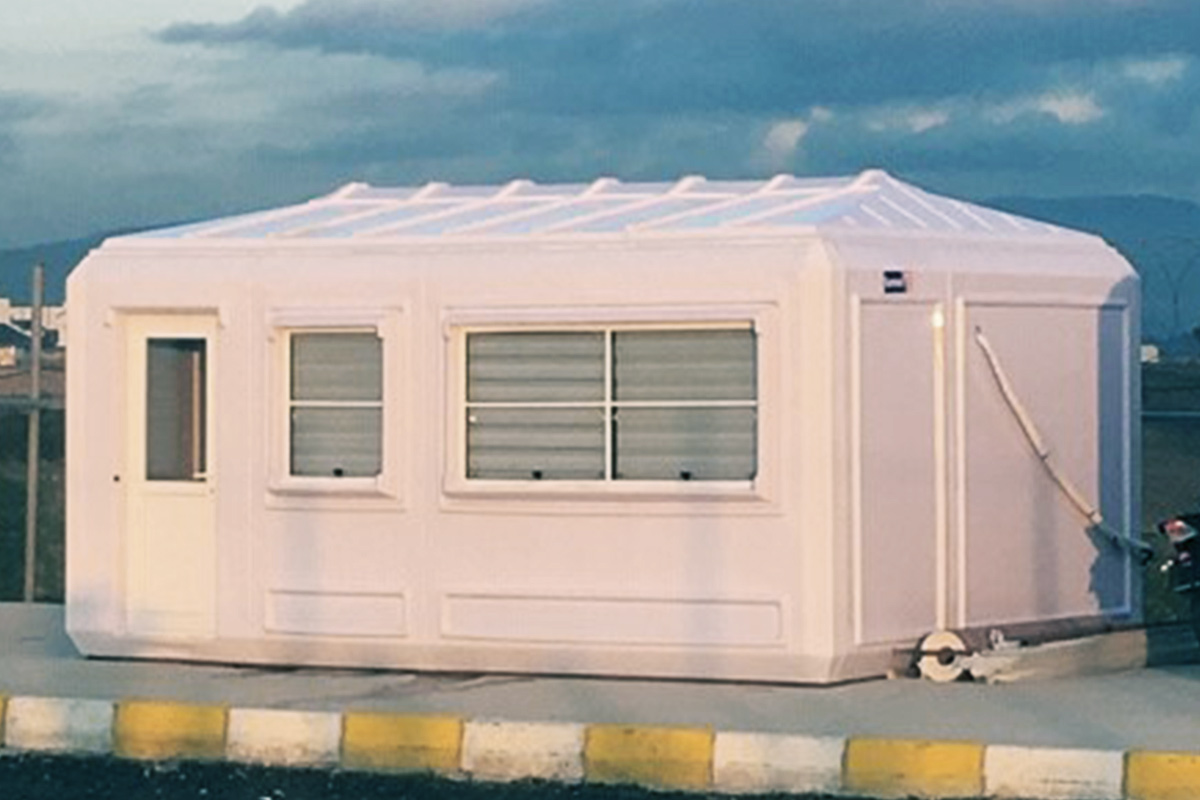
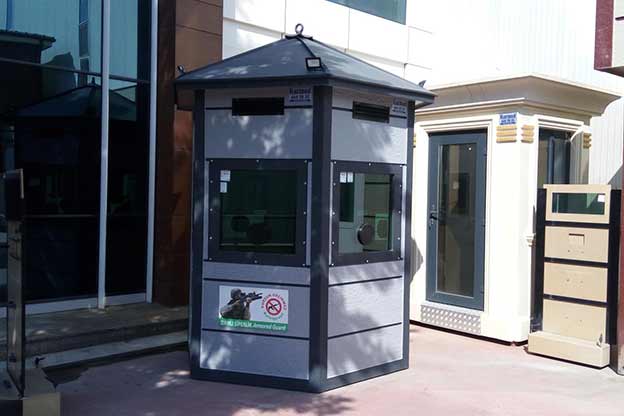
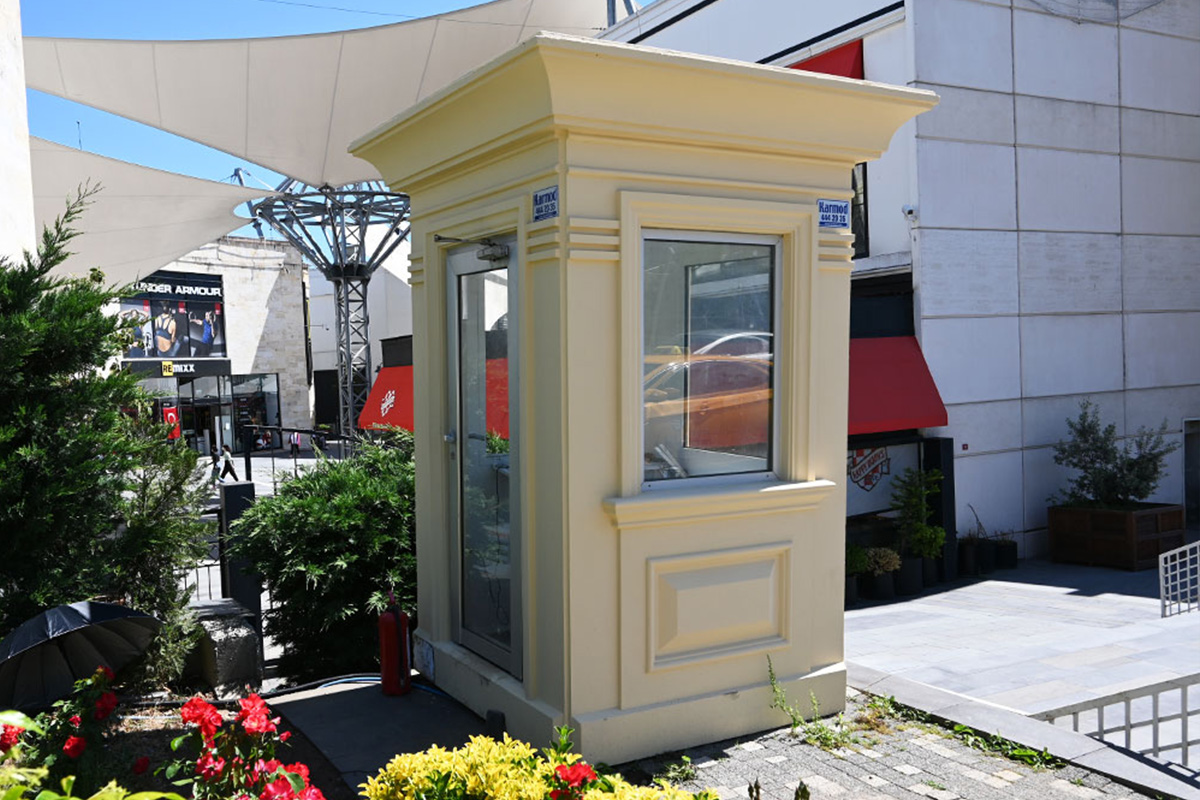
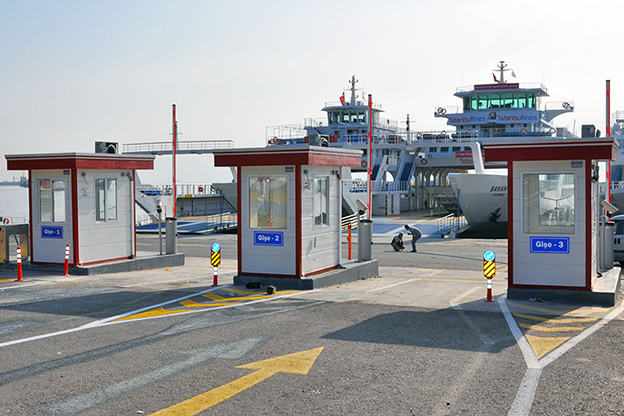
- Security buildings & technical units
- Storage and logistics facilities
These applications highlight how adaptable these systems are to different sectors. In industrial zones, they support rapid workforce deployment. In public projects, they enable fast response to urgent space needs. In logistics, they help companies scale operations without long approval or construction cycles.
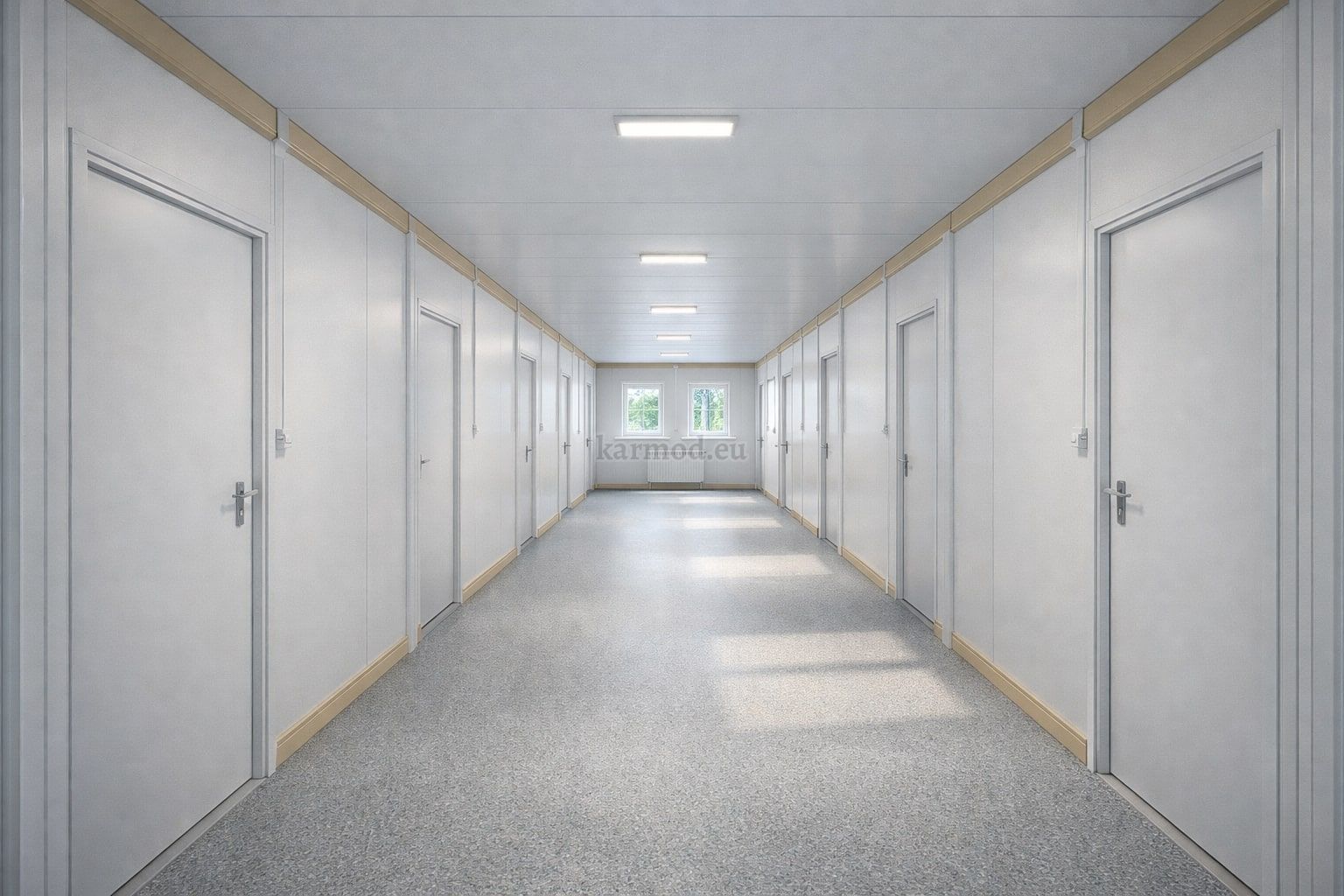
From Design to Installation: How the Process Works
The success of modular buildings depends on a structured and transparent process. It begins with project needs analysis, where functional requirements, capacity, and usage duration are clearly defined.
This is followed by custom design and technical specifications. Layouts, insulation levels, and structural details are adapted to Turkey’s climate conditions and regulatory framework. Factory production then ensures consistent quality and minimizes construction risks associated with weather or site constraints.
Once production is complete, units are delivered to Turkey and transported to the project location. On-site installation is typically completed within days rather than months, allowing operations to start without prolonged delays.
Companies like Karmod approach this process with an emphasis on predictability and compliance, drawing on experience gained across different markets and project scales.
Key Considerations for Modular Buildings in Turkey
Thermal insulation is a critical factor due to Turkey’s diverse climate zones, ranging from cold continental regions to hot coastal areas. Proper insulation directly affects operational costs and indoor comfort.
Fire safety standards must align with local regulations and international benchmarks, particularly for industrial and public-use buildings. Modular systems need to integrate certified materials and tested structural solutions.
Climate suitability goes beyond temperature. Wind loads, seismic considerations, and humidity levels all influence design decisions. Modular buildings designed with these parameters in mind perform reliably over long periods.
Custom layouts are equally important. Each sector—from energy to logistics—has specific spatial and technical requirements. Modular systems allow layouts to be tailored without sacrificing production efficiency.
With its long-standing expertise, Karmod modular building solutions are designed to address these considerations in a balanced way, focusing on durability, safety, and operational efficiency rather than short-term cost advantages.
For decision makers in Turkey, modular buildings and prefabricated building systems represent a strategic construction approach that aligns speed, quality, and adaptability. When planned correctly, these solutions support growth while keeping risks and timelines under control.