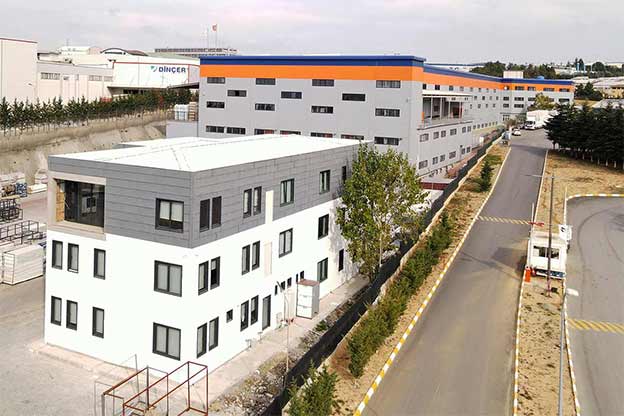



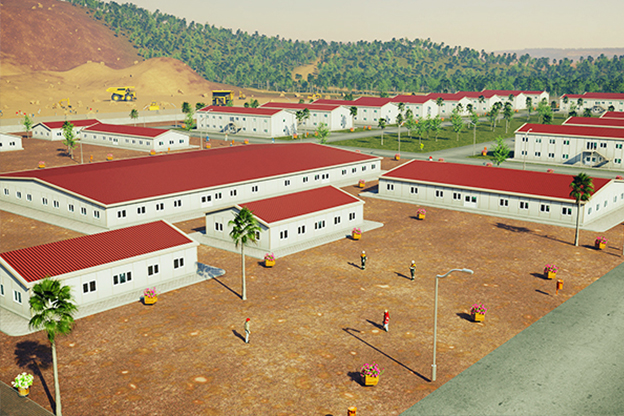
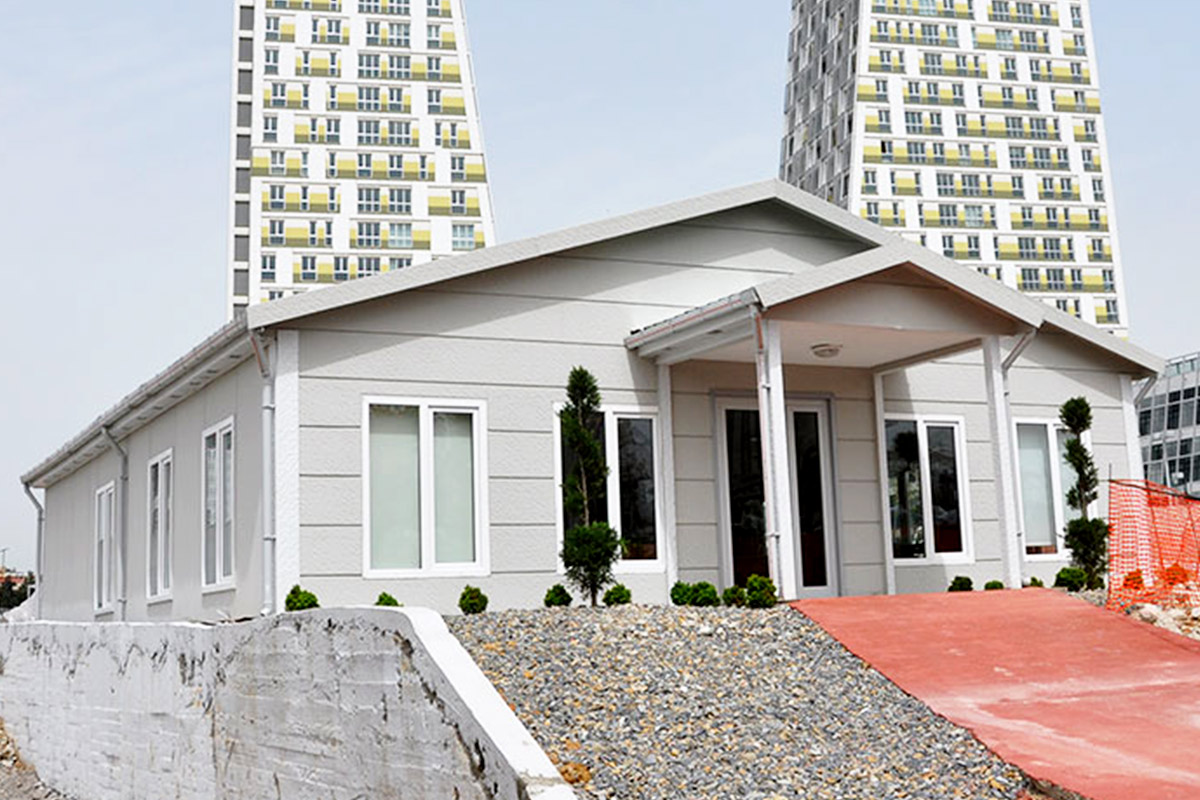


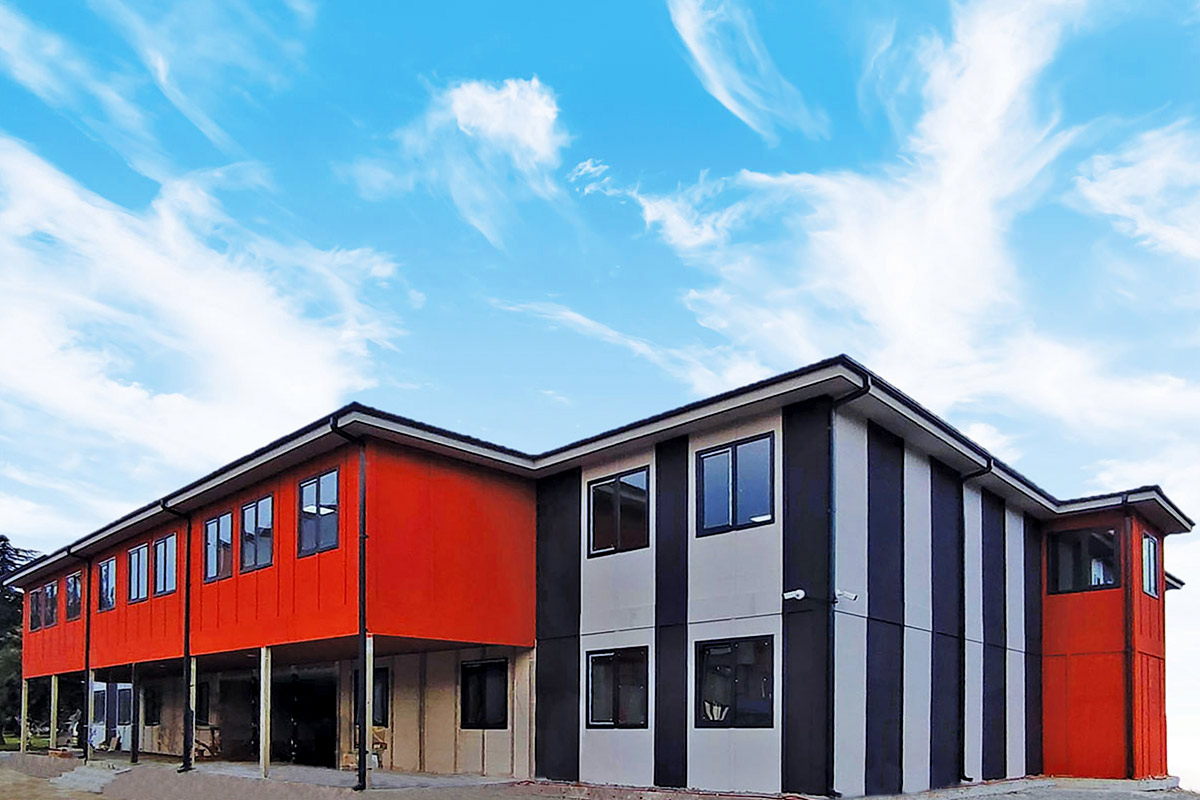



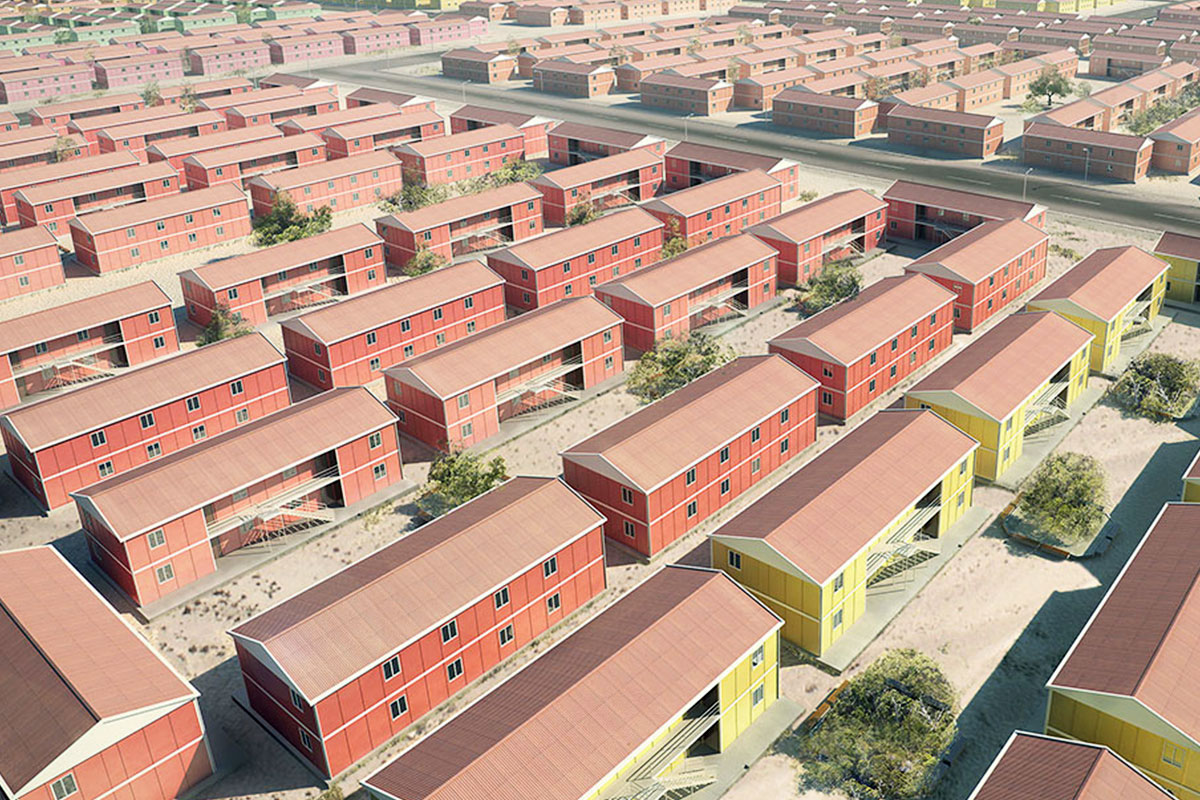
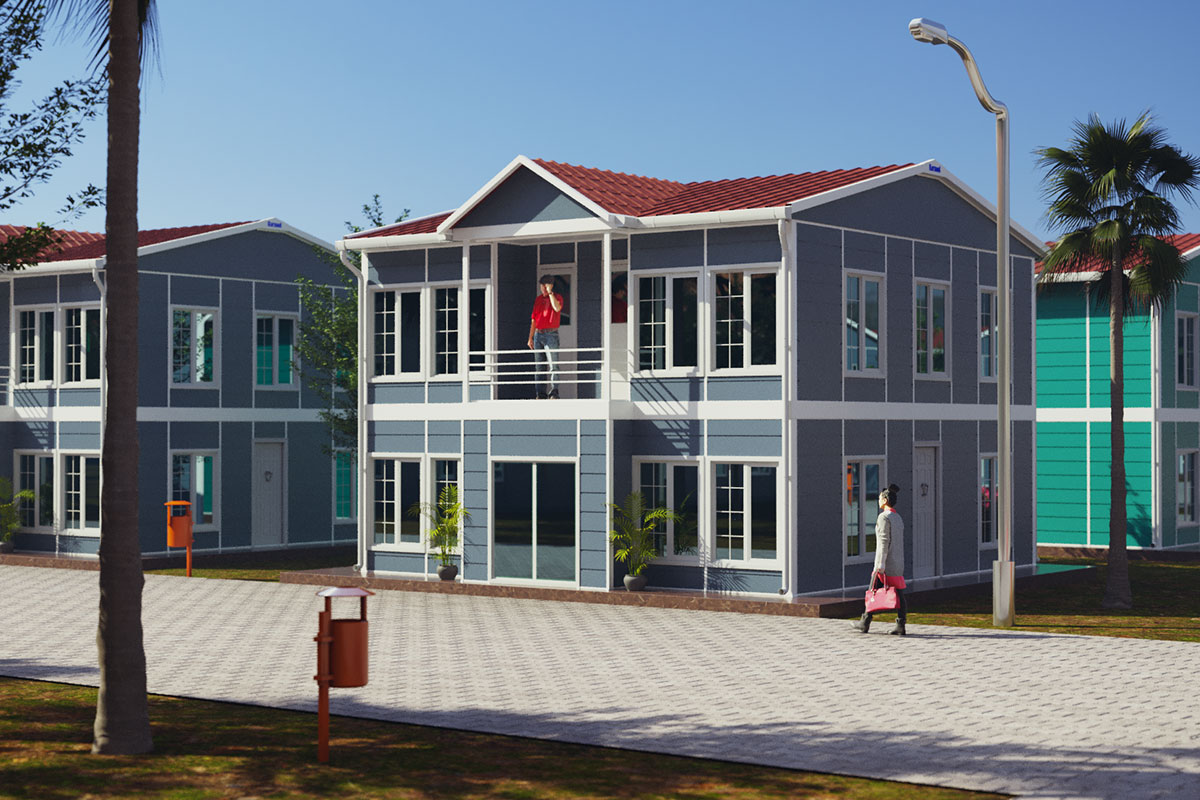
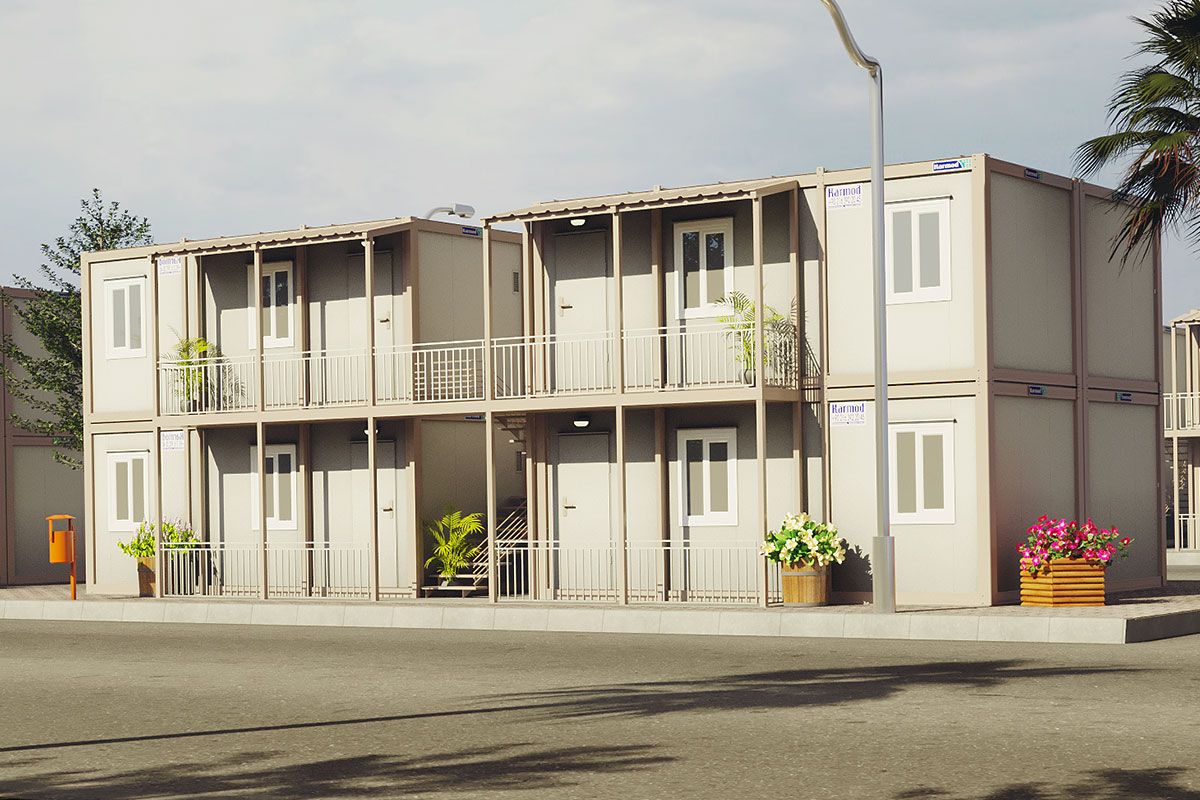

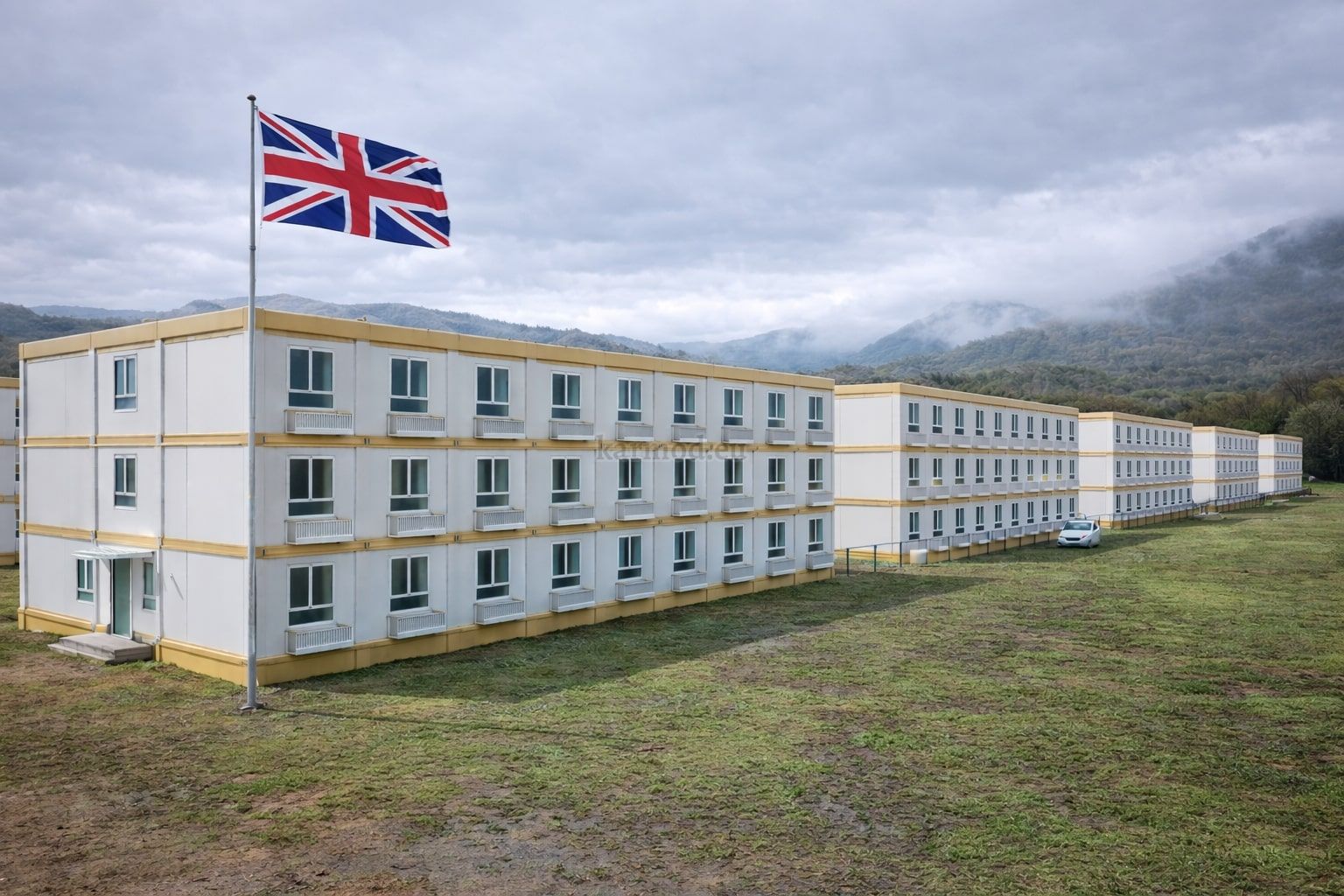
Across the United Kingdom, the construction sector is under sustained pressure to deliver projects faster, with greater cost certainty and lower disruption. Public infrastructure programmes, private commercial developments, and long-term investment in education, healthcare, and logistics are all shaping demand for alternative construction methods. Within this landscape, modular buildings and prefabricated building solutions have become established tools for organisations that prioritise predictability, compliance, and operational continuity. For B2B decision-makers in the UK, these systems support strategic planning rather than short-term fixes.
Why Modular Buildings Are in High Demand in United Kingdom
Labour costs in the United Kingdom remain one of the most influential drivers behind the adoption of modular buildings. Skilled construction labour is limited, wage levels are high, and site-based productivity is often affected by weather and urban access constraints. By transferring a large portion of construction activity to factory environments, modular buildings reduce reliance on extended on-site labour and help stabilise overall project costs.
Construction timelines are equally critical. Delays in traditional building projects can lead to contractual penalties and service disruption, particularly in public-sector developments. Modular construction allows site works and building production to progress in parallel, significantly shortening delivery schedules. For organisations working within strict procurement frameworks or funding timelines, this acceleration offers a clear operational advantage.
The United Kingdom also has a balanced need for temporary and permanent building solutions. Temporary structures are widely used for infrastructure upgrades, rail and road projects, and phased redevelopment schemes. At the same time, permanent facilities are required for schools, hospitals, local authorities, and industrial operations. Modular buildings respond to both requirements by offering relocatable units as well as long-term installations designed to meet regulatory standards.
Sector-specific demand further supports growth. Logistics and warehousing continue to expand alongside e-commerce and last-mile delivery networks. Public-sector projects in education and healthcare require rapid capacity expansion without long site closures. Energy and utility projects often need technical buildings delivered on fixed schedules. In these sectors, modular buildings align closely with UK operational and regulatory realities.

Modular Buildings vs. Prefabricated Building Systems
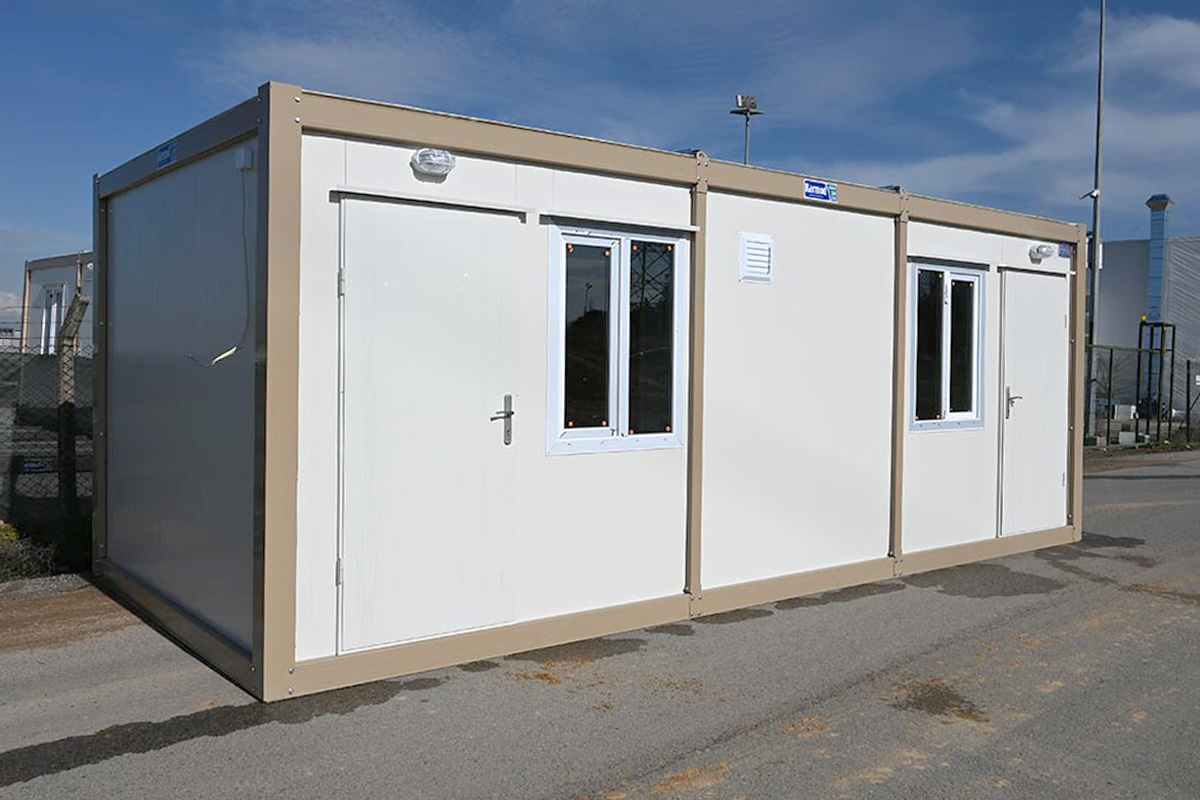
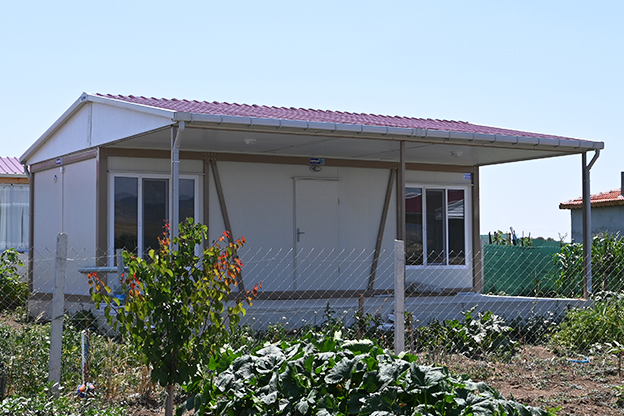
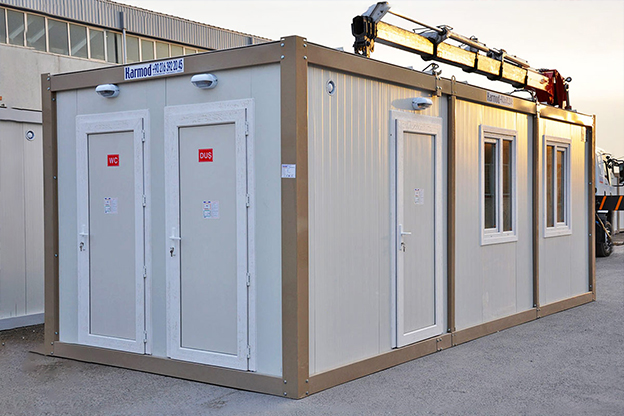
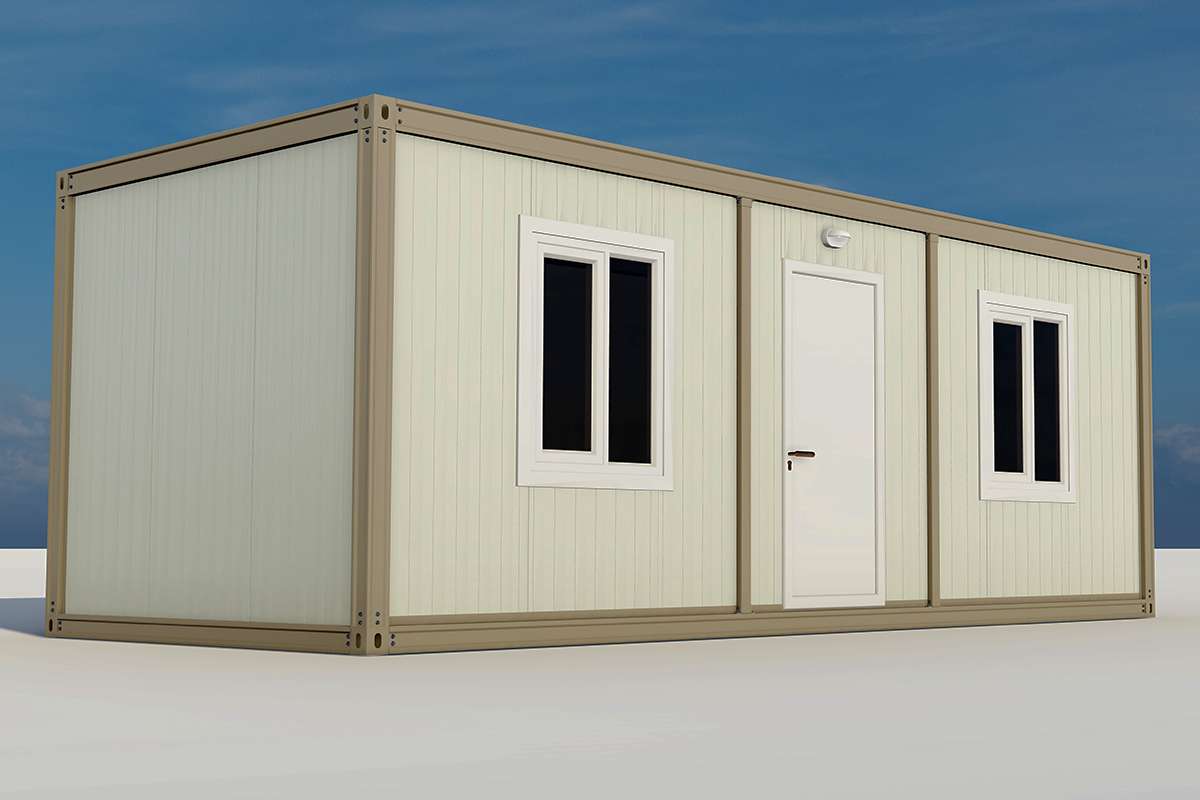
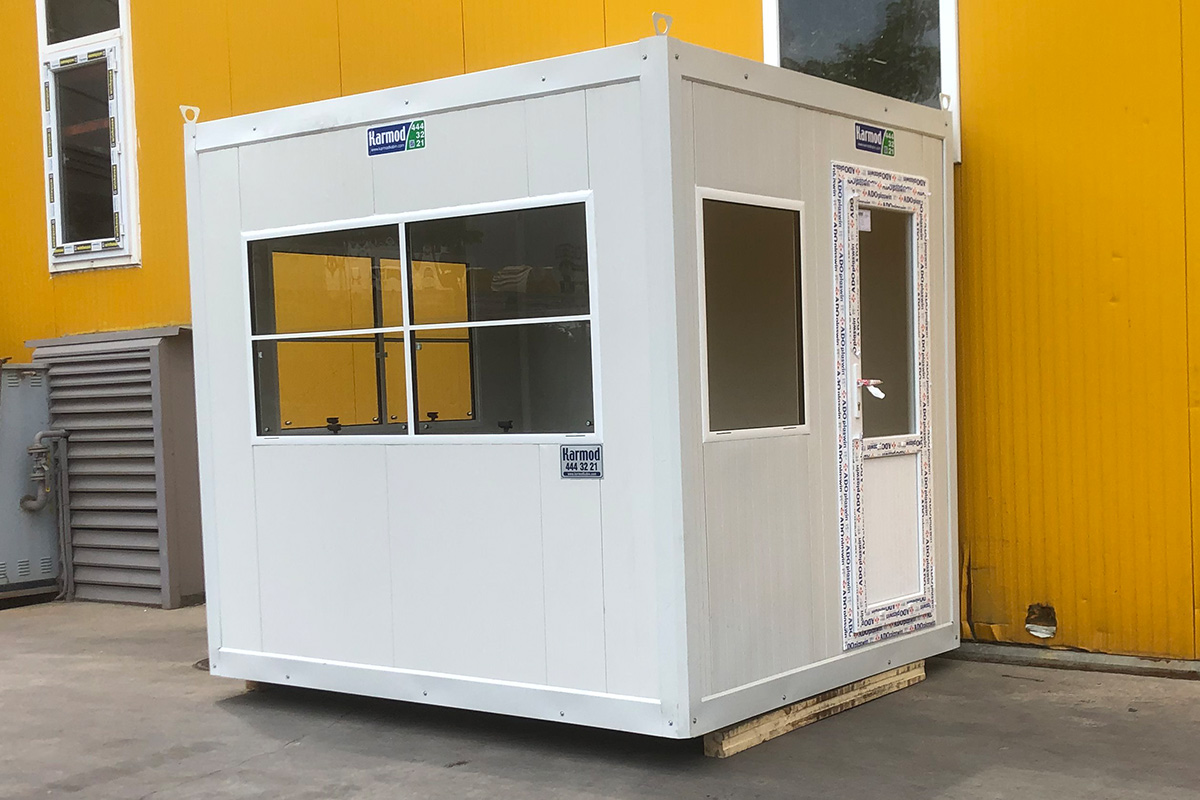
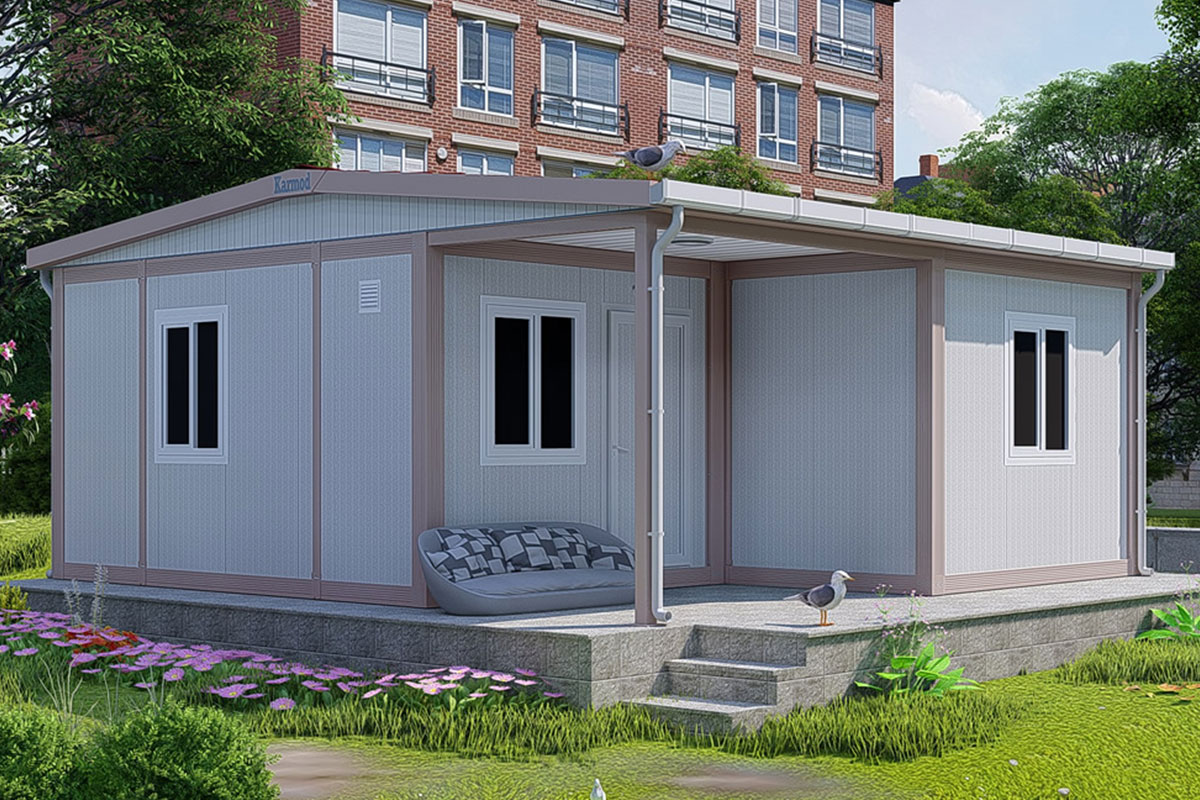
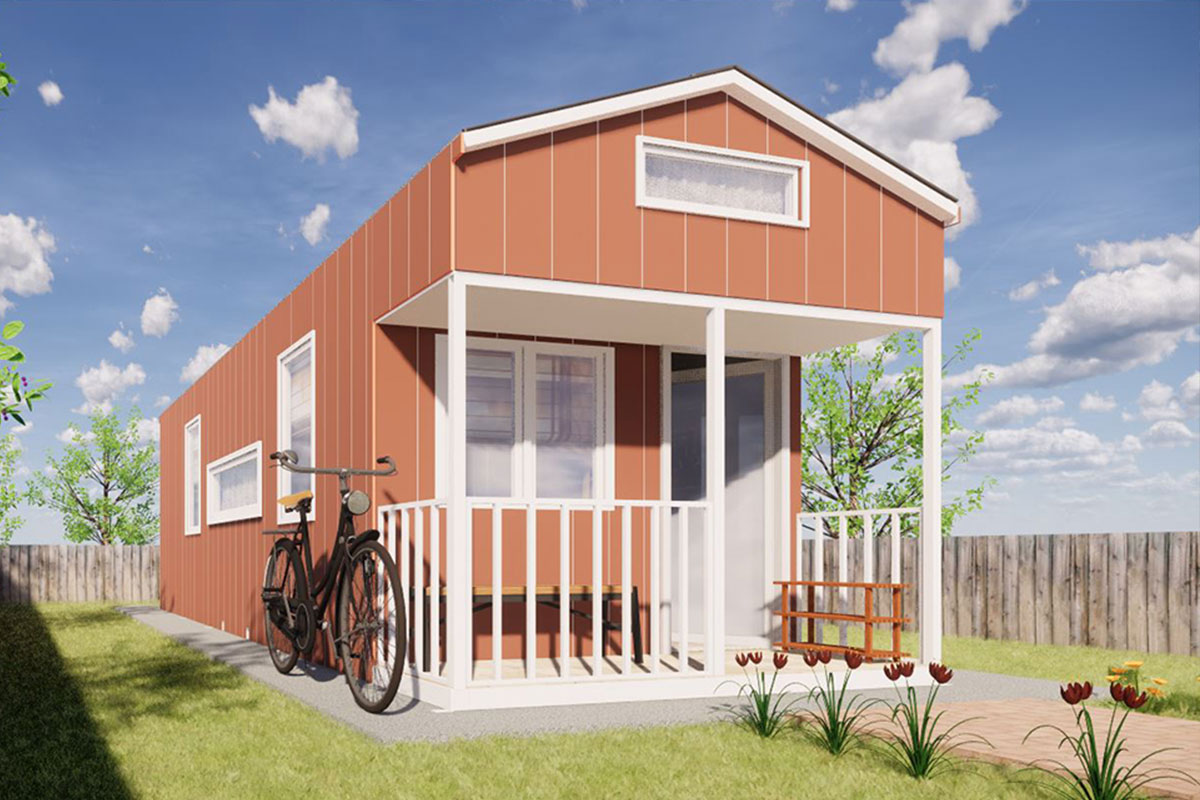
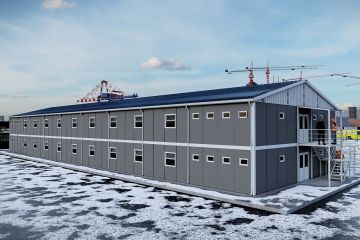
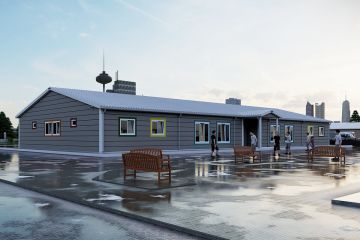
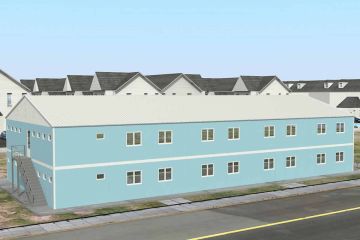
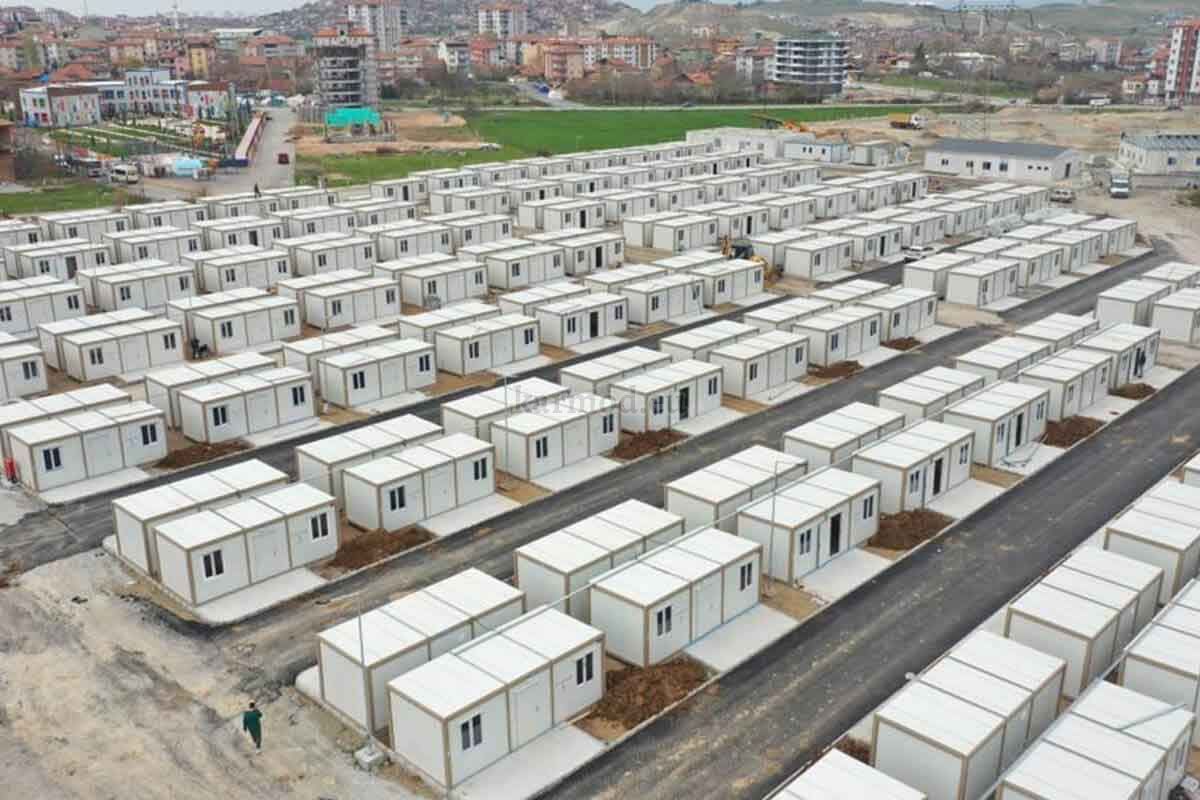
Although often referenced together, modular buildings and prefabricated building systems differ in structure and application. Modular buildings are produced as volumetric units, manufactured in factories as near-complete modules. These units are transportable, quickly installed, and can be extended or relocated as project needs change. This makes modular buildings suitable for environments where flexibility and phased development are important.
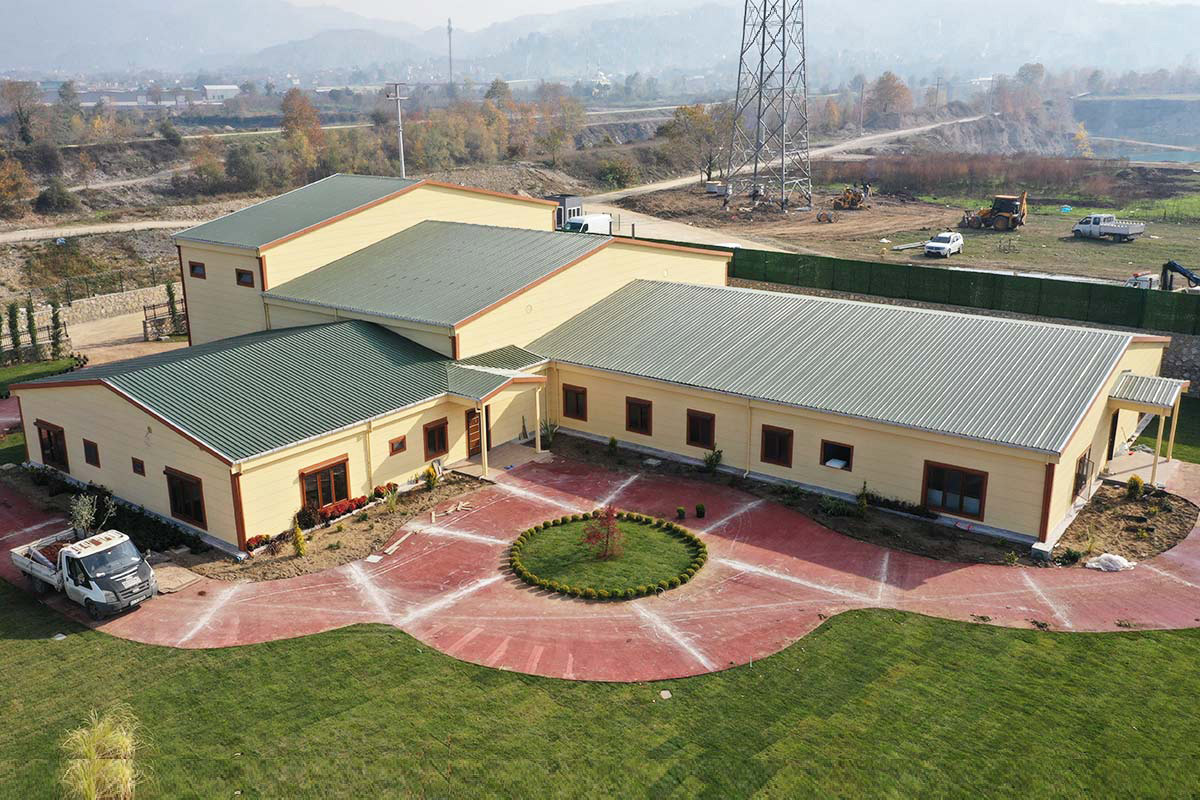
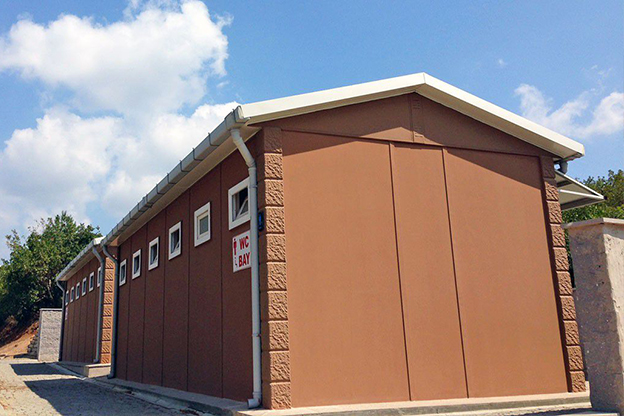
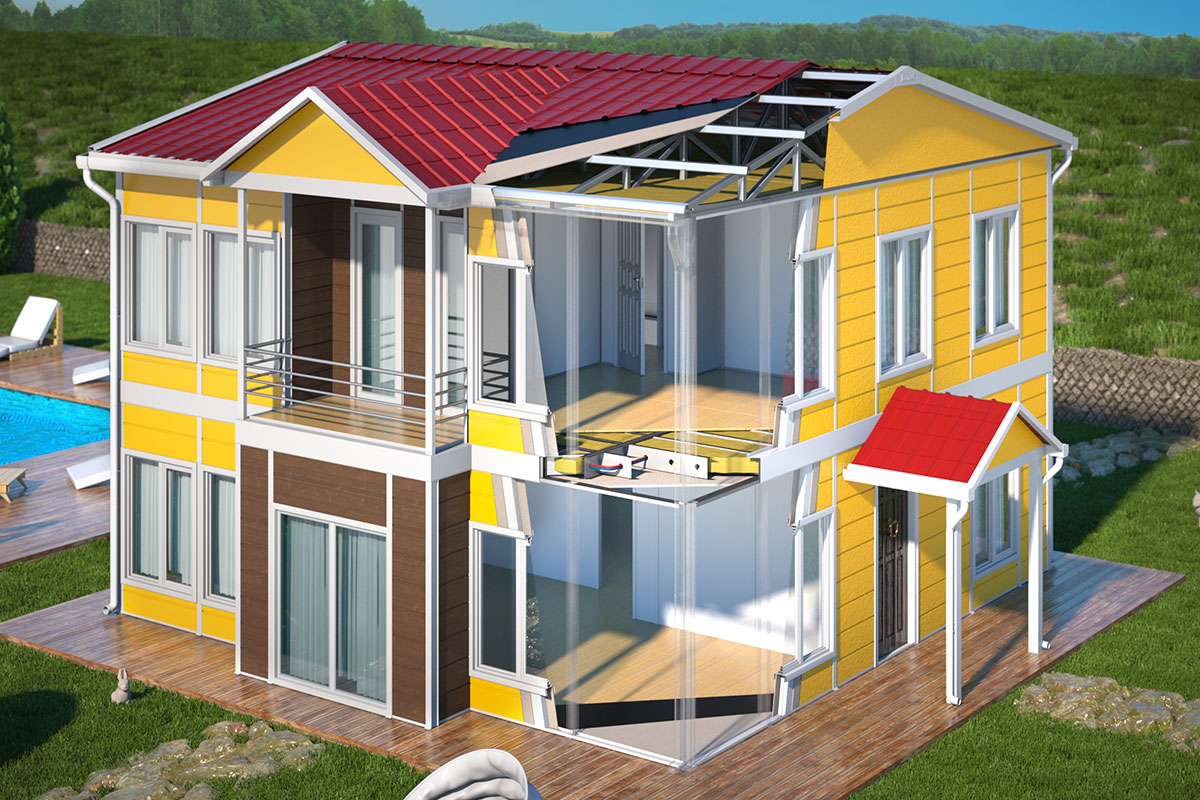
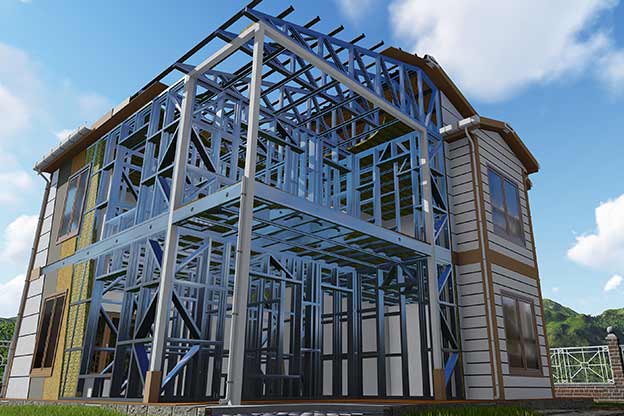
A prefabricated building, in contrast, is typically constructed using panels or pre-engineered structural elements that are assembled on-site into a permanent structure. These systems are commonly selected for long-term projects where architectural integration, fixed layouts, and extended service life are priorities. Prefabricated building methods maintain a strong visual alignment with traditional construction while benefiting from factory-controlled quality.
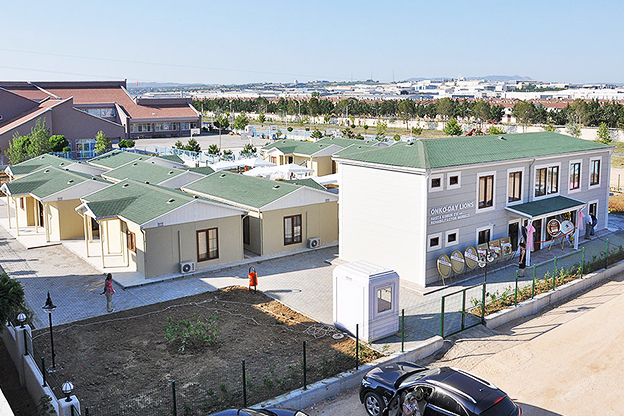
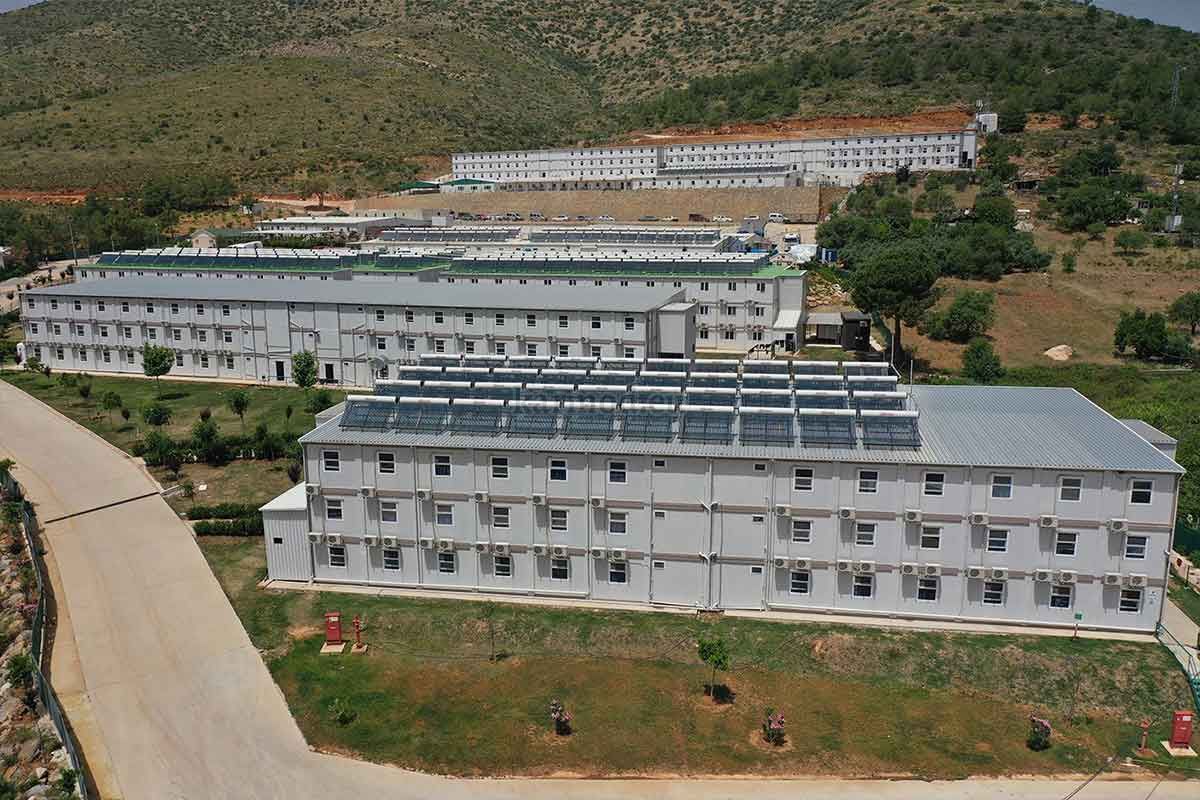
In the United Kingdom, modular buildings are frequently chosen for site offices, temporary classrooms, healthcare extensions, and accommodation facilities linked to infrastructure projects. Prefabricated building systems are more often preferred for permanent schools, medical facilities, administrative buildings, and industrial units where long-term occupancy and design continuity are essential. Selecting the appropriate system depends on functional requirements rather than cost alone.
Applications of Modular and Prefabricated Buildings in United Kingdom
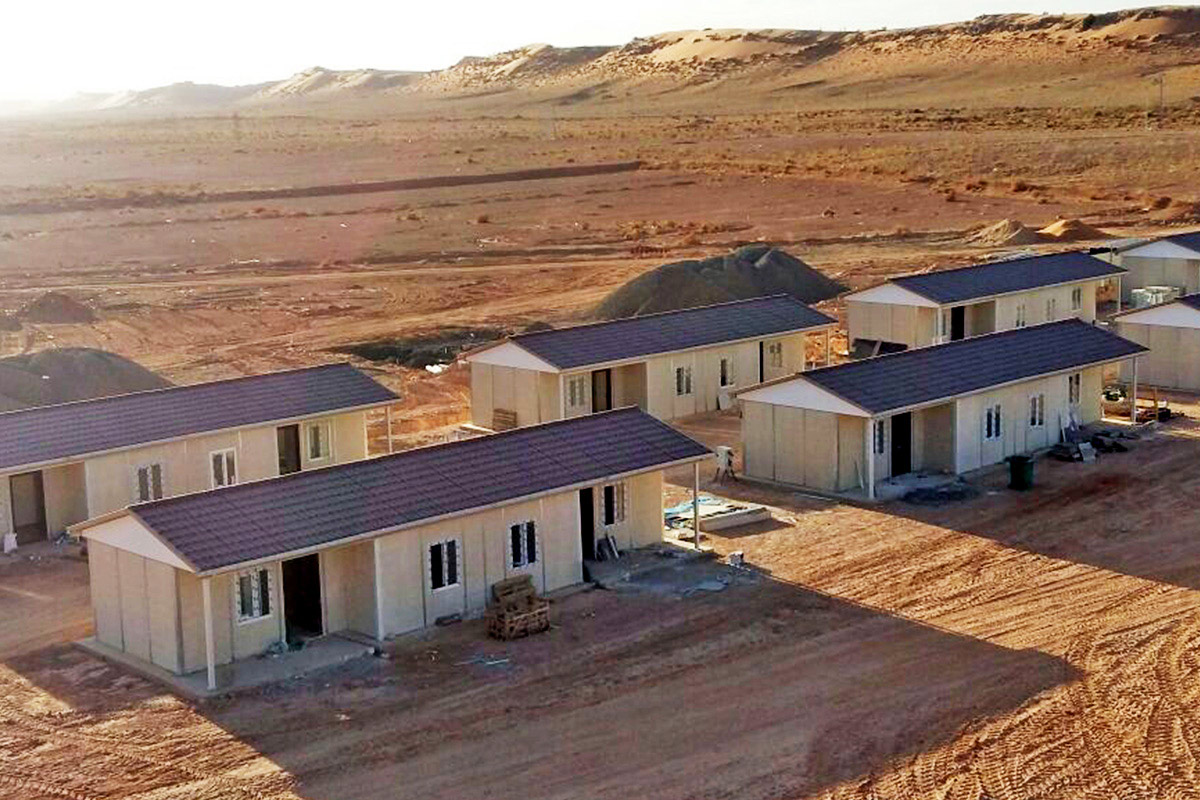
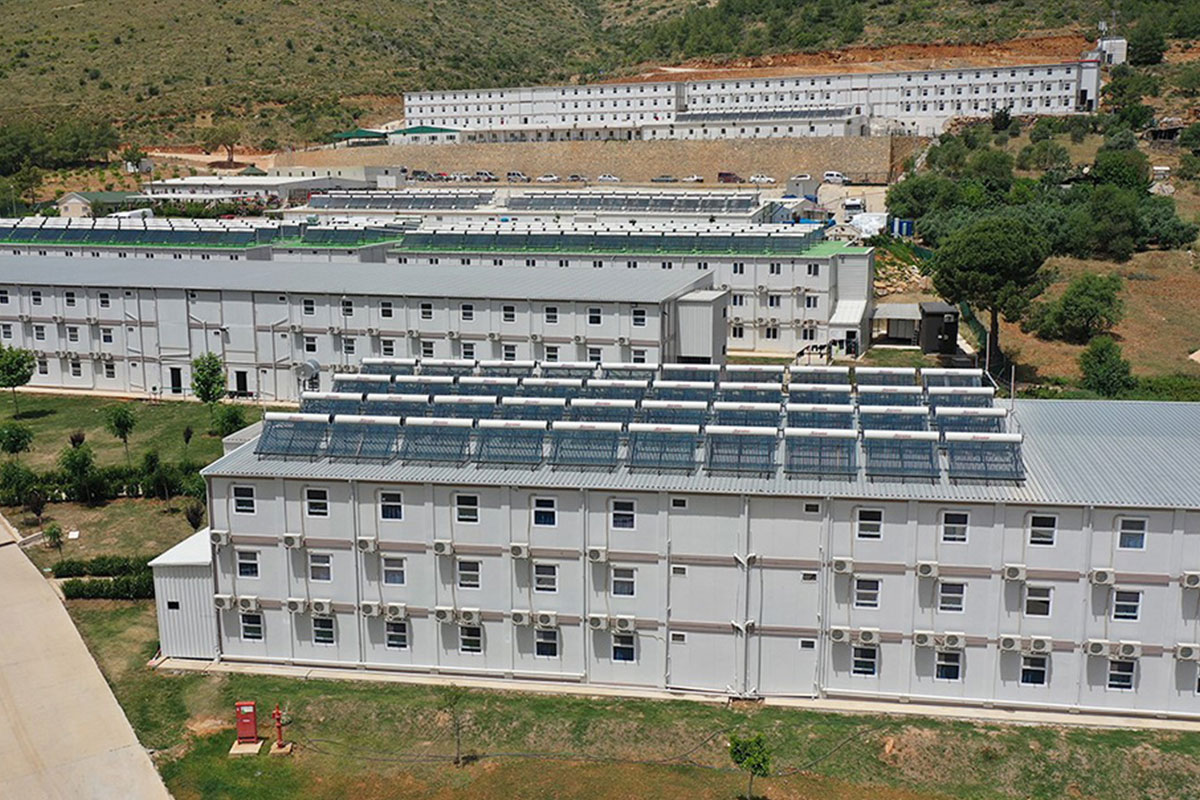
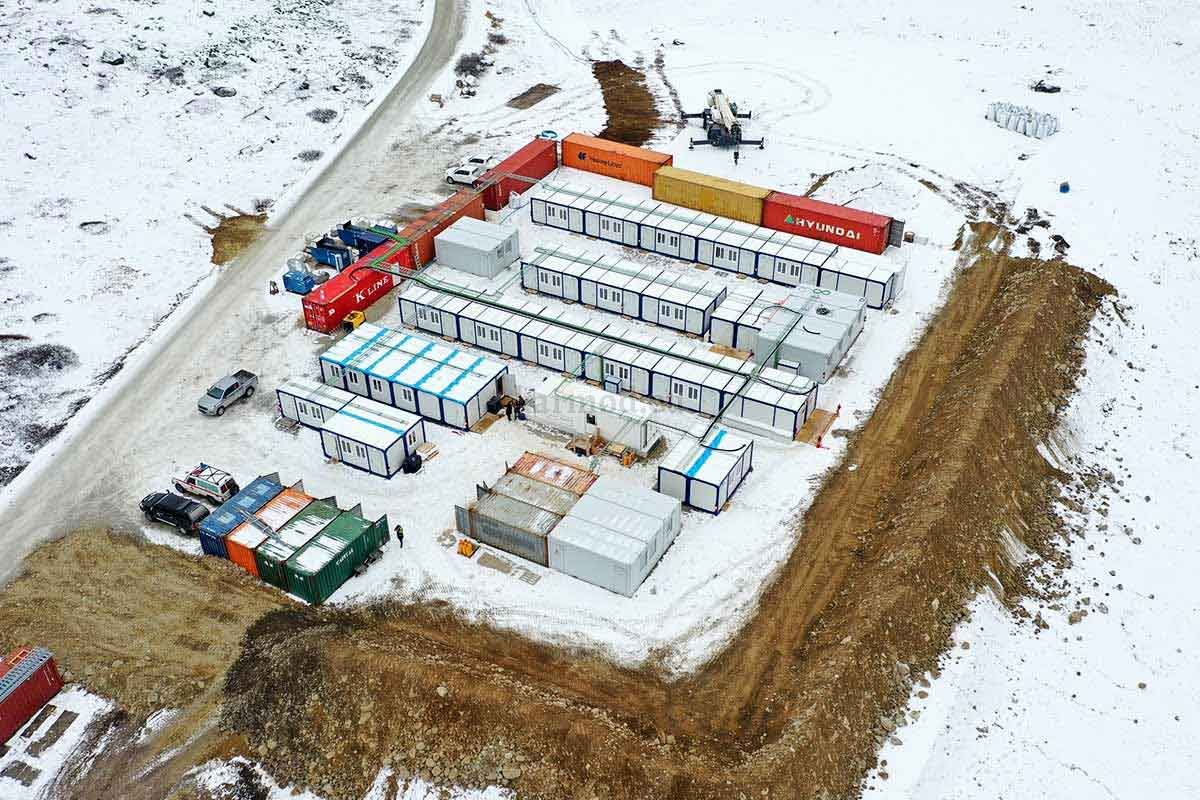
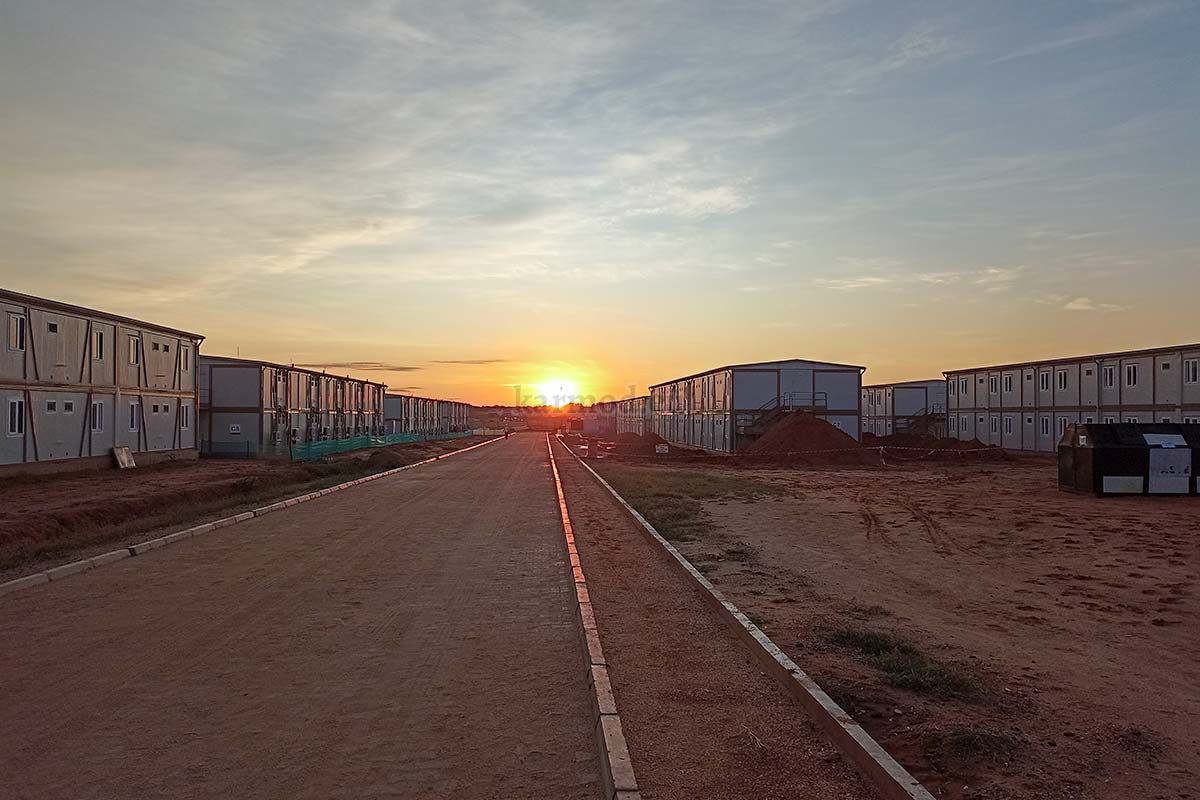
- Site offices & construction camps supporting infrastructure, rail, and commercial development projects
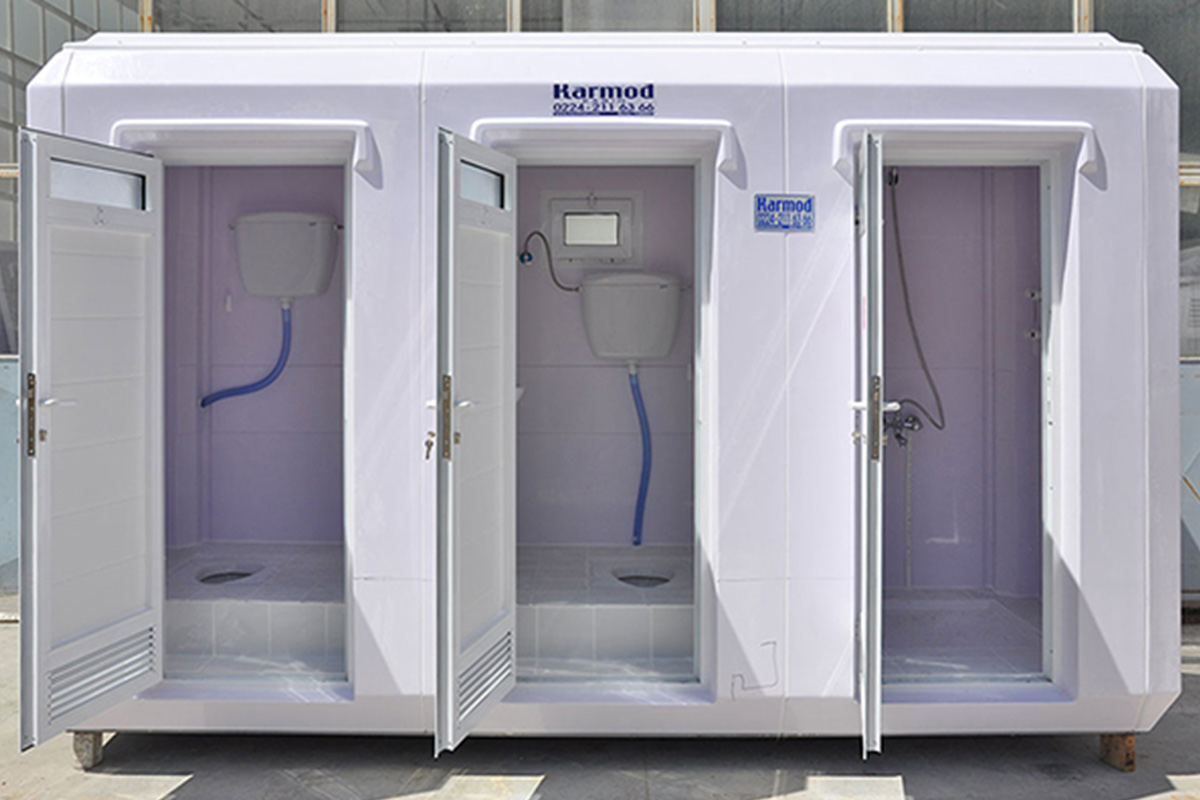
- Worker accommodation buildings for energy, industrial, and remote construction operations
- Temporary schools & healthcare units enabling capacity expansion without disrupting existing facilities
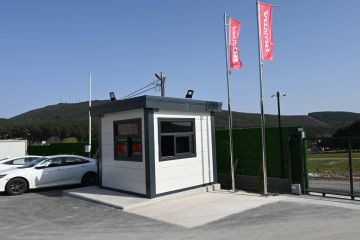
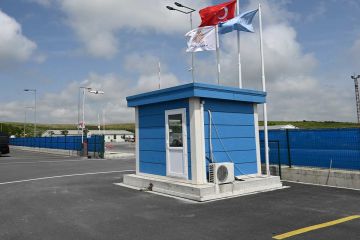
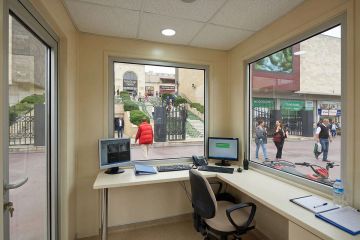
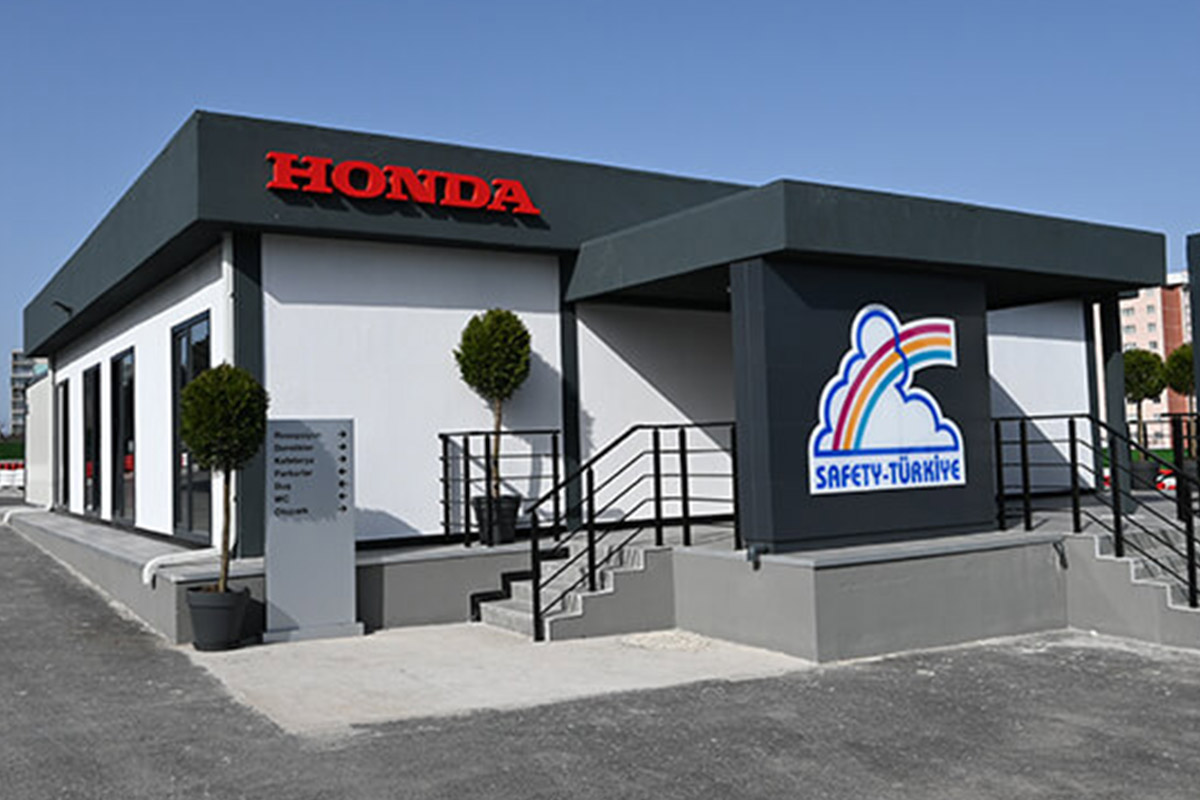
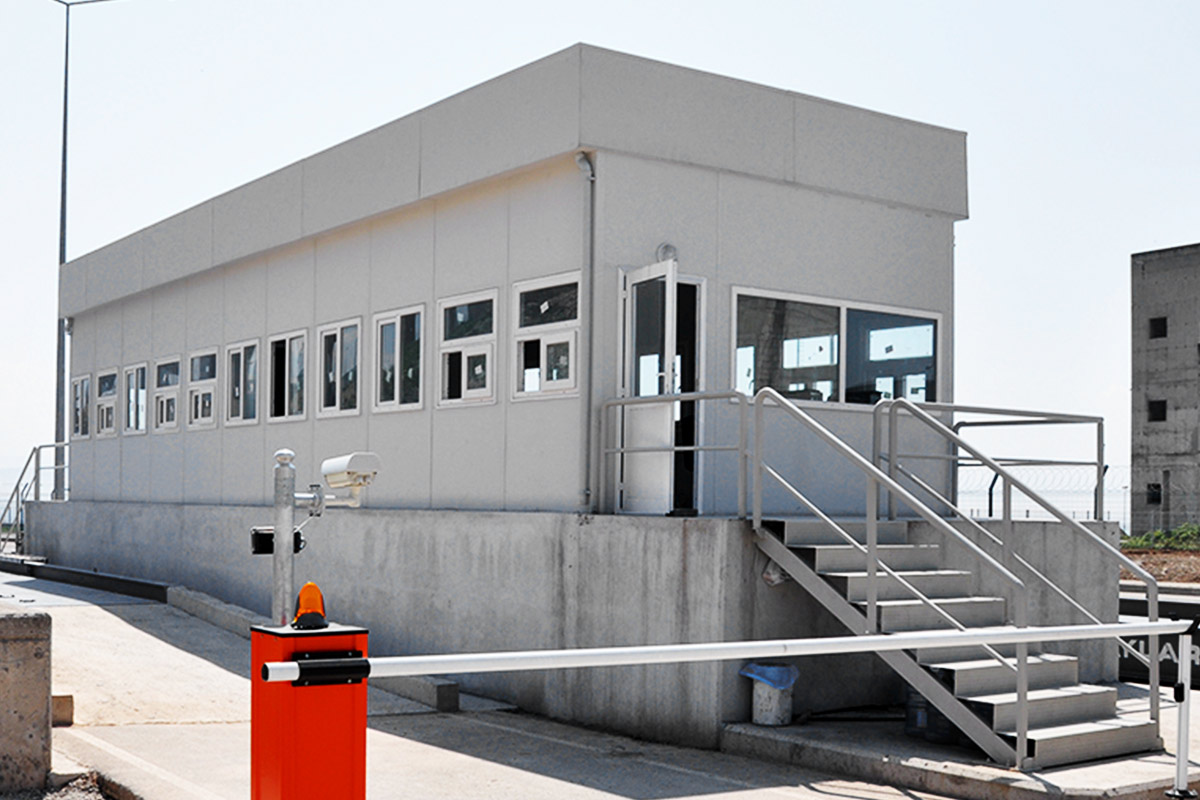
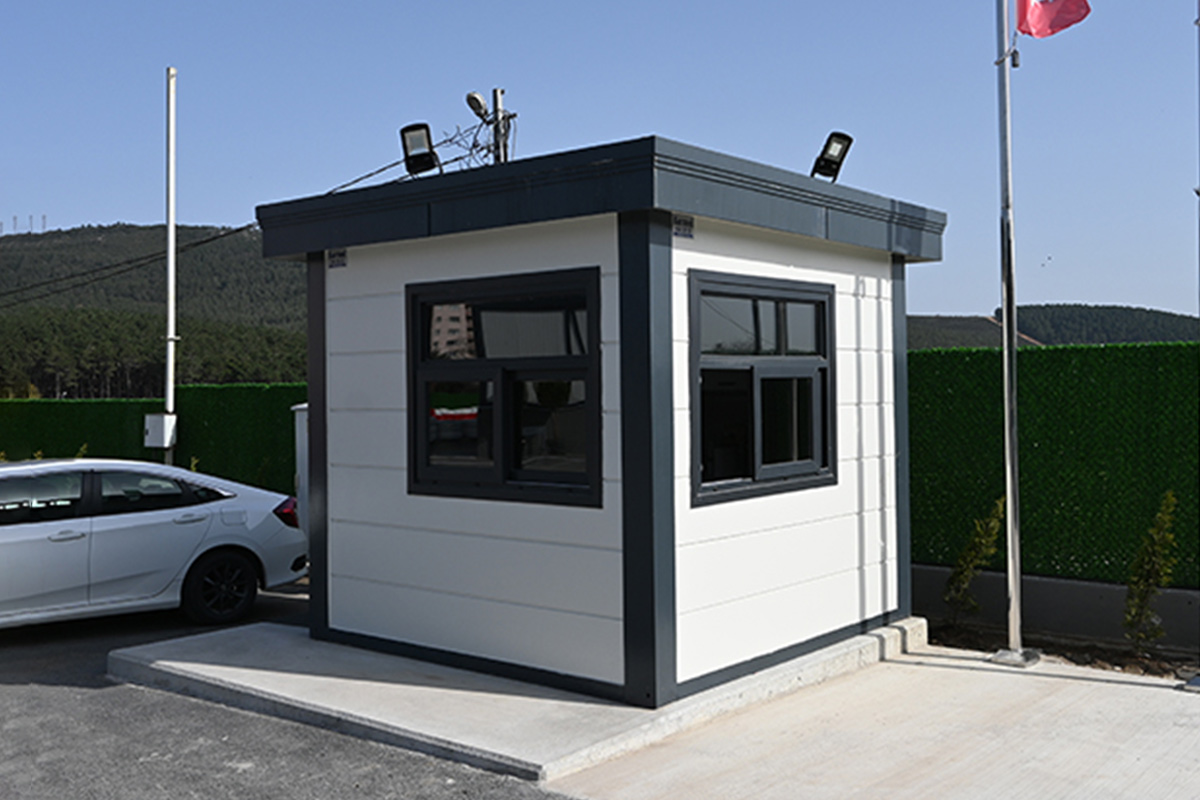
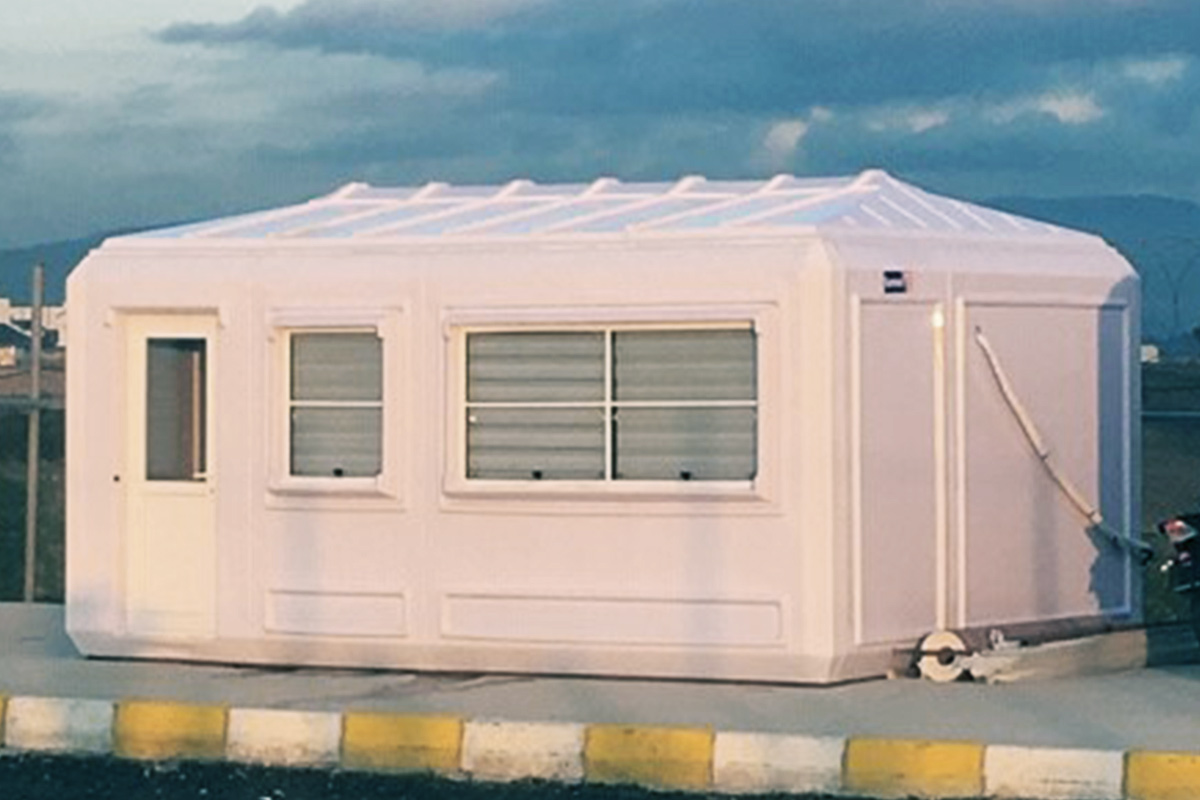
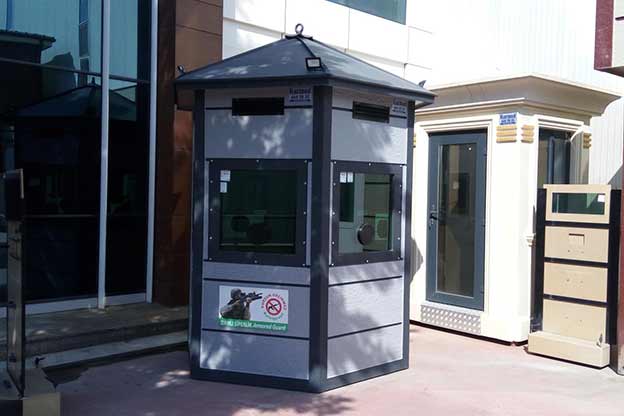
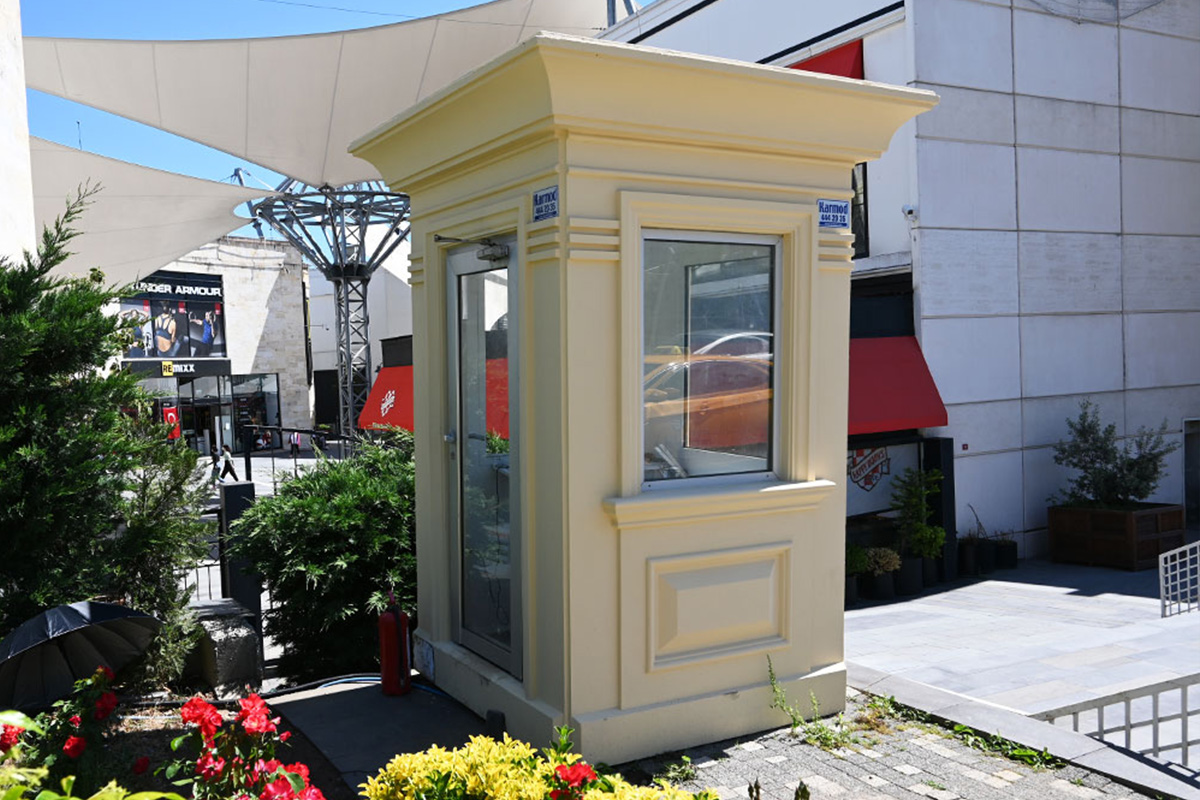
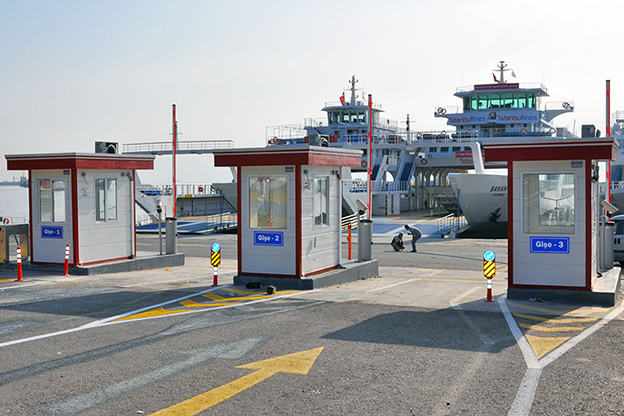
- Security buildings & technical units for controlled access, utilities, and critical infrastructure sites
- Storage and logistics facilities aligned with distribution centres and transport corridors
These applications demonstrate how modular buildings and prefabricated building solutions integrate into the United Kingdom’s regulated and time-sensitive project environments.
From Design to Installation: How the Process Works
Projects typically begin with a detailed project needs analysis. This phase defines operational requirements, occupancy levels, compliance obligations, and site conditions specific to the United Kingdom. Early clarity ensures alignment with building regulations and procurement expectations.
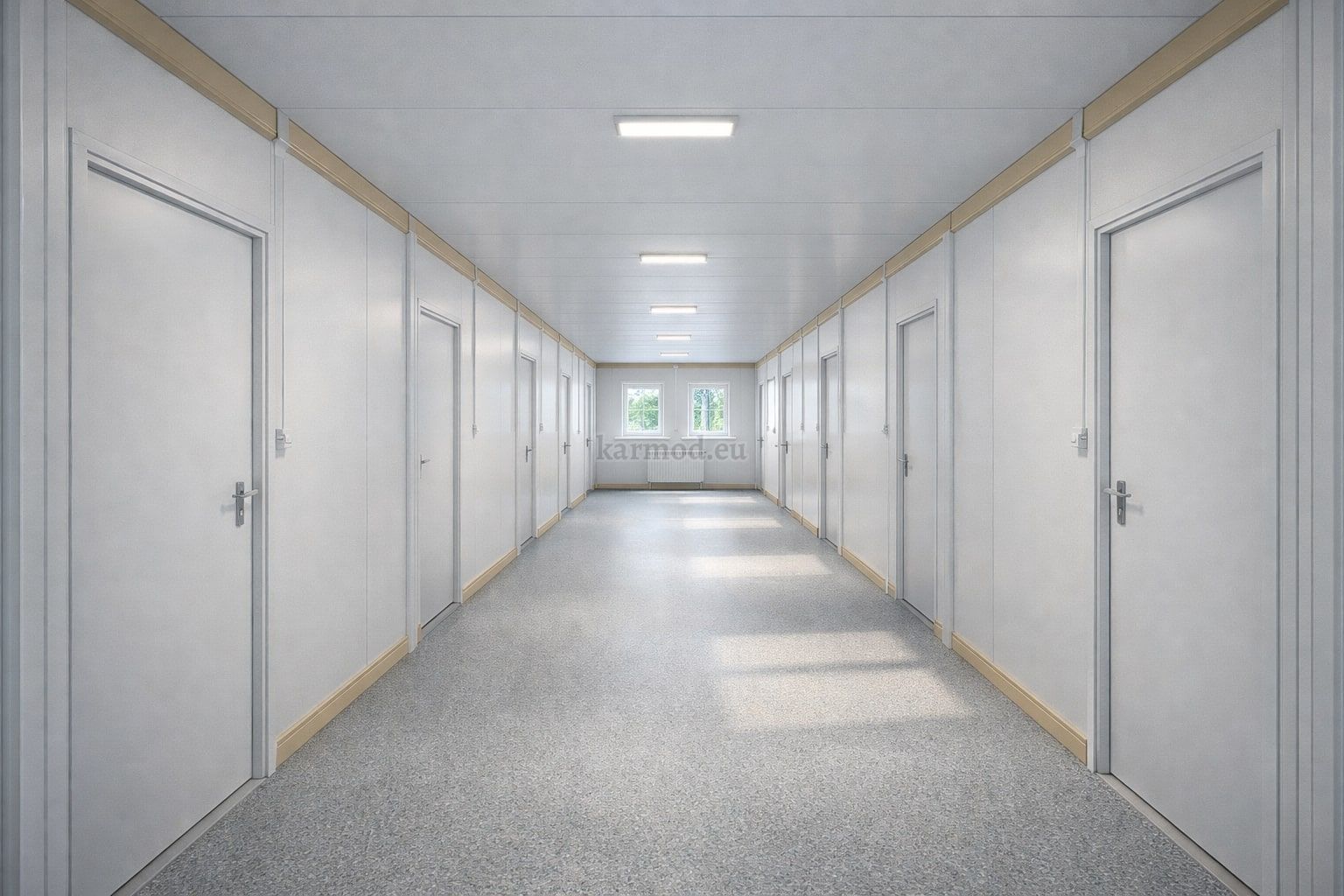
Custom design and specification development follows. Layouts, structural systems, insulation performance, and safety features are tailored to project objectives and local standards. This stage allows decision-makers to address compliance and operational efficiency before production begins.
Factory production is then carried out under controlled conditions. Whether manufacturing complete modules or prefabricated components, this process ensures consistent quality, reduced material waste, and minimal exposure to weather-related delays.
After production, units are delivered to the United Kingdom using coordinated logistics planning. On-site installation is completed efficiently, often within days, enabling facilities to become operational with minimal disruption to surrounding activities.
Key Considerations for Modular Buildings in United Kingdom
Thermal insulation is a key consideration due to the UK’s climate and energy efficiency requirements. Buildings must meet strict performance standards to support occupant comfort and long-term operational cost control.
Fire safety standards are central to project approval. Compliance with UK regulations and project-specific safety requirements must be embedded in both design and material selection from the outset.
Climate suitability extends beyond temperature. Wind exposure, moisture resistance, and long-term durability influence structural and material choices, particularly for permanent installations.
Custom layouts allow organisations to align building interiors with operational workflows. Flexible planning supports efficient use of space in offices, educational facilities, accommodation units, and technical environments.
With experience gained across European markets, Karmod brings a practical understanding of how modular buildings and prefabricated building systems can be adapted to the regulatory and operational framework of the United Kingdom. Karmod modular building solutions are designed to balance speed, durability, and compliance while supporting long-term asset planning. By focusing on consistent quality and controlled production, Karmod provides organisations with building solutions that integrate smoothly into complex UK projects and procurement structures.