



Uruguay has steadily positioned itself as one of South America’s most stable and investment-friendly economies. With growing infrastructure projects, expanding logistics corridors, and strong public investment in education and healthcare, the demand for faster and more predictable construction methods has increased. In this context, modular buildings and prefabricated building solutions are becoming a strategic choice for companies and institutions that need reliable structures delivered on schedule and within controlled budgets.
Rather than focusing on short-term trends, decision makers in Uruguay are prioritizing construction models that reduce operational risk, allow phased growth, and comply with long-term planning requirements. This shift explains why modular and prefabricated systems are now widely evaluated across multiple sectors.
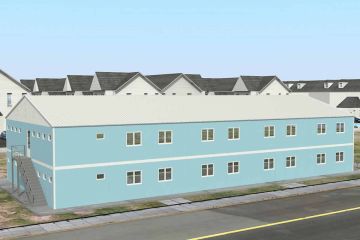
Why Modular Buildings Are in High Demand in Uruguay
Several structural factors are shaping the construction market in Uruguay and accelerating interest in modular solutions.
Labor costs are one of the most significant drivers. While Uruguay has a skilled workforce, traditional construction can be labor-intensive and sensitive to scheduling disruptions. Modular buildings minimize on-site labor by transferring most of the work to controlled factory environments, helping investors better predict total project costs.
Construction timelines are another key concern. Industrial, logistics, and public projects often operate under strict deadlines. Modular buildings can be produced and prepared in parallel with site works, reducing overall project duration without compromising quality or compliance.
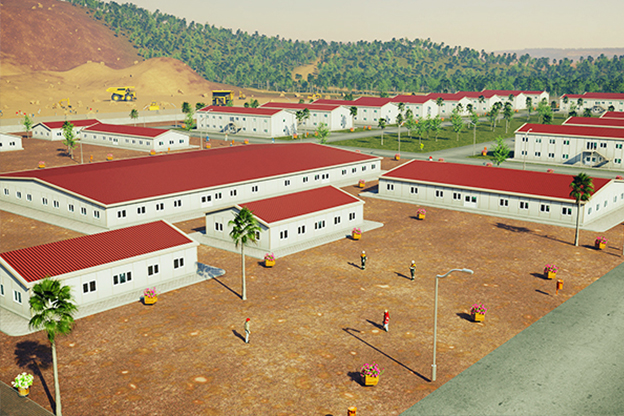
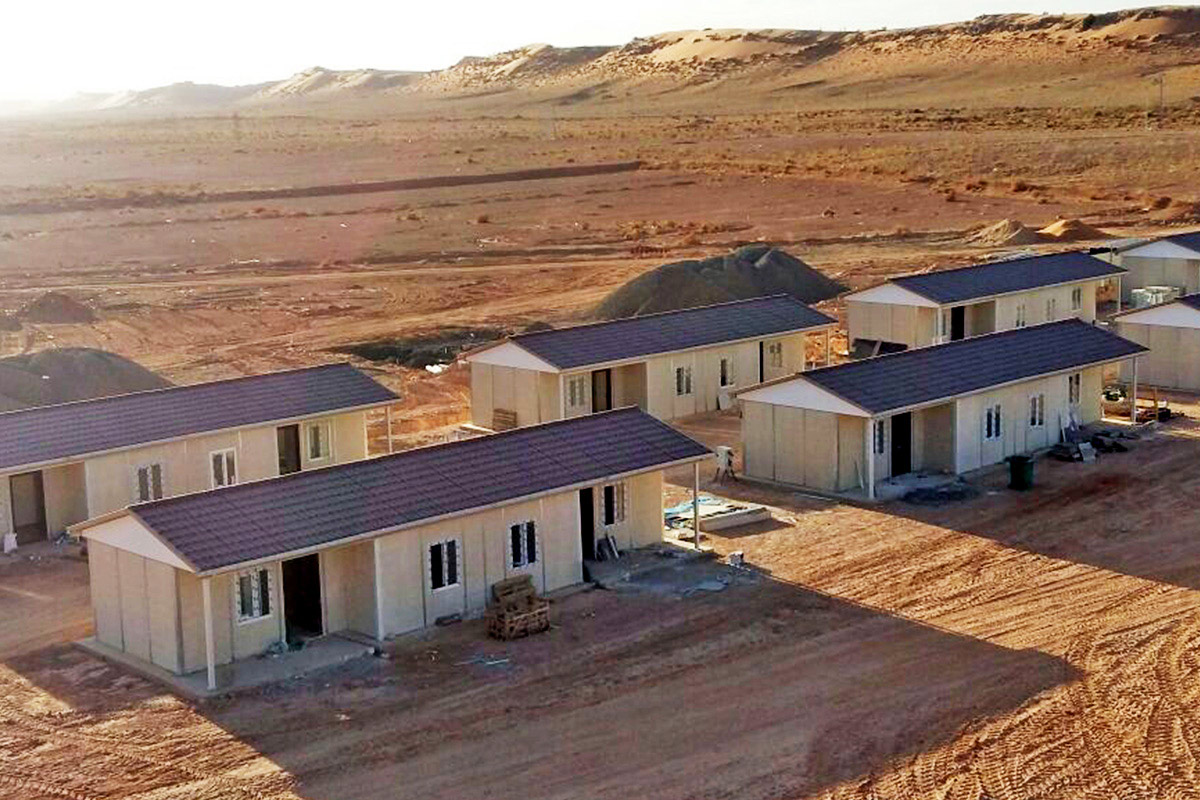
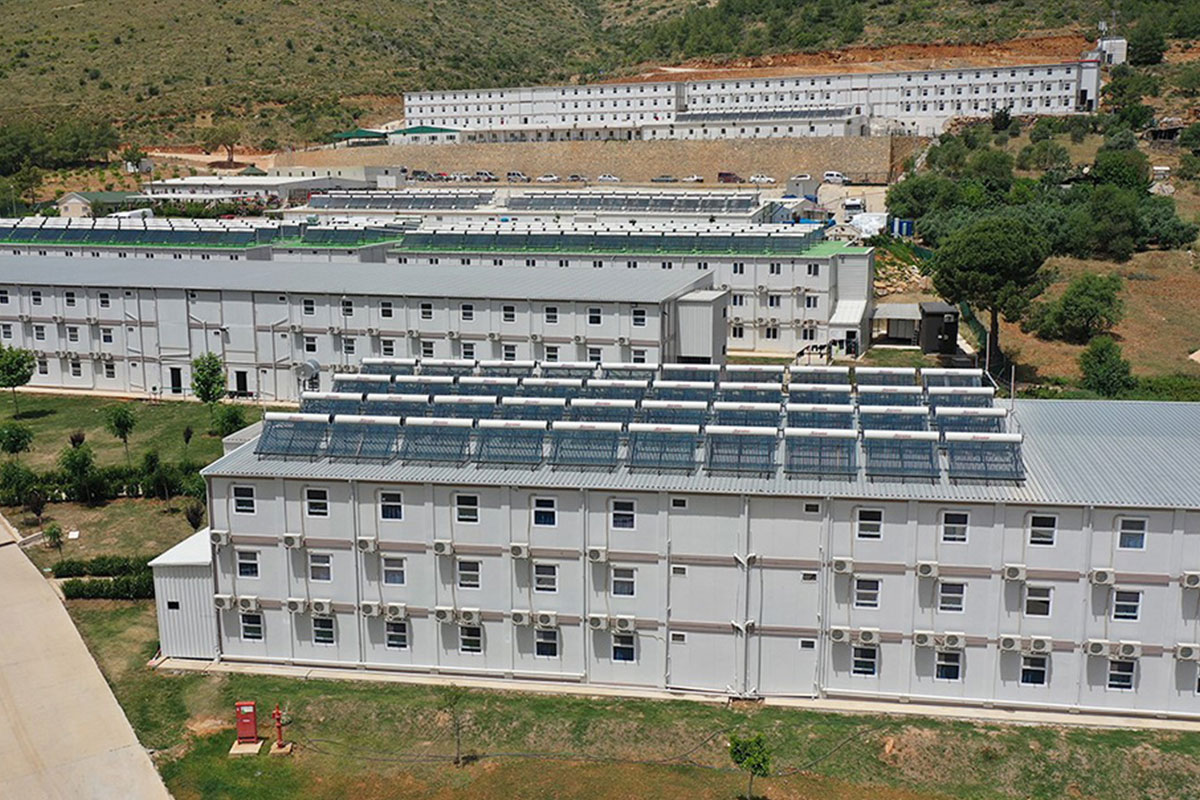
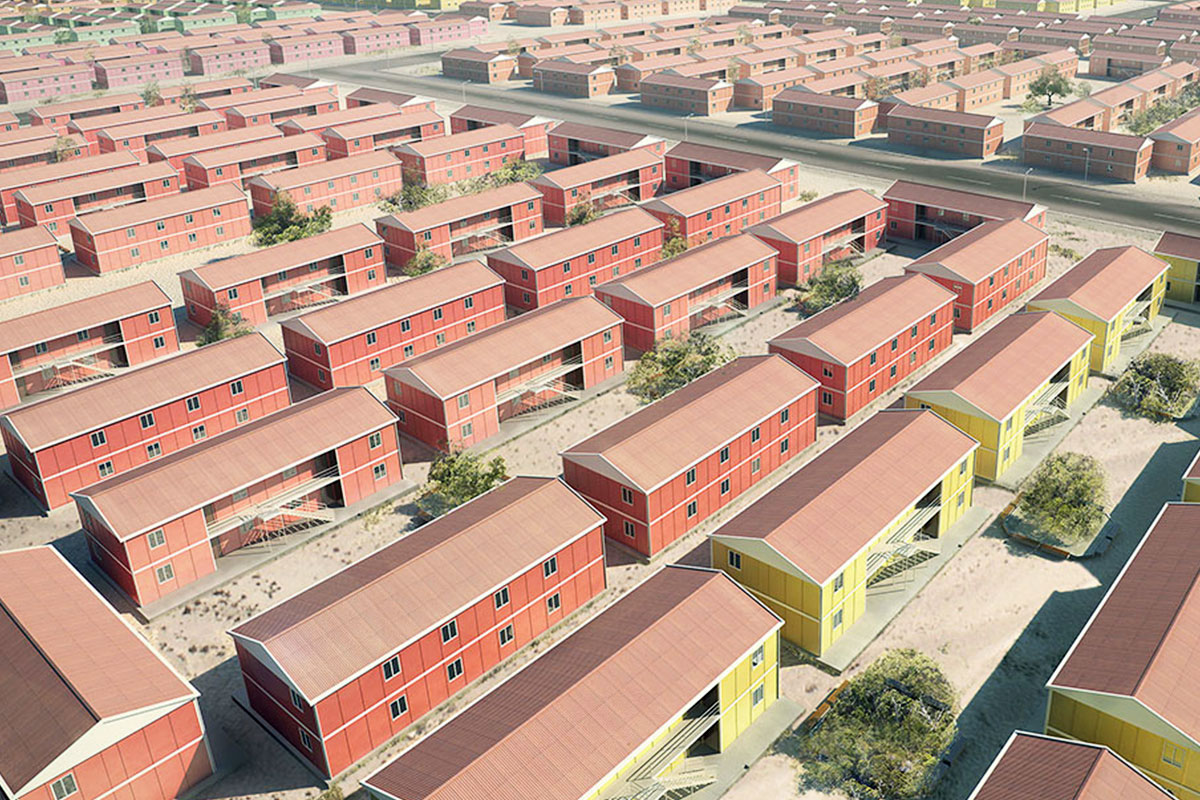
Uruguay also presents a mixed demand for temporary and permanent buildings. Construction camps, site offices, and temporary service buildings are required for infrastructure and energy projects, while long-term facilities such as administrative offices, worker housing, and technical buildings must meet durability expectations. Modular systems respond well to both needs, offering relocatable units as well as permanent configurations.
Sector-specific demand further reinforces this trend. Logistics hubs linked to ports, industrial zones supporting agribusiness, public sector facilities, and renewable energy projects all benefit from fast deployment and standardized building performance. These sectors increasingly view modular construction as a strategic tool rather than an alternative solution.
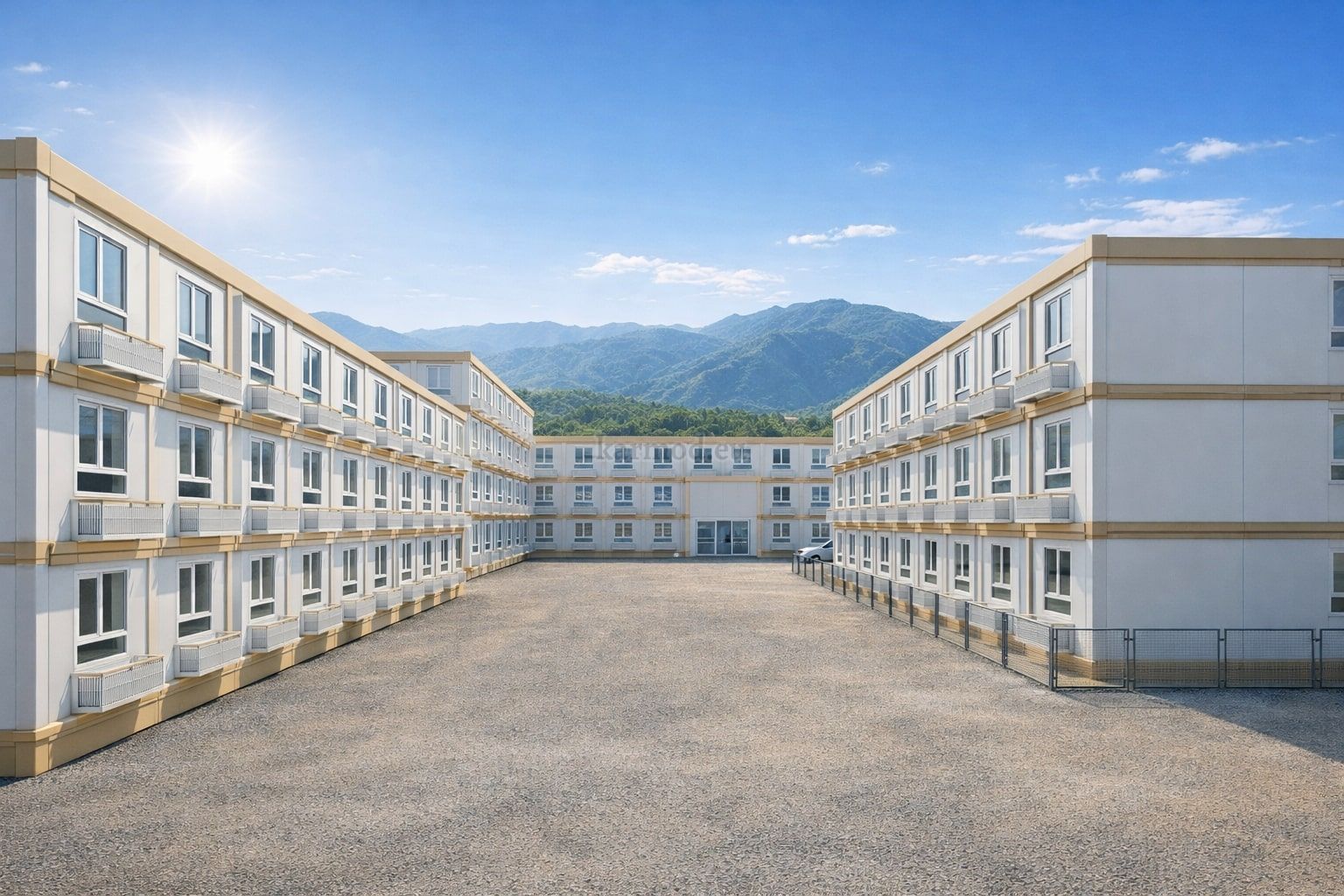
Modular Buildings vs. Prefabricated Building Systems
Although often mentioned together, modular buildings and prefabricated building systems serve different functional priorities.
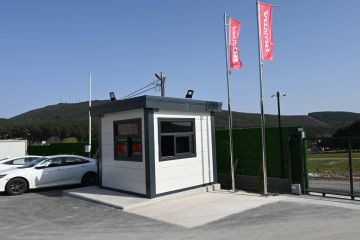
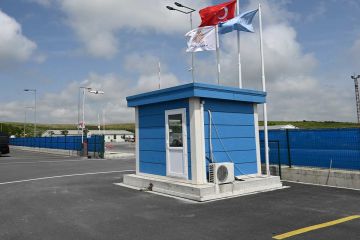
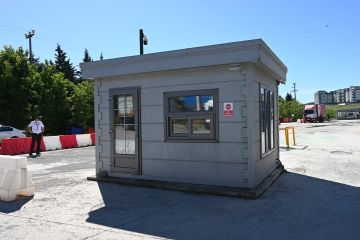
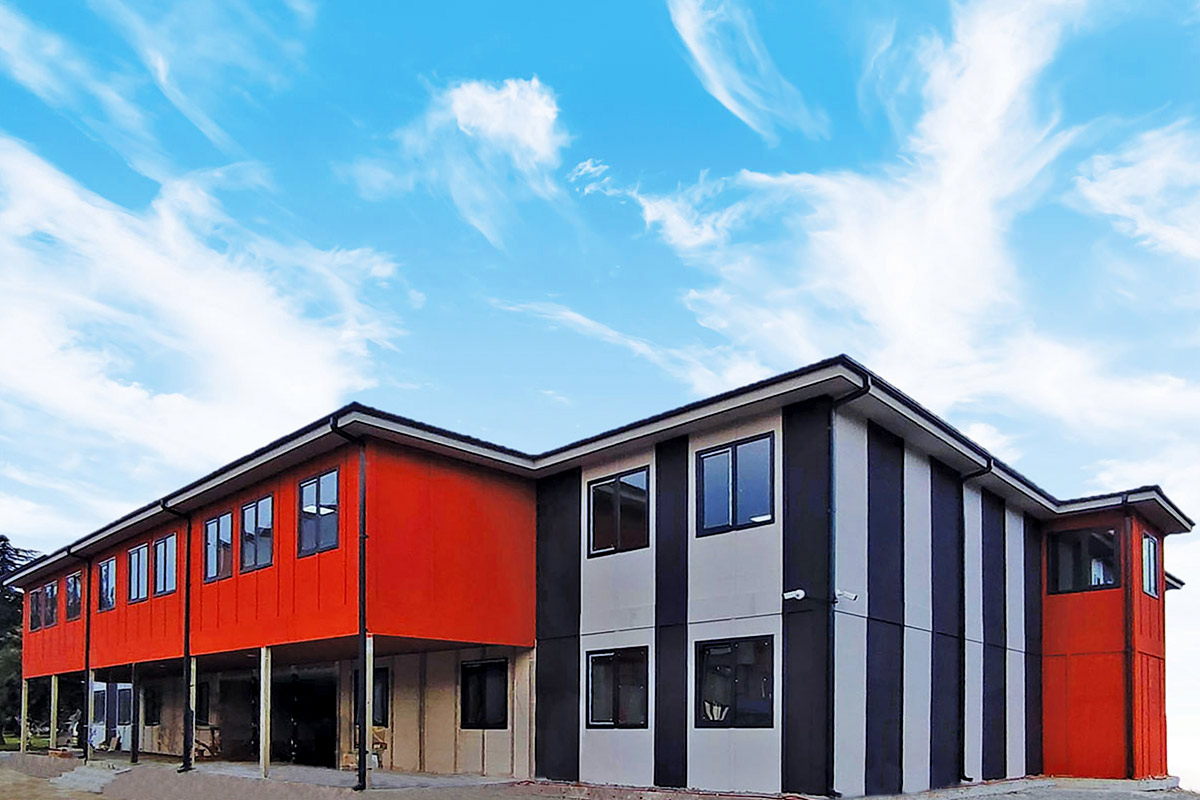
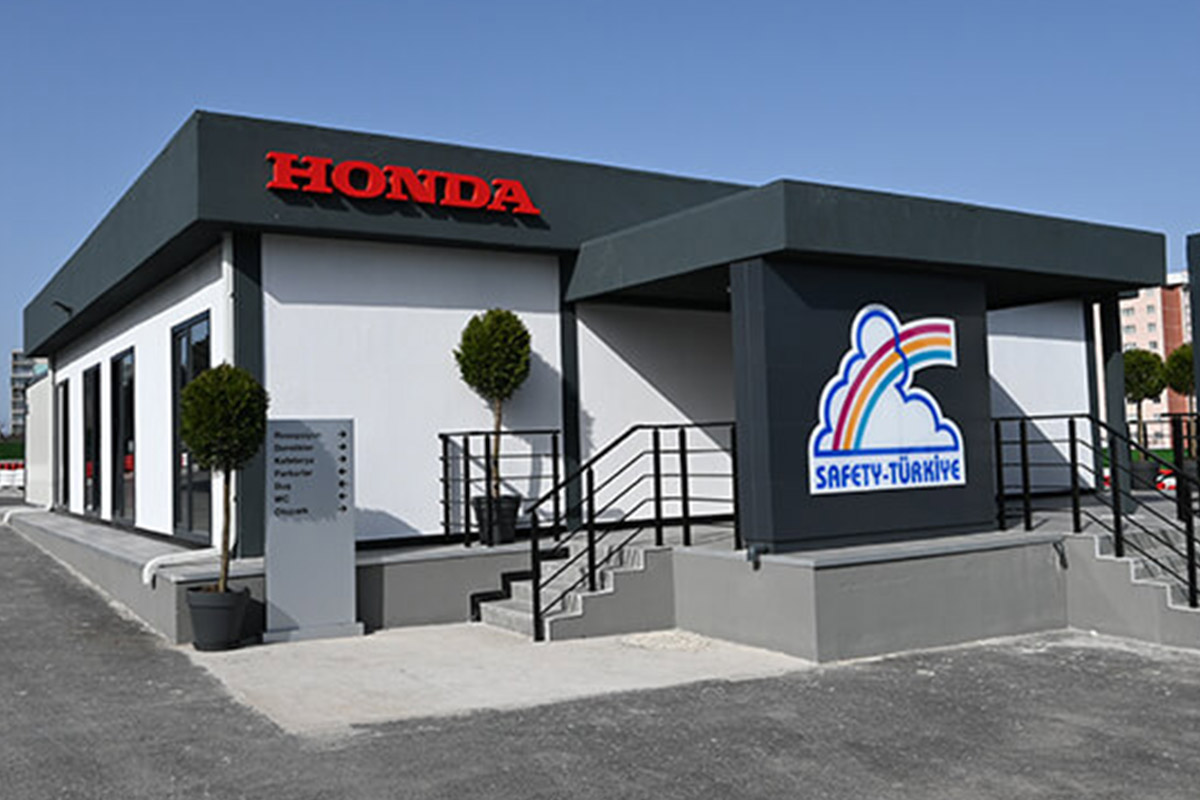
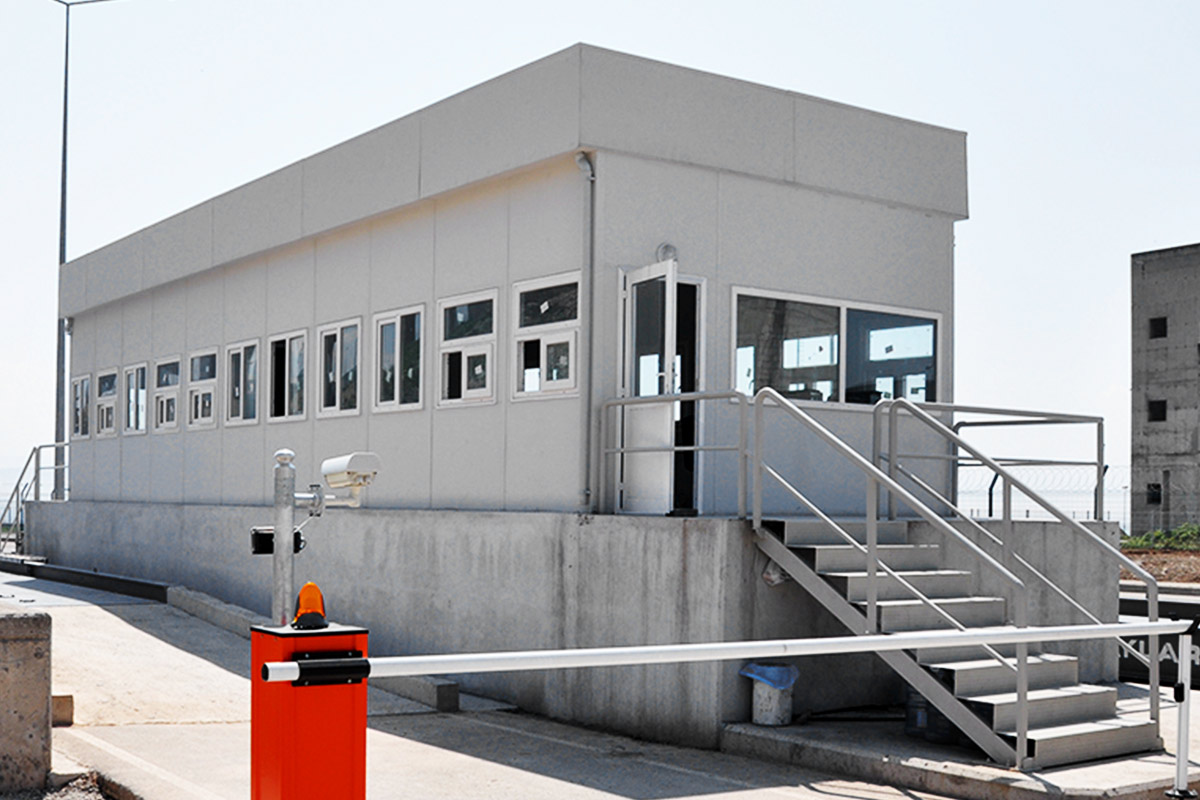
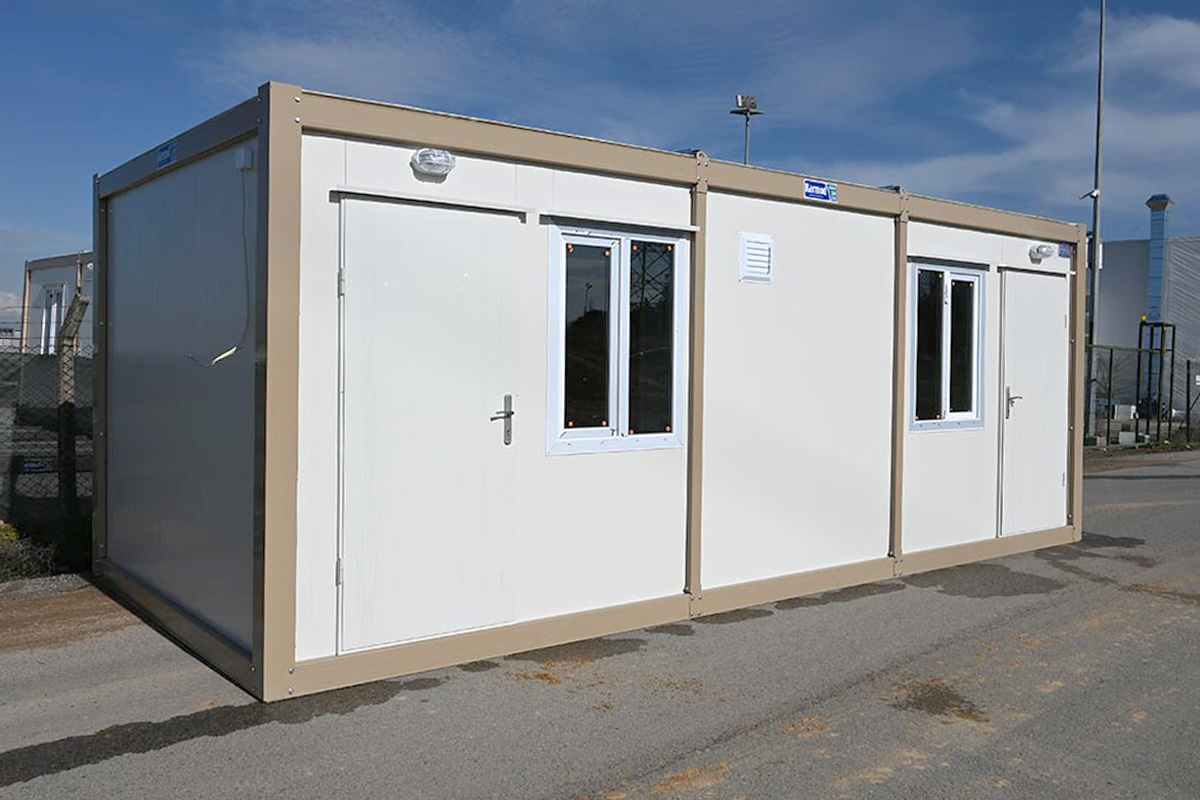
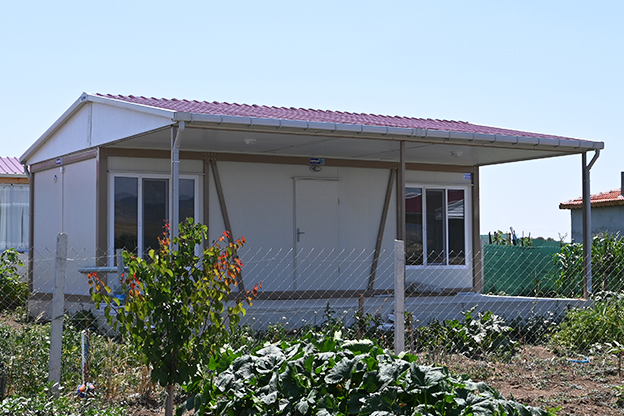
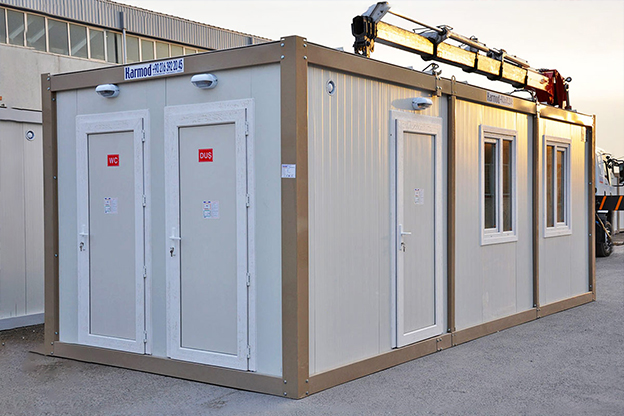
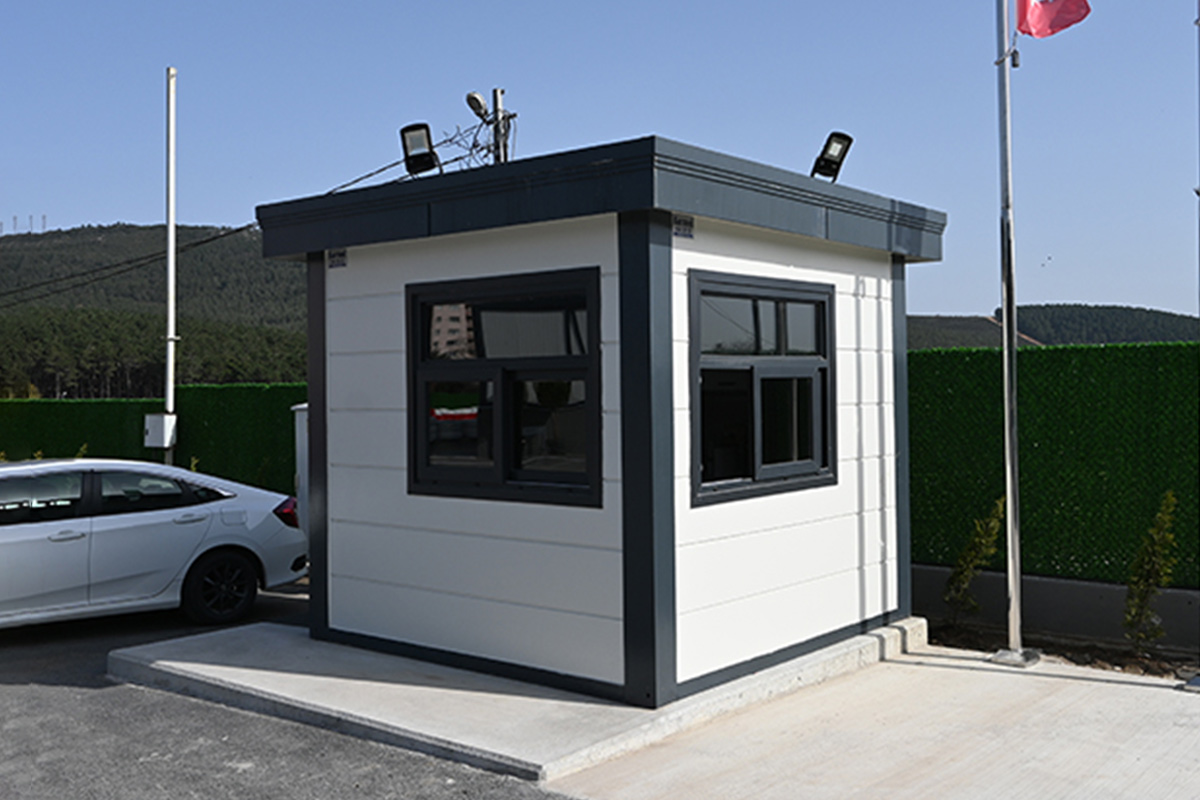
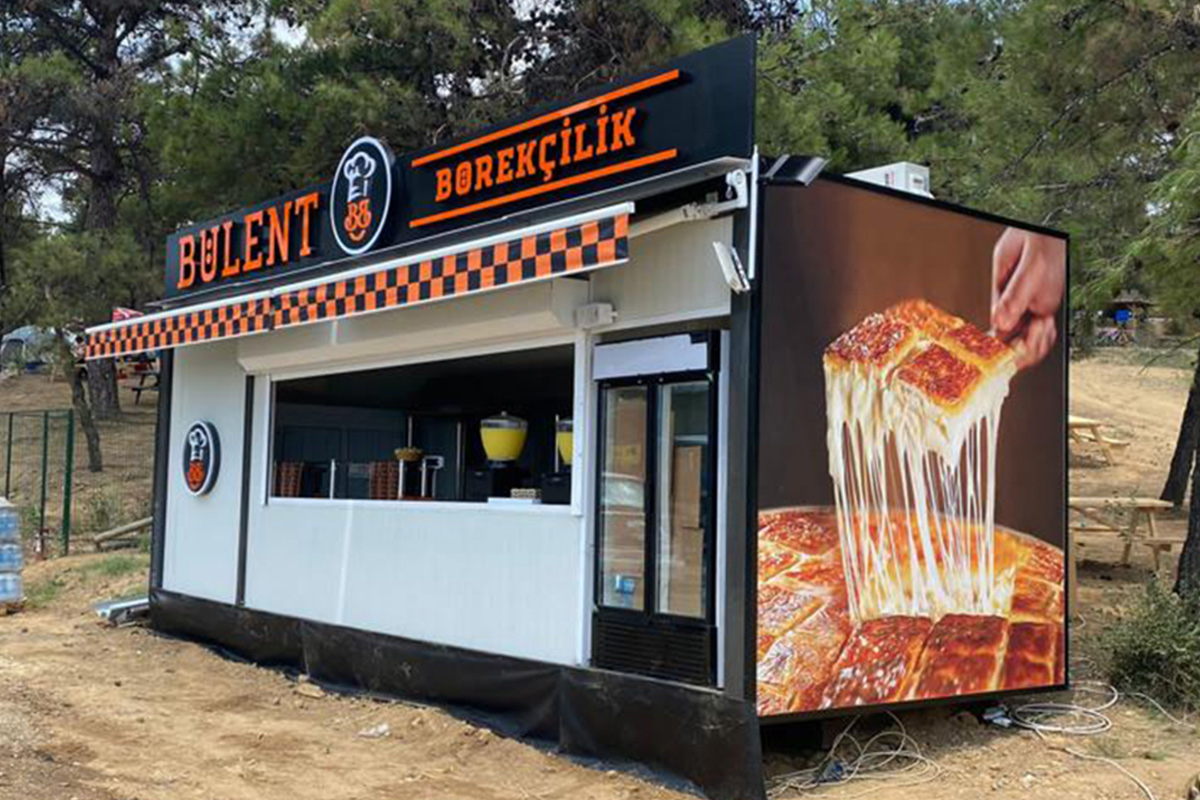
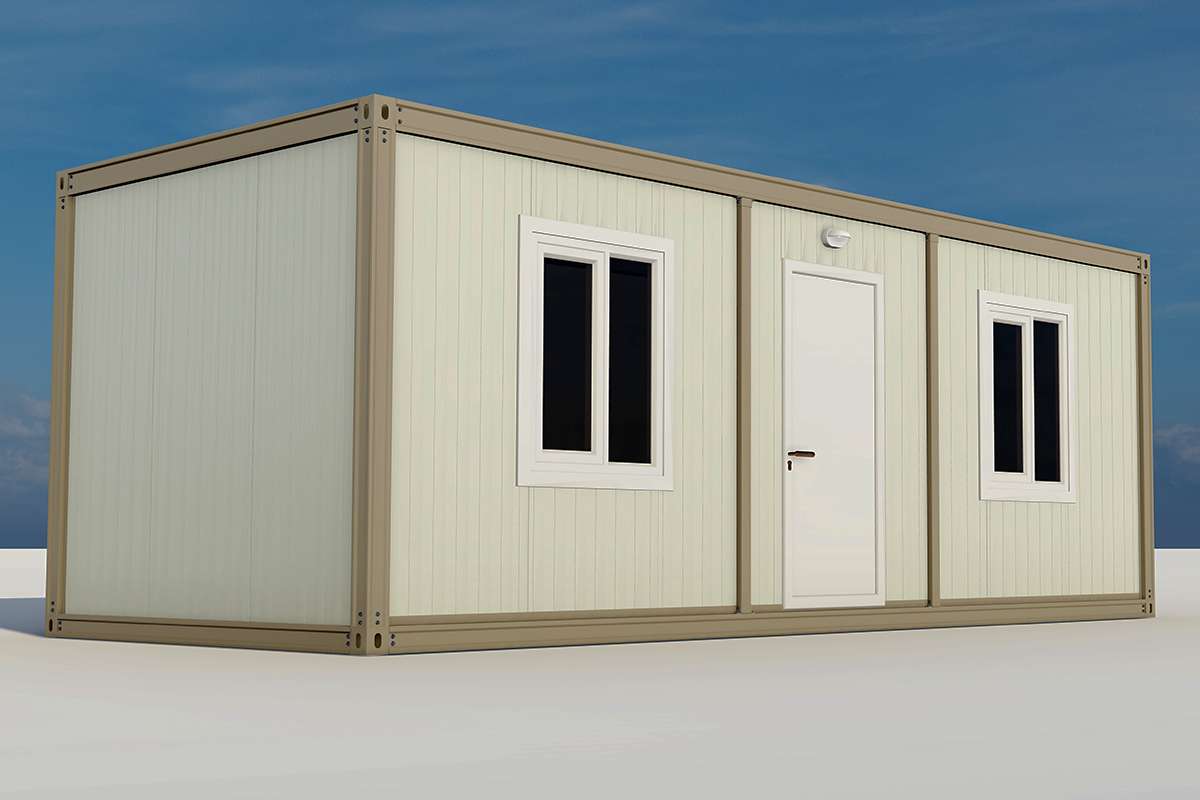
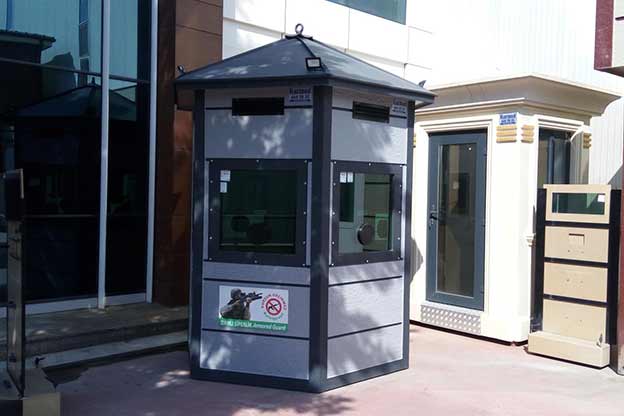
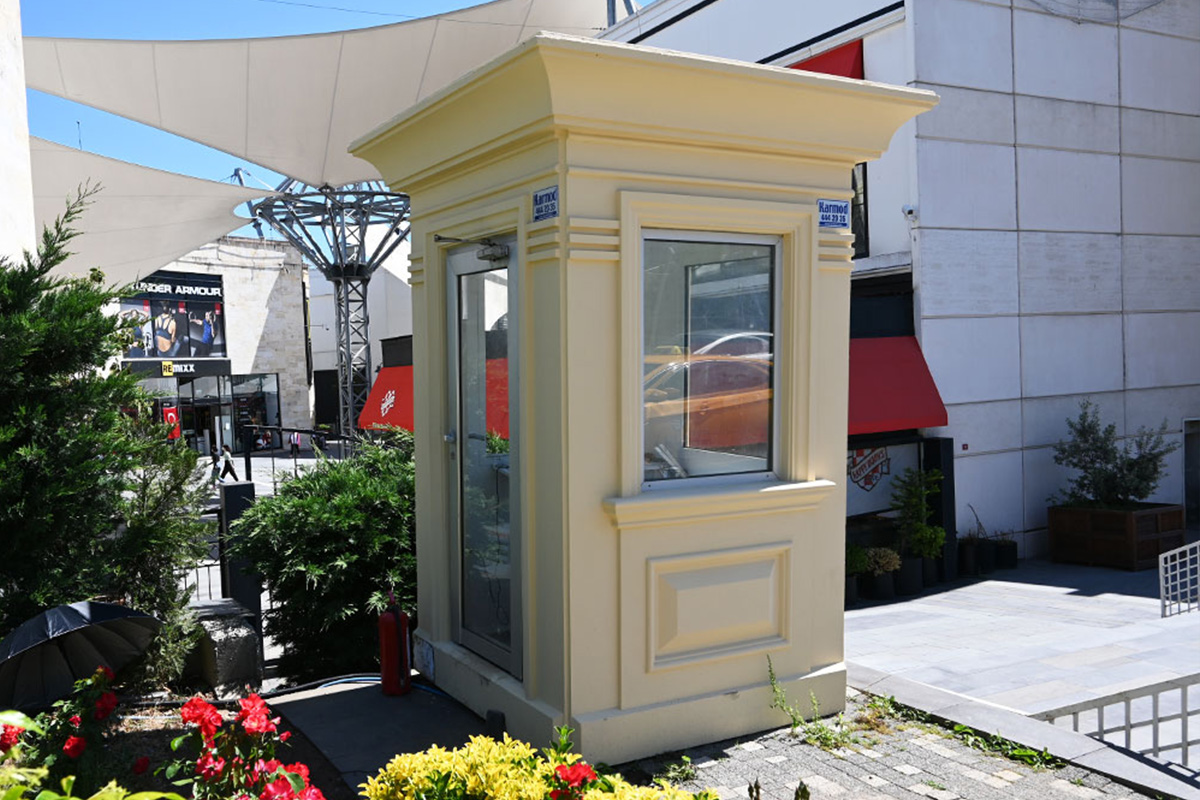
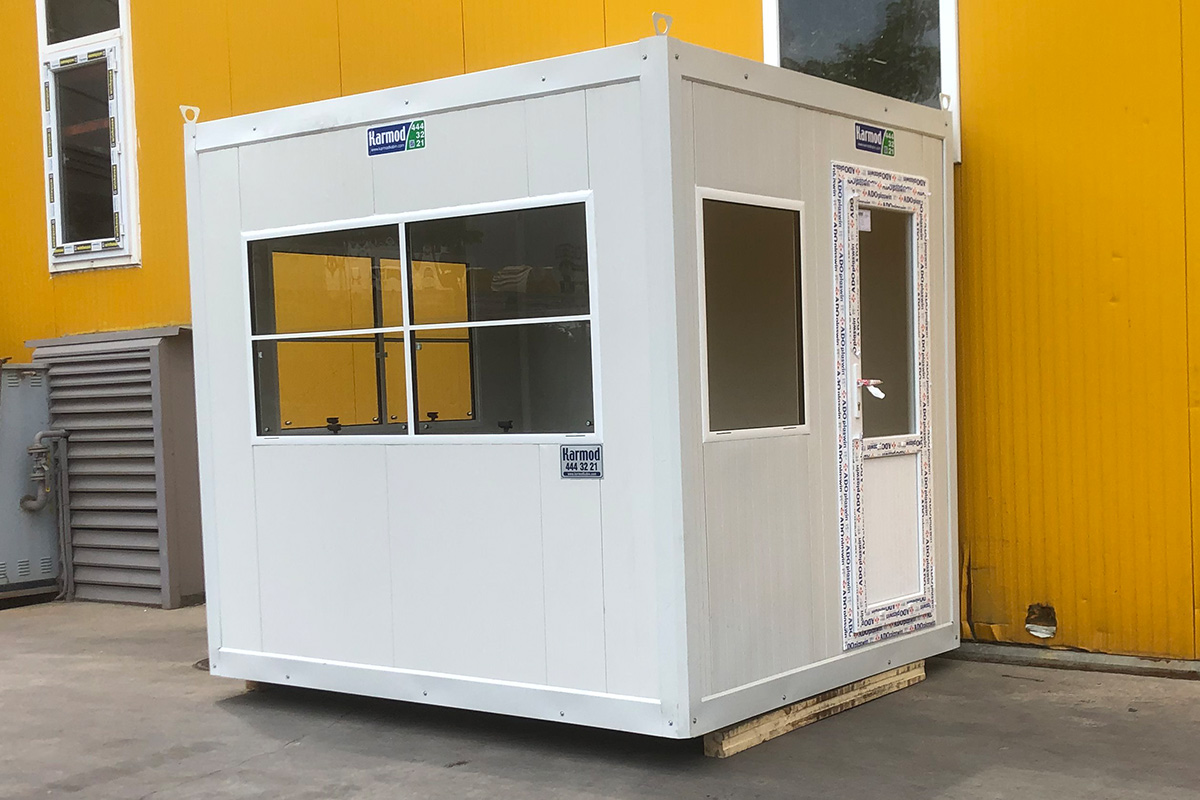
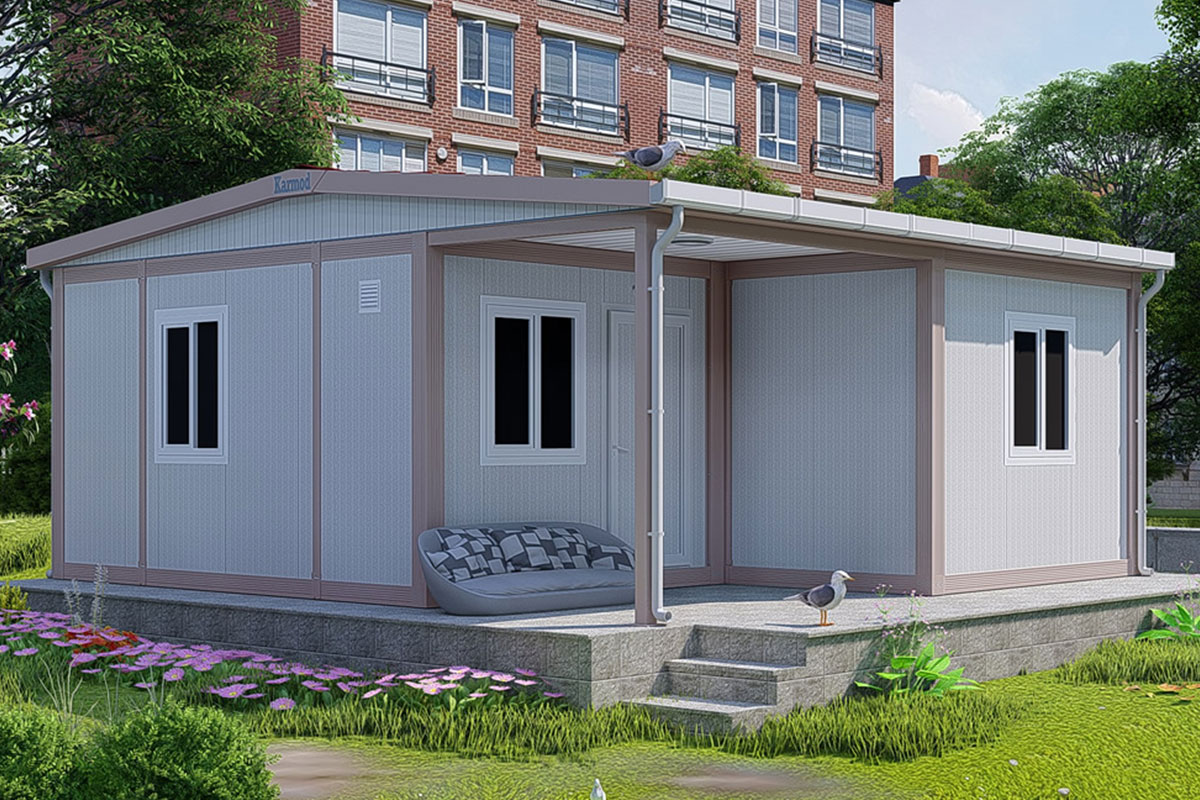
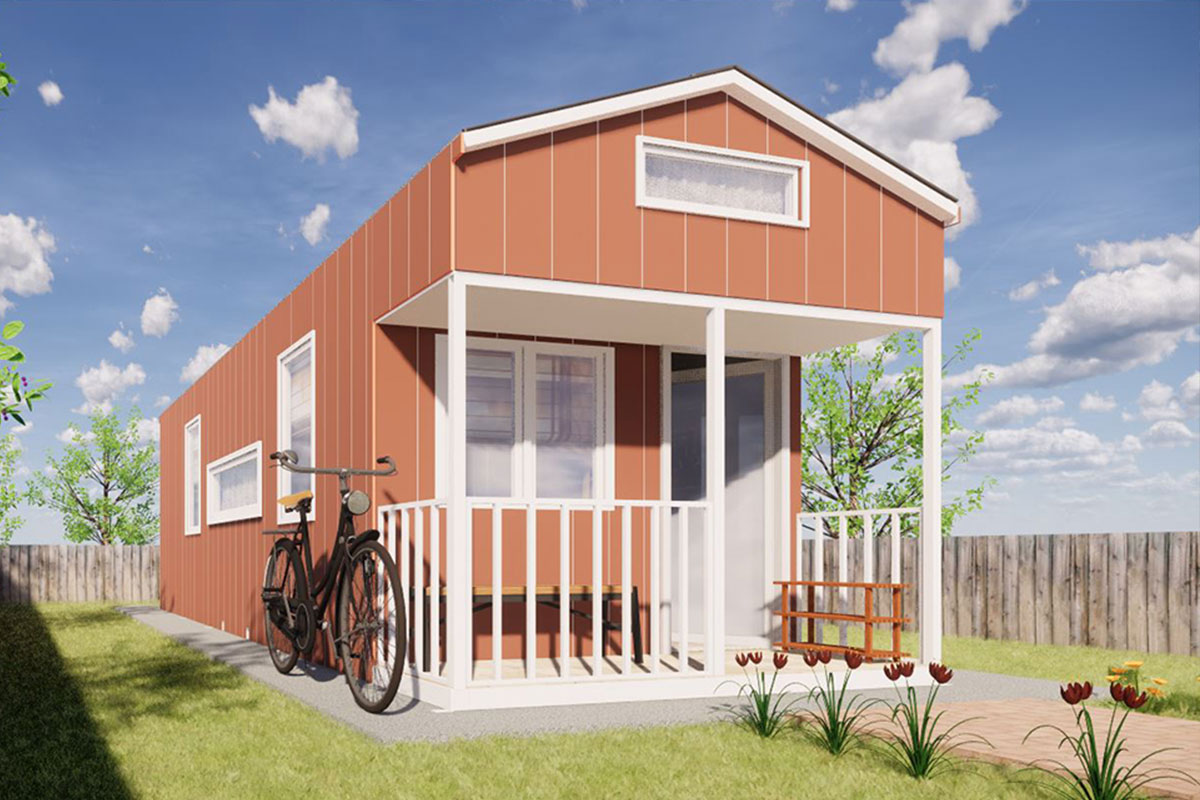
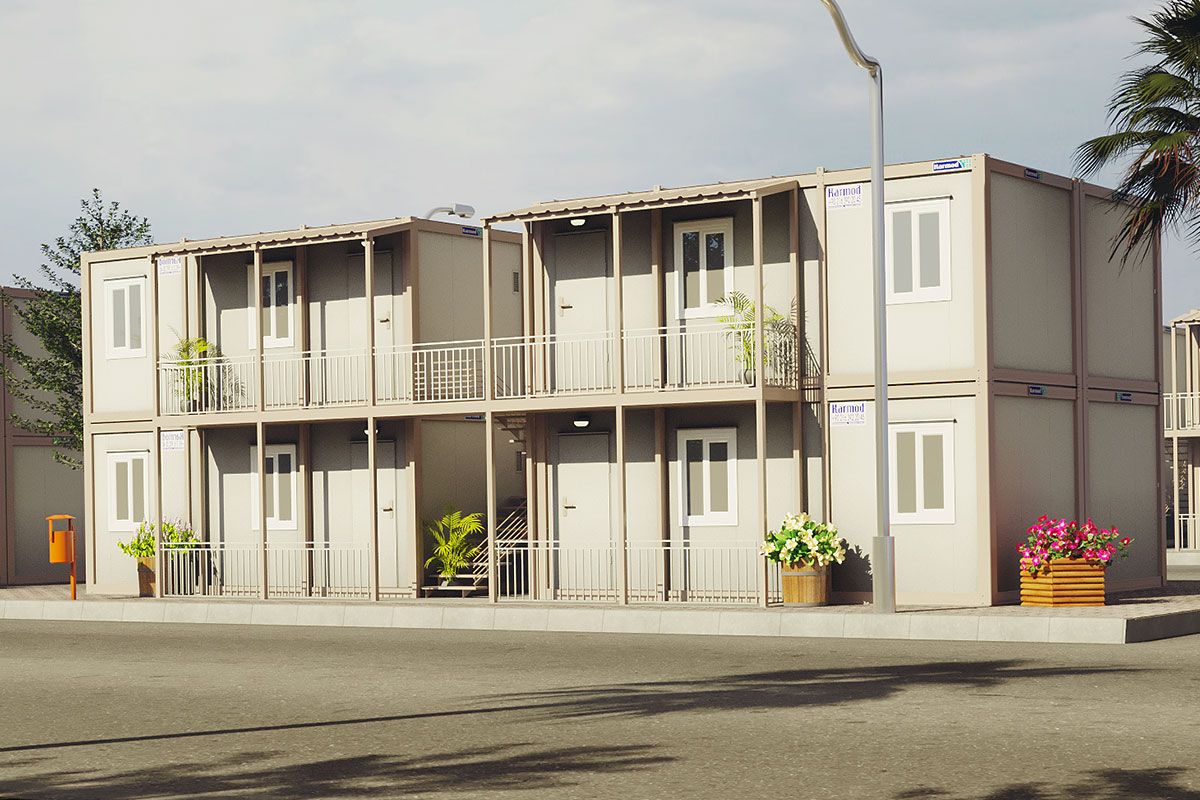
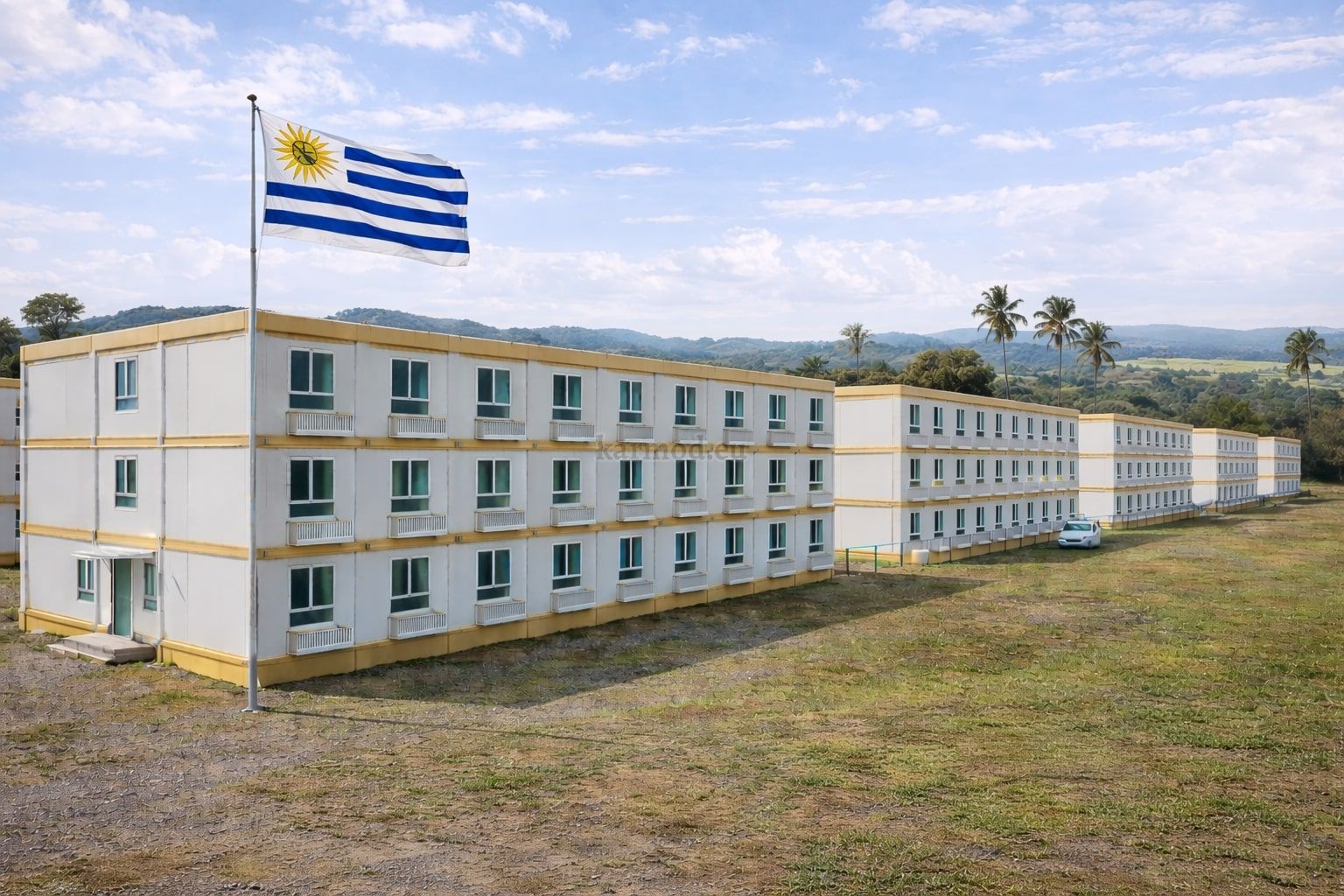
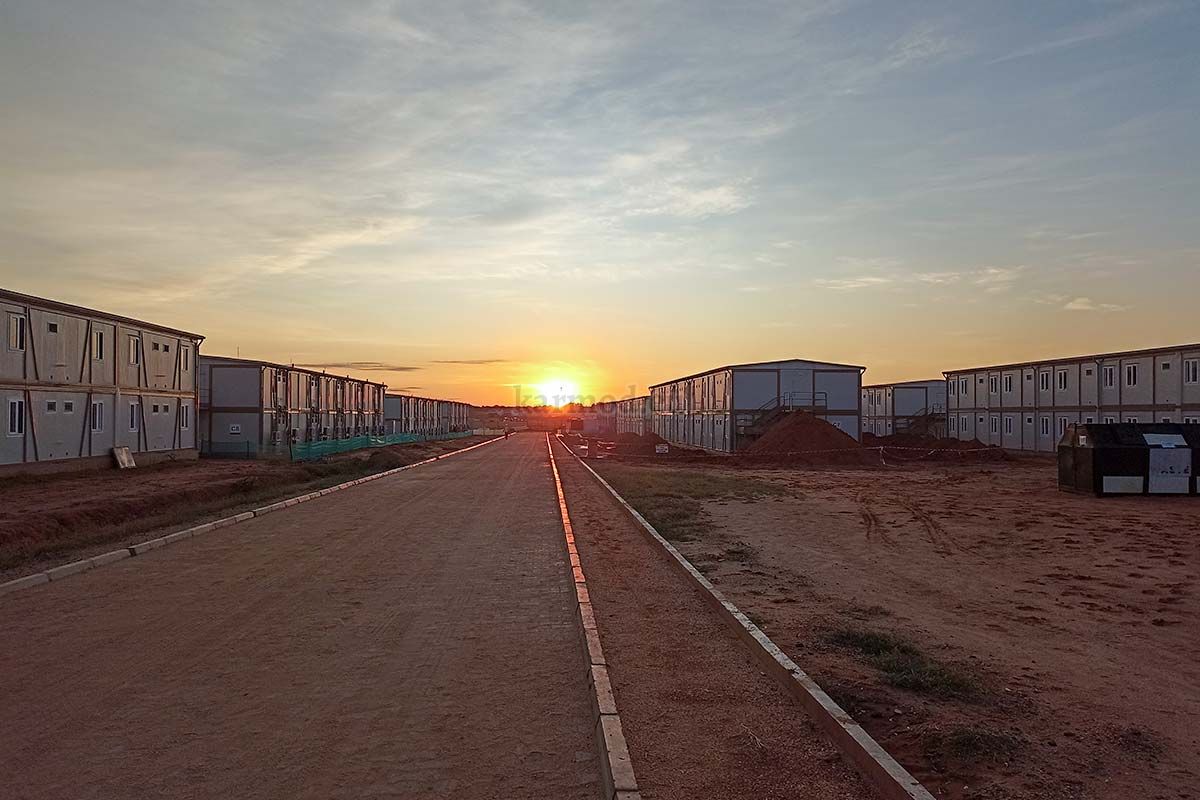
Modular buildings are produced as complete volumetric modules. These units are transportable, can be installed quickly, and allow future expansion by adding new modules. In Uruguay, this approach is commonly preferred for site offices, accommodation units, security buildings, and projects that may require relocation or phased growth.
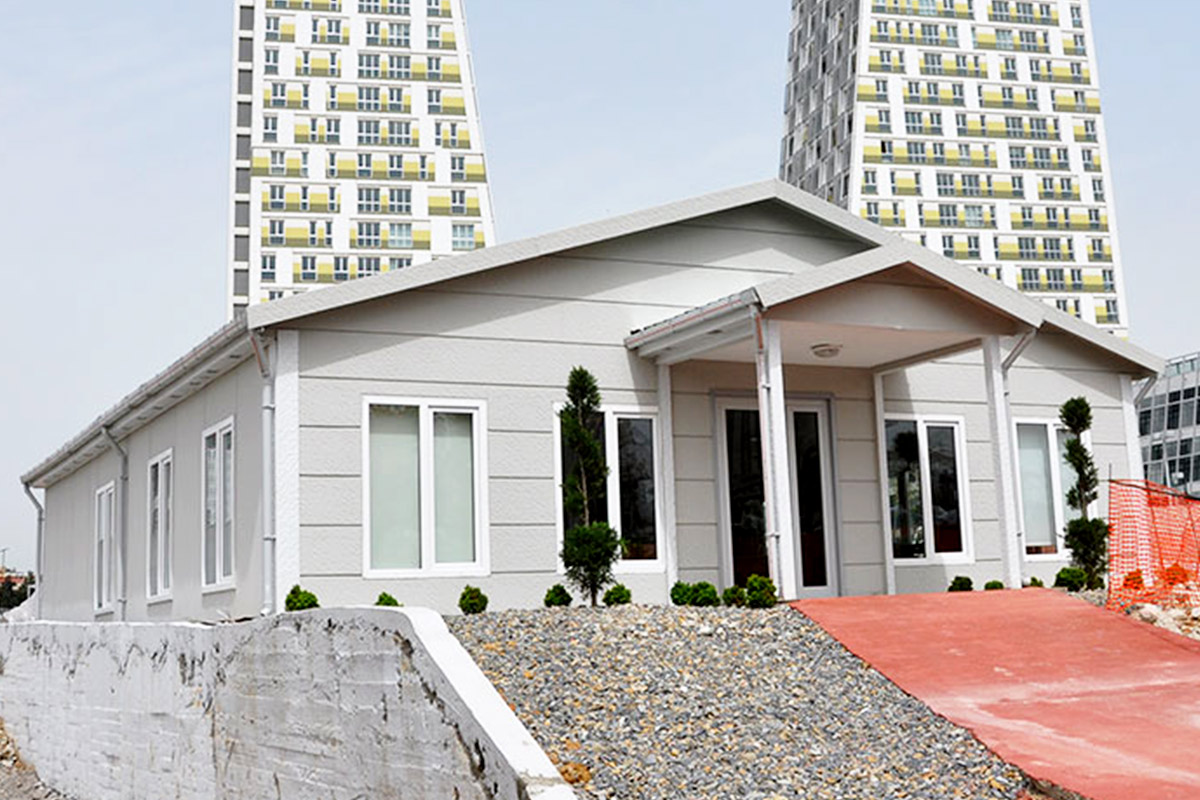
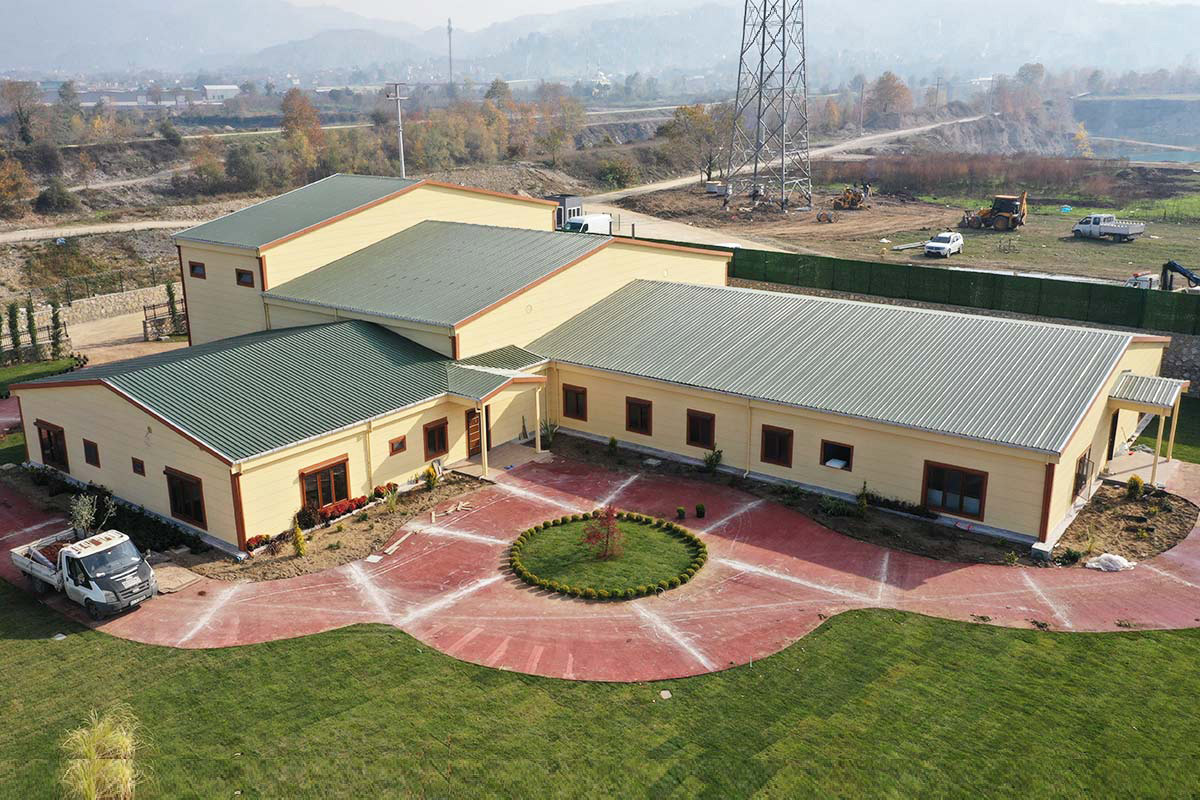
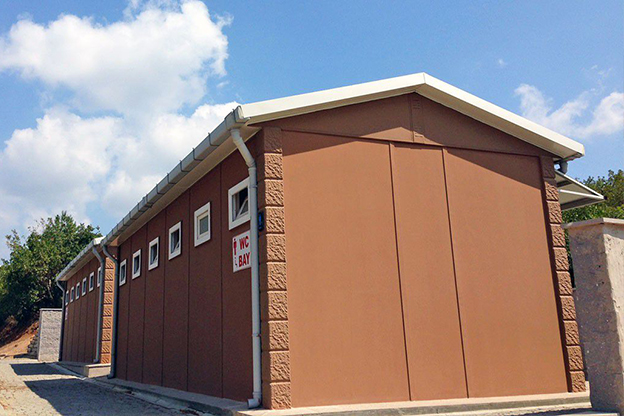
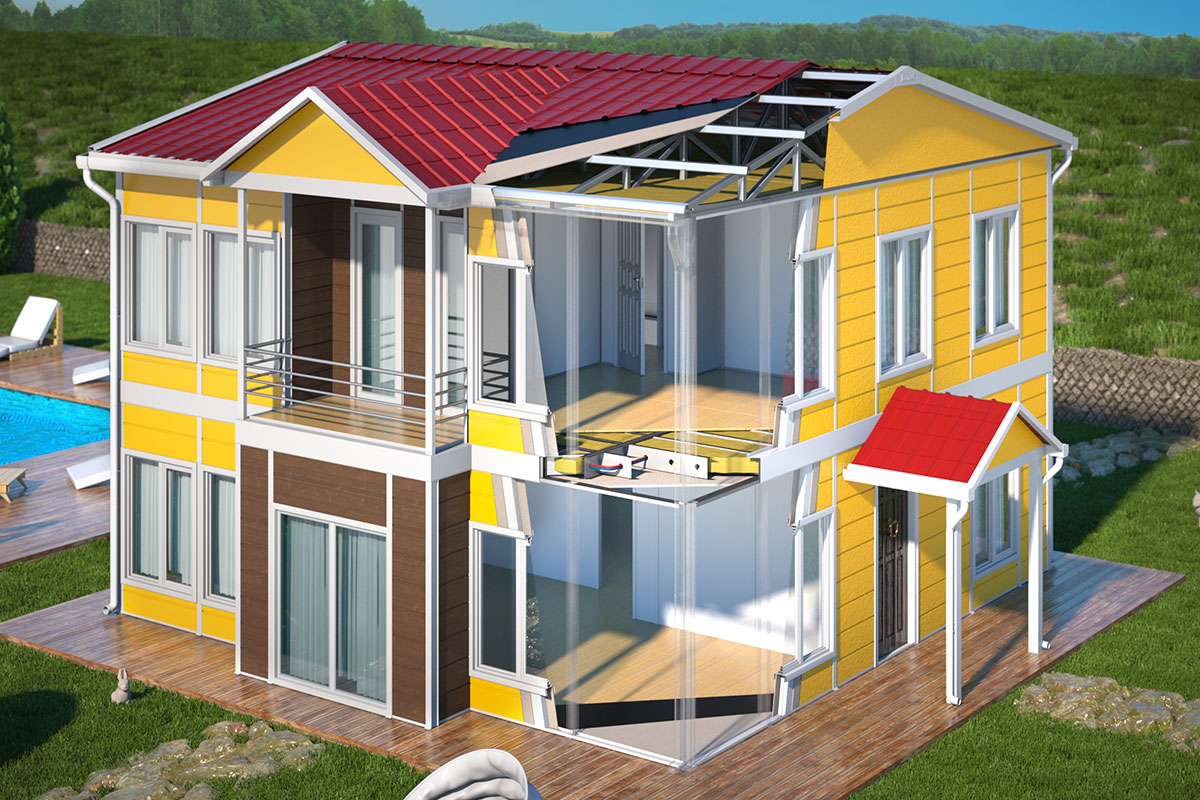
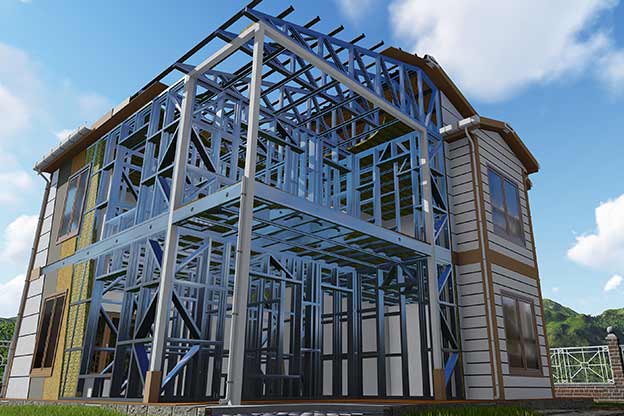
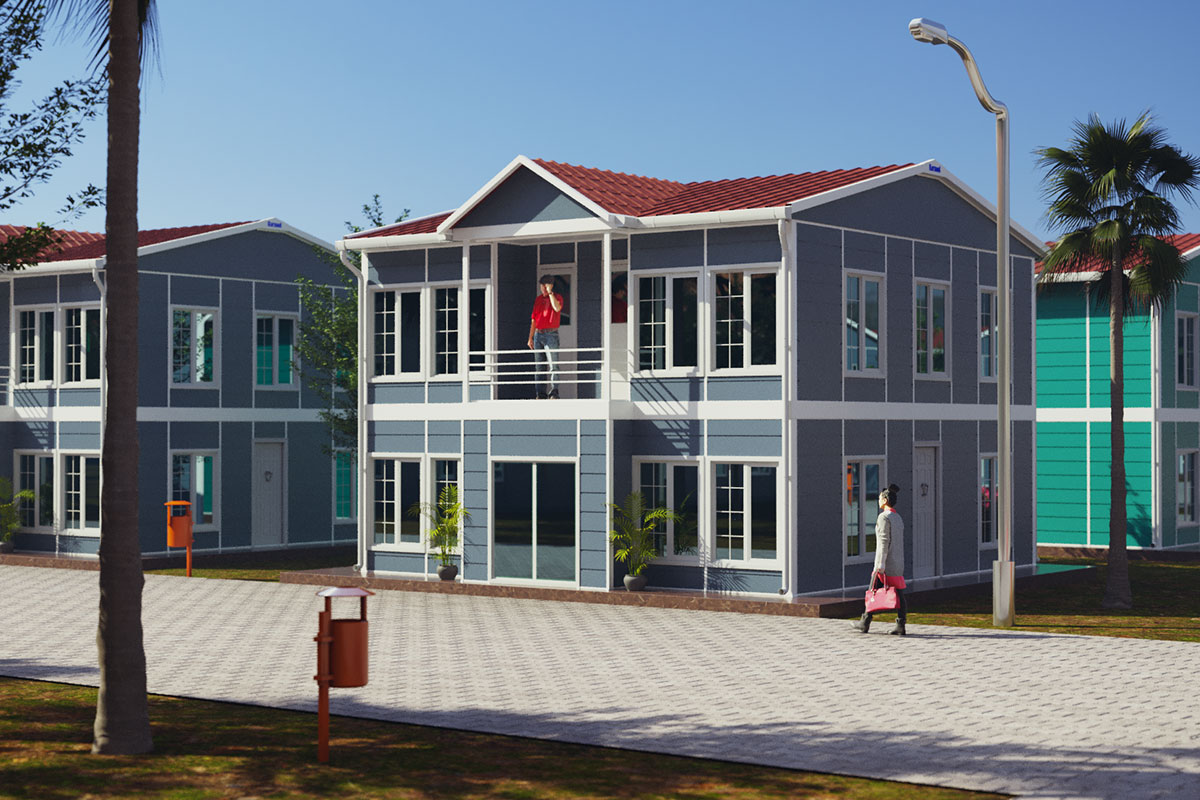
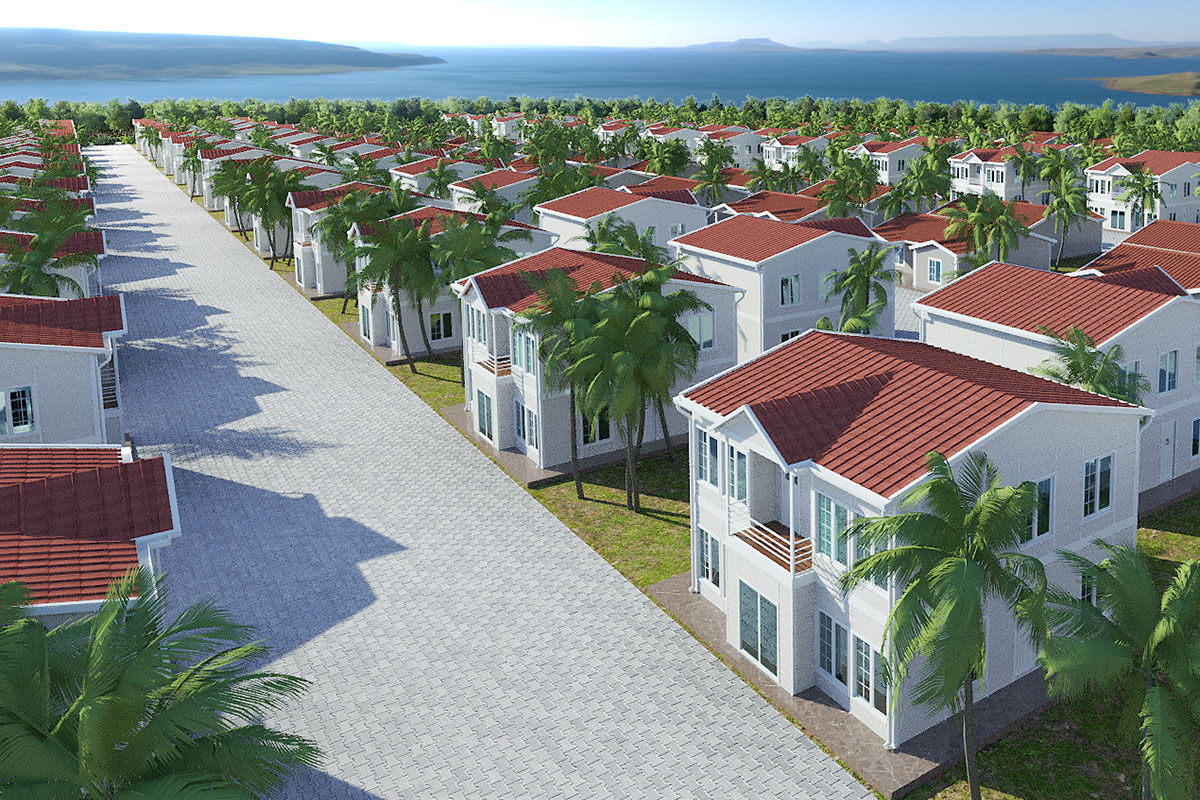
A prefabricated building, on the other hand, is typically based on panels or structural components manufactured off-site and assembled on location. This system is often selected for permanent facilities where architectural integration and long-term use are the primary considerations.
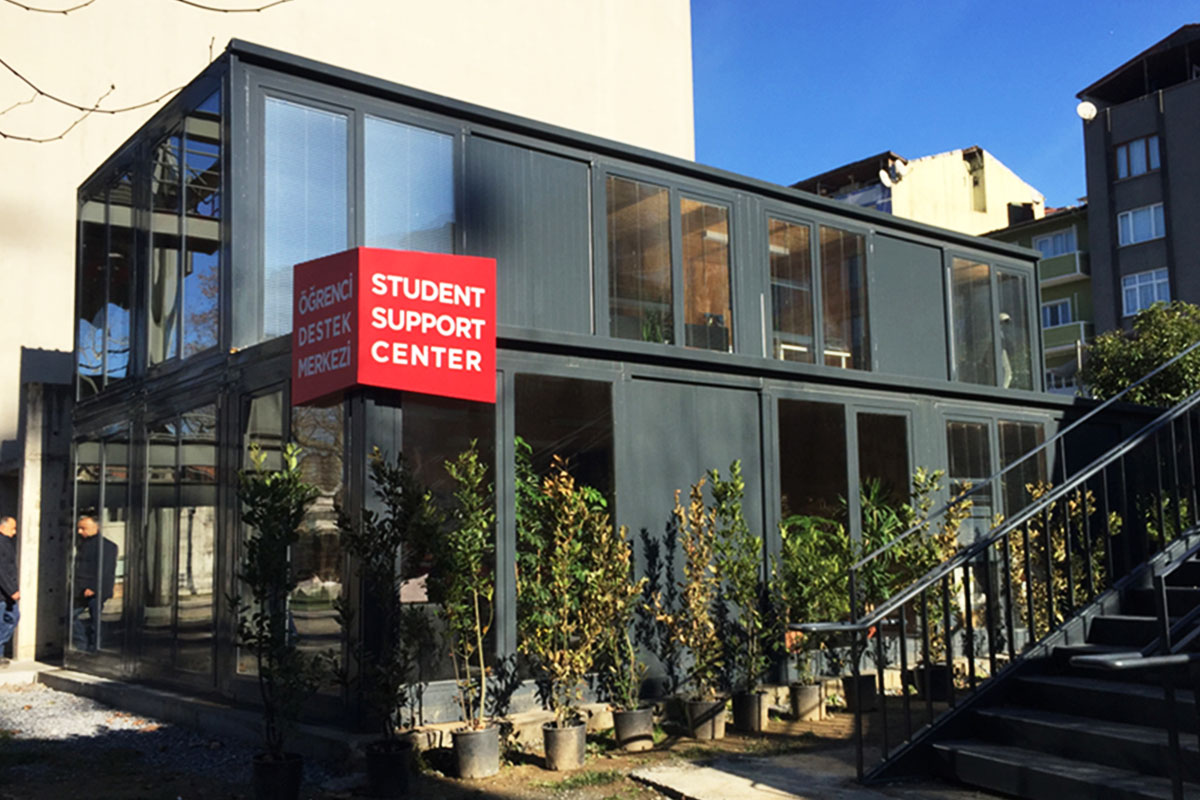
In practical terms, modular buildings in Uruguay are frequently used where flexibility, speed, and scalability are essential. Prefabricated building systems are more common in permanent administrative buildings, educational facilities, and healthcare units where fixed layouts and long service life are prioritized. Understanding this distinction helps investors align building type with operational objectives.
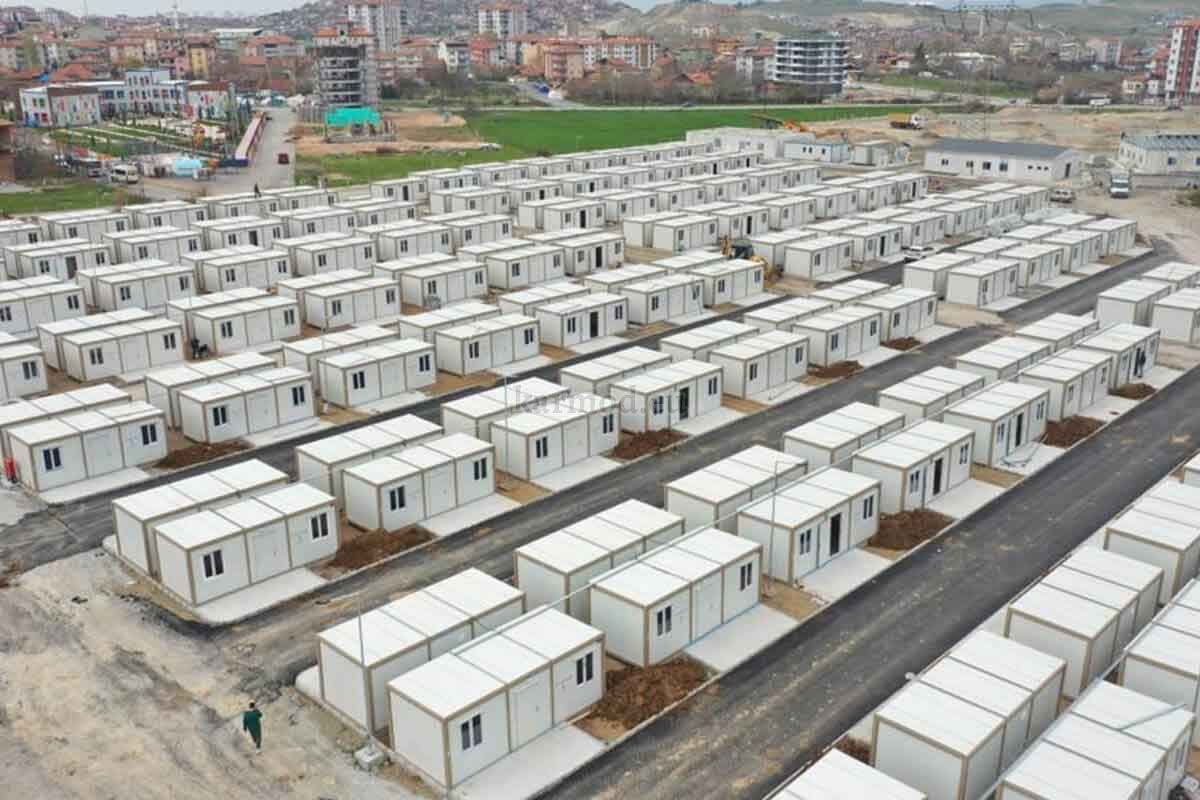
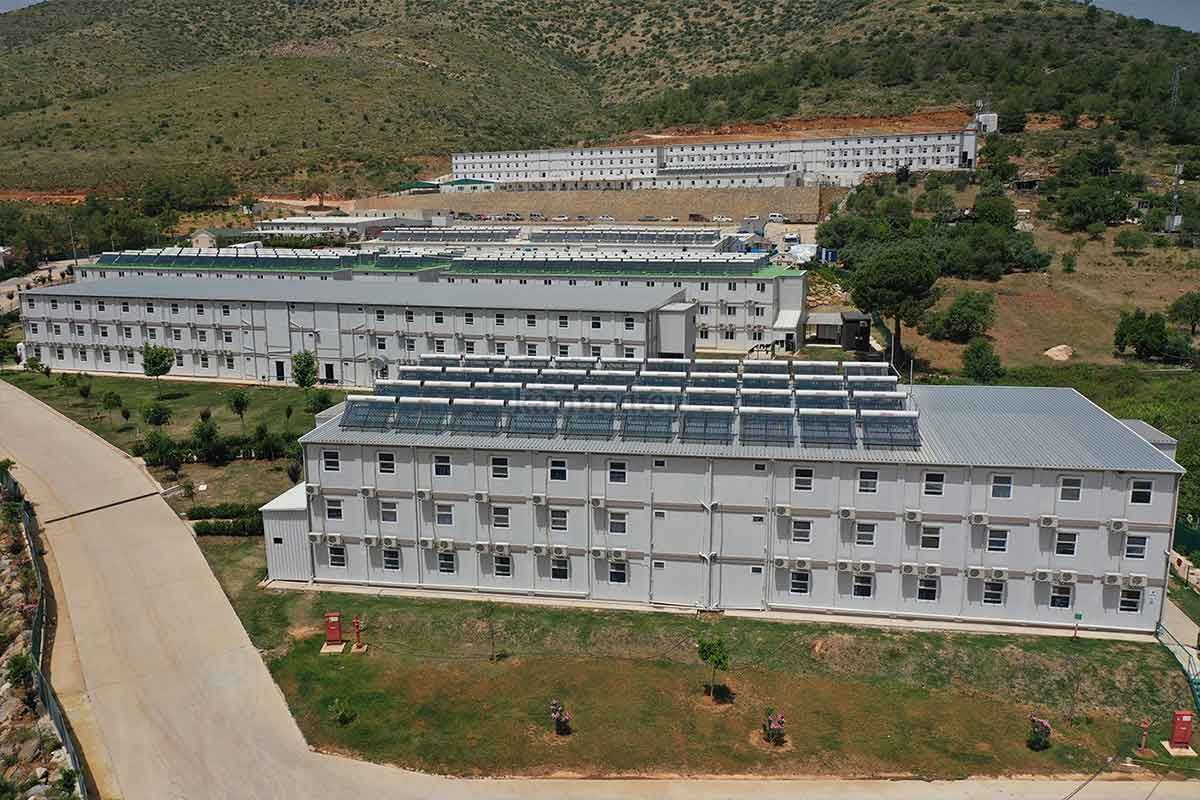
Applications of Modular and Prefabricated Buildings in Uruguay
Both systems are actively used across a wide range of applications, supporting public and private sector projects alike:
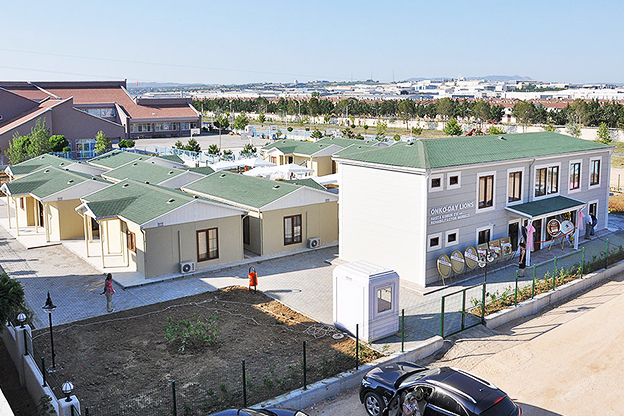
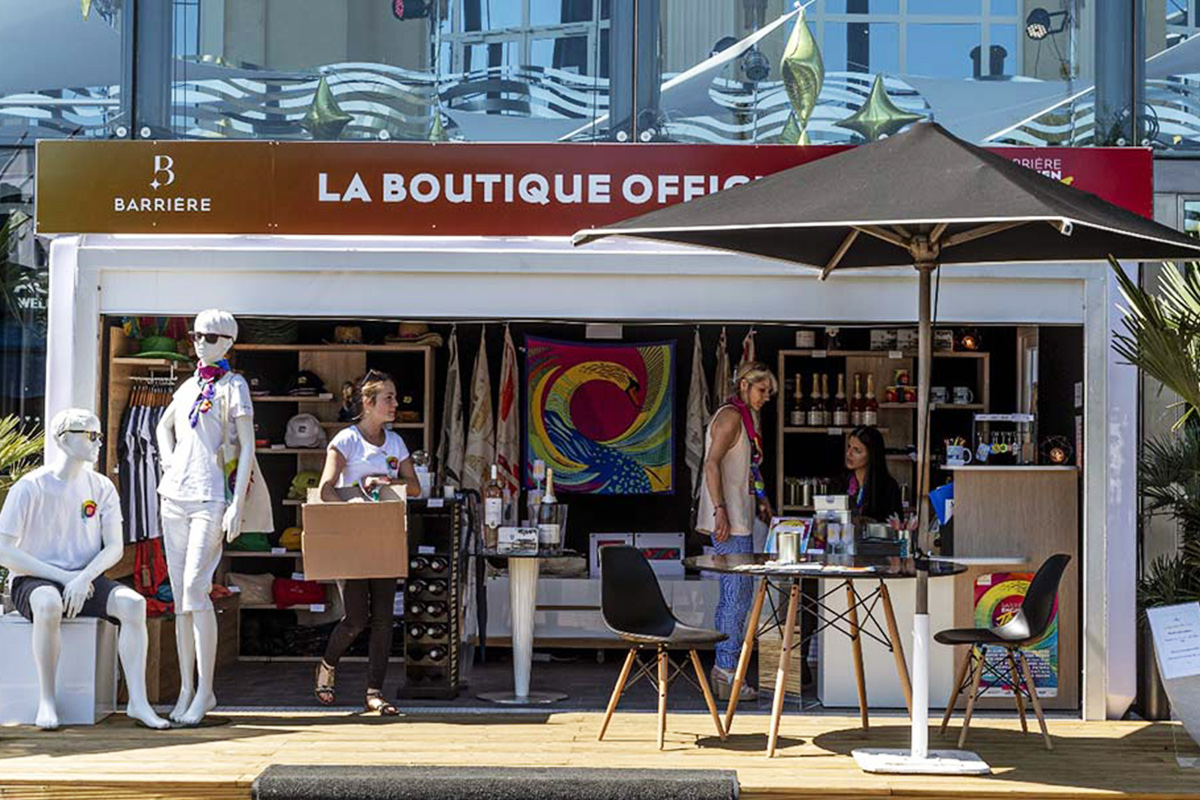
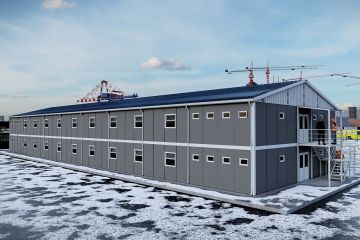
- Site offices & construction camps for infrastructure, industrial, and energy developments
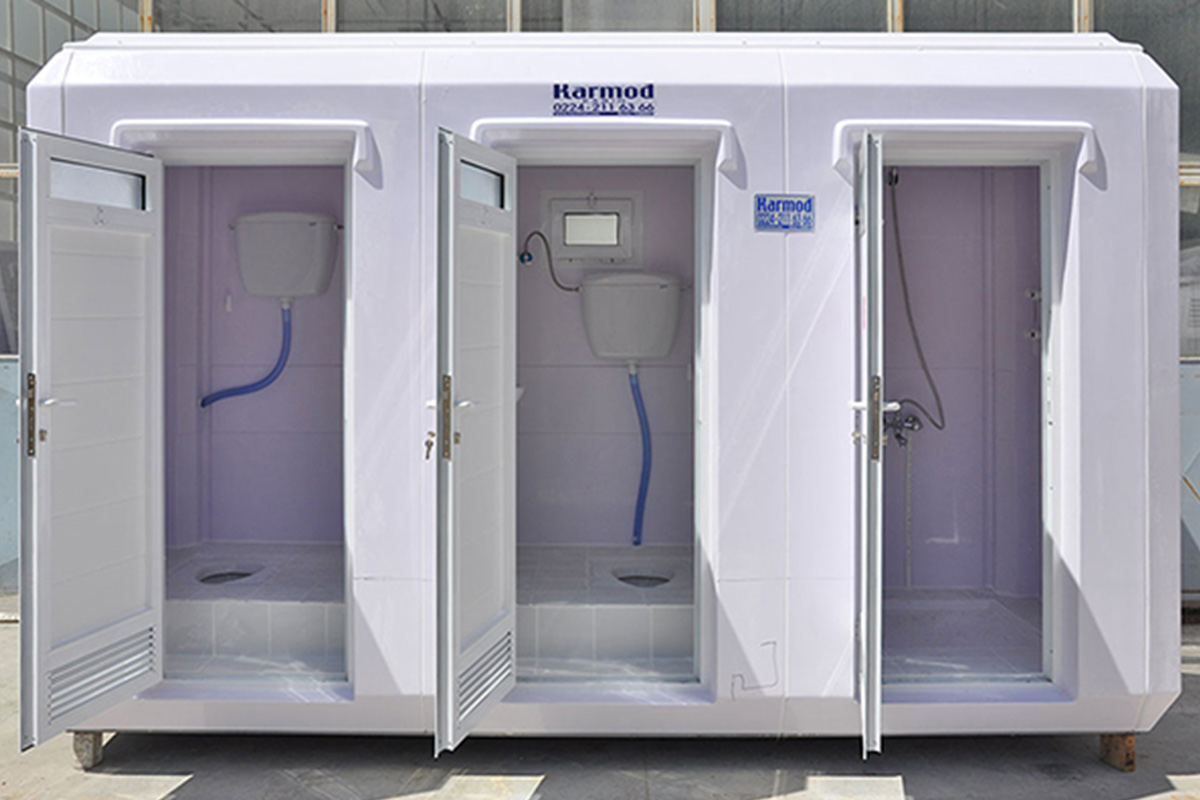
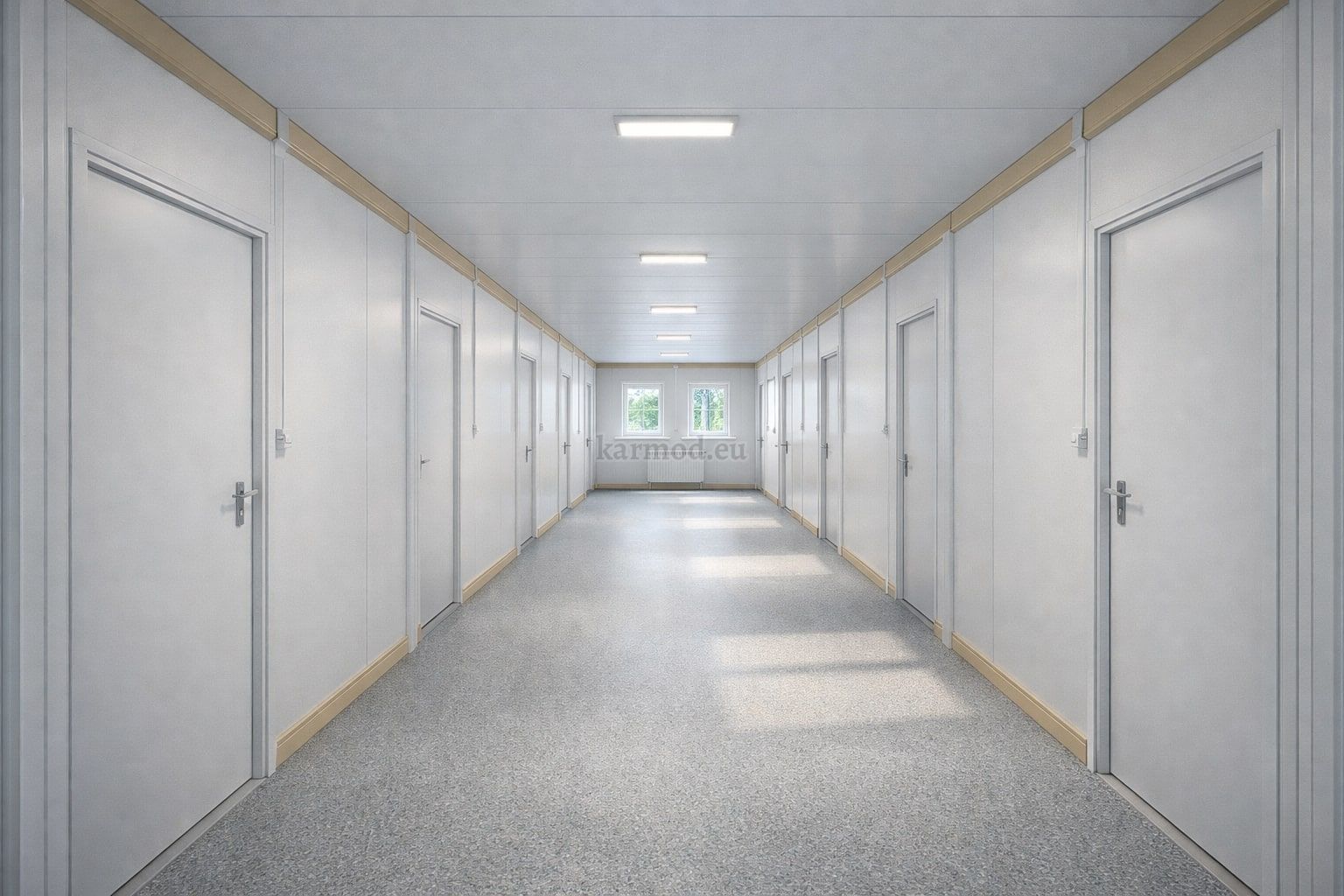
- Worker accommodation buildings designed for comfort, safety, and efficient use of space
- Temporary schools & healthcare units supporting public services during expansion or renovation phases
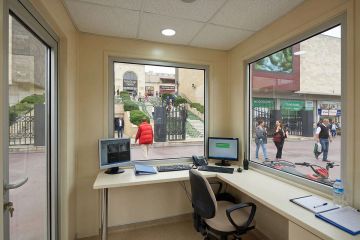
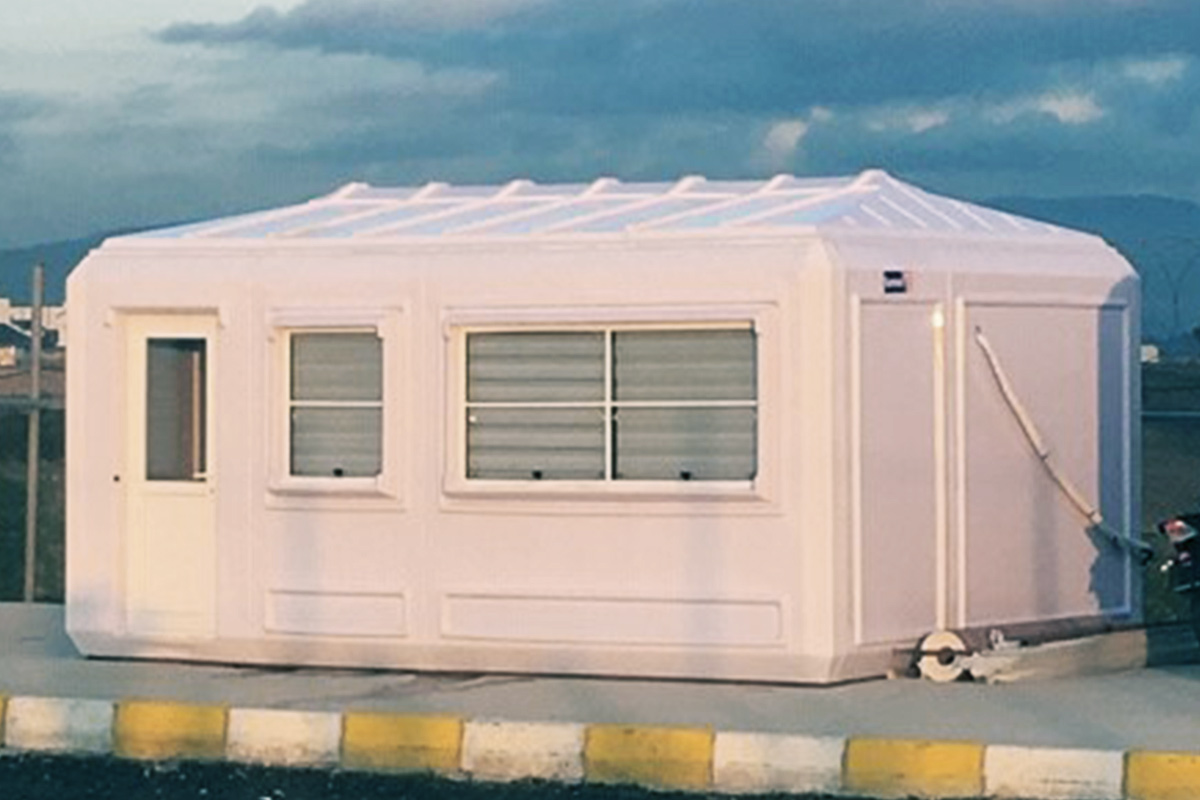
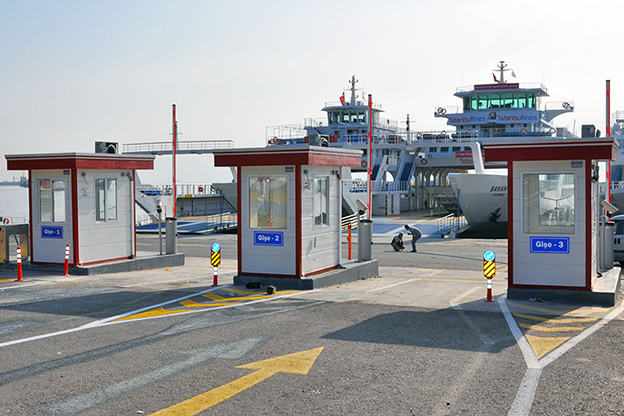
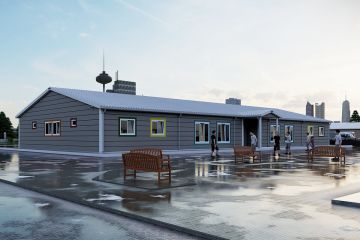
- Security buildings & technical units for controlled access points and operational monitoring
- Storage and logistics facilities supporting ports, warehouses, and distribution networks
These applications highlight how modular and prefabricated solutions integrate into Uruguay’s broader development strategy rather than serving isolated or short-term needs.
From Design to Installation: How the Process Works
The implementation of modular and prefabricated buildings follows a structured process that reduces uncertainty for project owners.
The process begins with a detailed project needs analysis, defining functional requirements, capacity, compliance criteria, and future expansion expectations. This stage is critical for aligning the building concept with operational goals.
Custom design and technical specifications follow, ensuring layouts, insulation levels, and structural systems match Uruguay’s regulations and climate conditions. Once approved, production takes place in a factory environment where quality control and schedule reliability are maintained.
After production, units are prepared for delivery to Uruguay with logistics planning that considers port access, transportation routes, and installation sequencing. On-site installation is then completed efficiently, minimizing disruption to surrounding operations and enabling rapid commissioning.
Key Considerations for Modular Buildings in Uruguay
When evaluating modular buildings for projects in Uruguay, several technical factors require careful attention.
Thermal insulation is essential to ensure comfort and energy efficiency across seasonal variations. Proper insulation design contributes to long-term operational savings and user satisfaction.
Fire safety standards must align with national regulations and international best practices. Factory-controlled production allows consistent implementation of certified fire-resistant materials and systems.
Climate suitability is another important aspect. Buildings must be designed to perform reliably in Uruguay’s humid coastal and inland conditions, with appropriate material selection and ventilation strategies.
Custom layouts allow organizations to adapt buildings to specific workflows, occupancy levels, and future growth plans. This flexibility is one of the main reasons modular solutions continue to gain acceptance among institutional buyers.
In this context, Karmod brings its international manufacturing experience to projects in Uruguay, focusing on technical reliability and long-term performance rather than short-term solutions. Karmod modular building solutions are designed to support both temporary and permanent use cases, drawing on experience gained across diverse markets. By combining standardized production with project-specific customization, Karmod contributes to building systems that align with Uruguay’s regulatory and operational expectations.
As investment activity continues across logistics, industry, and public infrastructure, modular buildings and prefabricated building systems are increasingly evaluated as integral components of project planning. For organizations operating in Uruguay, these construction methods offer a balance of speed, control, and adaptability that supports confident decision-making and sustainable growth.