





Zimbabwe’s construction and infrastructure landscape is shaped by a growing need for speed, cost control, and adaptability. Across mining, agriculture, logistics, energy, and public sector projects, decision-makers are increasingly looking for building solutions that can be deployed quickly without compromising durability or compliance. In this context, modular buildings and prefabricated building systems have become practical tools rather than alternative concepts.
For international contractors, NGOs, and local developers operating in Zimbabwe, these systems offer predictable timelines, controlled quality, and scalable capacity—critical factors in environments where conventional construction can be slowed by labor availability, logistics, or climate conditions.
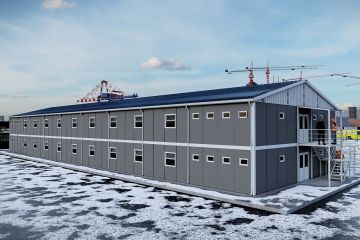
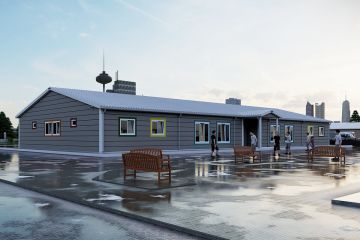
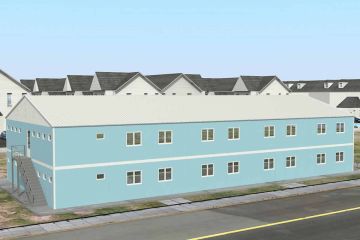
Why Modular Buildings Are in High Demand in Zimbabwe
Several structural factors are driving demand for modular buildings in Zimbabwe.
Labor costs and workforce availability remain a key consideration. While skilled labor exists, large-scale or remote projects often face shortages or scheduling risks. Modular construction shifts most of the work to factory environments, reducing dependency on on-site labor and minimizing delays.
Construction timelines are another decisive factor. Mining operations, agricultural processing facilities, and logistics hubs frequently operate on tight schedules. Modular buildings allow parallel progress: site preparation can continue while units are manufactured off-site, significantly shortening overall project duration.
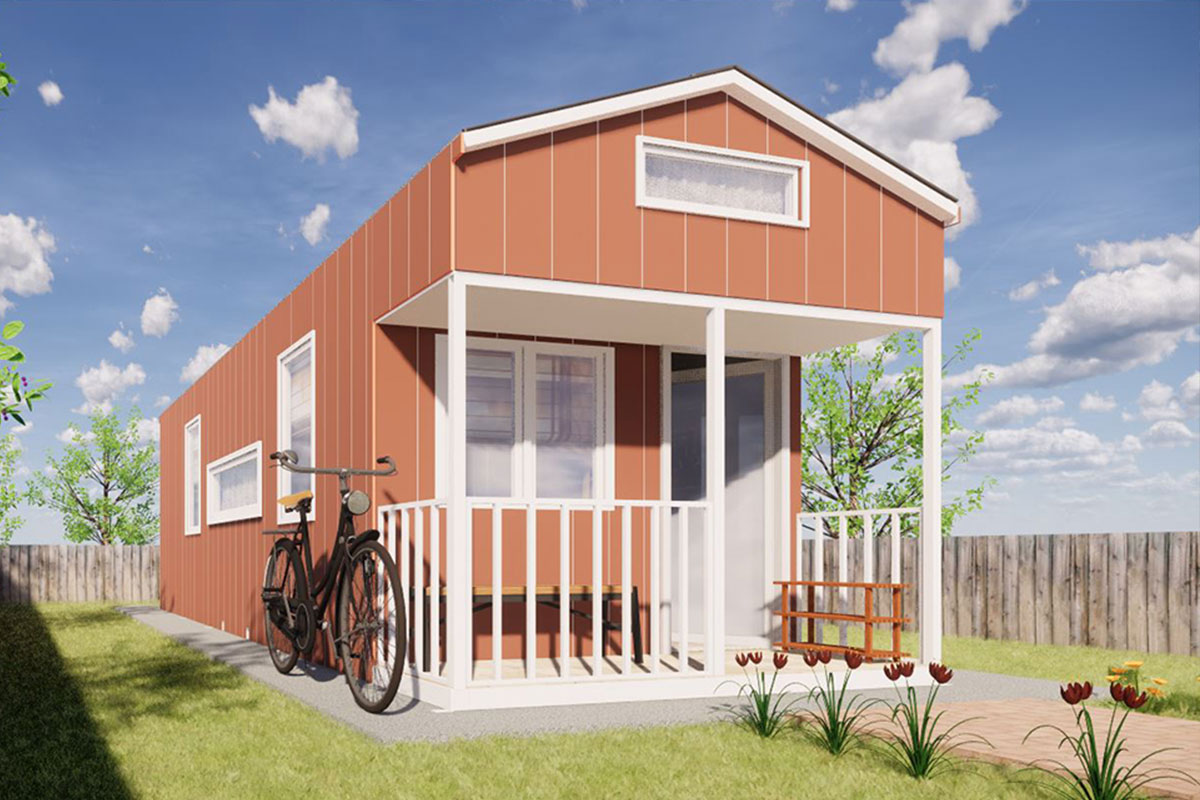
Zimbabwe also presents a mix of temporary and permanent building needs. Exploration camps, seasonal agricultural facilities, and infrastructure support buildings often require relocatable solutions, while offices, clinics, and housing may be intended for long-term use. Modular systems can adapt to both scenarios without redesigning the entire project.
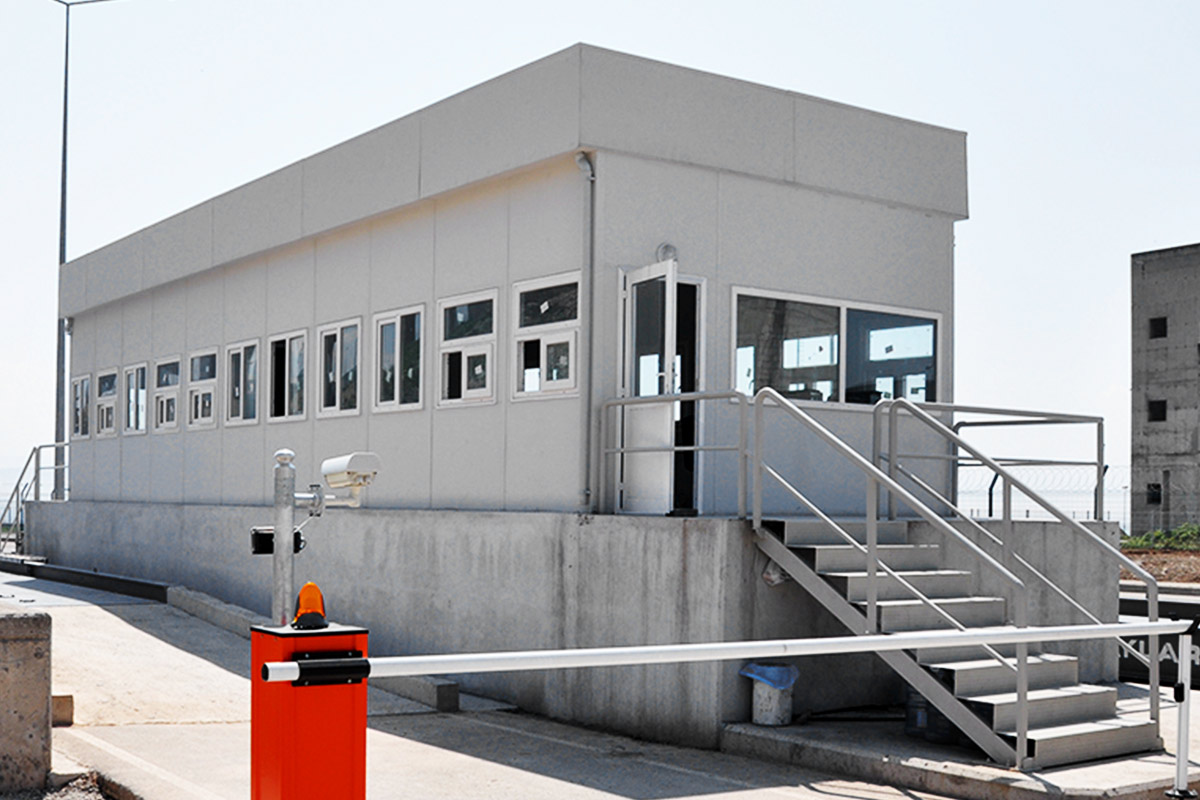
Sector-specific demand further strengthens this trend. Mining and energy projects require robust accommodation and technical units in remote areas. Logistics and border-related activities need fast-to-deploy offices and control buildings. Public sector and NGO initiatives often depend on rapidly installed schools or healthcare units. In all these cases, modular buildings align well with operational realities in Zimbabwe.
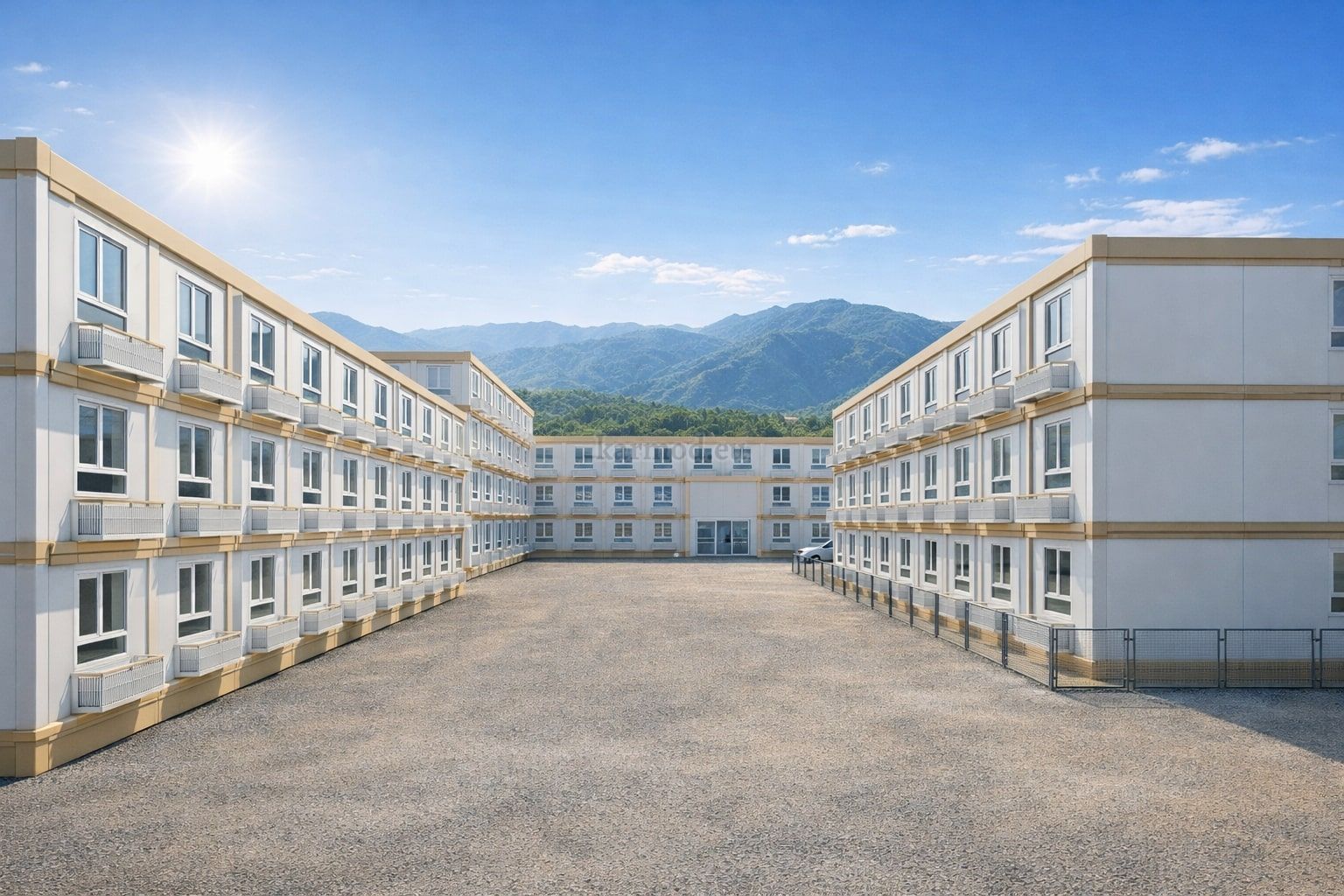
Modular Buildings vs. Prefabricated Building Systems
Although often mentioned together, modular buildings and prefabricated building systems serve different functional priorities.
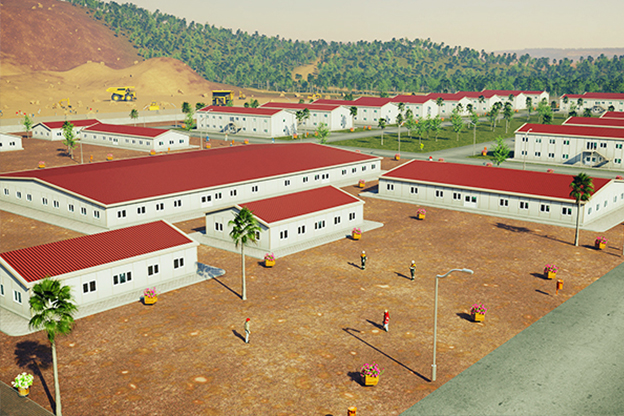
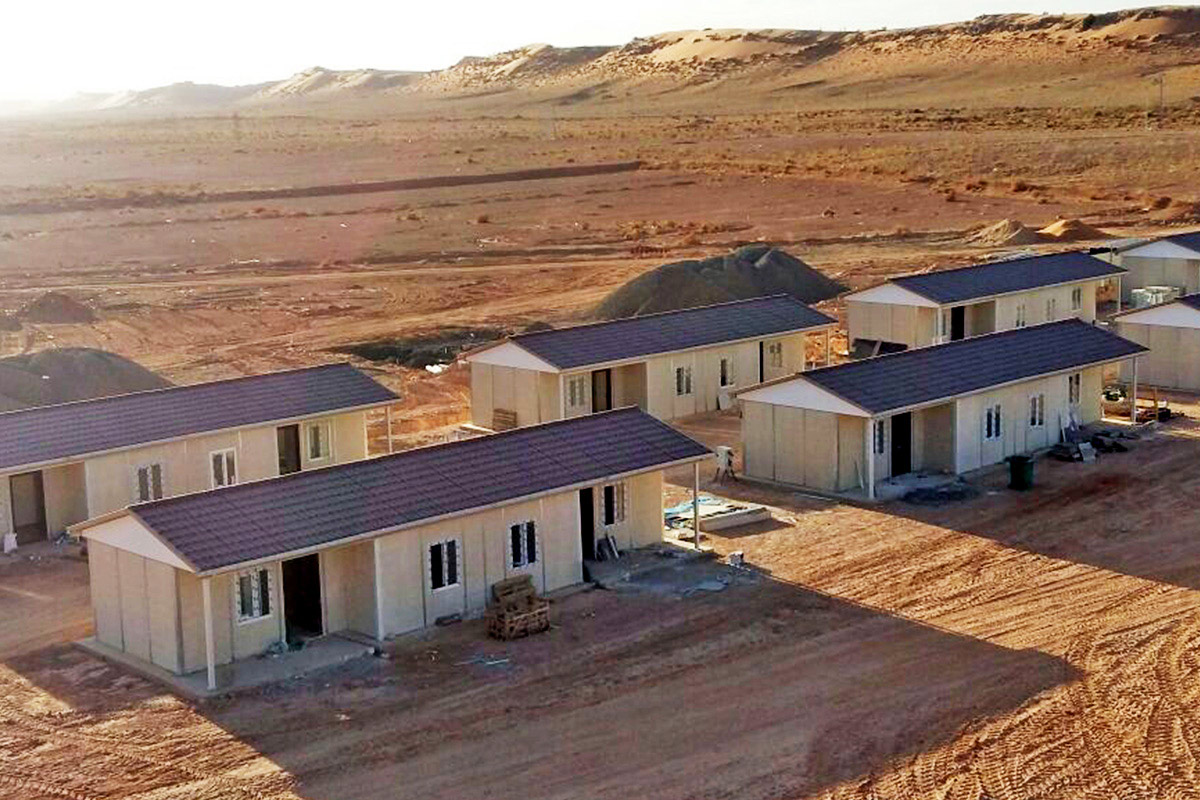
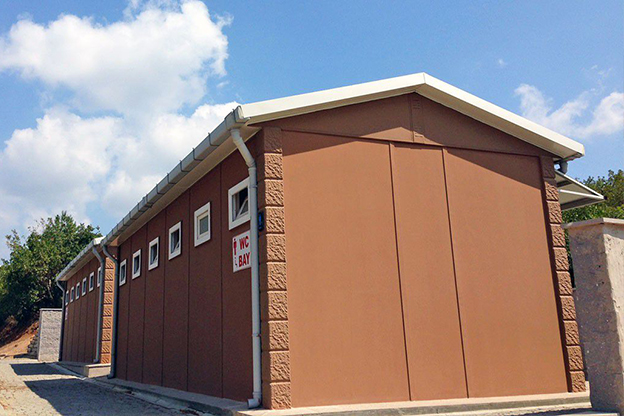
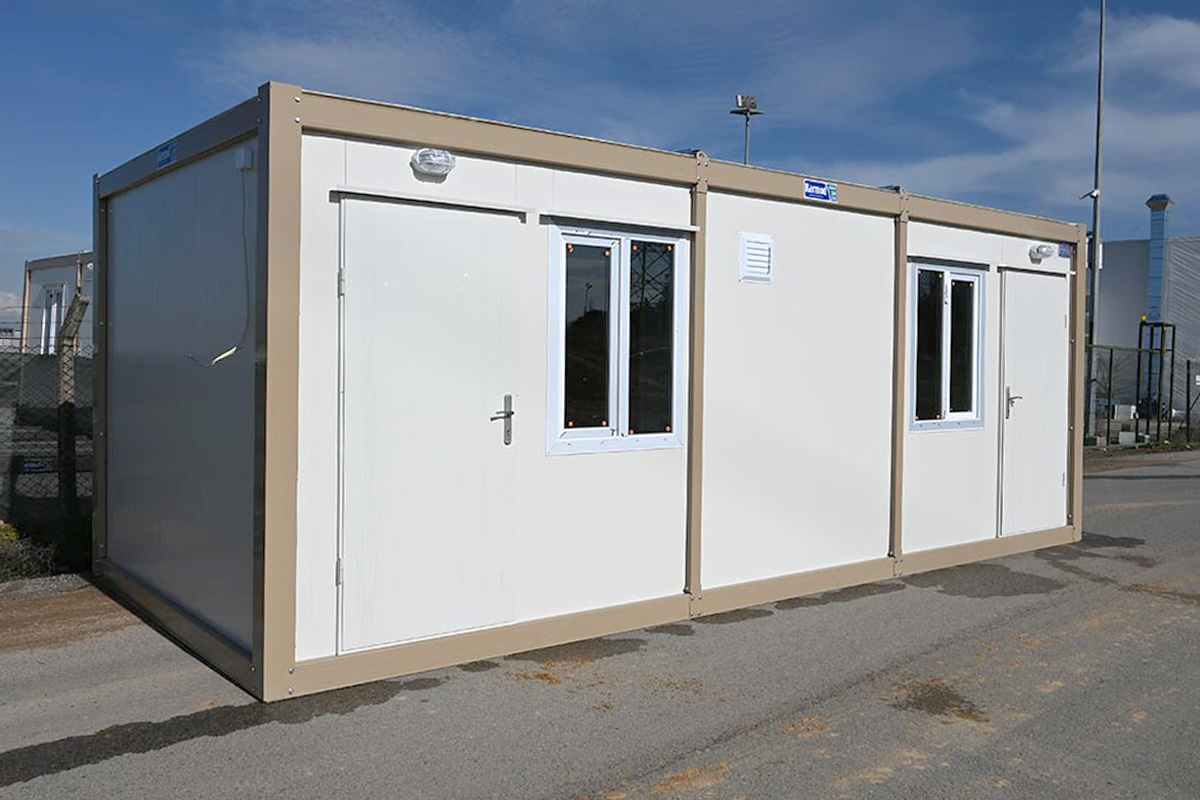
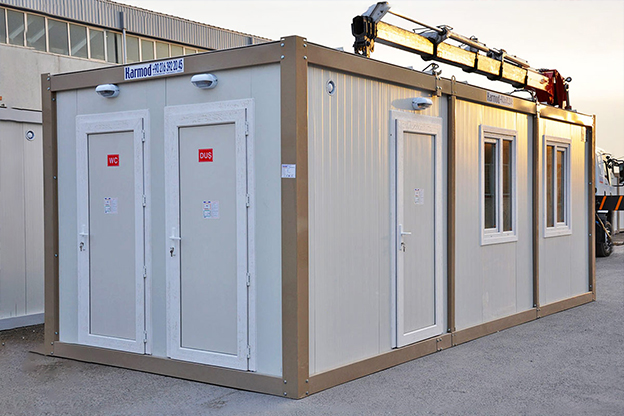
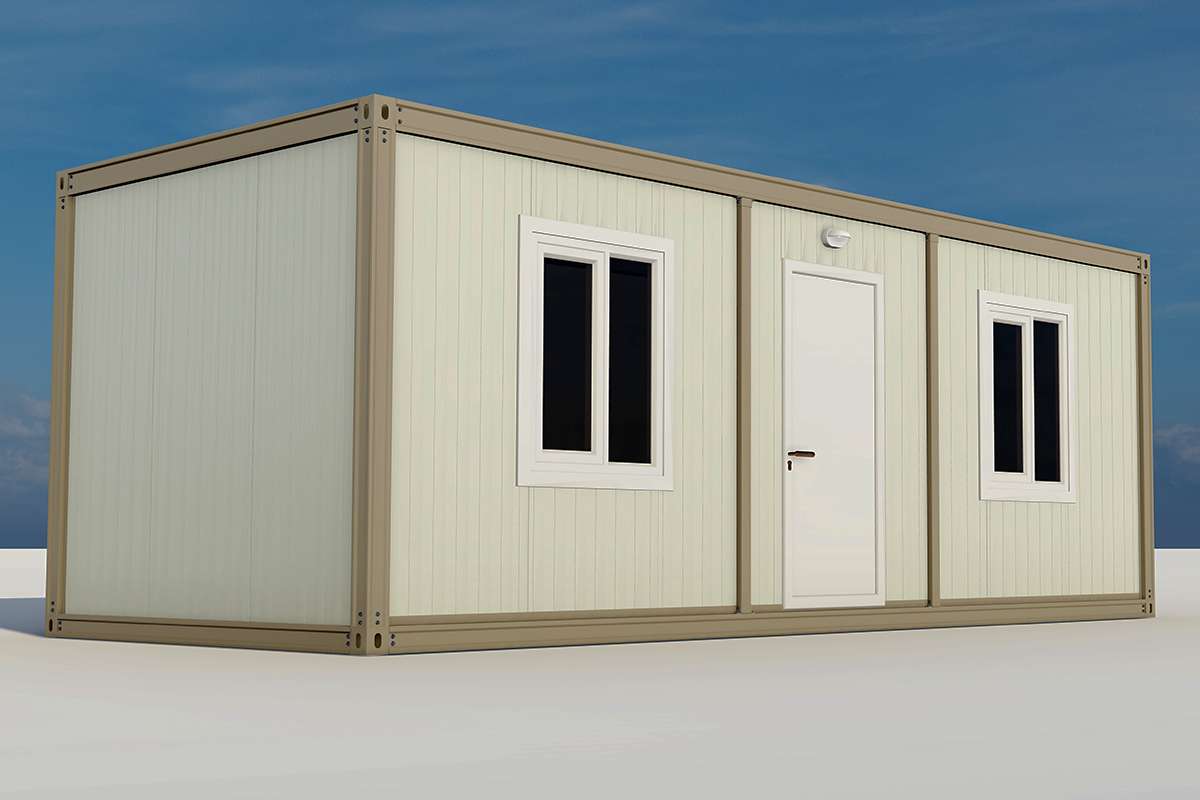
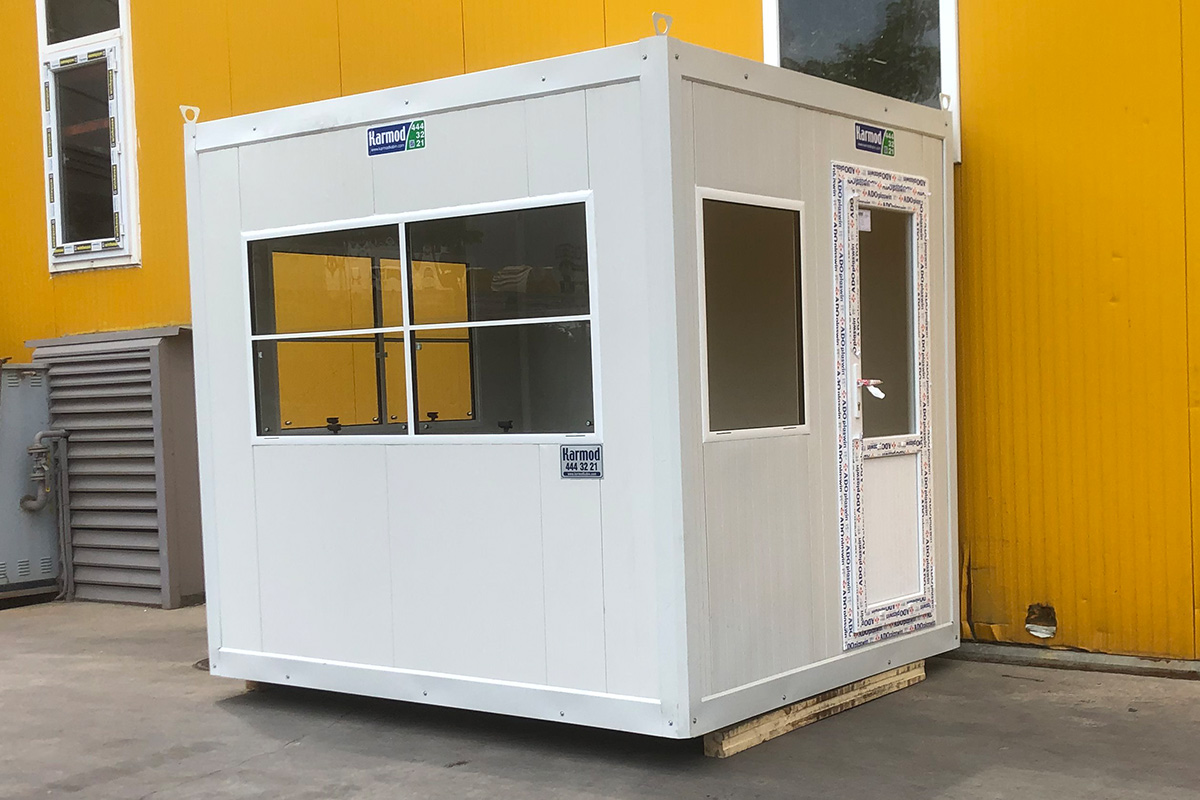
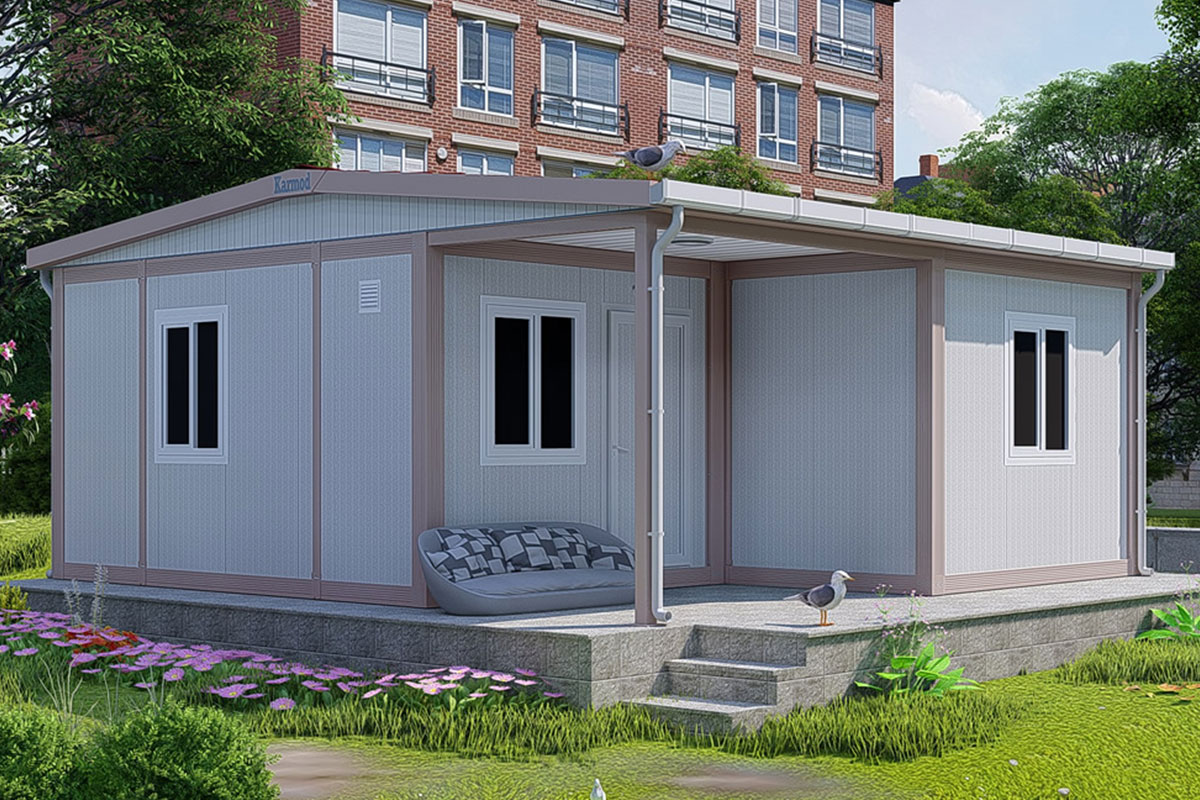
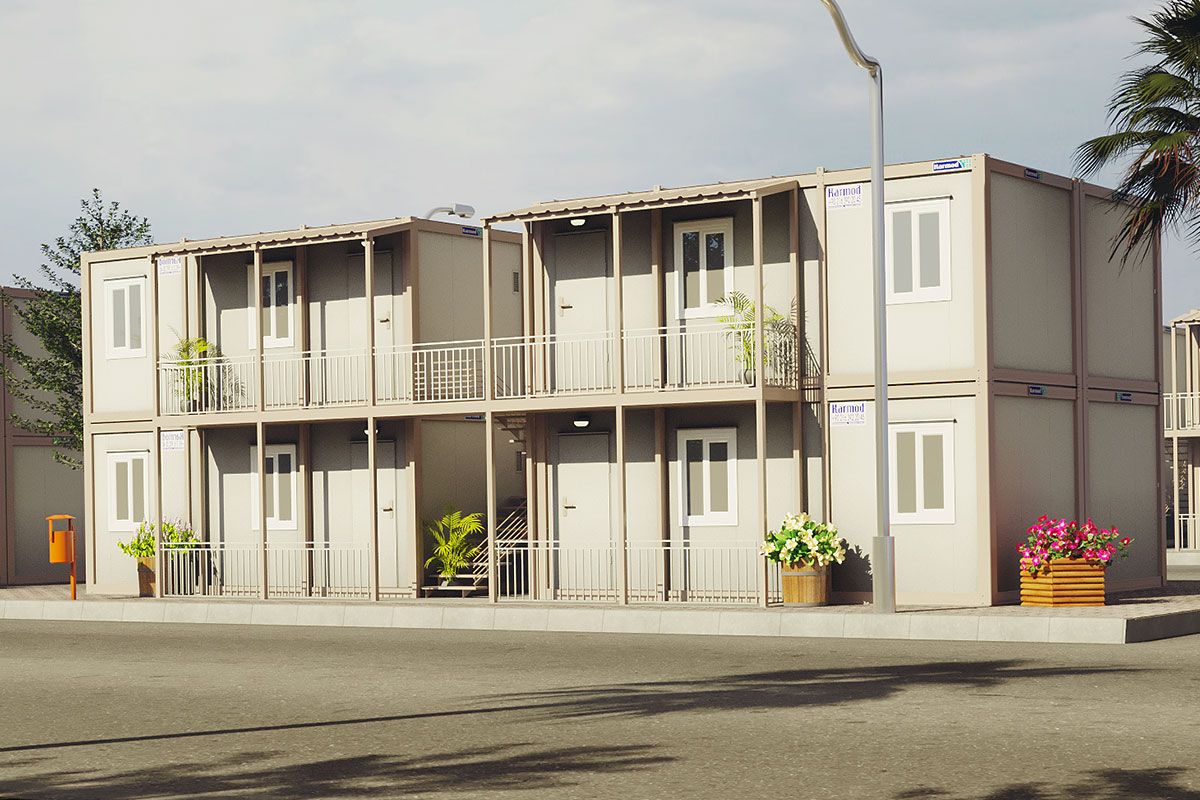
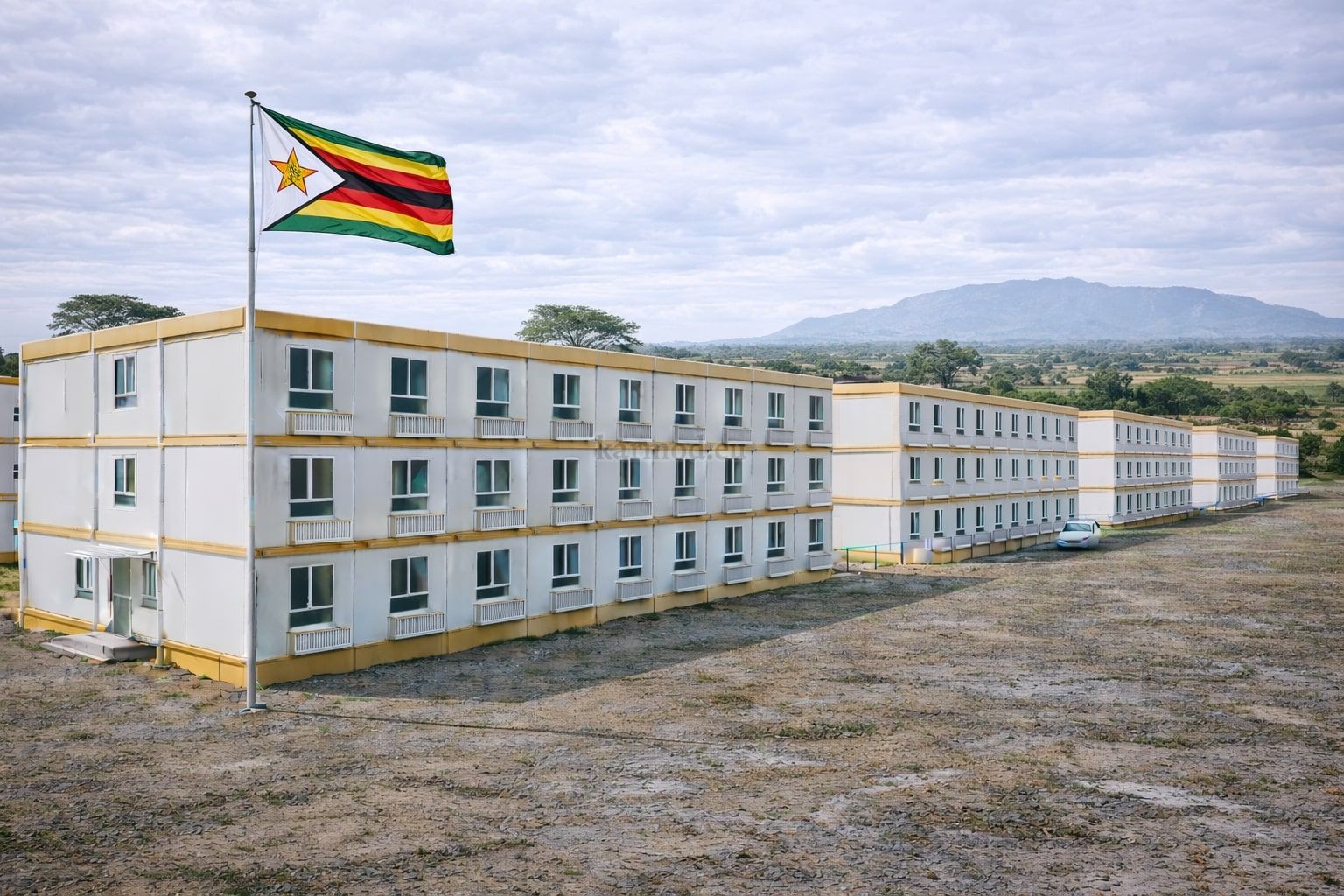
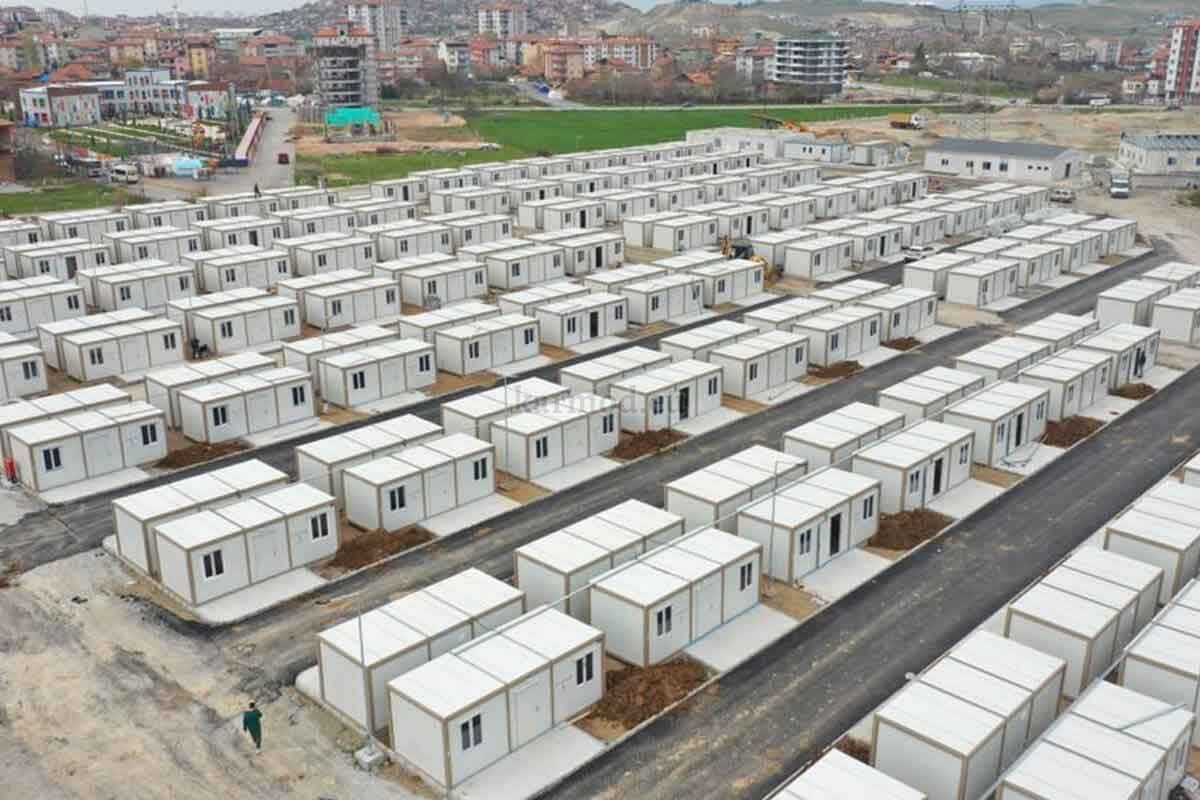
Modular buildings are produced as volumetric units. Each module is structurally complete, transportable, and designed to be combined or expanded. This makes them suitable for projects that may need relocation, phased growth, or reconfiguration over time. In Zimbabwe, modular buildings are frequently preferred for worker accommodation, site offices, and temporary operational facilities where flexibility is essential.
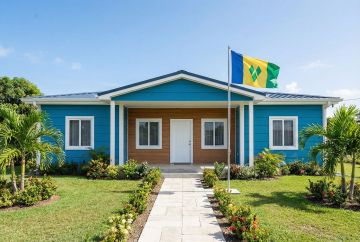
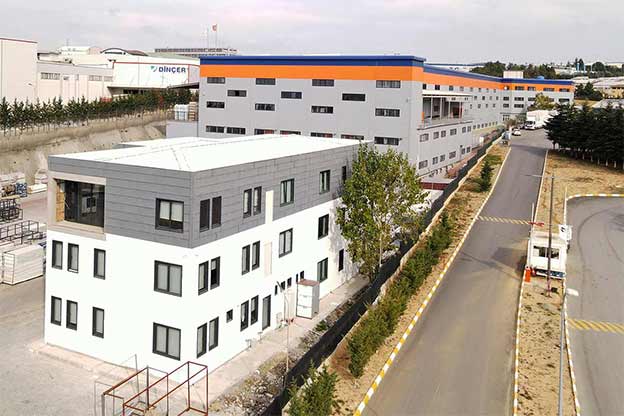
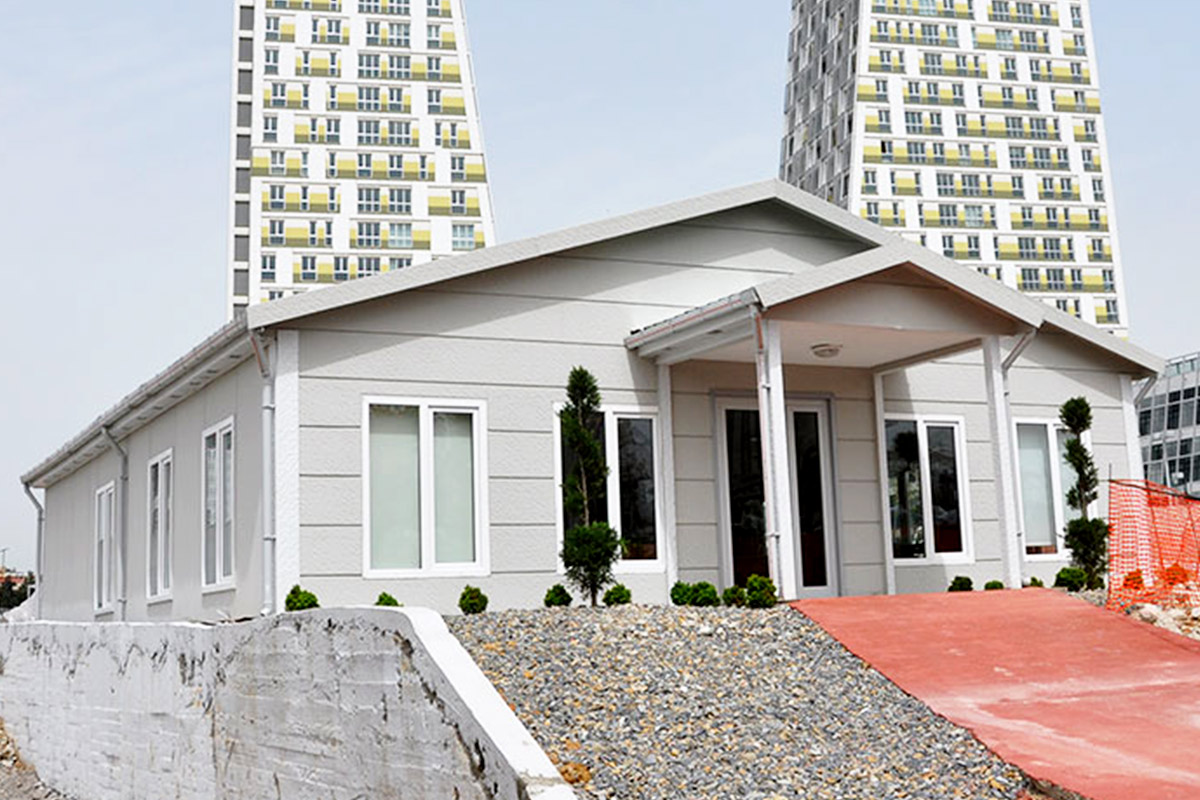
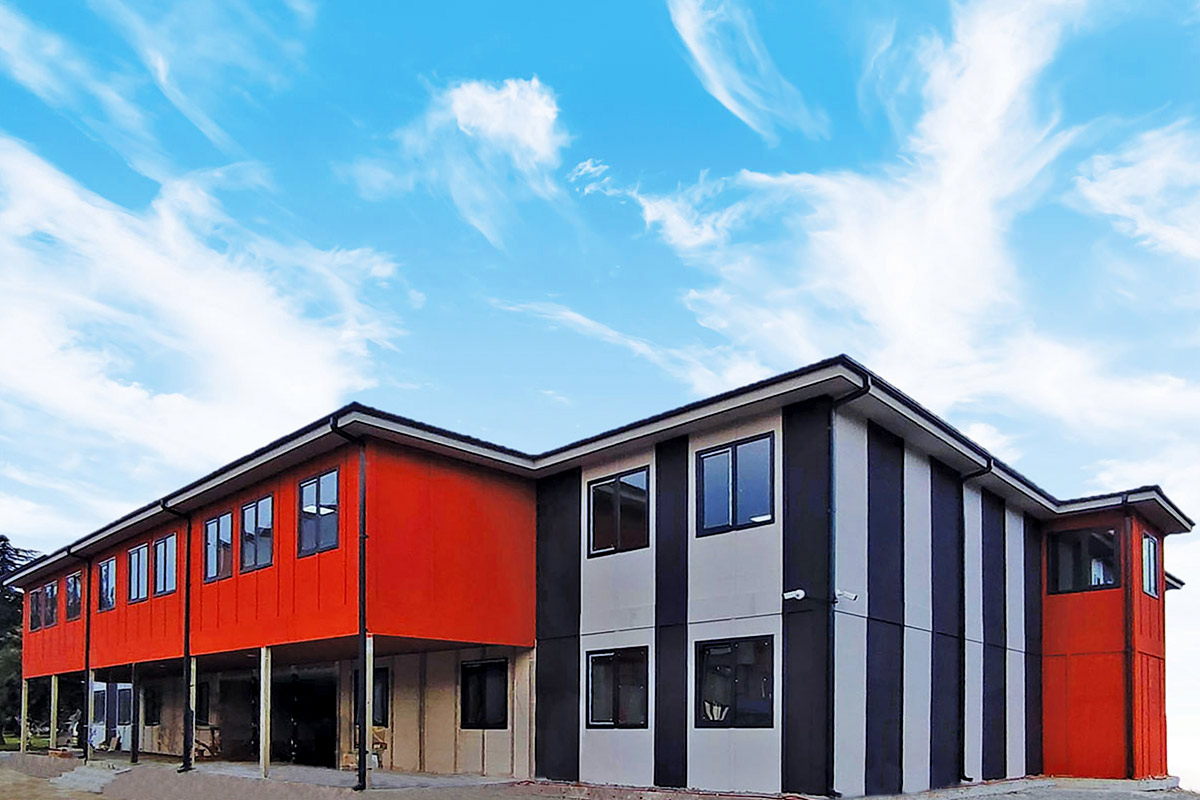
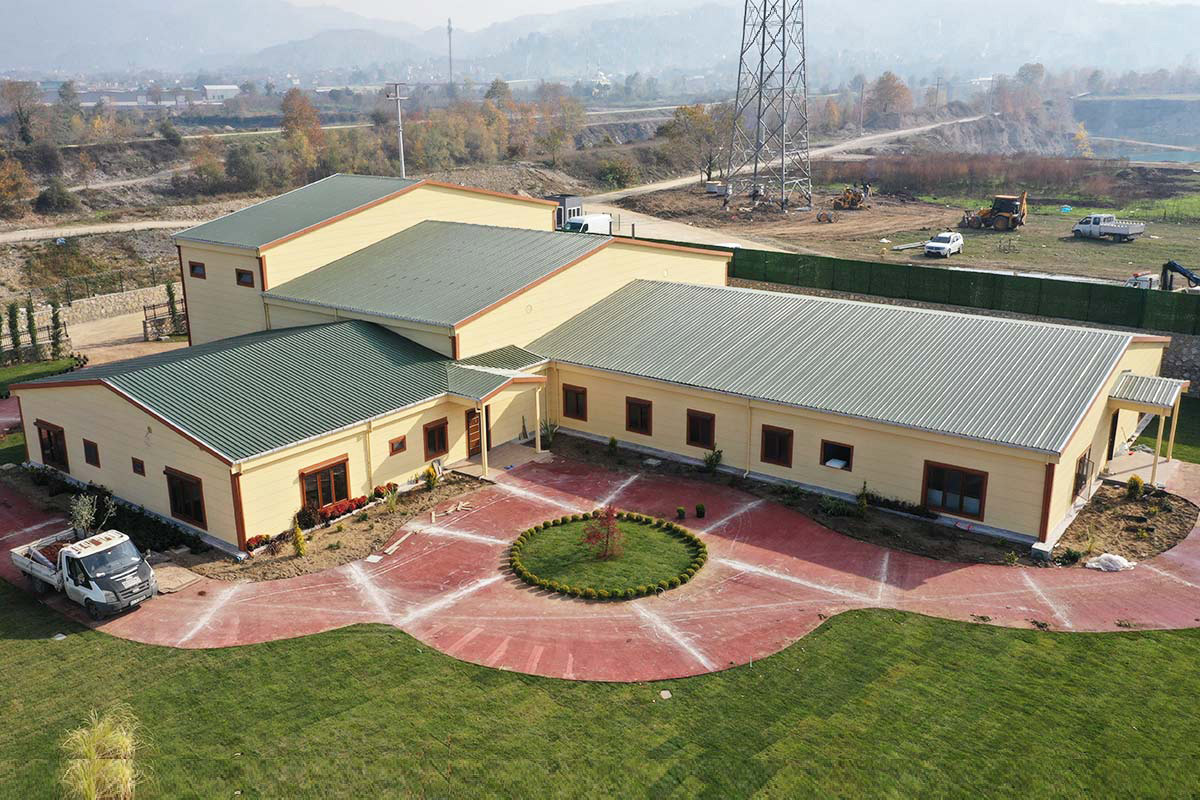
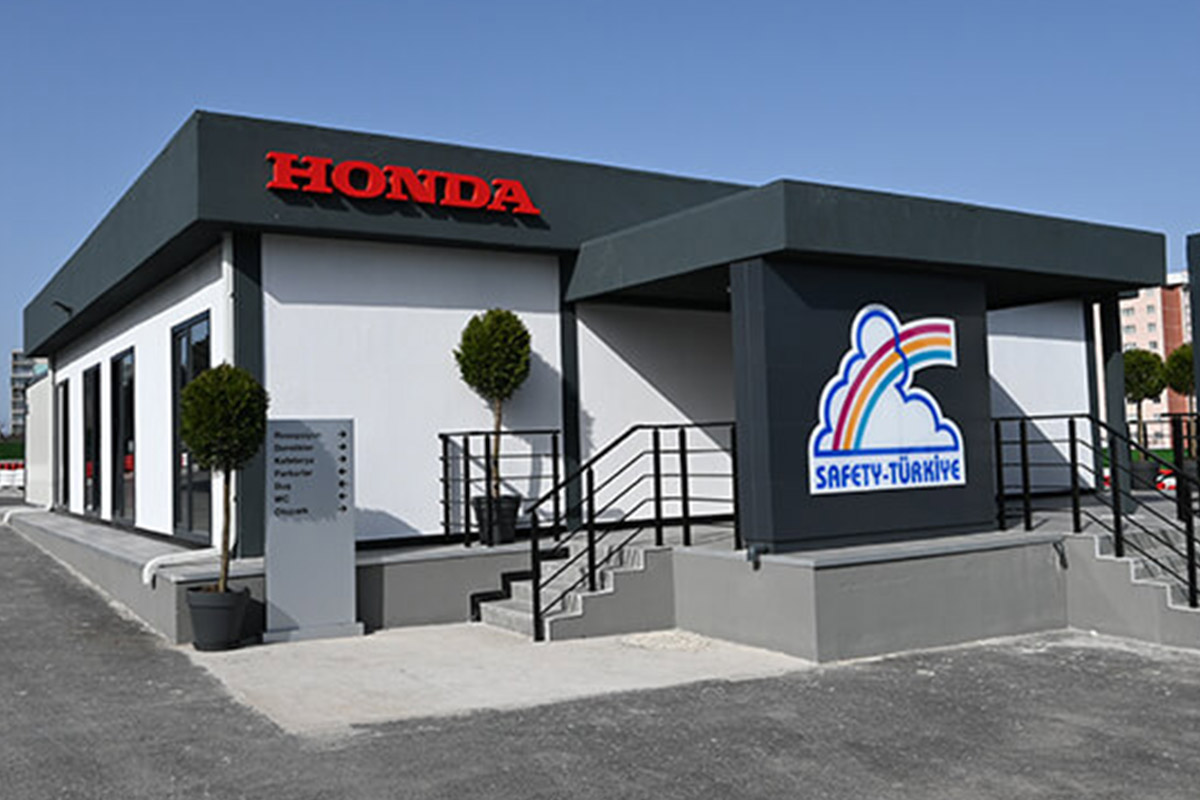
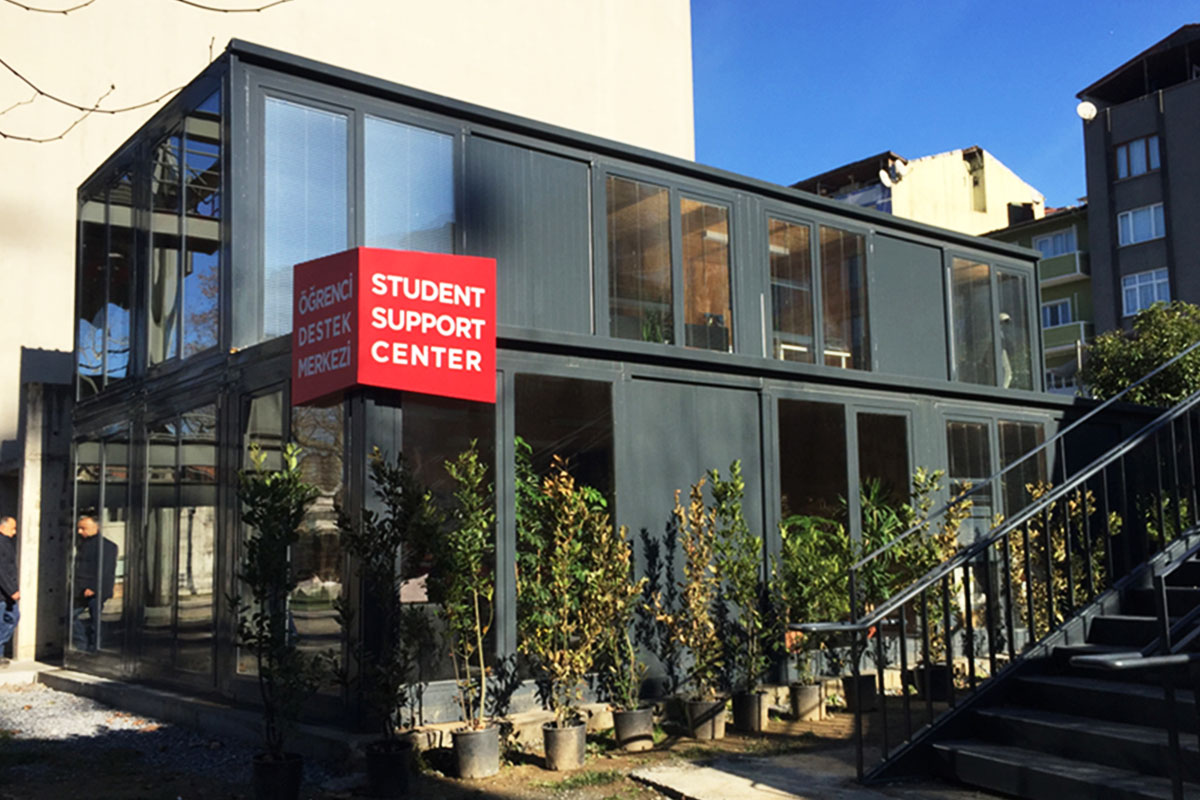
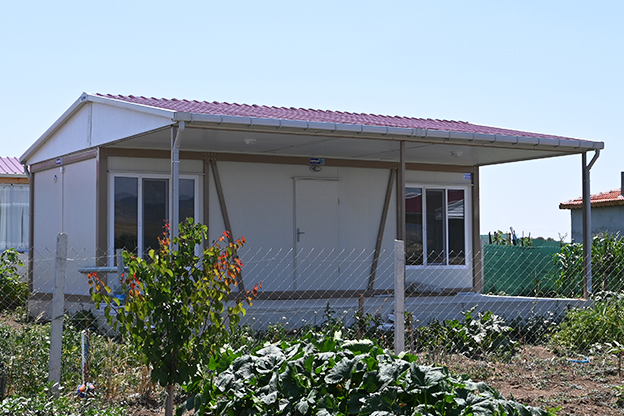
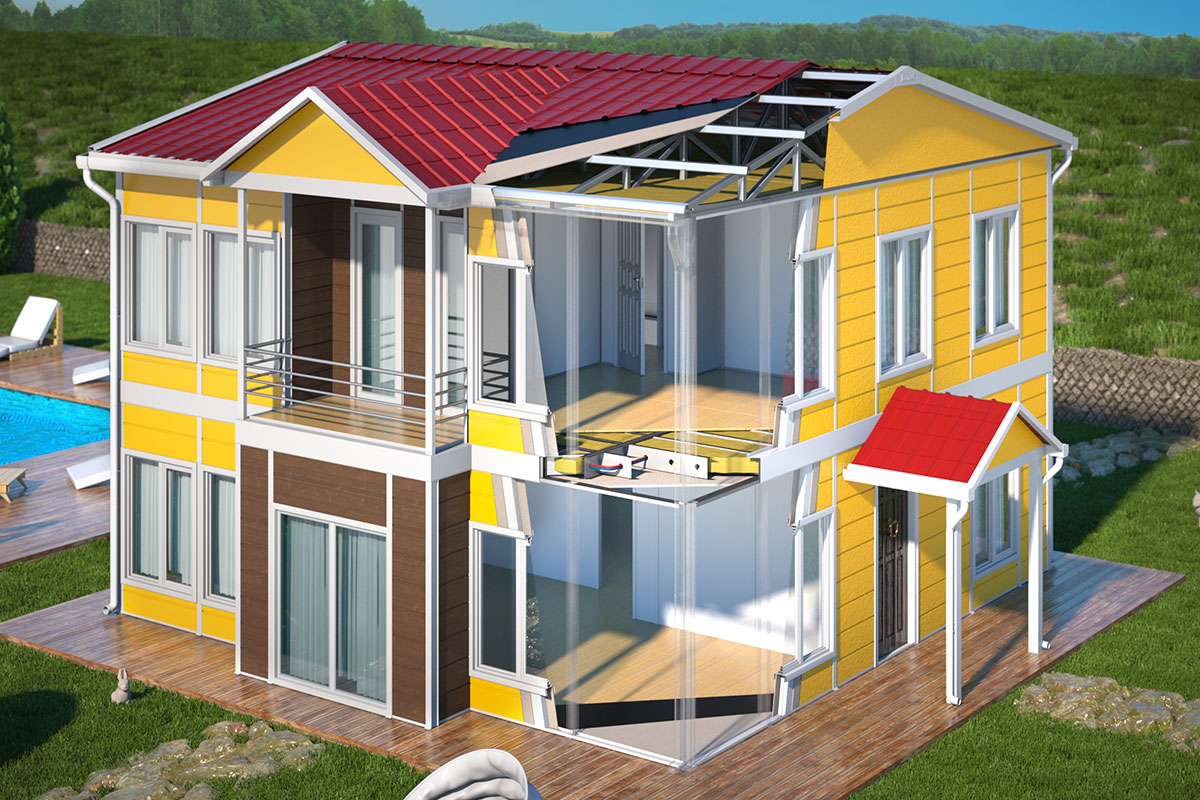
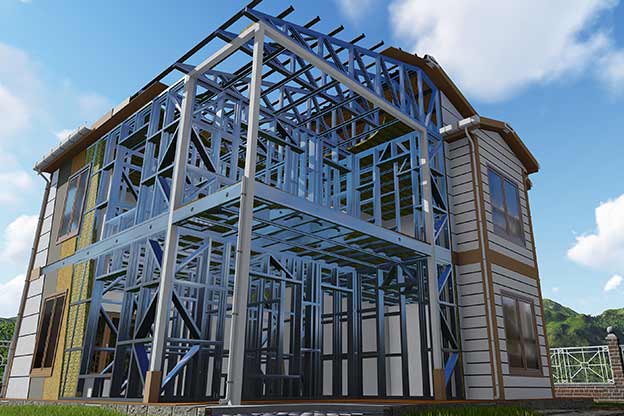
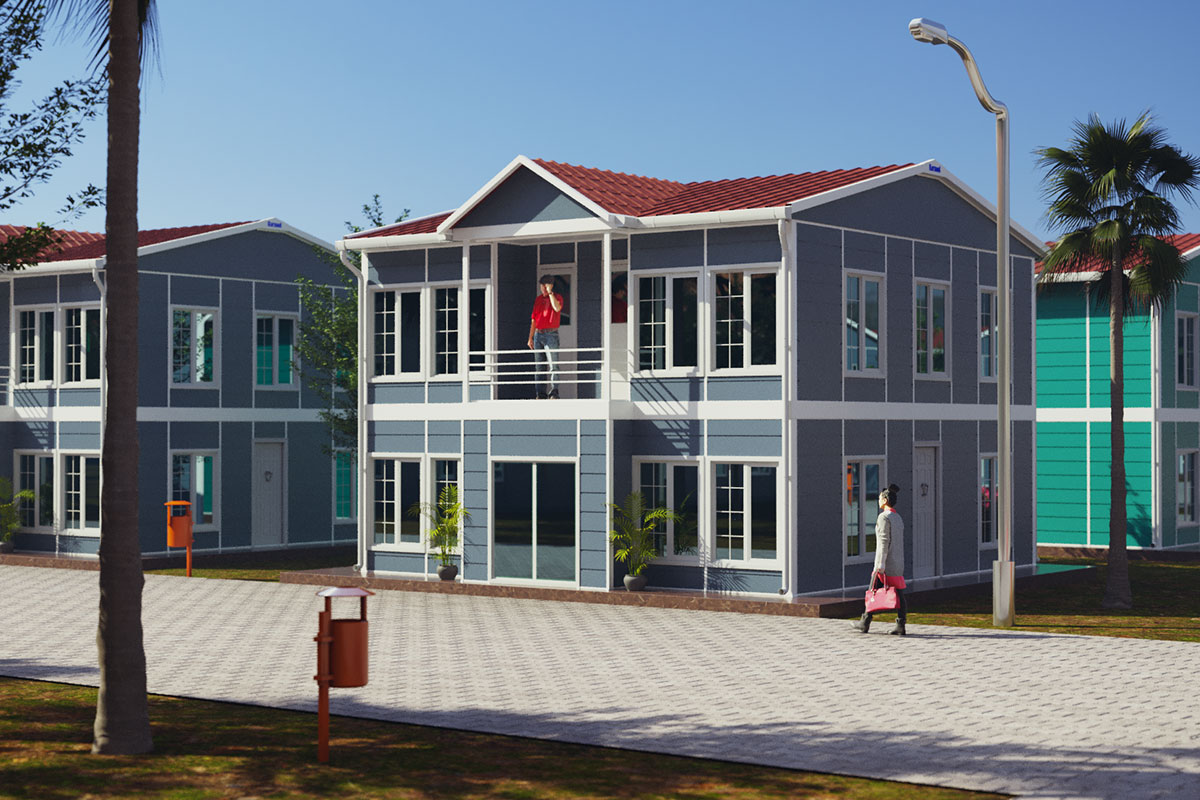
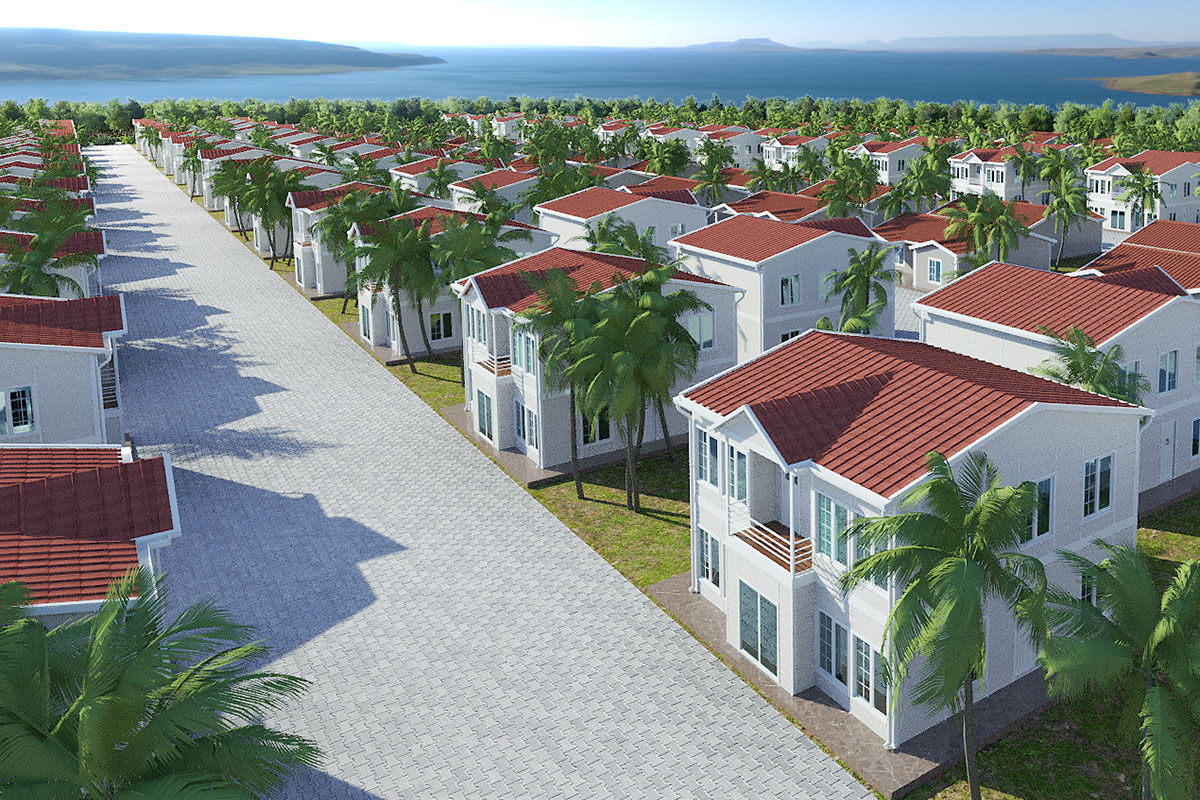
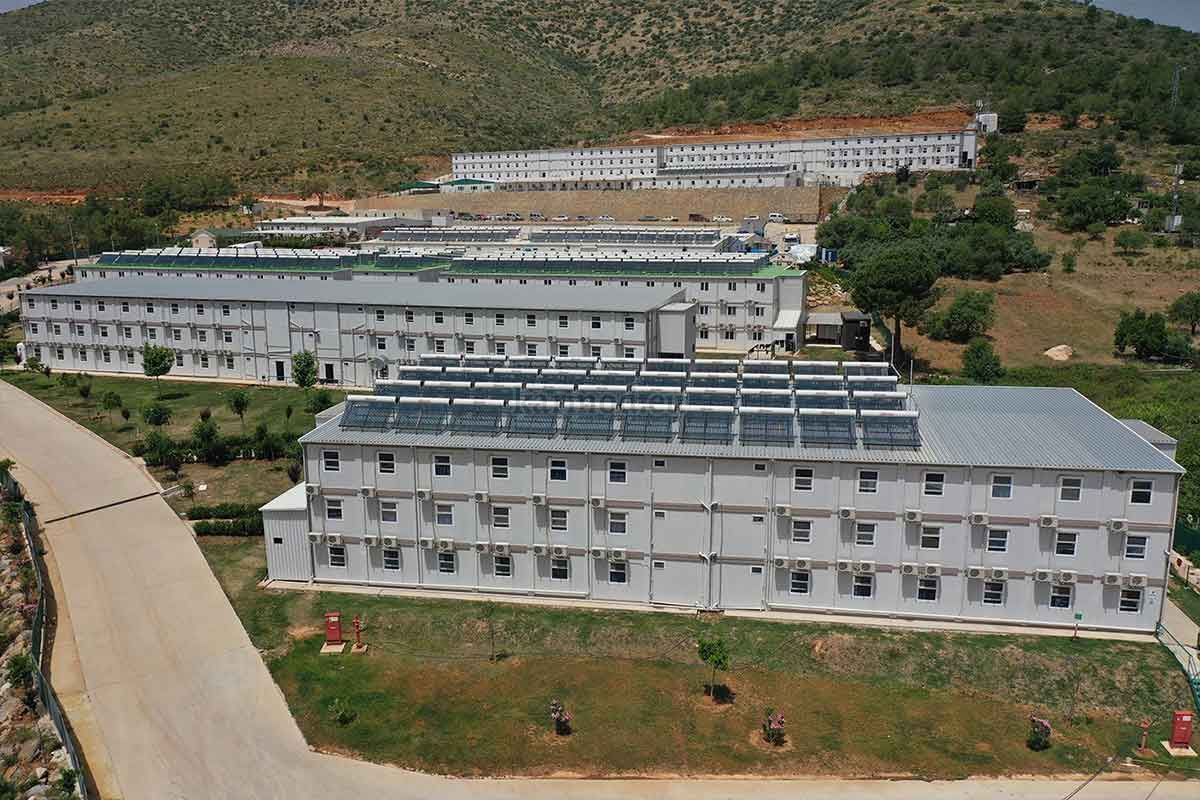
Prefabricated building systems, on the other hand, are based on panels or pre-engineered structural elements assembled on-site. These systems are typically chosen for permanent installations where long-term use, architectural integration, and site-specific foundations are required. A prefabricated building is often used for offices, educational buildings, or healthcare facilities intended to remain in place for decades.
The choice between the two depends on project lifecycle and mobility needs. In remote mining zones or infrastructure corridors, modular buildings provide operational agility. In urban or semi-urban developments, prefabricated building systems offer permanence with controlled construction quality.
Applications of Modular and Prefabricated Buildings in Zimbabwe
Modular and prefabricated solutions are used across a wide range of applications in Zimbabwe, including:
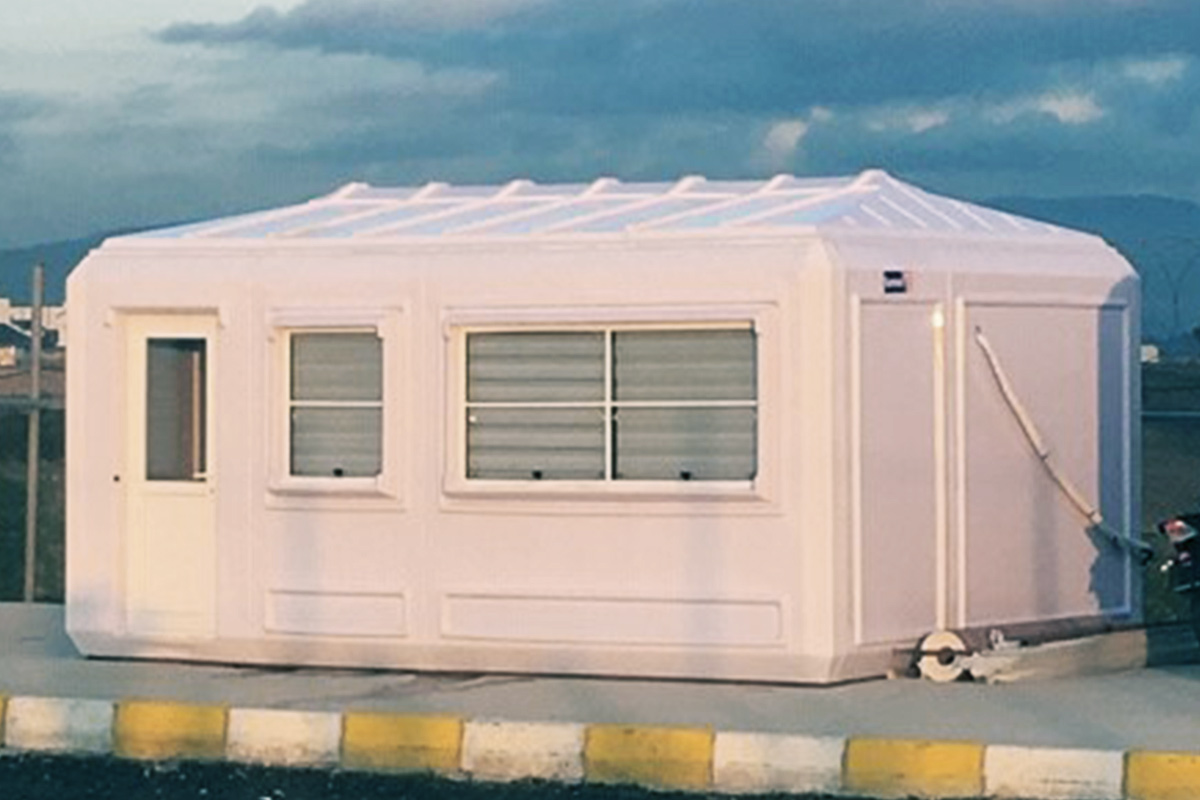
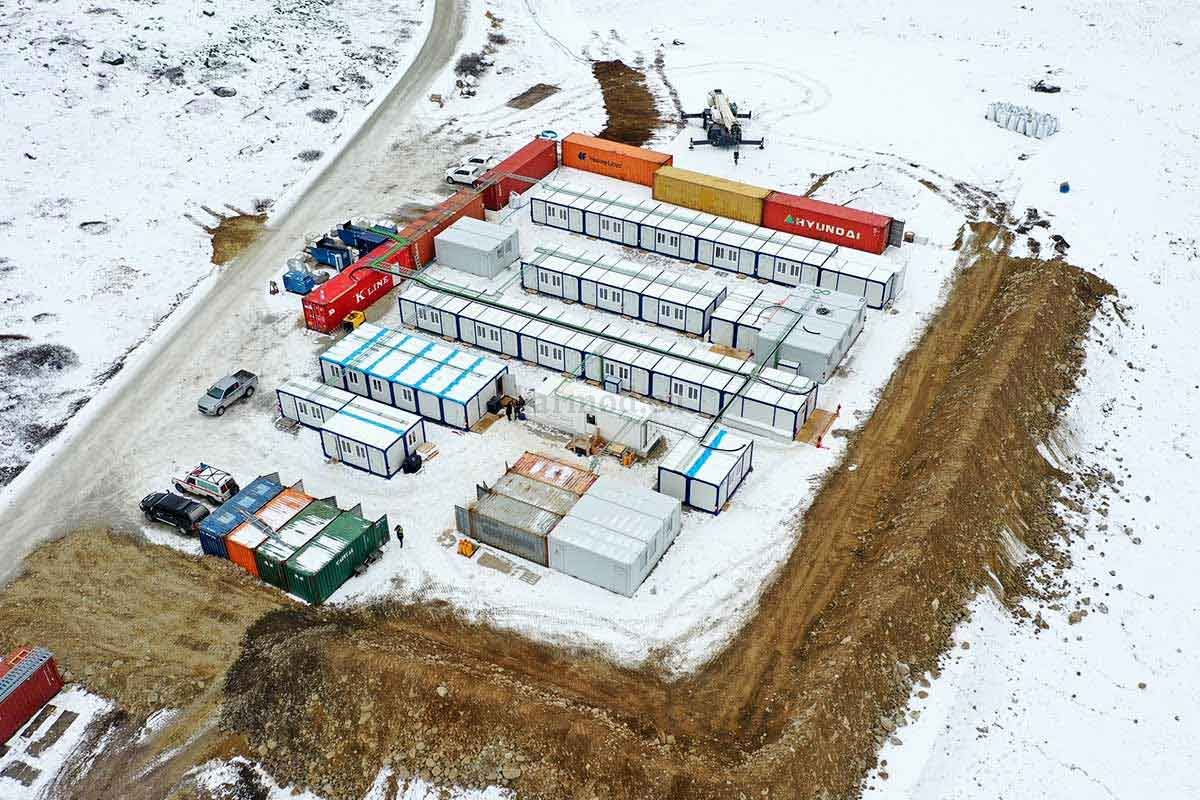
- Site offices & construction camps supporting mining, road, and energy projects
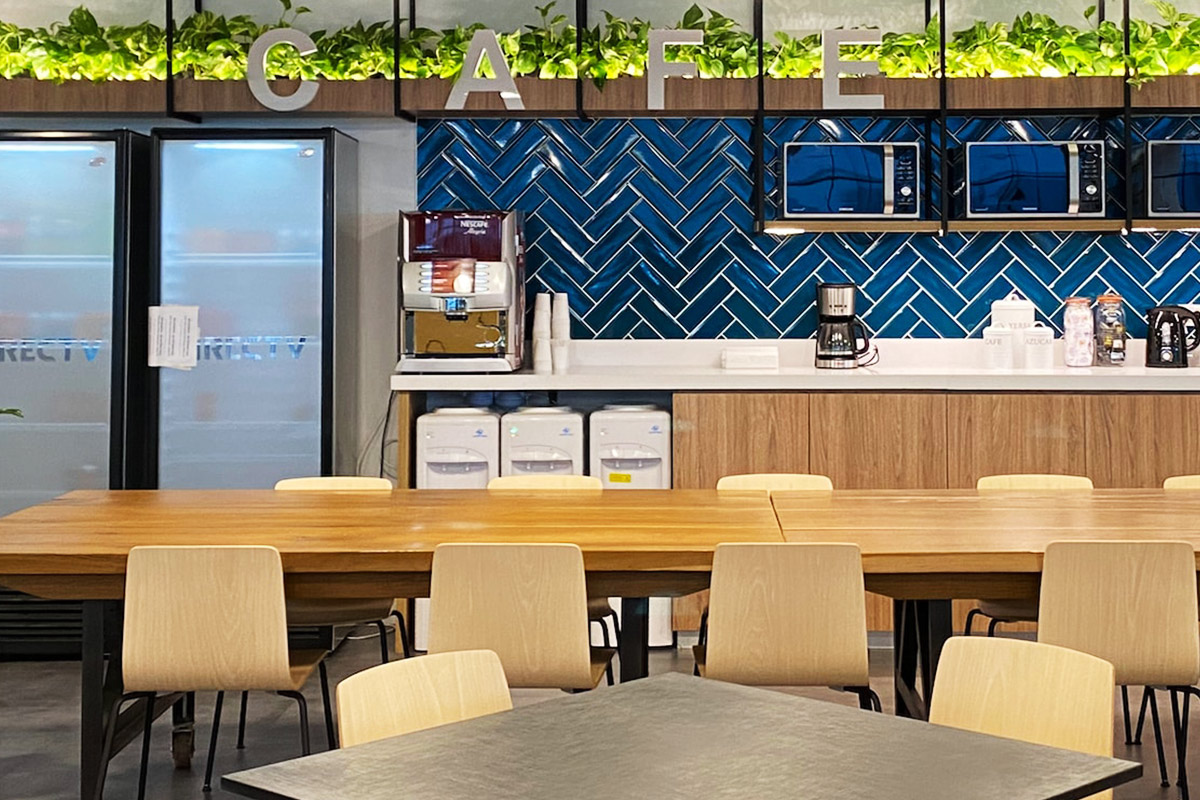
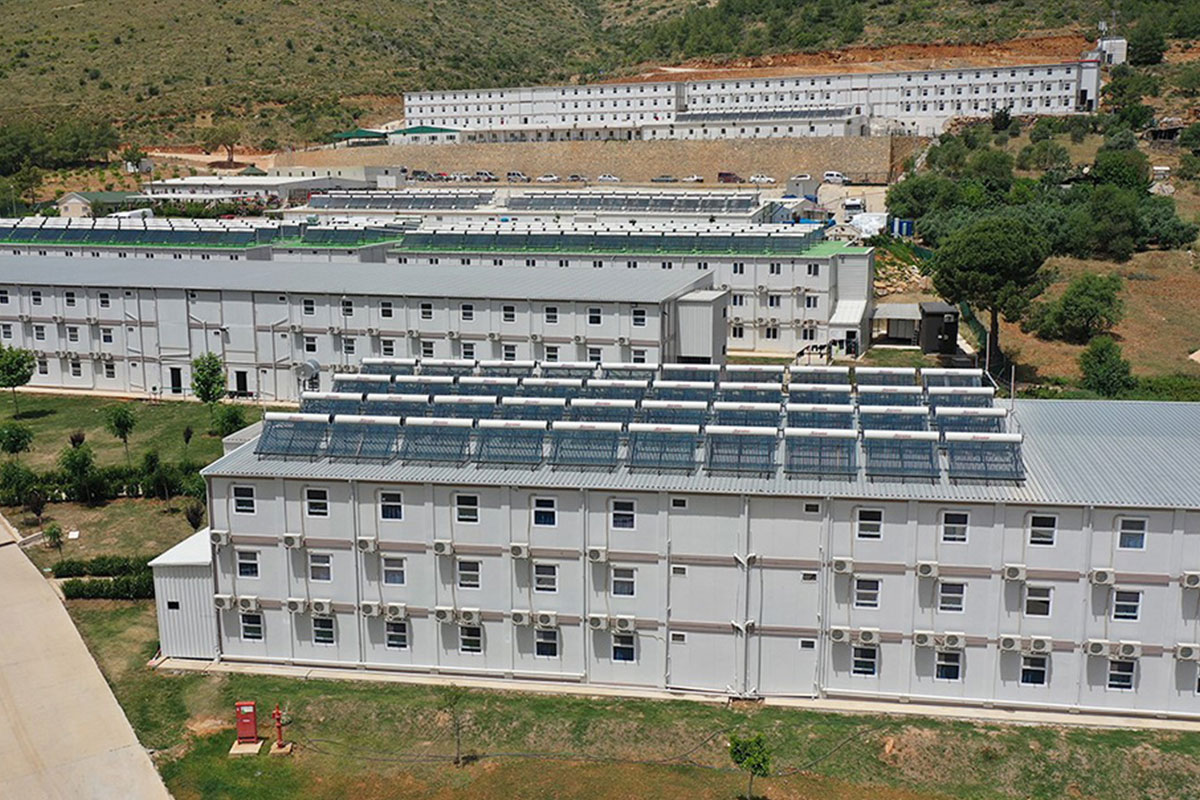
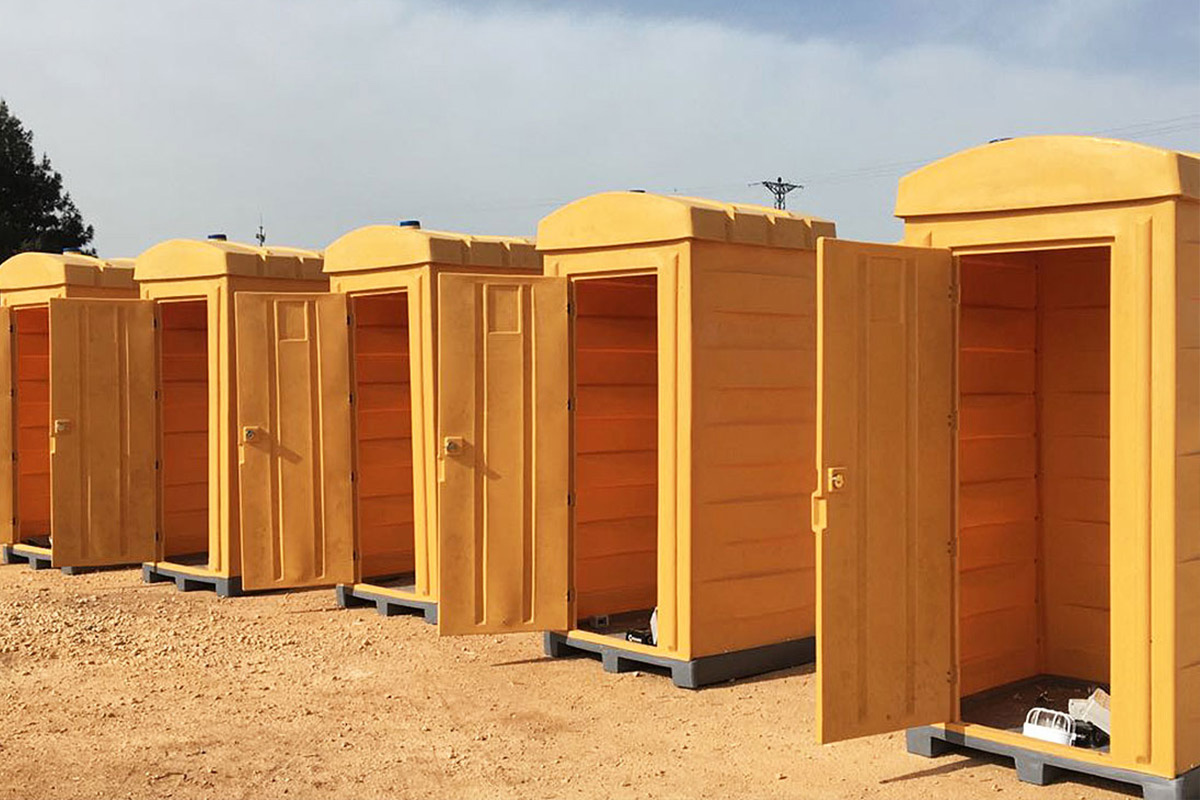
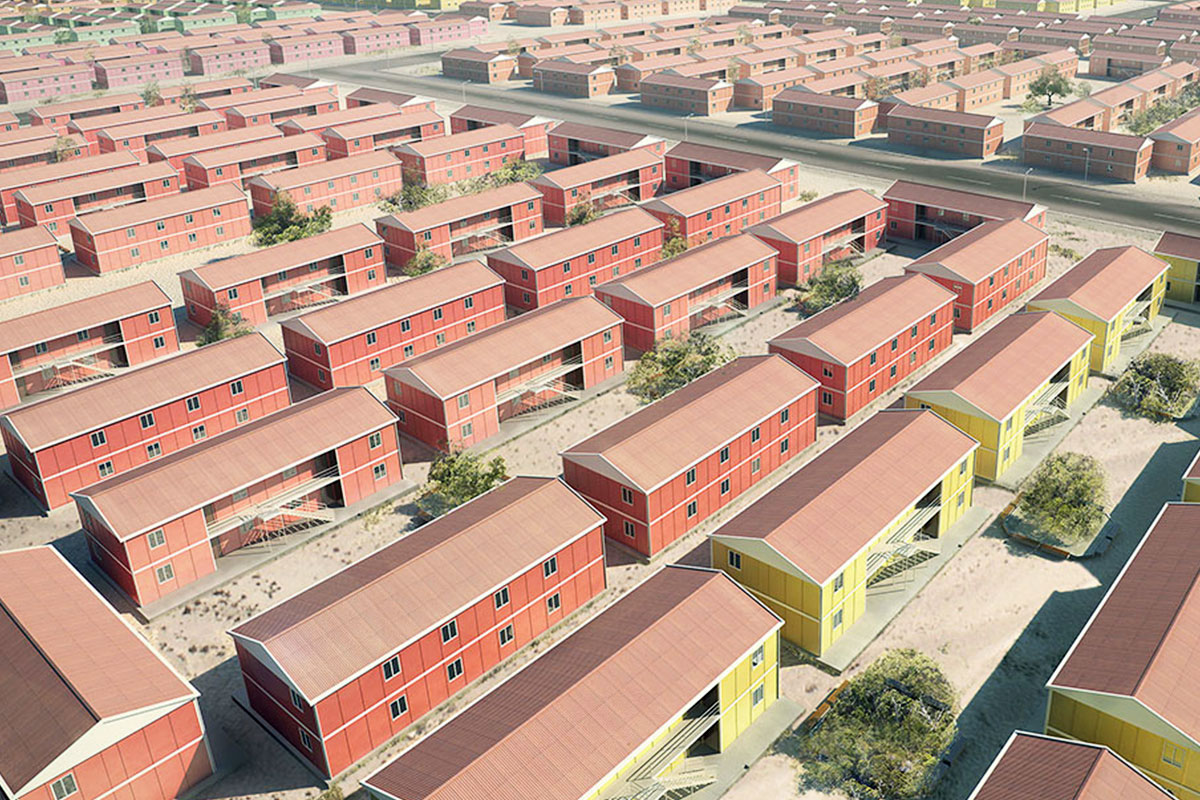
- Worker accommodation buildings designed for comfort and durability in remote locations
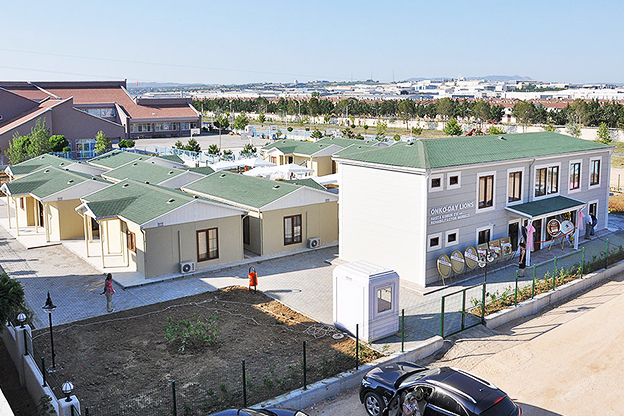
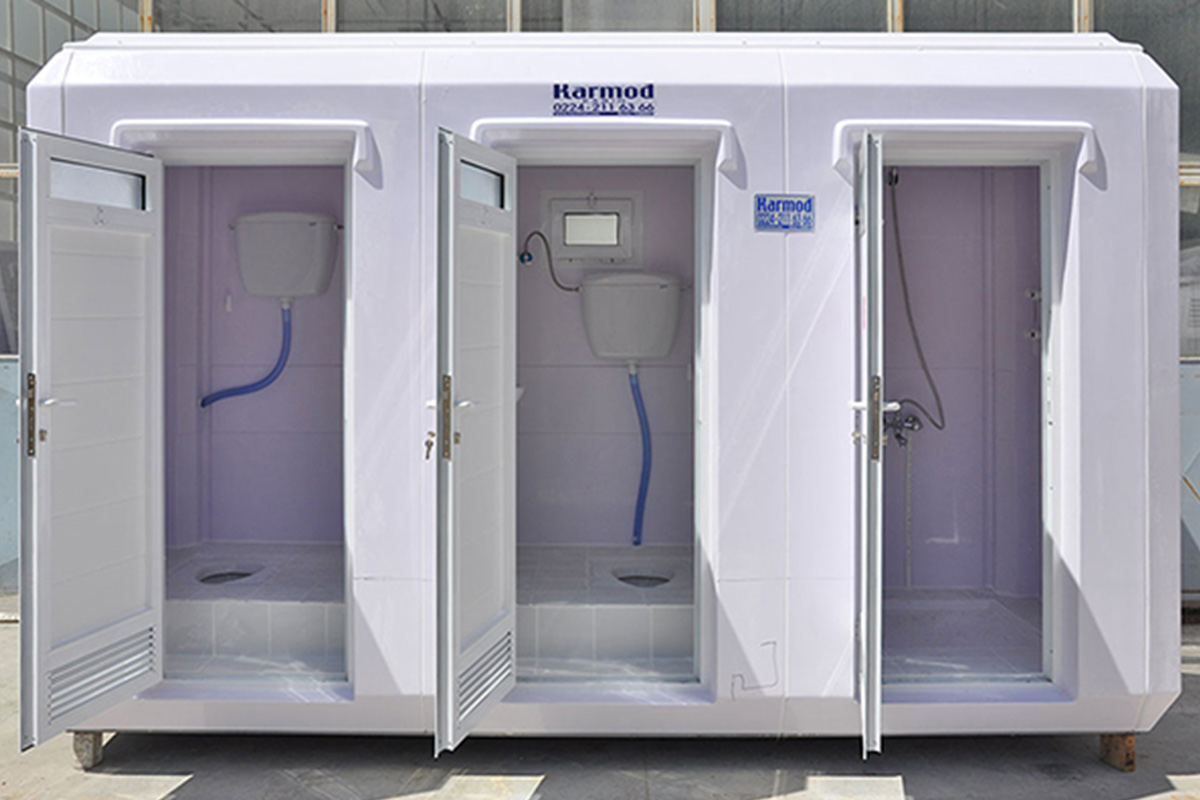
- Temporary schools & healthcare units deployed for public sector and NGO initiatives
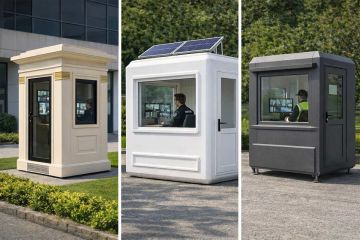
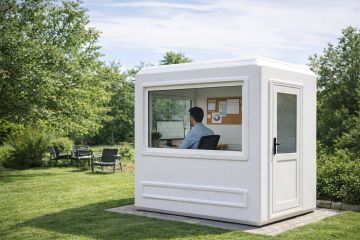
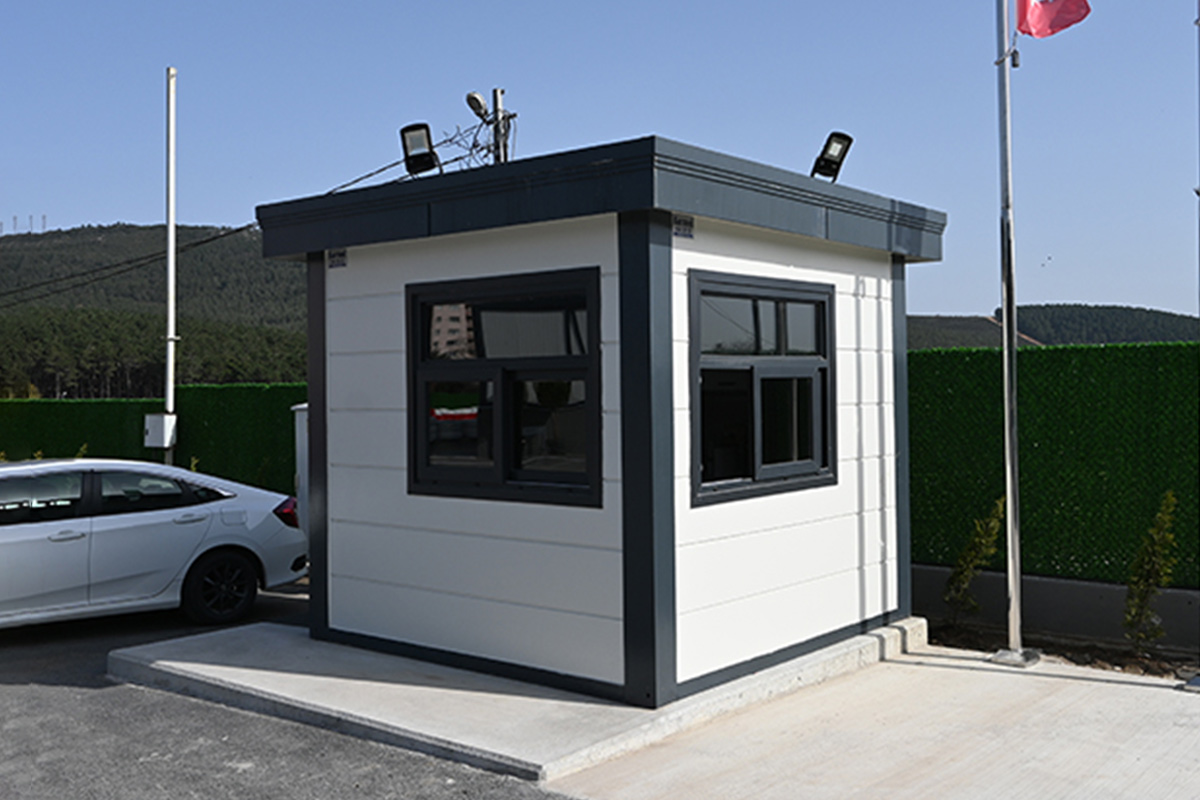
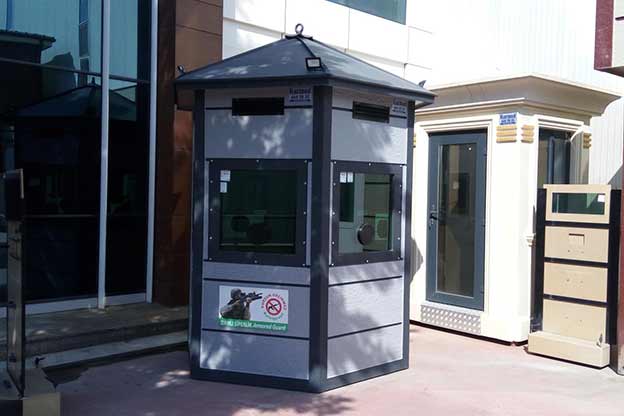
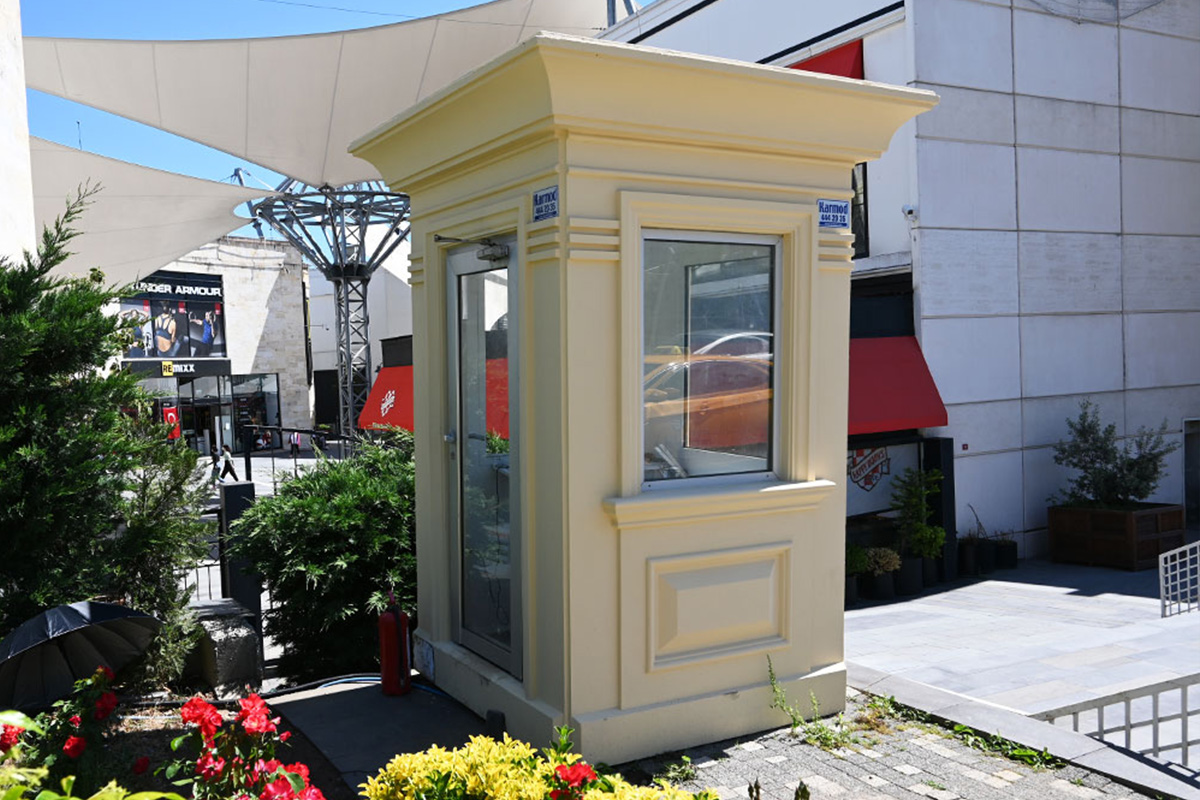
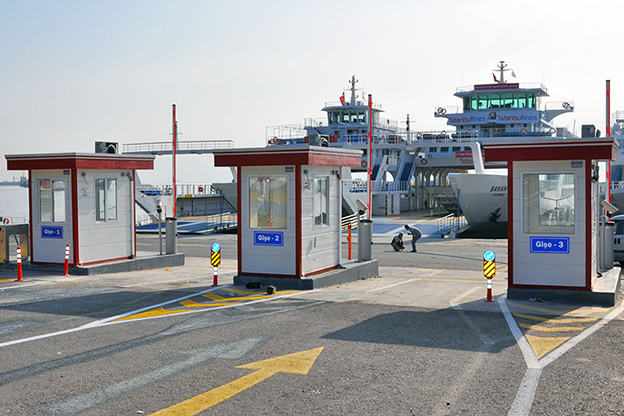
- Security buildings & technical units for controlled access, monitoring, and operations
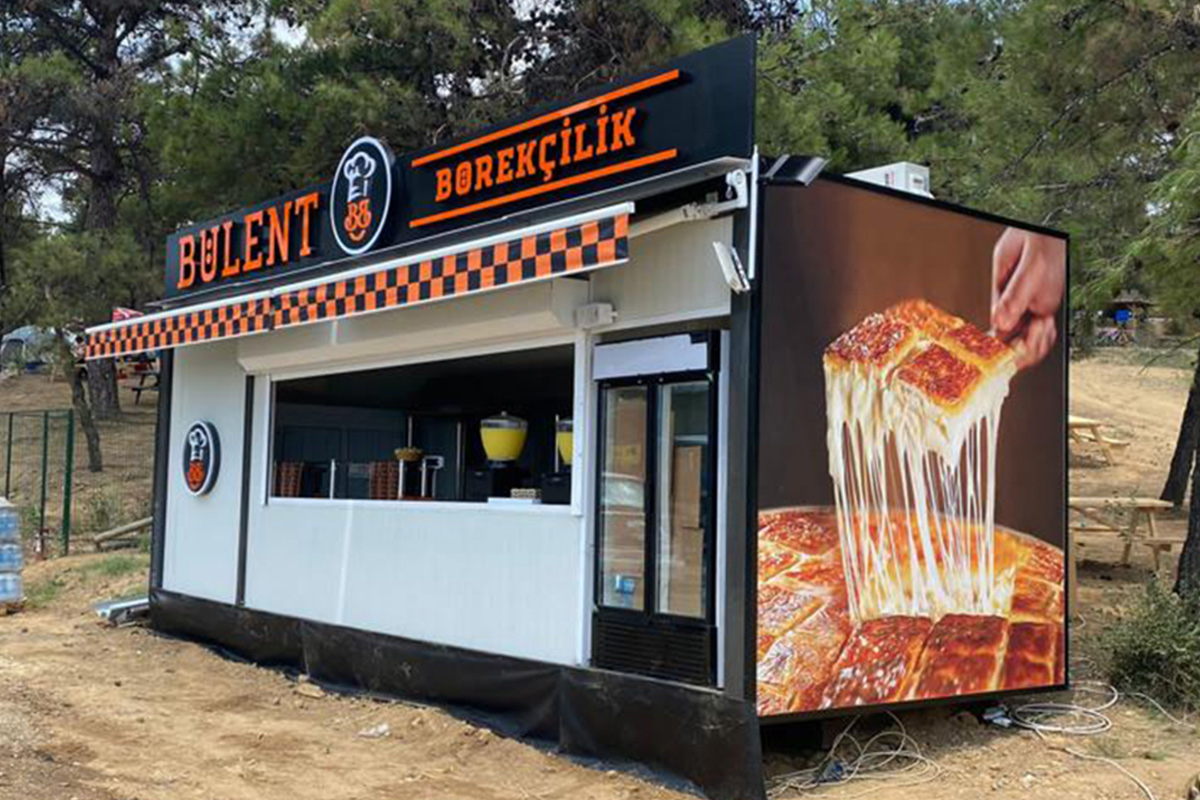
- Storage and logistics facilities supporting agriculture, mining, and cross-border trade
These applications share a common requirement: fast deployment with predictable performance.
From Design to Installation: How the Process Works
The delivery of modular buildings and prefabricated building systems follows a structured process that reduces uncertainty for project owners.
The first step is project needs analysis. Space requirements, occupancy levels, climate conditions, and regulatory expectations in Zimbabwe are defined in detail.
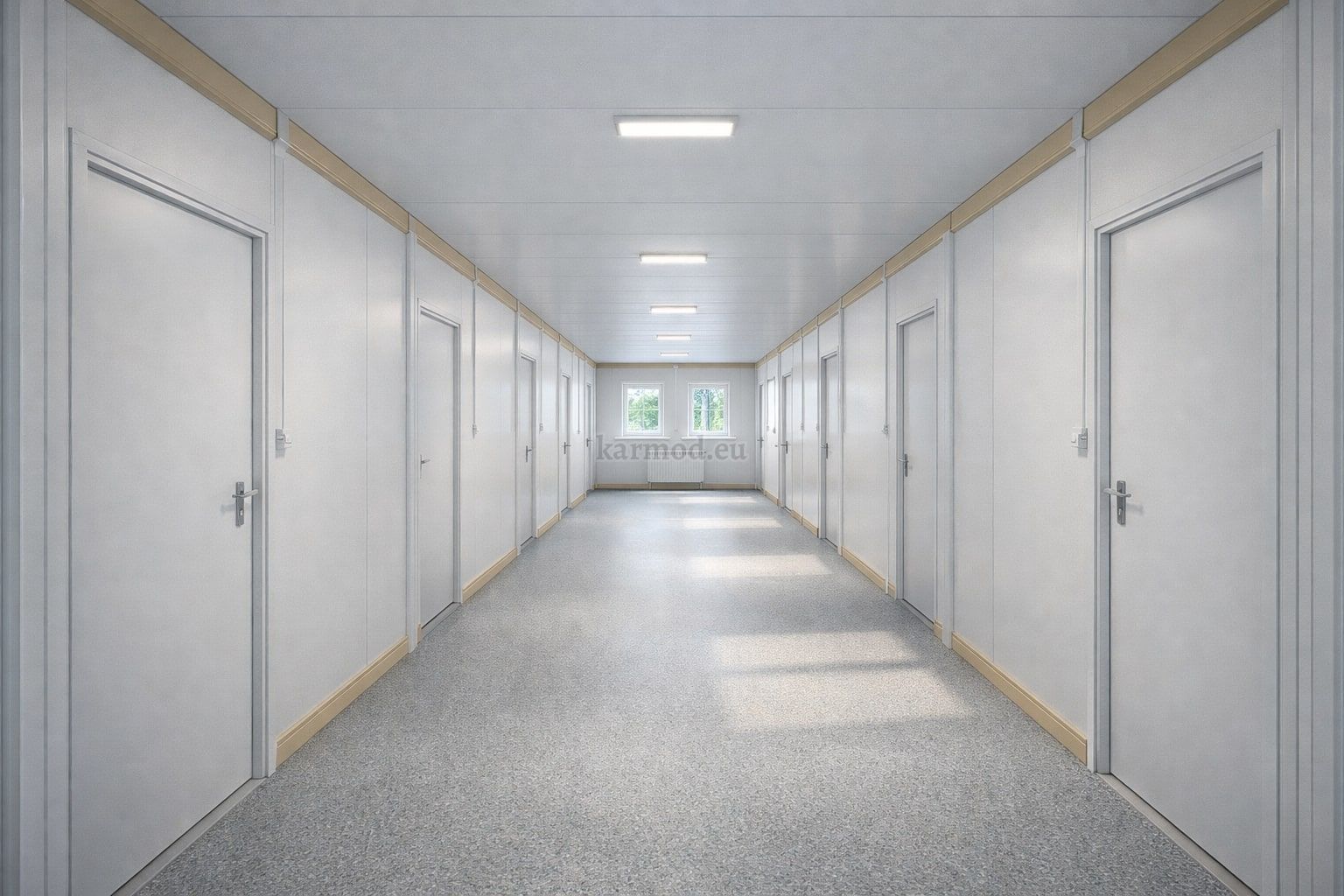
This is followed by custom design and technical specifications. Layouts, insulation levels, fire safety measures, and material choices are tailored to the project’s operational context.
Factory production then takes place under controlled conditions, ensuring consistent quality and minimizing material waste. This stage is particularly valuable for projects where on-site construction conditions are challenging.
Once production is complete, units are delivered to Zimbabwe through planned logistics routes, taking into account transport constraints and site accessibility.
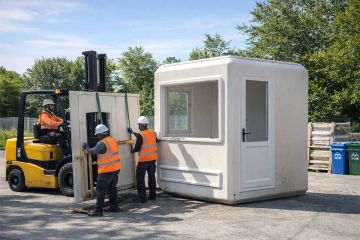
Finally, on-site installation is carried out efficiently, often within days rather than months, allowing operations to begin with minimal disruption.
Key Considerations for Modular Buildings in Zimbabwe
Thermal insulation plays a critical role due to temperature variations between regions and seasons. Proper insulation improves occupant comfort and reduces operational energy costs.
Fire safety standards must align with both international norms and local regulatory expectations, particularly for accommodation and public buildings.
Climate suitability is another essential consideration. Materials and finishes should be selected to perform reliably under Zimbabwe’s climatic conditions, including heat, dust, and seasonal rainfall.
Custom layouts allow buildings to reflect operational workflows rather than forcing adaptation to generic designs. This is particularly valuable for technical units, clinics, and administrative offices.
With experience gained across multiple international markets, Karmod applies proven industrialized construction principles to projects in Zimbabwe. Karmod modular building solutions are designed to balance durability, compliance, and adaptability, ensuring reliable performance throughout their service life in demanding environments.
For decision-makers planning new projects or expanding existing operations, modular and prefabricated construction offers a structured, low-risk path from concept to occupancy—aligned with Zimbabwe’s evolving industrial and infrastructure needs.