







New Zealand’s construction market is shaped by a unique mix of geographic distance, strict building regulations, high labor costs, and a strong focus on resilience and sustainability. For public institutions, infrastructure developers, energy companies, and private investors, speed and reliability have become as important as architectural quality. In this environment, modular buildings and prefabricated building solutions are increasingly viewed as practical tools for managing risk, timelines, and budgets without compromising long-term performance.
Rather than being short-term alternatives, these systems are now integrated into permanent development strategies across the country. From remote infrastructure projects to expanding urban centers, decision-makers are looking for building methods that align with New Zealand’s economic and environmental realities.
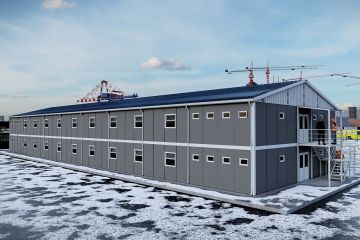
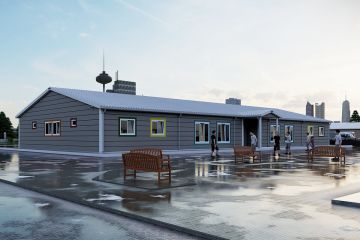
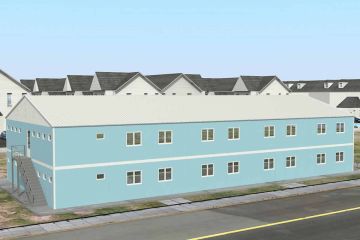
Why Modular Buildings Are in High Demand in New Zealand
One of the primary drivers behind the rising demand for modular construction in New Zealand is labor cost pressure. Skilled construction labor is limited, and wages remain high, especially outside major cities. Modular construction shifts a large portion of the work to controlled factory environments, significantly reducing on-site labor dependency and minimizing delays caused by workforce shortages.
Construction timelines are another decisive factor. Traditional building projects often face extended schedules due to weather conditions, supply chain delays, or permitting processes. With modular buildings, parallel workflows are possible: site preparation and building production can progress simultaneously. This approach allows projects to be delivered in weeks rather than months, which is critical for time-sensitive developments.
New Zealand also has a consistent need for both temporary and permanent structures. Infrastructure upgrades, earthquake recovery projects, and population growth in certain regions require flexible solutions. Modular systems can serve as temporary facilities during transition phases and later be relocated, expanded, or repurposed as operational needs change.
Sector-specific demand further strengthens this trend. Logistics hubs supporting ports and inland freight routes, renewable energy projects in remote areas, public sector facilities such as schools and healthcare units, and industrial operations all benefit from fast-deployable, durable buildings. In these contexts, modular construction offers predictability in cost and performance that traditional methods often struggle to match.
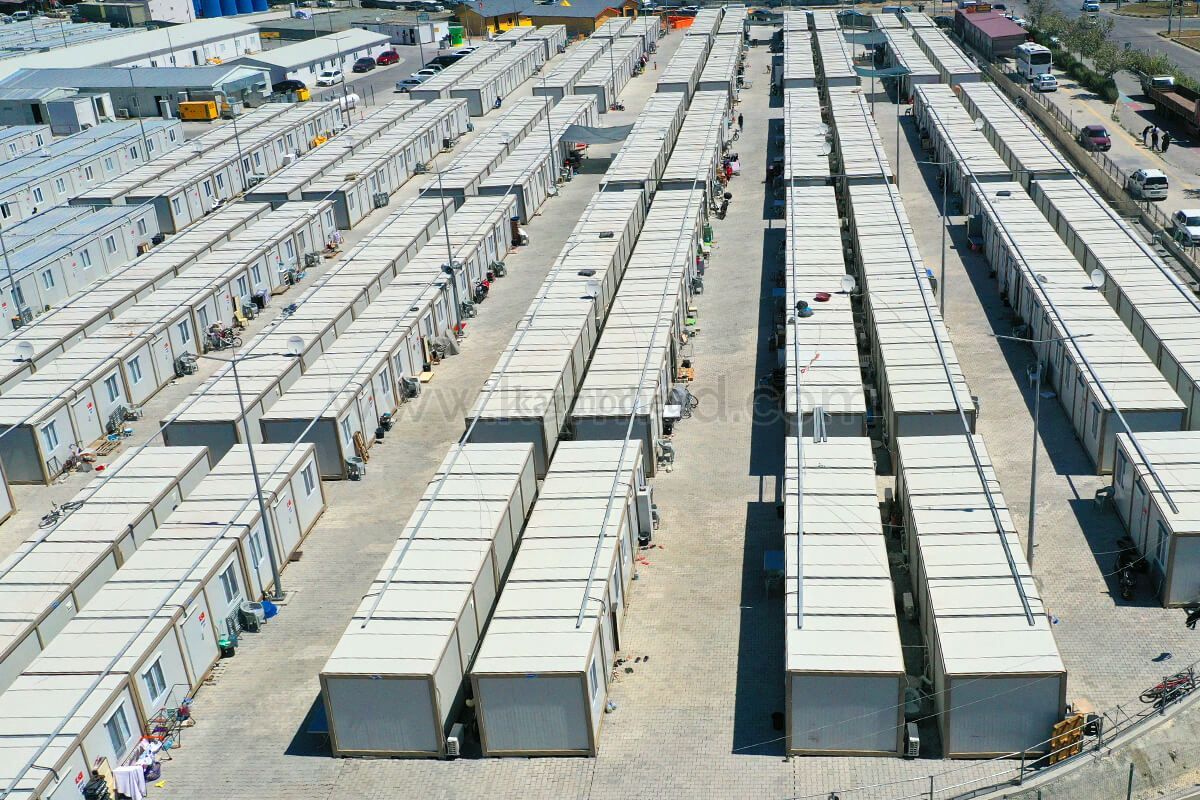
Modular Buildings vs. Prefabricated Building Systems
Although often mentioned together, modular buildings and prefabricated building systems address different priorities and use cases.
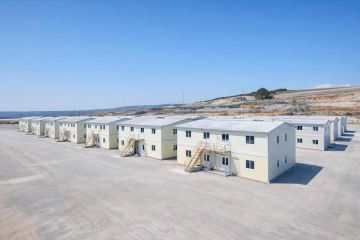
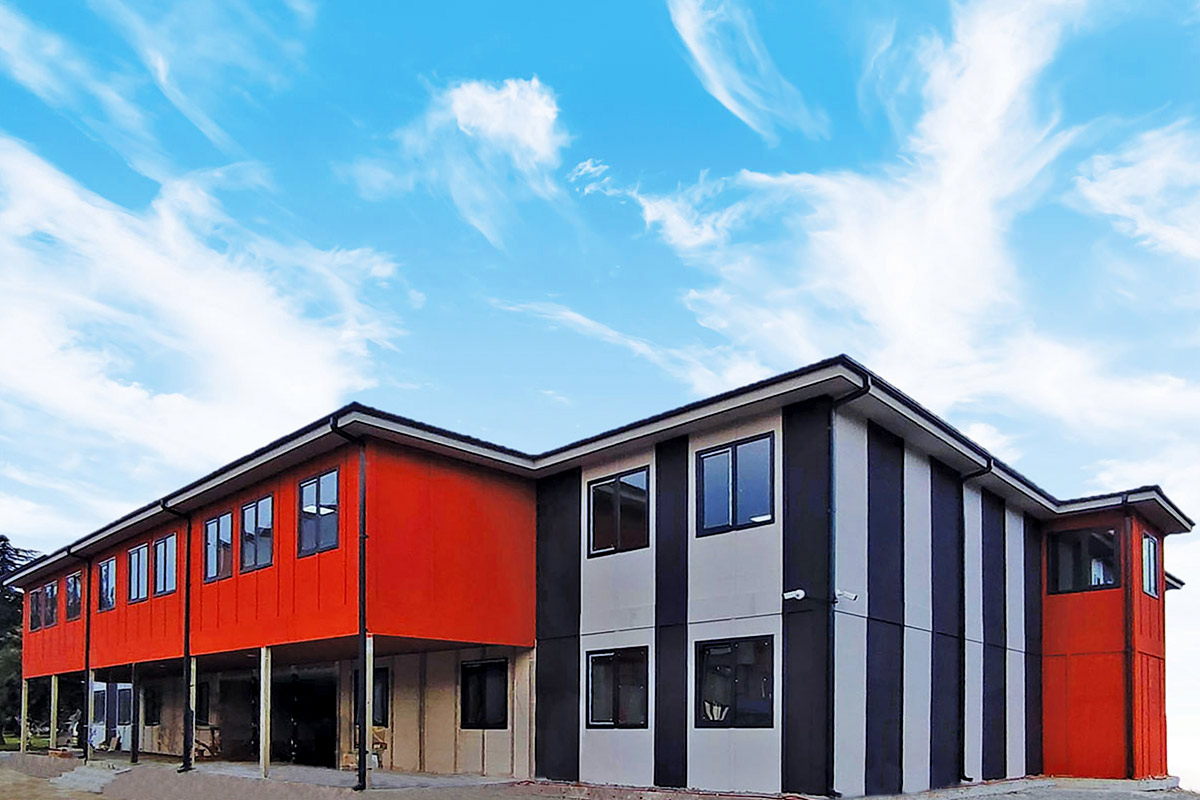
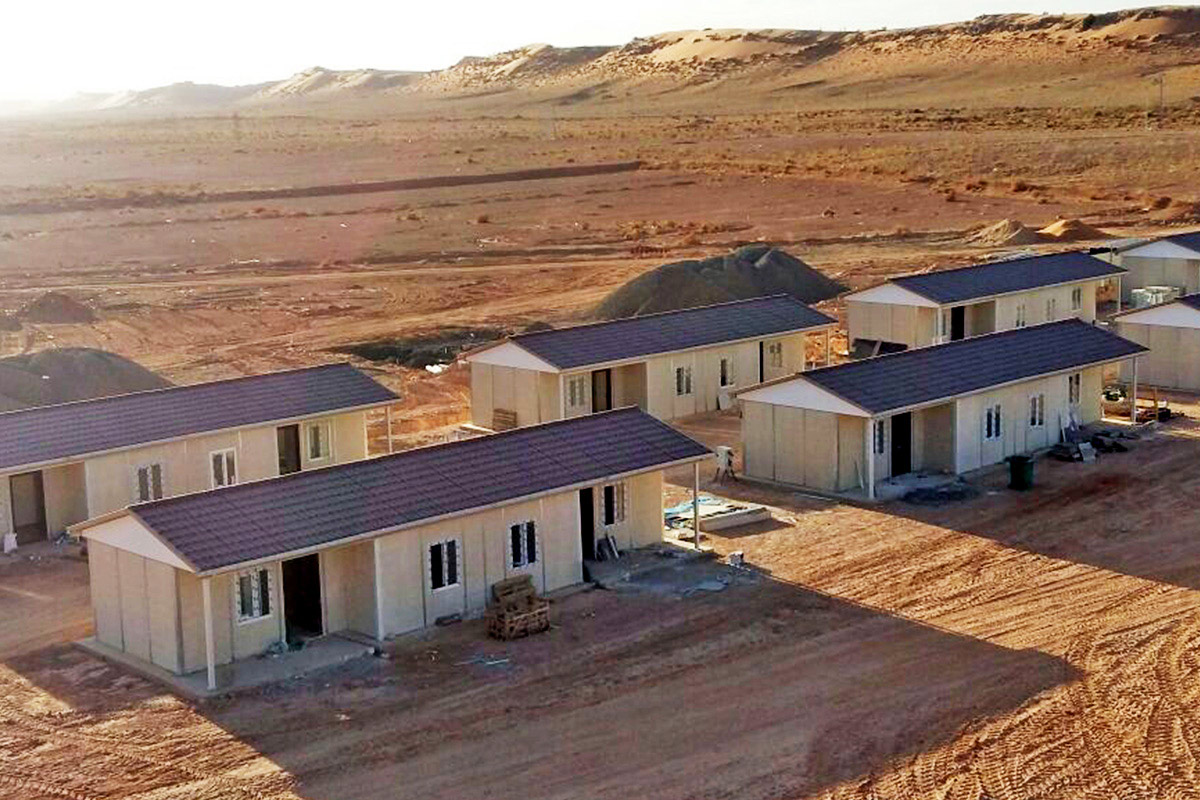
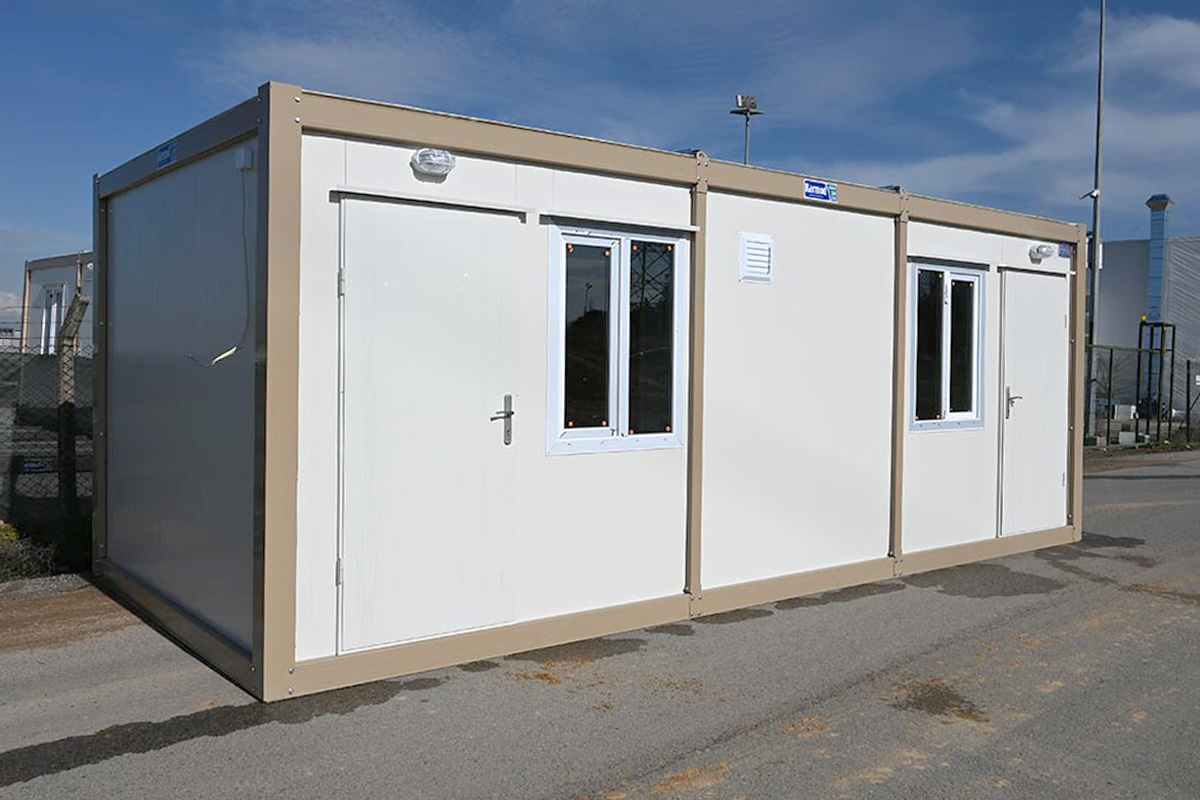
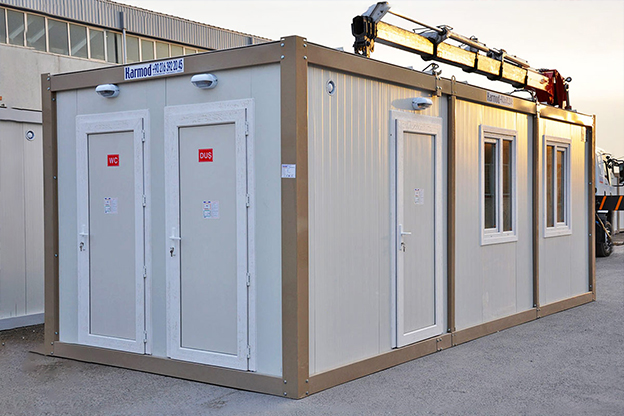
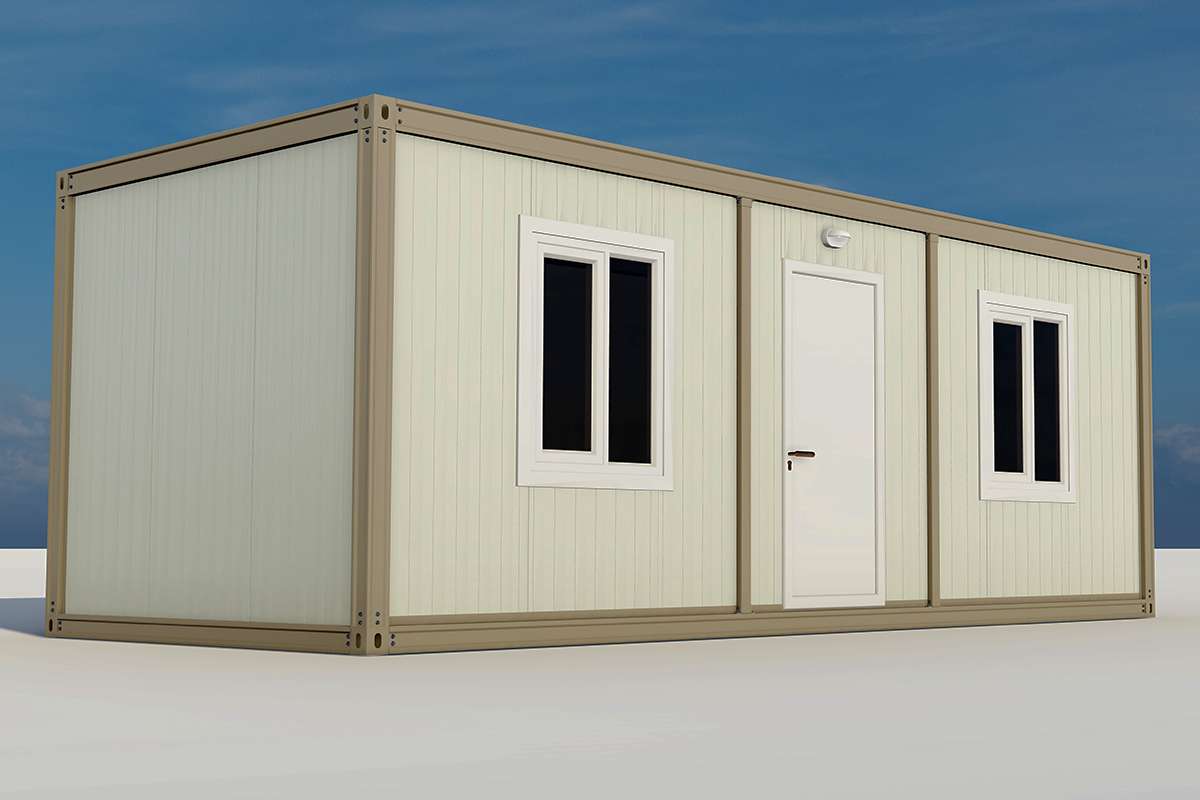
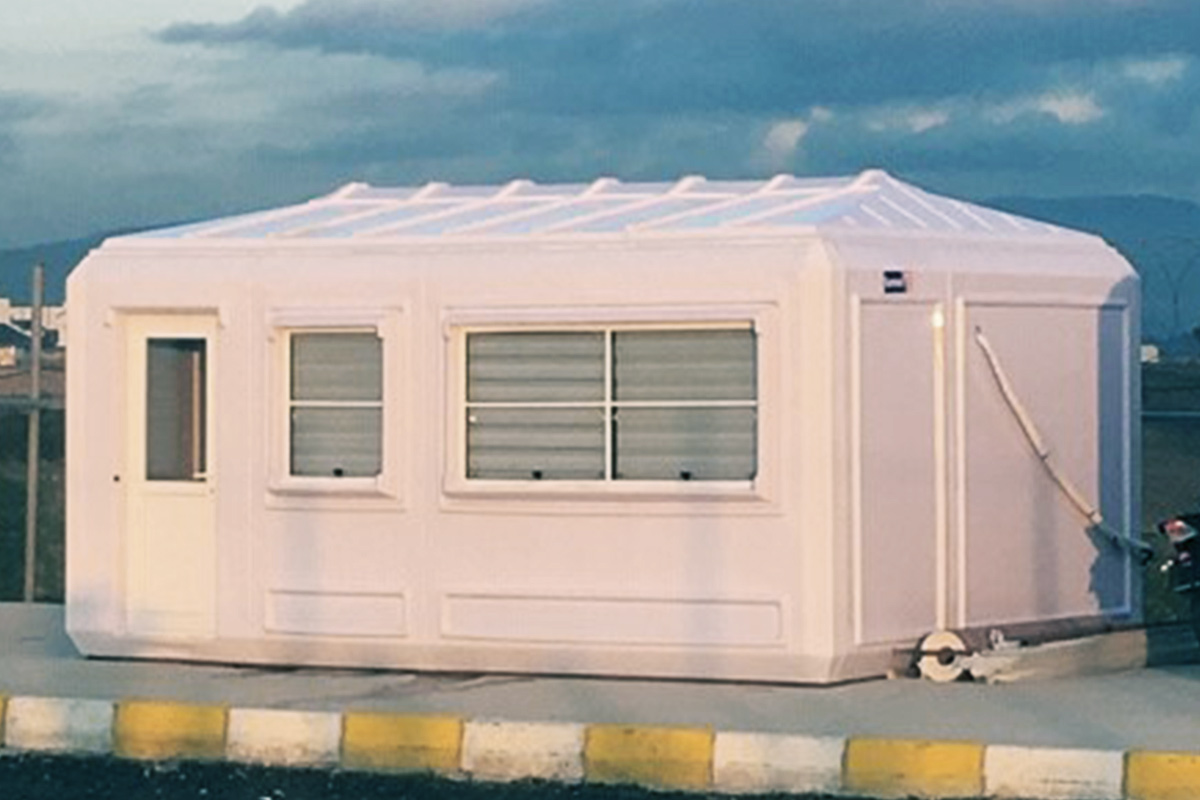
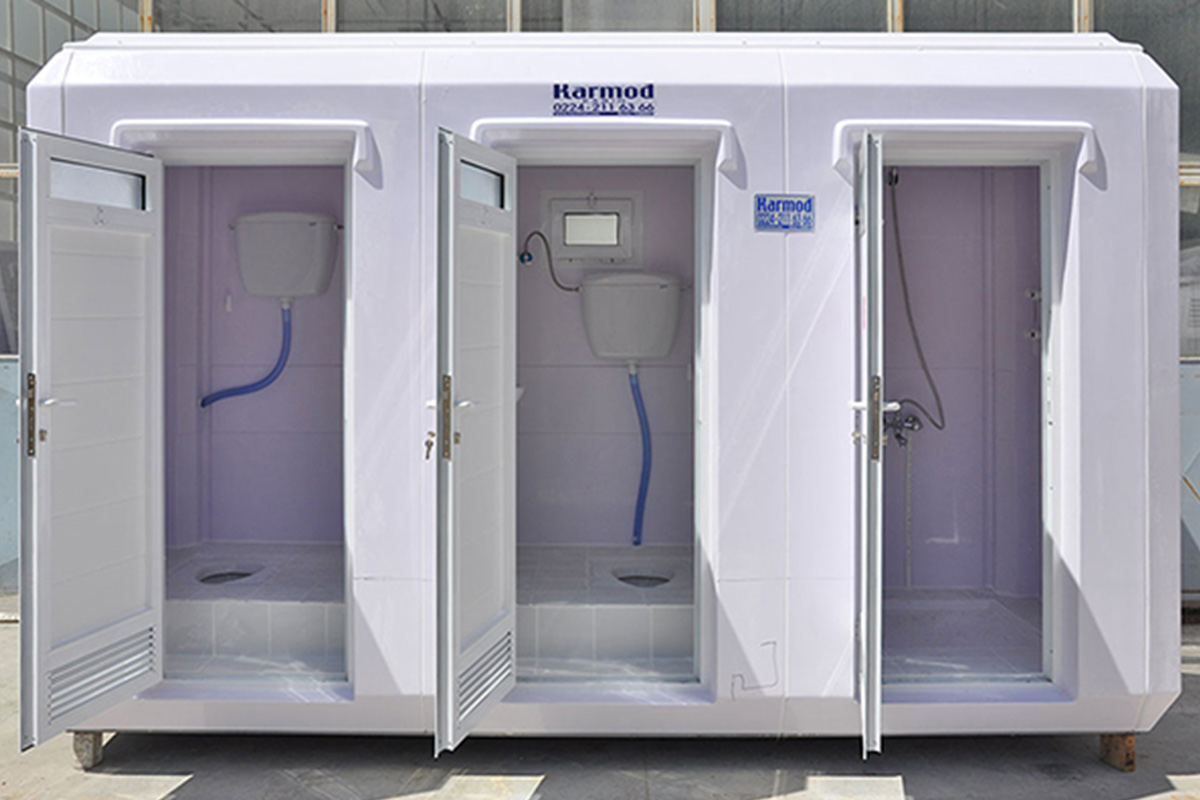
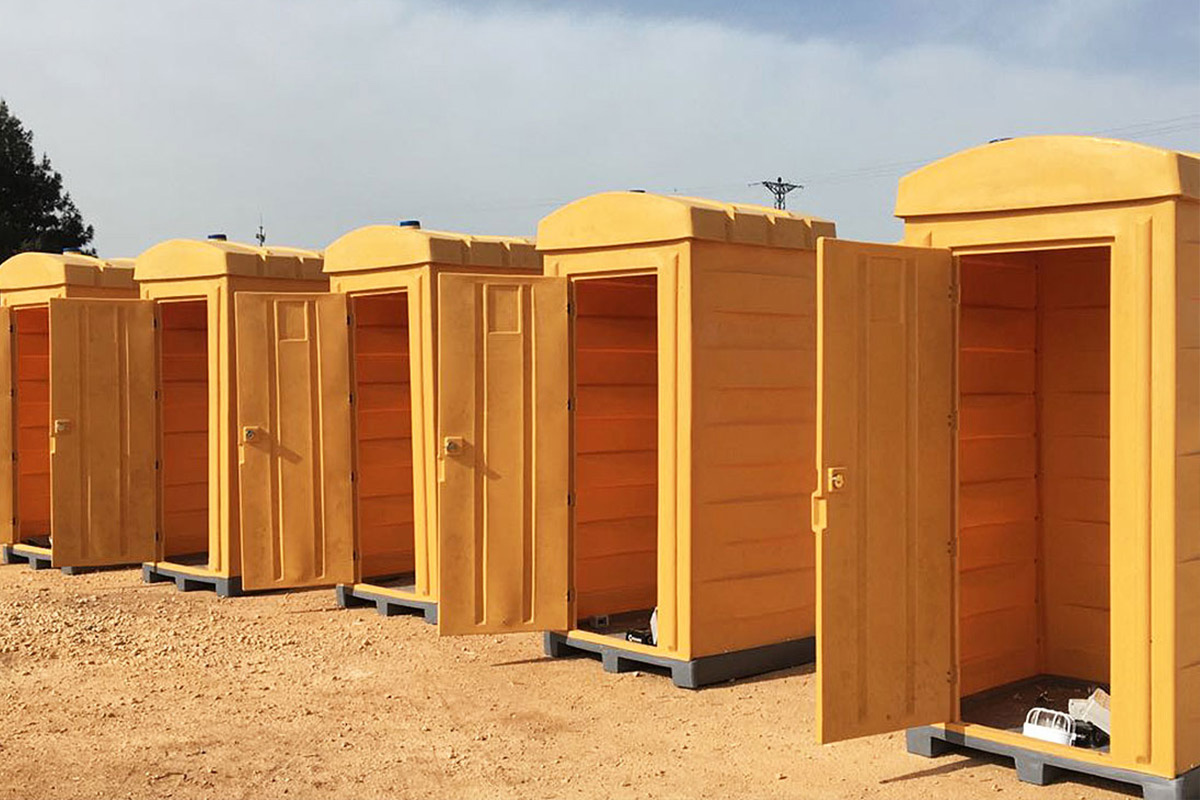
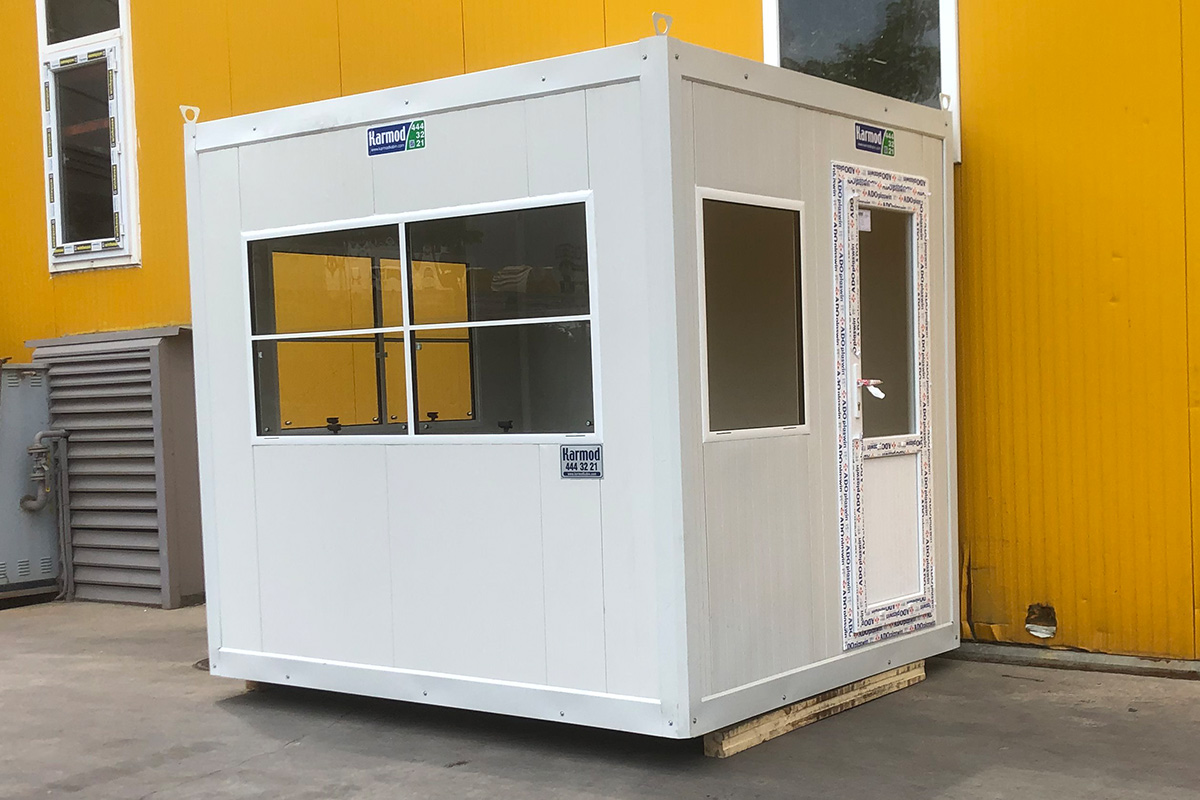
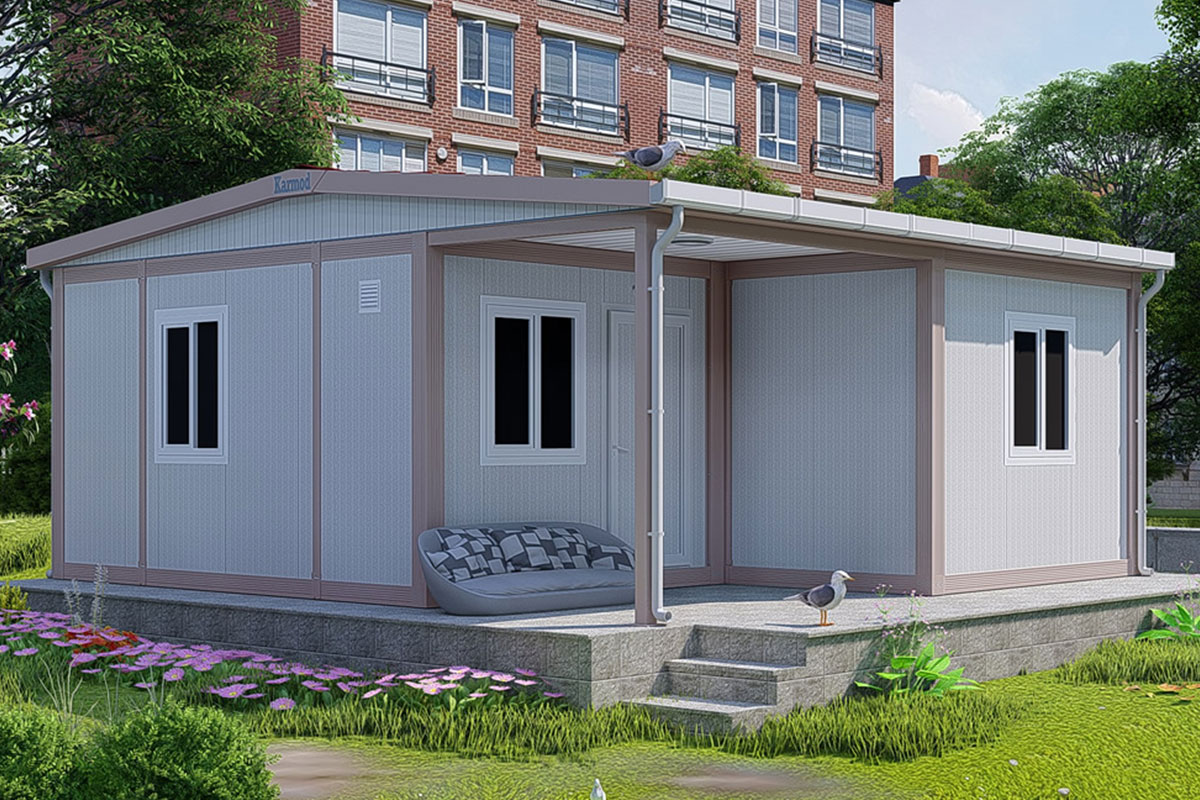
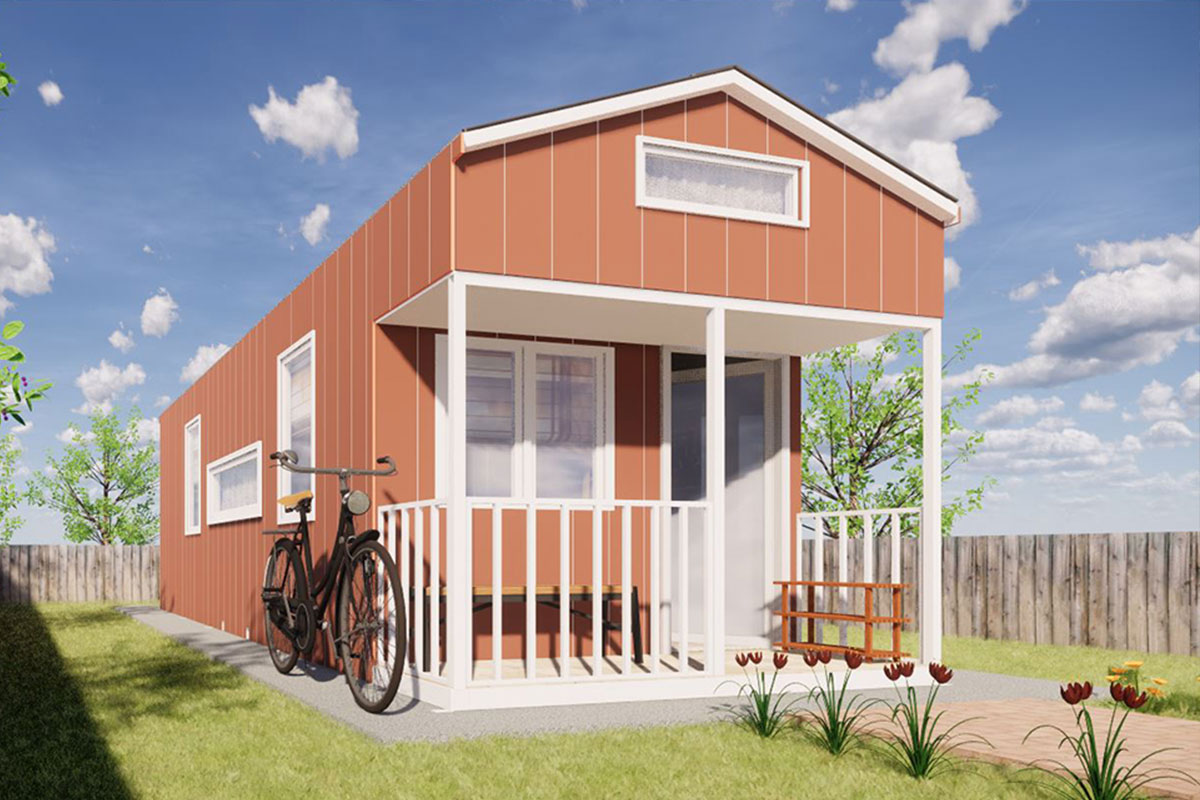
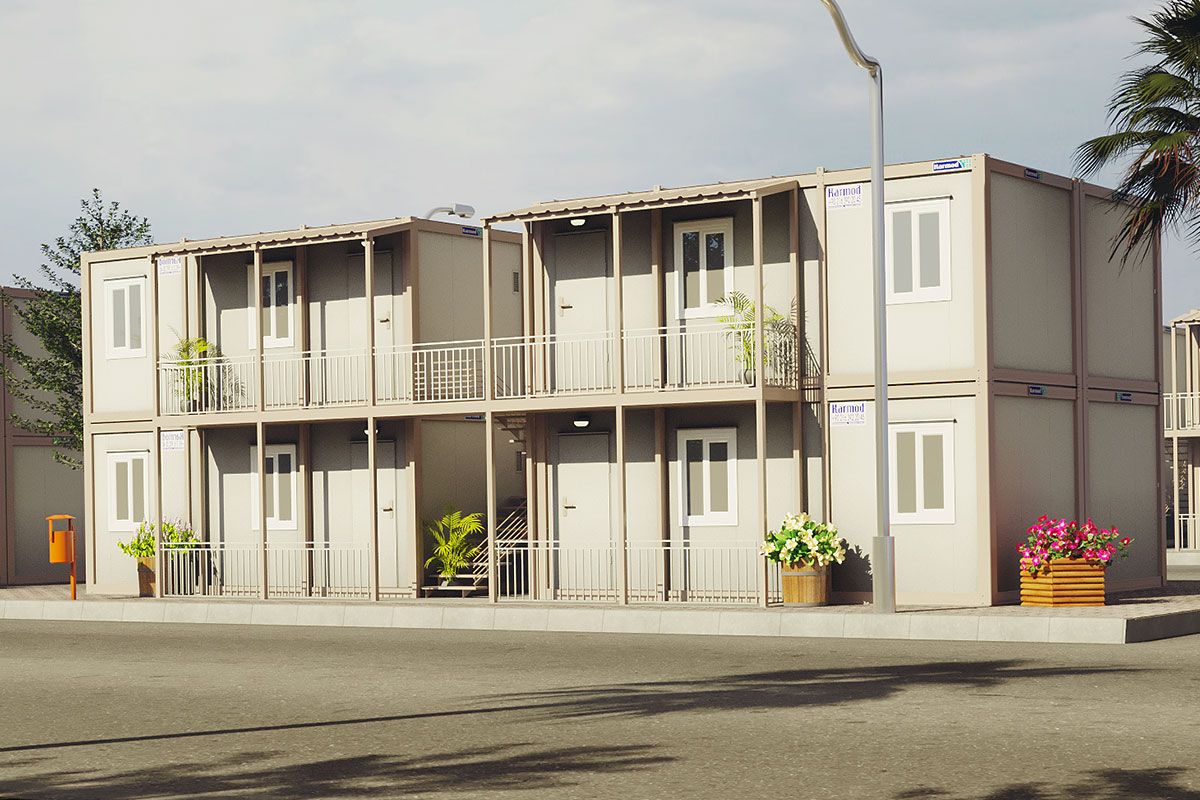
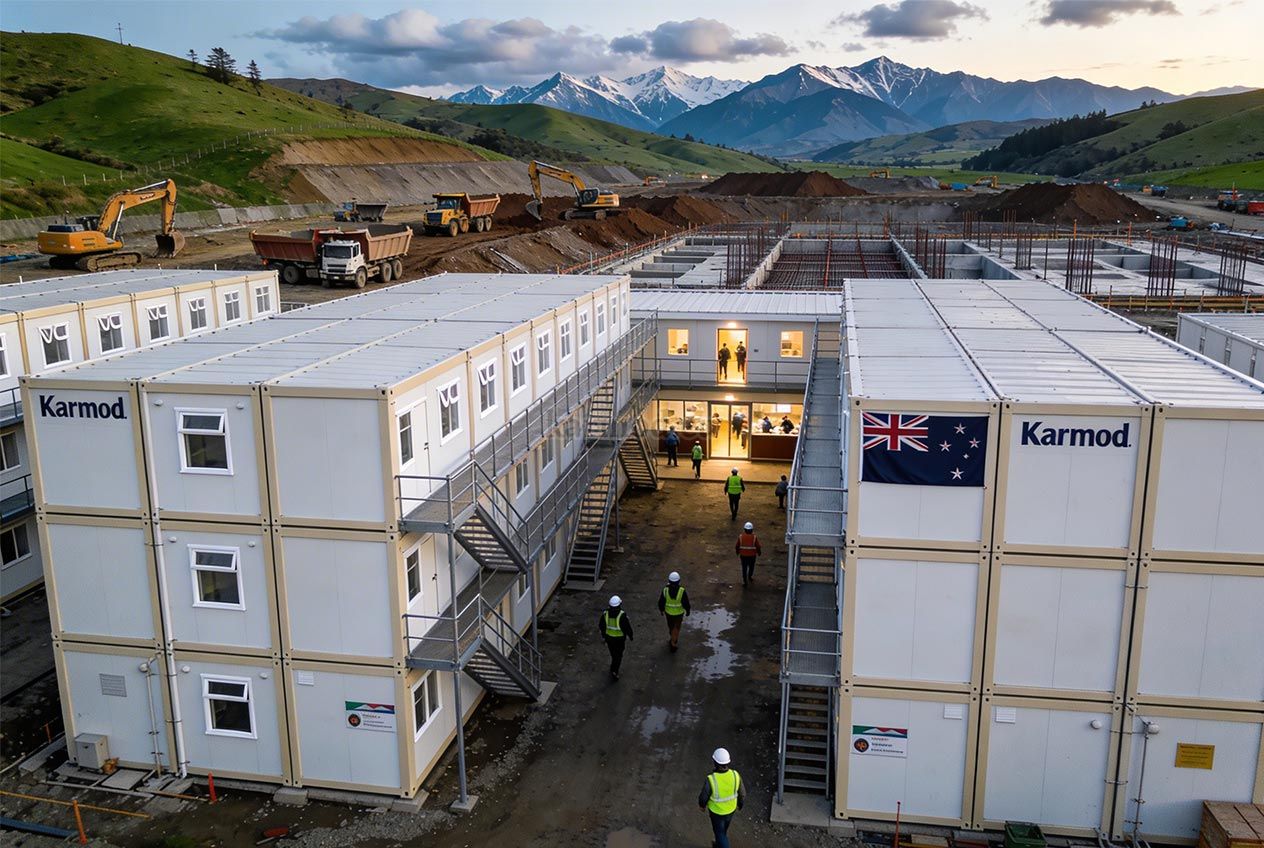
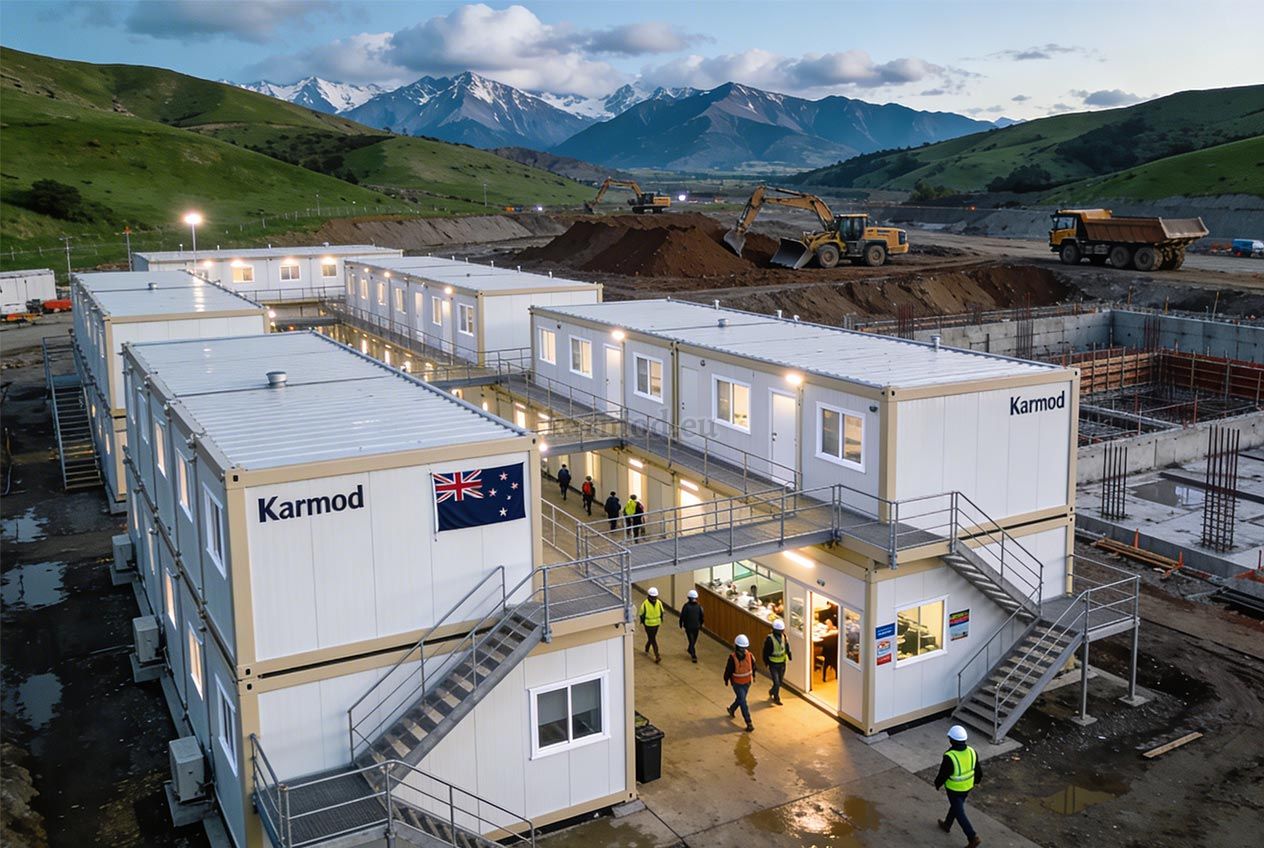
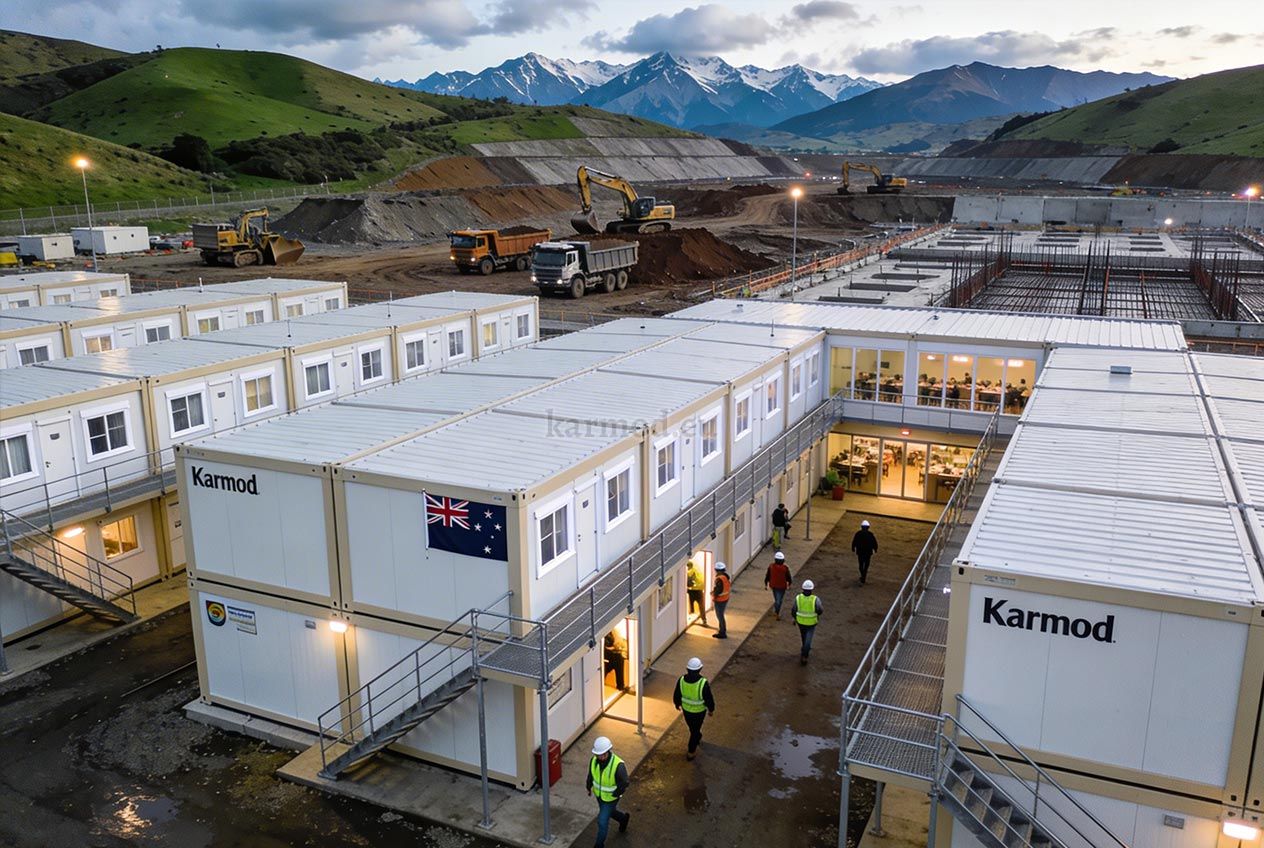
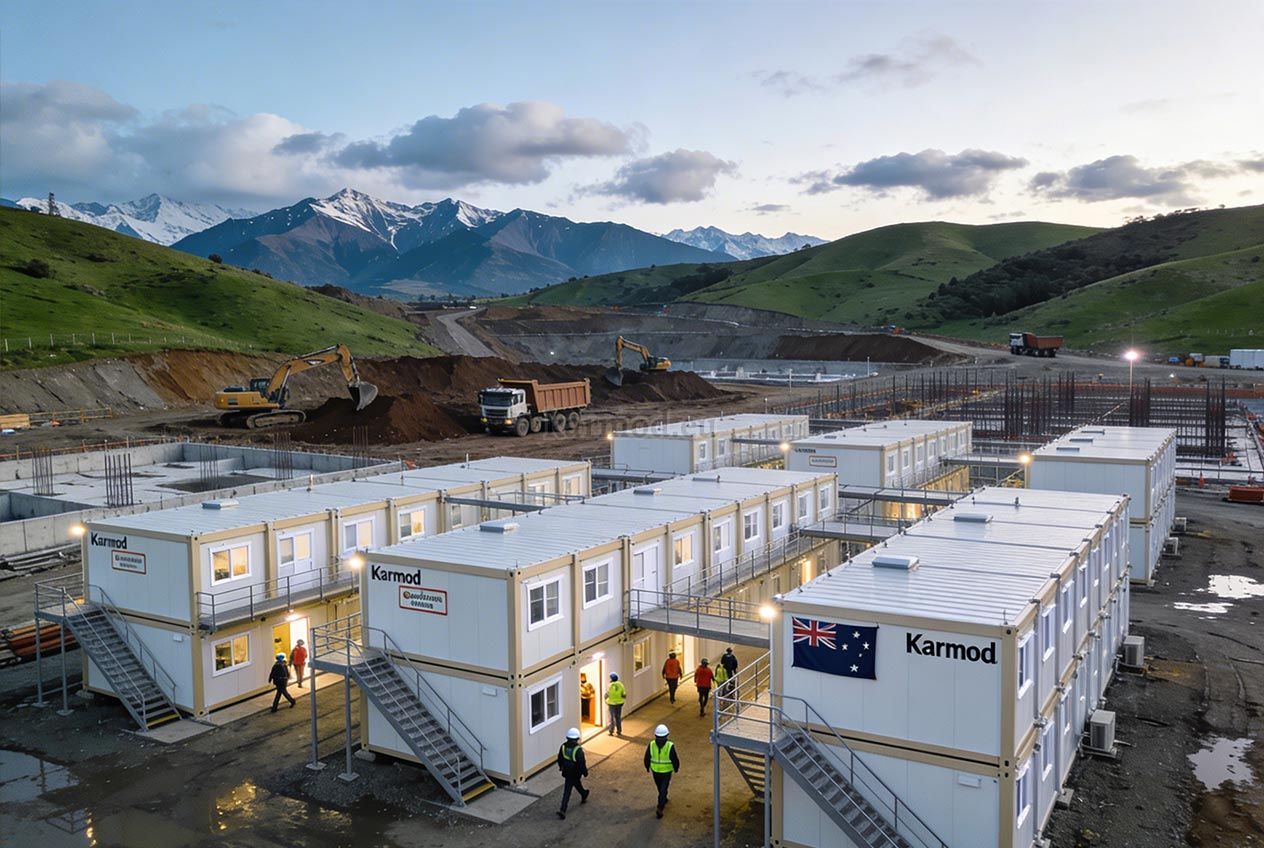
Modular buildings are produced as complete volumetric units. These modules are designed to be transported, installed, relocated, and expanded with minimal disruption. Their modular nature makes them particularly suitable for projects that require flexibility, scalability, or phased development. In New Zealand, modular buildings are frequently preferred for remote worksites, temporary accommodation, and projects where future expansion is likely.
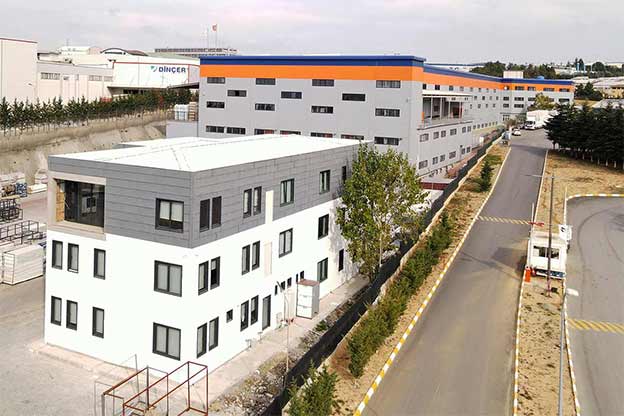
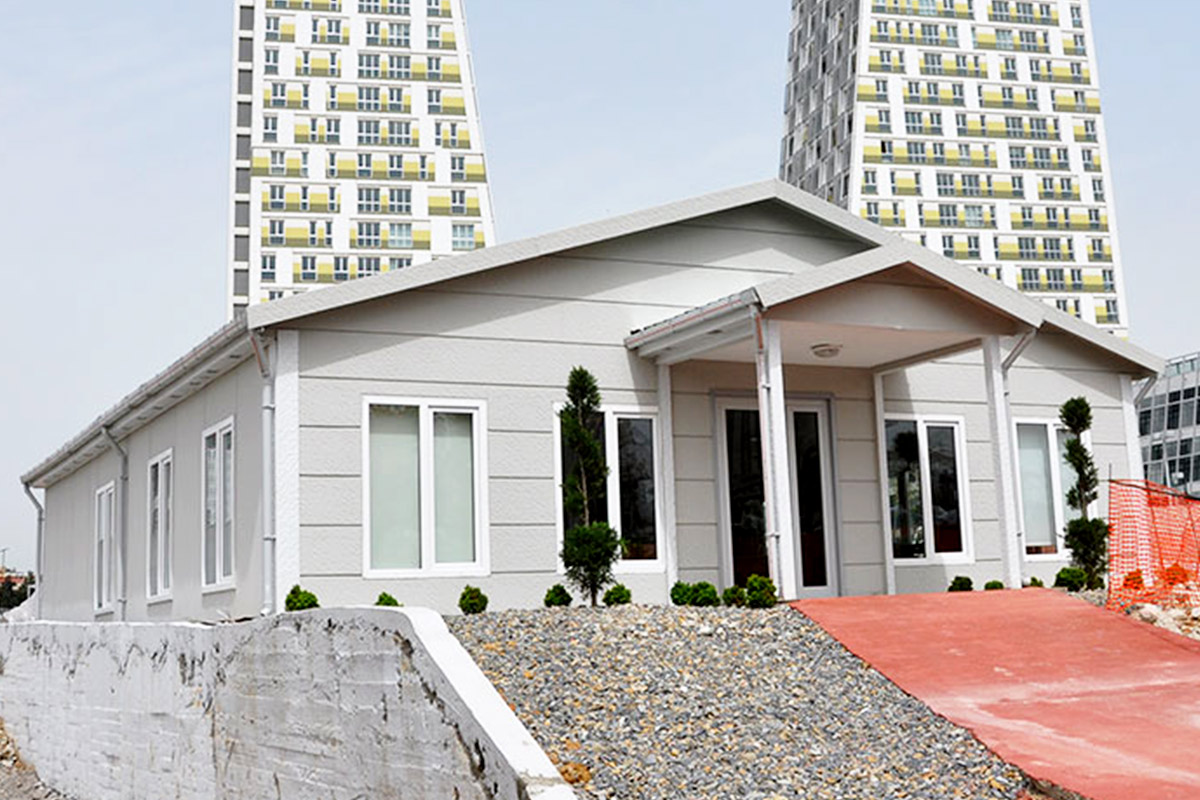
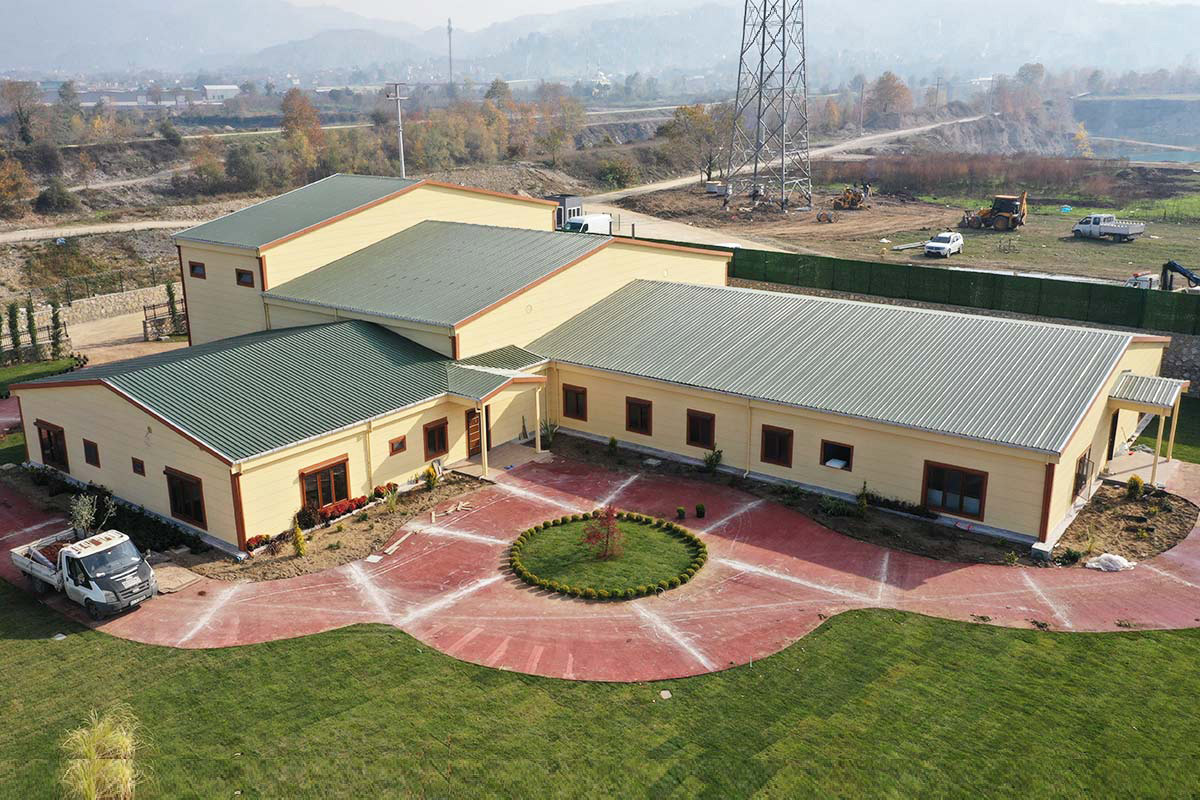
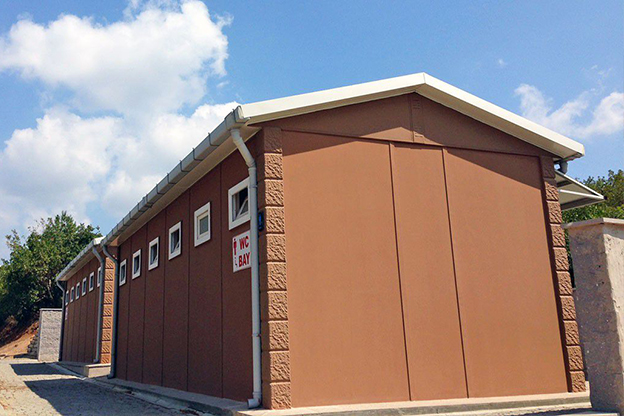
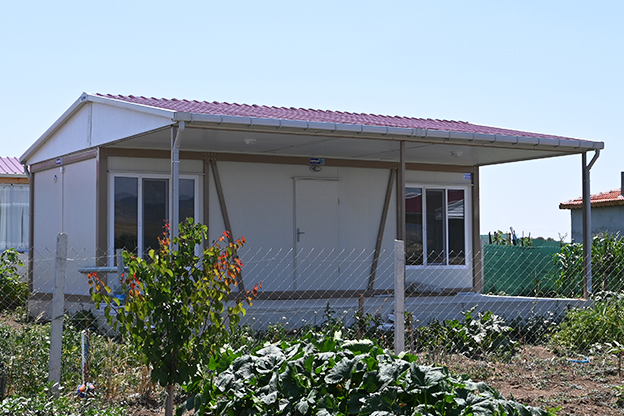
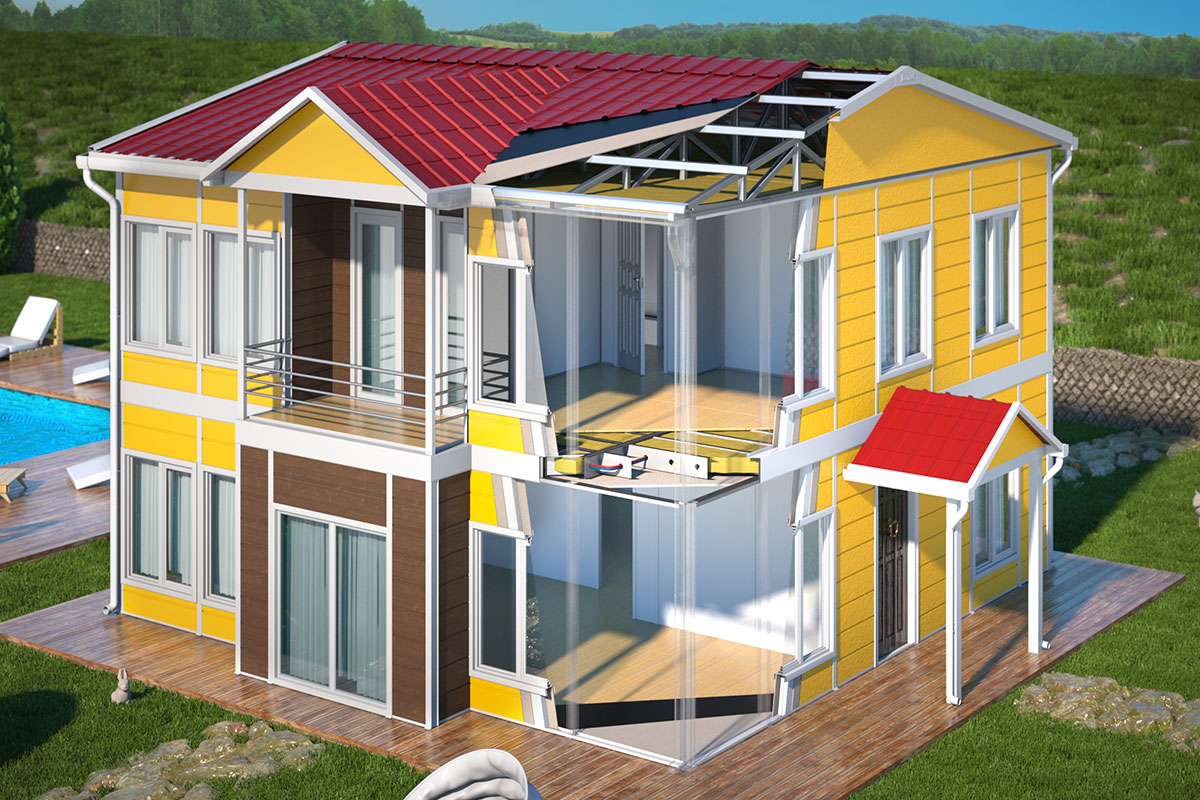
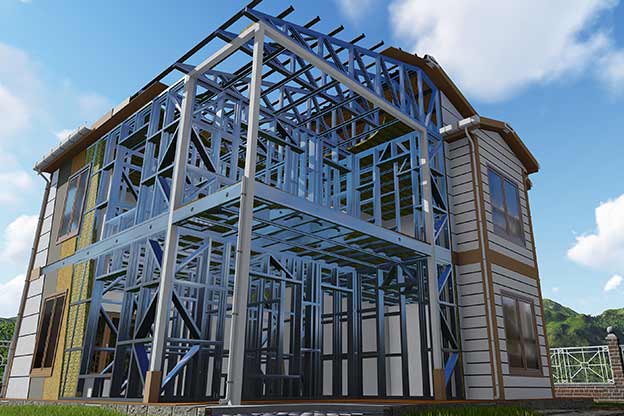
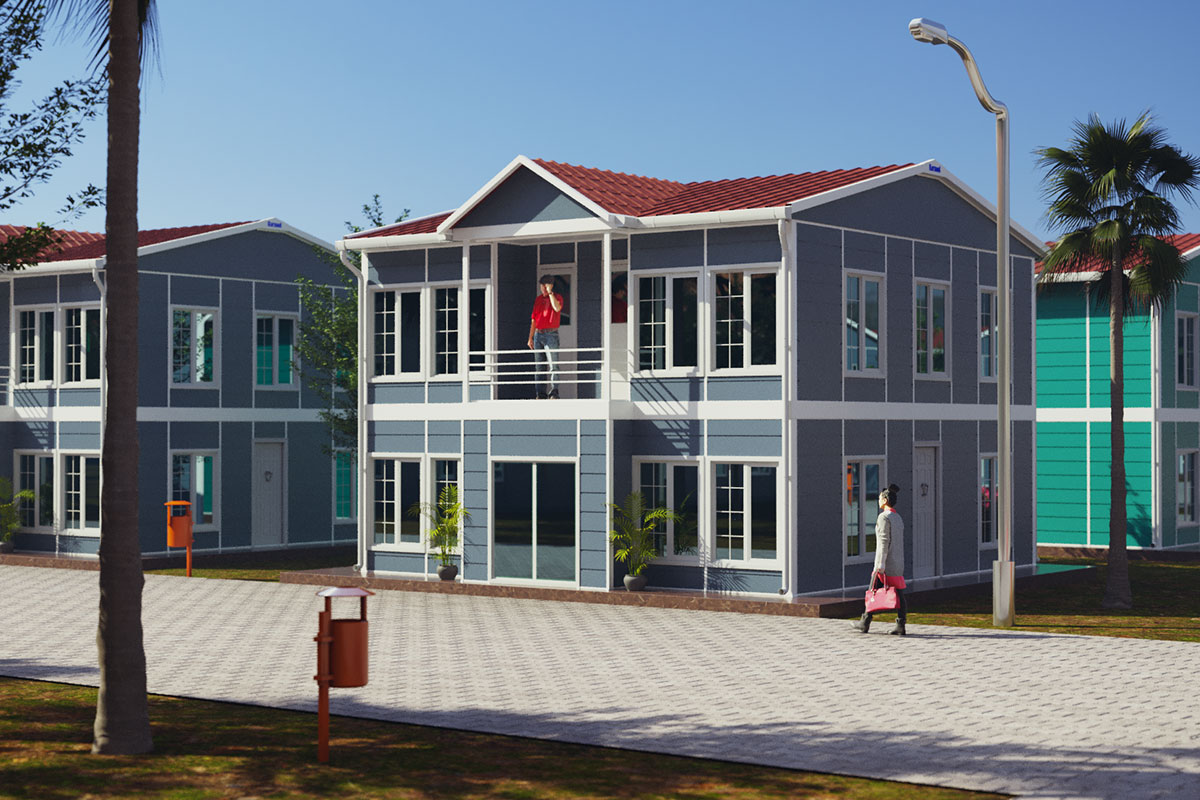
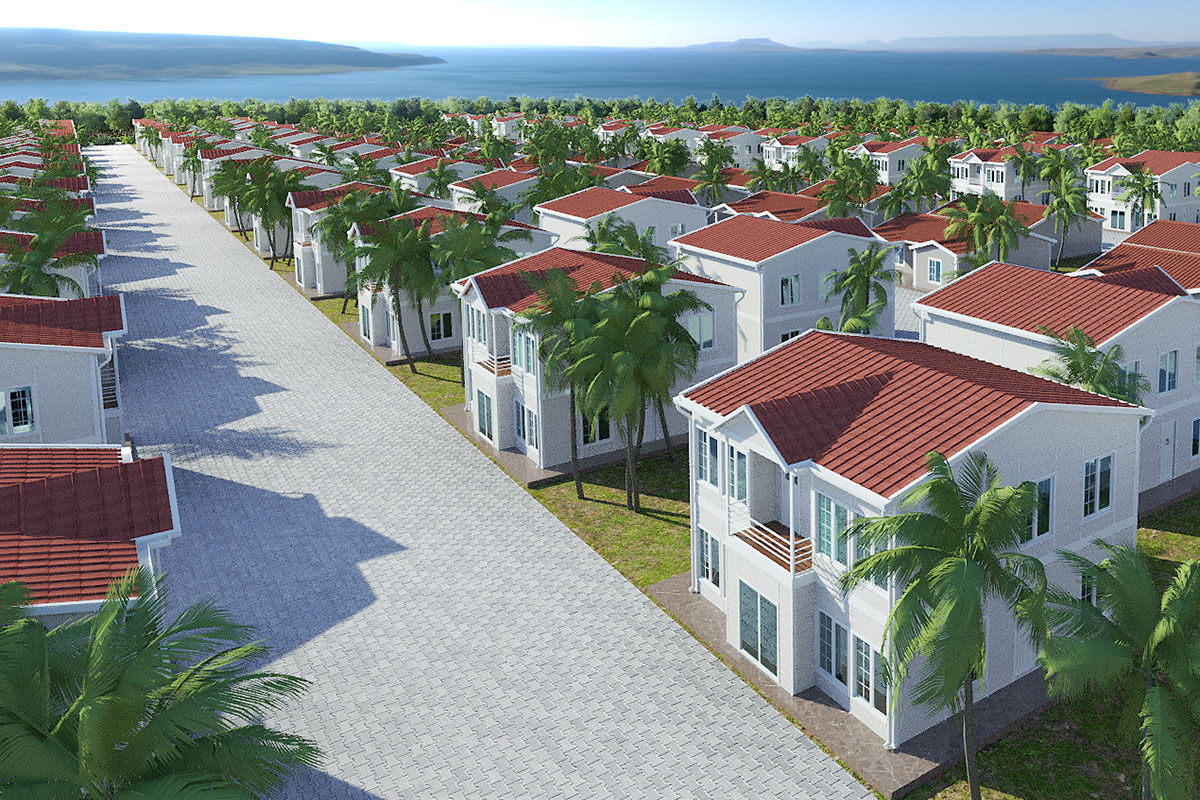
A prefabricated building, on the other hand, is typically based on panels or structural components manufactured off-site and assembled permanently on location. These systems are closer to conventional buildings in terms of structural integration and are commonly selected for long-term facilities where relocation is not anticipated. Prefabricated solutions are often favored for permanent public buildings, industrial facilities, and projects that require specific architectural or structural characteristics.
The choice between the two depends largely on project duration, location, and long-term planning. For temporary or evolving needs, modular buildings offer clear operational advantages. For permanent developments with fixed layouts, prefabricated building systems provide efficiency while maintaining a traditional construction outcome.
Applications of Modular and Prefabricated Buildings in New Zealand
Across New Zealand, both systems are actively used in a wide range of sectors:
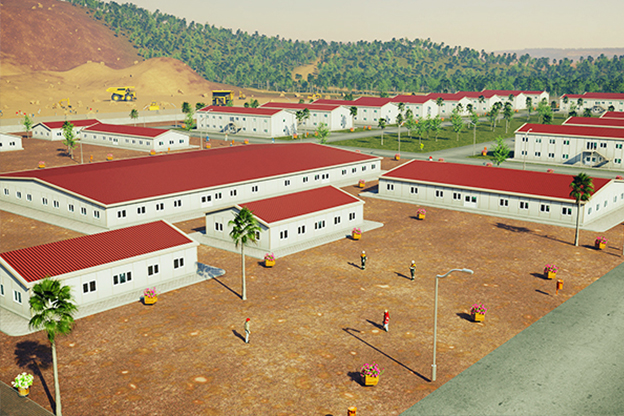
- Site offices & construction camps supporting infrastructure, road, and energy projects
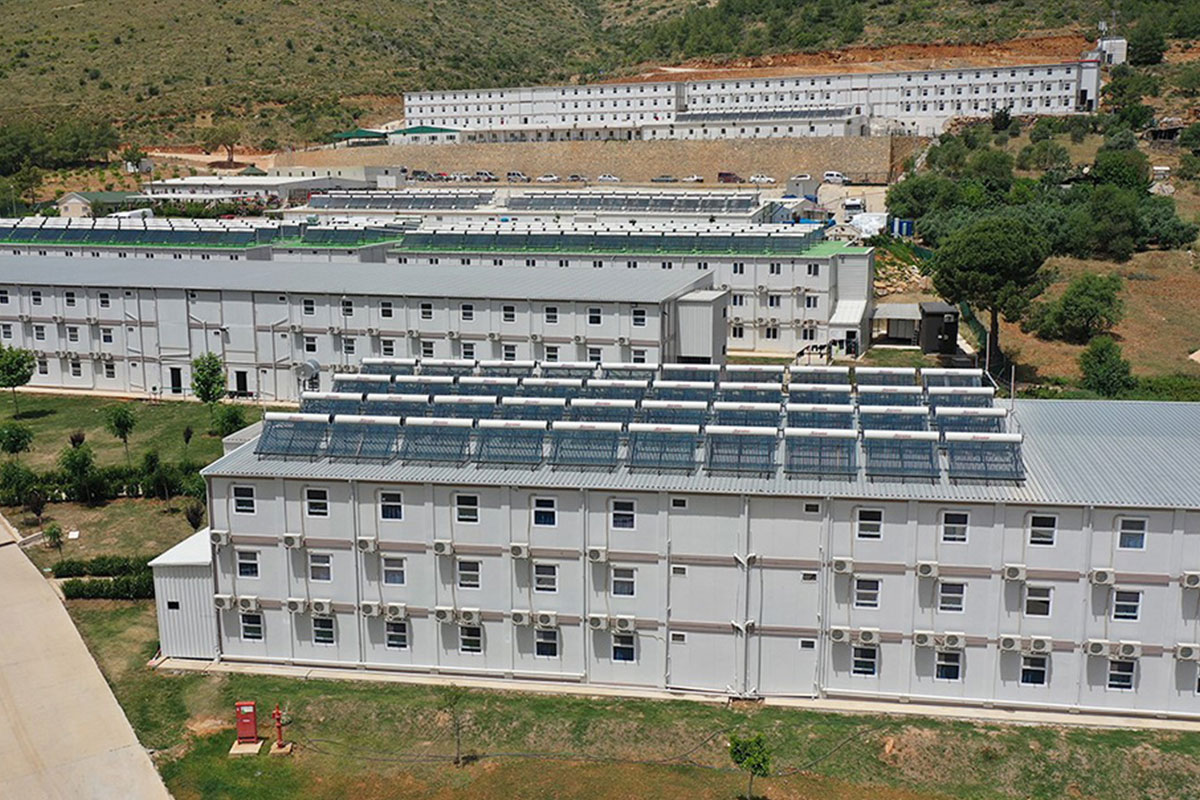
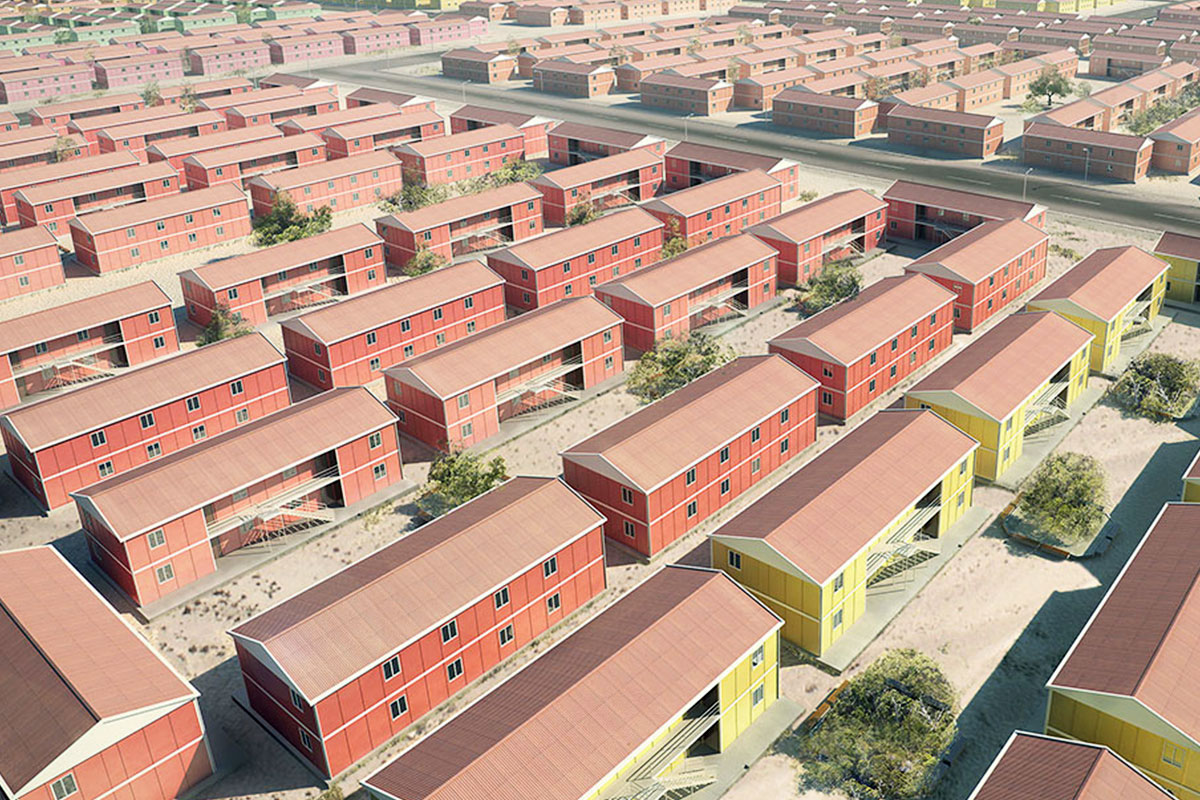
- Worker accommodation buildings for remote industrial and renewable energy developments
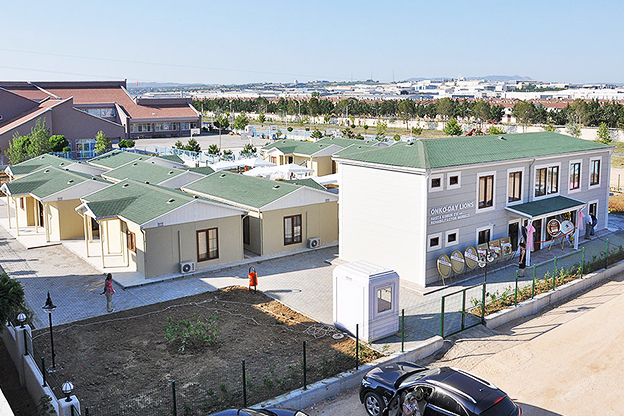
- Temporary schools & healthcare units responding to population shifts or emergency needs
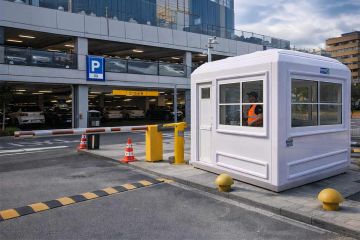
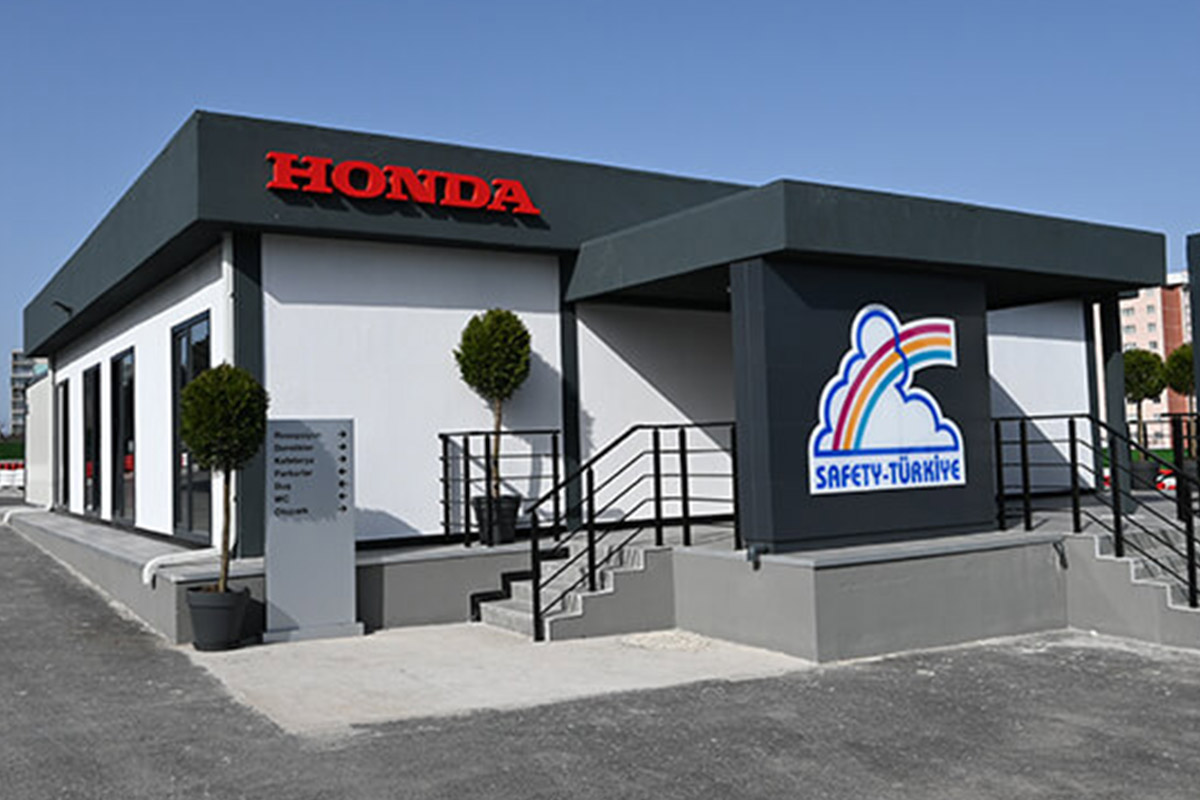
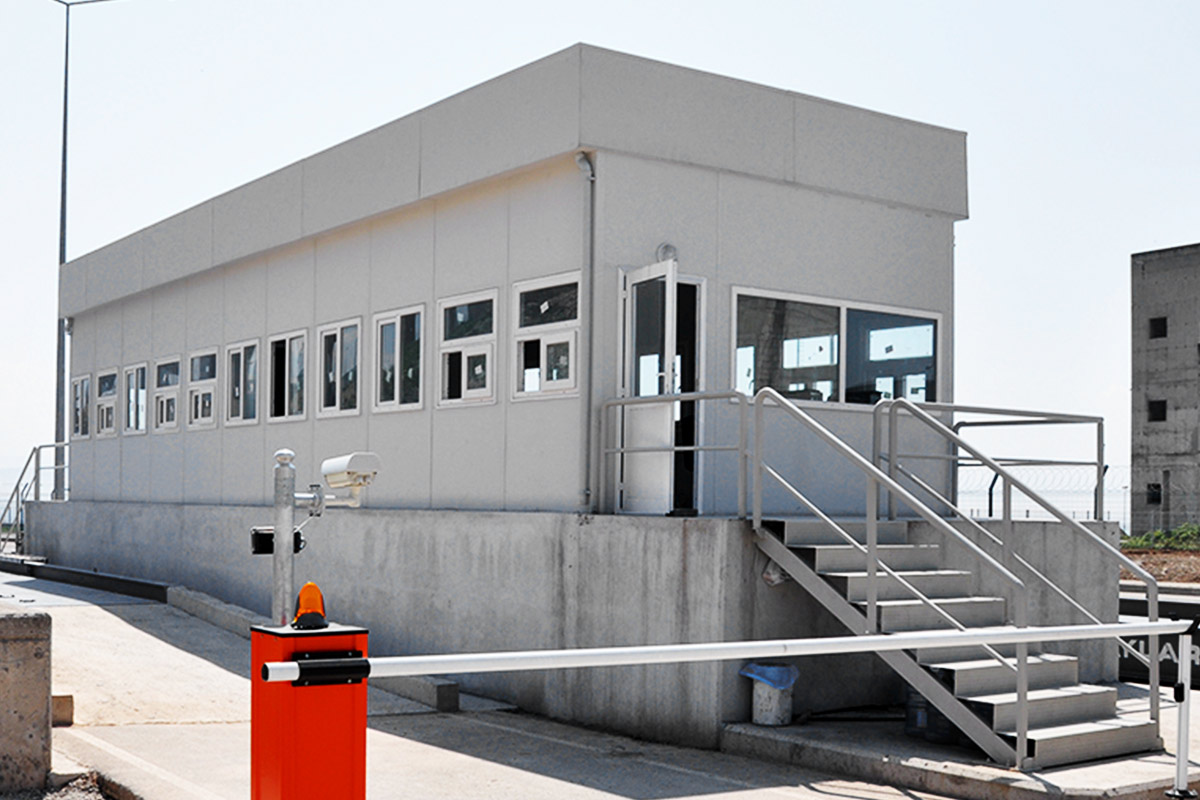
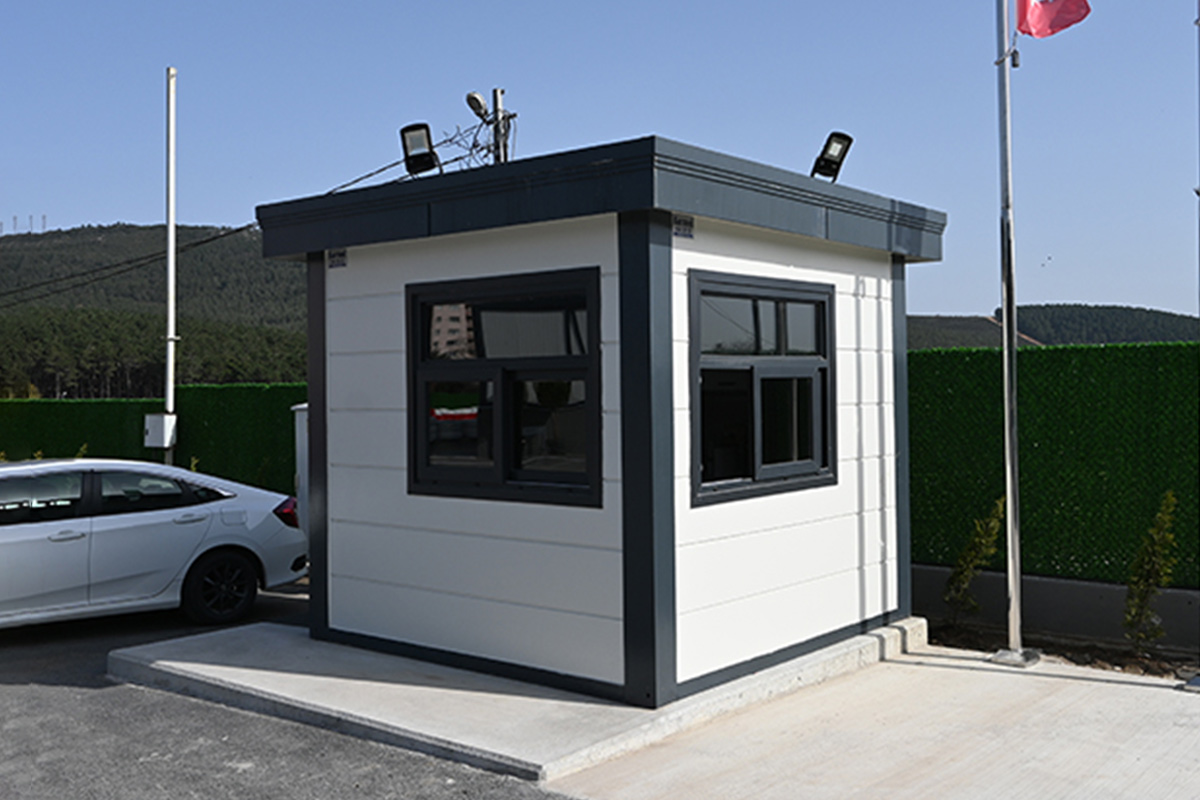
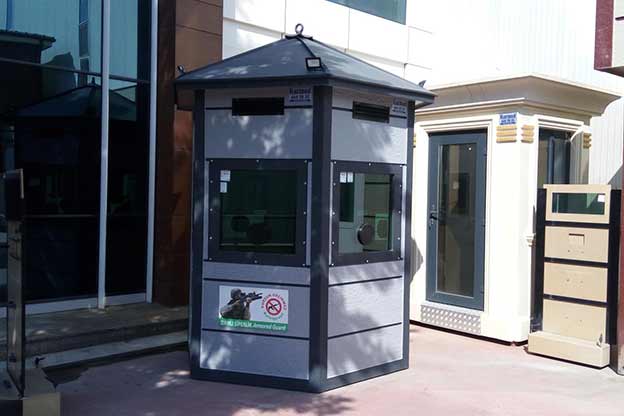
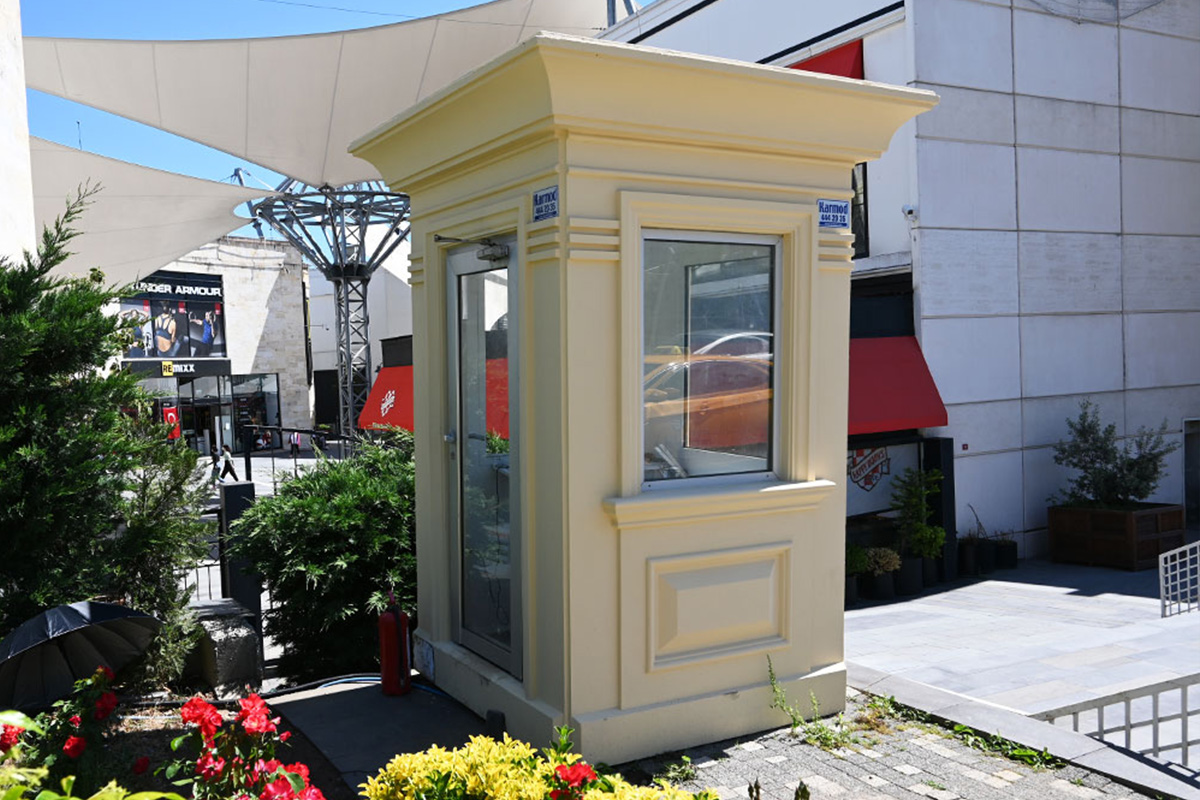
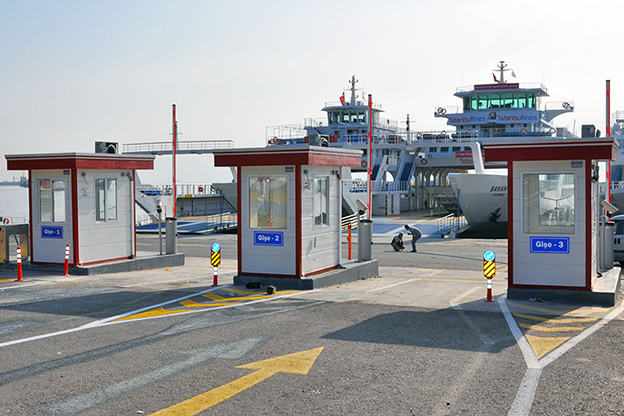
- Security buildings & technical units for ports, logistics centers, and utility sites
- Storage and logistics facilities requiring rapid deployment and operational continuity
These applications demonstrate that modular and prefabricated solutions are no longer niche options but core components of modern project planning.
From Design to Installation: How the Process Works
The process begins with a detailed project needs analysis. This stage defines functional requirements, capacity, regulatory constraints, and site conditions specific to New Zealand. Clear alignment at this phase helps prevent costly revisions later.
Next comes custom design and technical specification. Layouts, insulation standards, fire safety requirements, and structural details are tailored to the project scope and local compliance standards. Experienced manufacturers incorporate these parameters into precise production drawings.
Factory production follows, where modules or prefabricated components are manufactured under controlled conditions. This environment improves quality consistency, reduces material waste, and limits weather-related risks that are common in traditional construction.
Once production is complete, units are prepared for delivery to New Zealand. Logistics planning is especially critical due to the country’s geographic location and internal transport distances. Well-coordinated shipping and handling ensure that components arrive ready for installation.
On-site installation is typically fast and efficient. Foundations are prepared in advance, allowing buildings to be assembled, connected, and commissioned in a short timeframe. This minimizes site disruption and accelerates operational readiness.
Key Considerations for Modular Buildings in New Zealand
Thermal insulation is a priority due to New Zealand’s varied climate zones. Effective insulation ensures energy efficiency, occupant comfort, and compliance with local building codes.
Fire safety standards must align with strict regulatory requirements, particularly for public and industrial buildings. Proper material selection and certified systems are essential for long-term safety and approval.
Climate suitability extends beyond insulation. Wind resistance, moisture control, and seismic considerations are critical factors in building design, especially in earthquake-prone regions.
Custom layouts allow buildings to adapt to operational workflows rather than forcing processes to fit standard designs. This flexibility is particularly valuable for projects where efficiency and usability directly affect productivity.
In this context, manufacturers with international experience bring added value. Karmod, with its background in delivering projects across Europe and other global markets, approaches modular construction with a focus on durability, compliance, and long-term use. Rather than offering generic solutions, Karmod modular building solutions are designed to align with project-specific demands, regulatory frameworks, and environmental conditions.
For organizations evaluating building strategies in New Zealand, working with experienced partners such as Karmod can help reduce uncertainty, streamline execution, and ensure that modular or prefabricated investments deliver measurable operational benefits over time.