


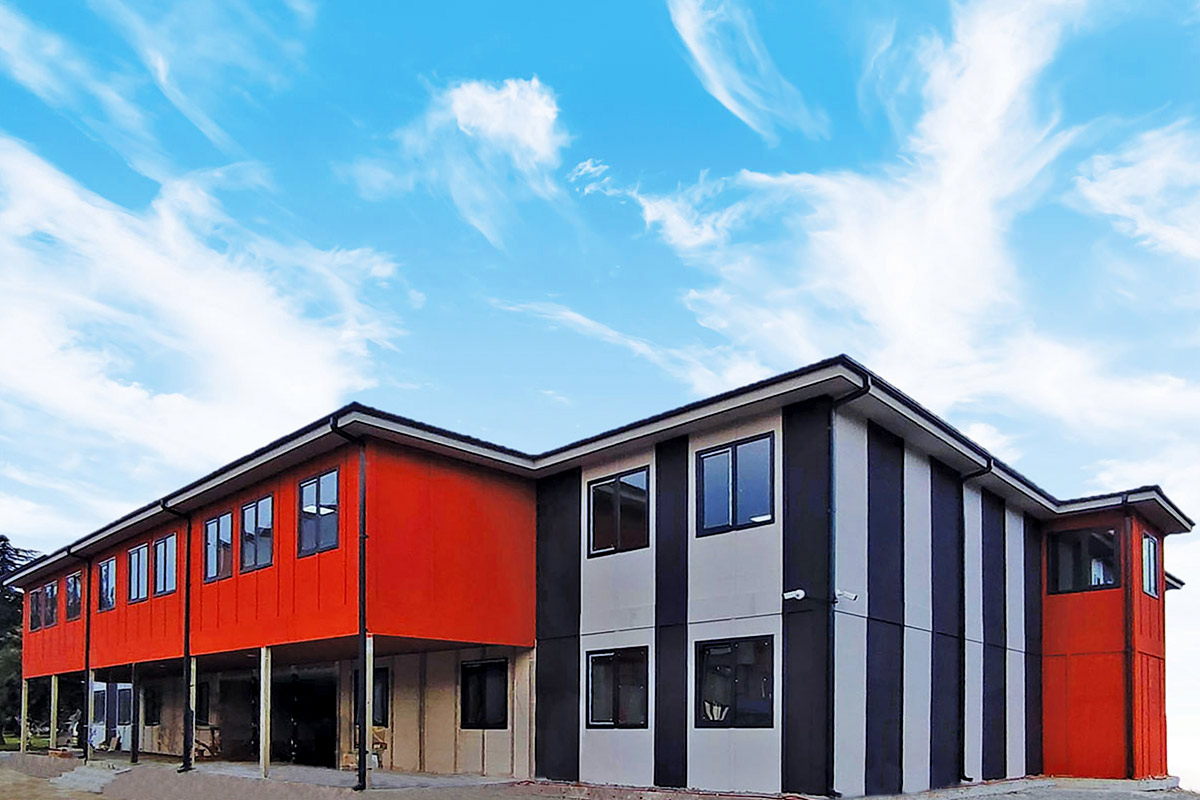
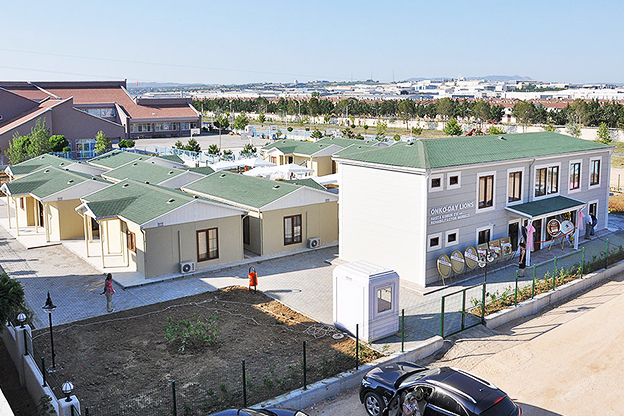
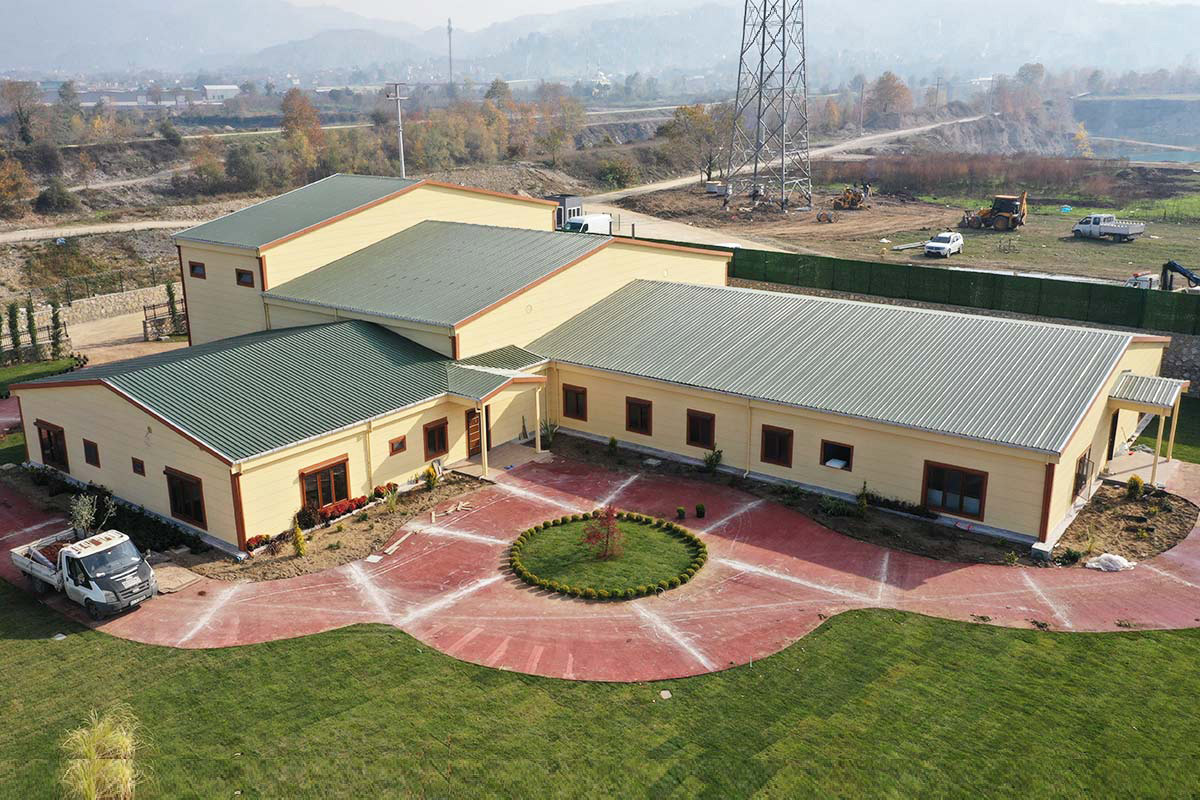
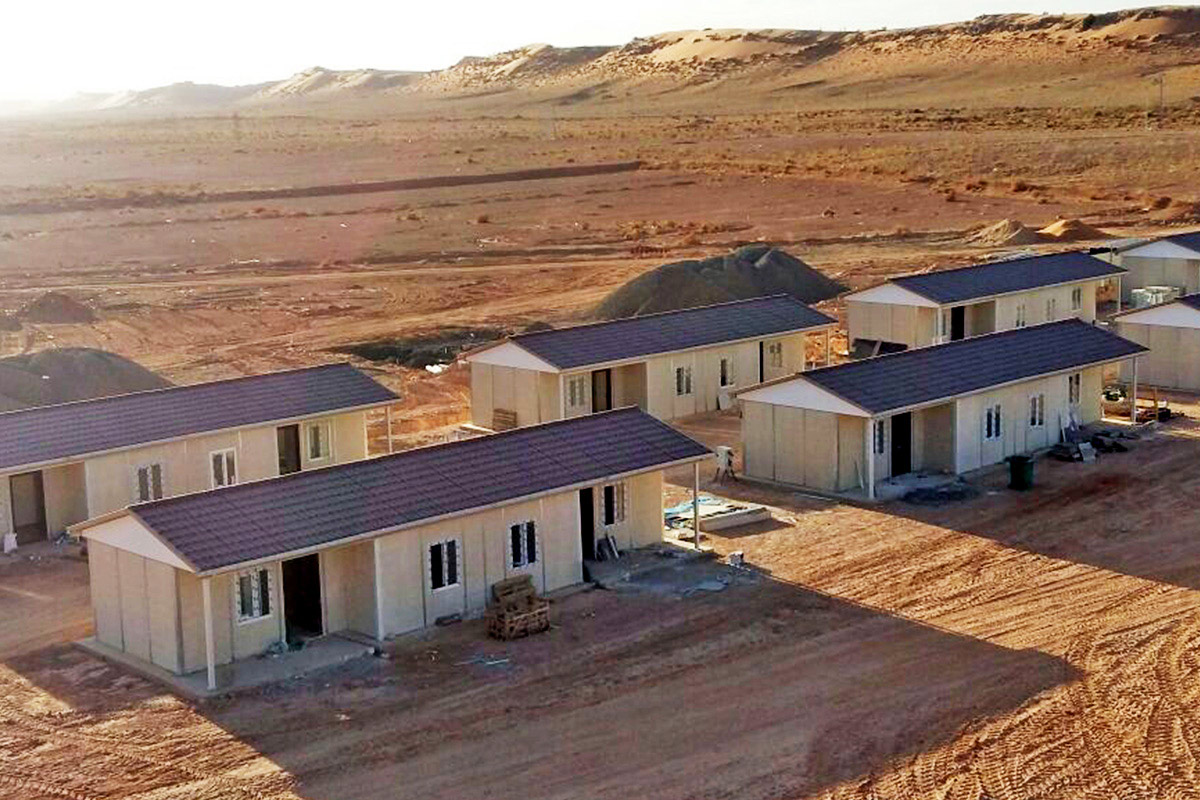

Norway’s construction market is shaped by a combination of high labor costs, strict regulatory standards, and demanding climatic conditions. These factors have pushed both public authorities and private investors to seek building methods that reduce on-site work while maintaining long-term performance. In this context, modular buildings and prefabricated building systems have become core components of modern construction strategies across Norway. From infrastructure projects in remote regions to urban developments in major cities, these solutions support faster delivery without compromising quality or safety.
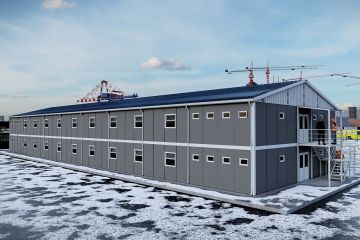
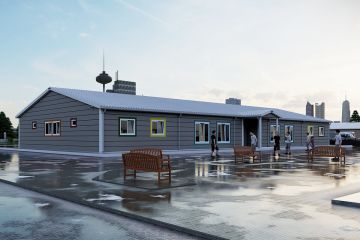
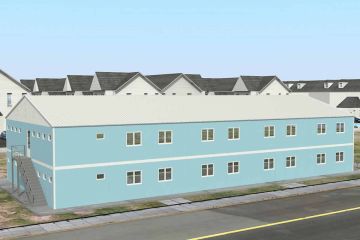
Why Modular Buildings Are in High Demand in Norway
One of the primary drivers behind the rising demand for modular buildings in Norway is labor cost efficiency. Construction wages are among the highest in Europe, making prolonged on-site work financially challenging. Modular construction minimizes this burden by shifting a significant portion of the work to controlled factory environments, reducing both labor hours and cost overruns.
Construction timelines are another decisive factor. Harsh winters and short building seasons can delay traditional projects. Modular buildings allow parallel processes—while foundations are prepared on-site, modules are produced in factories. This overlap shortens project schedules and ensures predictable delivery dates, which is particularly valuable for infrastructure and public-sector developments.
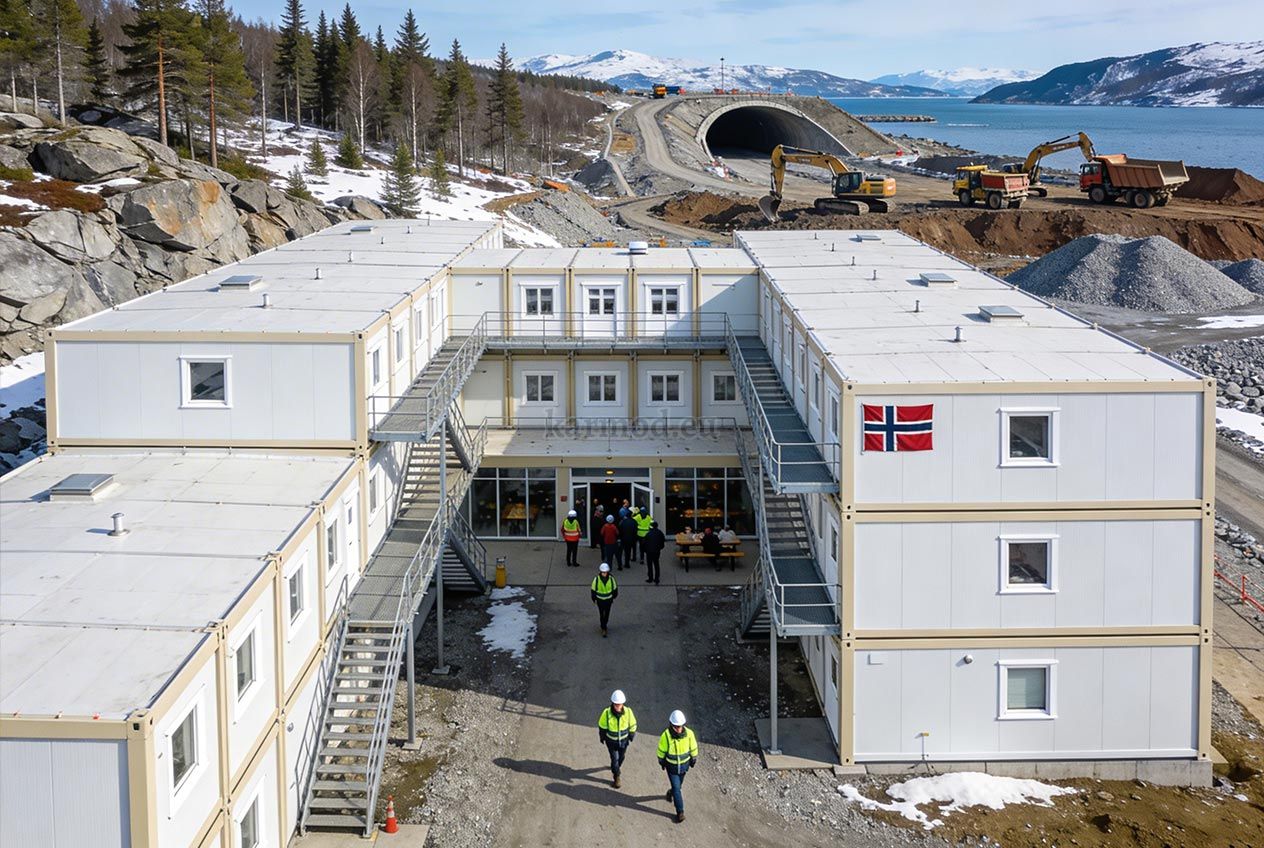
Norway also requires a balance between temporary and permanent building solutions. Large-scale energy projects, infrastructure works, and industrial investments often need temporary facilities such as site offices or worker accommodation. At the same time, municipalities demand permanent structures for schools, healthcare, and public services. Modular and prefabricated systems respond to both needs with flexible configurations.
Country-specific sectors further accelerate demand. Logistics hubs, energy projects linked to oil, gas, and renewables, public infrastructure, and industrial facilities all benefit from fast, scalable construction methods. In these sectors, modular buildings provide operational continuity, while prefabricated building systems offer long-term structural stability.
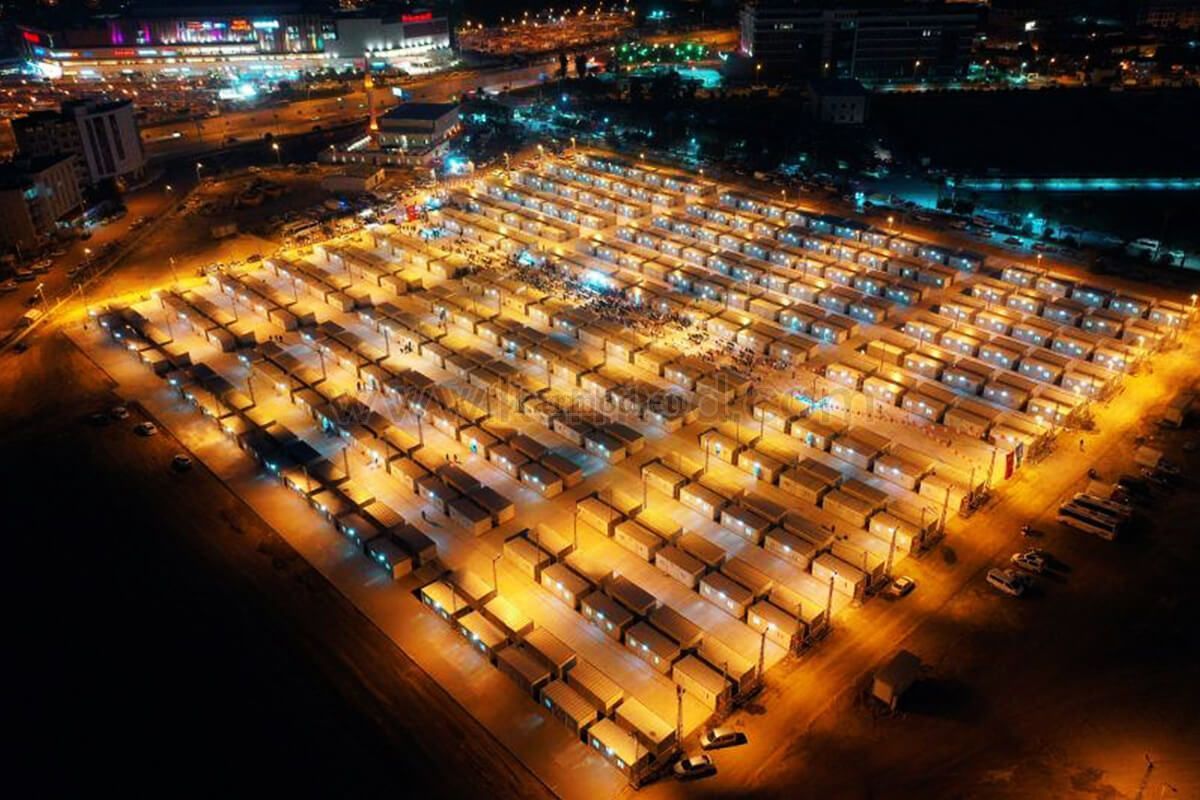
Modular Buildings vs. Prefabricated Building Systems
While often mentioned together, modular buildings and prefabricated building systems serve different purposes within the Norwegian market.
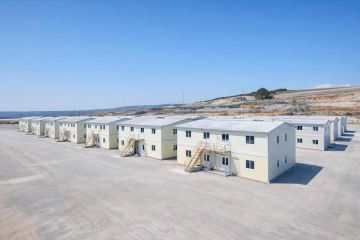
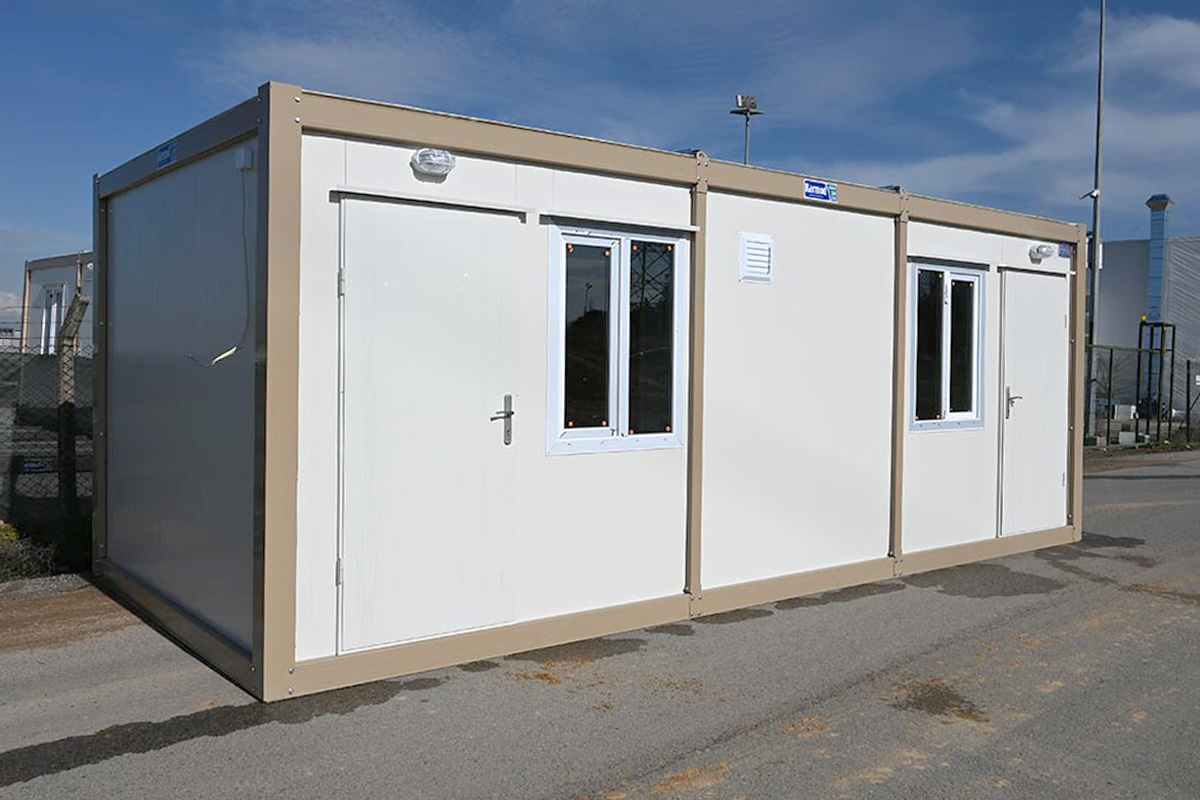
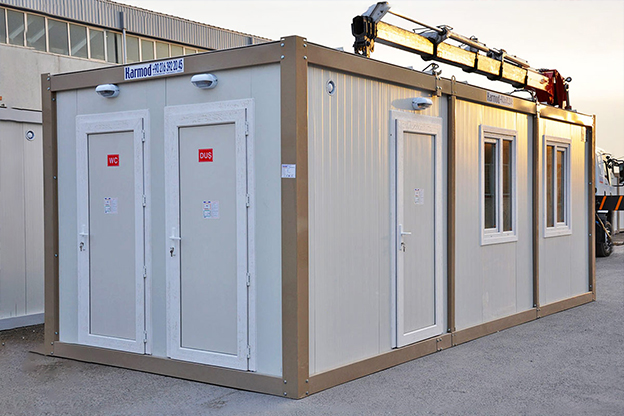
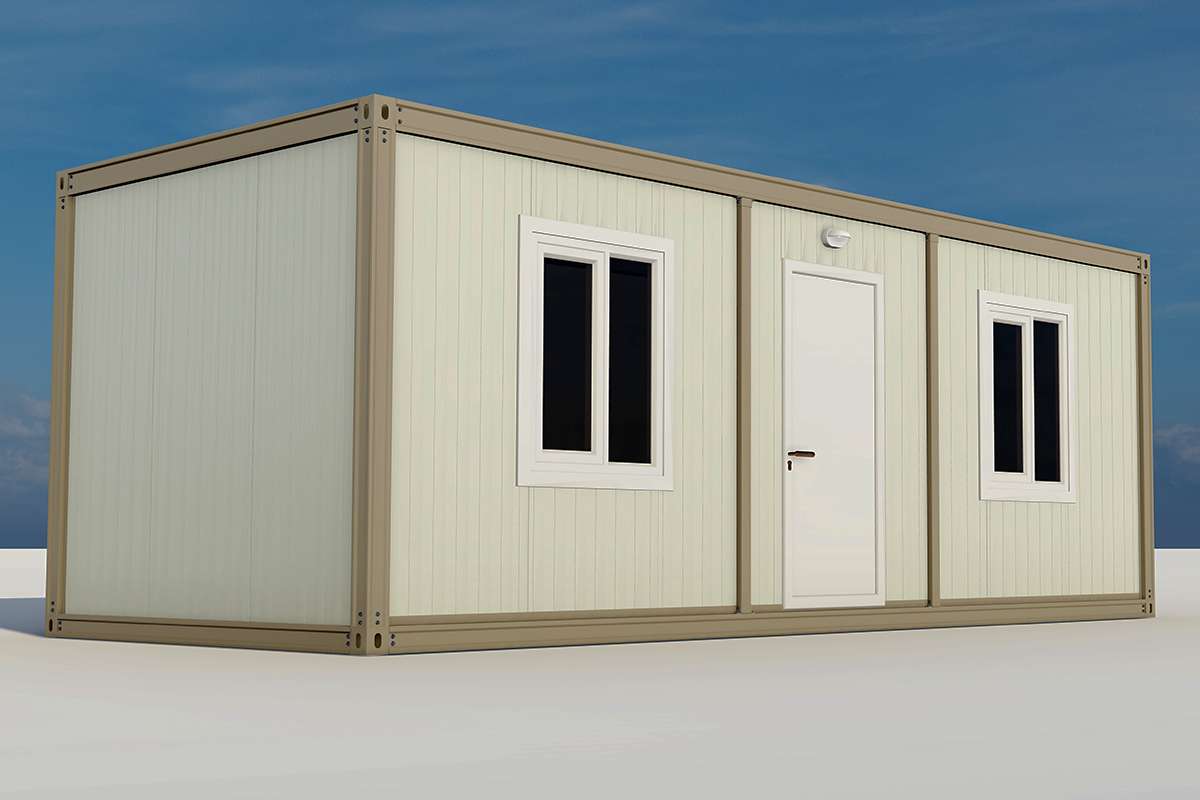
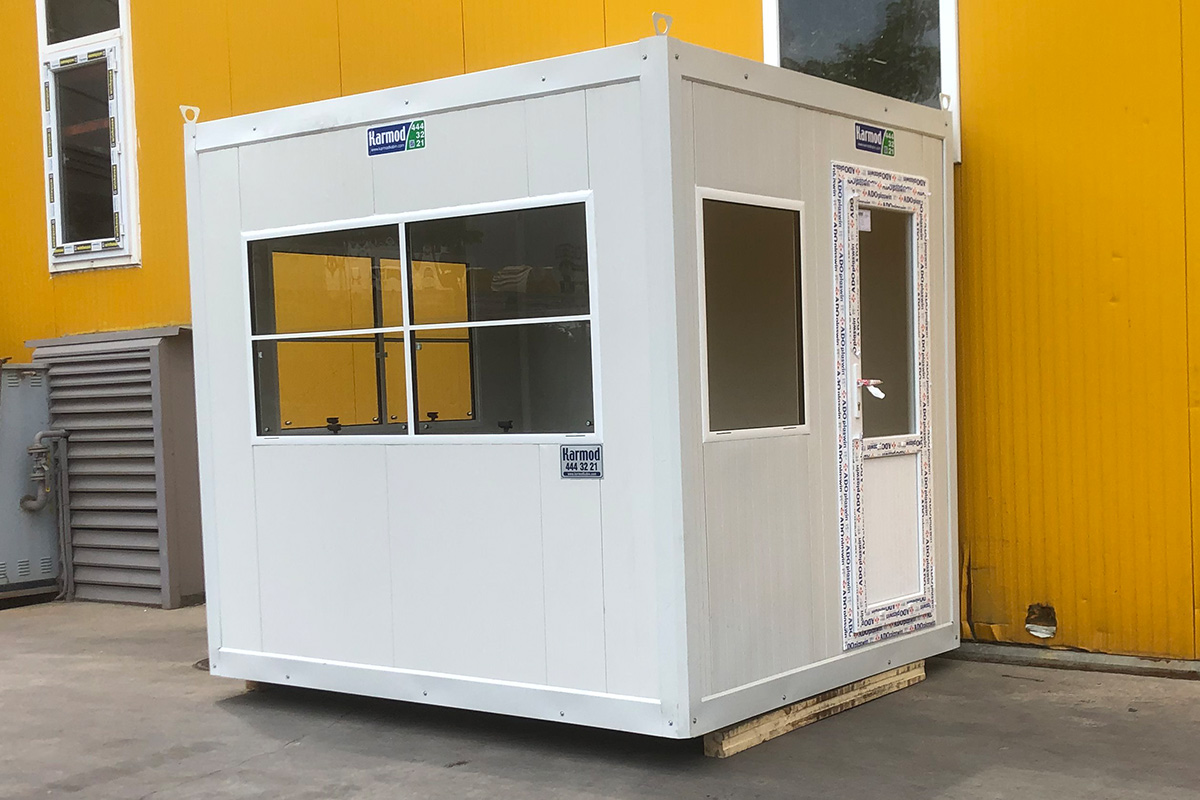
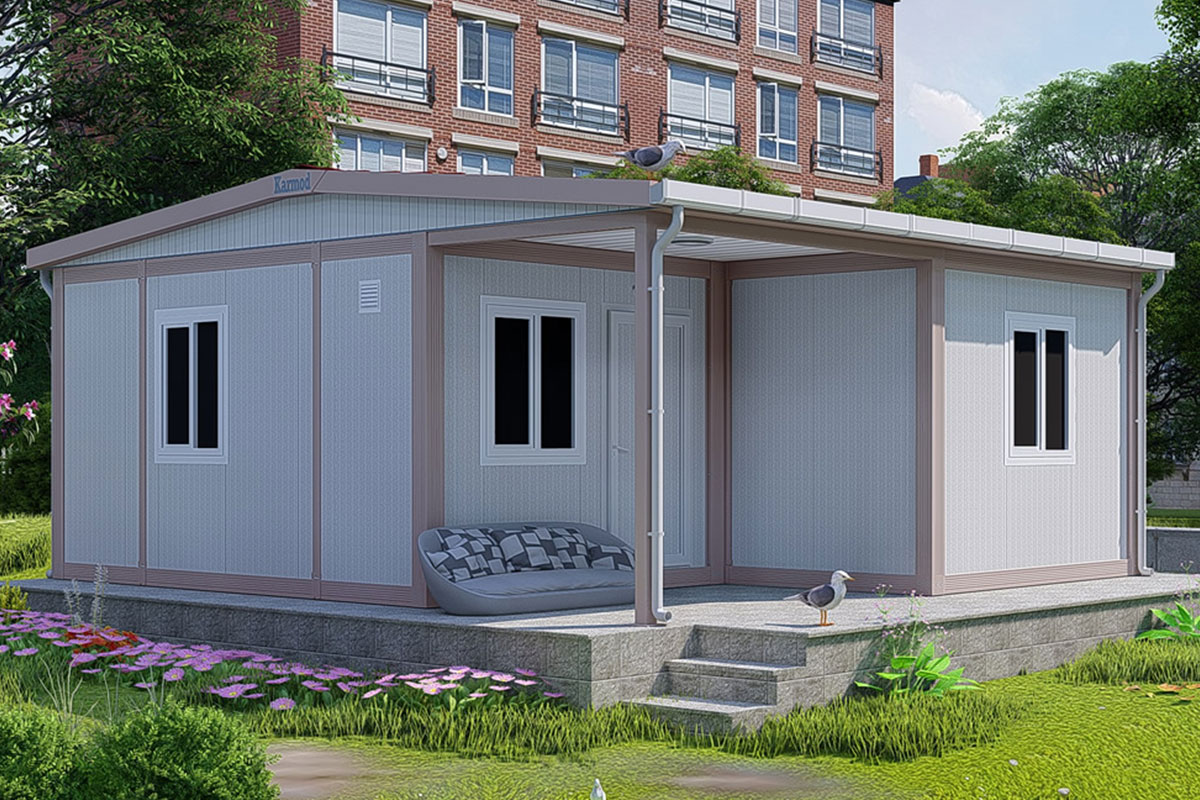
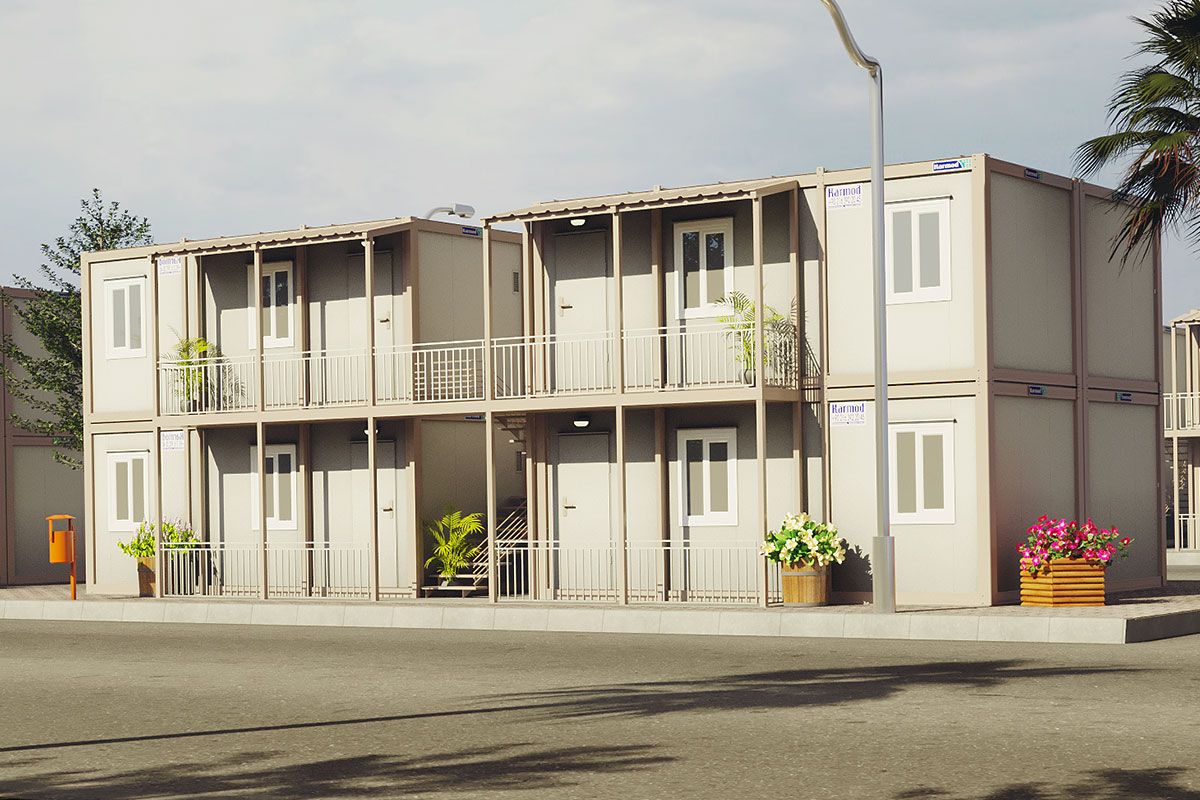
Modular buildings are based on fully volumetric modules produced in factories. These modules are transportable, relocatable, and expandable. This makes them ideal for projects that may evolve over time, such as construction camps, temporary offices, or facilities in remote regions where flexibility is essential.
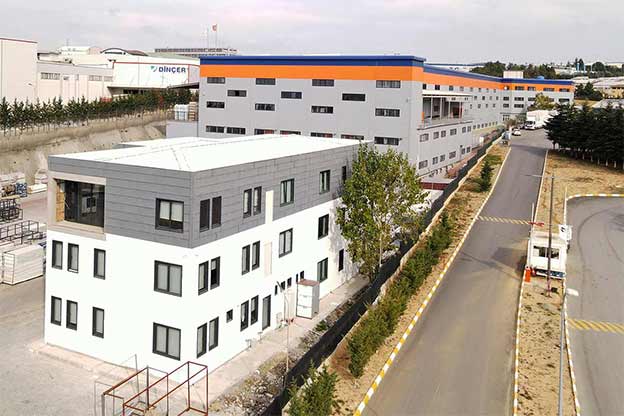
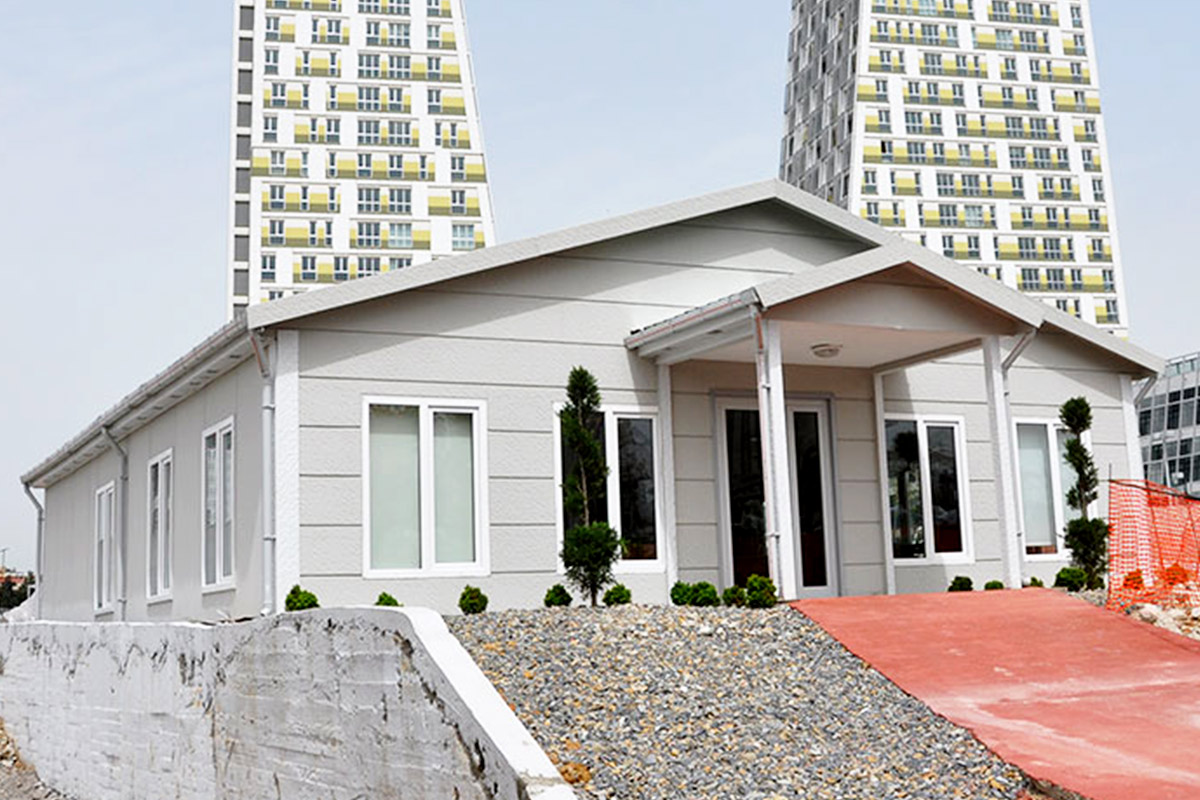
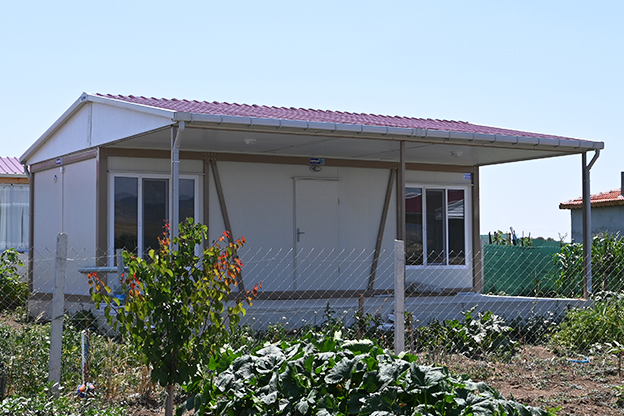
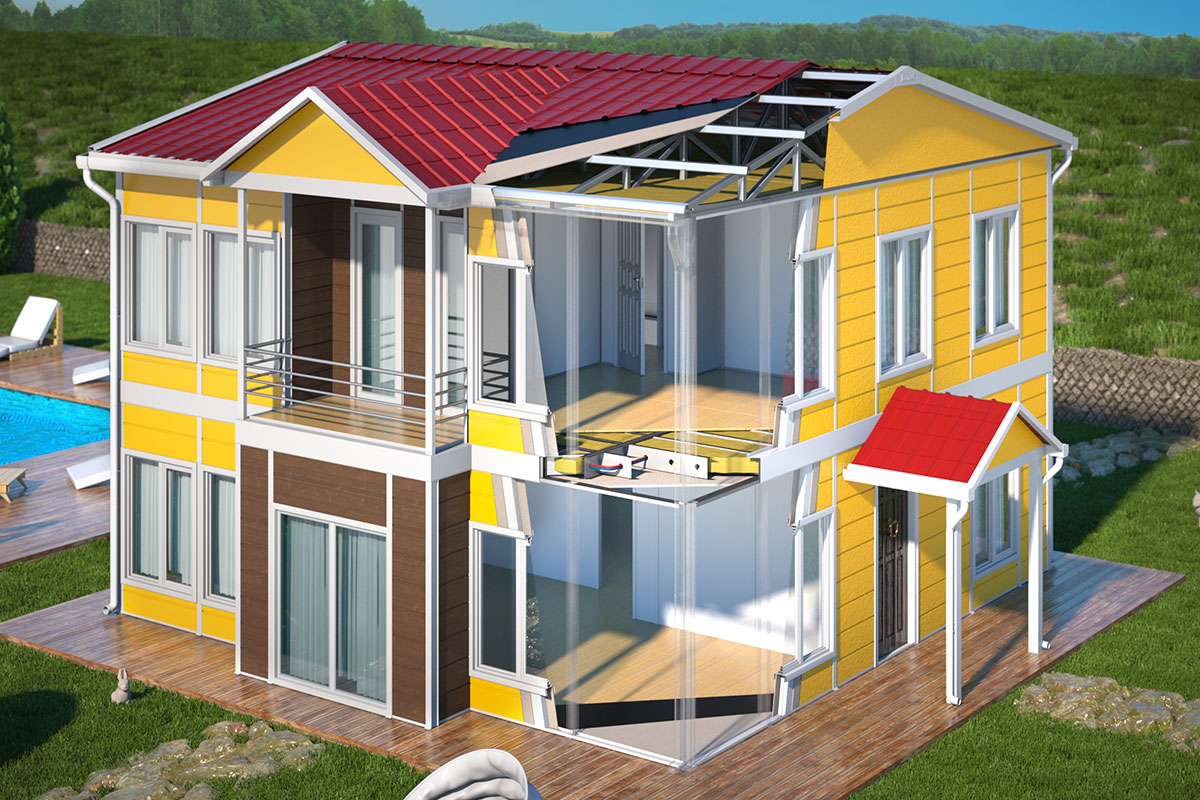
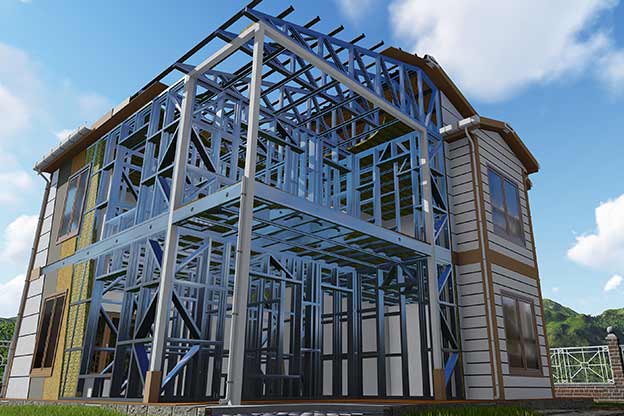
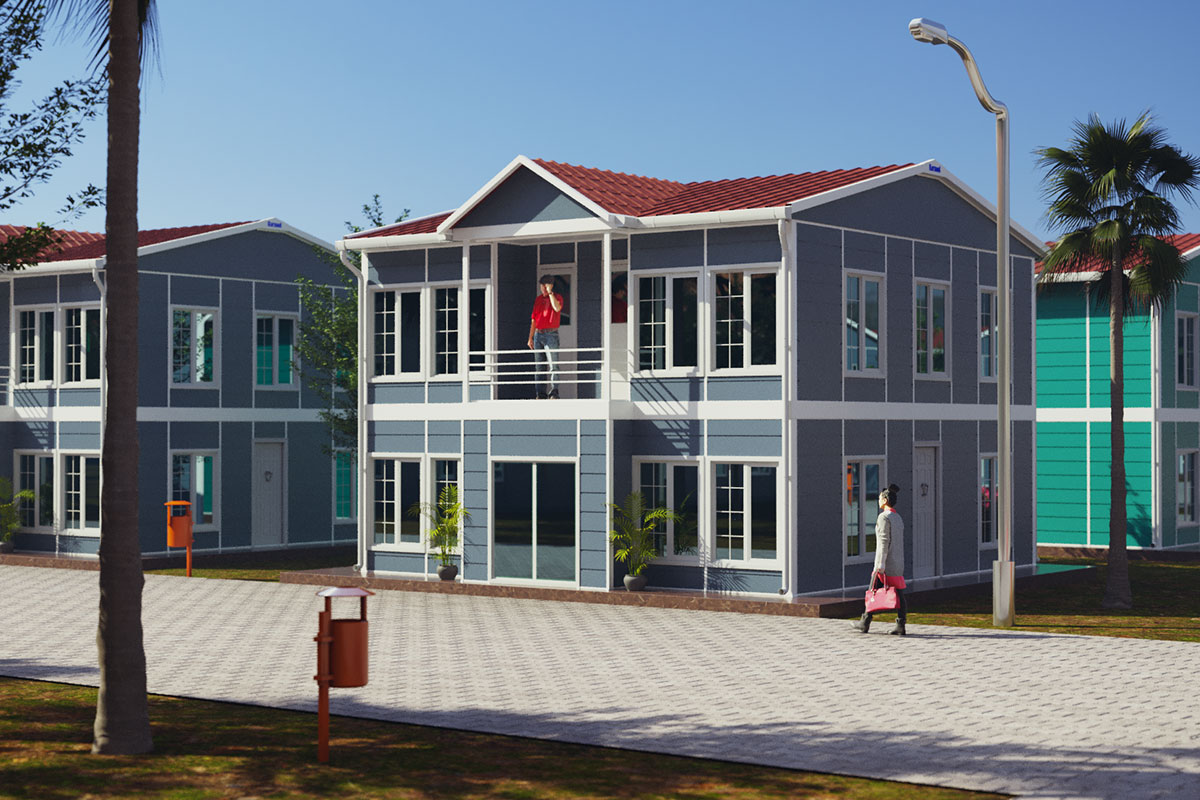
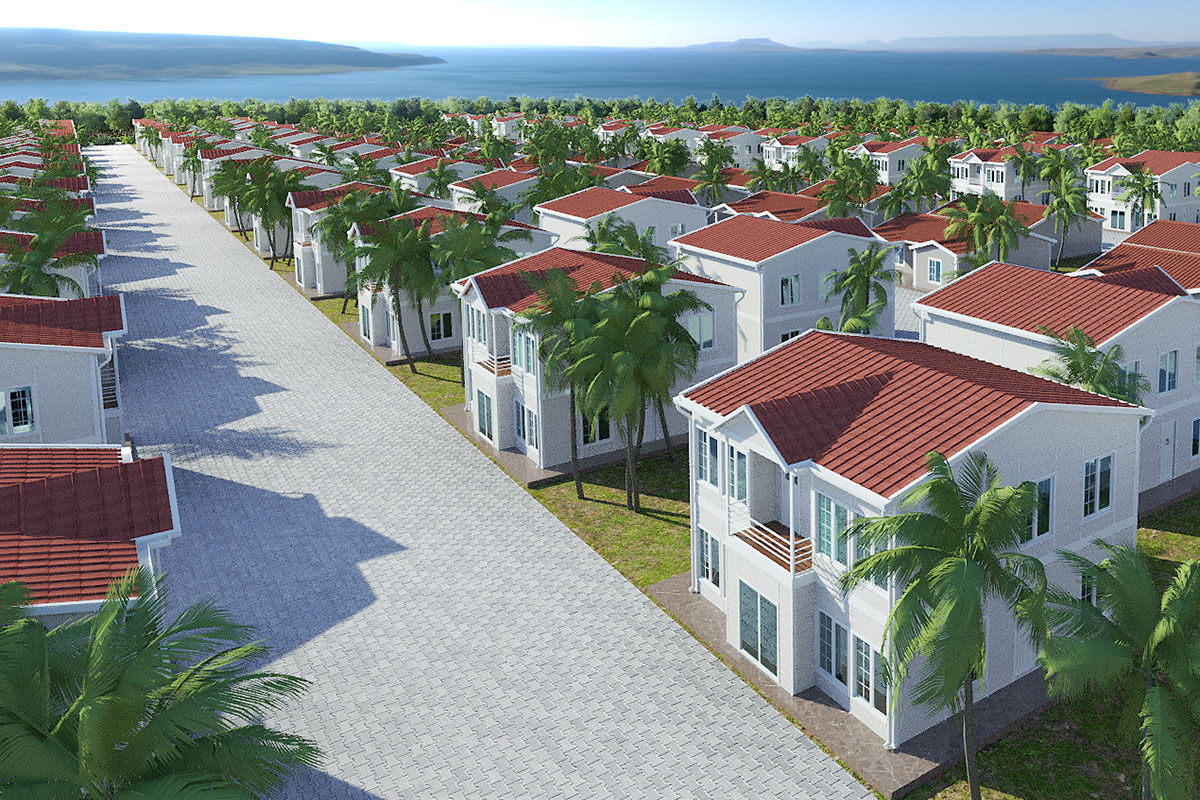
Prefabricated building systems, on the other hand, rely on panels or pre-engineered structural components assembled on-site. These systems are typically used for permanent buildings where long-term durability, architectural integration, and compliance with strict building codes are critical. In Norway, prefabricated building solutions are widely used in residential, educational, and healthcare projects.
The choice between the two often depends on use case. Temporary or semi-permanent projects in energy, logistics, or infrastructure tend to favor modular buildings due to speed and adaptability. Permanent public and commercial buildings more often rely on prefabricated building systems that integrate seamlessly with local architectural and regulatory requirements.
Applications of Modular and Prefabricated Buildings in Norway
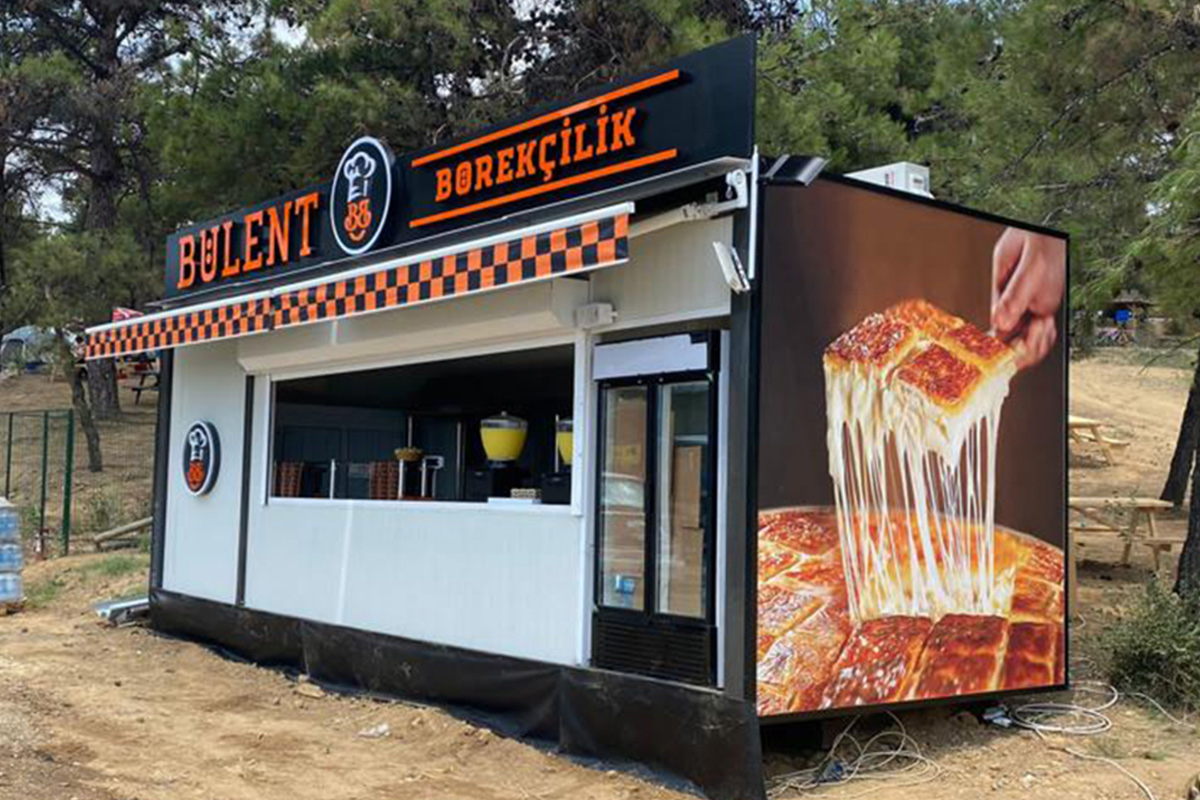
Across Norway, modular and prefabricated solutions are applied in a wide range of sectors, including:
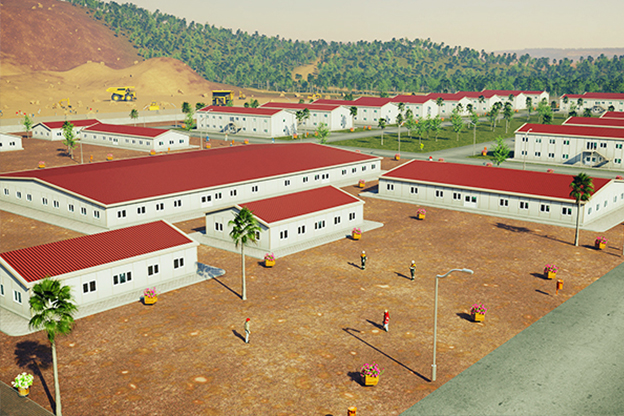
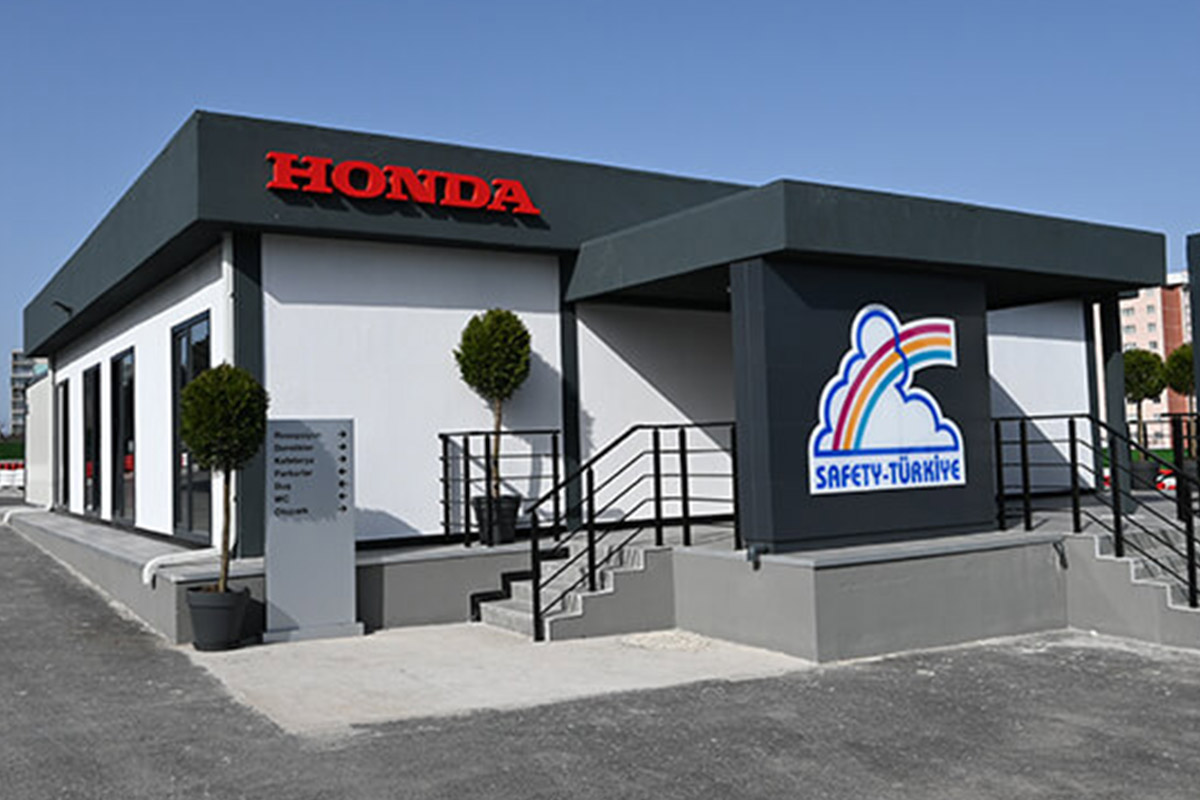
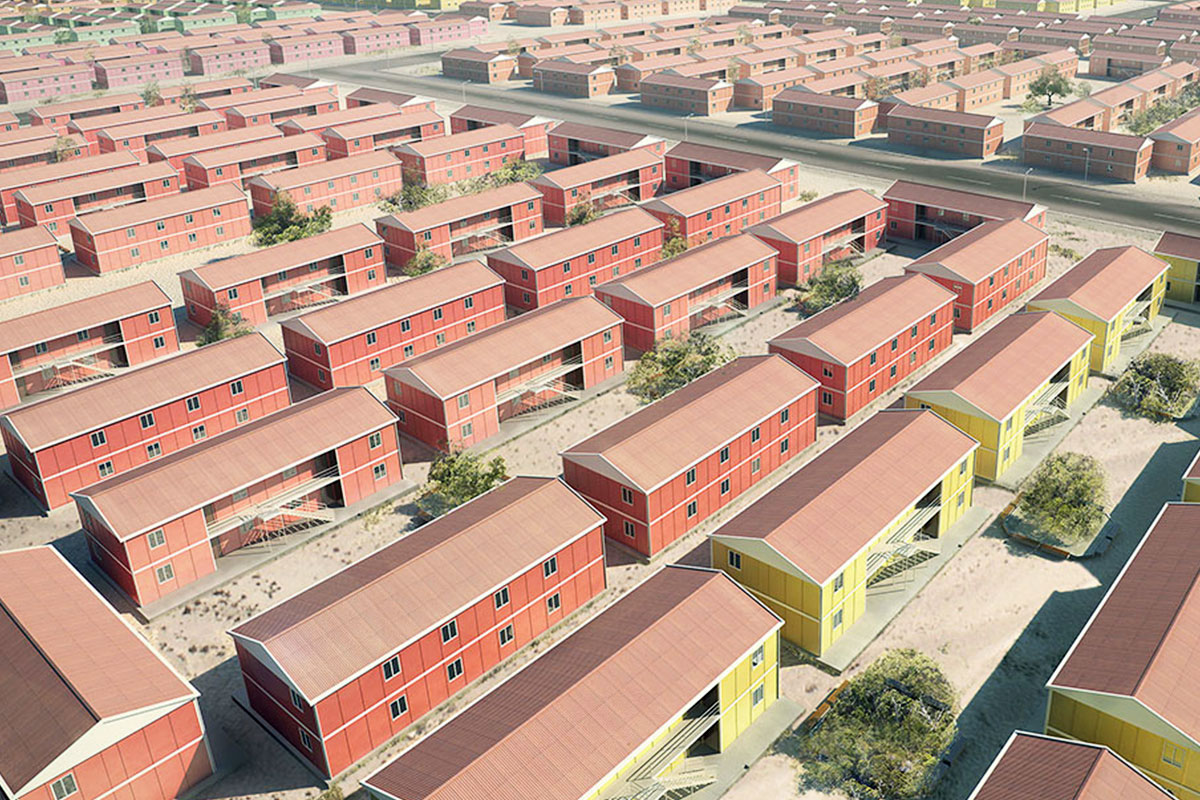
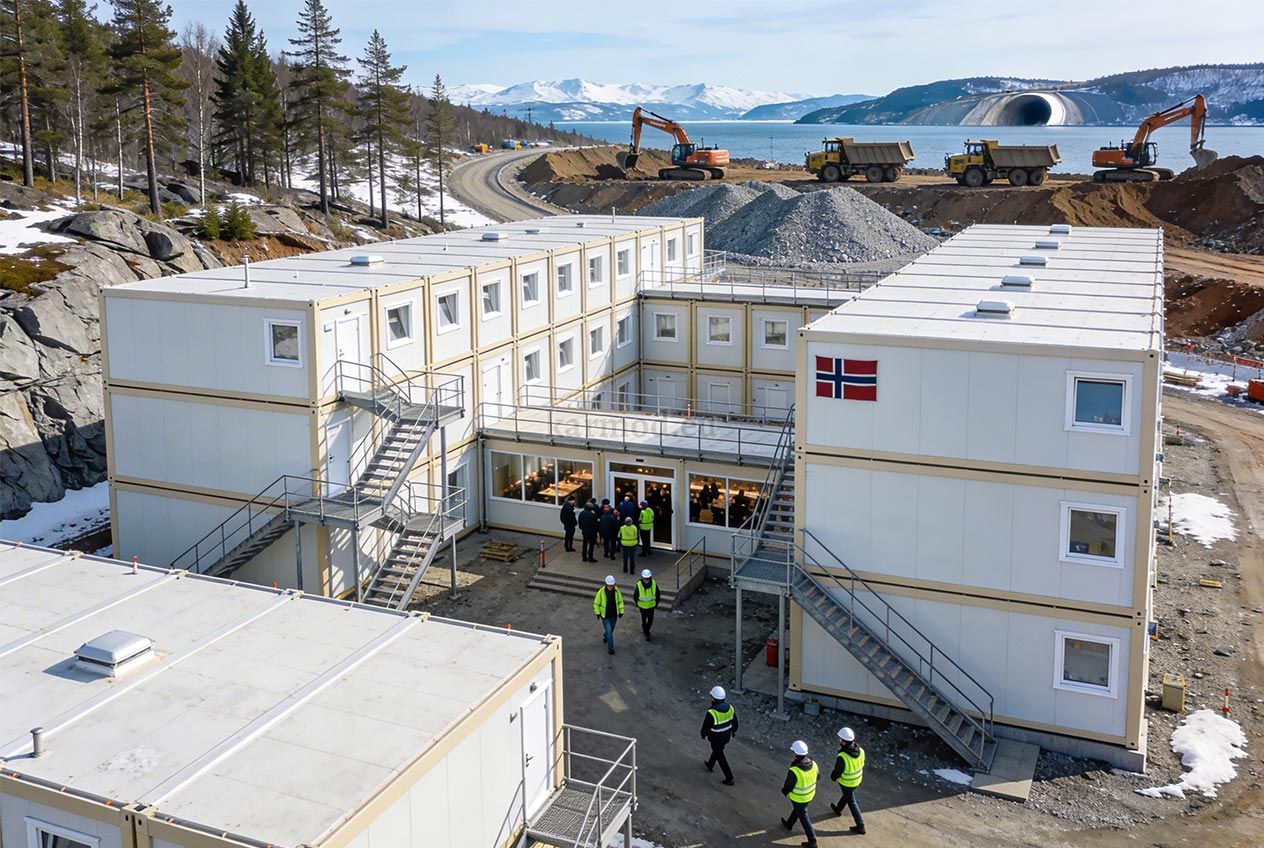
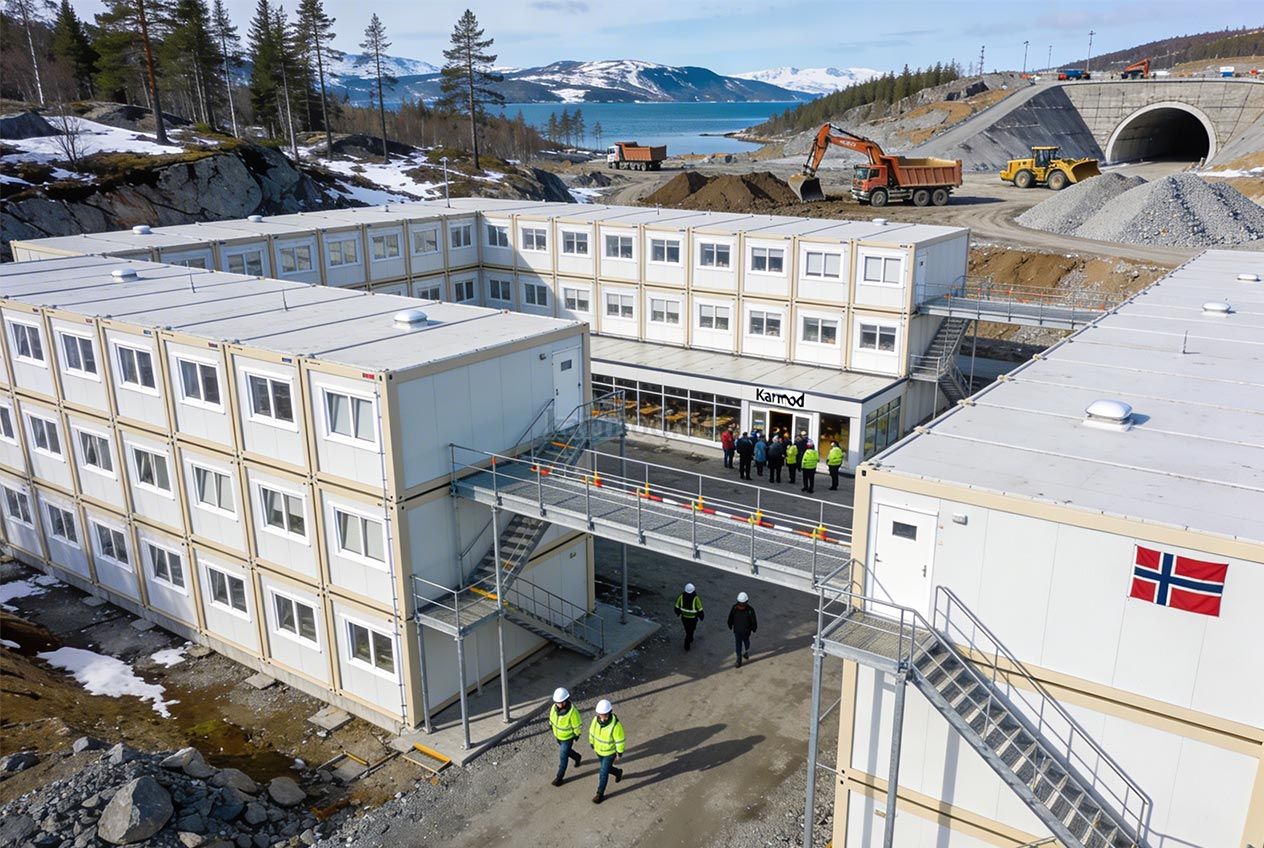
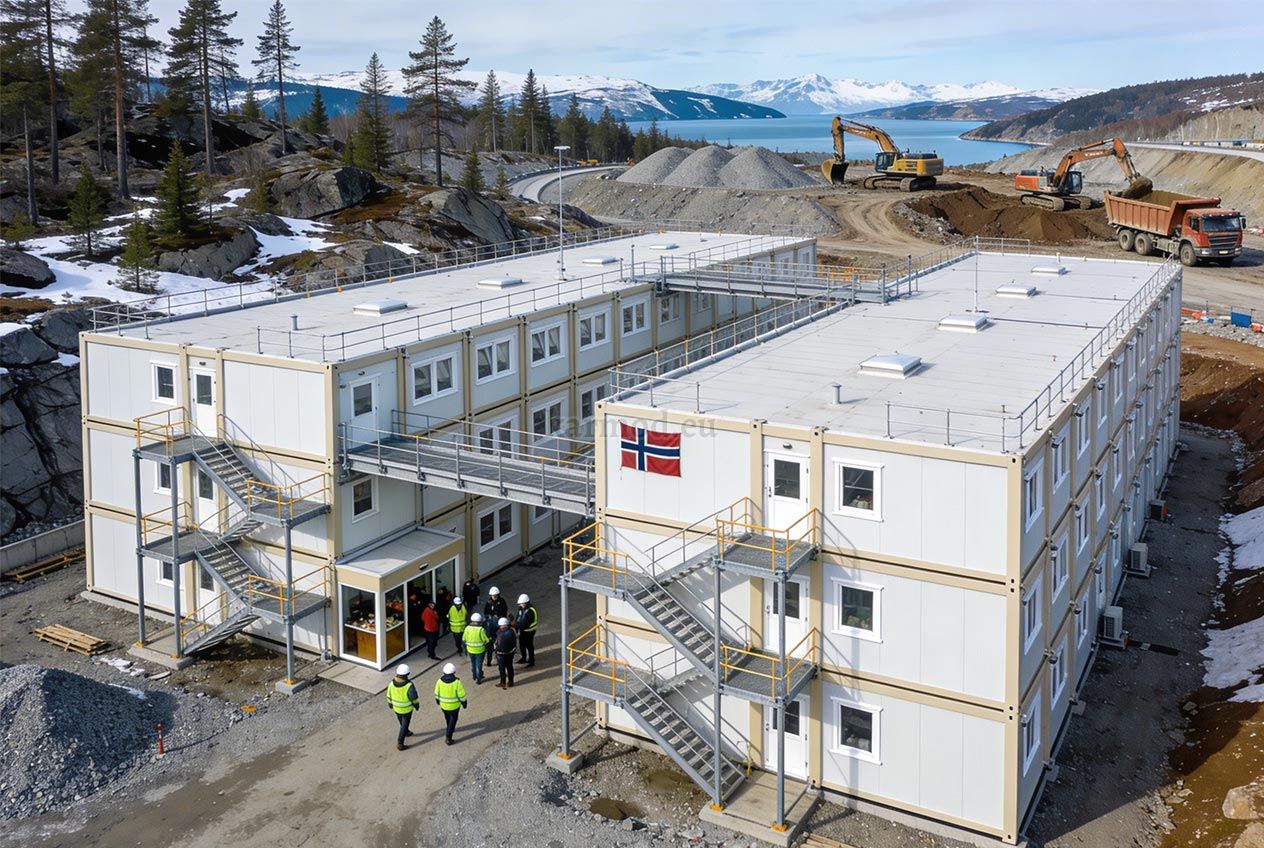
- Site offices & construction camps, supporting large infrastructure and energy projects
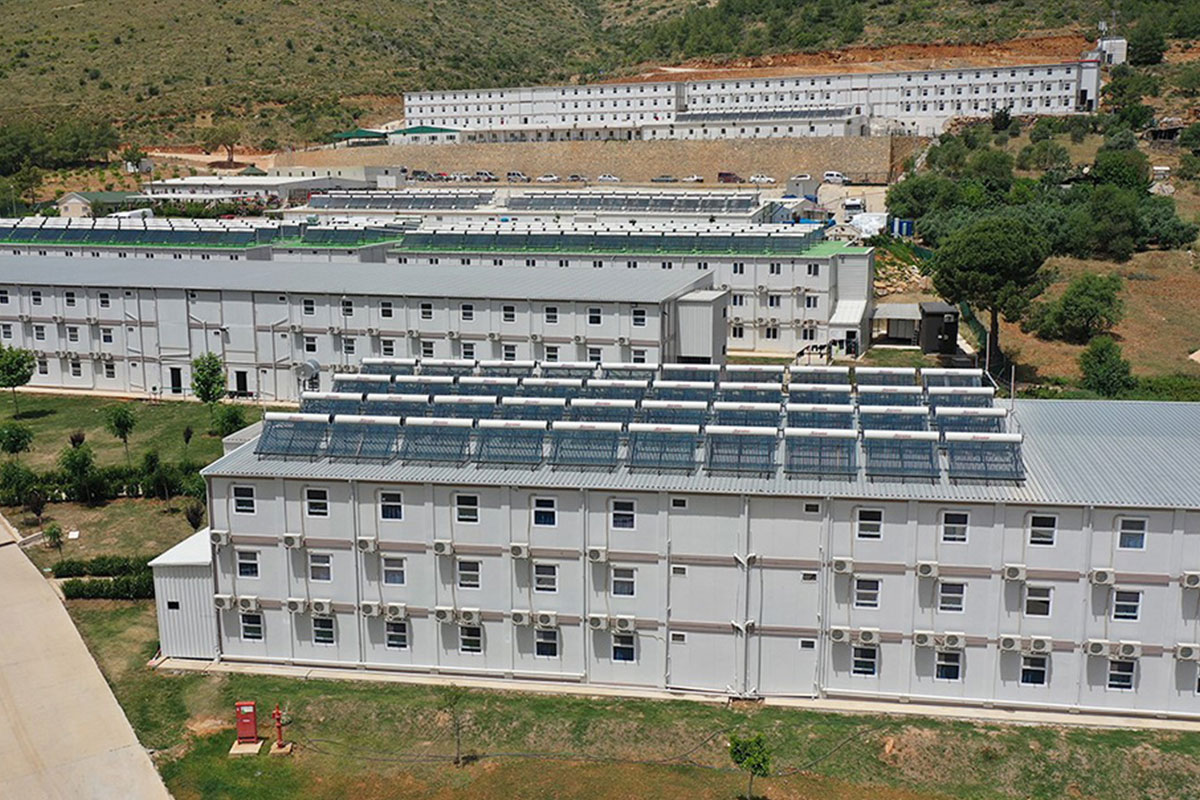
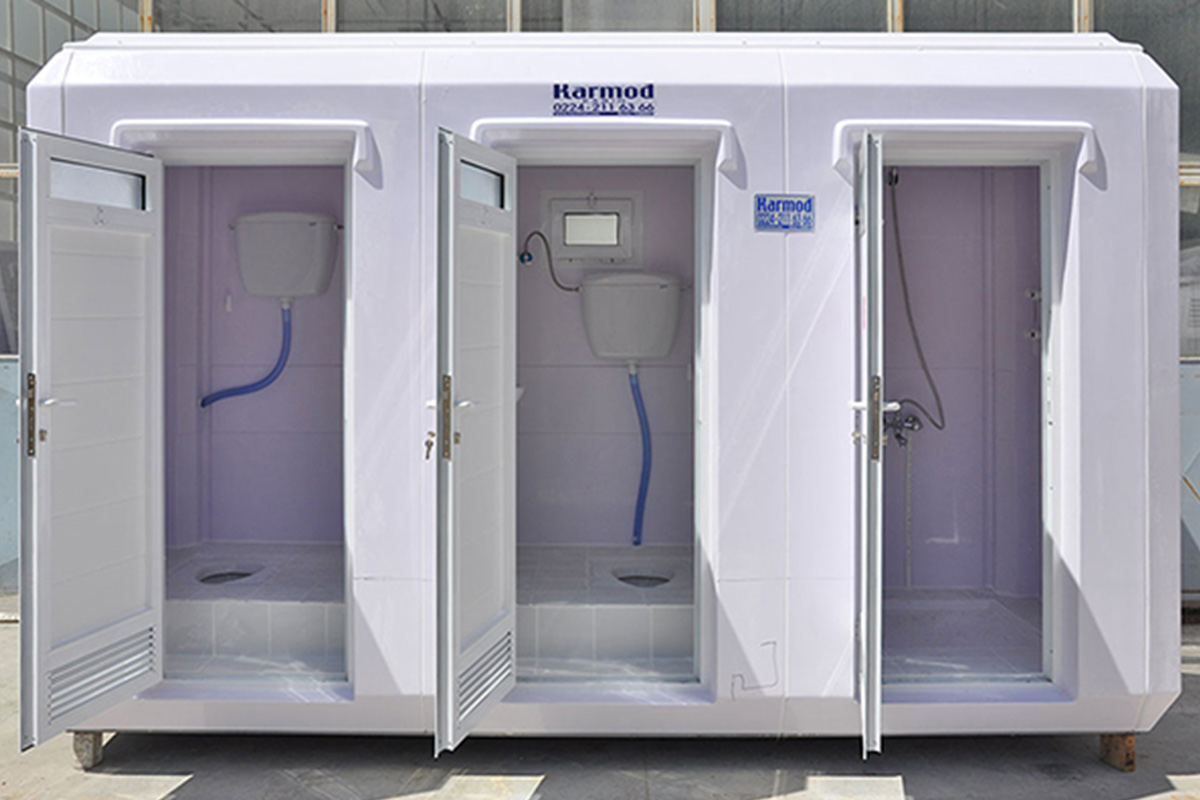
- Worker accommodation buildings, particularly in remote or seasonal work zones
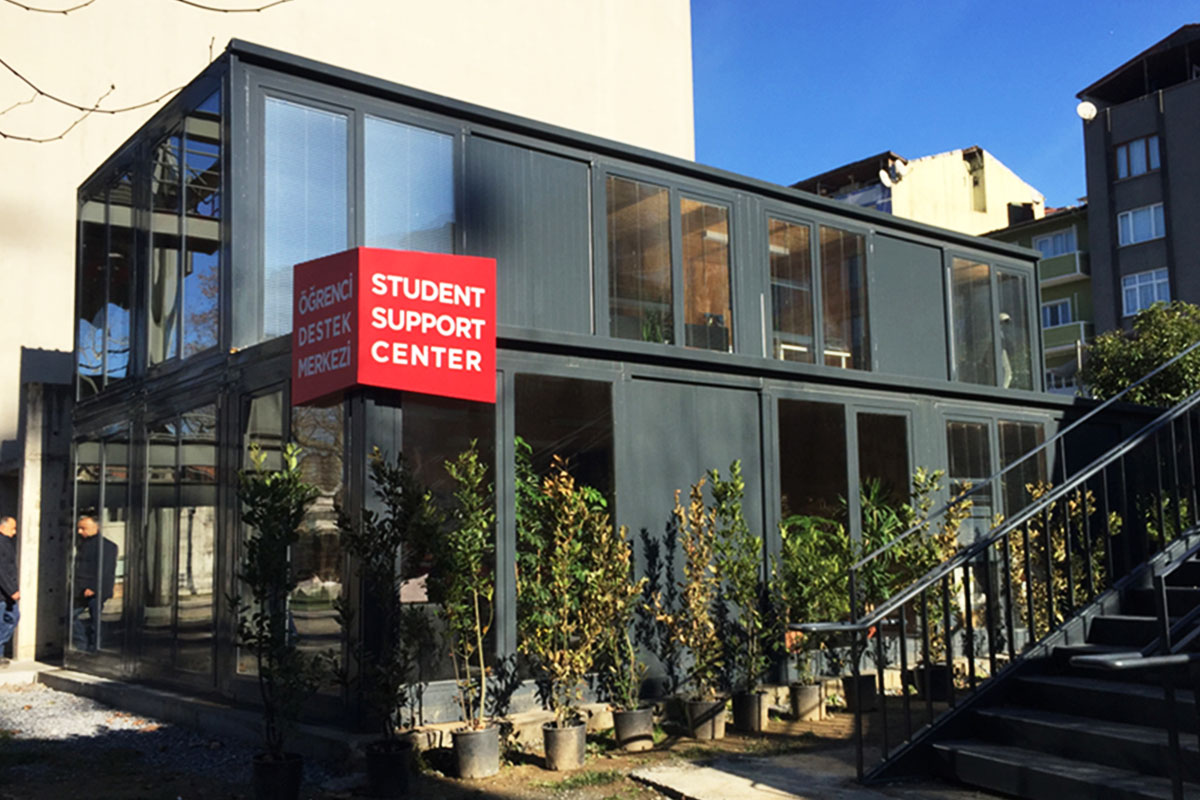
- Temporary schools & healthcare units, addressing urgent public needs or renovations
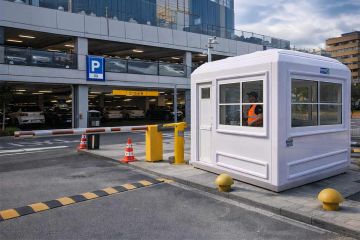
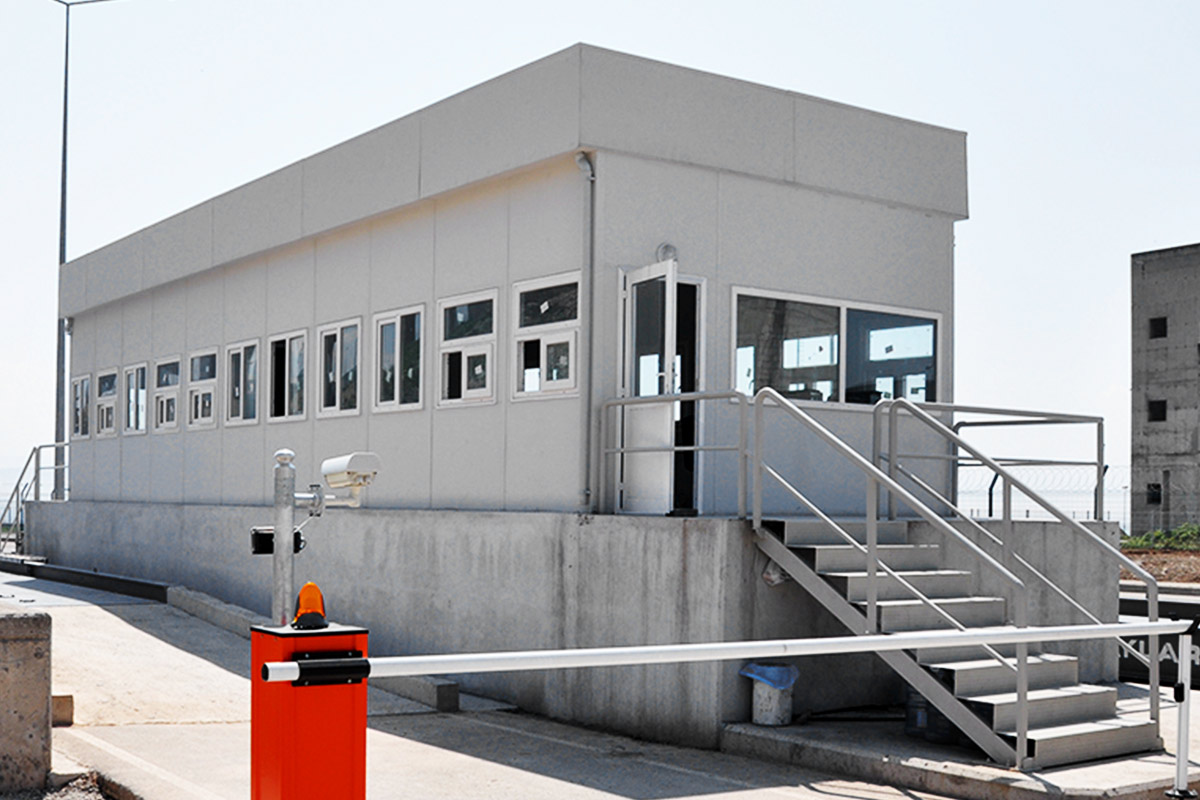
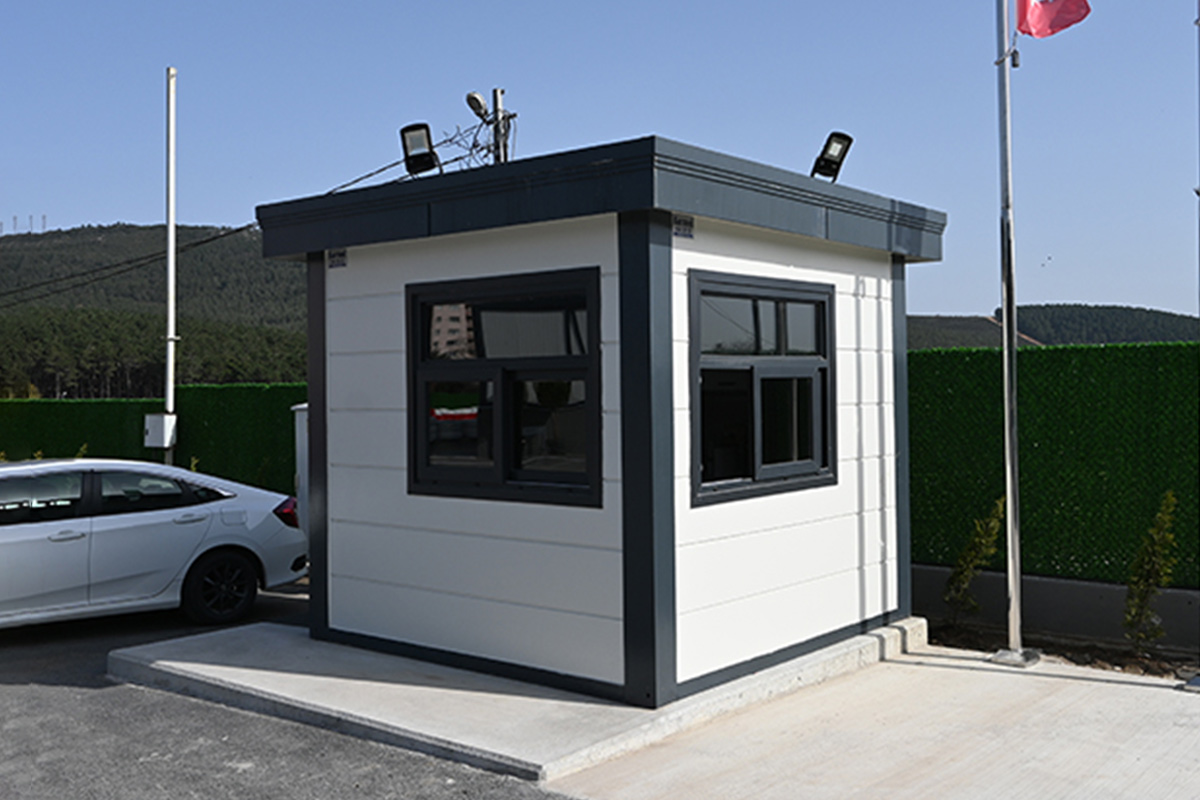
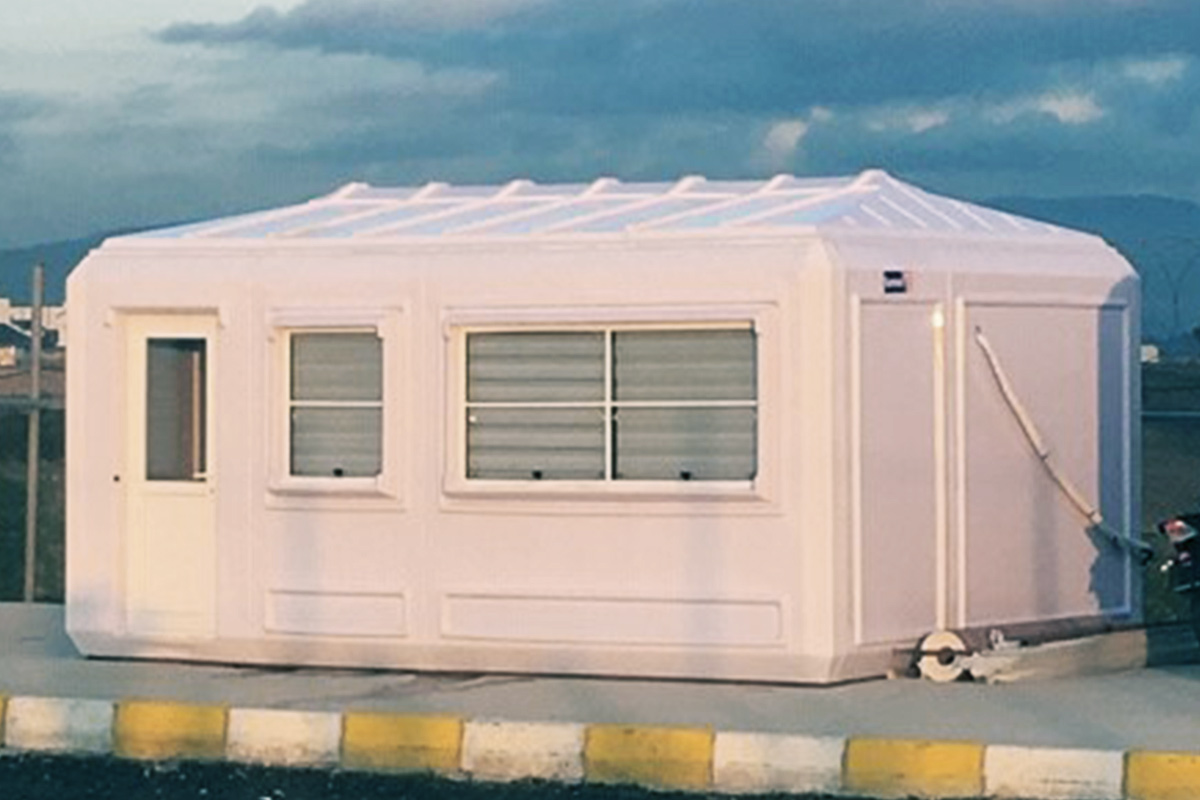
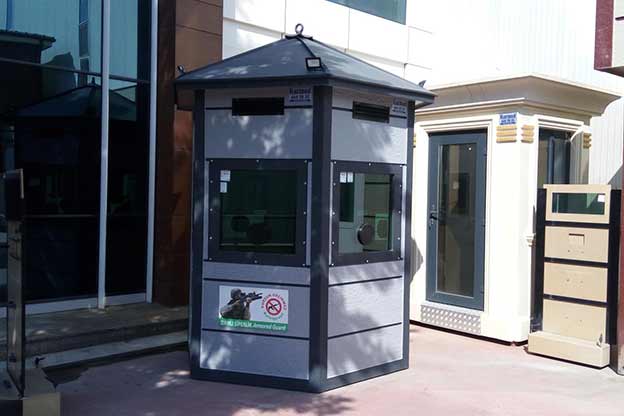
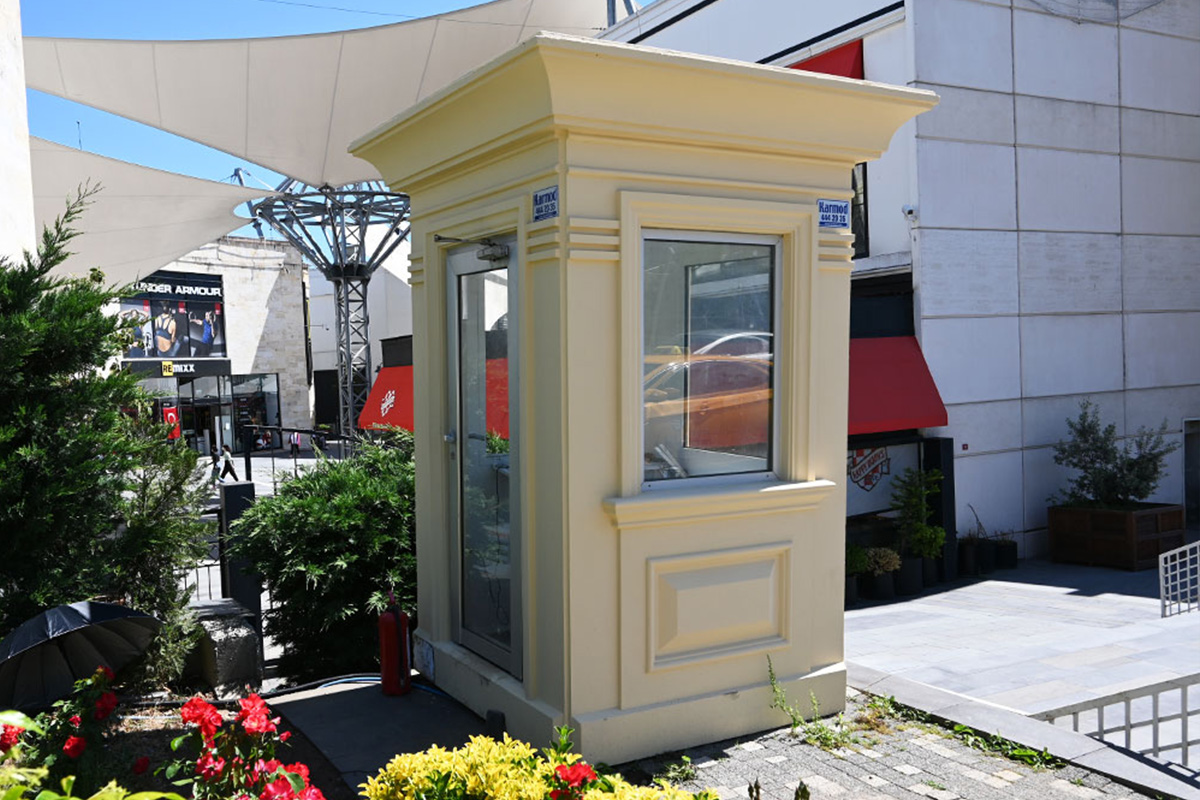
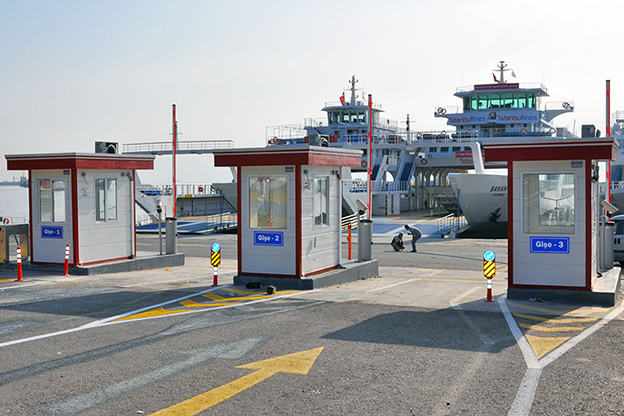
- Security buildings & technical units, ensuring controlled access and operational safety
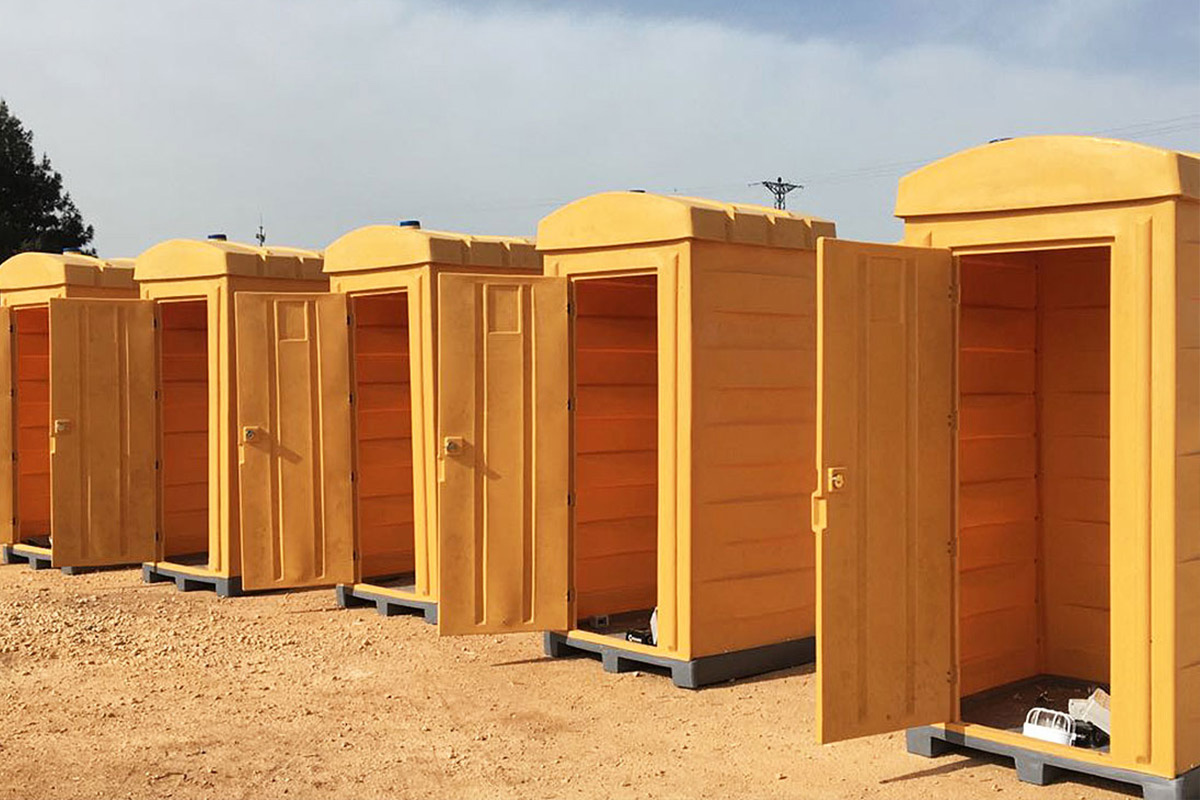
- Storage and logistics facilities, enabling fast deployment near ports and transport corridors
These applications highlight the versatility of both modular buildings and prefabricated building systems in responding to Norway’s diverse construction requirements.
From Design to Installation: How the Process Works
The process begins with a detailed project needs analysis. This stage defines capacity requirements, functional layouts, regulatory constraints, and environmental conditions specific to Norway.
Next comes custom design and technical specifications. Buildings are engineered to meet Norwegian standards, including insulation performance, fire safety, and structural loads. At this stage, experienced manufacturers such as Karmod apply their international know-how to adapt designs for local conditions without unnecessary complexity.
Factory production follows, where modules or building components are manufactured under controlled conditions. This phase ensures consistent quality and minimizes weather-related risks.
Once production is complete, units are delivered to Norway using optimized logistics planning. Transport considerations are particularly important for projects in northern or remote regions.
Finally, on-site installation is carried out efficiently, often within days. Reduced assembly time means less disruption to surrounding operations and faster readiness for use.
Key Considerations for Modular Buildings in Norway
Thermal insulation
Energy efficiency is a top priority in Norway. High-performance insulation systems are essential to ensure comfort, reduce energy consumption, and comply with national regulations.
Fire safety standards
Strict fire regulations require advanced materials and tested construction methods. Both modular buildings and prefabricated building systems must be designed with certified fire-resistant solutions.
Climate suitability
Buildings must withstand snow loads, wind exposure, and low temperatures. Structural integrity and weather resistance are non-negotiable in Norwegian projects.
Custom layouts
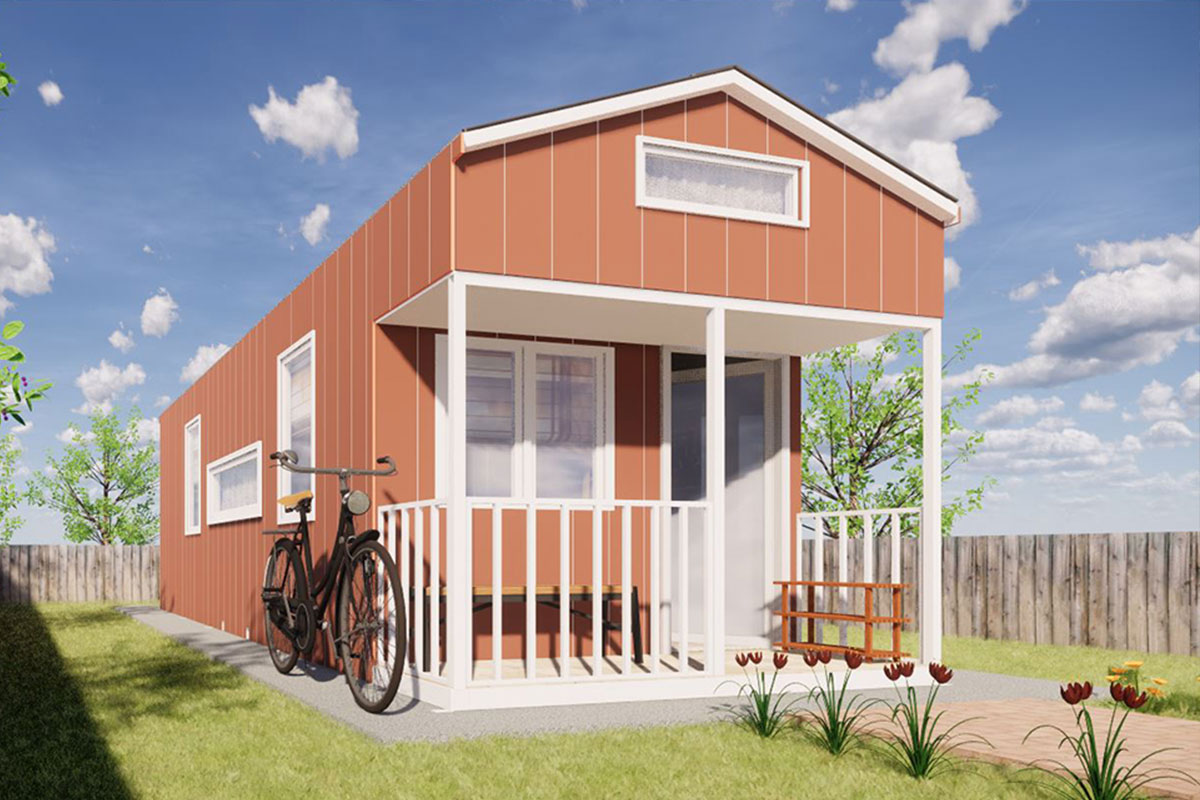
Functional flexibility is increasingly important. Modular layouts allow future expansion or reconfiguration, while prefabricated systems support tailored architectural solutions.
In this landscape, Karmod stands out through its experience in European markets and its ability to adapt modular building solutions to demanding climates. Karmod modular building solutions are designed to combine speed, durability, and regulatory compliance, offering decision-makers confidence throughout the project lifecycle. Drawing on international references, Karmod supports Norwegian projects with solutions that align with both temporary operational needs and long-term investment strategies.
By integrating modular buildings and prefabricated building systems into project planning, stakeholders in Norway gain predictable timelines, controlled costs, and structures suited to both present and future requirements.