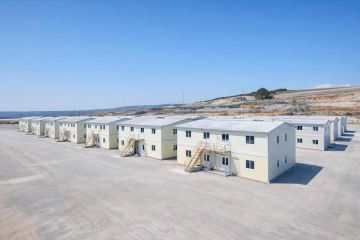



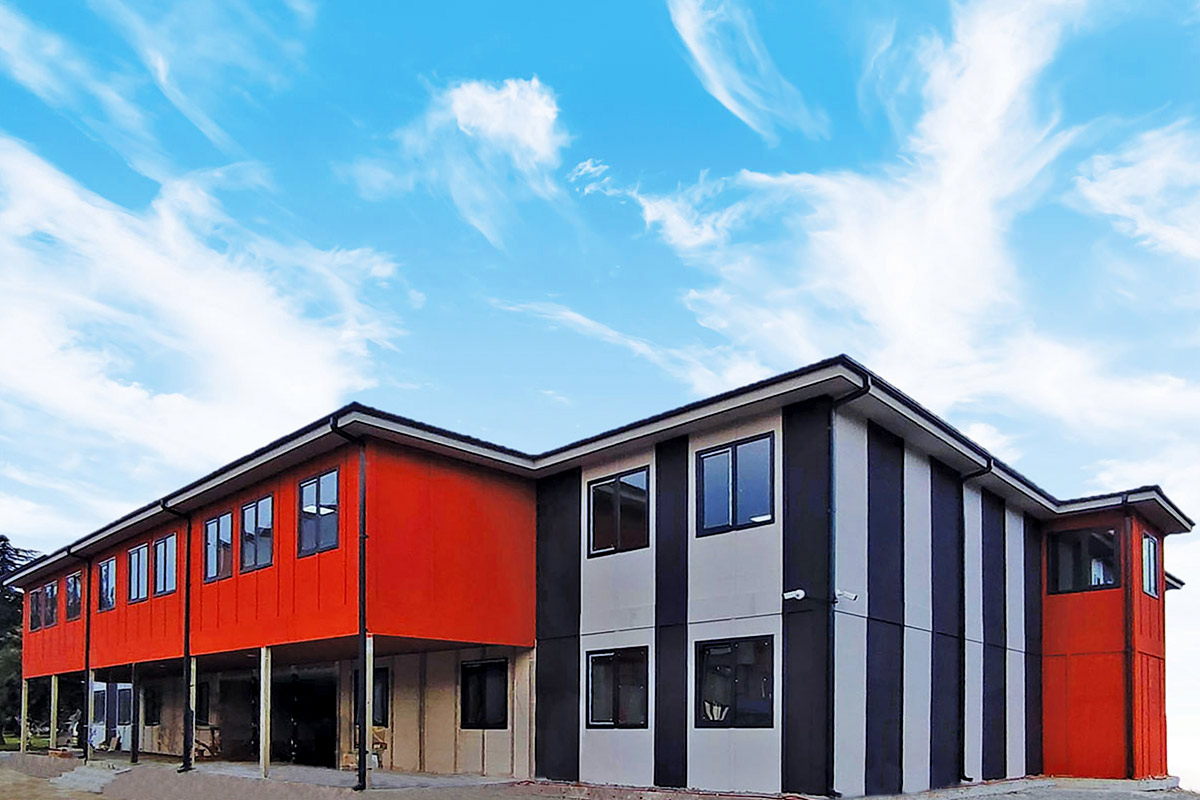
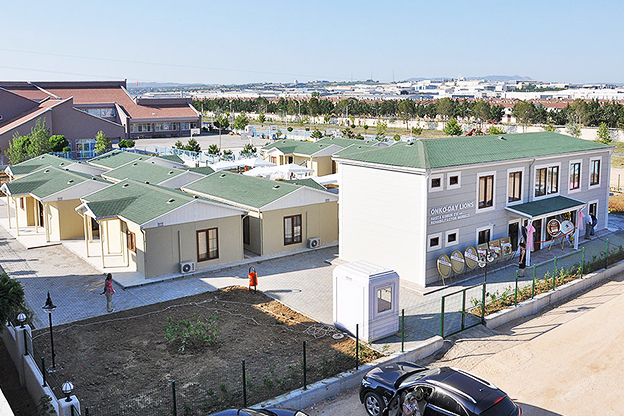
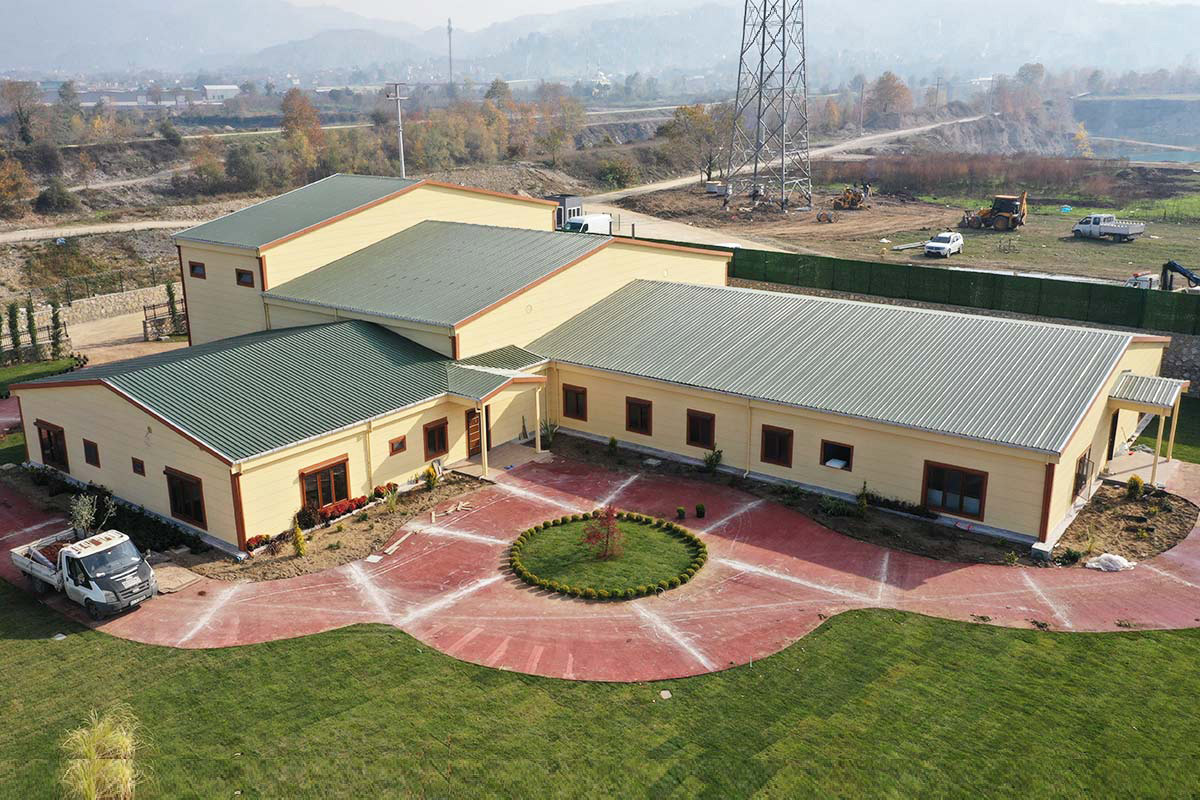
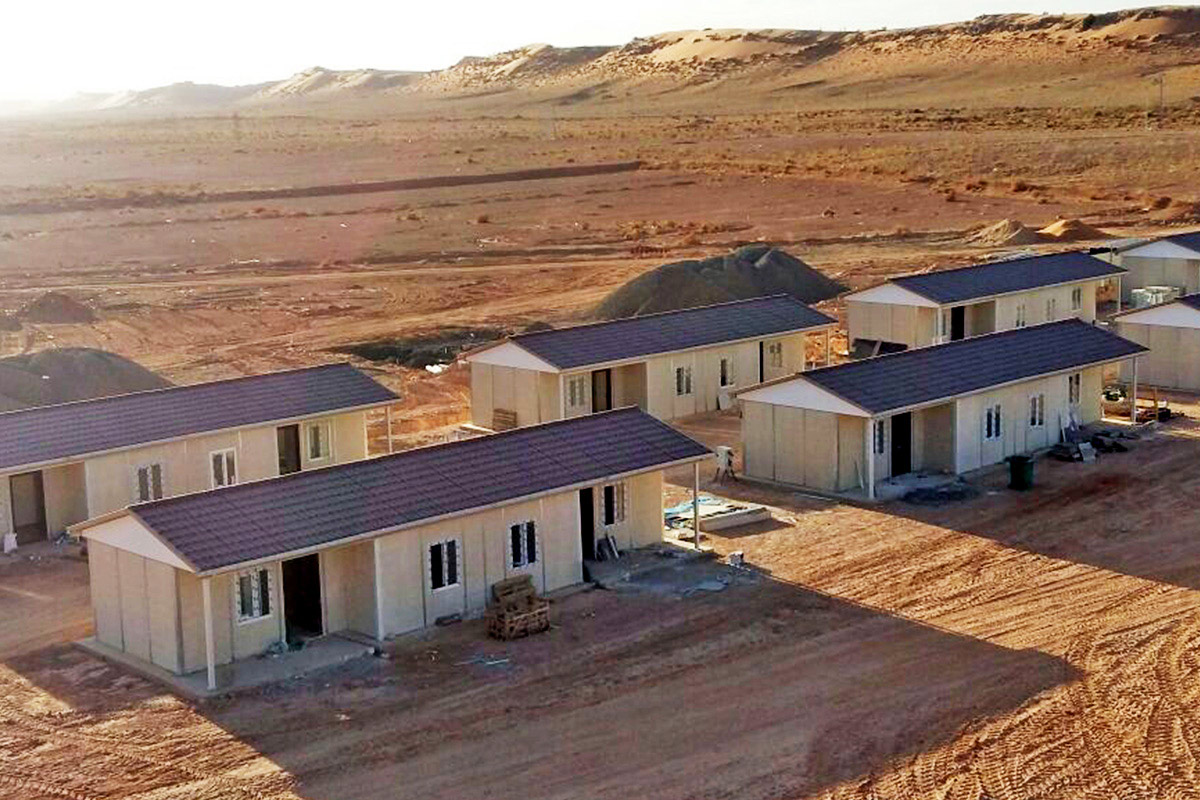
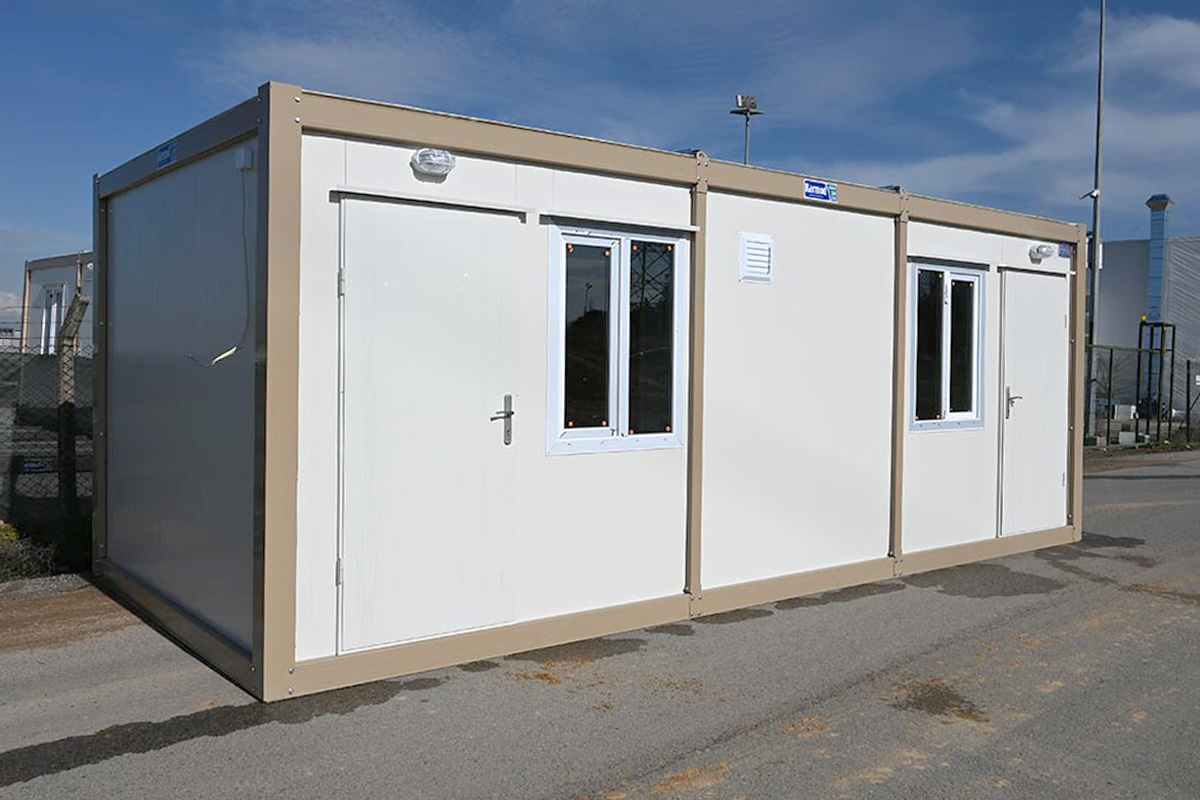
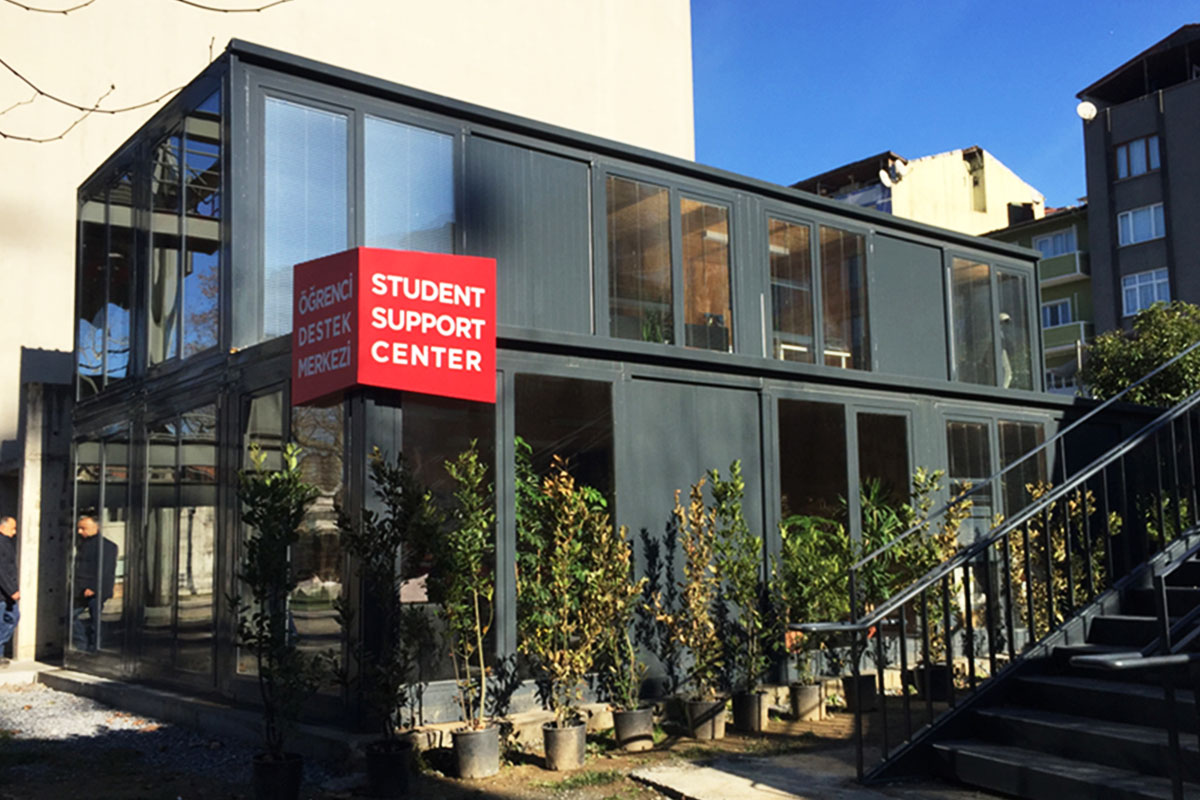
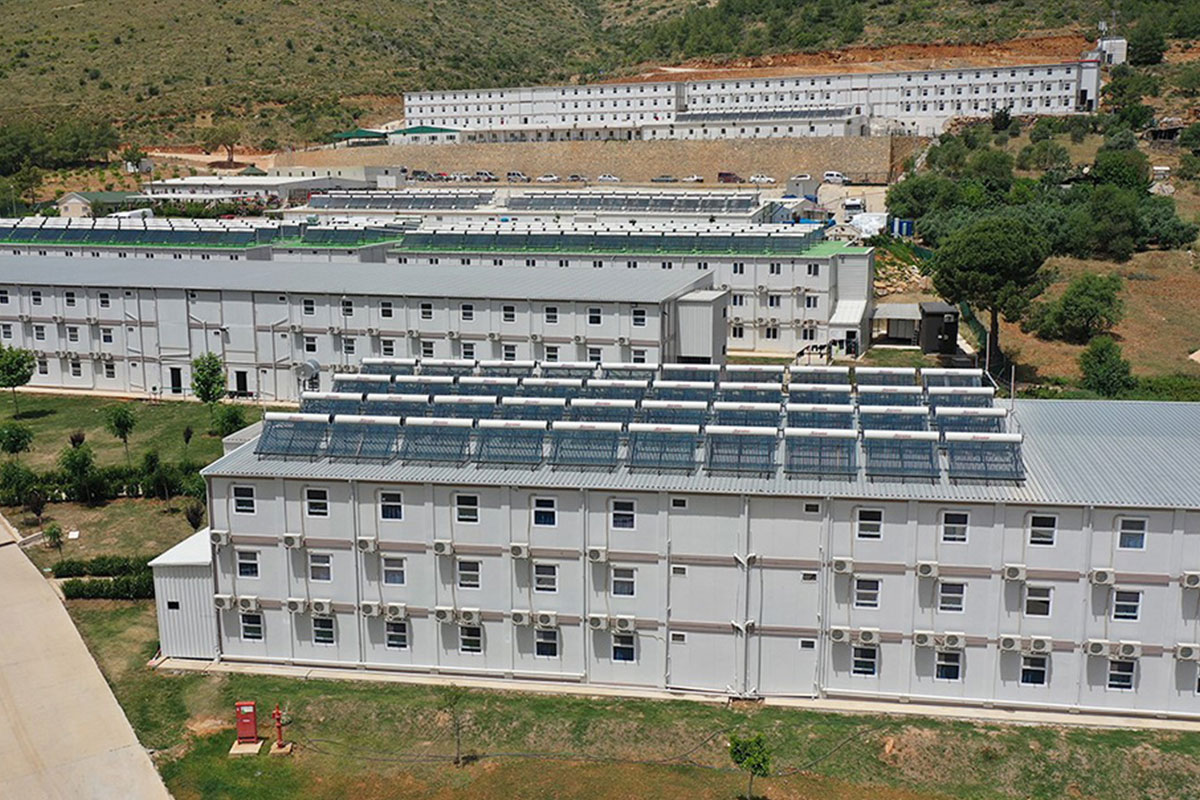
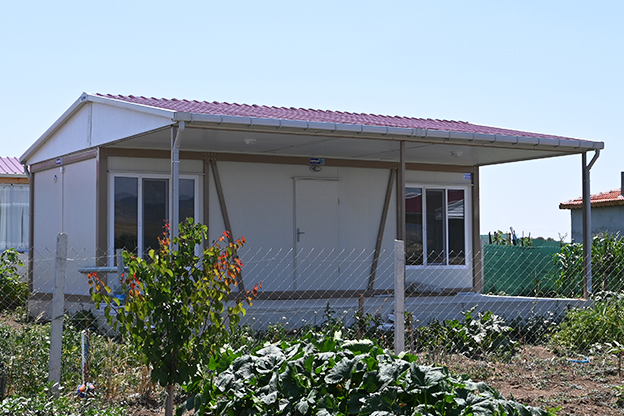

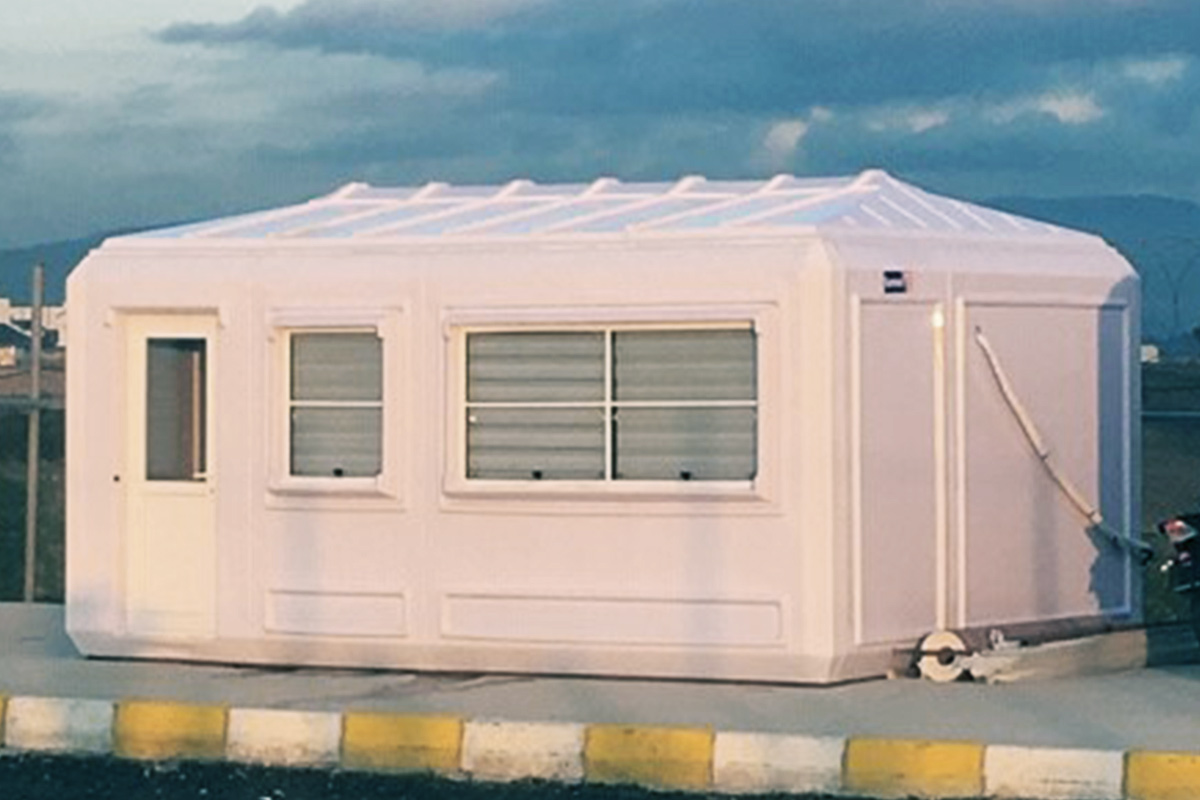
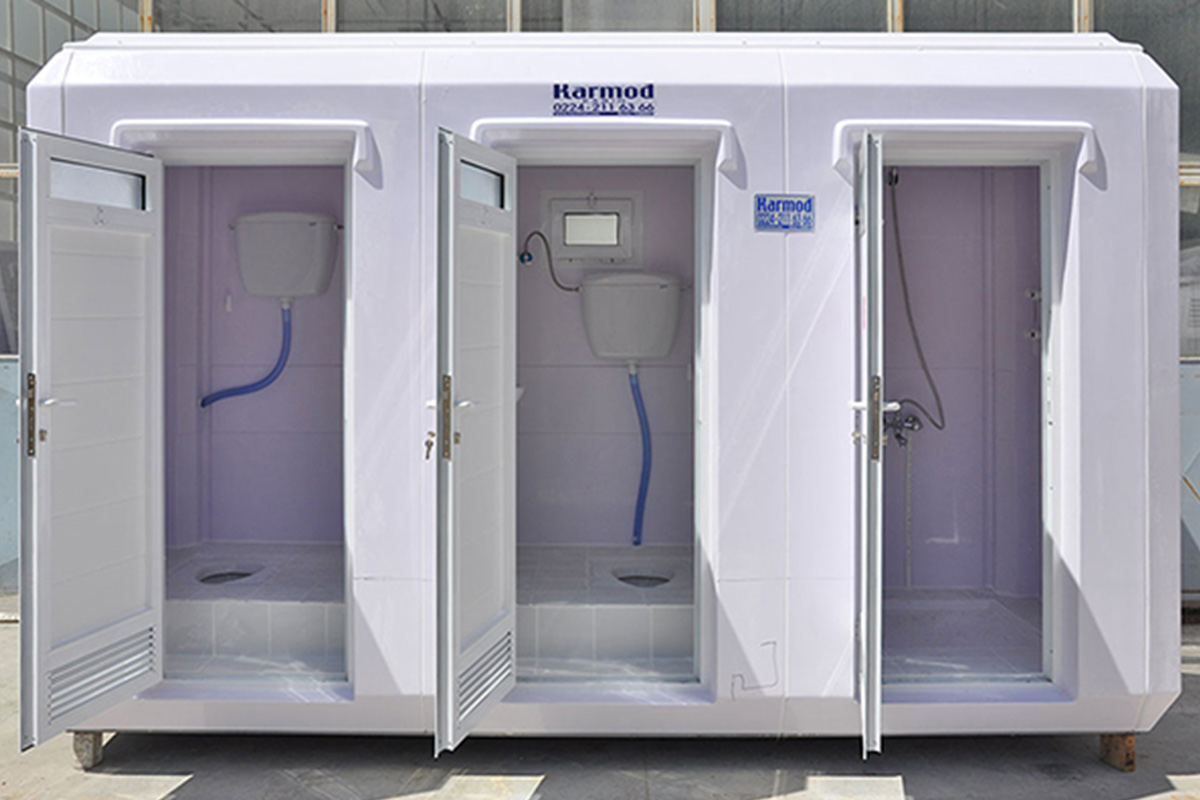
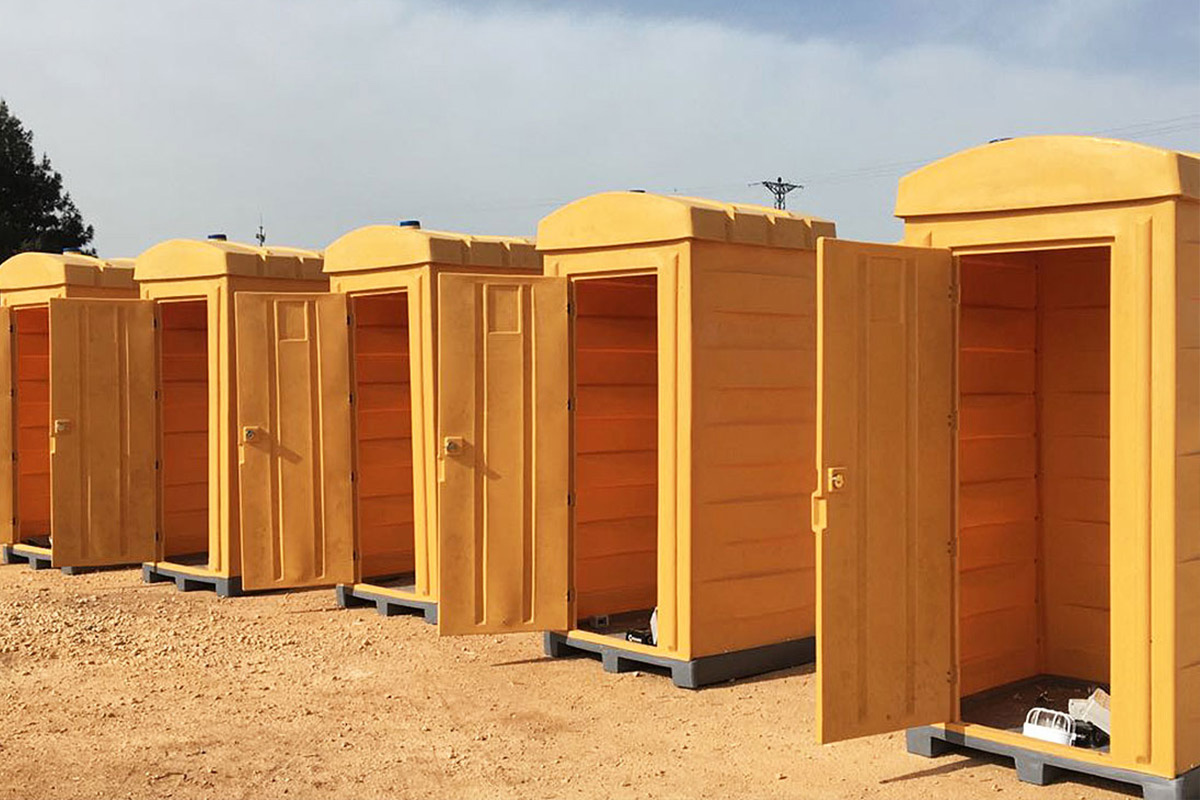
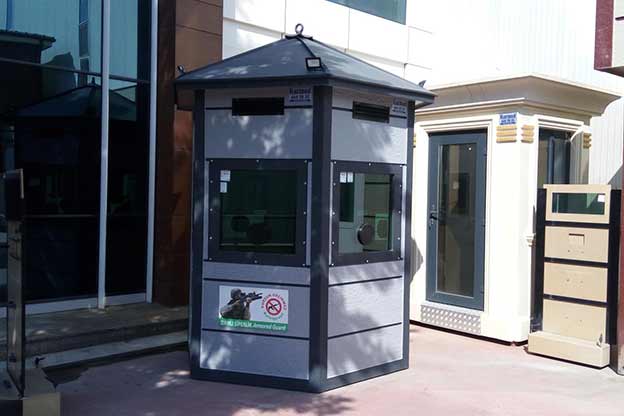
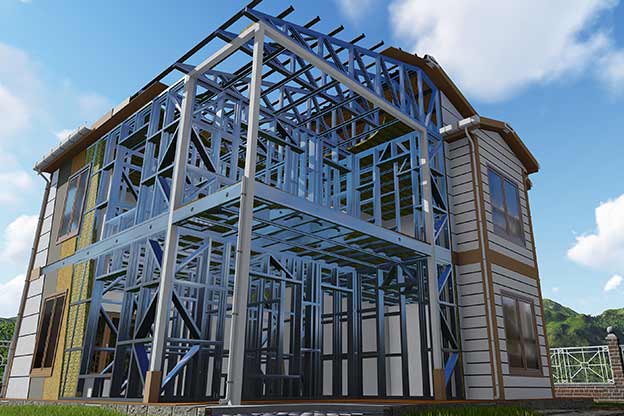
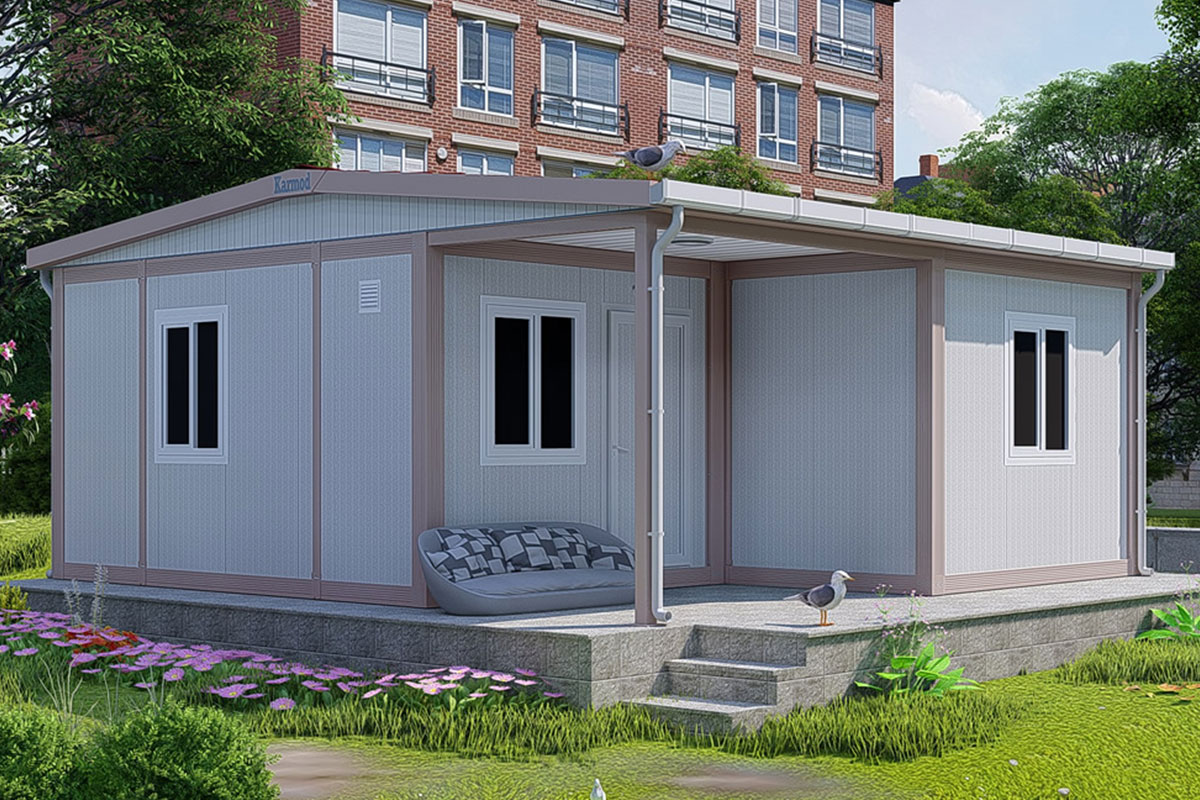
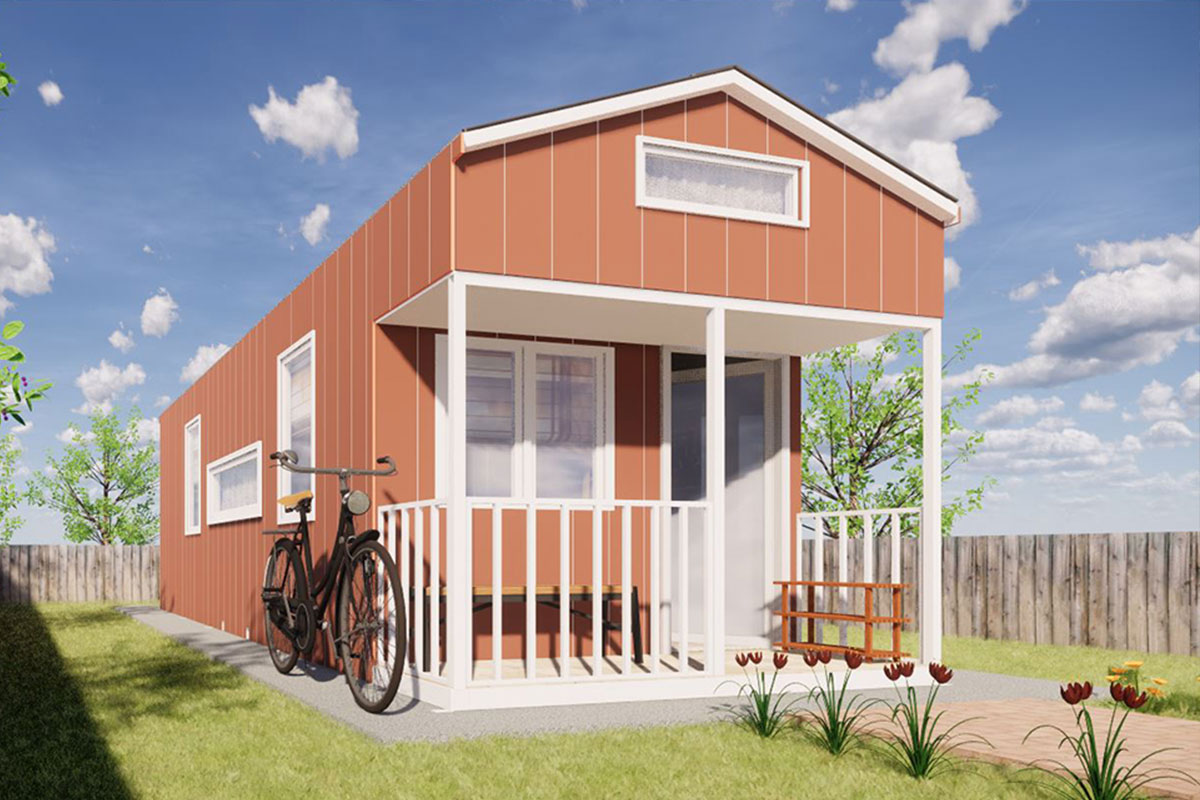
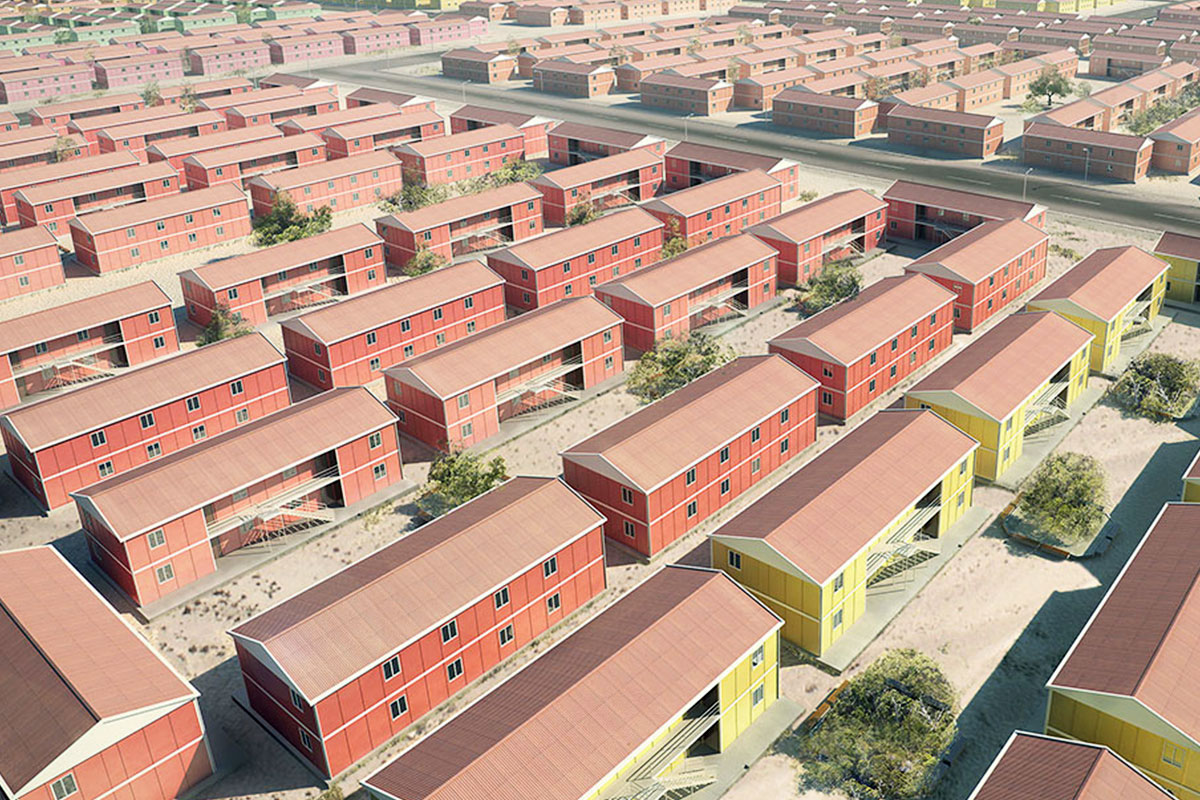
As access to land expands beyond city limits and sustainability becomes a practical necessity rather than an idealistic choice, off-grid cabins are gaining strong momentum across multiple sectors. These cabins are designed to operate independently from public infrastructure, allowing users to generate their own power, manage their own water supply, and maintain daily operations without relying on external networks. What was once considered a niche lifestyle choice has now evolved into a reliable solution for remote operations, private developments, and long-term site installations.
Off-grid cabins are not defined solely by their location, but by the systems embedded within them. Independent energy production, self-sufficient water management, and smart resource control turn these structures into fully functional living or working environments. For many businesses and individuals, this level of autonomy represents resilience, predictability, and freedom from rising utility costs and infrastructure limitations.
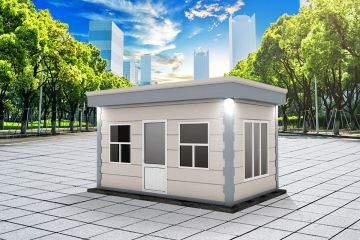
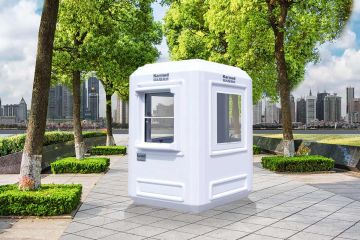
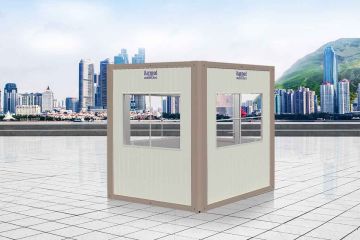
Understanding the Concept of Off-Grid Living and Working
At its core, an off-grid cabin is designed to function without permanent connections to electricity grids, municipal water lines, or centralized sewage systems. This independence is achieved through integrated technologies that generate, store, and manage essential resources directly on-site.
What makes modern off-grid cabins particularly appealing is that autonomy no longer requires sacrifice. Advances in renewable energy, water purification, and storage systems have made it possible to enjoy comfort, reliability, and operational stability even in the most remote locations. As a result, off-grid cabins are increasingly used not only for personal retreats, but also for professional and commercial purposes.
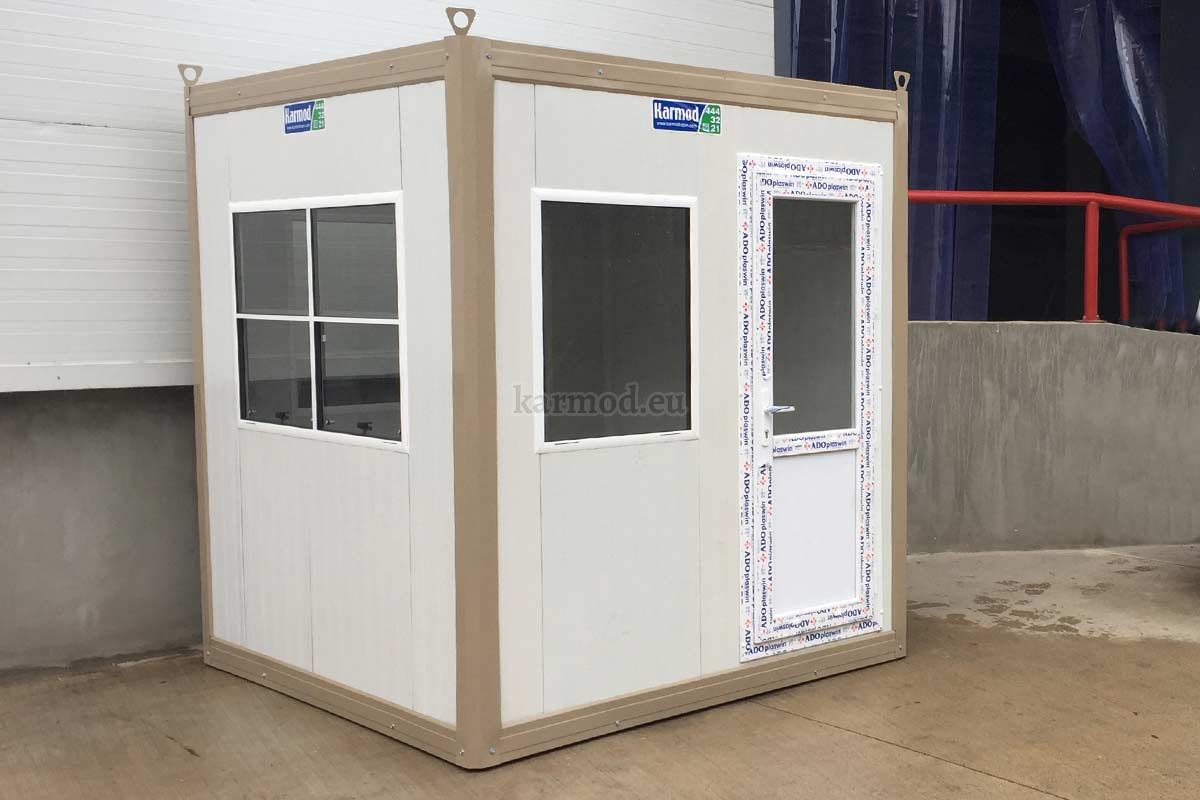
Independent Power Systems for Off-Grid Cabins
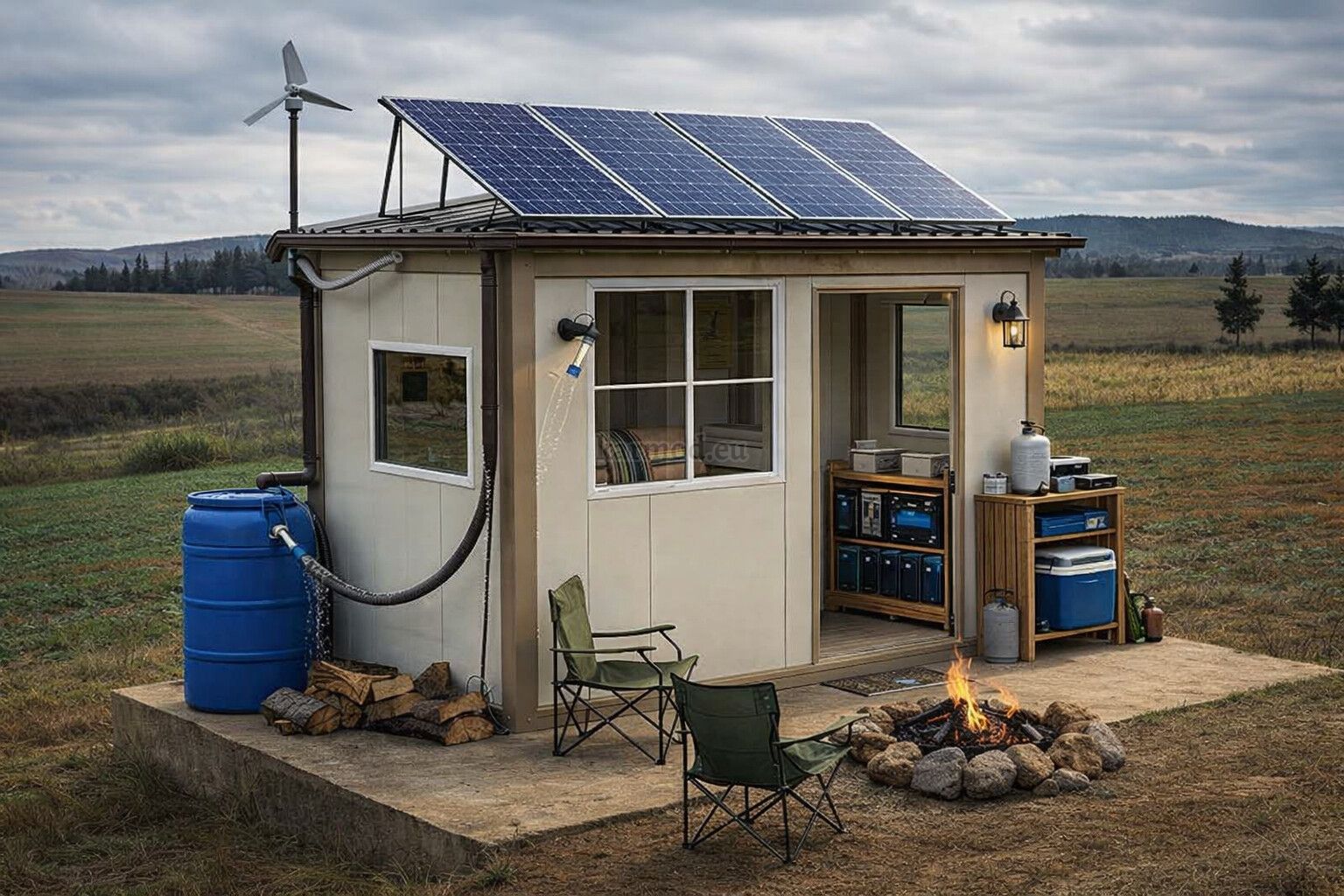
Power generation is the backbone of any off-grid cabin, and renewable energy systems play a central role in ensuring uninterrupted operation. Solar panels are the most commonly used solution, converting sunlight into electricity that can be stored in battery systems for use during nighttime or low-sun conditions.
In more demanding environments, hybrid systems may combine solar energy with wind turbines or backup generators to ensure continuous power availability. Energy storage solutions, such as high-capacity lithium batteries, allow cabins to maintain stable electrical performance while reducing reliance on fuel-based systems. This approach not only improves reliability but also supports long-term cost control and environmental responsibility.
Water Supply Solutions Beyond Municipal Networks
Access to clean water is just as critical as electricity, and off-grid cabins rely on independent water systems designed to suit their specific environment. Depending on location, water may be sourced from wells, rainwater harvesting systems, or transported storage tanks.
Modern filtration and purification technologies ensure that collected water meets hygiene and safety standards for daily use. Rainwater harvesting systems, in particular, offer an efficient and sustainable solution when designed with proper collection surfaces, storage capacity, and multi-stage filtration. These systems allow cabins to remain operational even in areas where traditional water infrastructure is unavailable or unreliable.
Wastewater Management and Responsible Disposal
Operating off-grid also requires thoughtful wastewater management. Off-grid cabins often incorporate septic systems, greywater recycling units, or compact treatment solutions that allow water to be reused safely for non-potable purposes such as irrigation.
By treating wastewater on-site, these cabins minimize environmental impact while maintaining regulatory compliance in remote or sensitive areas. When properly designed, wastewater systems operate discreetly and efficiently, supporting long-term use without frequent maintenance or external service dependency.
Comfort and Daily Functionality in Off-Grid Cabins
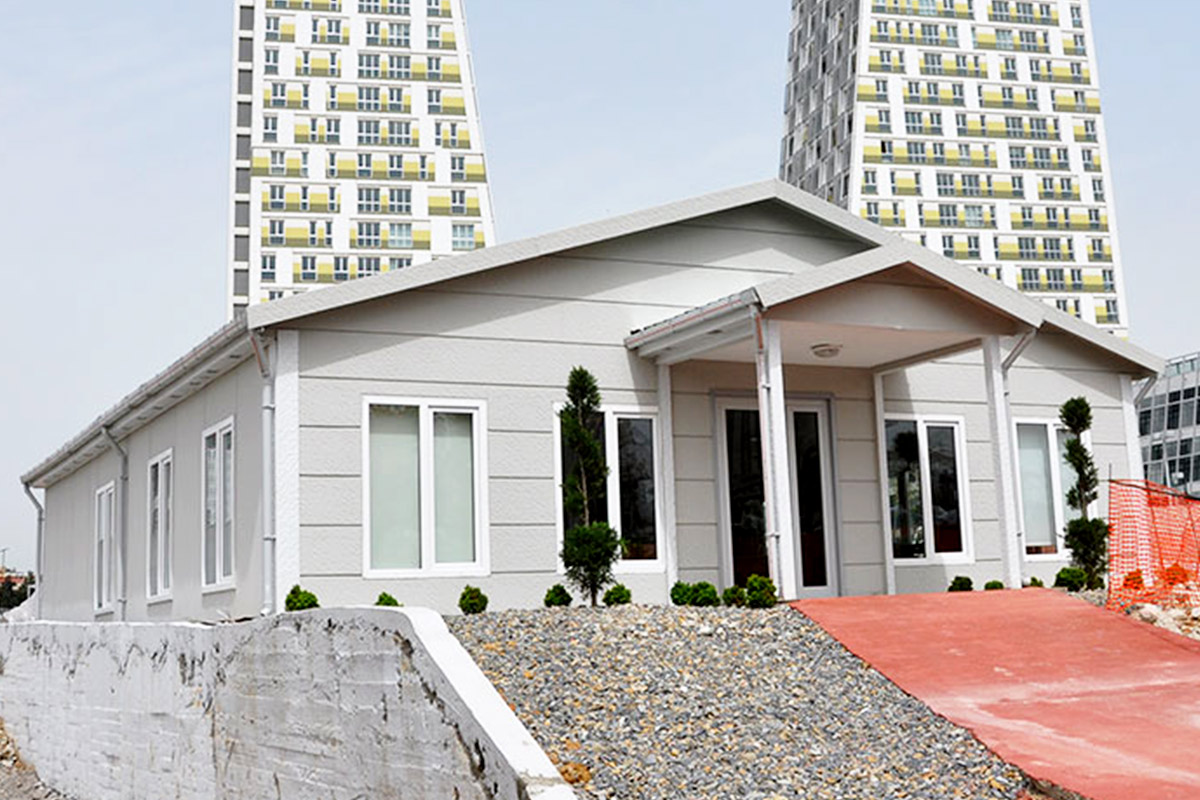
A common misconception is that off-grid cabins compromise comfort in exchange for independence. In reality, well-designed off-grid cabins are planned to deliver stable indoor temperatures, functional kitchens and bathrooms, and reliable lighting and connectivity.
Insulation quality, energy-efficient appliances, and smart resource management systems play a key role in achieving this balance. By optimizing consumption and automating system performance, off-grid cabins provide a level of comfort comparable to grid-connected structures, while maintaining full operational autonomy.
Where Off-Grid Cabins Are Most Commonly Used
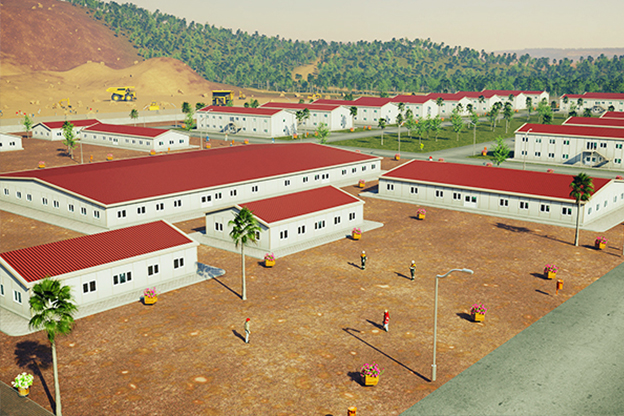
Off-grid cabins are increasingly preferred in locations where infrastructure development is impractical, restricted, or economically inefficient. They are widely used in:
- Remote construction and infrastructure projects
- Mining, energy, and exploration sites
- Agricultural land and rural developments
- Eco-tourism facilities and nature resorts
- Security, monitoring, and research stations
Long-Term Cost Efficiency and Operational Control
While off-grid cabins require careful planning at the initial stage, they often deliver strong long-term financial advantages. Eliminating monthly utility bills, reducing fuel dependency, and minimizing infrastructure investments contribute to predictable operating costs over time.
For organizations managing remote sites, this predictability translates into better budgeting, fewer disruptions, and greater control over resource consumption. The cabin becomes a stable, self-contained unit rather than a liability dependent on external services.
Are Off-Grid Cabins the Right Choice for Your Project?
Off-grid cabins are not a one-size-fits-all solution, but they are exceptionally well-suited for projects that value independence, resilience, and sustainability. The decision should be guided by site conditions, usage intensity, climate factors, and long-term operational goals.
When designed with the right systems and installed by experienced professionals, off-grid cabins offer a reliable alternative to traditional infrastructure-heavy solutions. They allow operations to move forward without waiting for utilities, permits, or costly network extensions.
Planning an Off-Grid Cabin with Independent Systems?
Successful off-grid performance depends on the correct integration of power, water, and waste systems into the cabin’s structure from the very beginning. Each component must work together to ensure reliability, efficiency, and ease of use over time.
If you are considering an off-grid cabin for remote living, site operations, or sustainable development, get in touch to explore solutions tailored to your environmental conditions, usage needs, and long-term objectives. The right planning today creates true independence tomorrow.