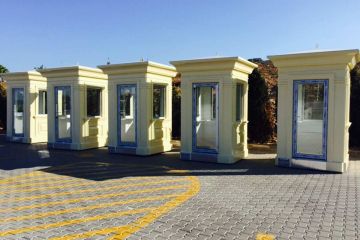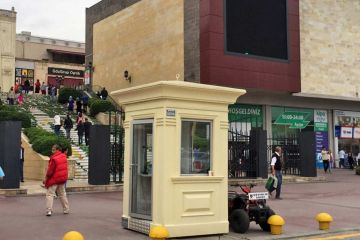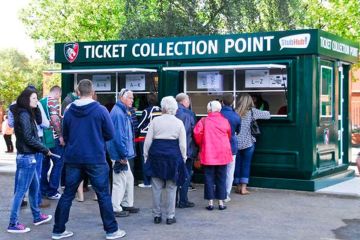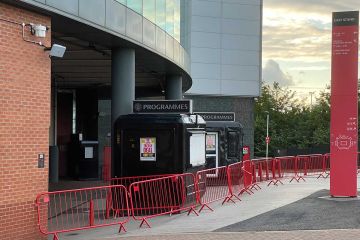







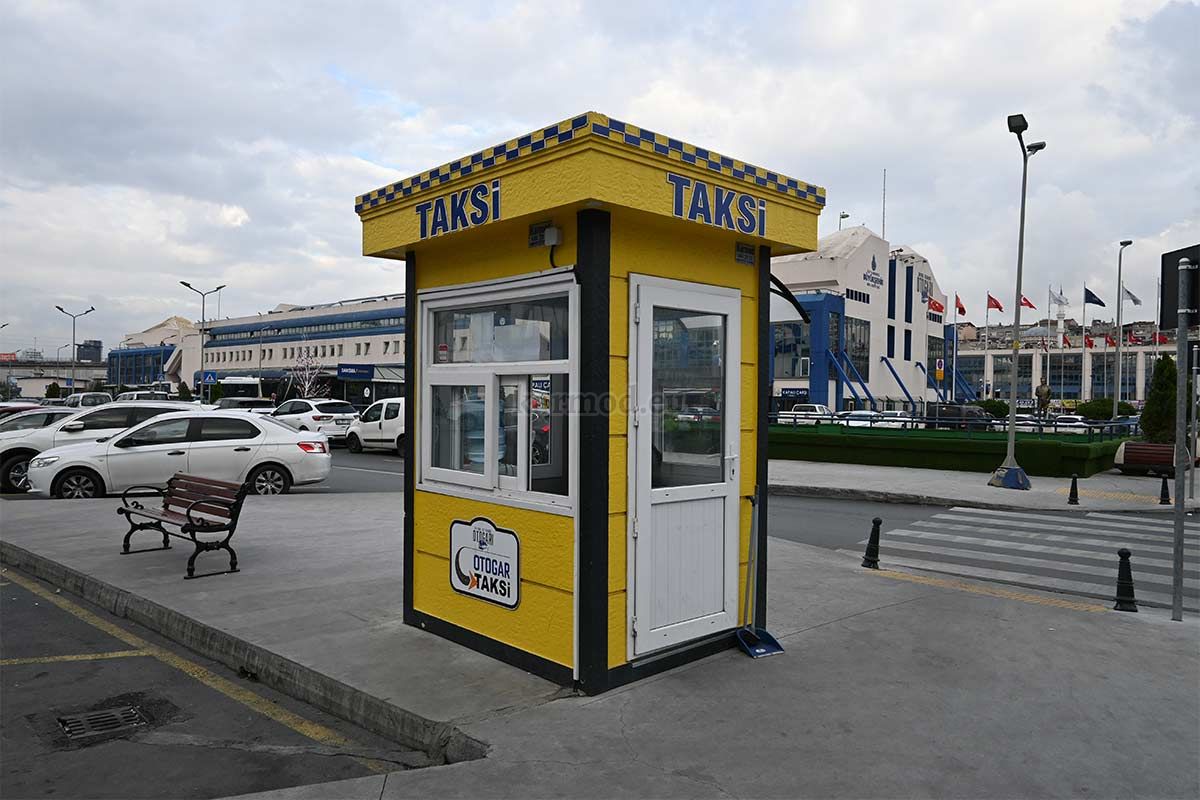
Outdoor ad kiosks sit at the intersection of visibility and functionality. They don’t just display messages; they occupy space, guide movement, and quietly interact with people as part of their daily routine. When designed well, they become more than advertising tools—they turn into practical urban assets that generate value around the clock.
This is exactly why brands, municipalities, and developers are paying closer attention to how these kiosks are planned, built, and used.
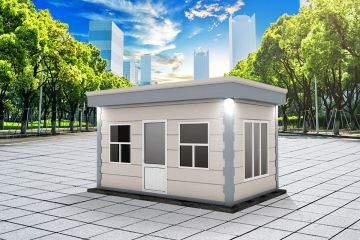
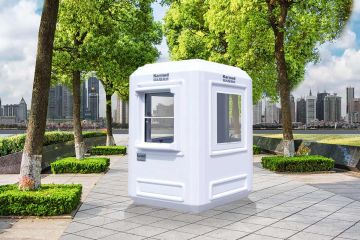
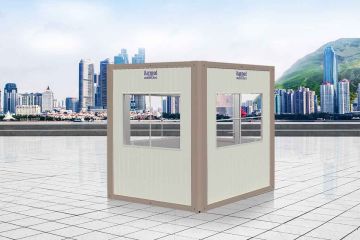
Why Outdoor Ad Kiosks Attract Real Attention
Unlike digital ads that disappear with a swipe, outdoor ad kiosks exist in the physical world. People walk past them, wait next to them, sometimes even lean on them. That proximity creates familiarity—and familiarity builds trust.
Because kiosks are fixed in high-footfall locations, they benefit from repetition without feeling intrusive. The same message seen daily on the way to work slowly settles into memory. For advertisers, this kind of exposure is hard to replicate online.
From a business perspective, this makes outdoor kiosks a long-term branding investment rather than a short campaign expense.
Blending Advertising with Everyday Utility
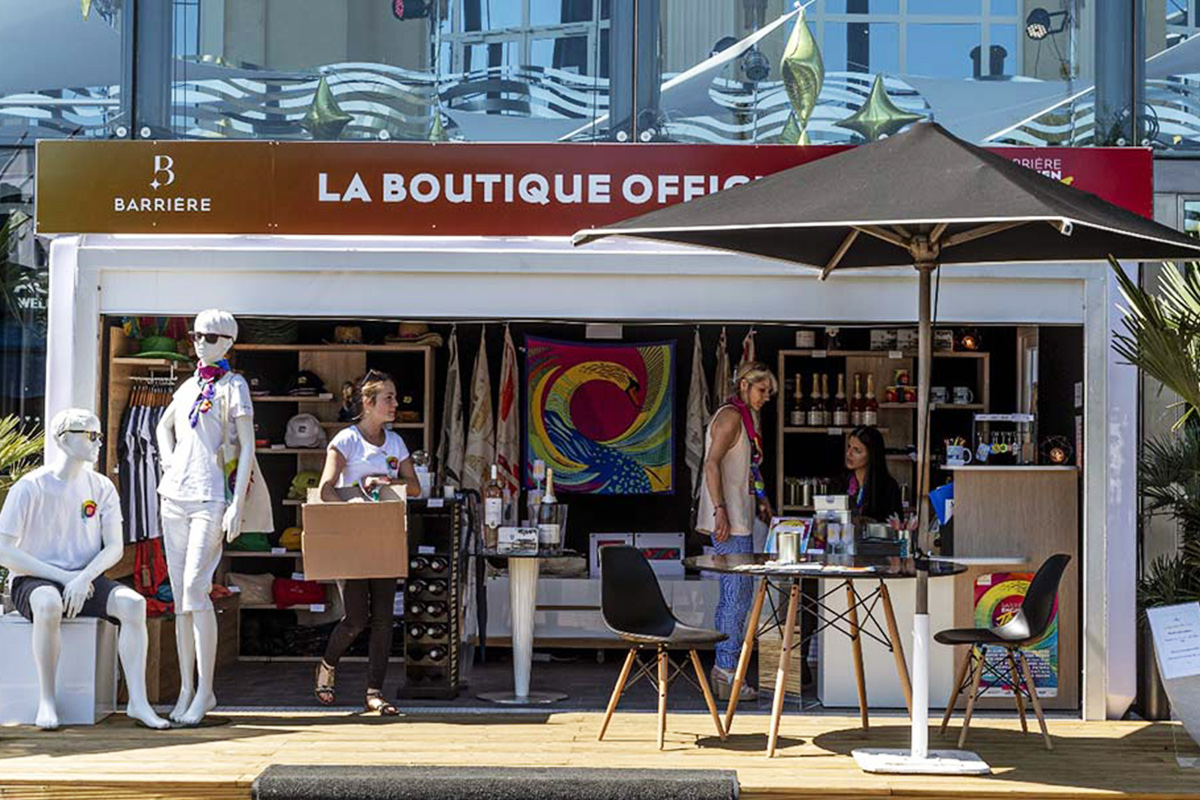
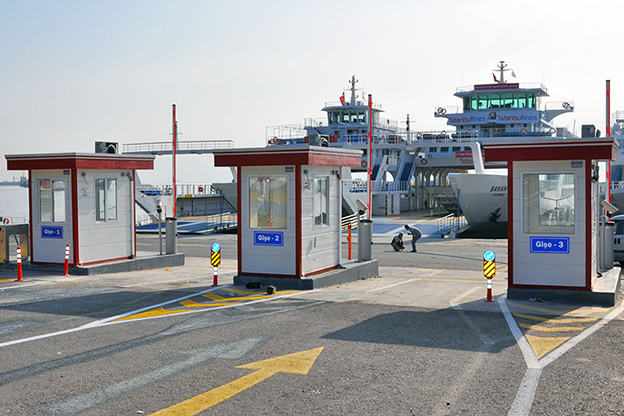
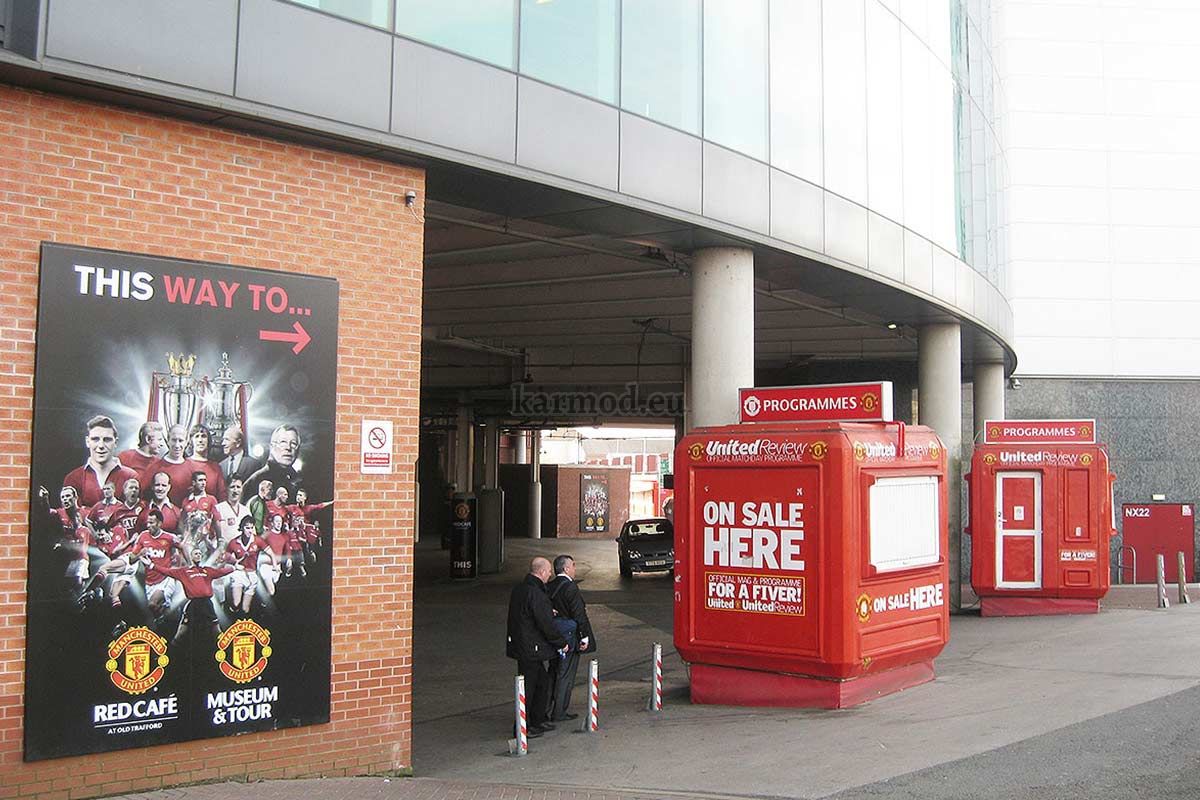
The most effective outdoor ad kiosks offer something beyond visuals. Shade, information, ticketing, charging points, or basic shelter—these practical elements give people a reason to stop.
When users interact with a structure for a practical need, the advertising becomes part of the experience rather than background noise. This increases dwell time, which directly boosts message retention.
Cities and property owners appreciate this dual-purpose approach because kiosks add value to public space while still generating revenue.
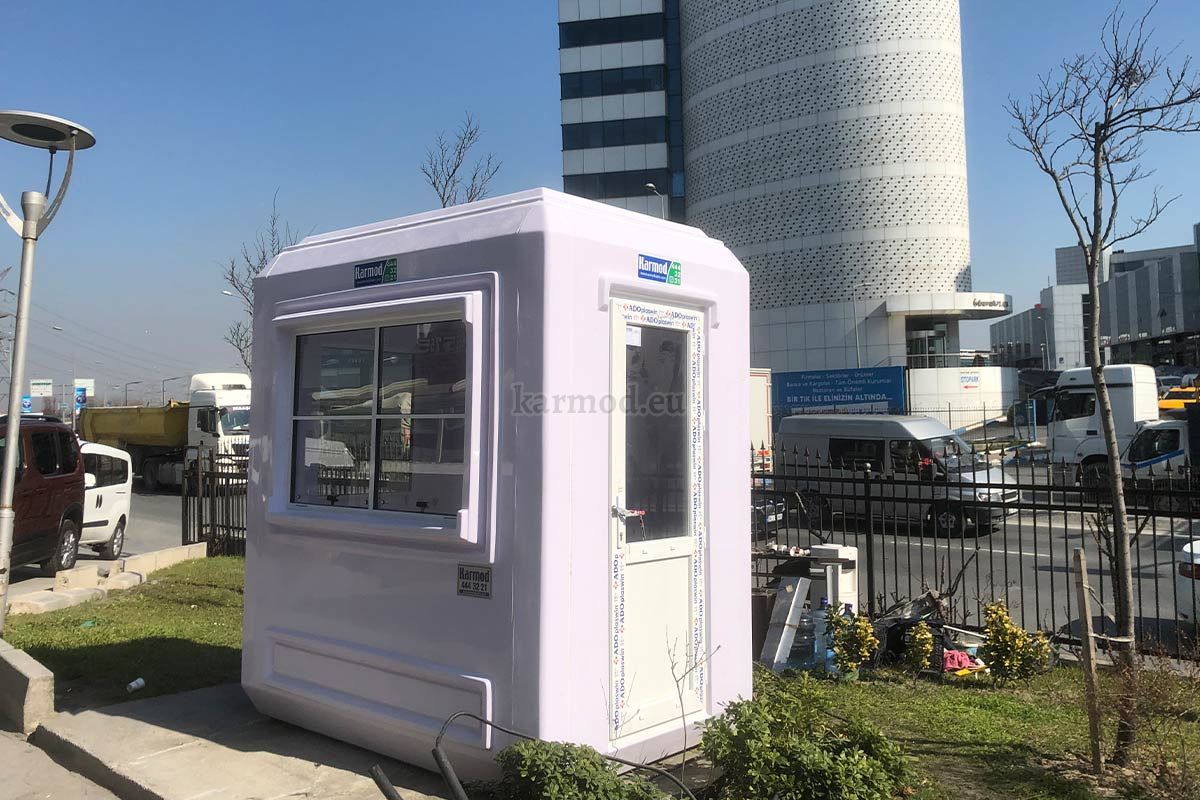
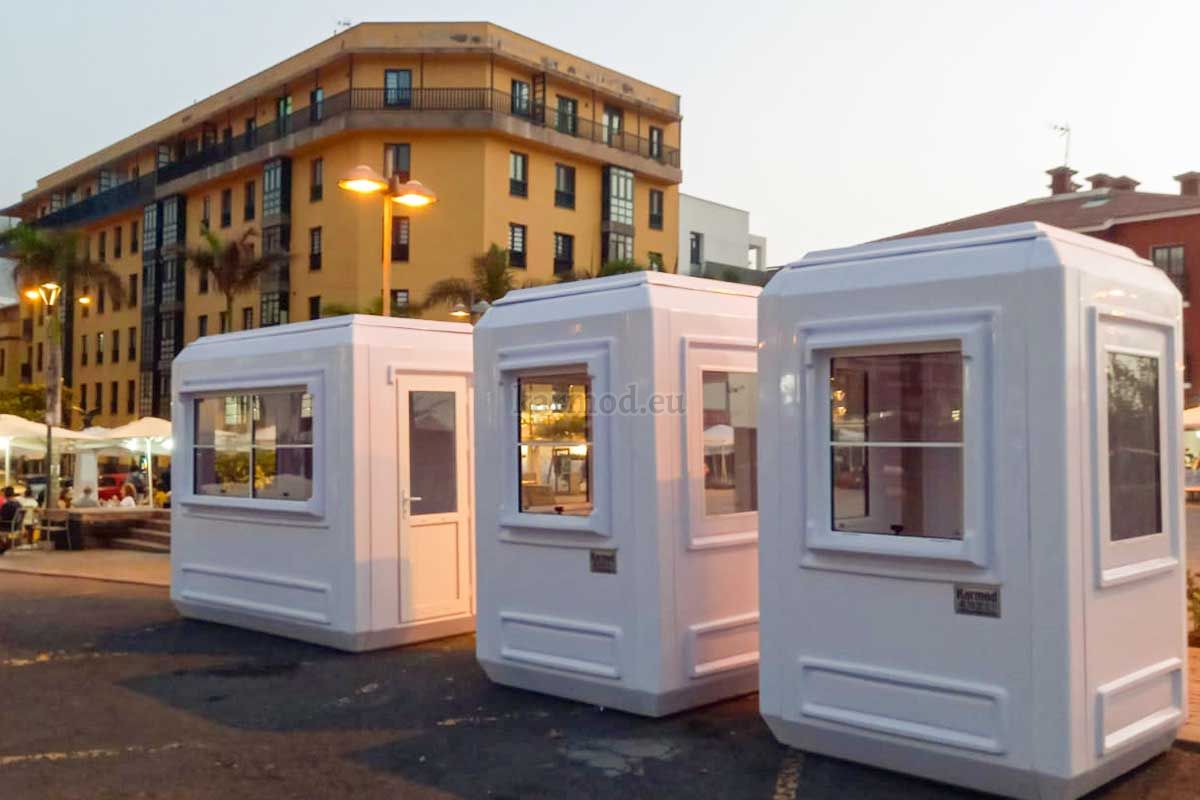
Design That Works in Real Urban Conditions
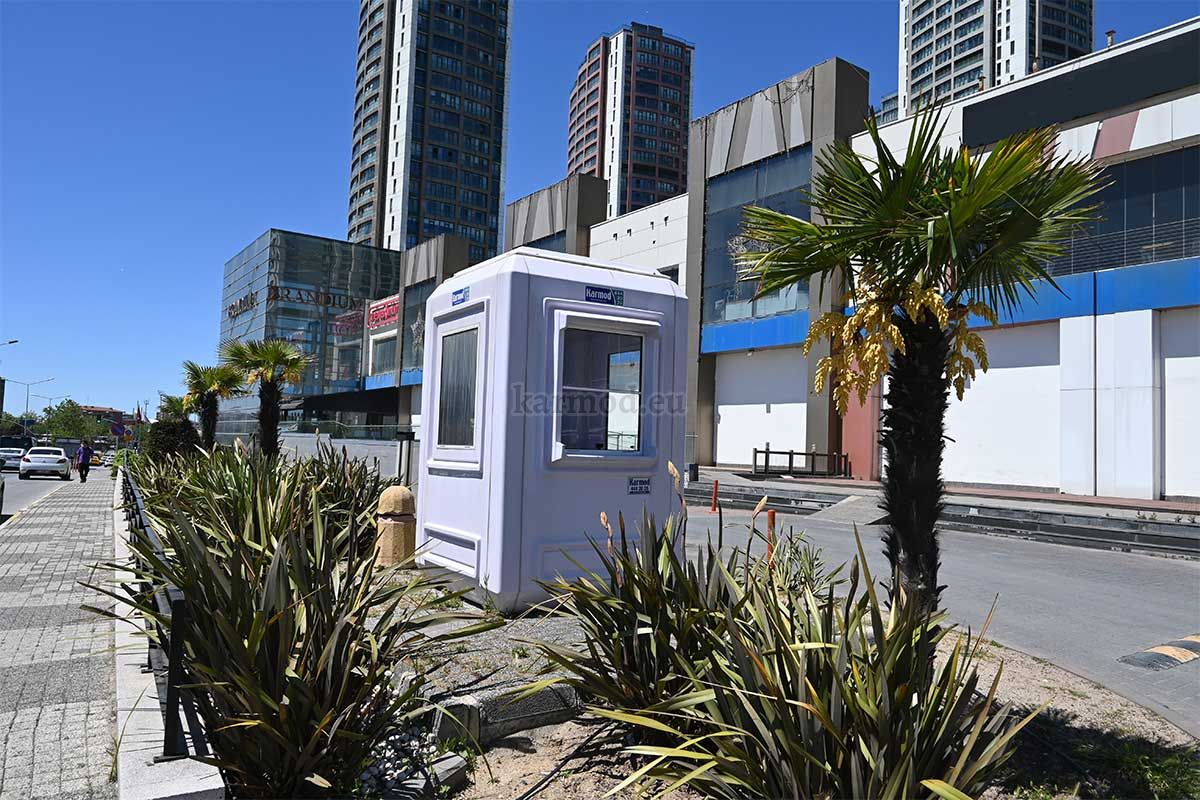
Outdoor environments are unforgiving. Sun, rain, wind, dust, and temperature changes test every surface. That’s why material choice and structural integrity matter just as much as visual appeal.
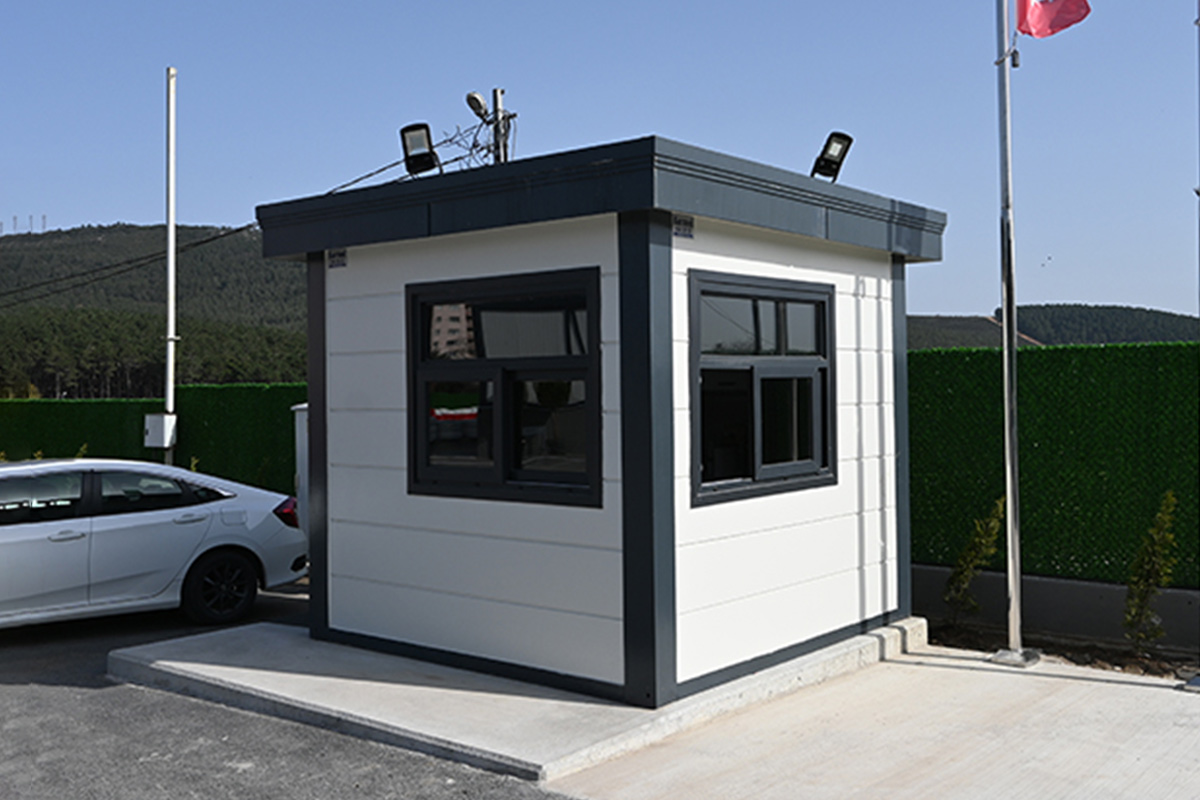
A professionally designed outdoor ad kiosk uses weather-resistant panels, proper ventilation, and secure foundations. Displays remain readable in bright daylight. Doors and access panels are built for frequent use without wear.
From the buyer’s side, durability equals fewer repairs, fewer complaints, and a cleaner brand image over time.
Static vs. Digital: Choosing the Right Format
Static kiosks still have strong advantages. They’re cost-effective, simple, and ideal for long-term messaging. In areas with limited power infrastructure, they remain the most practical option.
Digital outdoor ad kiosks, on the other hand, offer flexibility. Content can change by time of day, season, or campaign. Multiple advertisers can share the same screen, maximizing return per location.
The smartest projects often mix both—using static structures with digital-ready infrastructure for future upgrades.
Modular Construction for Faster Deployment
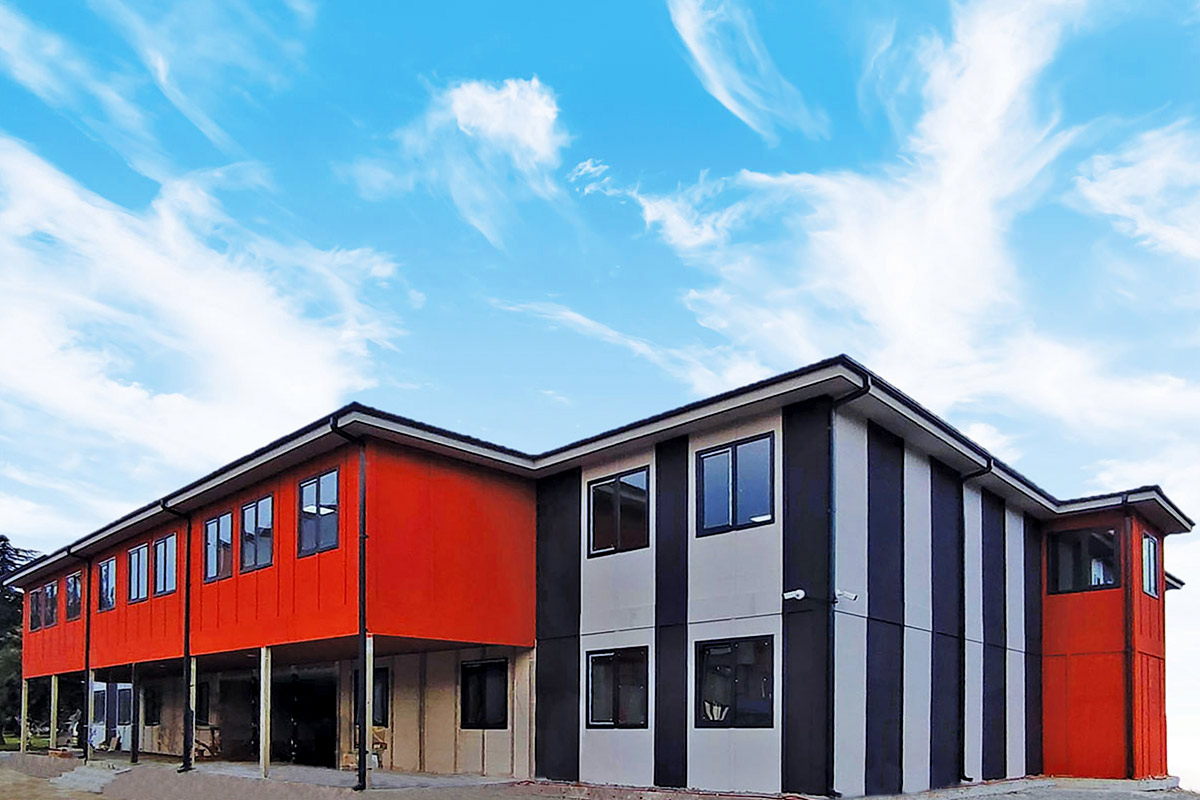
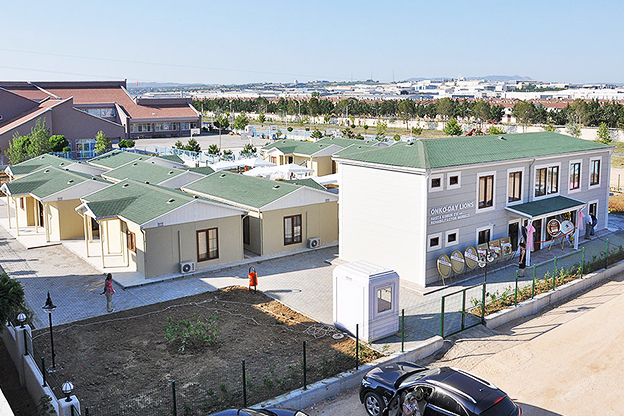
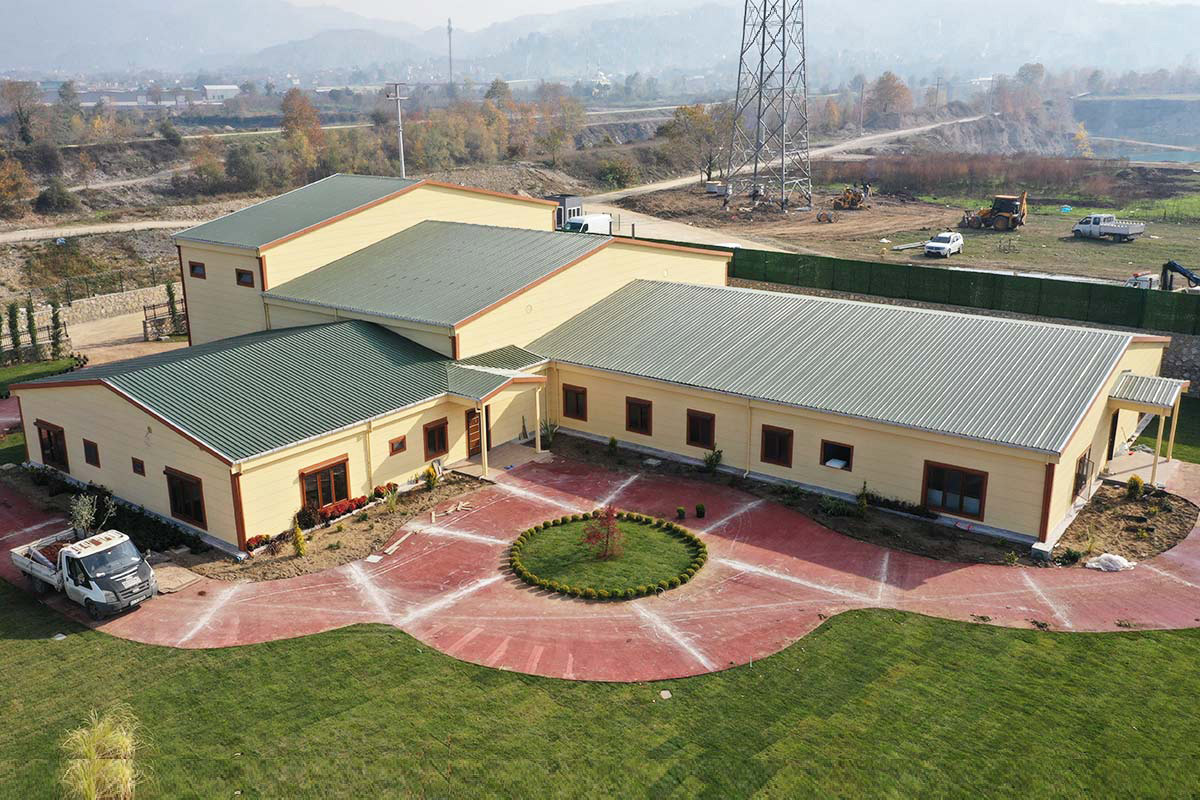
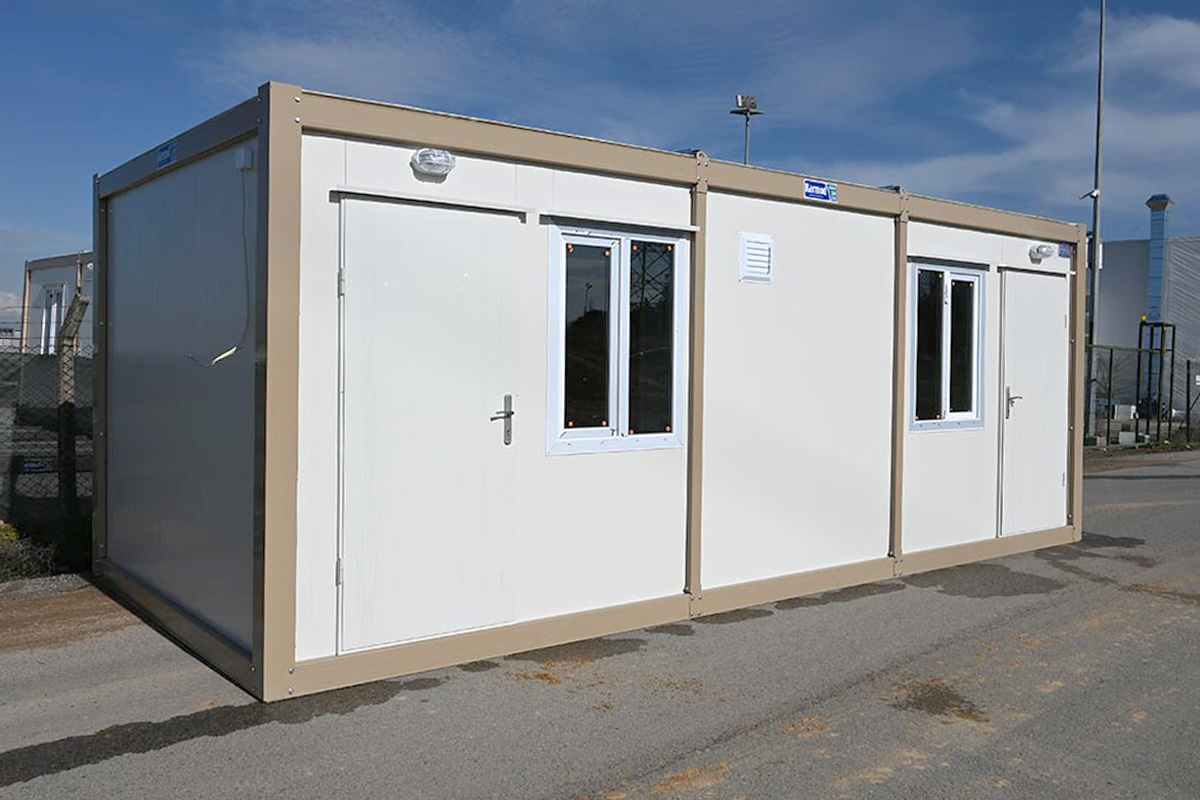
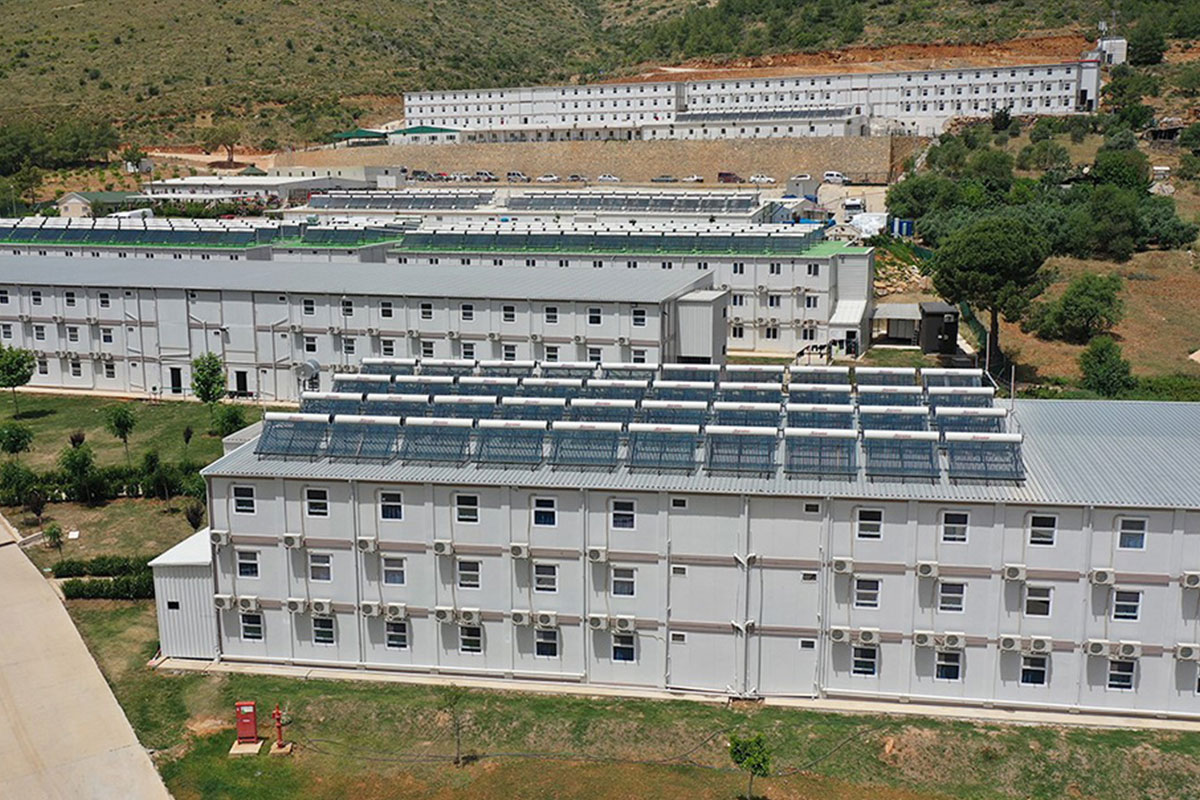
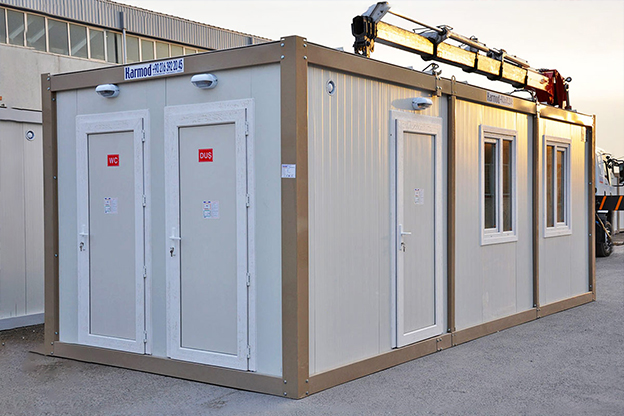
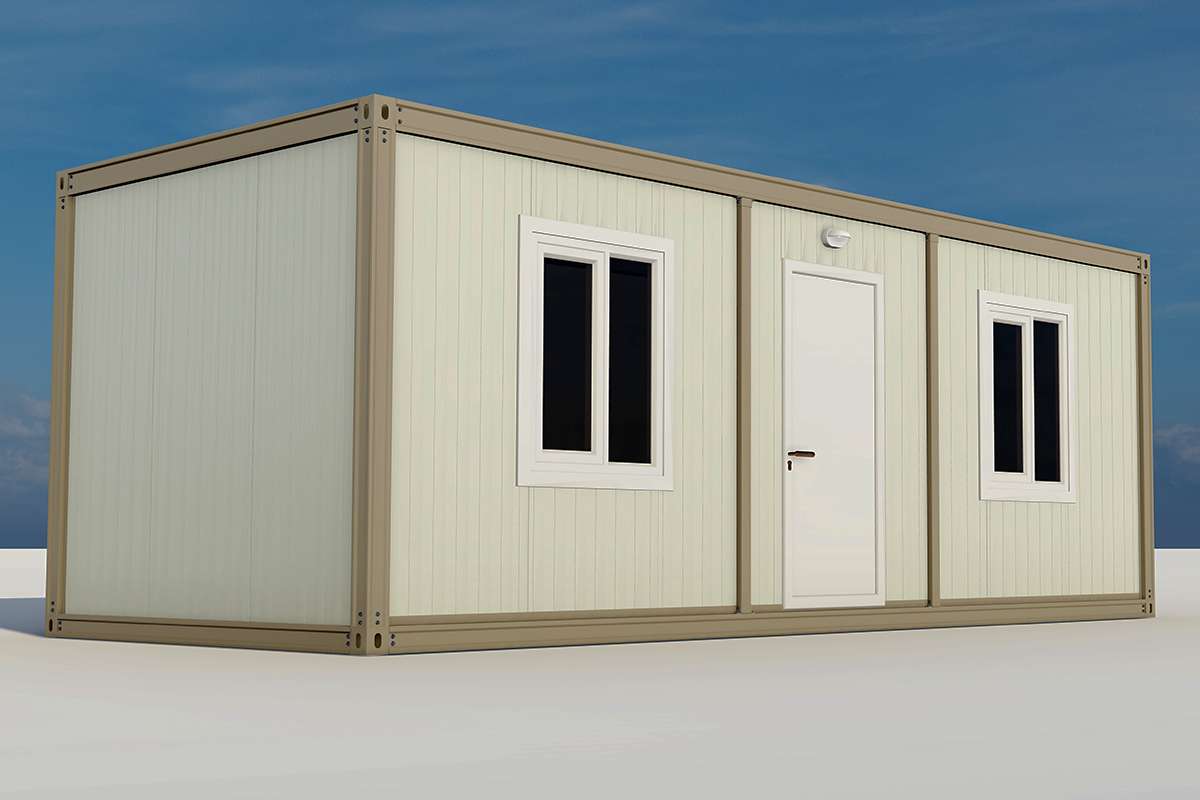
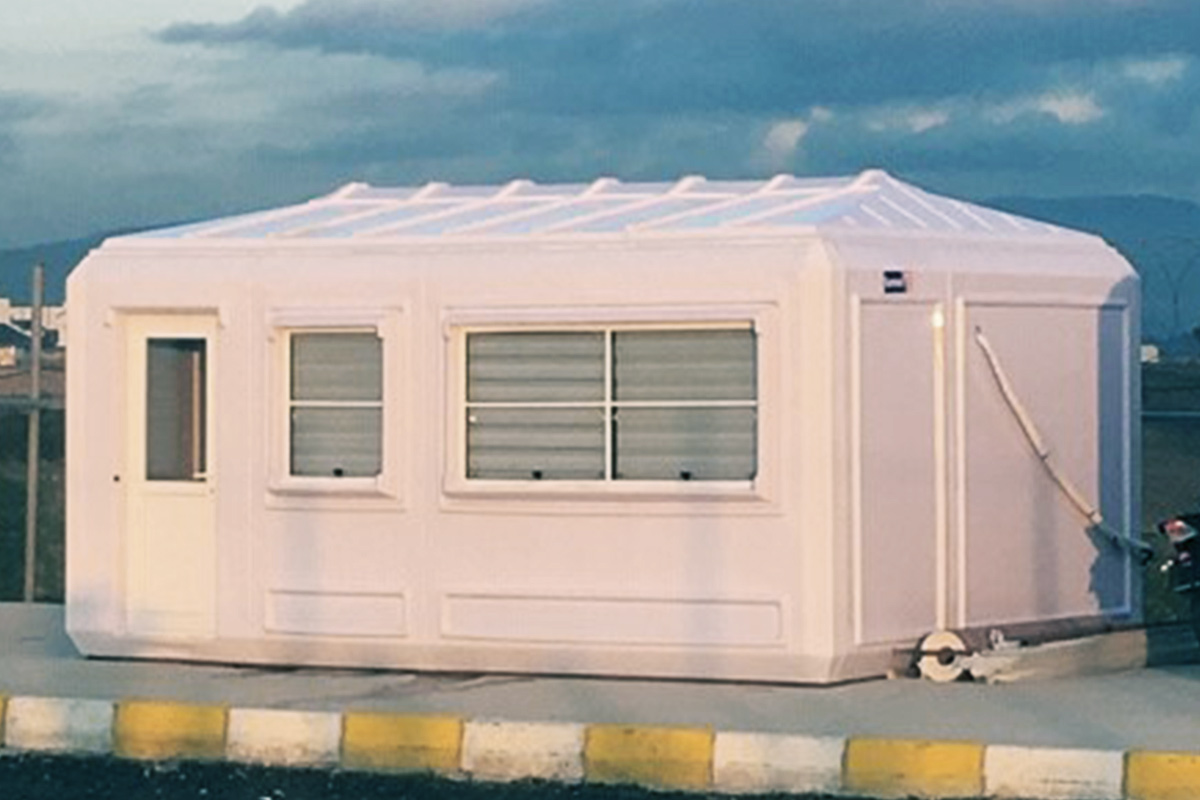
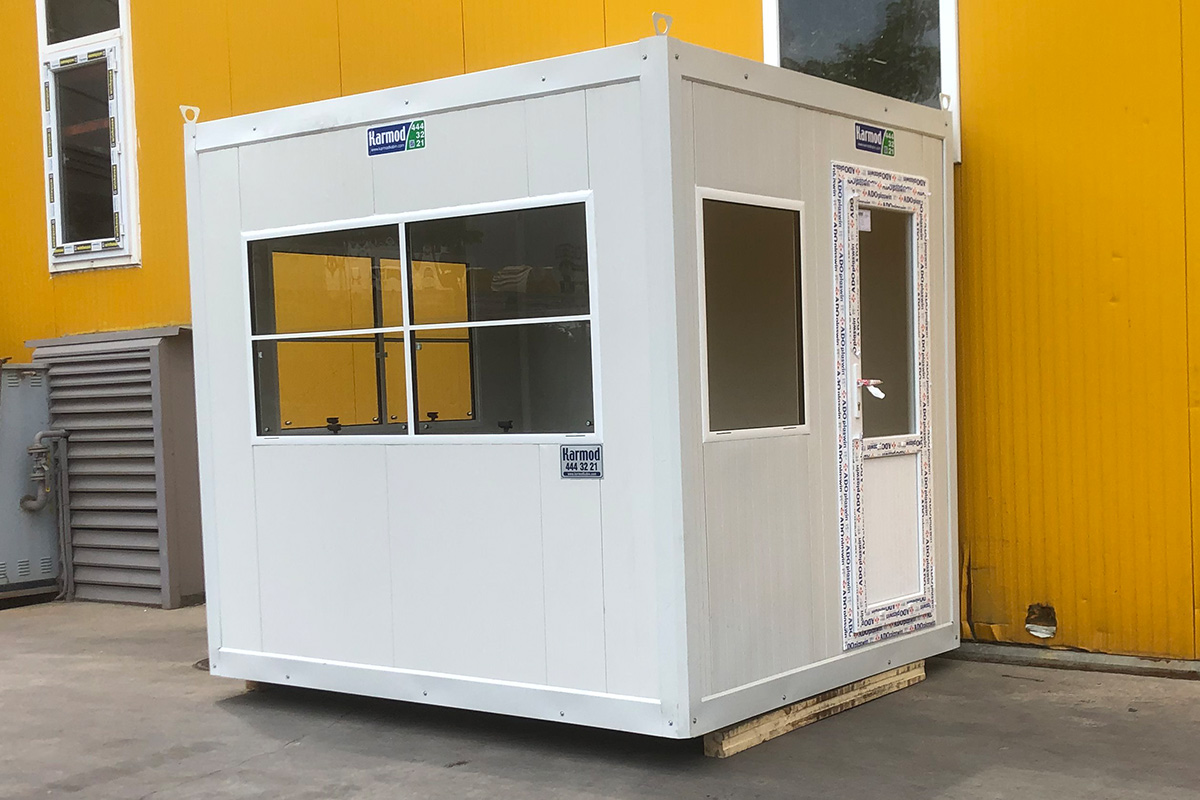
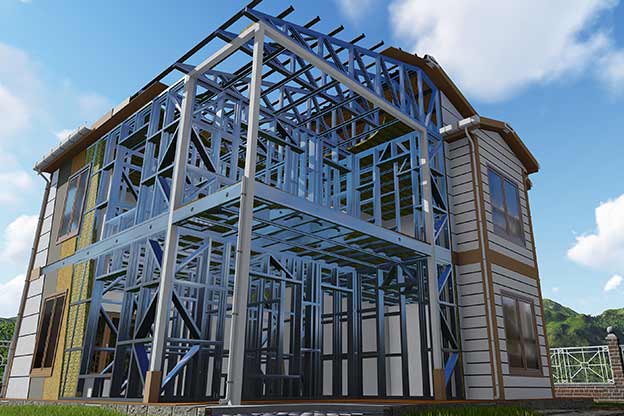
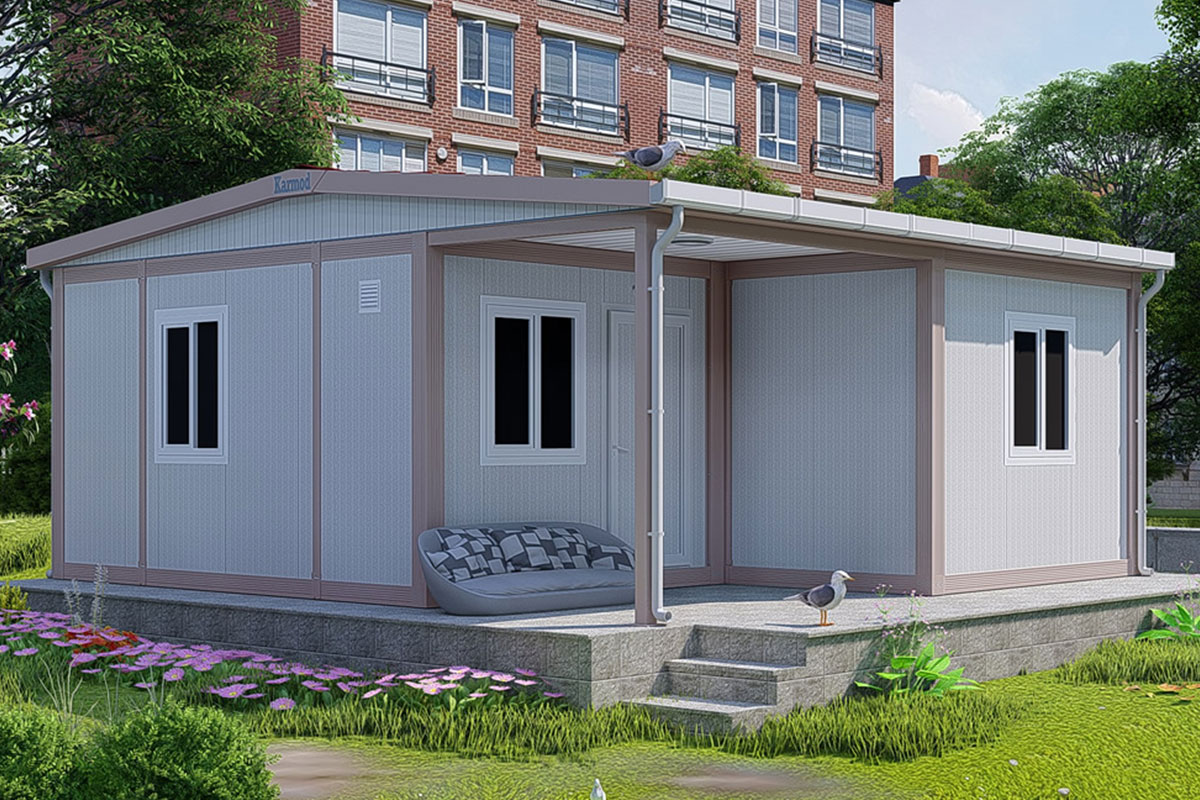
Time matters. Especially in marketing, delays can kill momentum. Modular and prefabricated outdoor ad kiosks solve this problem by arriving ready to install.
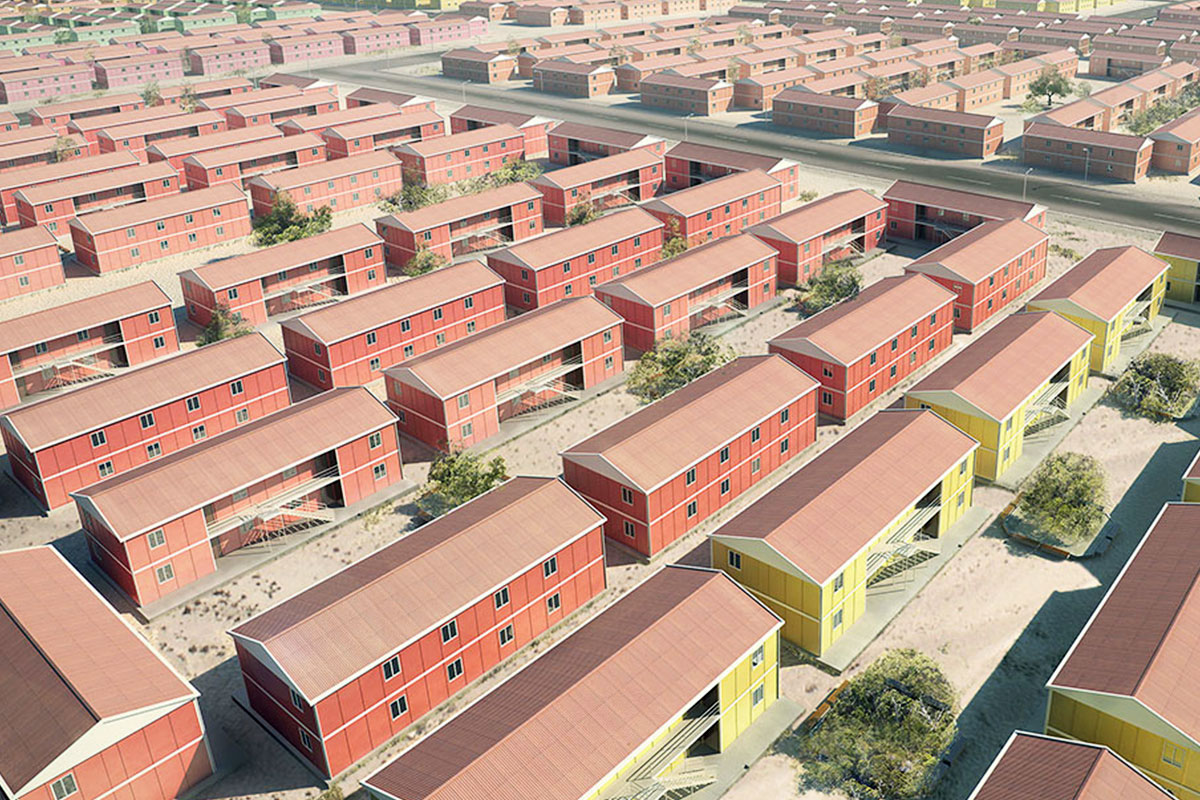
Factory-built units ensure consistent quality and predictable timelines. Installation is quick, disruption is minimal, and campaigns can go live sooner. For brands launching across multiple locations, this scalability is a major advantage.
It’s not just about speed—it’s about control.
Customization That Reflects Brand Identity
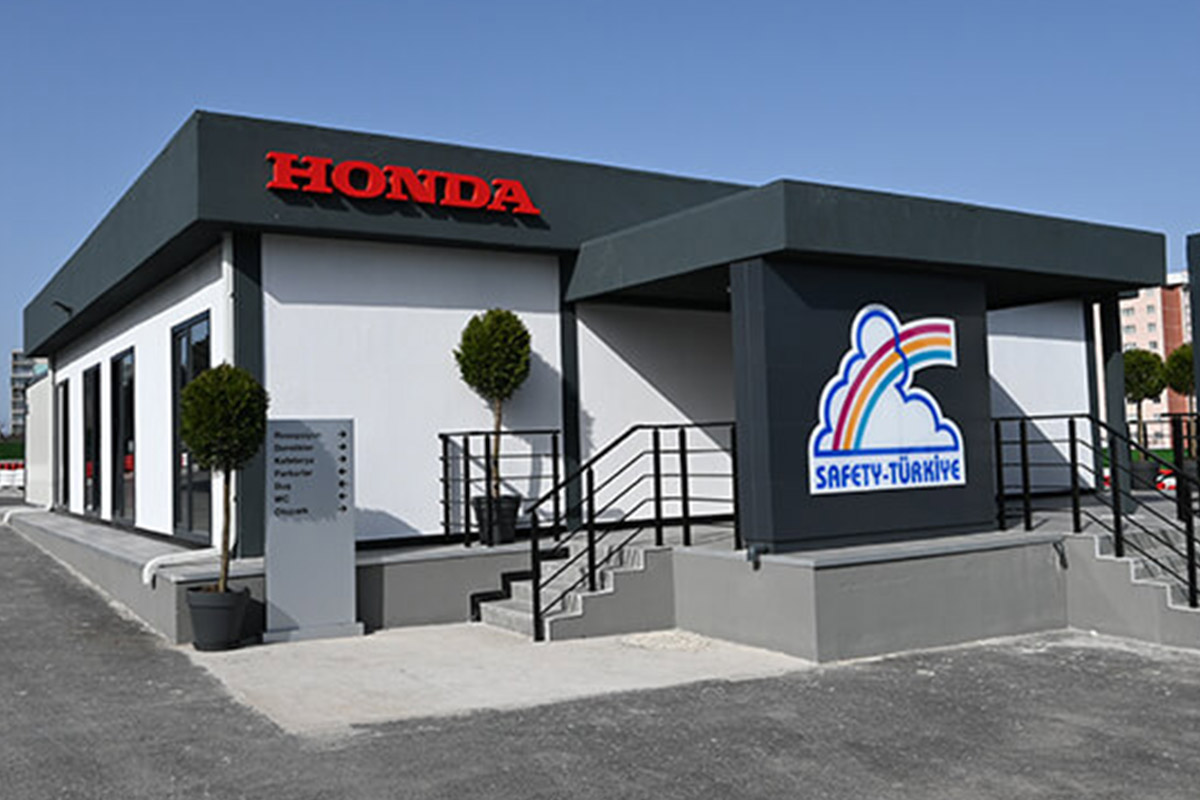
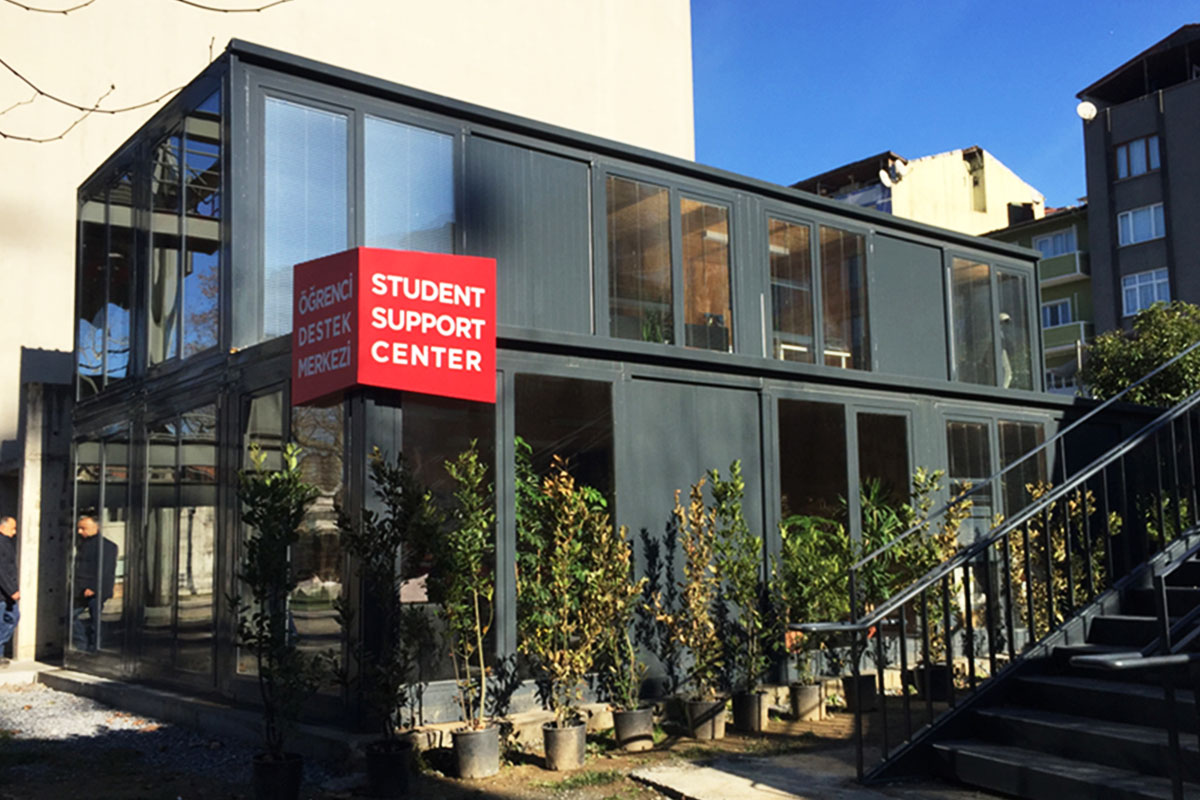
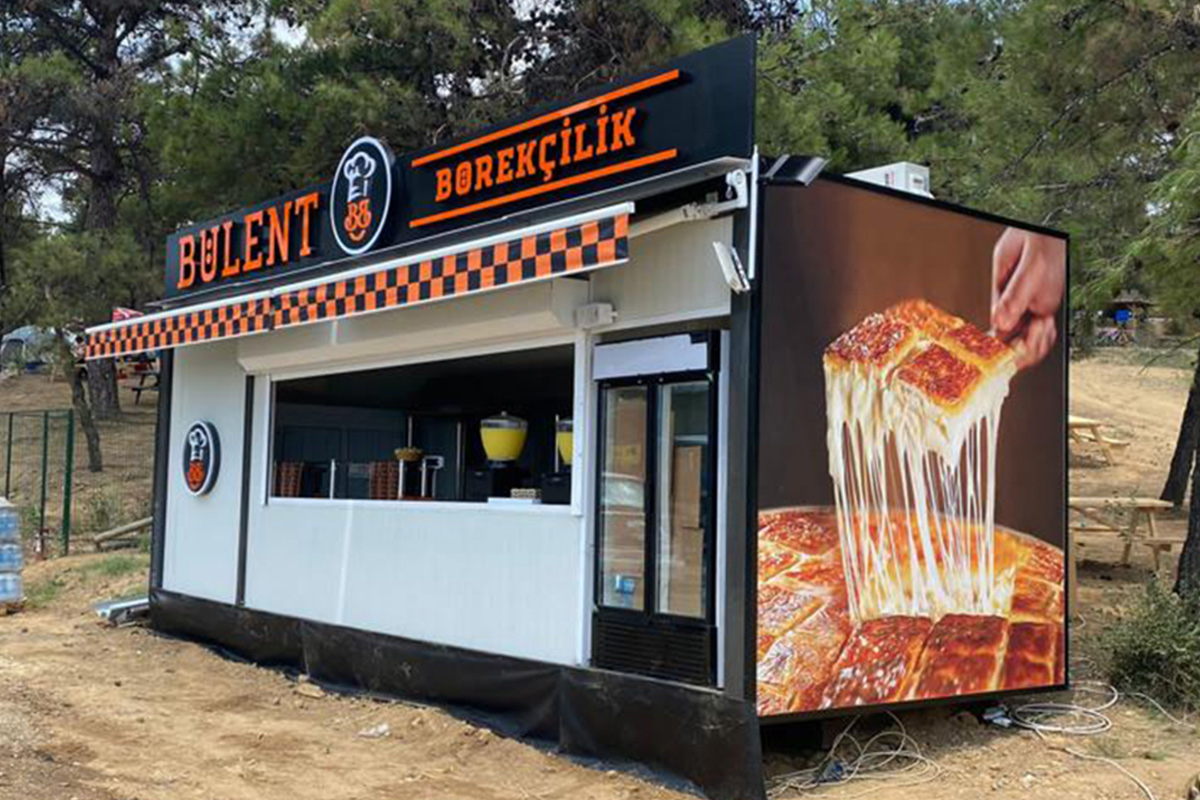
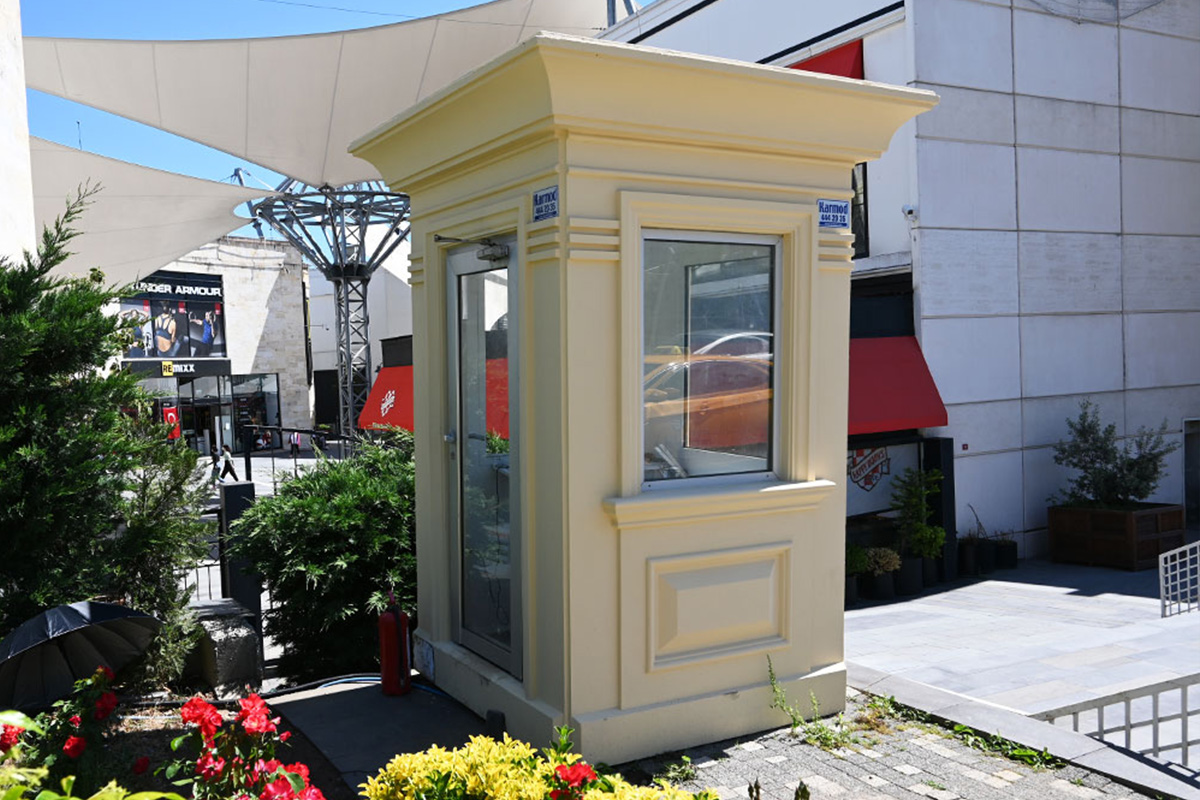
Outdoor kiosks don’t have to look generic. Colors, cladding materials, lighting details, and layout choices can all be aligned with brand identity or urban design guidelines.
This level of customization helps kiosks blend into premium environments or stand out in busy commercial zones. Either way, the structure feels intentional—not temporary.
For advertisers, this reinforces credibility. For cities, it maintains visual harmony.
Maintenance, Access, and Long-Term Performance
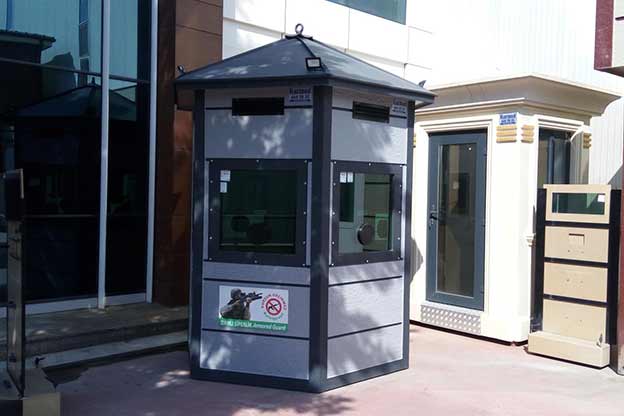
A kiosk that looks great on day one but degrades quickly is a liability. Easy-access panels, durable finishes, and vandal-resistant elements make a huge difference over time.
Well-planned kiosks reduce maintenance costs and downtime. Advertising stays visible. Brands stay represented the way they intended.
When evaluating options, experienced buyers always ask: How will this look after two years of daily use?
A Smart Investment for Brands and Space Owners
Outdoor ad kiosks are evolving from simple display units into multifunctional structures that serve both commercial and public needs. They monetize space without overwhelming it.
For brands, they offer presence.
For property owners, they generate steady returns.
For users, they provide small but meaningful conveniences.
If you’re planning an outdoor advertising project, choosing the right kiosk design is where success quietly begins.
A well-built, well-placed outdoor ad kiosk doesn’t just show your message—it earns its place in the environment.