



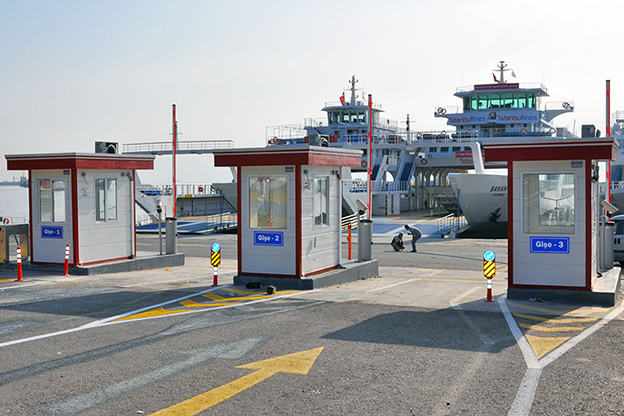

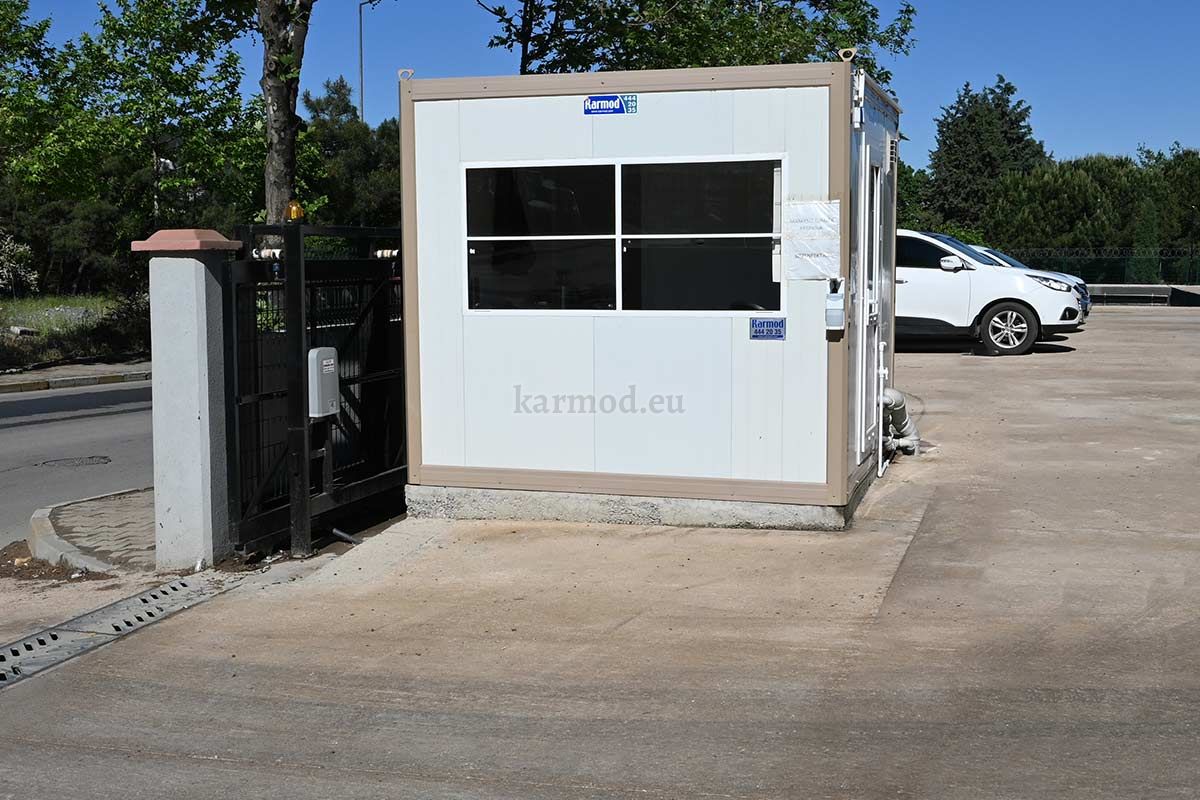
When security managers or project owners start planning an access control point, the conversation almost always arrives at the same question sooner or later: should the security cabin be built with panel systems, or is a container-based solution the better choice? At first glance, the difference may appear mostly technical. Both options offer enclosed space, visibility, and protection for security staff. Yet once these cabins are placed on-site and used day after day, the contrast between them becomes much more practical and human-centered.
This comparison is not about specifications alone. It is about how each type feels in daily use, how it affects the people working inside, and how it shapes the overall perception of security at the entrance of a site. Understanding these nuances helps decision-makers avoid choices that look good on paper but feel wrong in practice.
The Everyday Experience Inside a Panel Security Cabin
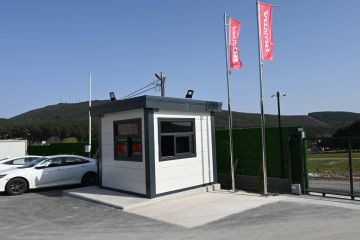
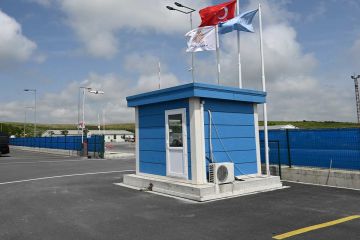
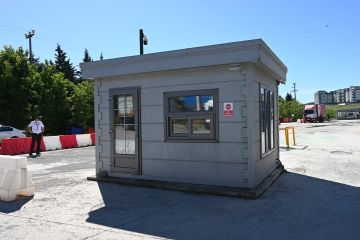
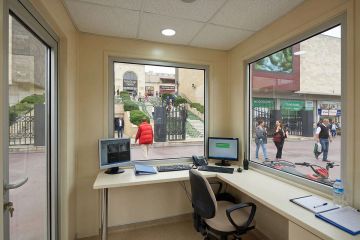
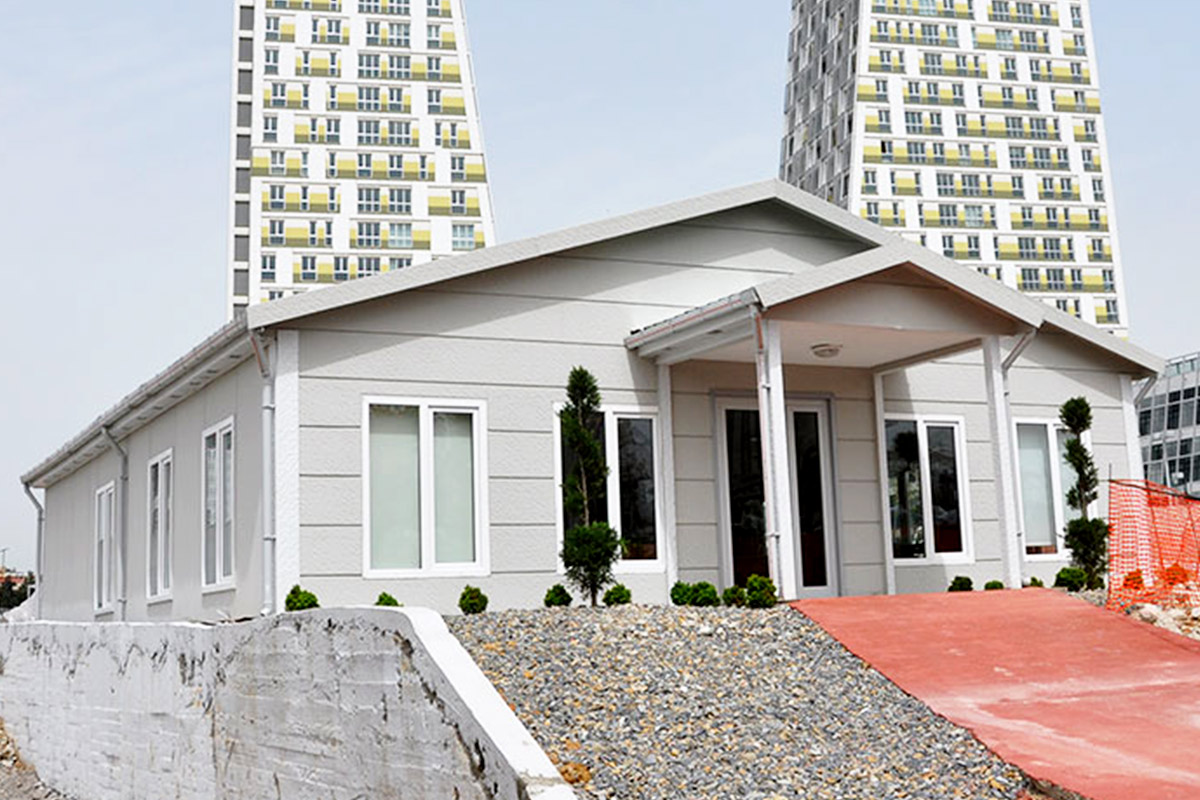
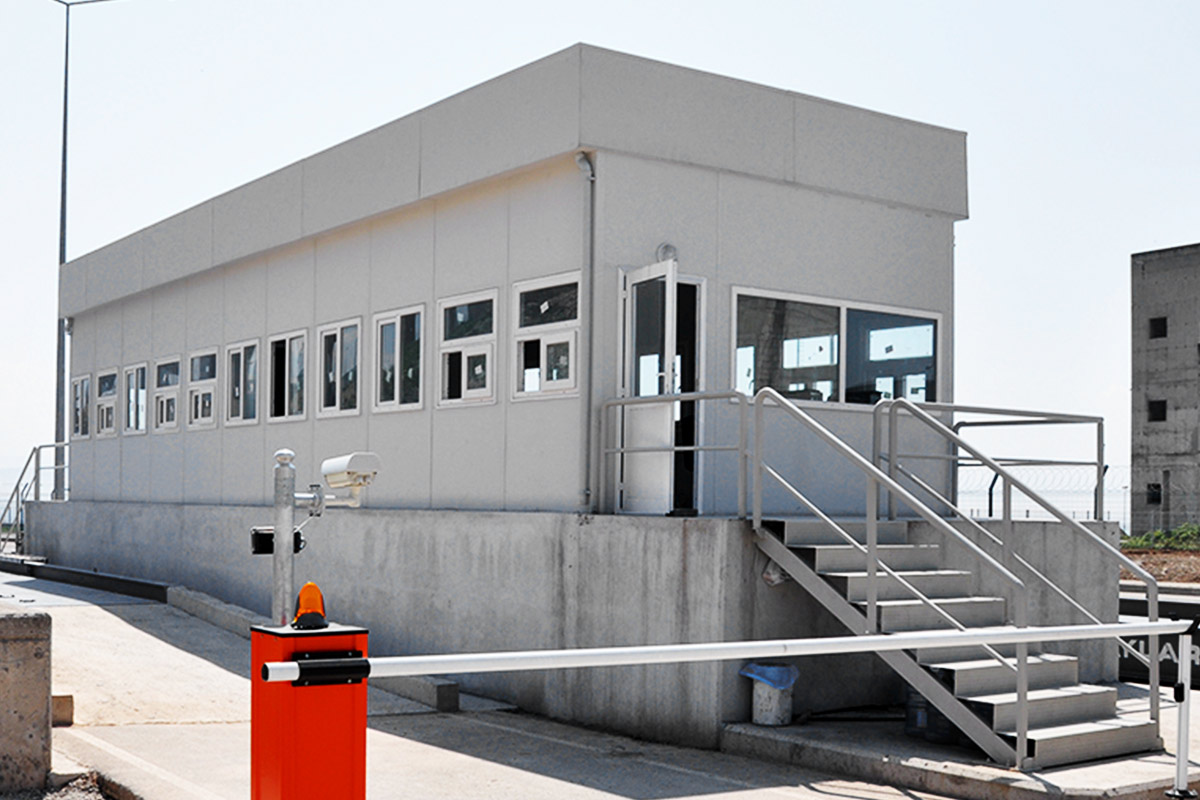
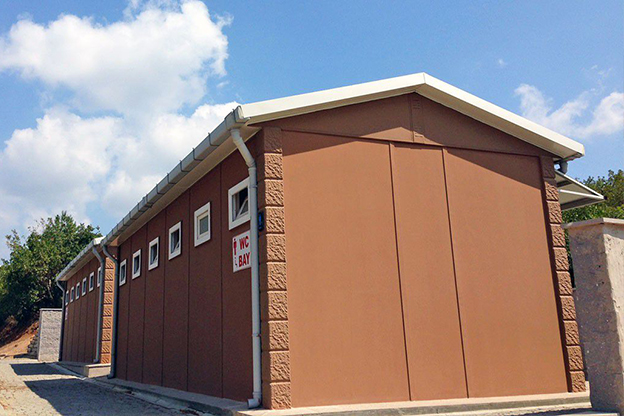
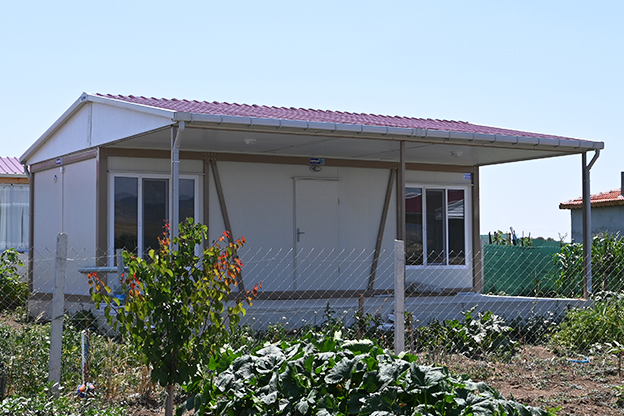
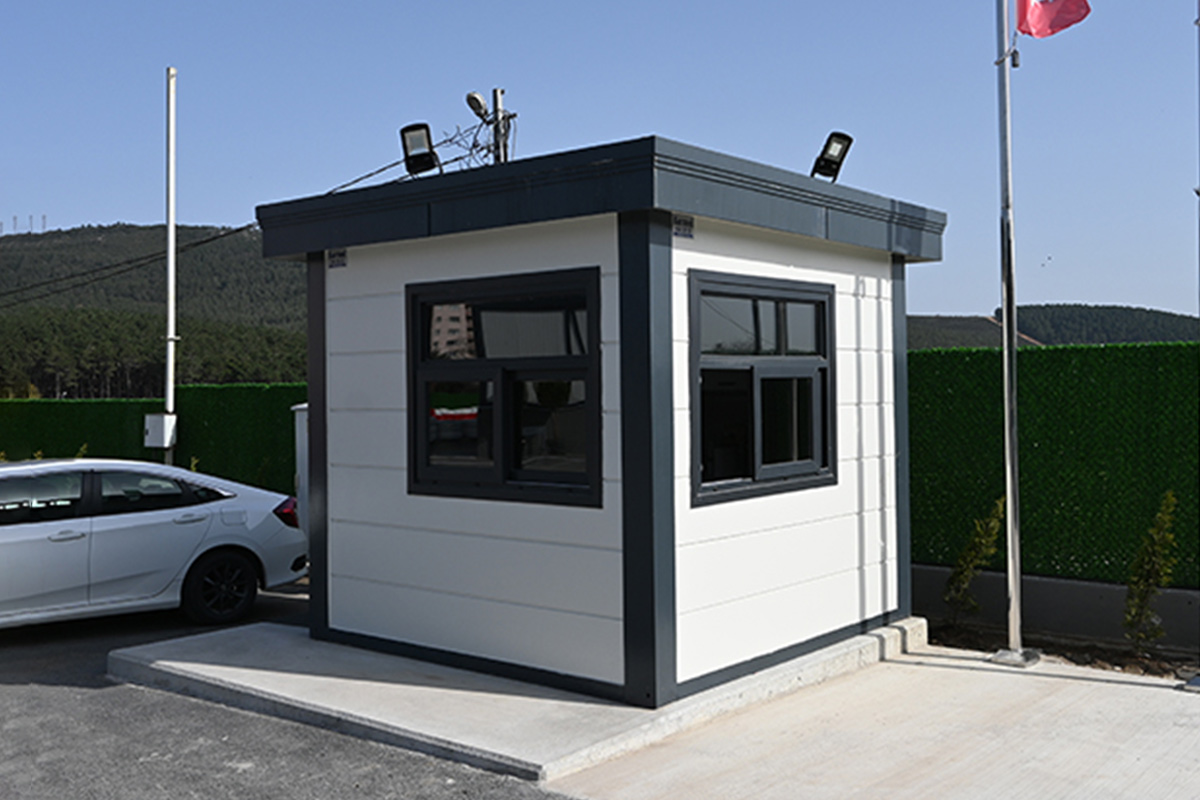
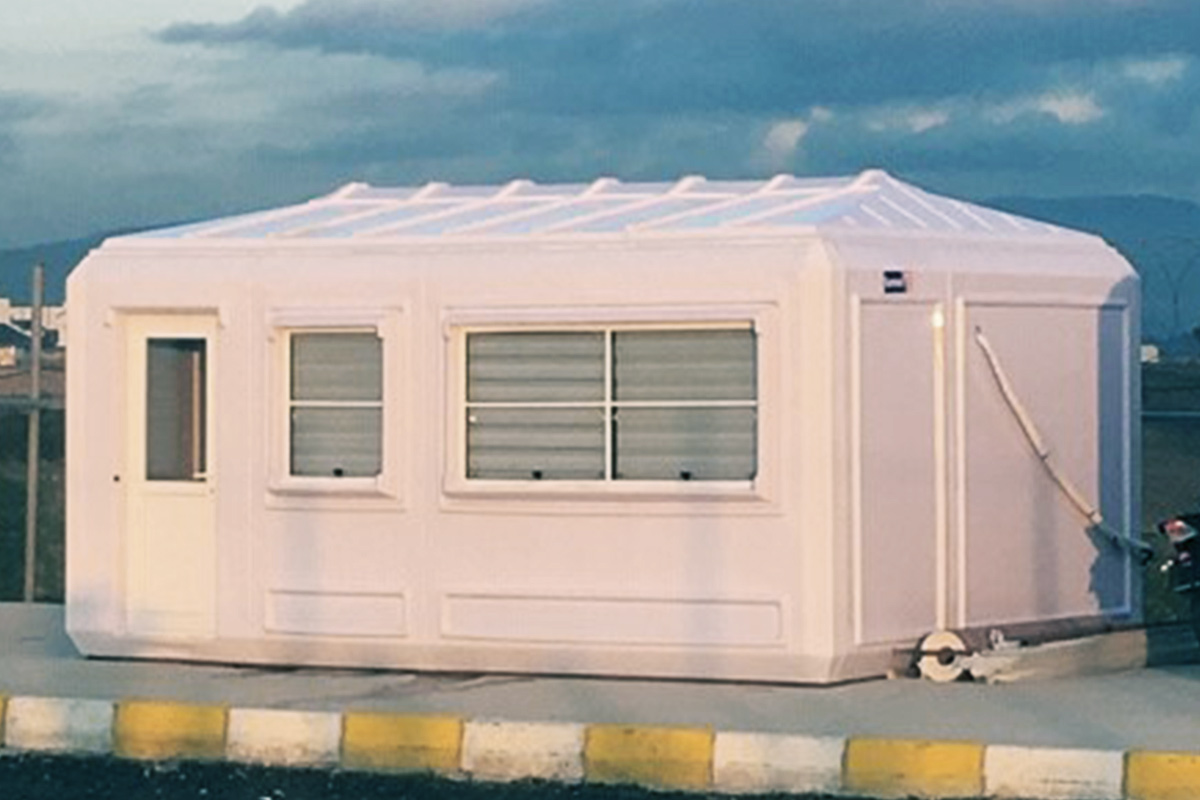
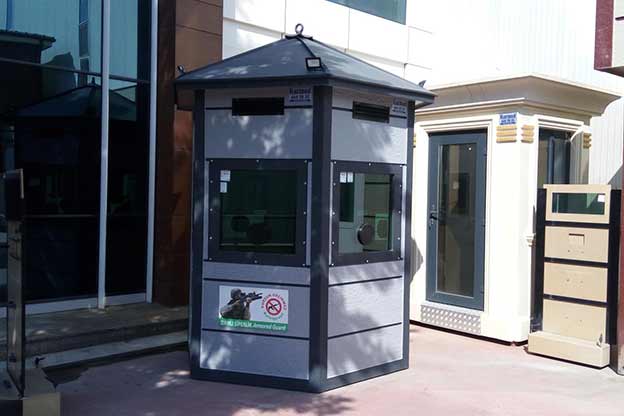
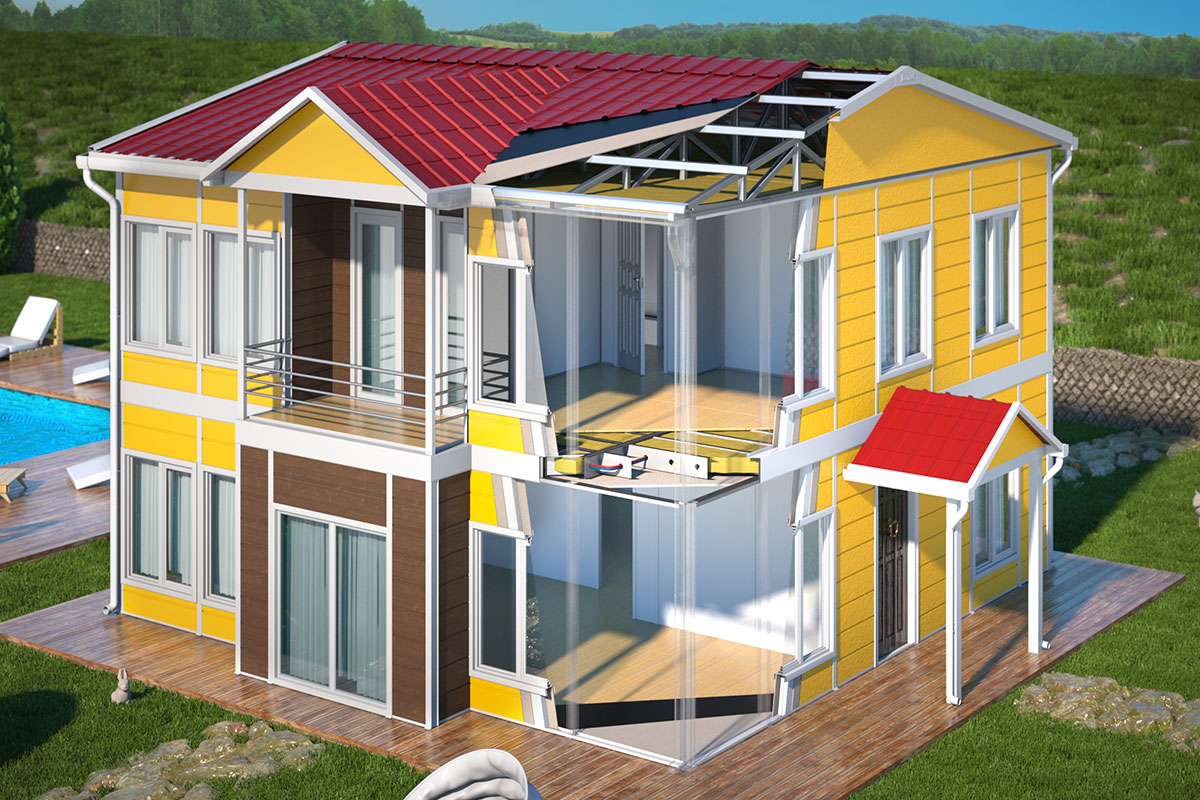
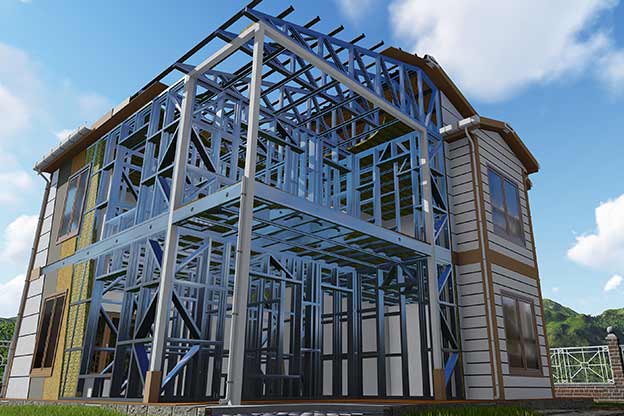
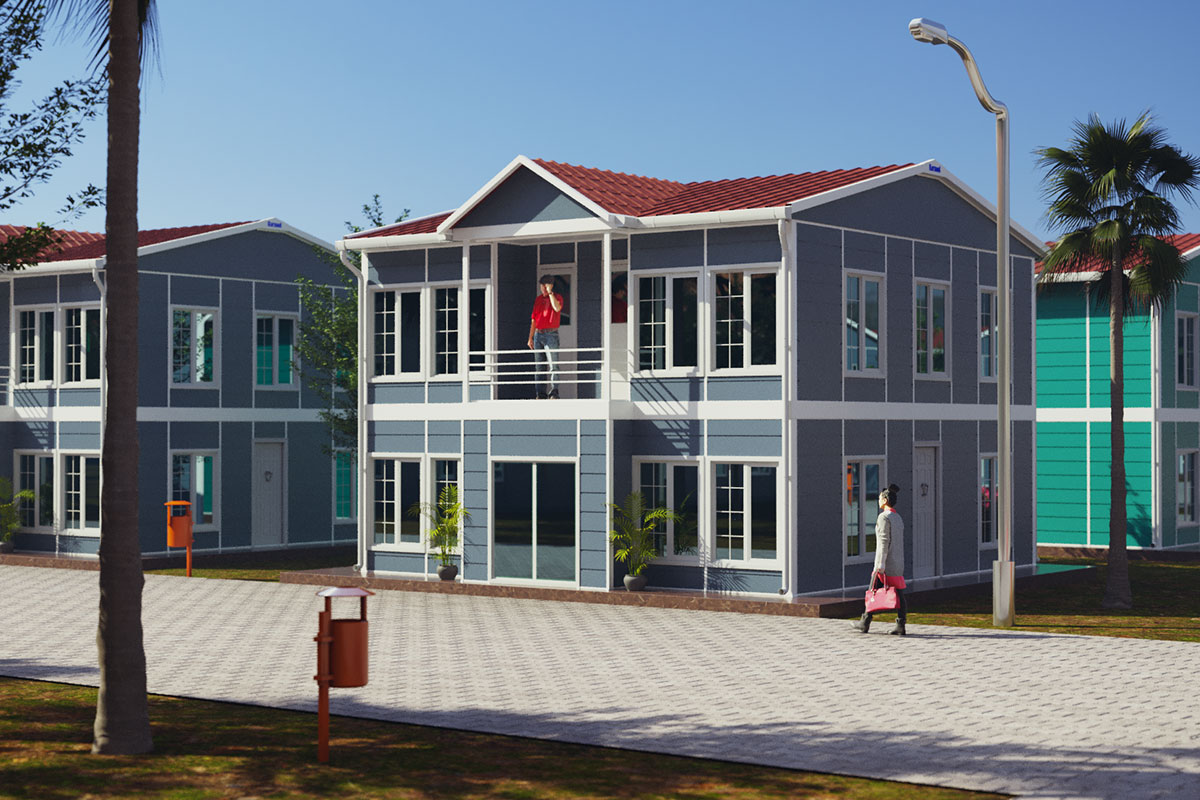
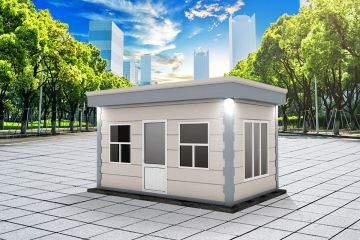
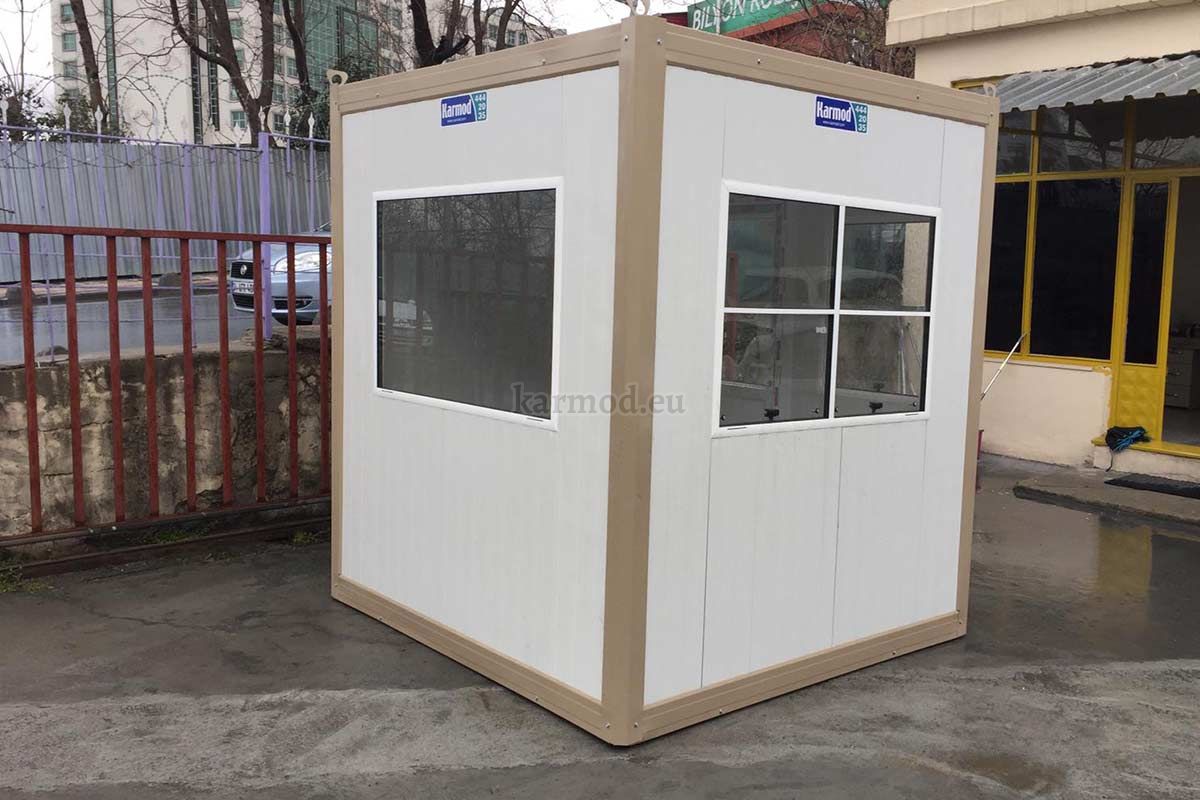
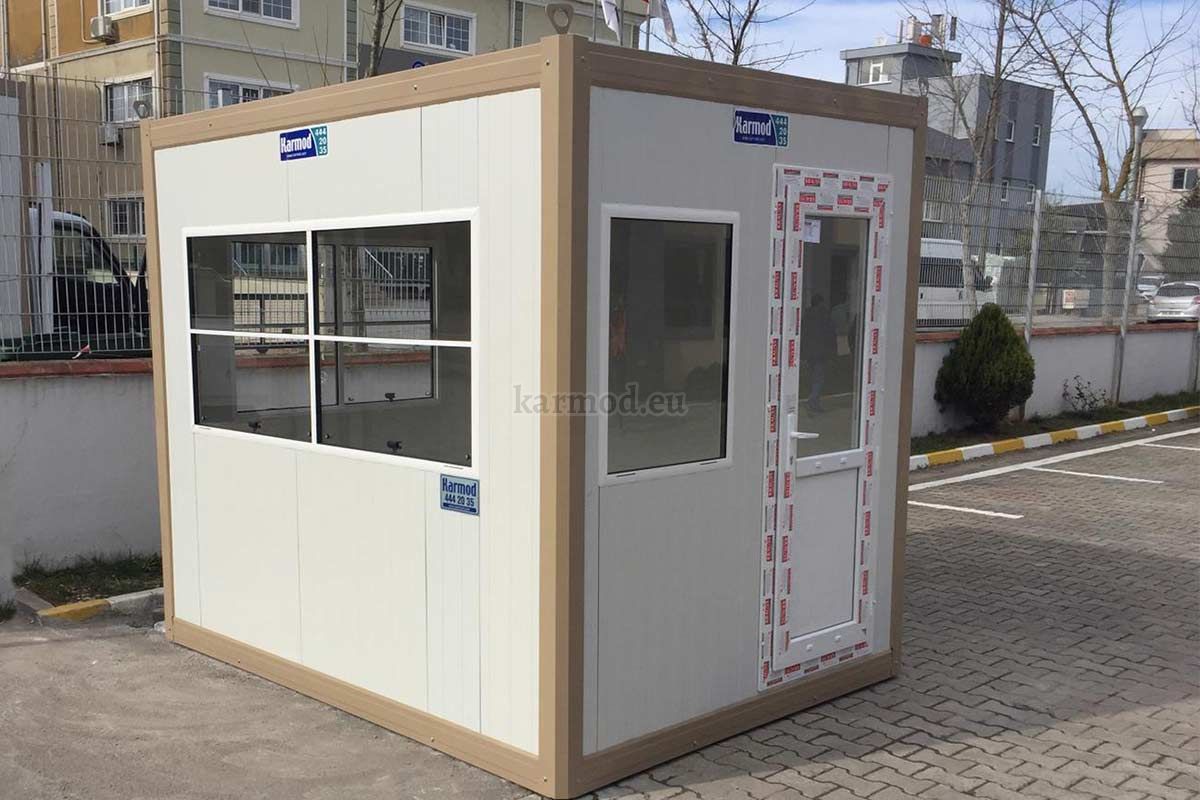
Panel security cabins are often described as lighter structures, but this does not mean they are weak or temporary. In real use, panel cabins tend to feel closer to small buildings than to industrial units. Their modular wall systems allow for better insulation planning, more flexible window placement, and interior layouts that can be shaped around actual guard routines.
For guards working long shifts, this difference is immediately noticeable. Panel cabins usually feel more breathable, with a more balanced interior climate and a sense of space that reduces fatigue. The environment feels calmer and more controlled, which directly supports focus and attention during long hours of monitoring.
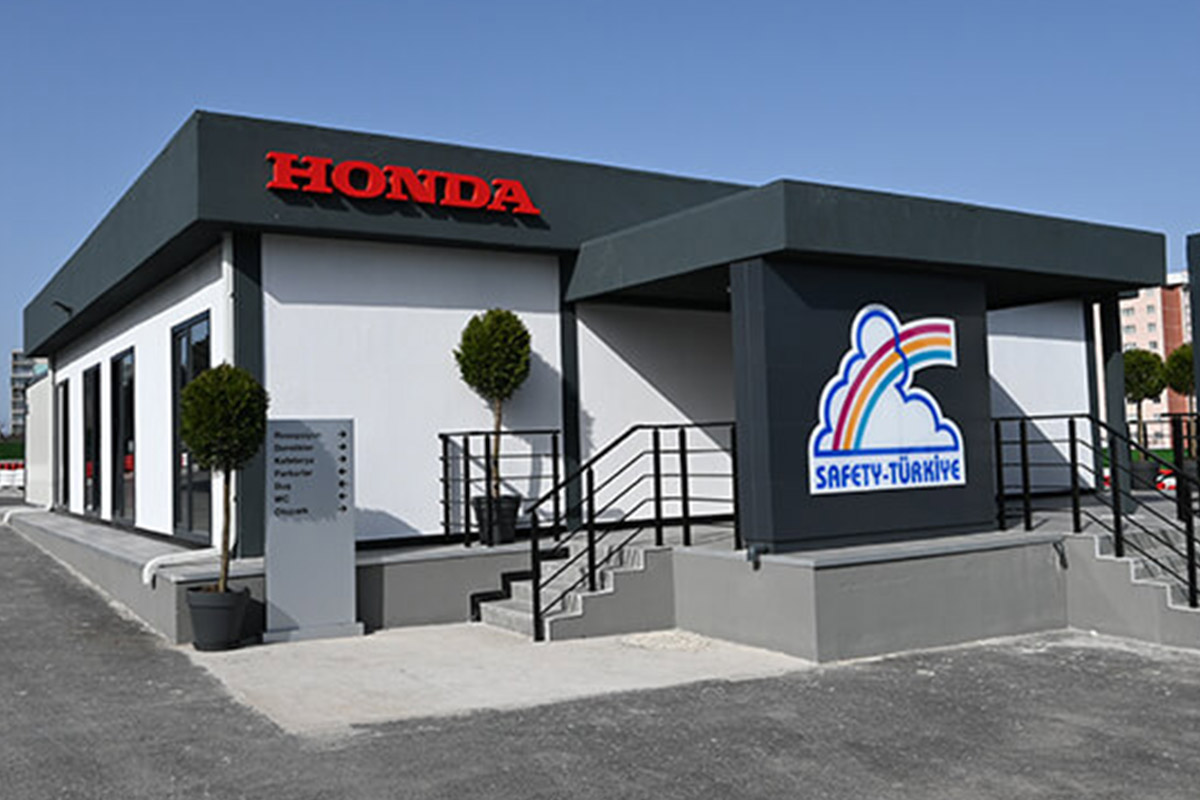
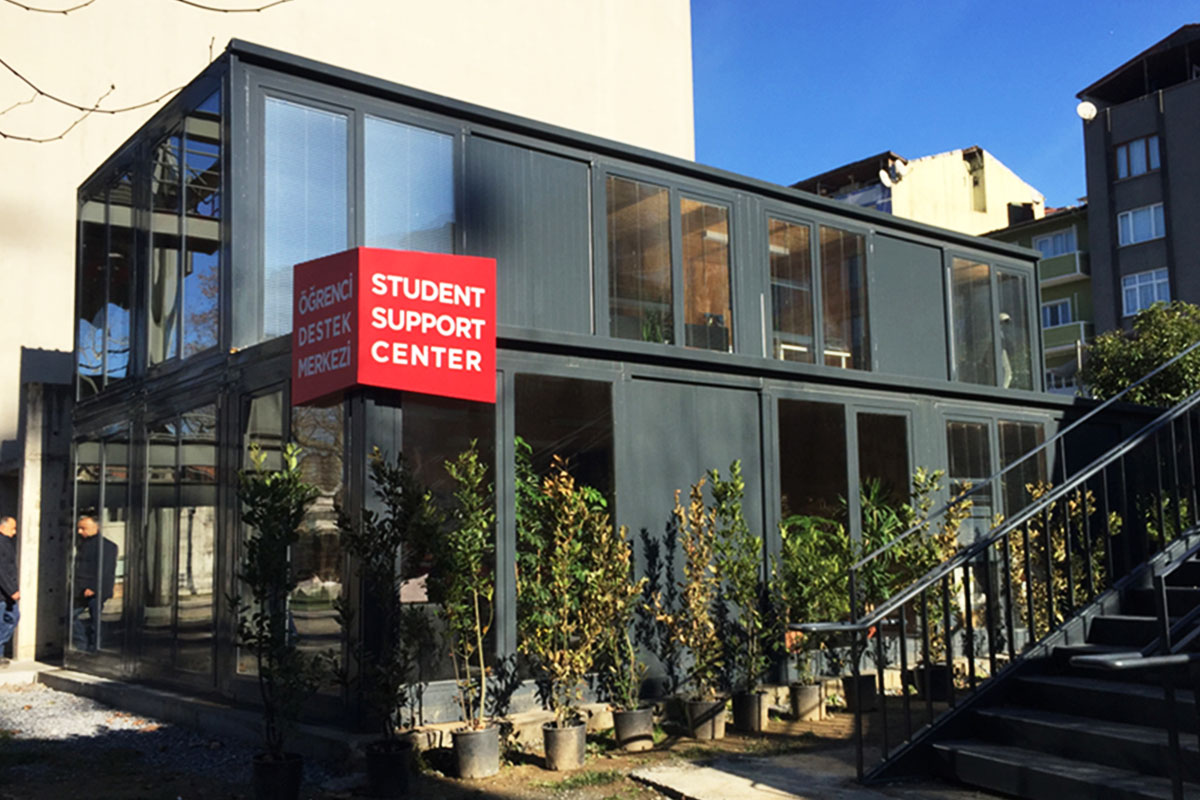
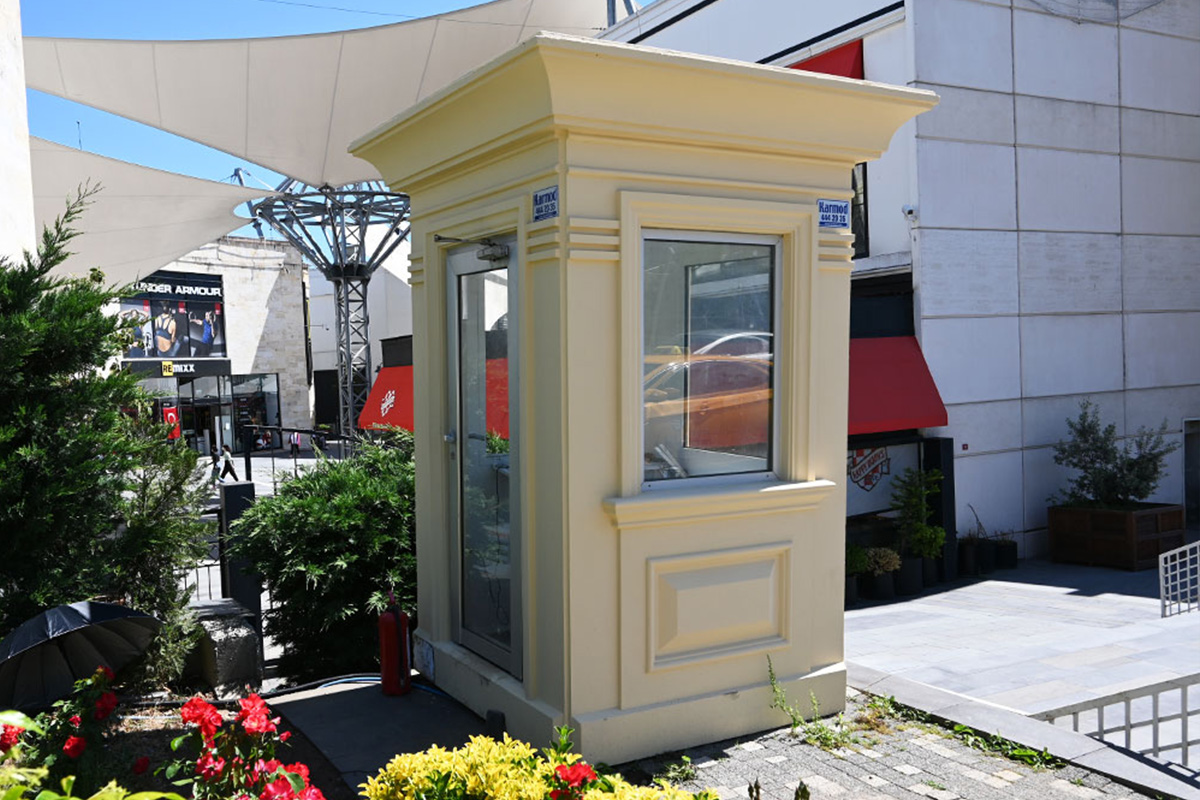
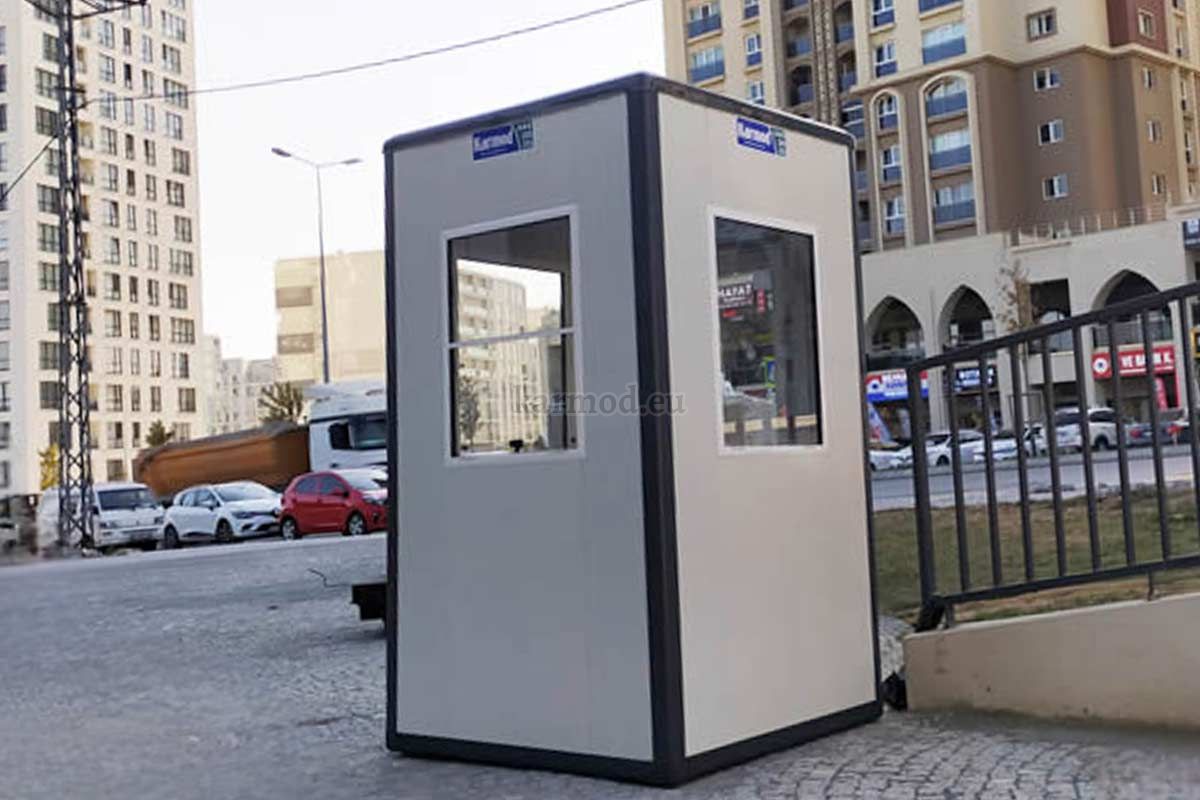
From the outside, panel cabins often integrate more naturally into their surroundings. In residential complexes, business parks, and office entrances, this softer architectural presence helps security feel professional rather than imposing. The cabin does its job without visually dominating the entrance.
How Container Security Cabins Behave in Real Conditions
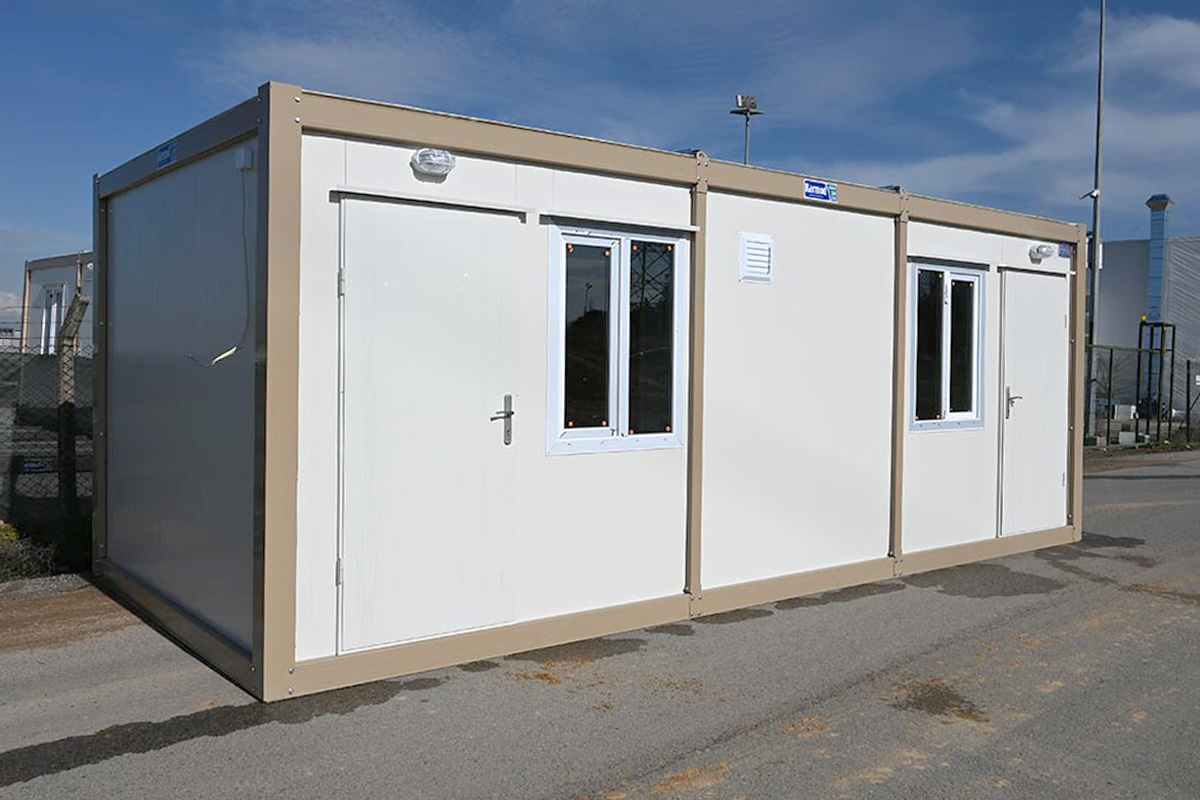
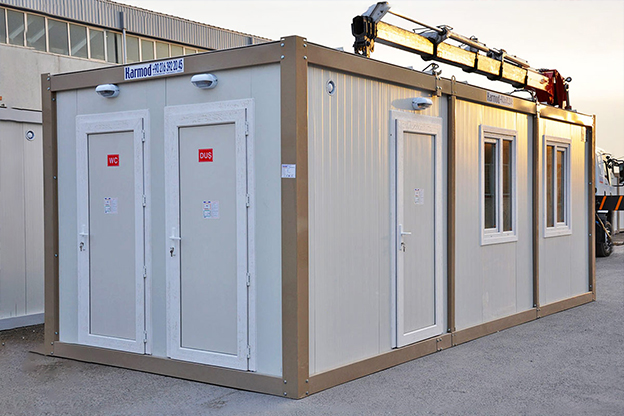
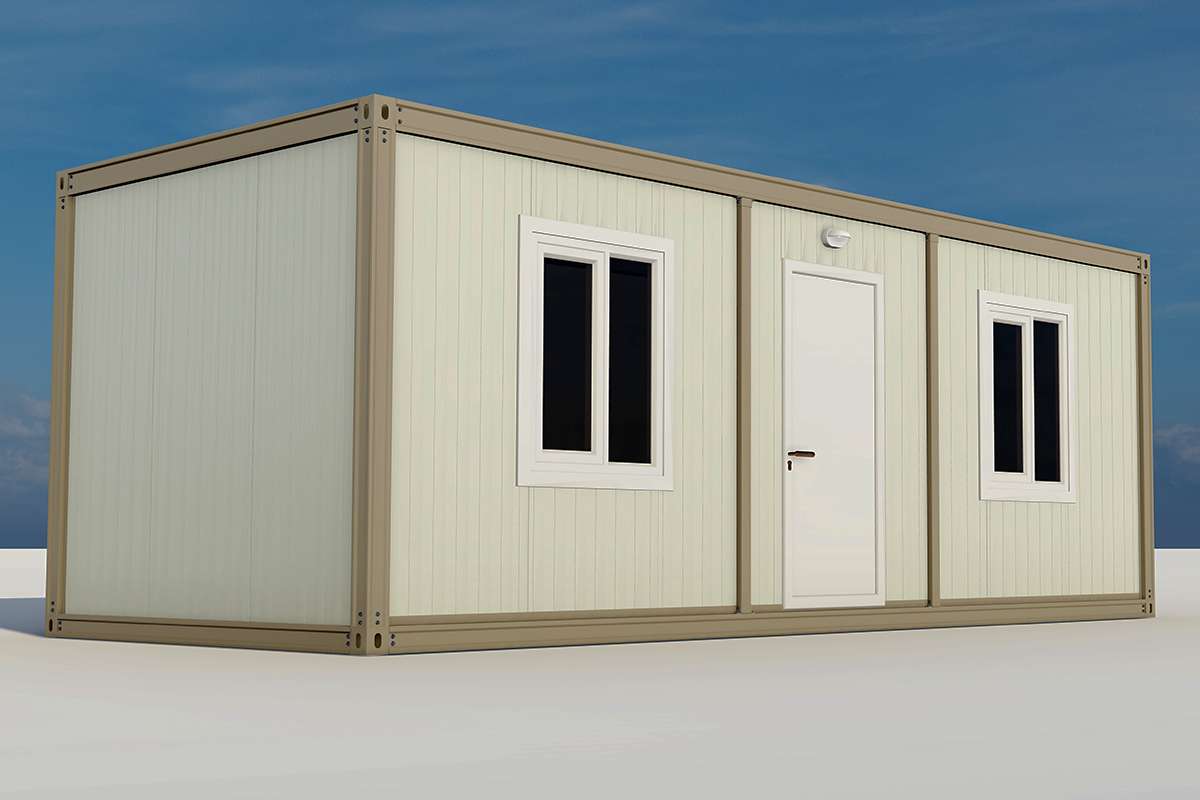
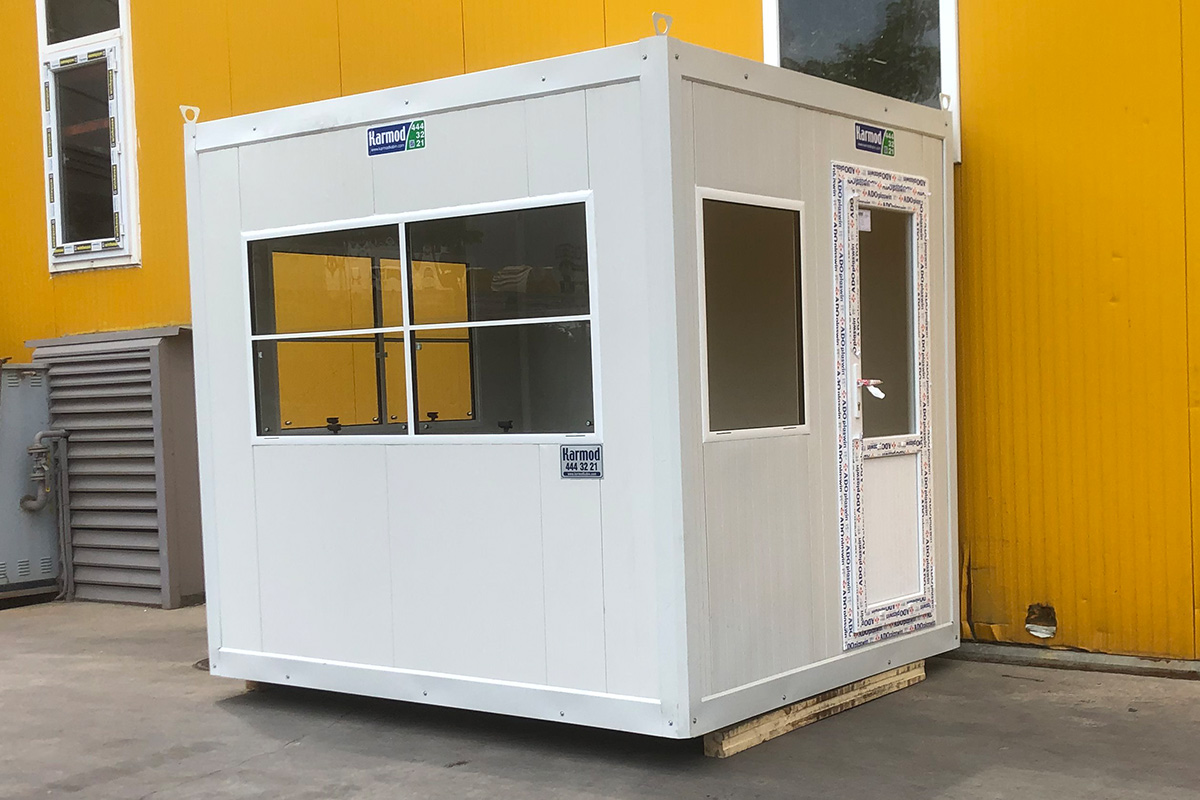
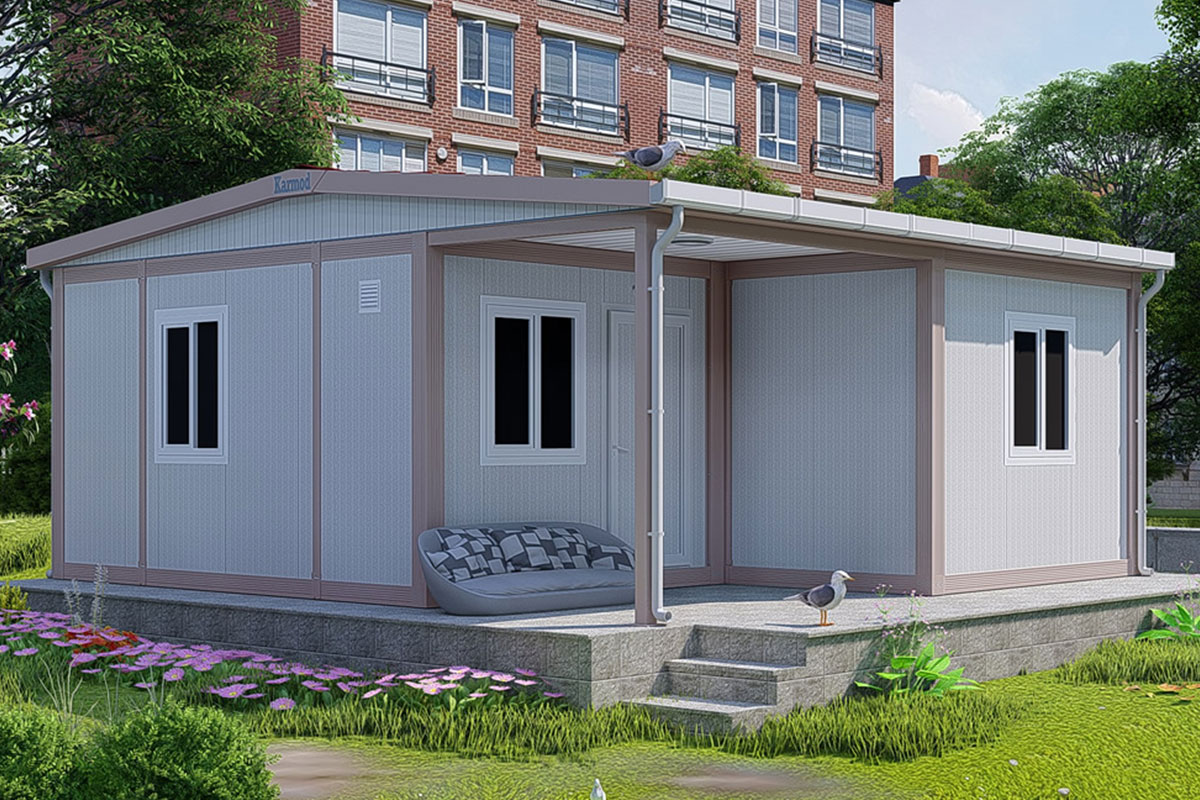
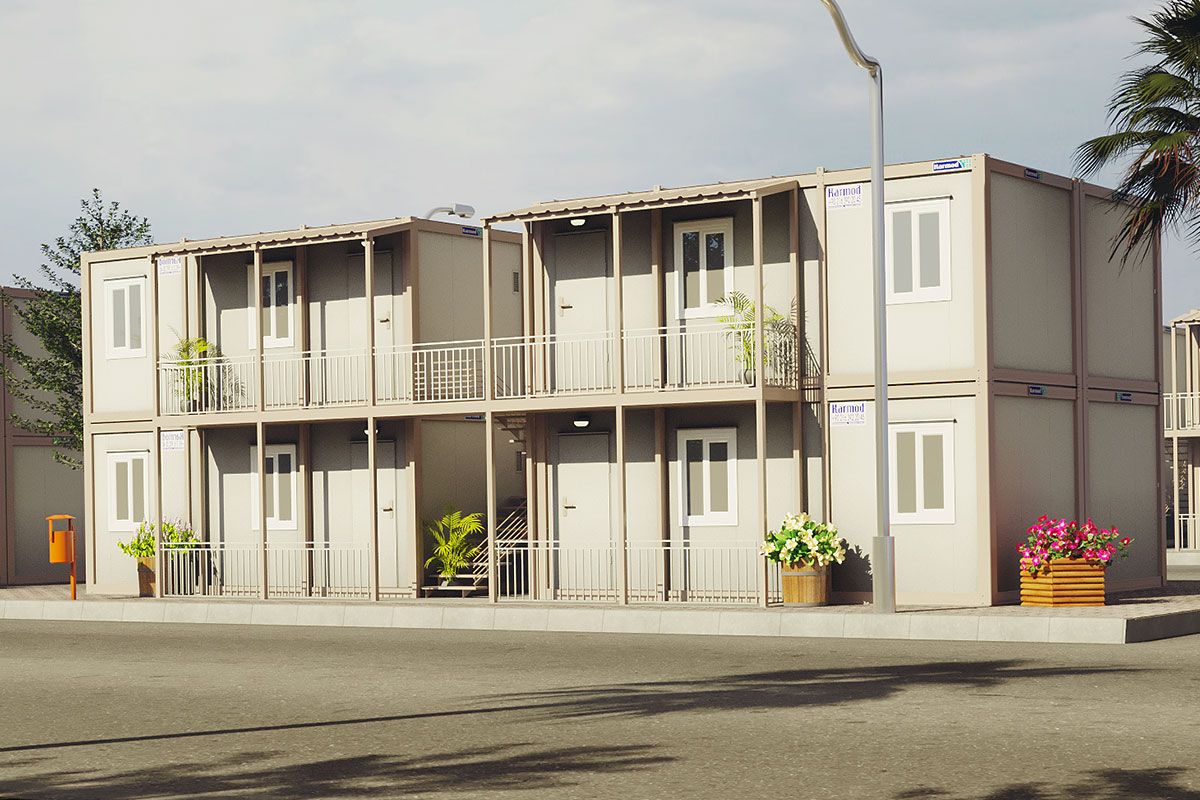
Container security cabins approach the same problem from a very different angle. Their strength lies in their solid steel structure and industrial durability. Once placed, a container cabin communicates permanence and resistance, which can be a major advantage in environments where security must feel firm and uncompromising.
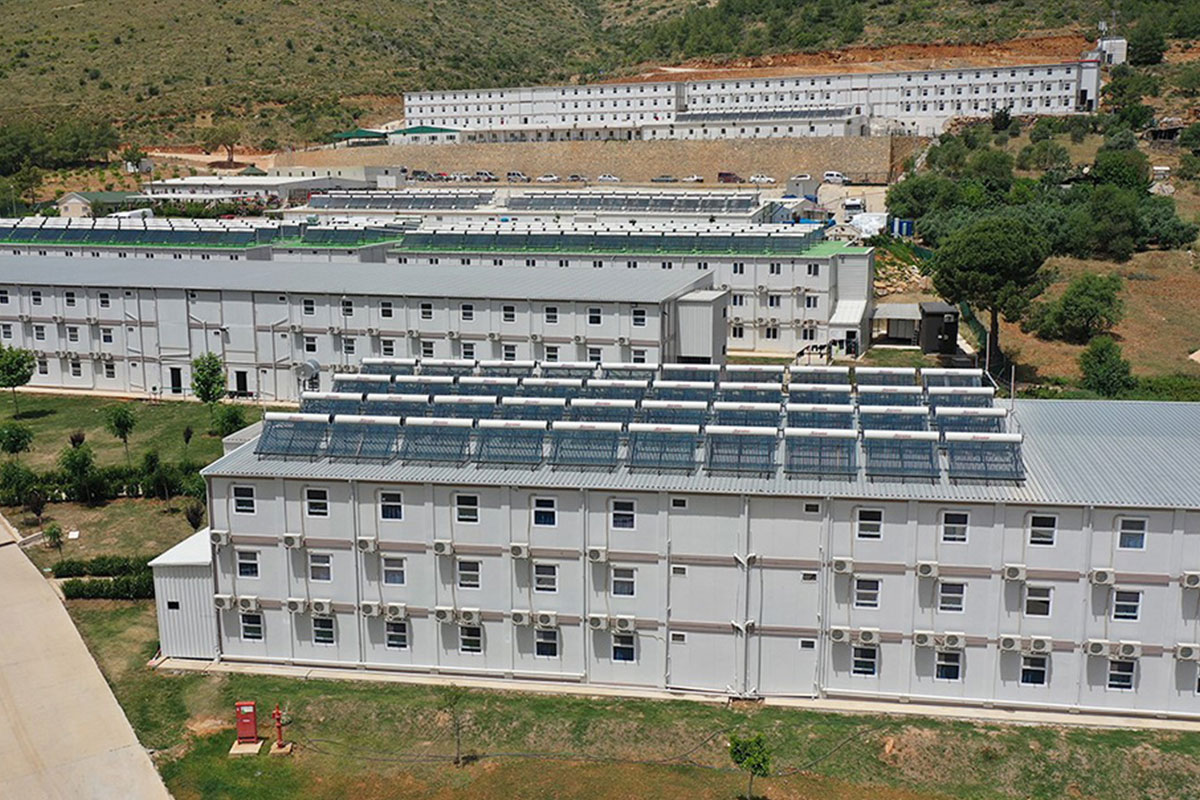
On construction sites, logistics centers, or heavy industrial facilities, container cabins often match the character of the environment perfectly. They withstand harsh weather, physical impact, and long-term exposure with minimal structural concern. For sites where durability is the primary priority, this robustness creates peace of mind.
However, this same strength can influence daily comfort if not managed carefully. Without thoughtful insulation and climate control planning, container cabins may feel colder in winter or warmer in summer. When these elements are properly addressed, container cabins perform extremely well, but they demand more attention during the planning stage to reach the same level of interior comfort as panel systems.

Comfort Is Where the Difference Truly Emerges
Comfort is rarely the first topic discussed during procurement meetings, yet it often becomes the most discussed topic among guards once the cabin is in use. Panel cabins generally provide comfort more naturally due to their construction logic. Insulation layers, ventilation paths, and window positioning are easier to fine-tune, which results in a more stable and pleasant interior environment.
Container cabins can absolutely be comfortable, but comfort is achieved through additional measures rather than inherent design. Extra insulation, well-designed heating and cooling systems, and careful interior layout planning are essential. When done right, the result is excellent. When done poorly, discomfort becomes a daily issue that affects performance.
In other words, panel cabins tend to deliver comfort by default, while container cabins require comfort to be engineered deliberately.
Installation and Adaptation to the Site
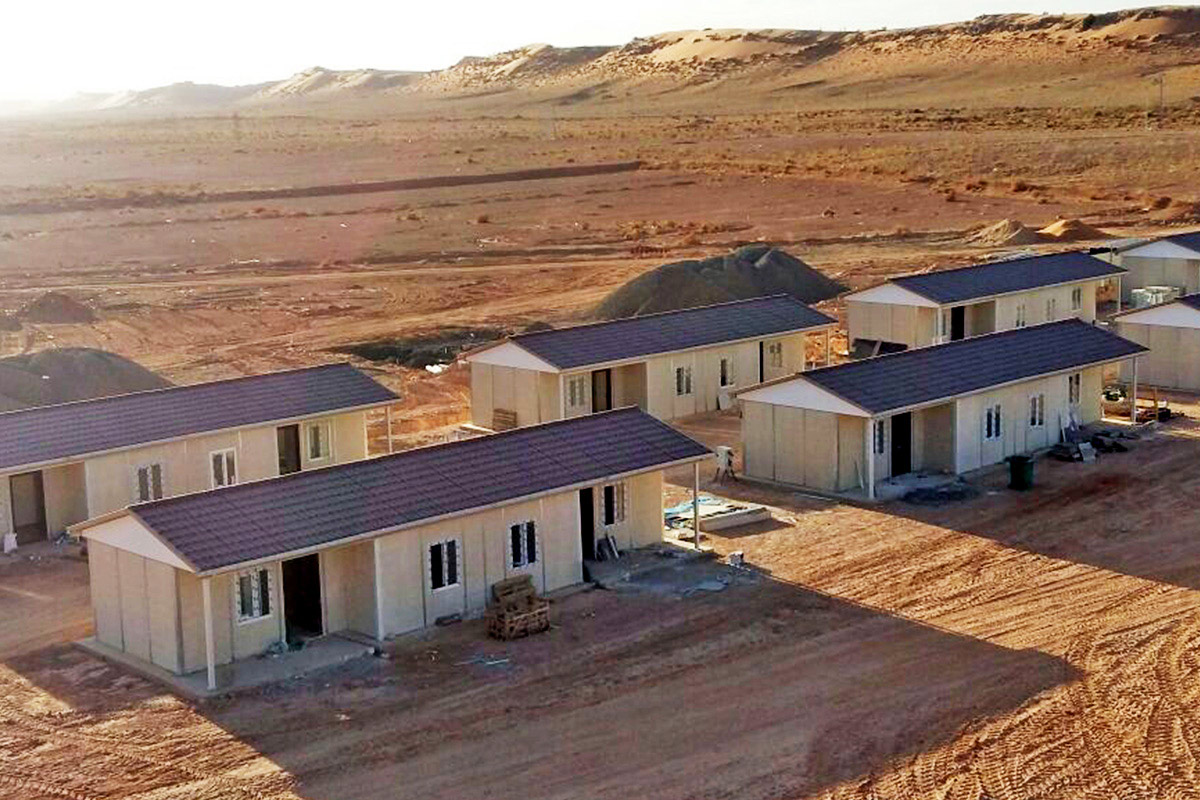
Installation conditions often influence the final decision more than expected. Panel cabins are usually easier to adapt to sites with limited access, sensitive ground conditions, or architectural constraints. Their lighter structure allows for smoother placement and easier adjustments if positioning needs to change.
Container cabins, due to their weight and rigidity, demand clearer planning before installation. Lifting equipment, access routes, and ground preparation must be considered carefully. Once installed, container cabins feel more fixed, which can be an advantage for long-term sites but a limitation for locations that may change layout in the future.
This difference affects not only installation day, but also how flexible the site remains over time.
Visual Impact and the Message Security Sends
A security cabin is often the first physical interaction visitors have with a site. The way it looks silently communicates how security is approached. Panel cabins usually send a message of organization, order, and approachability. They suggest control without aggression, which is especially important in residential and corporate environments.
Container cabins send a different signal. Their industrial appearance emphasizes strength and authority. In some contexts, this is exactly the right message. In others, it may feel excessive unless softened through design choices such as color, cladding, or placement.
The question is not which look is better, but which message aligns with the identity of the site.
Where a Short Comparison Actually Helps
Only after understanding daily use, comfort, installation, and perception does a brief comparison become meaningful:
- Panel security cabins tend to prioritize comfort, flexibility, and architectural integration
- Container security cabins tend to prioritize durability, resistance, and long-term structural strength
Beyond this point, the decision should be guided by how security is lived on the site, not just how it is planned.
Making the Right Choice Is About Context, Not Preference
There is no universally correct answer in the panel versus container discussion. A panel cabin that performs perfectly at a residential entrance may feel out of place in an industrial zone. A container cabin that excels in harsh environments may feel unnecessarily heavy for a corporate campus.
The most successful projects are those where the cabin type reflects real daily routines, guard needs, environmental conditions, and long-term plans. When these factors are aligned, the security cabin stops feeling like an add-on and starts feeling like a natural part of the operation.
If you are comparing panel and container security cabins and want guidance grounded in real site experience rather than generic assumptions, our team is ready to support you. By understanding how your site operates today and how it may evolve tomorrow, we help you choose a security cabin solution that truly fits—functionally, visually, and operationally.
Choose the Right Security Cabin with Confidence
Selecting between a panel security cabin and a container security cabin should not be a guessing game. Each option has its strengths, and the right choice depends on how your site operates, how your security team works, and what kind of presence you want to create at your entrance.
Our team works closely with you to understand your site conditions, daily security routines, and long-term expectations before recommending a solution. We guide you through design, material selection, and layout planning to ensure the security cabin truly fits your operational needs.
If you are currently comparing panel and container security cabins and want clear, experience-based guidance, contact us today. Get in touch with us to discuss your project details, ask questions, and receive a tailored proposal that supports both security performance and long-term reliability.