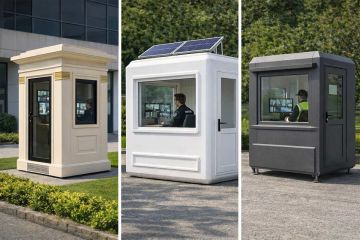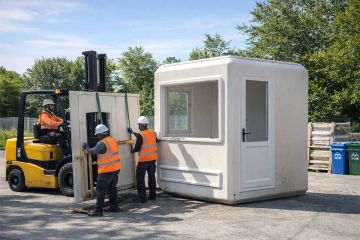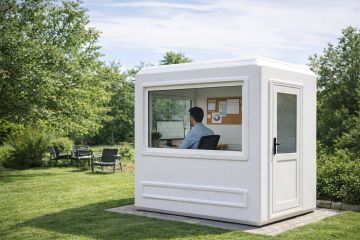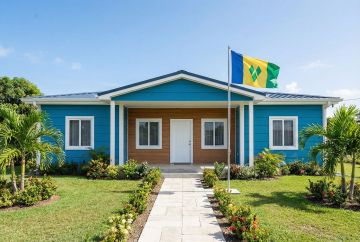

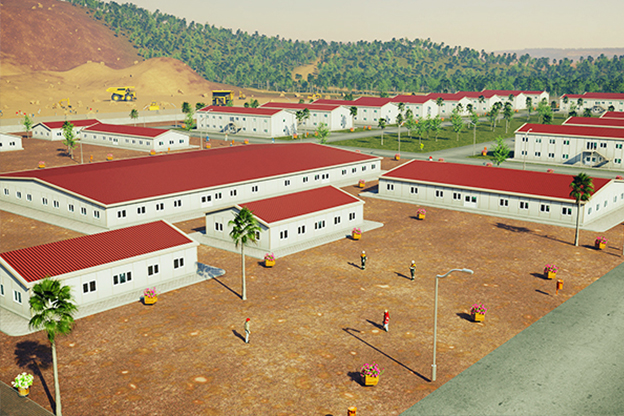
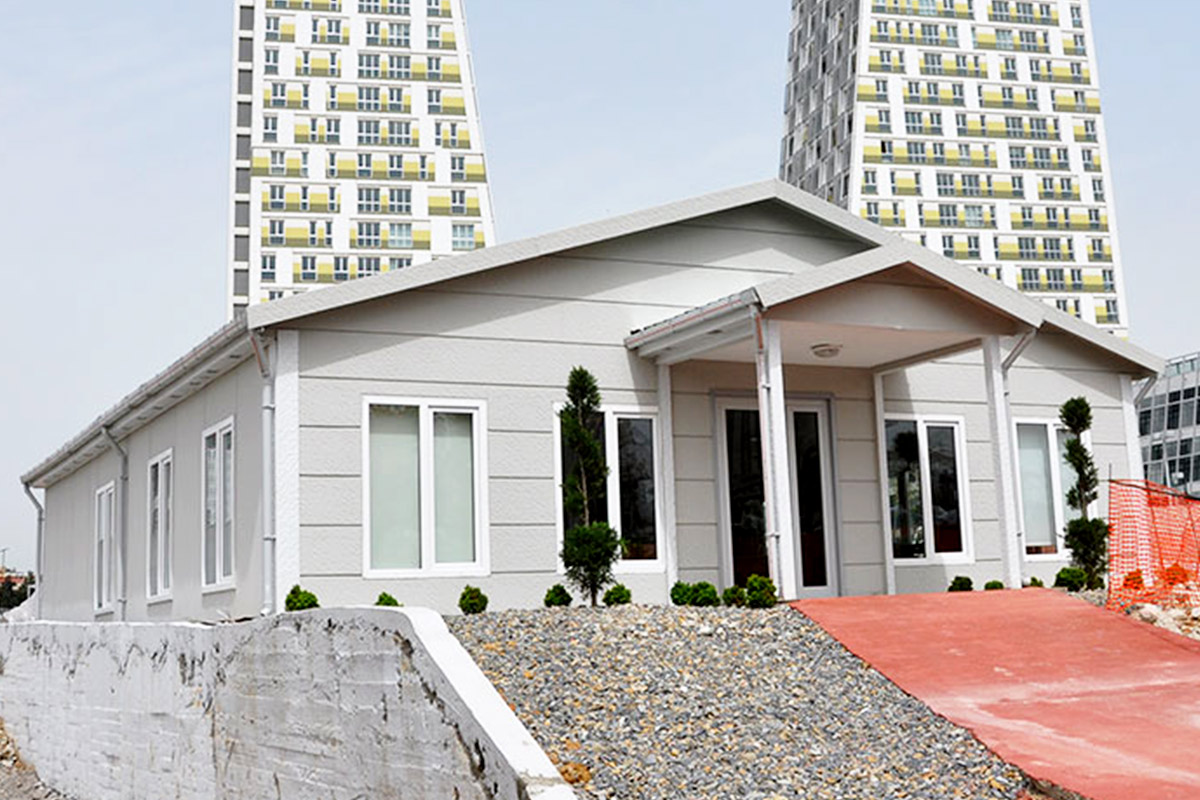

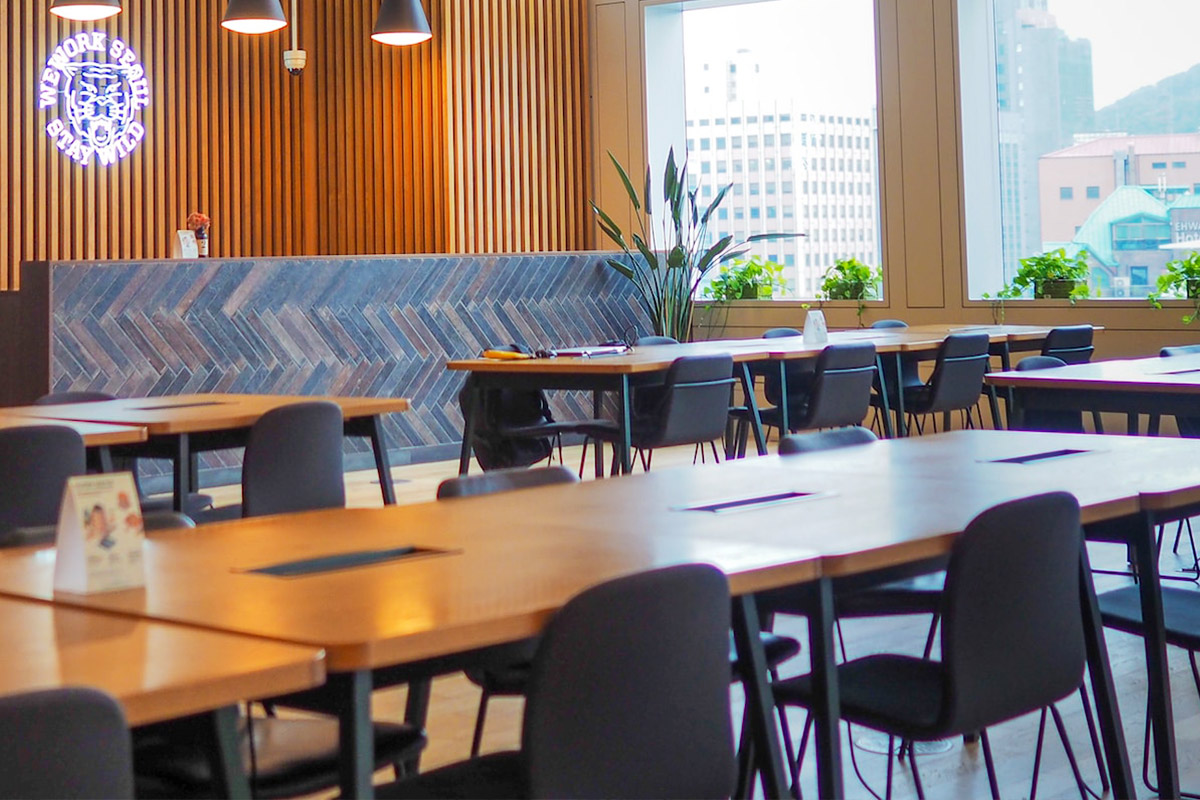
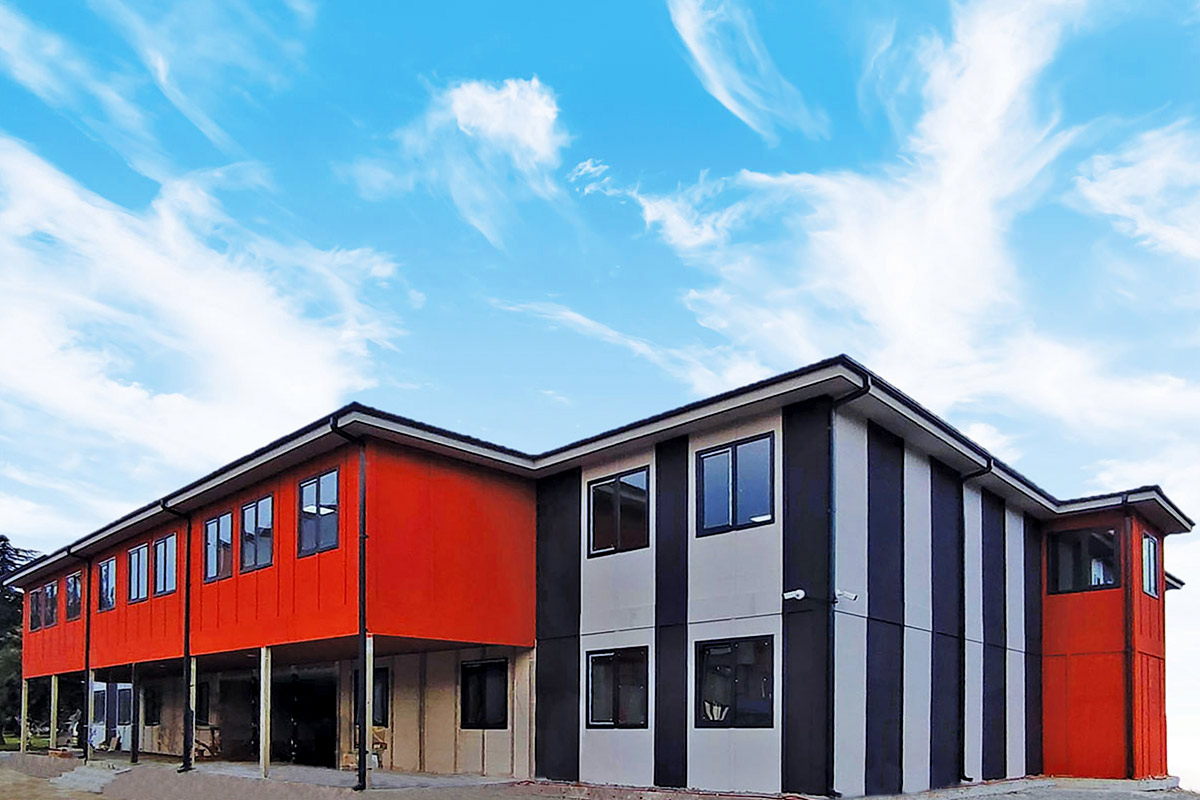
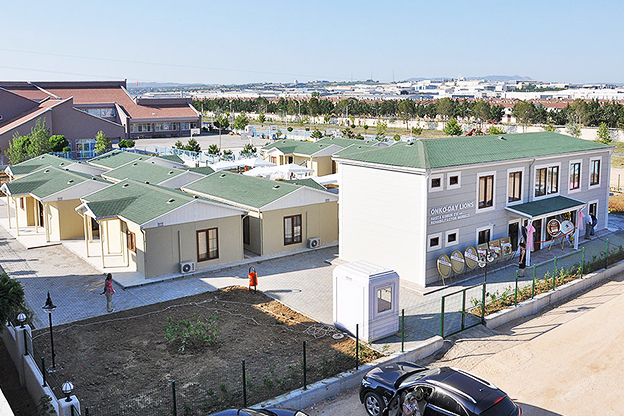
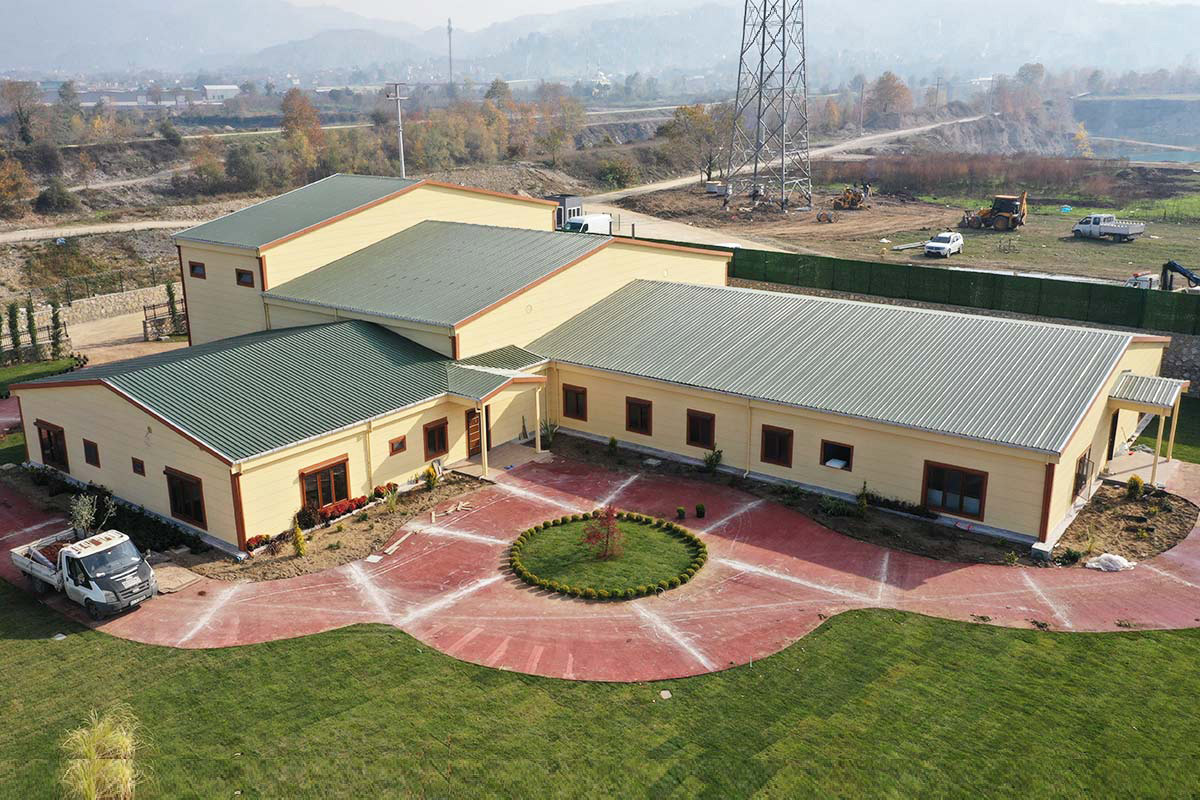
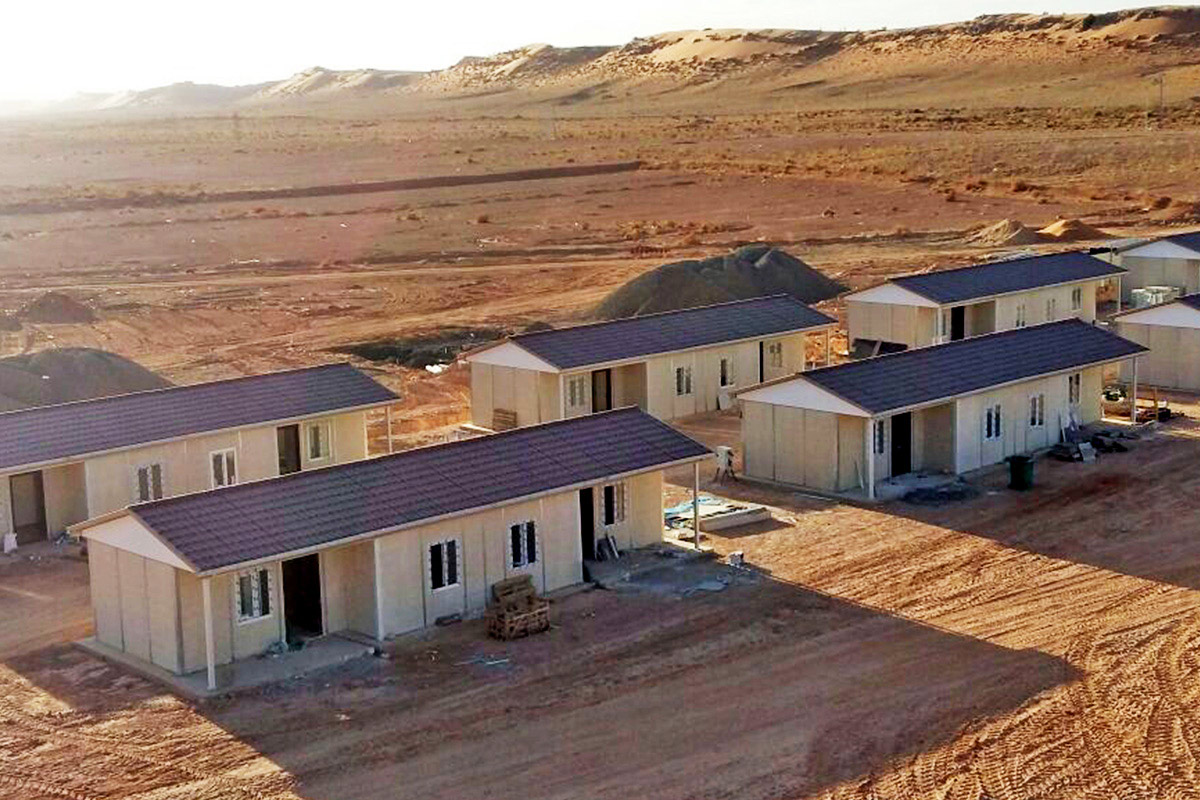
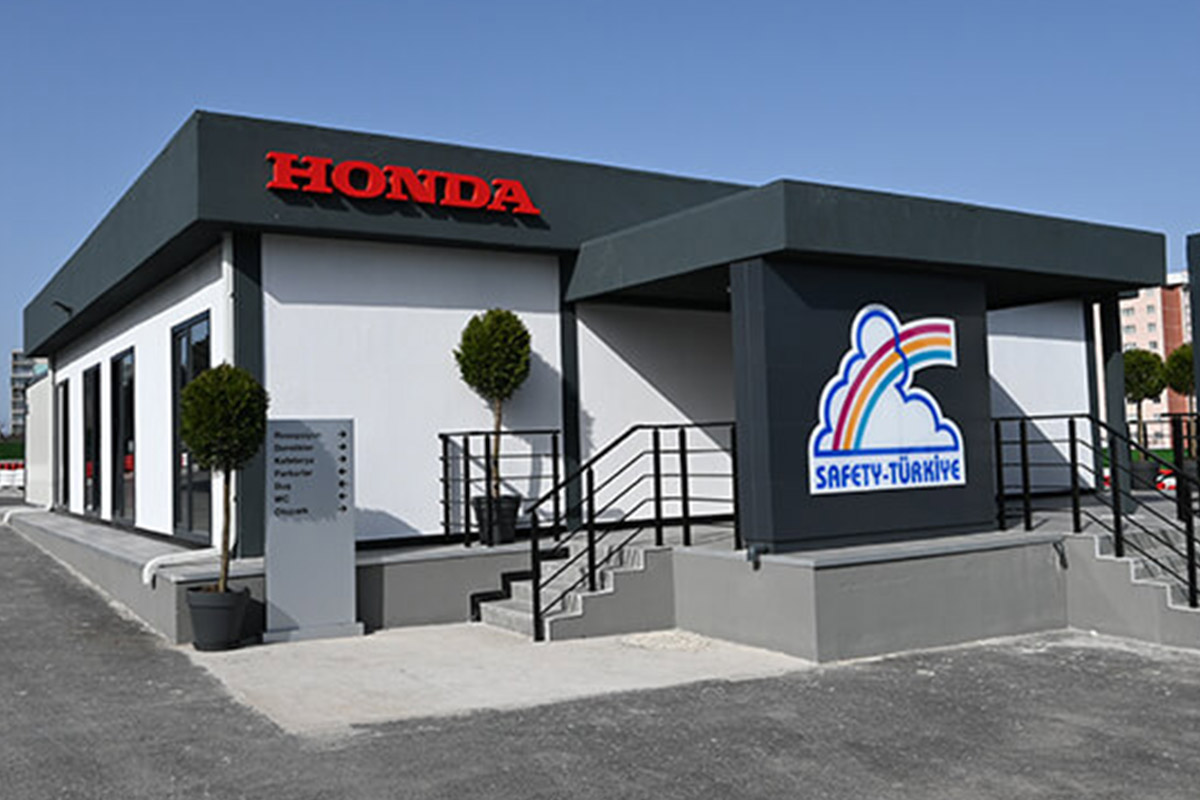
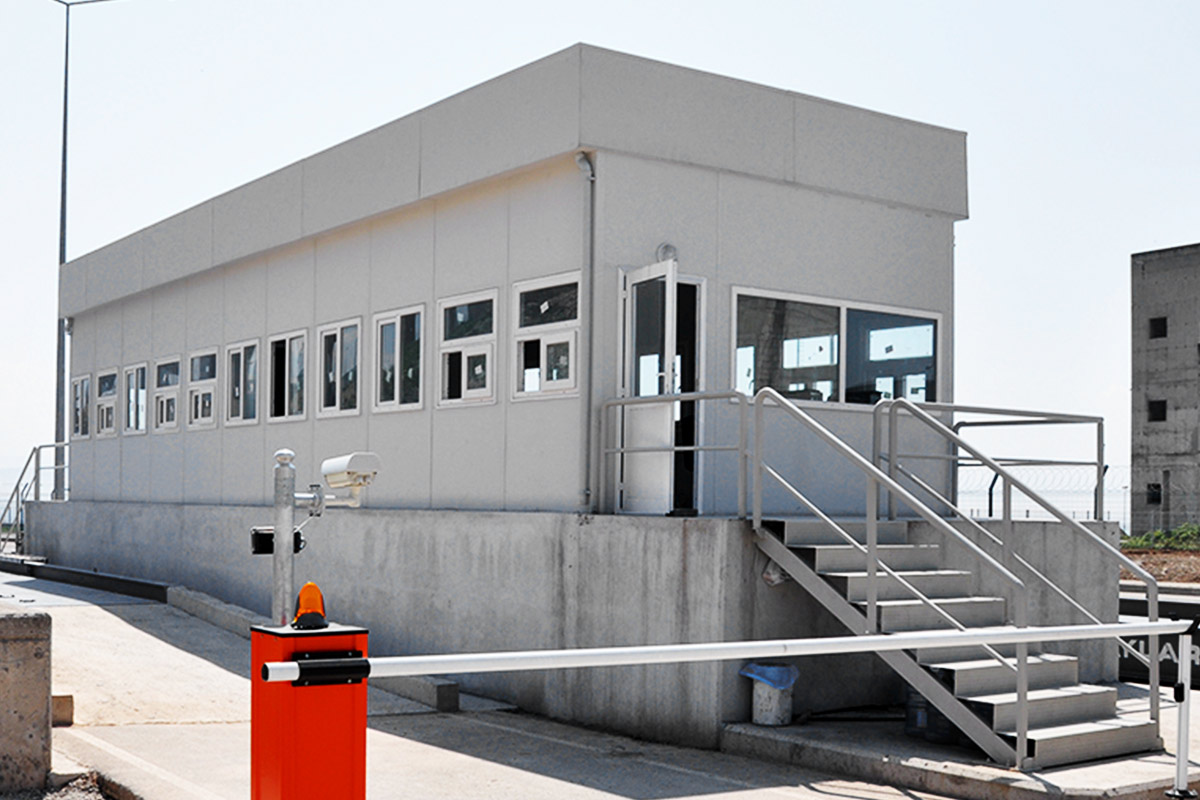
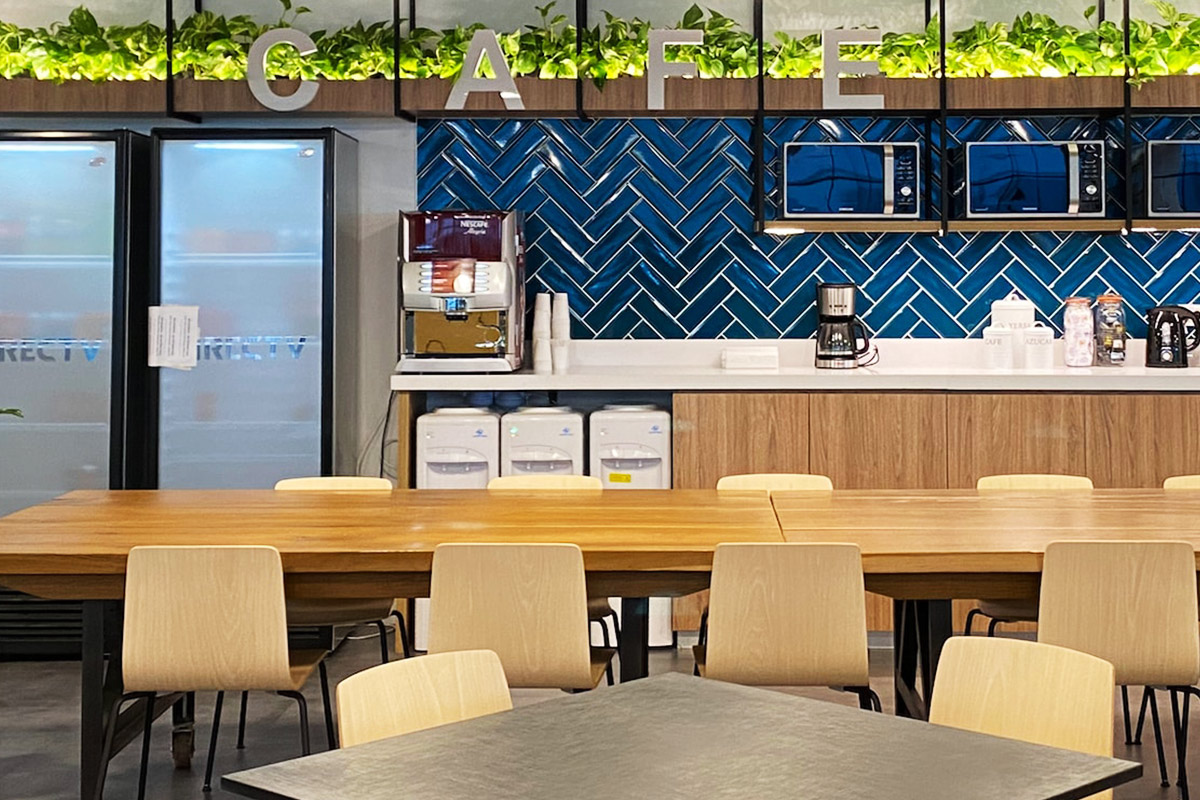
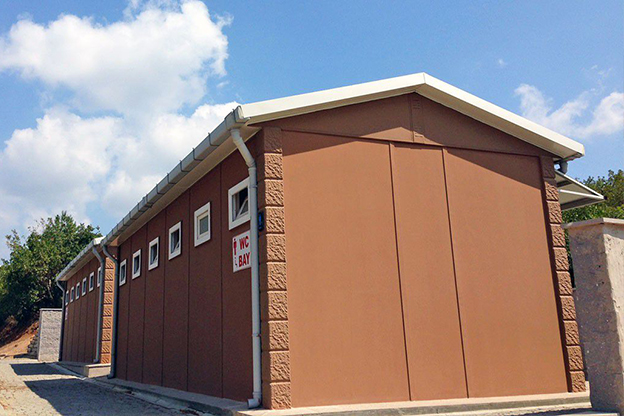
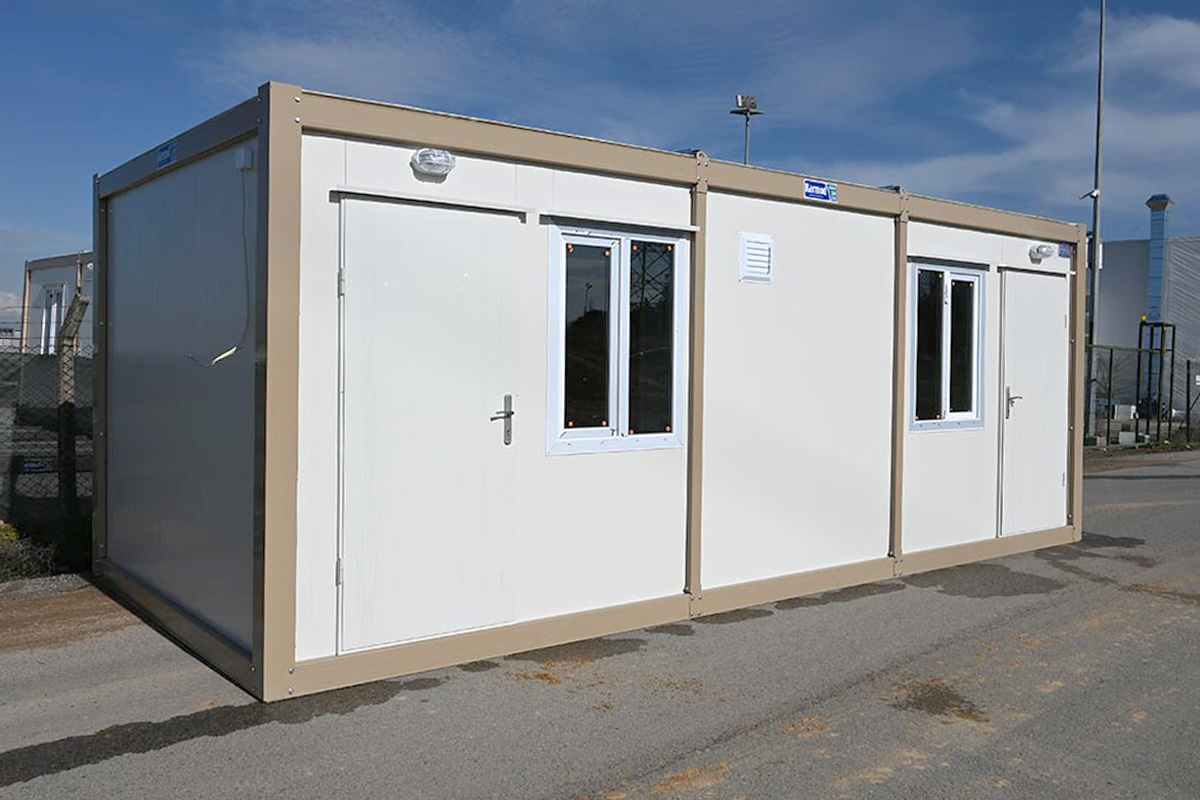
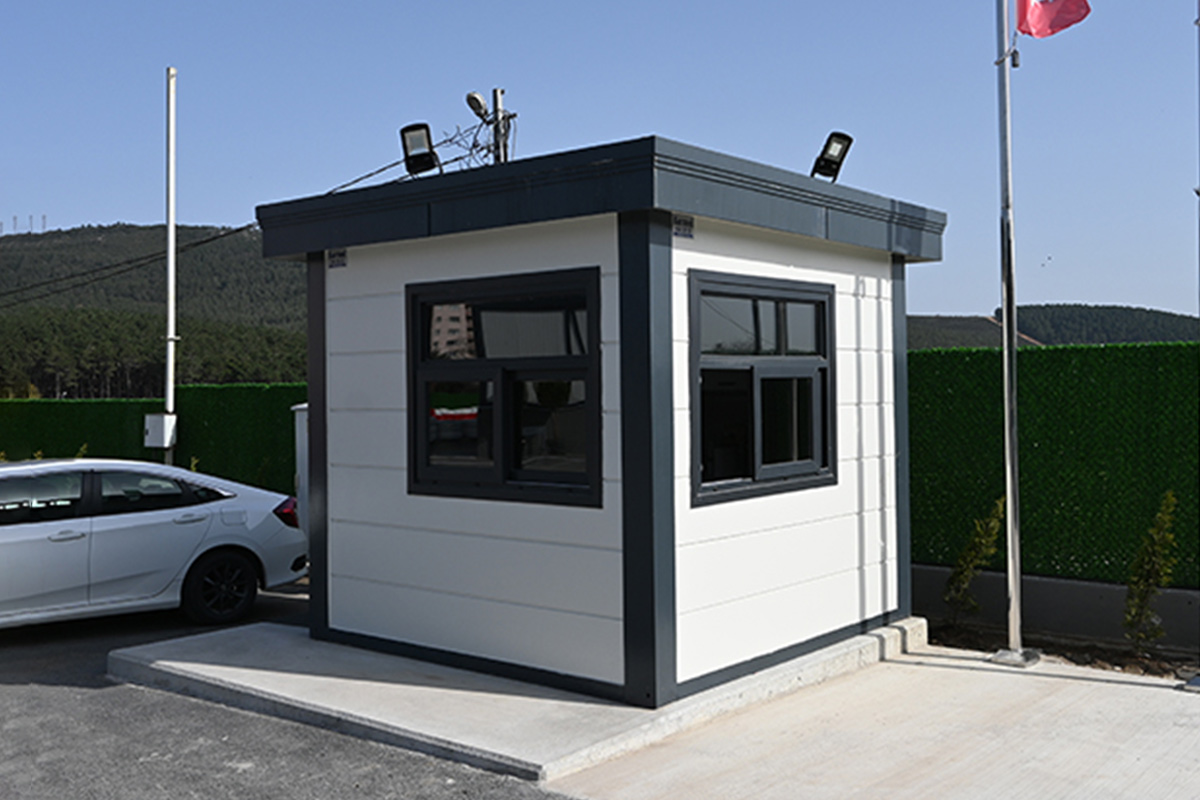
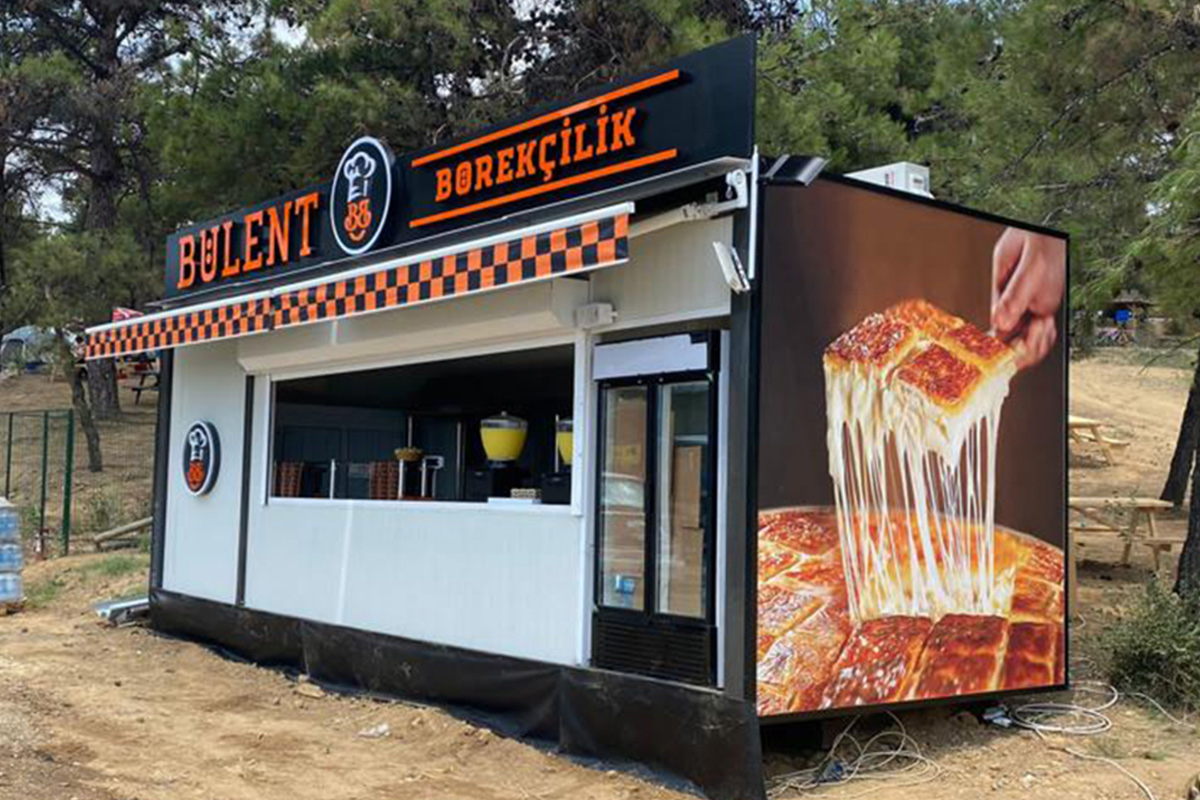
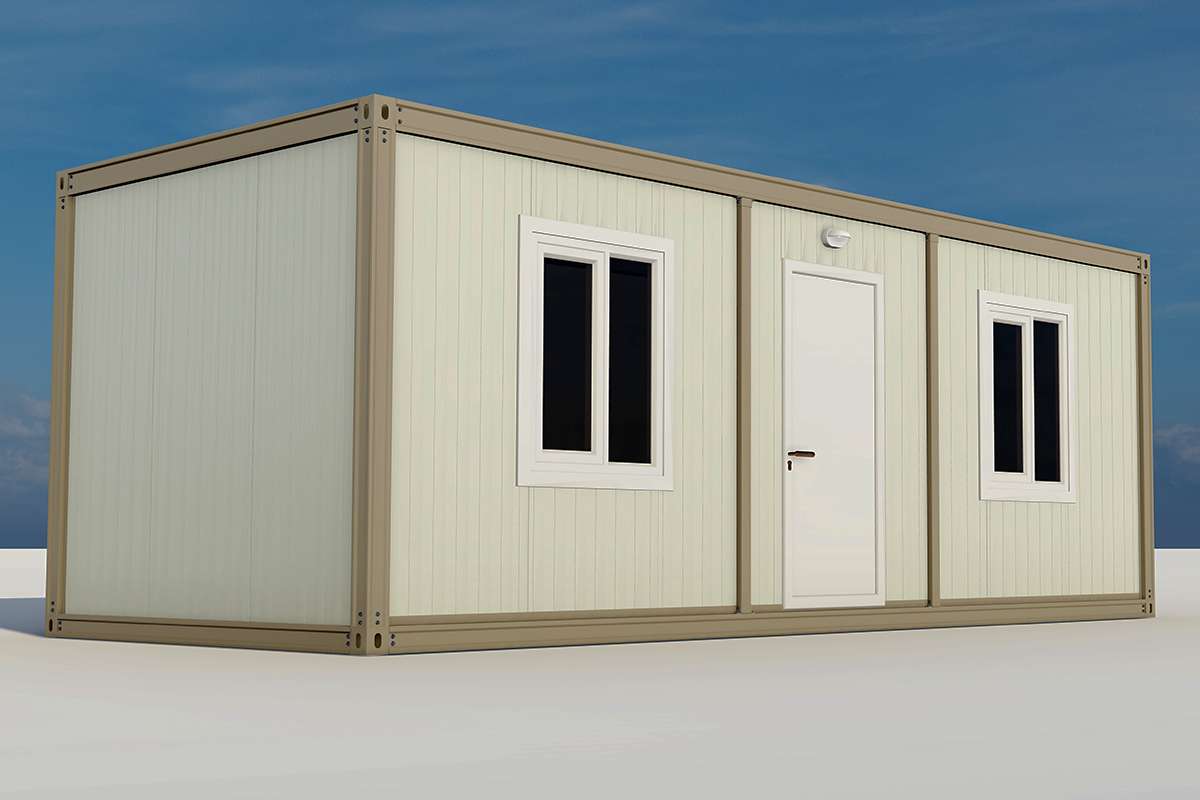
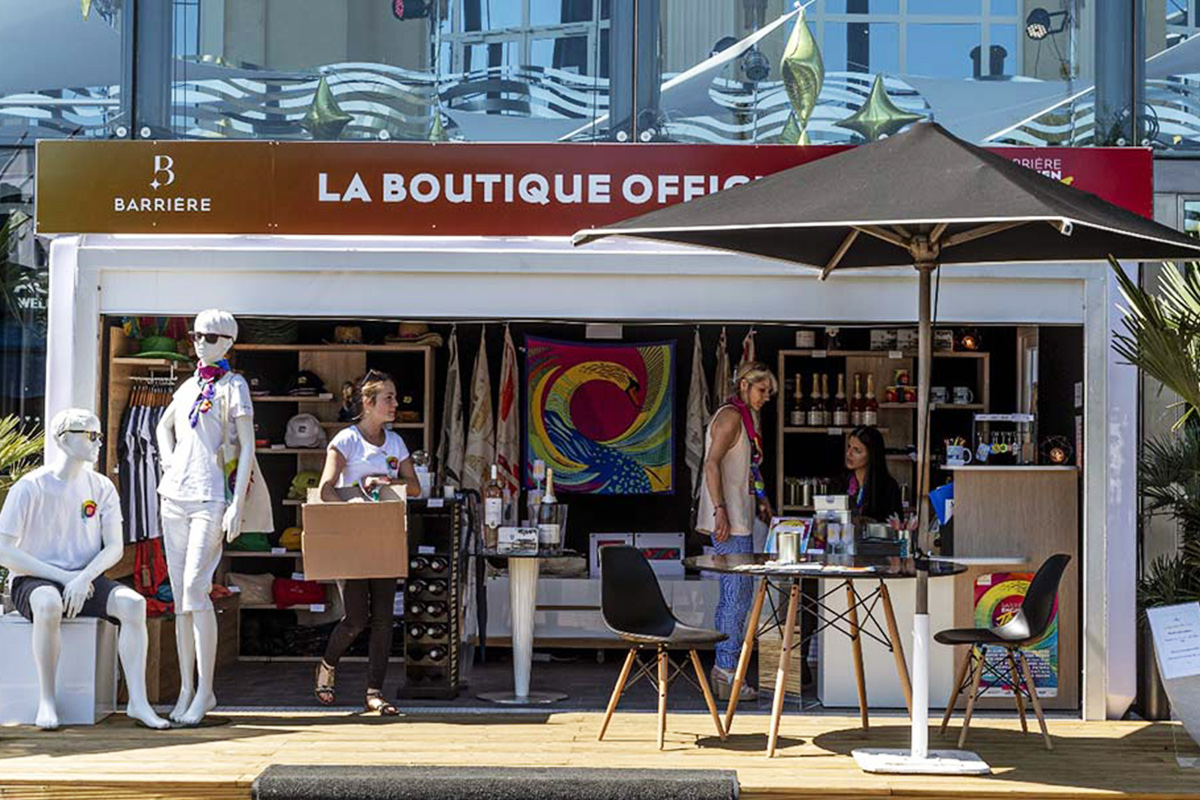
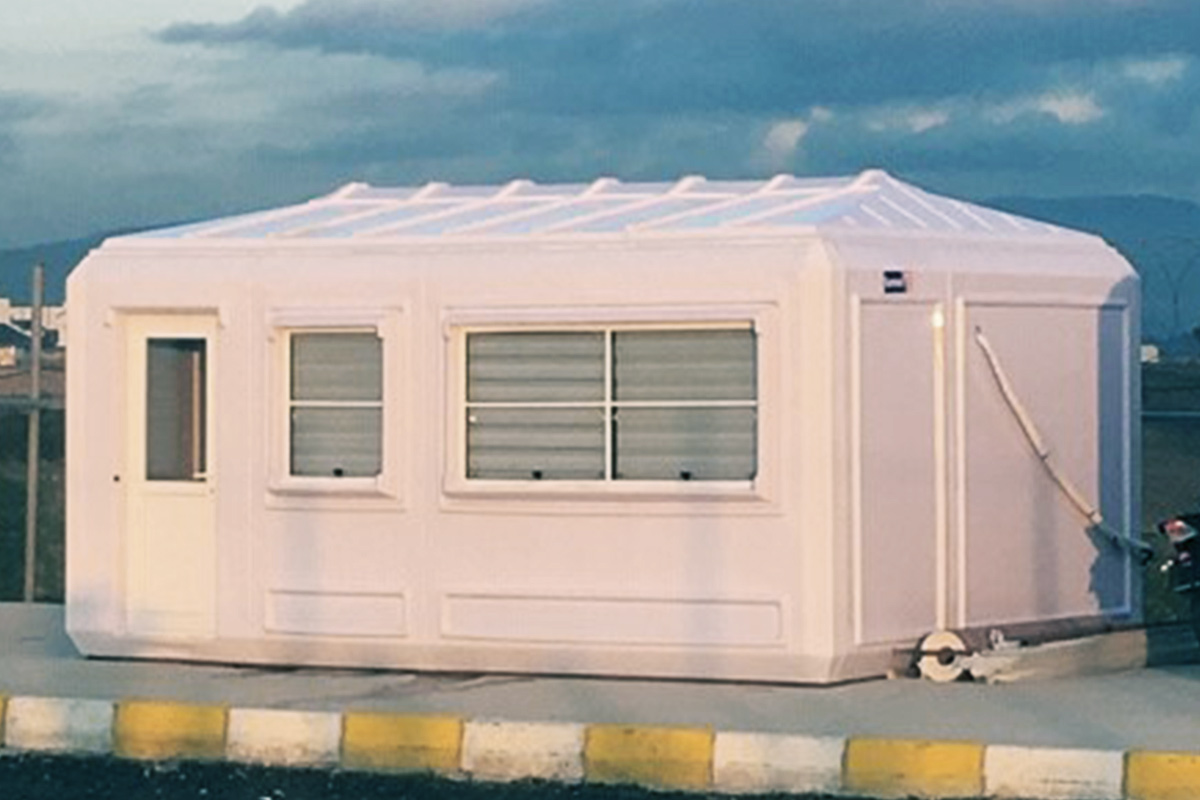
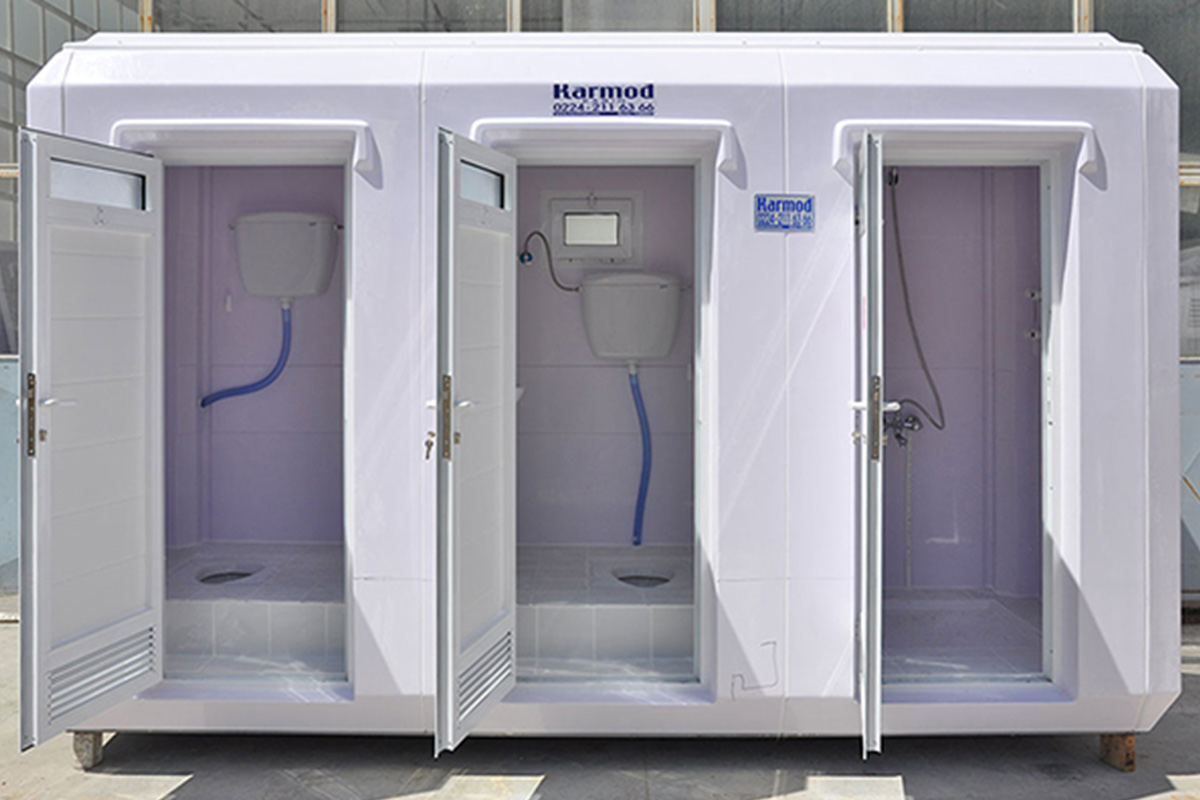
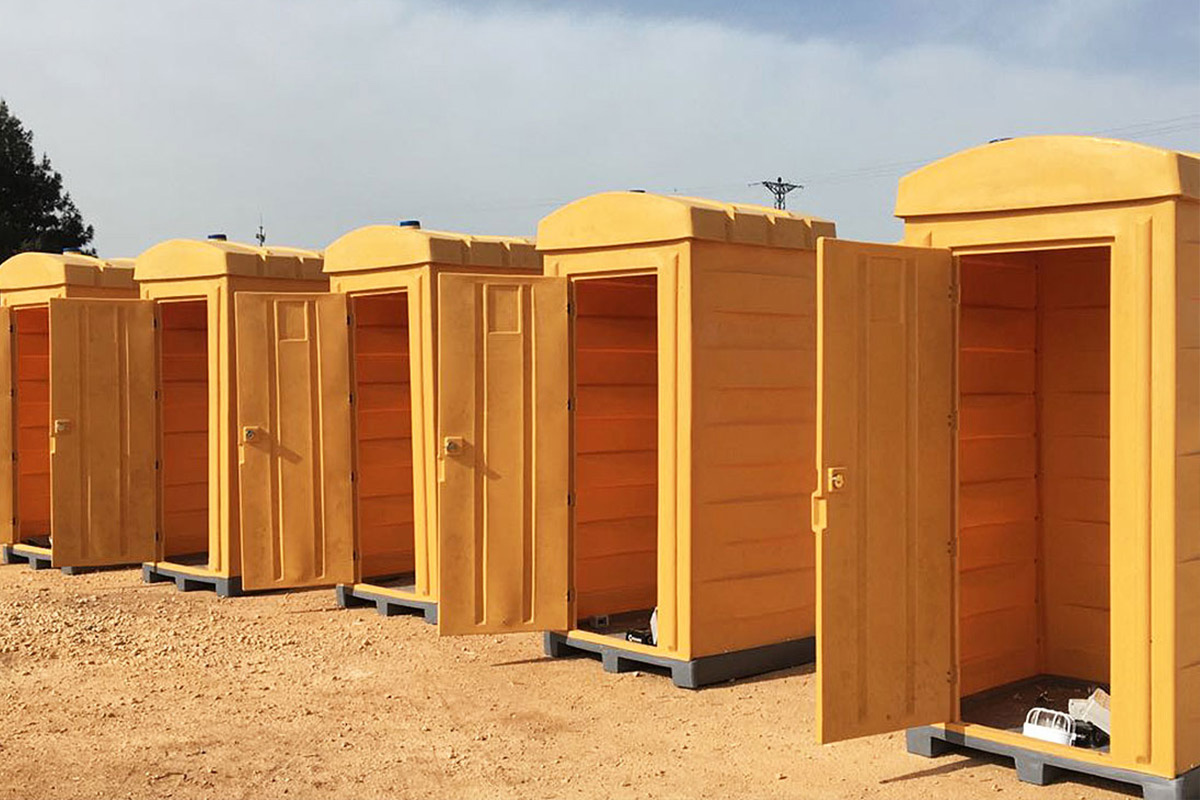
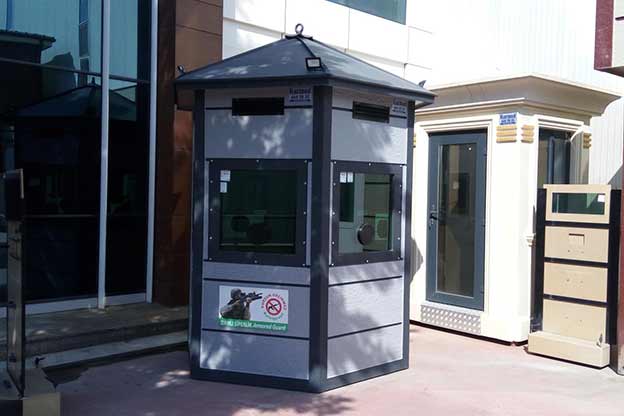
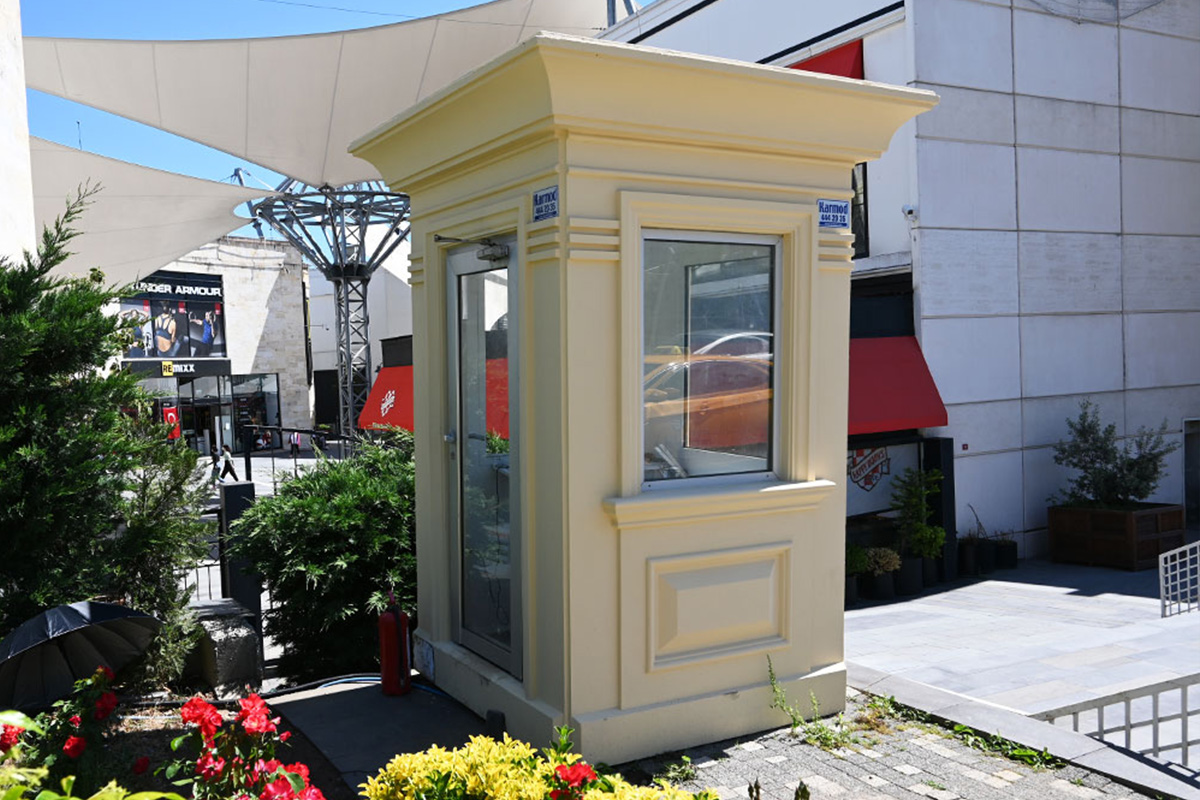
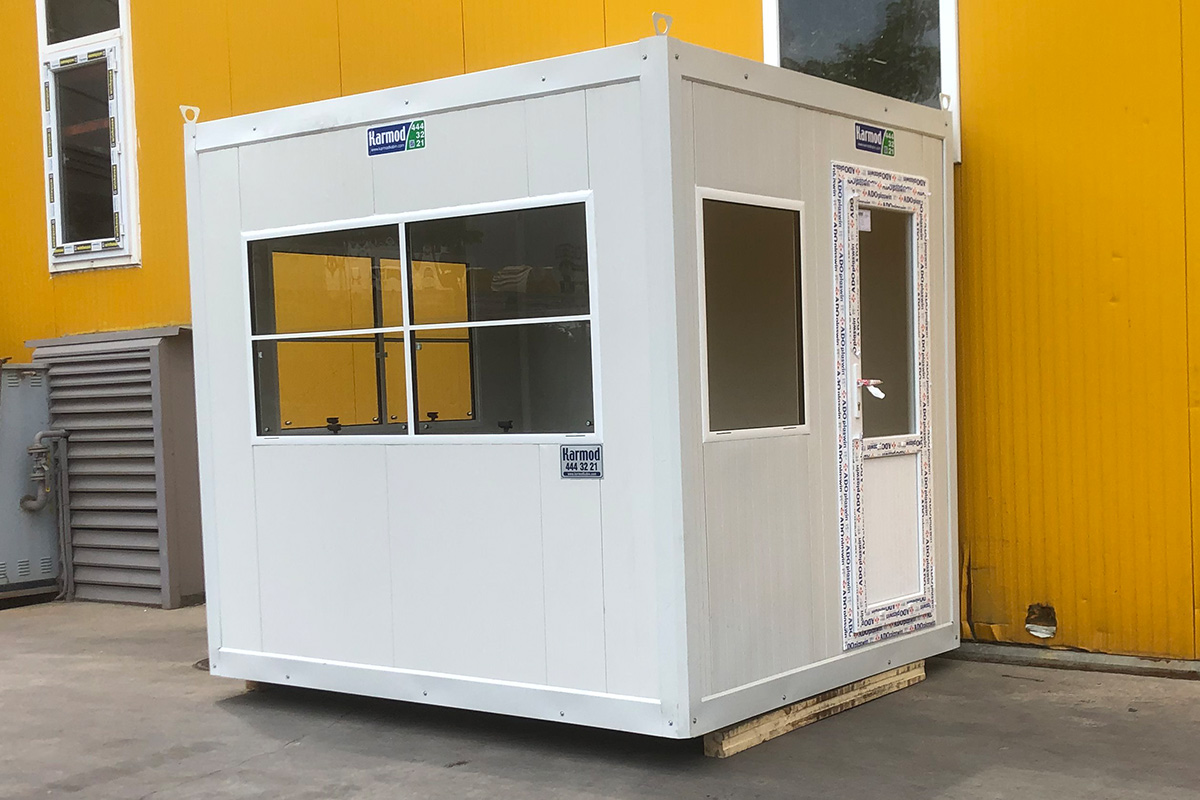
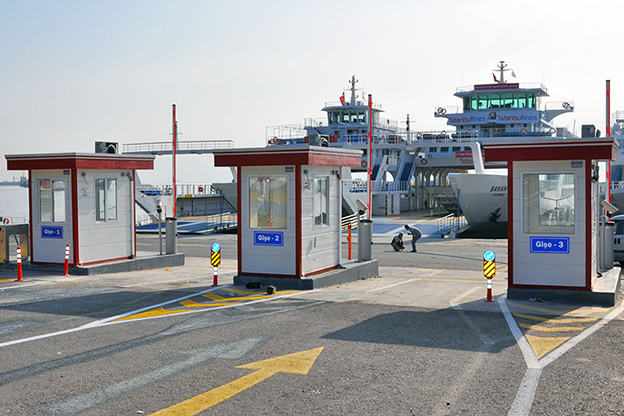
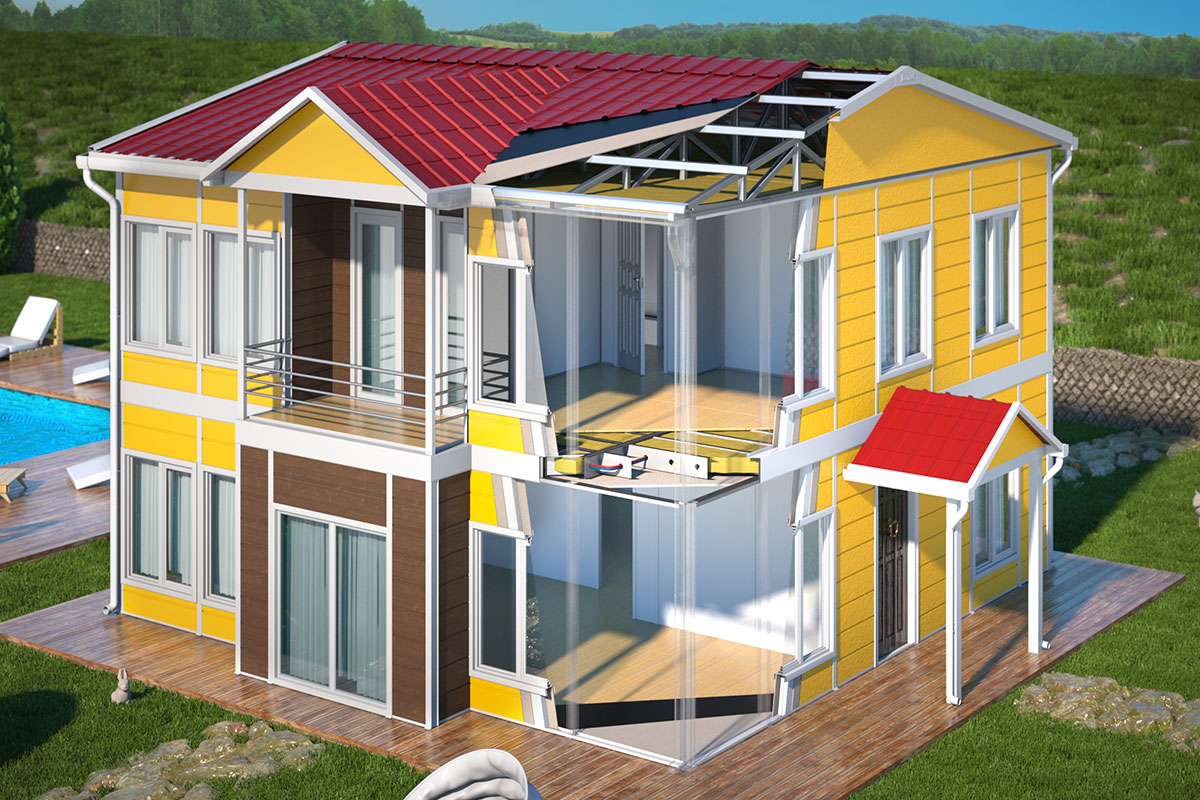
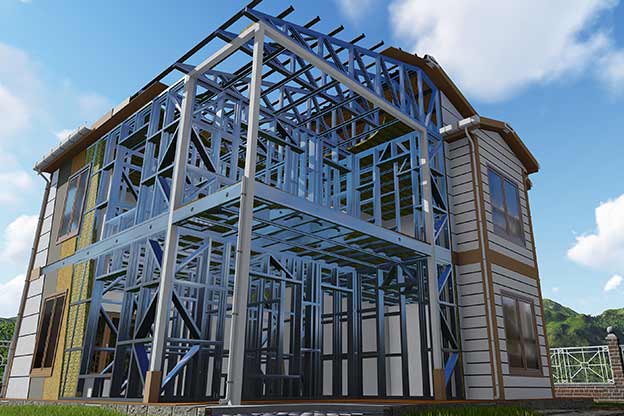
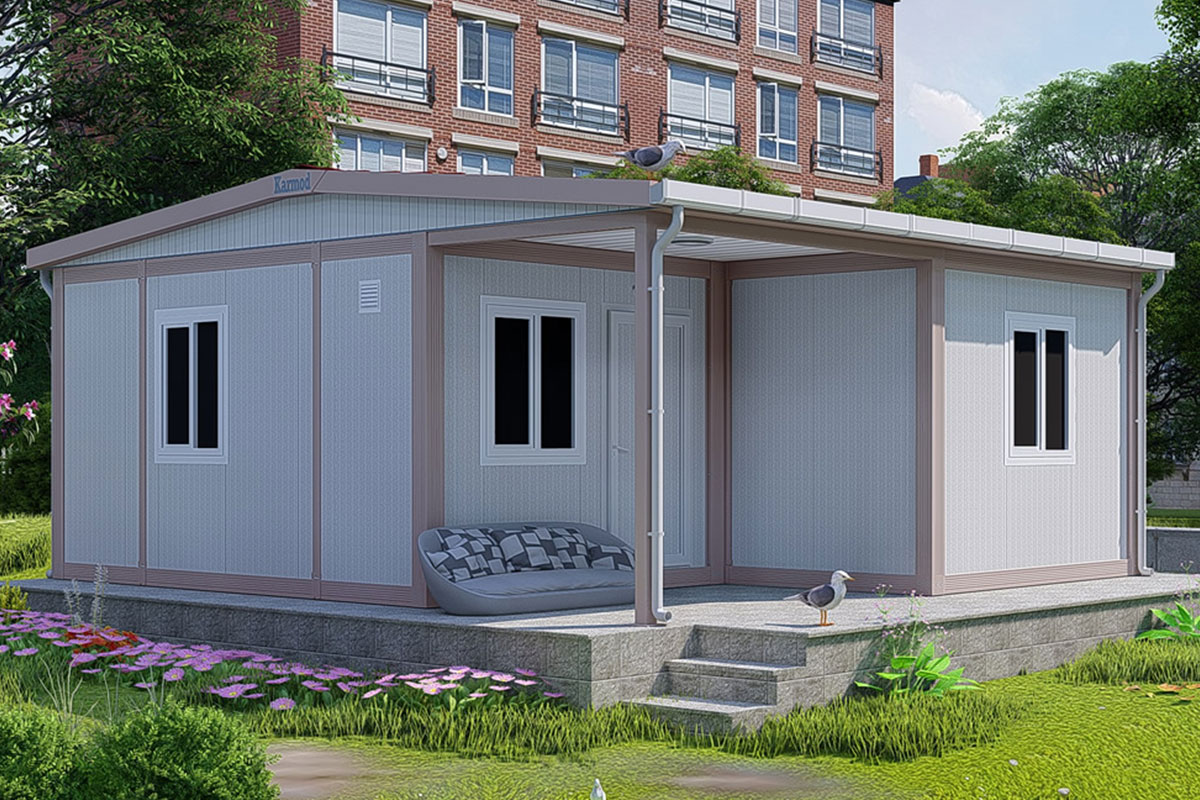
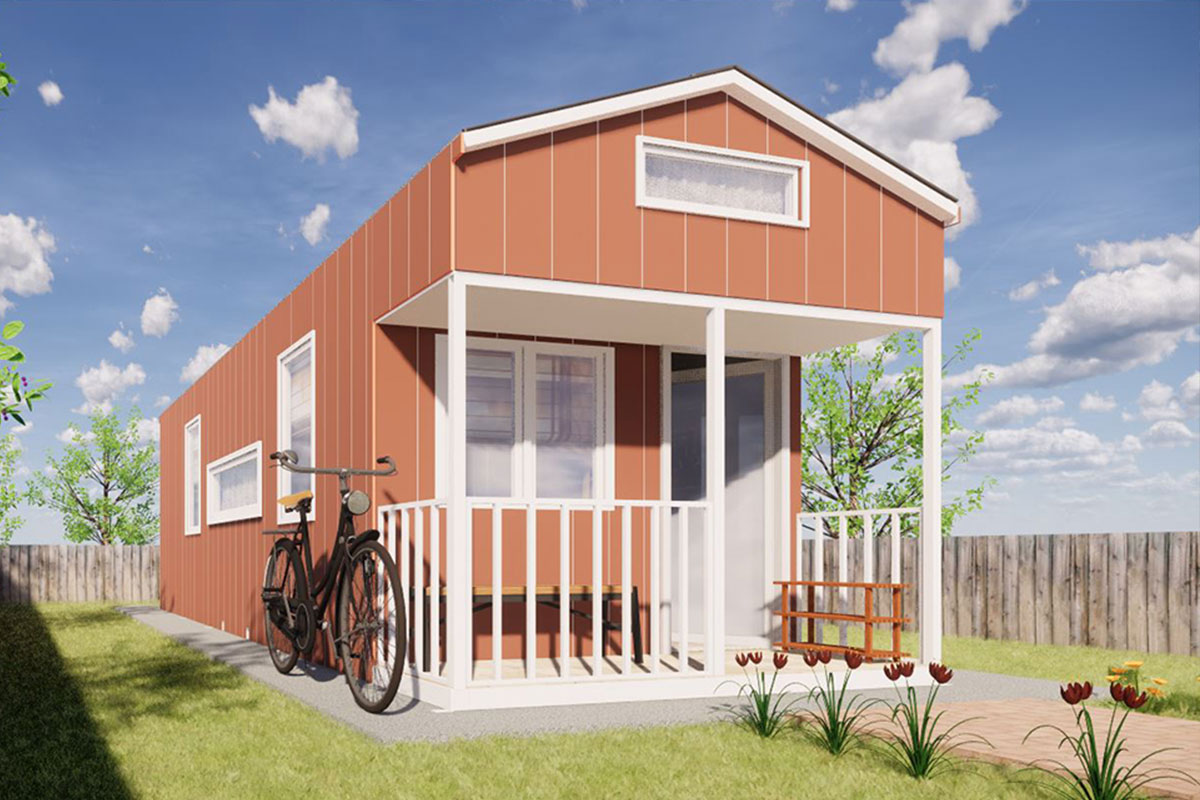
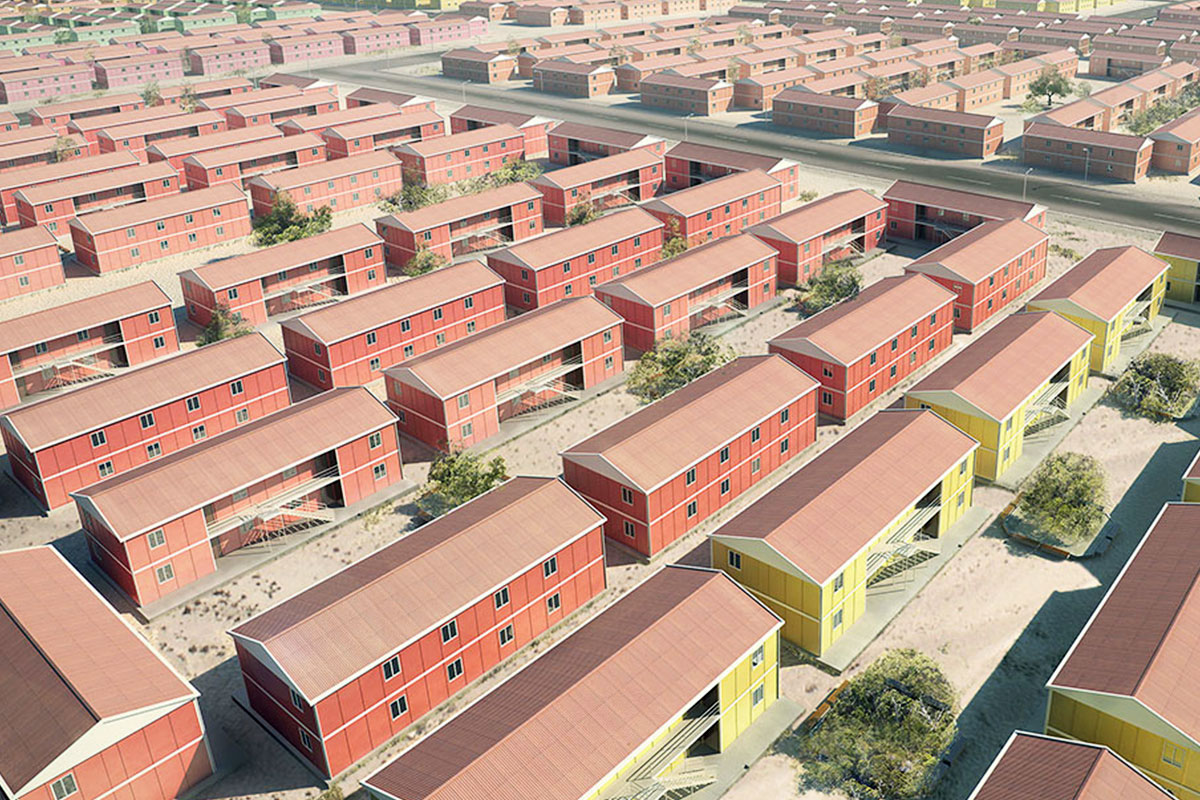
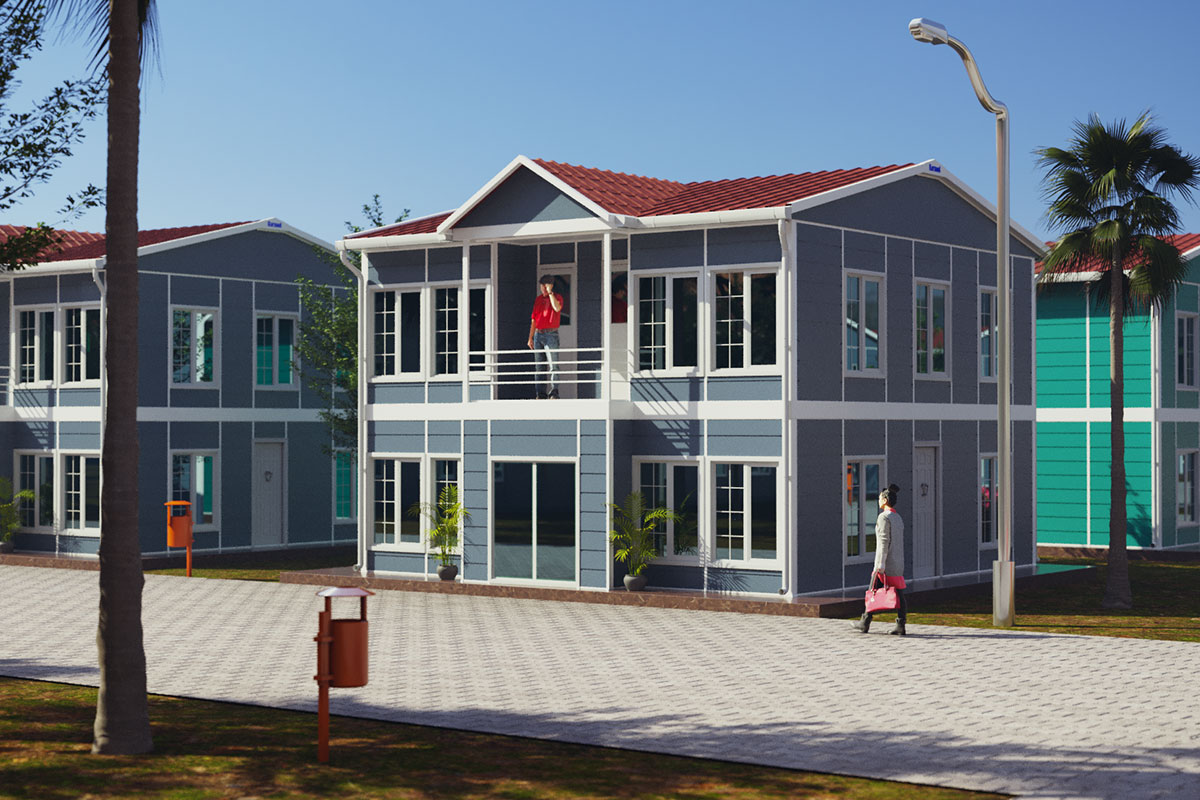
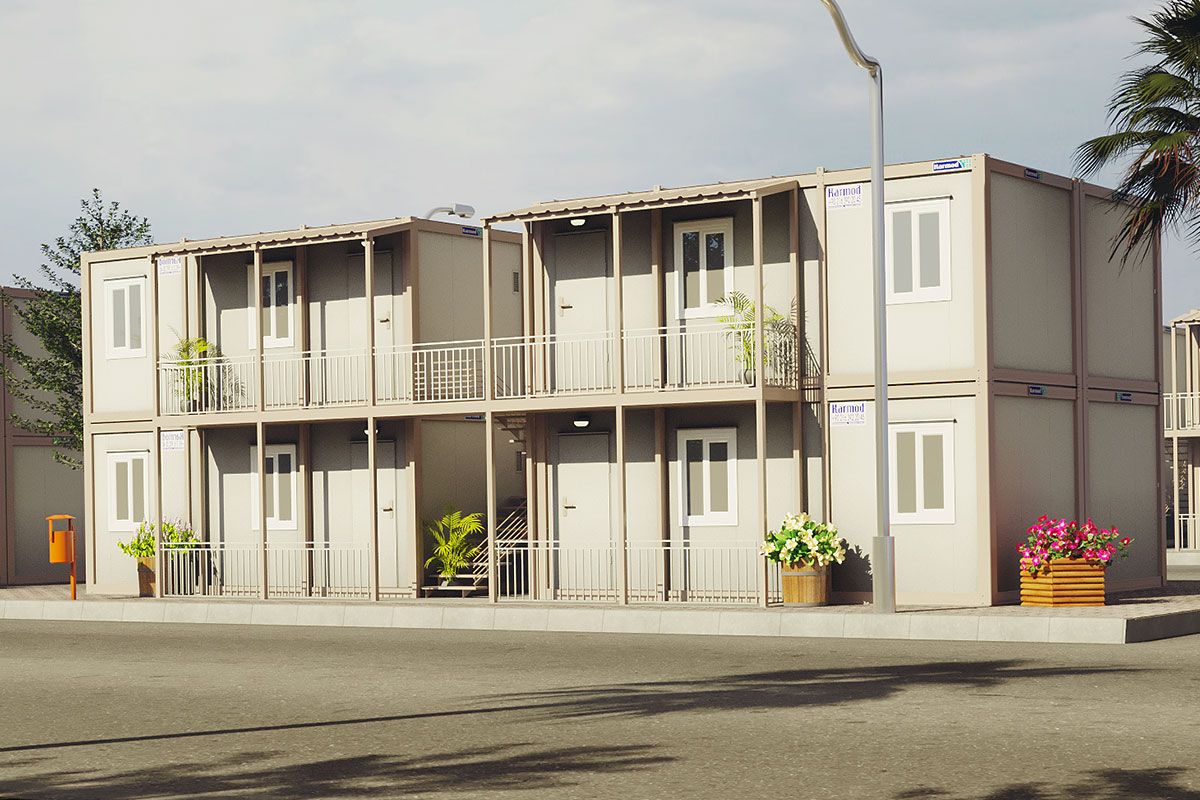
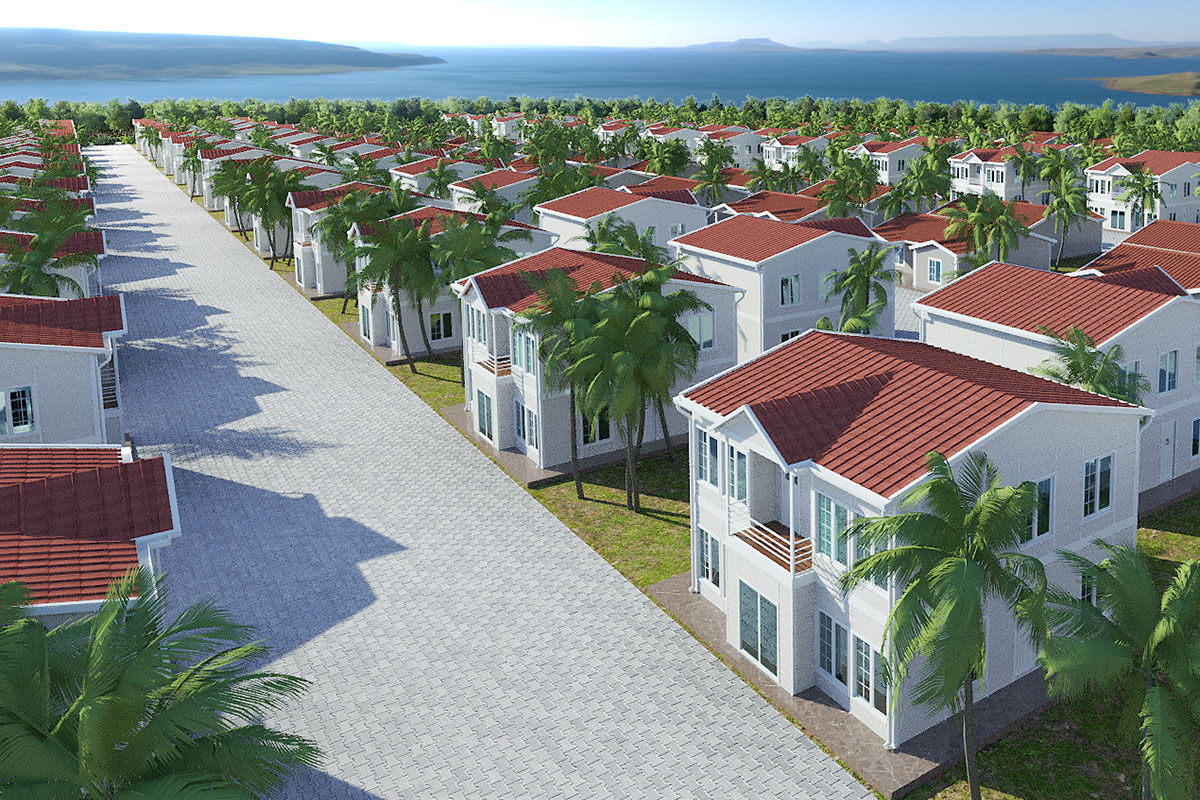
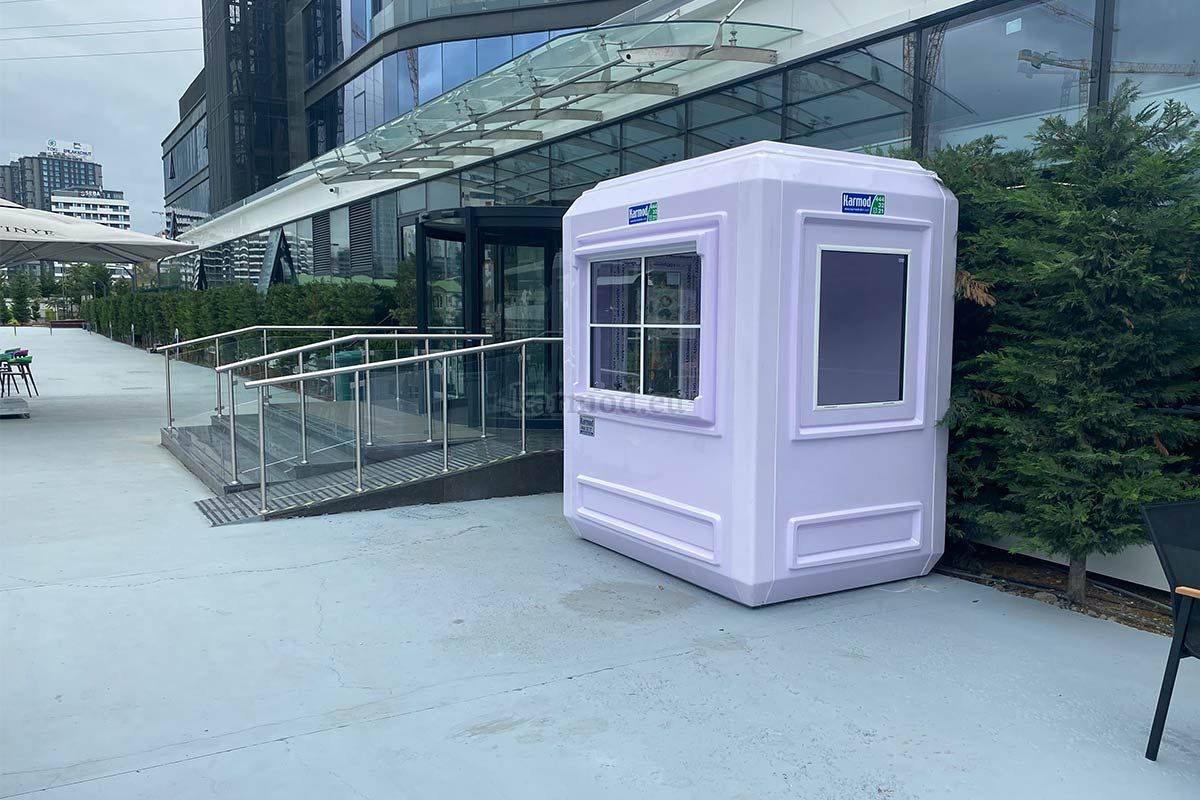
Cities are changing fast. Population pressure, climate challenges, and rising construction costs are forcing planners and developers to rethink how urban spaces are built. In this shift, prefab structures are no longer seen as temporary or secondary solutions. They are becoming a core building block of smart, green cities designed for long-term resilience.
Prefab construction aligns naturally with sustainability goals. Controlled factory production, reduced material waste, faster installation, and energy-efficient designs make these structures a practical response to modern urban demands. When integrated into smart city planning, prefab buildings help cities grow intelligently rather than uncontrollably.
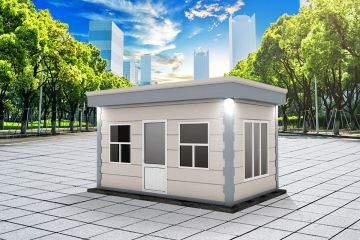
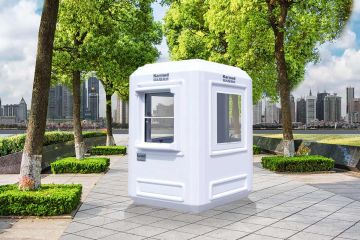
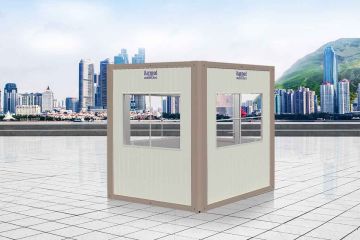
Why Smart Green Cities Need Prefab Construction
Smart green cities are built around efficiency. Energy, land use, transportation, and resources are all optimized to reduce environmental impact while improving quality of life. Traditional construction methods often struggle to meet these goals due to long timelines, on-site waste, and high carbon emissions.
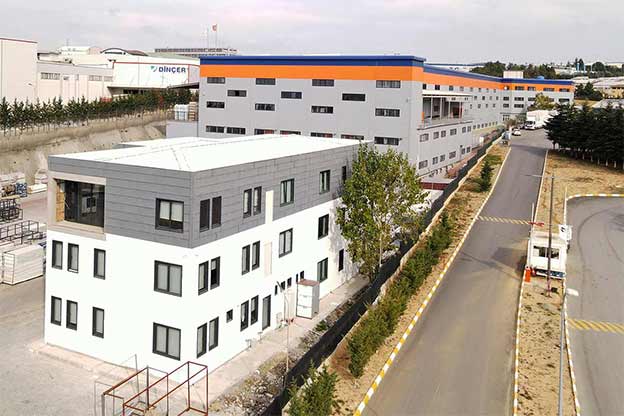
Prefab structures offer a different model. Manufacturing takes place in controlled environments where materials are used precisely and waste is minimized. On-site assembly is faster and cleaner, reducing noise, dust, and disruption in dense urban areas. This makes prefab construction especially suitable for cities aiming to modernize without slowing daily life.
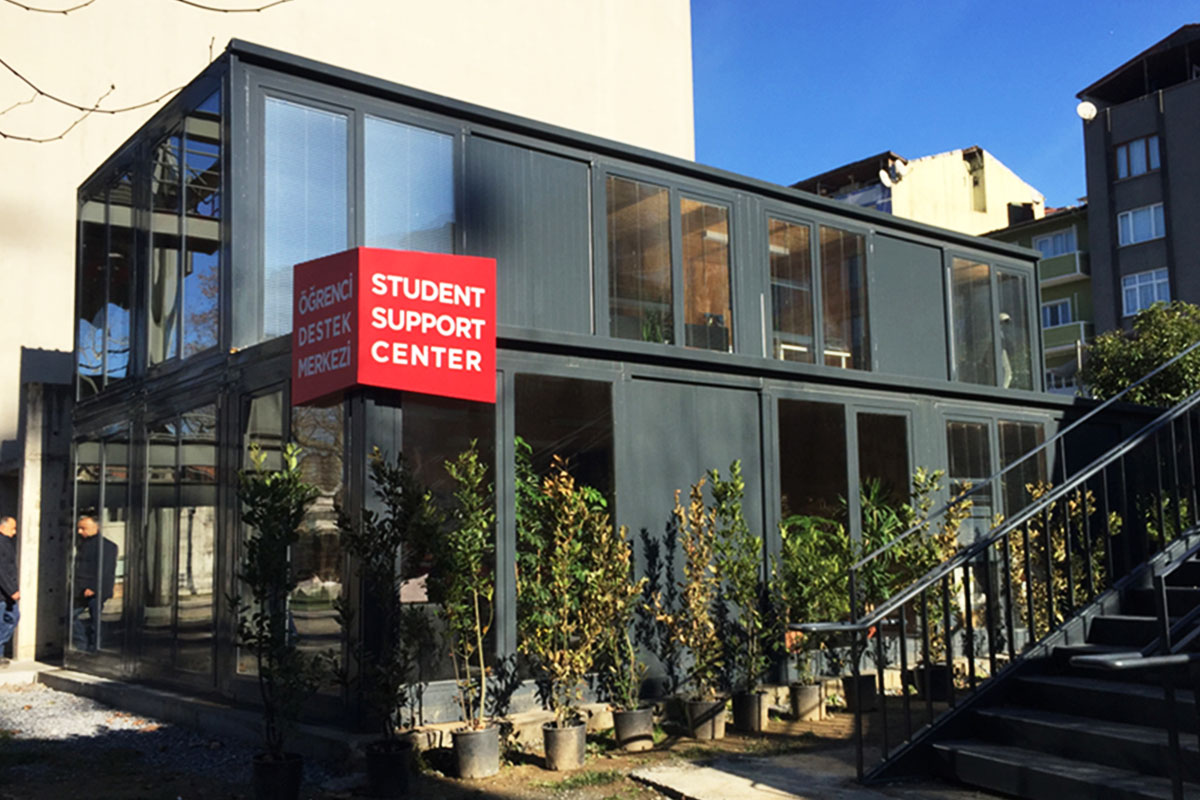
From a planning perspective, prefab buildings allow cities to respond quickly to changing needs. Schools, healthcare facilities, offices, and mixed-use buildings can be delivered where and when they are needed, without locking urban layouts into inflexible designs.
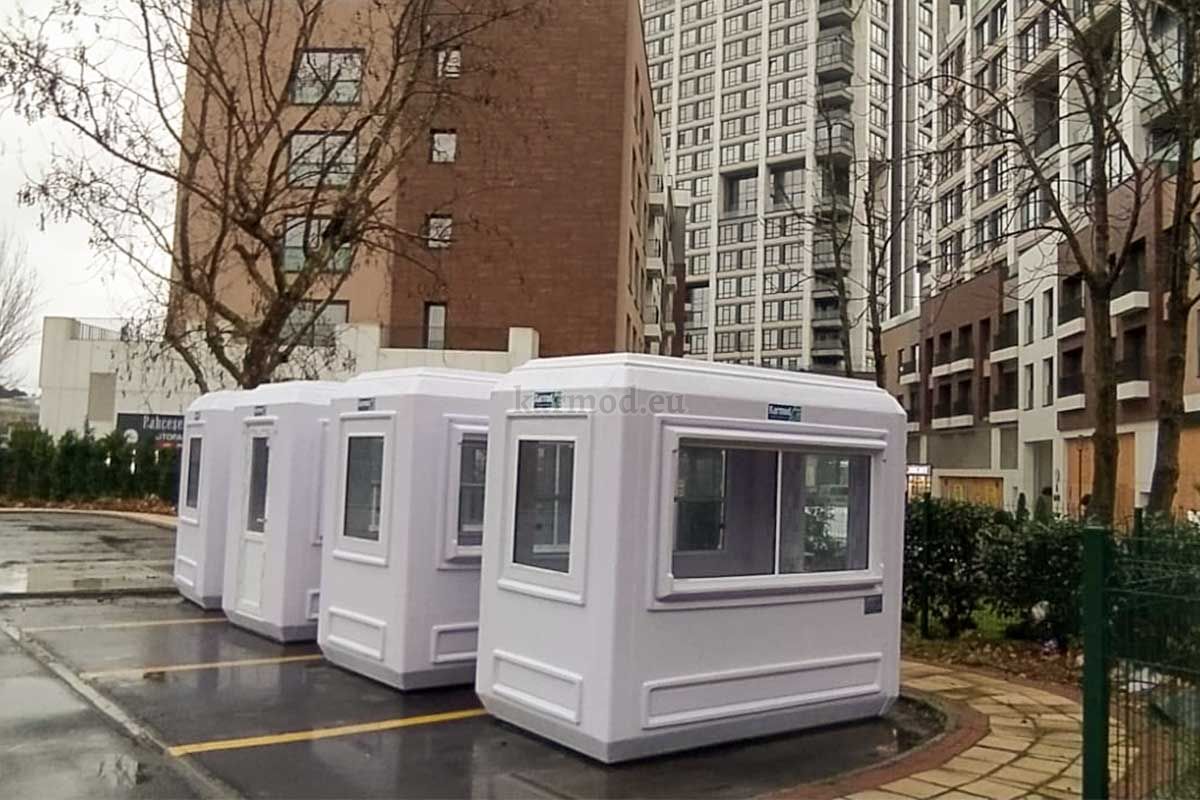
Energy Efficiency and Environmental Performance
Energy efficiency is one of the strongest advantages of prefab structures in green cities. High-performance insulation, airtight building envelopes, and precise assembly are easier to achieve in factory-controlled production than on traditional construction sites.
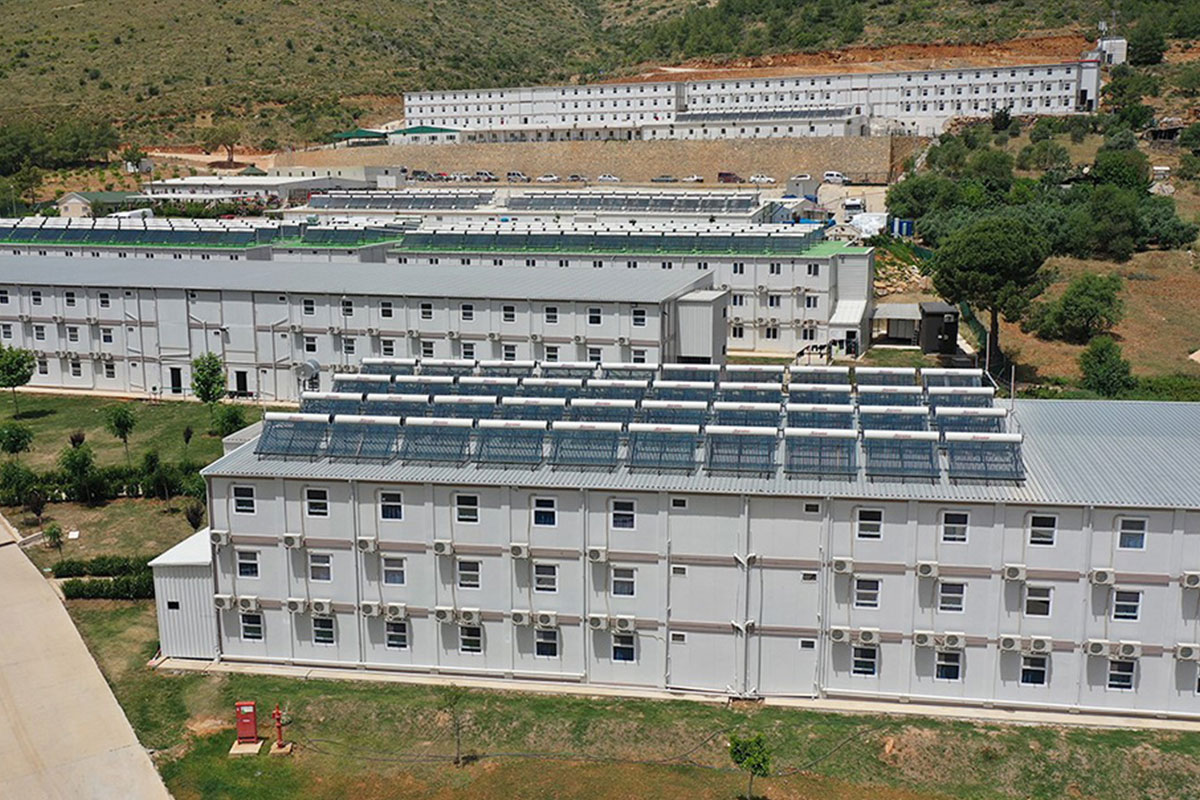
Prefab buildings are also well suited for integrating renewable energy systems. Solar panels, heat pumps, smart ventilation, and building management systems can be planned from the earliest design stage. This approach ensures consistent performance and avoids costly retrofits later on.
Beyond energy, prefab construction supports broader environmental goals through responsible material selection, reduced water consumption, and lower lifecycle emissions. These factors make prefab buildings measurable contributors to city-wide sustainability targets.
Flexibility and Scalability in Urban Planning
Cities are living systems. What works today may not work ten years from now. One of the biggest risks in urban development is committing to rigid structures that cannot adapt to future needs. Prefab construction addresses this challenge directly.
Prefab structures are modular by nature. They can be expanded, relocated, or reconfigured as population density, land use priorities, or service demands evolve. A temporary facility can become permanent, and a single-purpose building can be adapted for new functions.
For municipalities and developers, this flexibility reduces long-term risk. Investments remain relevant even as regulations, technologies, and social expectations change. In smart green cities, adaptability is not optional—it is fundamental.
Digital Integration and Smart City Compatibility
Smart cities depend on data-driven decision-making. Buildings are no longer passive spaces; they actively contribute to urban intelligence. Prefab structures are particularly compatible with this model because digital systems can be integrated during production.
Sensors for energy consumption, indoor air quality, lighting, and occupancy are installed and tested before delivery. This ensures reliability and simplifies future monitoring. City managers and operators gain real-time insights that help optimize performance and reduce waste.
Connectivity infrastructure is another advantage. Cabling, automation systems, and smart controls are installed with precision, reducing operational issues and maintenance costs. Prefab buildings are ready to connect with wider smart city networks from day one.
Reduced Construction Impact on Urban Life
Sustainability is not only about the finished building. The construction process itself has a significant impact on urban life. Long construction timelines increase emissions, disrupt traffic, and strain surrounding communities.
Prefab construction minimizes these effects. With most of the work completed off-site, installation times are dramatically shorter. Fewer deliveries, fewer workers on location, and reduced noise levels make prefab an urban-friendly construction method.
This reduced disruption is especially valuable in city centers, where space is limited and tolerance for prolonged construction is low. Prefab solutions allow cities to develop responsibly while maintaining everyday functionality.
Policy Support and Regulatory Advantages of Prefab Construction
Governments and municipalities increasingly recognize prefab construction as a strategic tool for sustainable urban development. Many smart city frameworks and green building policies actively encourage off-site construction due to its efficiency and environmental benefits.
Prefab structures support compliance with energy regulations, carbon reduction targets, and standardized building codes. Their predictable performance makes approval processes more transparent and manageable, particularly for public projects.
For developers and investors, this regulatory alignment reduces uncertainty. Projects move forward with clearer expectations, fewer delays, and stronger alignment with long-term urban policies.
Social Impact and Quality of Life in Smart Green Cities
Beyond technical performance, prefab structures play an important role in improving everyday urban life. Well-designed prefab buildings contribute to healthier indoor environments, better acoustics, and more comfortable living and working spaces.
Access to quality spaces—delivered quickly and efficiently—supports social balance in growing cities. From education and healthcare to community facilities and workplaces, prefab solutions help cities respond to real human needs.
This human-centered impact is what ultimately defines a smart green city. Technology and sustainability only matter when they translate into better living conditions for the people who use the city every day.
Ready to Build Smarter and Greener with Prefab Solutions?
Smart green cities require building systems that are efficient, adaptable, and environmentally responsible from the very beginning. Prefab structures make it possible to deliver high-performance urban spaces faster, with less waste and greater long-term value.
Get in touch with us to discuss your project goals, evaluate technical specifications, and explore prefab solutions tailored to smart and sustainable city development. Our team is ready to help you turn forward-thinking urban concepts into reliable, future-ready structures.