






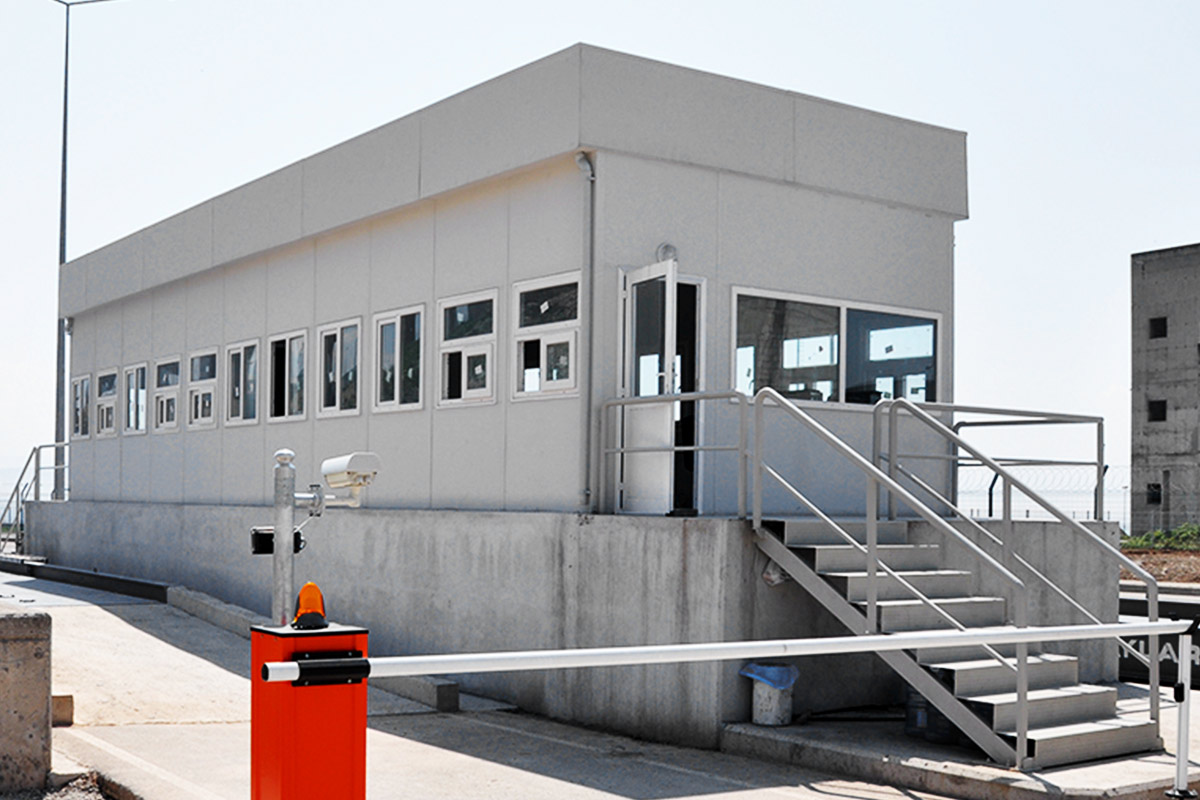
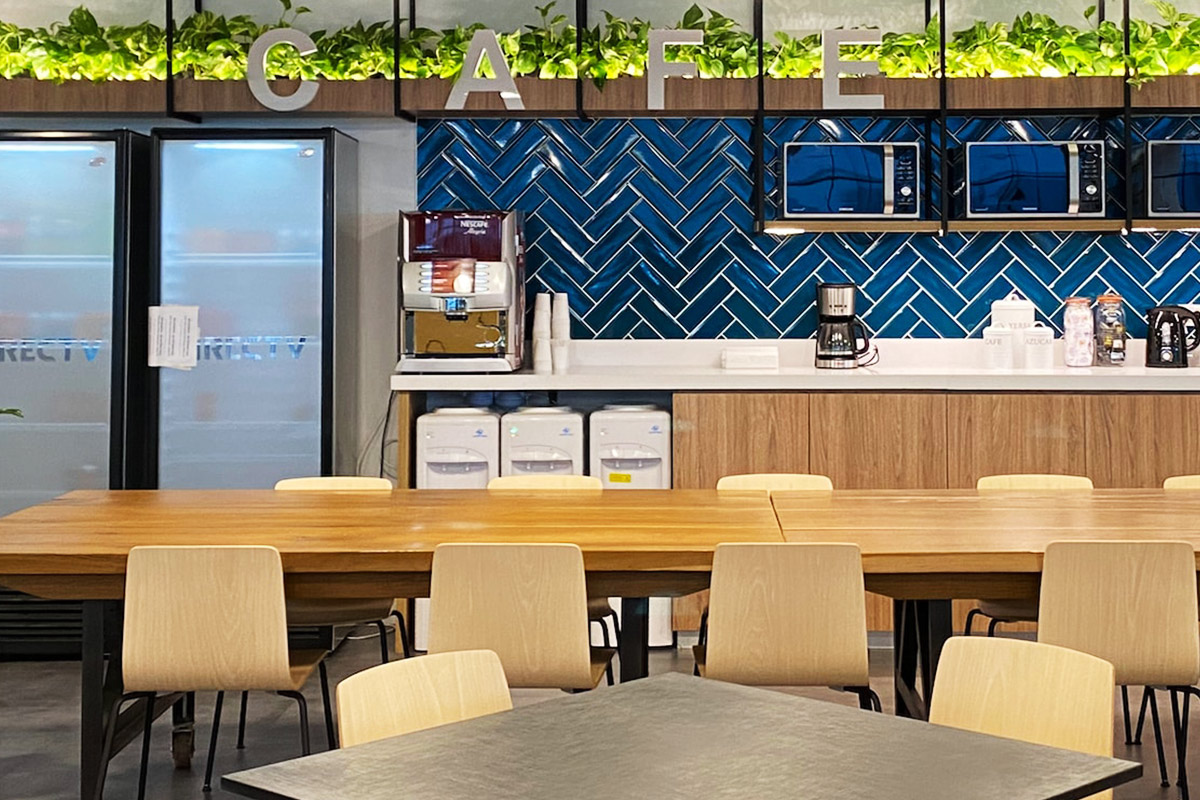
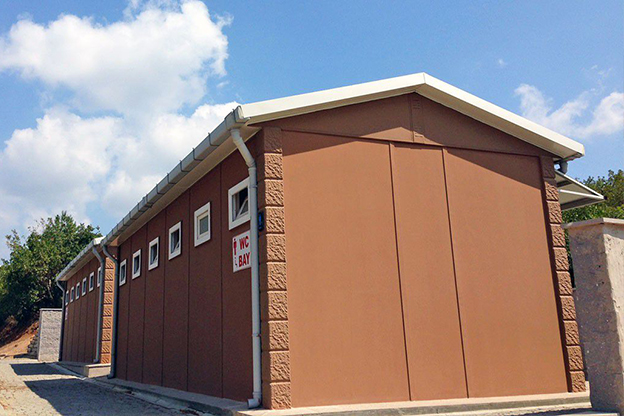
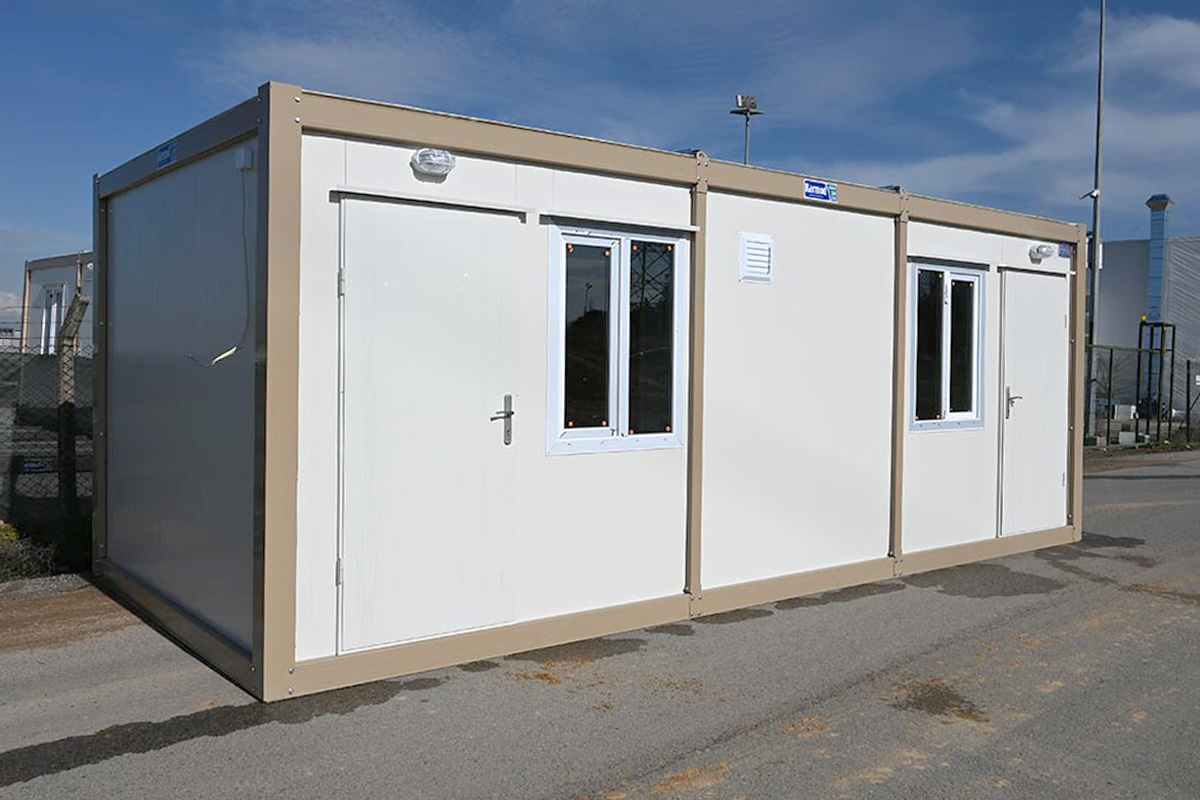
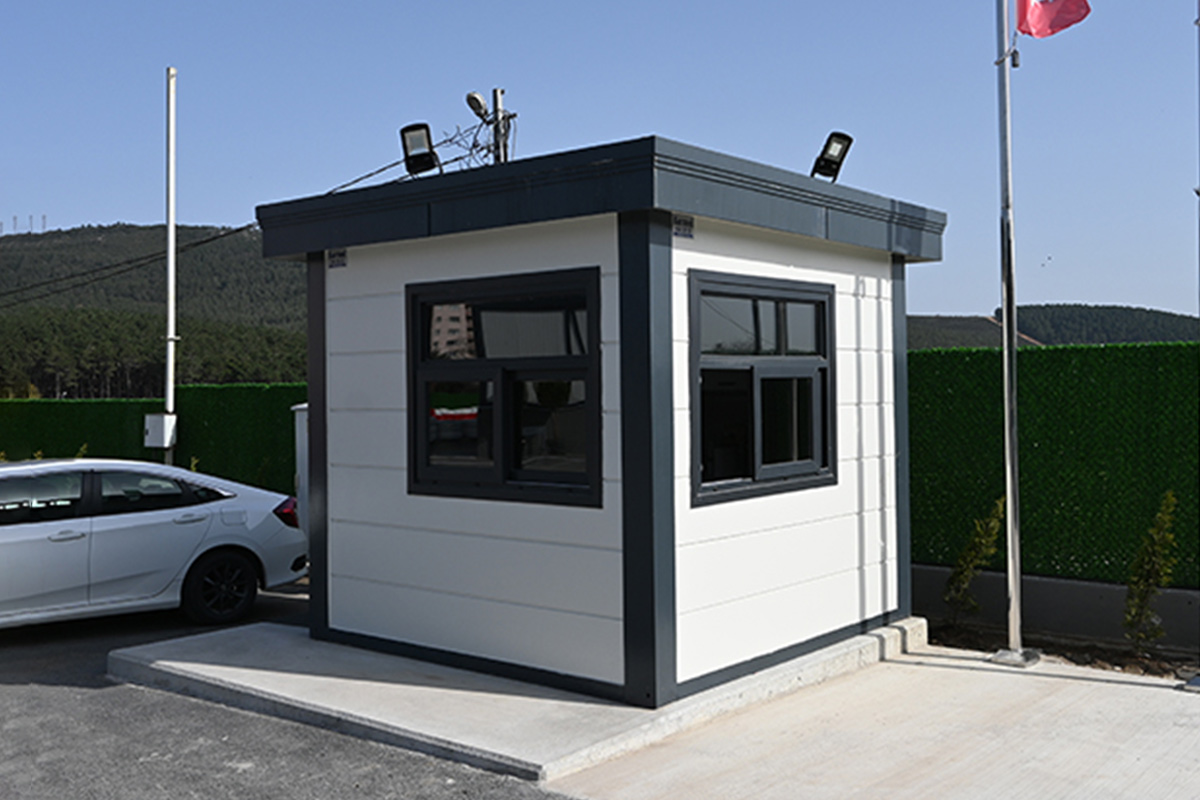
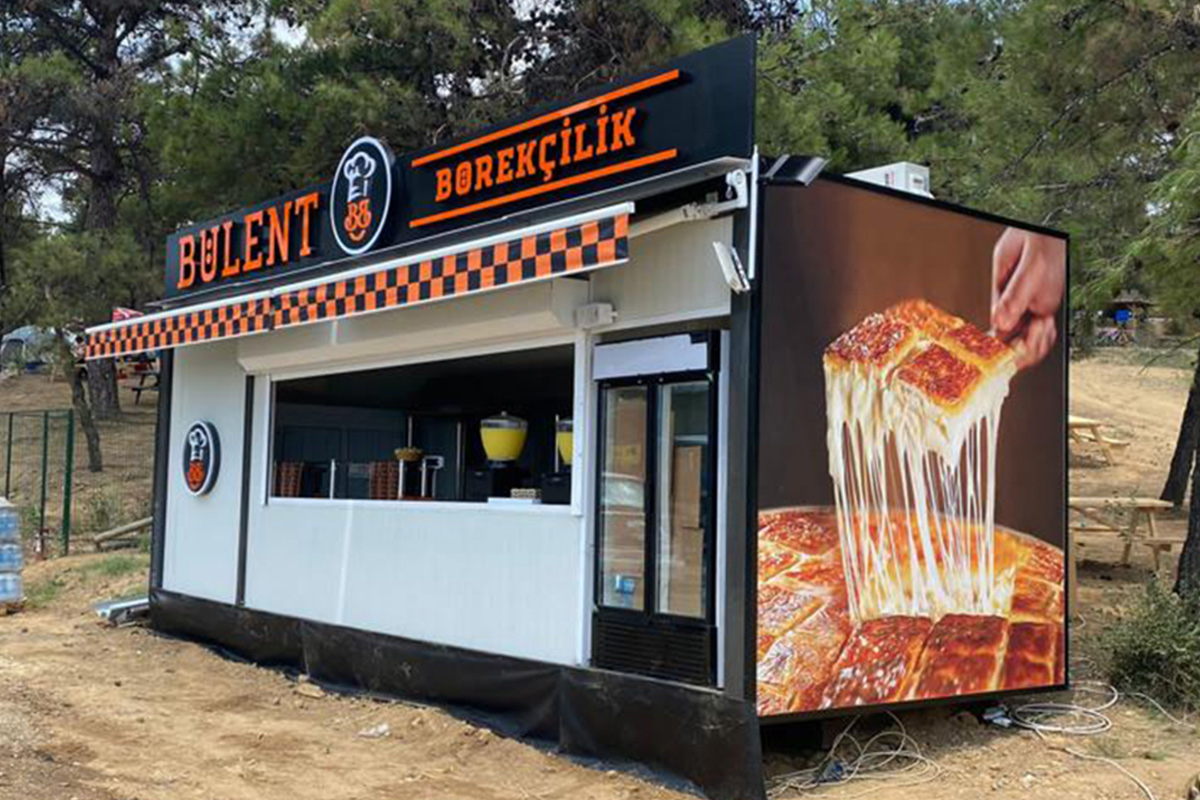
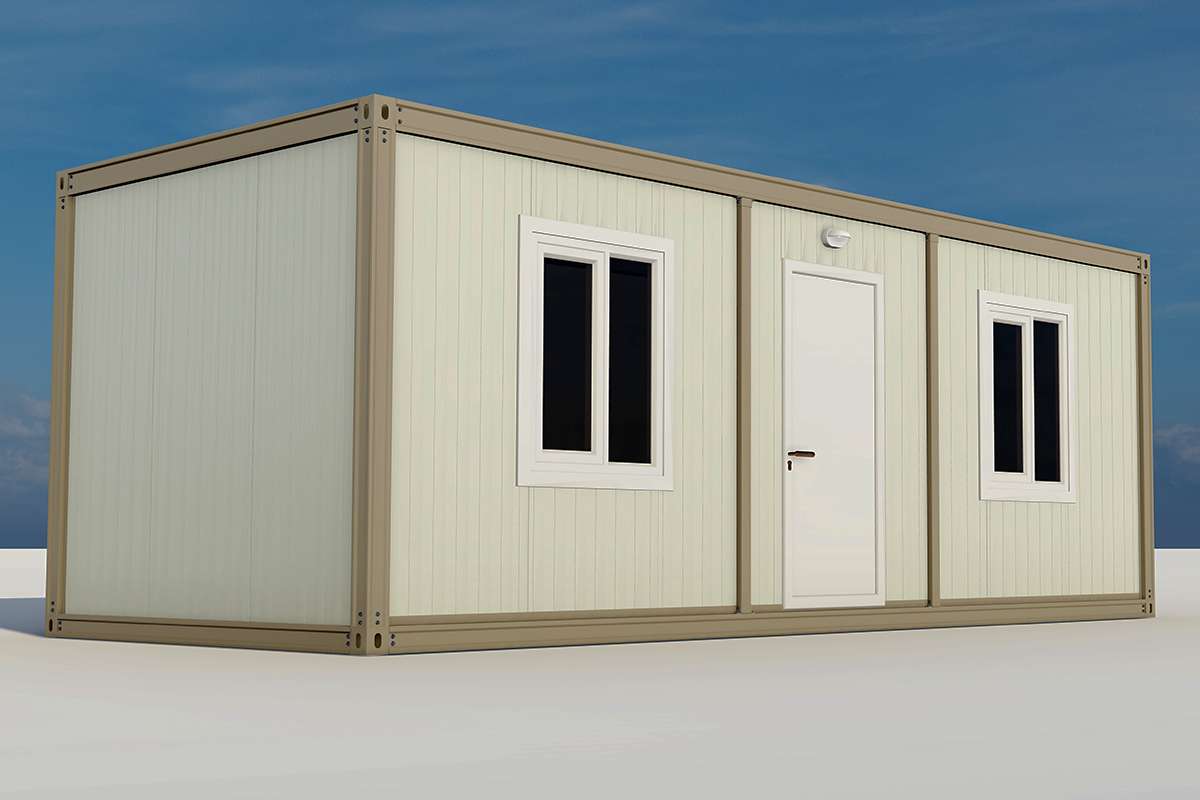
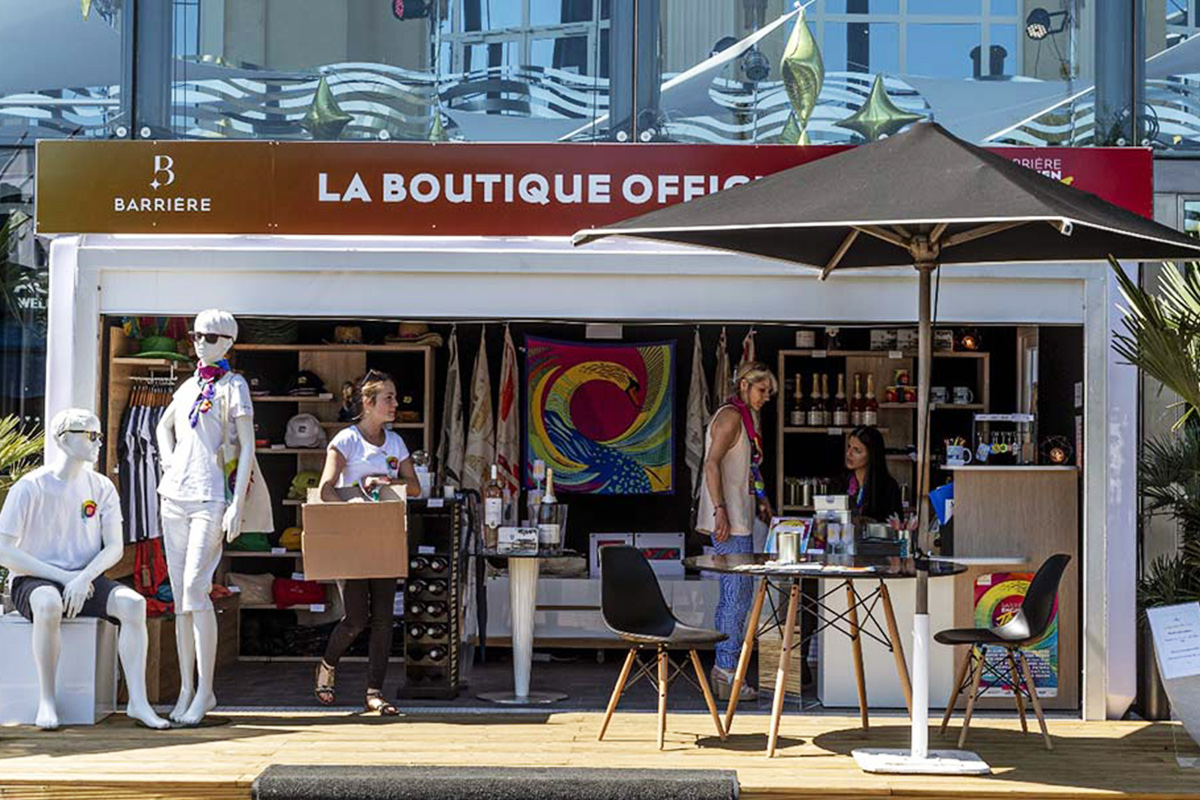
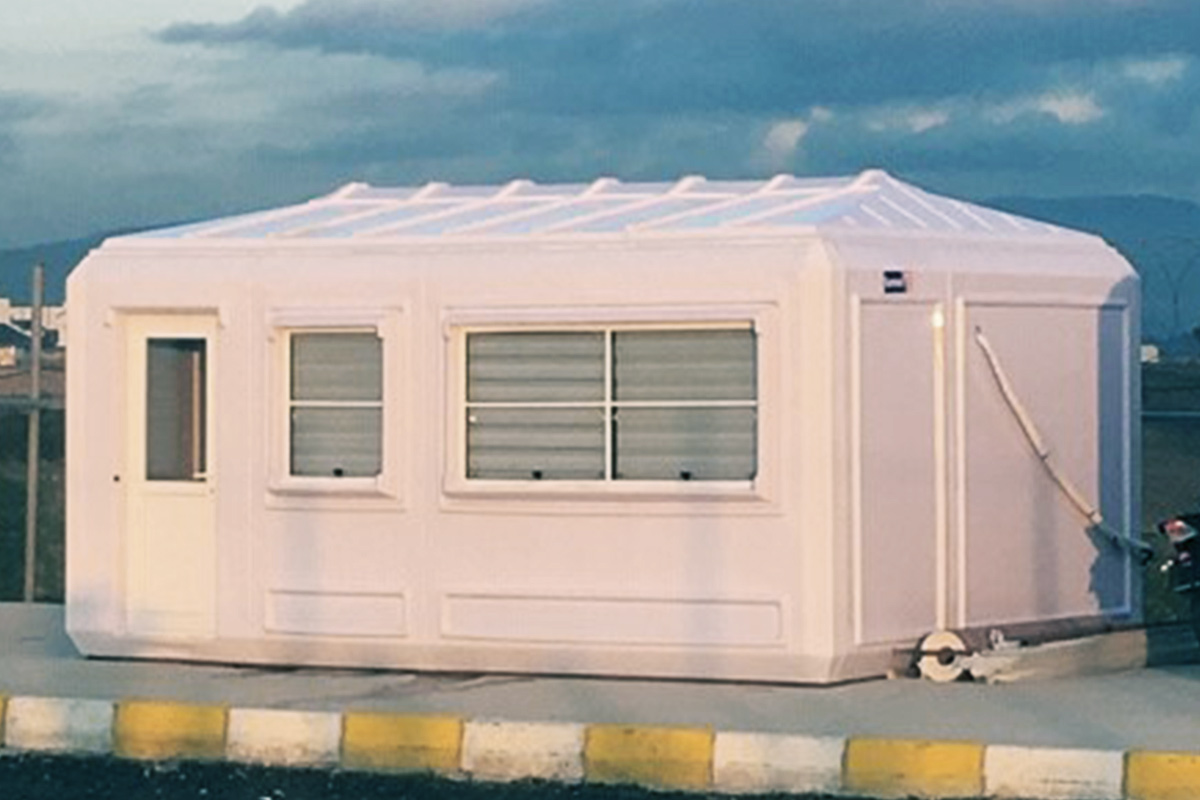
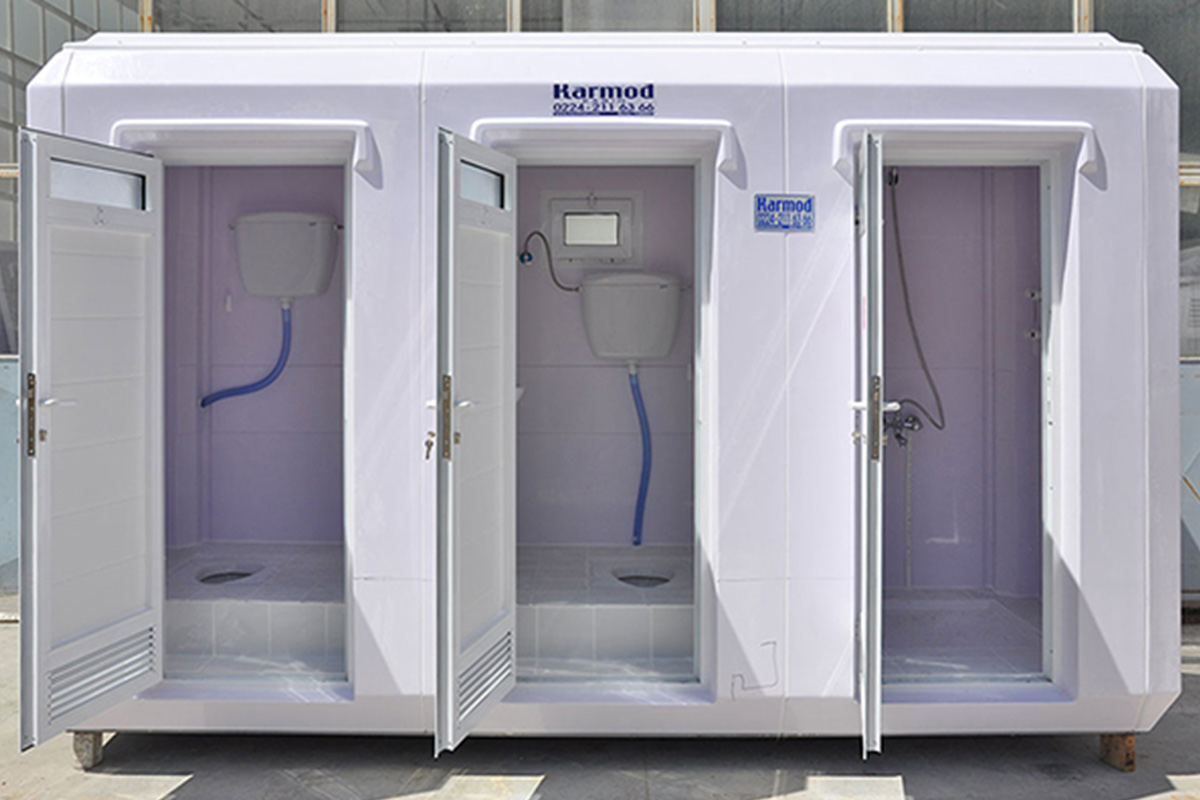
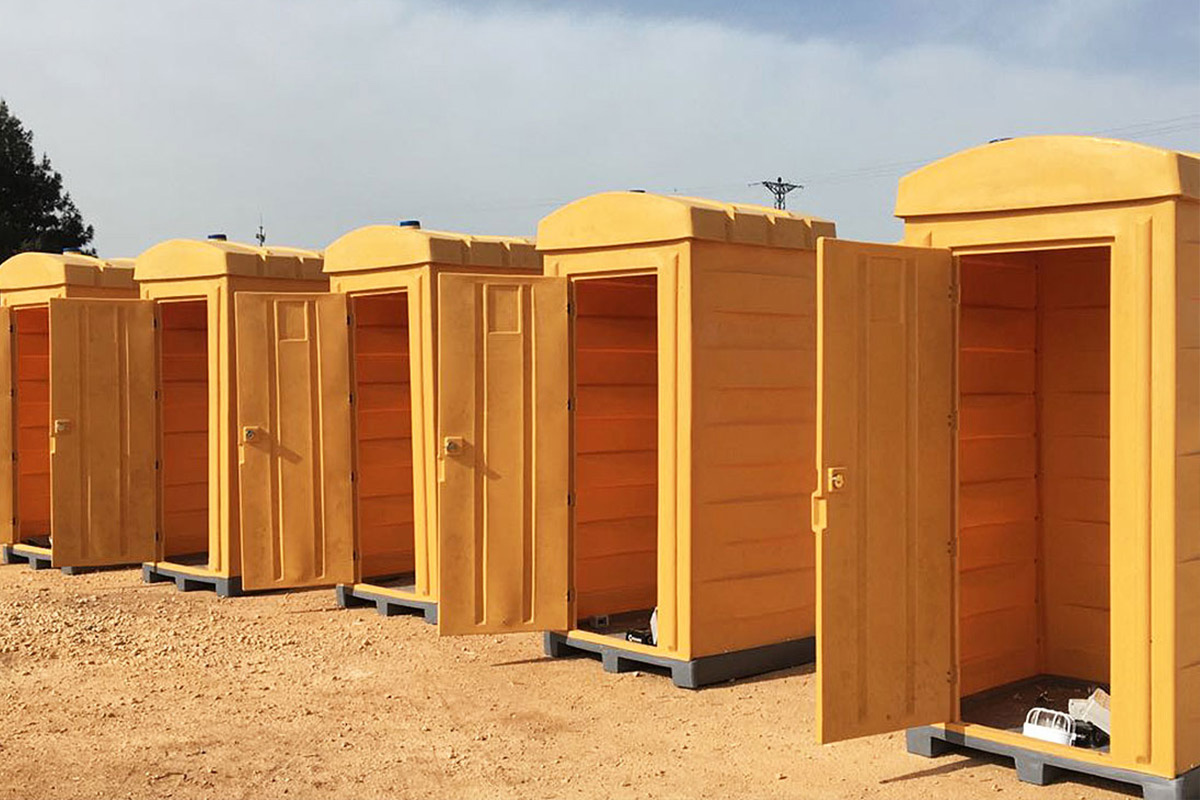
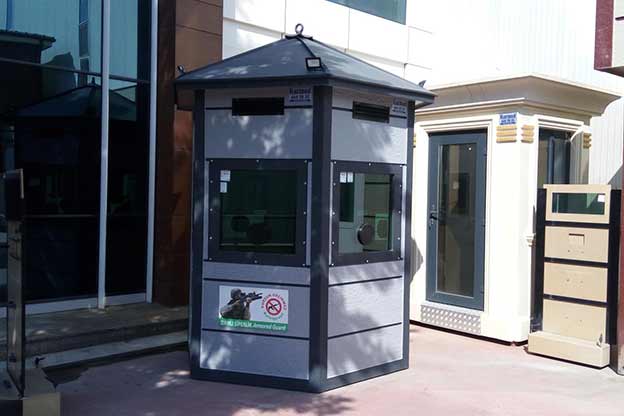
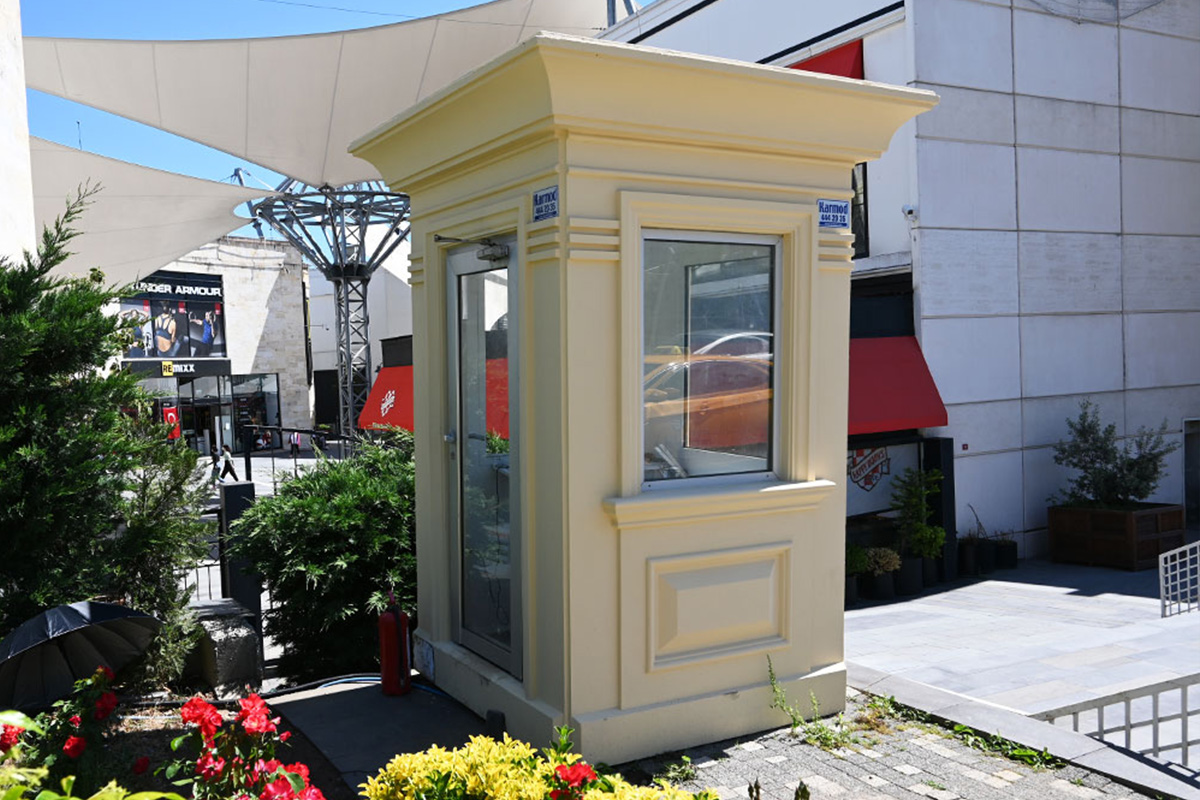
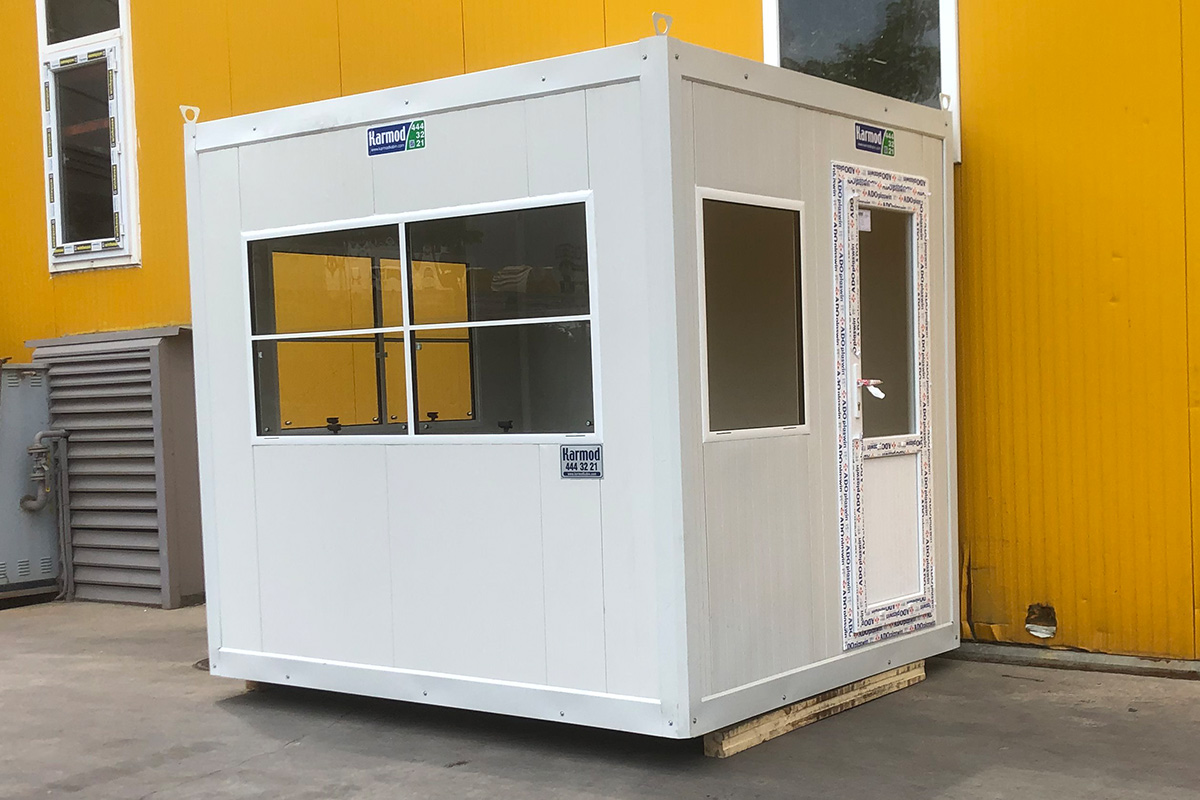
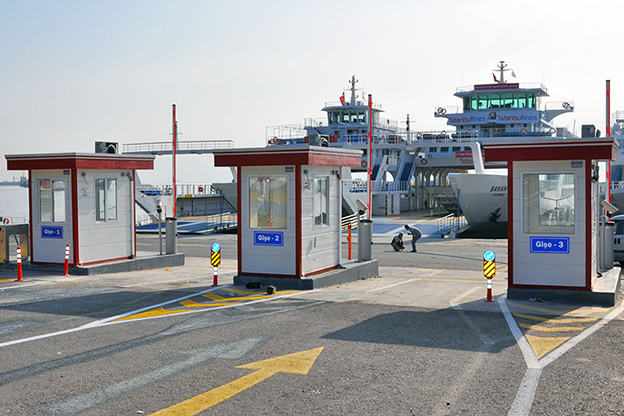

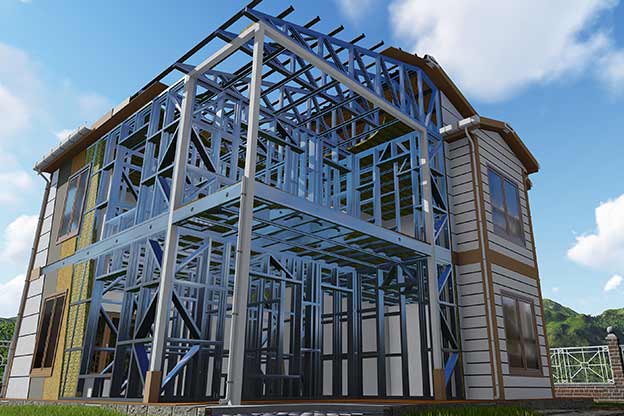
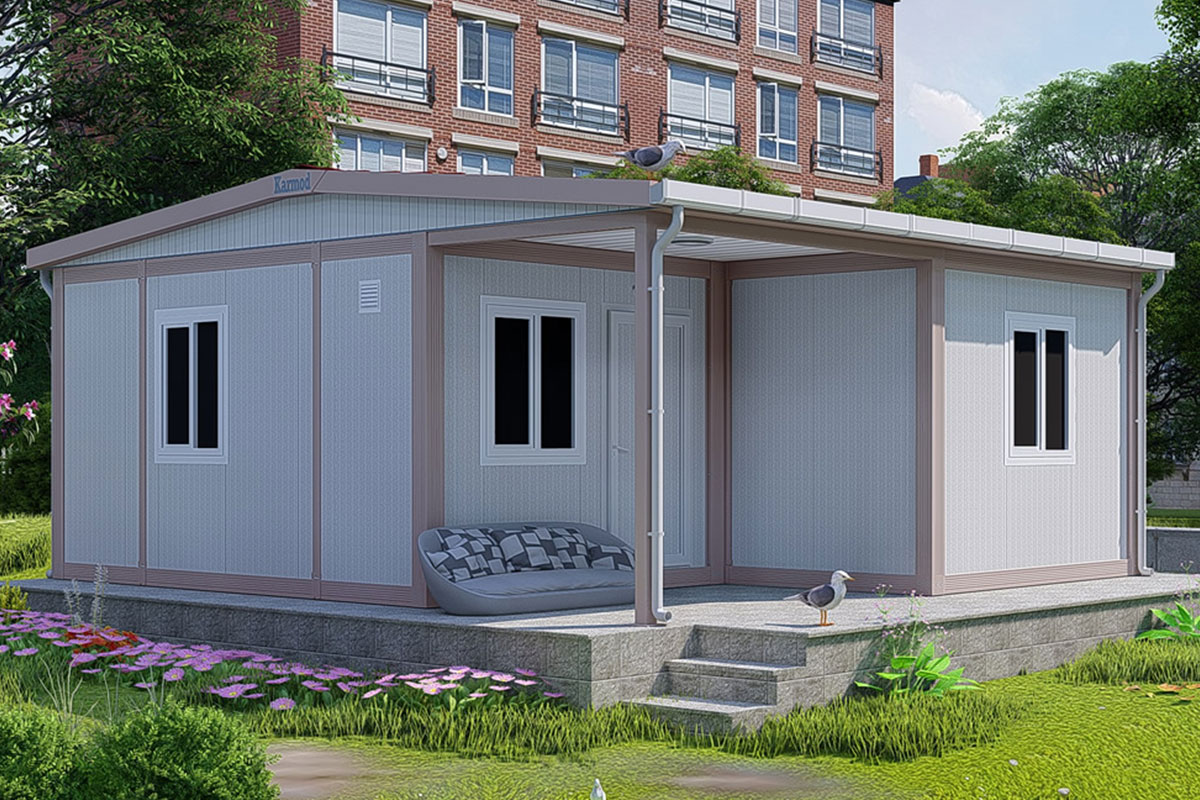
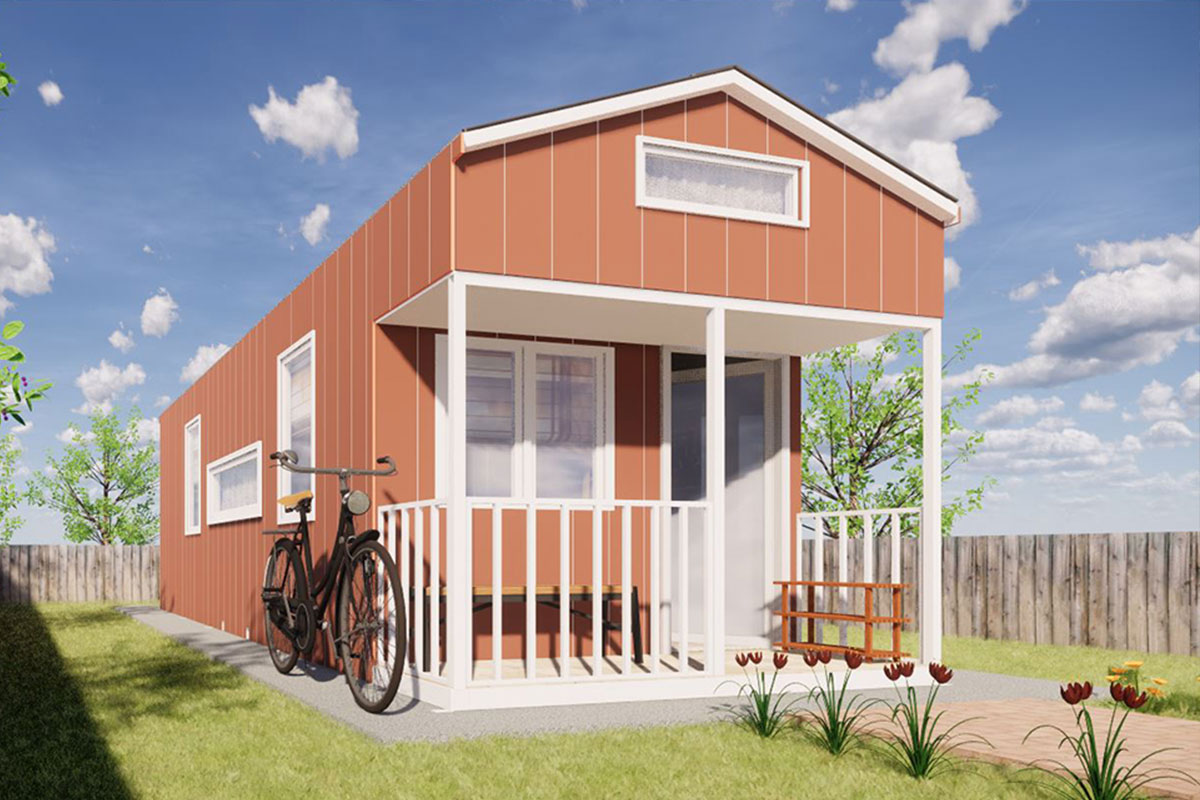
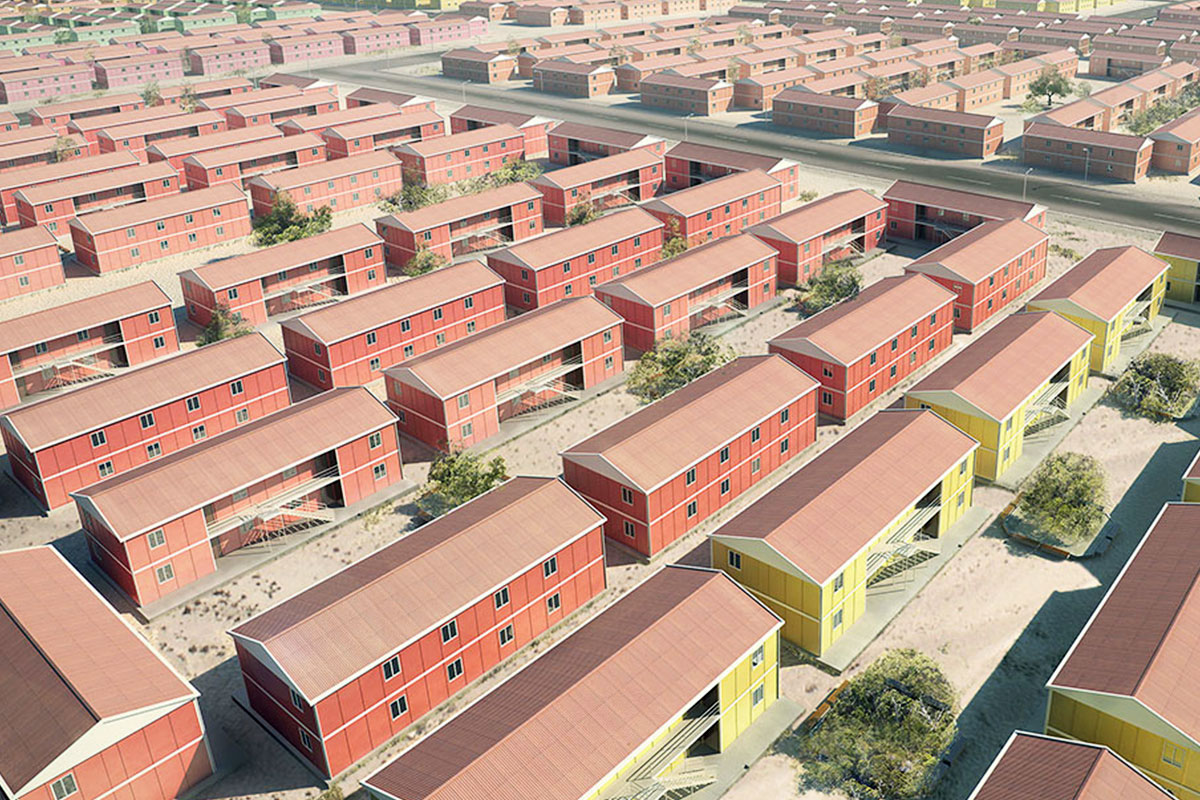
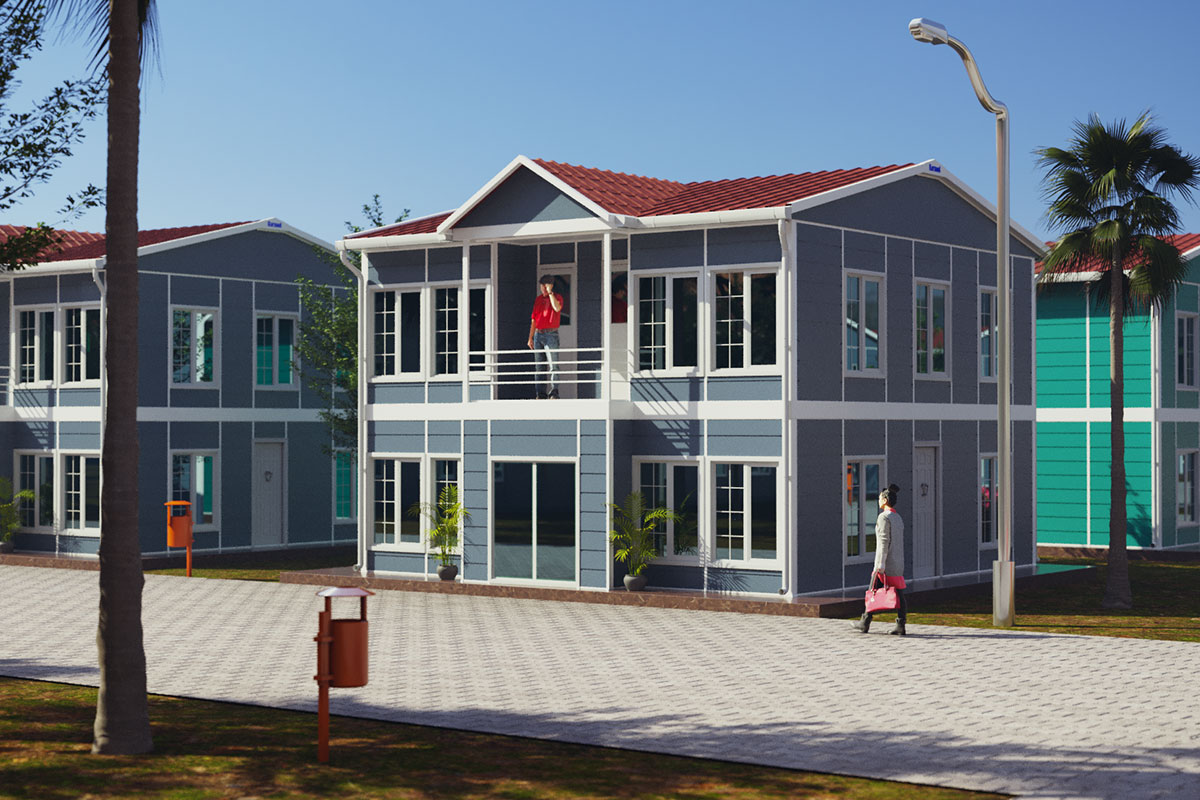
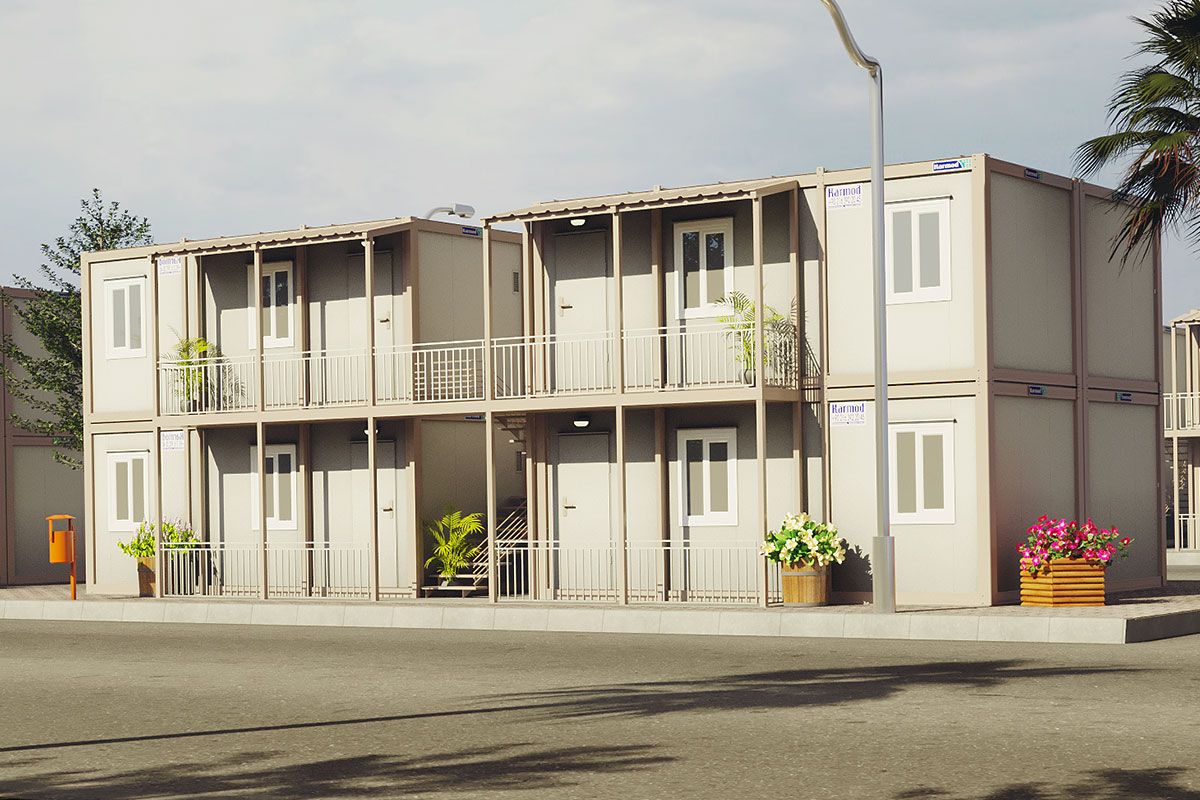

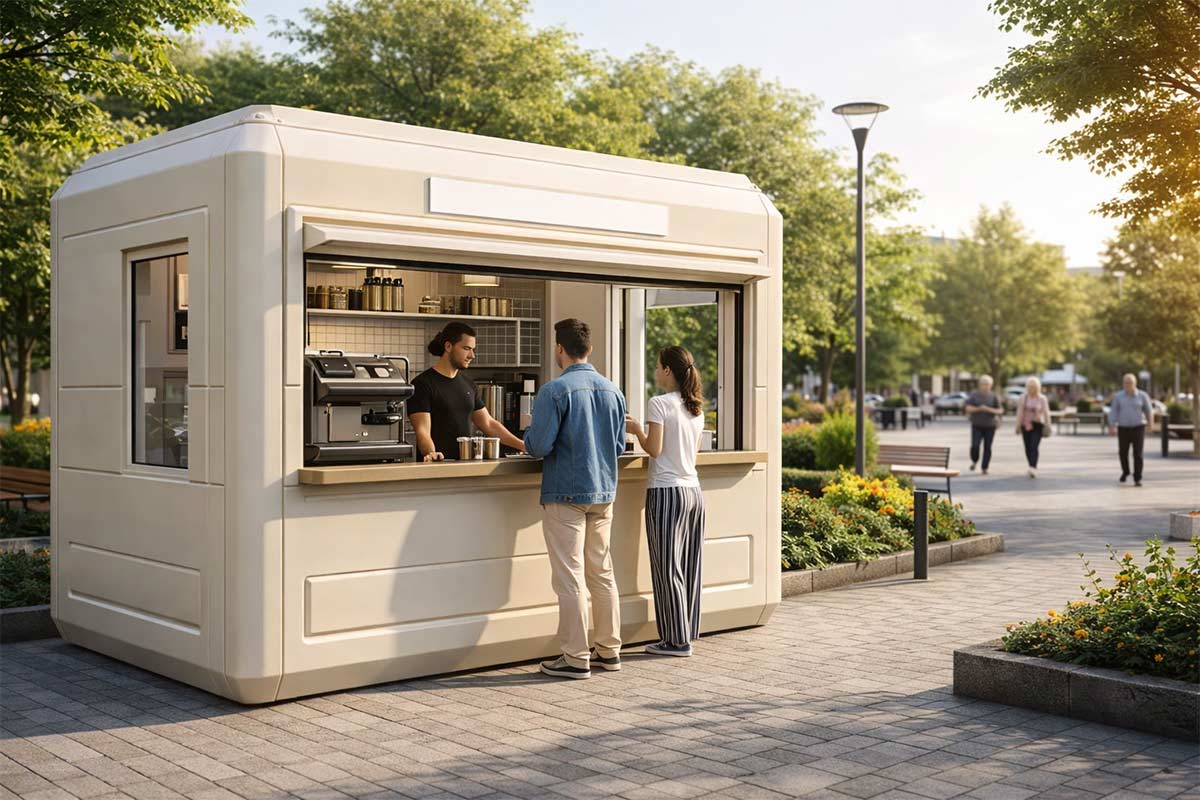
Recycling old shipping containers into new kiosks has become a smart and forward-looking solution for businesses looking to combine sustainability, speed, and cost control in small-scale commercial construction. What was once a purely industrial transport unit is now being reimagined as a fully functional, visually appealing kiosk that fits seamlessly into urban spaces, parks, shopping streets, and event areas. This transformation is not driven by aesthetics alone; it is rooted in practicality, efficiency, and long-term value.
For brands, municipalities, and entrepreneurs, container-based kiosks offer a rare balance. They reduce construction time, lower upfront investment, and support environmentally responsible building practices, all while delivering a professional customer-facing structure. This is why container kiosks are increasingly replacing traditional kiosk builds across many sectors.
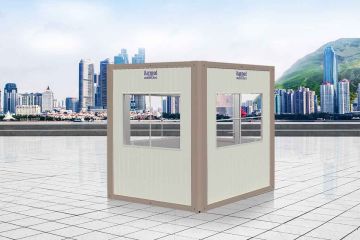
Why Shipping Containers Are Ideal for Modern Kiosk Concepts
At first glance, an old shipping container may look like nothing more than an industrial steel box. But in the hands of an experienced manufacturer, it becomes a highly efficient, durable, and reliable foundation for modern kiosk solutions. Containers are designed to withstand extreme weather, heavy loads, and long transport cycles. This inherent strength makes them ideal for kiosks that must operate outdoors, remain secure after hours, and perform consistently over time.
Another key advantage lies in structural predictability. Standardized dimensions and self-supporting steel frames remove many uncertainties found in traditional construction. This allows container kiosks to be planned, engineered, and produced with greater accuracy, reducing both project risk and delivery time while ensuring long-term structural stability.
From Industrial Asset to Retail-Ready Kiosk
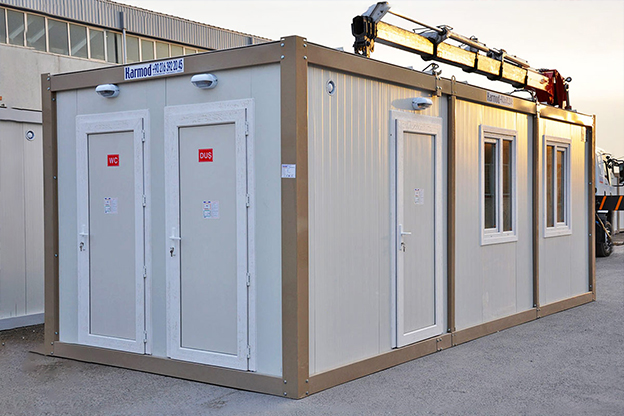
Turning a shipping container into a kiosk is not a superficial makeover. It is a structured architectural process. Service openings are carefully cut and reinforced, insulation systems are installed to support year-round use, and interior layouts are designed around real operational needs rather than assumptions. Electrical systems, lighting, ventilation, and plumbing are integrated during production, not added later on site.
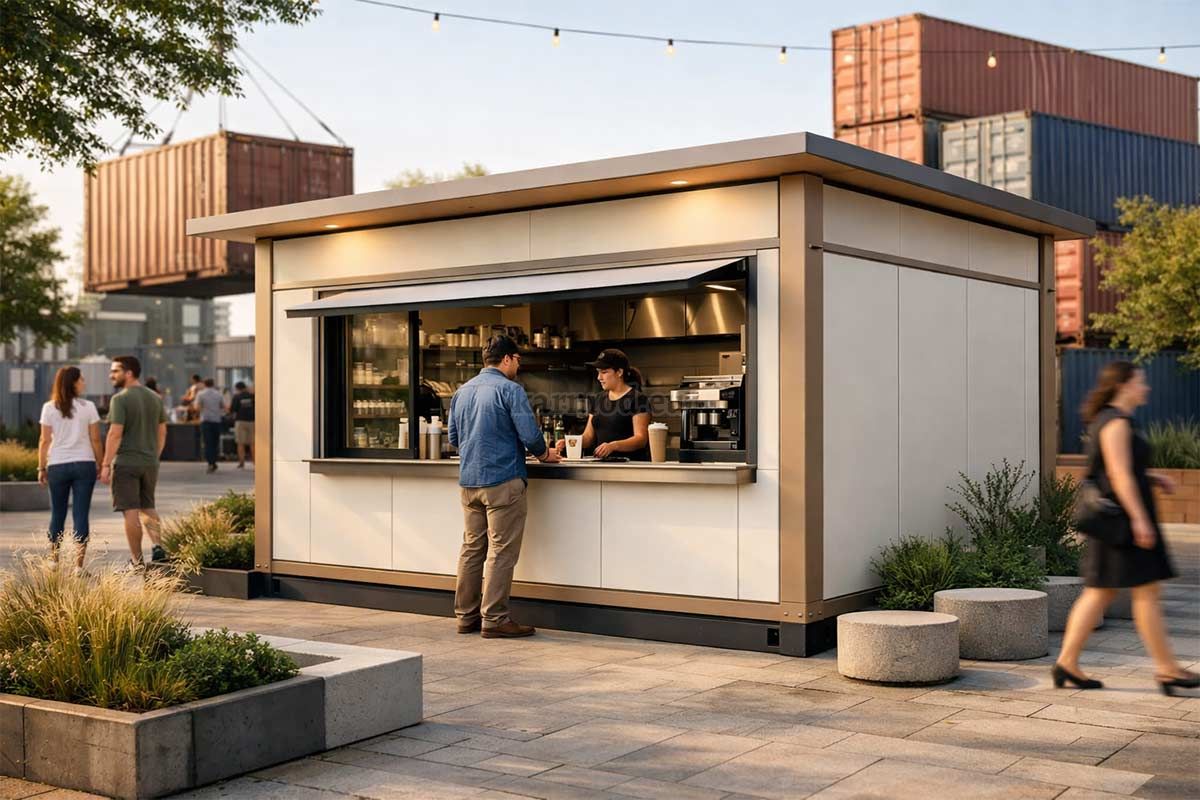
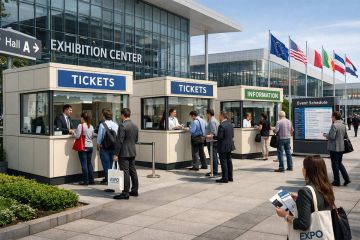
This controlled conversion ensures consistency and quality. Whether the kiosk is intended for food service, ticket sales, information points, or retail use, the same core construction logic applies. What changes is the layout, branding, and equipment, allowing each kiosk to be tailored to its business purpose without compromising build quality.
Sustainability Benefits of Recycling Containers into Kiosks
Reusing shipping containers as kiosks directly supports sustainable construction principles. Each recycled container significantly reduces the demand for new steel production, lowering energy consumption and raw material use. Instead of dismantling and melting down a container, its existing structure is given a second life with minimal waste.
For businesses that value environmental responsibility, container kiosks provide a tangible sustainability story. The environmental benefit is not limited to marketing claims; it is embedded in the construction method itself. This makes container kiosks especially attractive for public projects, eco-conscious brands, and urban developments aiming to reduce their environmental footprint.
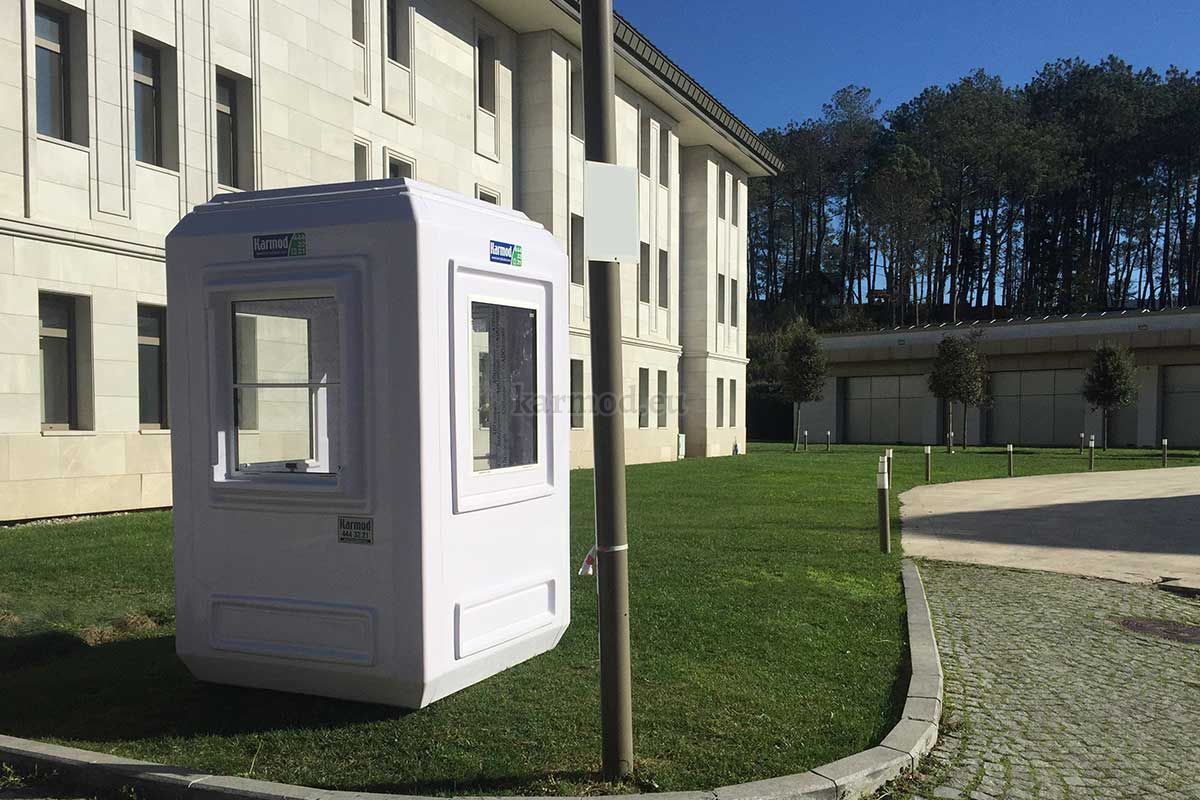
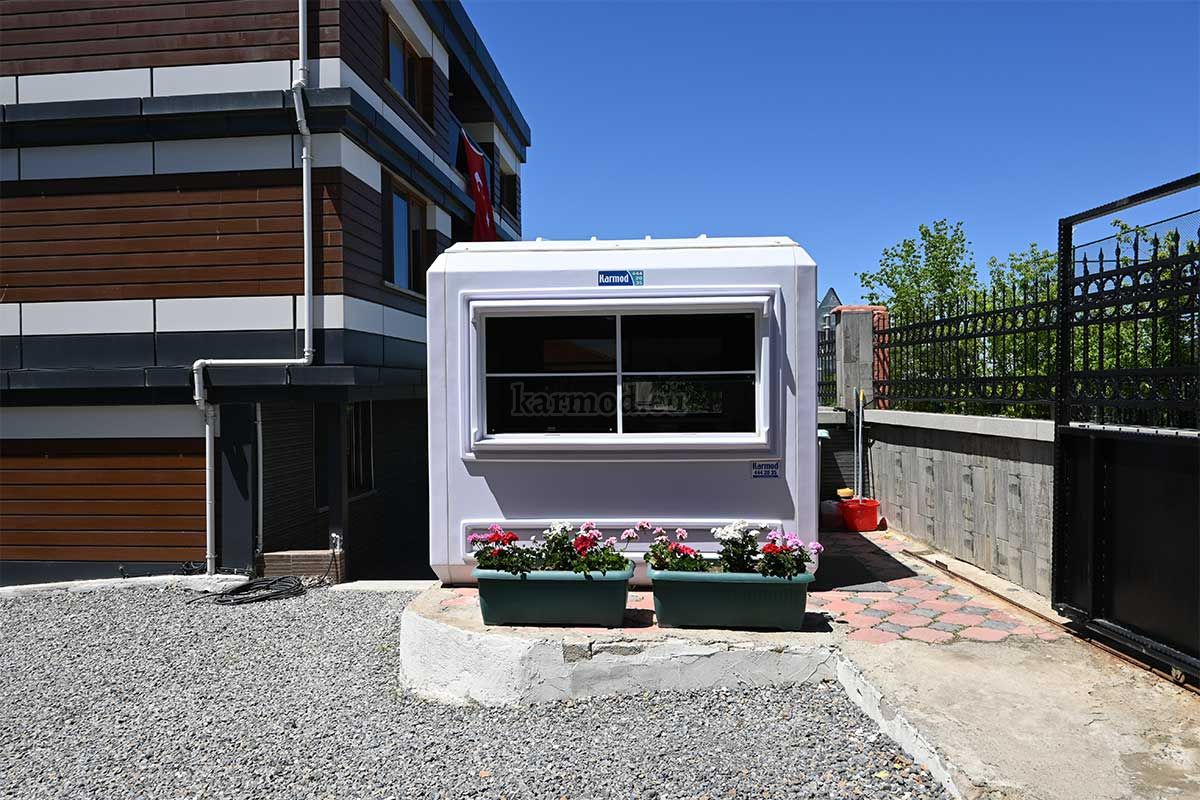
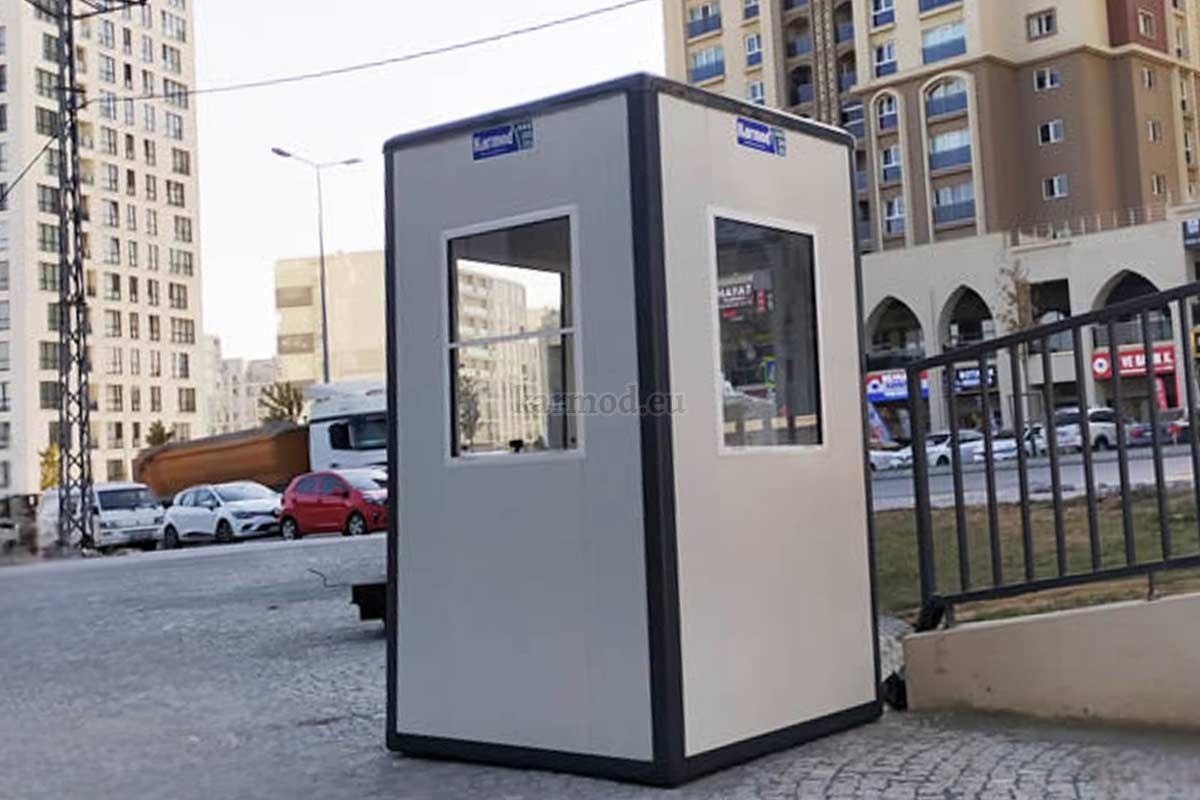
Cost Efficiency Without Compromising Quality
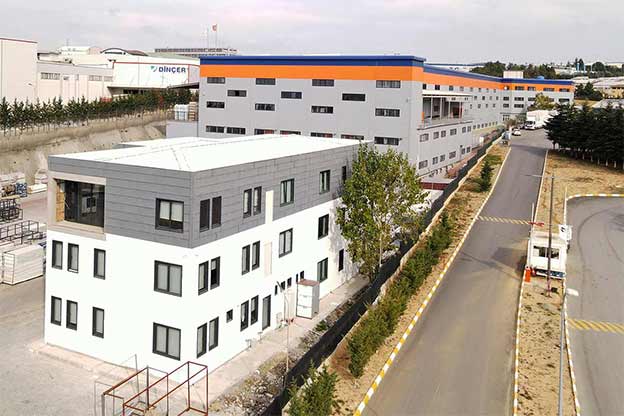
Cost control is one of the most decisive factors in kiosk projects. Traditional construction methods often involve multiple contractors, extended timelines, and unexpected expenses related to site conditions. Container kiosks are largely manufactured in controlled factory environments, where production costs, timelines, and quality standards are easier to manage.
This efficiency does not mean sacrificing quality. Factory-based production enables precise workmanship, consistent finishing, and thorough quality checks. The result is a kiosk that looks professional, functions efficiently, and reaches operational readiness faster, all within a clearly defined budget structure.
Design Flexibility for Different Business Models
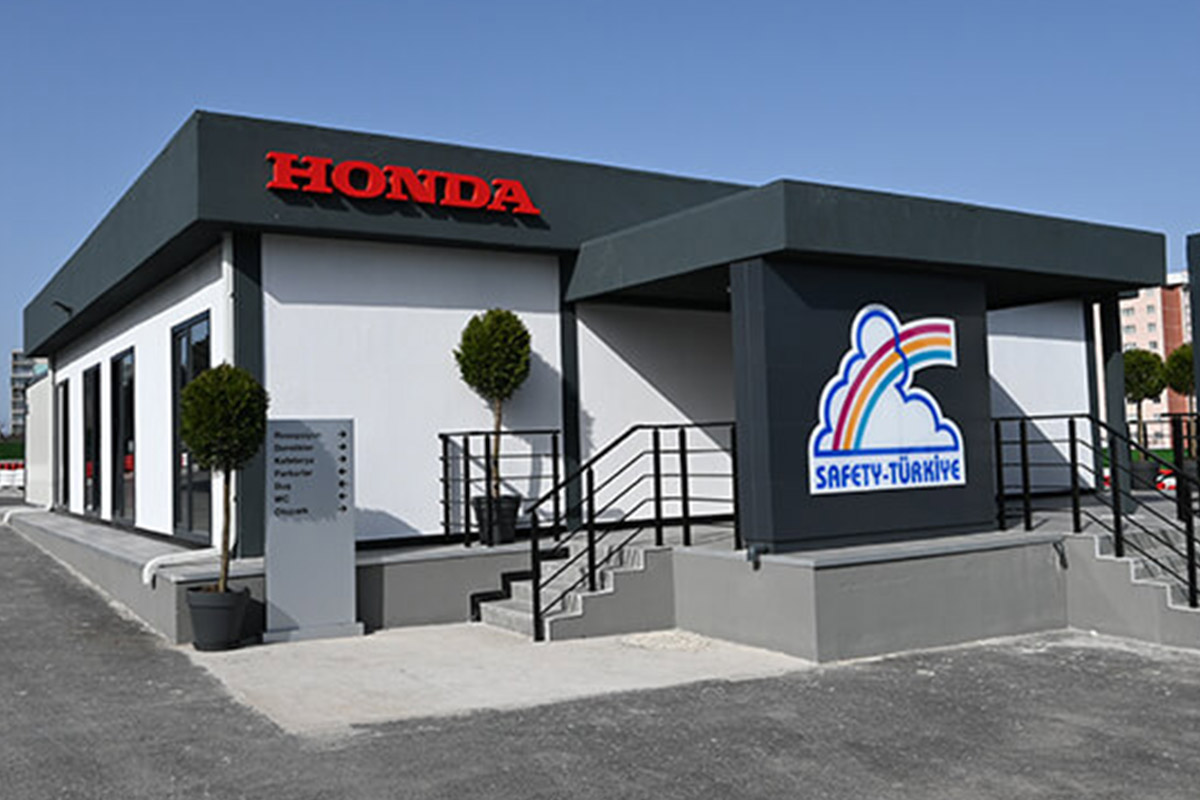
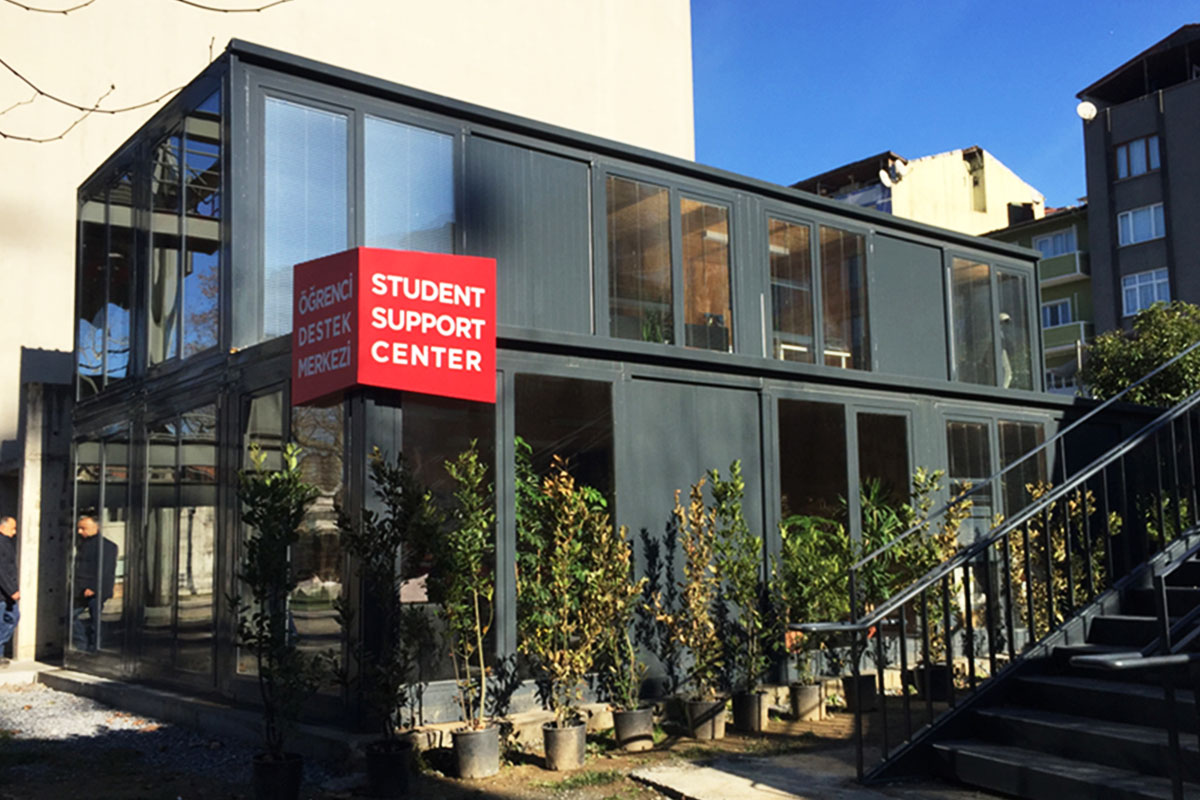
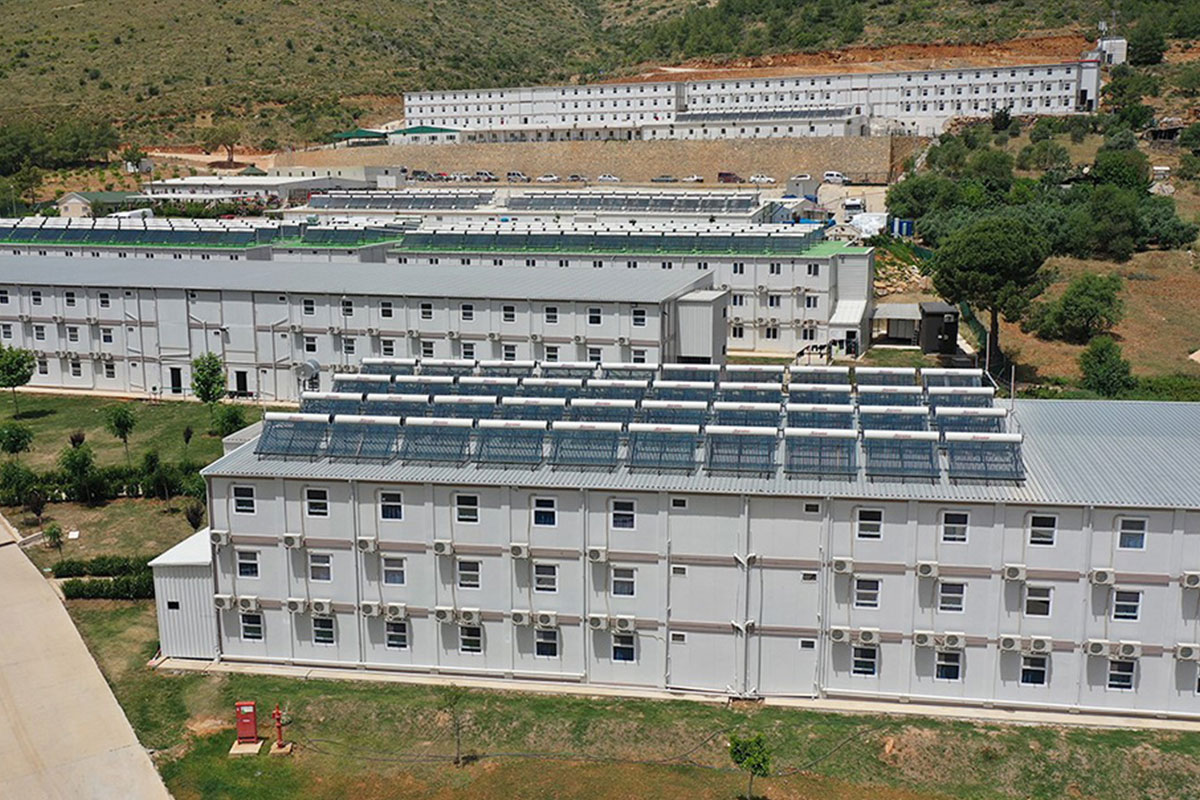
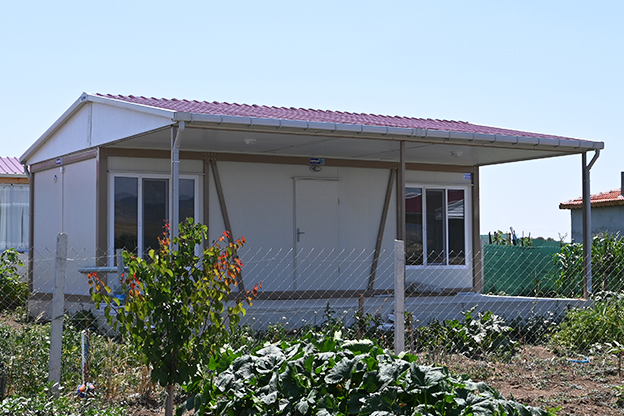
Container kiosks are highly adaptable to different commercial concepts. A single container can serve as a compact coffee kiosk, while multiple units can be combined to create larger retail or food service spaces. Exterior finishes, colors, cladding materials, and branding elements can be customized to suit both modern urban environments and more natural settings.
Inside, layouts are designed around workflow efficiency. Preparation areas, counters, storage, and customer interaction zones are planned to support daily operations smoothly. This flexibility allows businesses to create kiosks that are not only visually distinctive but also practical and efficient for staff.
Speed of Deployment and Relocation Advantages
Speed is often critical, especially for seasonal businesses, pop-up retail, and temporary commercial installations. Container kiosks can be produced while site preparations are still ongoing, significantly shortening the overall project timeline. Once delivered, installation typically takes days rather than weeks.
Another major advantage is mobility. When a location changes or a concept evolves, container kiosks can be relocated or repurposed. This turns the structure into a reusable asset rather than a fixed, single-use investment, offering long-term flexibility in an unpredictable market.
A Smarter Way to Build Small Commercial Spaces
Recycling old shipping containers into new kiosks reflects a shift in how small commercial buildings are approached. Instead of constructing once and demolishing later, container kiosks are designed to adapt, move, and evolve over time. They combine industrial durability with architectural flexibility and sustainable thinking.
For businesses seeking a kiosk solution that is efficient, environmentally responsible, and built for real-world use, container-based kiosks are no longer an alternative option. They are becoming the preferred standard for modern, scalable kiosk projects.
Ready to Turn a Container into a High-Performance Kiosk?
If you are planning to launch a kiosk project or upgrade an existing one, recycling shipping containers offers a smart, future-proof path forward. From concept development to production and delivery, the right partner can help you turn an industrial structure into a fully operational, customer-ready kiosk designed around your business needs.
Whether your project requires a single compact unit or a fully customized multi-container solution, professional guidance makes a measurable difference in cost control, durability, and long-term performance. By working with an experienced container building manufacturer, you gain access to proven construction systems, design flexibility, and a smoother project timeline.
To explore design options, technical details, and budget ranges tailored to your project, you can request a personalized consultation and quotation. A well-planned container kiosk is not just a structure; it is a long-term business asset built to adapt, relocate, and grow with your operation.