













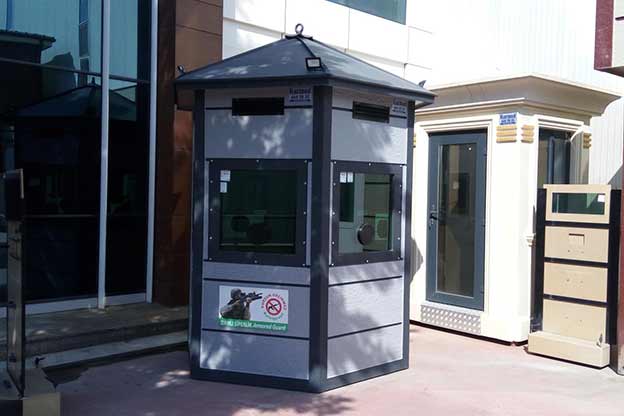
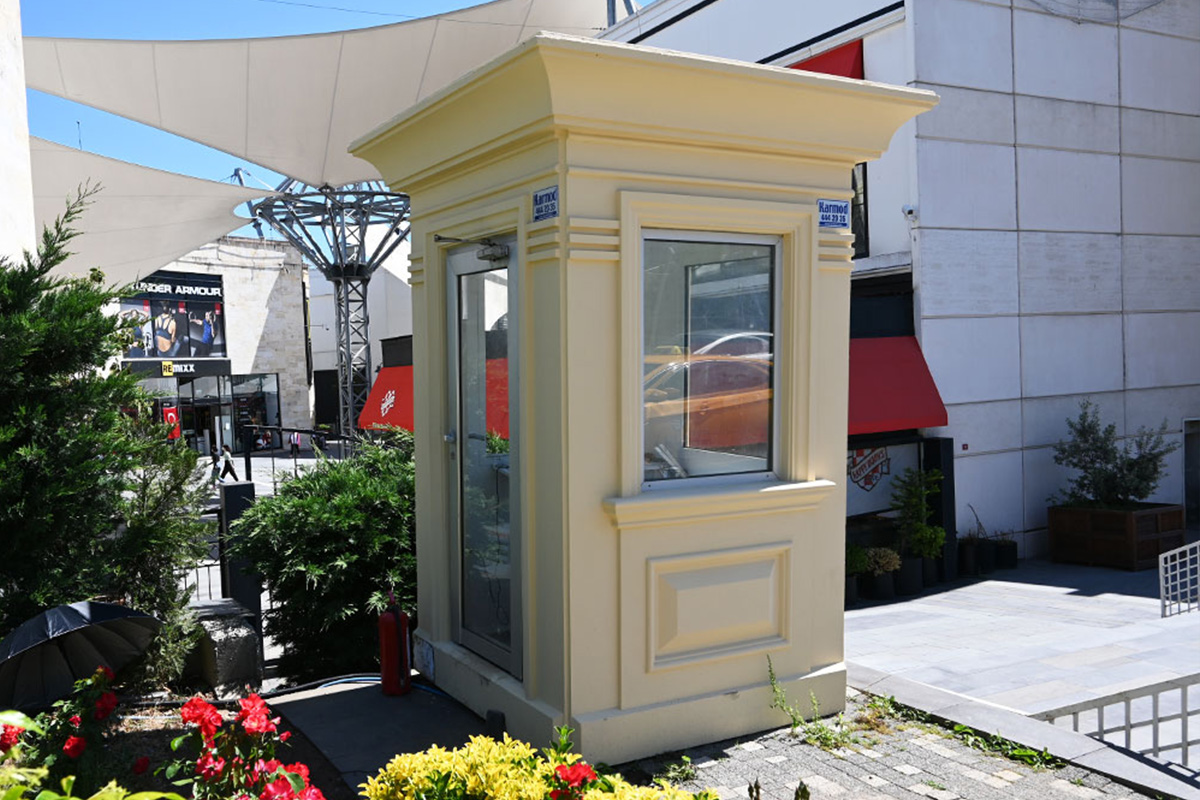
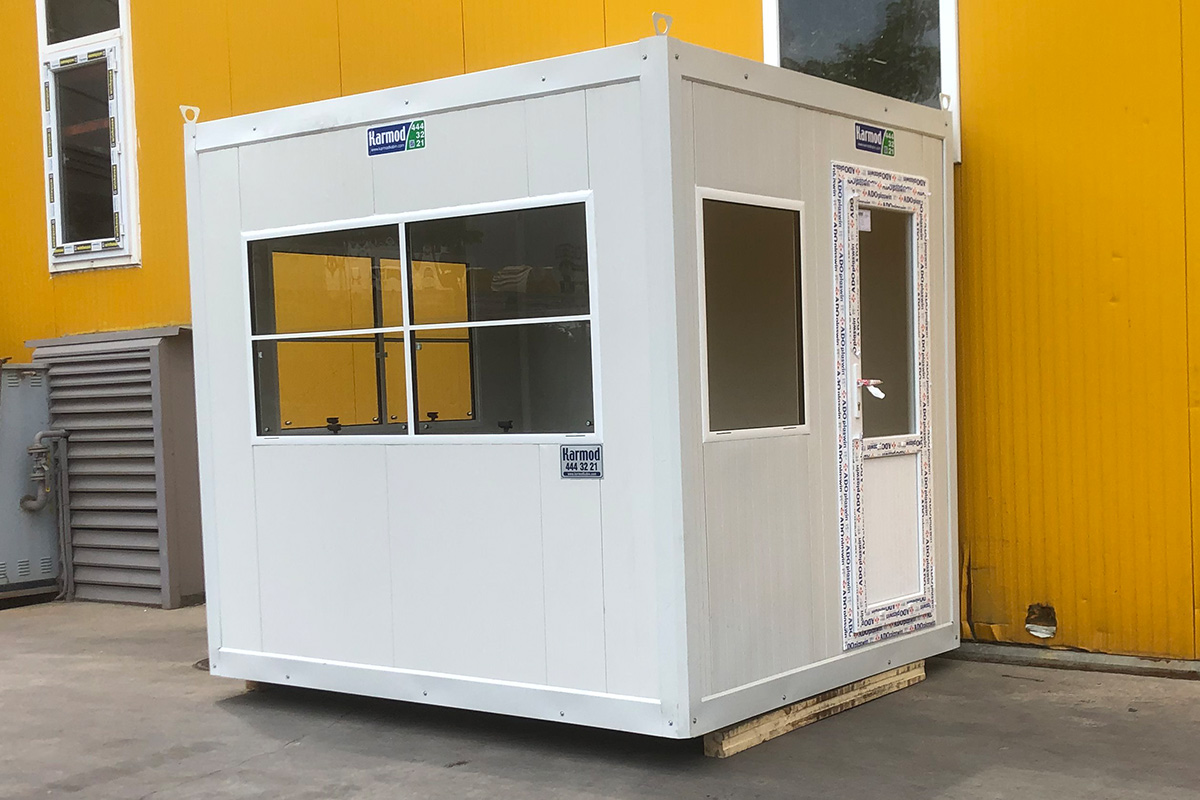
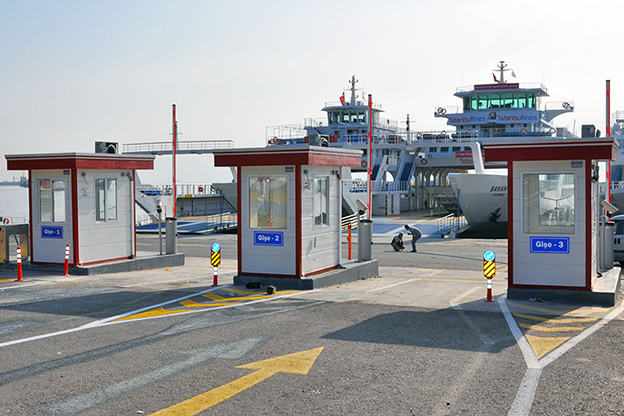





Coastal locations have a rhythm of their own. Foot traffic shifts with the tide, seasons define demand, and businesses must stay flexible to survive. In this environment, seaside retail kiosks are not just small structures placed near the shore. They are strategic tools that allow brands to appear quickly, operate efficiently, and adapt without heavy construction commitments.
For coastal entrepreneurs, from café owners to surf shops and souvenir sellers, kiosk-based retail offers a balance between visibility and practicality. When designed correctly, these compact spaces turn high-traffic waterfront areas into profitable points of sale without disrupting the natural character of the coastline.

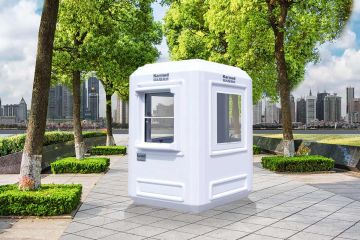
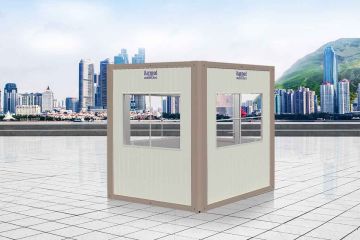
Why Kiosks Are Ideal for Coastal Retail
Traditional buildings rarely suit coastal retail needs. Long construction timelines, permanent foundations, and strict zoning rules often limit what can be built near the sea. Kiosks solve these challenges by offering lightweight, transportable, and regulation-friendly alternatives.
A well-designed seaside kiosk can be installed quickly and removed or relocated when needed. This flexibility is especially valuable in tourist-driven locations where business activity peaks during certain months. Instead of committing to a fixed structure year-round, coastal businesses can align their physical presence with actual demand.
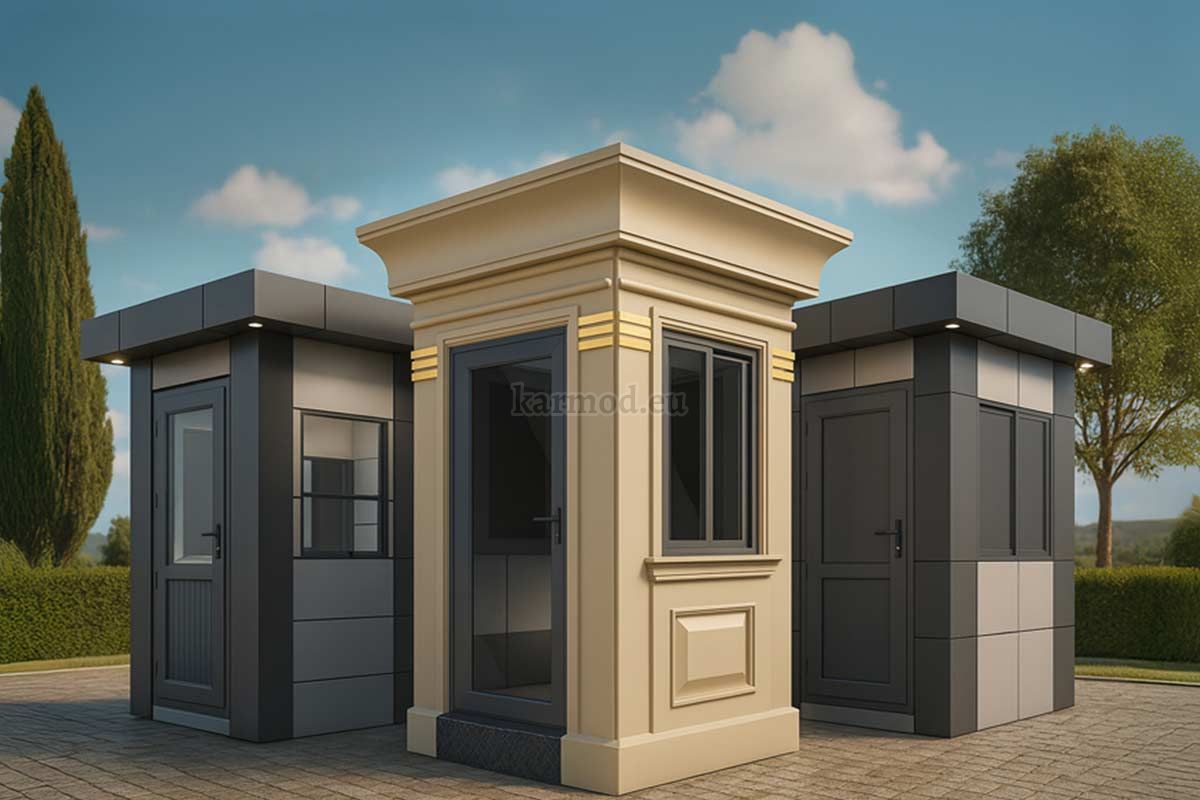
Beyond flexibility, kiosks allow brands to test locations with minimal risk. If foot traffic patterns change or local regulations evolve, the business is not locked into an immovable investment.
Design Principles for Coastal Kiosks
Coastal kiosk design is not only about appearance. It must respond to environmental conditions while still attracting customers who are often browsing casually rather than shopping with intent.
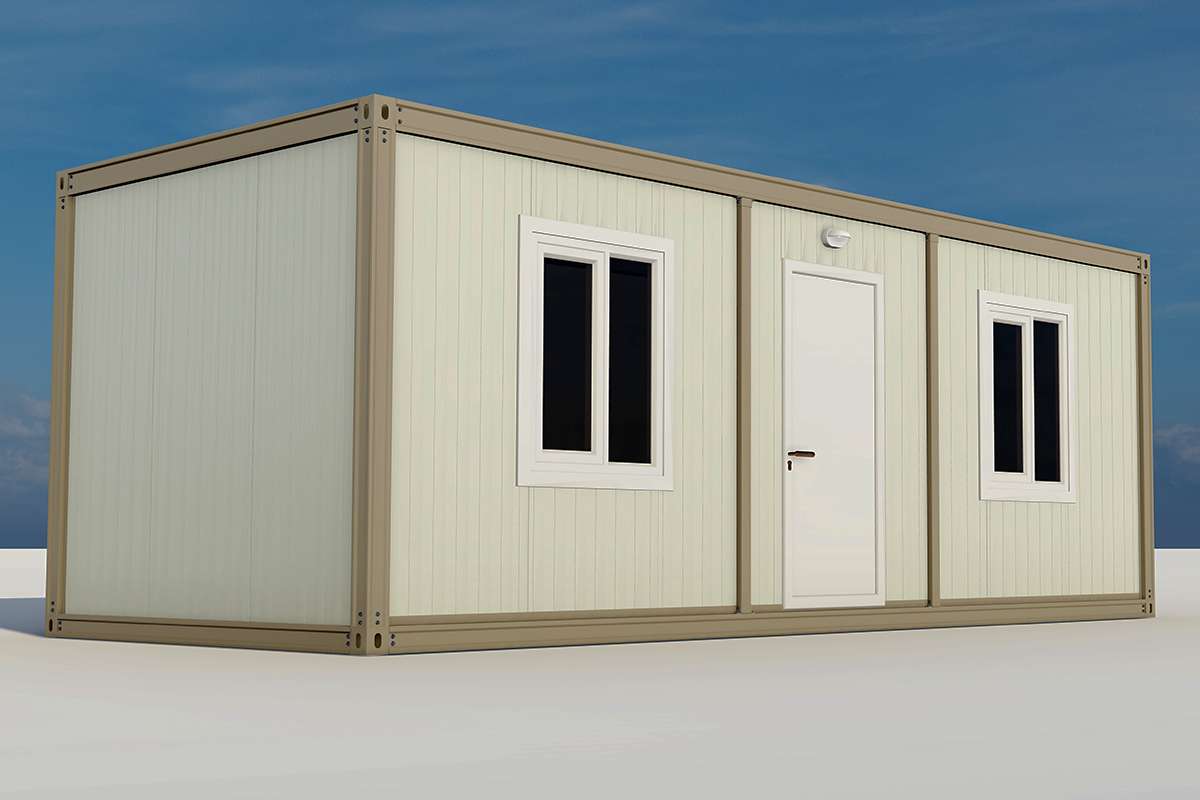
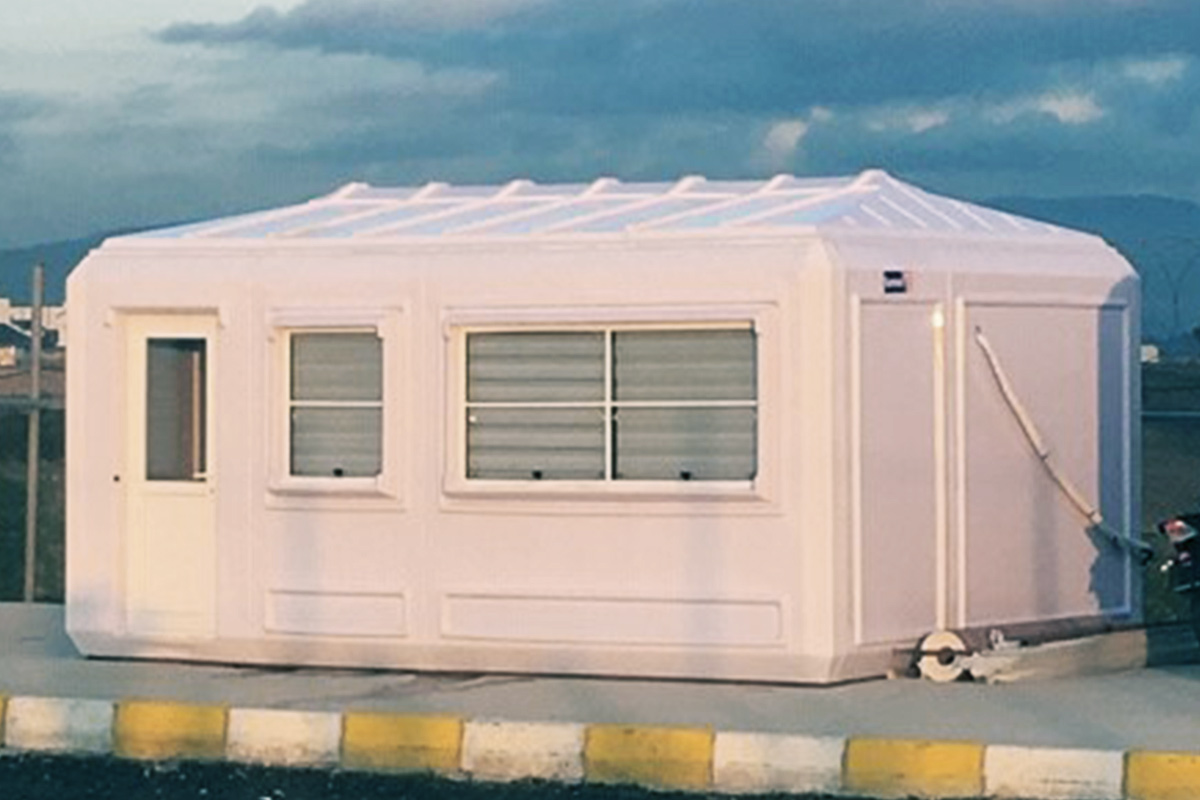
Materials should be resistant to humidity, salt air, and strong sunlight. Finishes that work inland may deteriorate quickly by the sea. This is why modular and container-based kiosks, built with controlled factory standards, perform better over time in coastal settings.
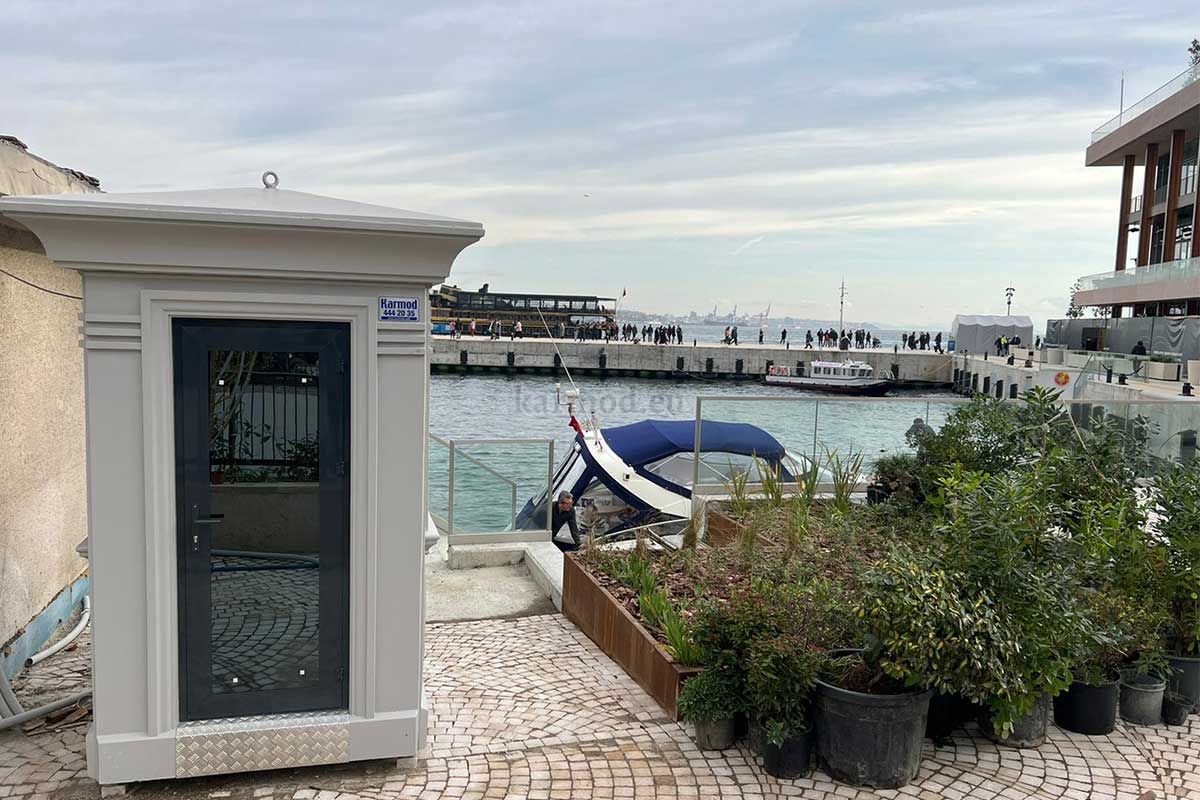
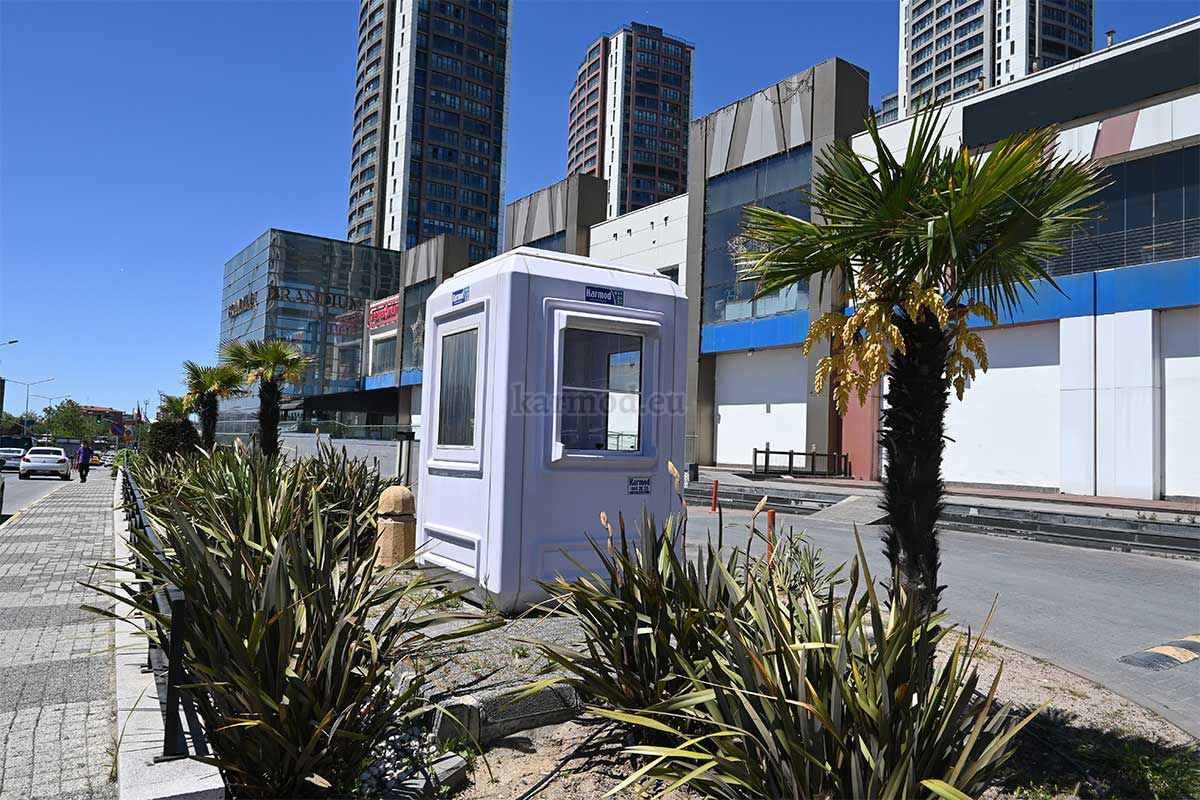
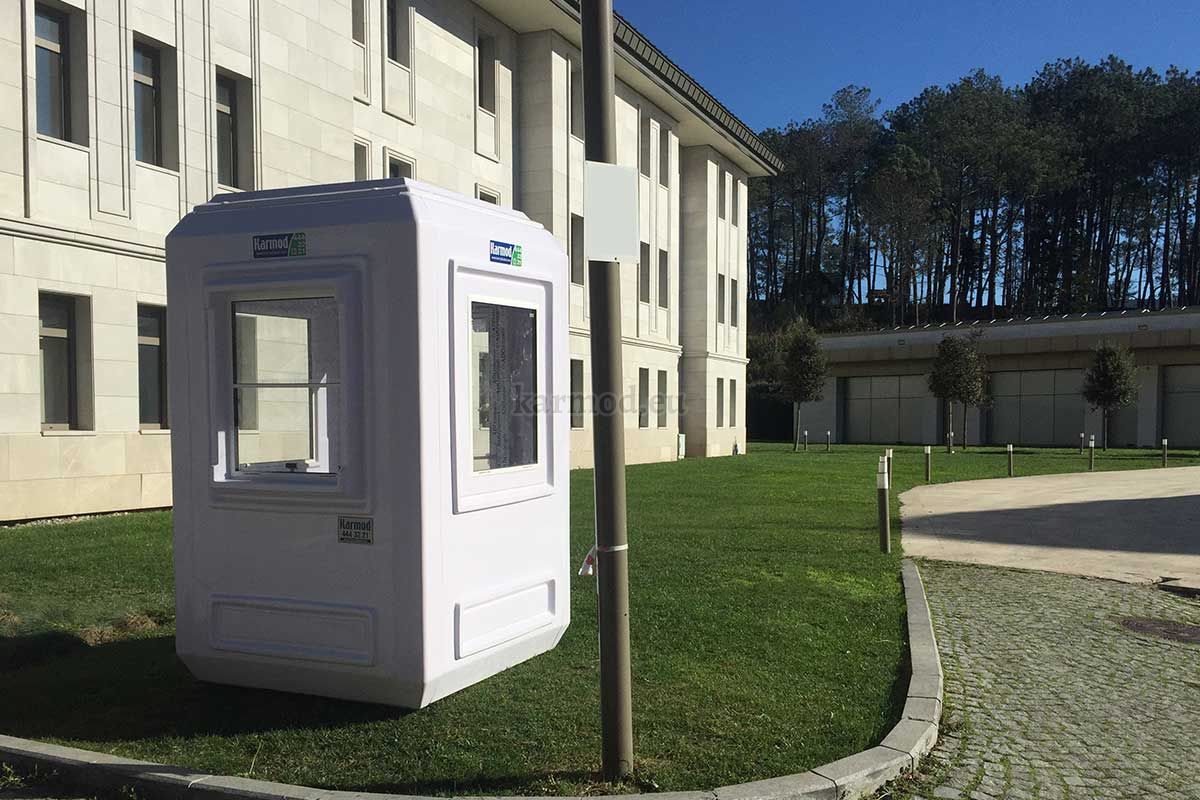
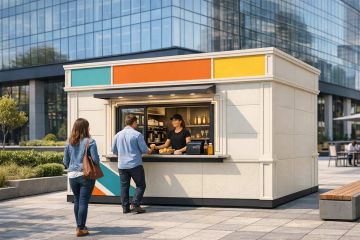
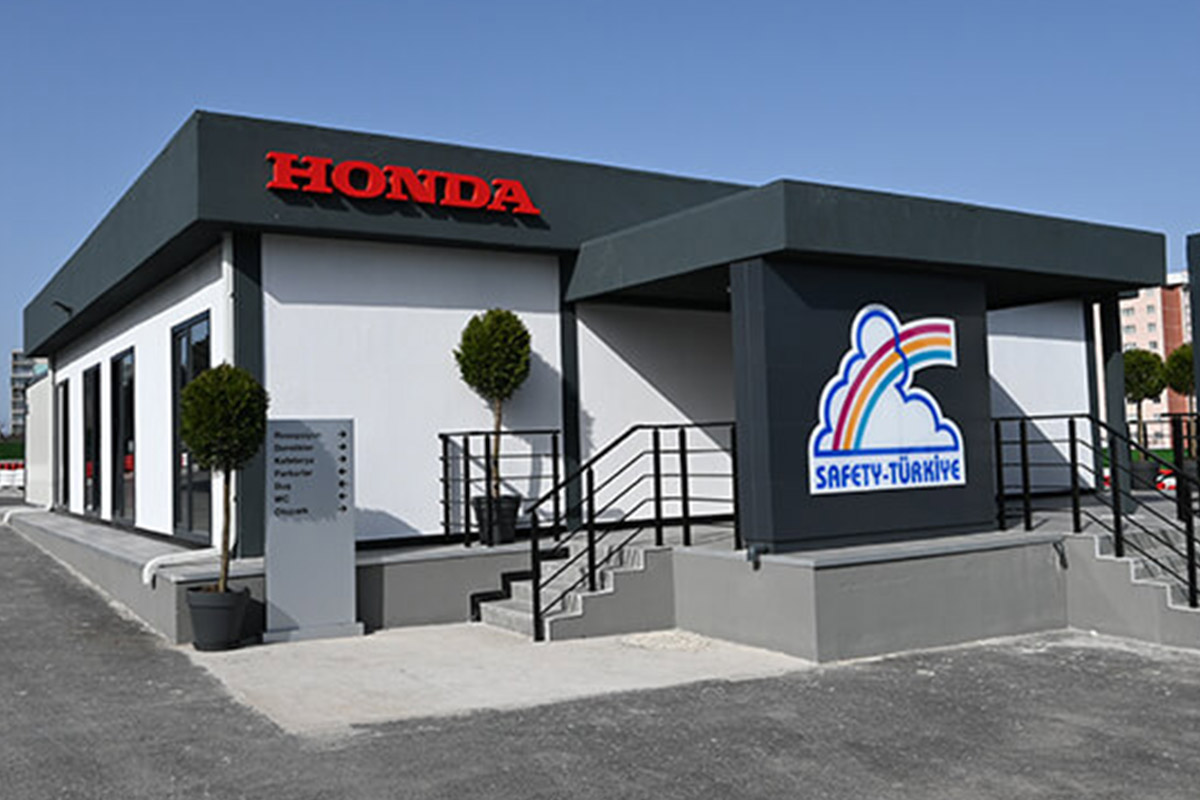
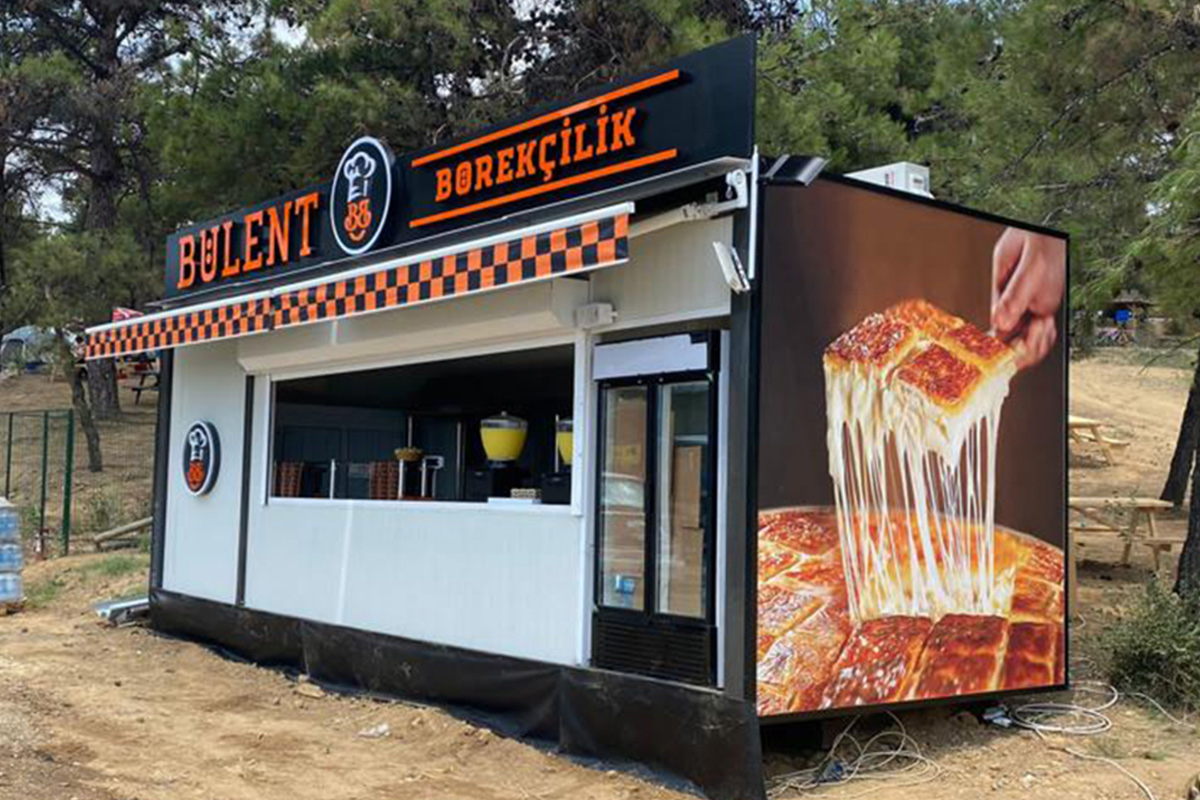
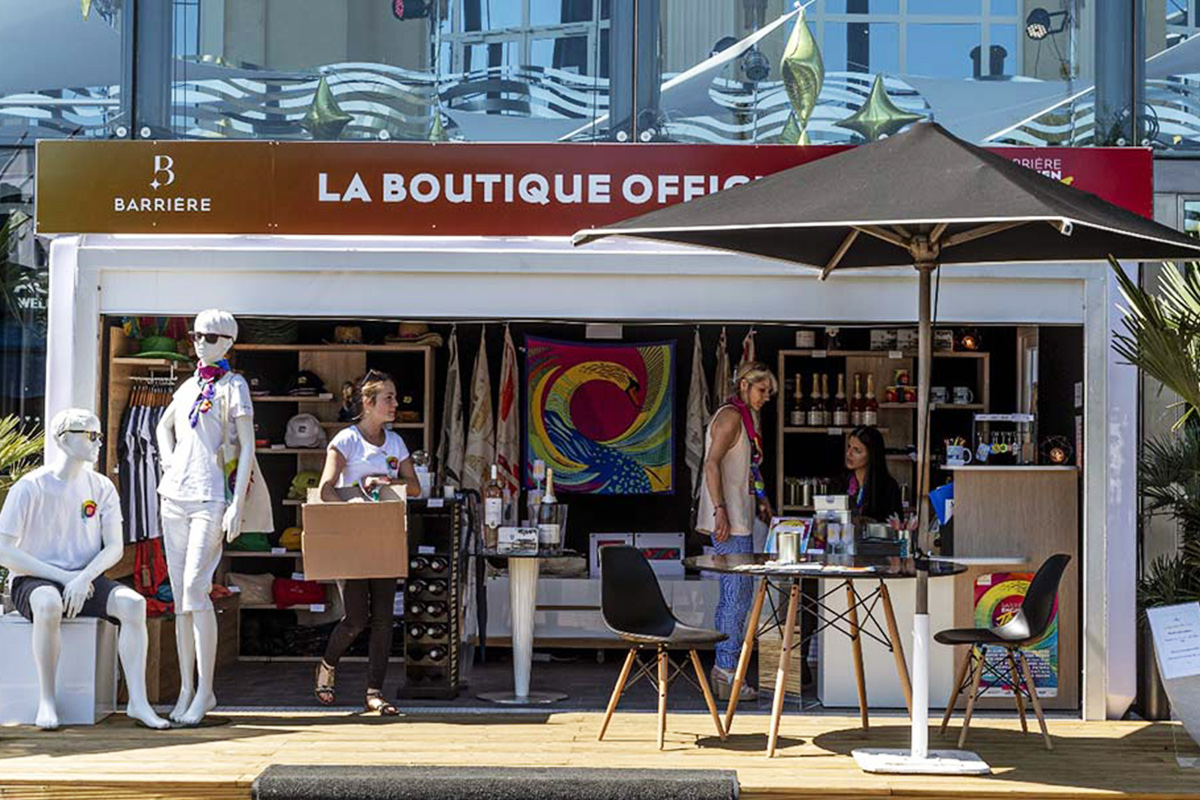
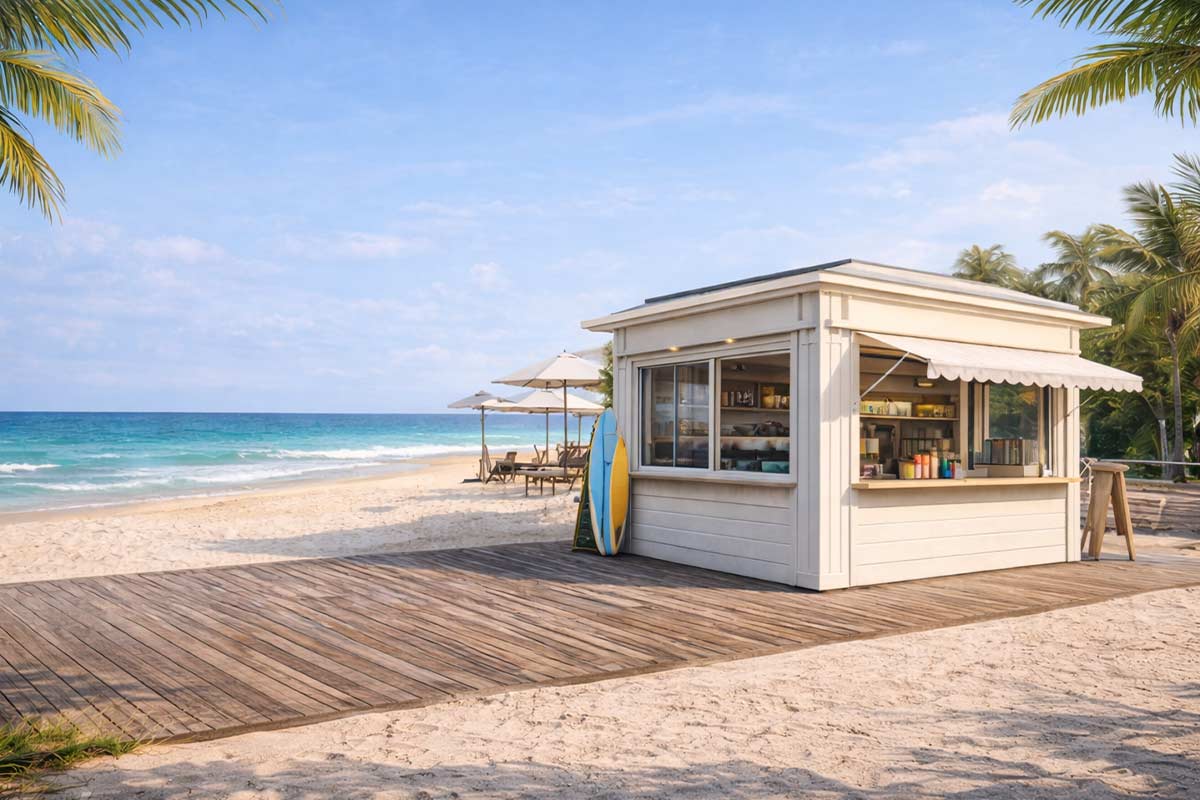
Visually, successful seaside kiosks feel open and inviting. Large service windows, shaded overhangs, and natural color palettes help the structure blend into its surroundings while still standing out enough to draw attention. The goal is to complement the coastal atmosphere, not compete with it.
Functional Layouts That Drive Sales
Space inside a kiosk is limited, which makes layout decisions critical. Every square meter must serve a purpose, whether for product display, staff movement, or customer interaction.
For food and beverage kiosks, workflow efficiency is key. Clear separation between preparation, service, and storage areas helps staff operate smoothly during peak hours. Retail-focused kiosks benefit from outward-facing displays that communicate value even before a customer approaches the counter.

Smart kiosk layouts also consider queue management. In busy seaside promenades, poorly planned service areas can quickly lead to congestion. Thoughtful orientation and counter placement keep foot traffic flowing while maximizing transaction speed.
Mobility and Seasonal Adaptability
One of the strongest advantages of kiosk-based retail is mobility. Coastal businesses often face seasonal fluctuations that make permanent structures inefficient.
Modular kiosks can be relocated, stored, or reconfigured depending on the time of year. A summer beachfront ice cream kiosk might become an event-based sales unit or a marina-side coffee point in the off-season. This adaptability protects revenue streams and keeps assets productive year-round.
For growing brands, modular kiosks also make expansion easier. Successful concepts can be replicated across multiple coastal locations without redesigning from scratch, ensuring brand consistency and predictable costs.
Compliance and Coastal Regulations
Operating near the coast usually involves stricter regulations than inland locations. Environmental protection rules, visual impact requirements, and temporary use permits are common considerations.
Kiosk solutions designed specifically for coastal use often simplify this process. Lightweight foundations, removable structures, and documented compliance features make it easier to obtain approvals. Businesses that can demonstrate responsible design choices tend to gain trust from local authorities faster.
Understanding these regulations early allows kiosk projects to move forward without costly delays, especially in tourism-driven areas where timing is critical.
Investing in Long-Term Coastal Retail Value
A seaside kiosk should not be viewed as a short-term stand, but as a brand asset. High-quality modular kiosks maintain their appearance, functionality, and resale value far better than improvised or low-cost alternatives.
When customers associate your brand with a clean, well-designed, and professionally built kiosk, trust builds naturally. Over time, this perception translates into repeat visits, word-of-mouth recommendations, and stronger positioning against competitors operating from temporary or outdated structures.
Start Your Coastal Retail Project with the Right Kiosk Solution
Launching or expanding a coastal retail business requires more than a good location. The right kiosk design can define how efficiently you operate, how customers perceive your brand, and how easily you adapt to changing conditions.
If you are planning to invest in seaside retail kiosks that combine durability, mobility, and strong visual appeal, working with an experienced modular kiosk supplier makes all the difference.
Contact us to explore seaside-ready kiosk designs, discuss your project requirements, and receive a customized offer tailored to your coastal business goals.