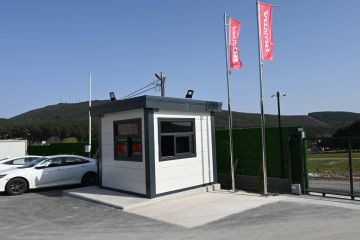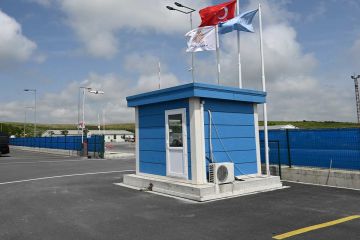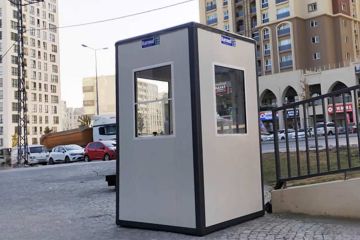



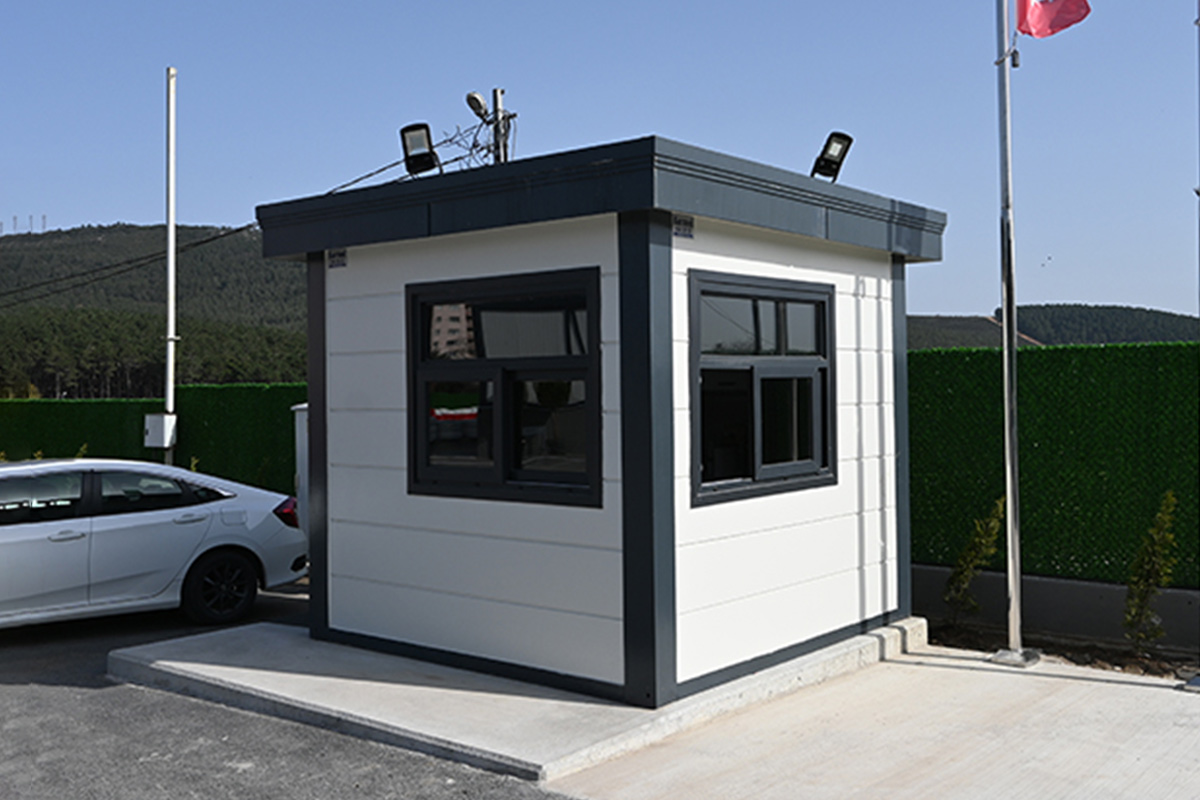
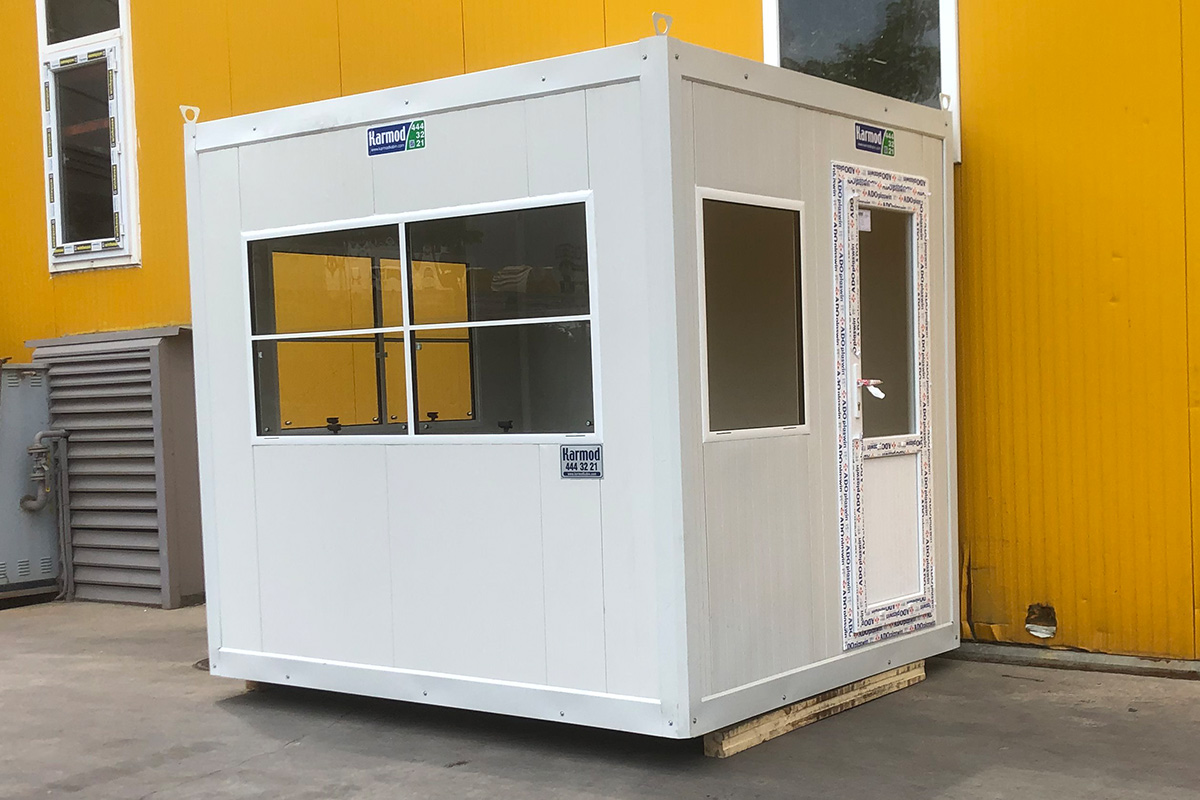
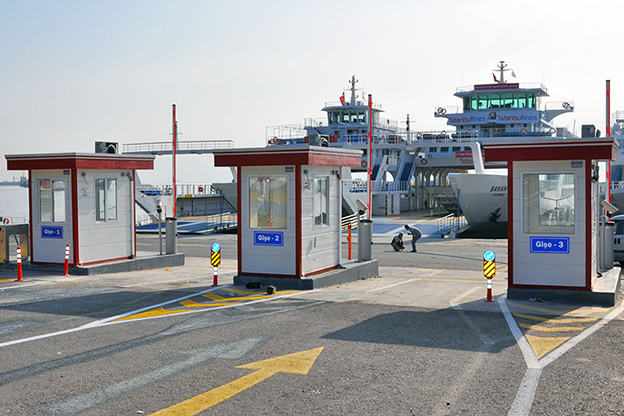
If you’ve been researching security booth prices lately, you’ve probably noticed something: numbers vary more than expected. One supplier offers a surprisingly low quote. Another comes in noticeably higher. And somewhere in between, you’re left wondering what actually determines the real value of a security booth in 2026.
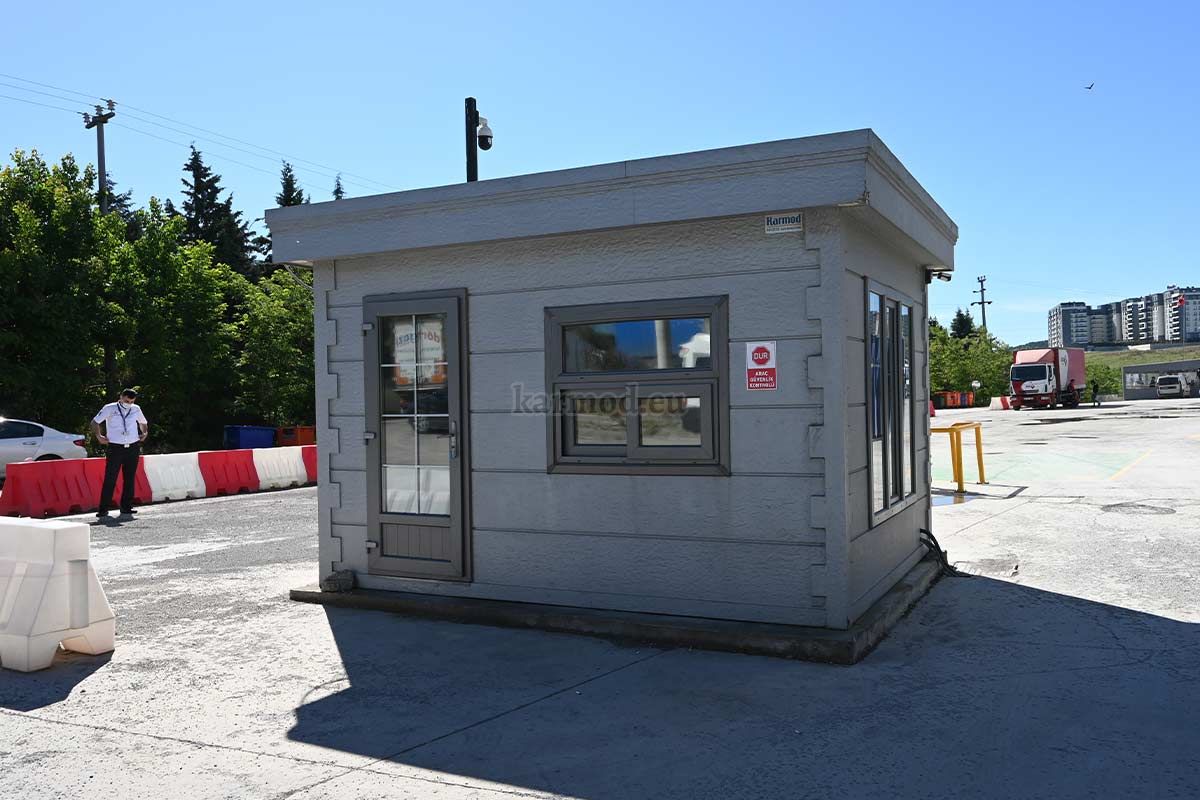
The truth is, pricing this year is less about square meters and more about purpose. A security booth is no longer just a small cabin placed at a gate. It’s the first checkpoint, the first impression, and often the first line of defense for your entire facility. Whether it’s an industrial plant, a logistics hub, a residential compound, or a corporate campus, the expectations placed on these structures have changed — and prices have followed.
Let’s look at what’s really shaping security booth costs in 2026, and more importantly, what buyers should pay attention to before requesting a quote.
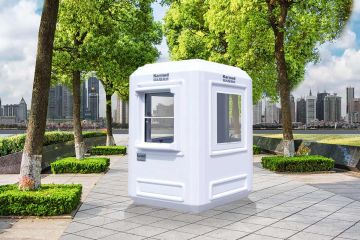
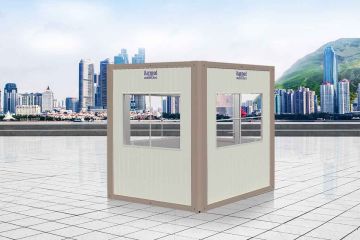
Material Costs: Stable, But at a New Normal
Over the past few years, fluctuations in steel and insulation materials created unpredictable pricing. In 2026, the market feels calmer. Manufacturers can forecast better. Supply chains are more reliable. But prices haven’t gone back to what they were five or six years ago.
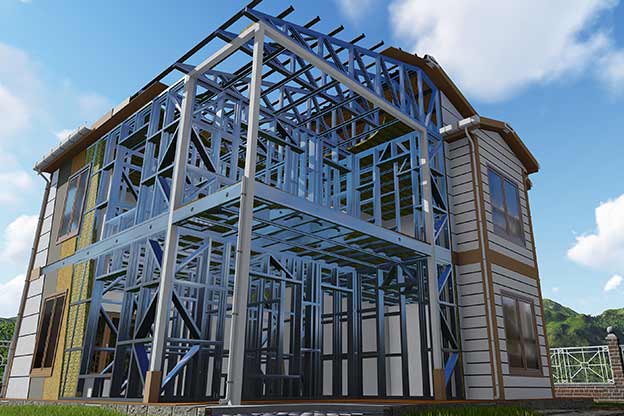
Steel remains the backbone of any quality security booth. The thickness of the frame, the type of galvanization, and the structural reinforcement directly affect both durability and cost. Thinner frames may reduce the price on paper, but they also reduce lifespan — especially in high-traffic or harsh weather environments.
Insulation is another silent price driver. A booth exposed to summer heat or winter frost needs proper sandwich panels and quality filling materials. Otherwise, what seems like a small saving at purchase turns into higher electricity bills and discomfort for security staff.
In 2026, buyers are starting to ask better questions. Not just “How much?” but “What’s inside the walls?” And that shift is a healthy one.
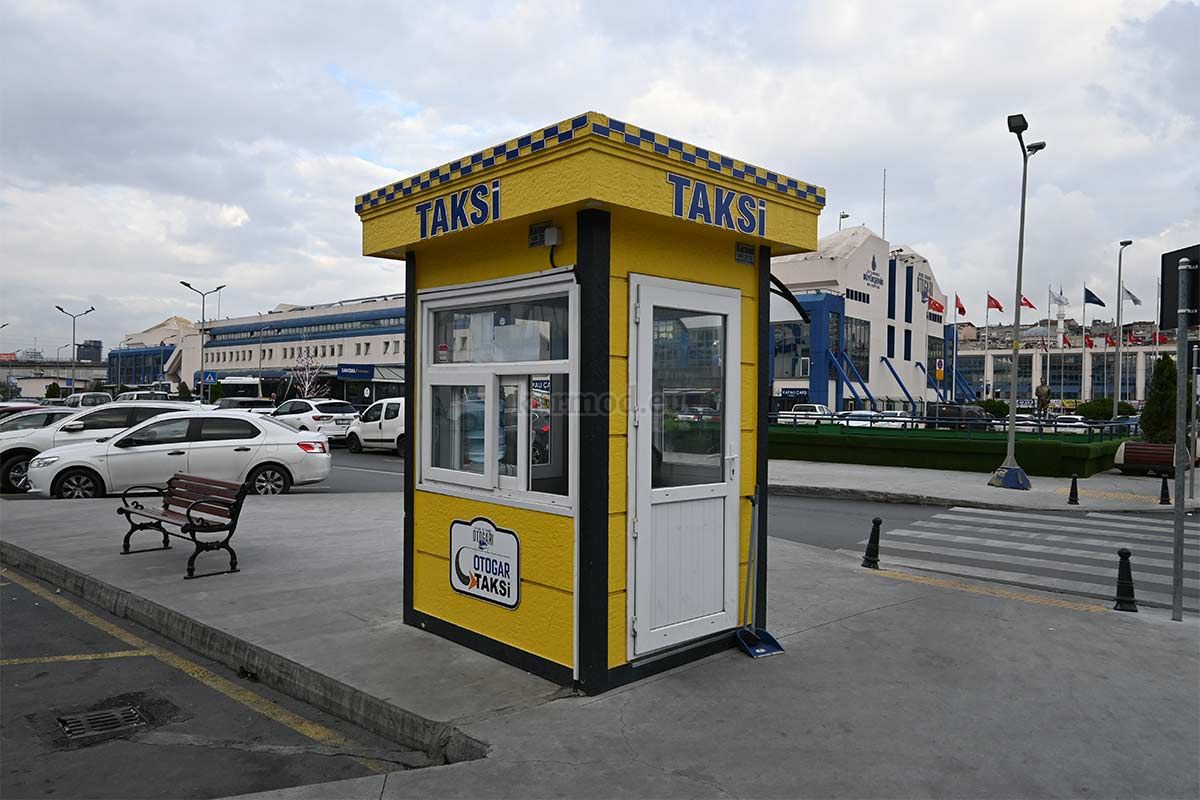
Customization Is Where Prices Really Diverge
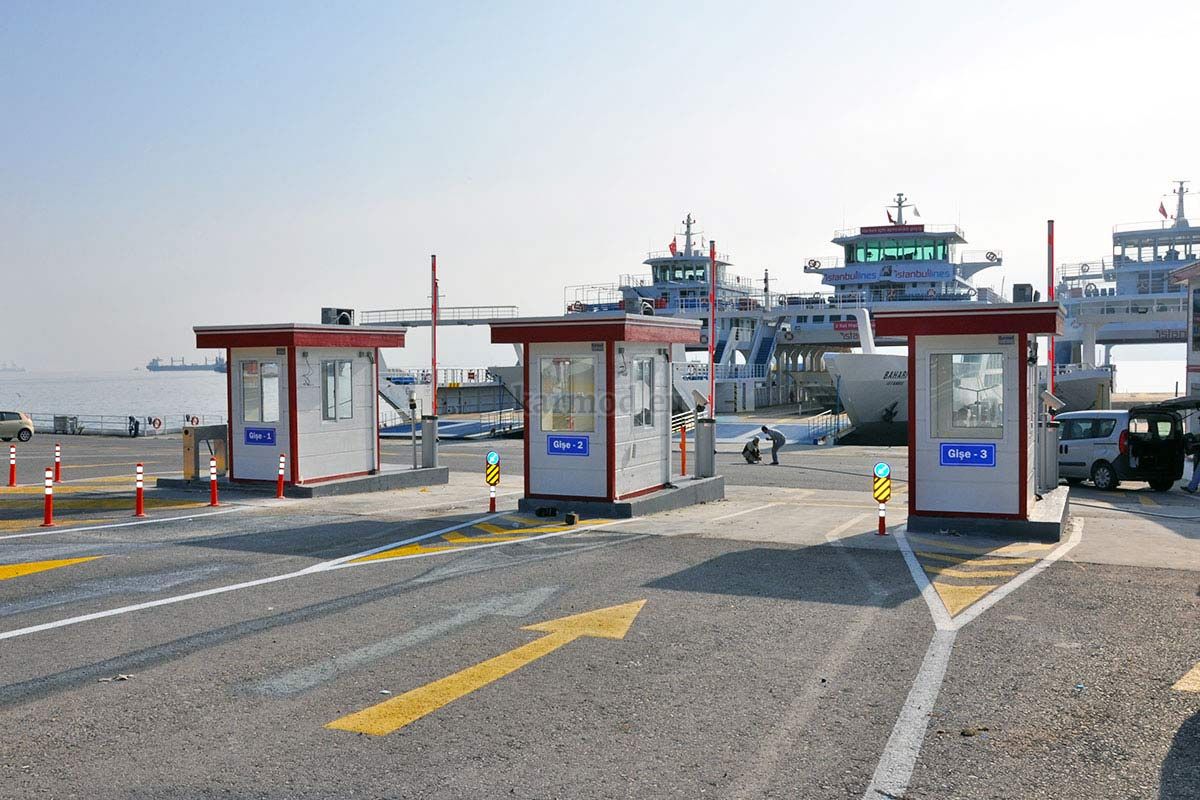
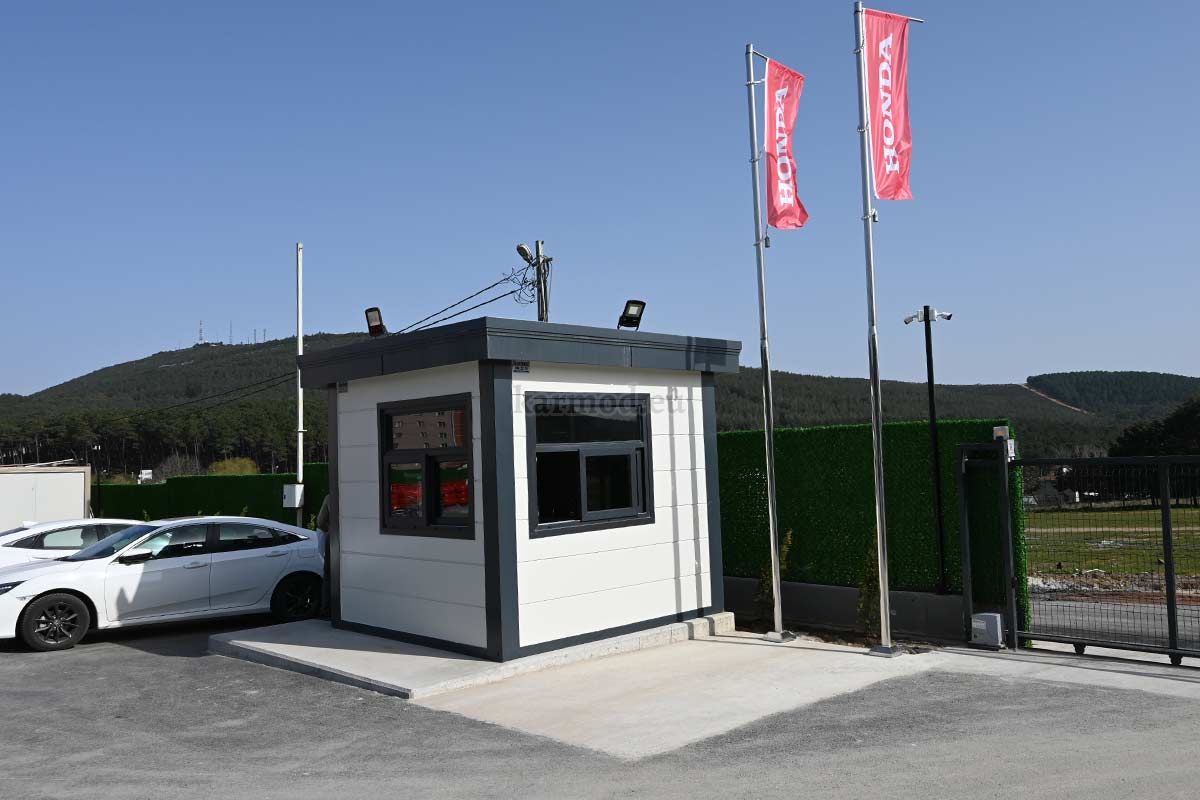
Two security booths of the same size can have dramatically different prices. Why? Because customization has become the norm rather than the exception.
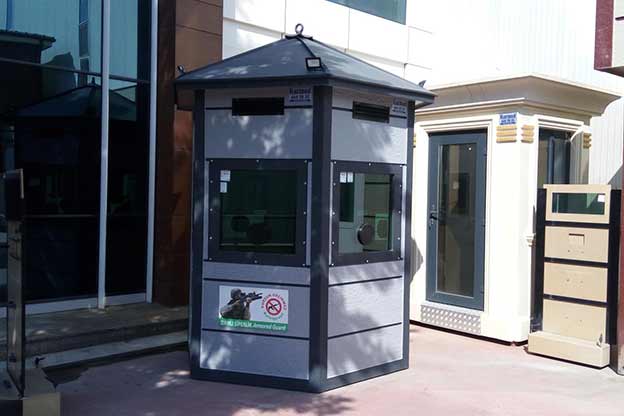
Today’s facilities demand more than a basic cabin with a window. They want integrated access control, reinforced glazing, climate systems, and sometimes ballistic protection. Each additional feature adds engineering time, specialized materials, and labor precision.
The most common upgrades influencing price in 2026 include:
- Bullet-resistant or impact-resistant glass
- Anti-corrosion exterior coatings for coastal or industrial zones
- Built-in electrical panels and concealed data cabling
- Split-type or compact HVAC systems
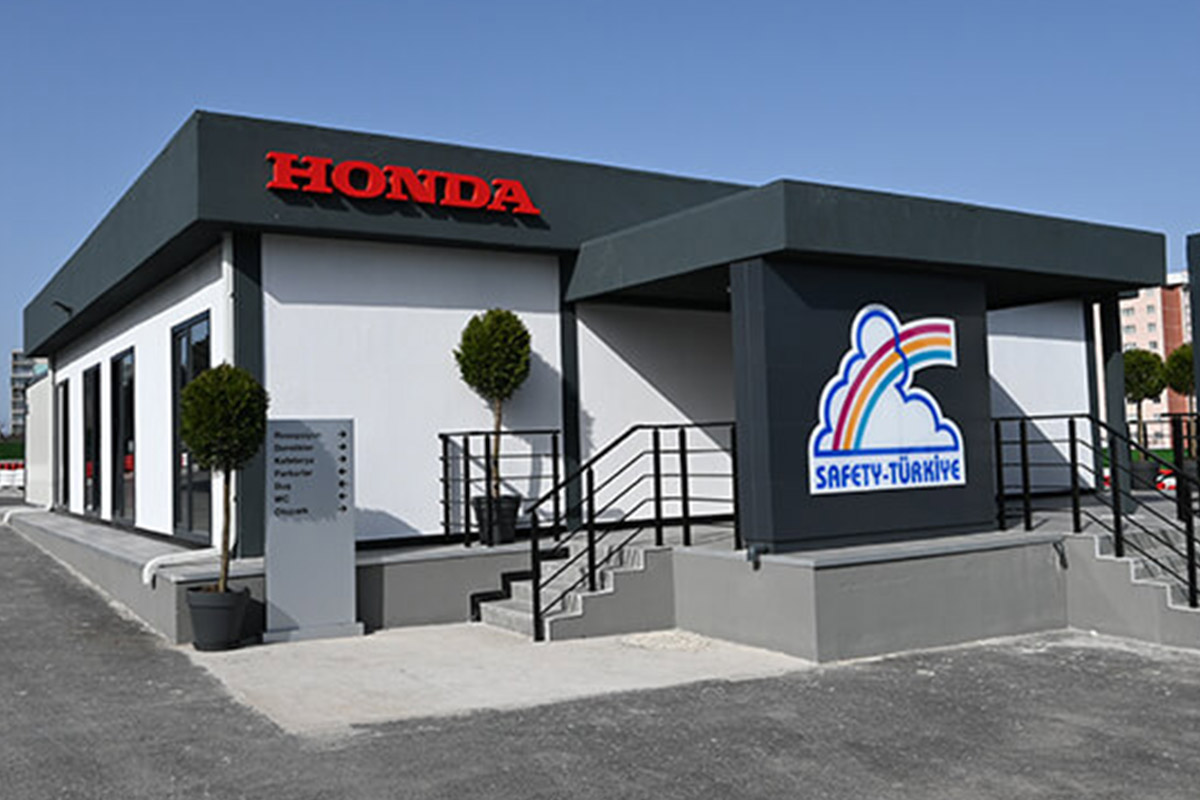
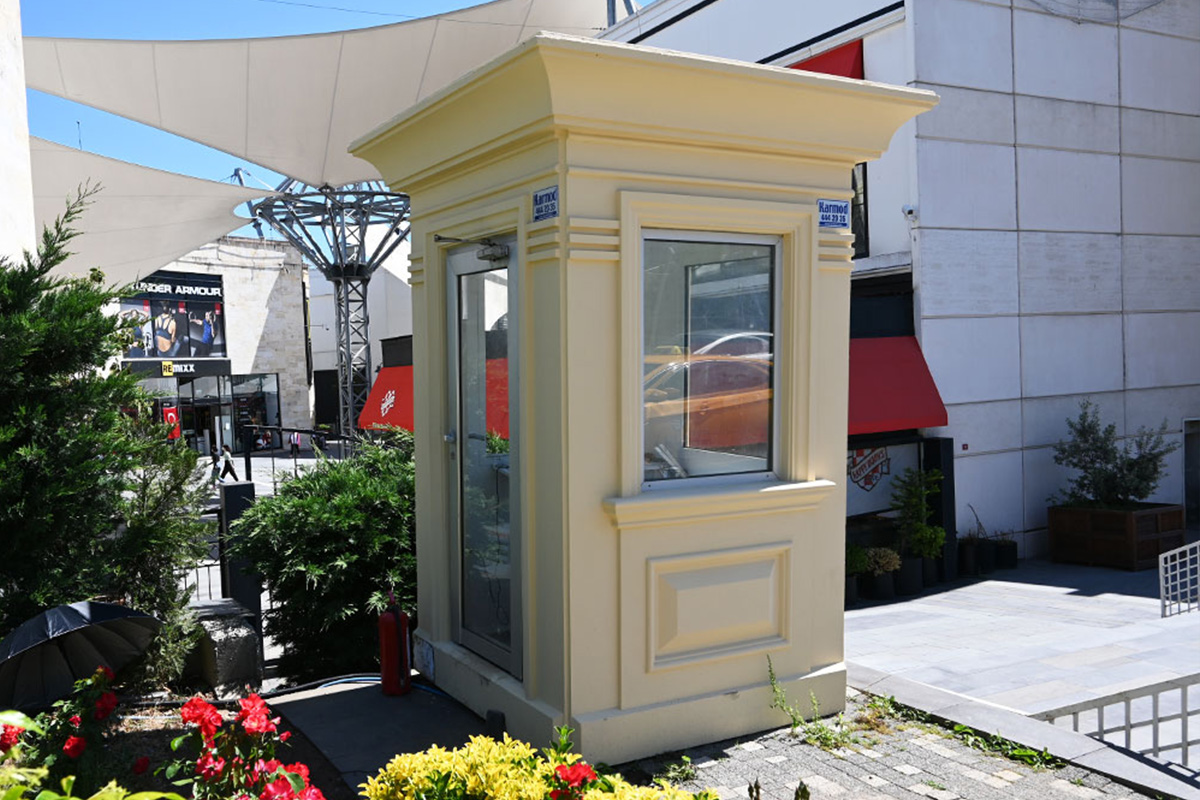
- Branded exterior finishes to match corporate identity
What’s important here is clarity. Not every site requires high-security glazing. Not every booth needs a heavy-duty cooling system. Over-specifying can inflate your investment unnecessarily.
An experienced manufacturer will help you align your real operational risks with the right level of protection — no more, no less.
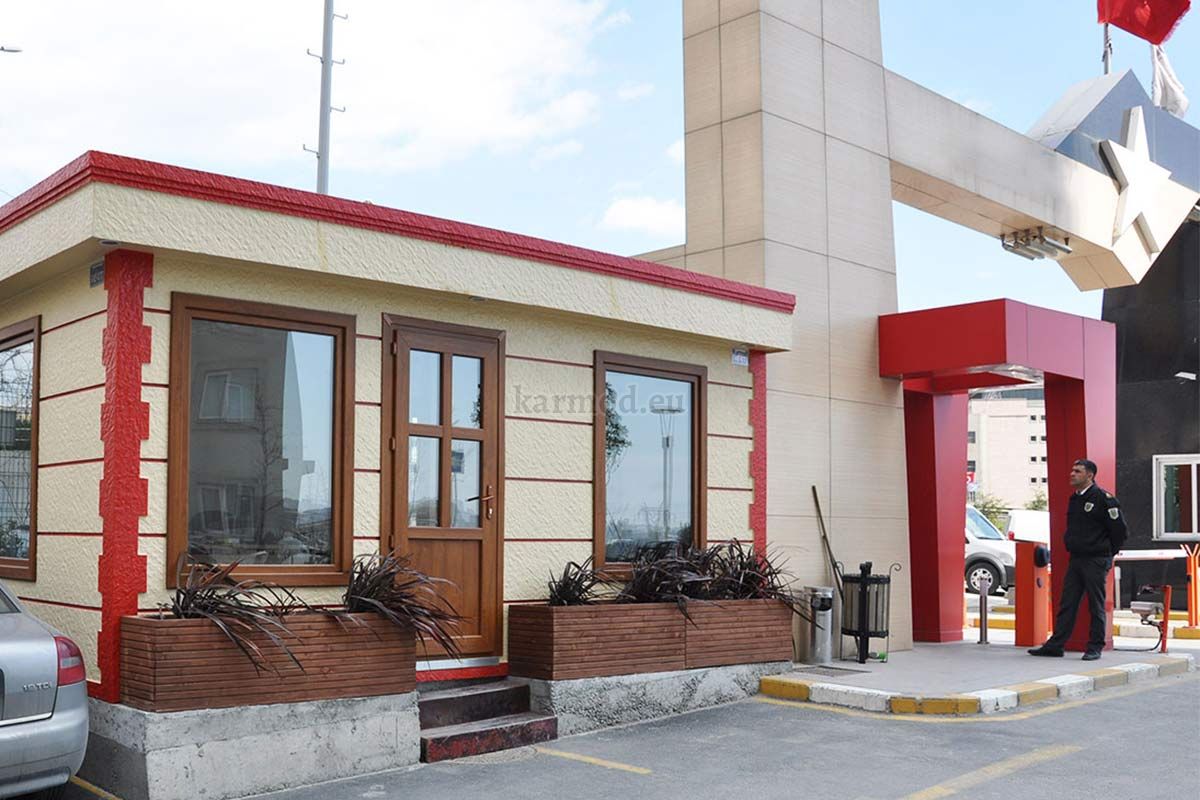
Energy Efficiency Is Now Part of the Buying Decision
A few years ago, most buyers focused only on purchase cost. In 2026, operational cost is part of the conversation.
Security booths operate long hours. In many facilities, they function 24/7. Poor insulation or low-grade windows mean constant heating or cooling. Over time, that adds up.
Energy-efficient booths may come with slightly higher upfront pricing because of upgraded insulation density, thermal break aluminum joinery, and higher-grade sealing systems. But over five years, they often prove more economical.
Buyers are increasingly calculating total ownership cost rather than just invoice value. It’s a smarter approach. After all, a booth isn’t a temporary installation — it’s part of your infrastructure.
Technology Integration Is Changing Expectations
Security operations have become more digital. Guards monitor screens. License plate recognition systems run in the background. Biometric entry devices connect to central systems. All of this affects booth design — and pricing.
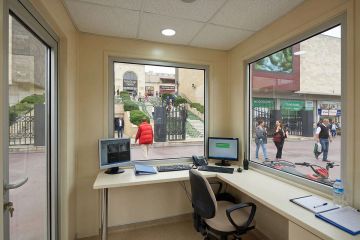
Modern security booths are frequently prepared with hidden cable channels, reinforced monitor mounting panels, and internal layouts that support equipment installation. These are not visible upgrades, but they require thoughtful engineering during production.
Retrofitting technology later is always more expensive and disruptive. That’s why many buyers in 2026 prefer to integrate future-ready infrastructure from the start.
If your facility is planning growth, expansion, or system upgrades in the next few years, it’s wise to mention that during the quotation stage. Designing for flexibility now prevents costly modifications later.
Transportation and Installation: The Often Overlooked Factor
Security booth pricing does not stop at manufacturing. Logistics still play a significant role in 2026.
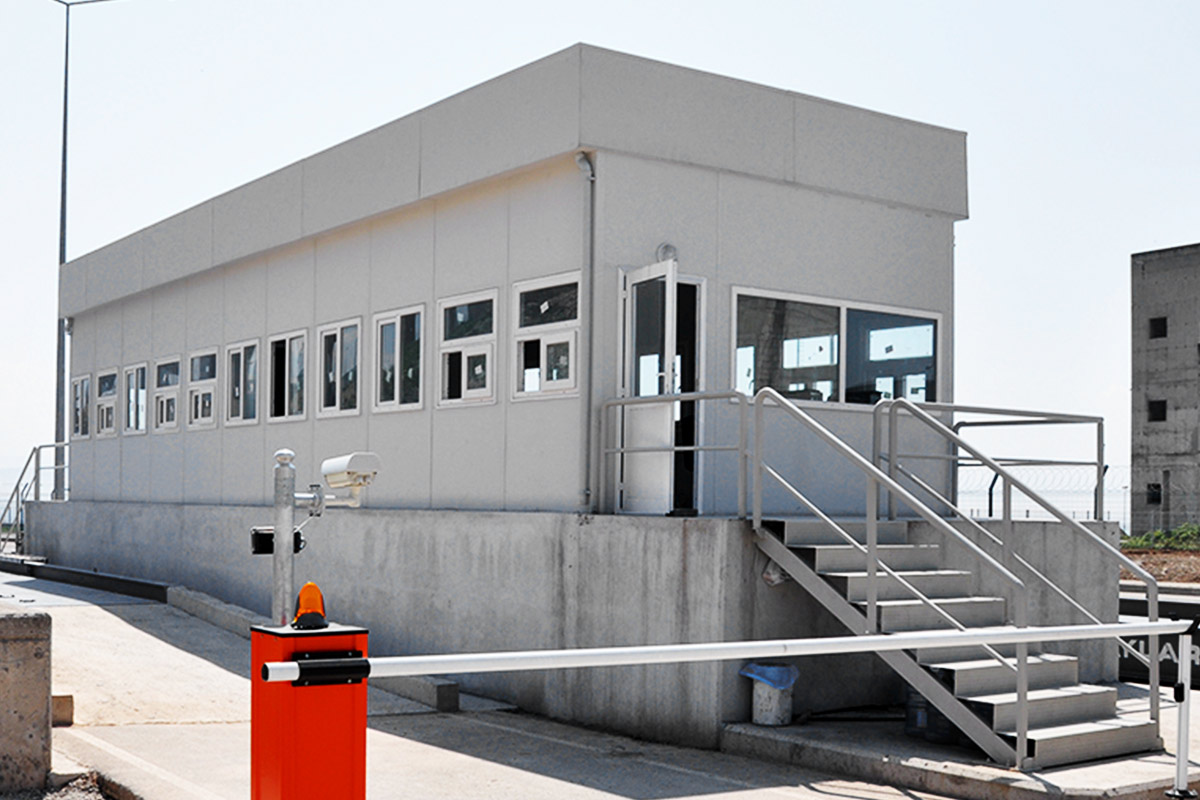
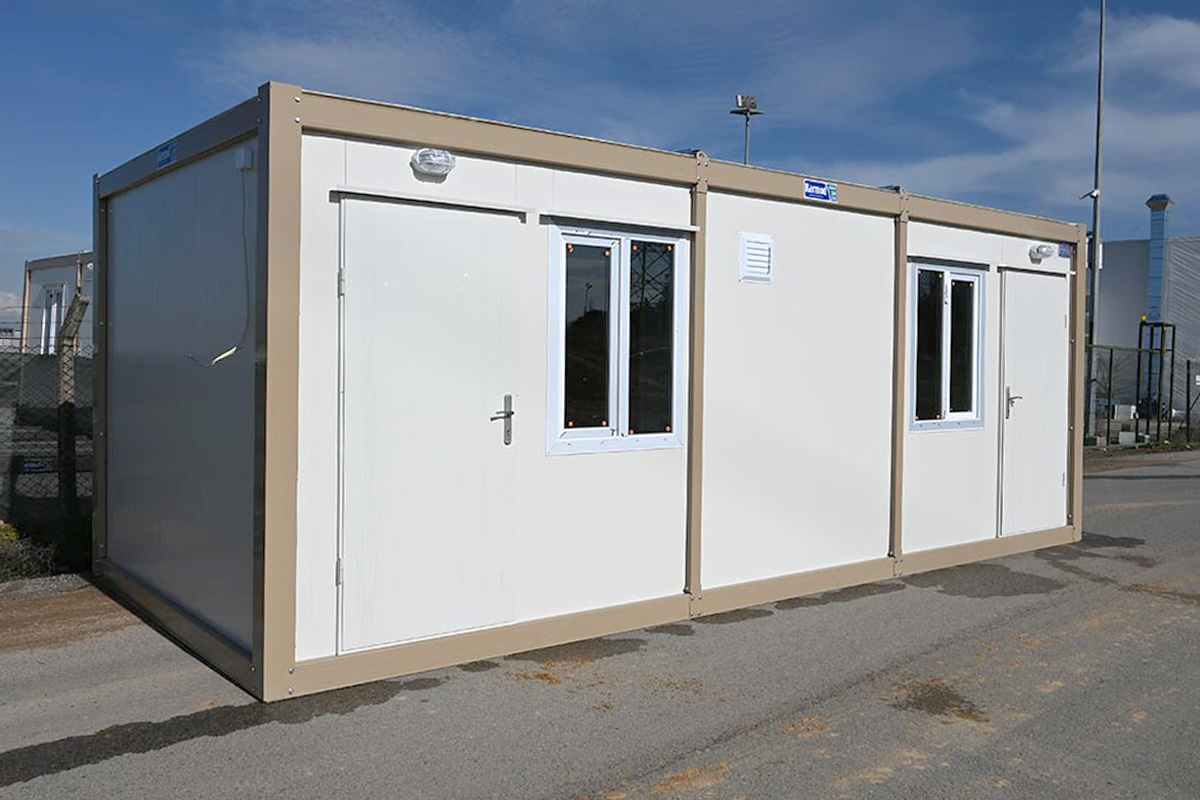
Transportation costs depend on distance, booth size, and delivery method. Fully assembled modular booths simplify on-site installation but require careful logistics planning. Larger custom units may involve crane placement, which adds operational cost.
Installation conditions also matter. A prepared concrete base reduces time and expense. Sites requiring additional groundwork, electrical preparation, or coordination with other contractors can increase total investment.
Clear communication with your supplier avoids misunderstandings. A transparent proposal should outline production, delivery, and installation details without hidden surprises.
Why Extremely Low Prices Should Raise Questions
Every buyer appreciates a competitive quote. But unusually low pricing deserves careful review.
When a security booth is priced significantly below market average, one of the following is often true:
- Thinner steel structure
- Lower insulation performance
- Basic single-glazed windows
- Minimal electrical preparation
- Limited warranty coverage
None of these may seem critical at first glance. Yet over time, they affect comfort, safety, and durability.
A security booth protects people and assets. It also represents your company at the entrance gate. Compromising quality for short-term savings can cost more in maintenance, replacement, or operational inefficiencies.
Market Outlook for the Rest of 2026
Industry experts anticipate relatively stable material pricing for the remainder of 2026. However, labor costs and specialized component pricing may continue gradual increases, especially for high-security and customized units.
Demand remains steady across industrial facilities, logistics centers, residential developments, and infrastructure projects. As urban expansion continues, controlled access points become more essential — and so do reliable security booths.
For buyers planning installation this year, early specification approval helps secure more predictable pricing and production schedules.
Making a Confident Buying Decision
At its core, a security booth purchase is about reliability. Your guards need a comfortable, safe workspace. Your facility needs consistent access control. Your visitors see this structure before they see anything else.
When evaluating offers in 2026, focus on three core elements:
- Structural quality
- Long-term operational efficiency
- Manufacturer credibility and support
A well-built booth will quietly serve your operation for years. It won’t demand constant repair. It won’t struggle against heat or cold. It will simply do its job — day after day.
If you're currently planning a project or reviewing supplier options, contact us to discuss your requirements and receive a tailored, transparent quote for your facility.