







In security planning, choosing the right structure is not a cosmetic decision—it directly affects safety, visibility, response time, and long-term operating costs. Two of the most commonly confused solutions are security booths and watch towers. At first glance, they may seem to serve similar purposes. In reality, they solve very different problems.
If you’re managing an industrial facility, a construction site, a logistics hub, or a high-security zone, understanding these distinctions can save you money, improve operational efficiency, and significantly strengthen site security. Let’s break it down clearly, practically, and from real-world experience.
Understanding the Core Purpose of Security Booths
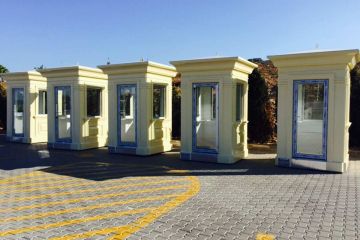
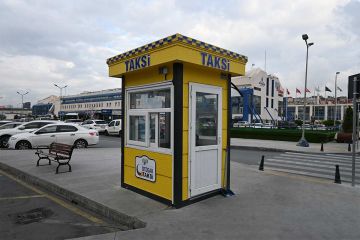
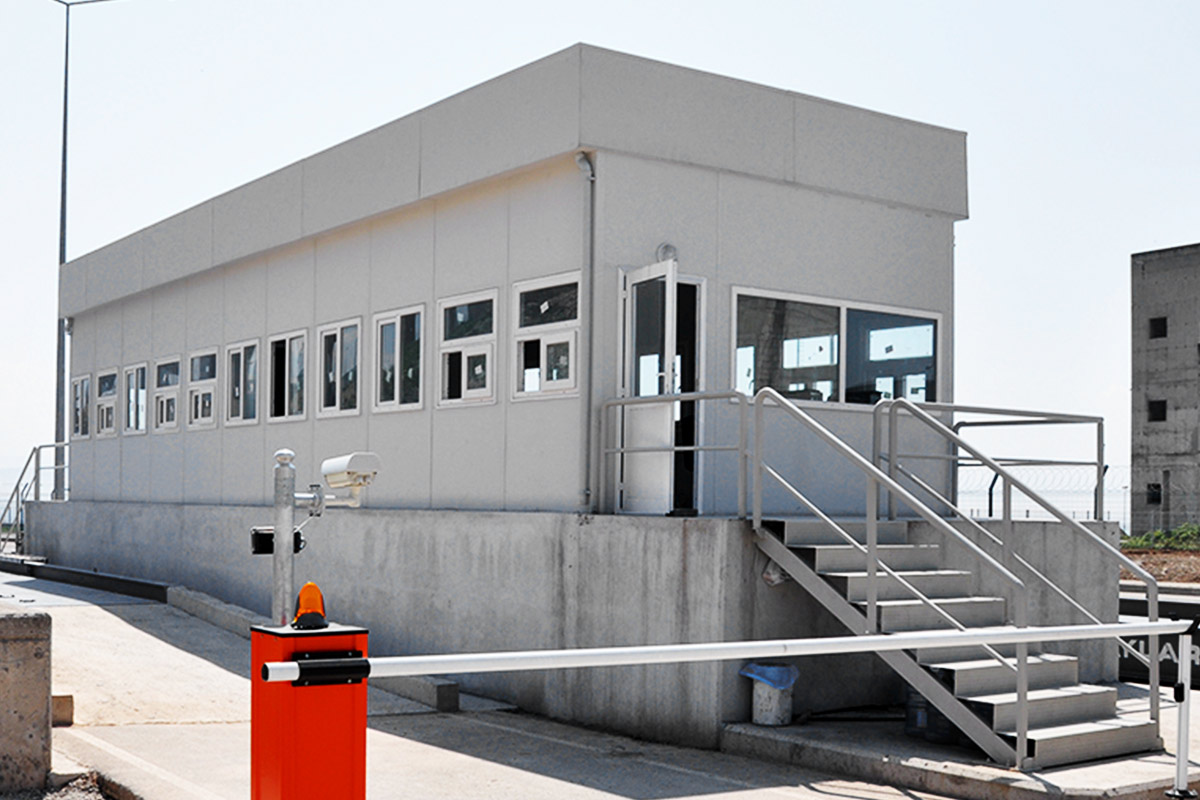
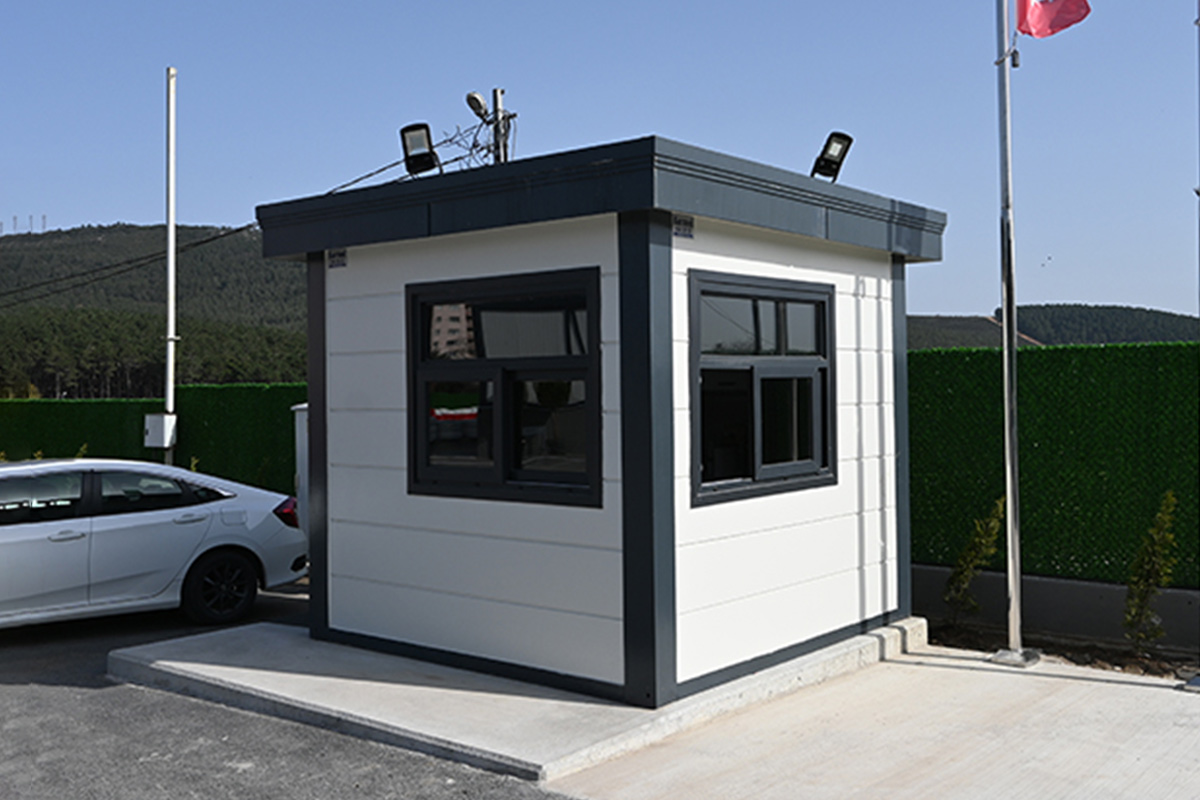
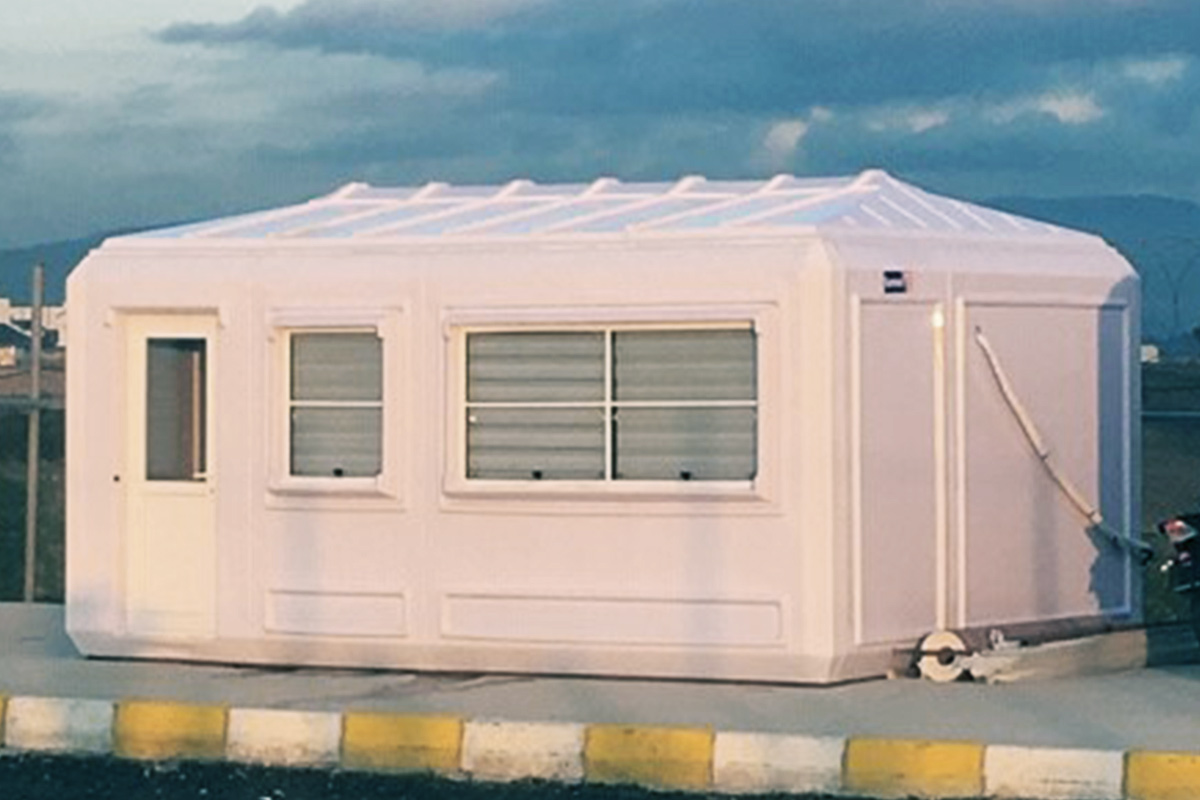
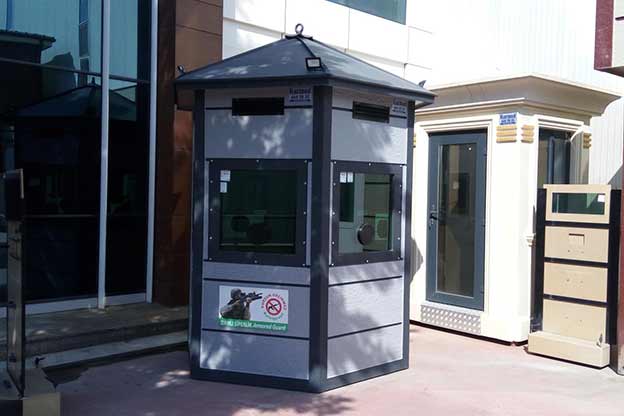
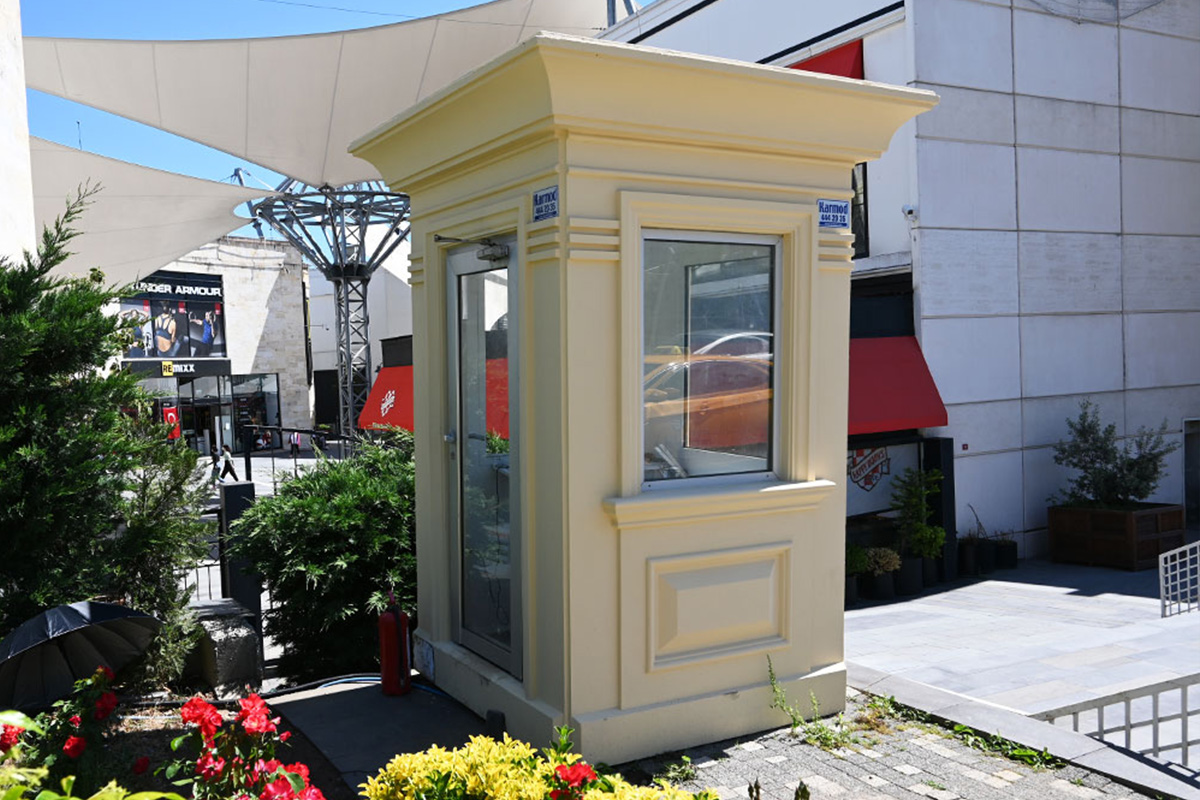
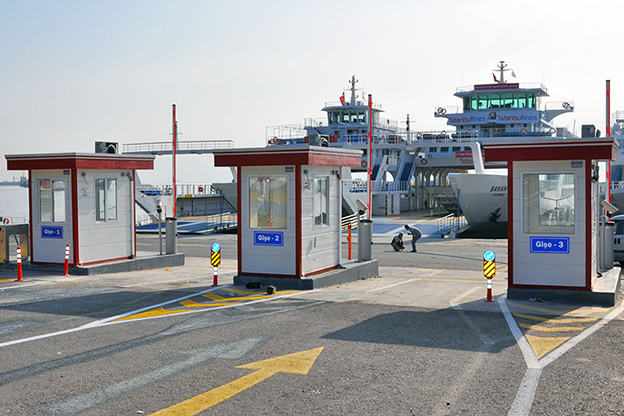
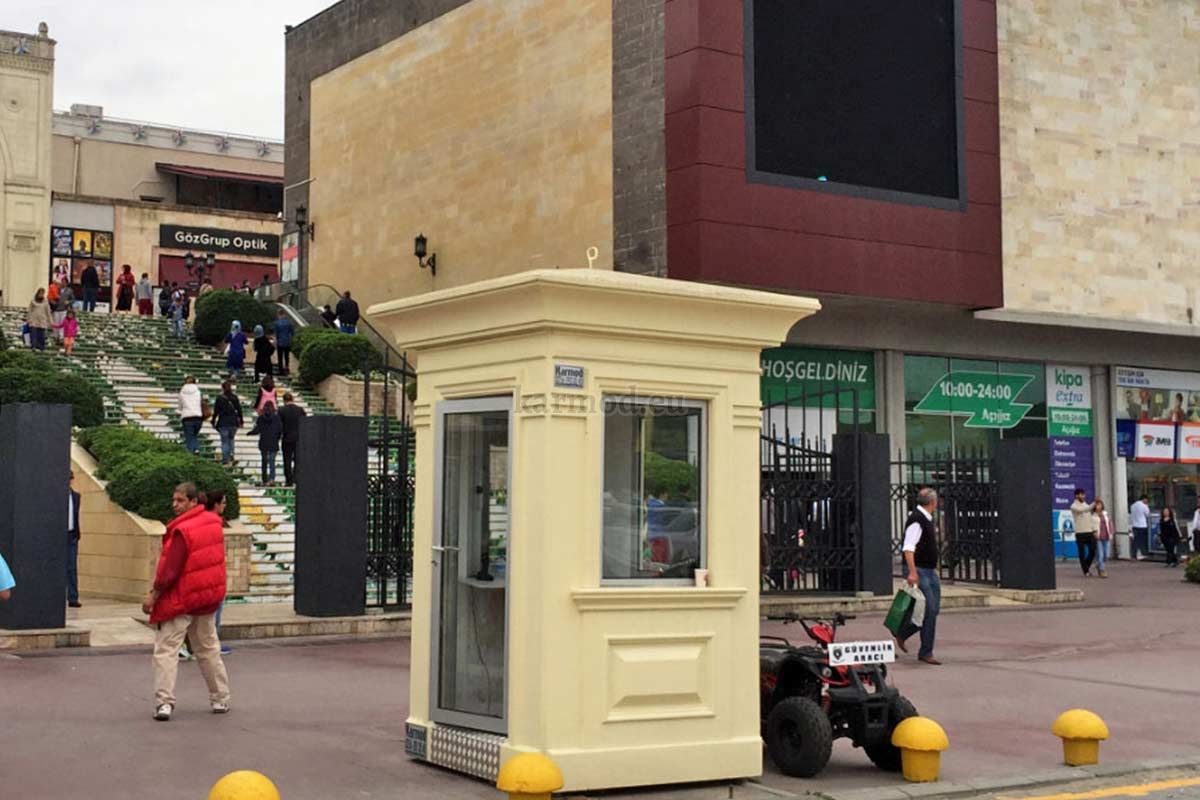
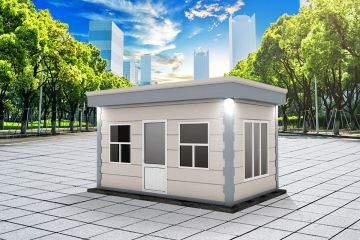
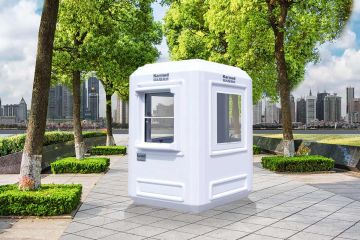
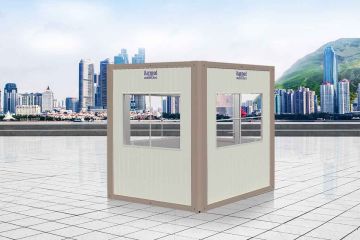
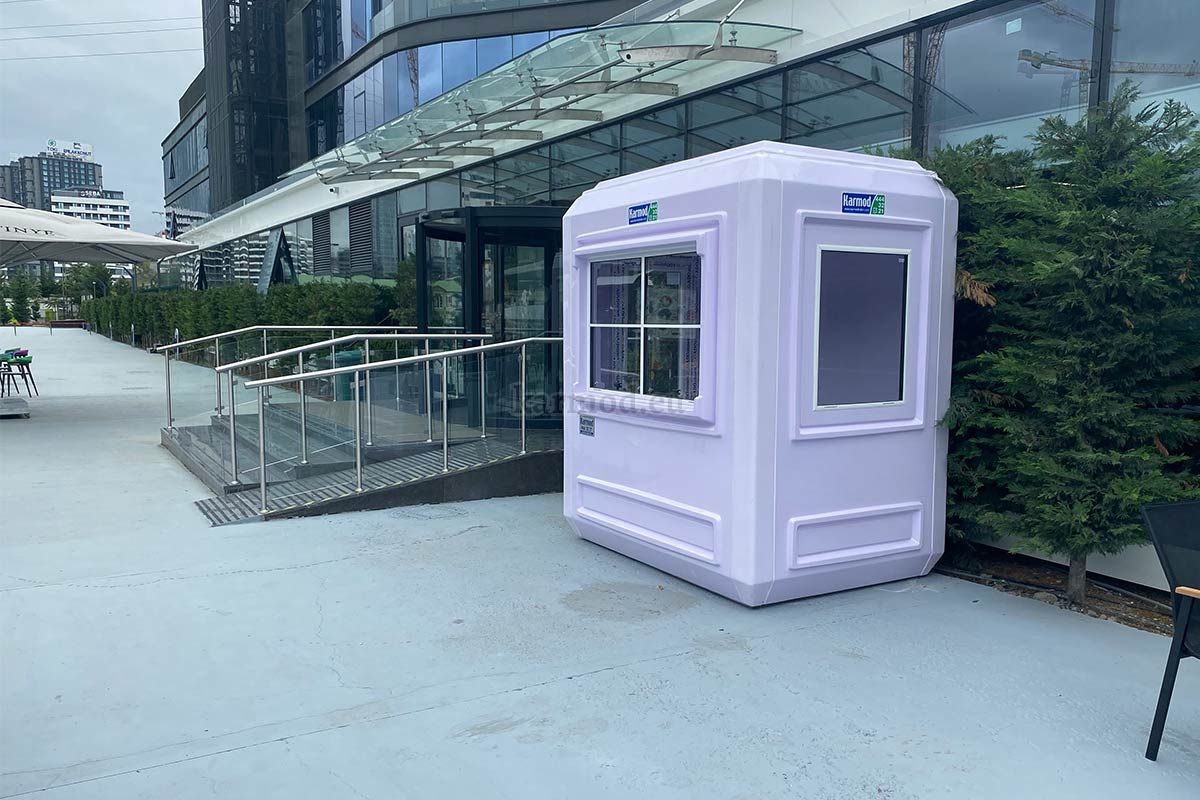
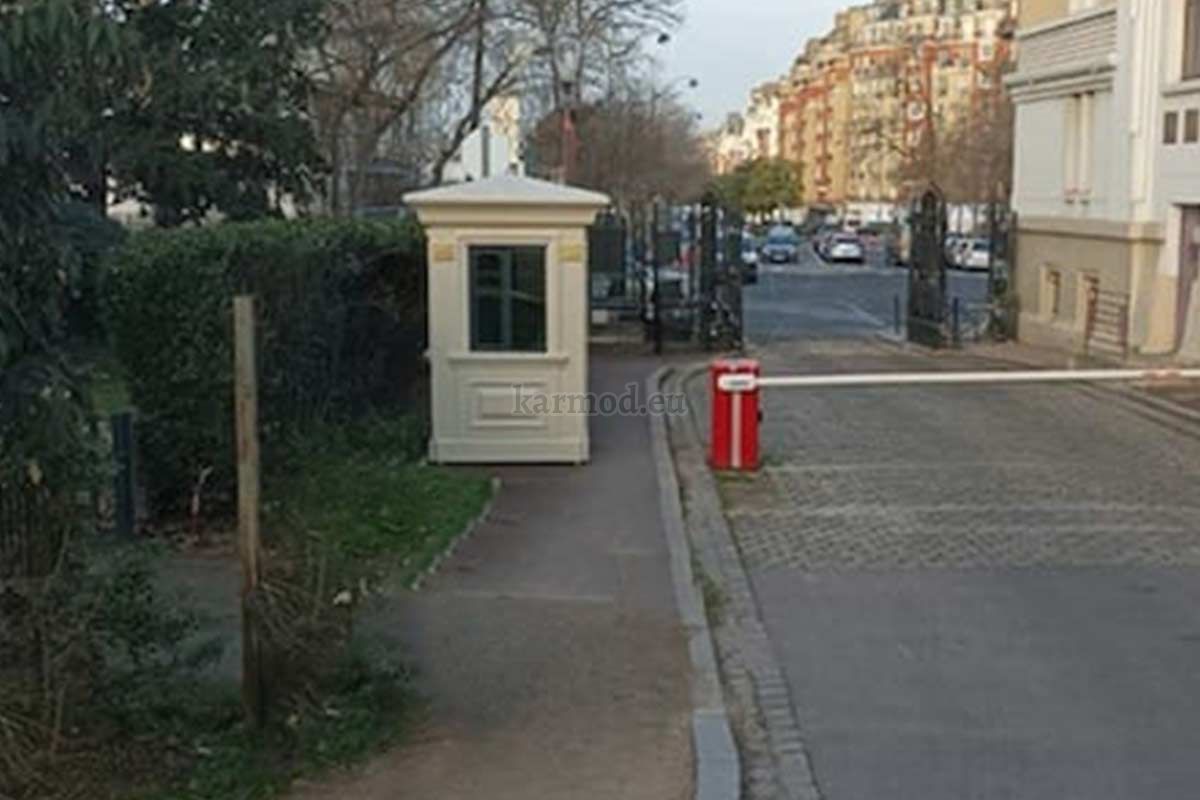
Security booths are designed for controlled access and close-range supervision. You’ll typically find them at facility entrances, parking gates, ports, factories, residential compounds, and event areas.
Their primary role is not to oversee vast territories, but to manage interaction.
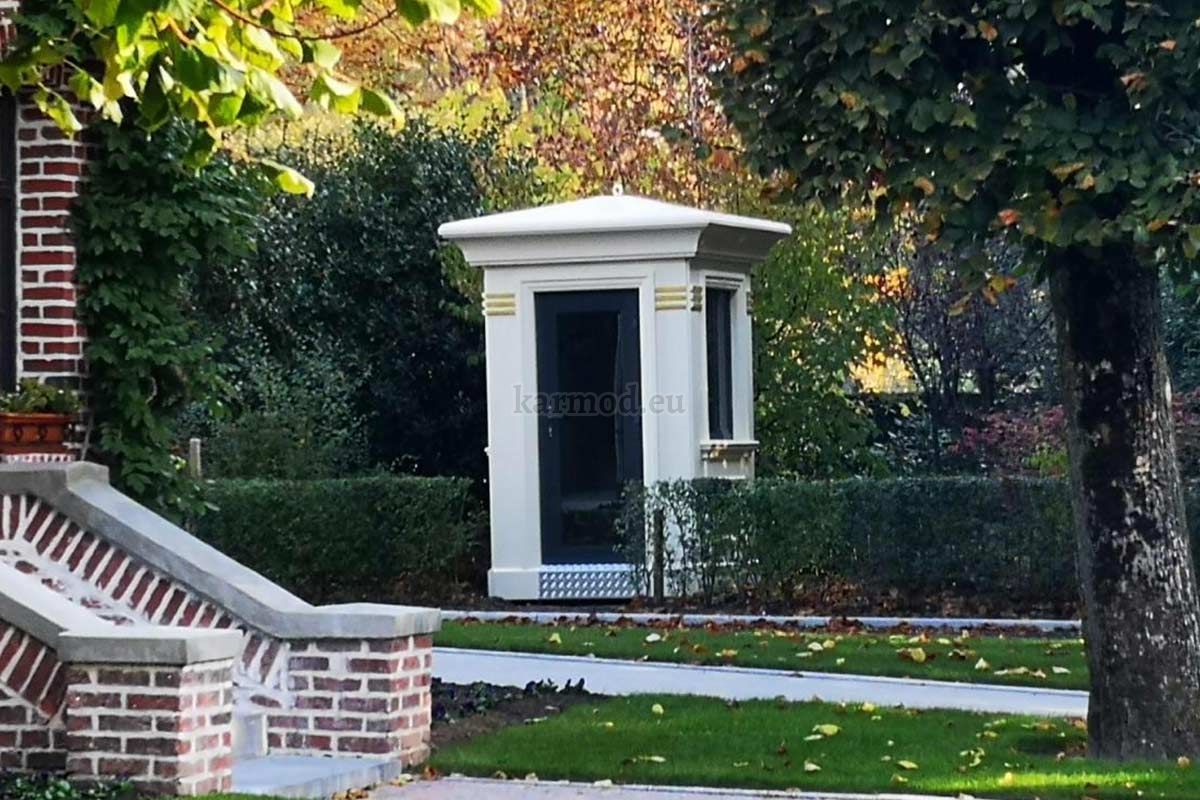
A security booth creates a controlled environment where guards can verify IDs, manage vehicle entry, monitor visitors, and respond instantly to on-site situations. Think of it as the nerve center at ground level—compact, efficient, and always active.
From a user experience perspective, security booths also send an important message: this area is monitored, organized, and professionally managed. That psychological layer alone is a deterrent.
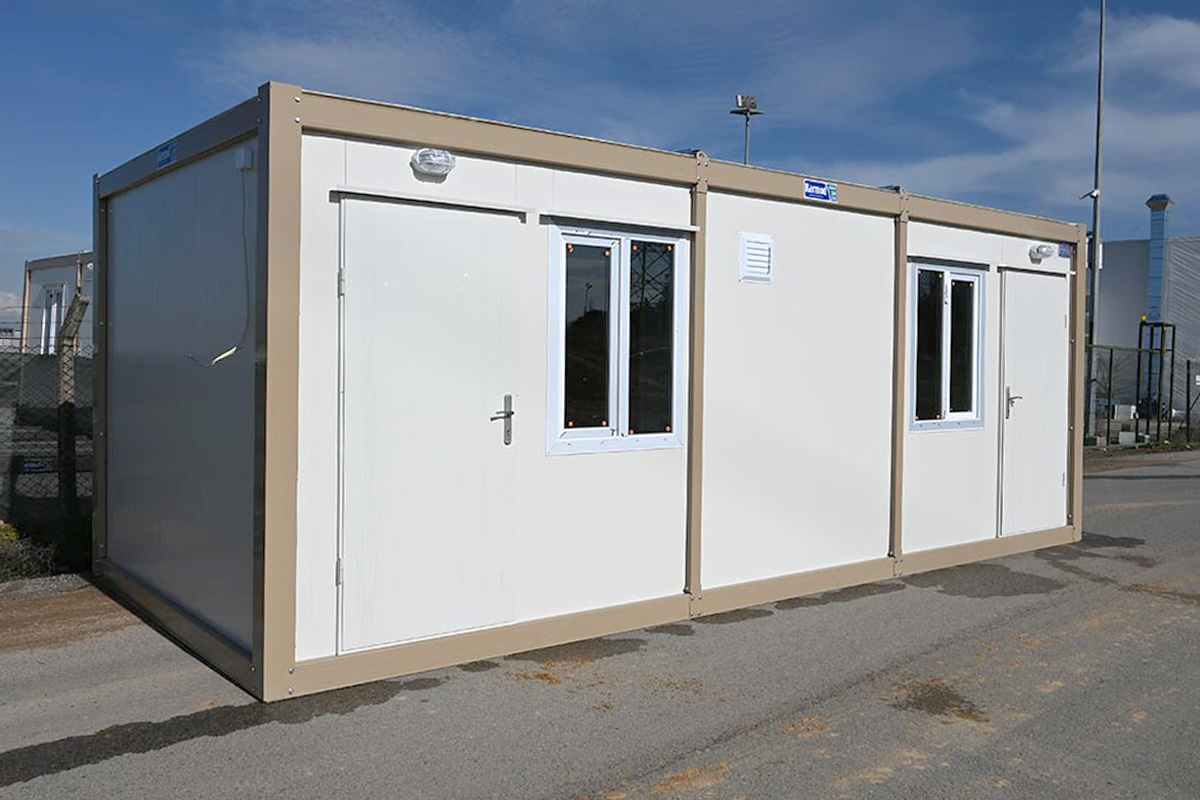
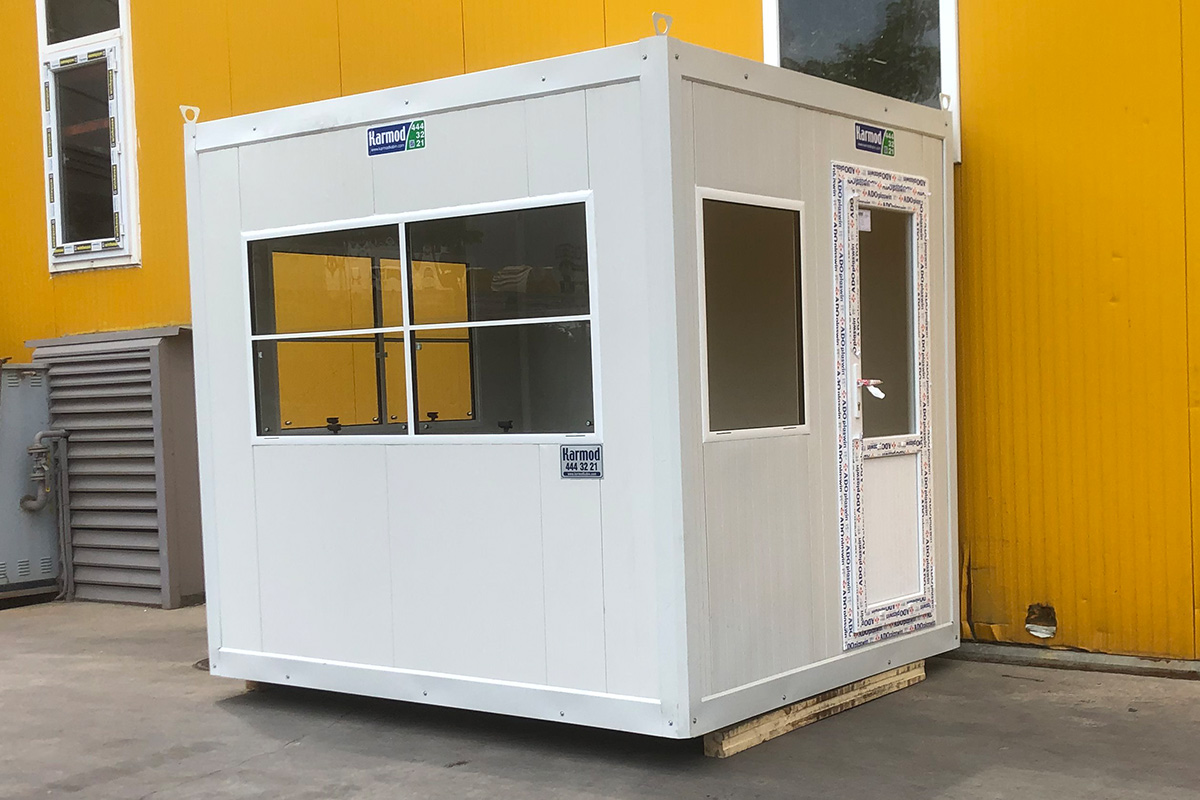
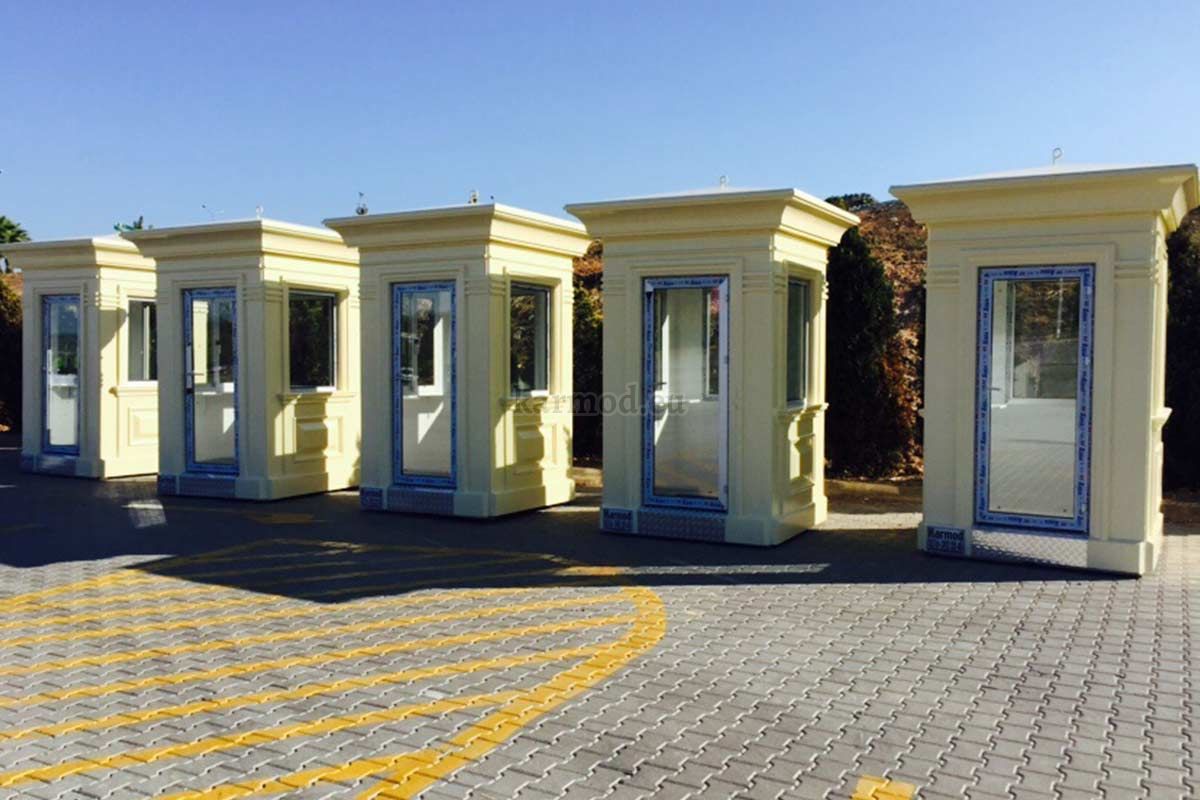
Modern prefabricated security booths often include:
- Insulated wall systems for year-round comfort
- Bullet-resistant glass options
- Integrated electrical and data infrastructure
- Climate control for 24/7 use
For companies focused on first impressions and access control, security booths are usually the smarter starting point.
What Makes Watch Towers a Different Category Entirely
Watch towers operate on a completely different logic: elevation equals advantage.
Instead of controlling entry points, watch towers provide wide-area visibility. They are commonly used in border security, military zones, mining sites, large storage yards, and remote industrial areas where ground-level monitoring simply isn’t enough.
A watch tower allows security personnel to see what others can’t. From higher ground, movement patterns become visible, blind spots disappear, and reaction time improves dramatically.
Unlike booths, watch towers are less about interaction and more about observation and deterrence. The very presence of a tower communicates authority and surveillance, even from a distance.
Typical characteristics include:
- Elevated steel or prefabricated structures
- Stair or ladder access systems
- Reinforced platforms with 360-degree views
- Optional enclosed cabins for harsh climates
If your risk profile involves perimeter breaches, unauthorized movement, or large-scale asset protection, a watch tower becomes a strategic asset rather than an accessory.
Security Booths vs. Watch Towers: Functional Comparison
The real distinction appears when you align each structure with its operational role.
Security booths excel in environments where:
- Entry and exit must be logged and controlled
- Face-to-face interaction is required
- Space is limited
- Continuous occupancy is necessary
Watch towers are superior when:
- Large areas need constant visual monitoring
- Early threat detection is critical
- The site has perimeter vulnerabilities
- Human presence must be visible from afar
In many advanced facilities, the smartest solution is not choosing one over the other, but integrating both. A booth manages access; a tower watches the horizon. Together, they create layered security.
Cost, Installation, and Long-Term Value Considerations
From a budget standpoint, security booths are generally more economical upfront. Their compact size, modular production, and quick installation make them ideal for projects that need speed without sacrificing professionalism.
Watch towers require more structural planning. Elevated foundations, reinforced materials, and safety compliance add to the initial investment. However, in high-risk environments, the return on investment is measured in prevention, not just cost.
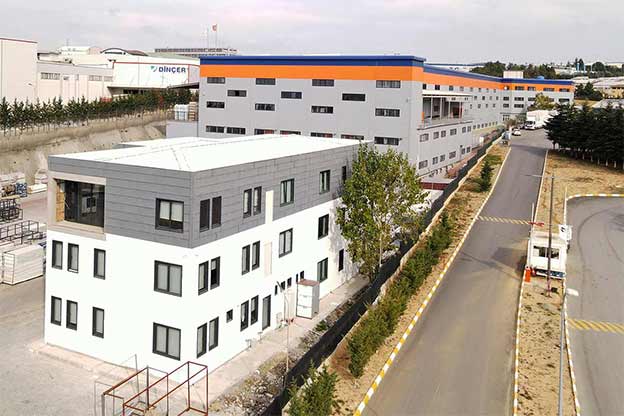
Prefabricated systems have changed the game here. Both booths and towers can now be manufactured off-site, delivered ready-to-install, and deployed with minimal disruption. This significantly reduces labor time and unexpected expenses.
When evaluating cost, decision-makers should ask:
- What risks are we mitigating?
- How visible does security need to be?
- Is this a temporary or permanent setup?
The answers usually point clearly toward the right solution.
Human Factors: Comfort, Efficiency, and Performance
Security structures are not just hardware—they’re workspaces. And performance depends heavily on how guards experience their environment.
Security booths prioritize ergonomics and comfort. Proper insulation, ventilation, and visibility reduce fatigue during long shifts. A comfortable guard is a more attentive guard.
Watch towers, while more exposed, must focus on safety and stability. Enclosed cabins, anti-slip flooring, and weather-resistant materials are essential, especially for elevated positions.
This is where professional manufacturing matters. Poorly designed structures increase risk, lower morale, and ultimately weaken security.
Which One Is Right for Your Project?
There’s no universal answer—only the right fit for your operational reality.
If your priority is:
- Access control
- Visitor management
- Professional site presentation
A security booth is likely your best solution.
If your priority is:
- Wide-area surveillance
- Perimeter protection
- High-risk monitoring
A watch tower offers capabilities no ground-level structure can match.
And if your site demands both control and oversight, combining these structures creates a security ecosystem that works proactively, not reactively.
Final Thought: Security Is a Strategy, Not a Structure
Choosing between a security booth and a watch tower isn’t about size or height—it’s about intent. The most effective security setups are designed with foresight, real-world usage, and human behavior in mind.
If you’re planning a new project or upgrading an existing facility, working with an experienced prefabricated structure provider makes all the difference. The right partner won’t just sell you a unit—they’ll help you design confidence, safety, and control into your site from day one.
Request a tailored quote today and let’s build a security solution that actually works where it matters most.