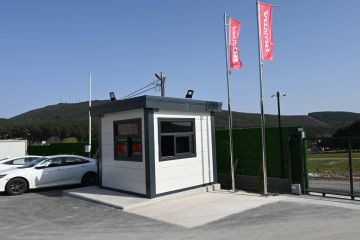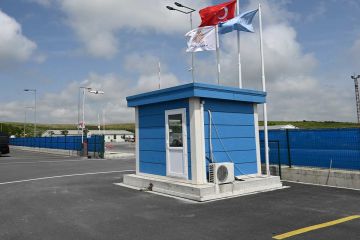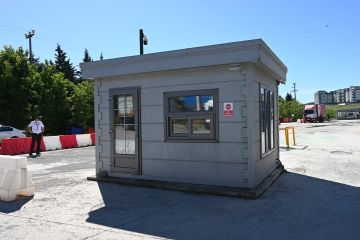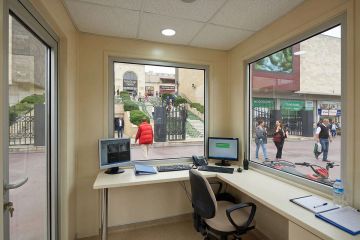





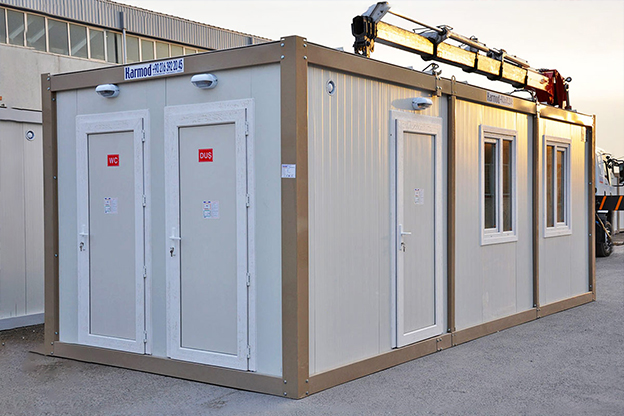
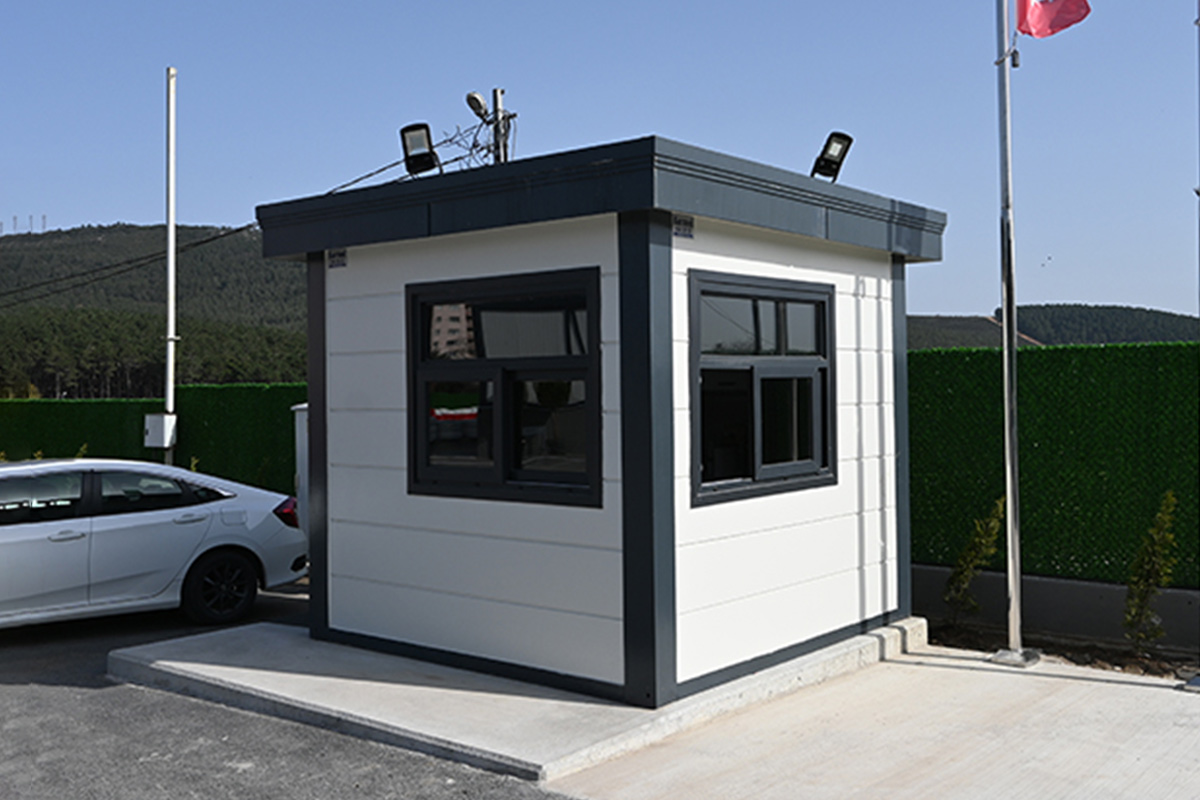

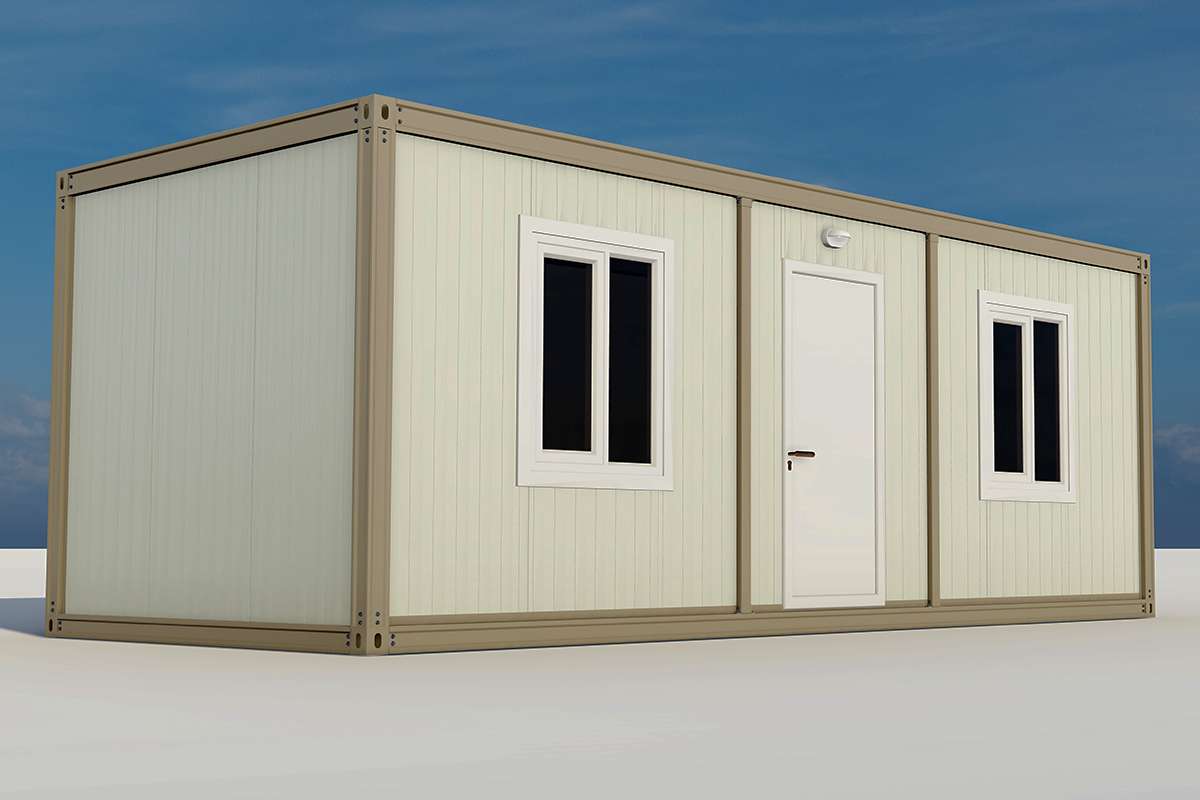

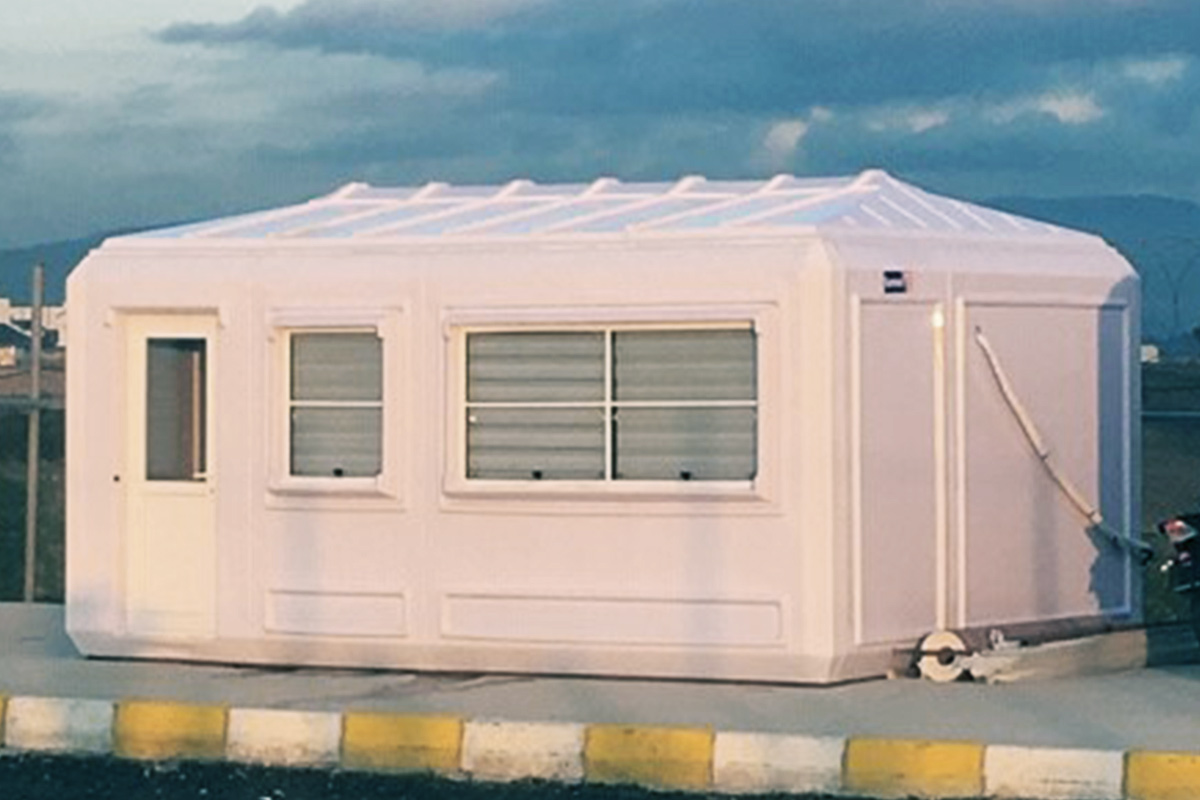


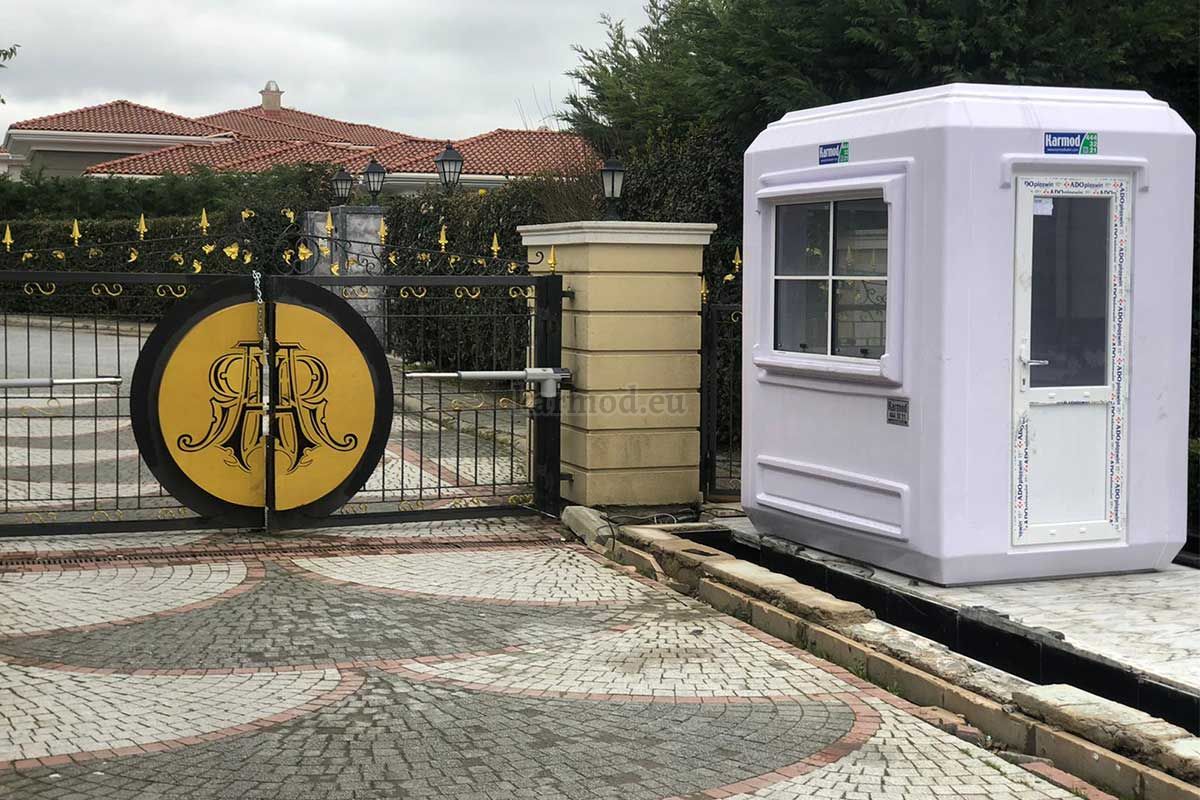
Installing a security cabin is often treated as a quick operational step. A gate needs control, guards need shelter, and the solution seems obvious. Yet in real projects, many delays and frustrations begin after the cabin arrives on site, not before. The reason is rarely the product itself, but the legal and administrative steps that were not fully considered at the planning stage.
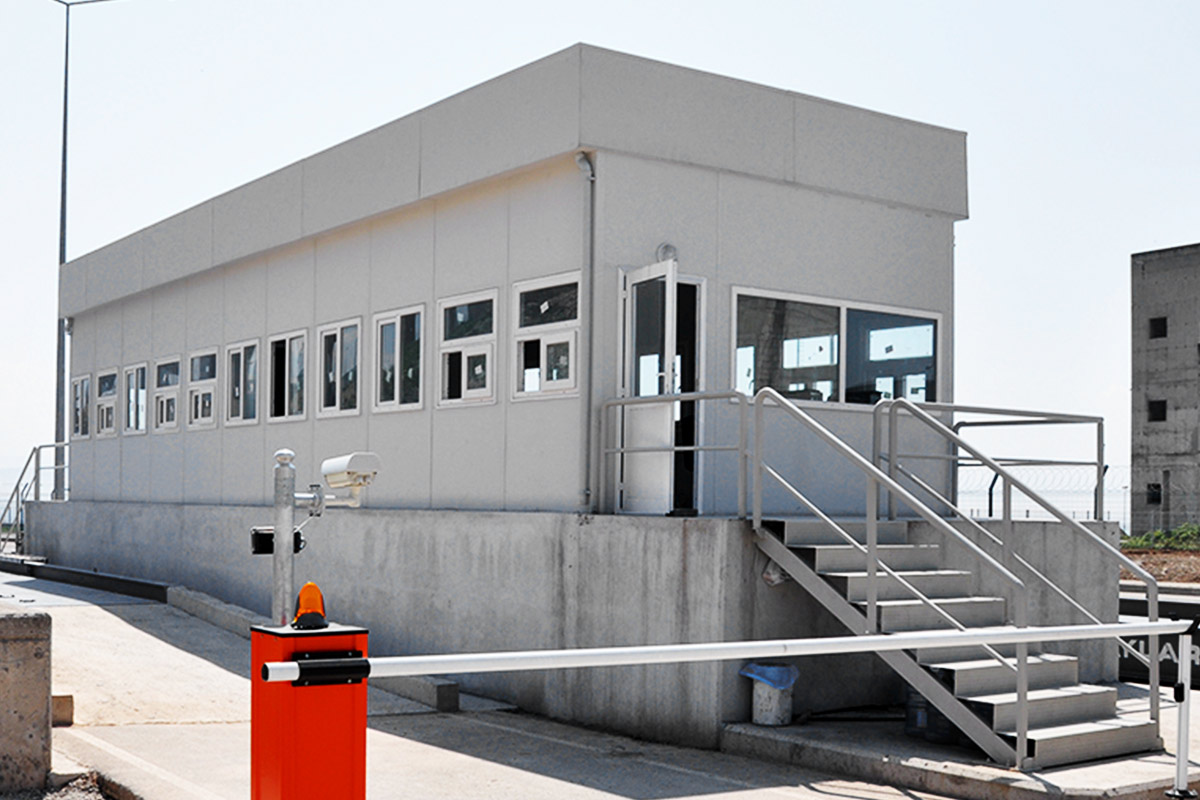
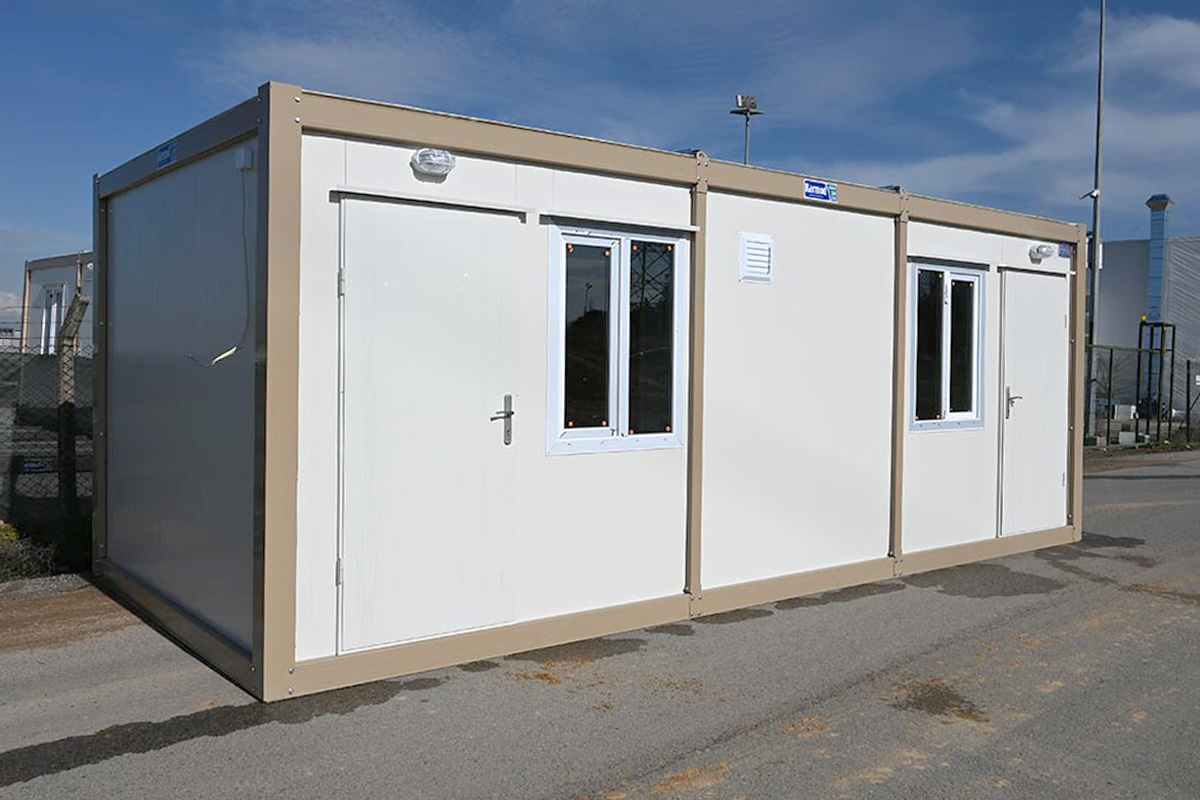
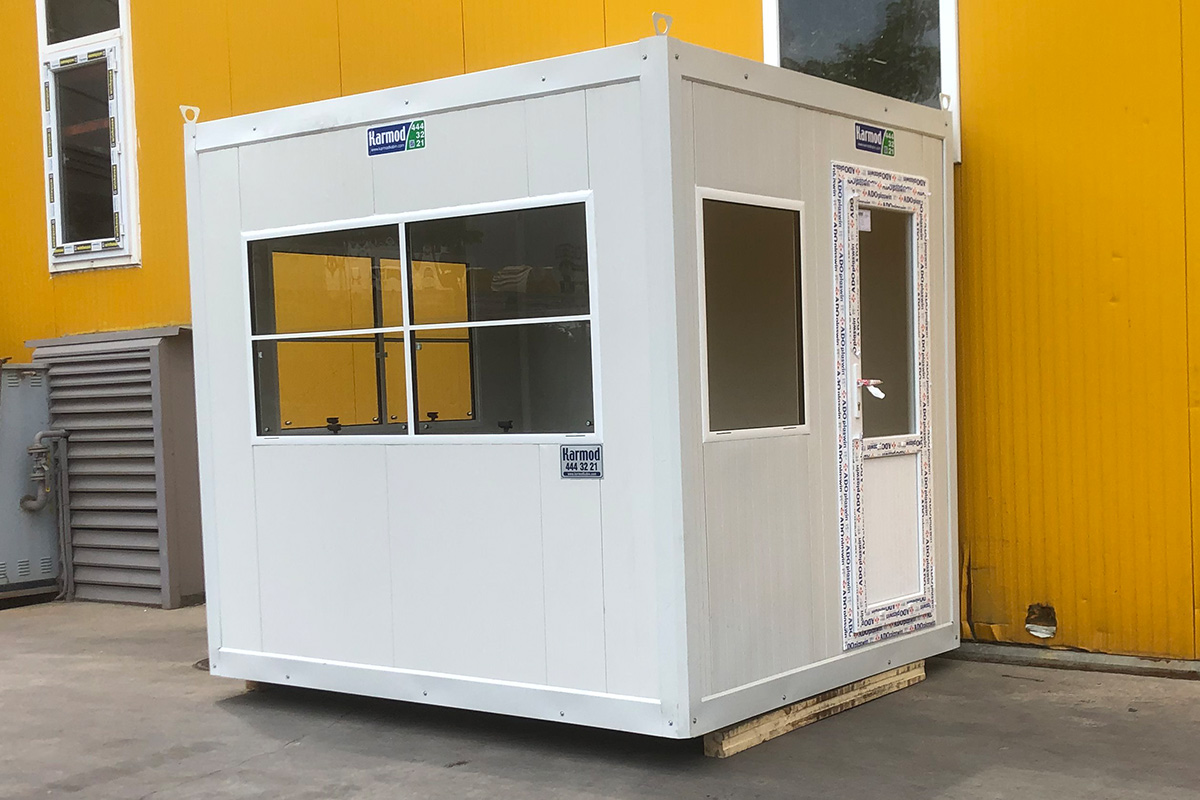
Security cabins sit in a grey area between movable equipment and fixed structures. They are prefabricated, they can be relocated, yet once placed on land and used daily, they become part of the site’s physical and legal reality. Understanding this balance early makes the difference between a smooth installation and a project that constantly needs explanations, revisions, or corrections.

Why Security Cabins Are Not Legally “Invisible”
A common assumption is that small prefabricated structures do not attract legal attention. In practice, however, a security cabin directly affects how a site functions, how access is controlled, and how space is used. Because of this, authorities often view it as an auxiliary structure rather than a temporary object.
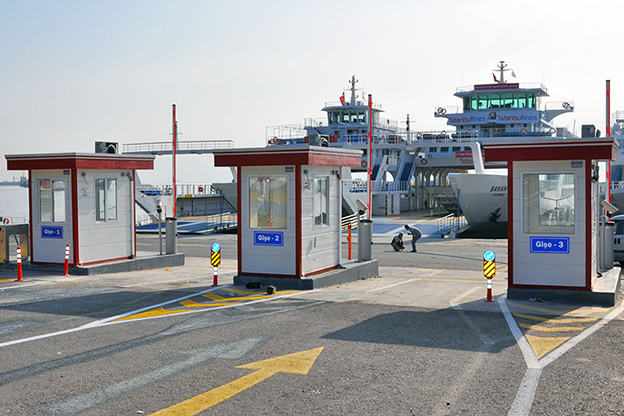
Once a cabin defines an entry point, manages traffic, or becomes a permanent workstation, it naturally falls within certain regulatory boundaries. Ignoring this does not always cause immediate problems, but issues tend to surface during inspections, audits, or changes in site management. Treating the cabin as a legitimate part of the site from the start prevents these late-stage surprises.

Temporary or Permanent Use Changes the Entire Process
One of the most decisive questions in the legal process is how the security cabin is classified in terms of duration. This single distinction often determines how simple or detailed the approval process will be.
Temporary cabins are usually linked to construction projects, events, or short-term operational needs. Permanent cabins, on the other hand, are installed with the intention of long-term use and are more closely integrated into daily site operations.
This classification typically influences:
- Whether a formal permit is required
- How long the cabin can legally remain on site
- The level of documentation expected by authorities
- Conditions for relocation or removal in the future
Clarifying this point early allows the entire project to move forward with realistic expectations.
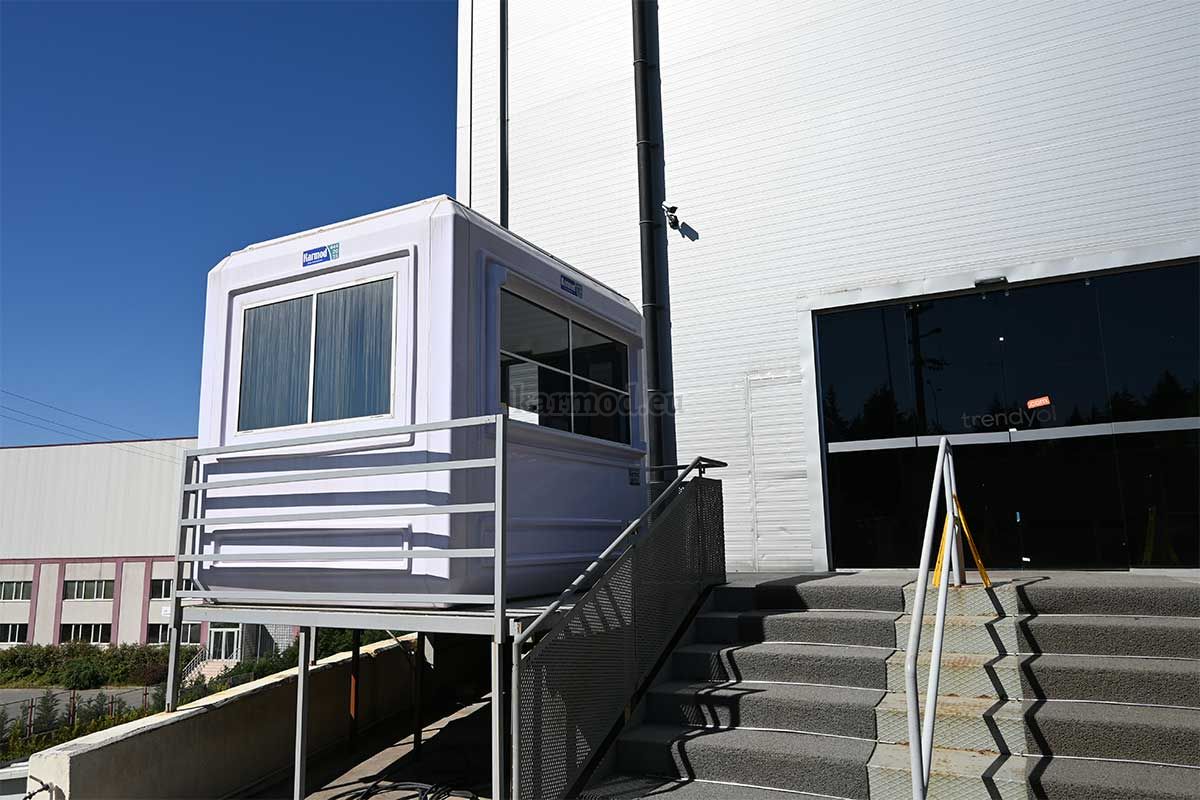
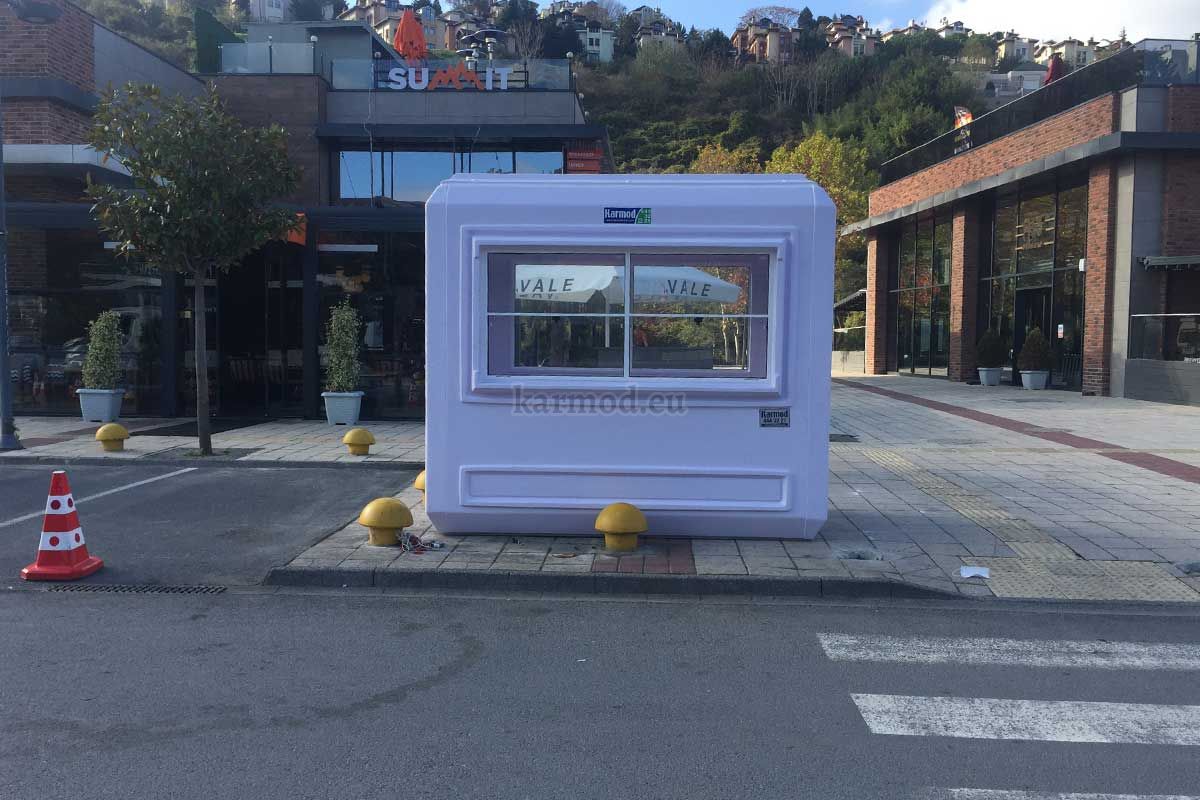
Zoning Rules Quietly Define What Is Acceptable
Every piece of land operates under zoning regulations, and these rules shape what can be placed there, even when the structure is small. Industrial zones tend to be more flexible, as security infrastructure is seen as an operational necessity. Residential and mixed-use zones, however, may apply stricter criteria.
In such areas, authorities may look at the cabin’s size, placement, and overall visual impact. These considerations are not meant to block security measures, but to ensure that new structures fit the planning logic of the environment. Choosing a cabin that aligns with zoning expectations often simplifies approvals without compromising security needs.
Permits Are Often About Usage, Not Size
Whether a security cabin requires a permit is rarely determined by dimensions alone. Instead, authorities usually focus on how the cabin is used and how it interacts with the site.
A cabin placed without a permanent foundation and used for limited purposes may follow a lighter process. The same cabin, once connected to utilities and operating continuously, may require clearer documentation.
Typical requests may include:
- A simple site plan showing the cabin’s position
- Technical information about the cabin structure
- A written explanation of how the cabin will be used
- Approval from the property owner or site management
- Basic safety or material compliance documents
Preparing these in advance keeps the process predictable and controlled.
Utility Connections Add Legal and Safety Responsibility
The moment electricity, heating, cooling, or data connections are introduced, the security cabin becomes part of the site’s technical system. This brings additional responsibility, not only legally but also operationally.
Proper installations protect guards, equipment, and the site itself. Certified connections and compliant setups show that the cabin is not an improvised addition, but a planned part of the infrastructure. This approach significantly reduces legal risk while improving daily working conditions inside the cabin.
Visual Integration Is Sometimes Overlooked
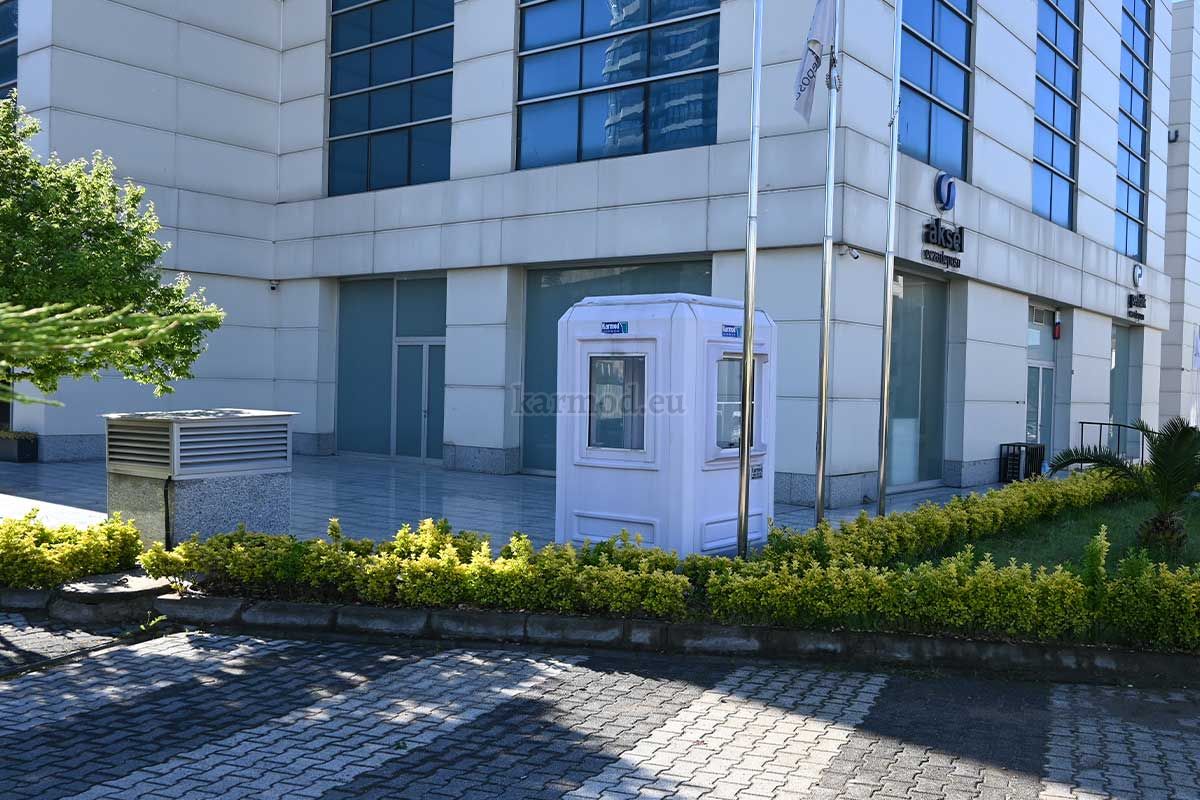
In visible areas, especially near residential entrances or public-facing zones, the appearance of a security cabin can matter more than expected. Authorities may evaluate how the structure blends into its surroundings, even if functionality is the main focus.
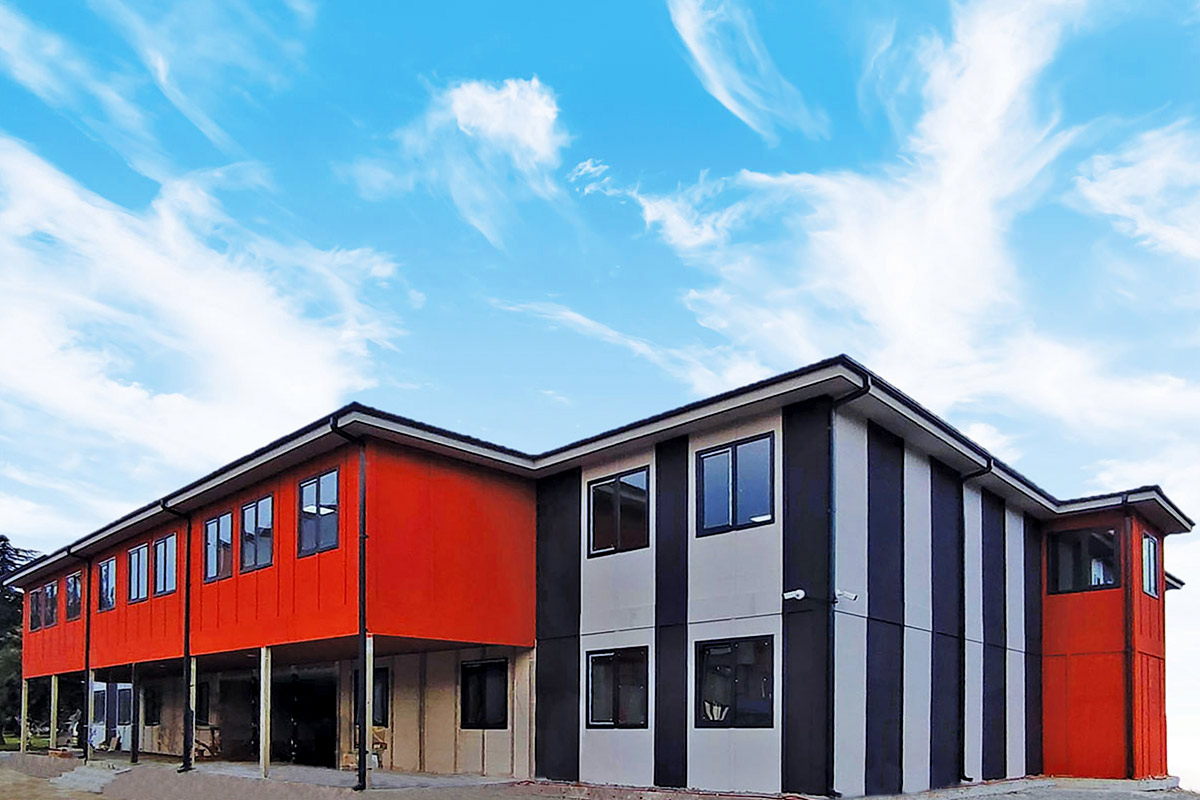
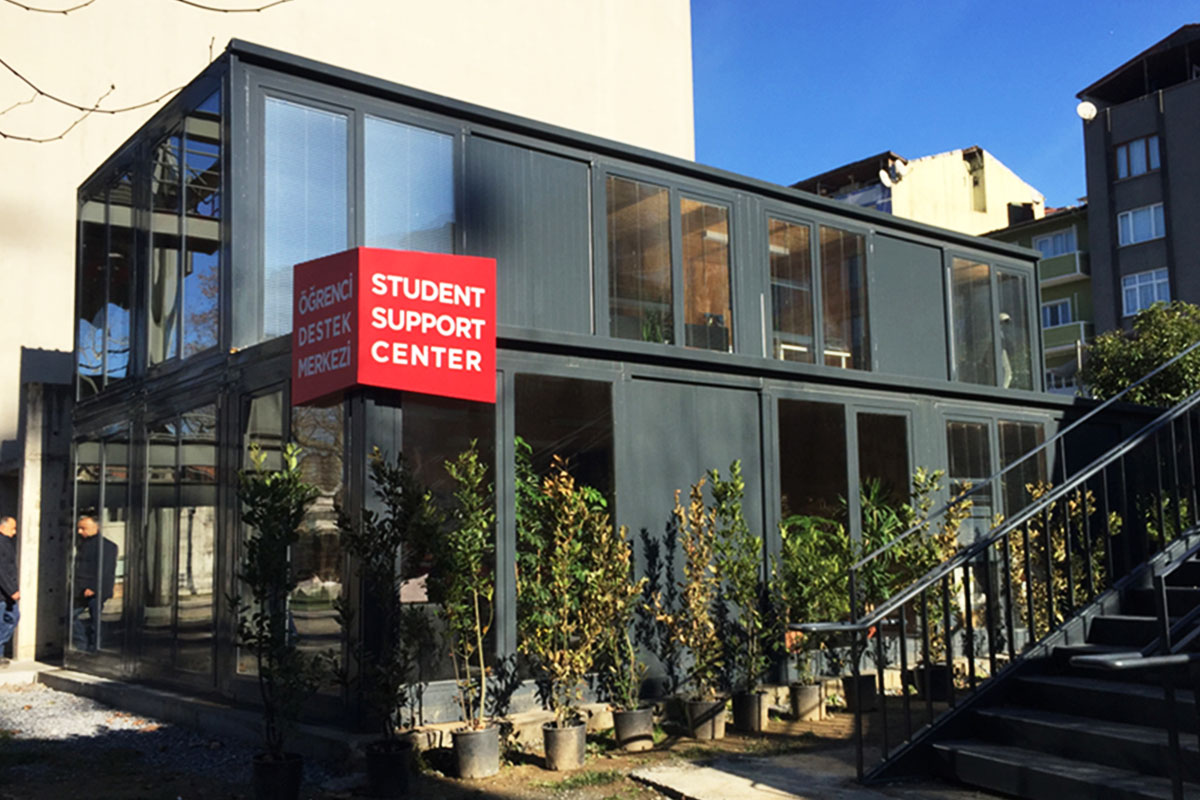
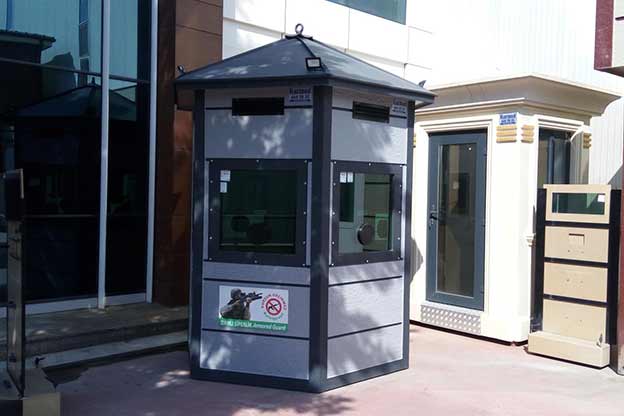
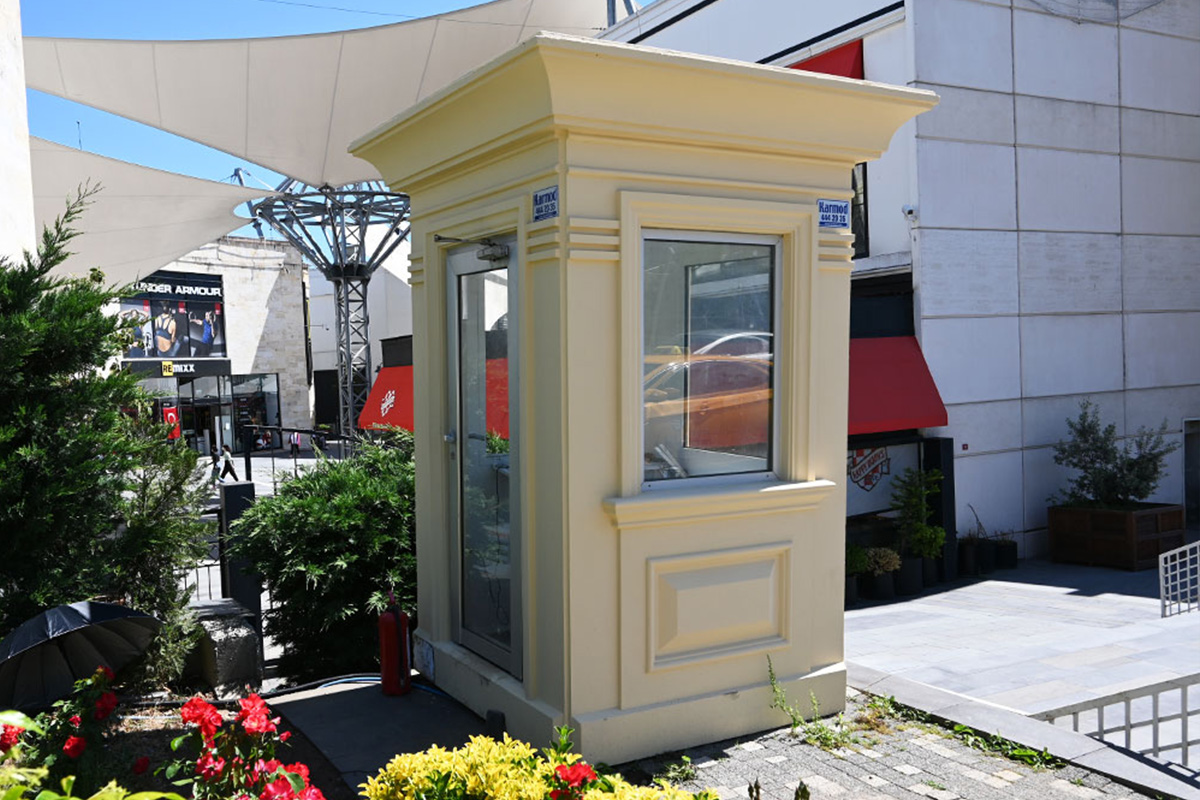
Prefabricated security cabins offer flexibility here. Adjustments in color, exterior finish, or proportions can help the cabin feel intentional rather than temporary. When a structure visually belongs to the site, approval processes often move faster and with fewer objections.
Experience Turns Legal Complexity into a Clear Path
The legal process becomes significantly easier when handled by professionals who understand both regulations and real-world security operations. Experienced manufacturers and solution providers know which questions will be asked and prepare answers before they become problems.
Instead of reacting to legal obstacles, experienced partners help shape the project correctly from the beginning. This reduces uncertainty, saves time, and allows decision-makers to focus on operations rather than administrative corrections.
A Clear Legal Foundation Supports Long-Term Security
A security cabin should strengthen a site, not introduce hidden risks. When legal requirements are addressed thoughtfully, the cabin becomes a stable and approved part of daily operations rather than a temporary workaround.
If you are planning to install a security cabin and want guidance that reflects real site experience, our team is ready to support you. We help you evaluate usage, placement, and compliance together, so your security solution works smoothly from day one and continues to do so in the long term.
Get Professional Support for a Compliant and Hassle-Free Security Cabin Setup
Installing a security cabin should feel like progress, not paperwork pressure. From early planning decisions to long-term use considerations, every detail matters when compliance and operational clarity are priorities.
Our team works with you to understand how your site functions, how the cabin will be used, and what level of approval is required. We do more than deliver a product; we help shape a solution that fits your operational goals while respecting legal expectations. Contact us to discuss your site conditions, compliance needs, and security priorities, and receive a tailored proposal designed for smooth installation and long-term reliability.