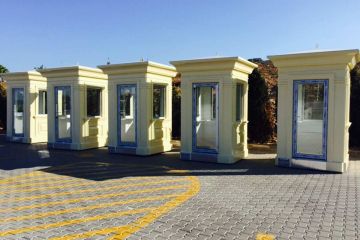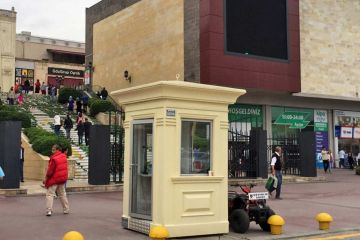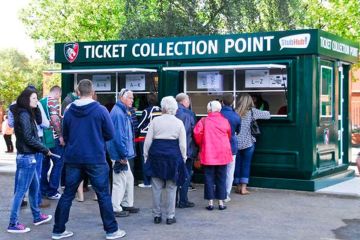






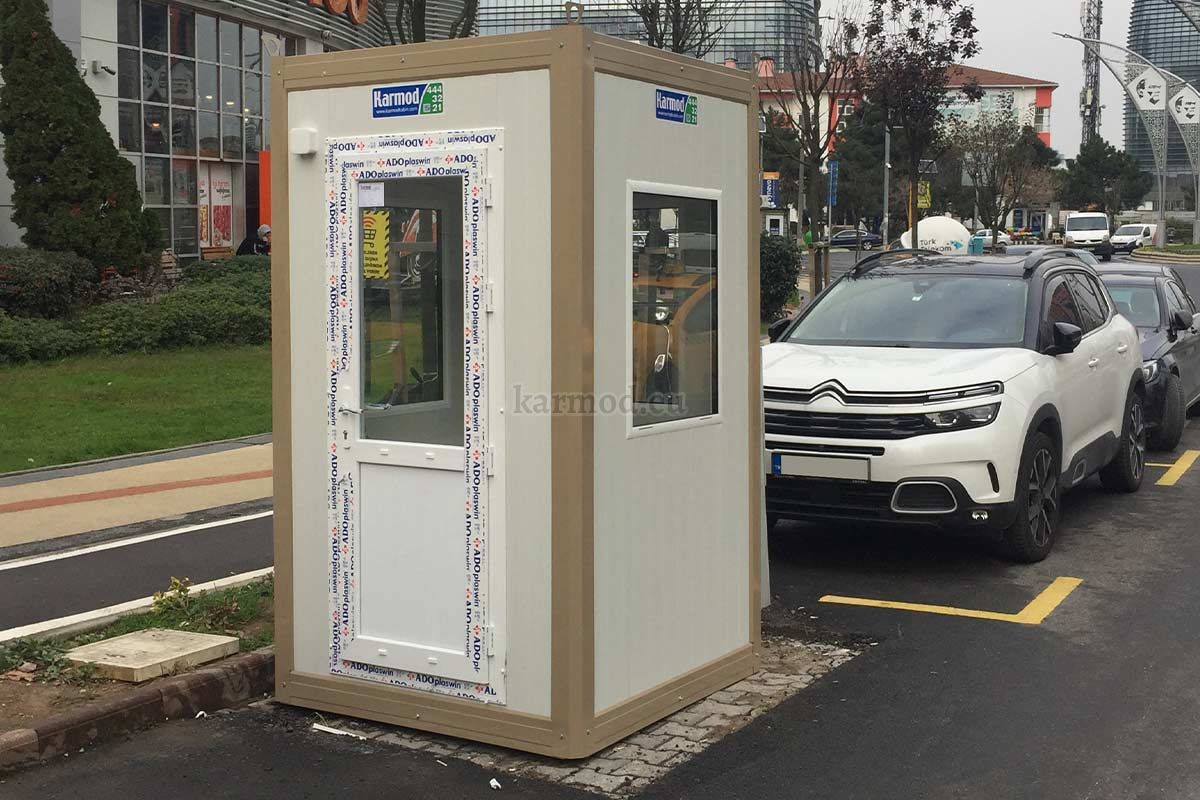
Security huts are no longer just small guard booths placed at the entrance of a site. Today, they function as strategic access control points that directly impact safety, operational efficiency, and even brand perception. Especially in industries such as construction, logistics, industrial facilities, residential compounds, and events, a well-designed security hut can quietly become the backbone of site security.
Below, we’ll walk through best practices that combine real-world experience, user expectations, and sales-driven insight—written the way a professional in the ready-made building and container sector would actually explain it to a client.
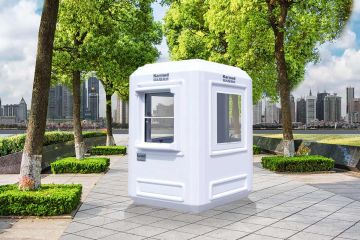
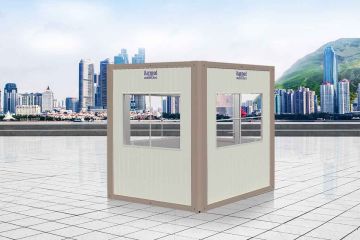
Why Security Huts Are Critical for Access Control
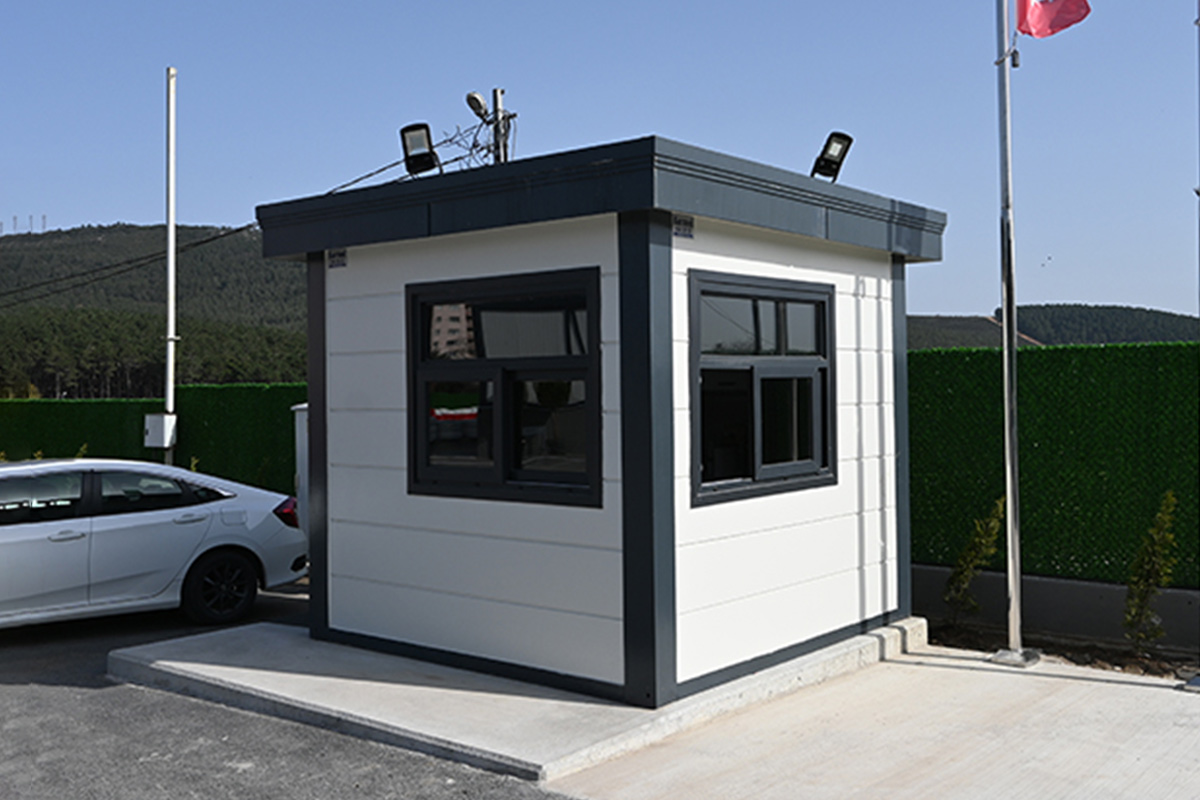
A security hut is often the first physical interaction visitors have with a site. That moment matters. A poorly positioned or uncomfortable hut leads to rushed checks, distracted guards, and security gaps. A well-planned one does the opposite—it slows things down just enough to keep everything under control.
From an operational perspective, security huts centralize access management. Guards can verify IDs, monitor cameras, log entries, and communicate with internal teams without leaving their post. When designed correctly, this reduces human error and increases accountability, especially in high-traffic areas.
There’s also a psychological effect. A solid, professional-looking security hut sends a clear message: this site is controlled, monitored, and taken seriously. That alone can deter unauthorized access before it even happens.
Choosing the Right Location for Maximum Control
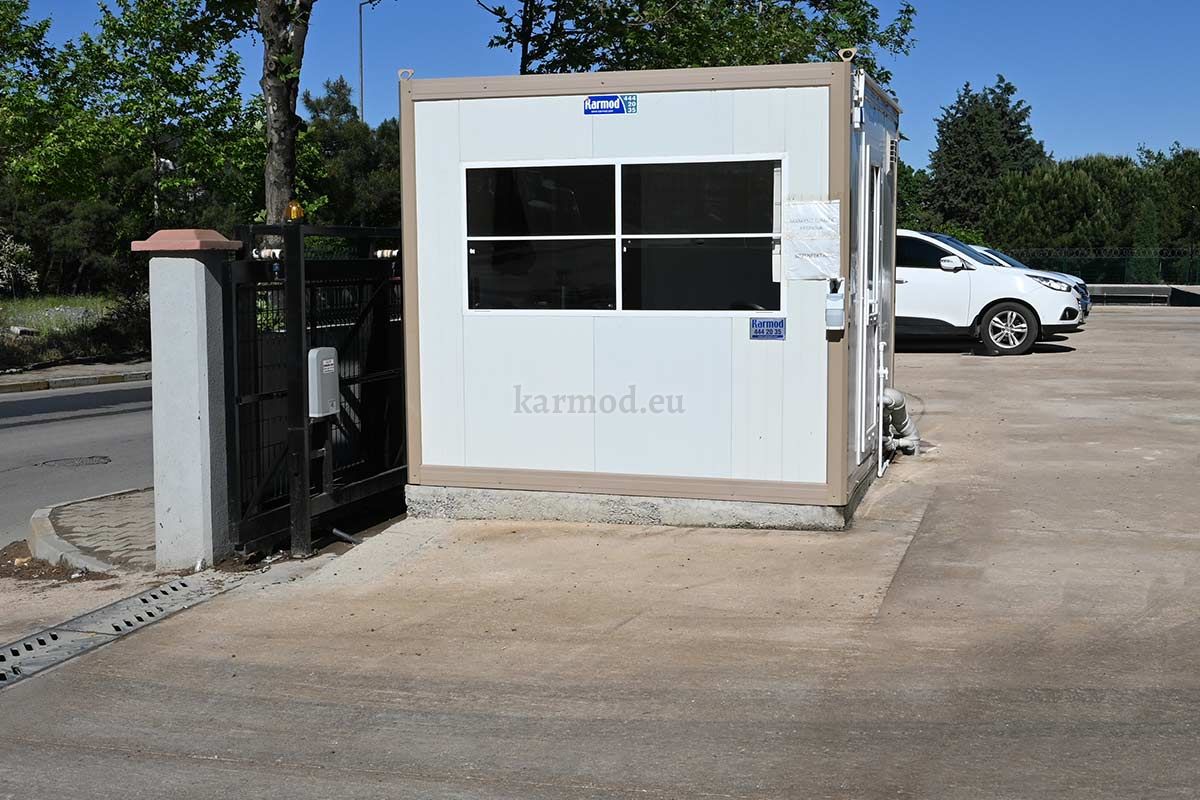
Location is everything. A security hut placed too far from the gate loses its authority; too close, and it may disrupt traffic flow. The ideal position allows clear visibility of incoming and outgoing traffic while keeping guards safe and comfortable.
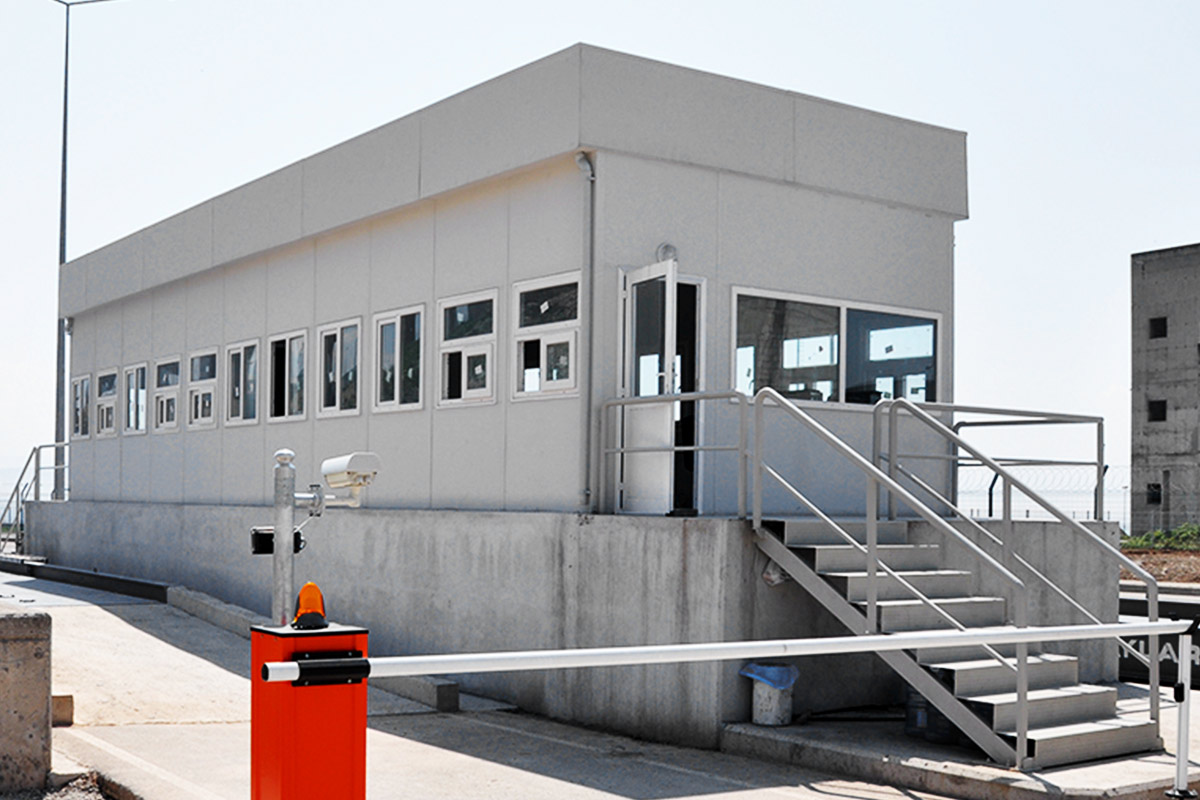
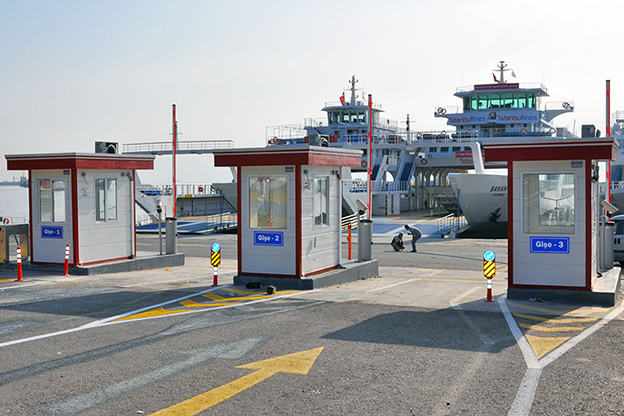
In practice, this often means aligning the hut with barriers, sliding gates, or boom systems. Guards should be able to interact with drivers without stepping outside. This reduces risk and keeps inspections consistent, even during bad weather or night shifts.
We’ve seen sites dramatically improve security simply by relocating an existing hut a few meters and adjusting the angle of visibility. Sometimes, best practice isn’t about buying new—it’s about placing smart.
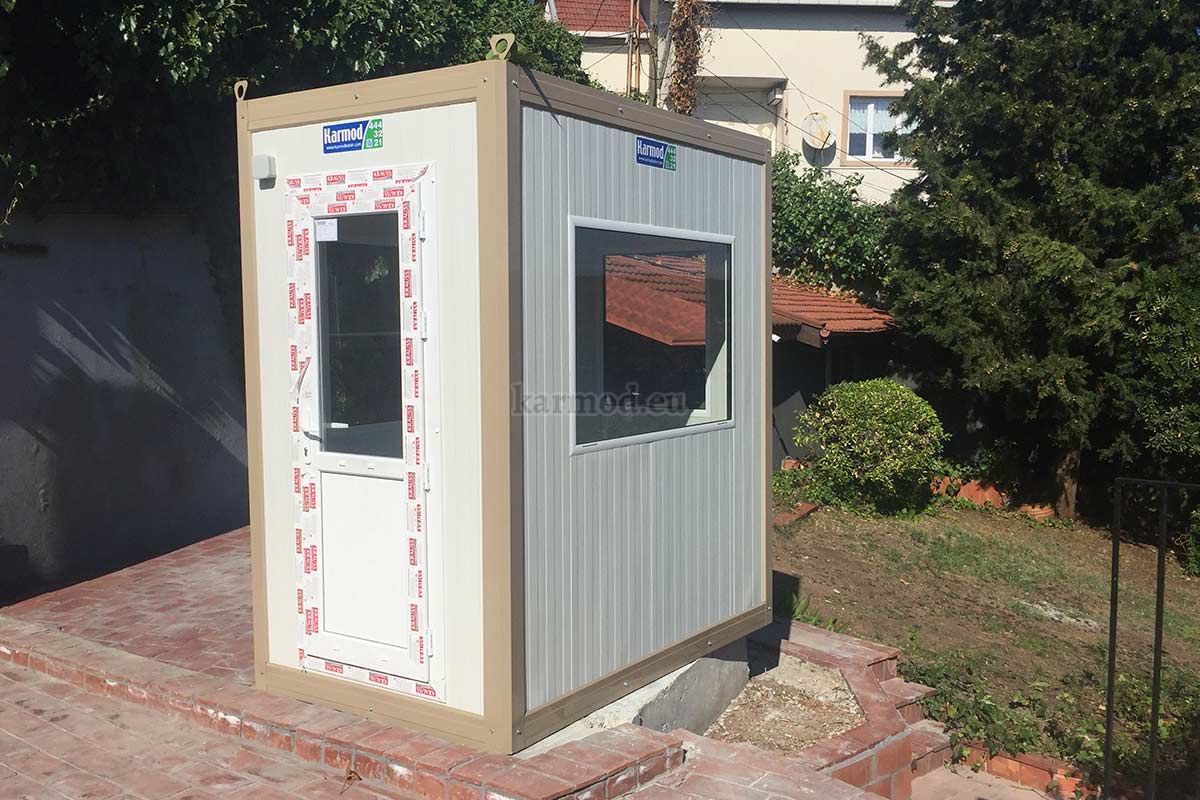
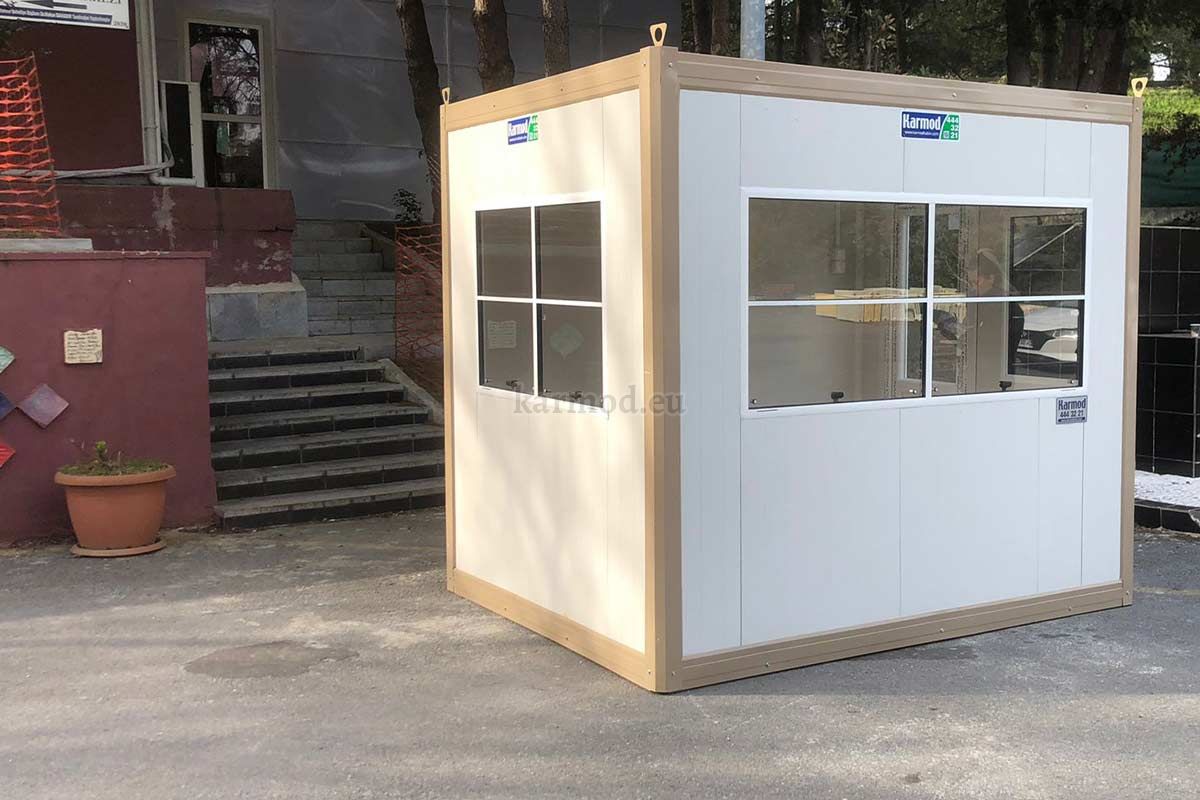
Design Features That Support Real Security Work
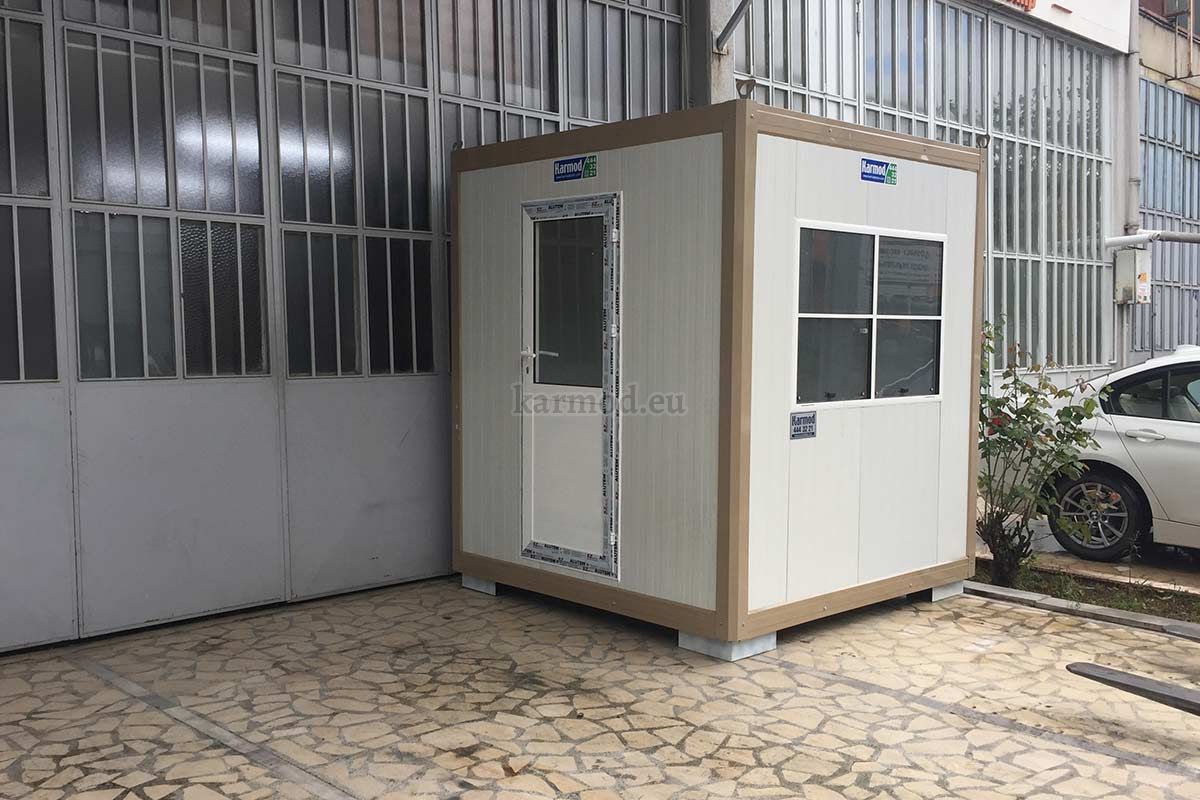
A security hut should support the guard, not work against them. Ventilation, insulation, lighting, and visibility are not “extras”—they directly affect performance. A guard who is too cold, too hot, or straining to see will miss details.
Windows should provide a wide field of view without creating glare. Interior layouts should allow space for monitors, logbooks, and access control systems without feeling cramped. Cable channels and mounting points should be planned from the start, not added later as an afterthought.
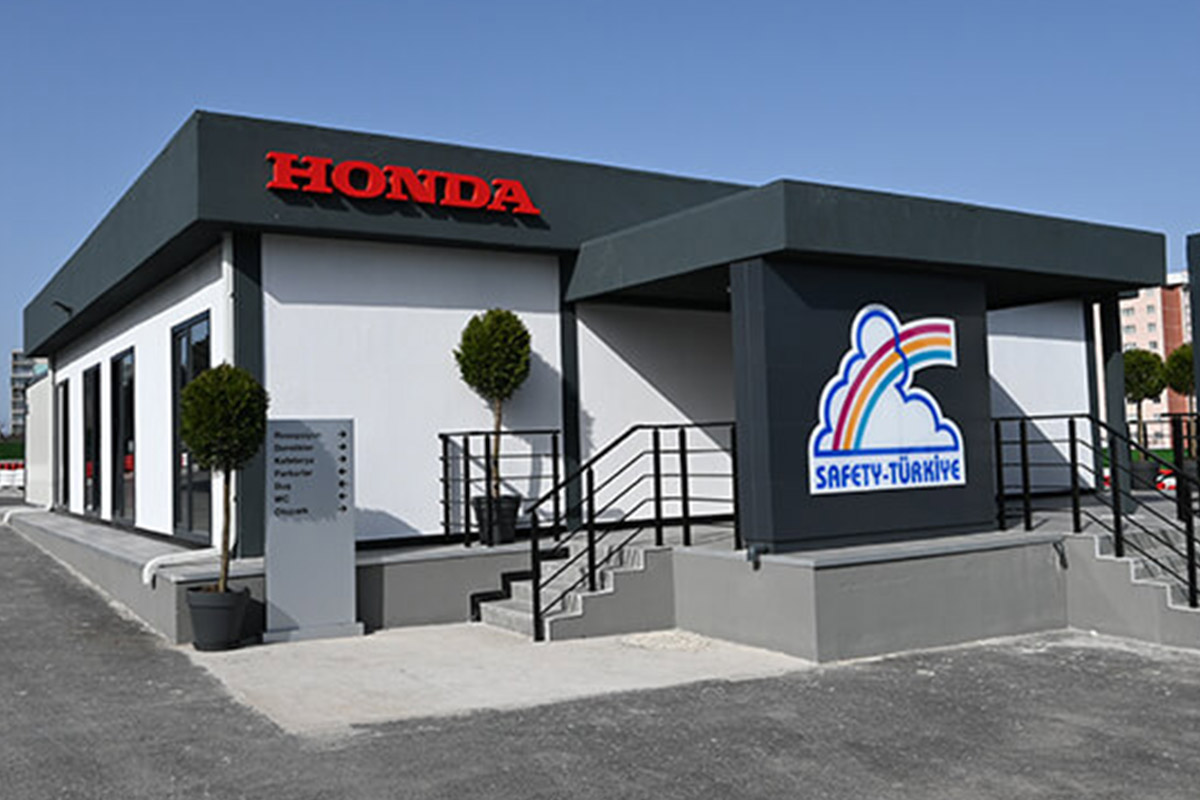
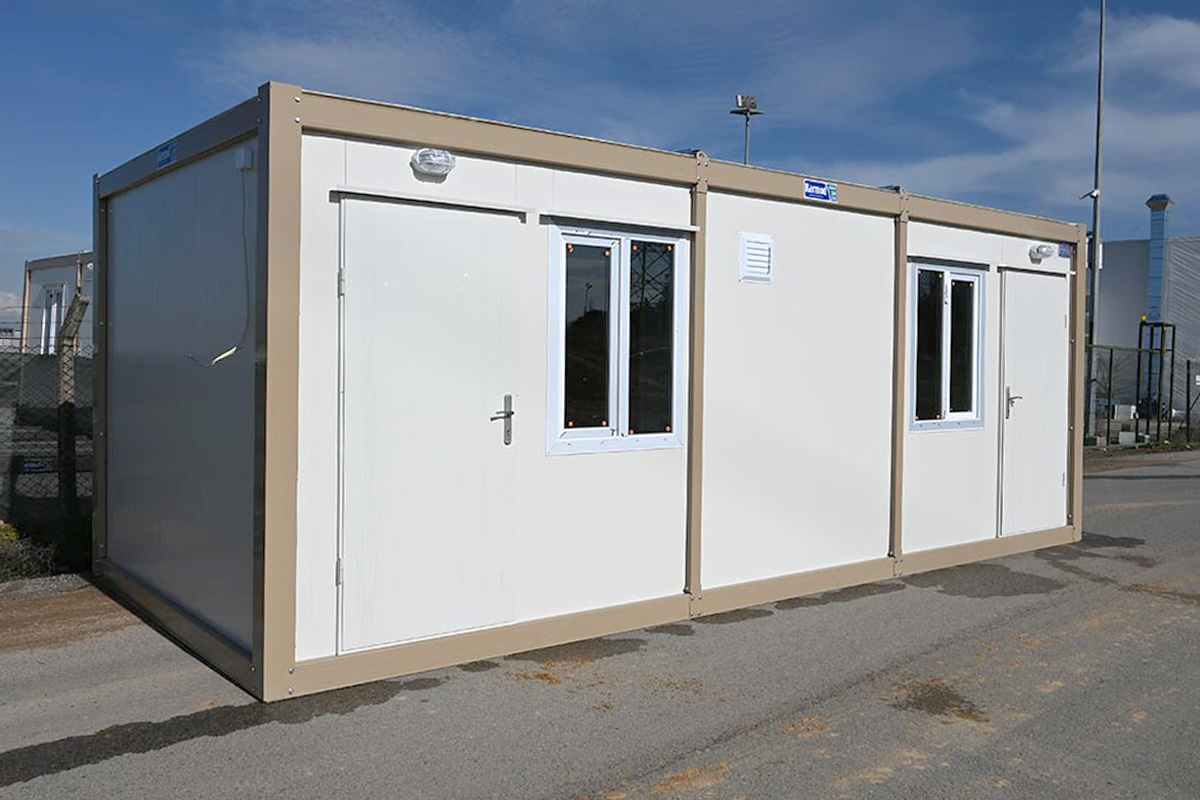
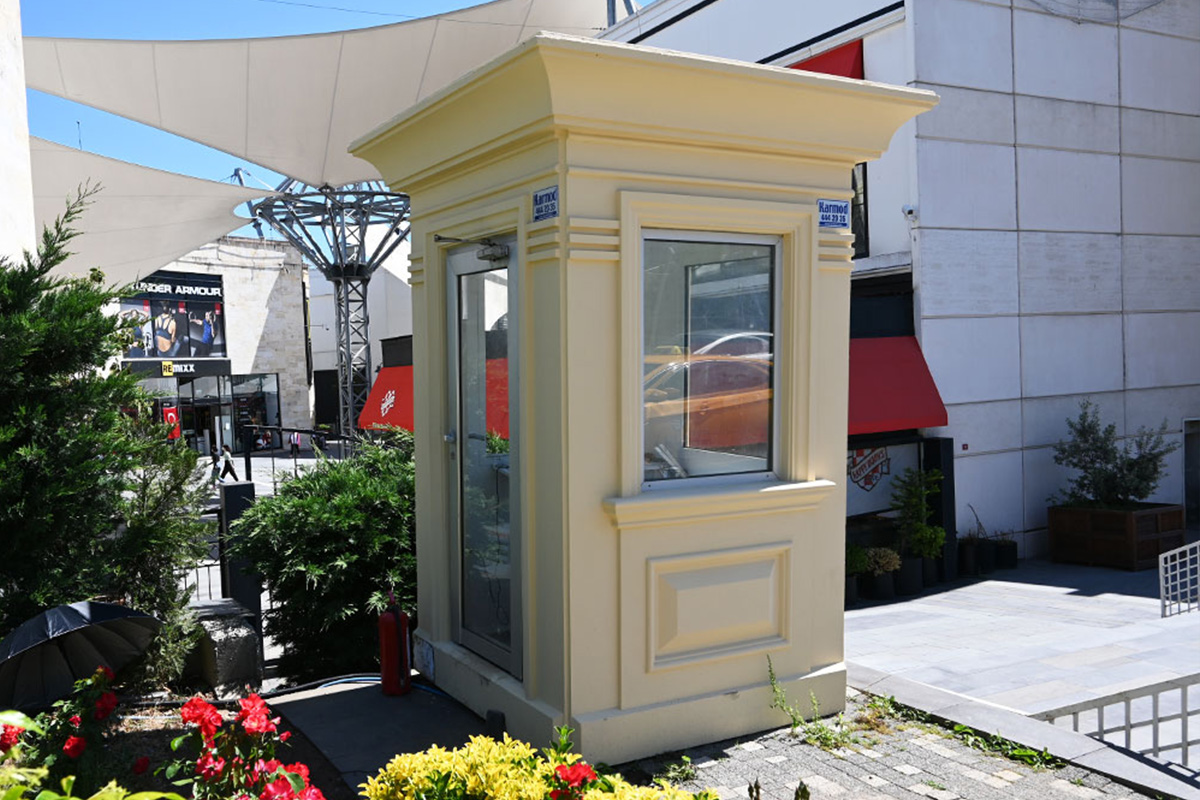
From a buyer’s perspective, this is where quality prefabricated or container-based solutions stand out. A professionally produced unit feels different from day one—and that difference shows in daily operations.
Integrating Technology Without Complicating Use
Modern access control often involves cameras, card readers, license plate recognition, or intercom systems. The security hut acts as the control center for all of this. Best practice is integration, not overload.
Technology should simplify the guard’s job, not turn it into a cockpit. Screens should be placed at eye level, controls within easy reach. Power and data infrastructure must be safely hidden yet accessible for maintenance.
Sites that plan technology and structure together save time and cost later. Retrofitting is always more expensive—and often messier.
Prefabricated vs. On-Site Built Security Huts
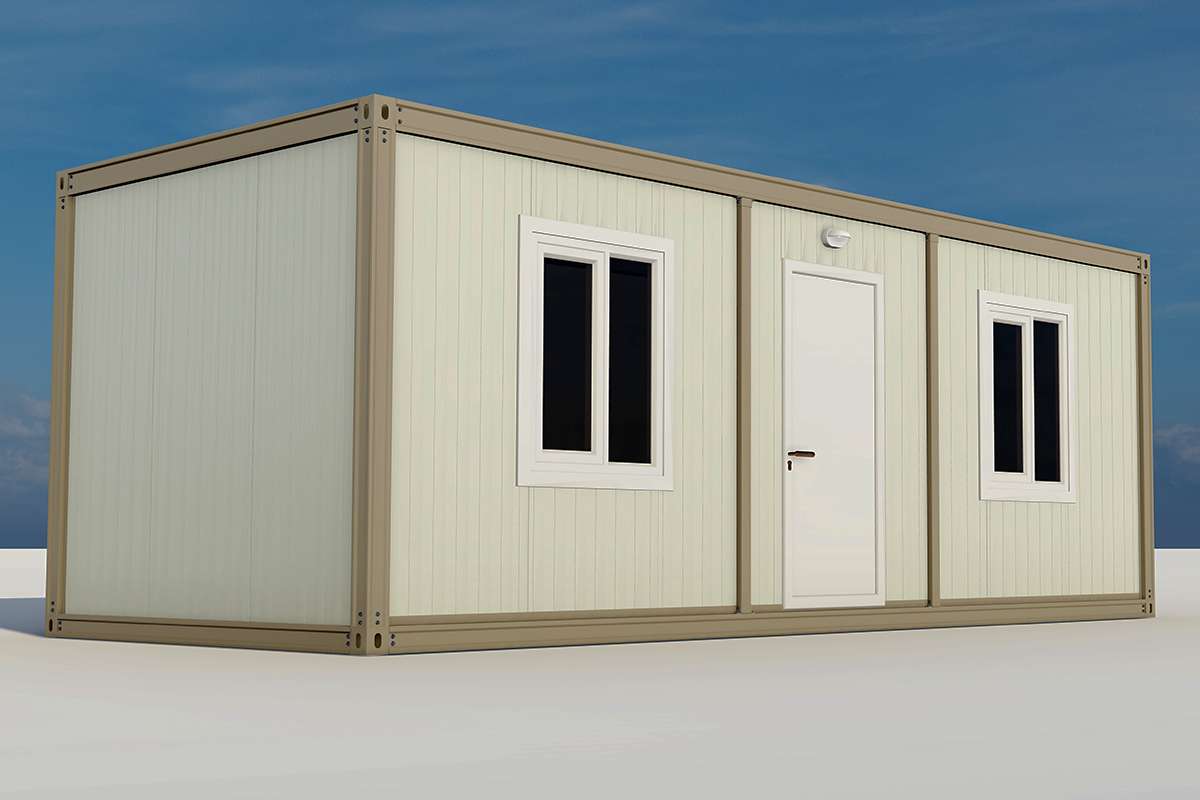
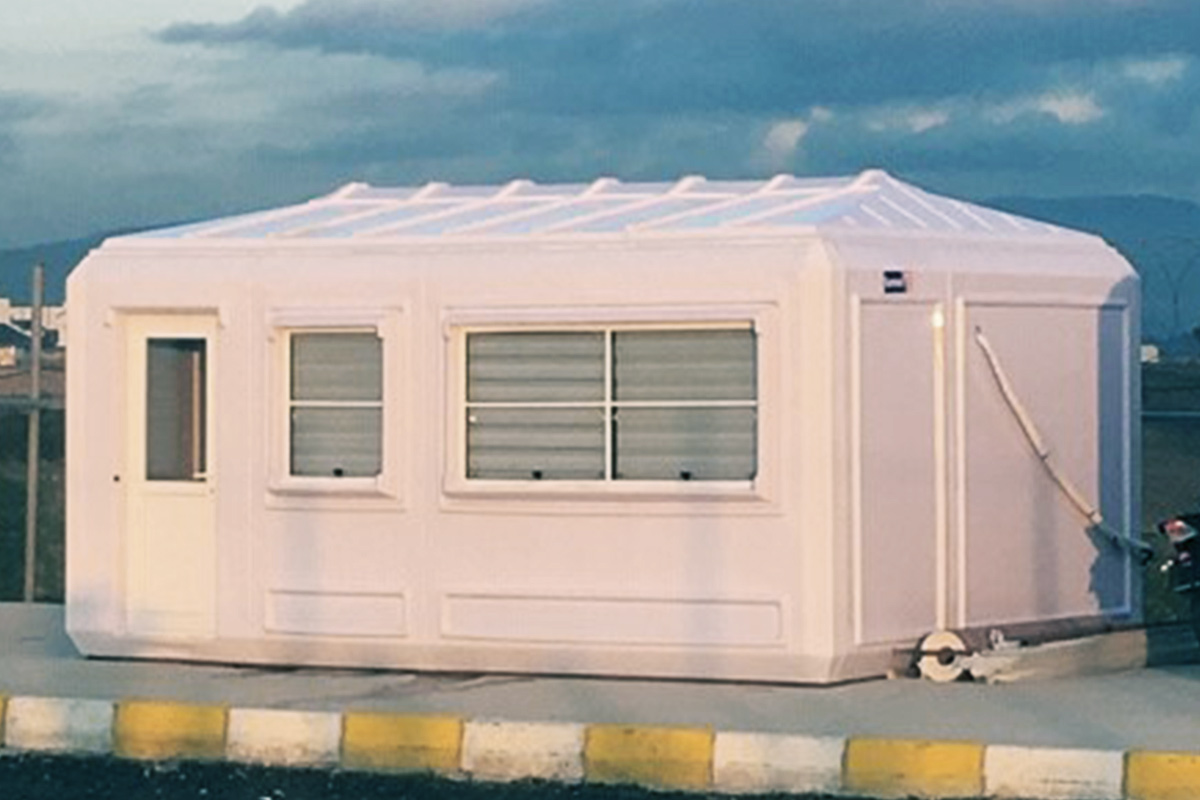
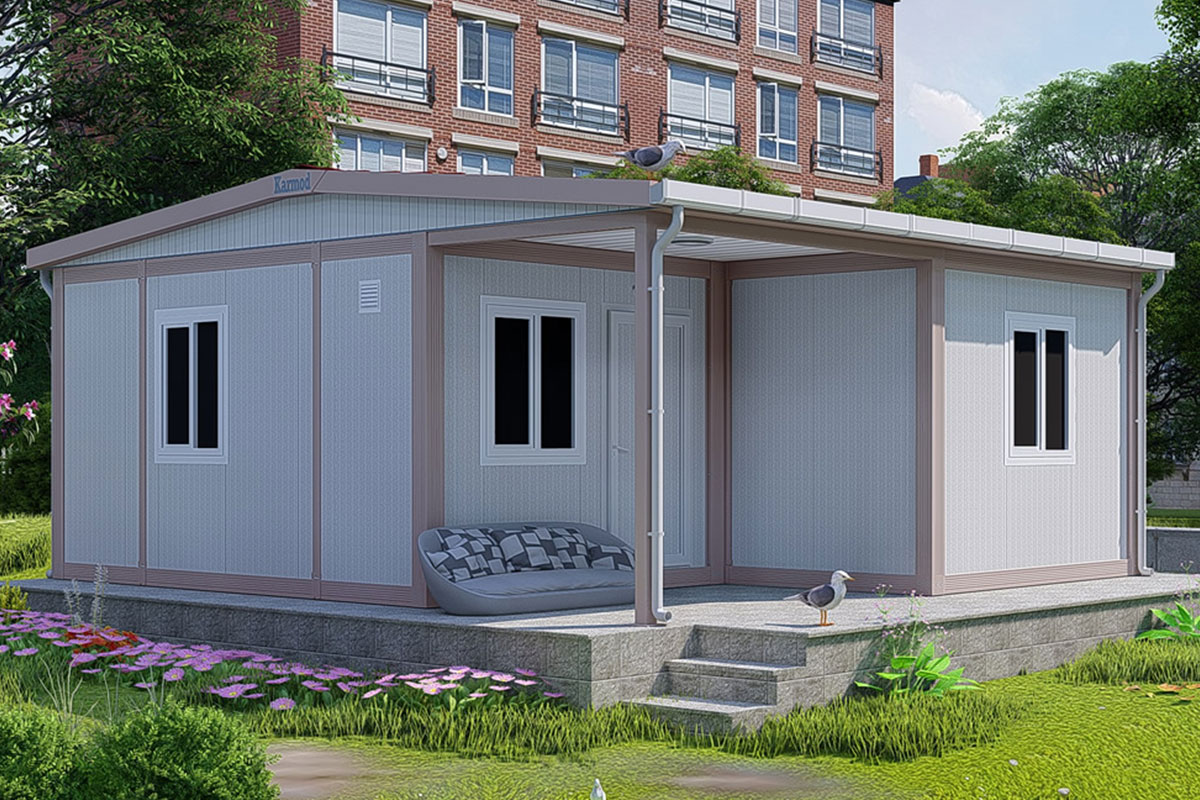
This is a question many decision-makers ask. On-site built huts may seem flexible, but they often come with delays, inconsistent quality, and unexpected costs. Prefabricated and container-based security huts, on the other hand, are controlled products.
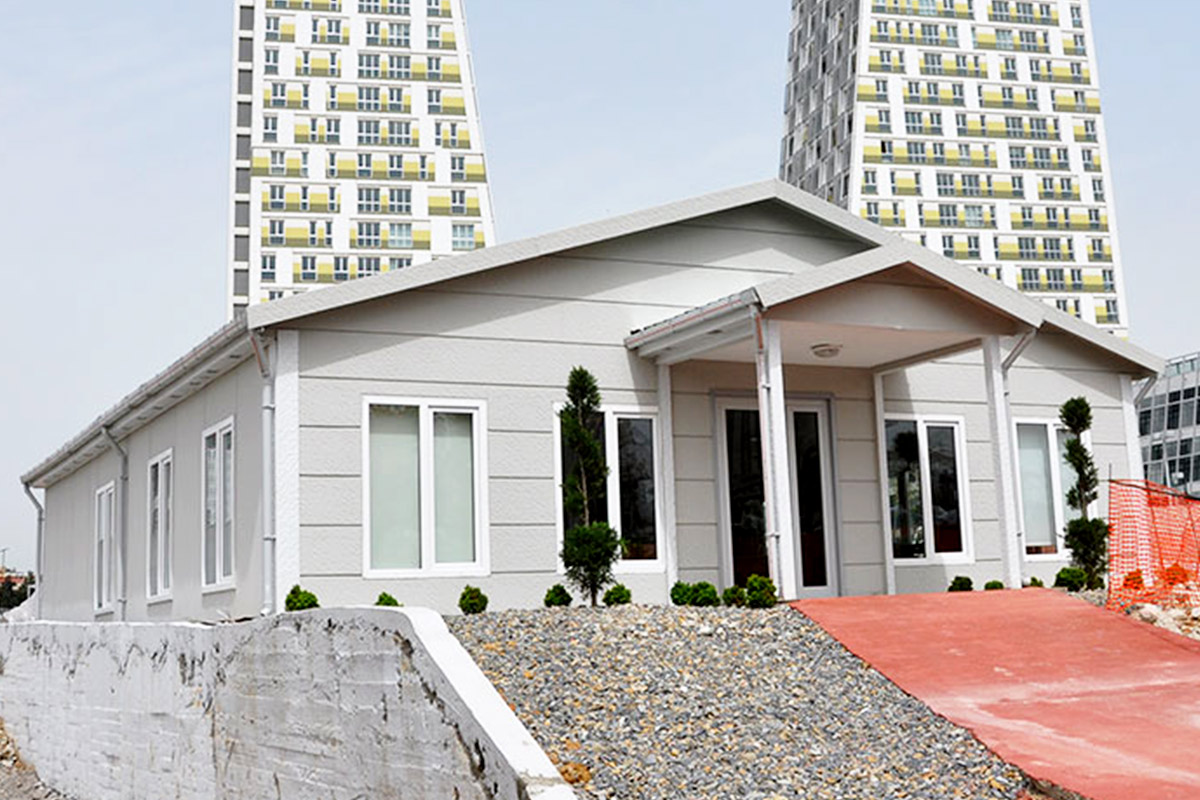
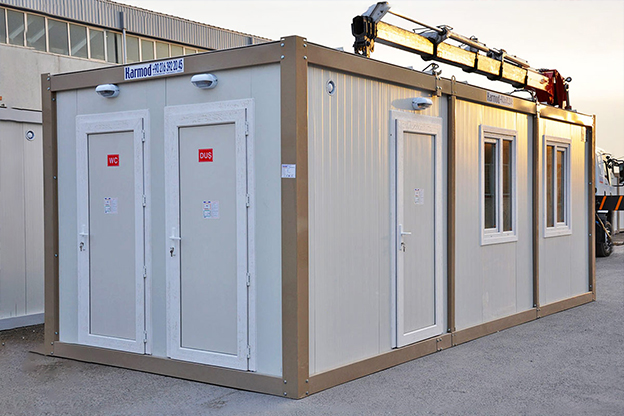
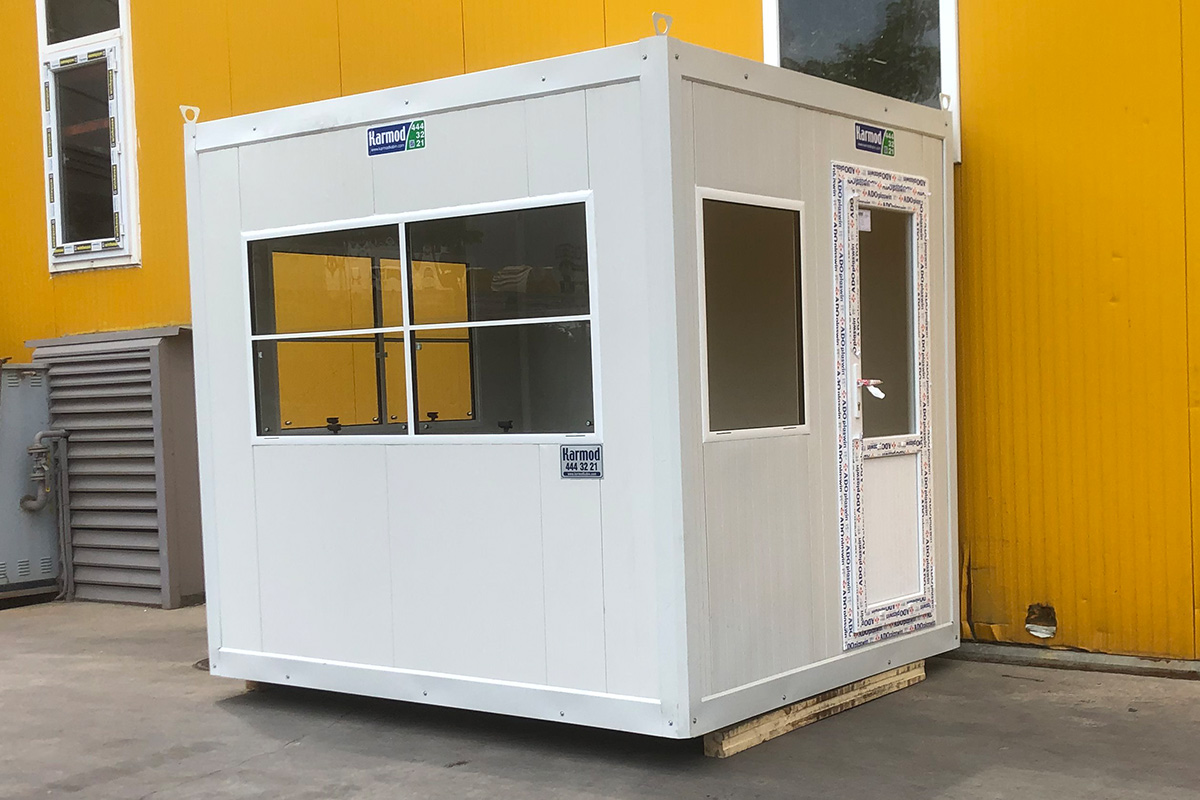
They are built in factory conditions, delivered ready to use, and installed quickly. For access control points that need to be operational fast—construction sites, temporary facilities, emergency zones—this speed is a major advantage.
From a cost-performance standpoint, prefabricated units usually win. More importantly, they offer predictability. You know what you’re getting, when you’re getting it, and how it will perform.
Customizing for Site-Specific Needs
No two sites are identical. A logistics hub needs different access control features than a residential complex or an event venue. Best practice is choosing a modular security hut that can be customized without starting from scratch.
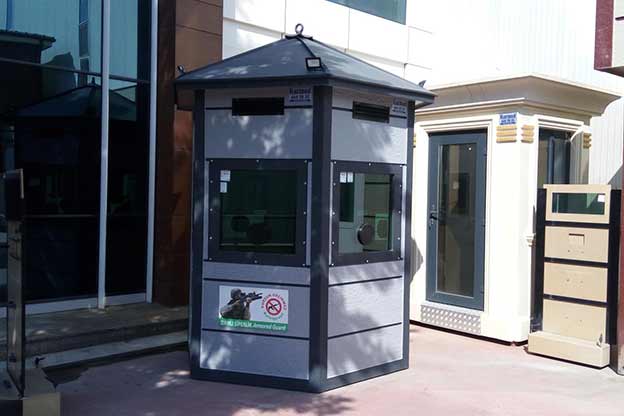
This could mean adding bullet-resistant panels, extra insulation, pass-through drawers for documents, or extended canopies for vehicle queues. Smart customization improves both security and user experience.
Clients who invest in tailored solutions often see smoother traffic flow and fewer conflicts at entry points. That’s a return you feel every single day.
Maintenance, Durability, and Long-Term Value
Access control runs 24/7. Your security hut must keep up. Materials should resist weather, impact, and daily wear. Doors, windows, and locks should be commercial-grade, not residential substitutes.
A durable unit reduces downtime and maintenance costs over time. It also protects your investment. Cheap solutions may look fine at delivery—but problems show up fast in real use.
If you’re evaluating options, ask not just about price, but about lifespan. A security hut that lasts years without issues is always the better deal.
Turning Security Huts Into a Business Advantage
Beyond security, a well-designed hut improves site professionalism. Visitors feel guided, staff feel supported, and operations feel organized. That matters to clients, partners, and inspectors alike.
For companies operating multiple sites, standardized security huts also create brand consistency. The same structure, the same quality, the same control—everywhere.
If you’re planning a new access control point or upgrading an existing one, this is the moment to think long-term. A smart security hut isn’t a cost. It’s infrastructure.
If you want a security hut solution designed specifically for your site, usage intensity, and access control needs, requesting a tailored quote is the smartest first step.