


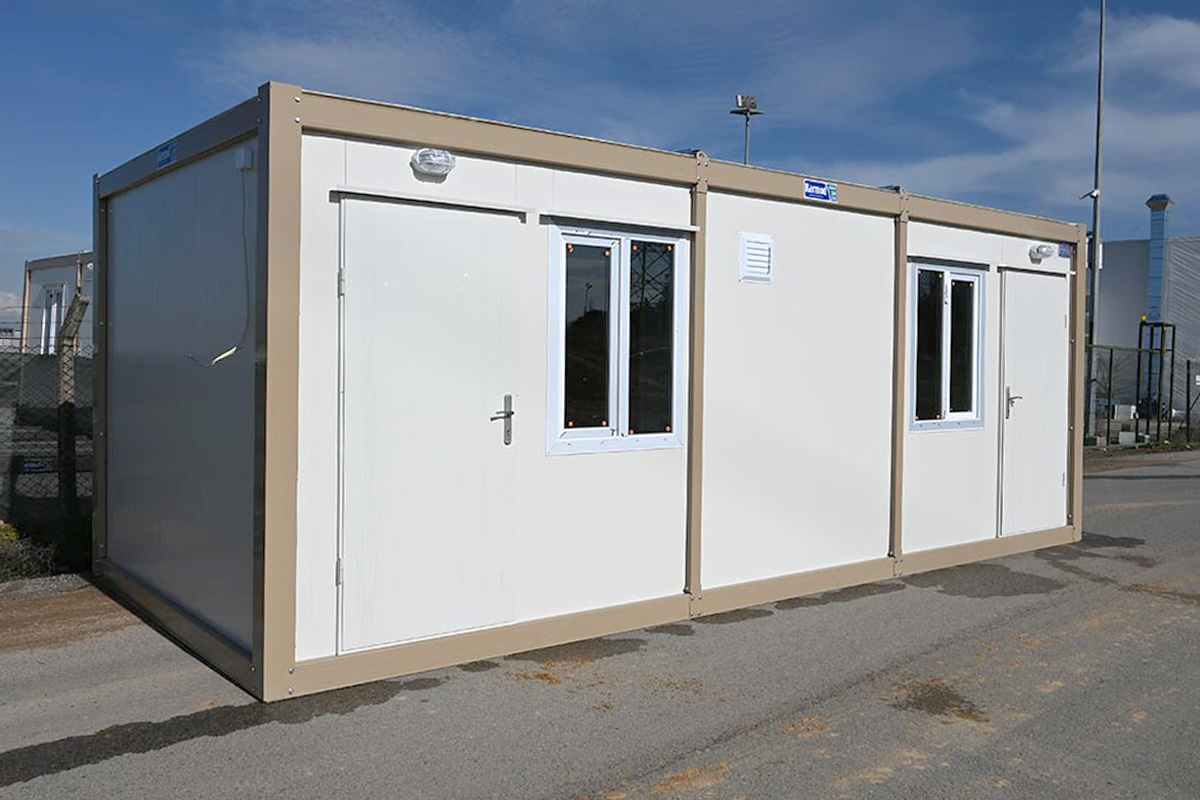
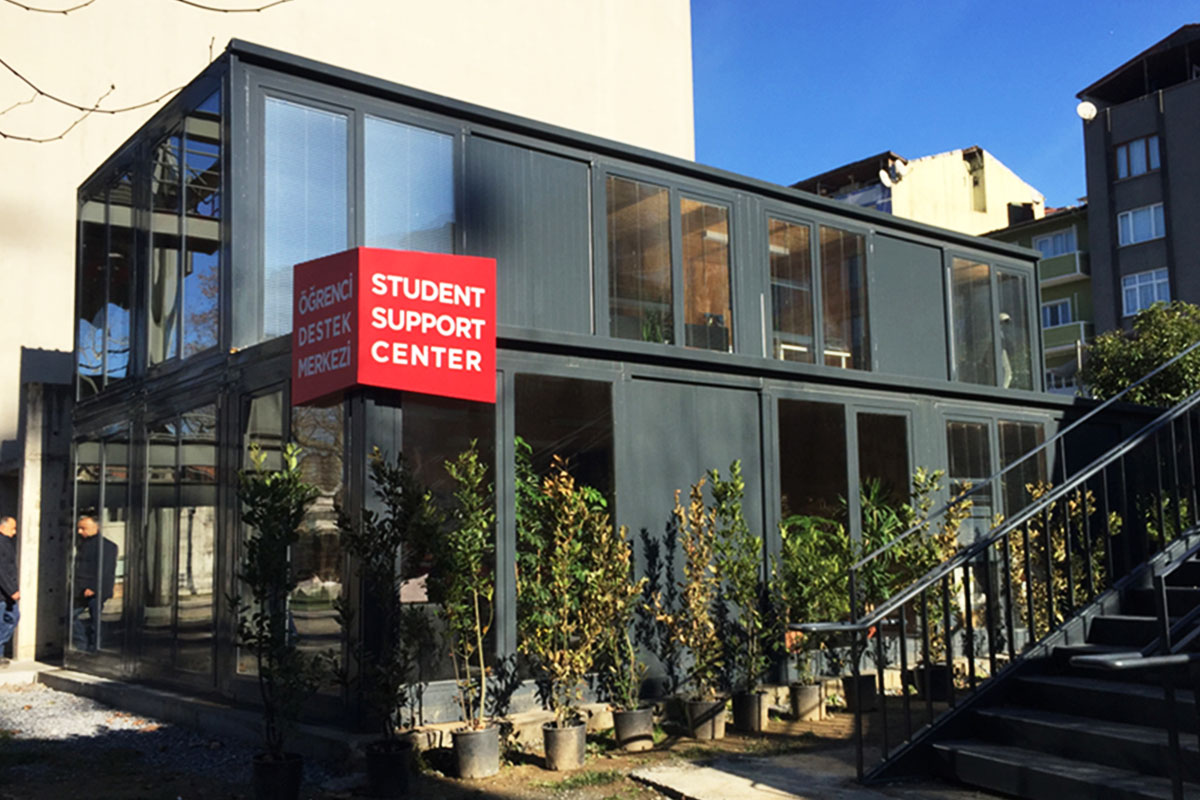
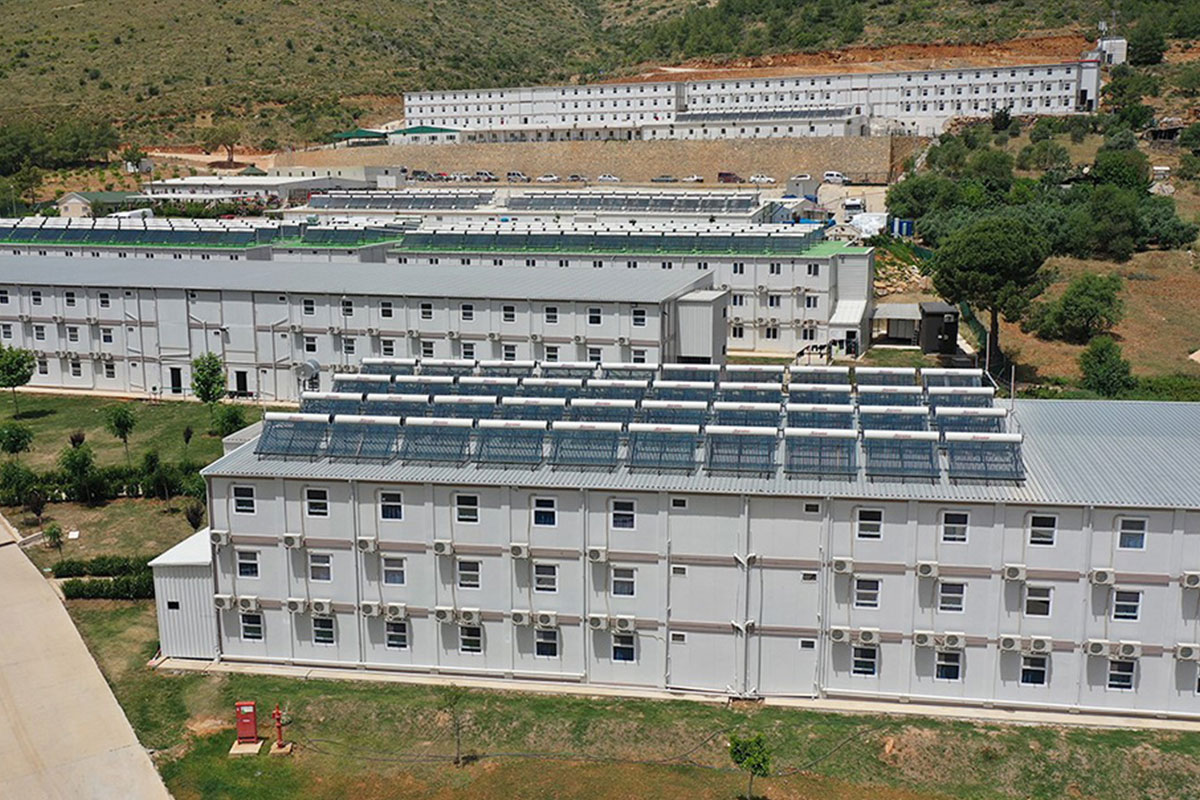
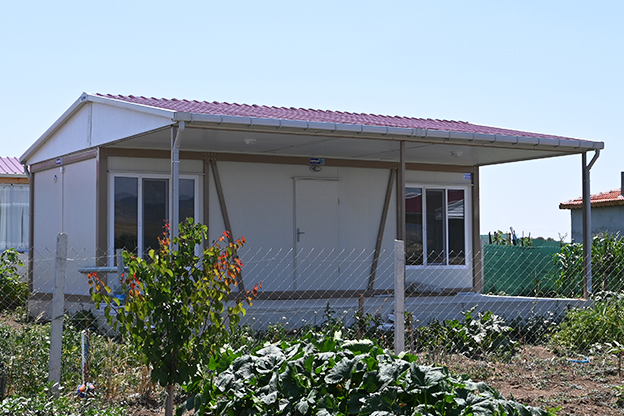
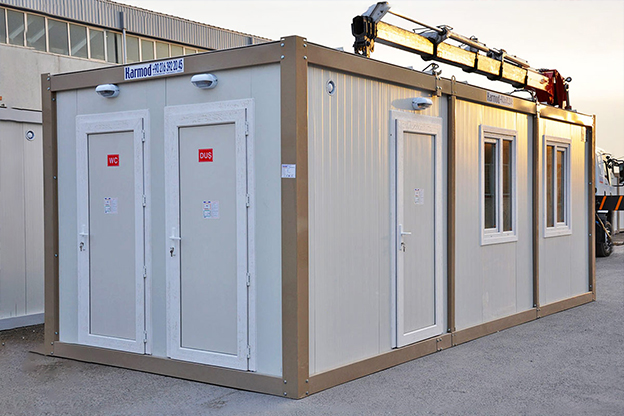
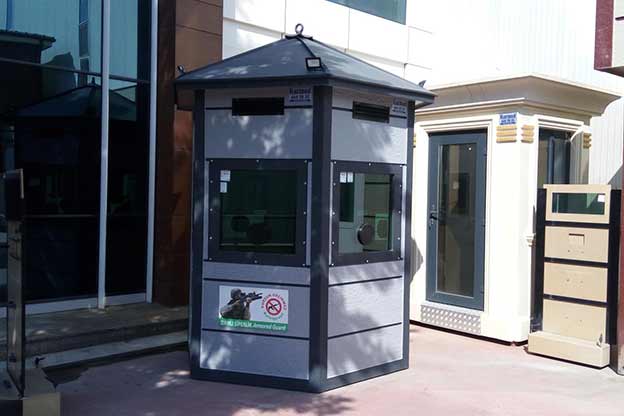

Security teams operate where mistakes are costly and conditions are rarely ideal. Long shifts, exposure to weather, constant traffic, and high responsibility demand more than a basic shelter. Across multiple sectors, modular security cabins have proven to be a practical upgrade—improving vigilance, comfort, and operational consistency without slowing projects down.
The case studies below reflect real-world deployments where modular cabins replaced temporary booths or improvised structures. The outcome was not only better working conditions, but measurable gains in efficiency and site control.
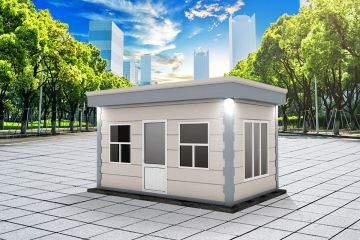
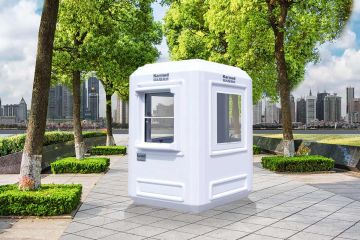
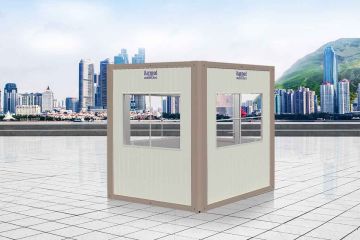
Industrial Gate Control: Accuracy Under Pressure
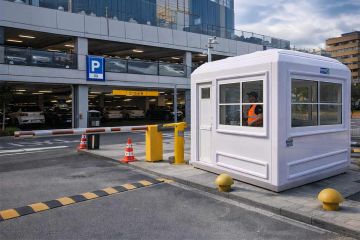
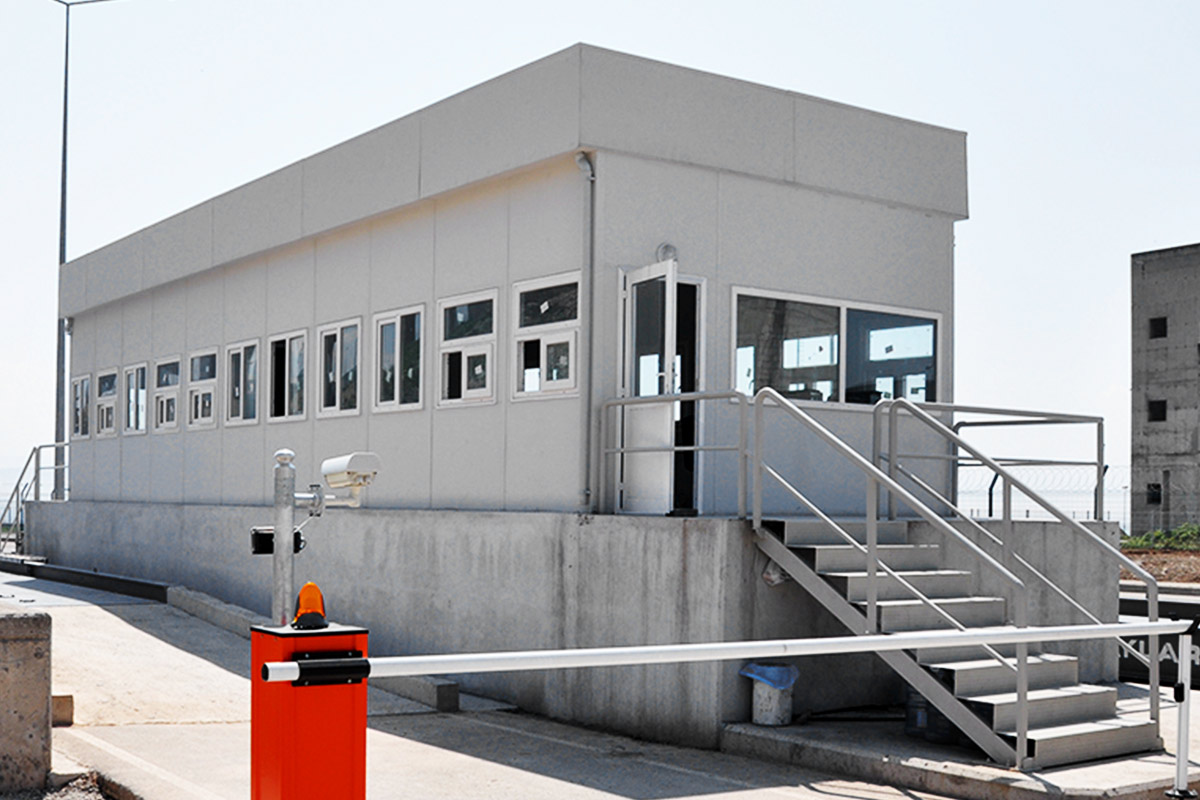
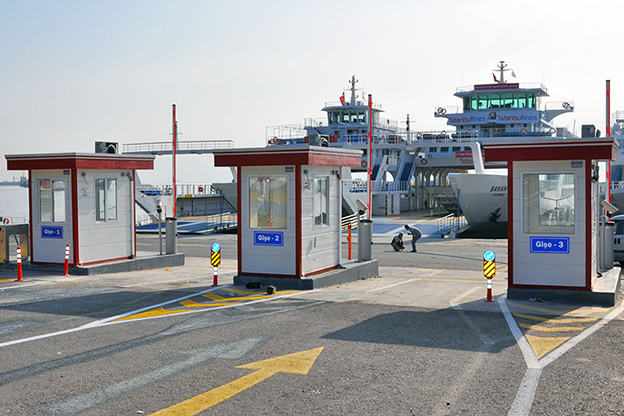
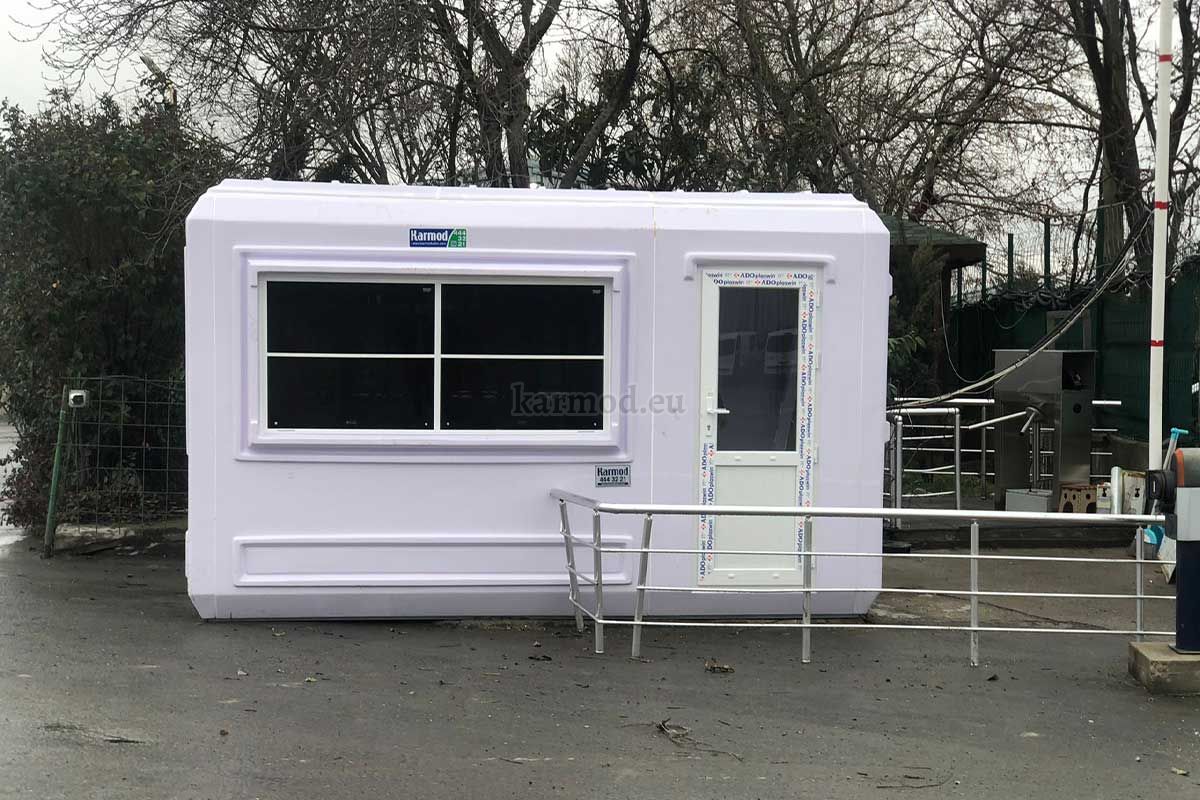
At large manufacturing and logistics facilities, entry points are high-risk zones. Guards manage vehicle flow, verify credentials, and coordinate with internal teams—often under time pressure. In one heavy-industry site, security staff worked from outdated metal booths with limited insulation and narrow visibility.
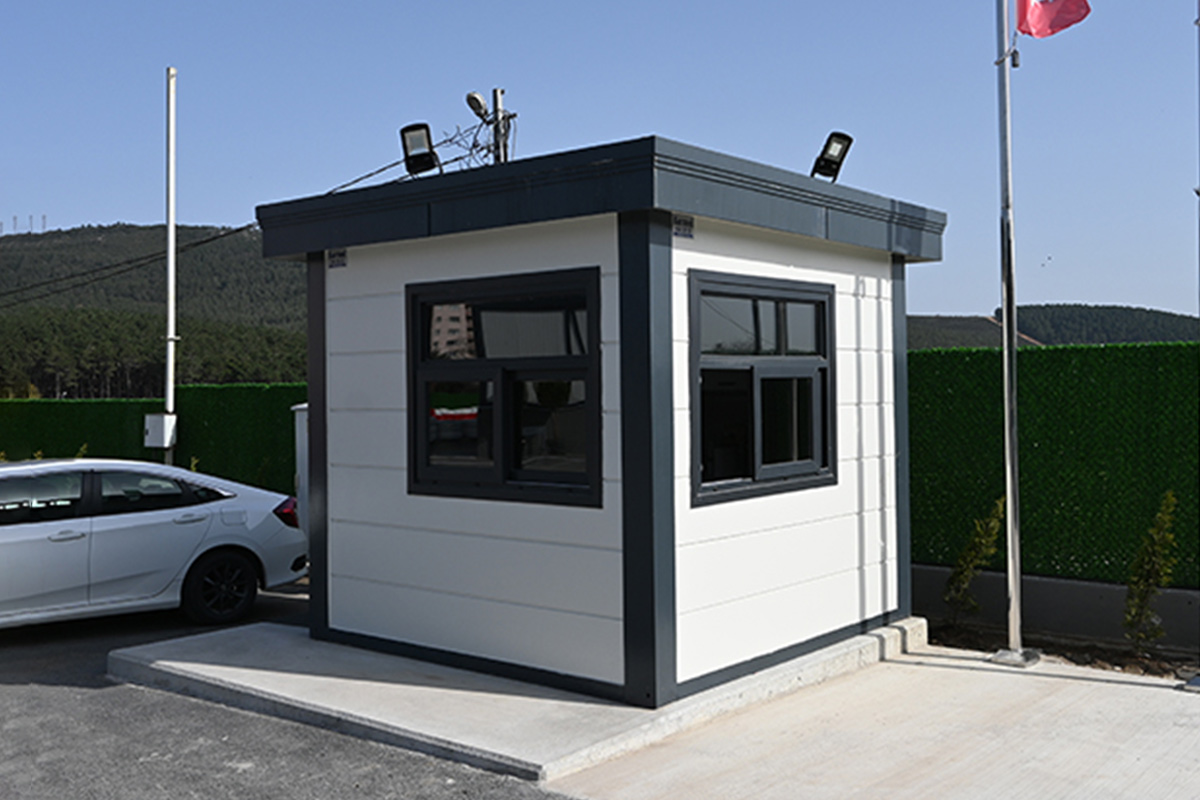
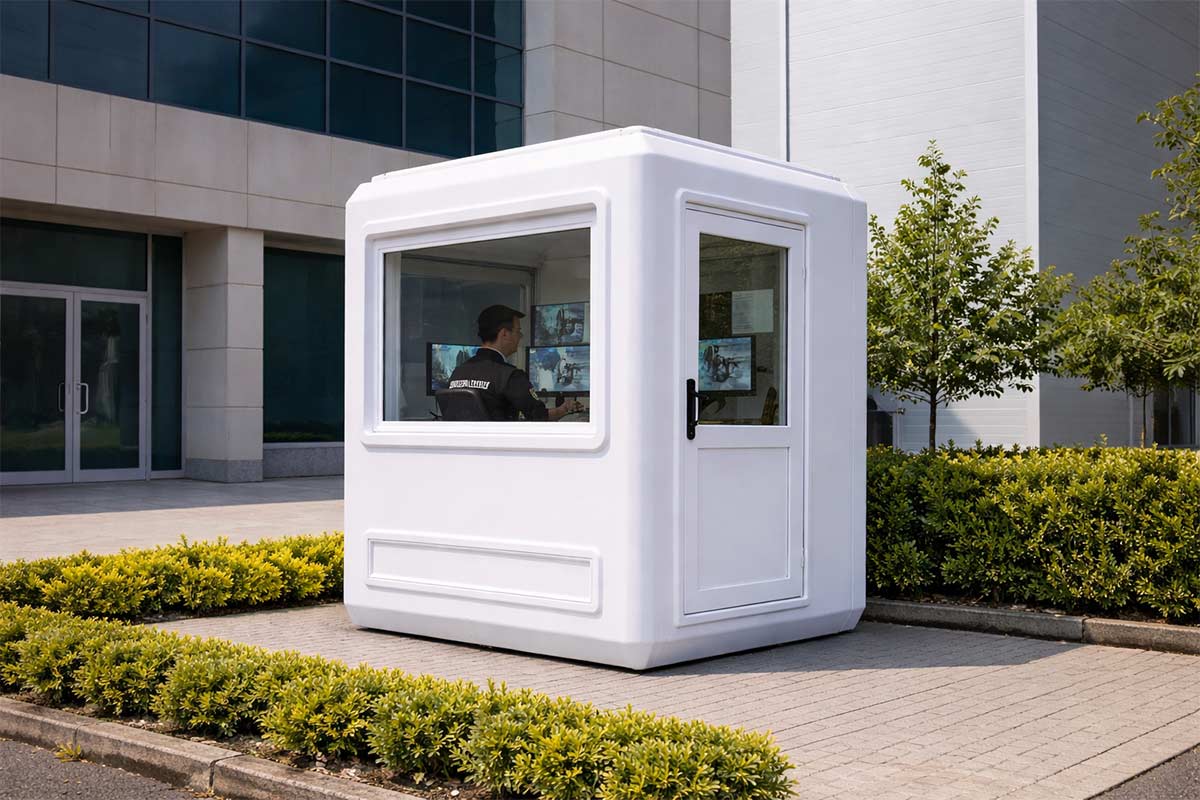
After installing modular security cabins with panoramic windows and insulated wall systems, performance improved quickly. Guards reported less fatigue during long shifts and clearer sightlines across multiple lanes. Integrated worktops and power supply allowed digital logging systems to be used without clutter or improvised wiring.
Management observed fewer access errors and smoother traffic flow. The cabin became a functional control unit rather than a simple checkpoint.
Construction Projects: Flexible Security for Changing Sites
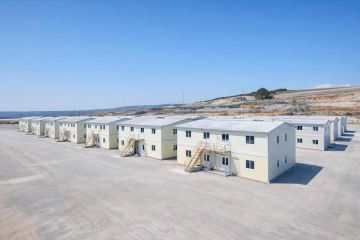
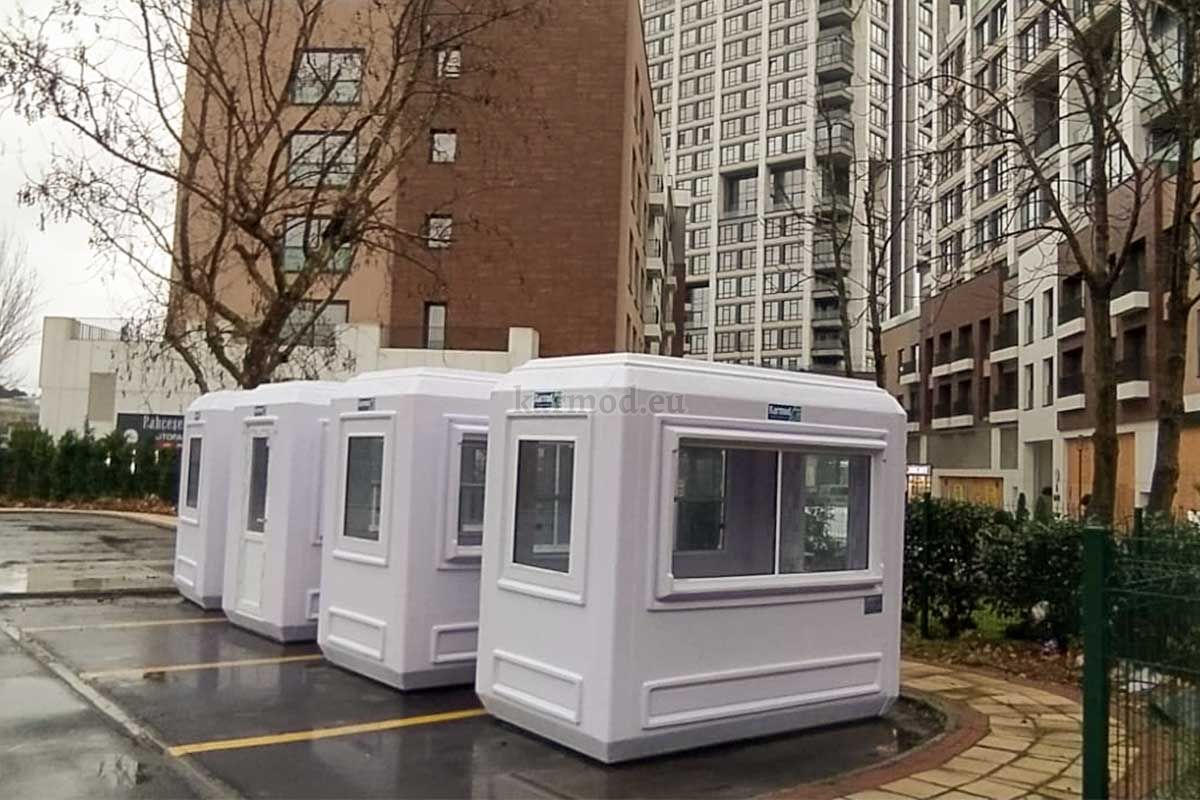
Construction sites evolve constantly. Access points move, boundaries shift, and temporary solutions are often rebuilt multiple times. On several urban construction projects, modular cabins were chosen specifically for their mobility.
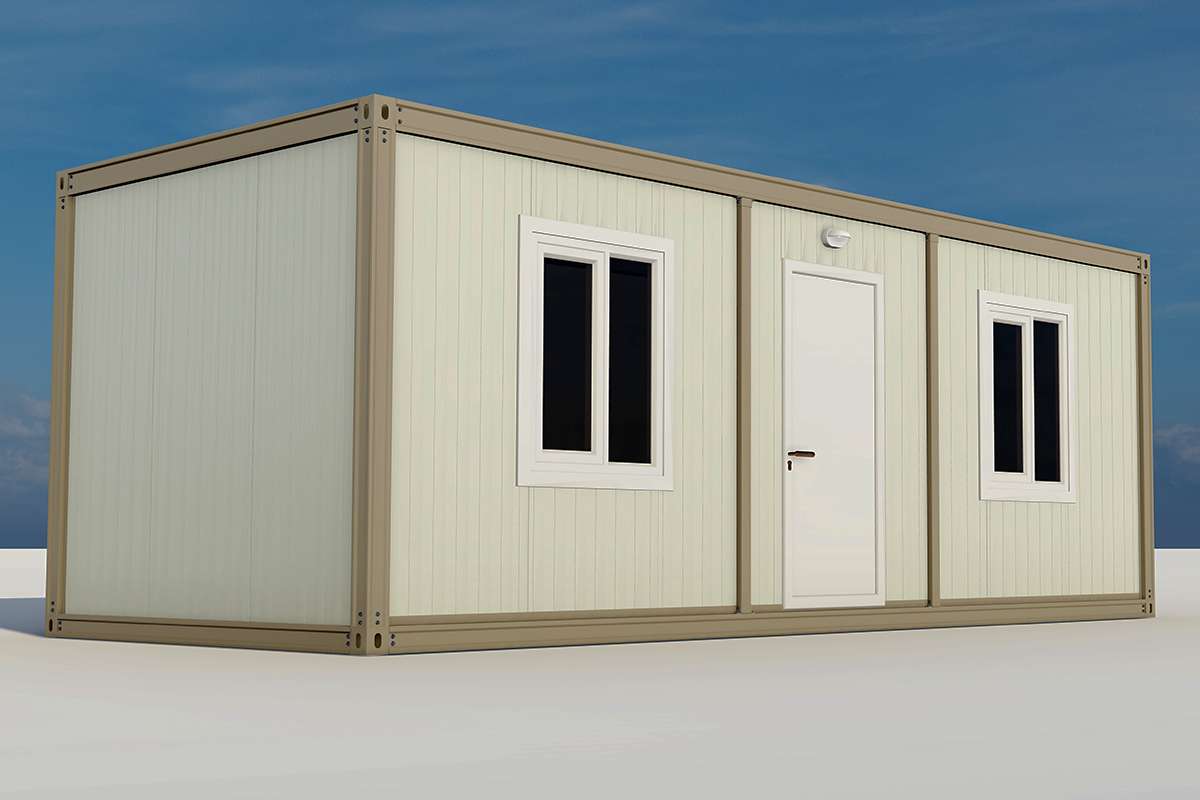
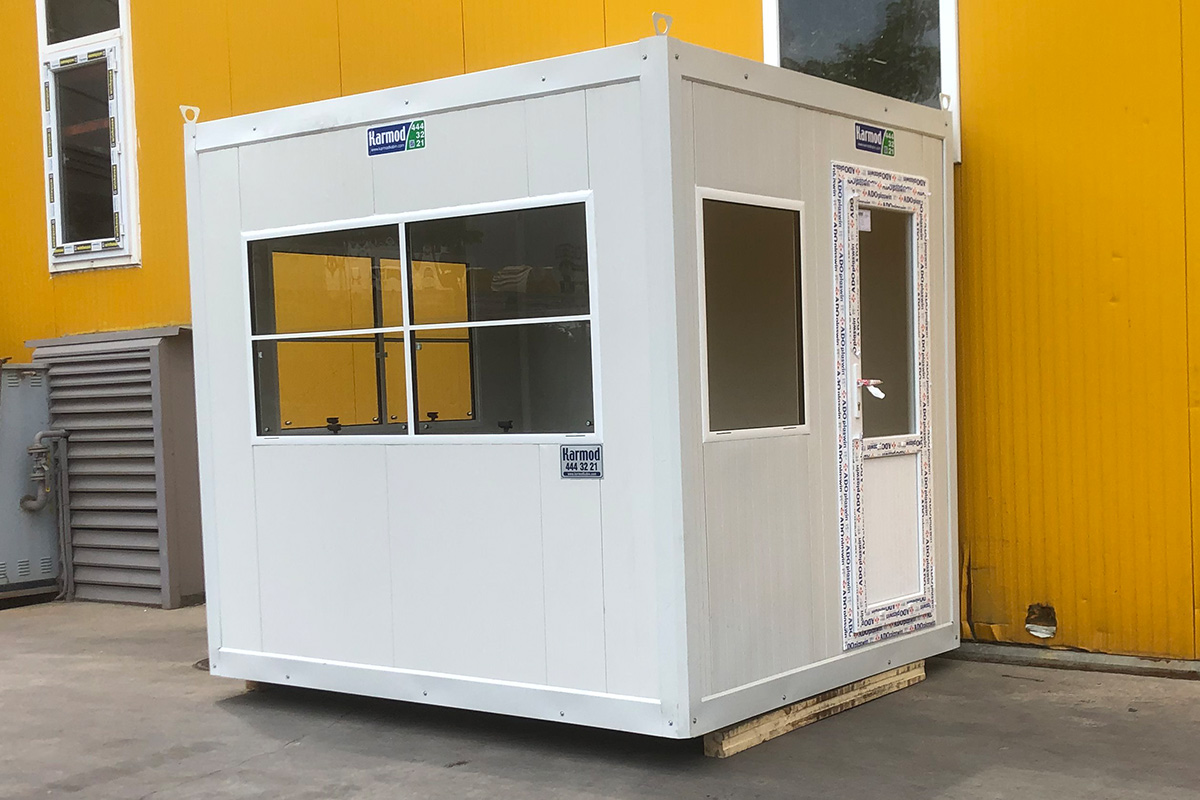
Delivered fully equipped, the cabins were placed at site entrances within hours. As project phases changed, units were relocated without dismantling or interior disruption. This reduced downtime and eliminated repeated construction costs.
For security personnel, consistency mattered. Regardless of where the cabin was positioned, working conditions remained stable—supporting alertness in environments where risks change daily.
Residential Developments: Professional Presence Matters
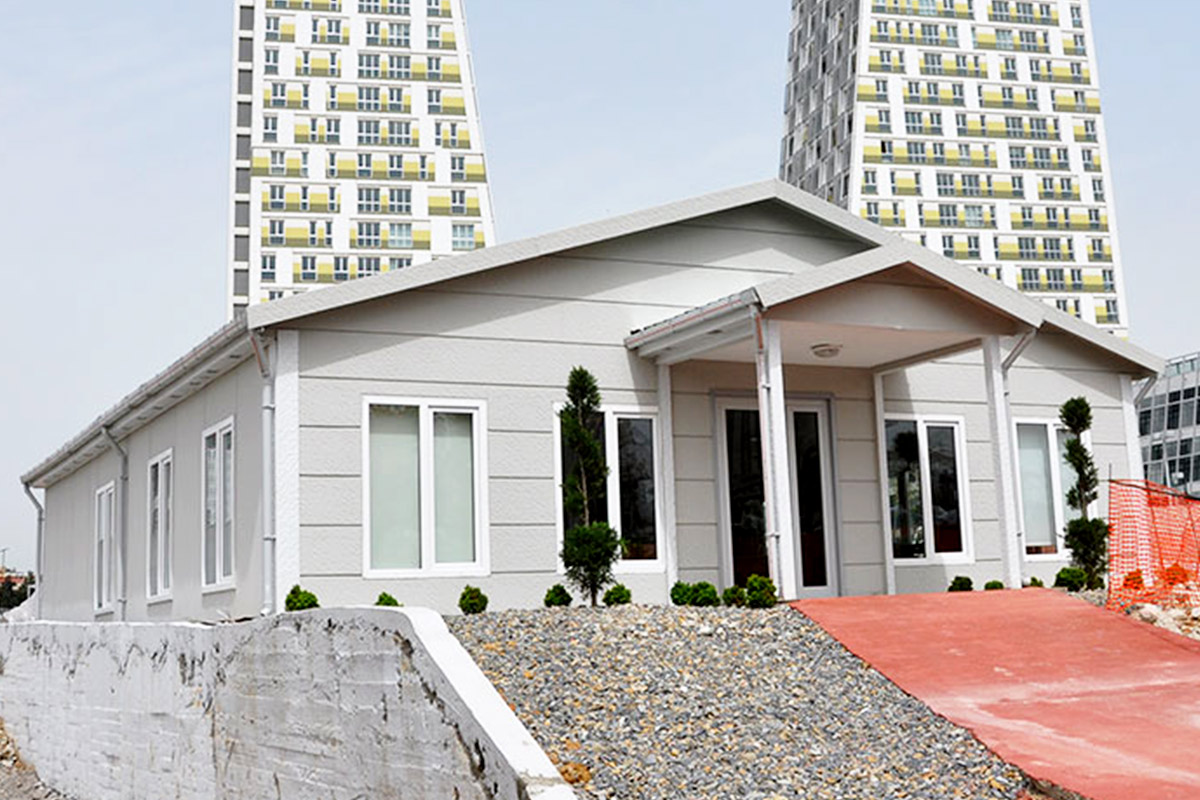
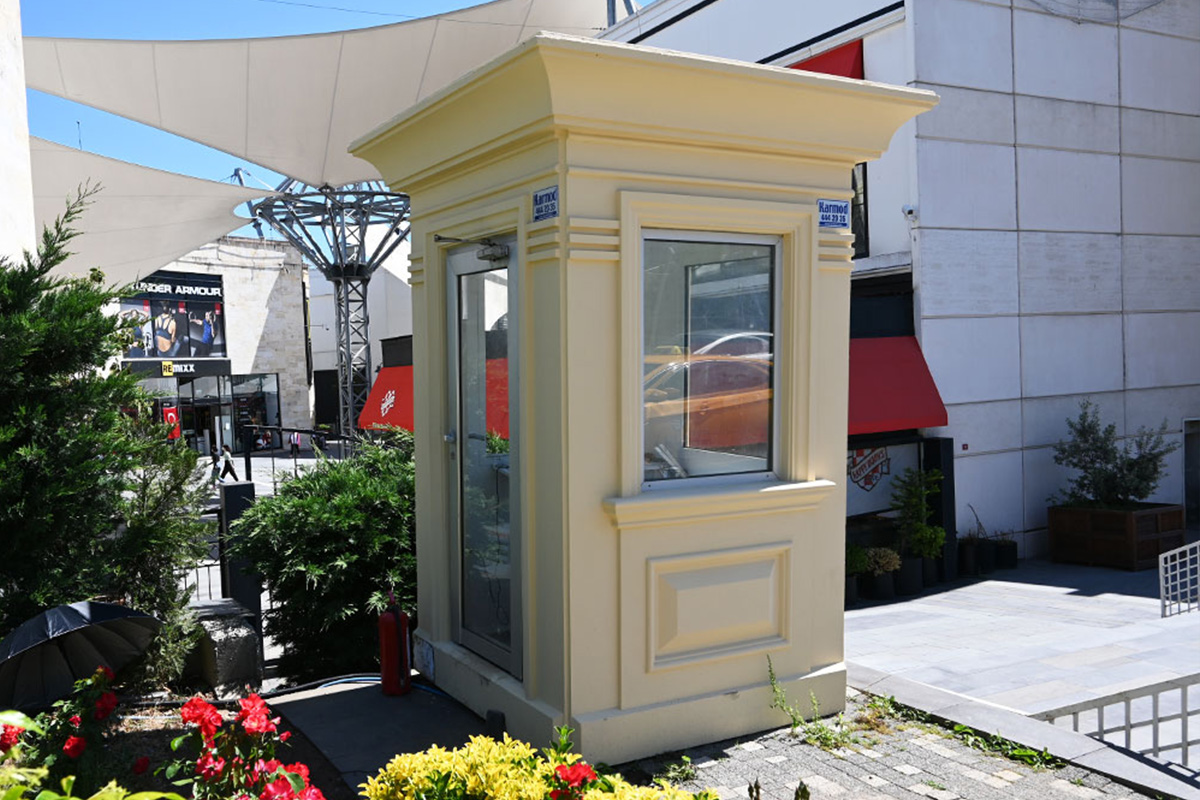
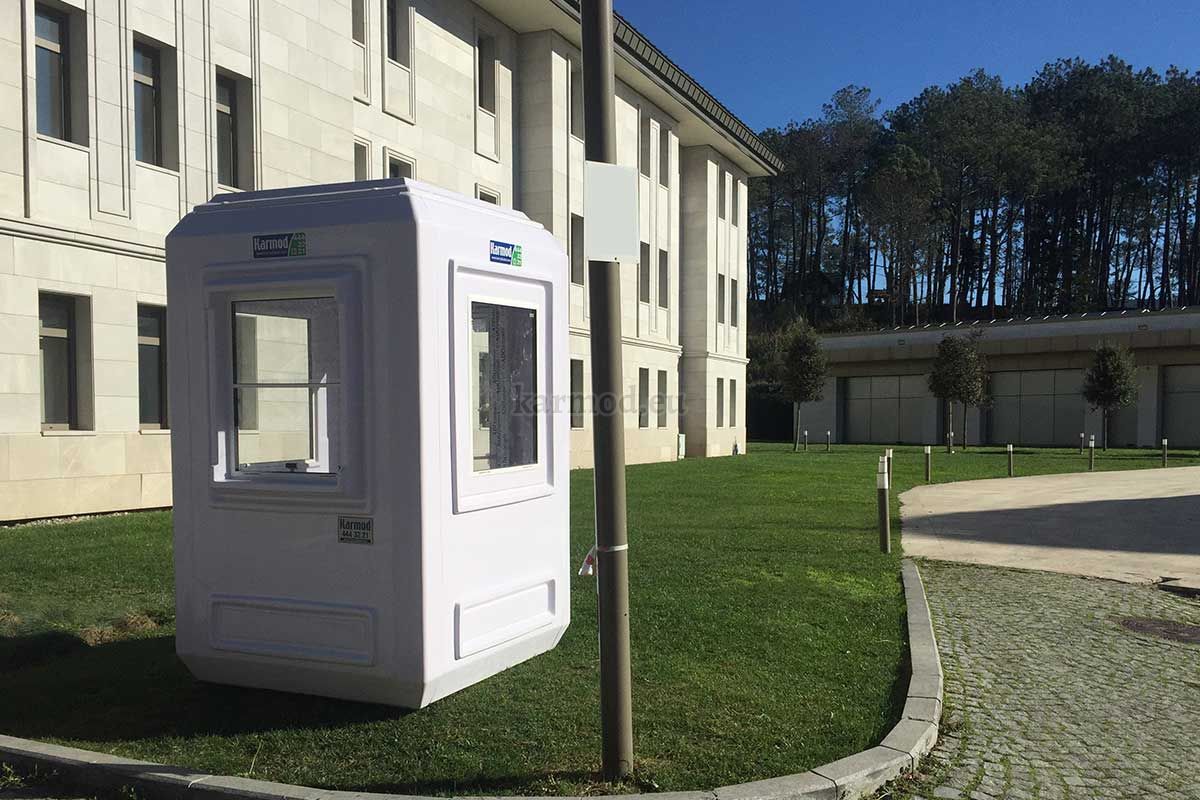
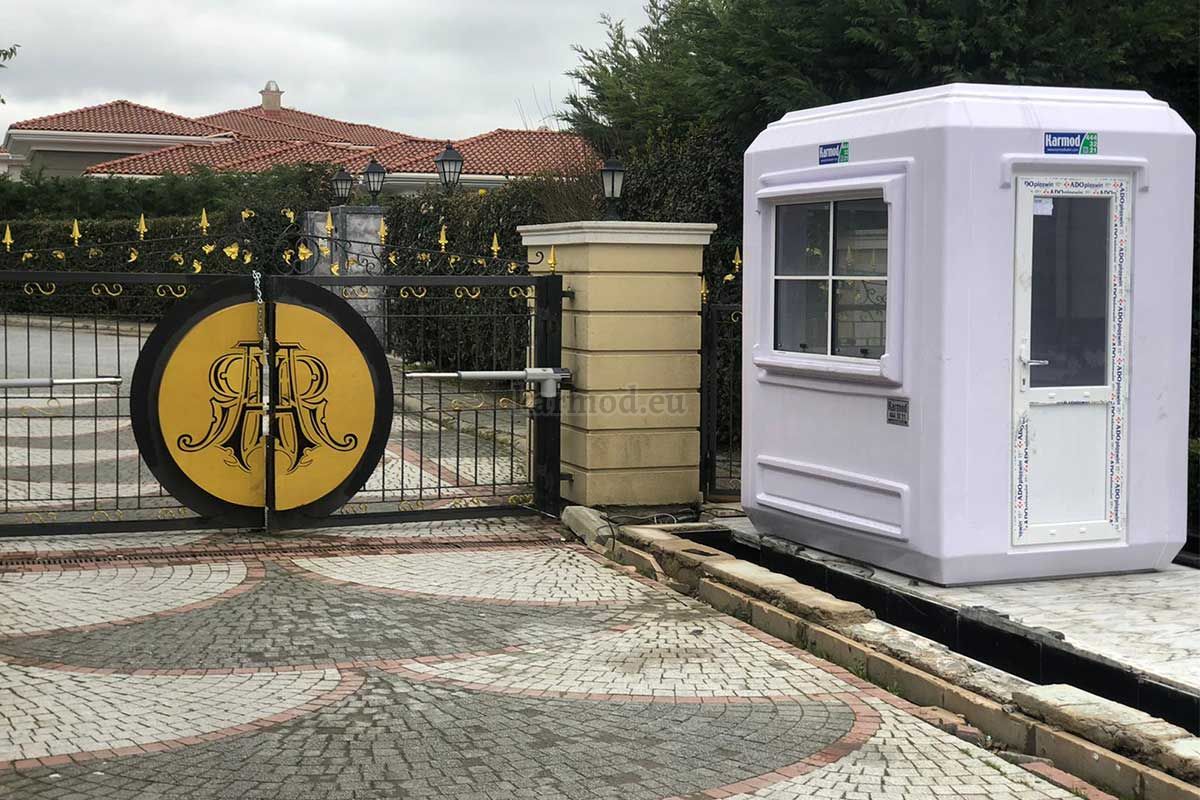
In residential complexes, the security cabin represents the face of the site. One property management firm replaced aging guard booths with architecturally matched modular cabins to improve both function and appearance.
The difference was immediately visible. Better sound insulation reduced traffic noise, allowing clearer communication with residents. Climate-controlled interiors made long daytime and night shifts more sustainable.
Residents reported a stronger sense of organization and safety. Guards, in turn, treated the space as a professional workplace rather than a temporary post—raising overall service quality.
Utilities and Infrastructure Sites: Reliability in Harsh Conditions
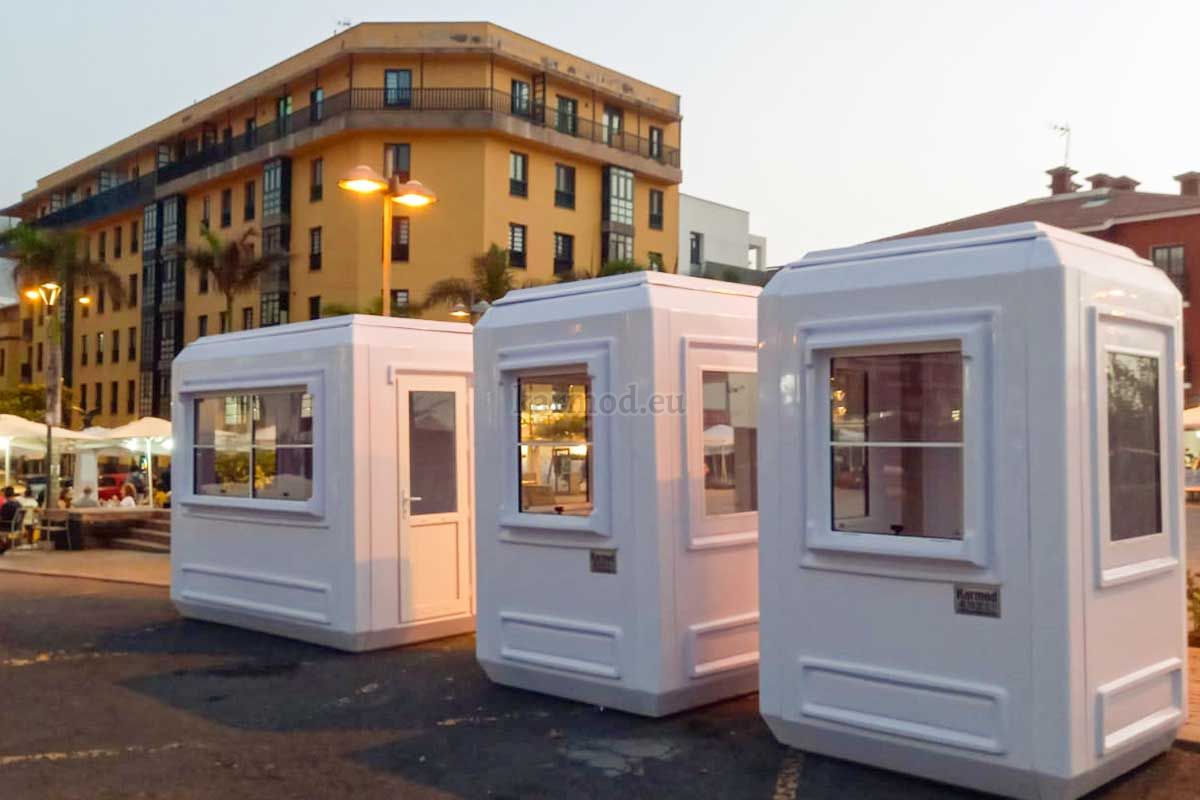
Energy plants, water facilities, and infrastructure nodes often operate in exposed or remote locations. In one regional utility network, guards worked from makeshift shelters that offered little protection against weather extremes.
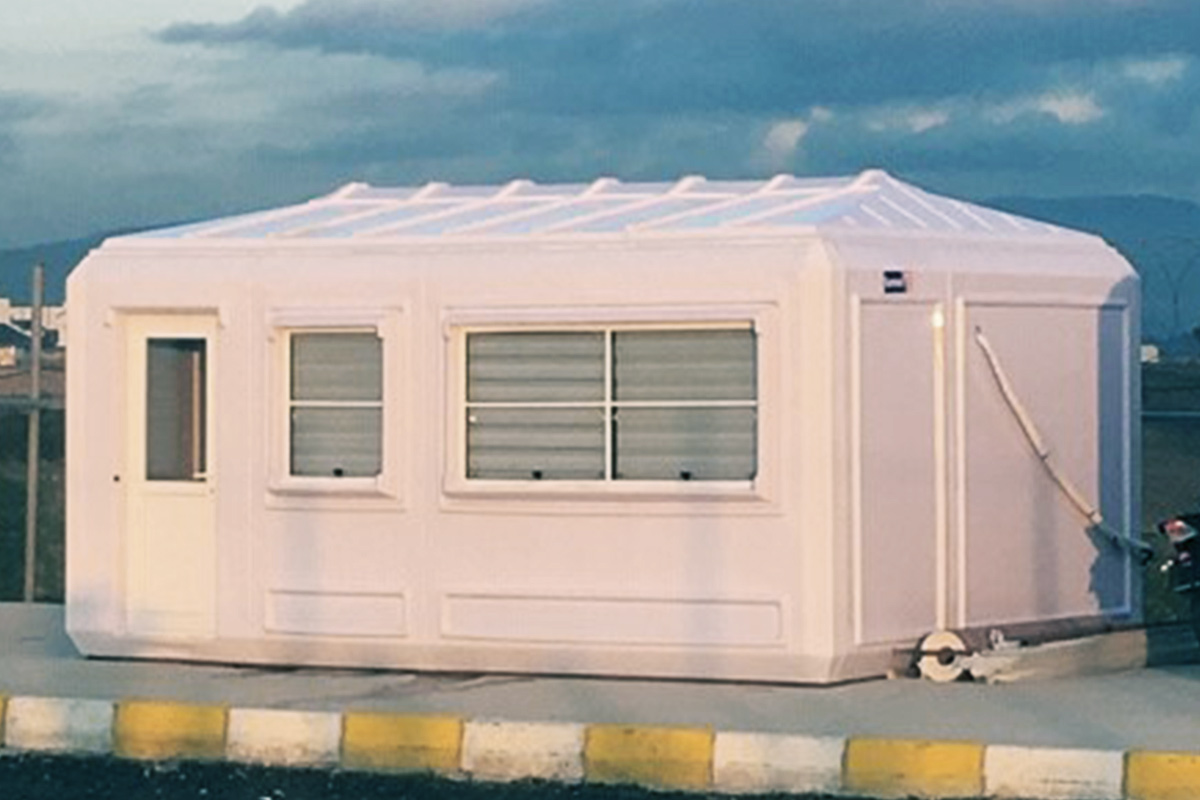
Modular security cabins were deployed with reinforced frames, insulated panels, and secure access doors. Heating and ventilation systems ensured year-round usability, while interior layouts supported monitoring tasks and documentation.
The result was improved attendance, fewer shift interruptions, and consistent security coverage—even during severe weather. The cabins became dependable assets rather than weak points in site protection.
What These Case Studies Have in Common
Despite differences in sector and location, several factors consistently defined successful outcomes:
- Thermal and acoustic comfort for extended shifts
- Clear visibility and ergonomic layouts
- Integrated electrical and data infrastructure
- Durable materials suited for continuous use
- Relocatable design for operational flexibility
These features turned modular cabins into performance tools, not just shelters.
Operational Benefits Beyond Comfort
Comfort alone does not justify investment—performance does. Across all cases, better working environments led to improved attention, faster response times, and more accurate reporting. Over time, these gains reduced incidents and simplified coordination with site management.
From an organizational perspective, modular cabins also standardized security infrastructure. Deploying similar units across multiple sites created consistency in training, procedures, and expectations.
Purpose-Built Spaces for Demanding Security Roles
Security personnel are most effective when their environment supports focus and reliability. Modular cabins provide that foundation—quickly, predictably, and without unnecessary complexity.
Get in touch with us to discuss modular security cabin solutions designed around real operational needs. With the right setup, security teams can work more comfortably, respond more effectively, and protect sites with greater confidence.