



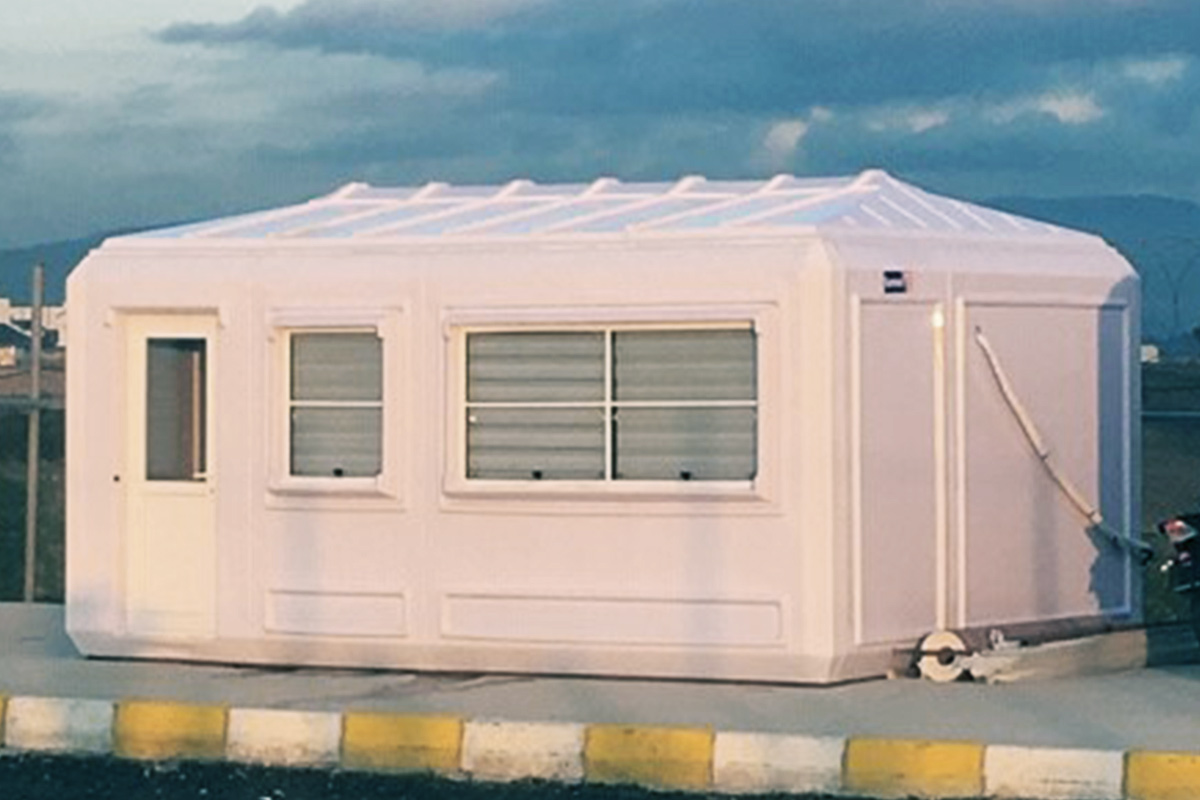
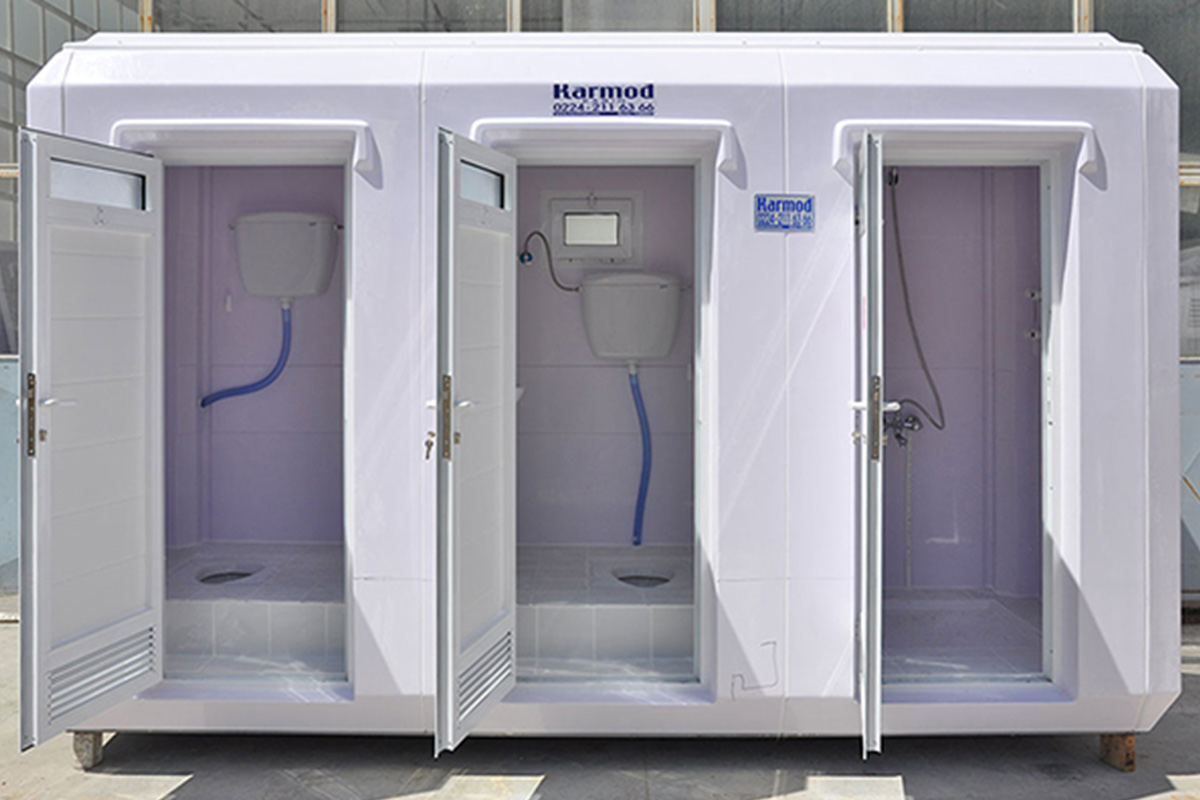
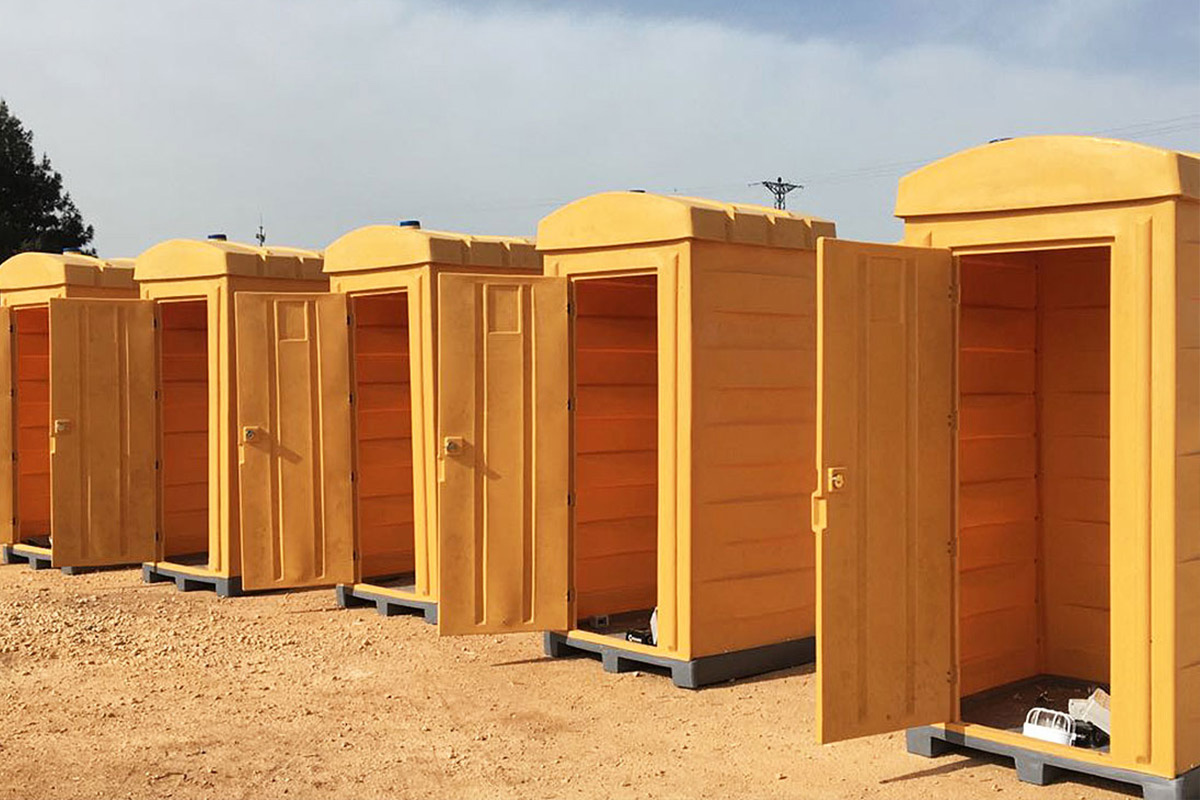
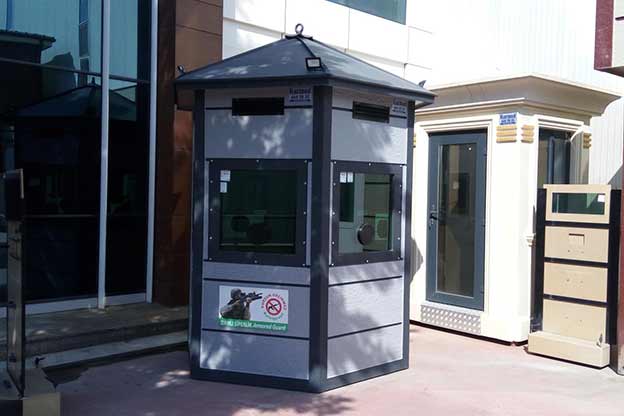
Singapore is globally recognized for its dense urban structure, strict building regulations, and high expectations for construction quality. Limited land availability, rising construction costs, and the need for operational efficiency have reshaped how buildings are planned and delivered across the country. In this environment, modular buildings and prefabricated building solutions have become an integral part of modern construction strategies. These systems support faster project delivery while maintaining the precision and compliance standards that Singapore is known for.
Why Modular Buildings Are in High Demand in Singapore
Labour cost and workforce dependency are among the most influential factors behind the adoption of modular construction in Singapore. Traditional construction methods require intensive on-site labour, which can be costly and tightly regulated. Modular buildings significantly reduce on-site labour needs by transferring most production activities to controlled factory settings, improving productivity and cost predictability.
Construction timelines are another decisive factor. Singapore’s fast-paced development cycle leaves little room for delays. Modular construction enables parallel progress: site preparation continues while building units are produced off-site. This approach shortens project schedules and allows facilities to become operational much earlier than conventional methods.
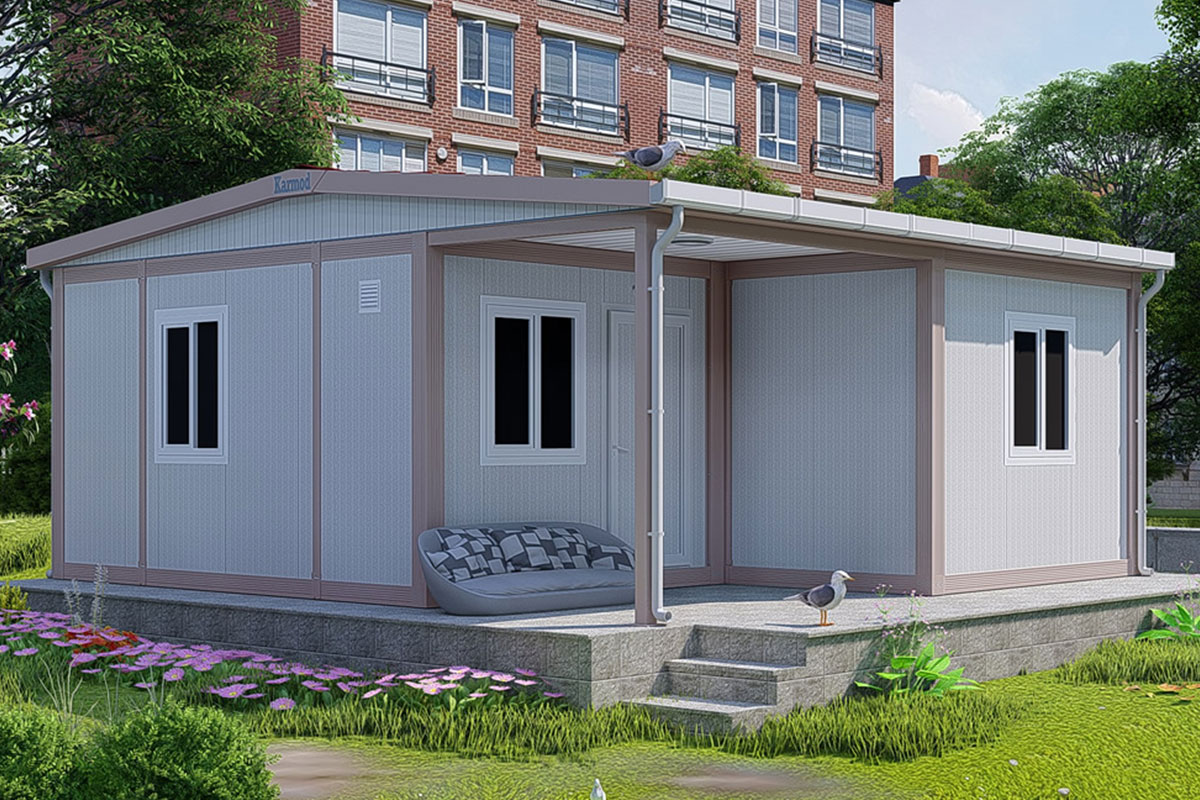
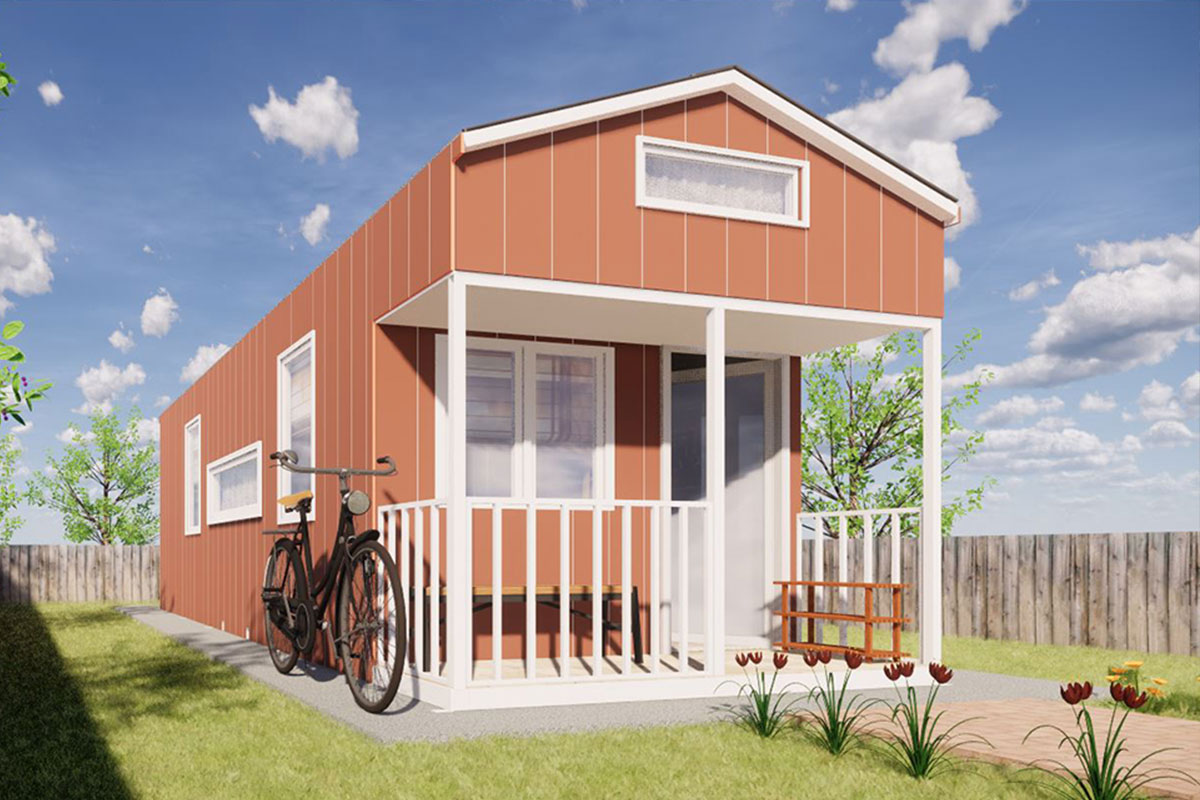
The demand for both temporary and permanent structures is also a key driver. Singapore requires temporary buildings such as site offices, training facilities, and interim accommodation, alongside permanent structures for education, healthcare, and industrial use. Modular buildings provide flexibility by allowing relocation, expansion, or reconfiguration as operational needs change.
Sector-specific demand further strengthens this trend. Logistics and port operations, advanced manufacturing, data centers, public infrastructure, healthcare facilities, and energy-related projects all require buildings that can be delivered efficiently without disrupting surrounding urban environments. Modular and prefabricated systems align well with these sector requirements.
Modular Buildings vs. Prefabricated Building Systems
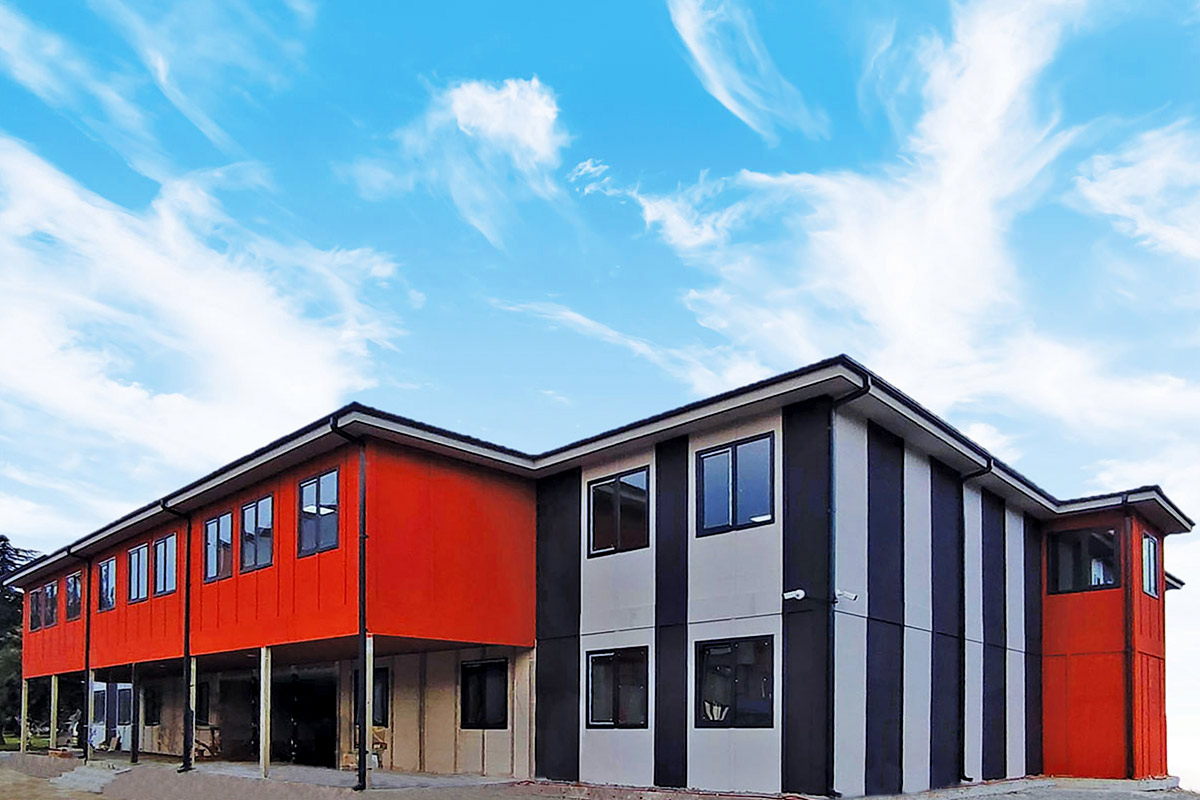
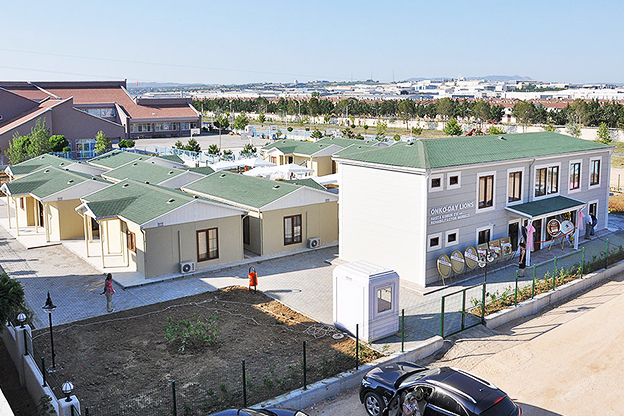
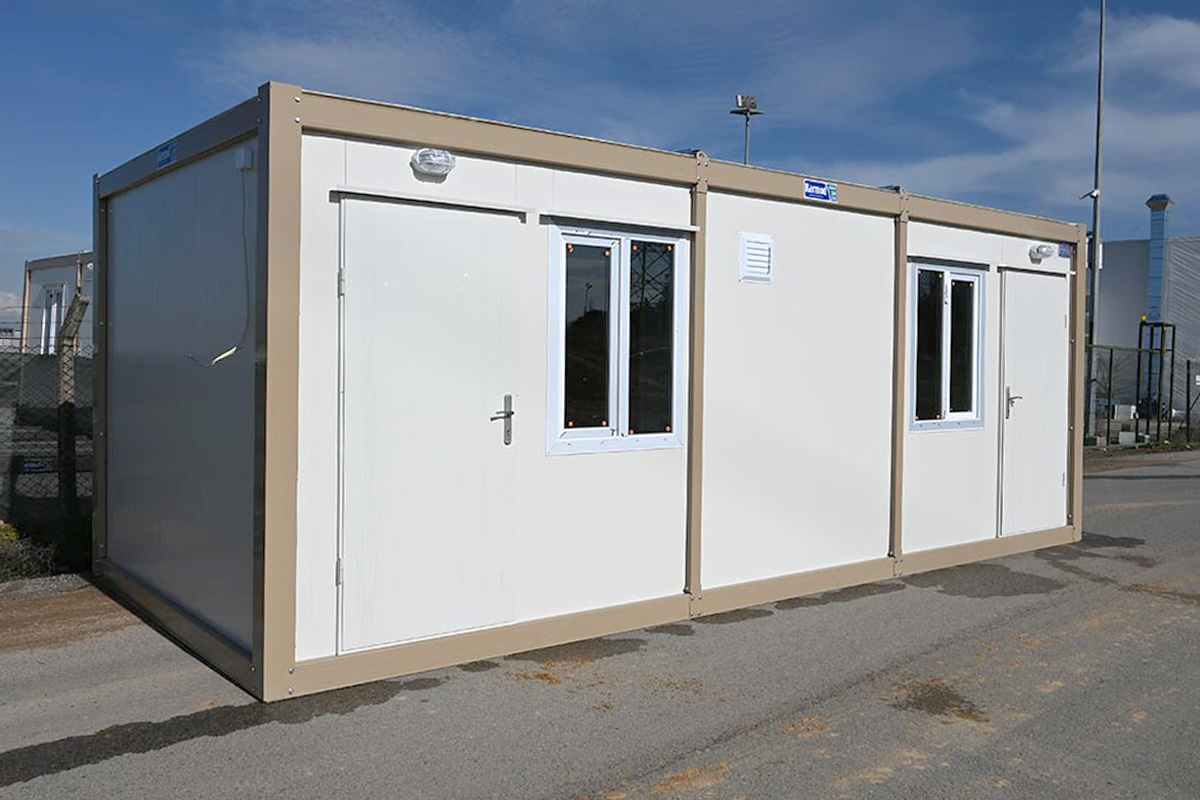
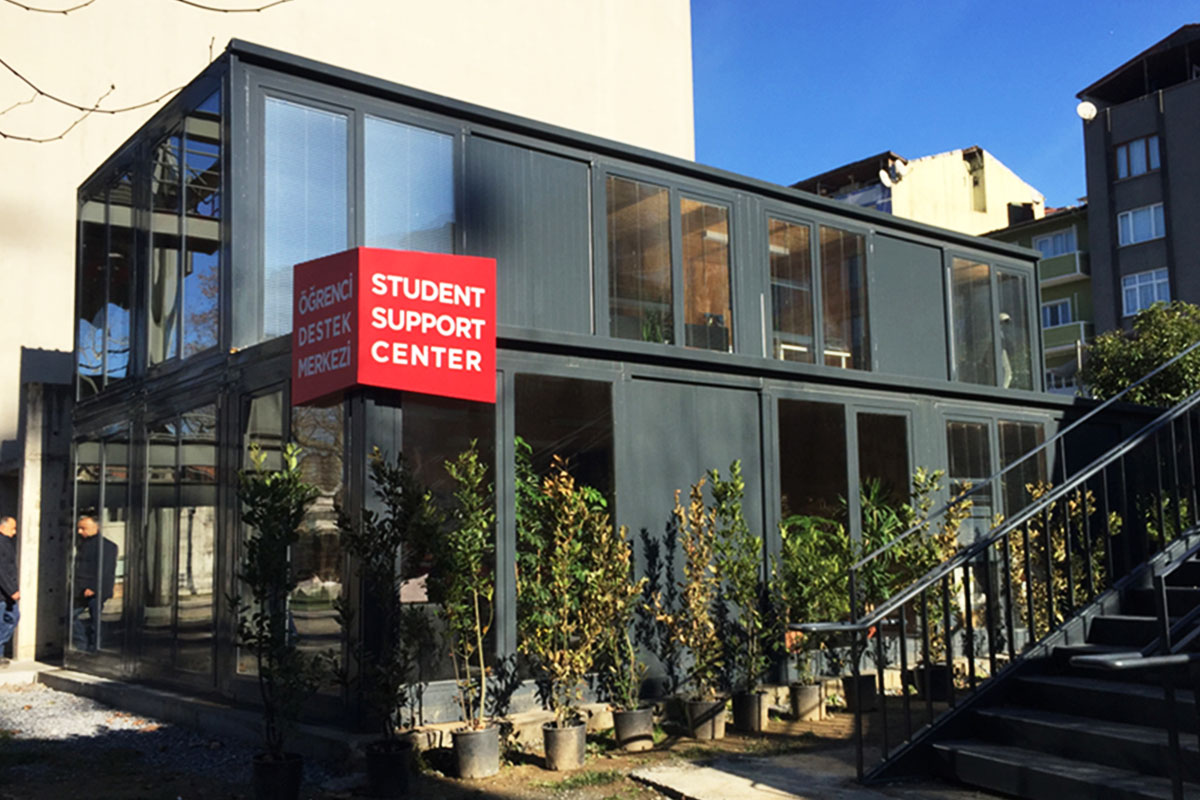
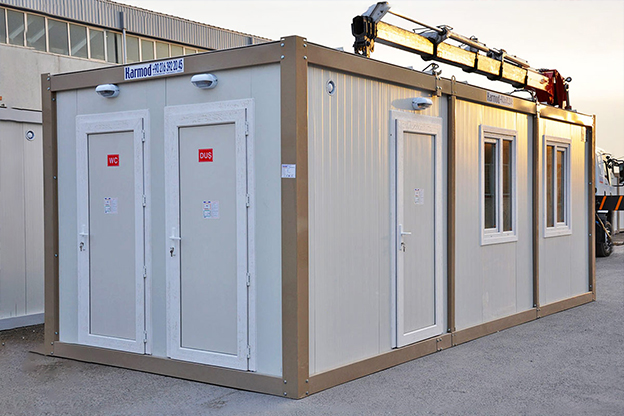
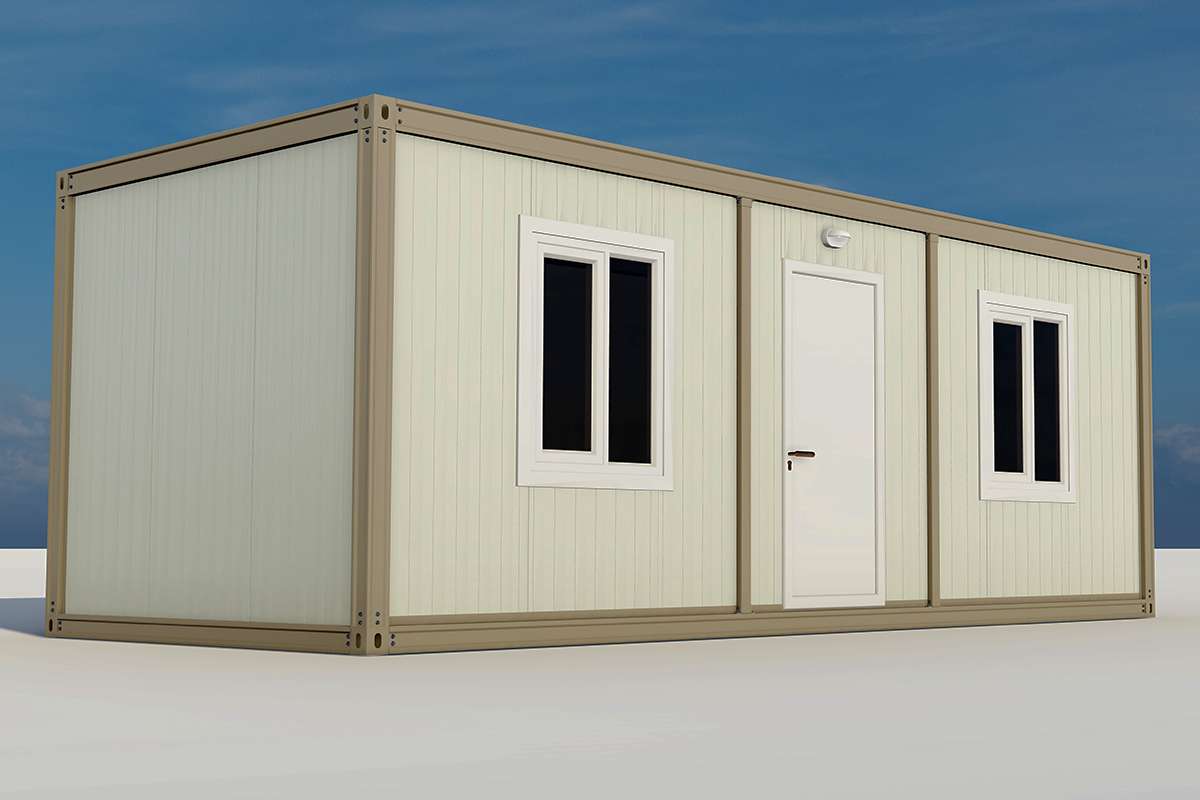
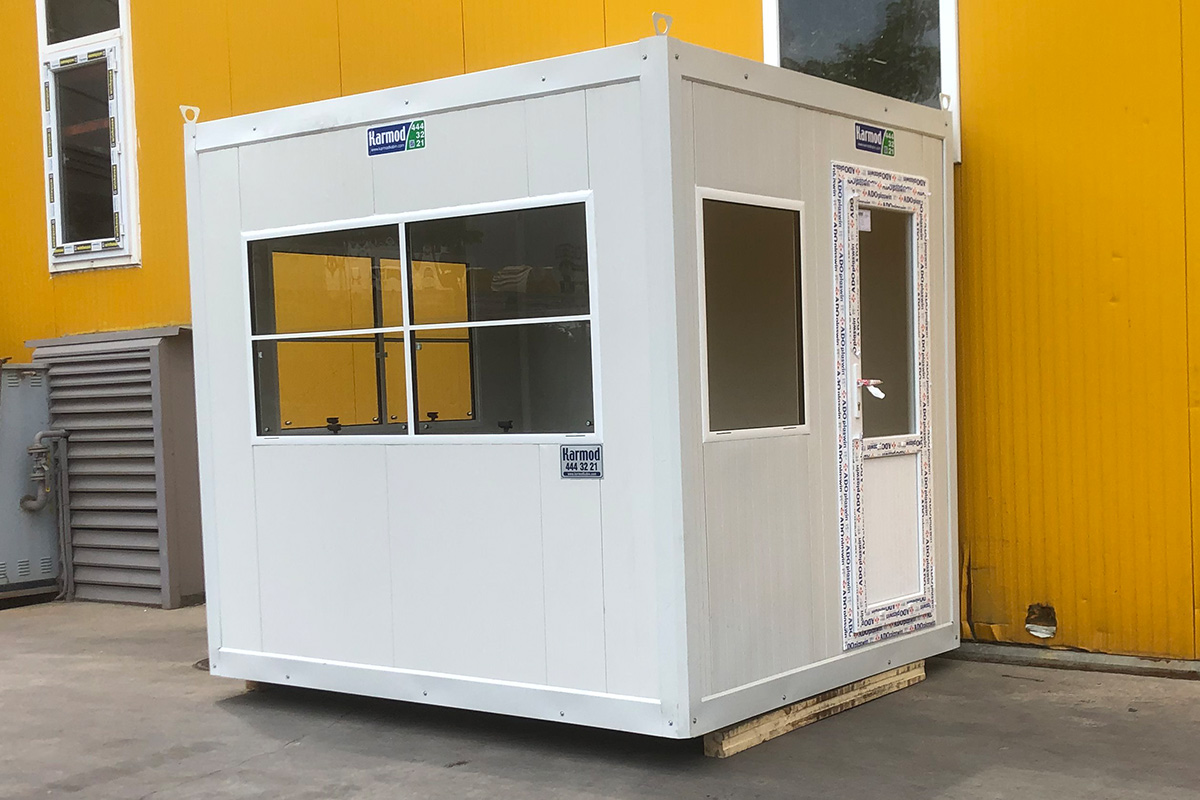
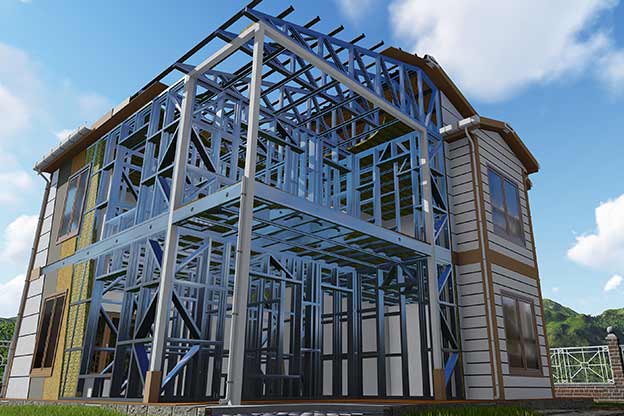
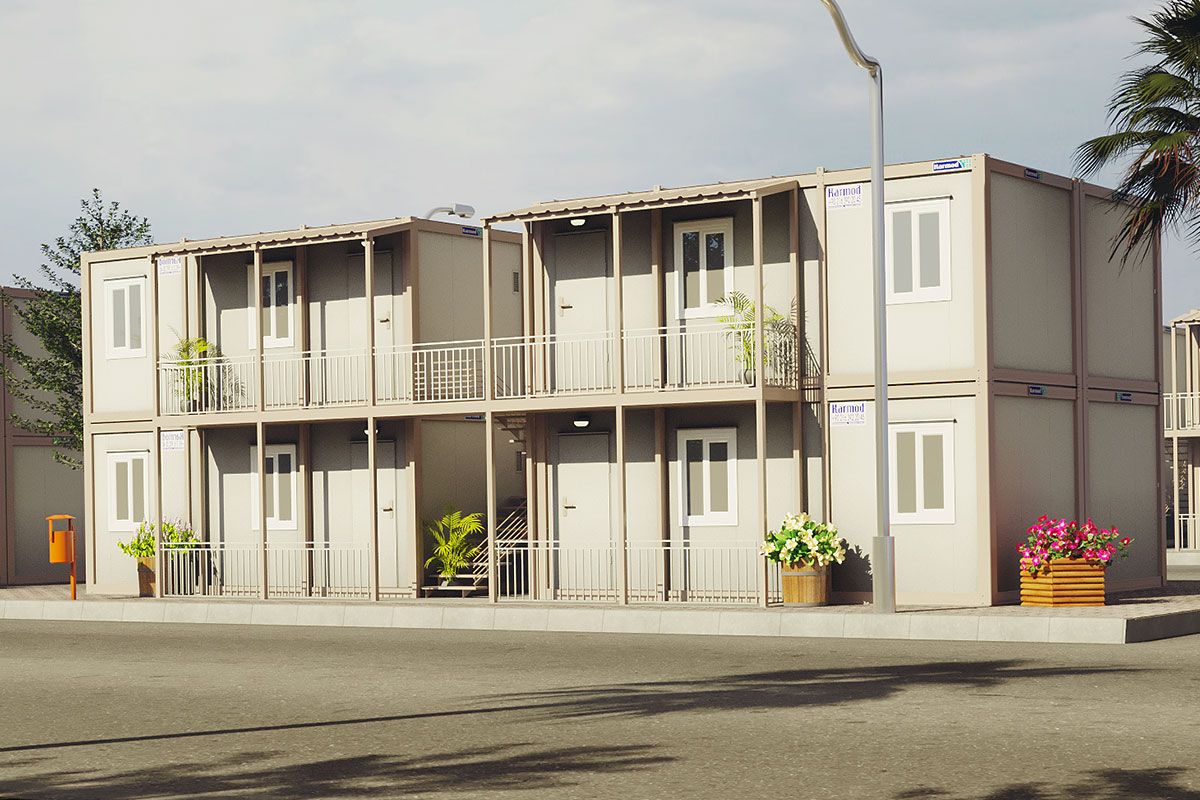
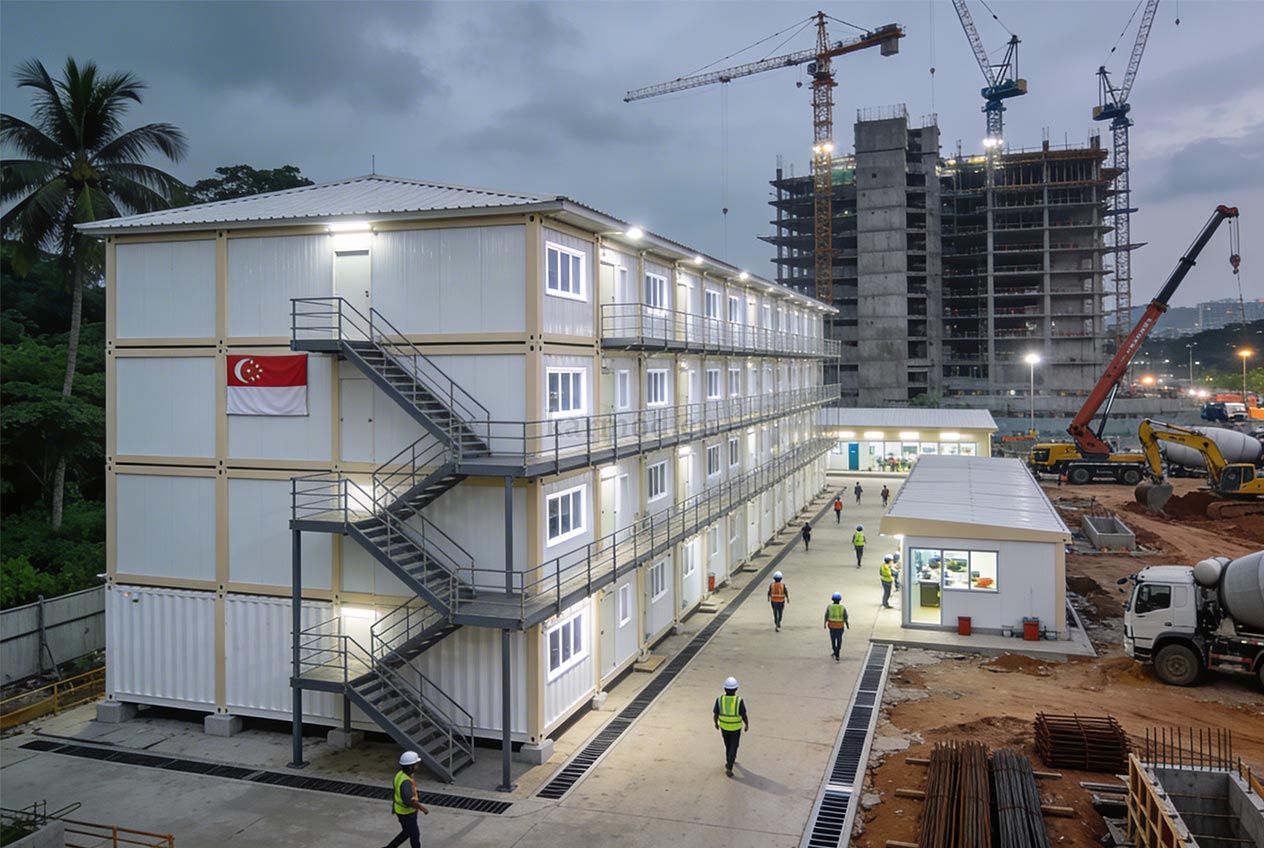
While both approaches rely on off-site production, modular buildings and prefabricated building systems serve different construction objectives in Singapore. Modular buildings are manufactured as three-dimensional units that arrive on-site with a high level of completion. Their modular nature allows for rapid installation, vertical stacking, and future expansion, making them suitable for space-constrained sites.
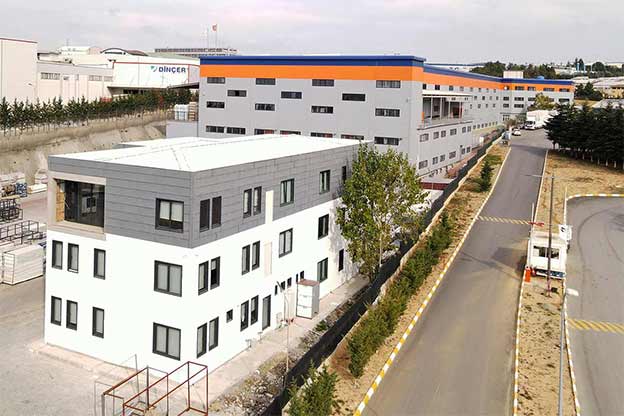
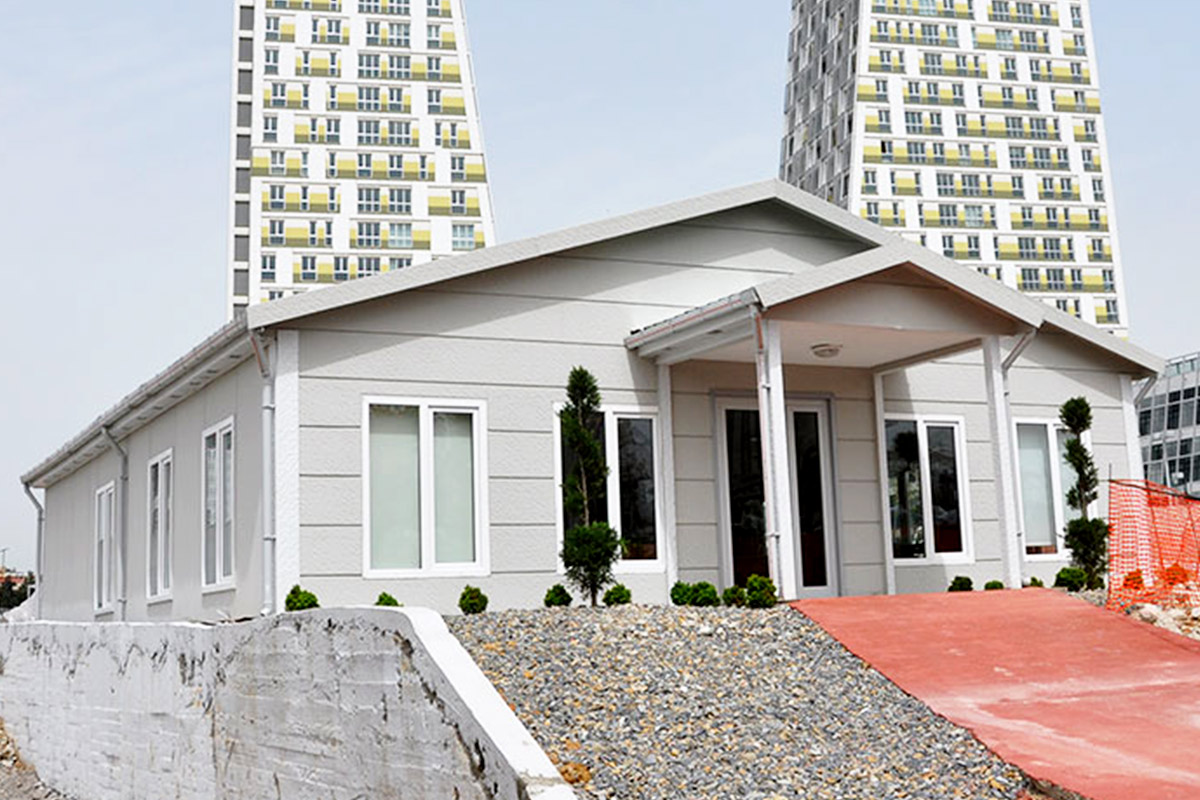
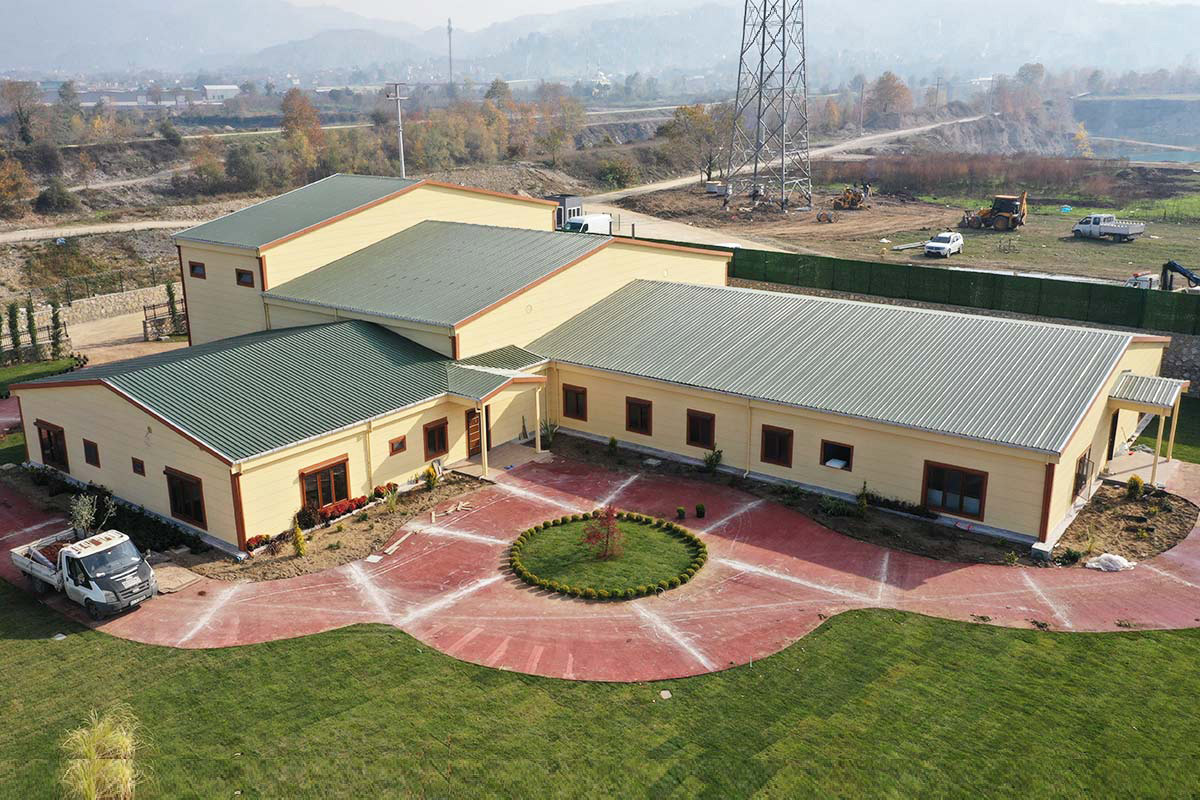
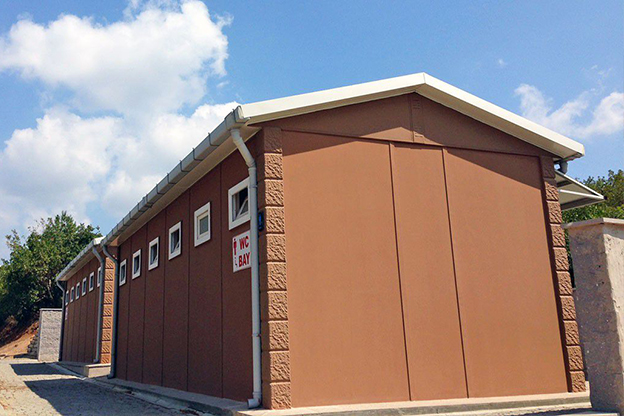
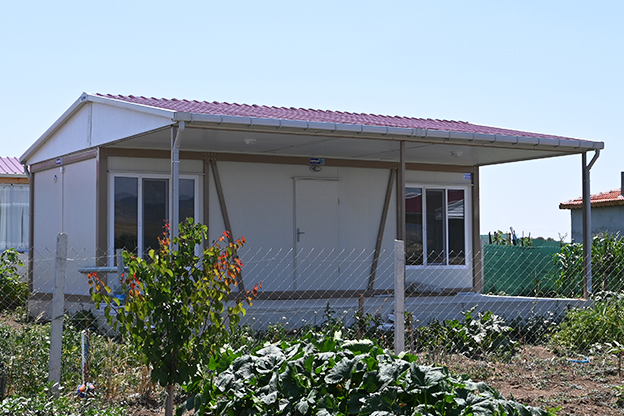
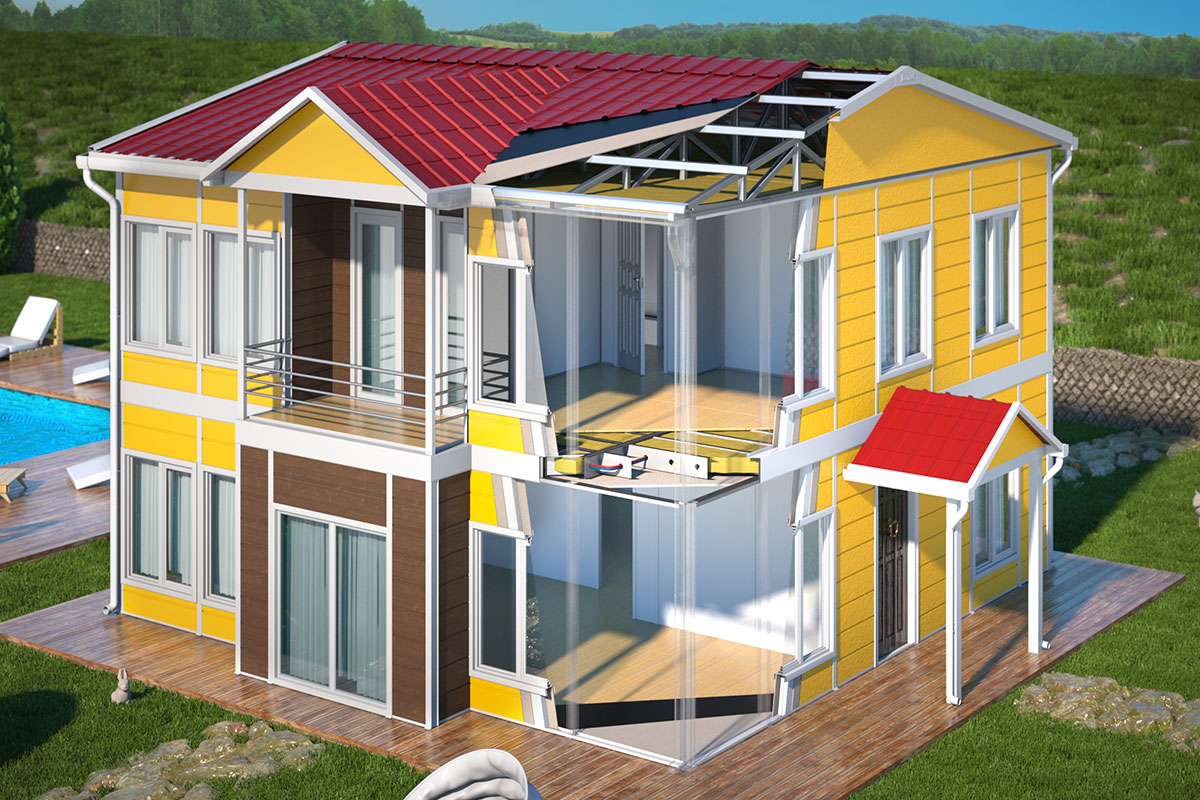
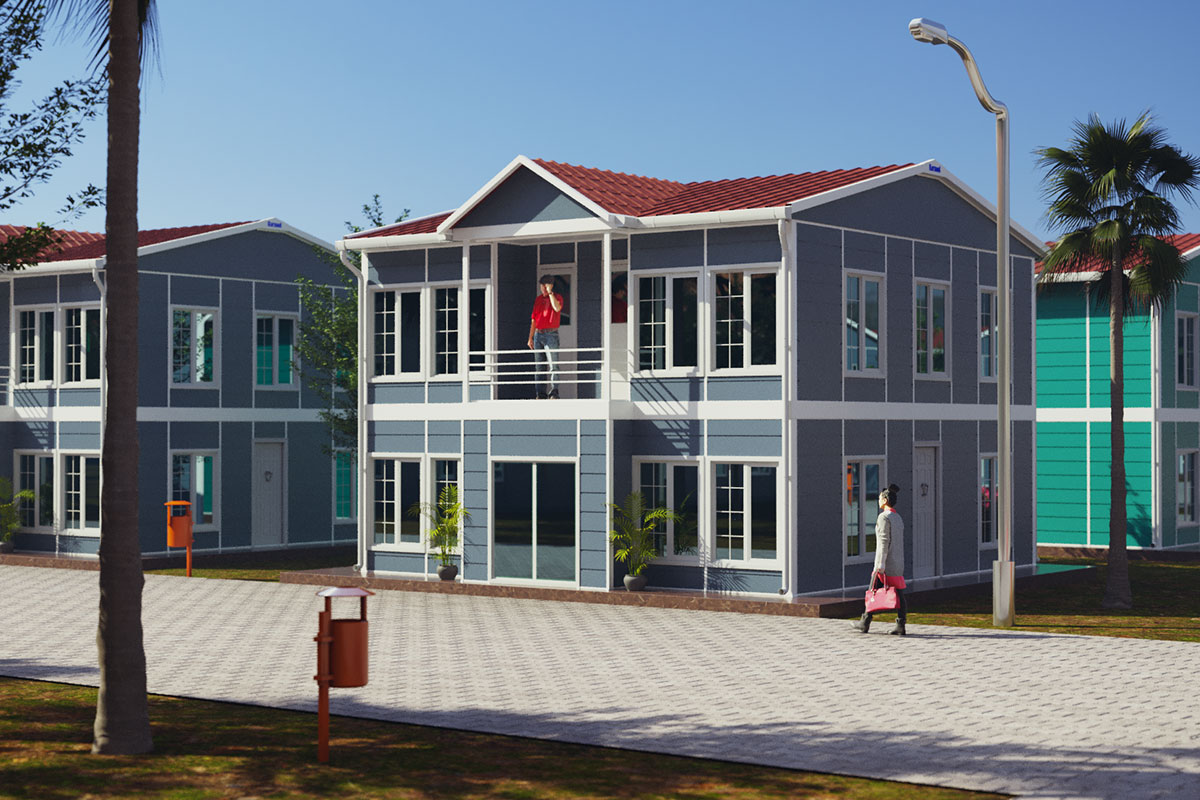
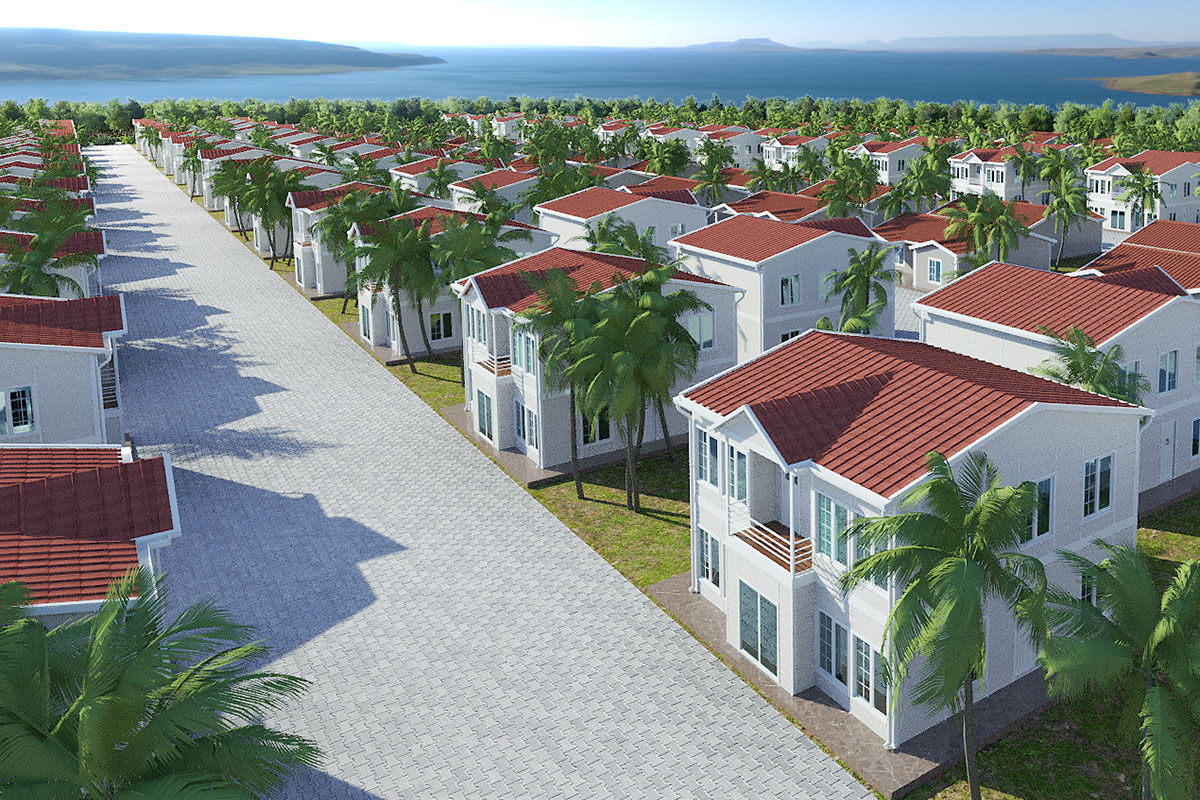
Prefabricated building systems are based on panels or structural components that are assembled on-site into a permanent structure. These systems are often selected for projects where architectural integration, long-term use, and fixed layouts are critical. In Singapore, prefabricated building solutions are widely used in permanent institutional, residential support, and industrial facilities that require long service life and strict compliance.
The selection between these systems depends on project duration, site limitations, and functional flexibility. Modular buildings are often preferred where speed and adaptability are priorities, while prefabricated building systems are chosen for permanent, regulation-driven developments.
Applications of Modular and Prefabricated Buildings in Singapore
Across Singapore, these construction systems are used in a broad range of professional applications:
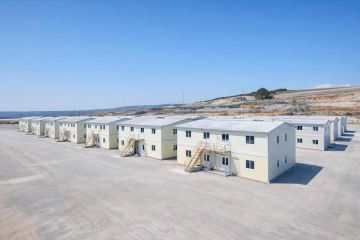
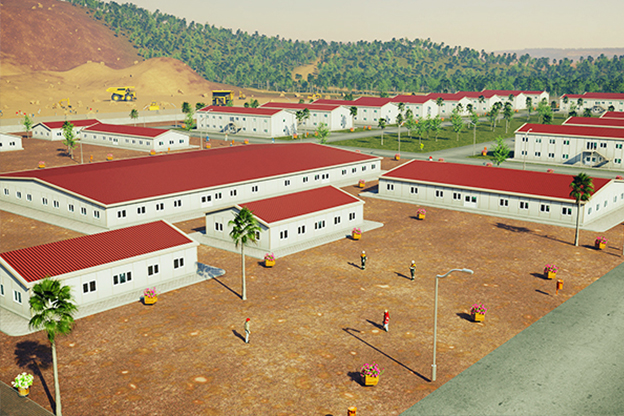
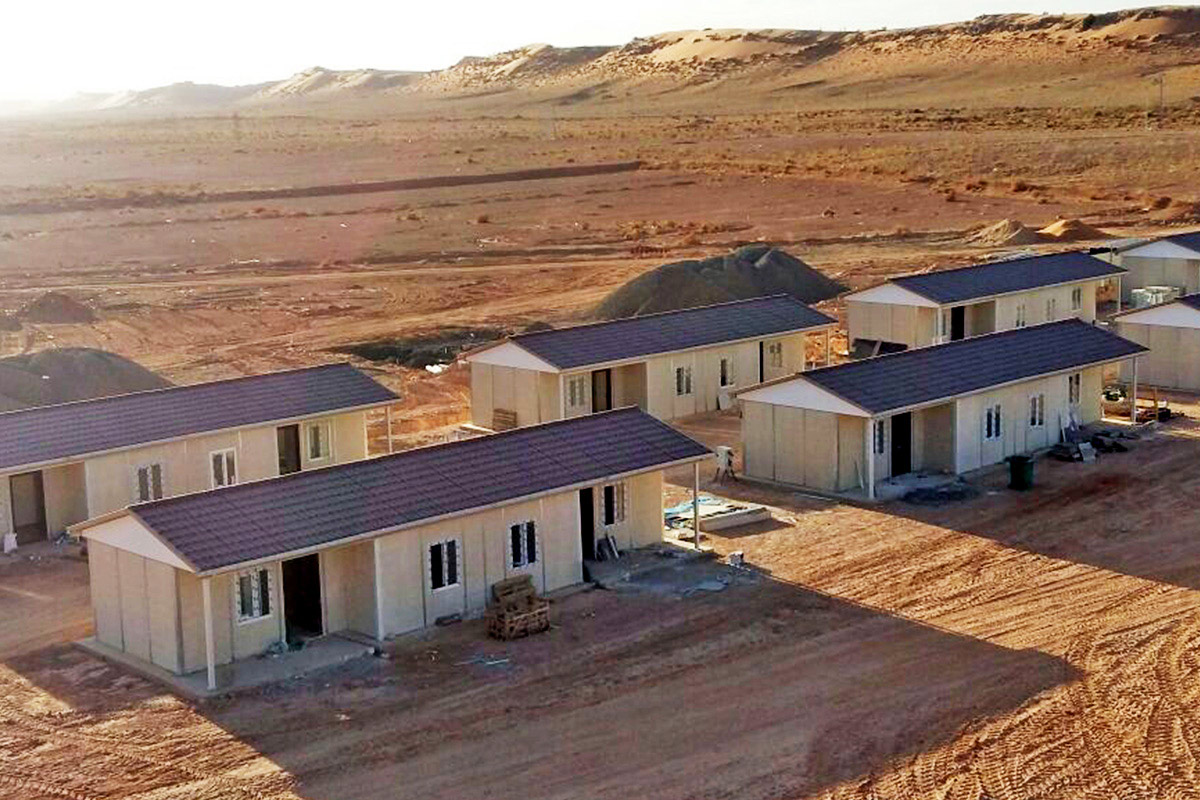
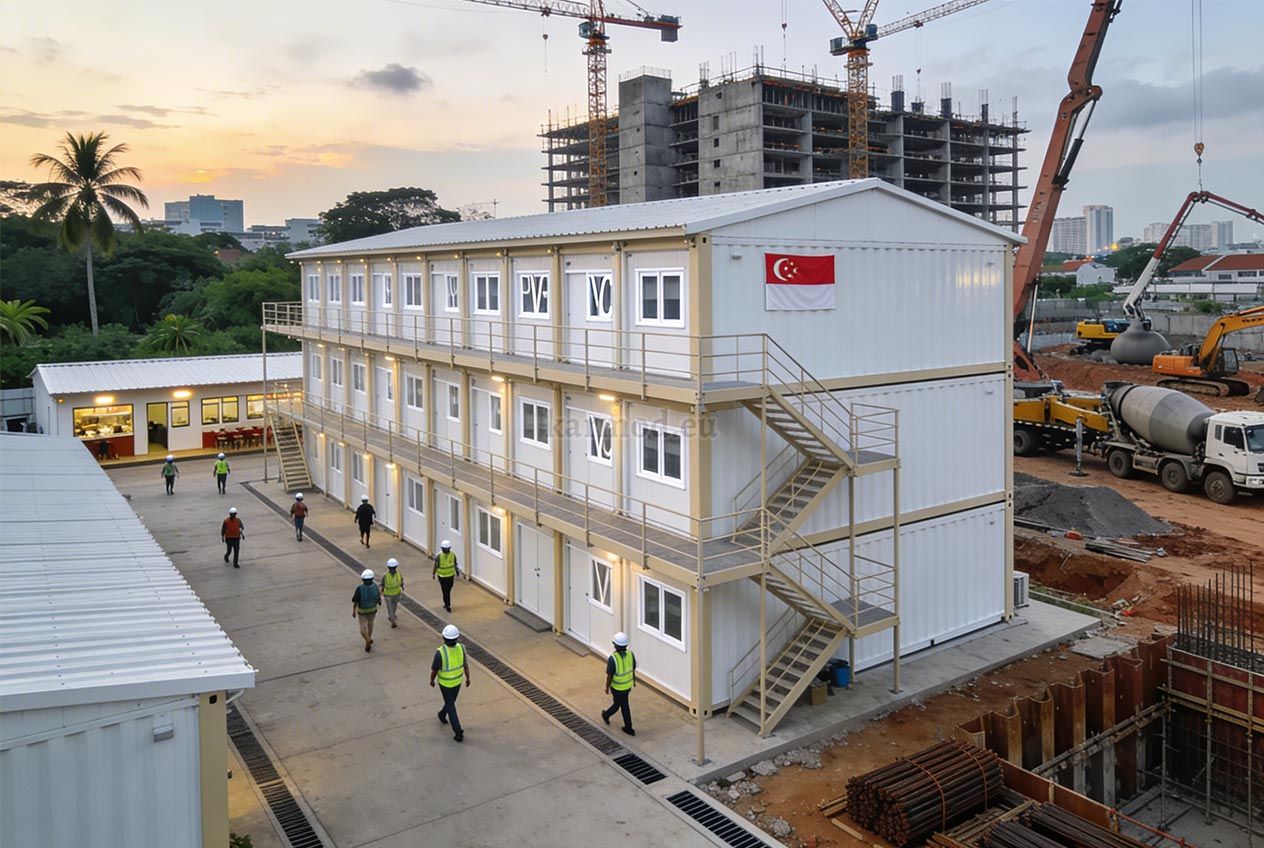
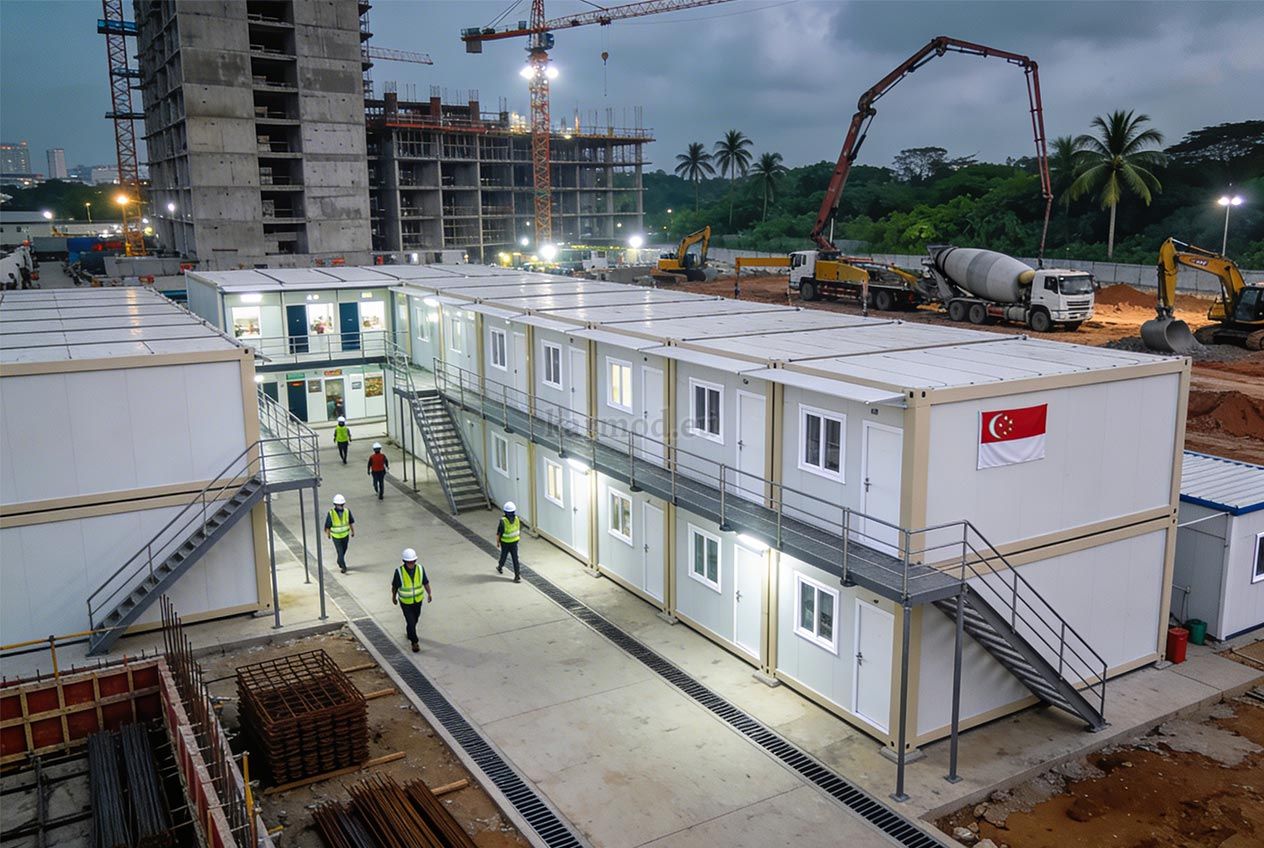
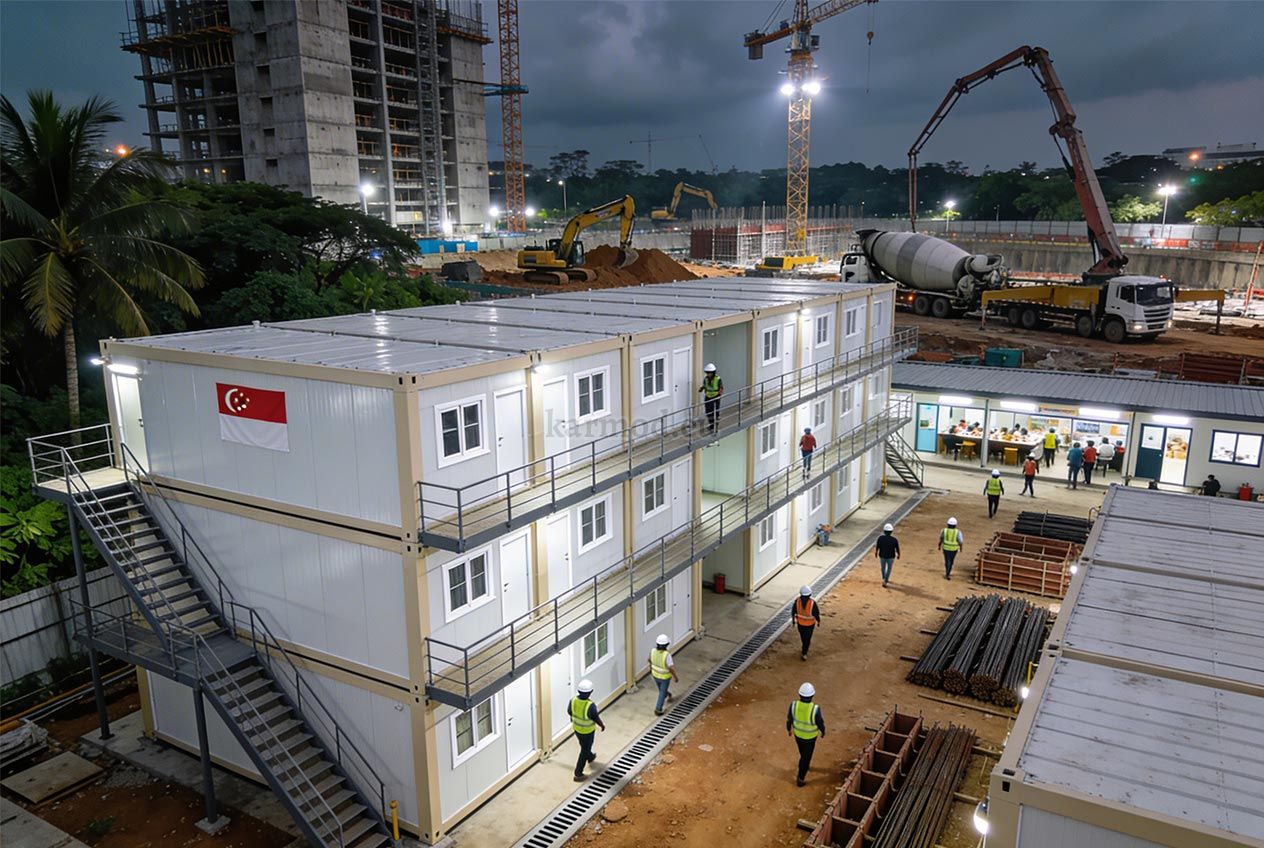
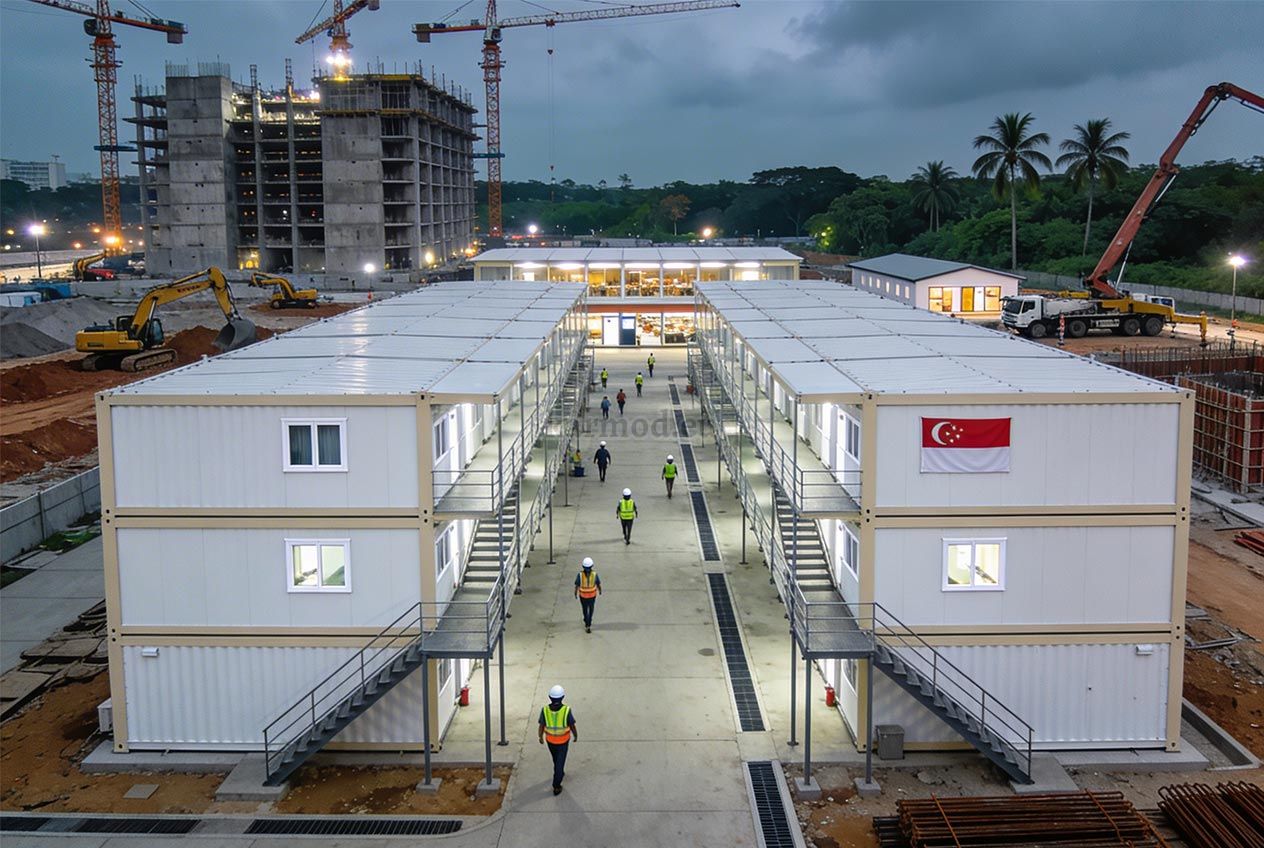
- Site offices & construction camps, supporting large-scale urban and infrastructure projects
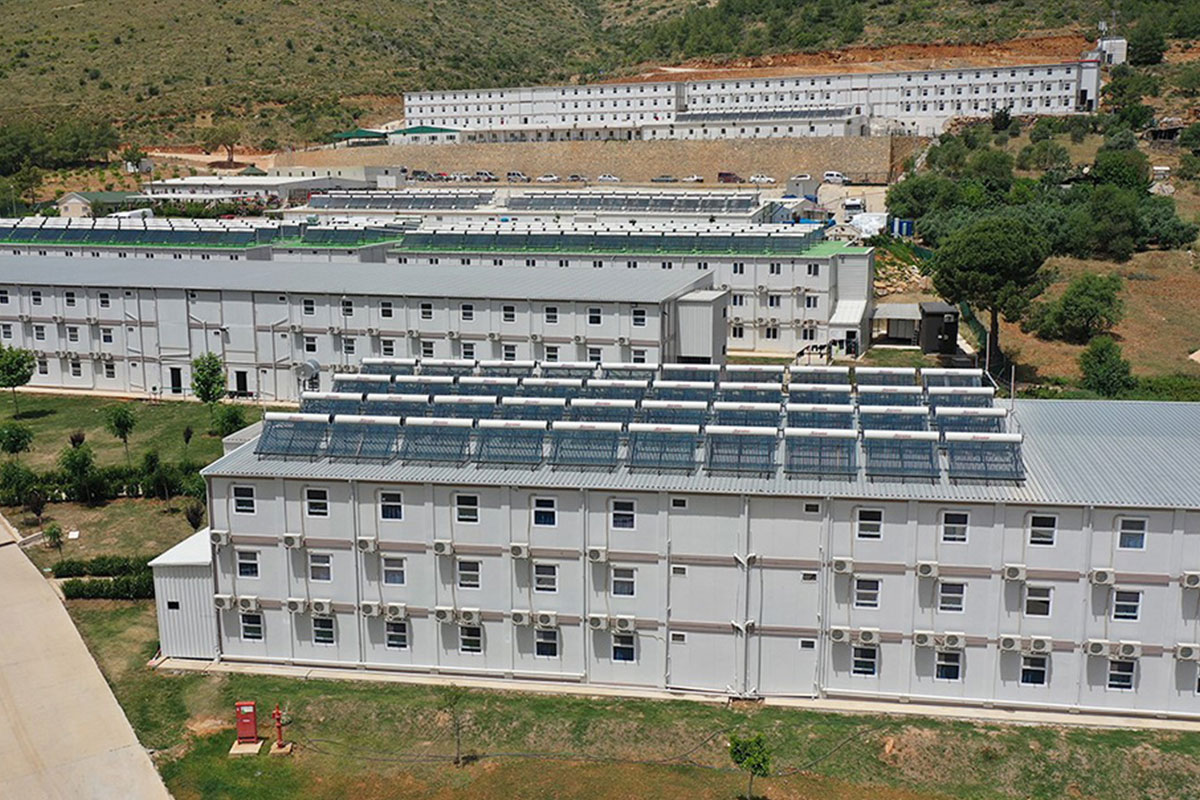
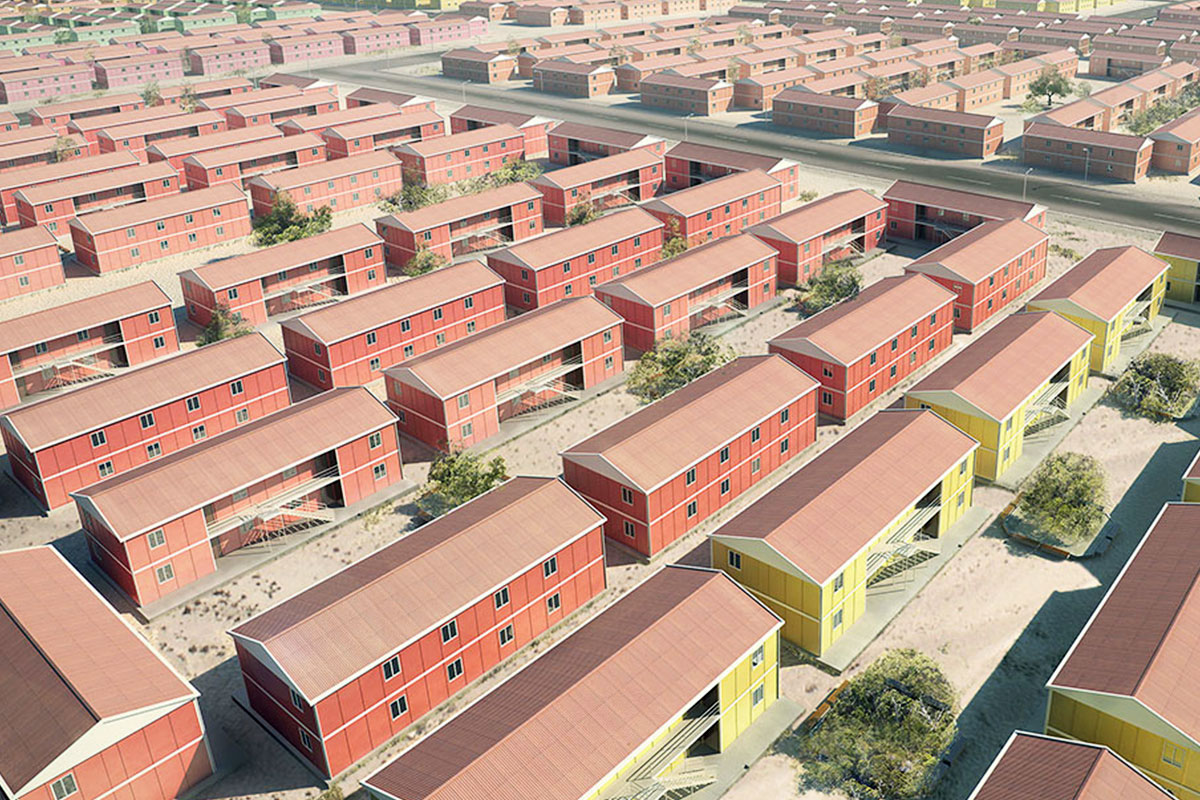
- Worker accommodation buildings, designed to meet regulatory and welfare standards
- Temporary schools & healthcare units, providing rapid capacity expansion when required
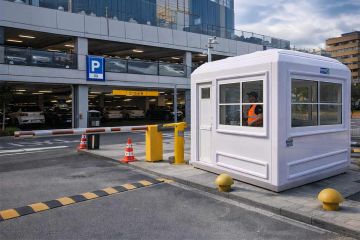
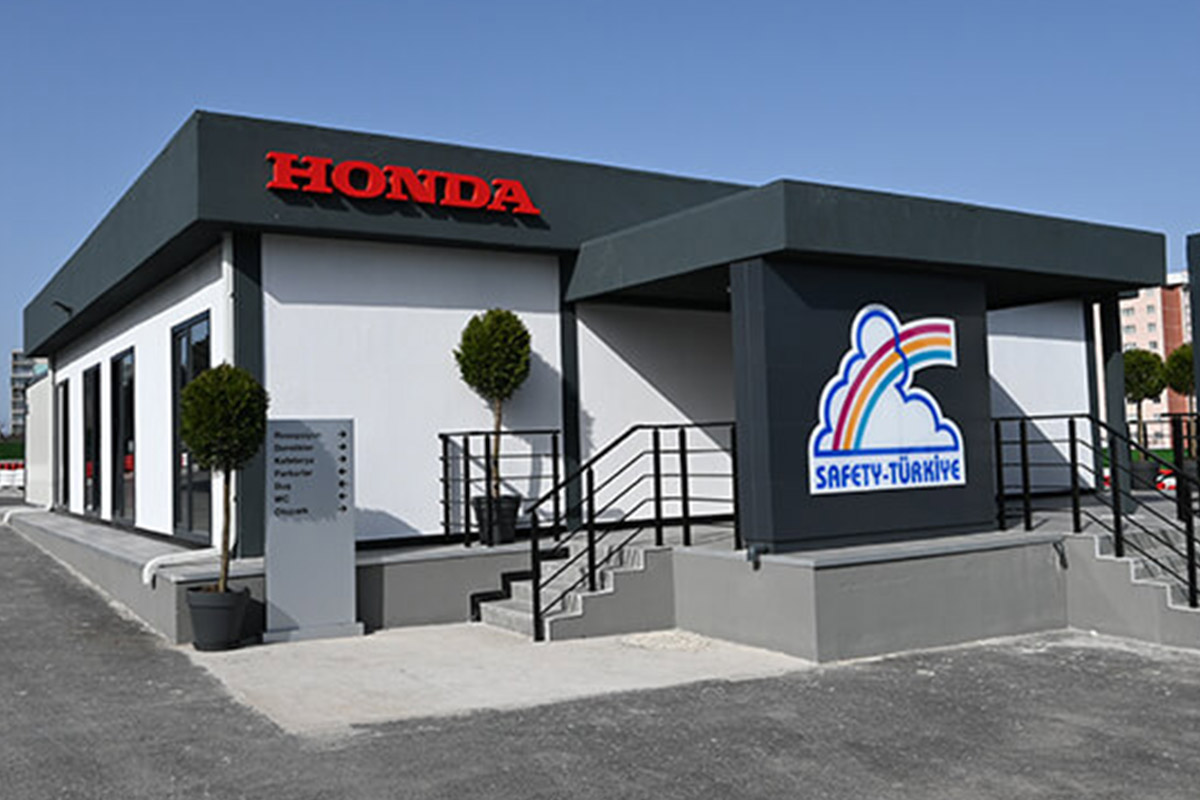
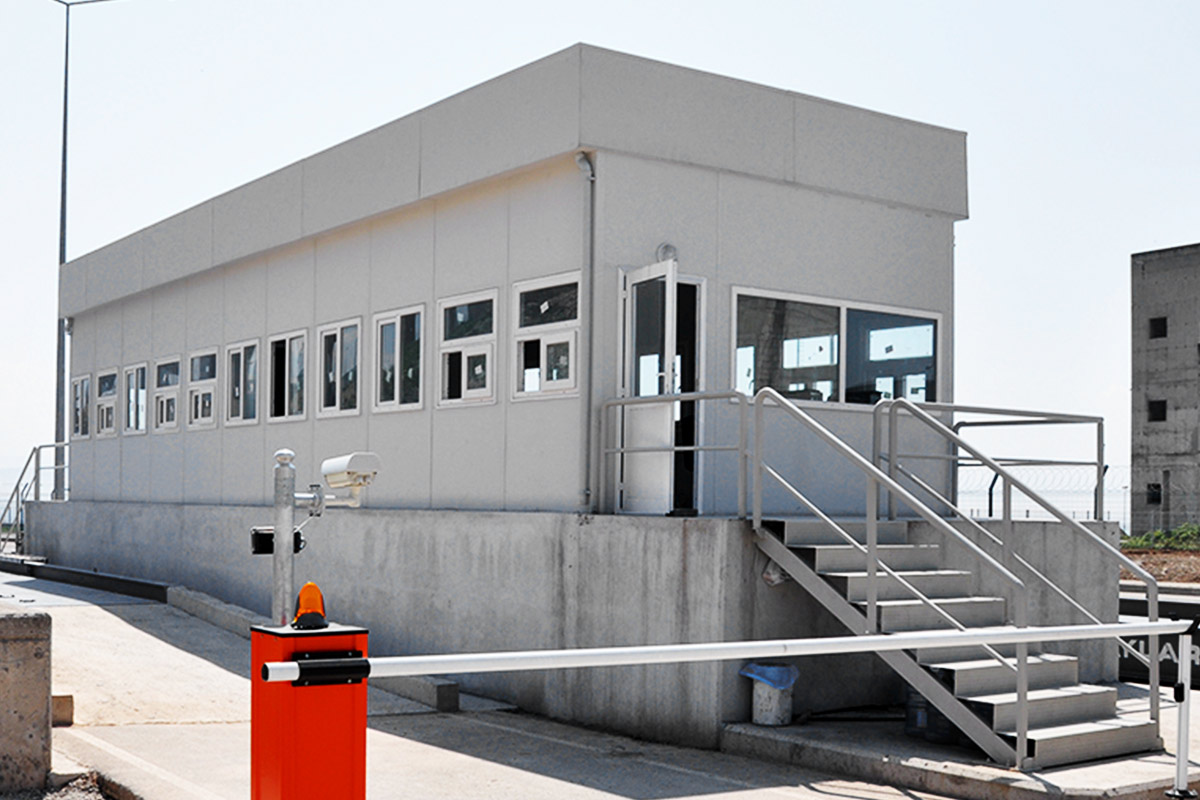
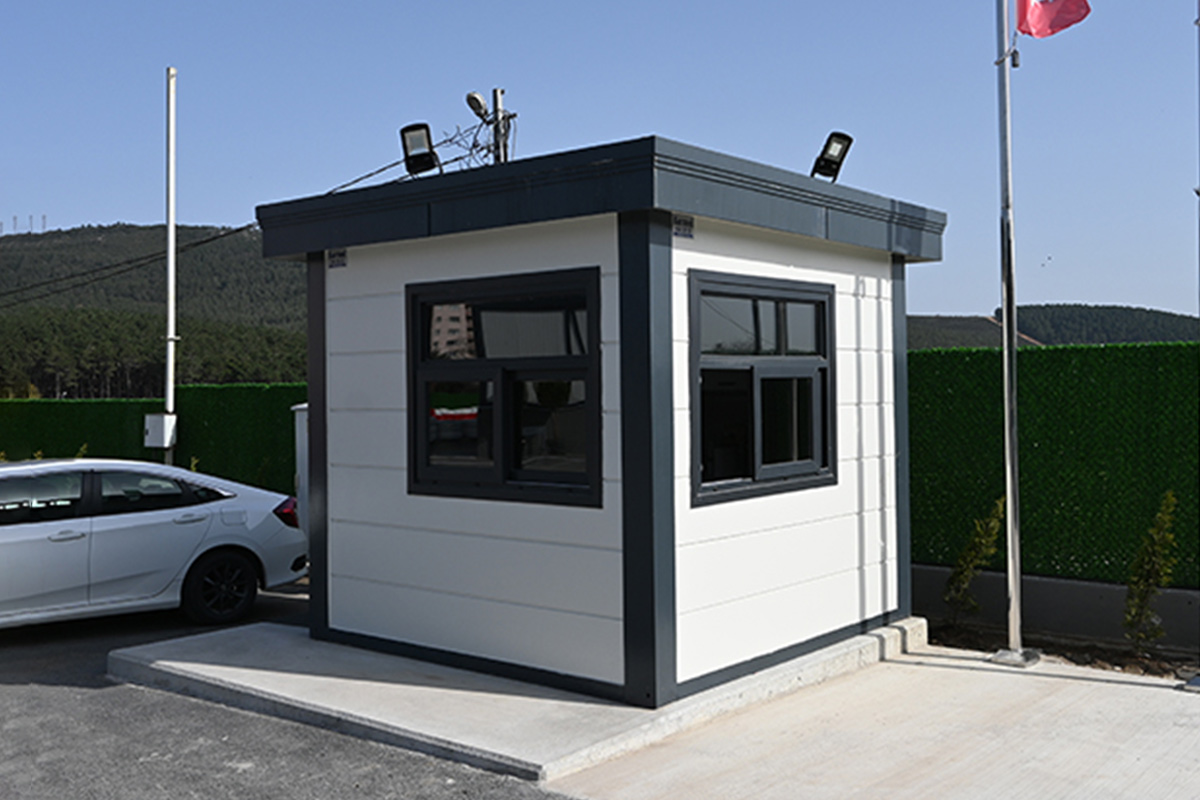
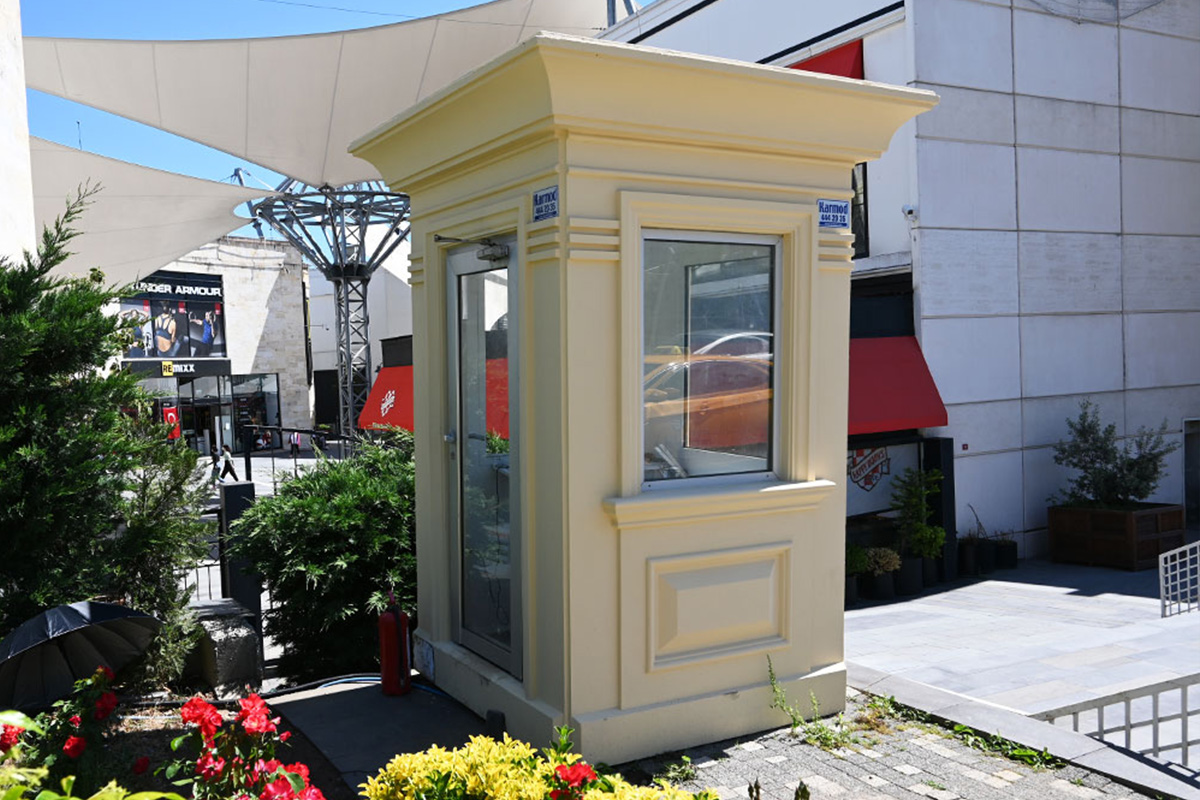
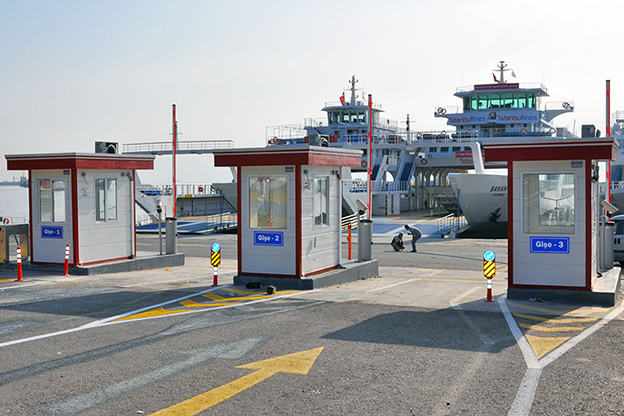
- Security buildings & technical units, including access control and operational facilities
- Storage and logistics facilities, supporting port operations and supply chain efficiency
These use cases highlight how modular buildings and prefabricated building systems function as core elements of project planning rather than secondary structures.
From Design to Installation: How the Process Works
The process begins with a comprehensive project needs analysis. This stage defines functional requirements, capacity planning, regulatory constraints, and site conditions specific to Singapore’s dense urban context.
Custom design and technical specifications follow, ensuring that layouts, structural systems, and performance criteria align with local regulations and operational expectations. Energy efficiency, space optimization, and material performance are addressed at this stage.
Factory production forms the backbone of these systems. Manufacturing in controlled environments ensures high precision, consistent quality, and reduced material waste. Once production is completed, units or components are transported and scheduled for delivery within Singapore’s tightly managed logistics framework.
On-site installation is typically fast and carefully coordinated. Reduced construction activity on-site minimizes disruption in busy urban areas and allows buildings to become operational in a short timeframe.
Key Considerations for Modular Buildings in Singapore
Thermal insulation is essential for managing indoor comfort in Singapore’s tropical climate. Proper insulation and ventilation systems contribute to energy efficiency and long-term usability.
Fire safety standards are a critical requirement. Modular and prefabricated systems must integrate certified fire-resistant materials and comply with Singapore’s strict safety regulations from the design stage.
Climate suitability includes moisture resistance, corrosion protection, and ventilation performance. These factors directly affect durability and lifecycle costs in humid conditions.
Custom layouts are vital for maximizing space efficiency. Flexible interior planning allows organizations to adapt buildings to operational workflows within limited land footprints.
In a highly regulated and performance-driven market, experience and process control are decisive advantages. Karmod, with its extensive international background in modular construction, applies structured production methods and quality assurance systems that align with Singapore’s expectations for reliability and precision. Rather than positioning modular buildings as short-term solutions, Karmod focuses on engineered structures designed for long-term performance and adaptability.
With an approach shaped by global project experience, Karmod modular building solutions are designed to support both immediate operational requirements and long-term planning objectives. For organizations operating in Singapore, modular buildings and prefabricated building systems offer a disciplined construction pathway—one that supports speed, compliance, and efficient use of limited space in a demanding urban environment.