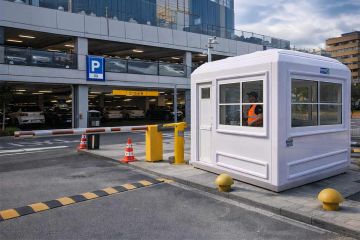

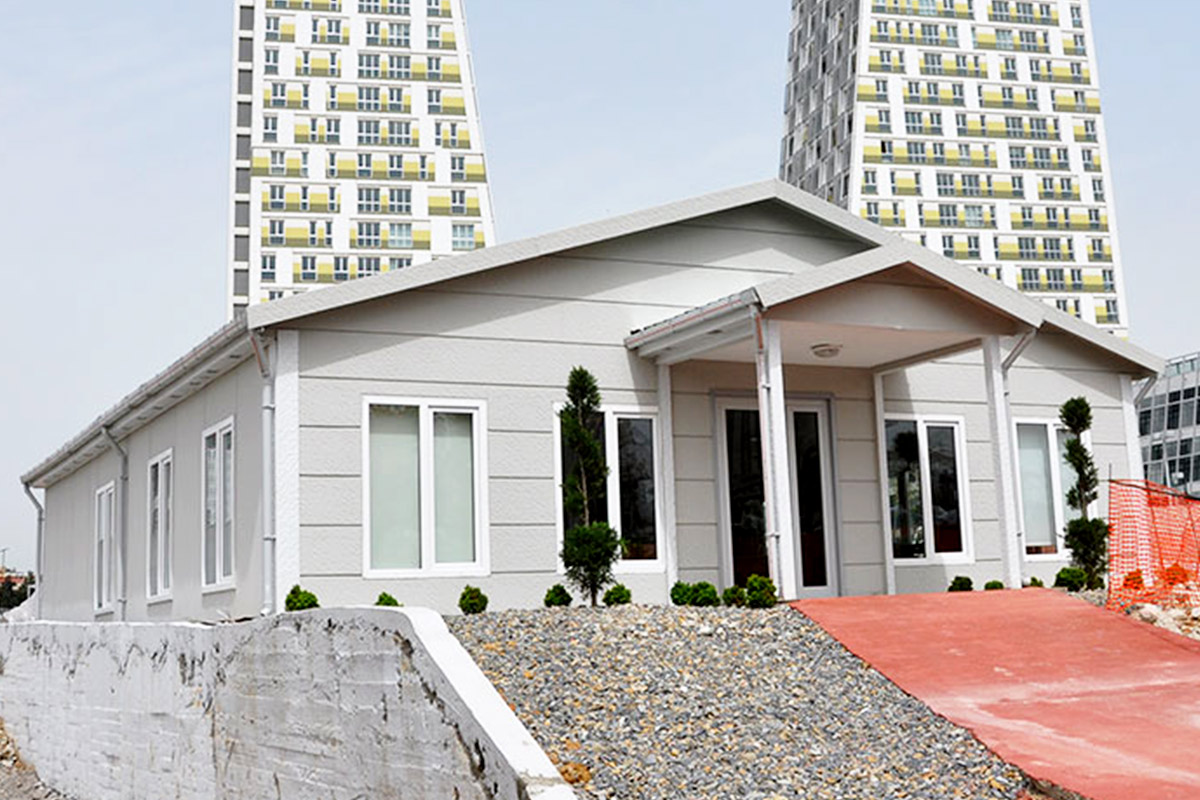

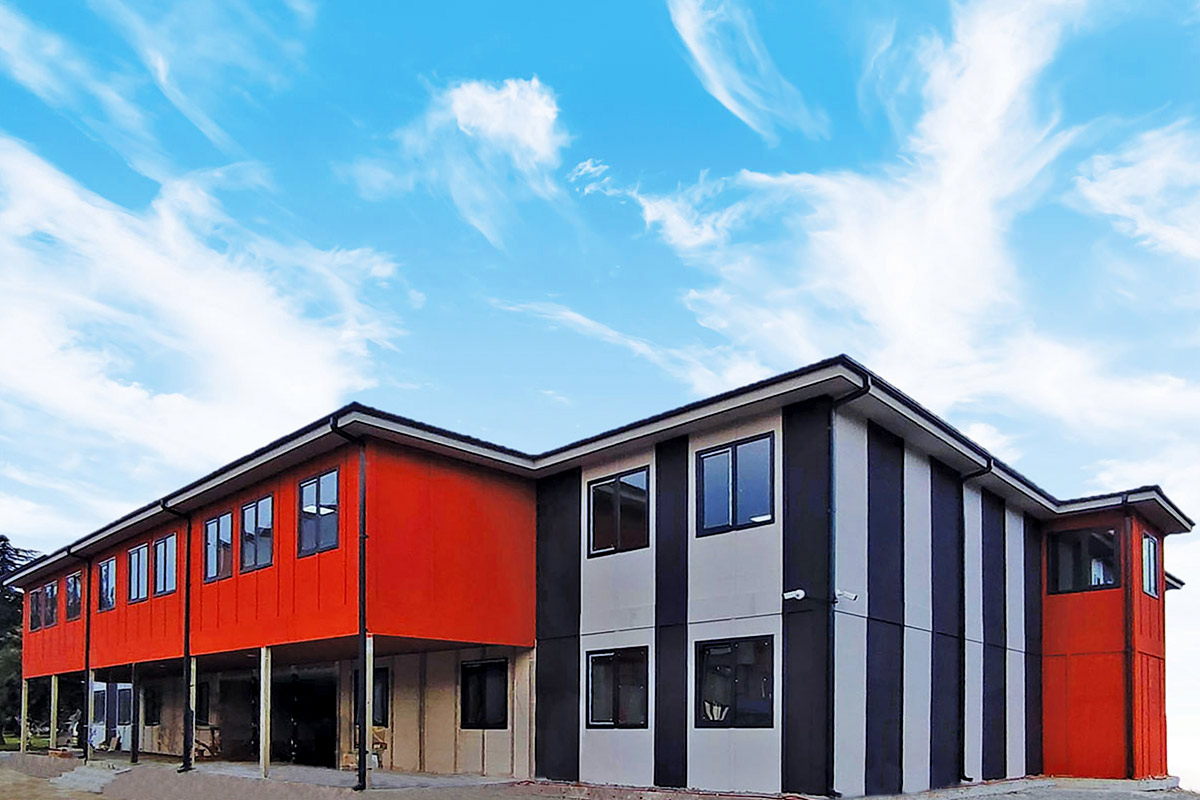
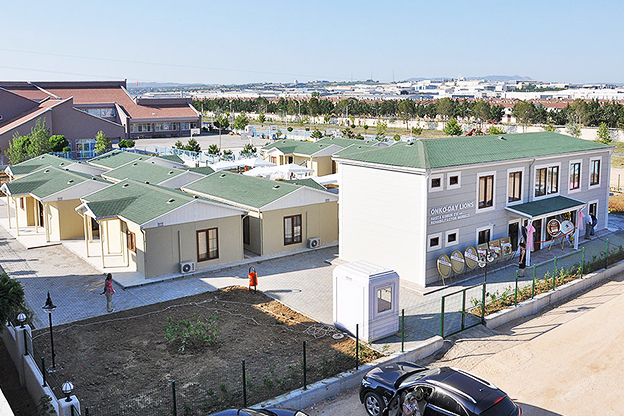
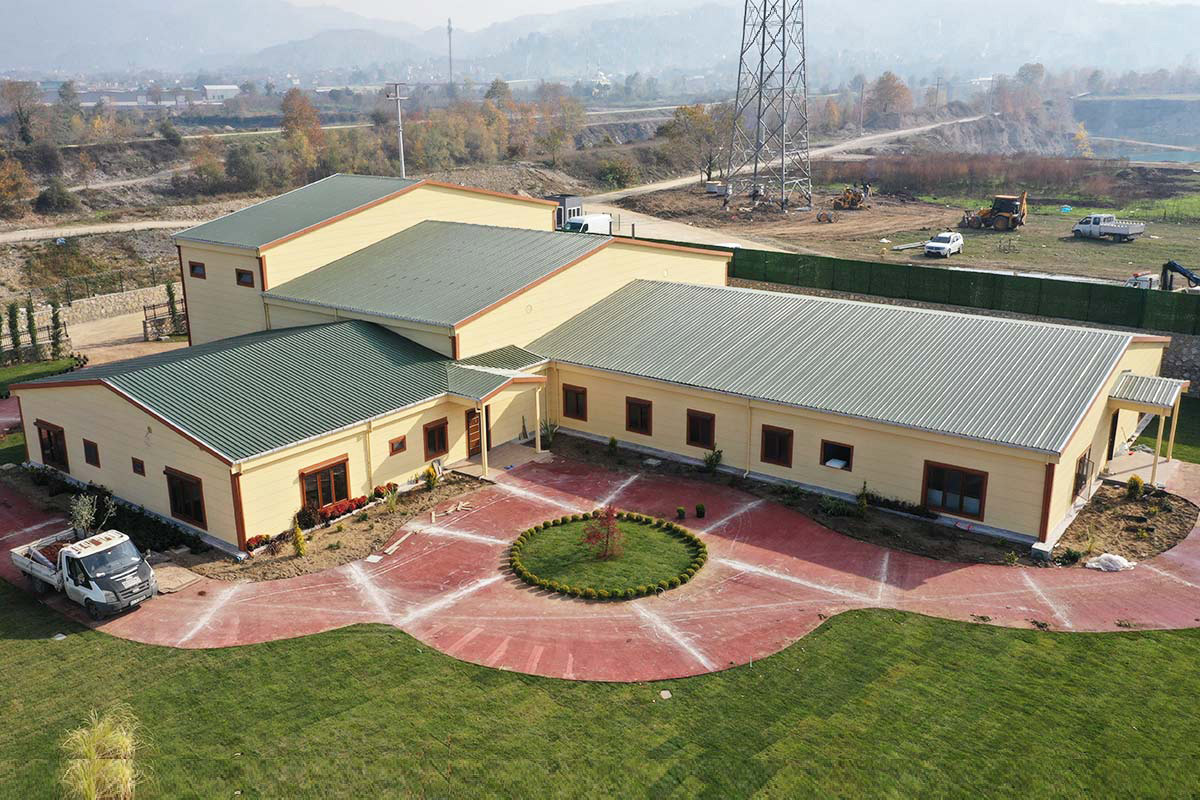
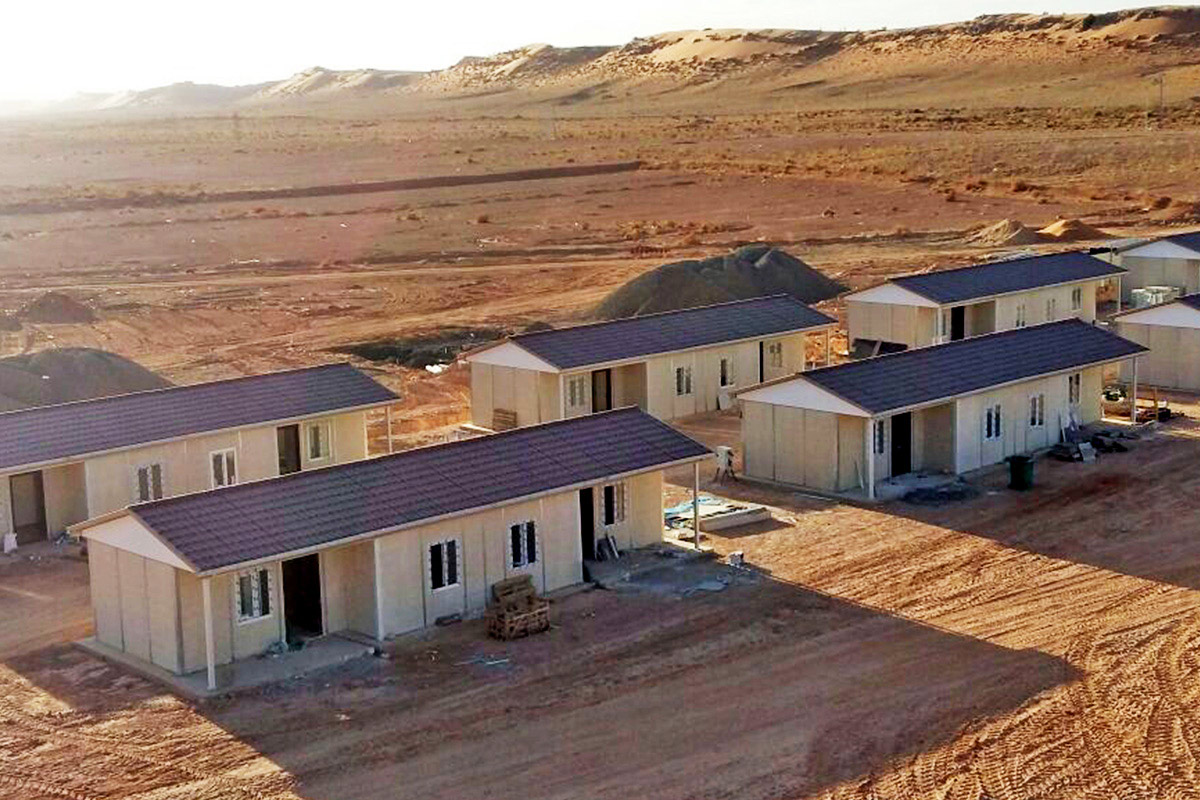
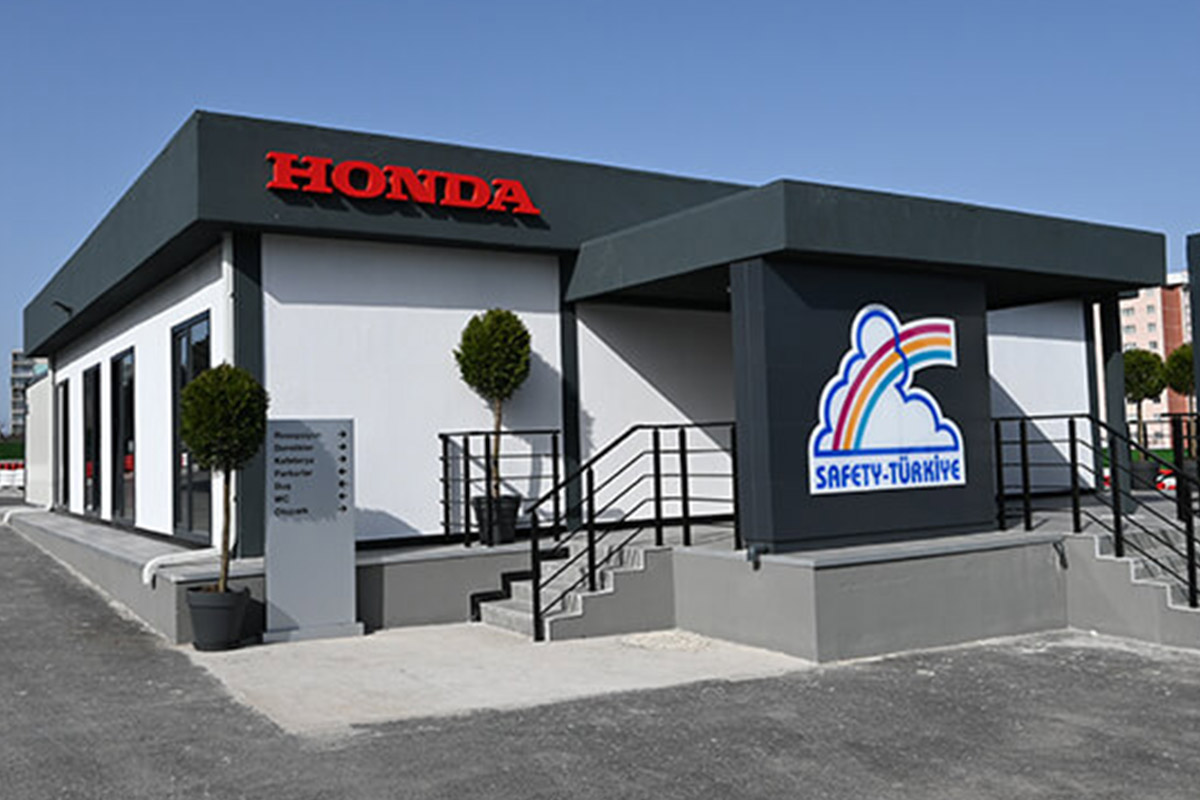
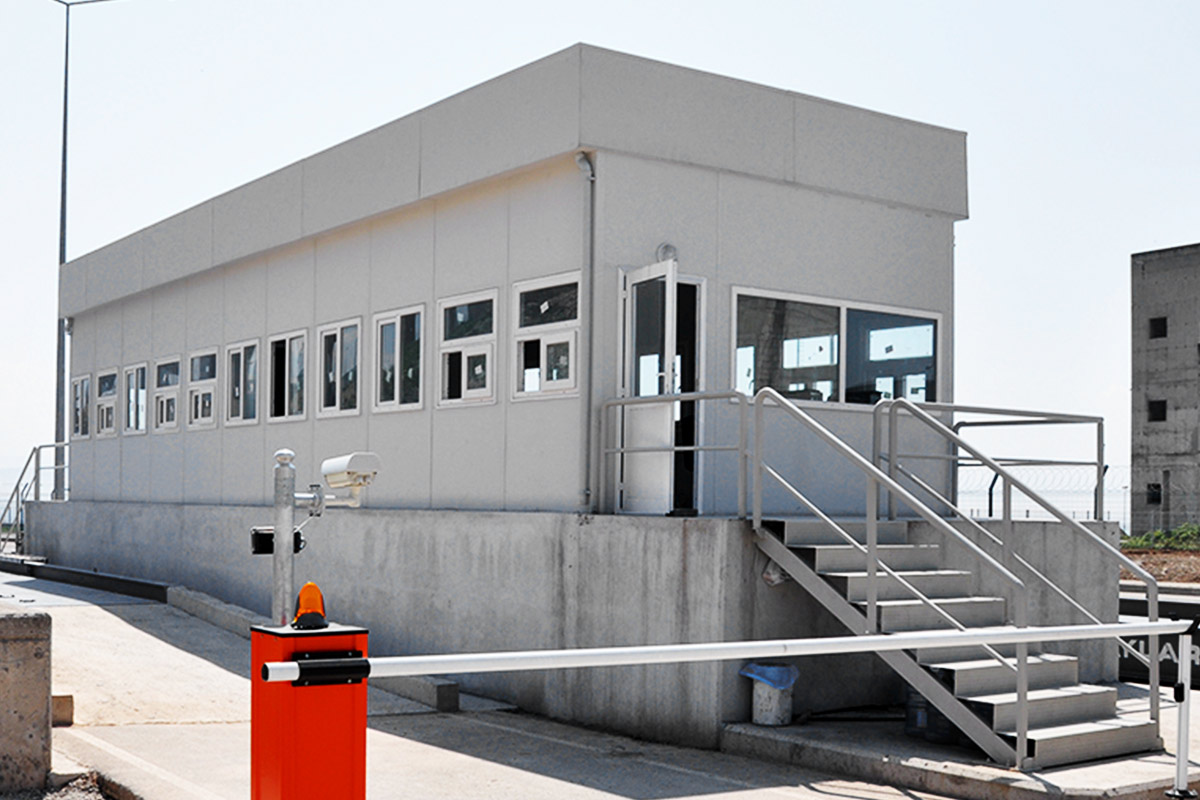
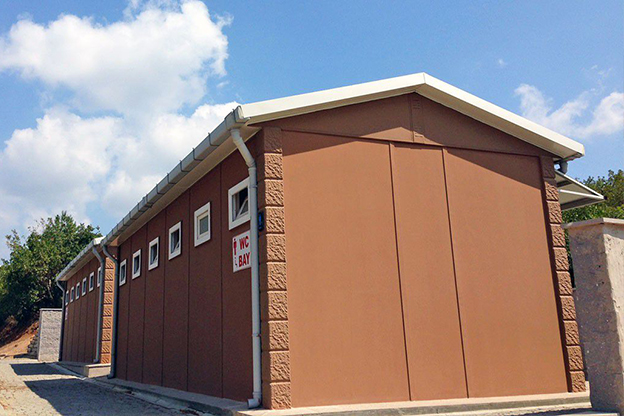
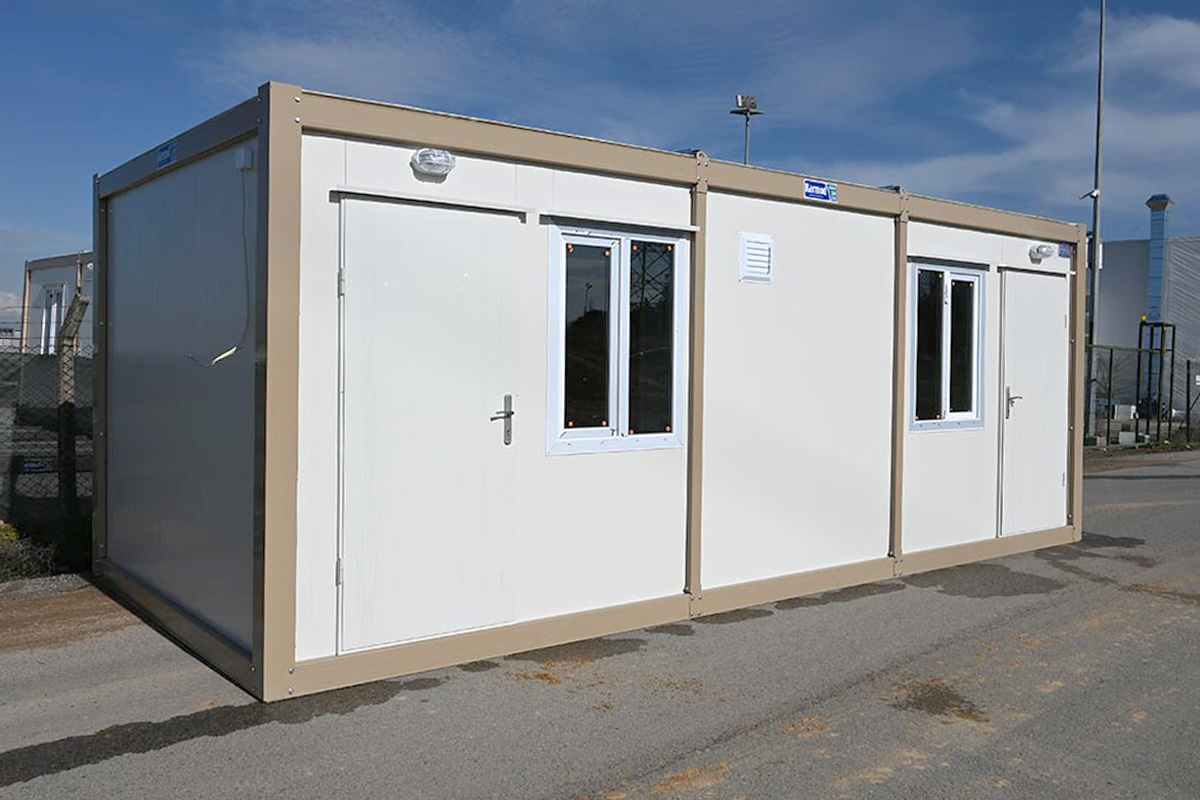
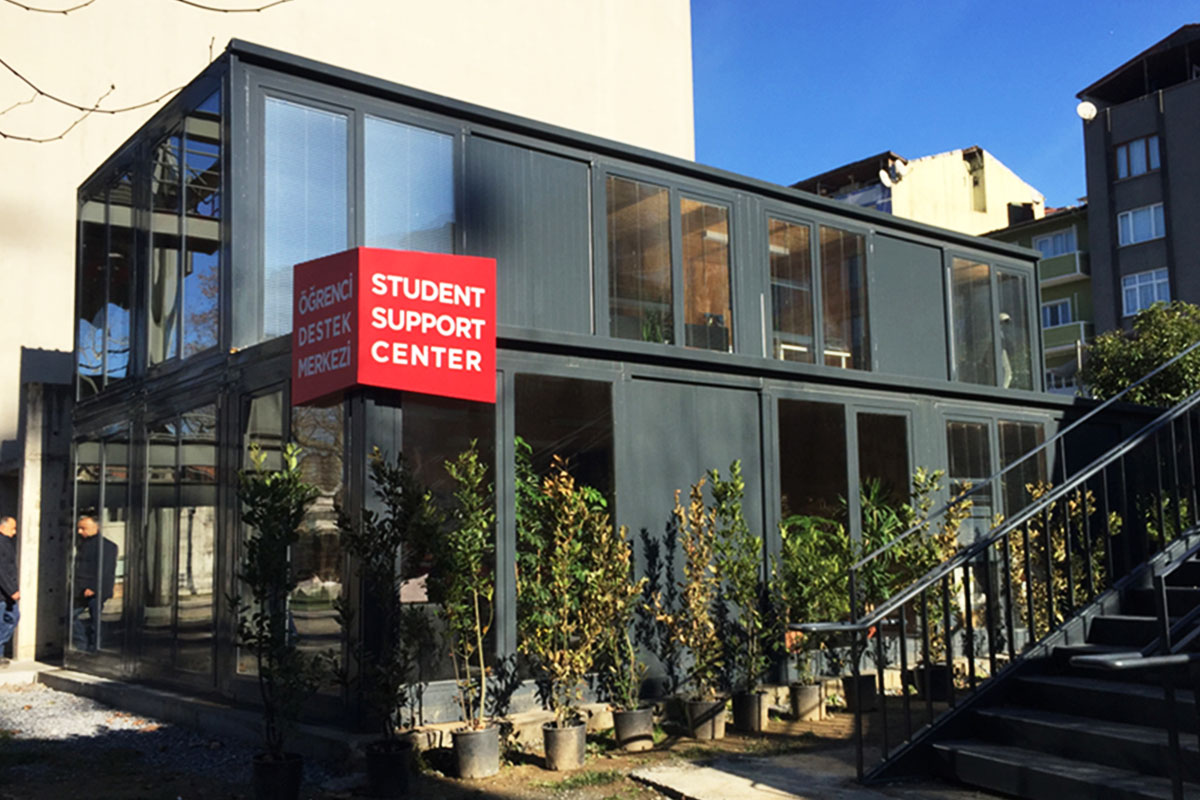
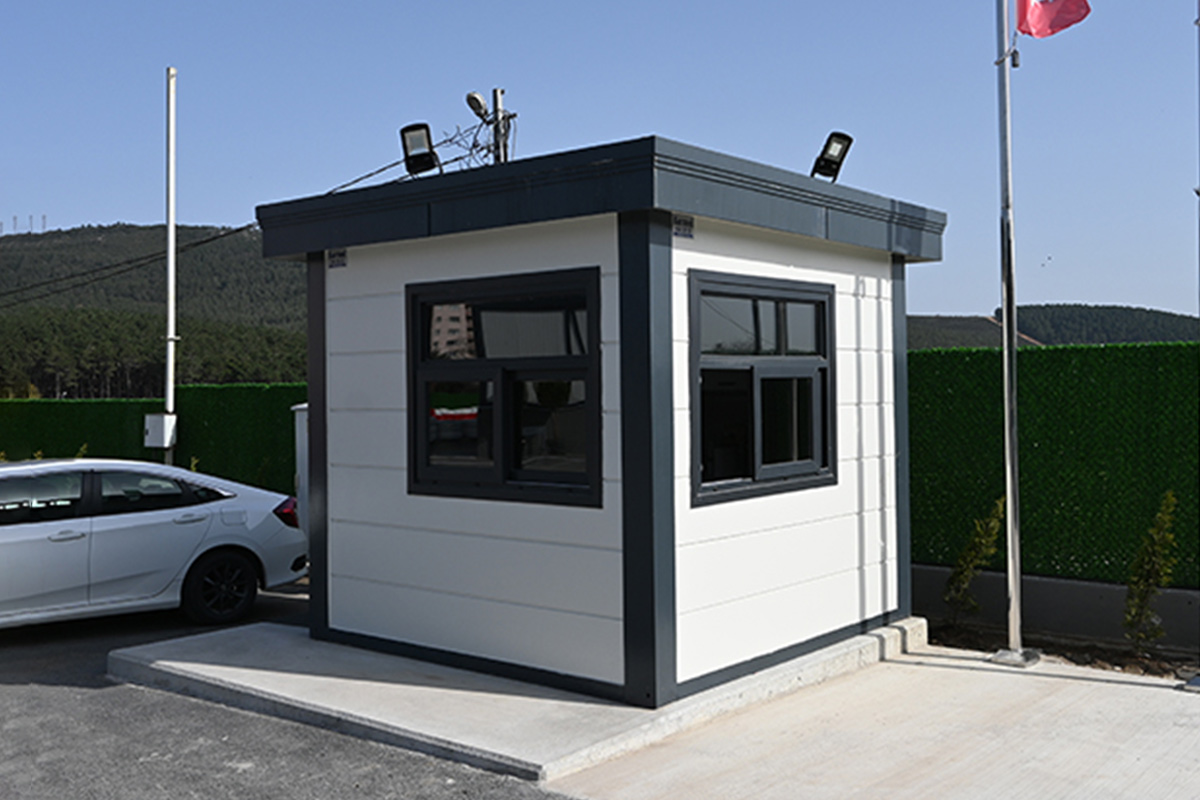

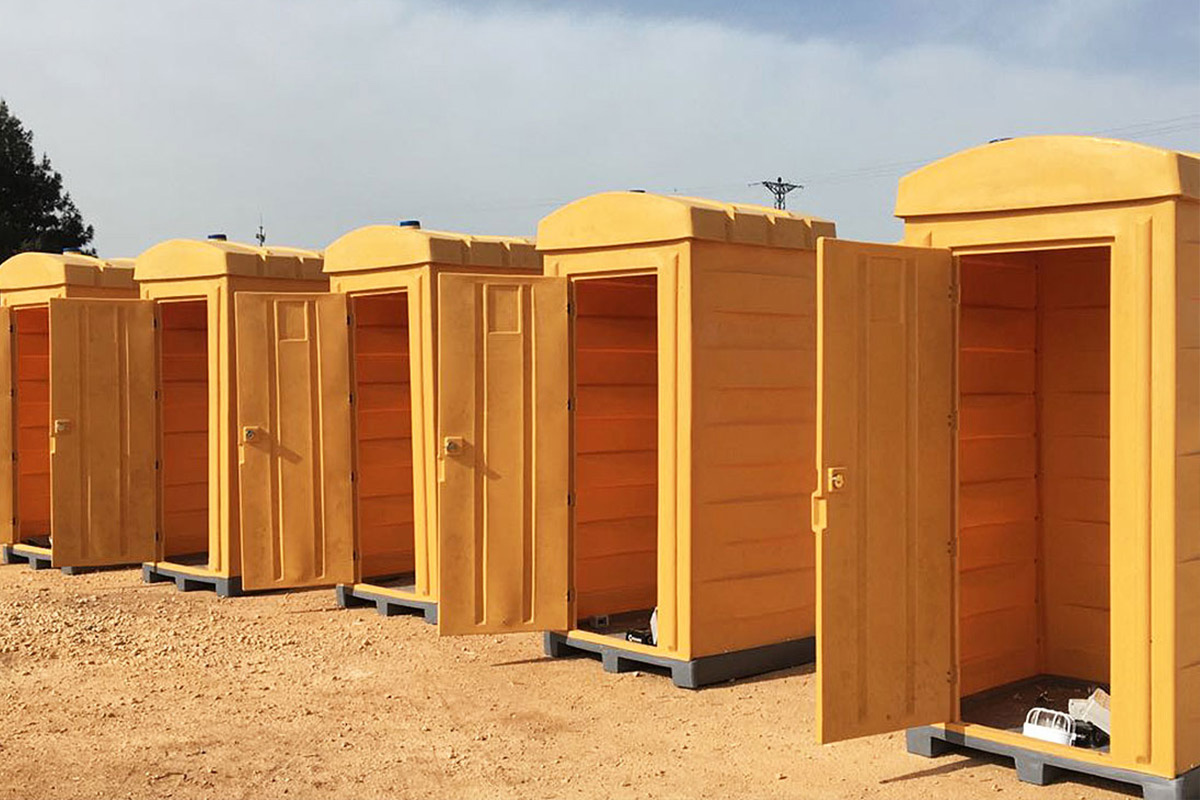
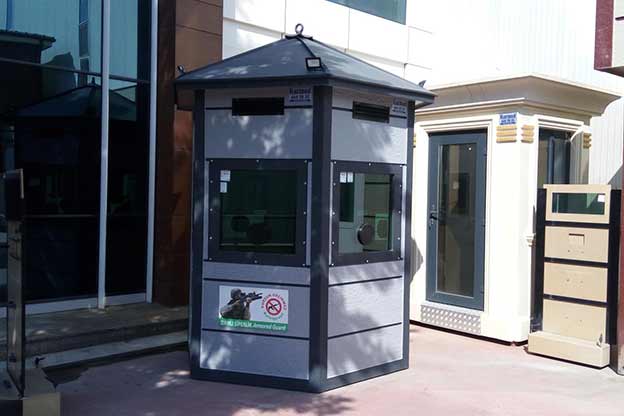
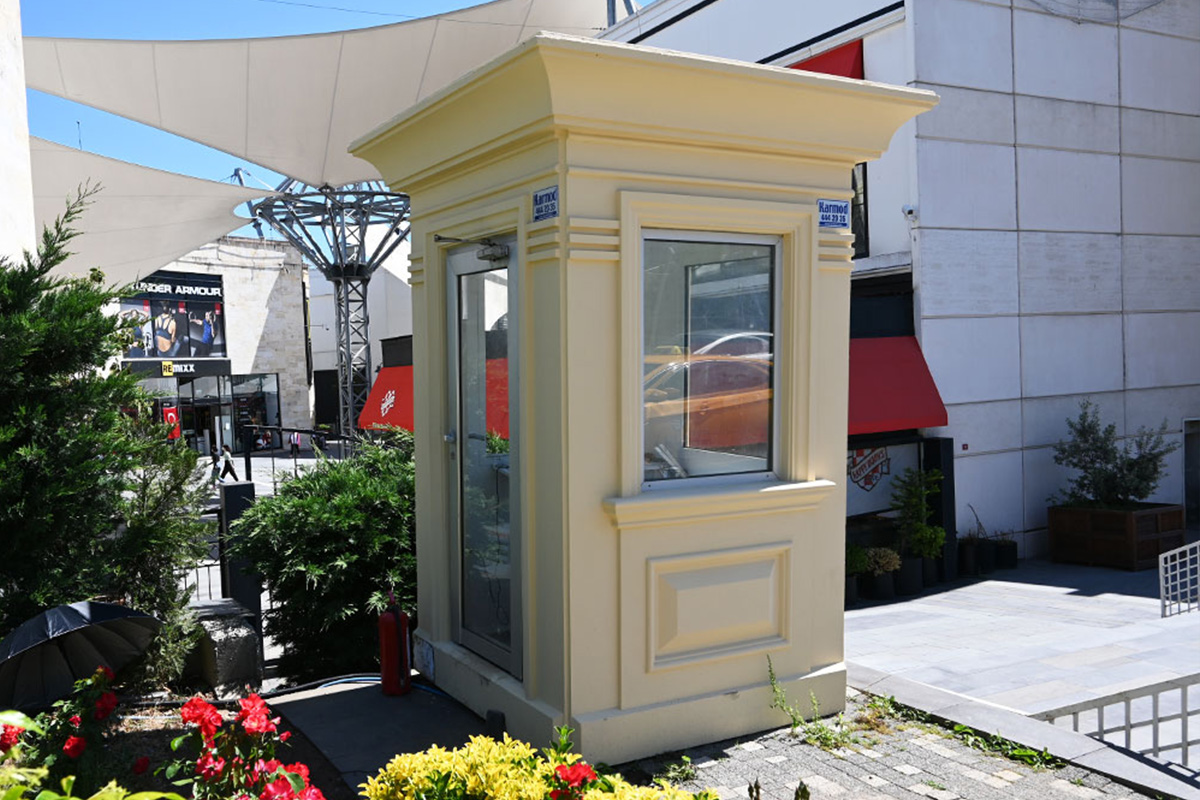
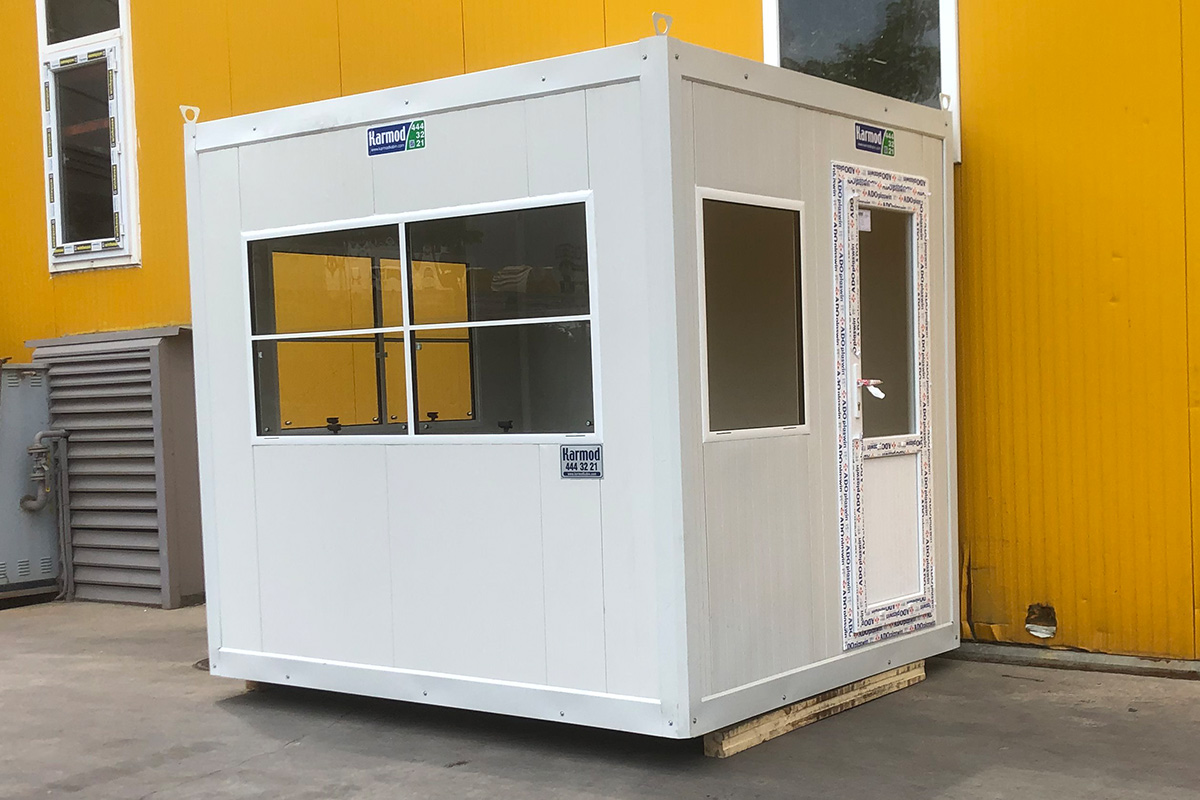
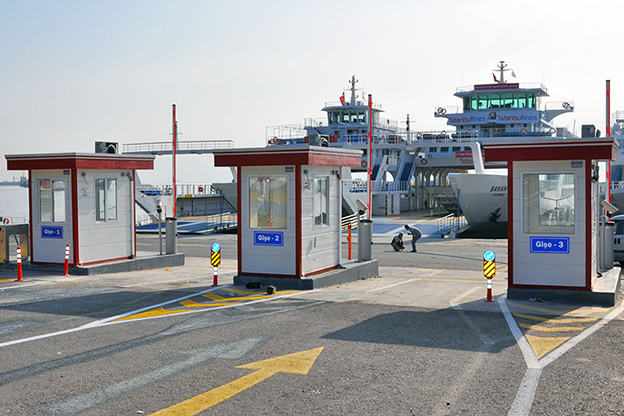
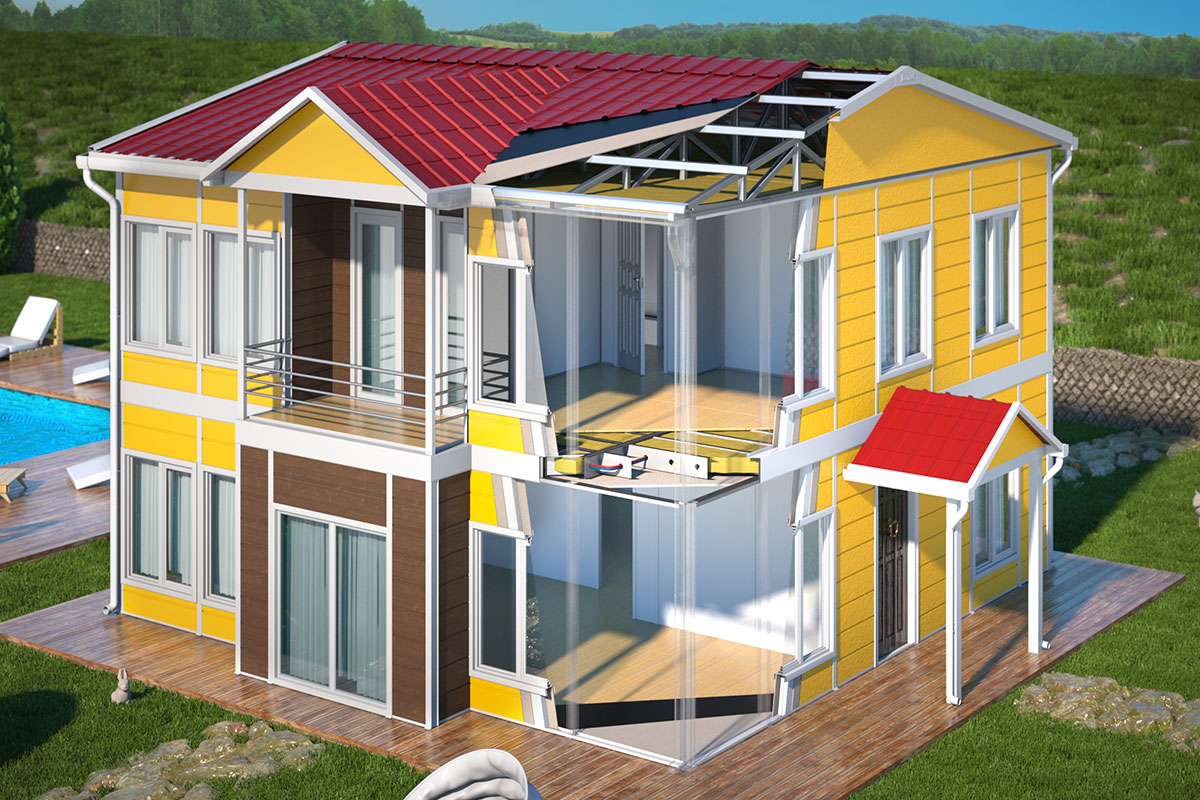
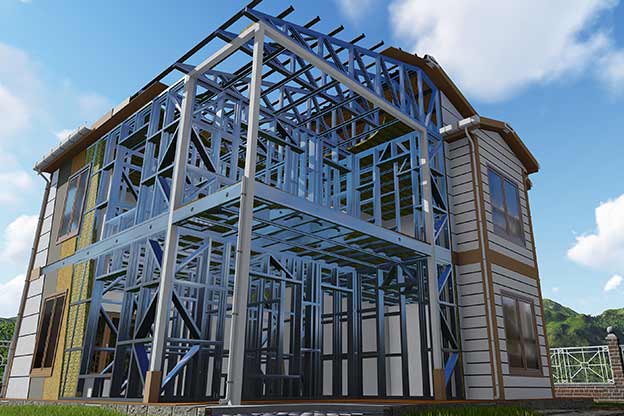
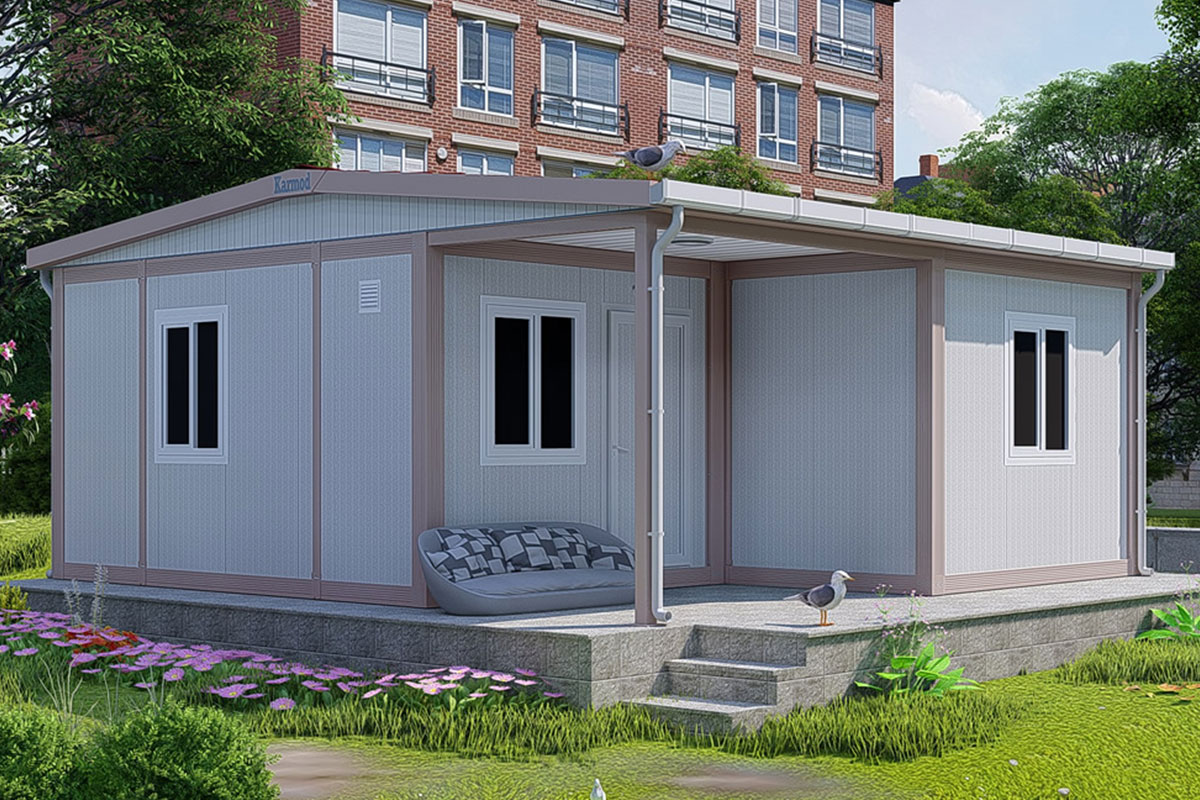
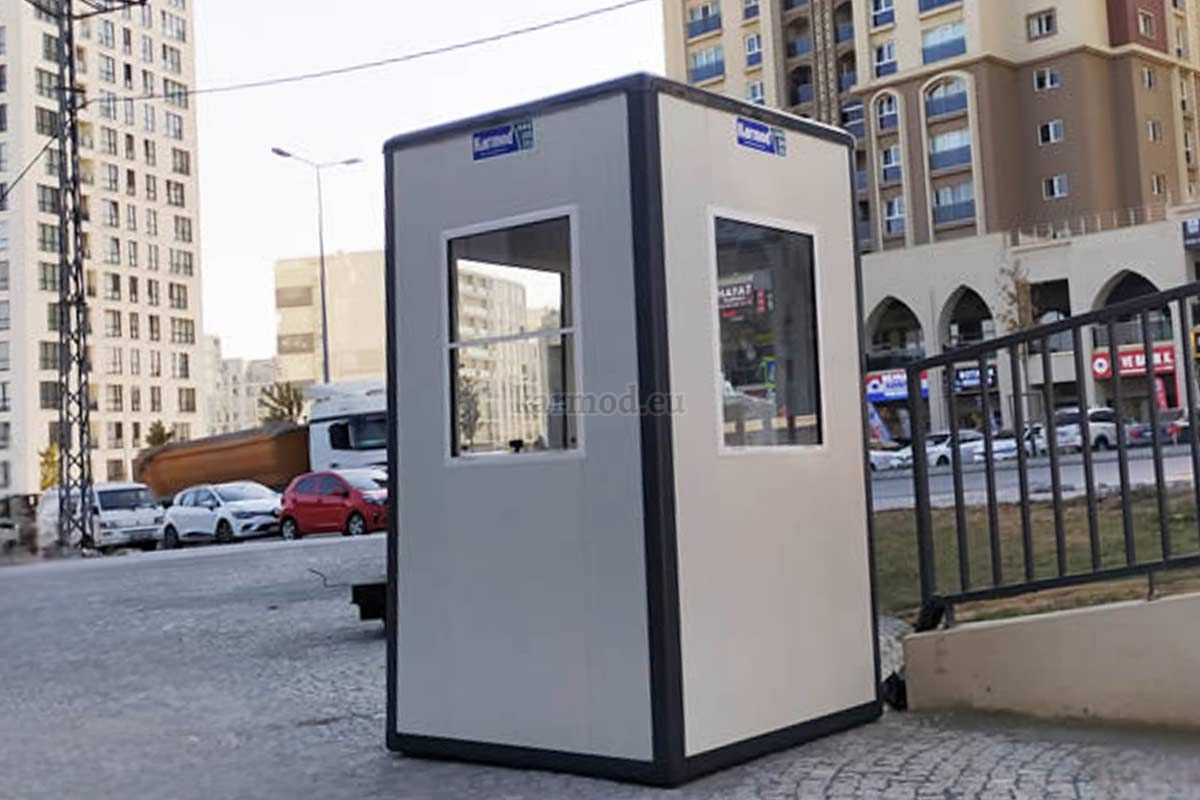
As operational environments become more complex and expectations around safety, efficiency, and user experience continue to rise, traditional cabin structures are no longer sufficient on their own. Smart cabins represent a new generation of modular security and service units, where physical structure is seamlessly combined with digital intelligence through IoT integration. This evolution is not about adding technology for its own sake, but about creating cabins that actively respond to their environment and the people using them.
By integrating Internet of Things technologies into cabins, operators gain real-time visibility, automated control, and data-driven insights that significantly improve both security performance and user comfort. Whether deployed at industrial facilities, residential compounds, logistics hubs, or infrastructure projects, smart cabins redefine how small structures contribute to large-scale operations.
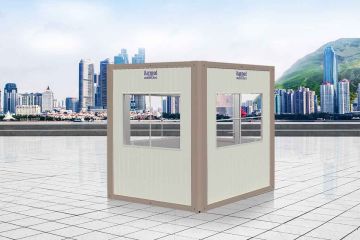
What Makes a Cabin “Smart”?
A smart cabin is defined not only by its physical construction, but by its ability to sense, analyze, and react. Embedded sensors, connected devices, and centralized control systems allow the cabin to monitor conditions continuously and adjust itself accordingly, often without human intervention.
This intelligence layer transforms a static structure into an active operational asset. Temperature, lighting, access control, energy consumption, and security alerts can all be monitored and managed remotely. For operators, this means fewer manual checks, faster response times, and a level of operational consistency that traditional cabins simply cannot deliver.
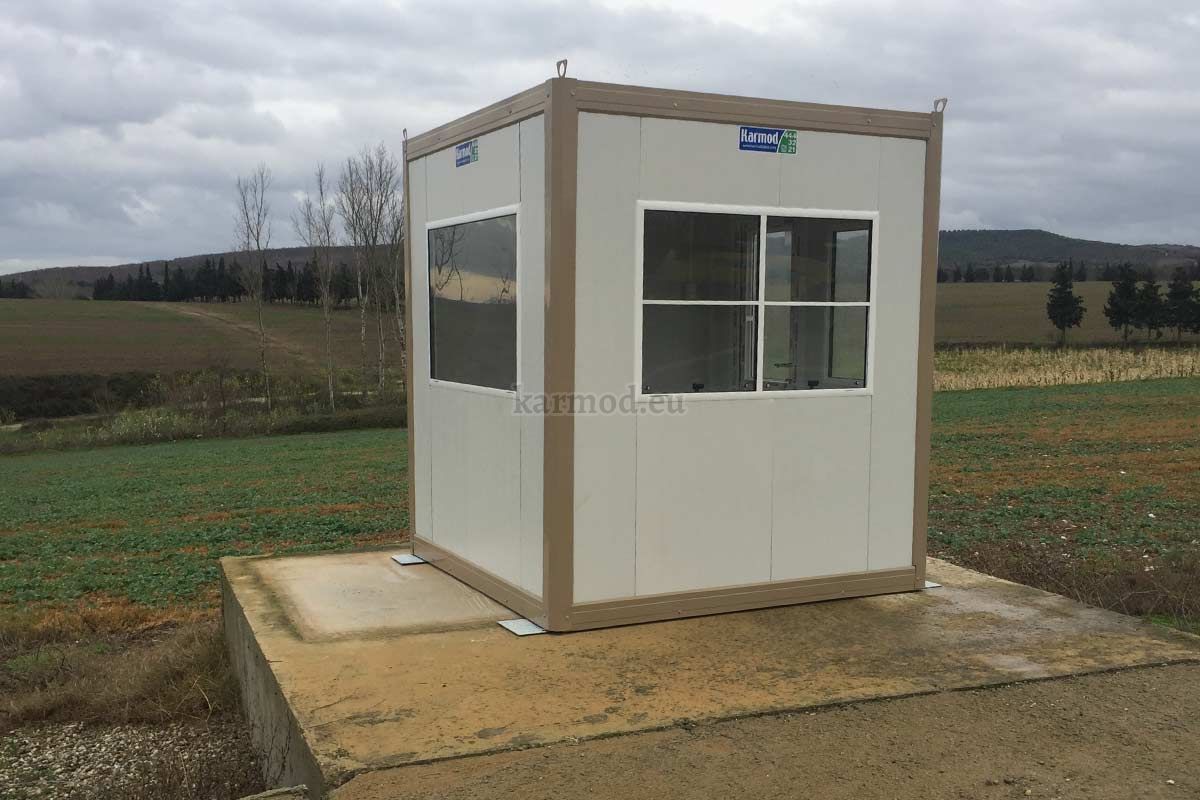
IoT-Driven Security Enhancements
Security is one of the strongest drivers behind the adoption of smart cabins. IoT-enabled access control systems, surveillance cameras, motion sensors, and alarm integrations work together to create a layered security approach that is both proactive and reactive.
Instead of relying solely on physical presence, smart cabins allow security teams to receive instant alerts, review live or recorded footage remotely, and control entry points in real time. This is especially valuable in high-risk or high-traffic locations, where rapid decision-making and continuous monitoring are essential. The result is not only improved site security, but also reduced pressure on personnel, who are supported by intelligent systems rather than working in isolation.
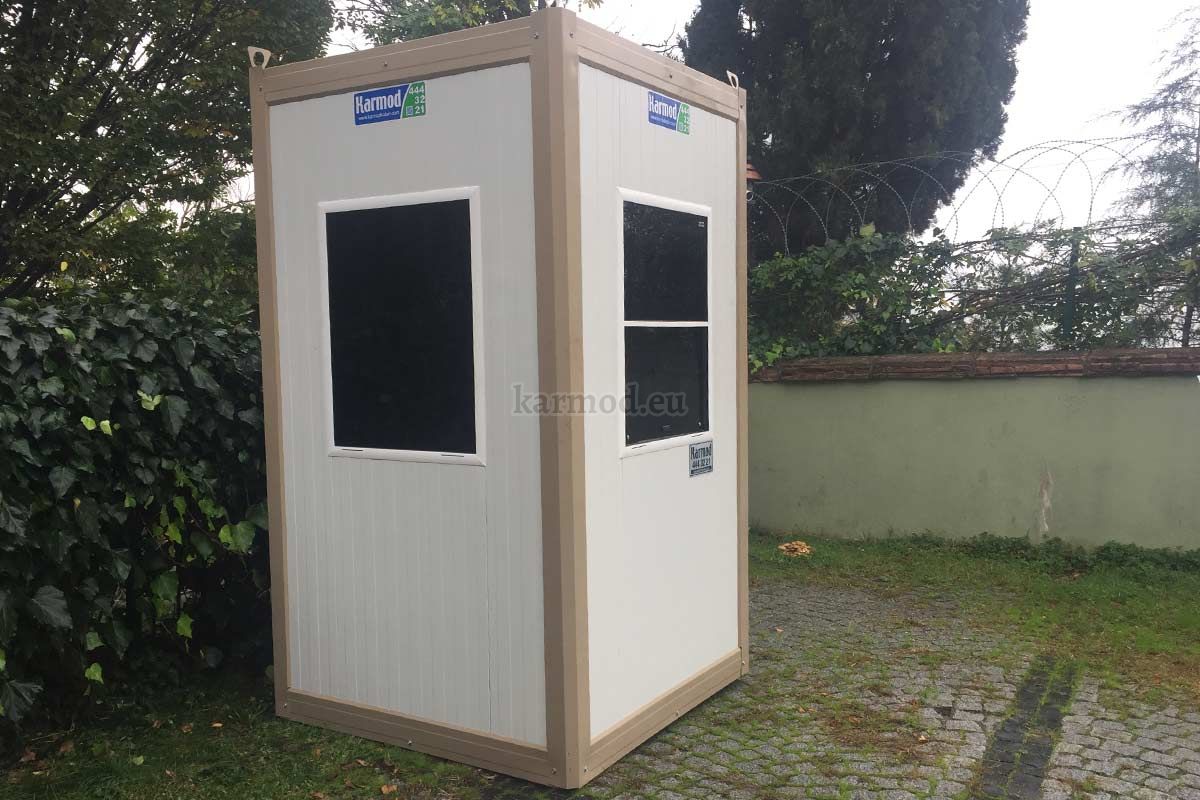
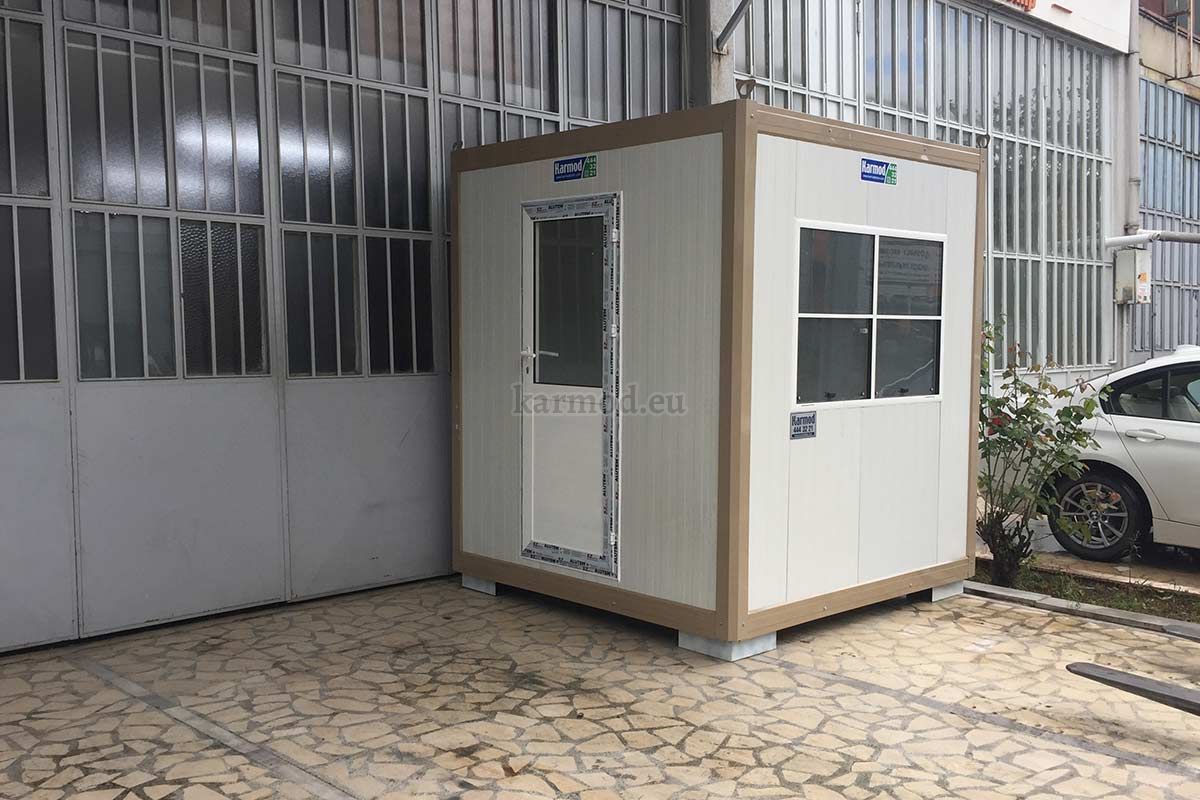
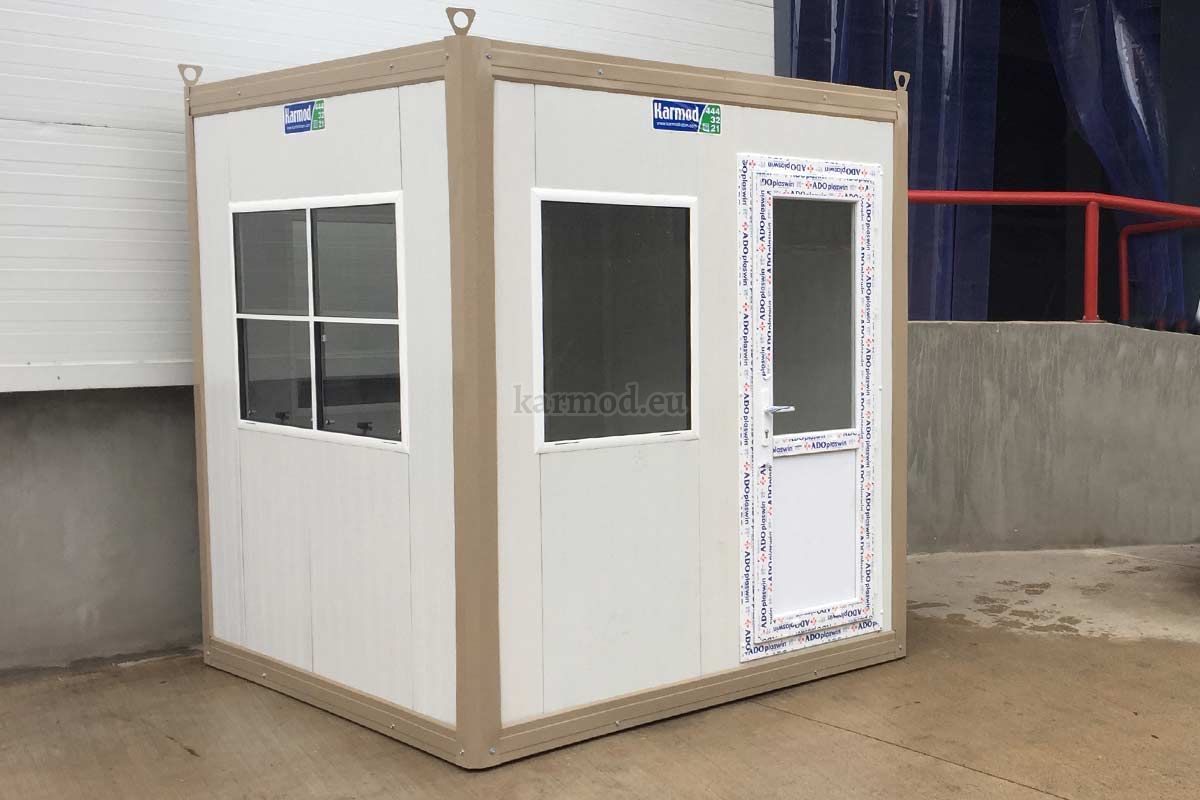
Comfort as a Performance Factor
Comfort in security and operational cabins is often underestimated, yet it plays a critical role in concentration, alertness, and overall job performance. Smart cabins address this by using IoT systems to maintain optimal indoor conditions automatically, regardless of external weather changes.
Climate control systems can adjust heating, cooling, and ventilation based on occupancy and temperature data, while smart lighting adapts to natural light levels and shift patterns. Over long working hours, these subtle adjustments make a measurable difference, helping personnel remain focused and comfortable without constant manual intervention. In this sense, comfort becomes a functional component of operational efficiency rather than a secondary consideration.
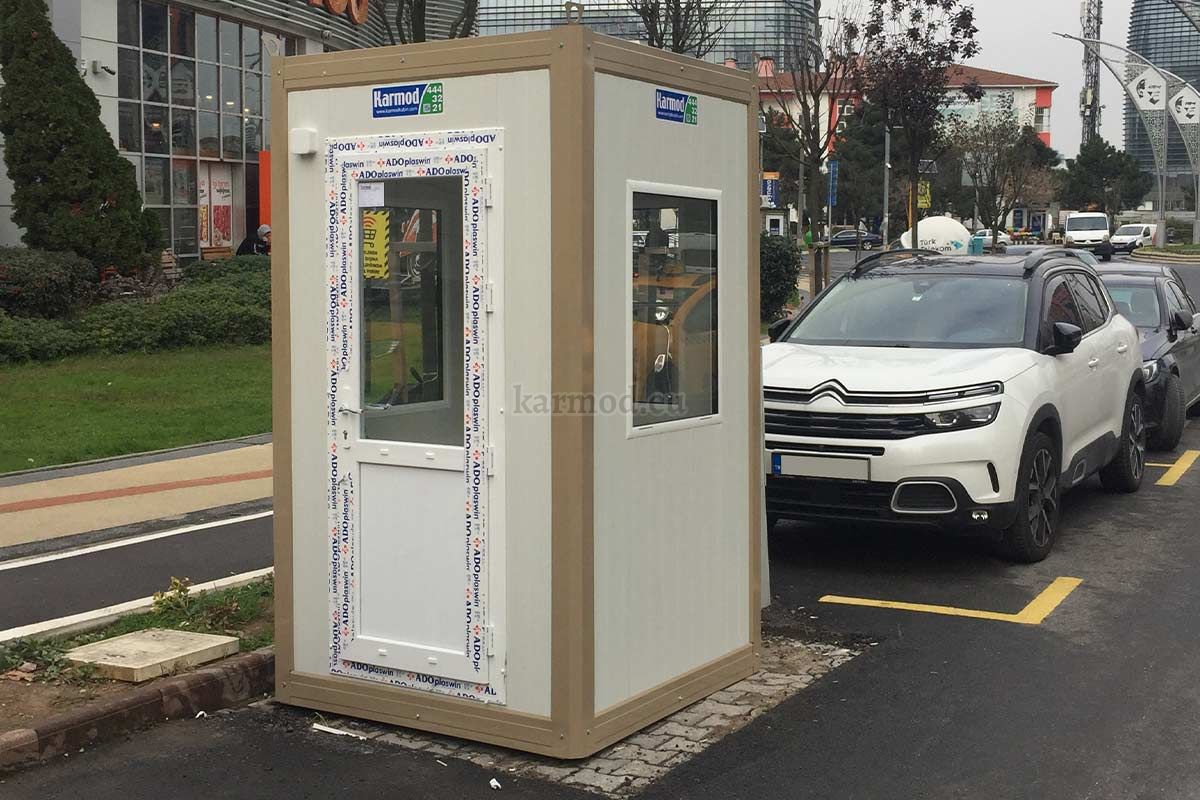
Remote Monitoring and Centralized Control
One of the most practical advantages of IoT-integrated cabins is the ability to manage multiple units from a single dashboard. Facility managers can monitor energy usage, indoor conditions, security status, and system health across all deployed cabins in real time.
This centralized approach simplifies maintenance planning and reduces downtime. Potential issues can be identified early through system alerts, allowing for preventive action rather than reactive repairs. For large sites or organizations operating multiple locations, this level of oversight significantly reduces operational complexity while improving consistency and reliability.
Energy Efficiency and Sustainable Operation
Smart cabins contribute directly to energy efficiency by optimizing how and when resources are used. IoT systems ensure that lighting, climate control, and electronic equipment operate only when needed, minimizing unnecessary consumption.
Over time, this efficiency translates into lower operating costs and a smaller environmental footprint. For organizations with sustainability goals or regulatory requirements, smart cabins offer a practical way to align operational needs with responsible energy management, without compromising performance or comfort.
Adaptability Across Industries and Use Cases
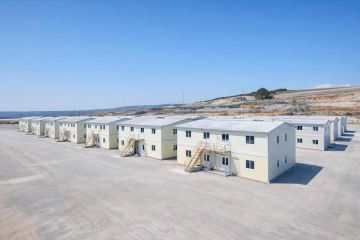
The flexibility of smart cabins makes them suitable for a wide range of sectors. From construction sites and industrial plants to residential developments and transportation hubs, IoT-enabled cabins adapt easily to different operational demands.
Because systems can be configured and updated remotely, cabins can evolve alongside changing requirements. A unit initially deployed for basic access control can later be upgraded with advanced monitoring, data logging, or integration into broader facility management systems. This adaptability protects the initial investment and ensures long-term relevance.
Are Smart Cabins the Future of Modular Security?
Smart cabins reflect a broader shift toward intelligent infrastructure, where even small-scale structures contribute actively to safety, efficiency, and user experience. As IoT technologies become more accessible and expectations continue to rise, the demand for connected, responsive cabins is set to grow rapidly.
For organizations seeking stronger security, improved working conditions, and better operational control, smart cabins are no longer an experimental option. They represent a forward-looking solution that aligns physical durability with digital intelligence, delivering value well beyond their footprint.
Ready to Upgrade to Smart Cabin Solutions?
Implementing a smart cabin requires more than installing sensors; it demands thoughtful integration between structure, technology, and real-world use. When these elements are aligned, the result is a cabin that works as hard as the people inside it.
If you are considering upgrading your security or operational infrastructure, get in touch to explore smart cabin solutions tailored to your site requirements, environmental conditions, and long-term goals. The right integration today can redefine how your operations perform tomorrow.