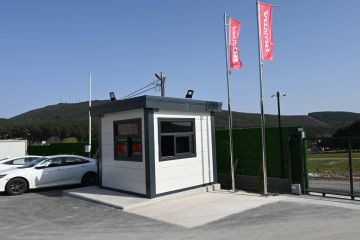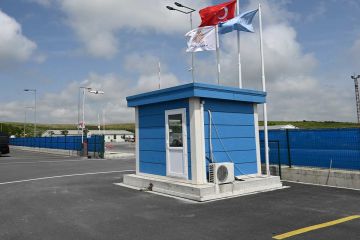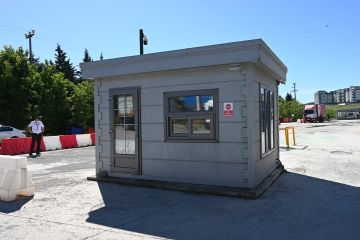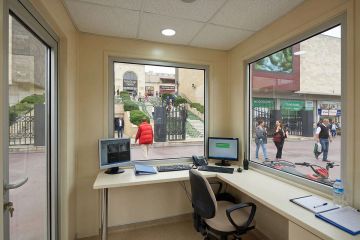

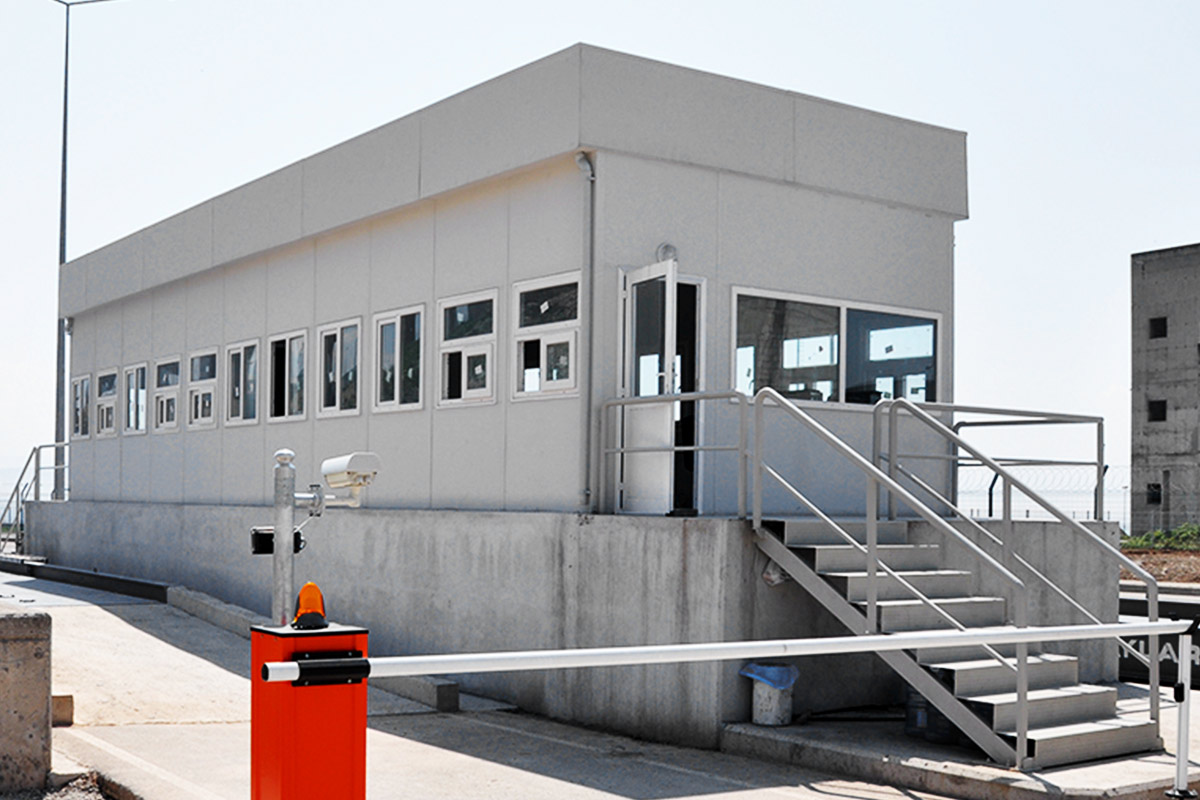
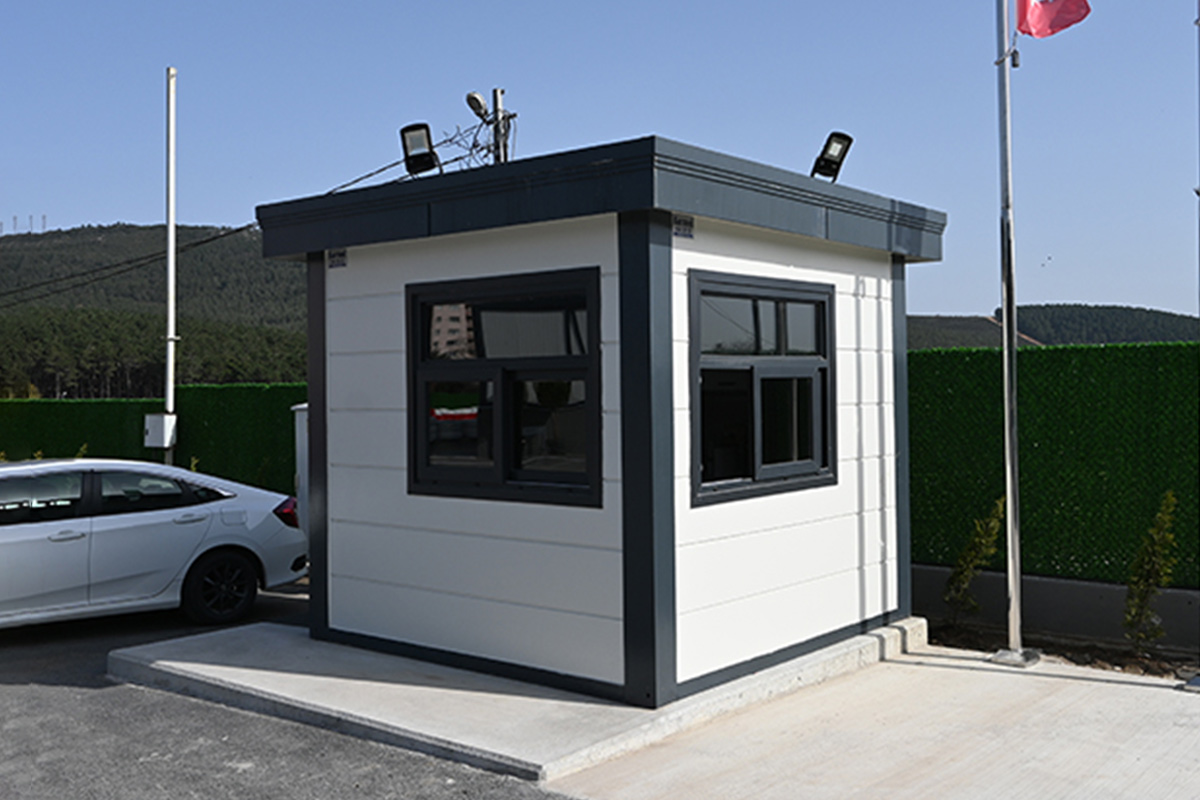
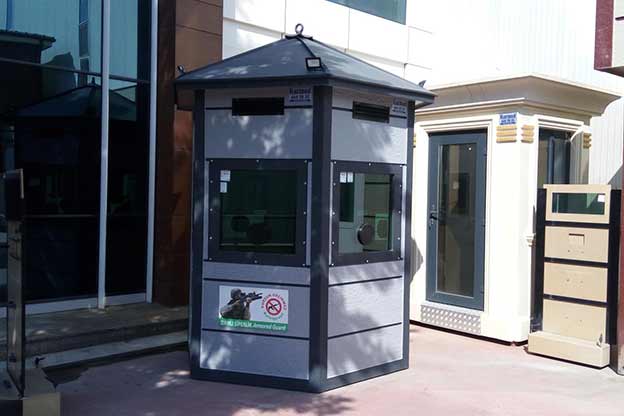
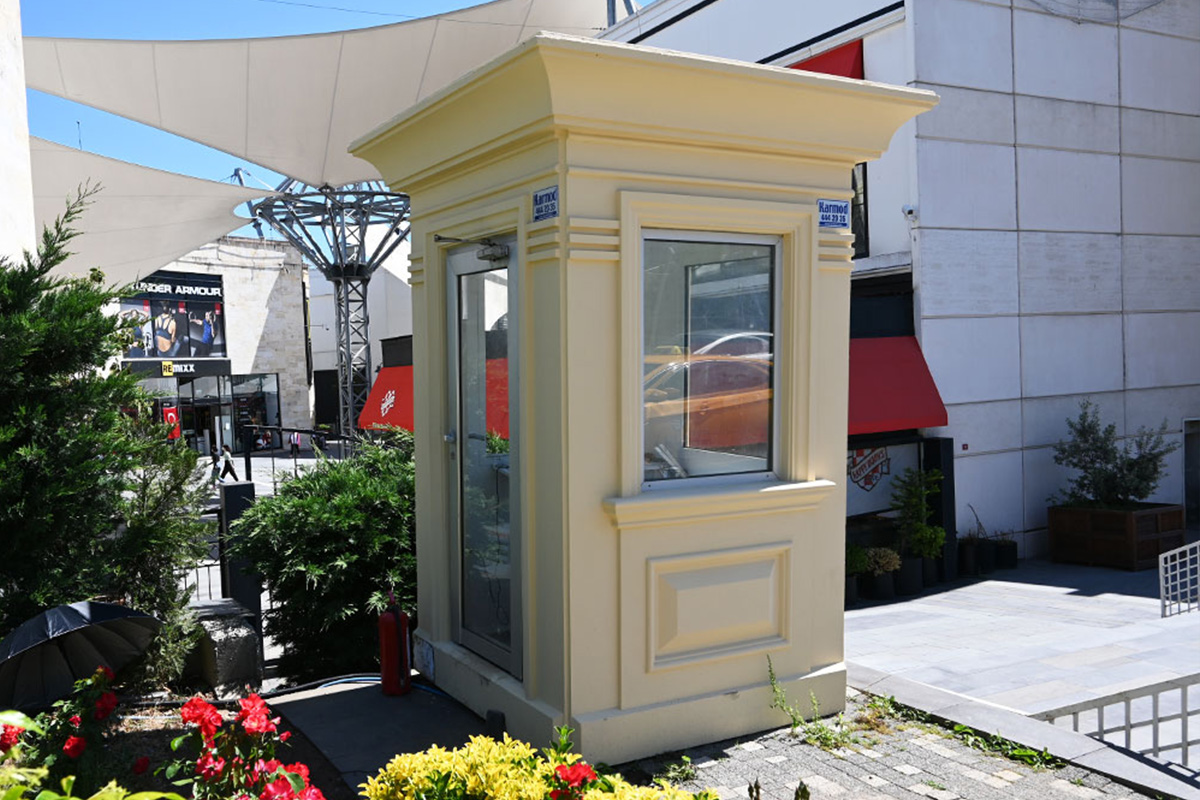
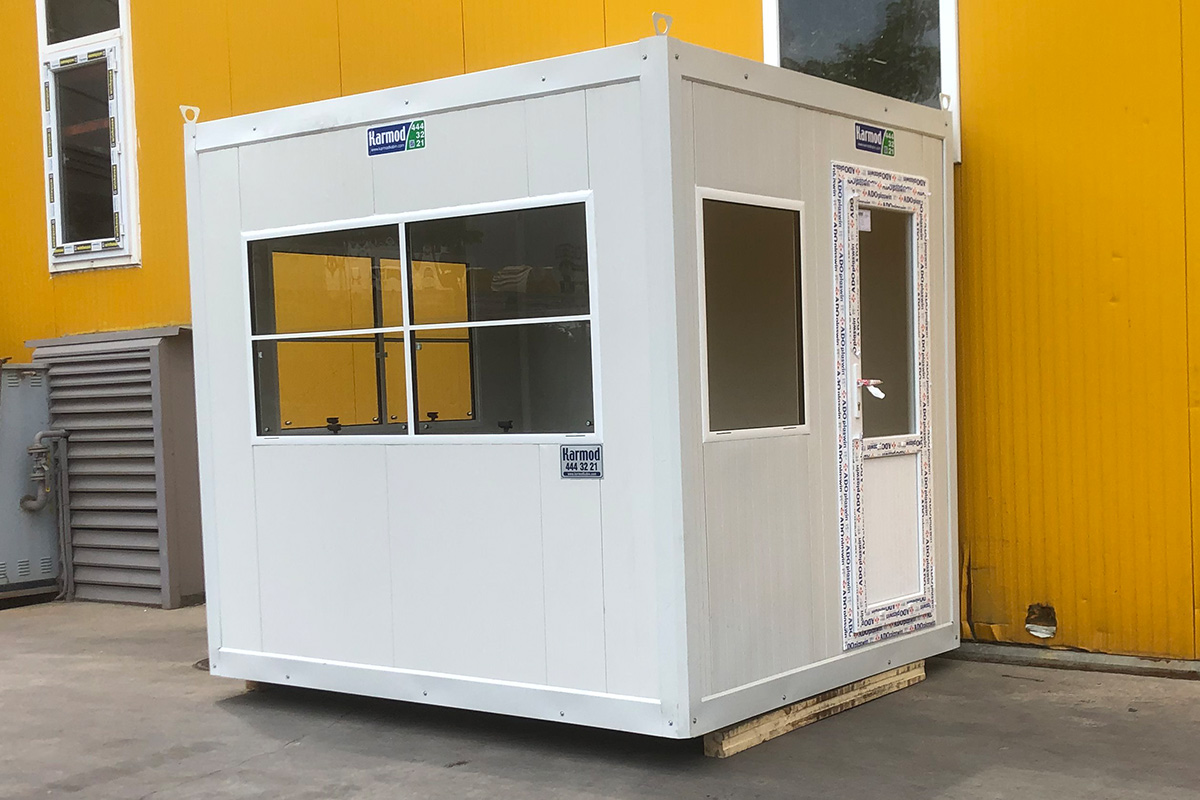
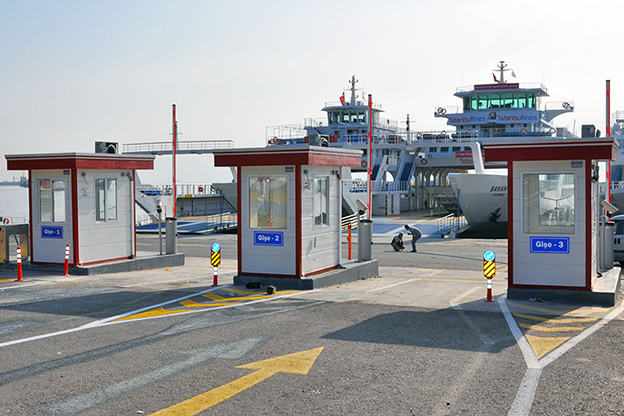

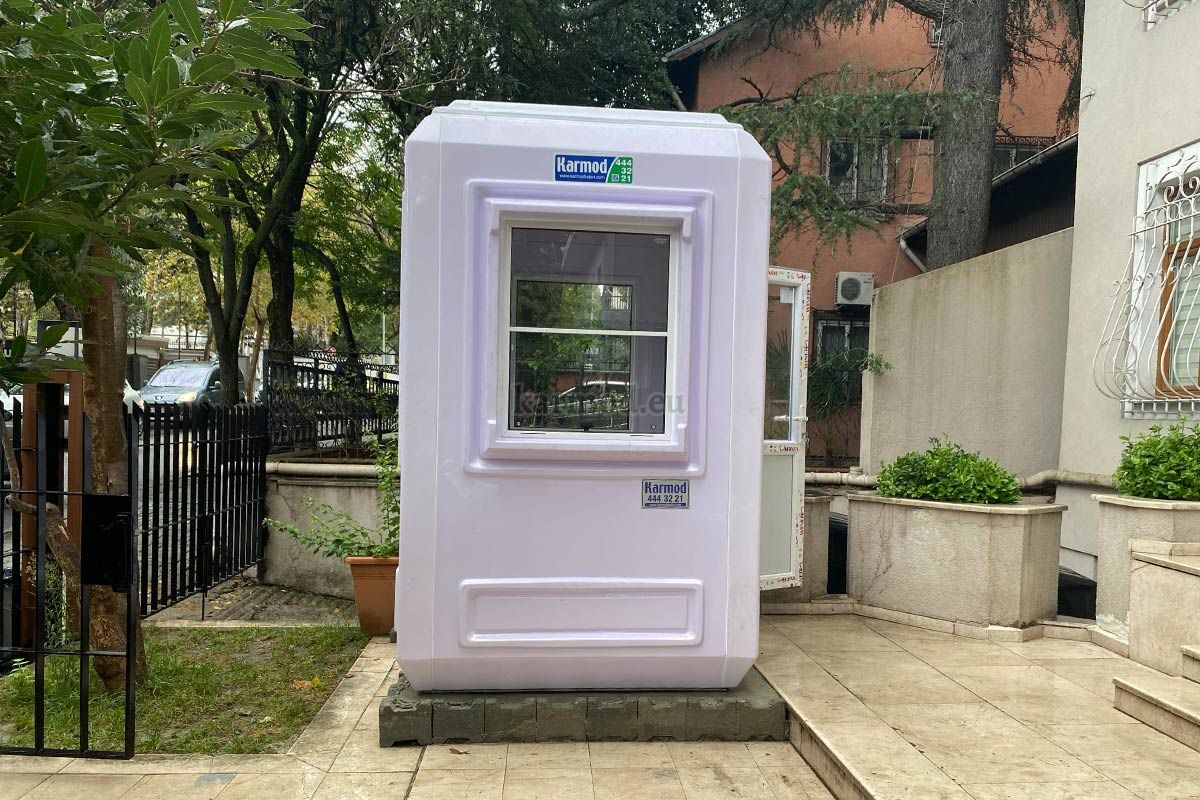
For many years, security cabins were treated as simple necessities. A small structure at the entrance, a chair, maybe a heater, and a guard doing their best to manage everything manually. But expectations have changed. Security today is faster, more connected, and far more demanding than it was even a decade ago. This is where smart security cabins quietly redefine what “on-site security” really means.
By combining facial recognition, smart locks, and IoT-based systems, modern security cabins are no longer just shelters for guards. They become active control points that help businesses protect people, property, and daily operations in a more reliable and consistent way. Not by replacing human presence, but by strengthening it with technology that actually works in real-life conditions.
How Security Cabins Moved Beyond Basic Guard Shelters
Anyone who has worked at a busy site knows the limitations of traditional security cabins. Manual ID checks slow down entrances. Paper logs get messy. Keys go missing. And when shifts change, information often doesn’t transfer as clearly as it should. Over time, these small issues add up and create real security gaps.
Smart security cabins grew out of these everyday problems. Instead of asking guards to manage everything on their own, these cabins are designed to support them. Screens replace paperwork, systems remember what humans might forget, and processes stay consistent no matter who is on duty. The result is a security setup that feels more controlled, calmer, and easier to manage.

Facial Recognition That Feels Practical, Not Complicated
Facial recognition sounds complex, but in daily use, it actually simplifies life at the gate. Authorized staff no longer need to search for cards or badges. Visitors don’t have to wait while IDs are checked one by one. The system recognizes approved faces in seconds and allows entry without unnecessary friction.
From an operational point of view, this also creates clarity. Every entry and exit is logged automatically. There are no handwritten notes to interpret later and no uncertainty about who entered the site and when. For factories, offices, and controlled areas where accountability matters, facial recognition inside a security cabin adds speed without sacrificing control.

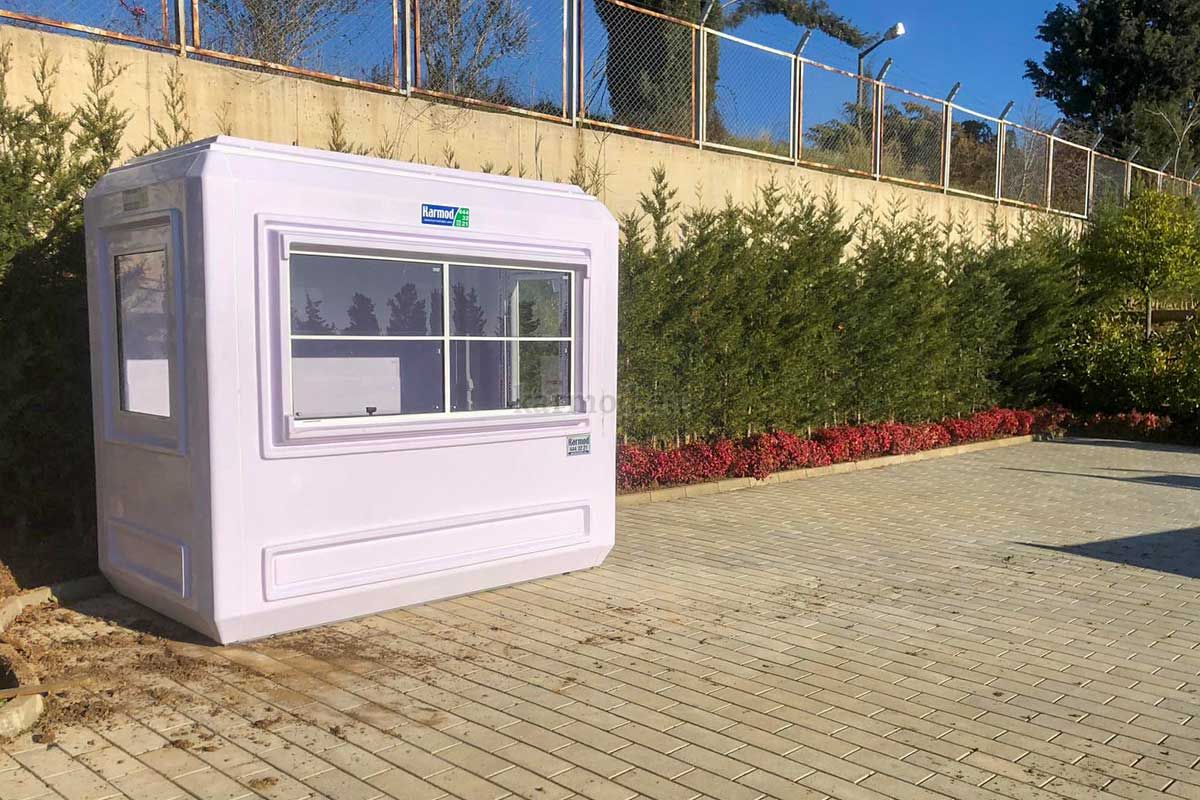
Smart Locks That Give Real Control, Not Just Convenience
Traditional locks depend on keys, and keys depend on people. They get lost, copied, or shared. Smart locks remove that uncertainty. Controlled directly from the security cabin, these systems allow guards to manage access digitally, with clear rules and instant responses.
What makes smart locks valuable is flexibility. Access permissions can change without replacing hardware. Temporary access can be granted and removed just as easily. Compared to mechanical systems, this approach reduces long-term maintenance issues and gives managers far more confidence in how entry points are actually being used.
IoT Technology That Keeps Security One Step Ahead
IoT integration brings awareness to security cabins. Sensors, cameras, and access systems communicate continuously, turning the cabin into a live monitoring center rather than a reactive checkpoint. Instead of finding out about problems after they happen, guards receive alerts as situations develop.
This might mean detecting an unexpected door opening, unusual movement during off-hours, or system irregularities that need attention. Small warnings like these often prevent bigger issues later. In environments where timing matters, IoT-enabled cabins help security teams respond early instead of reacting late.
Centralized Management for Growing Operations
As facilities grow, security becomes harder to coordinate. Multiple entrances, different shifts, and separate locations can quickly turn into a management challenge. Smart security cabins address this by allowing centralized control through secure digital platforms.
From one dashboard, managers can review access activity, adjust permissions, and monitor system status across multiple cabins. This reduces unnecessary site visits and helps decision-makers stay informed without being physically present everywhere. Compared to traditional setups, the difference in efficiency becomes noticeable very quickly.
Designed for Guards, Not Against Them
One common concern with smart systems is usability. If technology slows guards down or complicates their work, it fails its purpose. Well-designed smart security cabins avoid this by focusing on clear interfaces and practical workflows.
Instead of juggling multiple tasks, guards can rely on automated processes for routine checks. This leaves more time for observation, communication, and judgment — the things humans are best at. When guards feel supported rather than replaced, security becomes stronger and more consistent.
Balancing Advanced Technology with Privacy Responsibility
With facial recognition and connected systems, data protection naturally becomes part of the conversation. Responsible manufacturers build smart security cabins with encrypted communication, controlled access levels, and secure data storage as standard features.
Equally important is transparency. Clear rules about data usage and retention help businesses stay compliant and maintain trust. When handled correctly, smart security cabins improve safety without creating discomfort or privacy concerns for employees and visitors.
Why Smart Security Cabins Are Becoming a Long-Term Choice
Businesses are not investing in smart security cabins just because they are modern. They are choosing them because they solve real problems. Faster access, clearer records, fewer errors, and better oversight all translate into smoother daily operations.
Compared to traditional cabins, smart solutions adapt more easily to change. Whether it’s growing staff numbers, tighter regulations, or higher traffic volumes, these cabins are built to scale. That makes them a practical investment, not a temporary upgrade.
Working with the Right Security Cabin Manufacturer
The success of a smart security cabin depends on more than just technology. Structure quality, system integration, and real-world experience all matter. A knowledgeable manufacturer understands how these elements work together and designs solutions that fit the site, not just the specification sheet.
If you are planning to modernize your access control or build a more reliable security infrastructure, smart security cabins offer a strong foundation. To explore configuration options, integration possibilities, and tailored solutions for your facility, you can contact us and speak with a team that understands both construction and security from the ground up.