






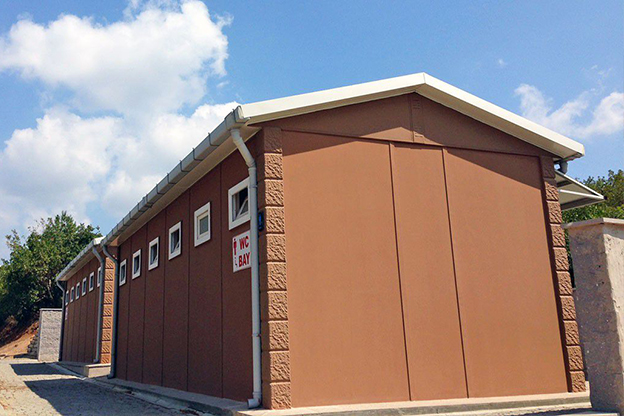
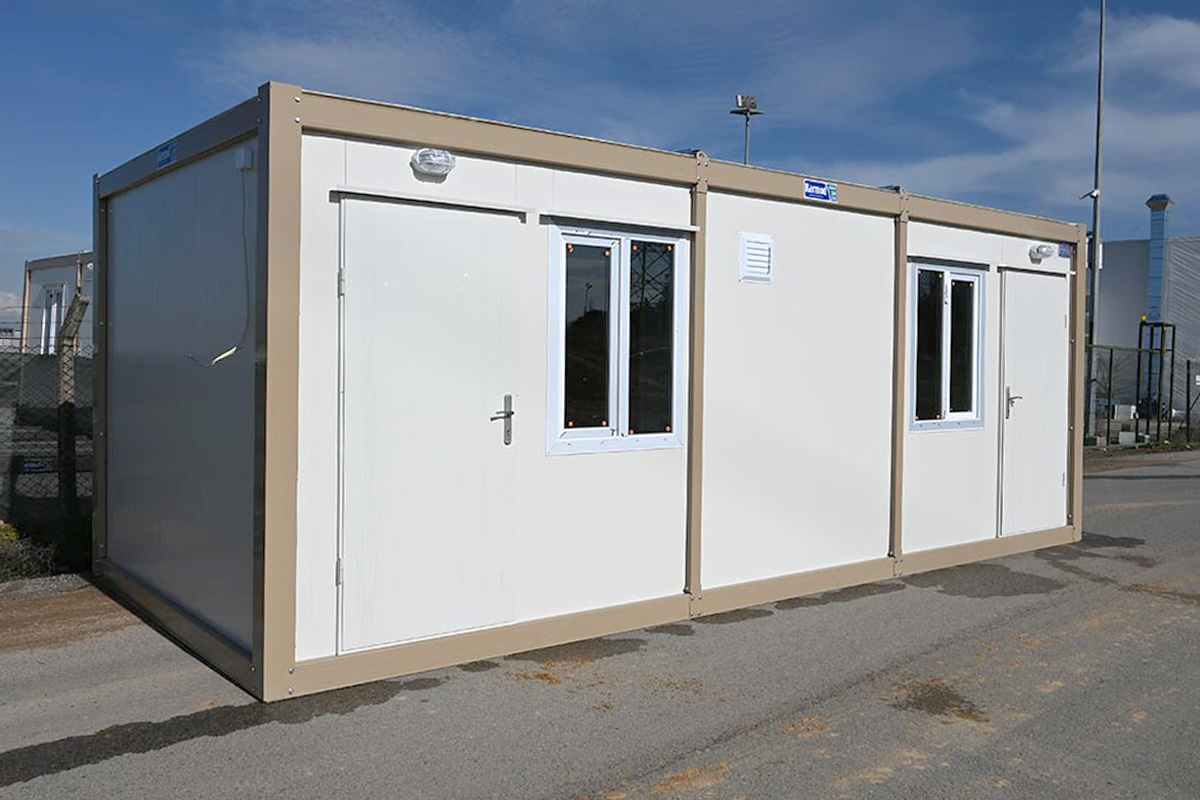
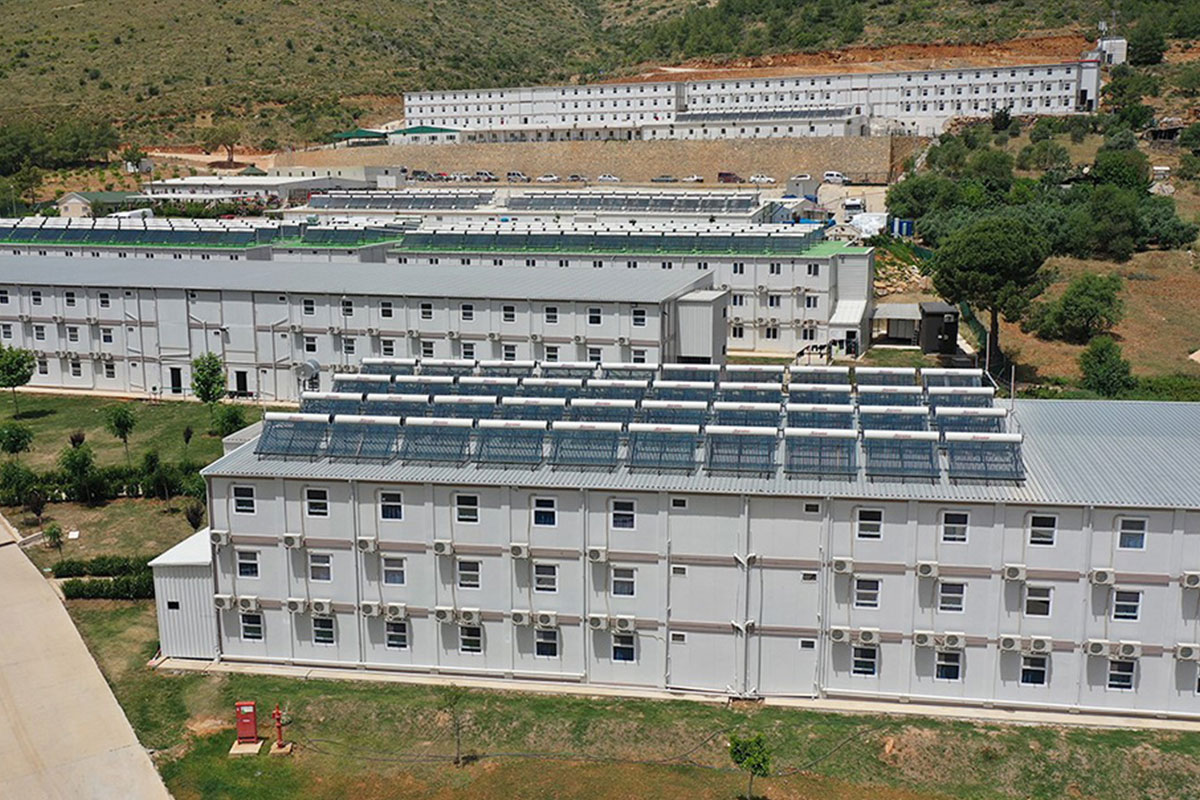


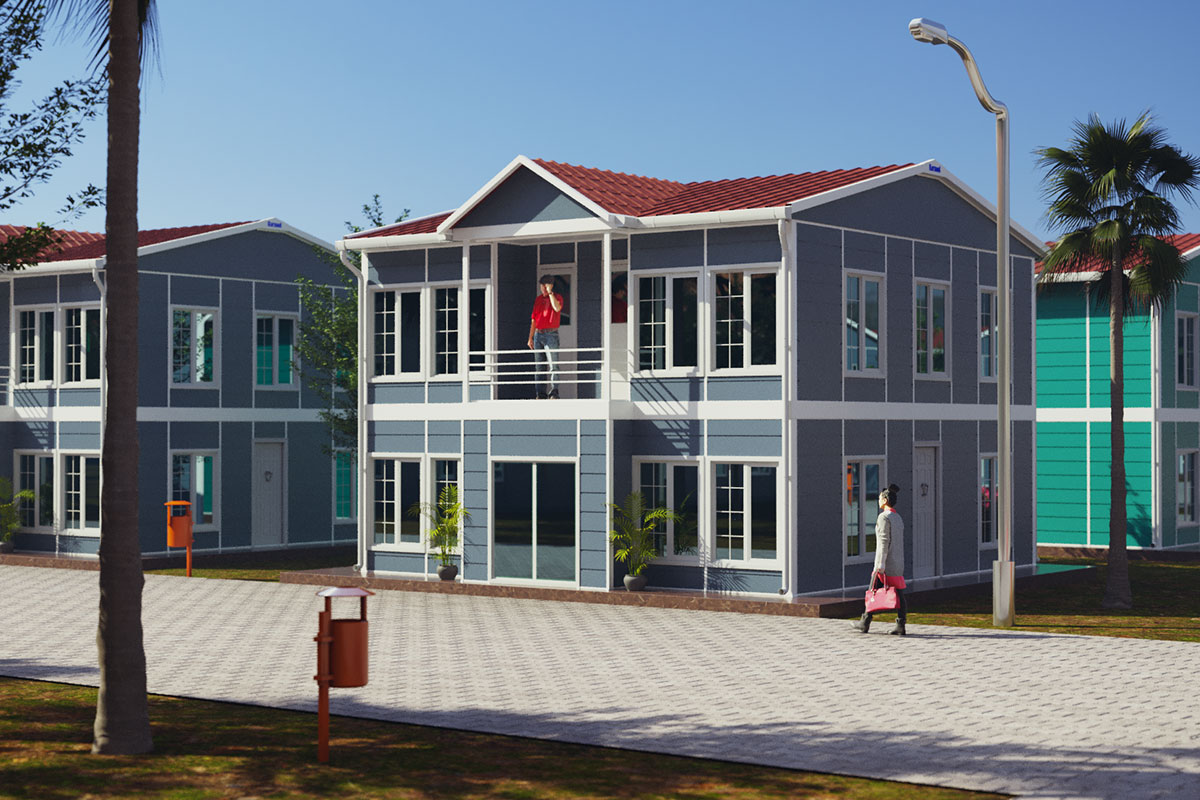
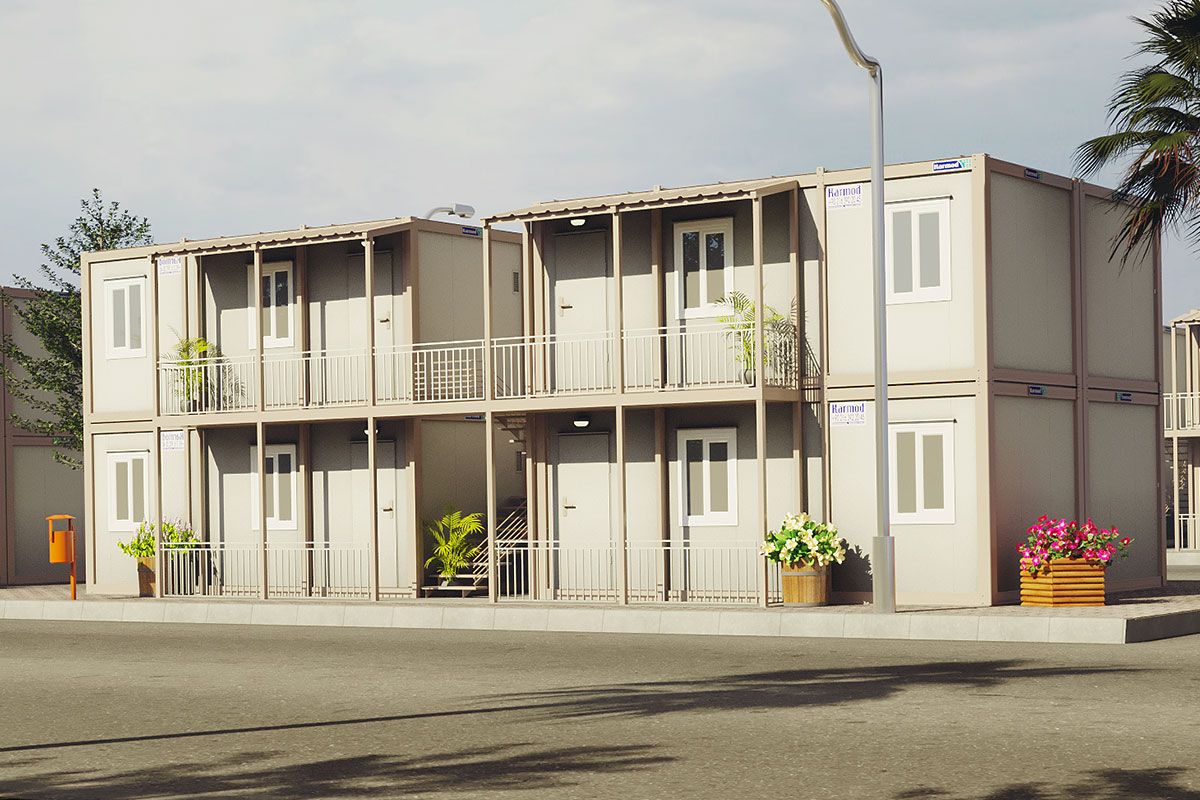

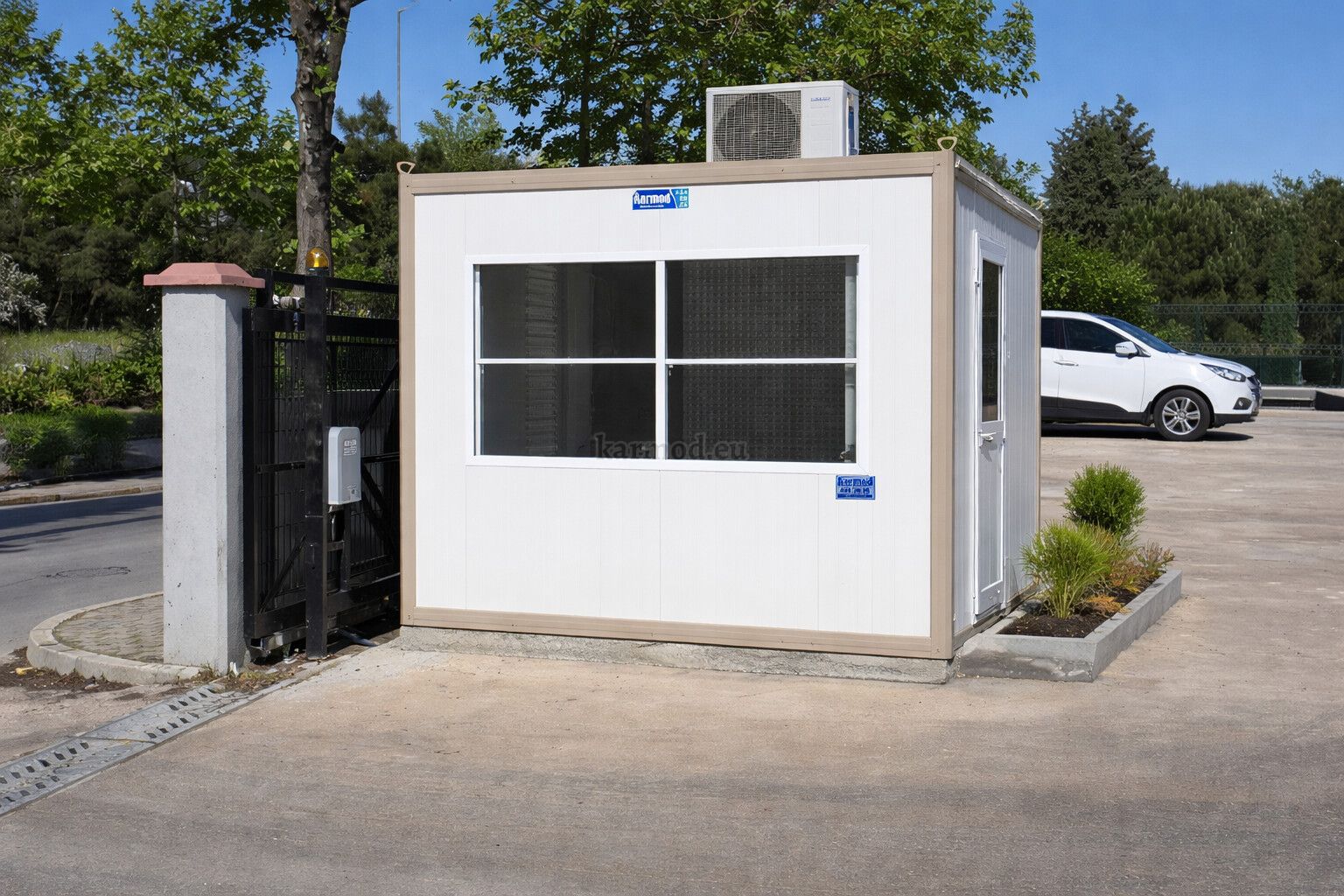
Urban life rarely slows down. Traffic hums through the night, construction starts early, and shared walls amplify every sound. In this environment, soundproof modular cabins have become more than a niche solution. They are a practical response to a real, everyday problem faced by businesses and individuals operating in dense city settings.
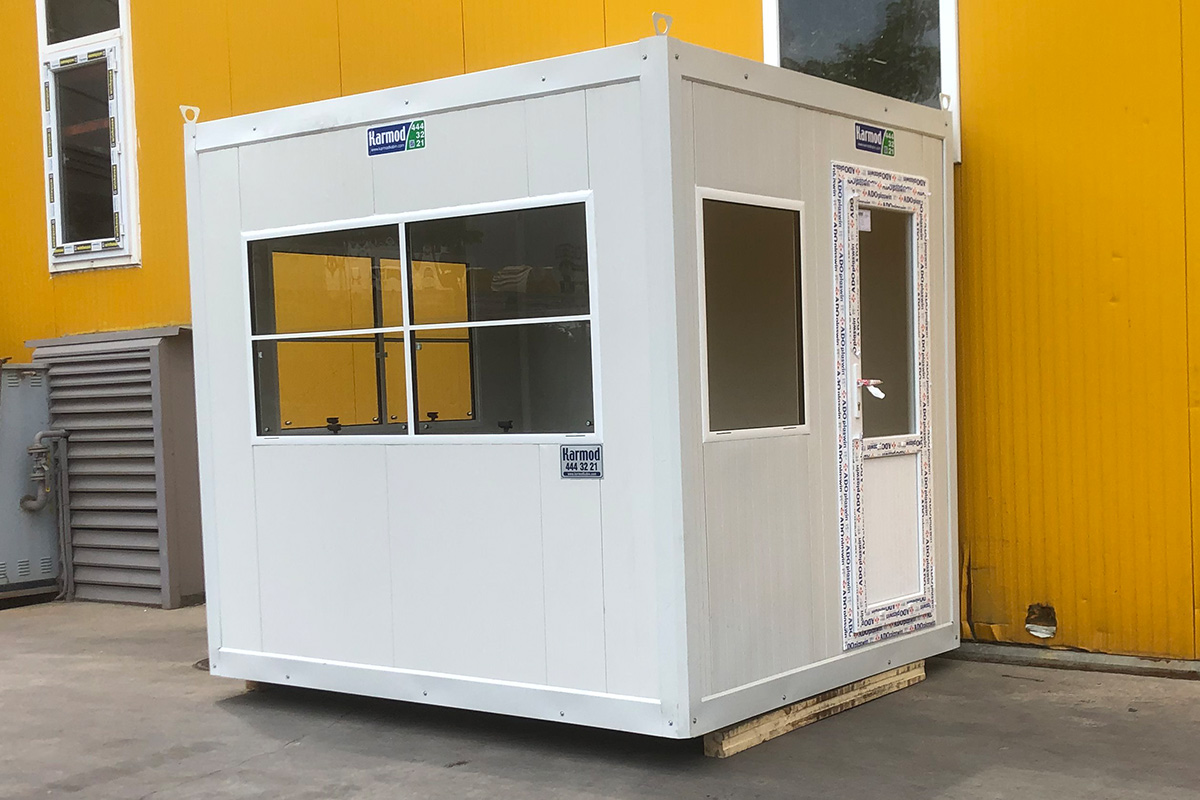
Unlike traditional buildings that require long construction timelines and disruptive on-site work, modular cabins offer a faster, cleaner alternative. When designed specifically for acoustic control, they create calm, functional spaces within noisy urban zones. From office backyards to factory courtyards and tight city plots, these cabins deliver privacy, comfort, and performance without compromise.
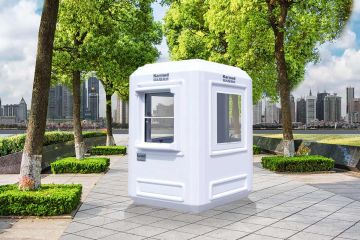
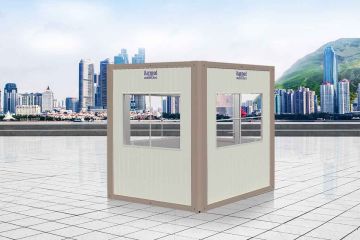
Why Noise Control Has Become Critical in Urban Spaces
Cities are growing vertically and horizontally, often faster than their infrastructure can adapt. As residential, commercial, and industrial zones overlap, noise pollution is no longer limited to specific districts. Offices sit next to busy roads, clinics operate near construction sites, and service areas are squeezed into mixed-use developments.
This constant background noise directly affects productivity, concentration, and well-being. Studies consistently show that uncontrolled sound increases stress and reduces cognitive performance. That is why urban planners, facility managers, and business owners are actively seeking dedicated, quiet spaces that can be installed quickly without altering existing buildings.
Soundproof modular cabins answer this need with purpose-built acoustic layers. Instead of relying on after-the-fact sound treatments, these cabins are engineered from the start to block external noise and control internal acoustics. The result is a predictable, measurable level of sound reduction that traditional room partitions often fail to achieve.
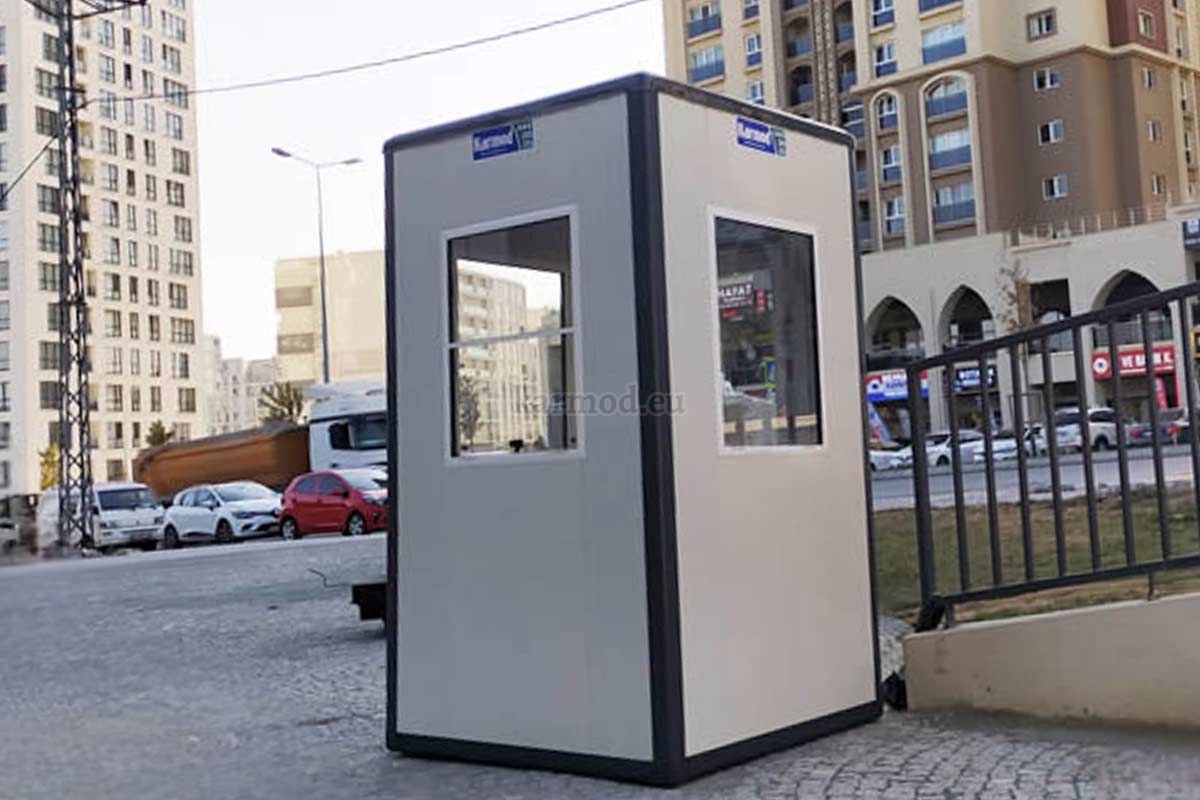
How Soundproof Modular Cabins Are Engineered
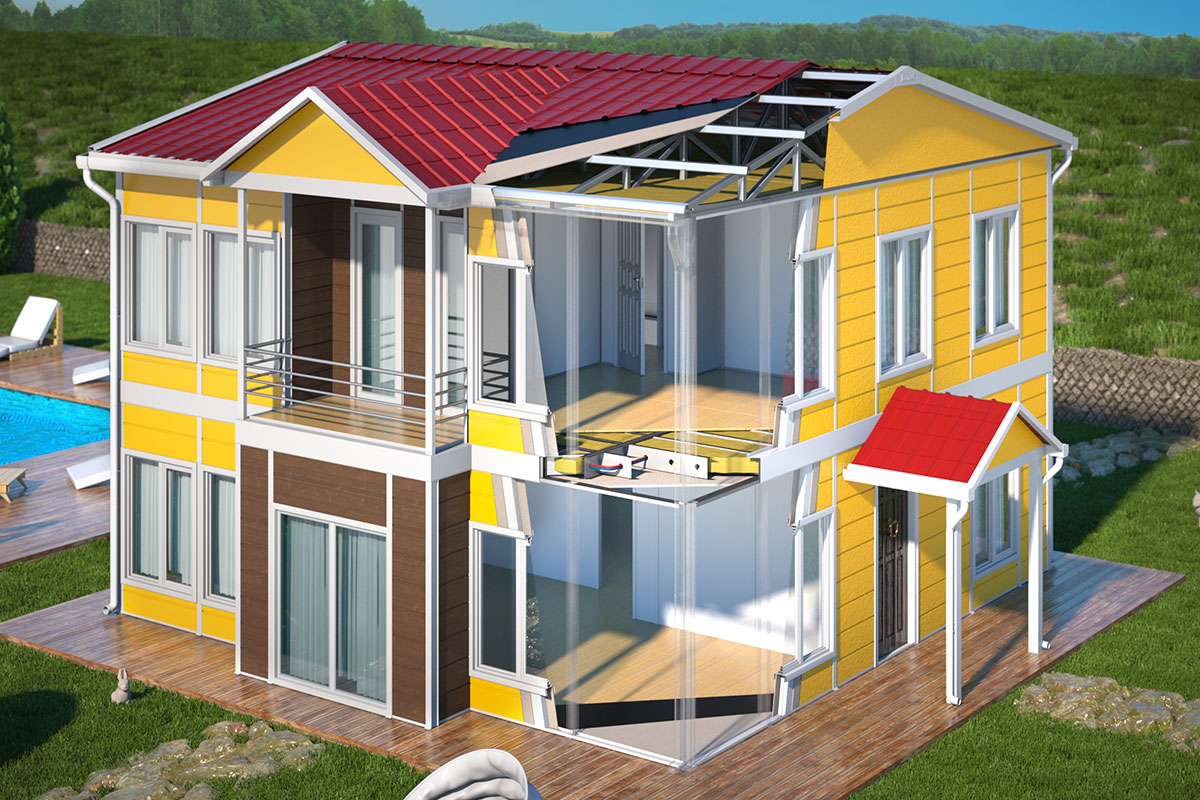
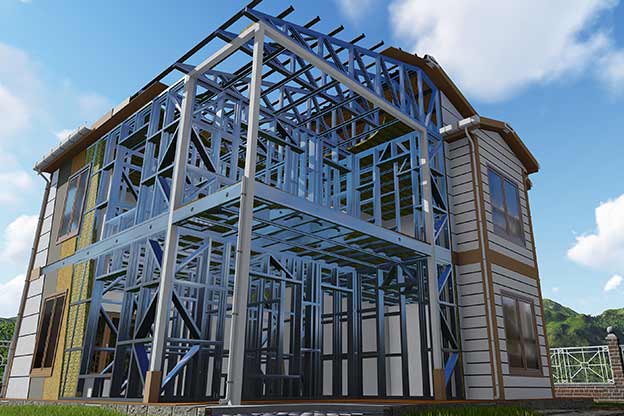
Effective soundproofing is never achieved with a single material. It is a system. High-quality modular cabins use a multi-layer wall structure that combines dense panels, insulation cores, vibration-damping elements, and airtight connections. Each layer plays a role in stopping sound waves before they enter or escape the space.
Equally important is structural isolation. Floors, wall junctions, and roof connections are designed to minimize sound bridges. This prevents vibrations from traveling through the structure, a common weakness in poorly designed prefab units. Doors and windows are typically double- or triple-glazed, with acoustic seals that maintain performance even in high-traffic environments.
Ventilation is another critical detail. Urban cabins must allow fresh air circulation without creating sound leaks. Advanced acoustic ventilation systems achieve this balance, ensuring comfort while preserving sound insulation. When engineered correctly, the cabin feels solid, quiet, and stable, even in the heart of the city.
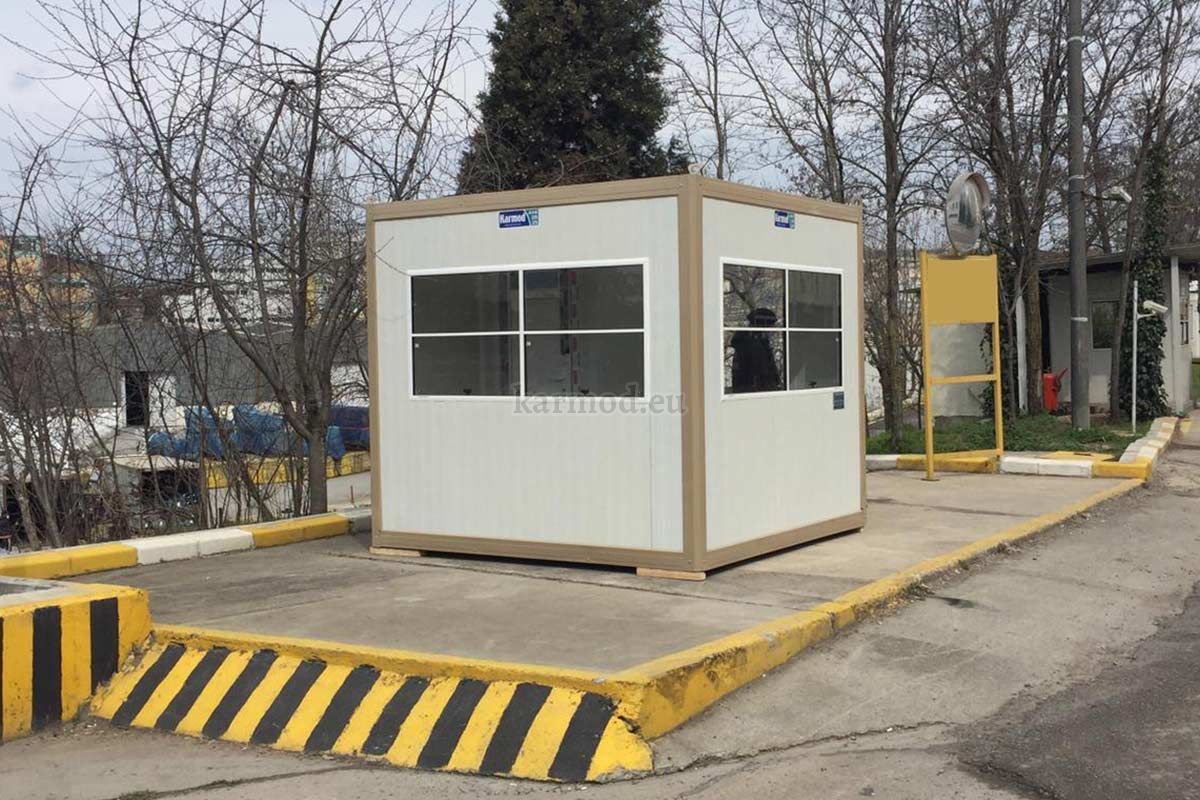
Ideal Urban Use Cases for Soundproof Modular Cabins
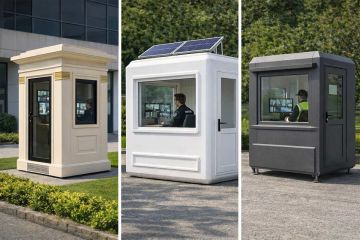
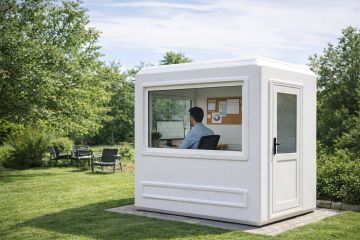
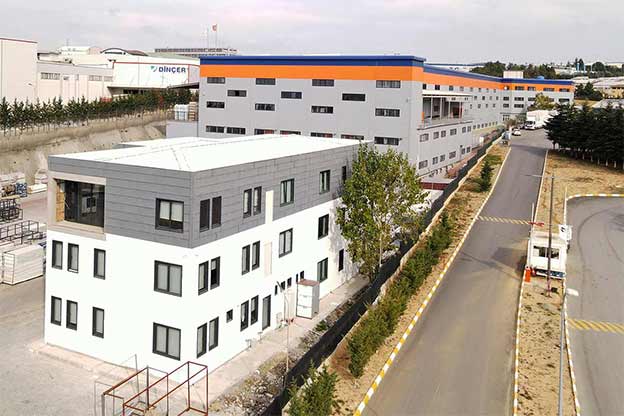
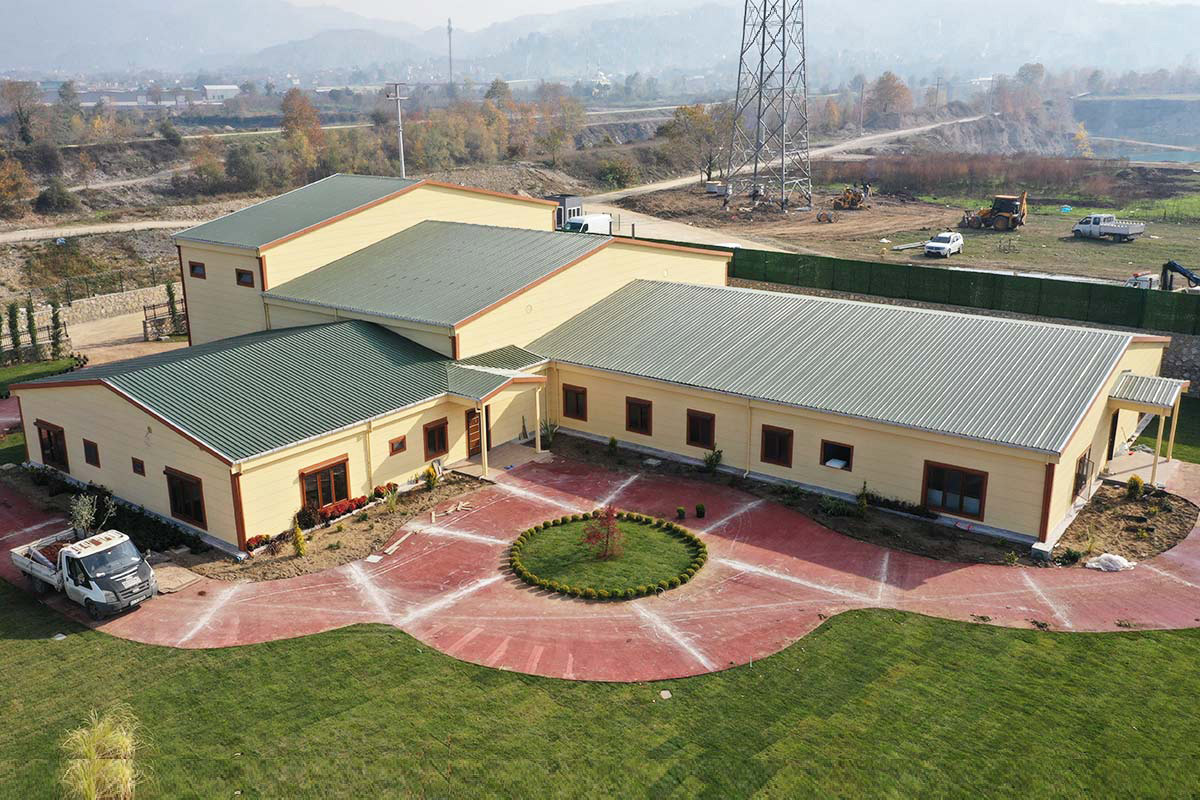
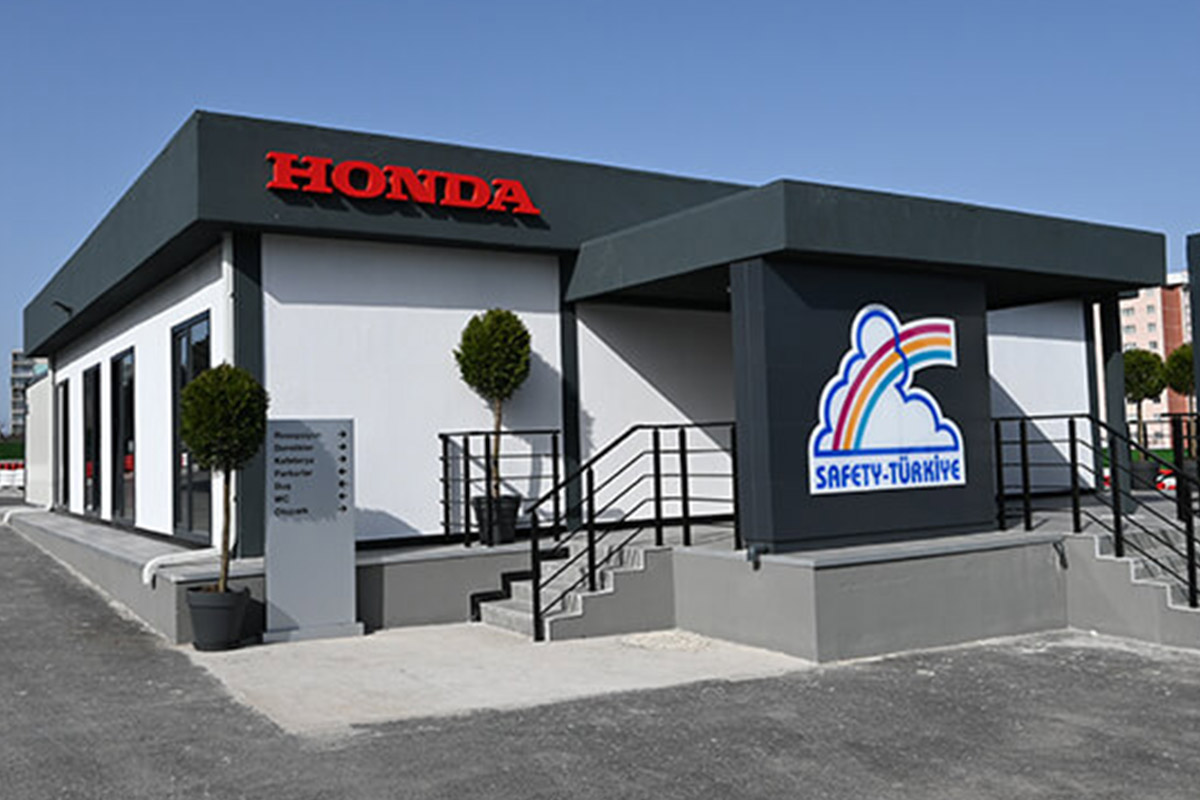
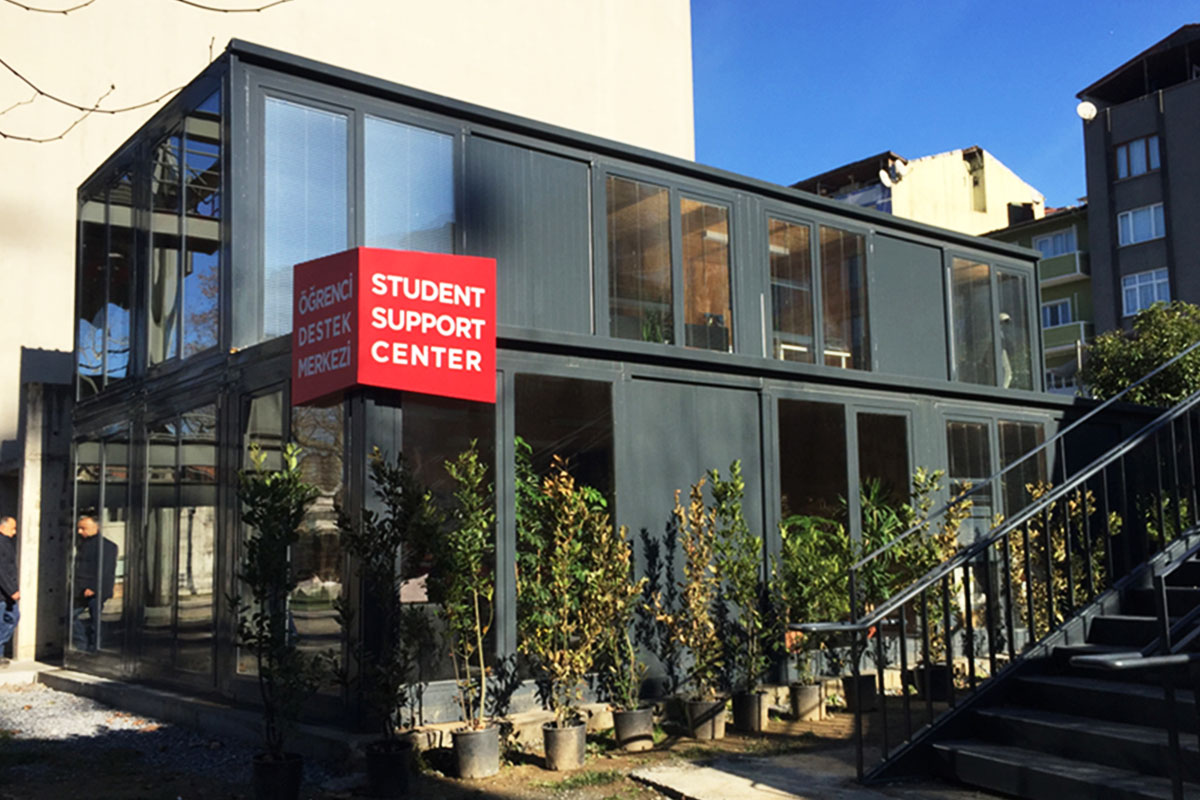
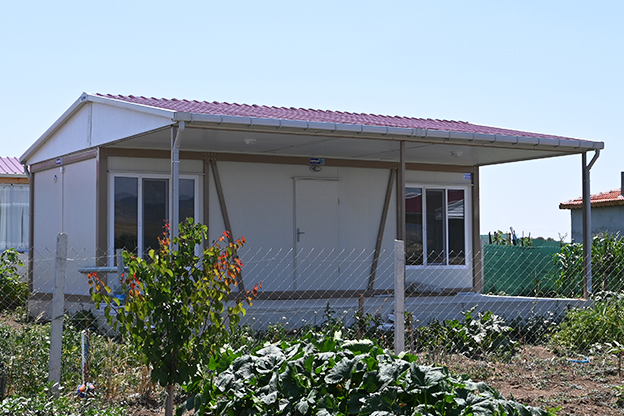
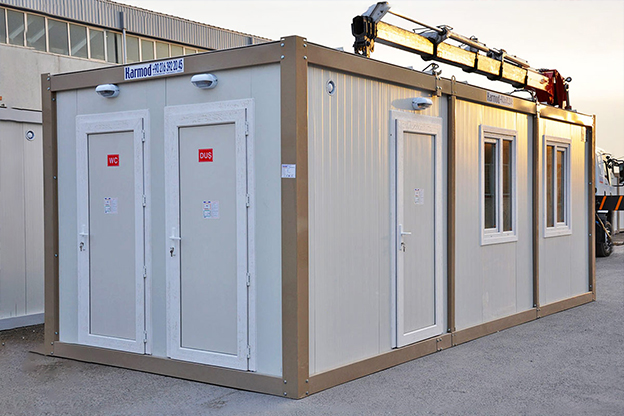
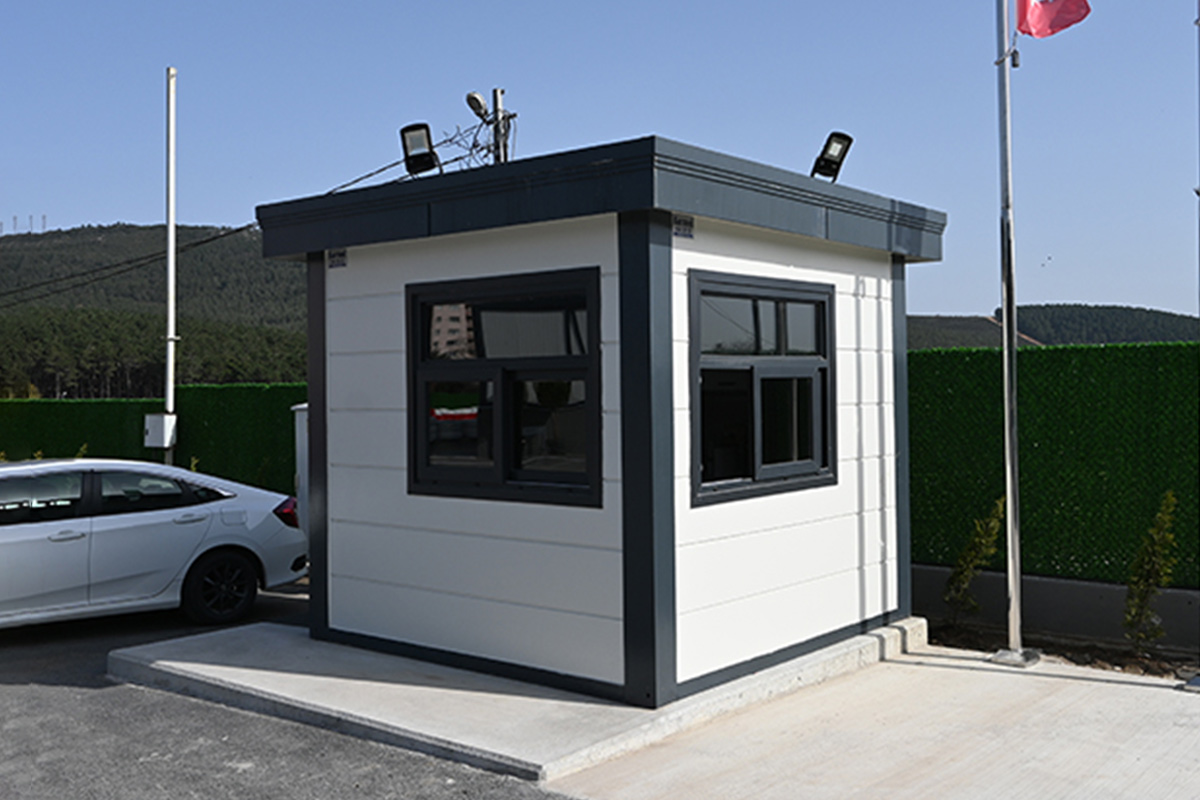
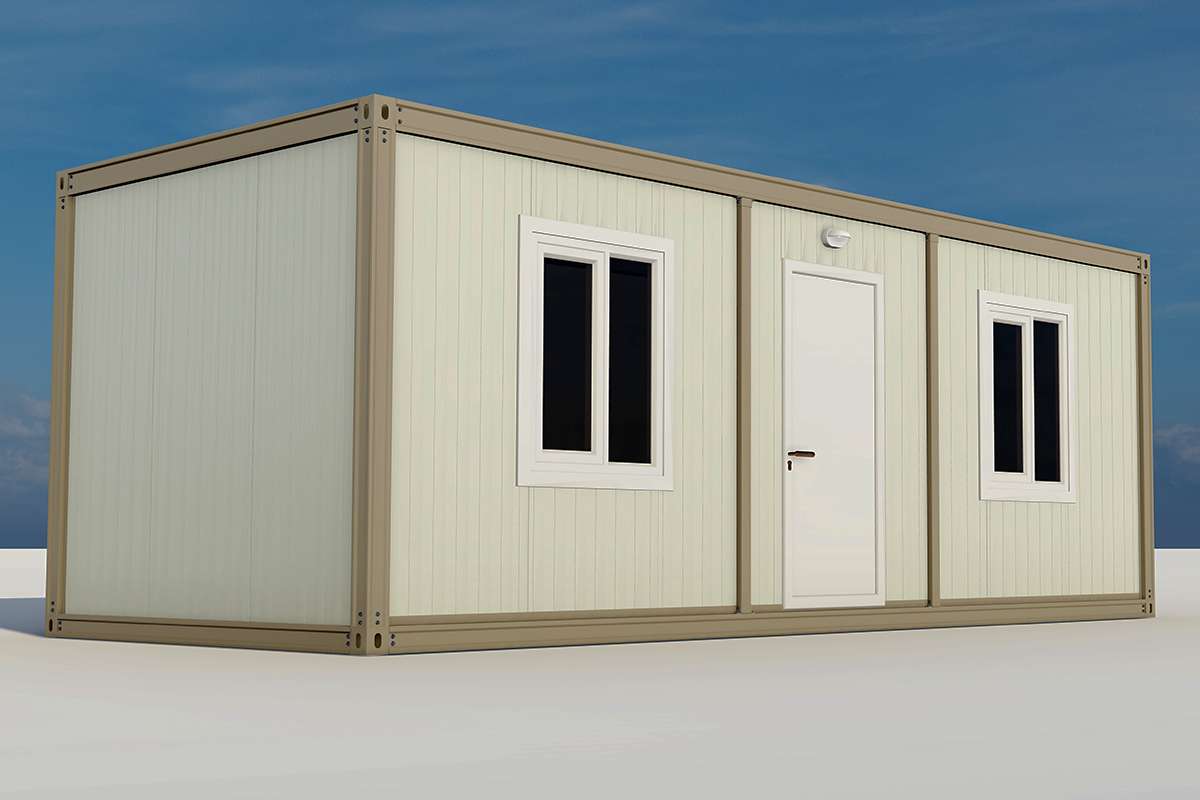
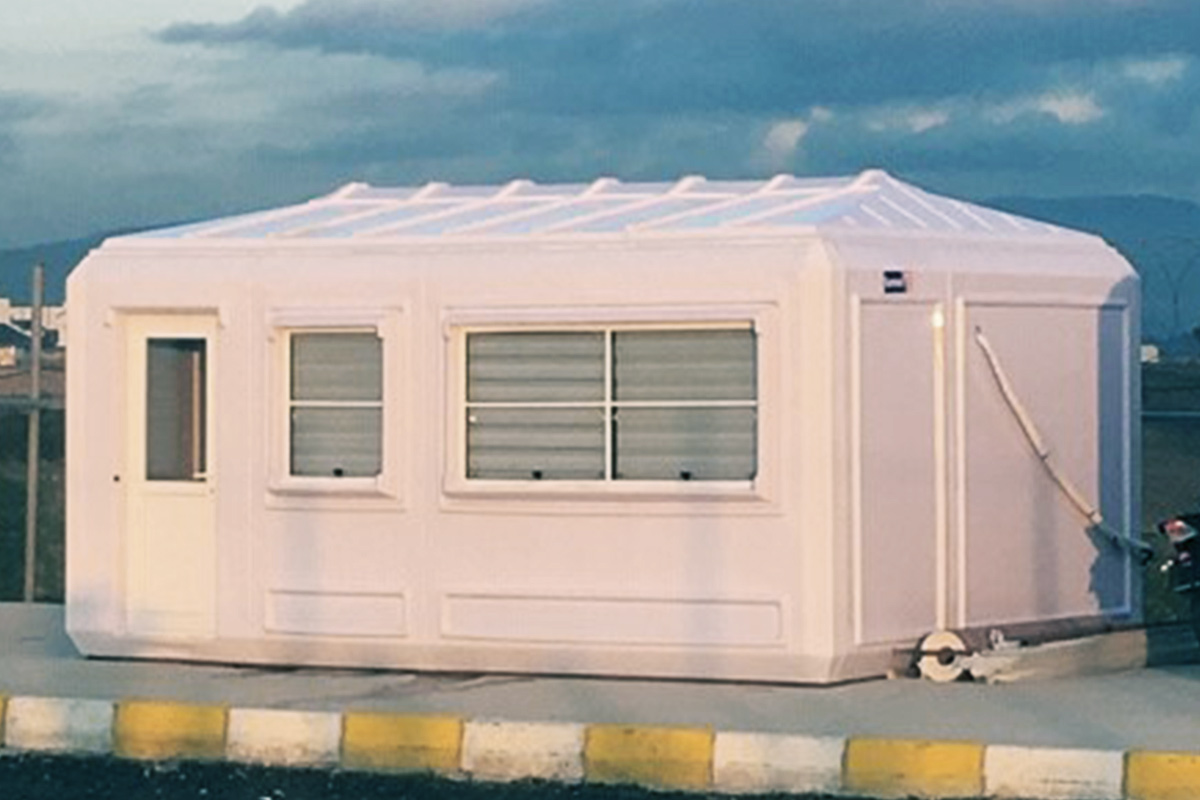
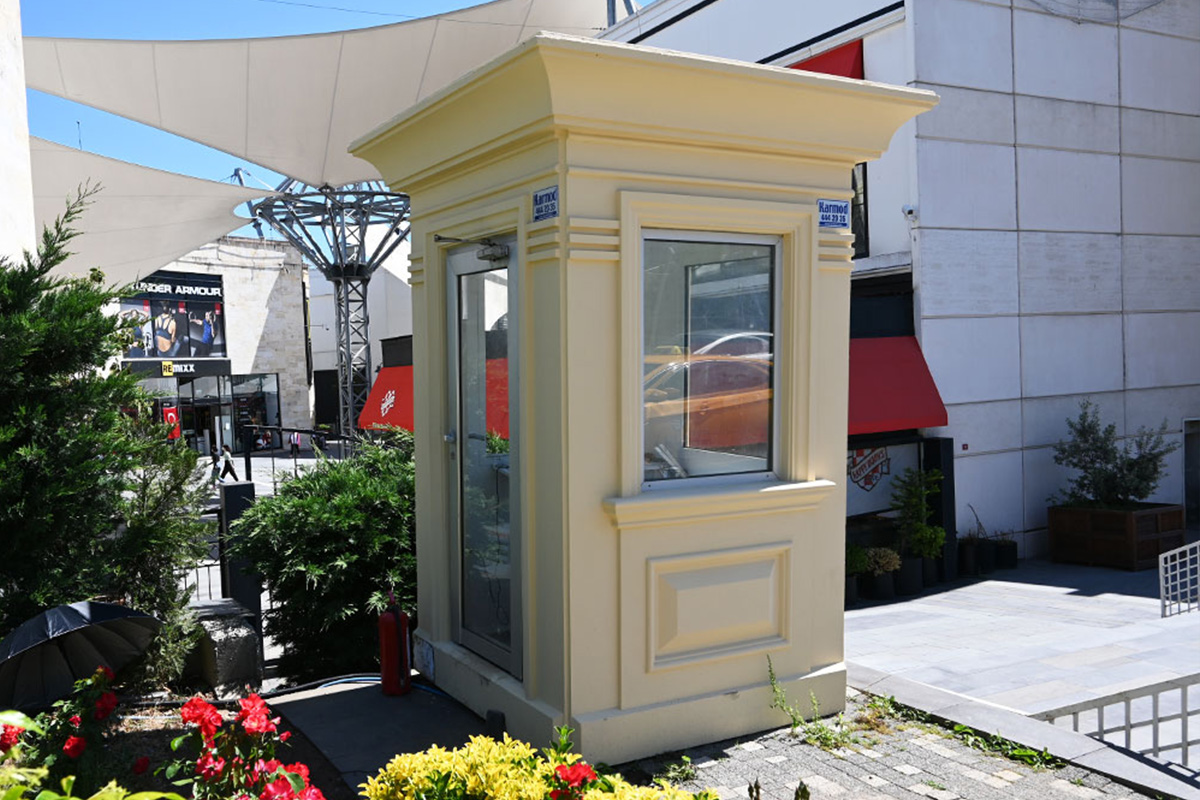
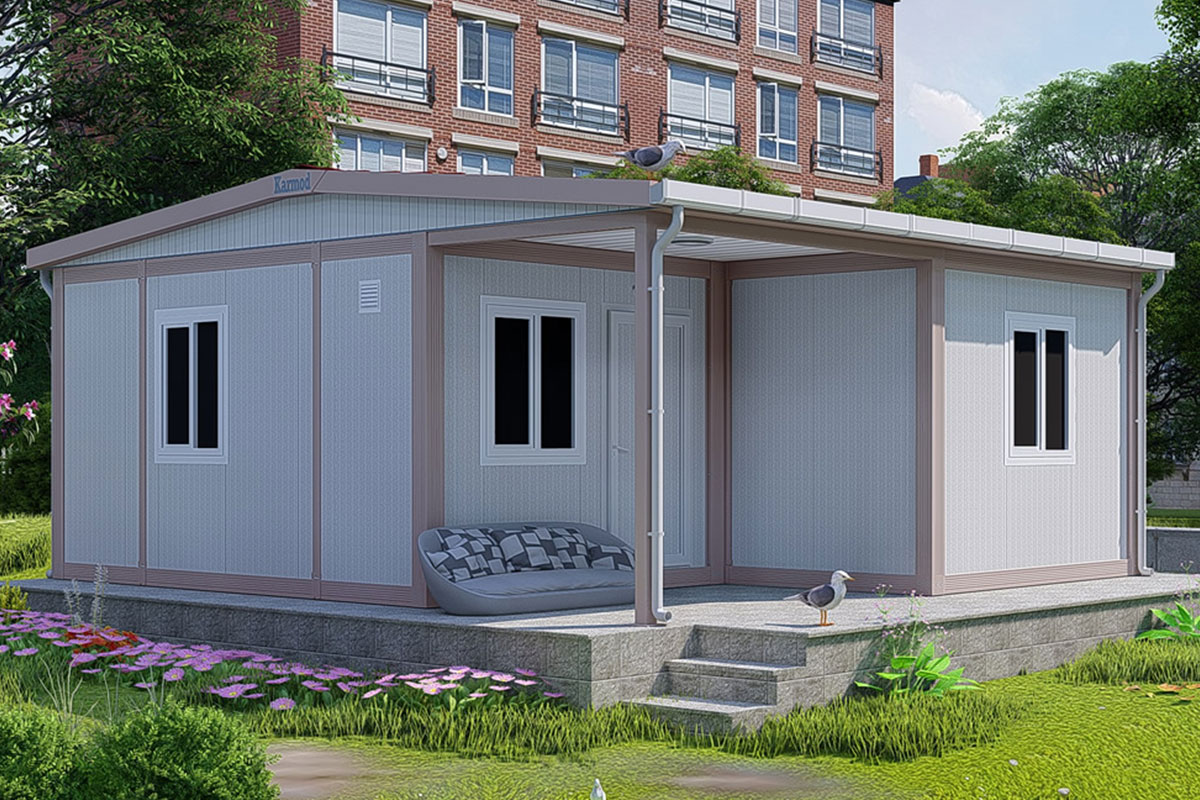
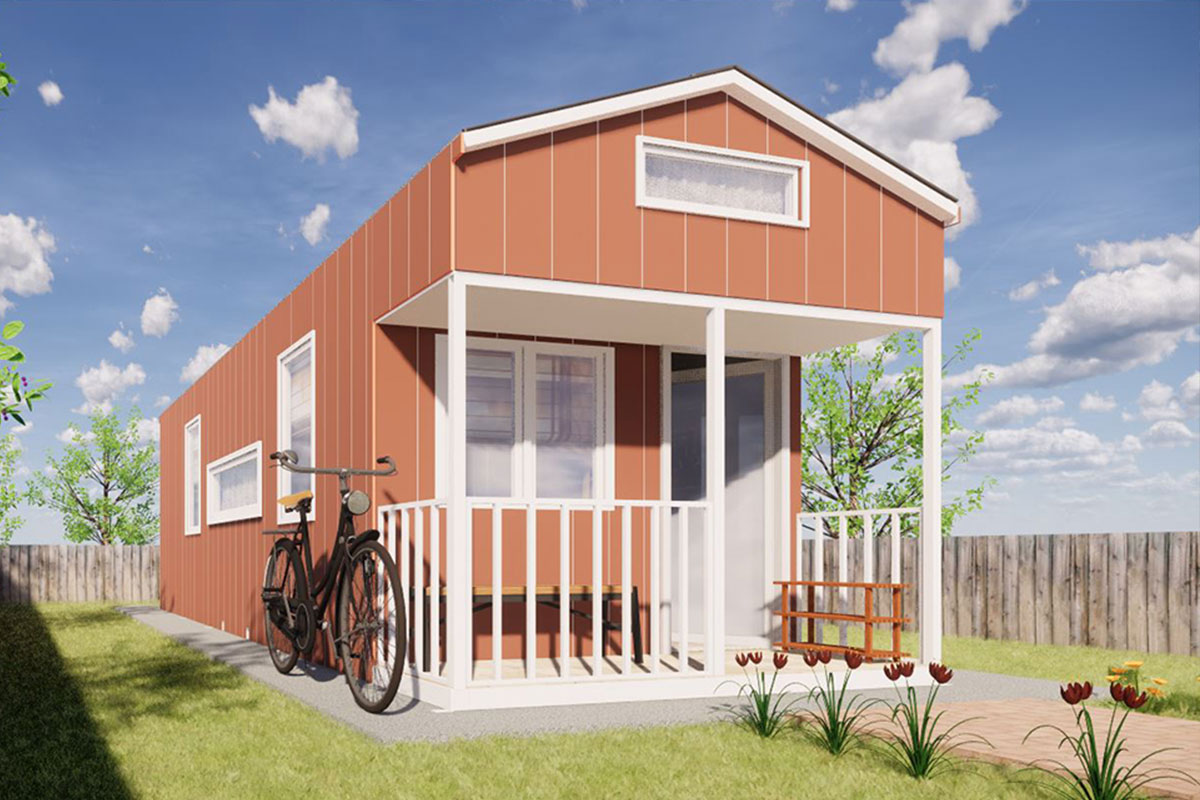
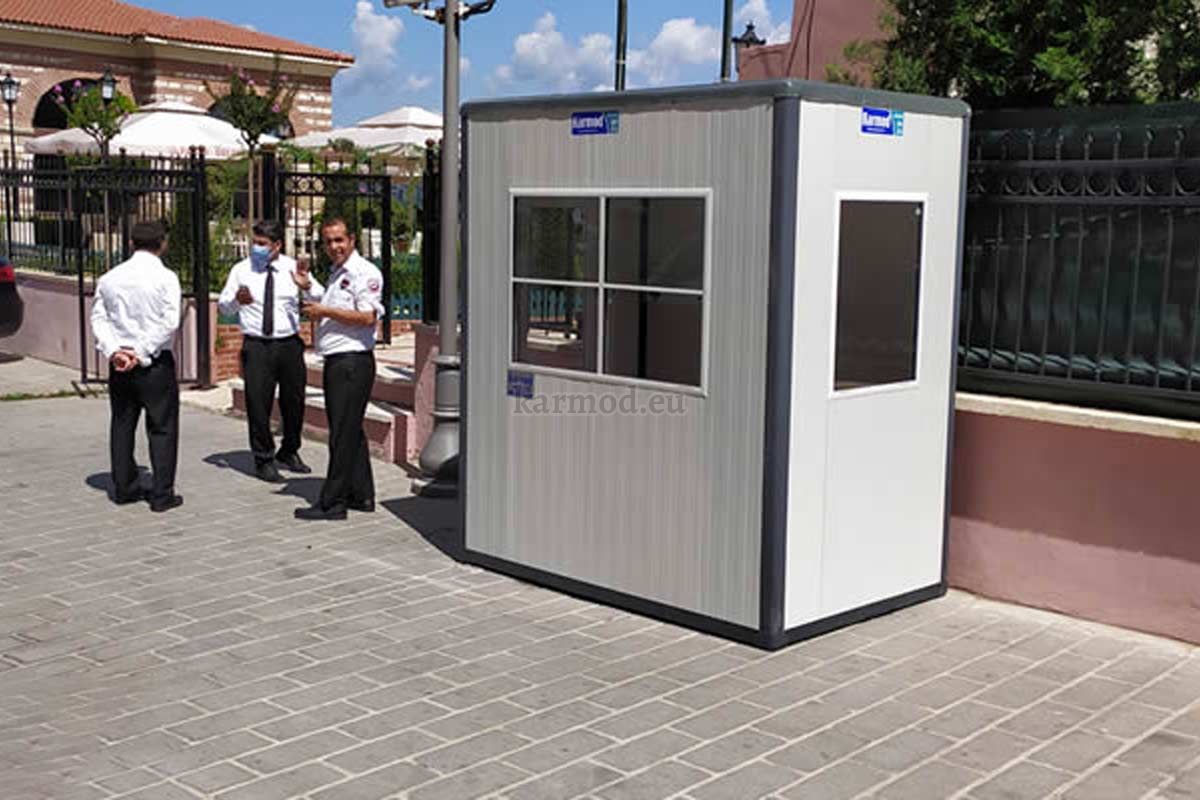
One of the biggest advantages of modular cabins is flexibility. In urban settings, they are frequently used as private offices for focused work, executive meeting rooms, and remote working hubs placed within existing facilities. Their compact footprint allows installation in courtyards, rooftops, or unused corners of commercial properties.
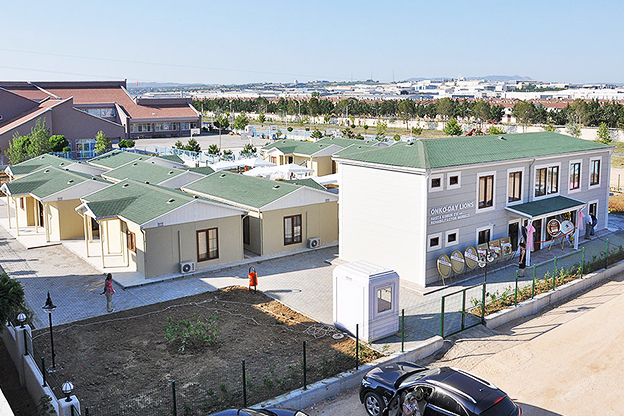
They are also widely used in healthcare, education, and service sectors. Urban clinics rely on soundproof cabins for consultation rooms. Training centers use them for exam spaces or one-on-one instruction. Even media production teams install them as recording or editing booths in city offices where silence is otherwise impossible.
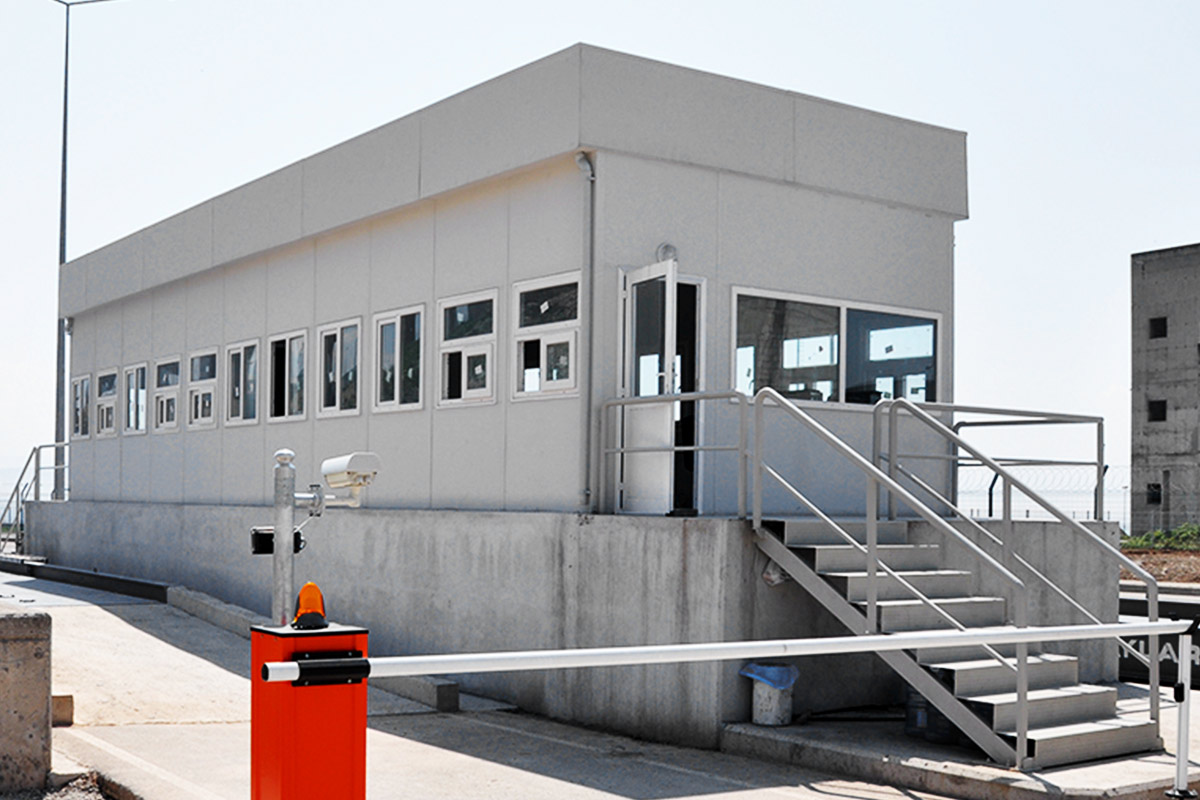
For industrial or logistics companies operating near residential zones, soundproof cabins provide compliant workspaces without expanding the main building. This helps businesses meet local noise regulations while maintaining operational efficiency.
Modular vs Traditional Construction in City Environments
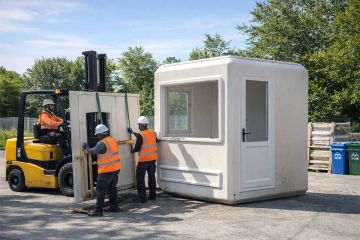
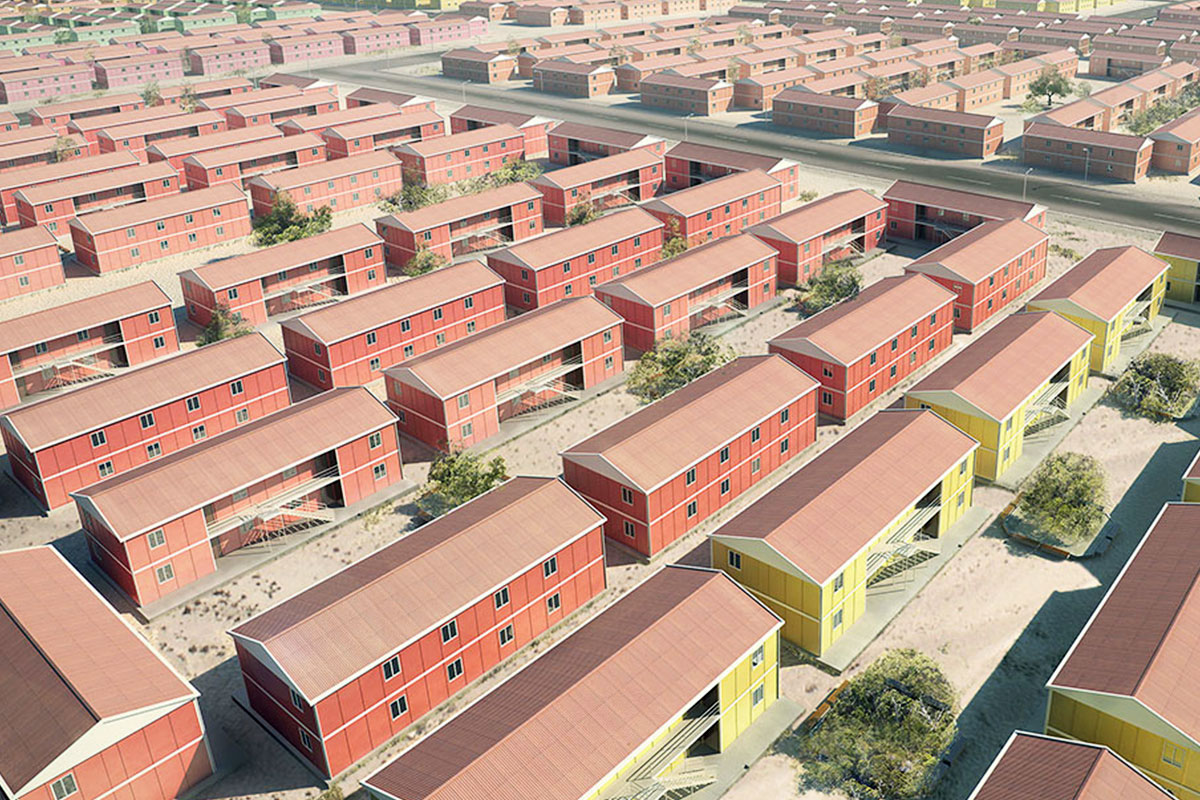
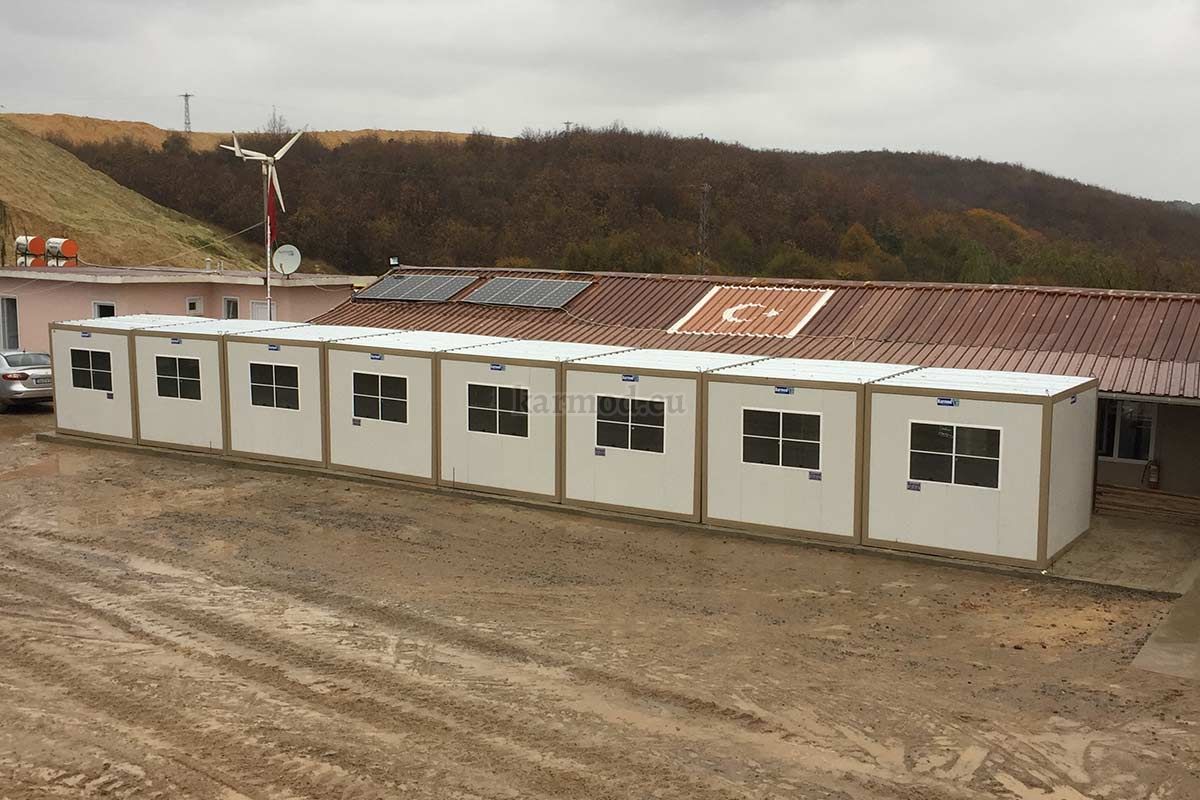
Traditional construction in urban areas comes with limitations. Permits take time, neighbors raise concerns, and site access is often restricted. Noise, dust, and extended timelines add indirect costs that are rarely considered upfront. In contrast, modular cabins are manufactured off-site under controlled conditions, then delivered ready for installation.
This approach significantly reduces disruption. Installation can often be completed within a day, without heavy machinery or long closures. For businesses, this means minimal downtime and faster return on investment. For city authorities and neighbors, it means fewer complaints and a cleaner process.
From a cost perspective, modular cabins also offer predictability. Acoustic performance, materials, and delivery timelines are defined from the start. There are no surprises halfway through the project, which is a common frustration with traditional builds in dense urban areas.
Customization Options for Urban Acoustic Needs
No two urban sites are the same. Traffic patterns, surrounding buildings, and intended use all influence acoustic requirements. That is why soundproof modular cabins are most effective when they are customizable. Wall thickness, insulation density, and internal finishes can be adapted to specific noise levels and usage scenarios.
Interior layouts are equally flexible. Some clients prioritize speech clarity for meetings, while others need near-silence for recording or analysis work. Lighting, electrical layouts, data connections, and climate control systems are integrated during production, not added later as compromises.
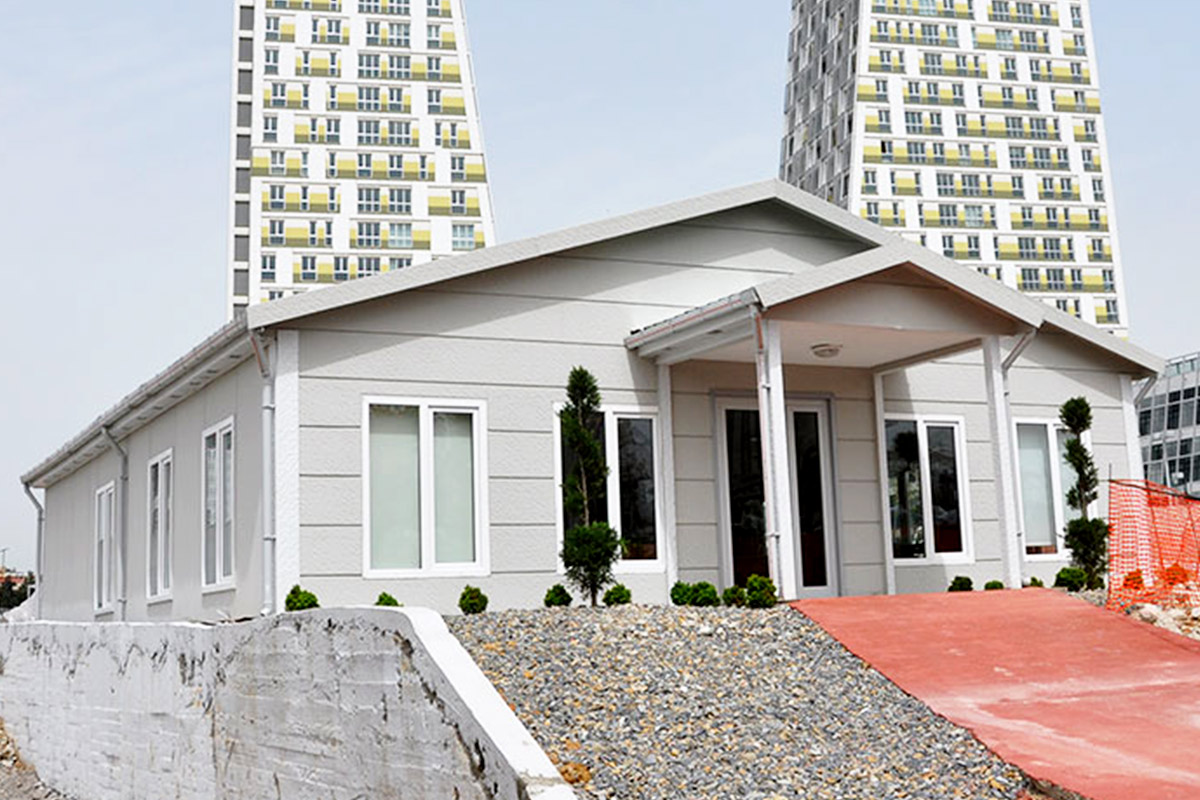
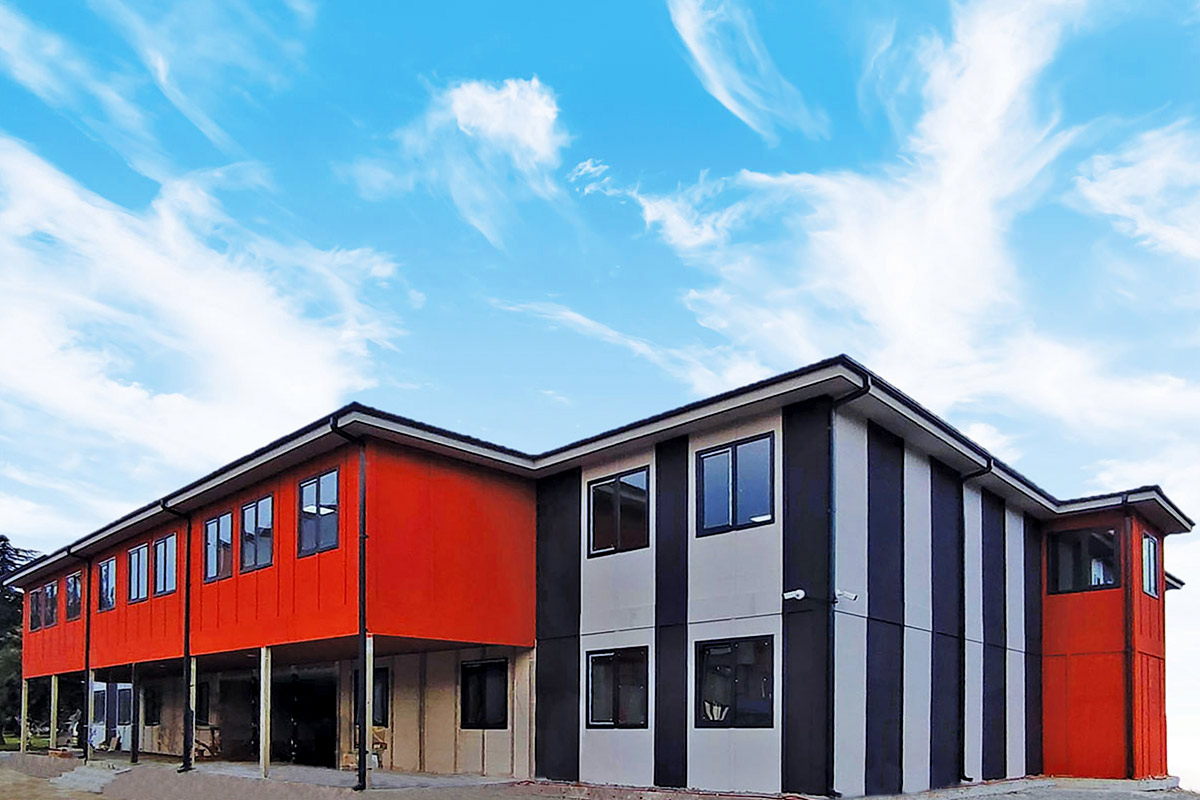
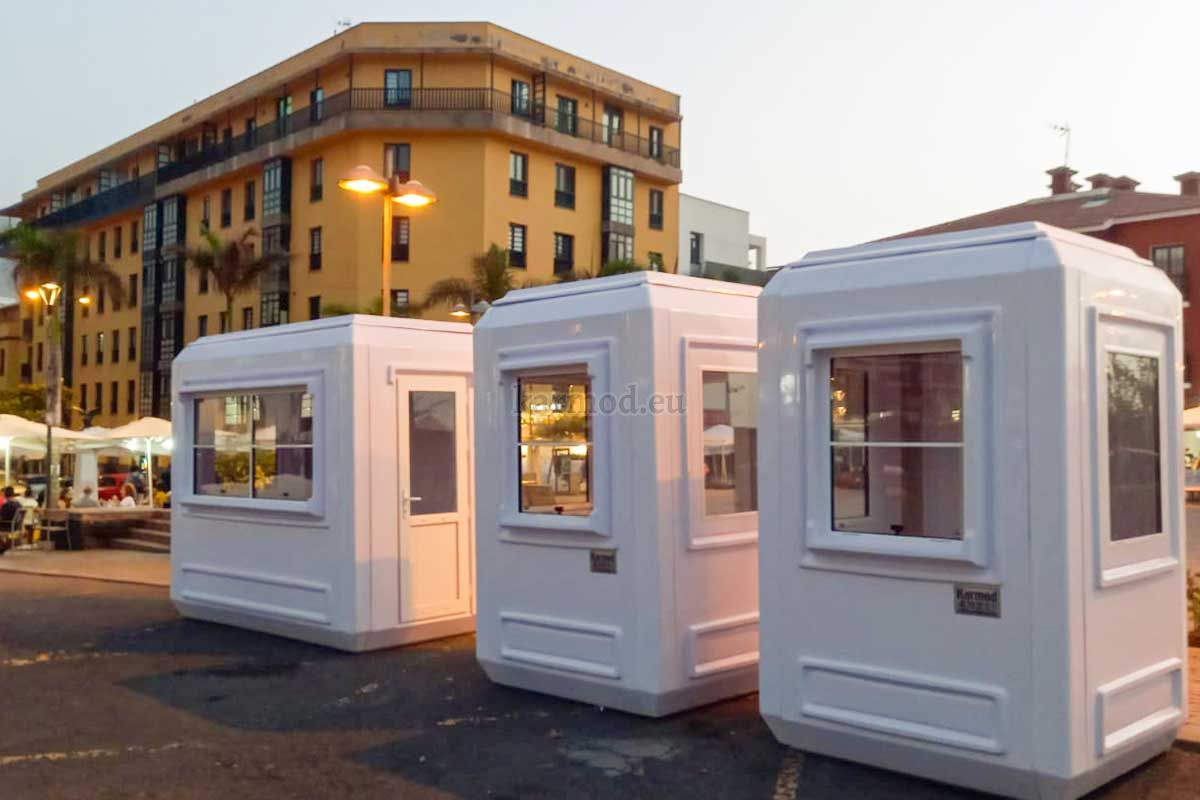
Exterior design also matters in cities. Cabins can be finished to blend with modern architecture or stand out as a design feature. This makes them suitable not only for industrial zones but also for premium office districts and mixed-use developments.
Long-Term Value and Return on Investment
A well-designed soundproof modular cabin is not a temporary fix. It is a long-term asset. High-quality materials, robust structural frames, and replaceable interior components ensure years of reliable use with minimal maintenance. If needs change, the cabin can be relocated, repurposed, or expanded.
From a financial standpoint, this flexibility translates into real value. Instead of committing to permanent construction, businesses invest in a solution that adapts as they grow or reorganize. Faster installation means earlier use, and controlled manufacturing keeps costs transparent.
For urban-focused companies looking to improve working conditions, meet regulations, or create premium quiet spaces, soundproof modular cabins offer a clear advantage. They solve a real problem with precision, speed, and confidence, making them one of the smartest spatial investments in modern city environments.
Ready to Create a Quiet Space in the Heart of the City?
Urban noise doesn’t have to dictate how your team works, meets, or concentrates. Soundproof modular cabins give you control over your environment without the delays, disruption, and uncertainty of traditional construction. Whether you need a focused office, a private meeting room, or an acoustically controlled workspace, the right modular solution can be tailored precisely to your location and requirements.
If you are considering a soundproof cabin for an urban site, now is the right time to explore your options. Get in touch with us to review technical specifications and request a project-specific proposal. A well-designed cabin can be delivered, installed, and operational far sooner than you expect—bringing calm, productivity, and long-term value to even the busiest city setting.