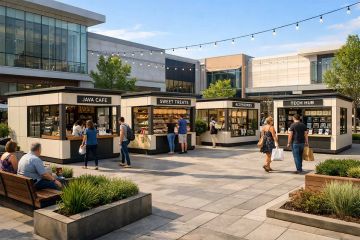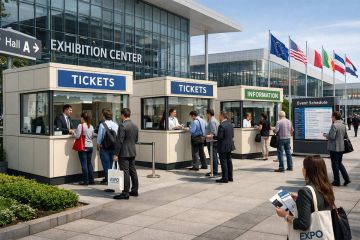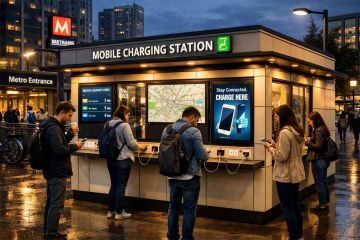



Temporary retail villages introduce a fresh layer to modern retail by combining speed, flexibility, and experiential design into a single concept. Rather than relying on permanent buildings, these short-term retail environments create curated shopping districts that feel lively, intentional, and socially engaging. They are designed to appear quickly, operate efficiently, and leave minimal impact once their purpose is fulfilled.
For brands and developers, temporary retail villages offer a controlled way to activate locations, test consumer response, and create destination-style retail without long-term commitments. For visitors, they deliver a shopping experience that feels dynamic, unexpected, and distinctly different from traditional malls or high streets.
Shopping as an Experience, Not Just a Transaction
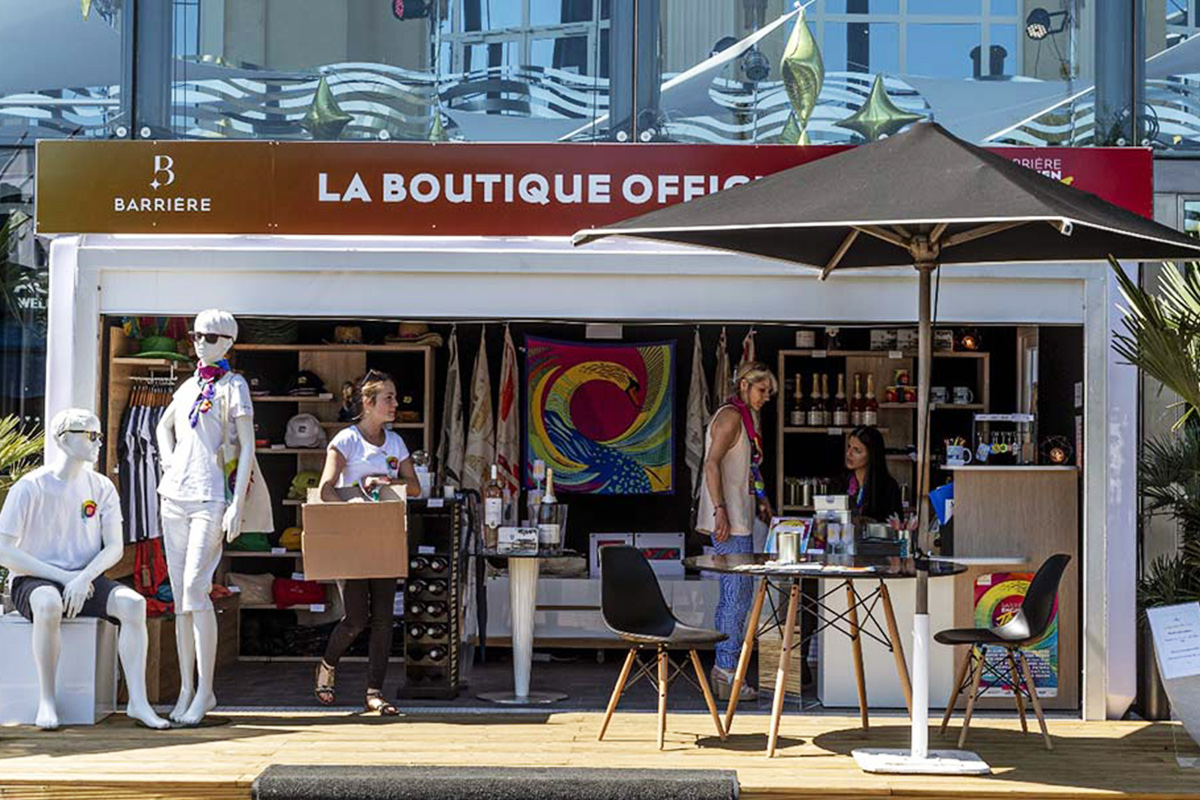
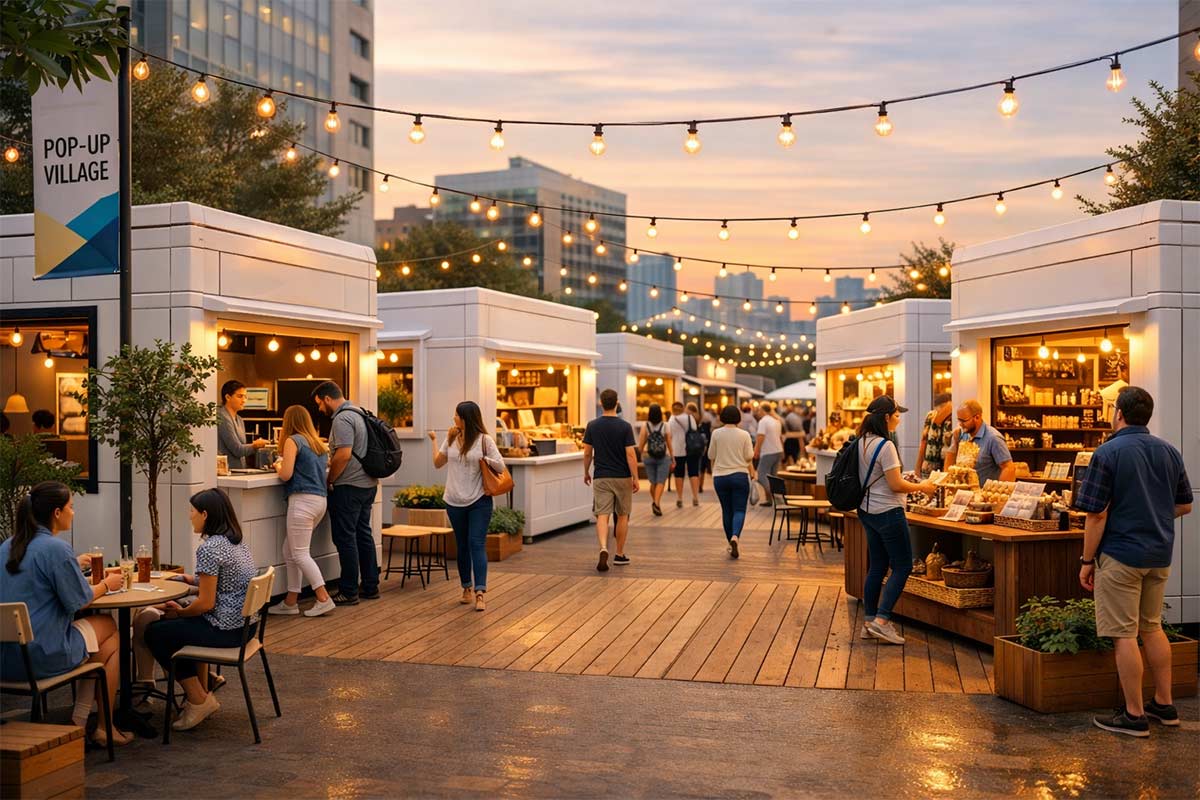
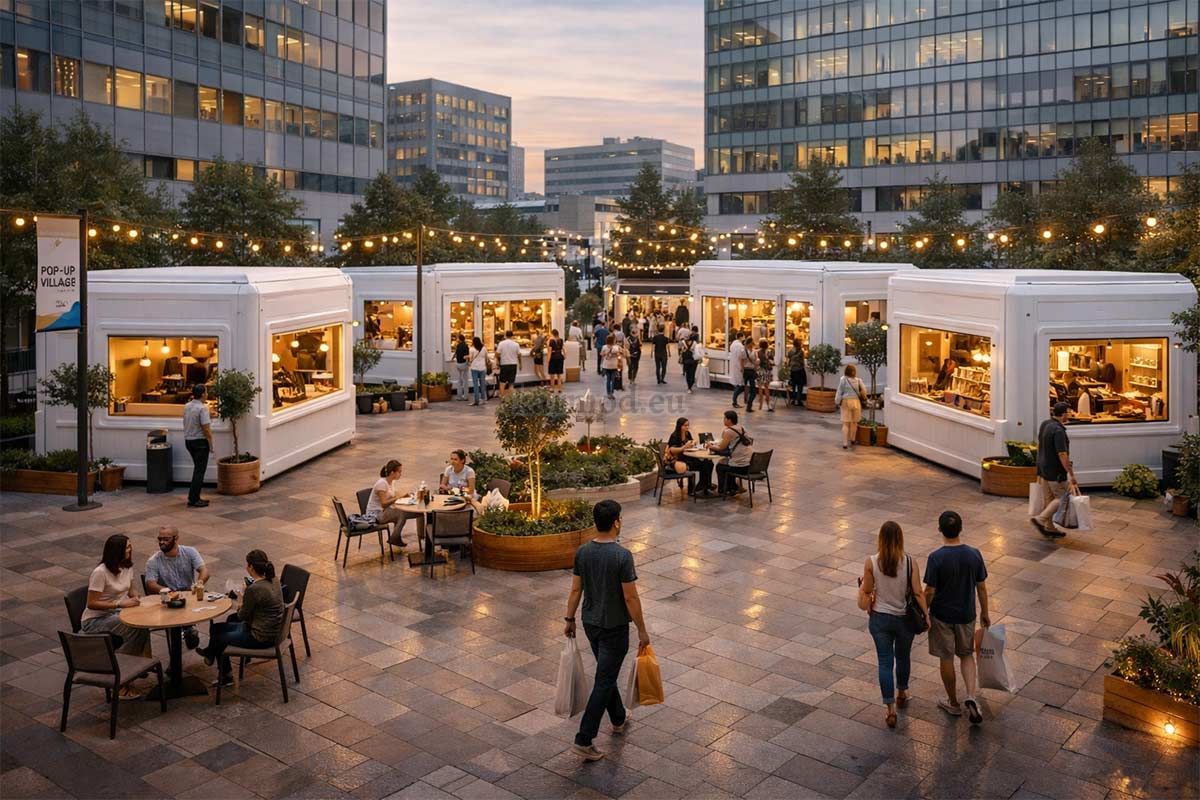
Temporary retail villages shift the focus from pure product sales to experiential engagement. Visitors are drawn in not only by individual stores but by the overall atmosphere of the village itself. The layout encourages movement, discovery, and interaction, making shopping feel closer to a leisure activity than a routine errand.
This experience-driven approach increases dwell time and emotional connection. When people enjoy being in a space, they are more likely to explore multiple shops, engage with brands, and return with friends. Retail villages succeed because they turn shopping into a social and sensory experience rather than a linear buying process.
A Flexible Alternative to Permanent Retail Developments
Unlike traditional retail projects that require long planning cycles and irreversible investment, temporary retail villages are built around adaptability. Their modular nature allows layouts to change, stores to rotate, and entire villages to be reconfigured or relocated when needed.
This flexibility reduces financial risk for developers and tenants alike. Shorter commitments make it easier to experiment with new concepts, respond to market shifts, or activate land that may later be repurposed. Temporary retail villages function as strategic tools rather than fixed infrastructure.
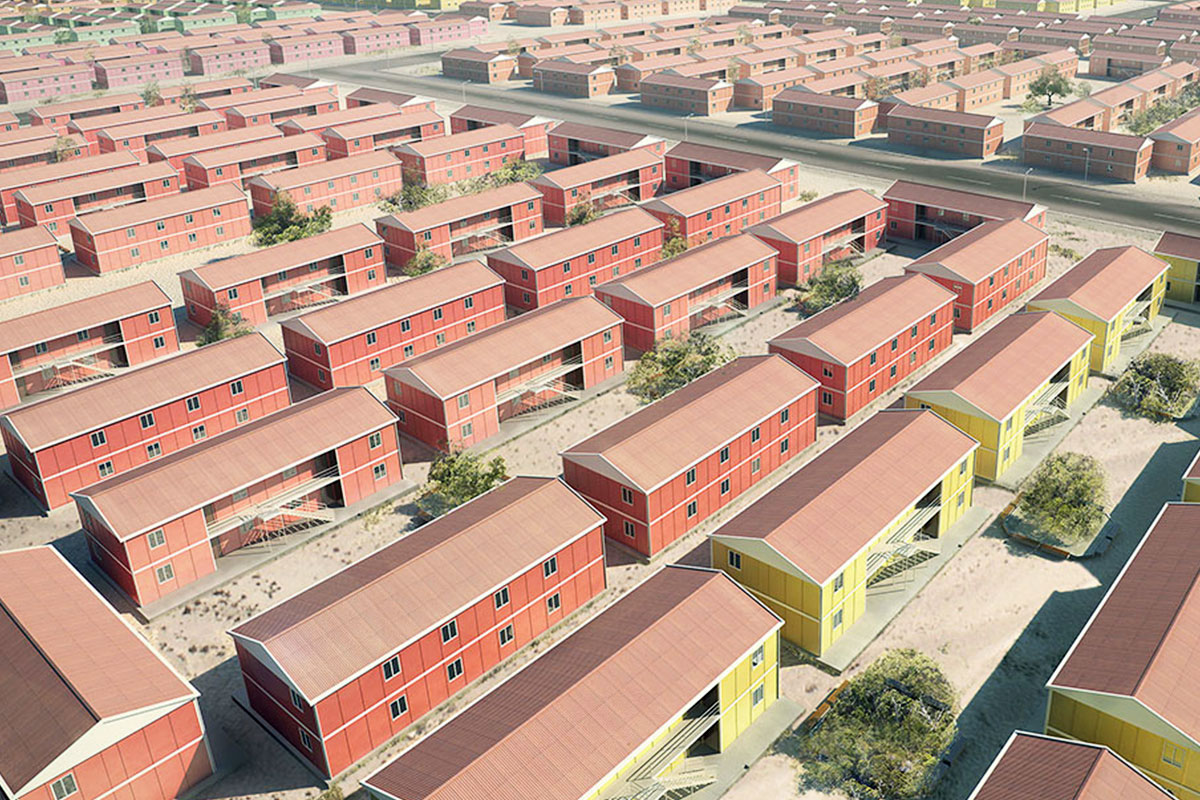
How Modular Construction Enables Entire Retail Districts
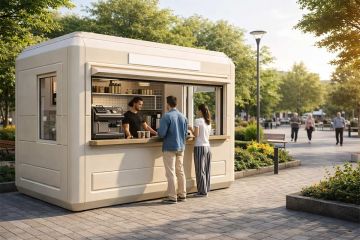
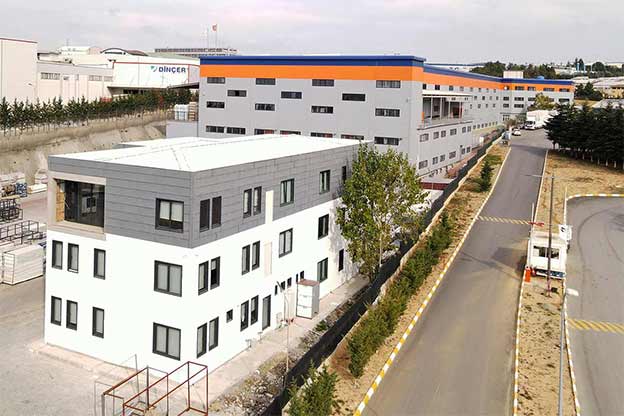
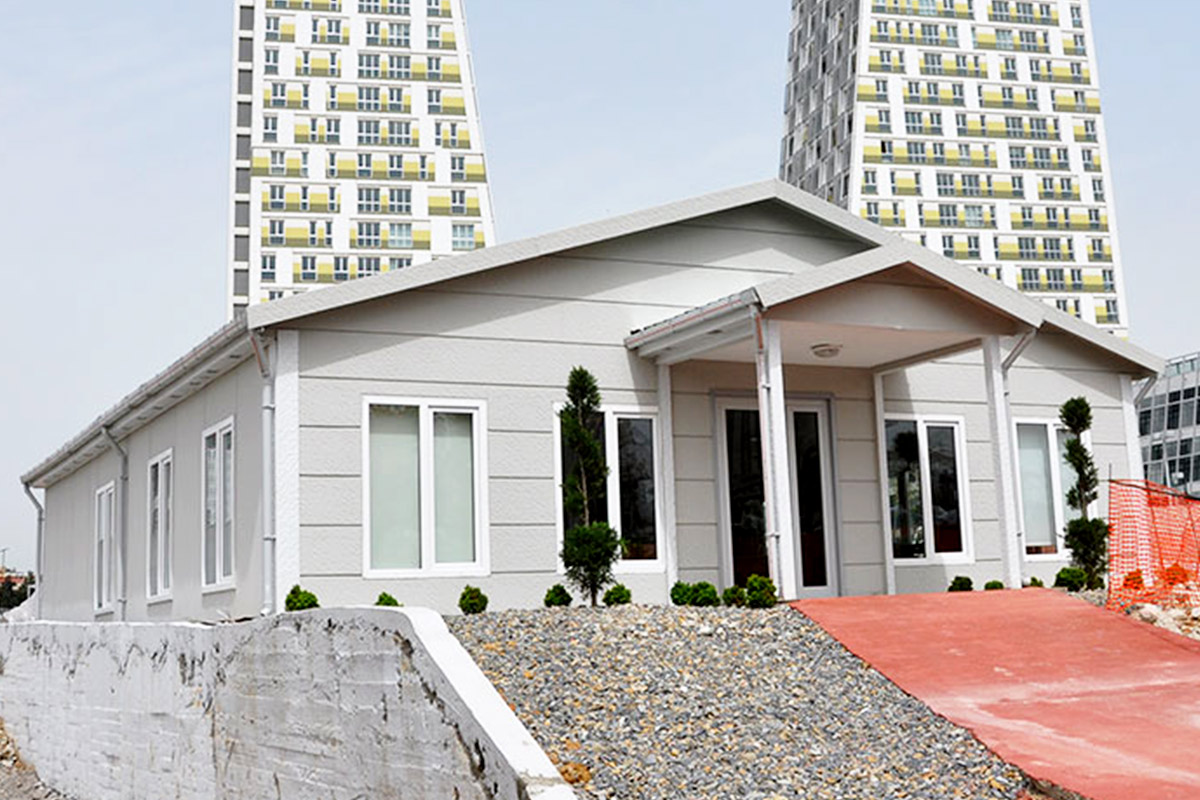
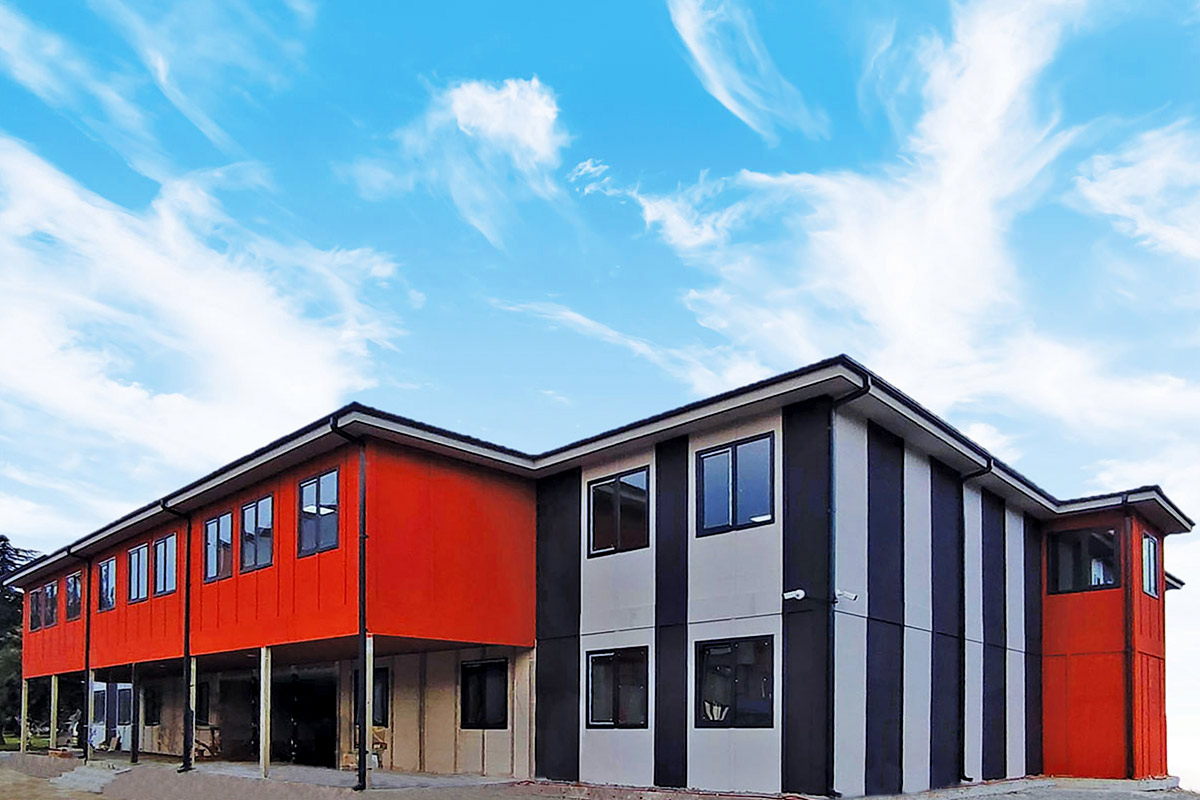
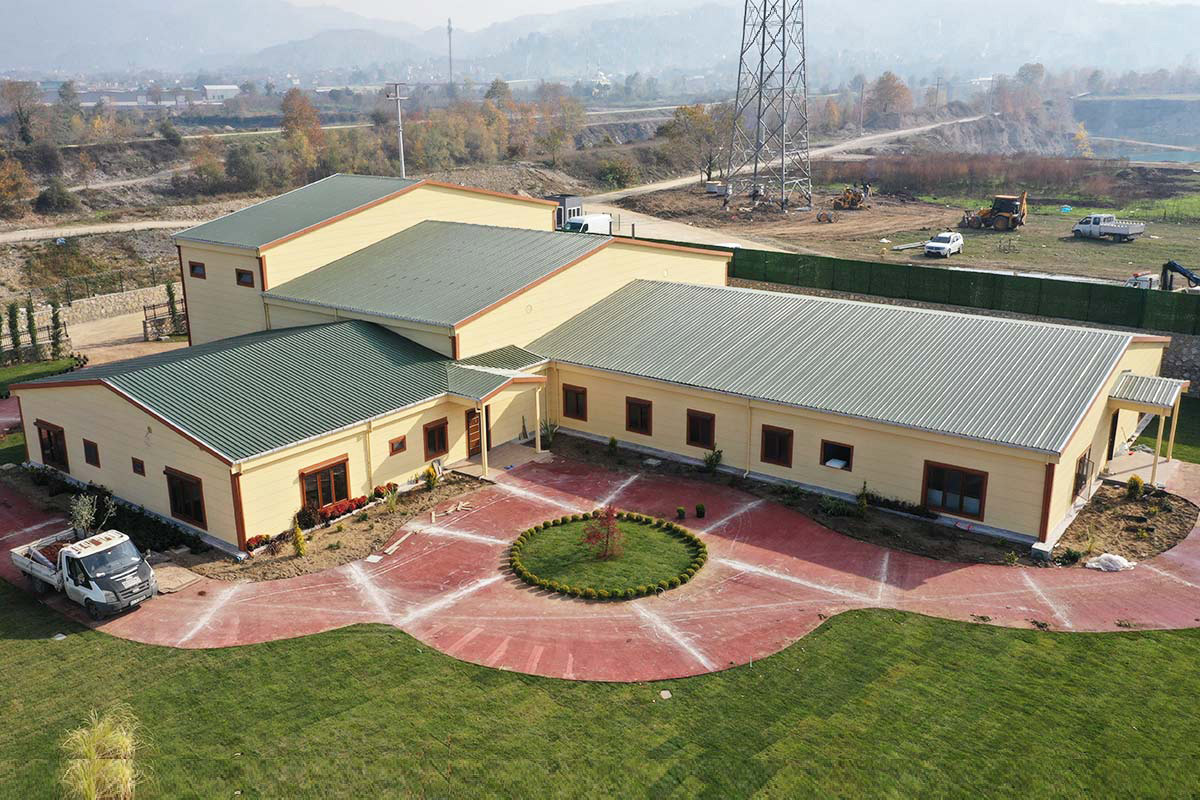
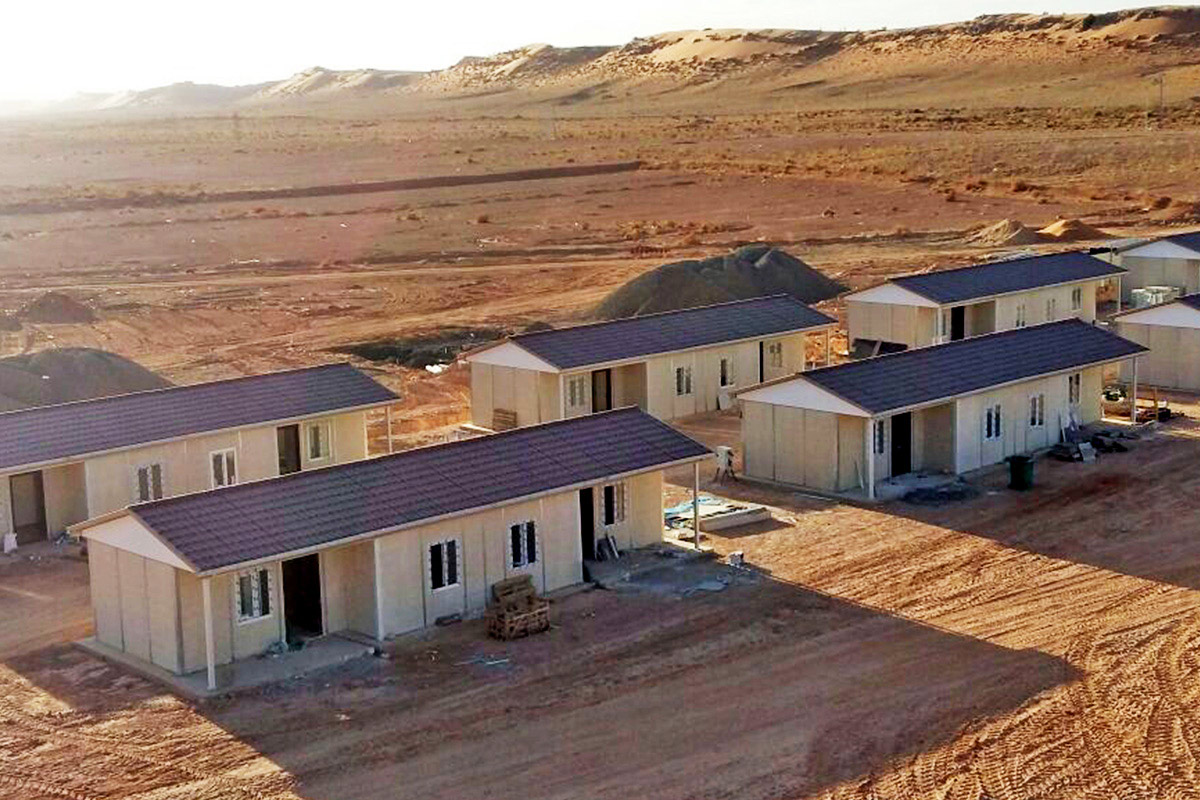
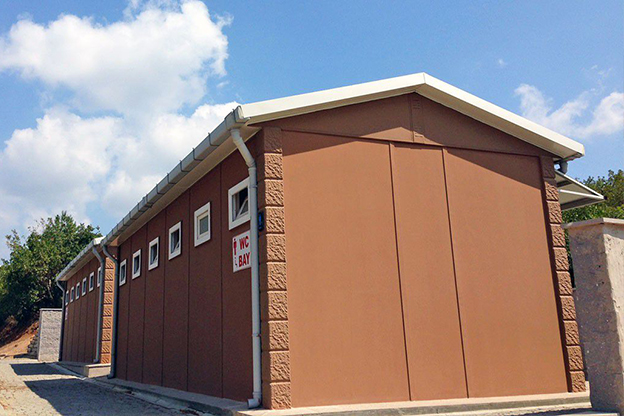
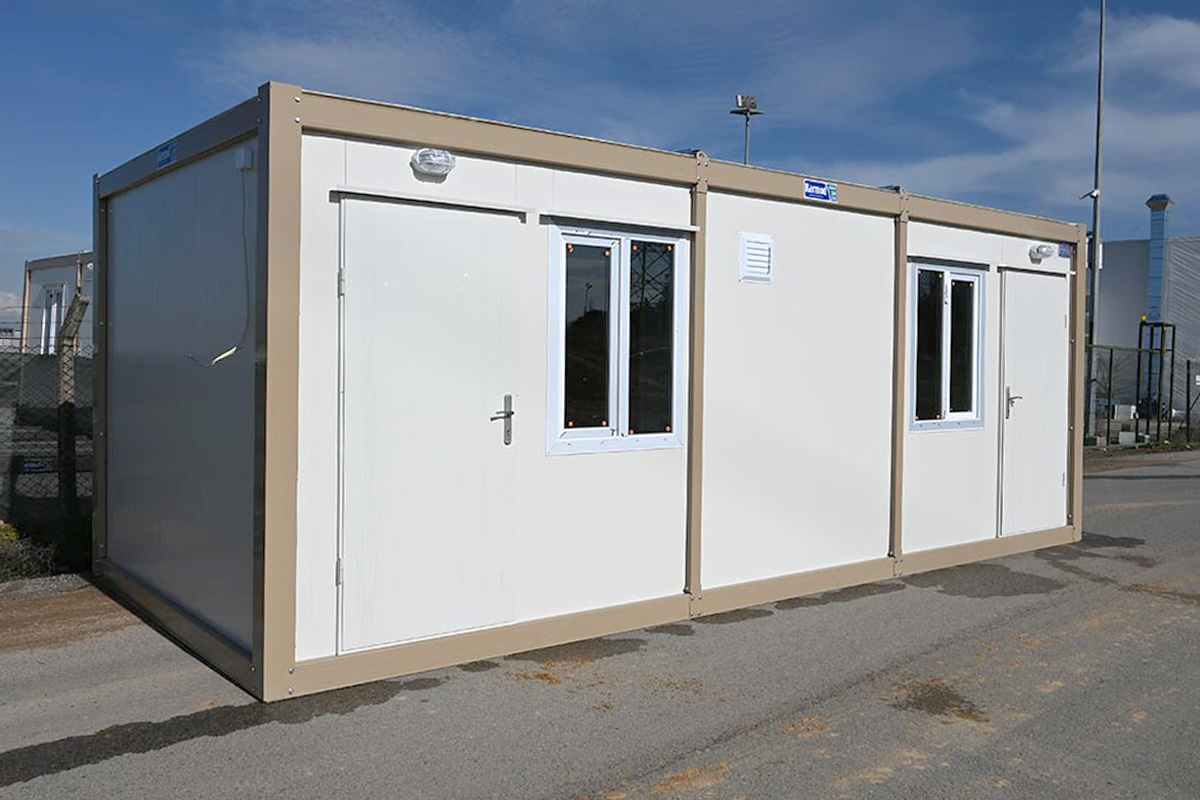
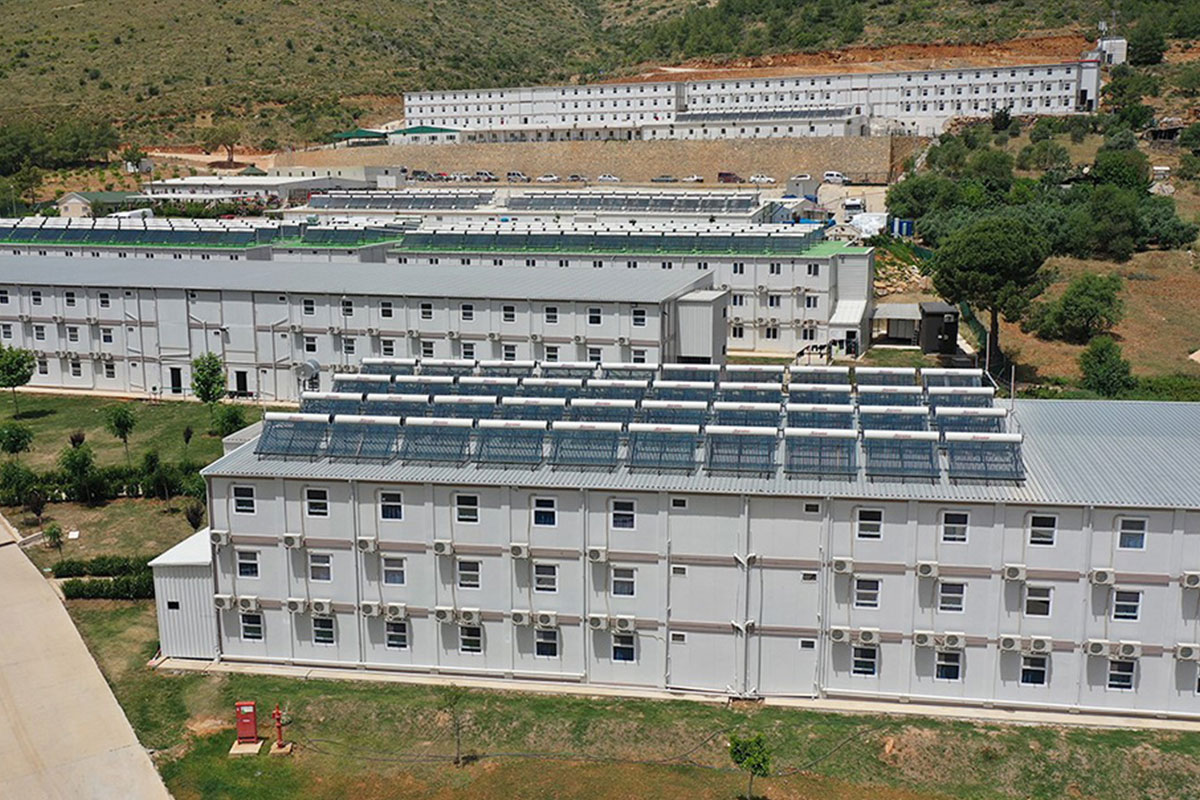
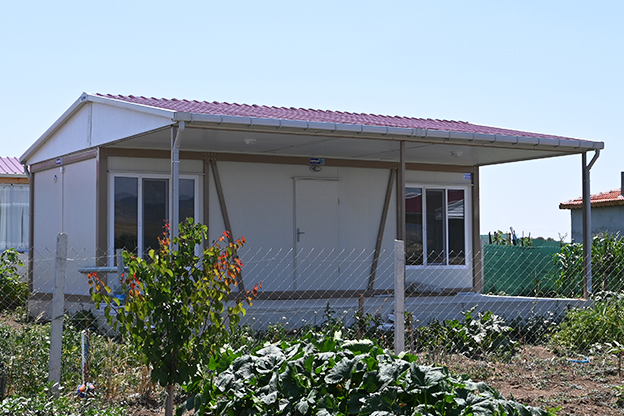
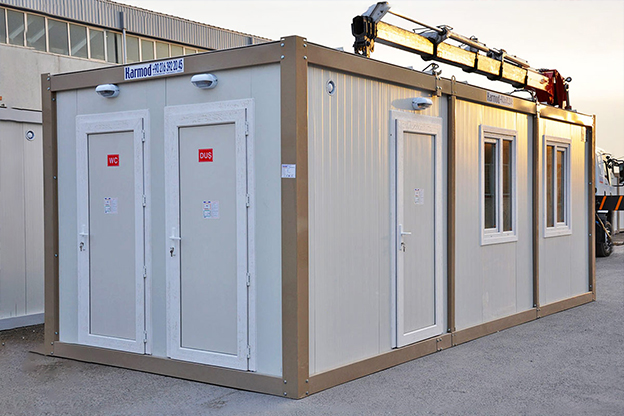
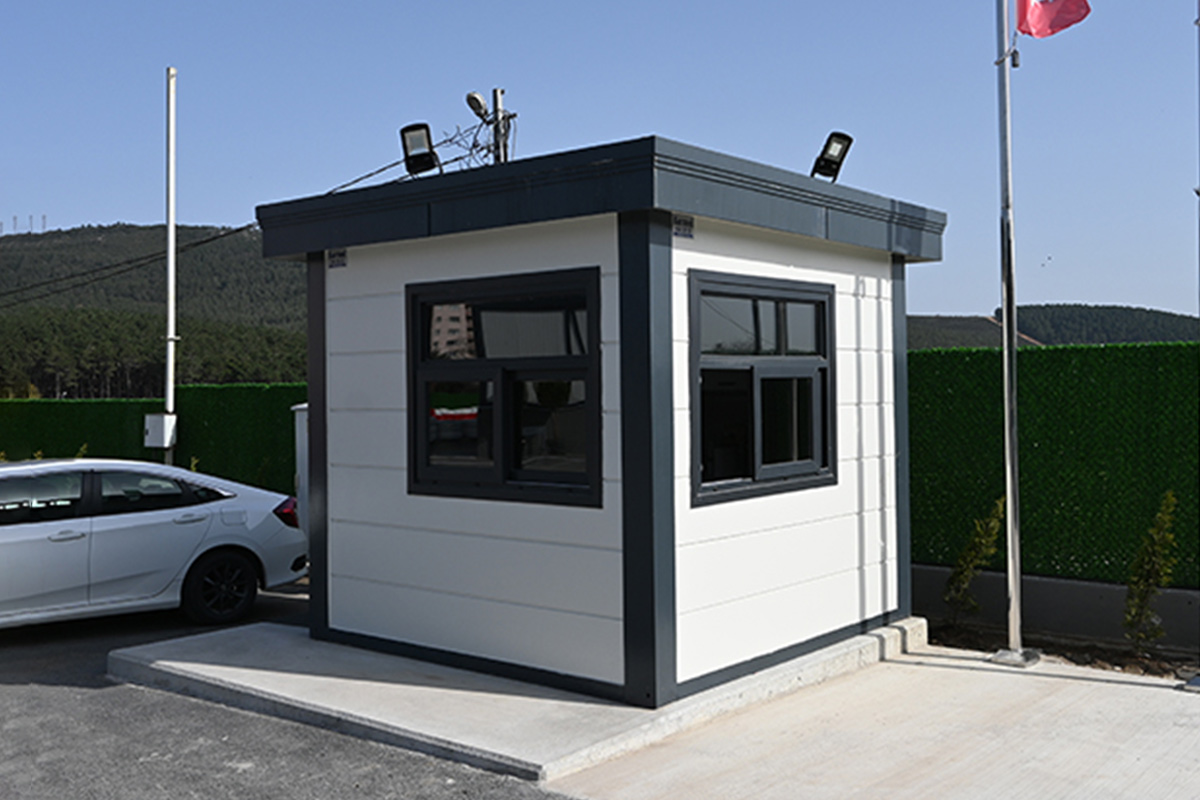
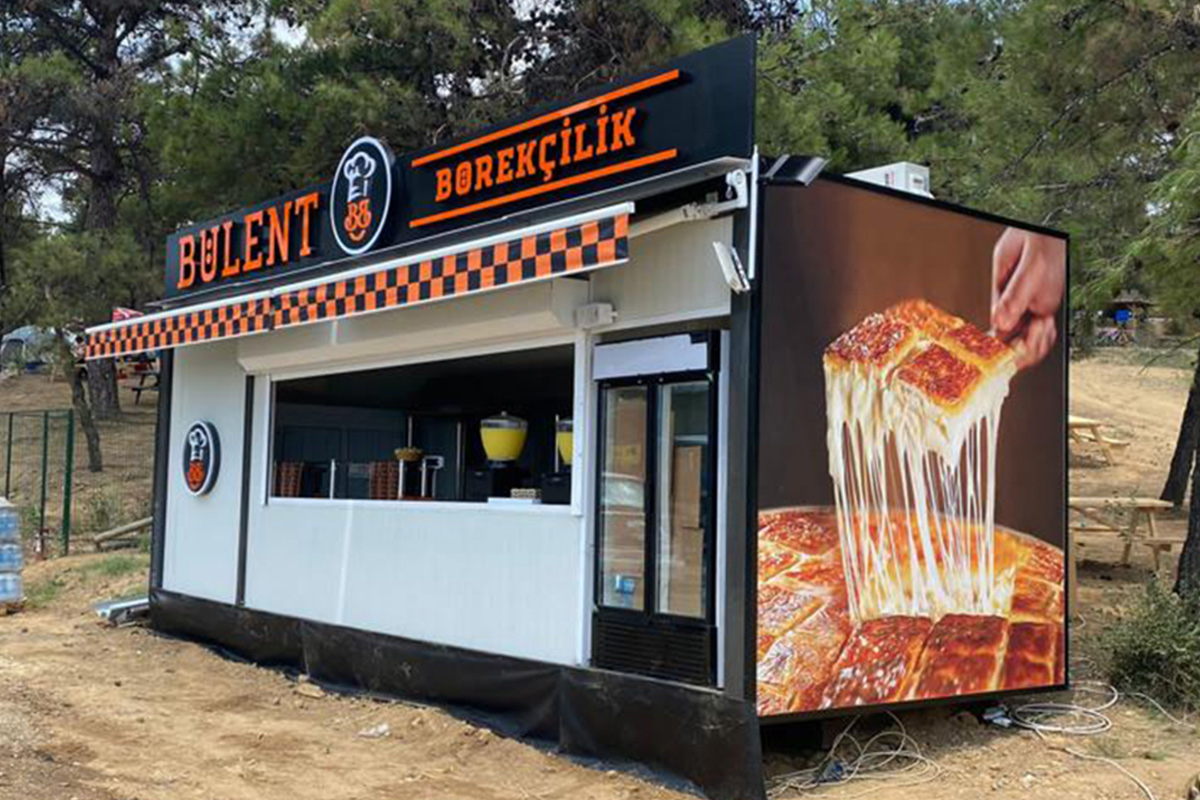
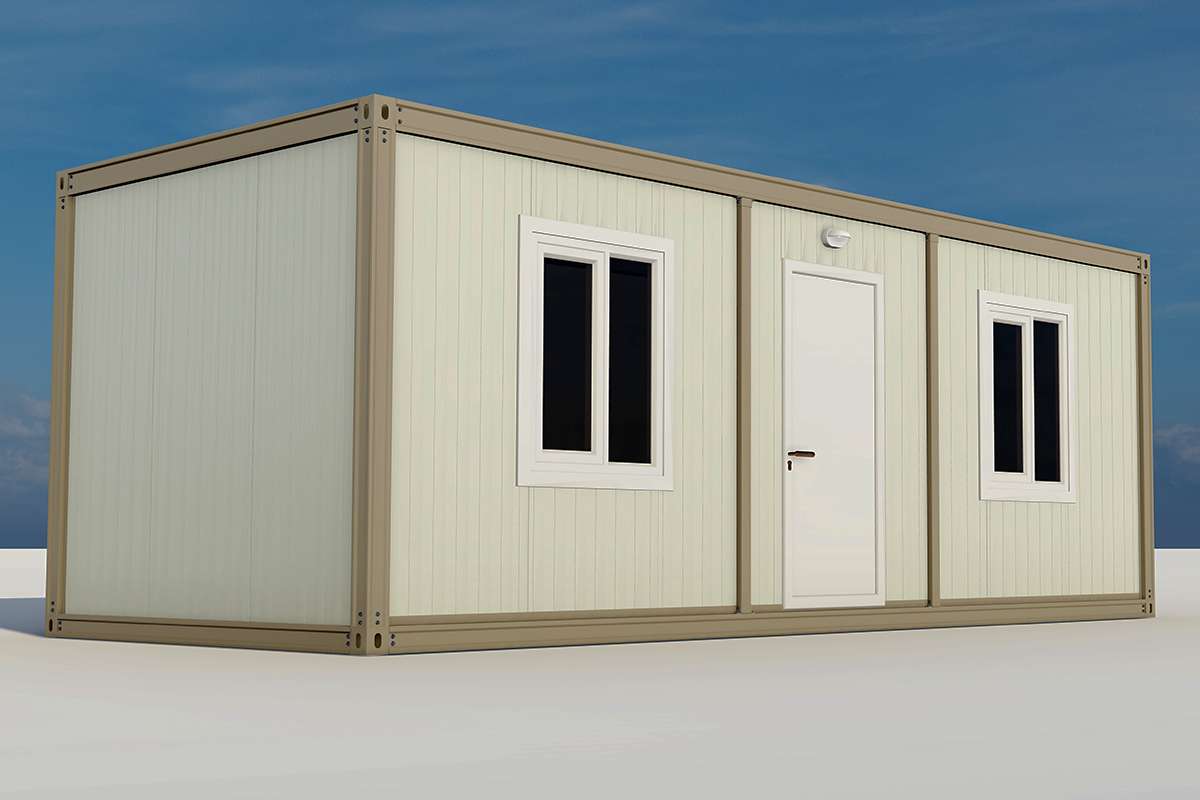
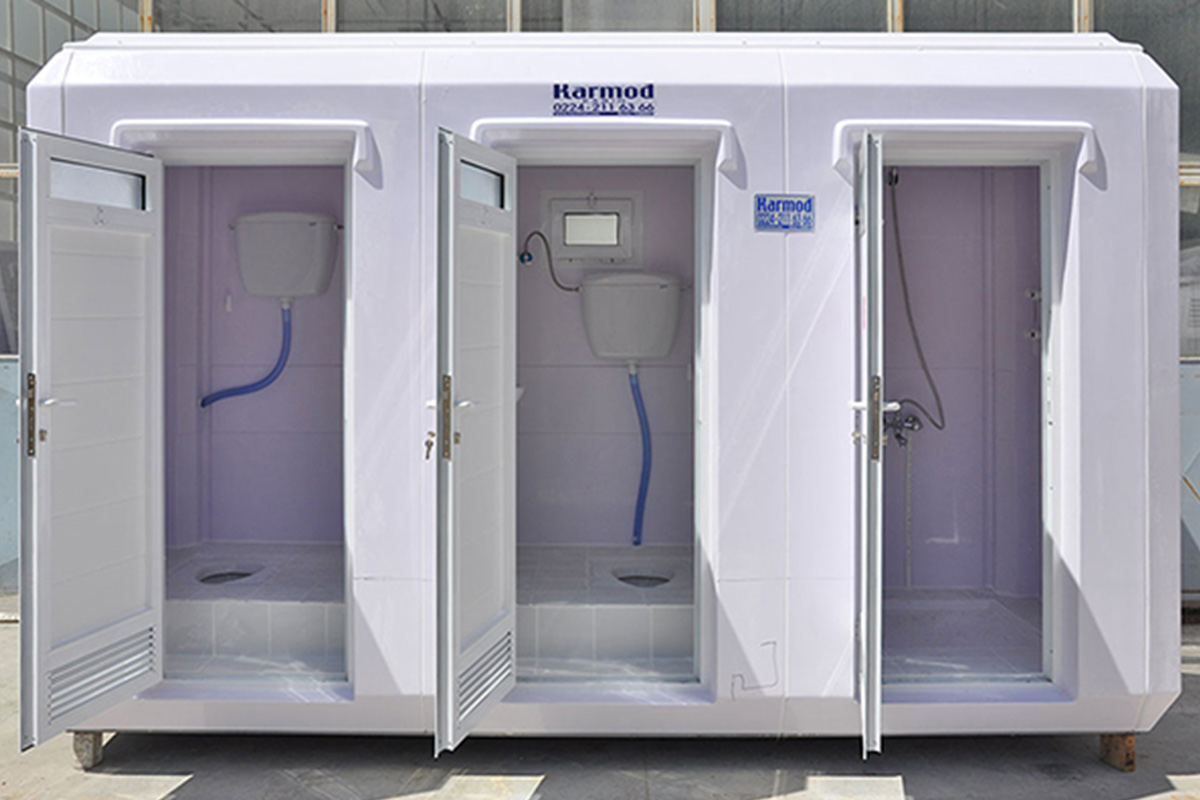
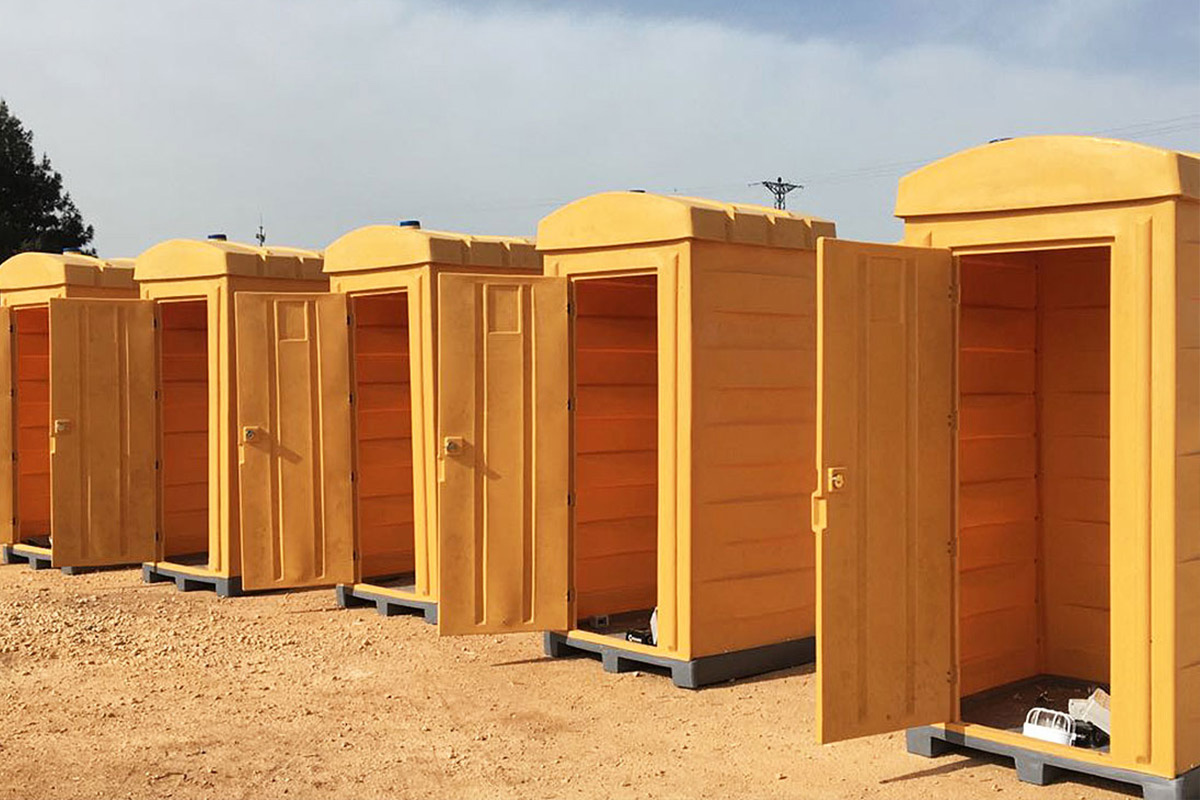
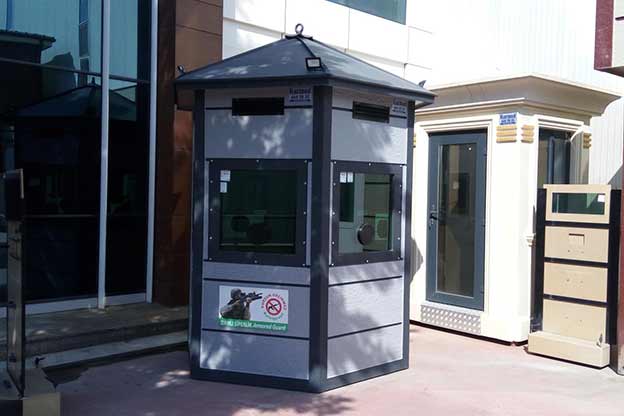
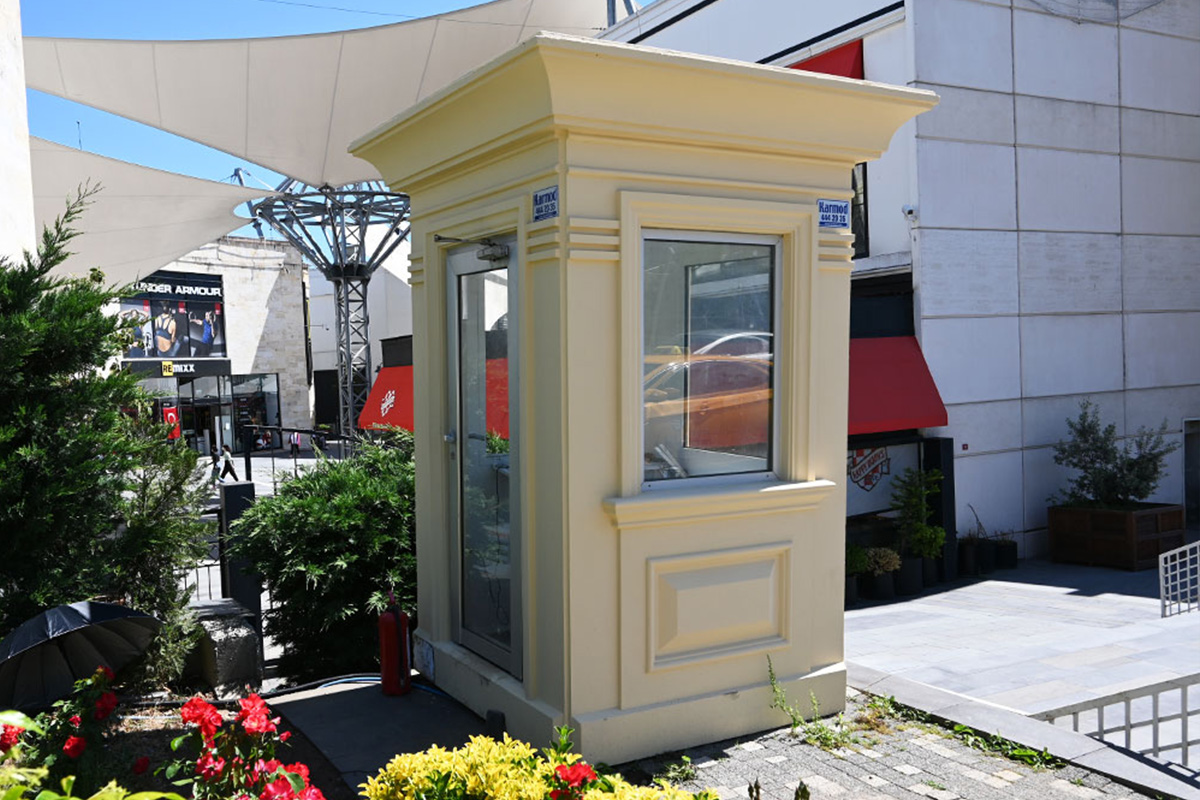
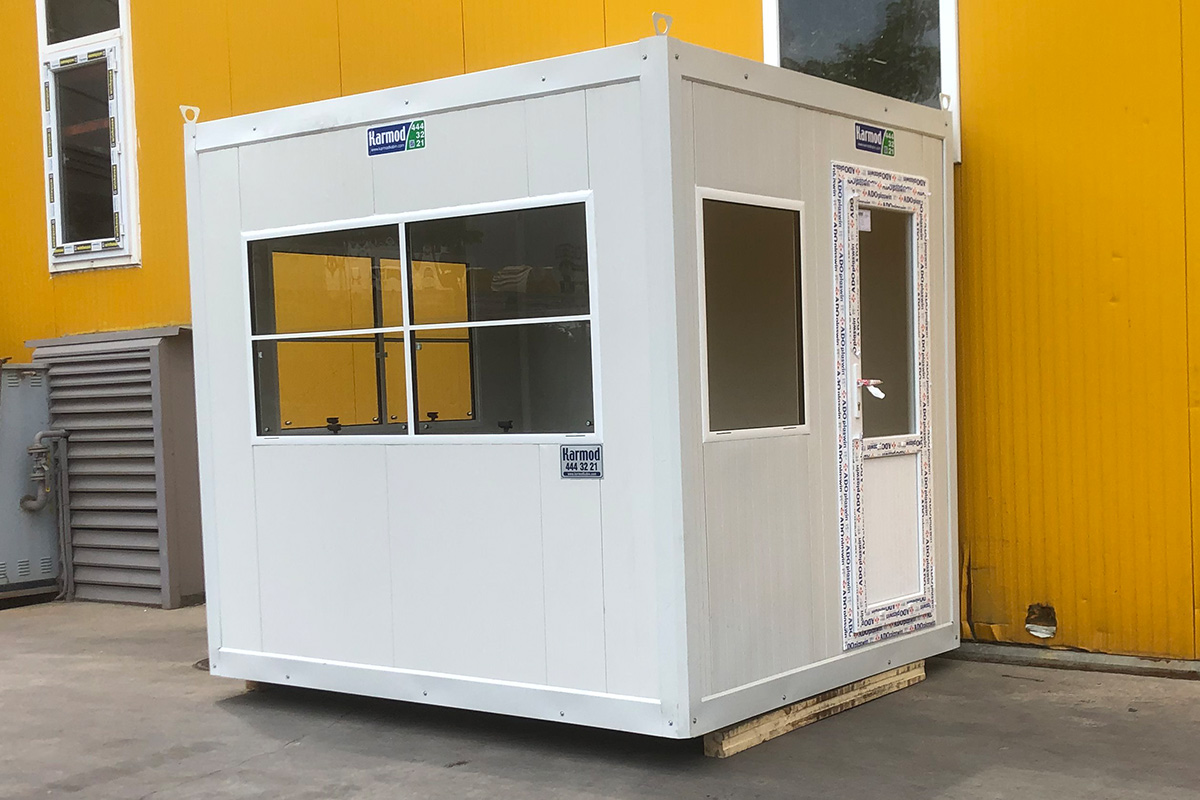
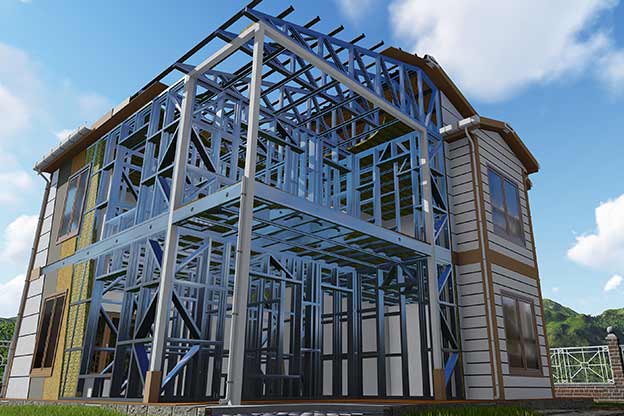
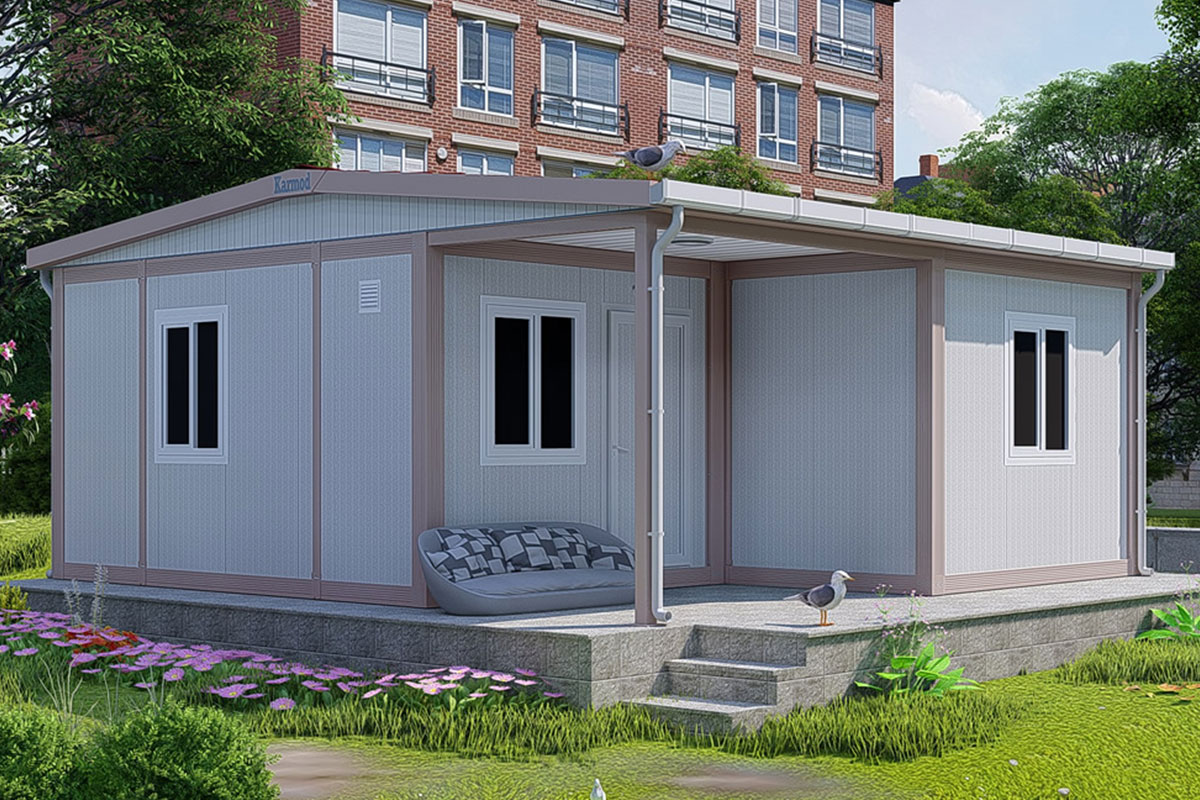
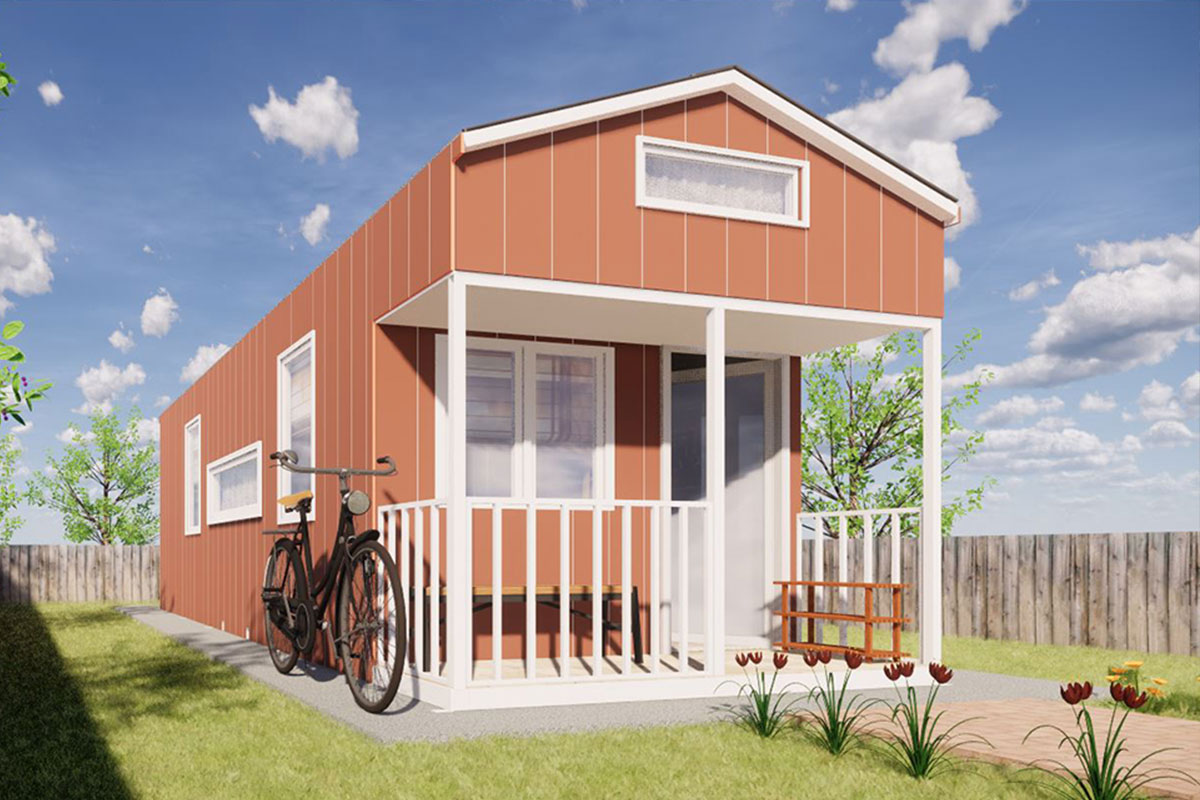
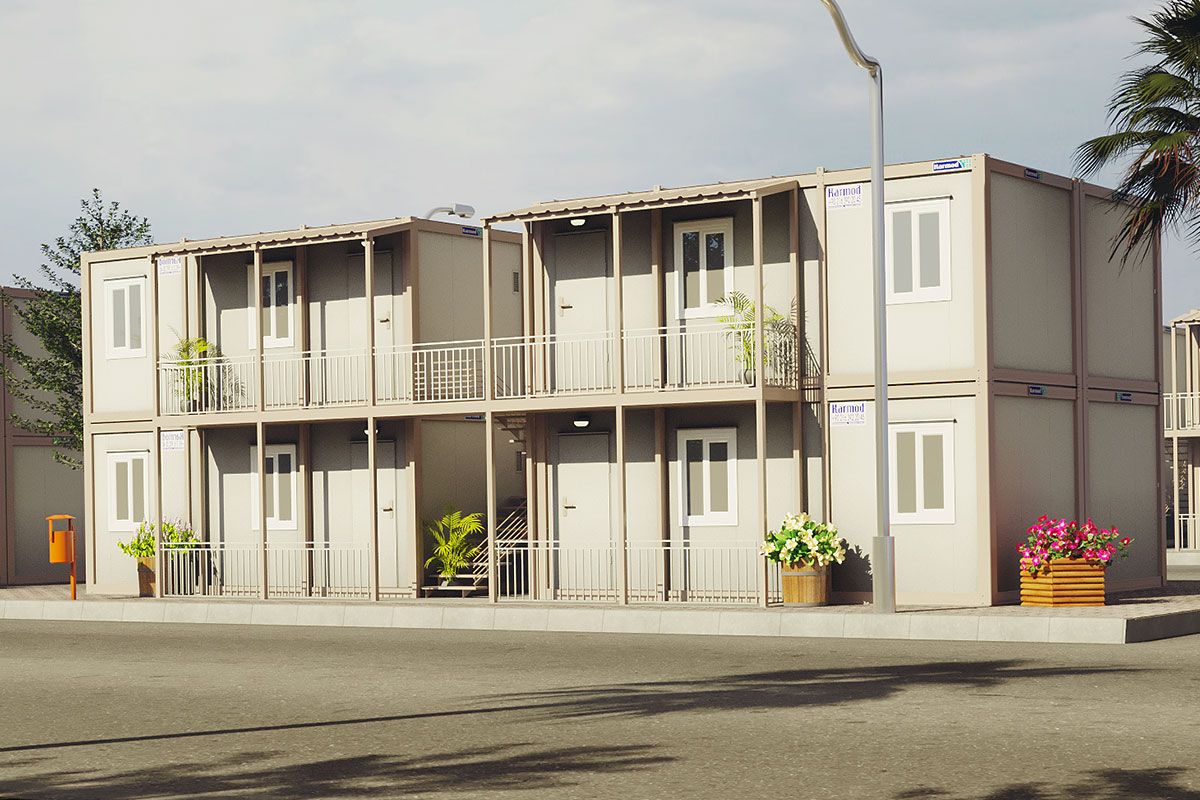
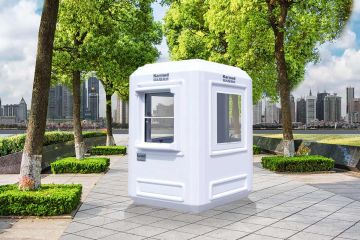
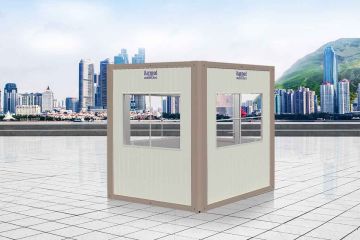
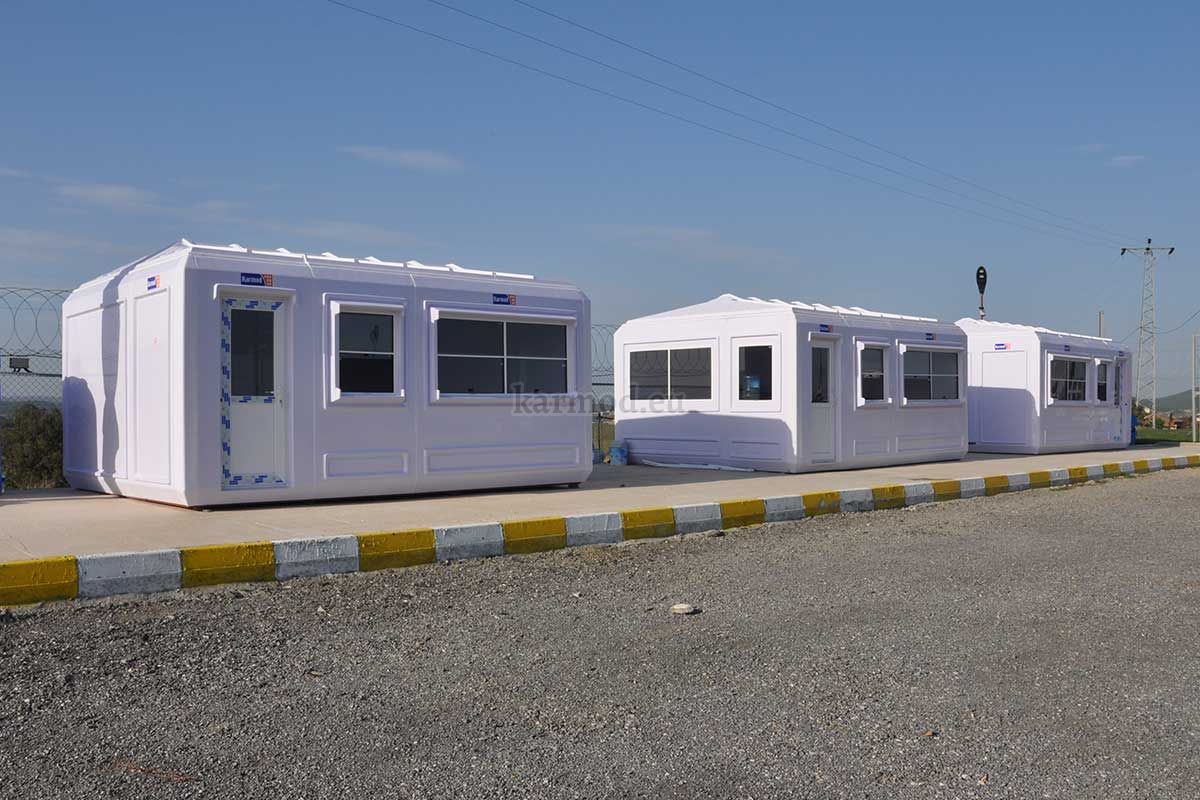
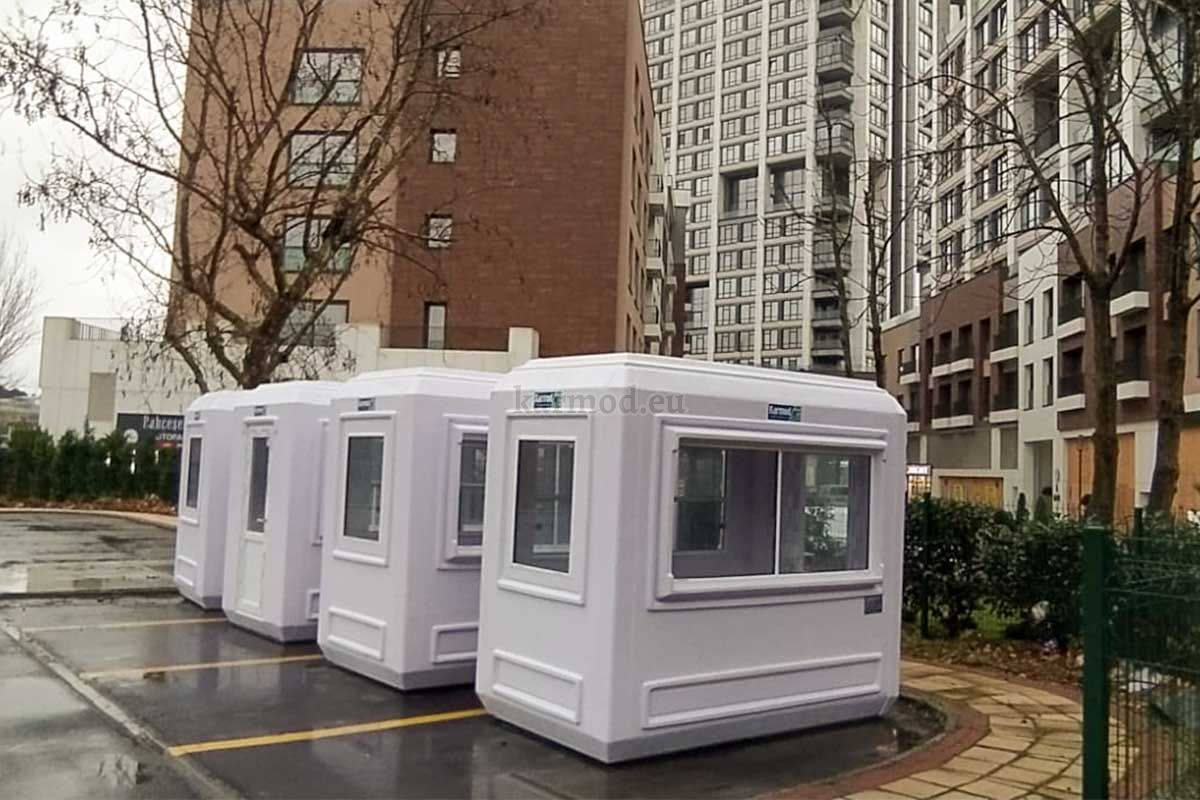
The rapid assembly of temporary retail villages is made possible through modular and container-based construction systems. These prefabricated units are produced off-site under controlled conditions, ensuring consistent quality and predictable timelines. Once delivered, they are installed with minimal disruption to the surrounding area.
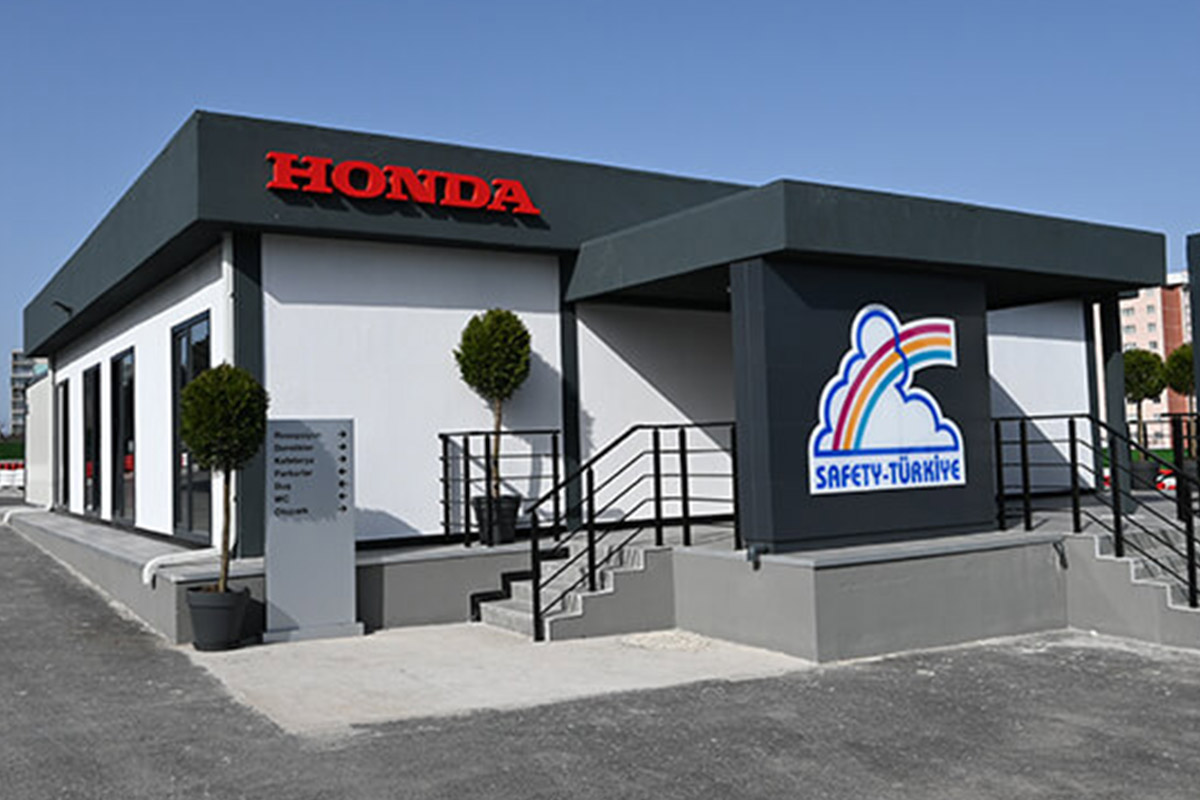
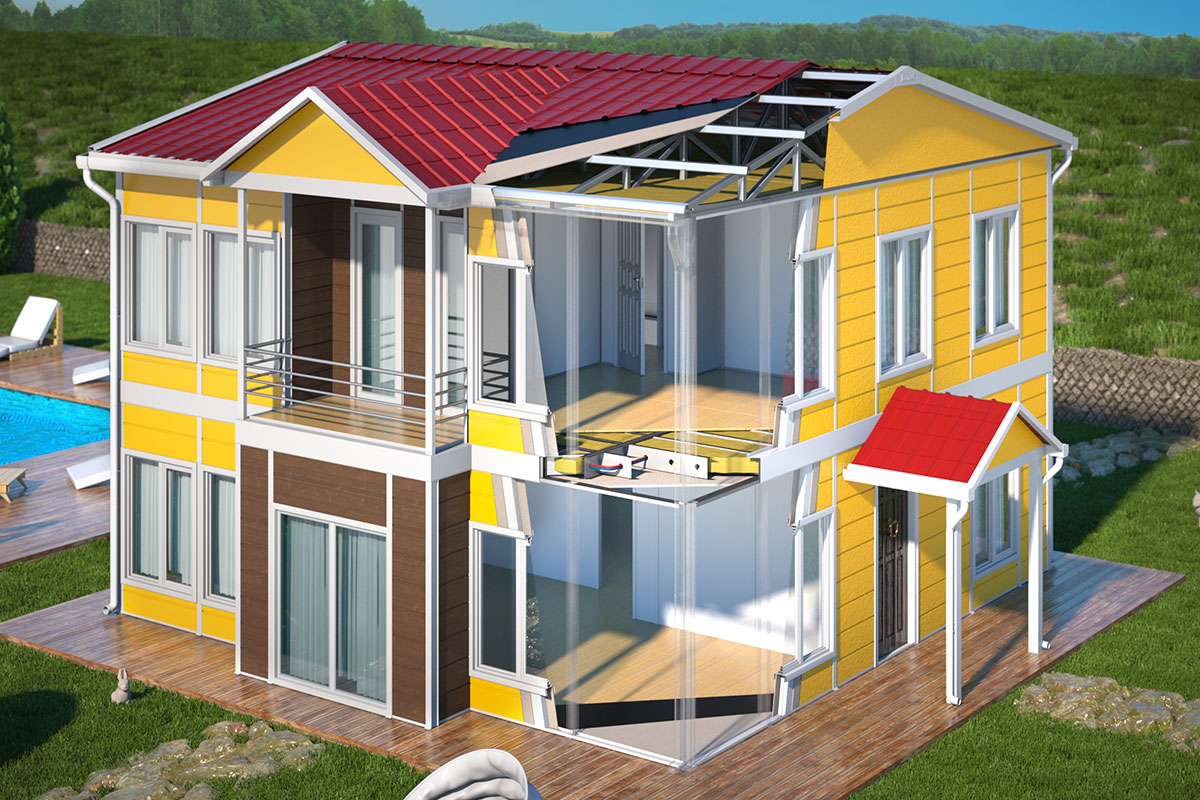
Beyond speed, modular units provide structural clarity. Electrical systems, insulation, and interior finishes are integrated during production, allowing each retail unit to arrive ready for operation. This efficiency makes it feasible to construct an entire retail district within a remarkably short timeframe.
Activating Underused Urban Spaces with Temporary Retail
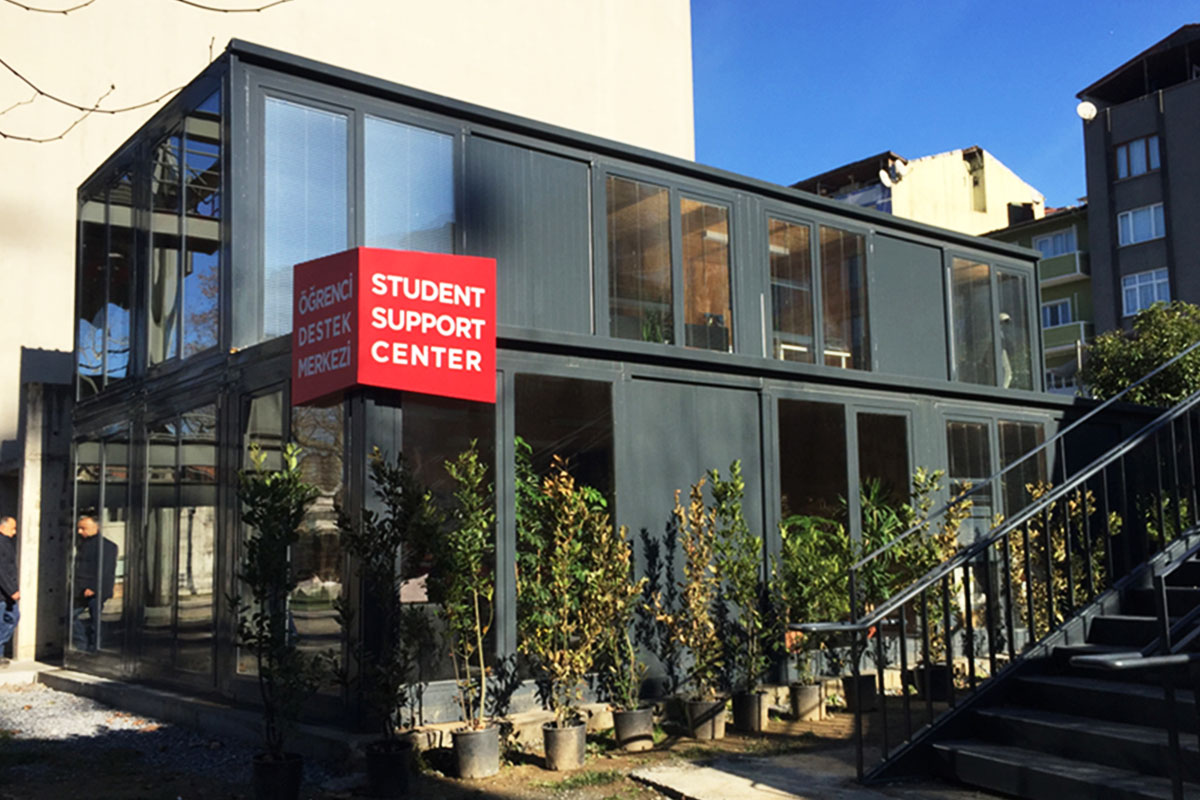
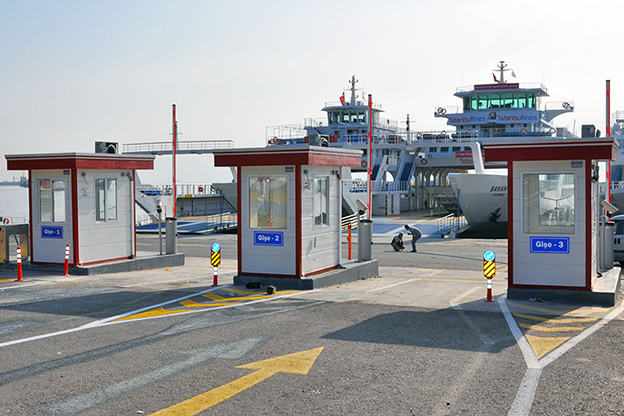
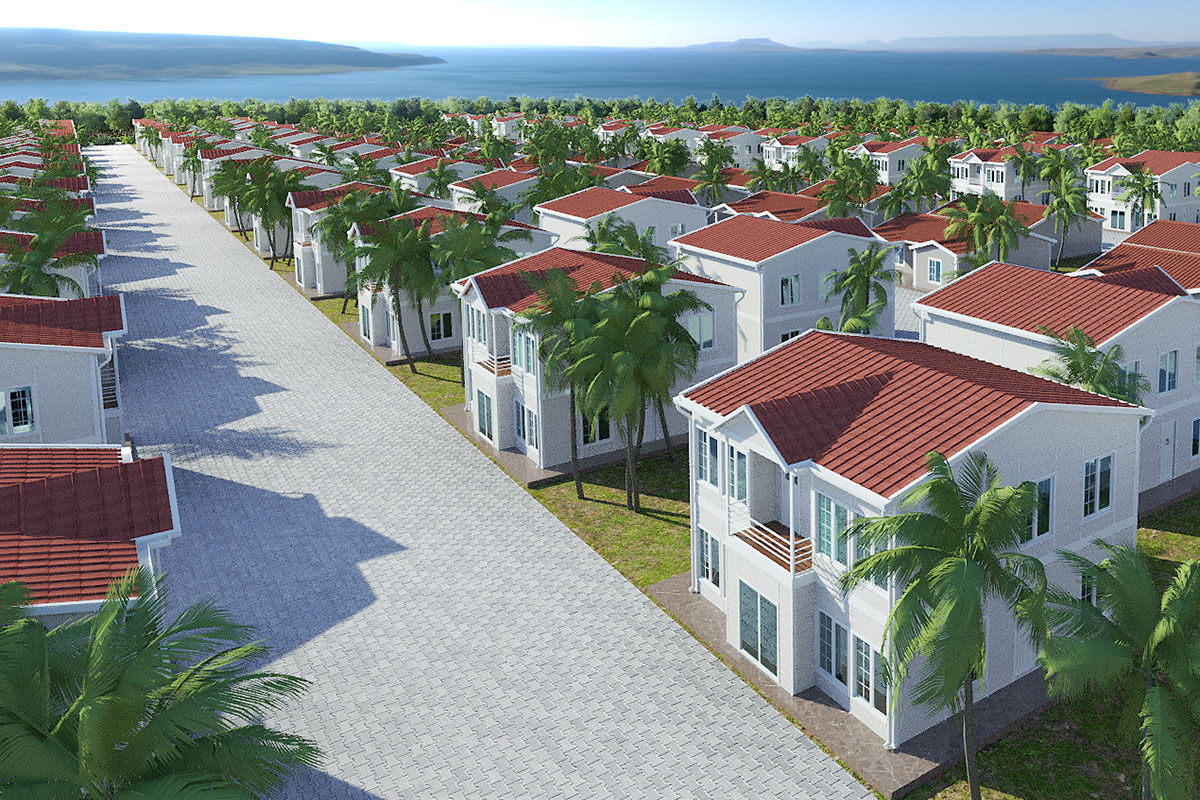
Temporary retail villages offer cities a practical solution for activating vacant or transitional areas. Empty lots, redevelopment zones, waterfronts, and event spaces can be transformed into vibrant commercial environments without permanent construction.
This approach benefits both cities and communities. Instead of unused land sitting idle, it becomes a temporary hub for commerce, culture, and social activity. Retail villages add energy to urban spaces while preserving long-term planning flexibility for future development.
Design Strategies That Create a “Village” Atmosphere
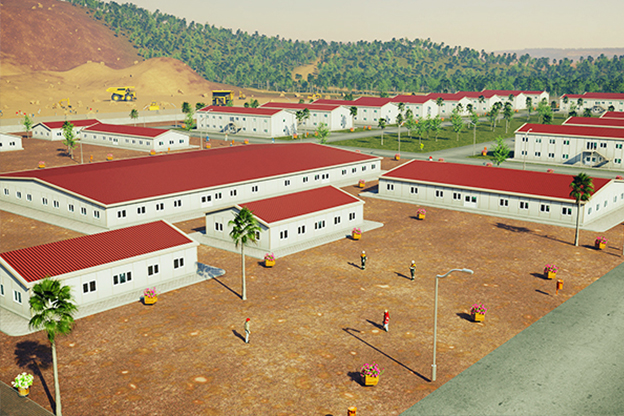
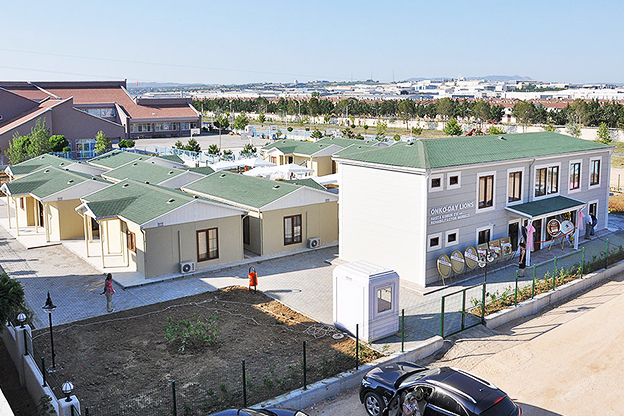
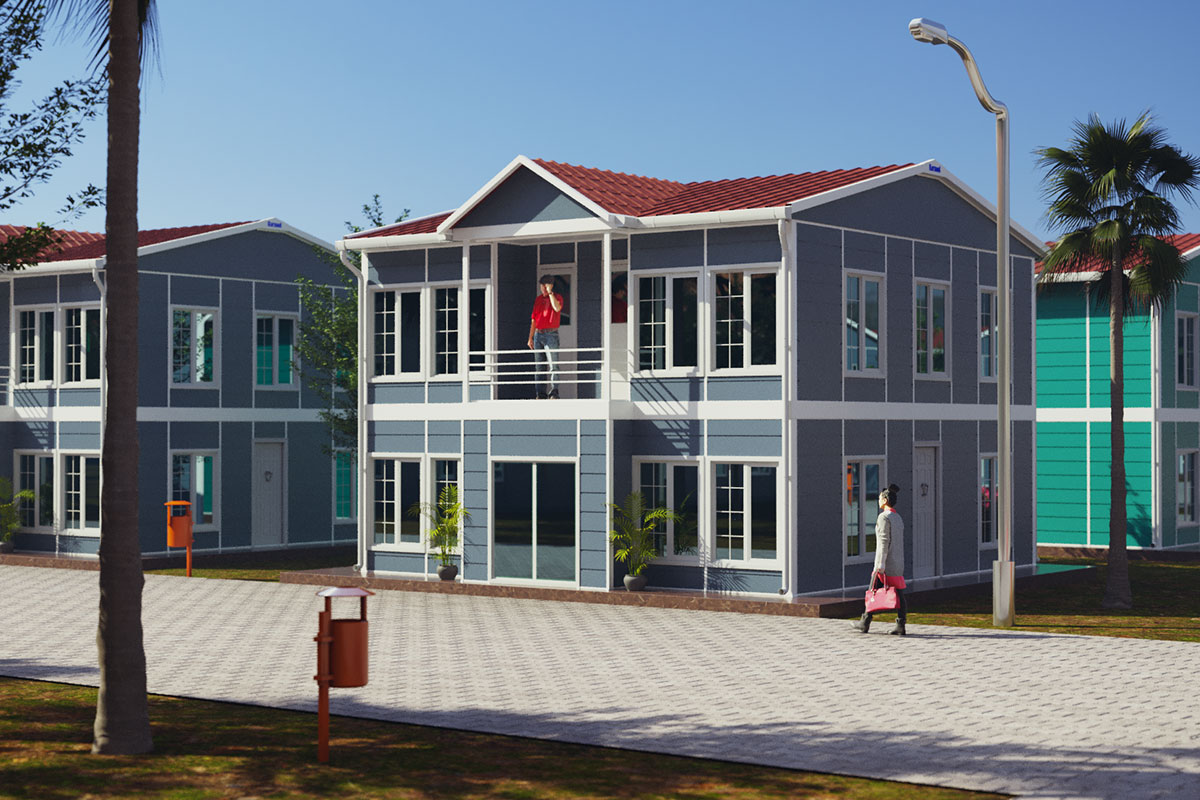
The success of a temporary retail village depends heavily on its spatial design. Pathways, open courtyards, seating areas, and landscaping are intentionally planned to create a sense of cohesion and flow. The goal is to feel like a walkable neighborhood rather than a collection of standalone shops.
This village-like atmosphere encourages casual exploration. Visitors naturally move from one unit to another, stopping to rest, socialize, or observe. Thoughtful design transforms the retail village into a place people want to spend time in, not just pass through.
Commercial Speed as a Competitive Advantage
One of the strongest advantages of temporary retail villages is how quickly they can become operational. While traditional retail developments may take months or years, modular retail villages can be planned, produced, and installed within weeks.
This speed allows brands to align retail presence with specific seasons, campaigns, or events. It also enables rapid response to market opportunities, turning retail infrastructure into an agile business asset rather than a slow-moving investment.
Redefining Short-Term Retail in a Long-Term Strategy
Temporary retail villages are not a replacement for permanent retail, but a complementary layer within a broader retail strategy. They allow brands and developers to experiment, adapt, and engage audiences in ways that fixed locations cannot.
As consumer behavior continues to evolve, temporary retail villages provide a scalable, experience-focused solution that aligns with modern expectations. They represent a new way of thinking about retail spaces, one where flexibility, design, and human experience take priority over permanence.
Interested in Developing a Temporary Retail Village?
If you are planning a temporary retail village project or exploring new ways to activate a site, working with the right modular construction partner is a critical first step. From layout planning to unit production and on-site installation, professional guidance helps ensure speed, quality, and long-term usability.
To discuss your project requirements, design options, and timeline, contact us for a tailored consultation. A well-planned temporary retail village can quickly transform an idea into a fully operational shopping destination.