




Guard huts have always played a quiet but essential role in security. Long before access cards and automated barriers, a simple structure and a watchful presence were enough to establish control. Over time, however, expectations changed. Sites grew larger, traffic increased, and the role of security became more complex. Naturally, the guard hut had to evolve as well.
What started as a basic wooden shelter has transformed into a highly functional, modular workspace. This evolution isn’t just about materials or appearance—it reflects how security itself has matured into a professional, efficiency-driven operation.
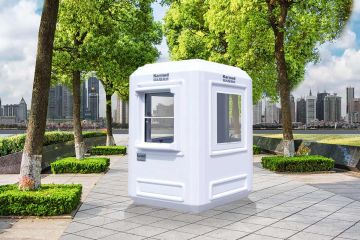
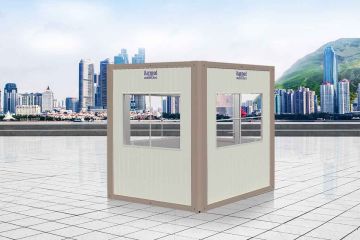
The Early Days: Function Over Comfort
In their earliest form, guard huts were purely utilitarian. Built from wood or basic metal sheets, they offered little more than protection from rain and sun. Comfort was secondary, and durability often depended on frequent repairs rather than smart design.
These shelters were common at factory gates, rural facilities, and small compounds. They did the job, but only just. Poor insulation, limited visibility, and minimal space made long shifts physically demanding. Guards relied more on resilience than infrastructure.
Still, these early huts established an important principle: security needed a fixed point. Even a simple structure created order, authority, and a clear boundary between public and controlled space.
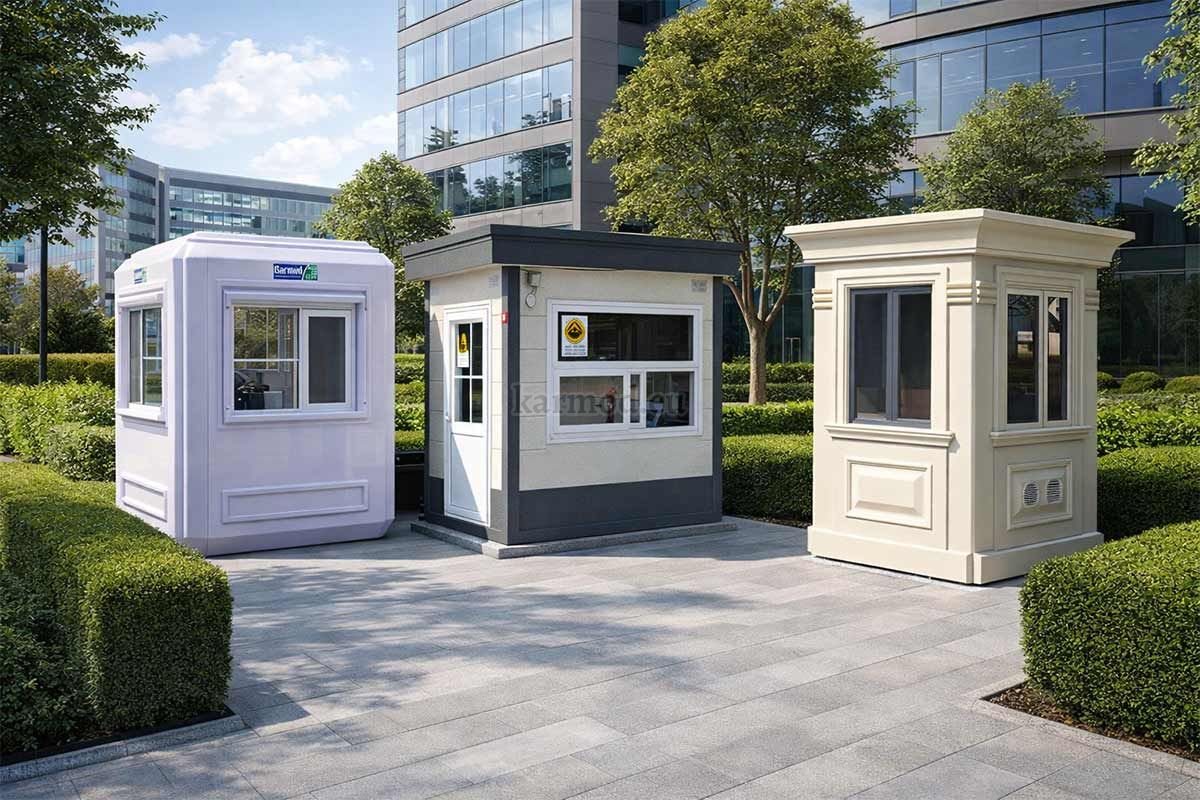
Industrial Growth and the Demand for Better Structures
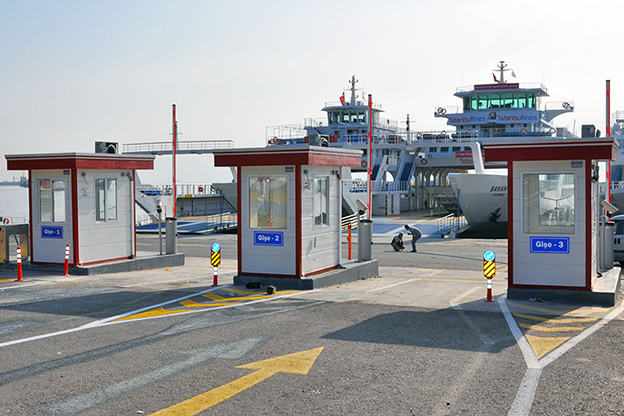
As industrial zones expanded and urban areas grew denser, security responsibilities increased. Guard huts were no longer passive shelters—they became active checkpoints. This shift exposed the limitations of traditional wooden designs.
Weather resistance became a real concern. So did durability, visibility, and safety. Metal cabins and early prefabricated units began replacing wooden huts, offering longer lifespans and better protection. Windows grew larger, layouts became more intentional, and electrical systems were gradually introduced.
This period marked the transition from “somewhere to stand” to “somewhere to work.” The guard hut started to support the role, not just house it.
The Rise of Prefabrication and Standardization
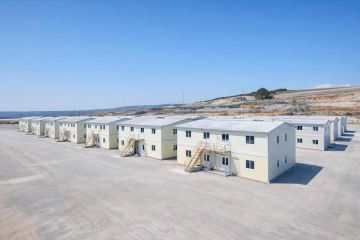
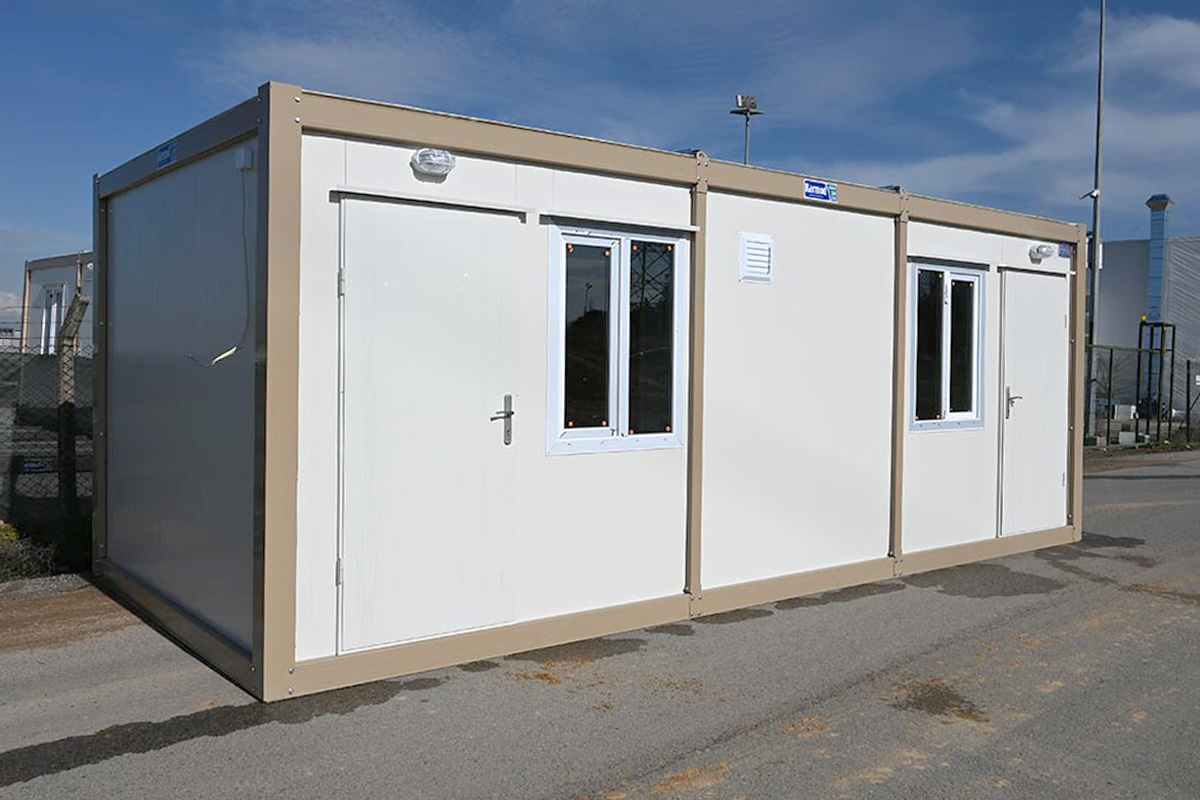
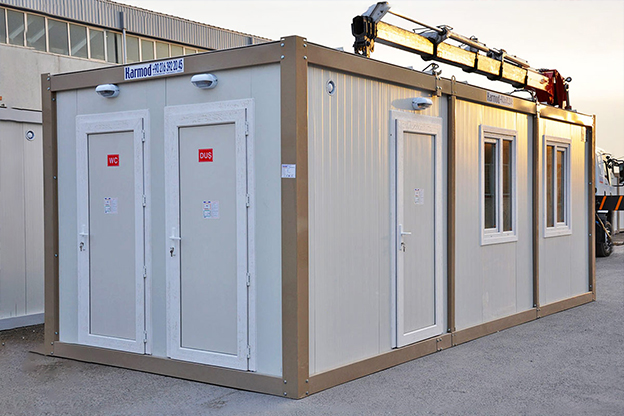
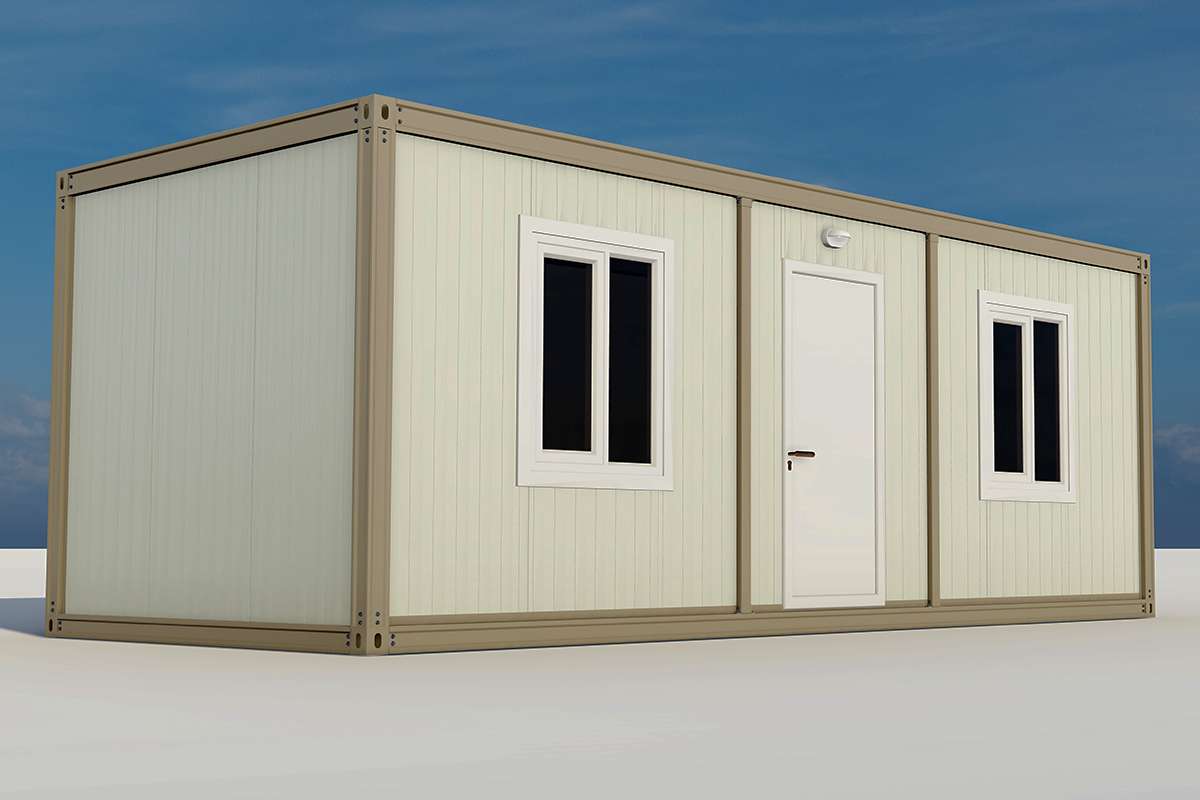
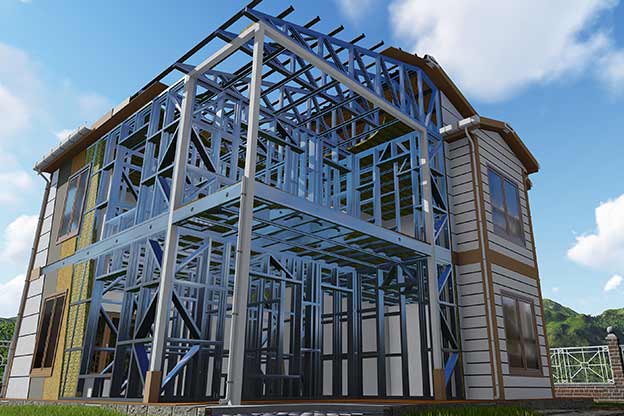
Prefabrication changed everything. Instead of building huts piece by piece on-site, manufacturers began producing standardized units in controlled environments. This ensured consistent quality, faster delivery, and predictable costs.
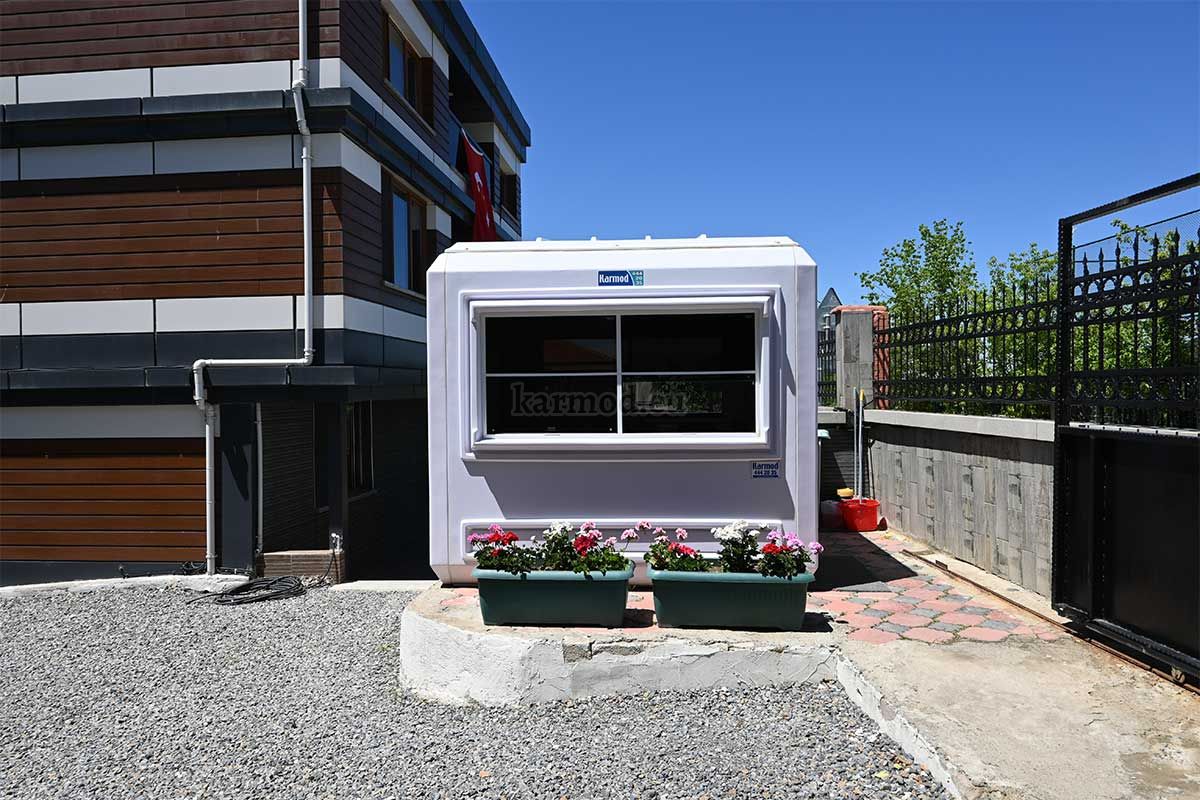
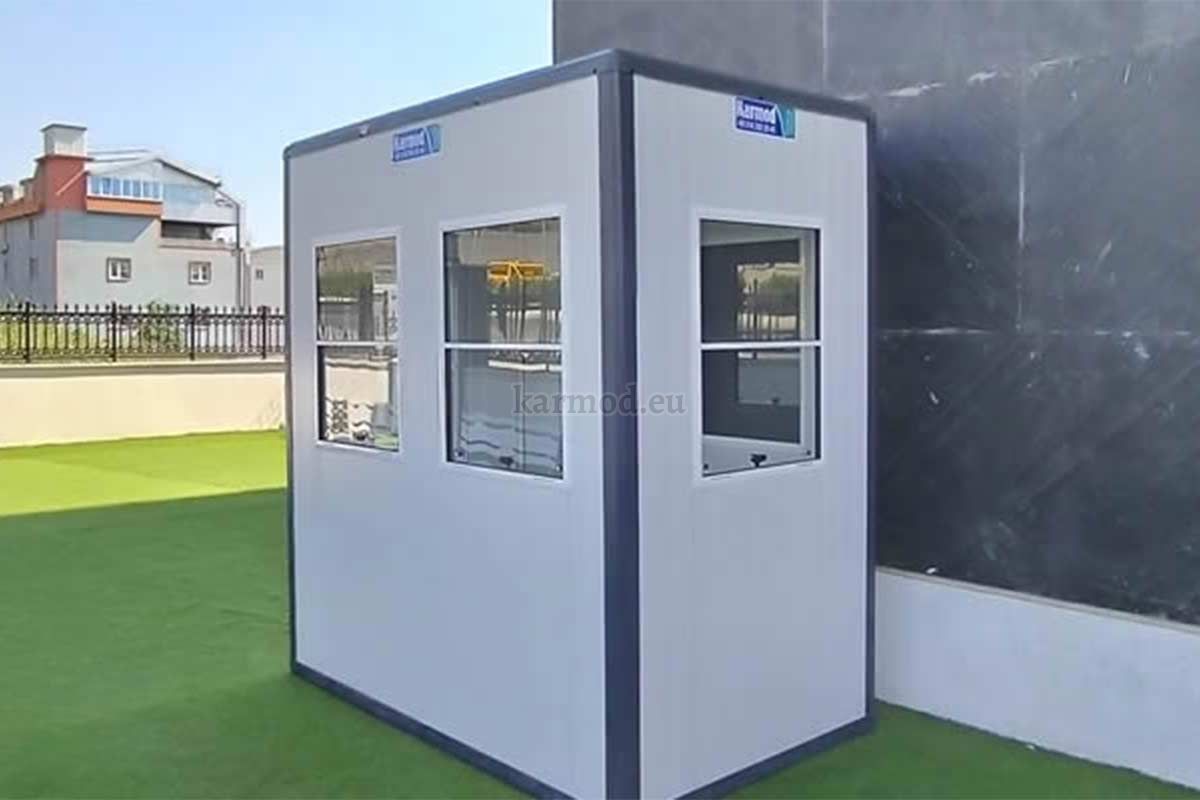
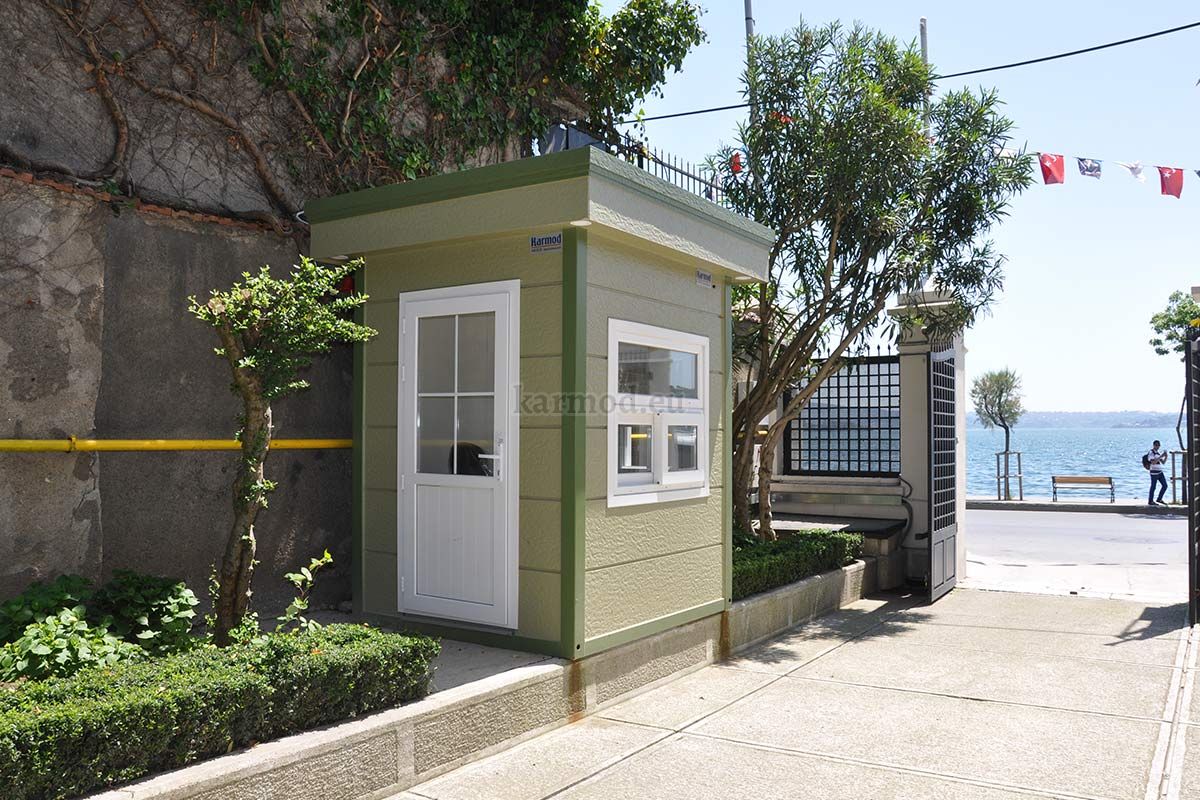
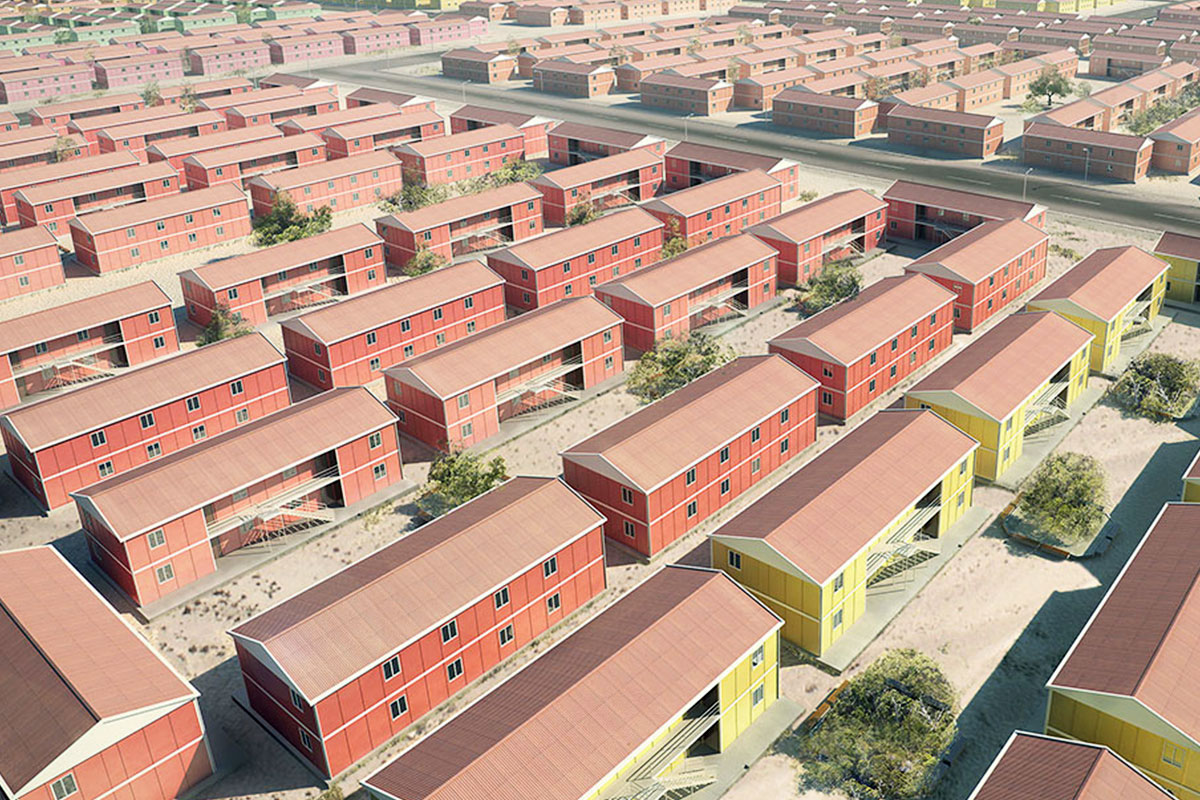
For businesses, this was a turning point. Security infrastructure could now be planned, budgeted, and deployed with precision. Installation times dropped dramatically, and sites could become operational almost immediately.
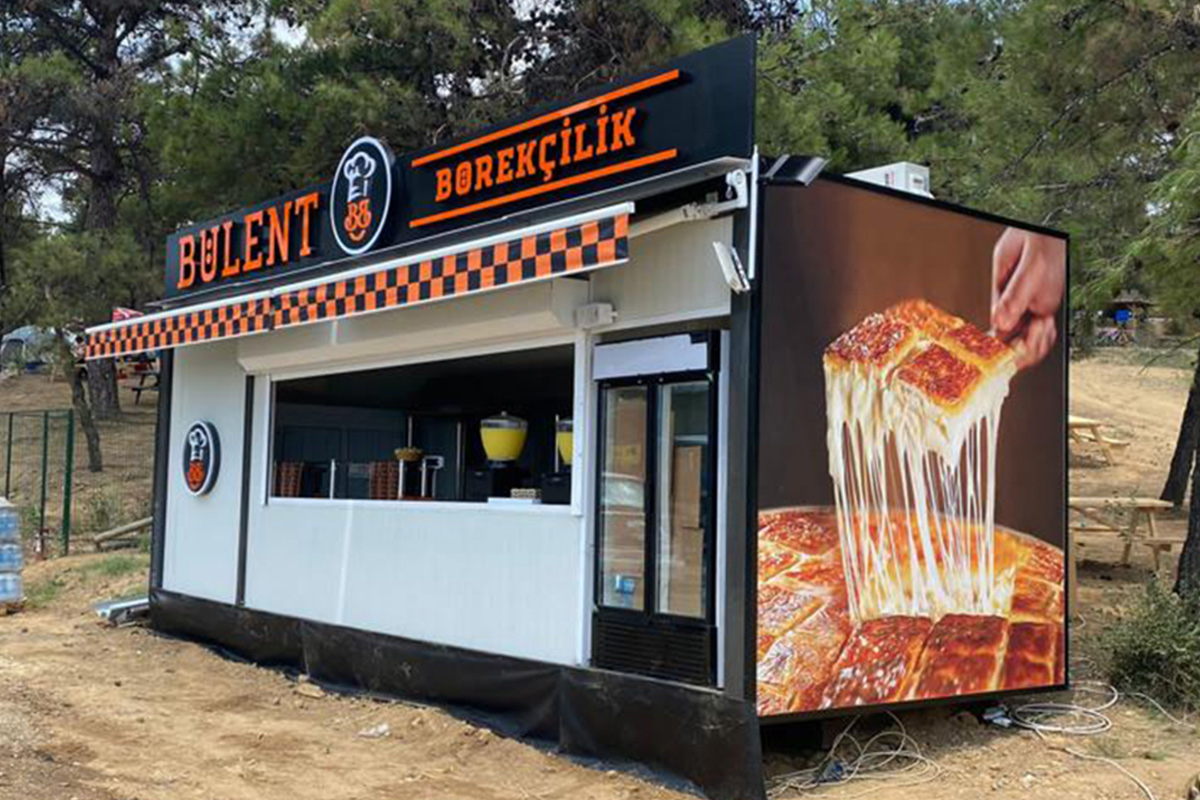
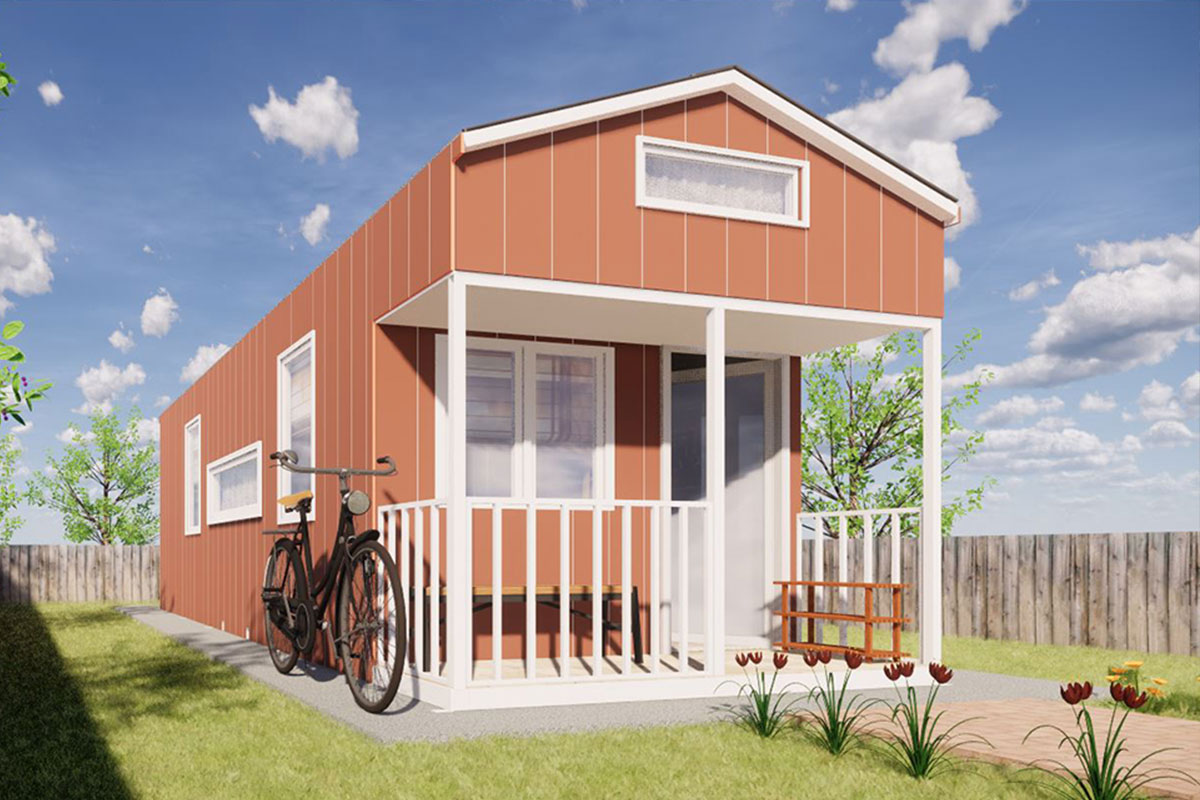
Standardization didn’t mean uniformity. Even early prefabricated huts allowed for variations in size, window placement, and interior setup—opening the door to customization without construction delays.
Modern Modular Cabins: Built for Performance
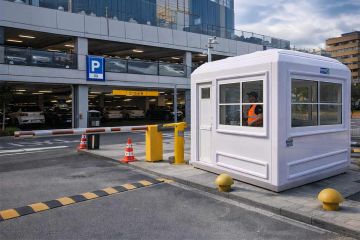
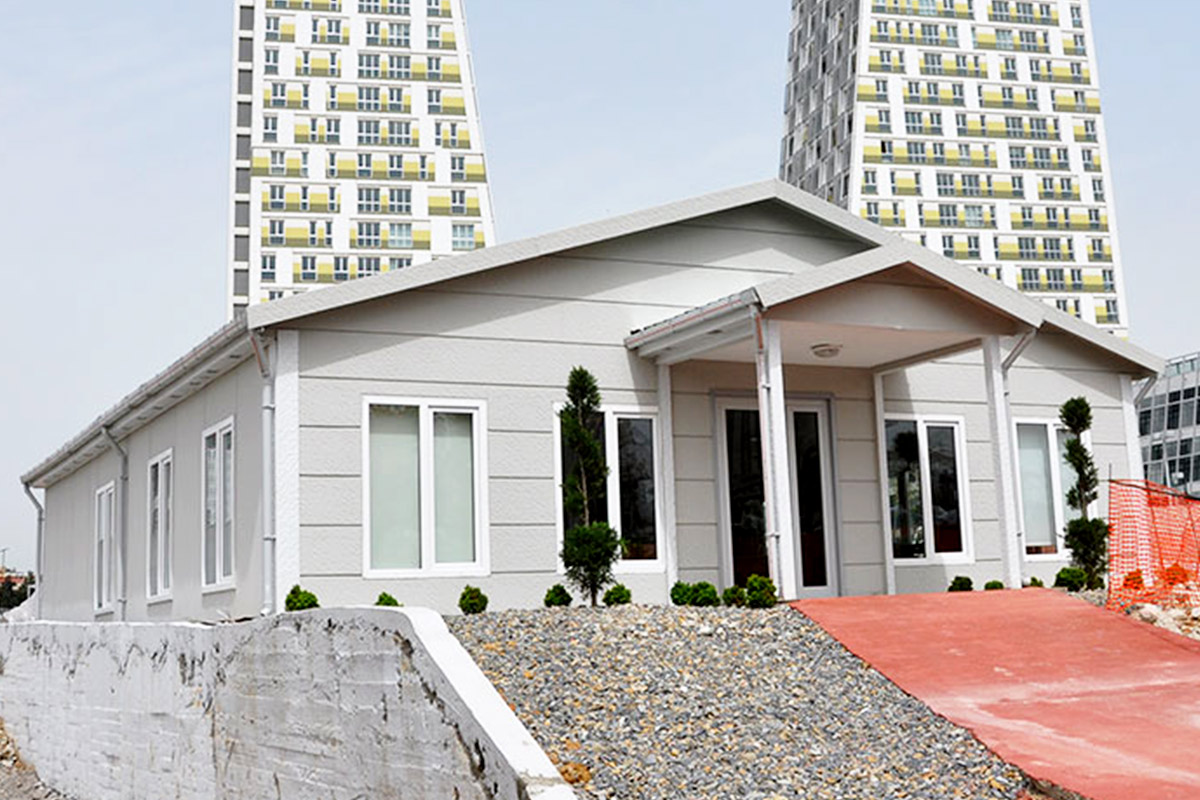
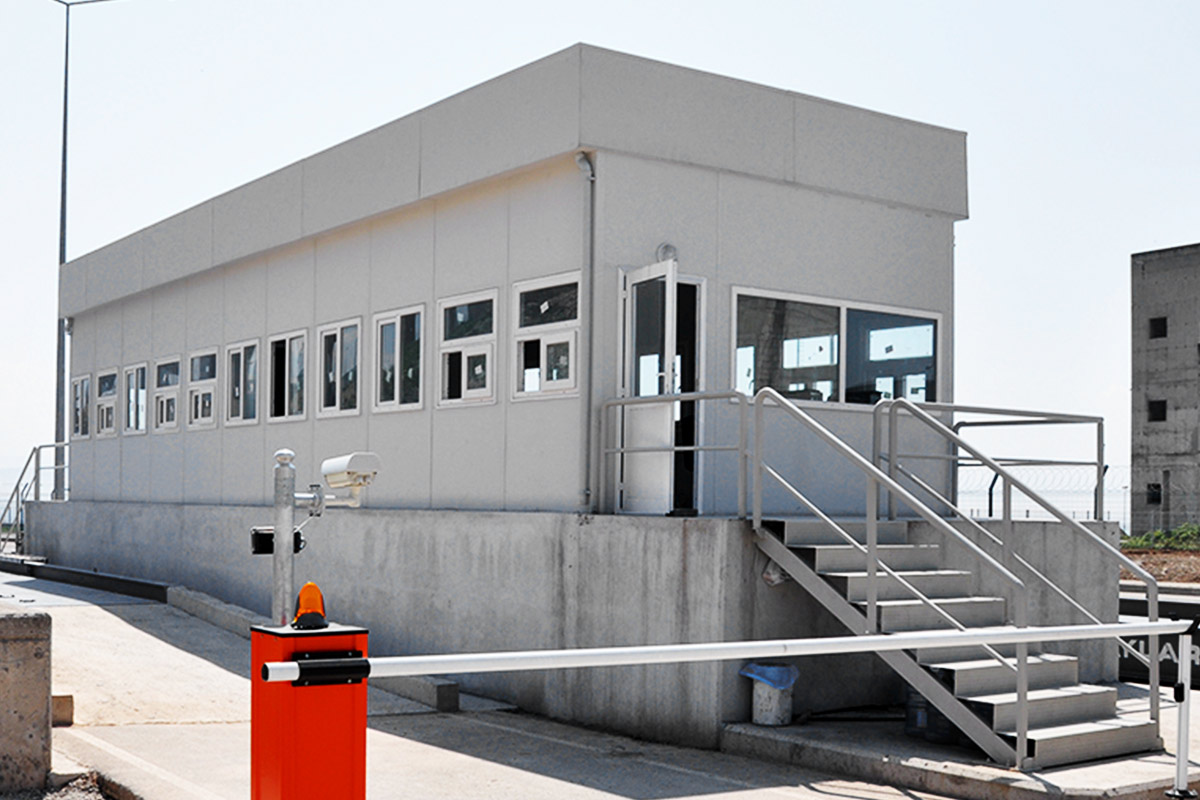
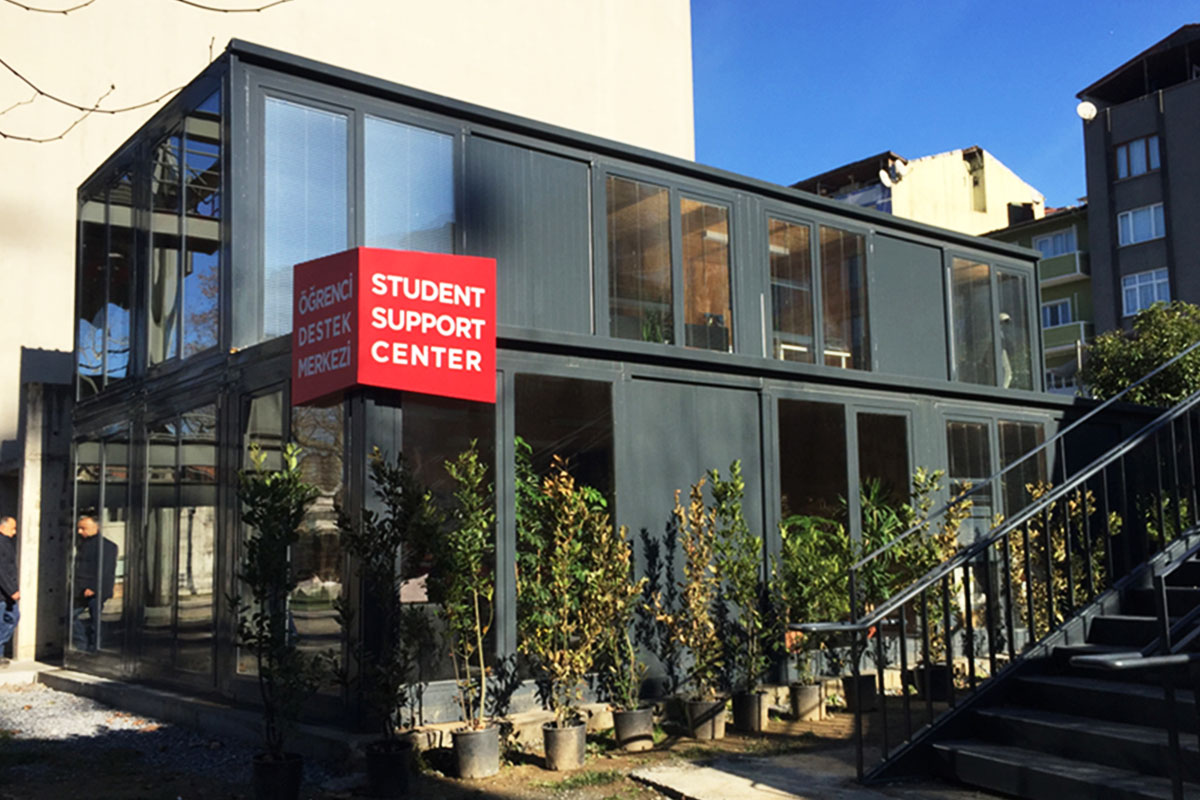
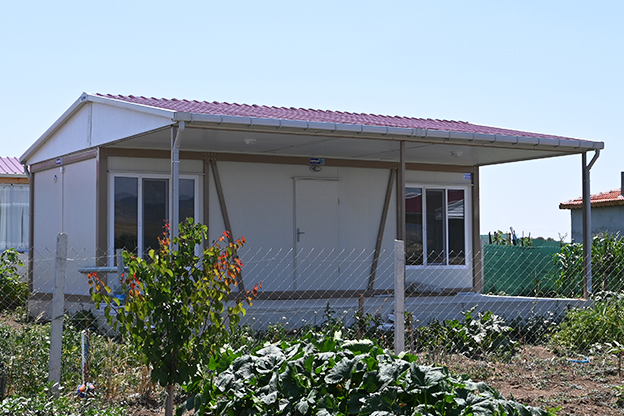
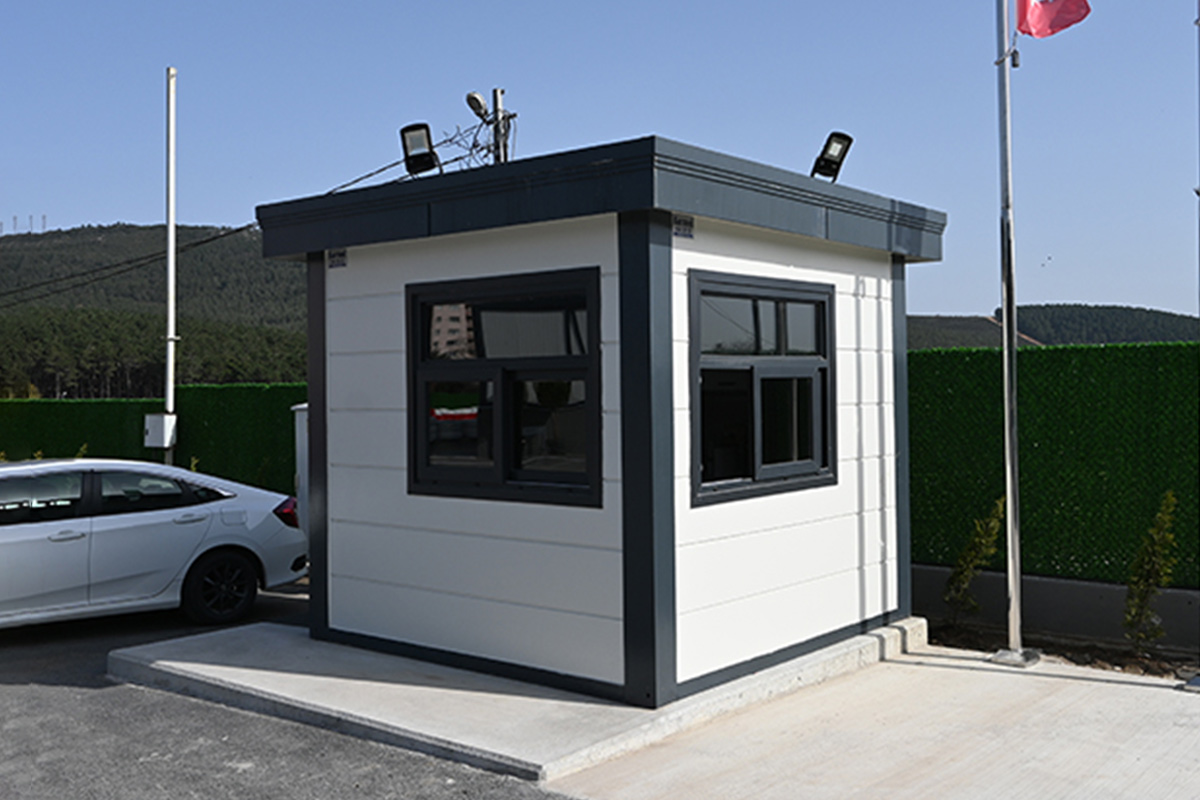
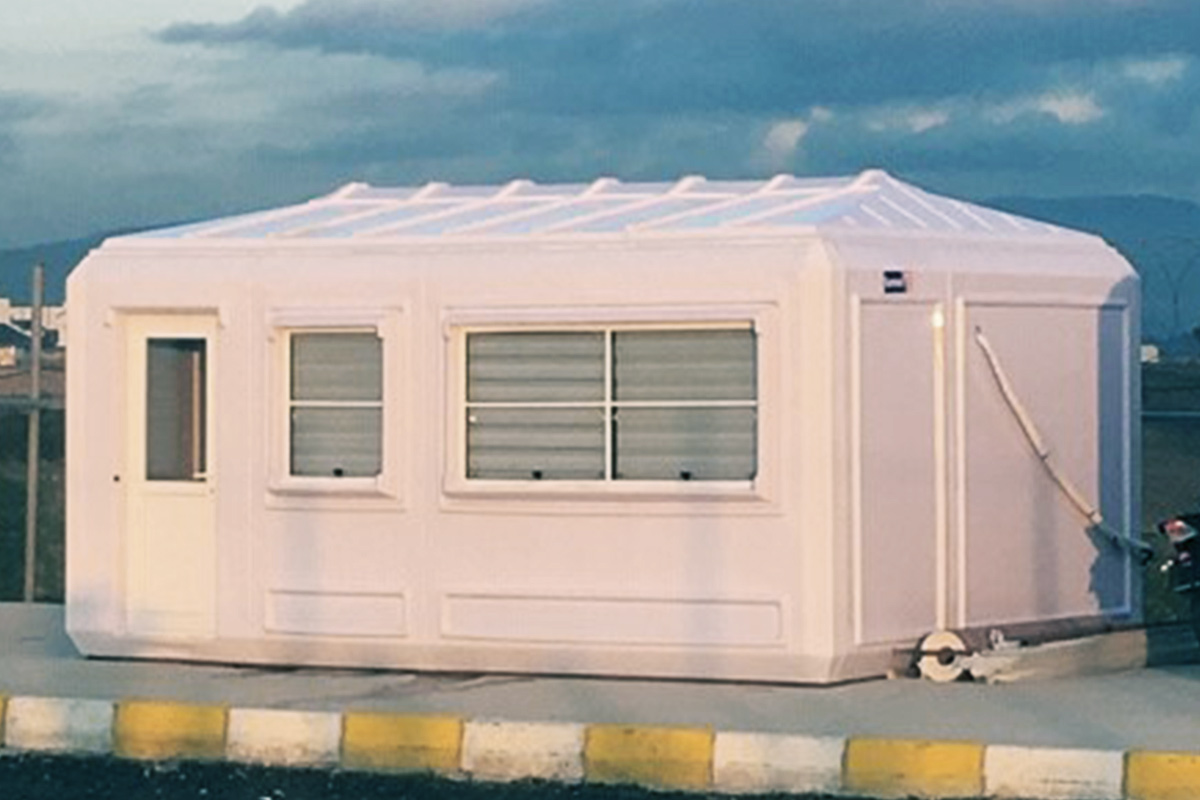
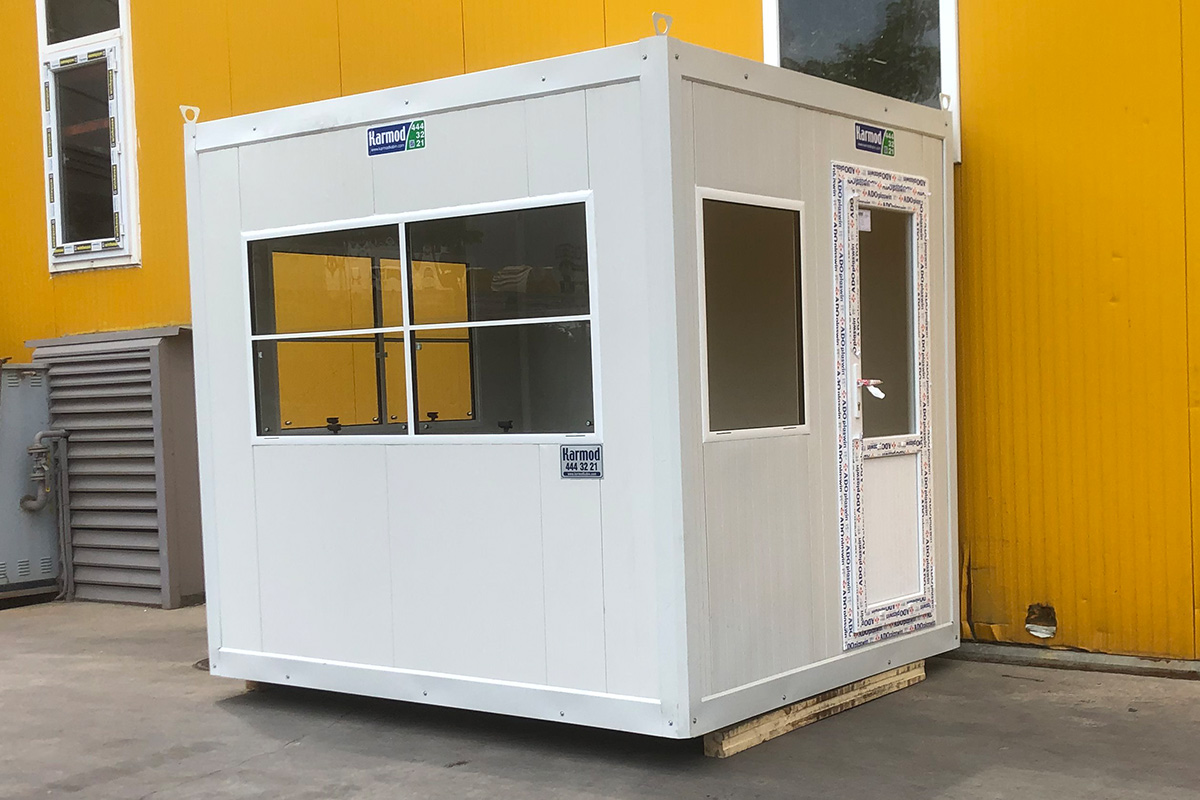
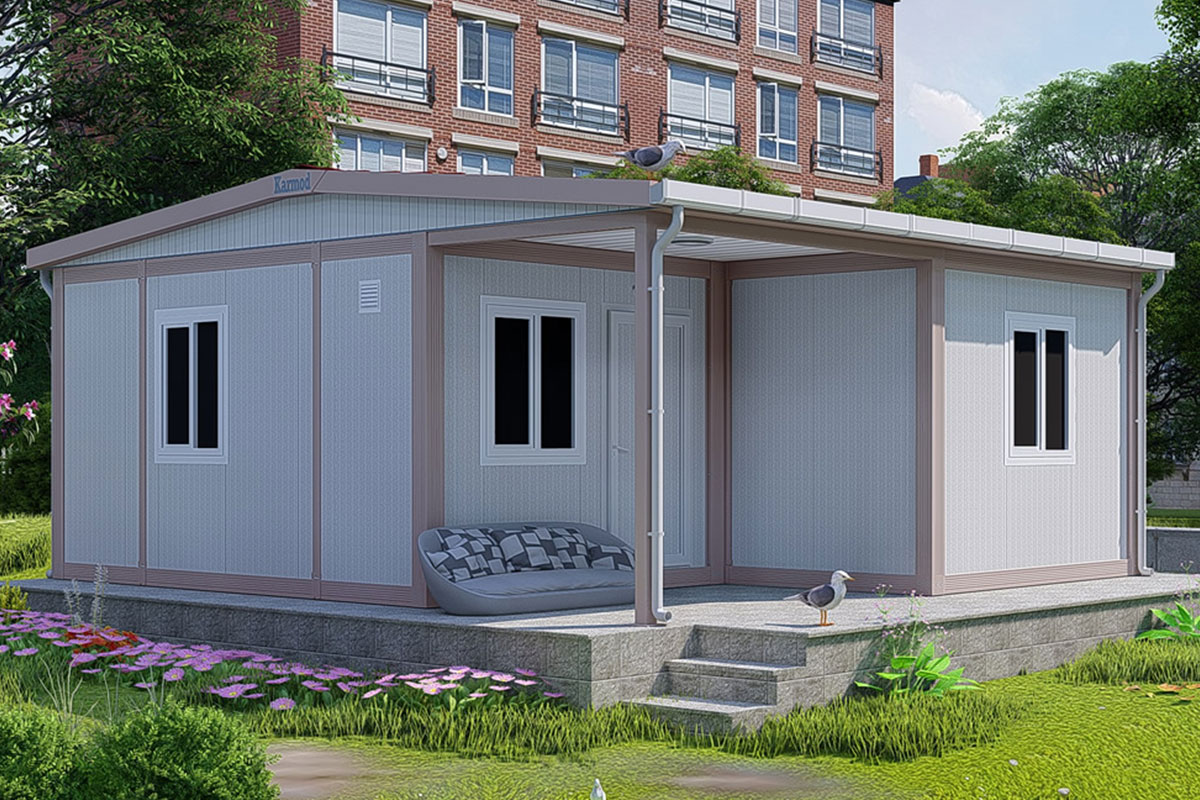
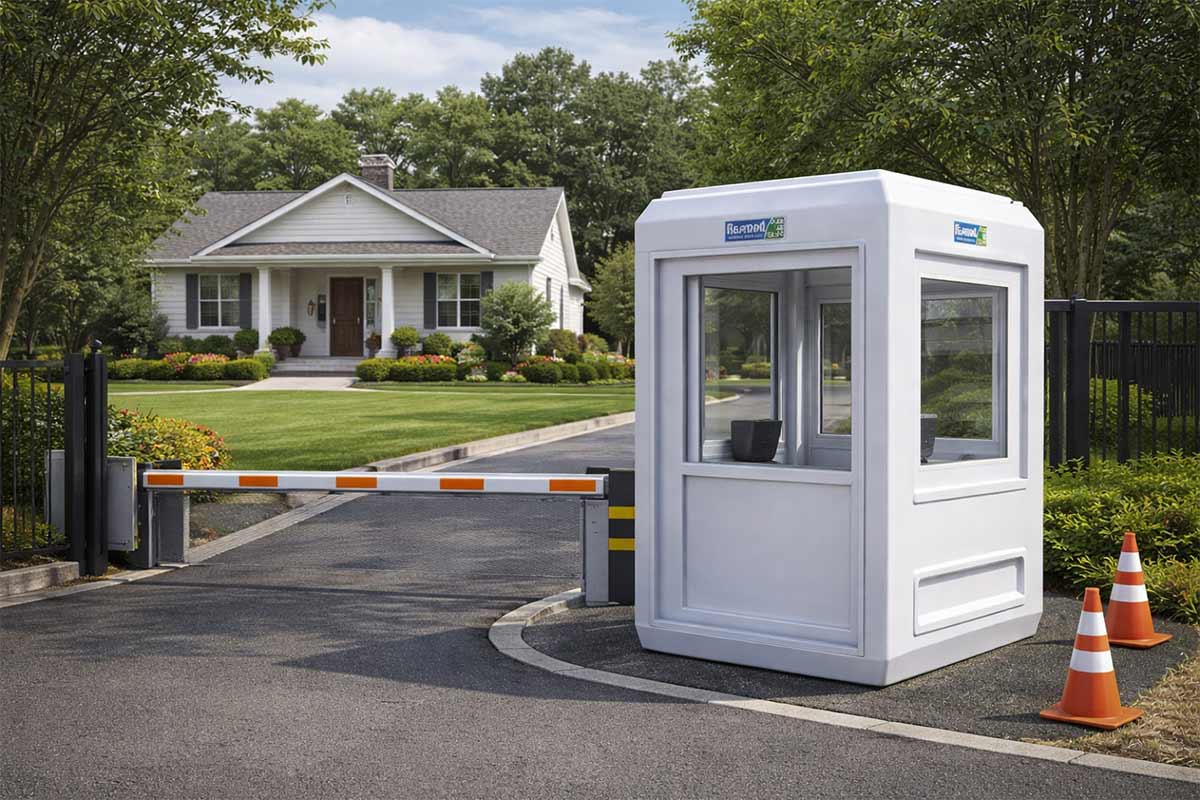
Today’s modular guard cabins reflect how far the concept has come. These structures are designed around real working conditions, not assumptions. Insulation, ventilation, lighting, and ergonomics are part of the baseline—not upgrades.
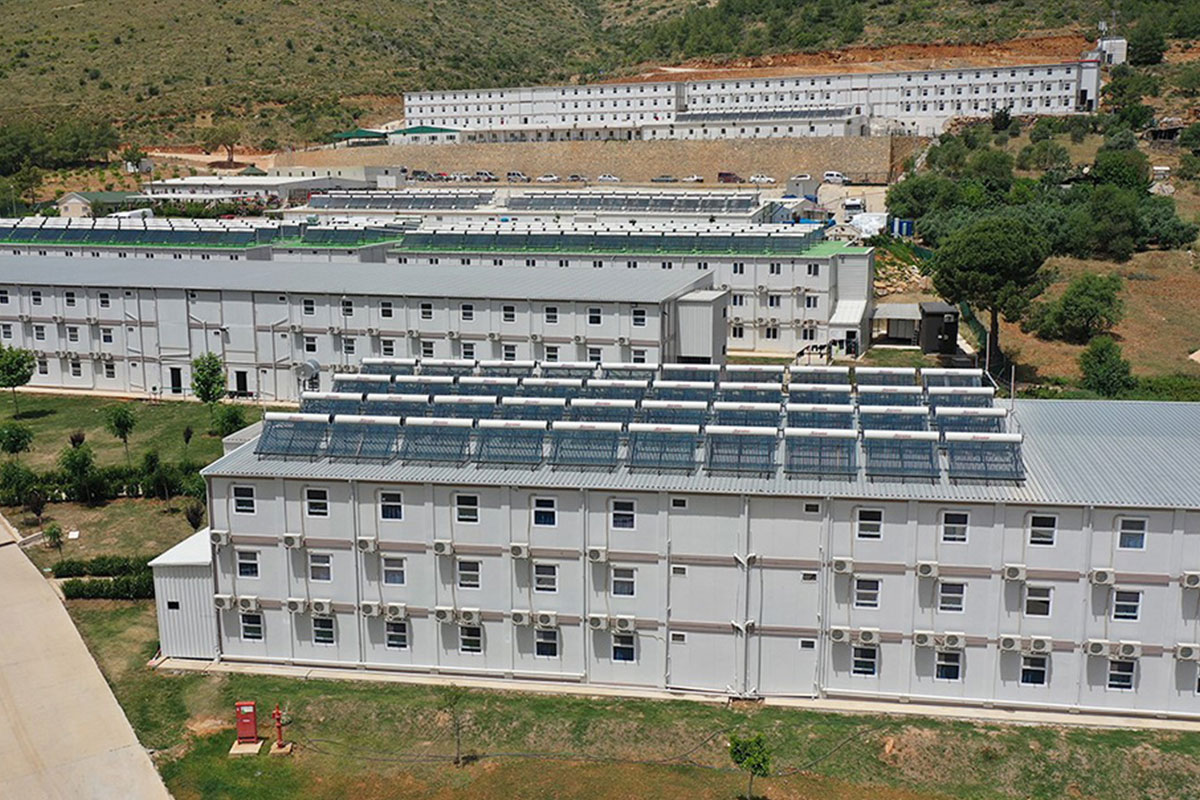
Modern materials provide excellent resistance to weather and wear, while modular construction allows units to be expanded, relocated, or upgraded as needs change. A guard cabin can now integrate seamlessly with access control systems, surveillance equipment, and communication tools.
The result is a workspace that supports focus, comfort, and professionalism—key factors in effective security operations.
Design, Image, and the Psychology of Security
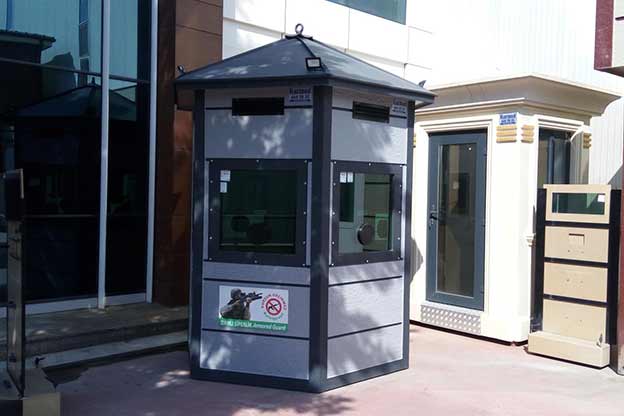
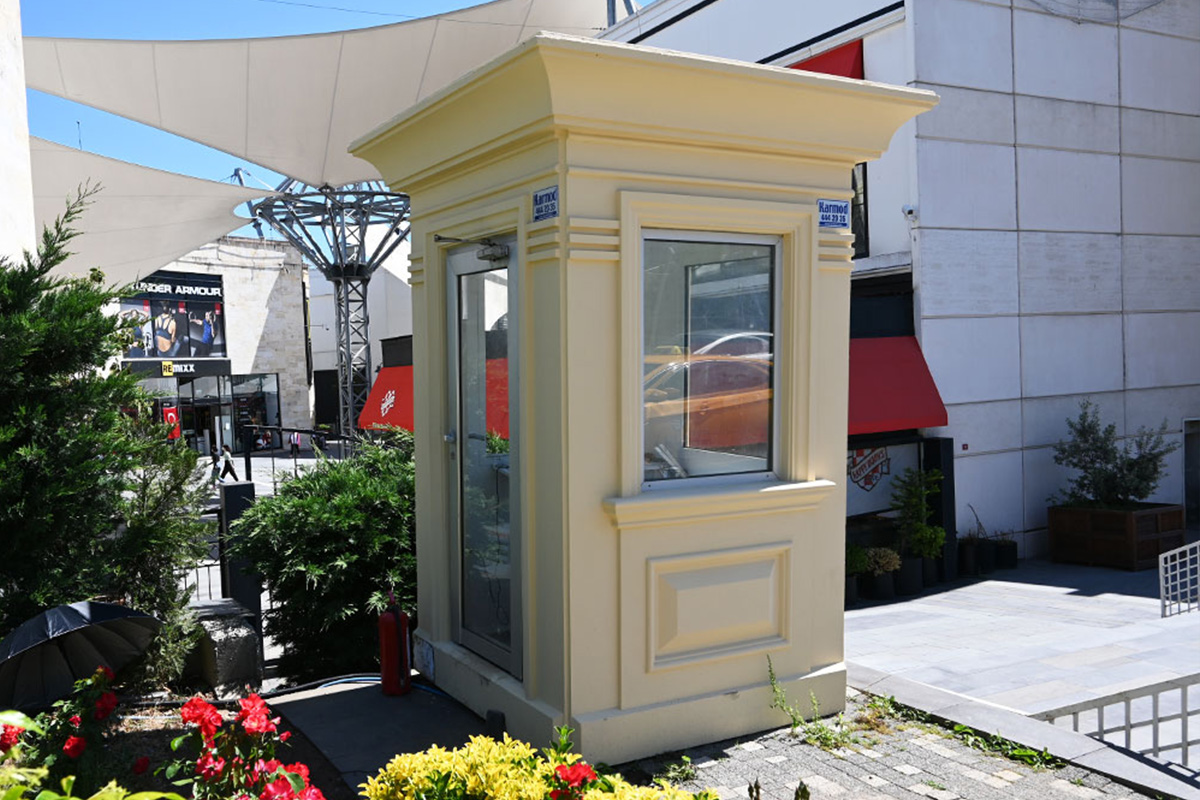
The evolution of guard huts isn’t only technical; it’s visual and psychological. A modern modular cabin sends a clear message before any interaction takes place. It communicates organization, authority, and preparedness.
Visitors feel guided rather than confronted. Guards feel supported rather than isolated. This subtle shift improves daily interactions and reinforces trust on both sides of the checkpoint.
In many facilities, the guard cabin is the first physical structure people encounter. Its design now plays a role in branding, corporate identity, and overall site perception.
Looking Ahead: Adaptability as the New Standard
If there’s one lesson from the evolution of guard huts, it’s this: adaptability matters. Security needs will continue to change, and infrastructure must be able to keep up without constant replacement.
Modular cabins represent this mindset. They are not fixed answers to temporary problems—they are flexible tools designed for long-term use. As technology advances and sites evolve, these units can evolve too.
Choosing a modern guard hut today isn’t just about meeting current requirements. It’s about investing in a solution that has already proven its ability to grow with time.
If you’re considering upgrading from outdated structures or planning a new security point, modern modular guard cabins offer a future-ready approach. Contact us to explore options tailored to your site and operational goals.