





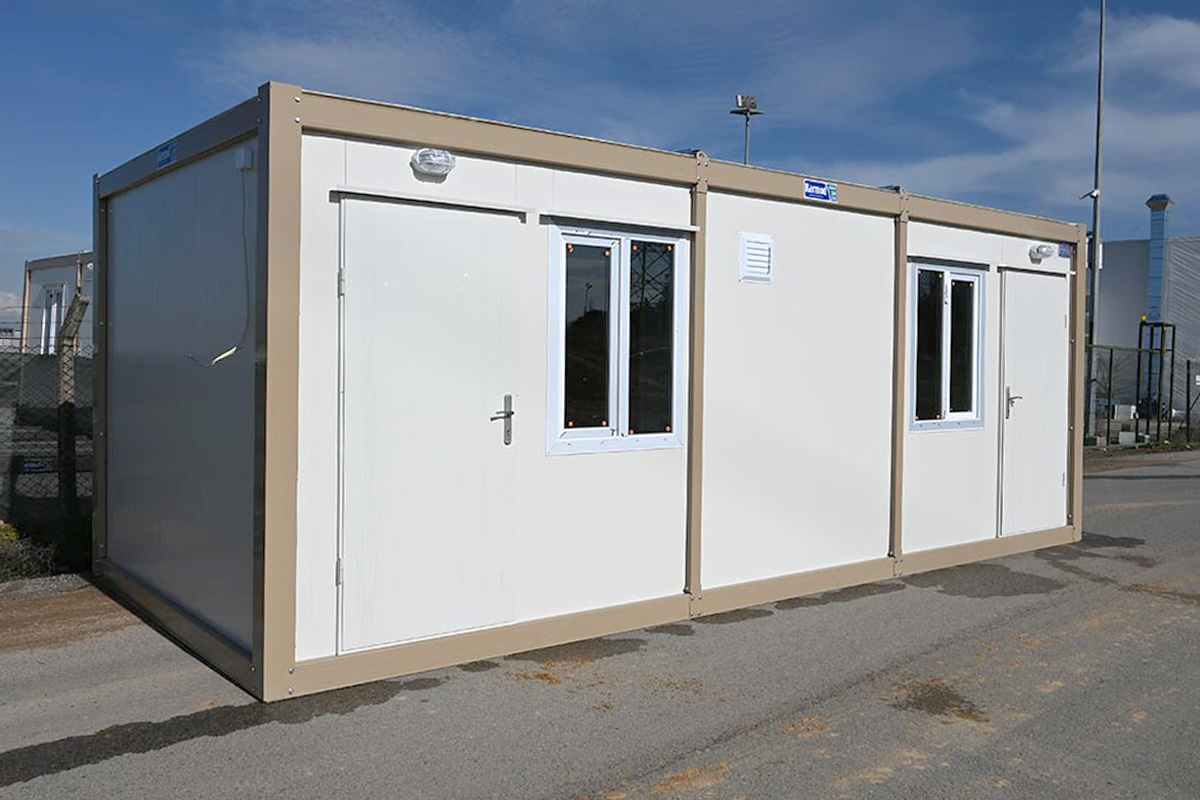

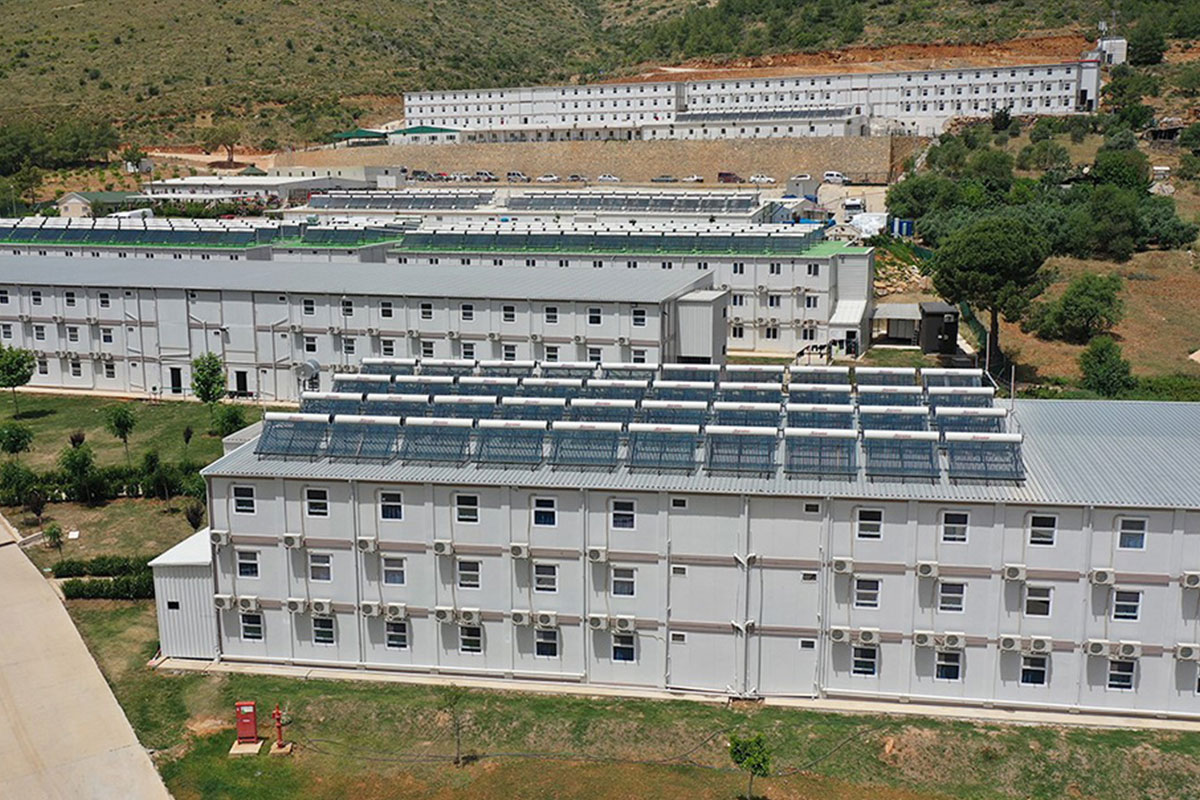
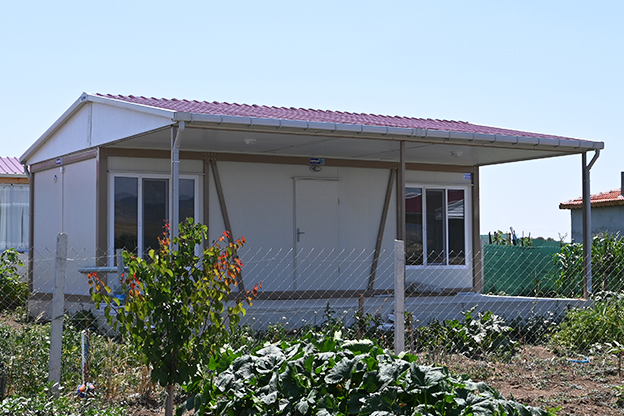
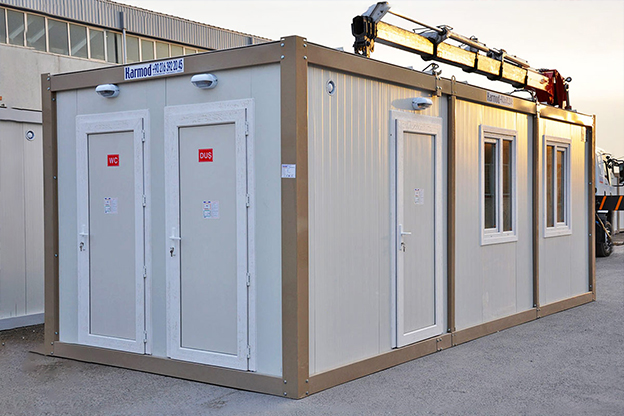
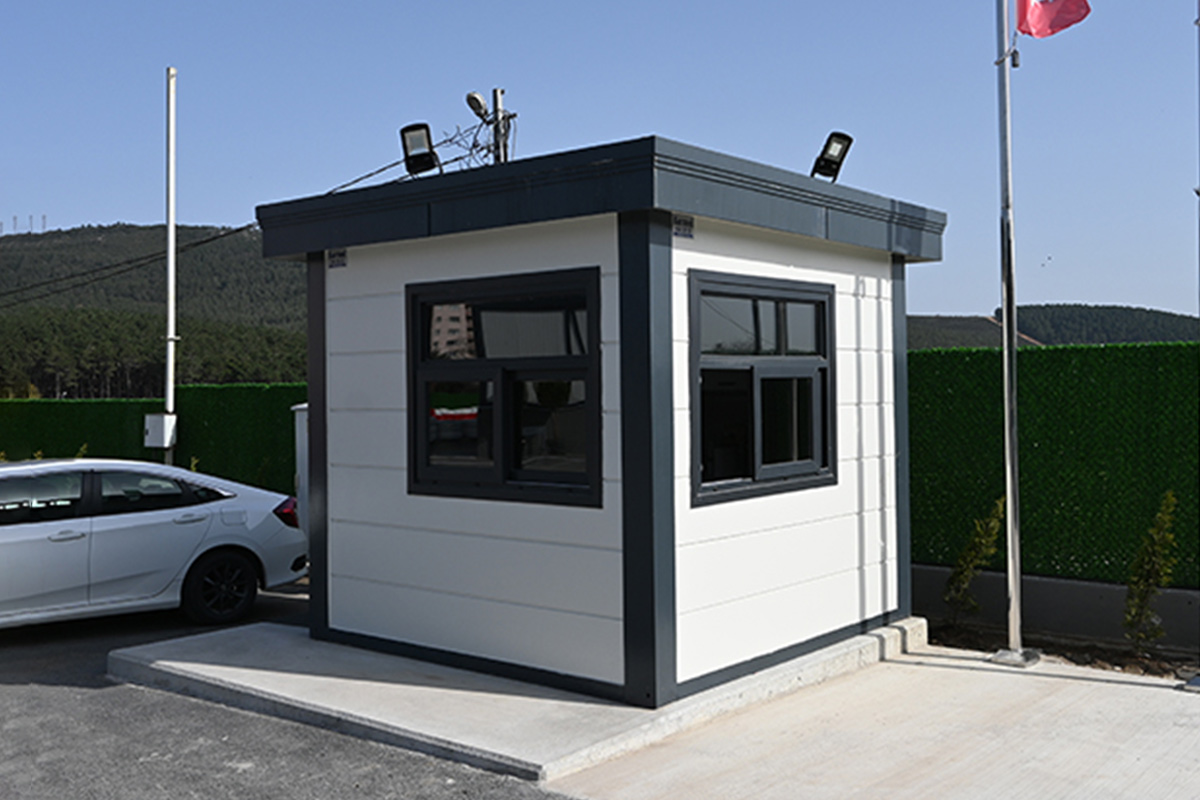
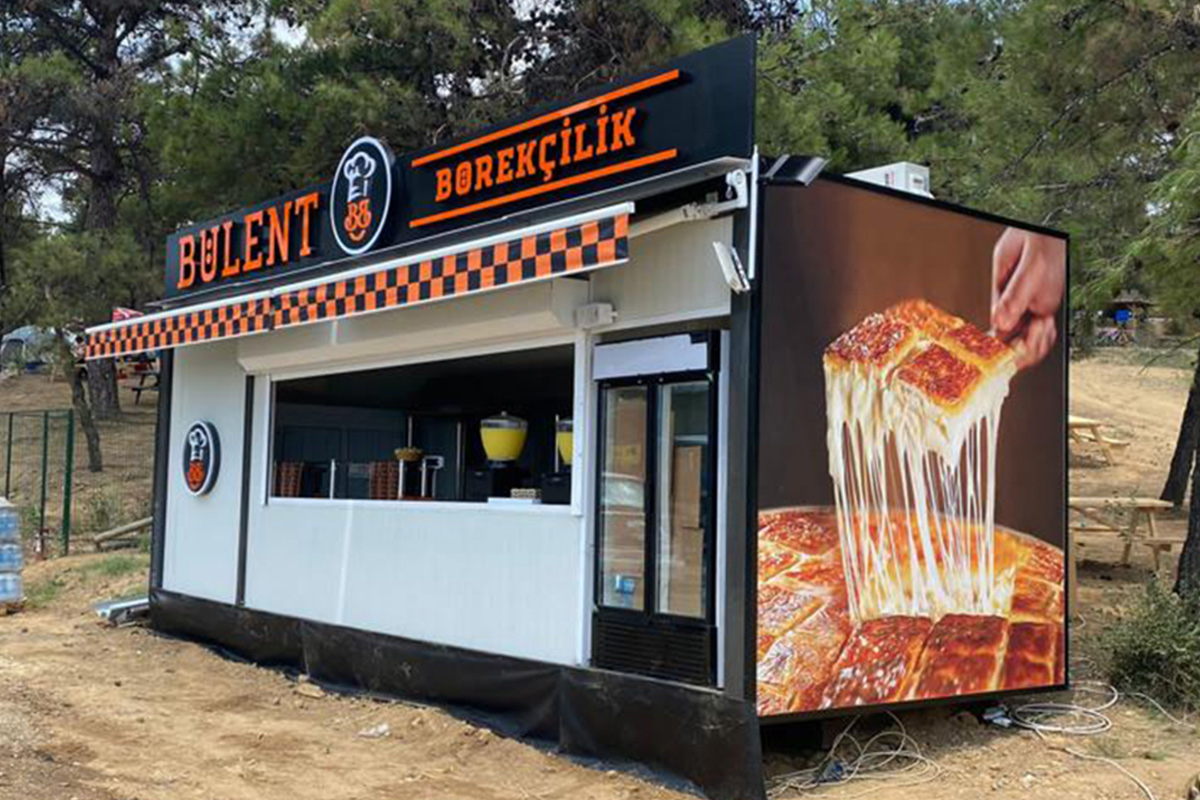
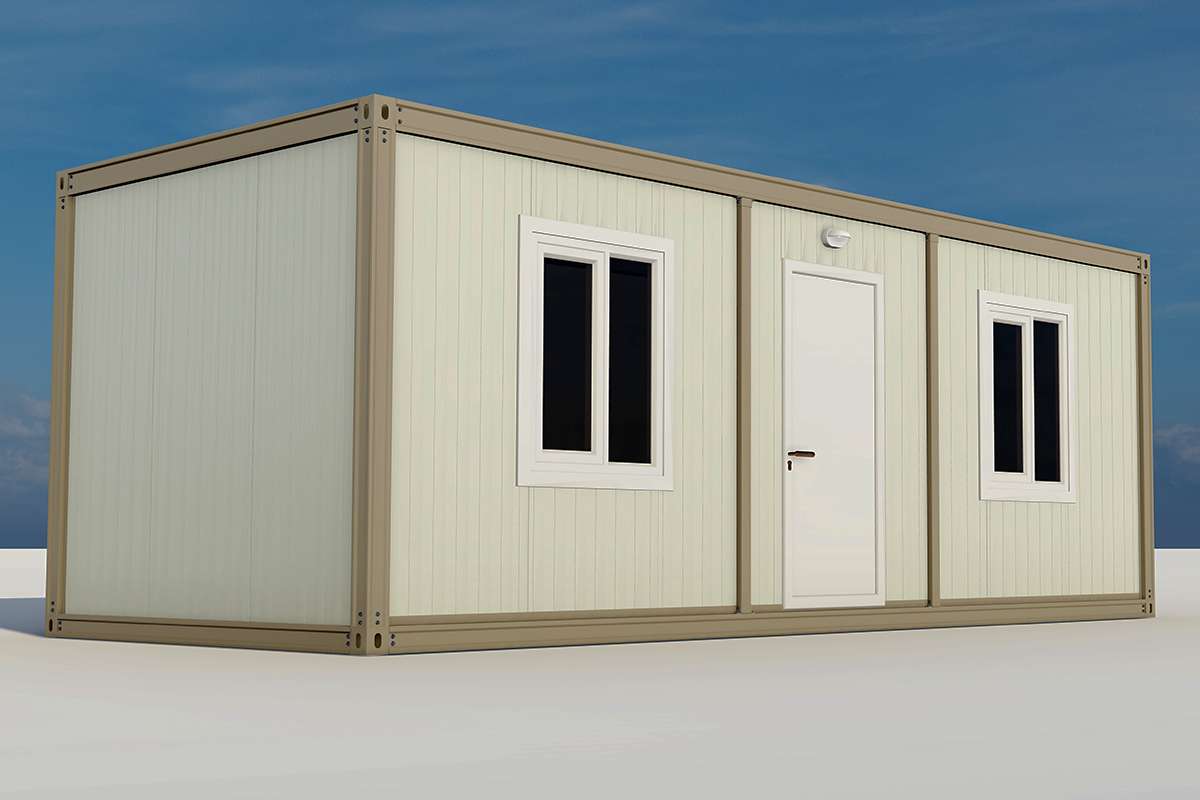

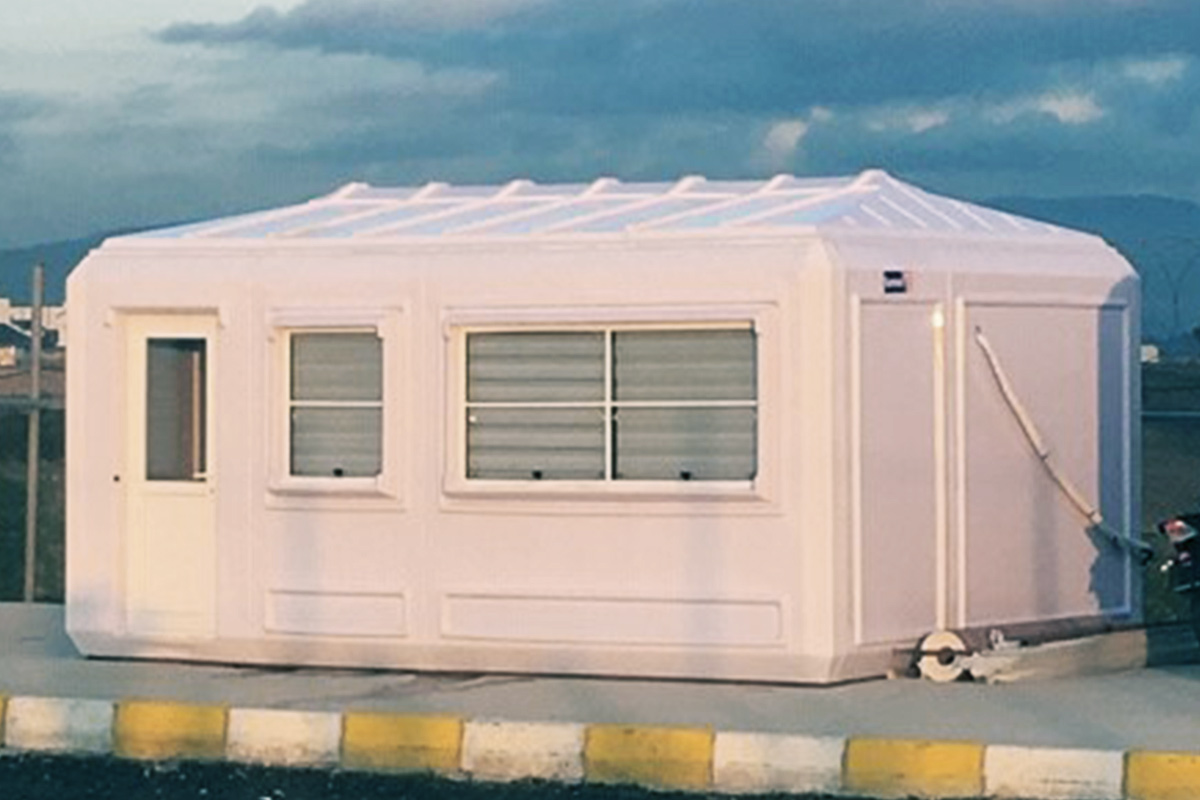
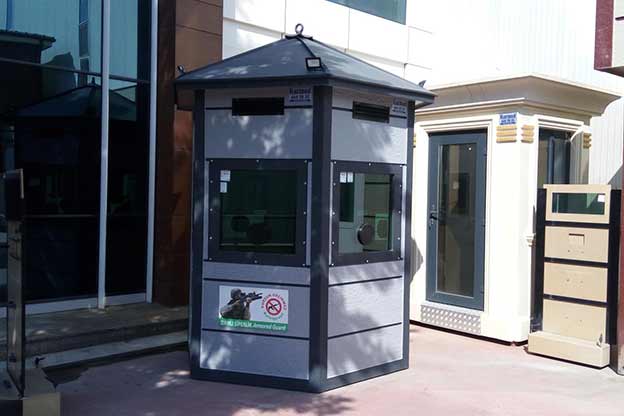
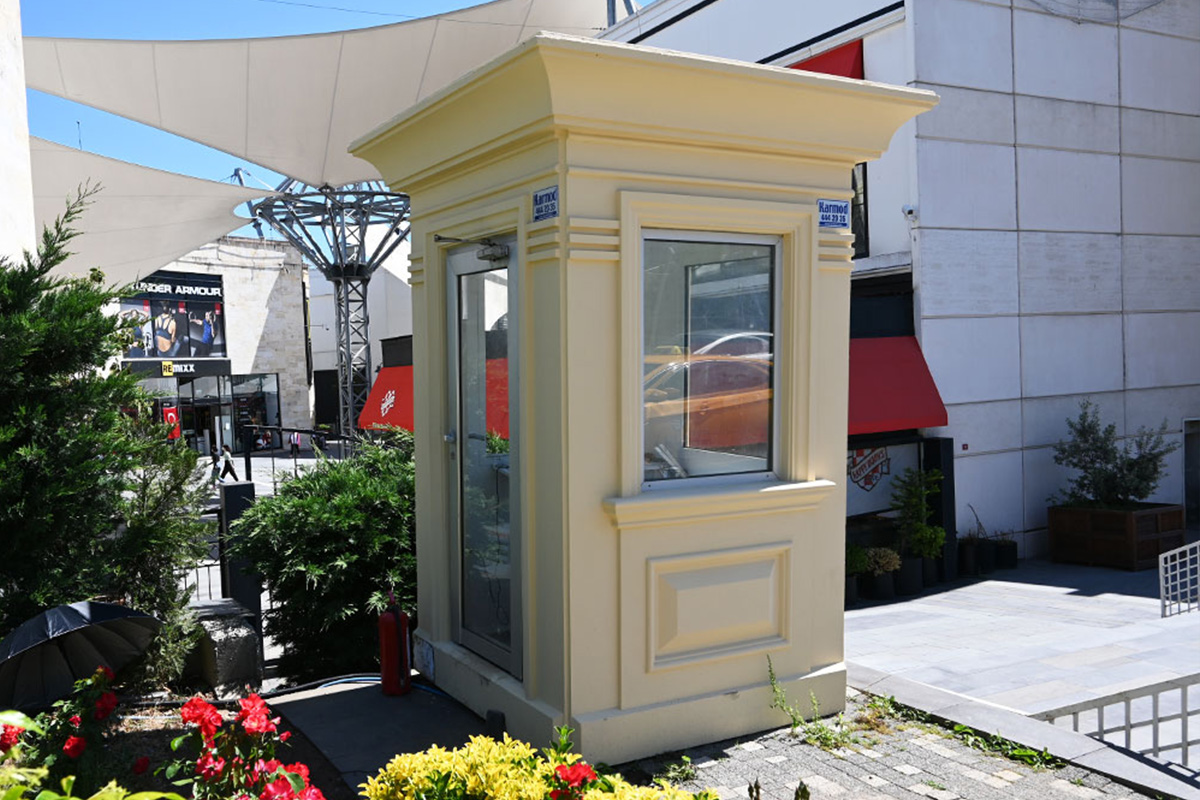
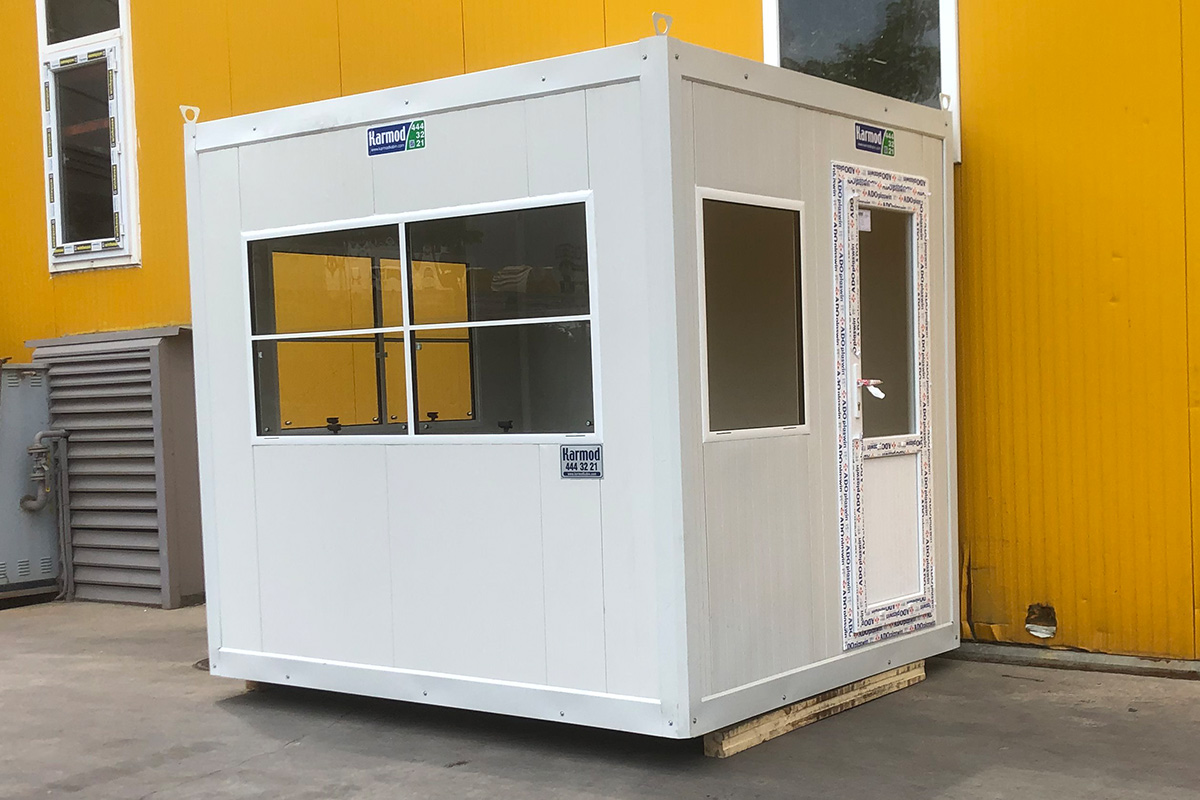
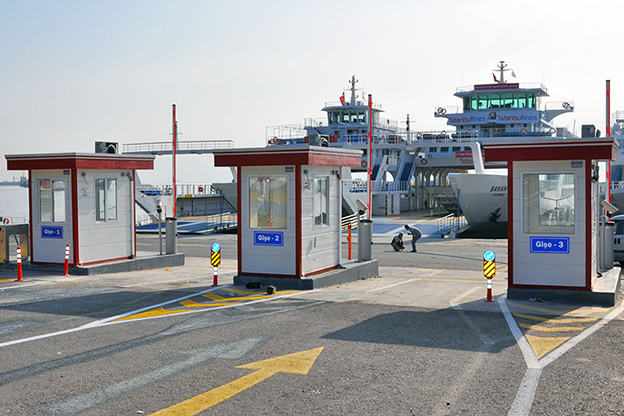

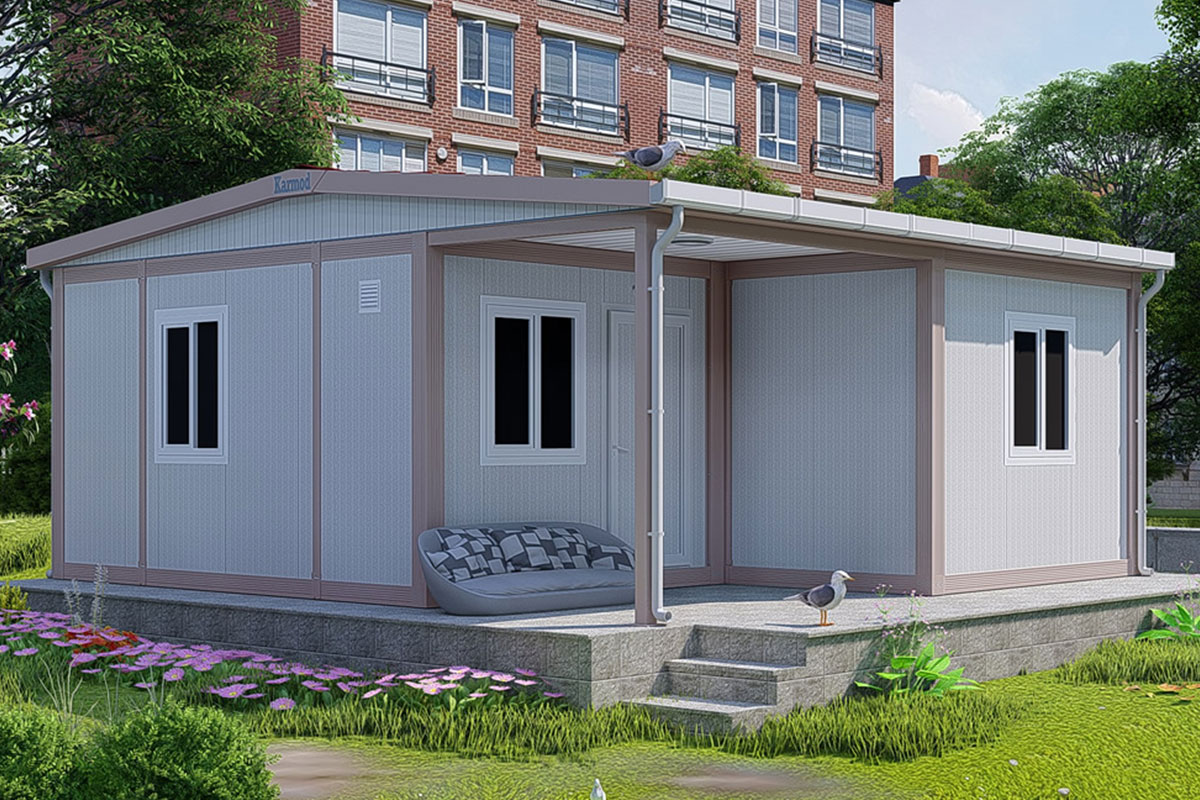
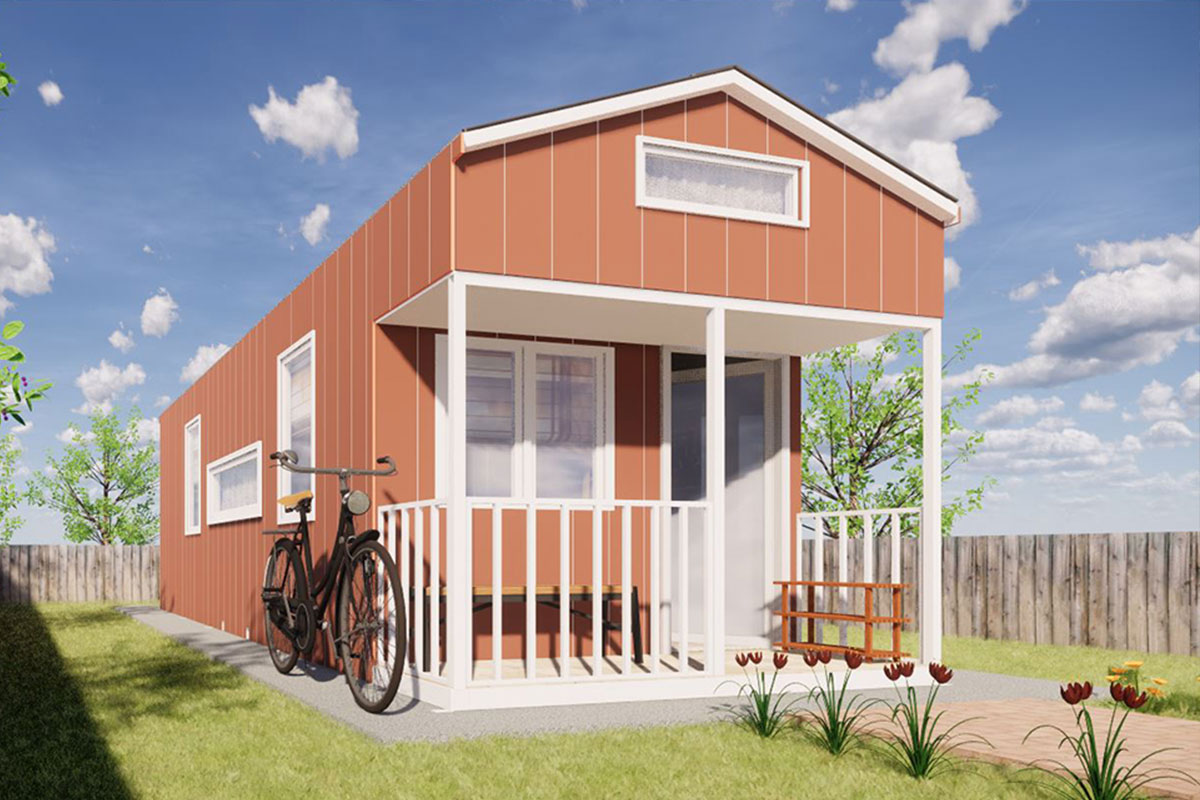




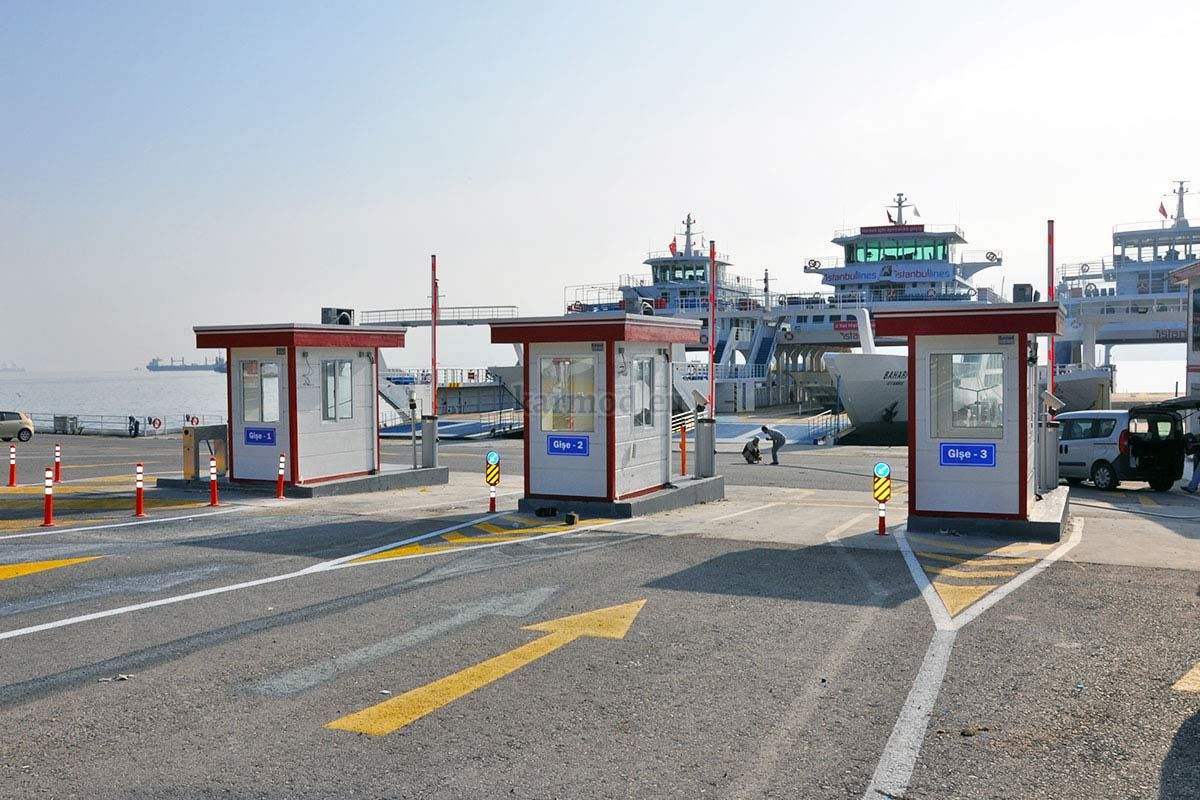
Guard huts are quietly evolving. What used to be a simple shelter for security personnel is now becoming an intelligent node within a larger security ecosystem. As sites grow more complex and risks more sophisticated, guard huts are expected to do far more than provide shade and shelter. They are becoming smarter, more connected, and far more strategic.
This shift isn’t about flashy gadgets. It’s about efficiency, accuracy, and control—delivered in a way that feels seamless for both security staff and site operators.
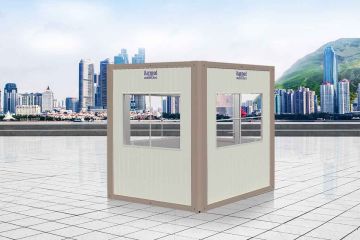
From Passive Booths to Active Security Hubs
Traditional guard huts were passive by design. Guards observed, recorded, and reacted. Smart guard huts flip that logic. They assist, analyze, and sometimes even act before a human needs to intervene.
With integrated systems, a modern guard hut can flag unusual activity, alert central control rooms, and guide guards through standard procedures. This reduces stress during peak hours and minimizes human error during long shifts. The hut itself becomes part of the security team.
For businesses, this means fewer vulnerabilities and more consistent access control—without increasing manpower.
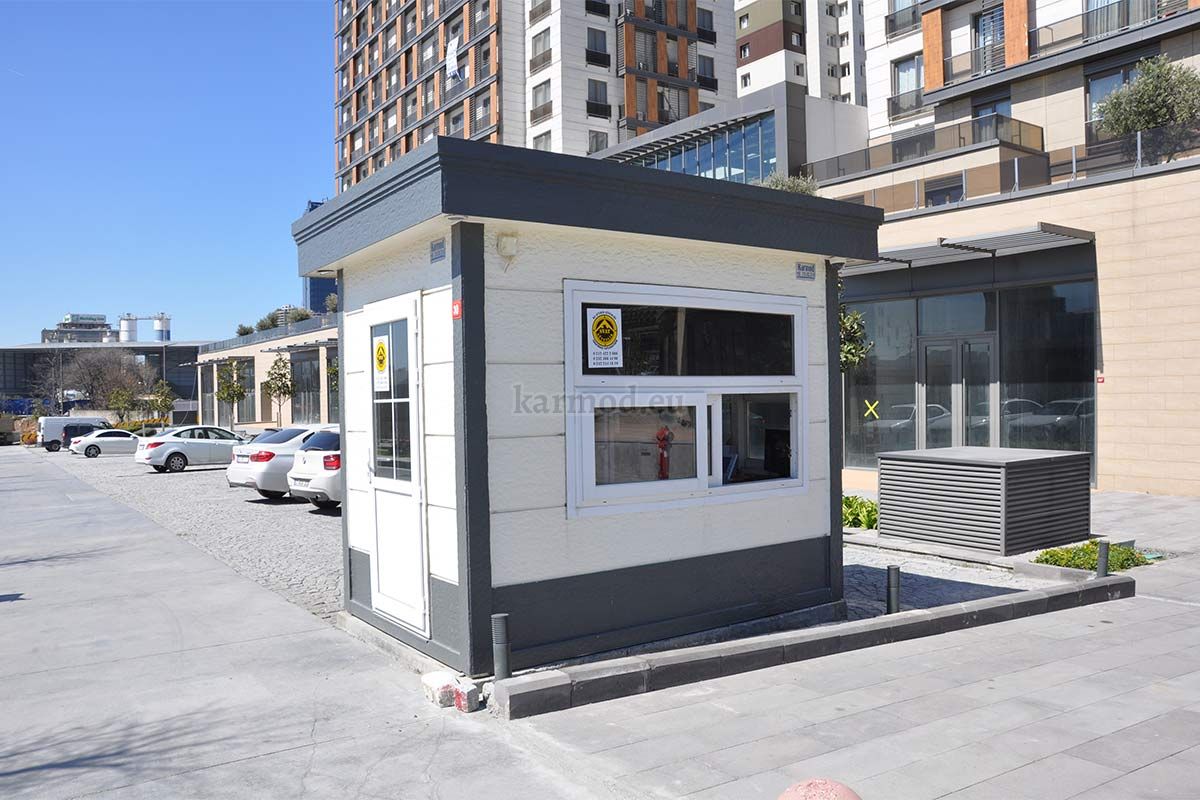
IoT and Connected Systems Changing Daily Operations
Internet of Things (IoT) technology is redefining how guard huts function day to day. Sensors can monitor door status, temperature, power usage, and even structural integrity. Cameras and access readers communicate in real time, creating a unified flow of information.
Imagine a guard being notified instantly when an access point is forced open—even before it’s visible. Or a system that automatically logs entries and exits without manual paperwork. These aren’t future concepts; they’re becoming expectations.
For operators managing multiple sites, connected guard huts also enable centralized monitoring. One dashboard. Multiple locations. Total visibility.

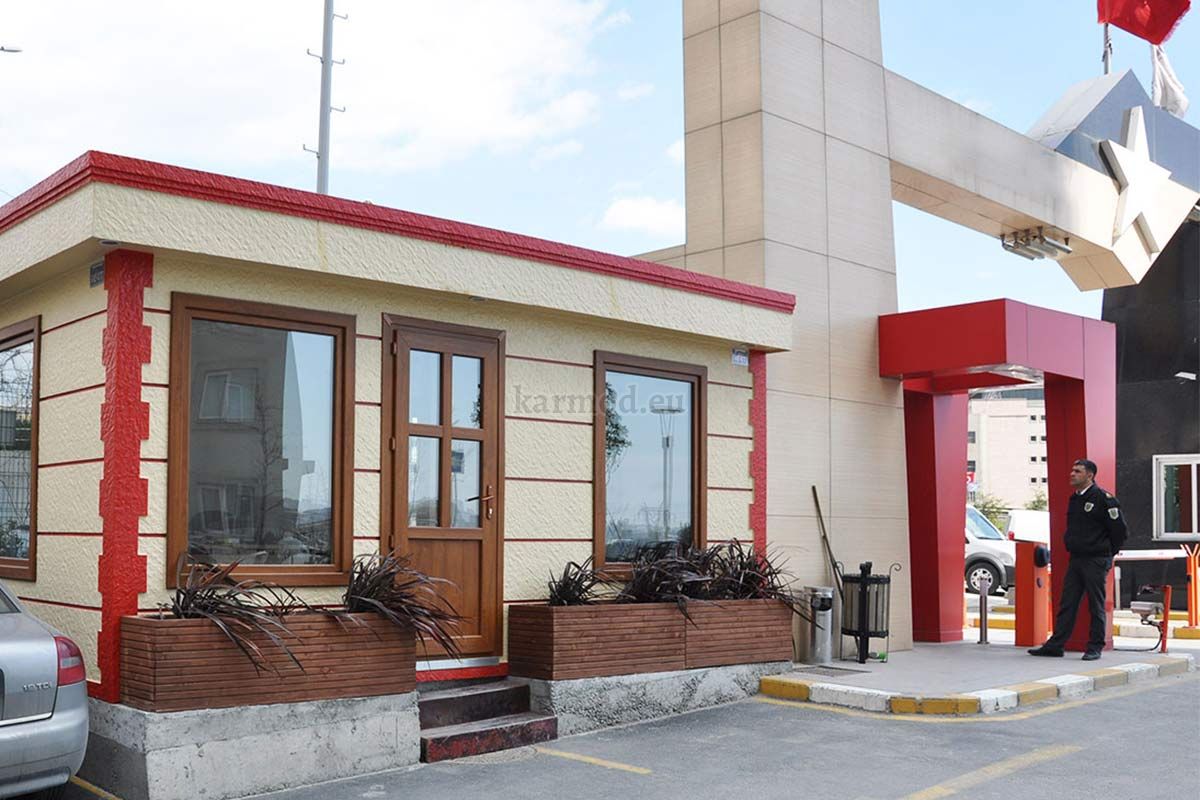
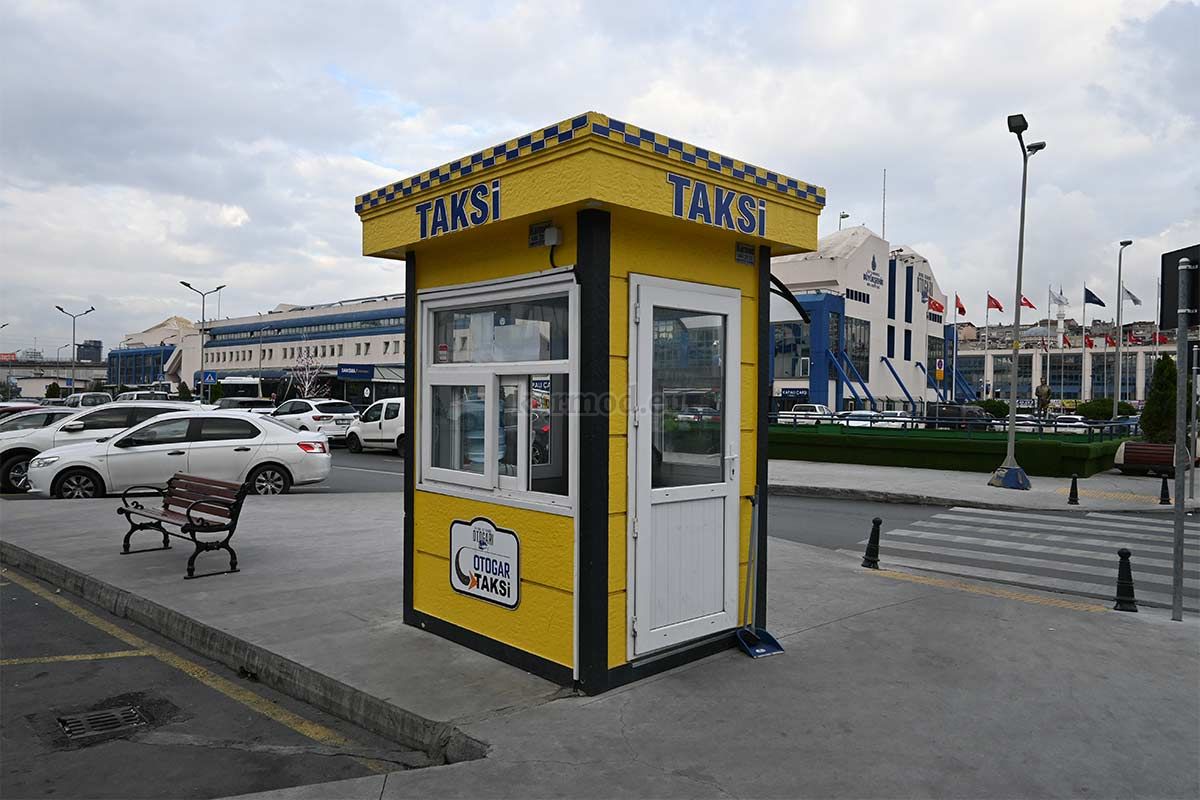
AI-Assisted Surveillance Without Complexity
Artificial intelligence sounds intimidating, but when implemented correctly, it simplifies work rather than complicating it. In smart guard huts, AI often works quietly in the background.
Video analytics can detect tailgating, loitering, or abnormal movement patterns. License plate recognition can speed up vehicle entry without removing human oversight. Facial recognition, where legally permitted, can add another layer of verification.
The key best practice here is balance. Technology supports decision-making—but final control stays with trained personnel. That’s where trust is built.
Human Comfort Still Matters—Even More Than Before
As guard huts become more technologically advanced, human comfort becomes even more critical. More screens, more systems, more data—this requires focus. A poorly designed interior quickly becomes overwhelming.
Smart guard huts must prioritize ergonomics: proper lighting, glare-free screens, climate control, and noise insulation. When guards are comfortable, they stay alert longer and respond better.
In real-world projects, we often see performance improve simply because guards enjoy working inside the unit. Technology works best when people want to use it.
Energy Efficiency and Sustainable Technology
The future isn’t just smart—it’s efficient. Modern guard huts increasingly integrate energy-saving technologies such as LED lighting, smart climate systems, and optional solar panels.
Power management systems can reduce consumption during idle hours and alert operators to unusual usage patterns. This not only lowers operational costs but also supports sustainability goals, which are becoming important even in security infrastructure.
For long-term installations, these savings add up fast—and they make smart guard huts a financially sound decision, not just a technological one.
Modular Structures Ready for Technological Upgrades
One common concern is future-proofing. Technology evolves fast. Best practice is choosing modular guard huts designed to adapt.
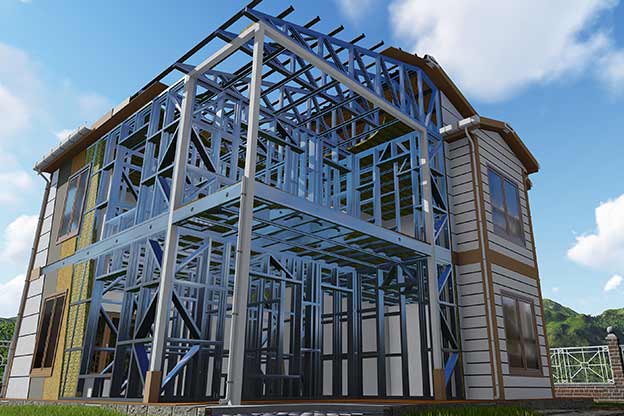
Cable pathways, spare mounting areas, and expandable panels allow new systems to be added without major reconstruction. This flexibility protects your investment and keeps the hut relevant for years.
Sites that plan for upgrades from day one avoid costly replacements later. It’s a quiet advantage that experienced buyers always appreciate.
What This Means for Buyers and Decision-Makers
Smart guard huts are no longer a luxury. They are becoming the standard for sites that value control, efficiency, and professionalism. From industrial zones to residential developments, expectations are rising.
Investing in a technology-ready guard hut signals foresight. It tells employees, visitors, and partners that security is proactive—not reactive.
If you’re planning a new facility or upgrading existing access points, now is the time to think beyond the box.
A smart, integrated guard hut isn’t just about today’s needs—it’s about being ready for what comes next. Requesting a customized solution is the first step toward that future.