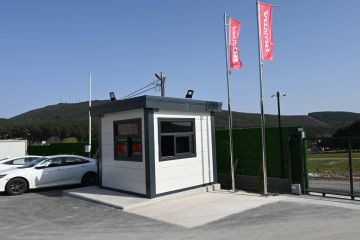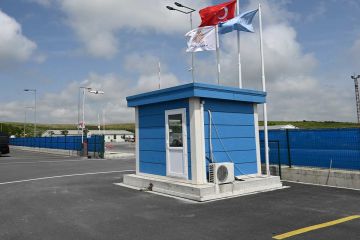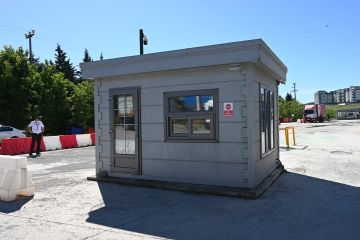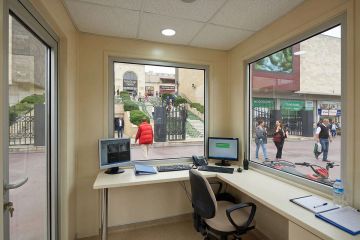




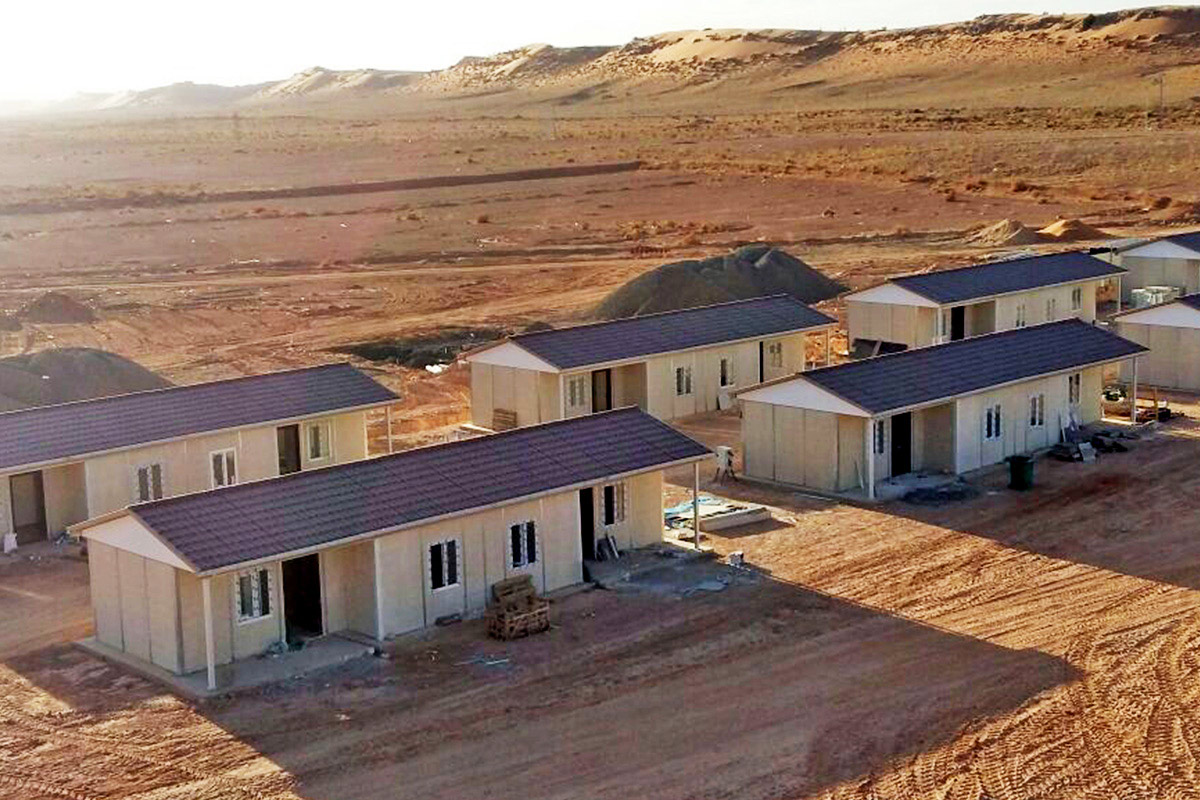
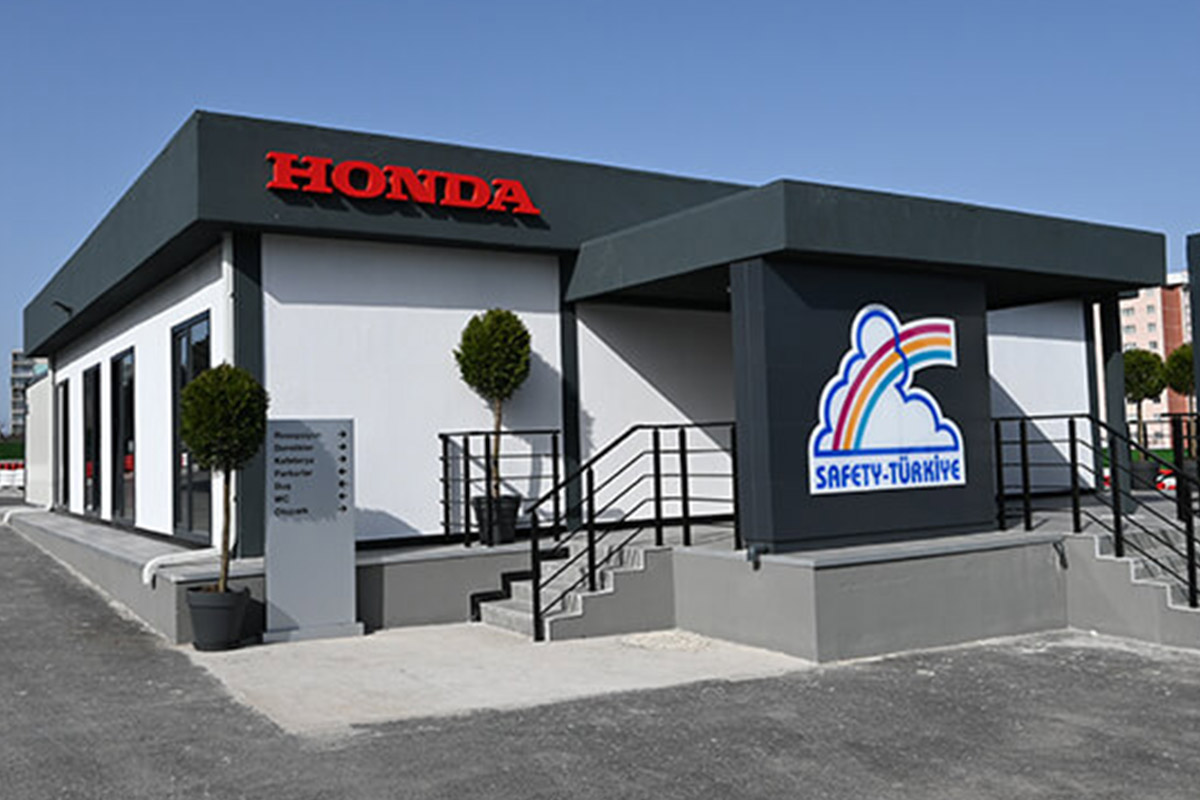
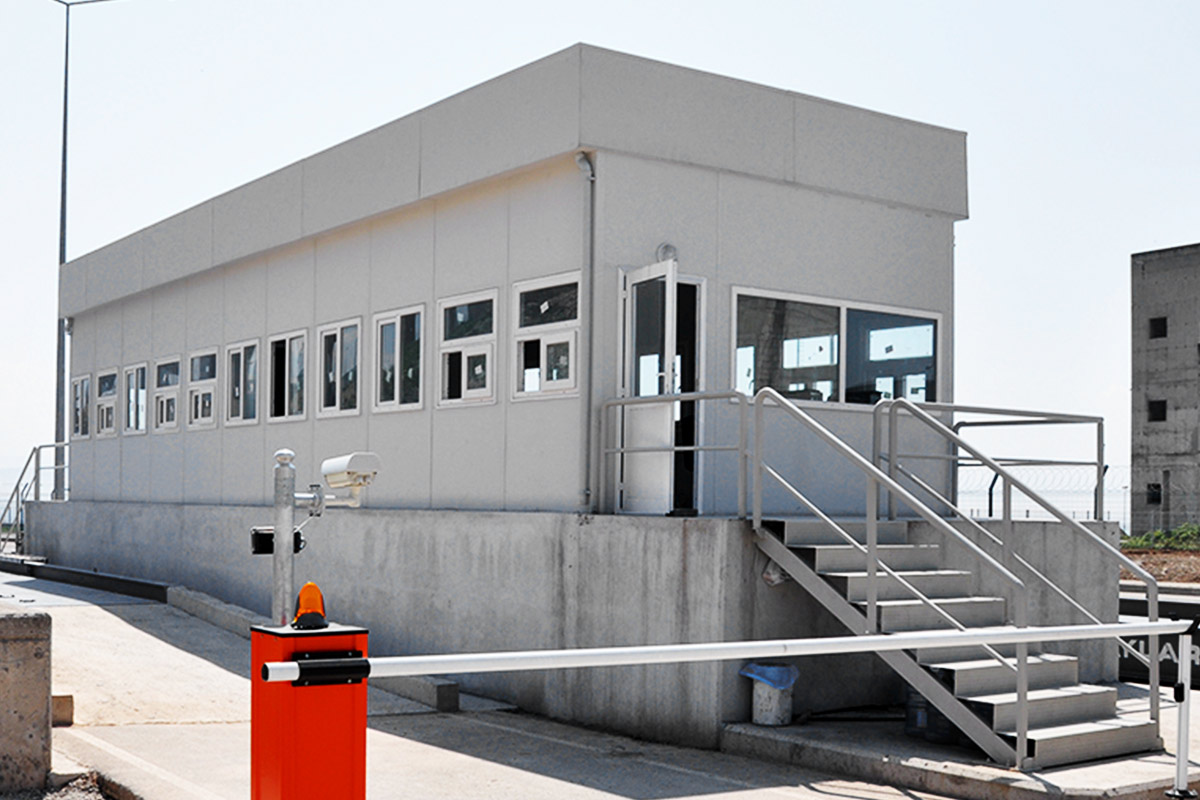
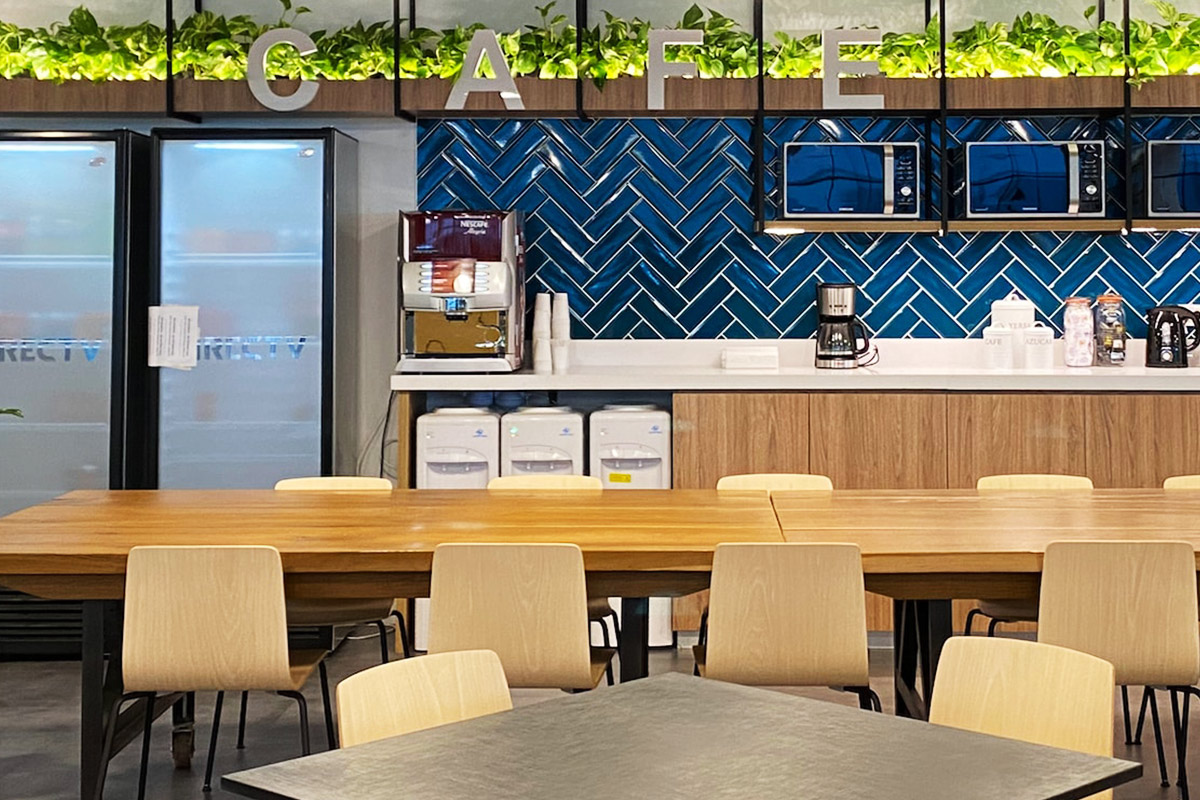
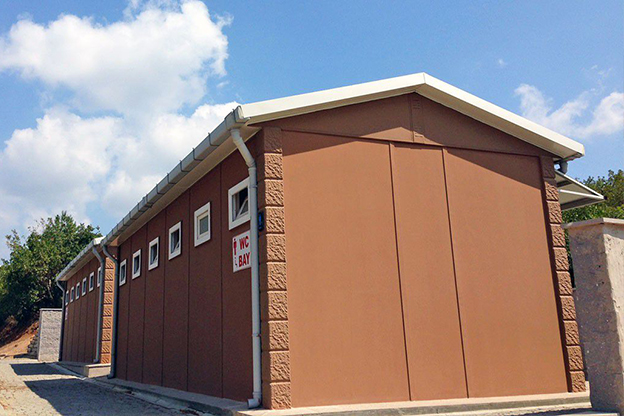
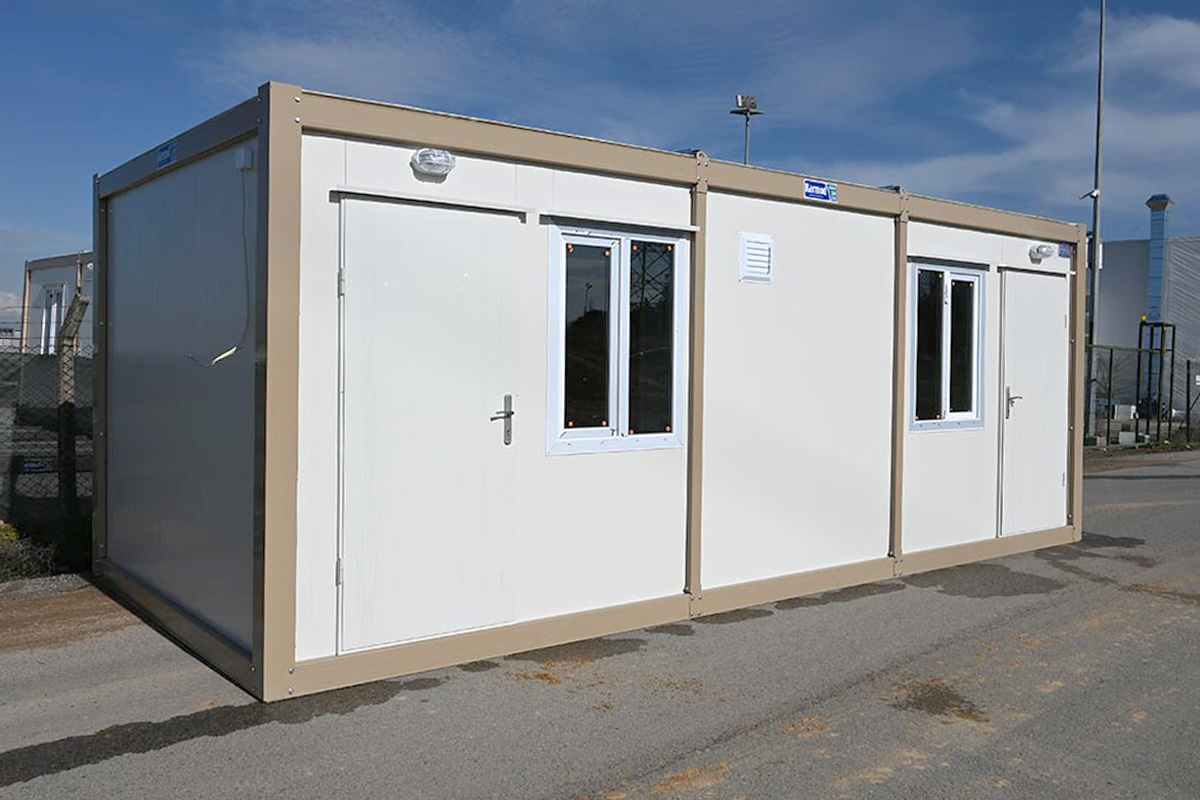
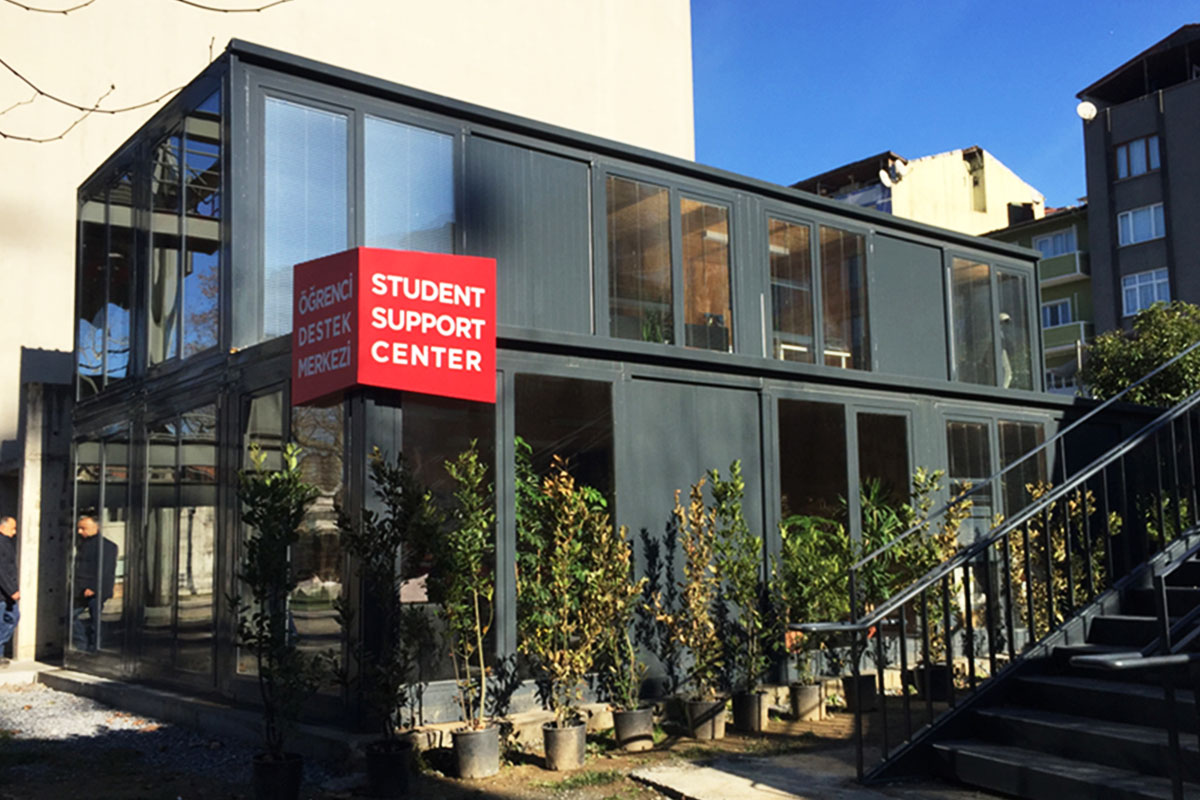
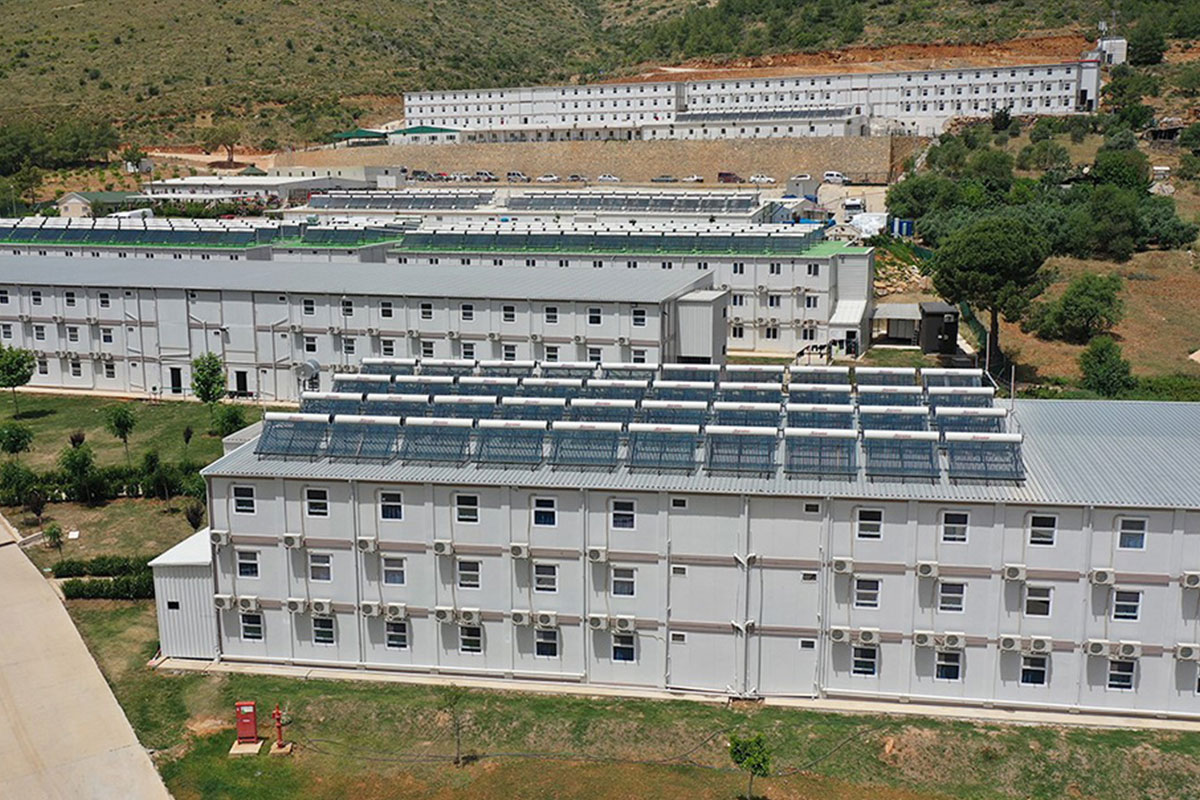
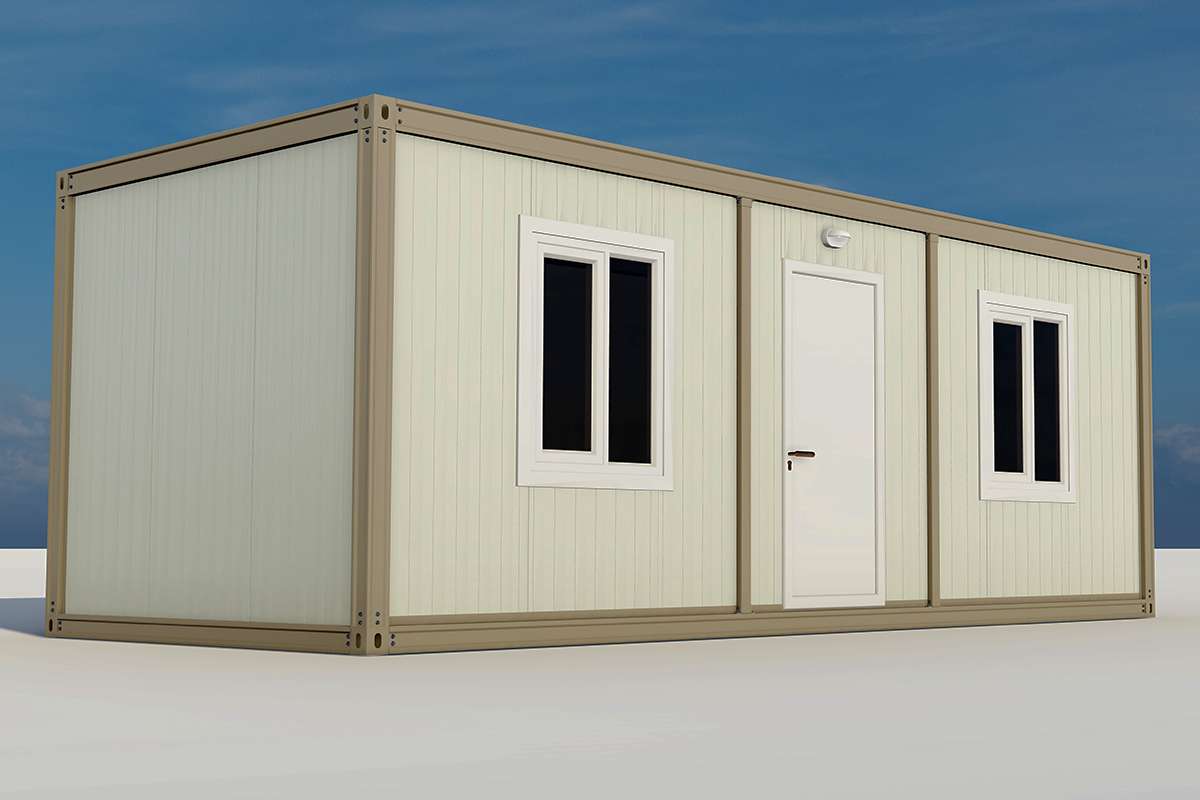

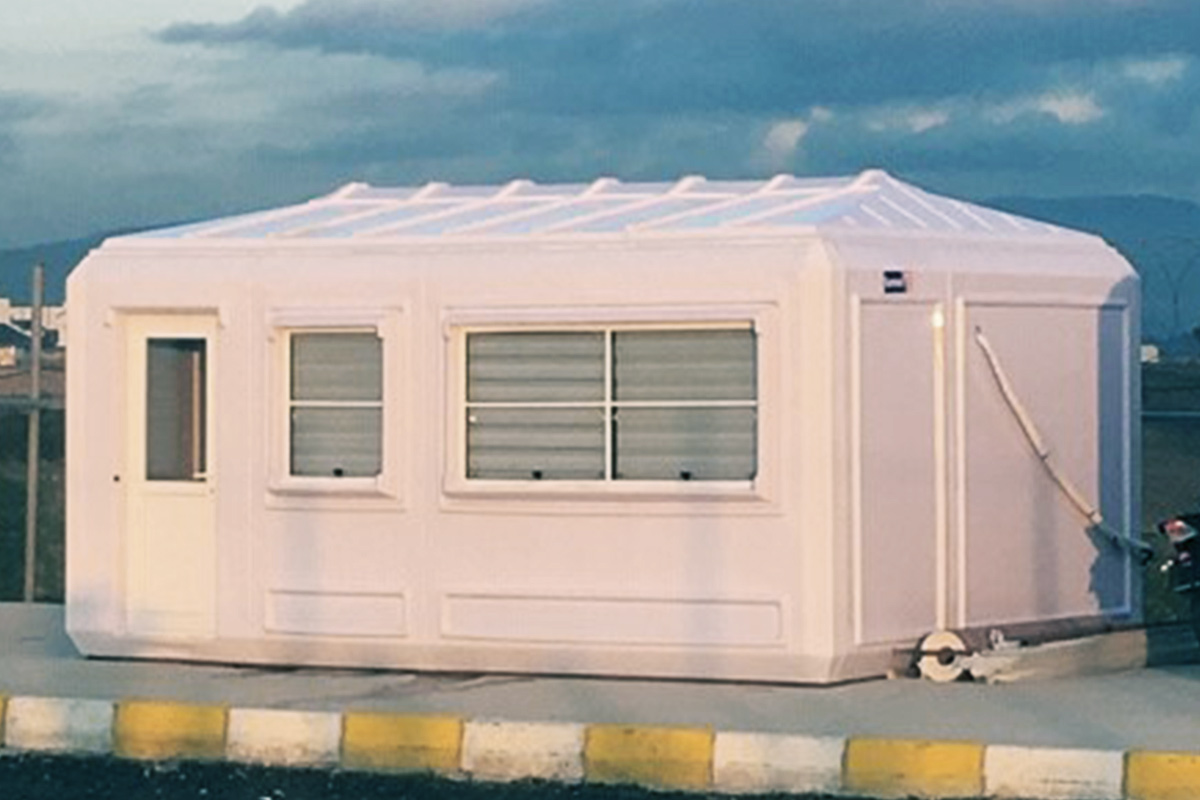
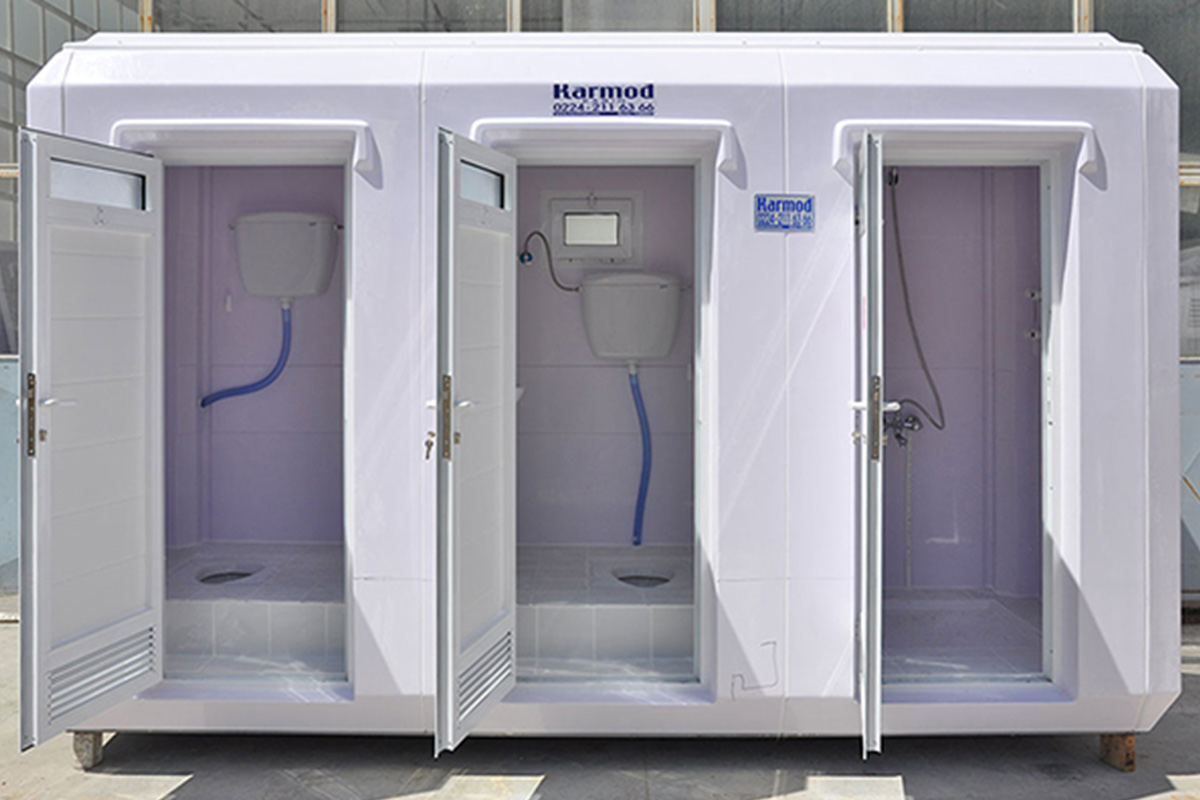
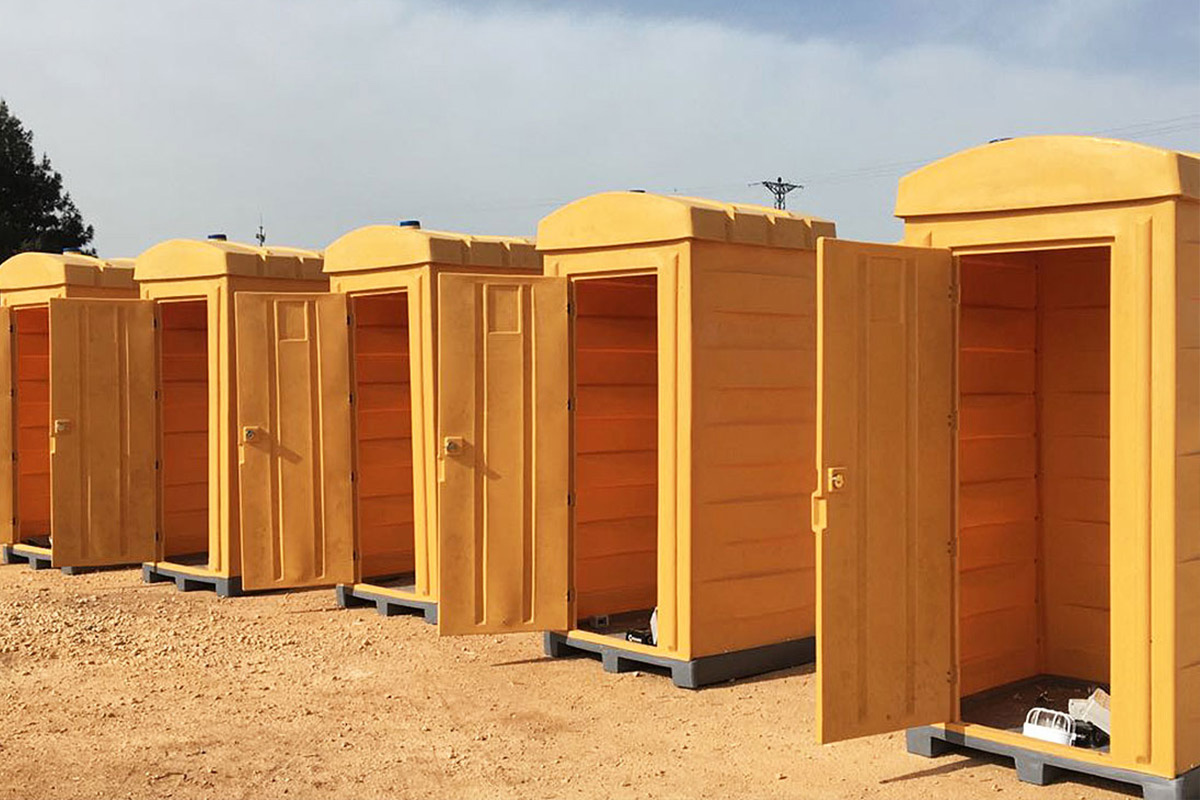
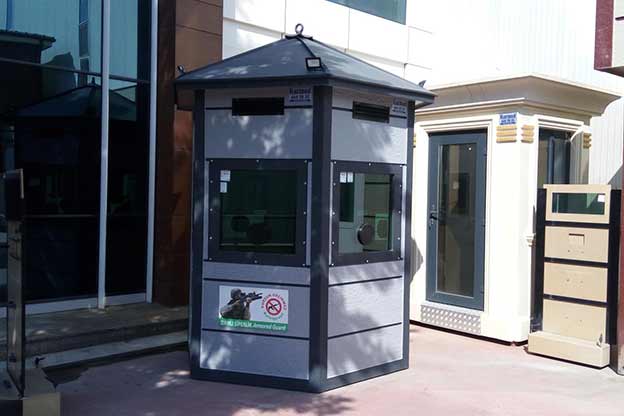
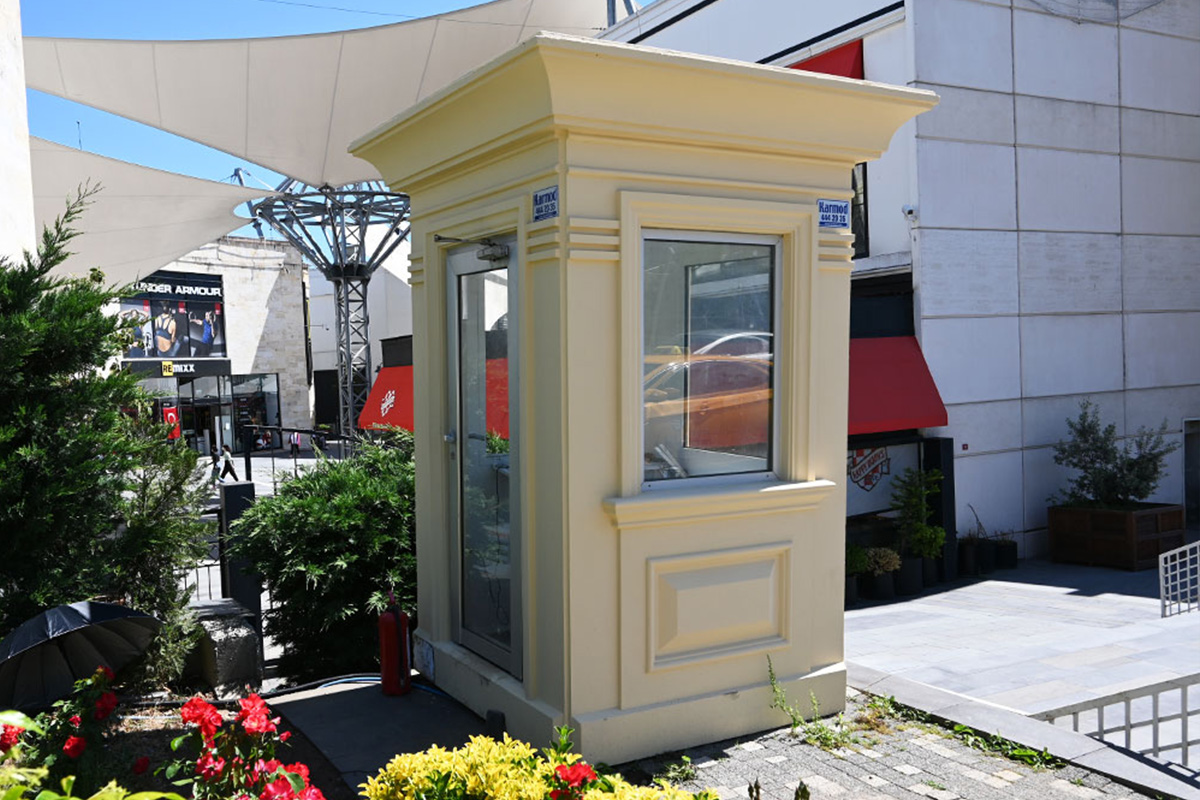
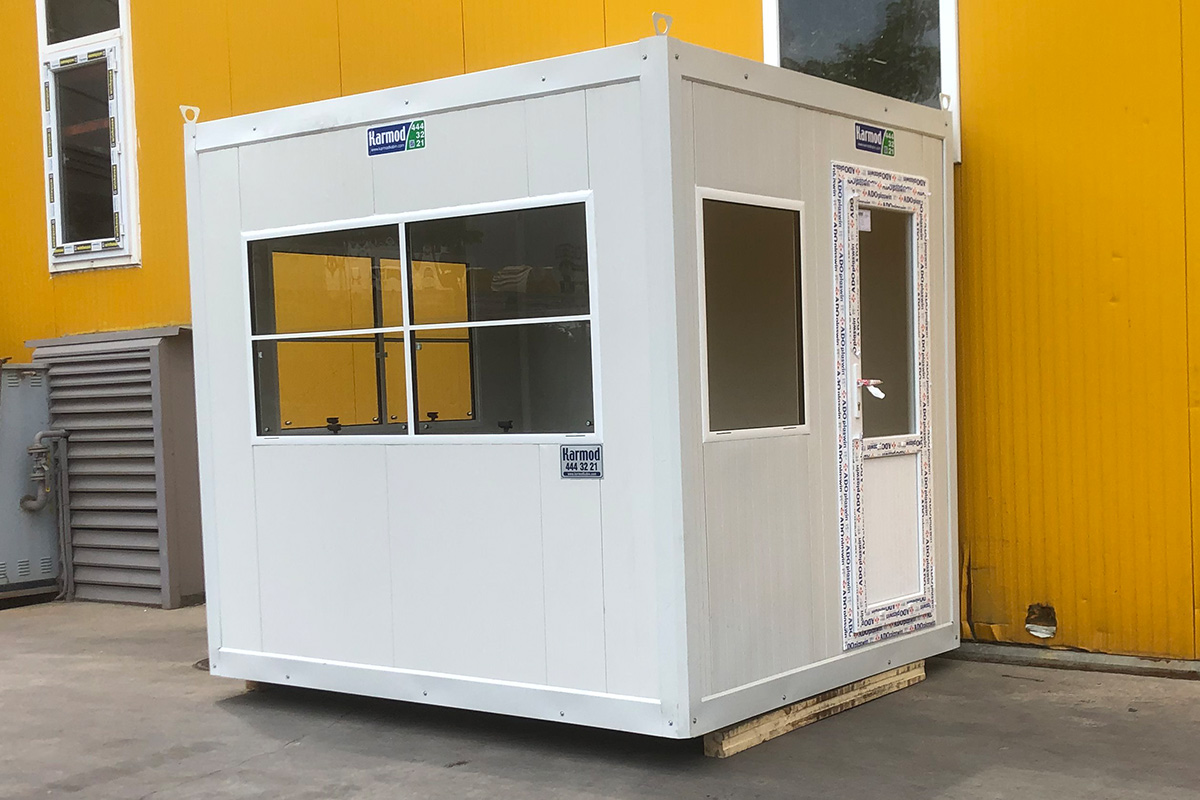
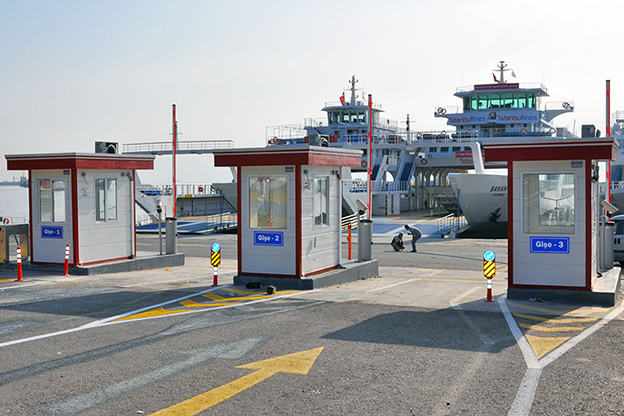


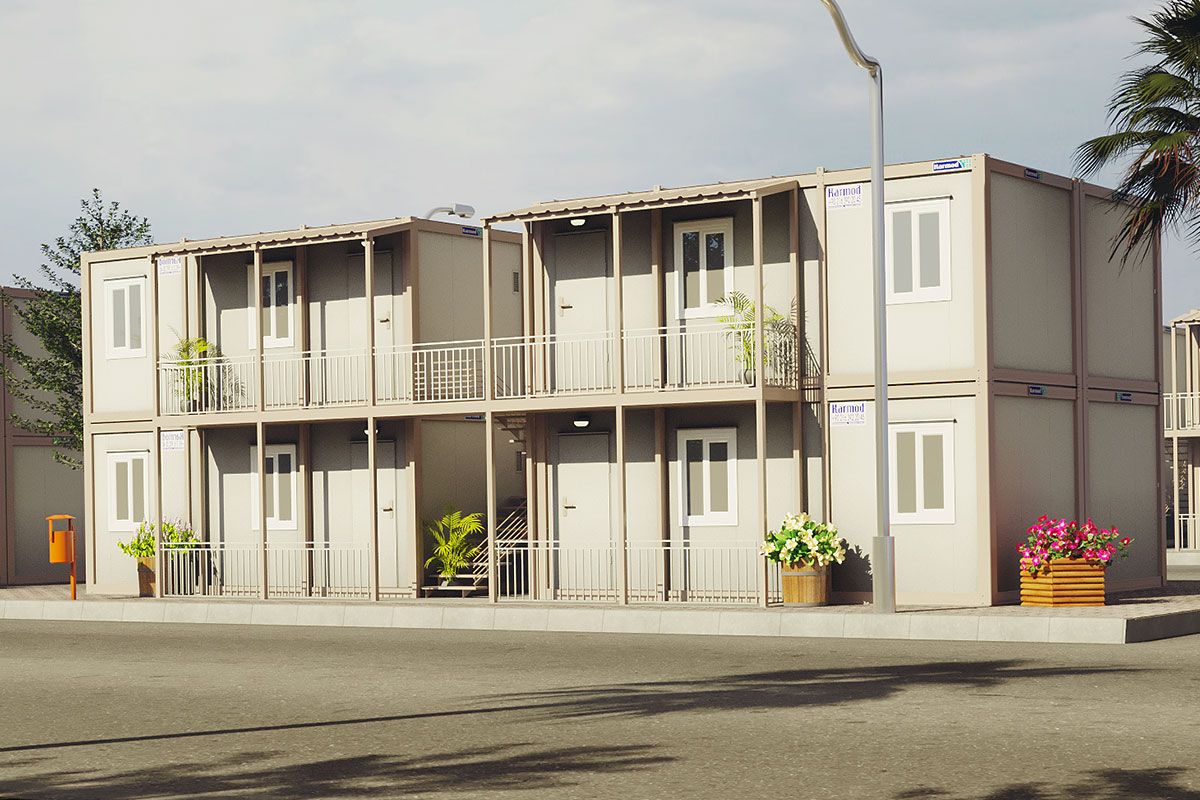

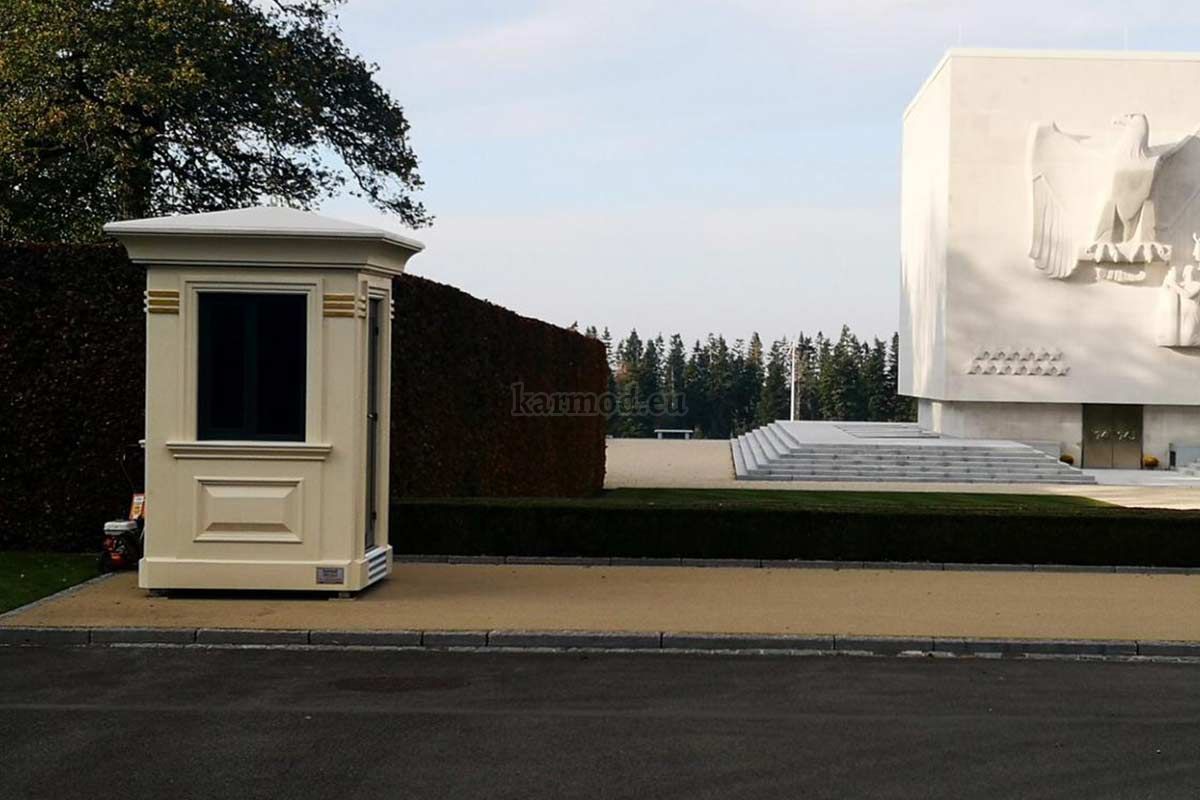
Huts may seem simple on the surface, yet they carry an impressive ability to solve challenges that larger structures cannot address quickly or affordably. In remote landscapes, construction sites, agricultural fields, or temporary work zones, a hut becomes an anchor—an essential point where people can rest, work, store equipment, or seek shelter from unpredictable weather. When no permanent facilities exist and setting up traditional buildings would be impractical, huts fill the gap with remarkable efficiency.
These small structures are often overlooked until someone steps into a situation where portable, durable, and instantly functional space is essential. That’s when the value becomes unmistakable. A well-built hut creates order in environments that otherwise feel exposed and chaotic. It provides a sense of protection, a moment of calm, and a base of operations that allows individuals and teams to stay focused and productive. Whether used for field teams in remote regions or temporary crews stationed at short-term sites, huts prove that even modest structures can have a transformative impact on daily workflow and comfort.
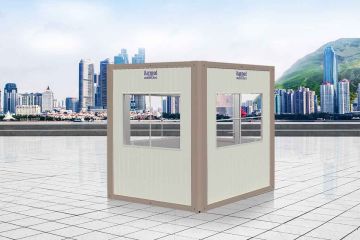
Providing Shelter in Unpredictable Outdoor Environments
Remote locations rarely come with stable infrastructure. Weather patterns shift suddenly, temperatures fluctuate, and terrain can be uneven or difficult to navigate. A hut offers more than shade or cover; it gives teams a secure, enclosed environment where they can regroup, rest, and prepare for ongoing tasks. In areas where wind, heavy rain, snow, or extreme heat can halt work completely, a hut becomes a vital buffer that allows operations to continue safely.
Beyond weather protection, huts also give individuals a place to recover mentally. Outdoor work—whether in mountains, forests, or undeveloped land—can be physically intense and mentally draining. A stable shelter helps restore energy, reduces fatigue, and supports better decision-making. These seemingly small advantages accumulate, resulting in stronger performance and greater resilience throughout the day.
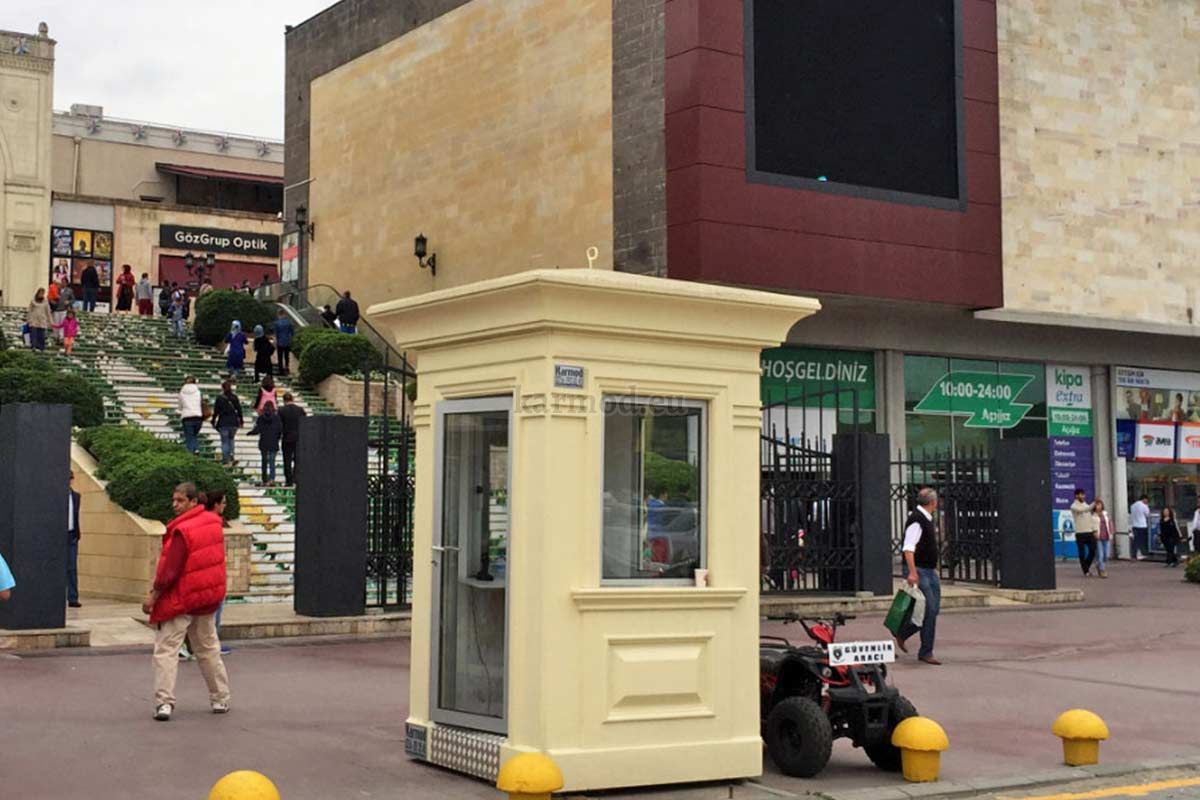
Serving as Temporary Field Offices or Coordination Hubs
Many industries—from mining and energy to environmental monitoring and emergency response—require operational points in areas where no permanent buildings exist. In such cases, huts become functional field offices. They offer a quiet, contained space where teams can discuss plans, review maps, manage equipment, or store sensitive documents away from dust, moisture, and sunlight.
Field offices don’t need to be complex to be effective. A simple yet well-designed hut with proper ventilation, storage shelves, and a clean workspace can significantly improve coordination. When workers have a consistent base, communication becomes clearer, tasks are executed more smoothly, and daily operations feel more organized even in the most challenging terrains.
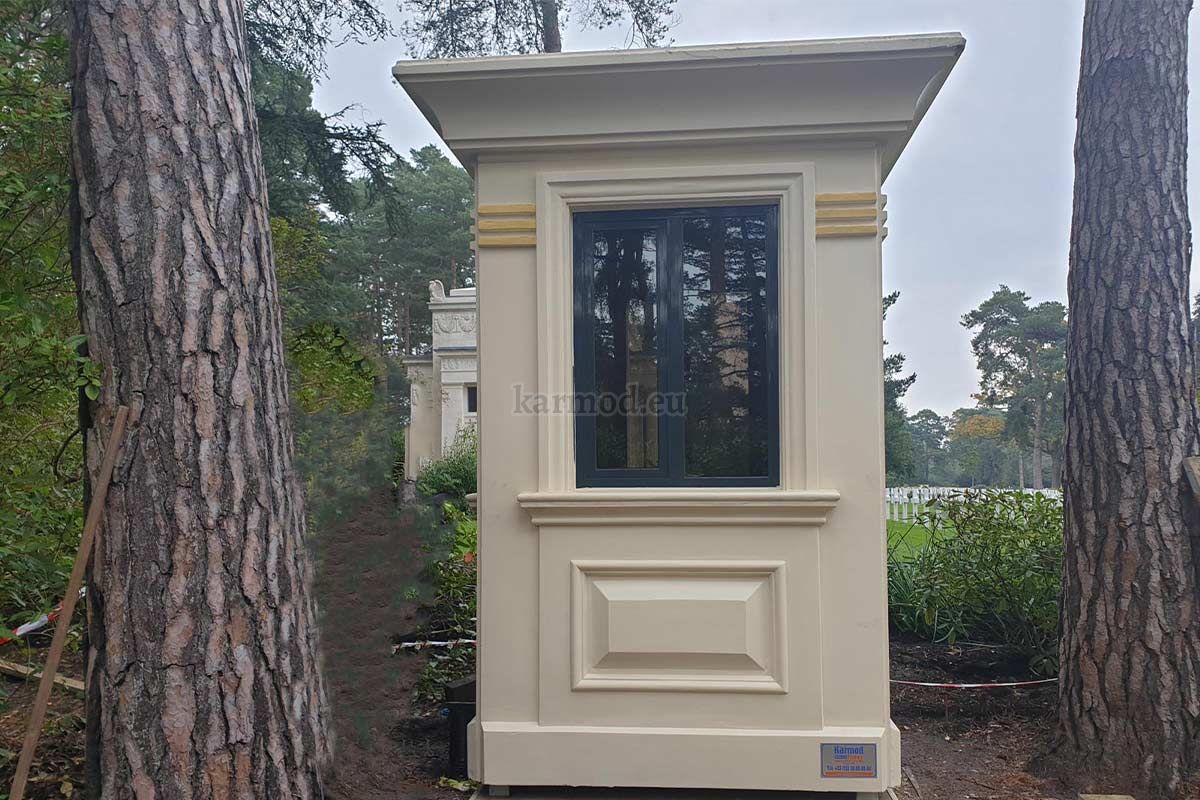
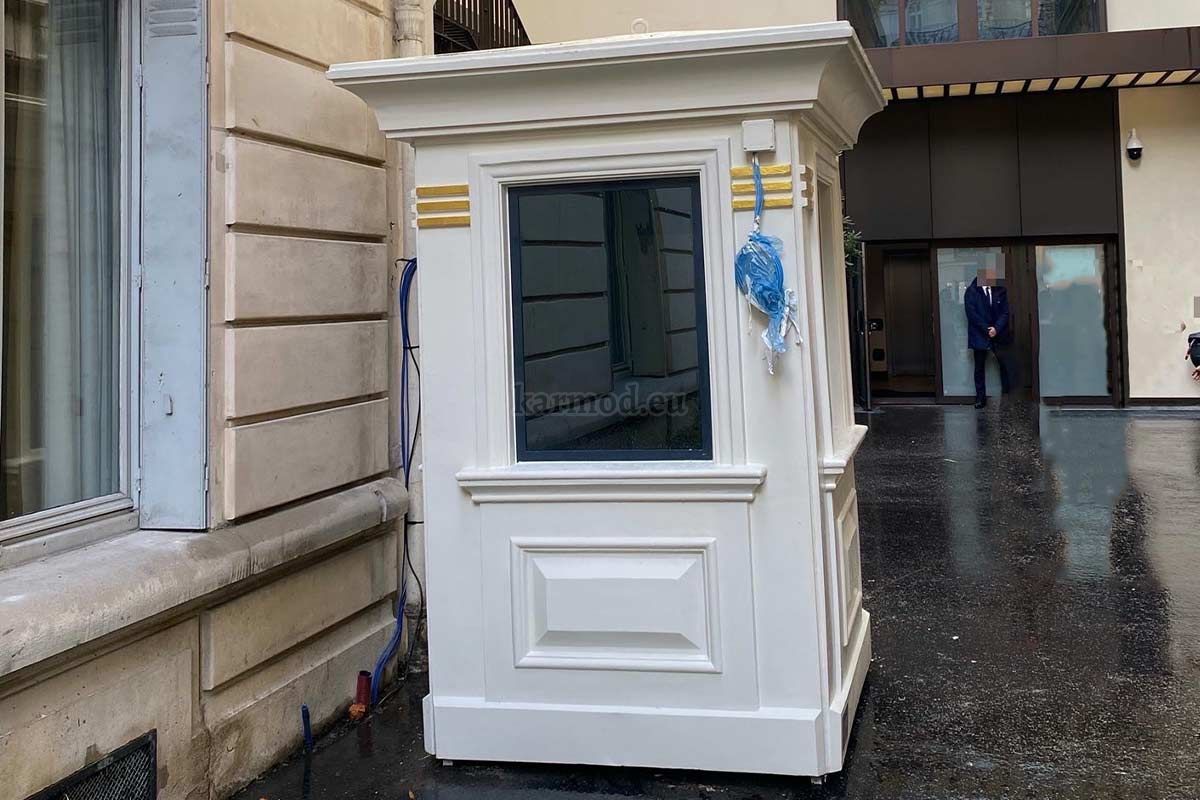
Creating Rest Areas That Support Worker Well-Being
Physical comfort is often underestimated in remote environments, but its impact is profound. A hut that provides stable temperatures, fresh airflow, and enough room to sit or lie down offers meaningful relief during long shifts. Workers who feel protected and rested contribute more effectively and maintain higher morale throughout the project.
Mental and Emotional Benefits of a Comfortable Hut
Remote work can feel isolating, especially when teams are far from populated areas. A hut becomes a familiar, predictable place—somewhere staff can gather, share meals, or take a quiet moment. This sense of grounding improves team cohesion and reduces stress, particularly during multi-day or multi-week assignments.
Protection From Harsh Elements
Heatstroke, dehydration, cold stress, and wind exposure are real risks in outdoor settings. A hut’s insulation and protective structure guard against these threats, enhancing not only comfort but also safety.
Storage Solutions That Keep Equipment Secure and Organized
Remote locations are notorious for equipment loss, weather damage, and disorganization. A hut provides a controlled environment where tools, electronics, protective gear, and sensitive materials can be stored safely. This reduces the likelihood of theft, breakage, and downtime caused by misplacement.
A well-planned storage hut also improves workflow. Instead of scattering items across the site or improvising makeshift shelters, teams can maintain a central hub for their equipment. This leads to faster task transitions and less time wasted searching for supplies. The predictability of an organized space becomes invaluable during fast-paced or high-pressure work.
Supporting Agriculture and Seasonal Work
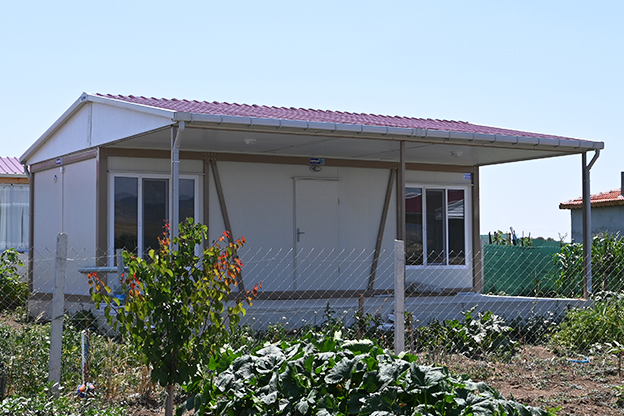
Agricultural operations often span wide areas and require temporary structures for workers, equipment, and harvested crops. Huts fit effortlessly into this rhythm. They can be placed near orchards, fields, or greenhouses to provide immediate support during planting or harvesting seasons. Farmers rely on them to store tools, protect machinery from weather exposure, and offer rest space for workers during long hours under the sun.
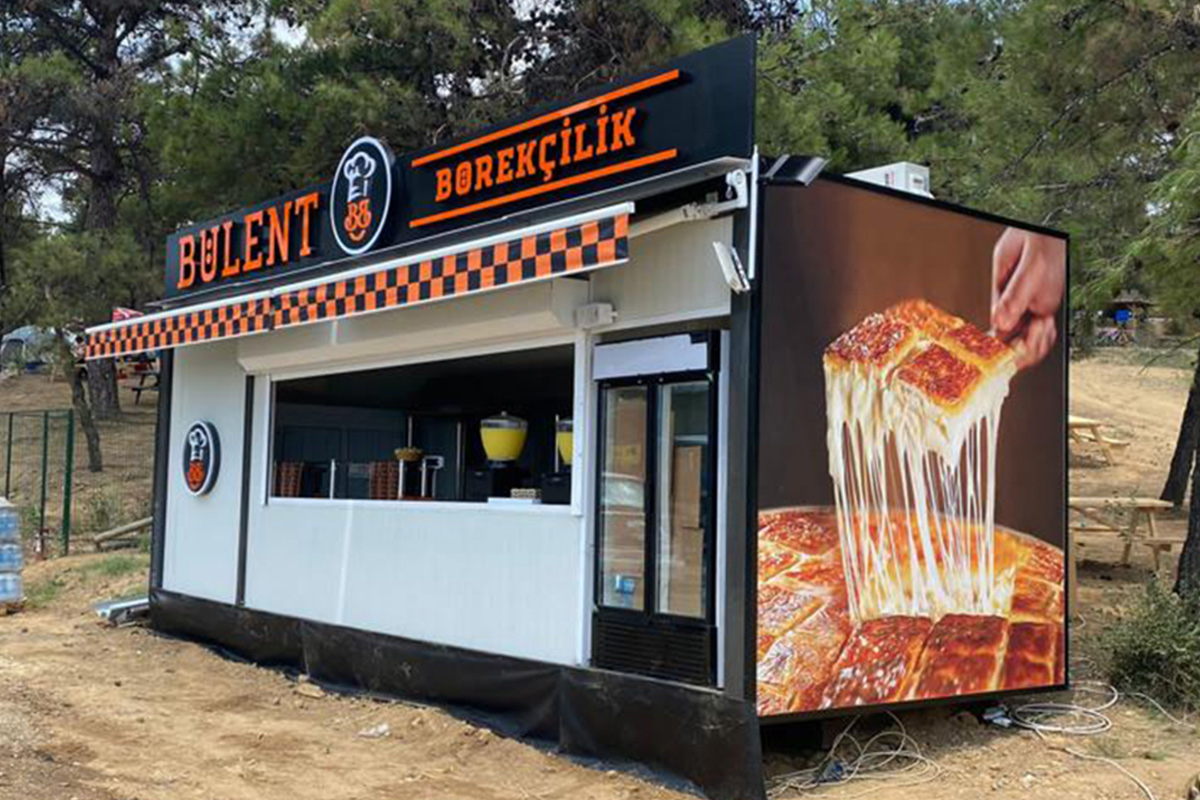
Seasonal businesses—such as outdoor festivals, tourism services, or temporary marketplaces—also benefit from huts. They help operators create organized zones for ticketing, small-scale retail, check-in points, or visitor information booths. The ease of installation and removal makes huts ideal for short-term periods without compromising on appearance or functionality.
Versatility for Emergency or Rapid-Response Situations
When crises occur in remote or hard-to-reach areas, huts become vital response tools. They provide shelters for displaced individuals, serve as temporary medical assessment rooms, or support search-and-rescue teams with on-site coordination centers. Their portability ensures that relief teams can deploy them quickly, even in locations where larger prefabricated units may be difficult to transport.
In disaster settings, the ability to create stable, protected spaces within hours can dramatically influence the success of the response effort. Huts give teams the flexibility to set up safe zones wherever they are needed most, adapting to terrain and evolving conditions without delay.
Lightweight, Portable Structures for Easy Relocation
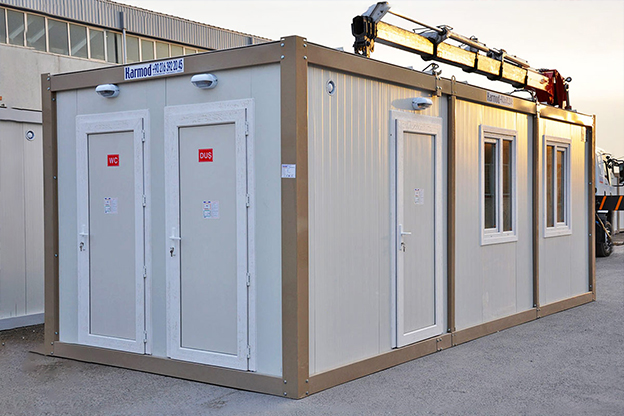
One of the biggest advantages of huts is their mobility. They can be relocated as work progresses, seasons change, or operational priorities shift. This makes them especially valuable in industries like forestry, pipeline maintenance, and geological exploration, where job sites frequently move.
Lightweight materials combined with durable construction allow huts to withstand handling while remaining easy to transport. This flexibility reduces setup time and prevents costly interruptions in work schedules.
Choose a Hut That Strengthens Efficiency, Well-Being, and Safety in Any Environment
If you're exploring hut solutions for remote or temporary locations, the right structure can dramatically improve how your team works, rests, and manages resources. A well-built hut doesn’t just offer shelter—it supports productivity, enhances comfort, and protects equipment in environments where stability is often hard to find. We design huts that combine durability, smart layouts, and easy portability to help organizations stay efficient no matter how challenging the surroundings become.
Here’s what we can help you achieve:
- Stronger weather protection in unpredictable outdoor locations
- Comfort-focused interiors that support worker well-being and morale
- Portable structures that can be moved as job sites evolve
- Secure storage zones to safeguard tools and essential equipment
- Customized layouts tailored to your operational needs
- Long-lasting materials that perform reliably across seasons
- Practical solutions for agricultural, industrial, and emergency use
Whenever you're ready, our team is here to guide you through the options, share proven designs, and prepare a tailored quote for your project. With the right hut solution, your remote or temporary location becomes safer, more organized, and far more efficient—allowing your team to work with confidence and comfort, wherever the job takes them.