


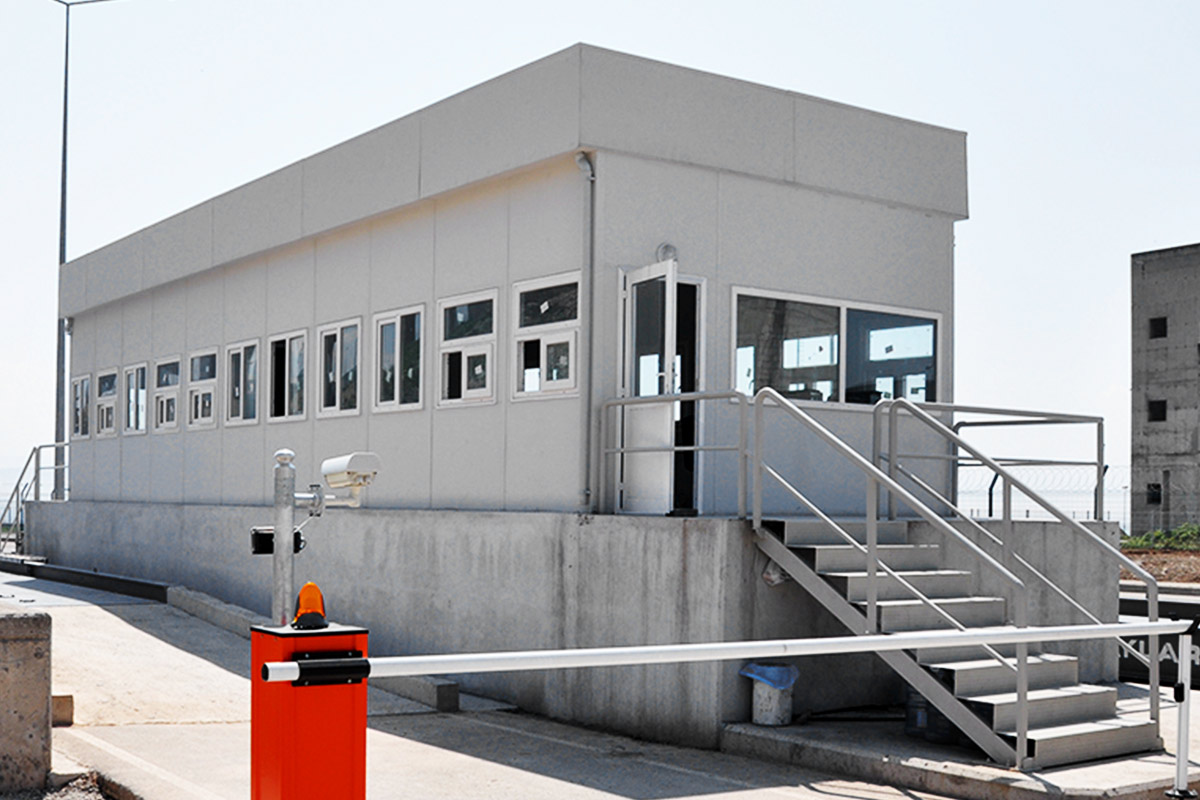
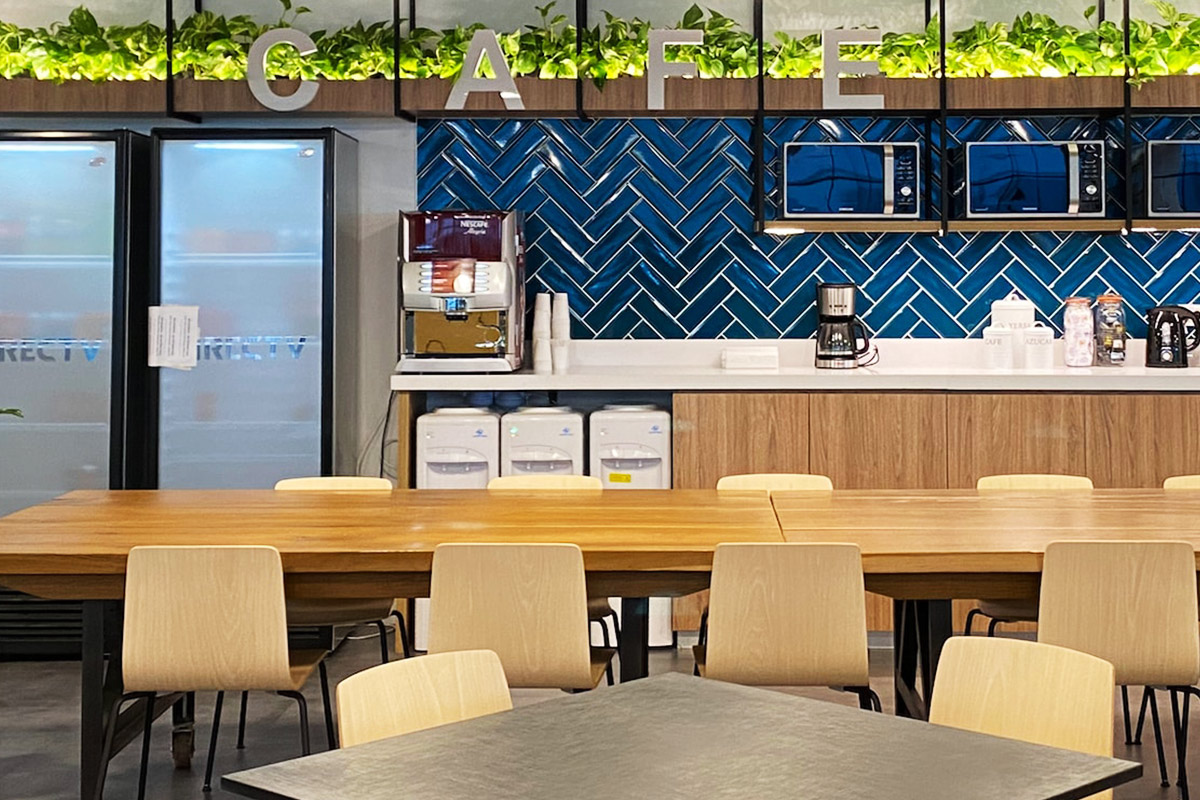
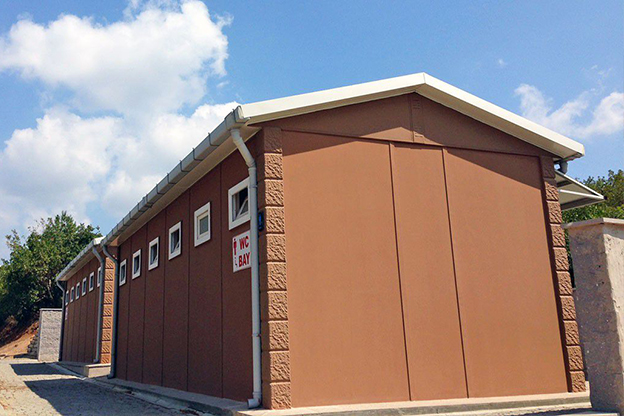
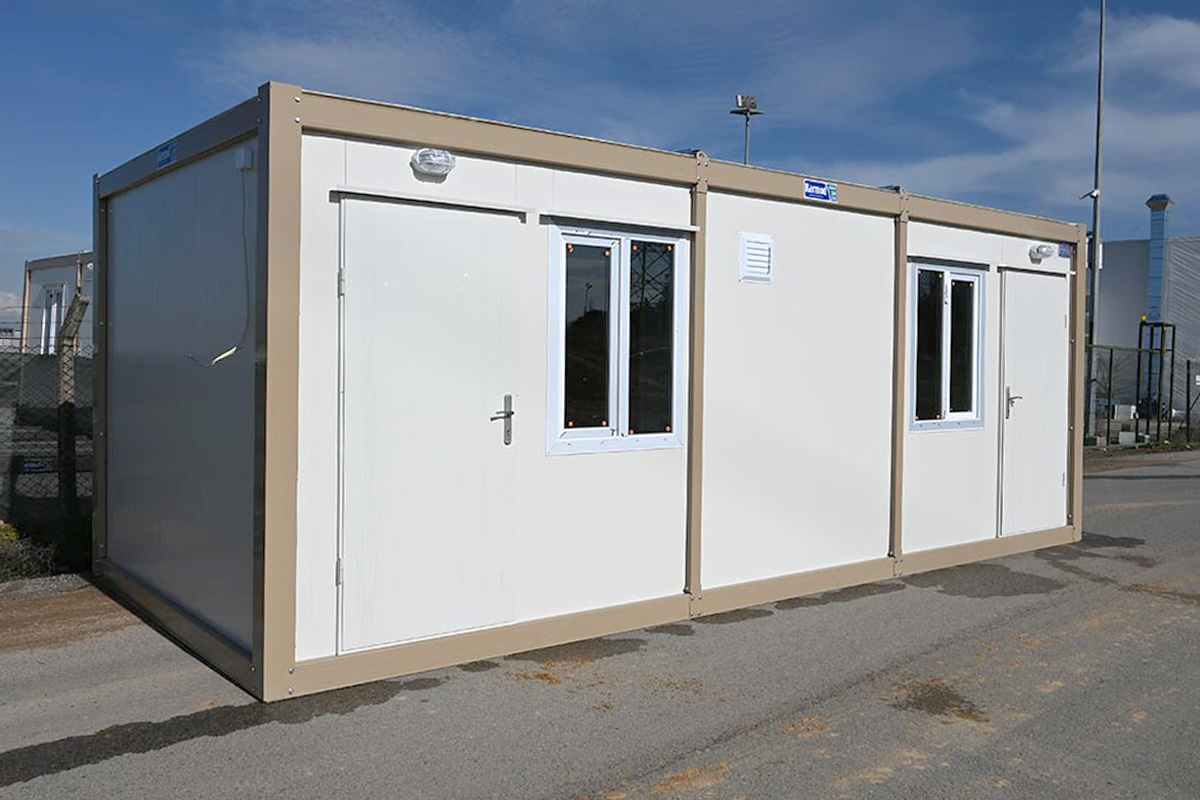
Small spaces shape human behavior more than we often realize. In modular environments, where every square meter is intentional, design choices directly influence mood, focus, and comfort. The psychology of space becomes especially important in small modular environments, where efficiency must coexist with well-being.
Rather than feeling restrictive, well-designed modular spaces can feel calm, balanced, and even empowering. When proportion, light, acoustics, and layout are handled correctly, compact environments support productivity and reduce stress—proving that size alone does not define quality of experience.
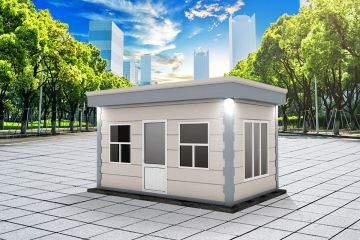
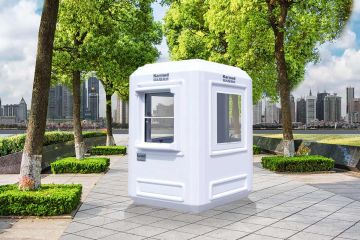
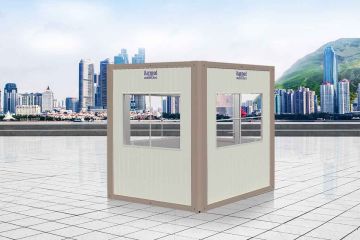
How Spatial Perception Works in Compact Modular Spaces
Human perception of space is not purely physical. It is psychological. Ceiling height, window placement, and visual depth all influence whether a space feels open or confined. In small modular environments, these elements must be carefully balanced.
For example, vertical lines and higher ceilings create a sense of openness, while cluttered layouts do the opposite. Modular design allows these proportions to be controlled precisely during production. Instead of adapting an existing structure, the space is planned around how people actually move, sit, and work.
When users feel that a space “fits” their behavior, they experience less cognitive fatigue. This is why well-designed small modular units often feel more comfortable than larger but poorly planned rooms.
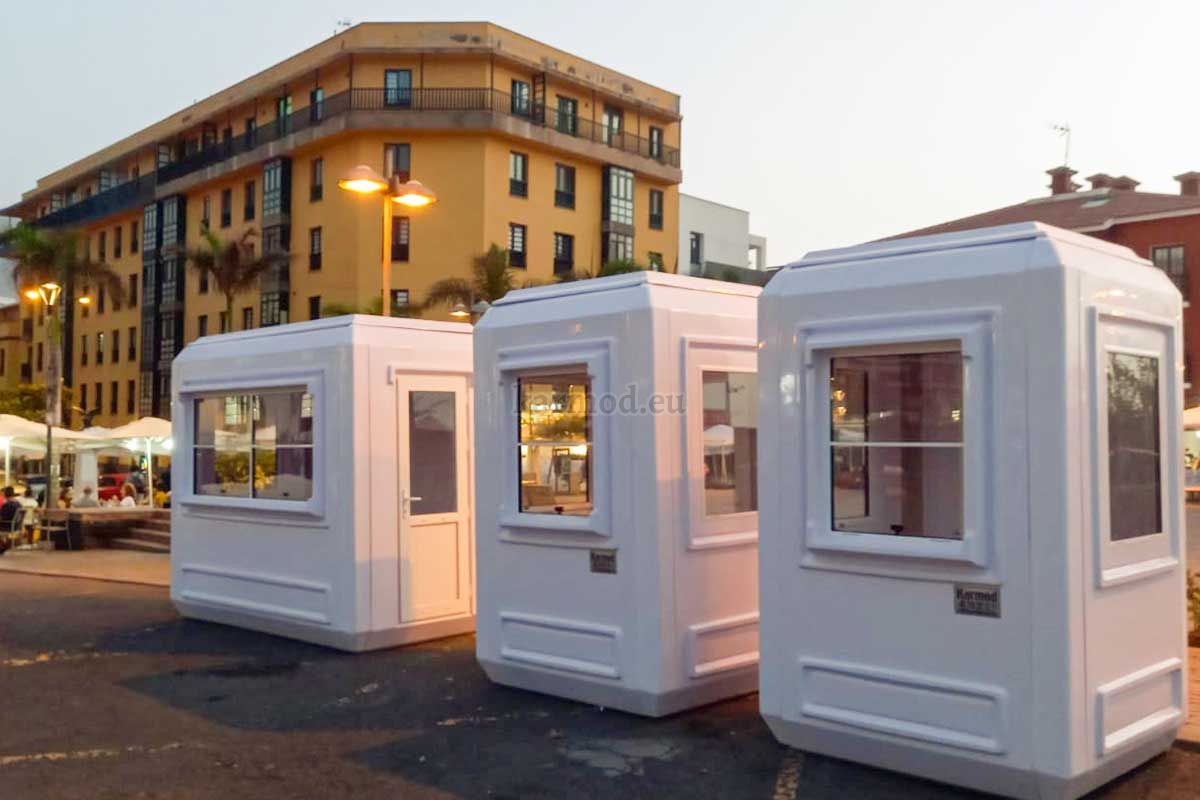
The Role of Light and Color in Mental Comfort
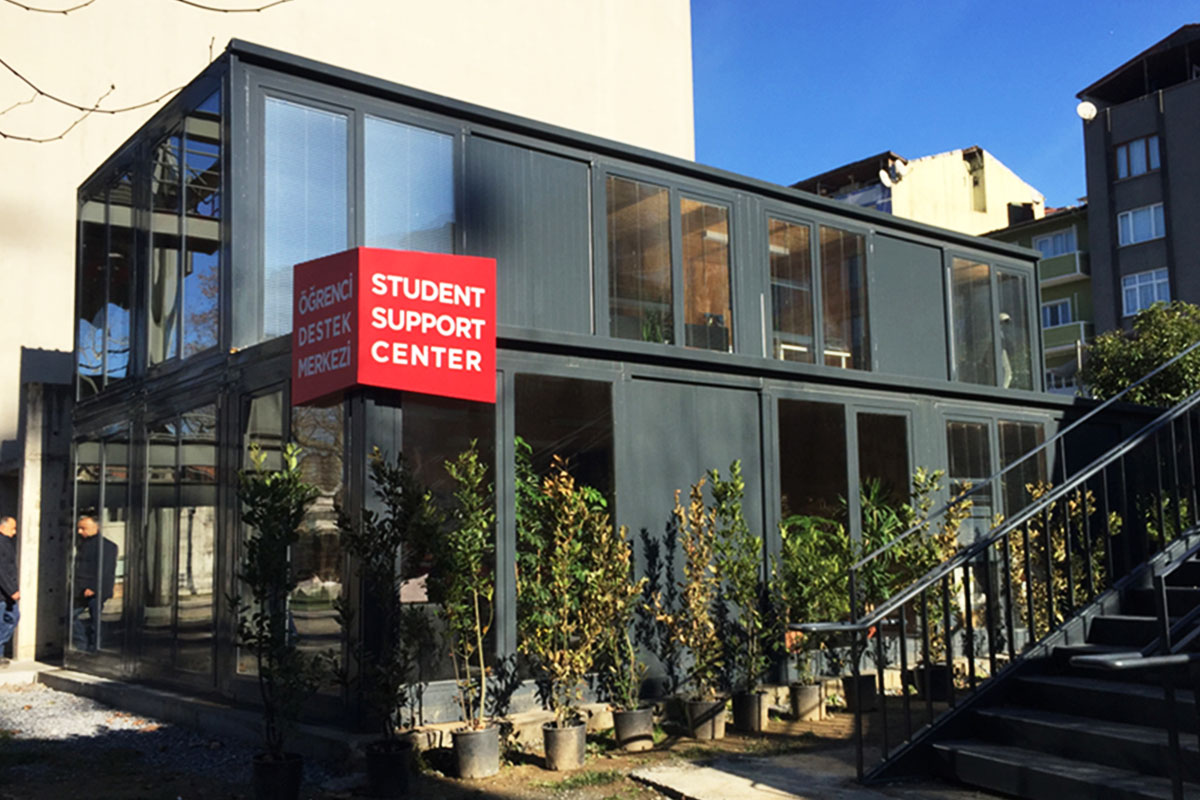
Light is one of the strongest psychological tools in small spaces. Natural daylight improves mood, concentration, and circadian rhythm. In modular environments, window size and placement are optimized to maximize light without causing glare or heat buildup.
Color selection plays an equally important role. Light, neutral tones visually expand space and create calm, while overly dark or saturated colors can feel heavy in compact interiors. Modular interiors often use balanced palettes that reflect light and maintain visual clarity.
The combination of controlled daylight and thoughtful color design helps small modular environments feel stable and pleasant throughout the day—especially in work or living scenarios that require long-term use.
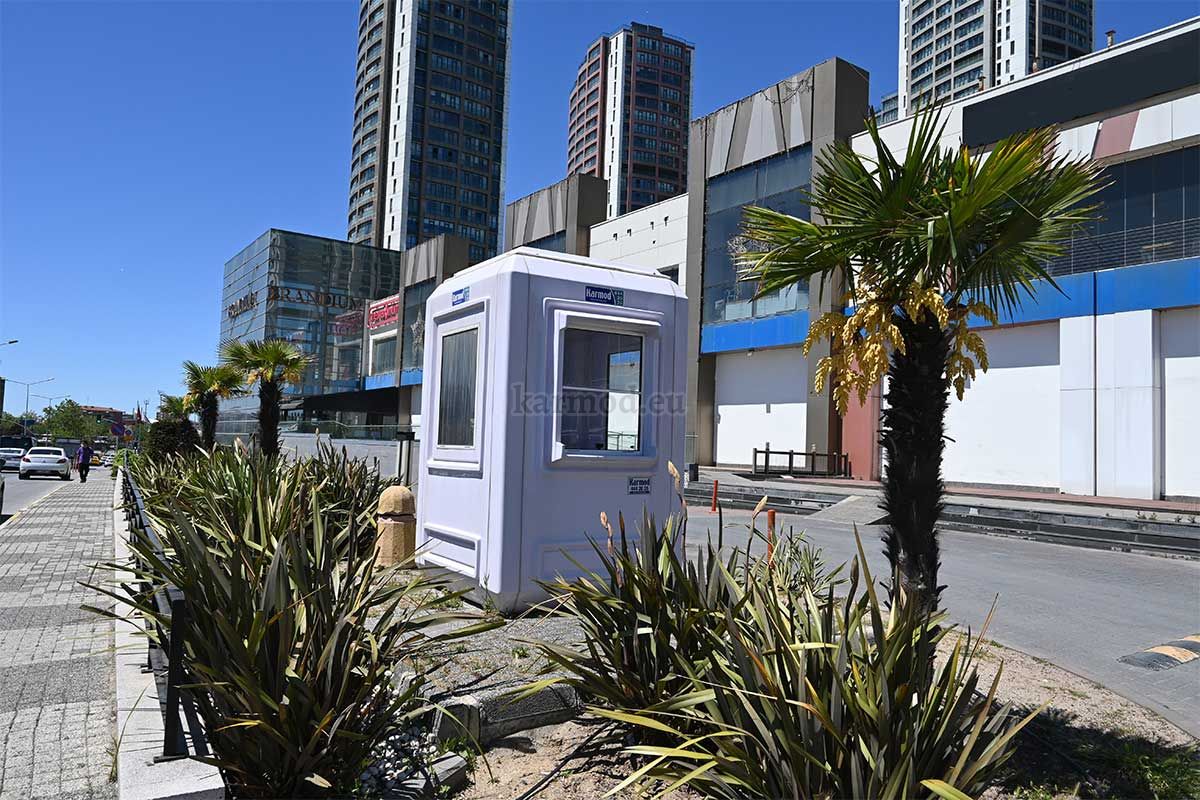
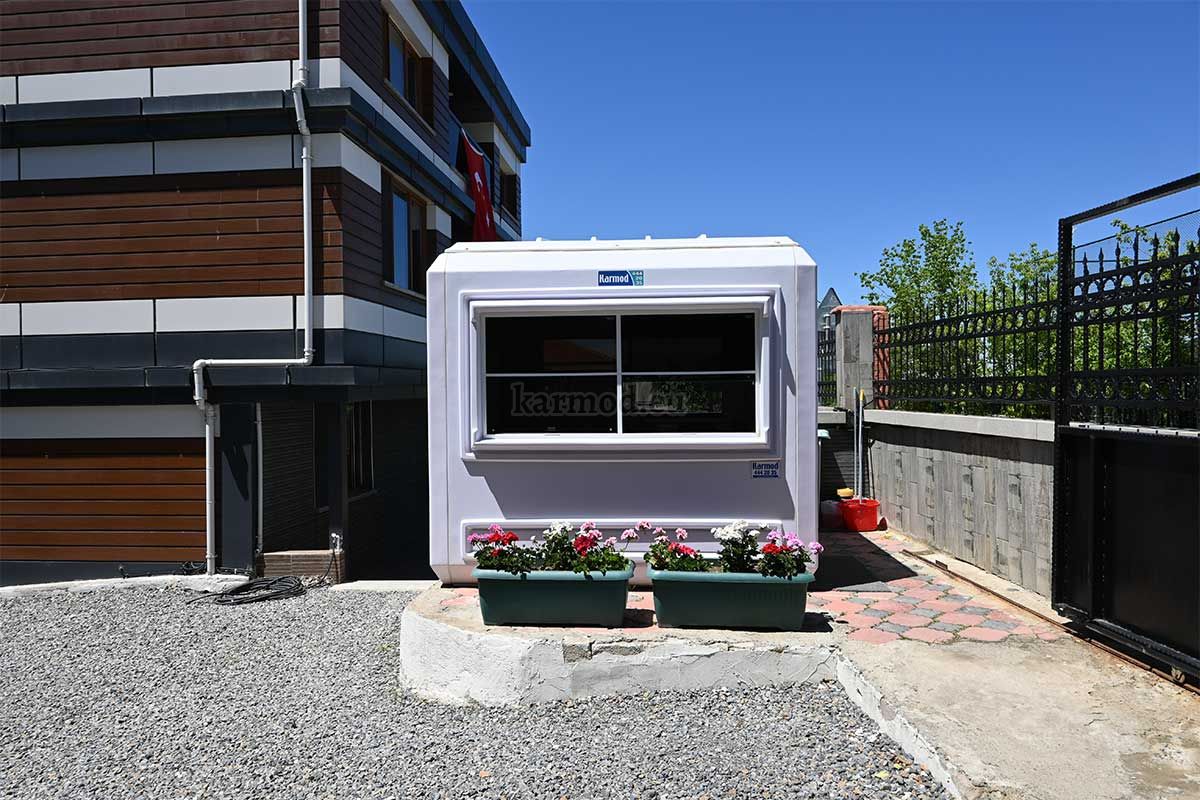
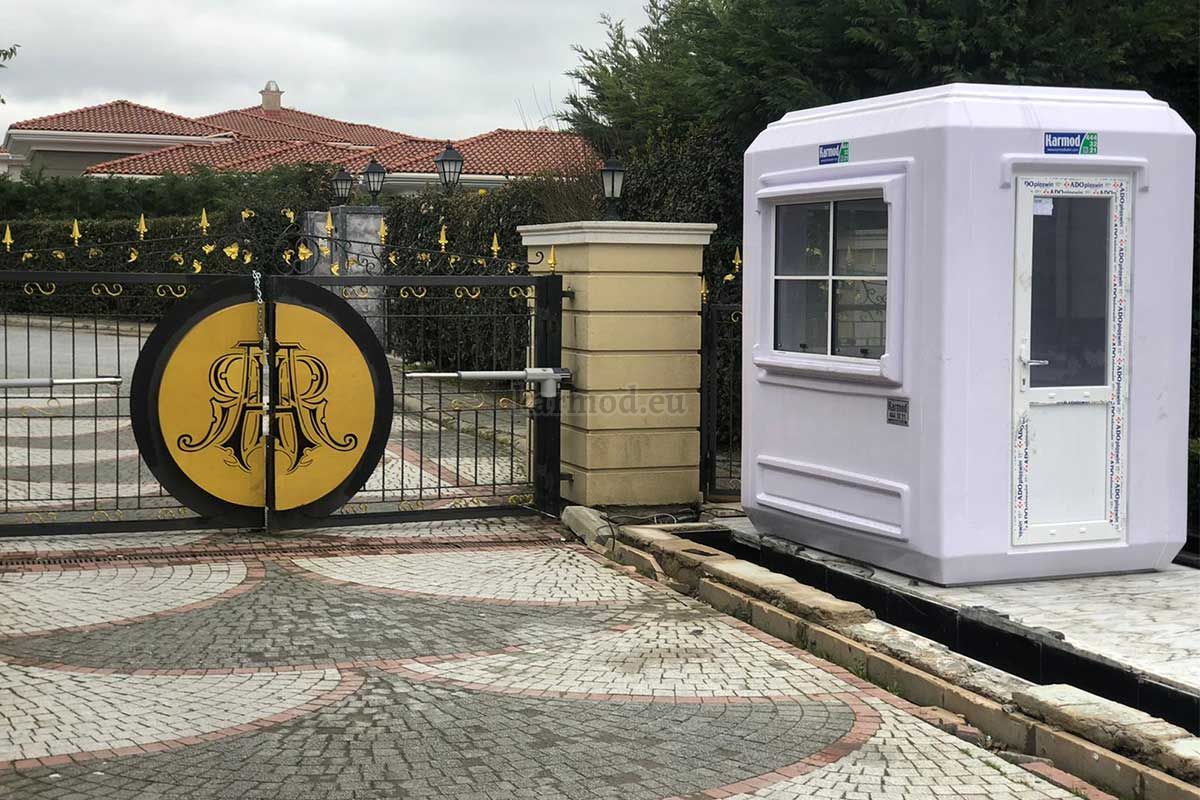
Privacy, Control, and the Feeling of Safety
Psychologically, people need a sense of control over their environment. In small modular spaces, this sense of control comes from privacy, acoustic comfort, and clear spatial boundaries.
Sound insulation reduces stress caused by external noise, while defined zones—such as work, rest, or storage areas—help the brain organize activity. Even in a compact footprint, zoning creates predictability and reduces mental overload.
Modular environments excel here because walls, panels, and layouts are designed specifically for the intended use. The result is a space that feels secure, purposeful, and mentally supportive rather than temporary or improvised.
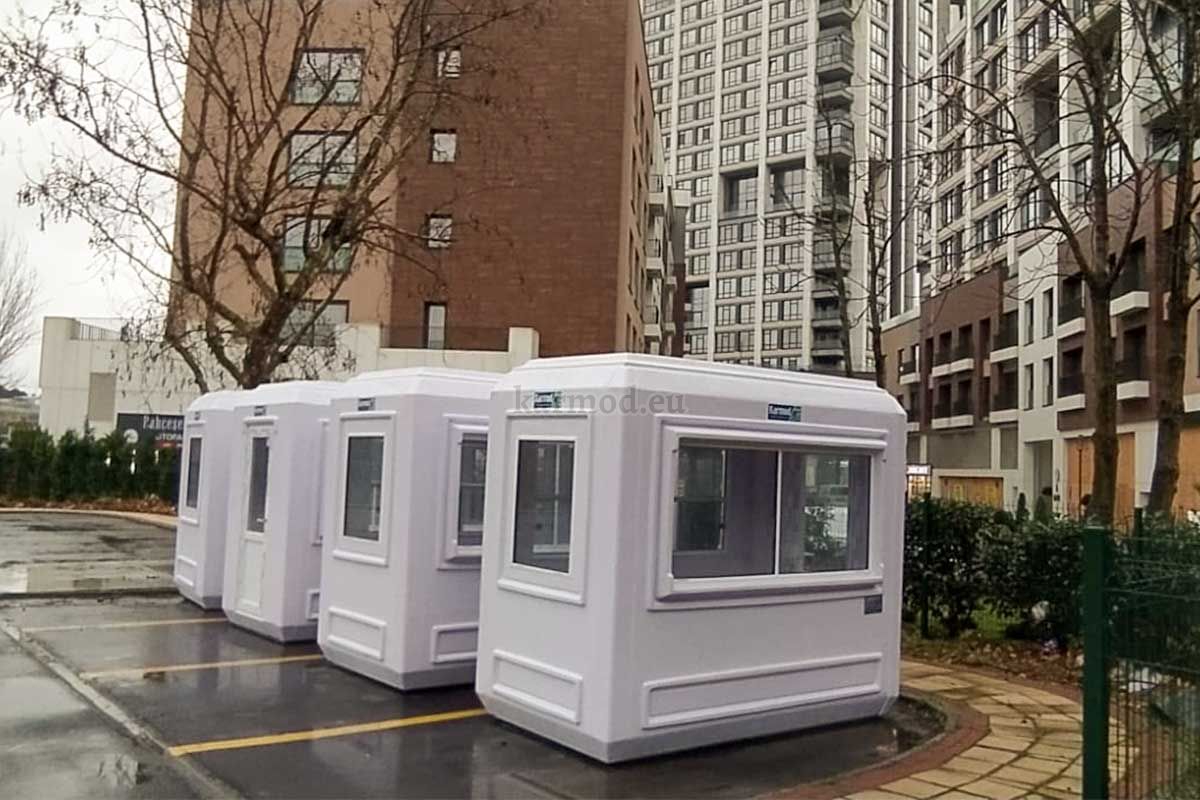
Why Small Modular Spaces Can Improve Focus and Productivity
Distraction is often linked to excess rather than limitation. Large, undefined spaces can reduce focus just as much as cramped ones. Small modular environments, when designed correctly, eliminate unnecessary stimuli.
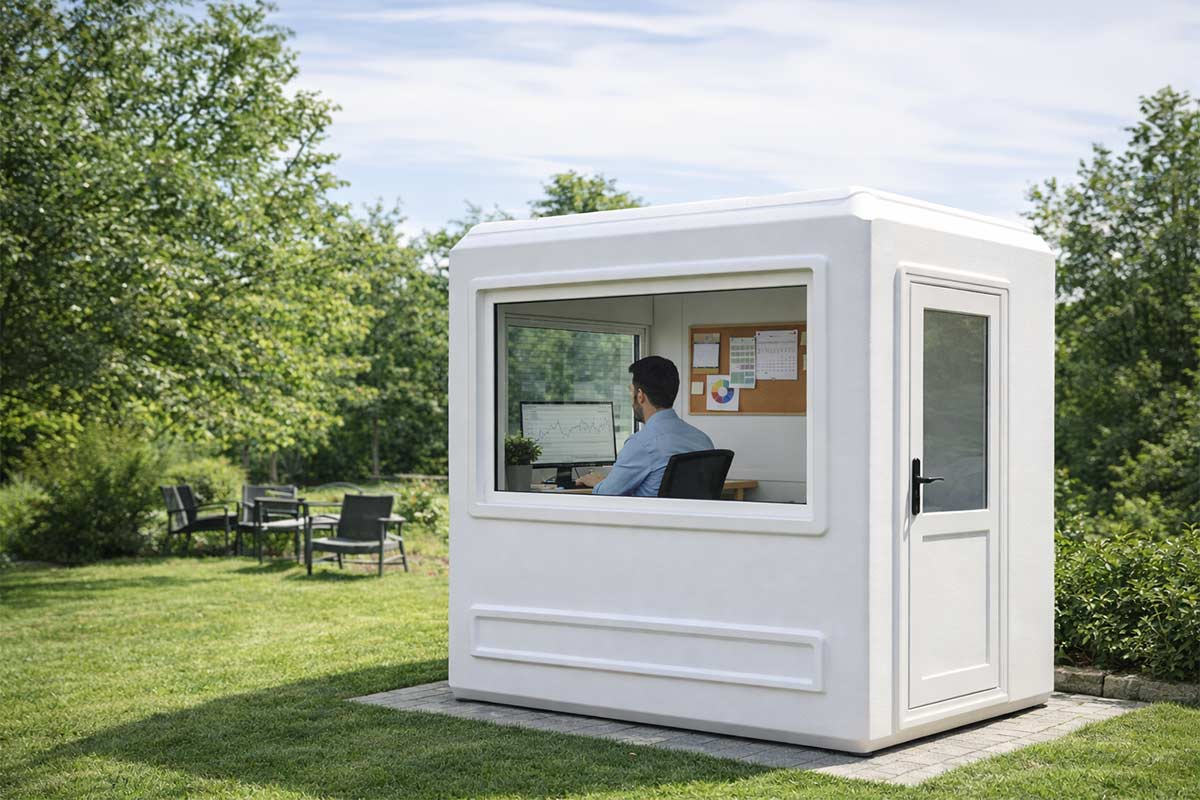
Everything has a place. Movement is efficient. Visual noise is reduced. This clarity supports concentration and task-oriented behavior. That is why small modular offices, cabins, and studios are increasingly preferred for focused work.
Psychologically, users associate these spaces with intention. Entering a modular unit signals a specific activity—working, meeting, resting—which strengthens mental boundaries and improves performance.
Emotional Attachment and Long-Term Use
People are more likely to respect and care for spaces that feel thoughtfully designed. Small modular environments often create stronger emotional attachment because users sense that the space was built with purpose.
Customization options—such as layout, finishes, and lighting—allow users to feel ownership, even within a compact area. This sense of ownership increases satisfaction and long-term usability.
Rather than feeling like a compromise, a well-designed modular environment becomes a personal or professional asset—one that supports daily routines instead of working against them.
Designing Small Spaces That Feel Right
The success of small modular environments lies in understanding human behavior, not just dimensions. Proportion, light, acoustics, and usability must work together to support psychological comfort.
When these factors align, small spaces feel efficient rather than limiting. They promote clarity, reduce stress, and support the people who use them every day. This is where modular design shows its real strength—not in size reduction, but in intelligent spatial thinking.
Creating Modular Spaces That Support People, Not Just Functions
Small modular environments are most successful when they are designed around how people think, feel, and behave—not just how much space is available. Understanding the psychology of space allows modular solutions to go beyond efficiency and become genuinely supportive environments.
Get in touch with us to discuss how modular design principles can be applied to your project with a focus on psychological comfort, spatial balance, and long-term usability. Whether you are planning a compact office, cabin, or functional modular unit, our team can help you create a space that feels open, calm, and purpose-built—designed not only to fit the site, but to support the people who use it every day.