


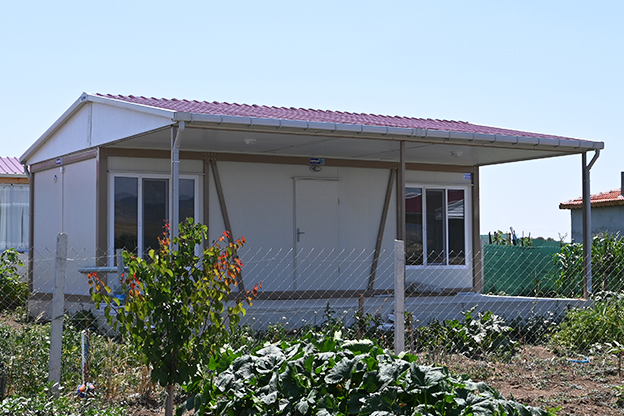
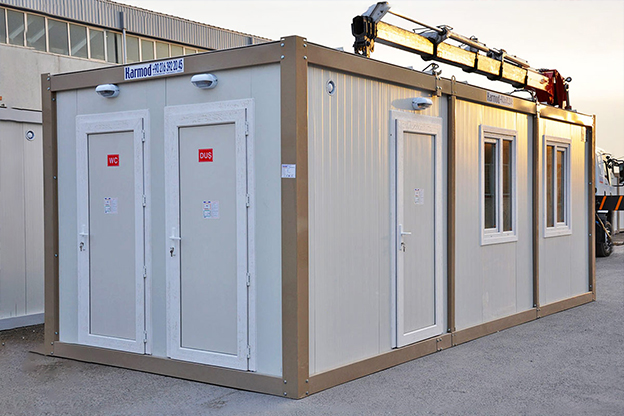
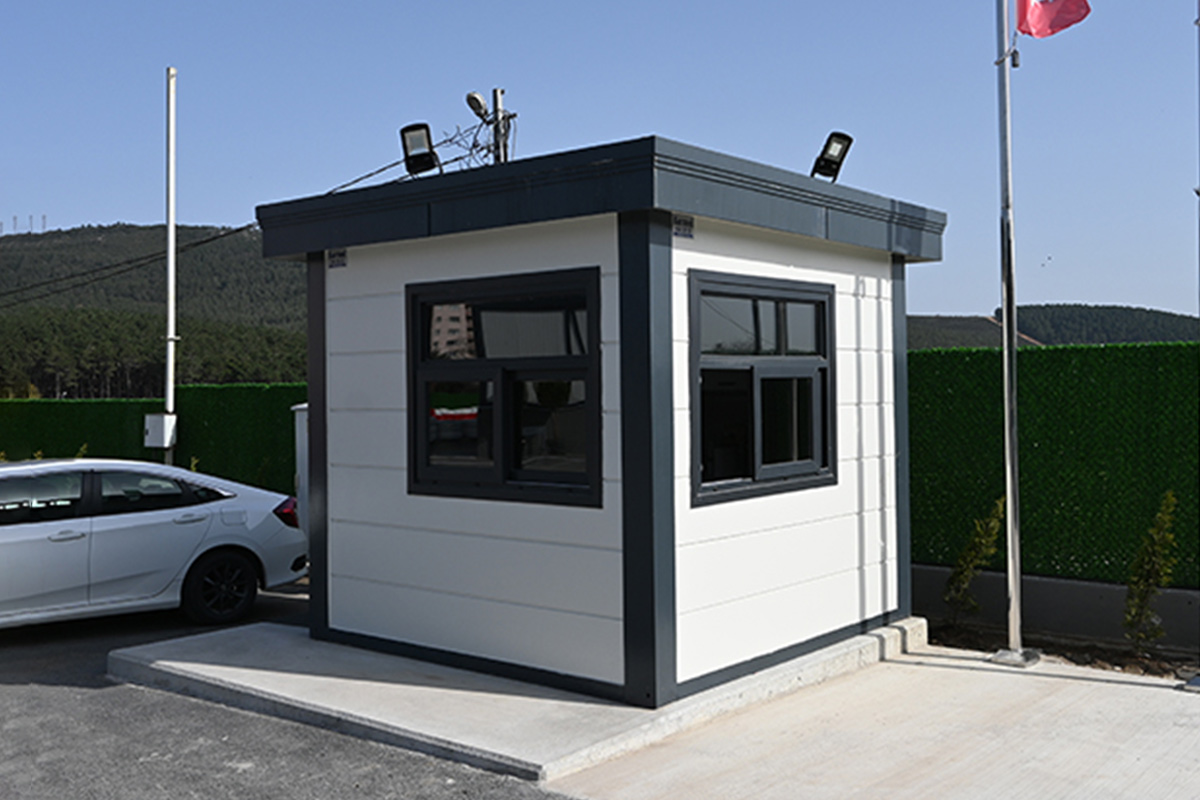
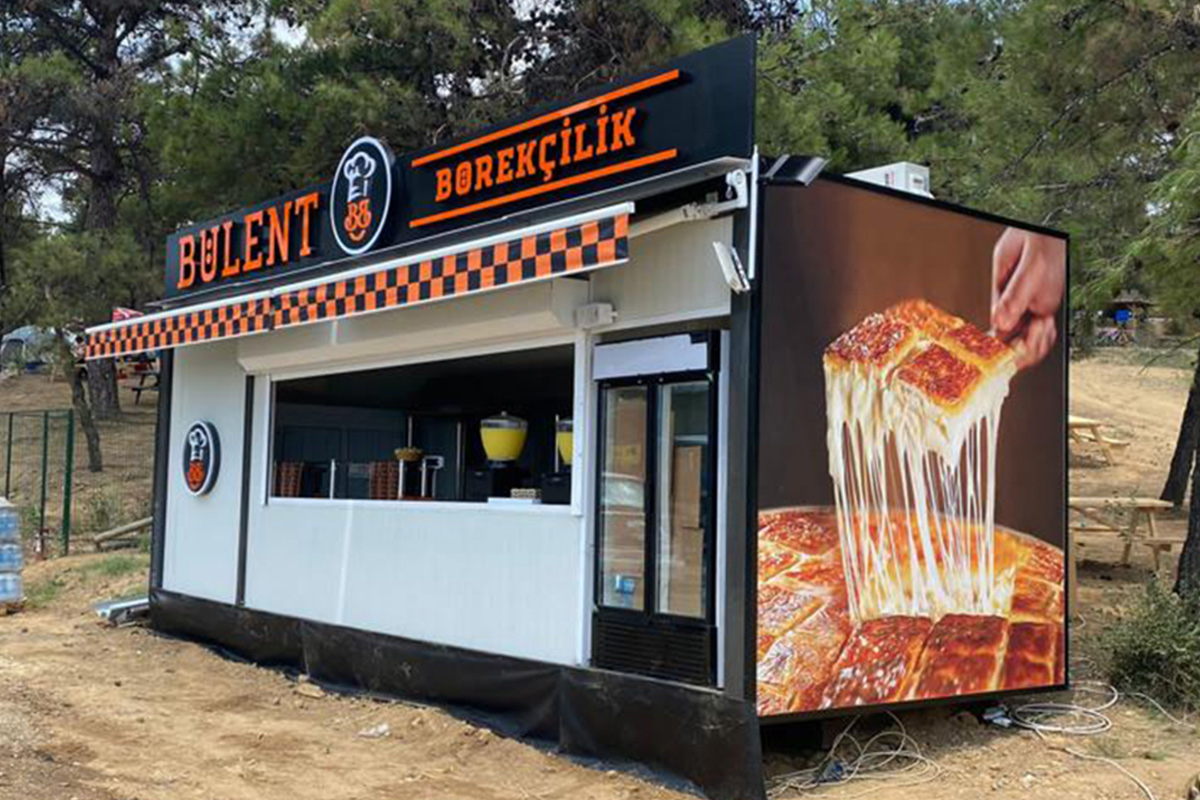

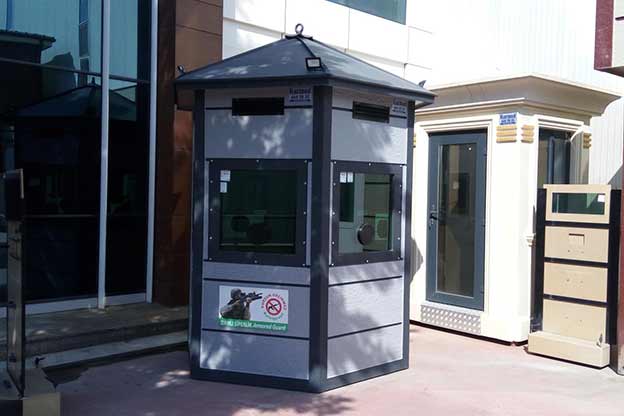
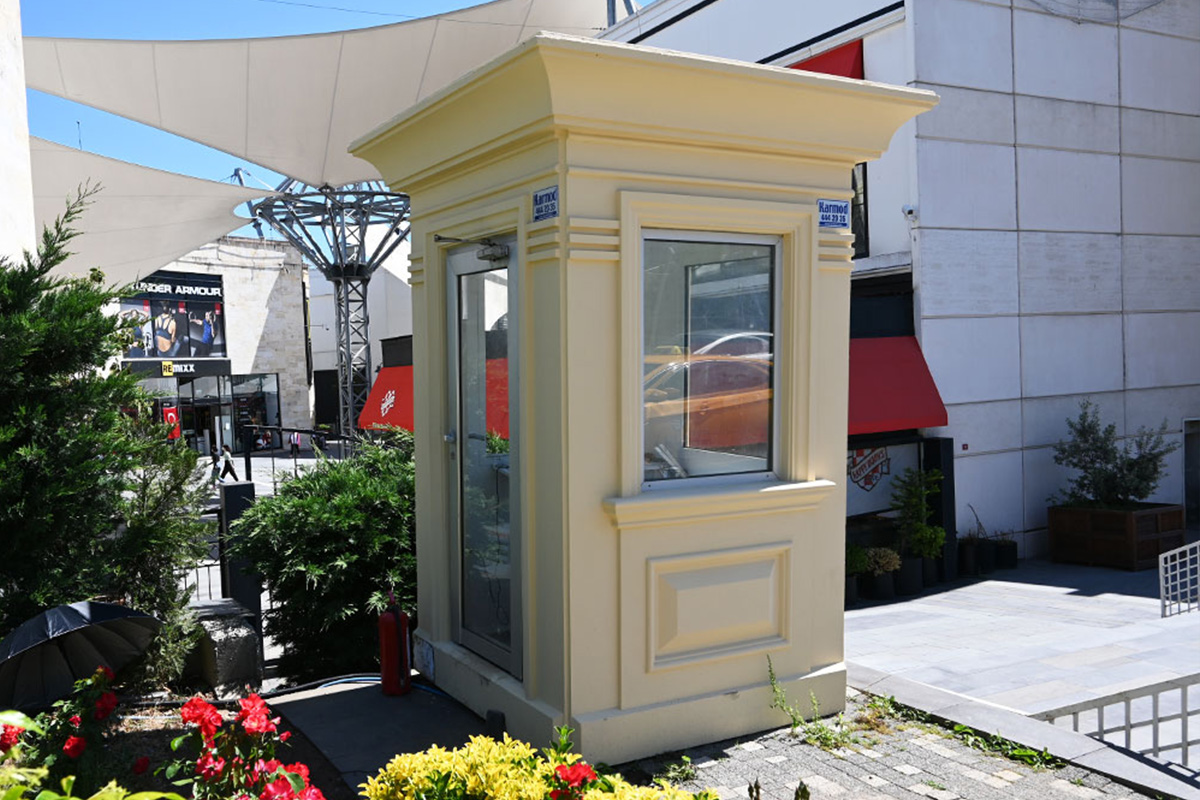
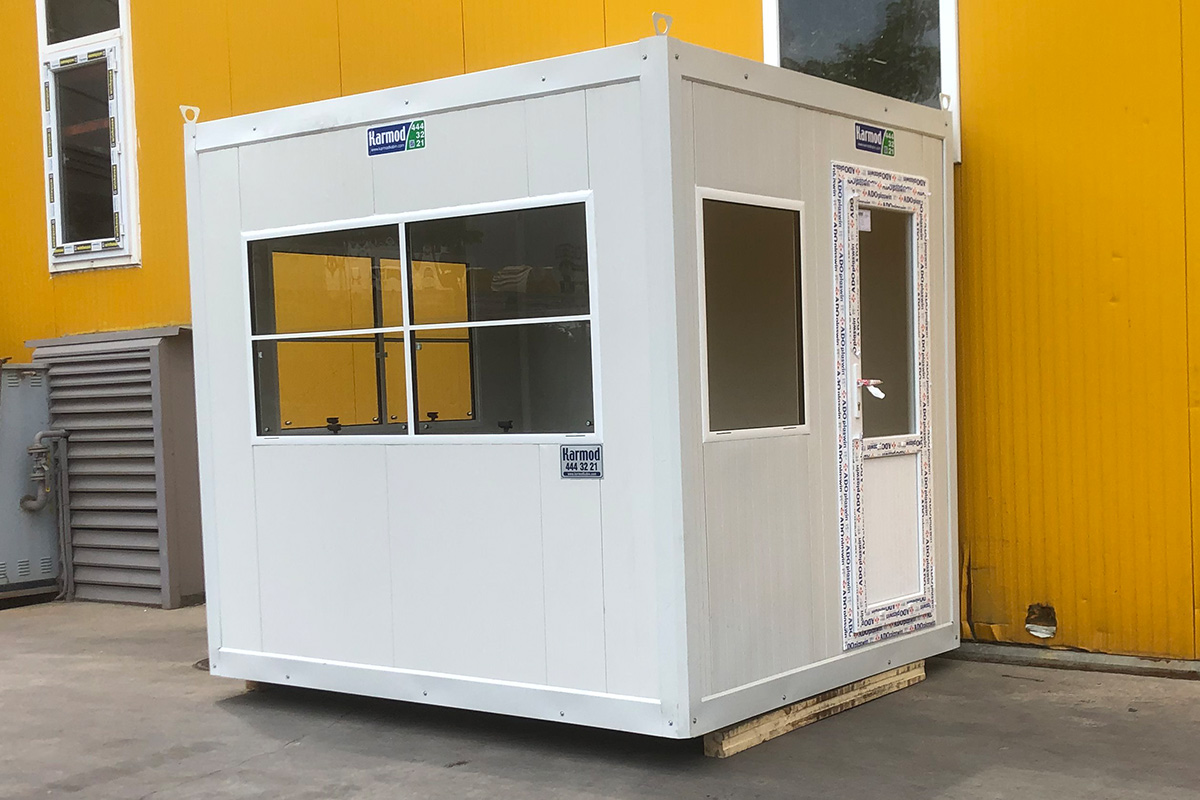
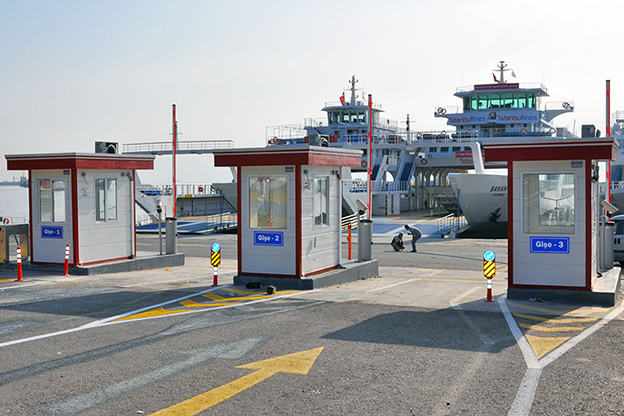
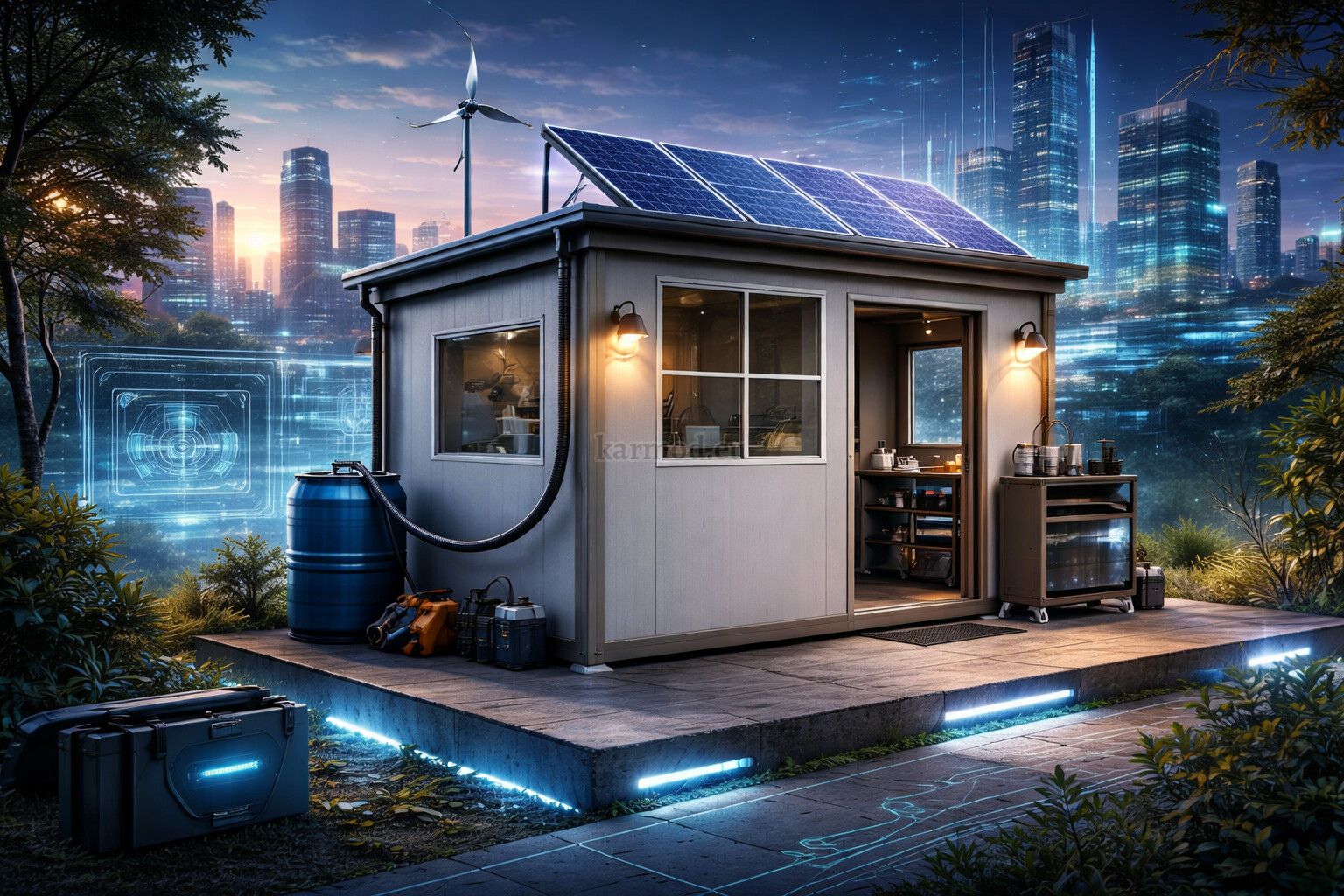
The design process of modular cabins has traditionally relied on architectural experience, engineering calculations, and iterative revisions based on trial, feedback, and manual optimization. While this approach has proven effective for decades, it is increasingly challenged by rising expectations around speed, customization, cost control, and performance. Artificial intelligence is now reshaping this process by introducing data-driven design intelligence into every stage of modular cabin development.
Rather than replacing human expertise, AI enhances it. By analyzing large datasets, simulating countless design scenarios, and learning from previous projects, AI-driven tools allow modular cabins to be designed with greater precision, efficiency, and adaptability. The result is not only faster design cycles, but smarter cabins that respond more accurately to real-world conditions and user needs.
How AI Changes the Modular Design Process
AI fundamentally alters how design decisions are made. Instead of relying solely on predefined templates or linear workflows, AI systems evaluate multiple variables simultaneously, including spatial efficiency, material performance, climate conditions, and intended use scenarios.
This allows designers and engineers to move from reactive problem-solving to predictive design. Potential inefficiencies, structural conflicts, or performance limitations can be identified early in the design phase, long before production begins. For modular cabin manufacturers, this shift reduces costly revisions while improving overall design confidence.
Data-Driven Layout Optimization
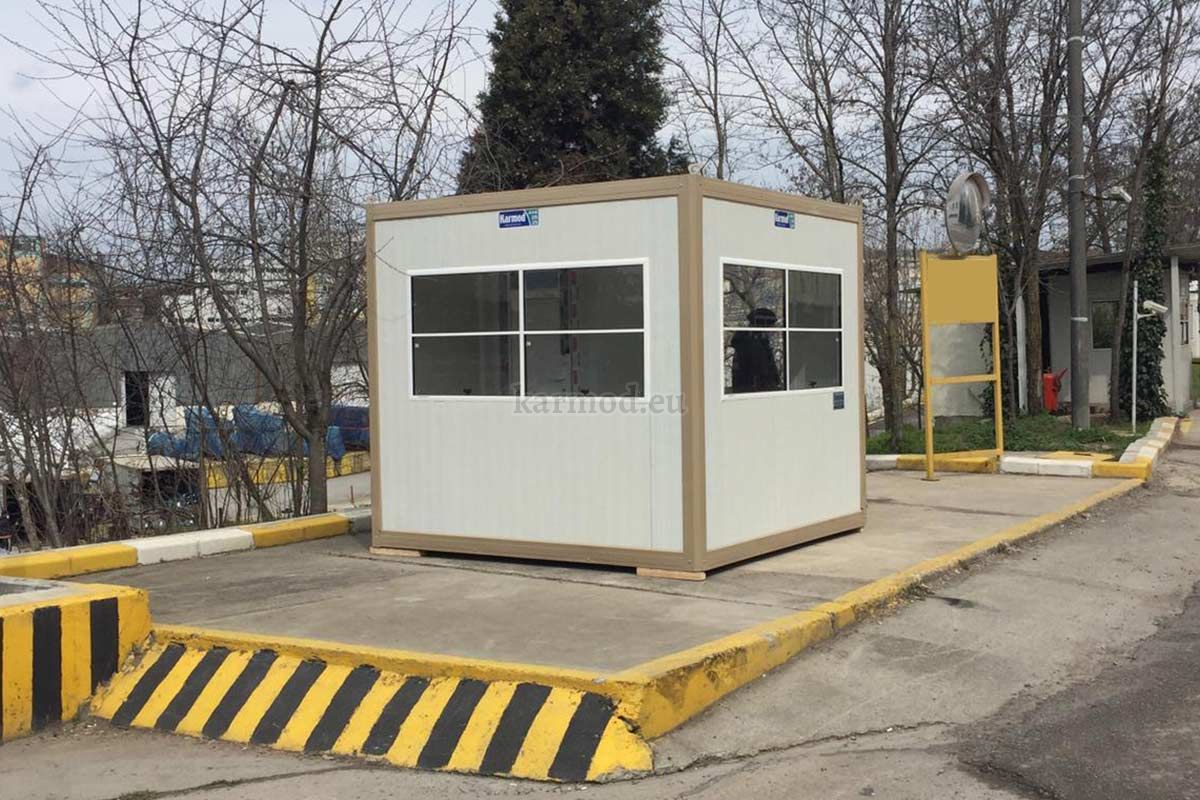
One of the most tangible impacts of AI in modular cabin design is layout optimization. By processing usage data, movement patterns, and functional requirements, AI can propose interior layouts that maximize usability within compact spaces.
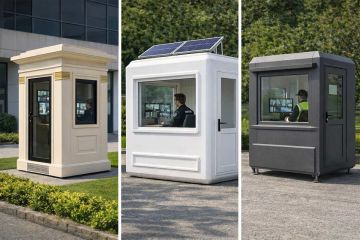
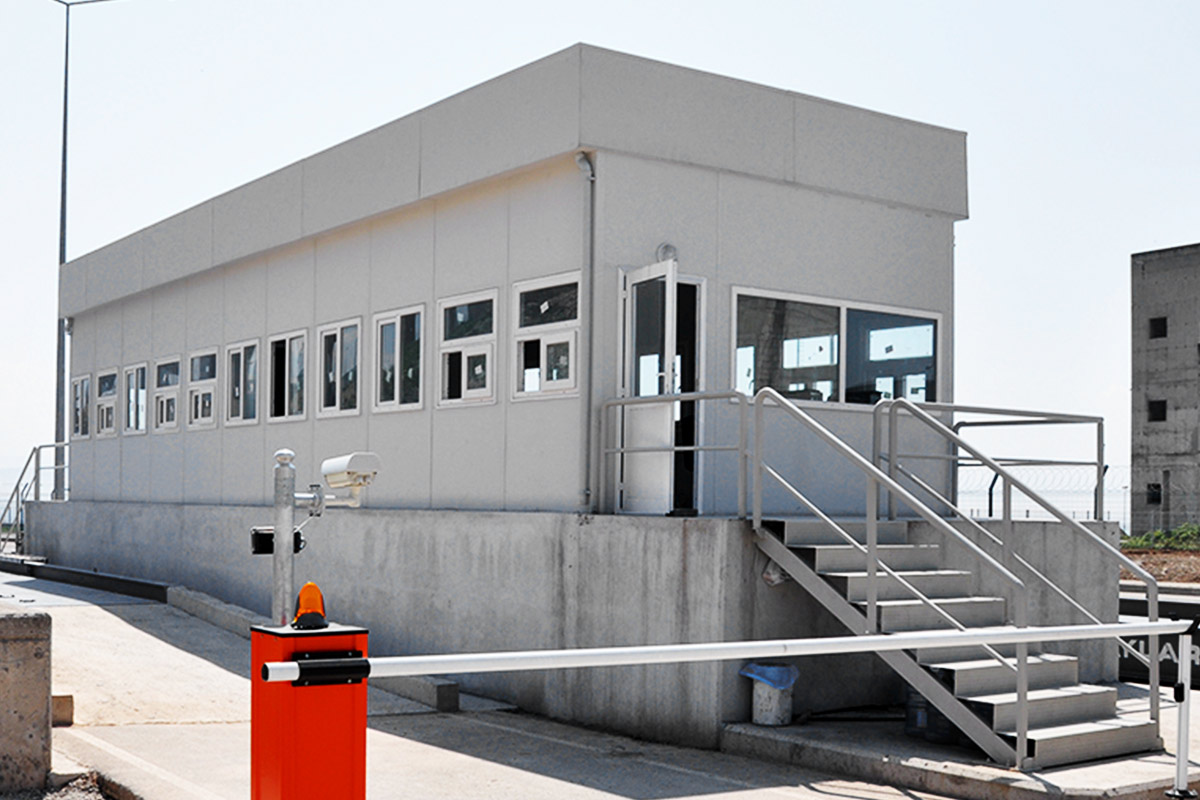
For example, AI tools can analyze how security personnel move within a cabin during long shifts or how occupants interact with storage, equipment, and access points. Based on this analysis, layouts can be refined to reduce congestion, improve ergonomics, and support smoother daily operations. Over time, these optimizations translate into cabins that feel intuitive rather than constrained.
Smarter Material Selection and Structural Performance
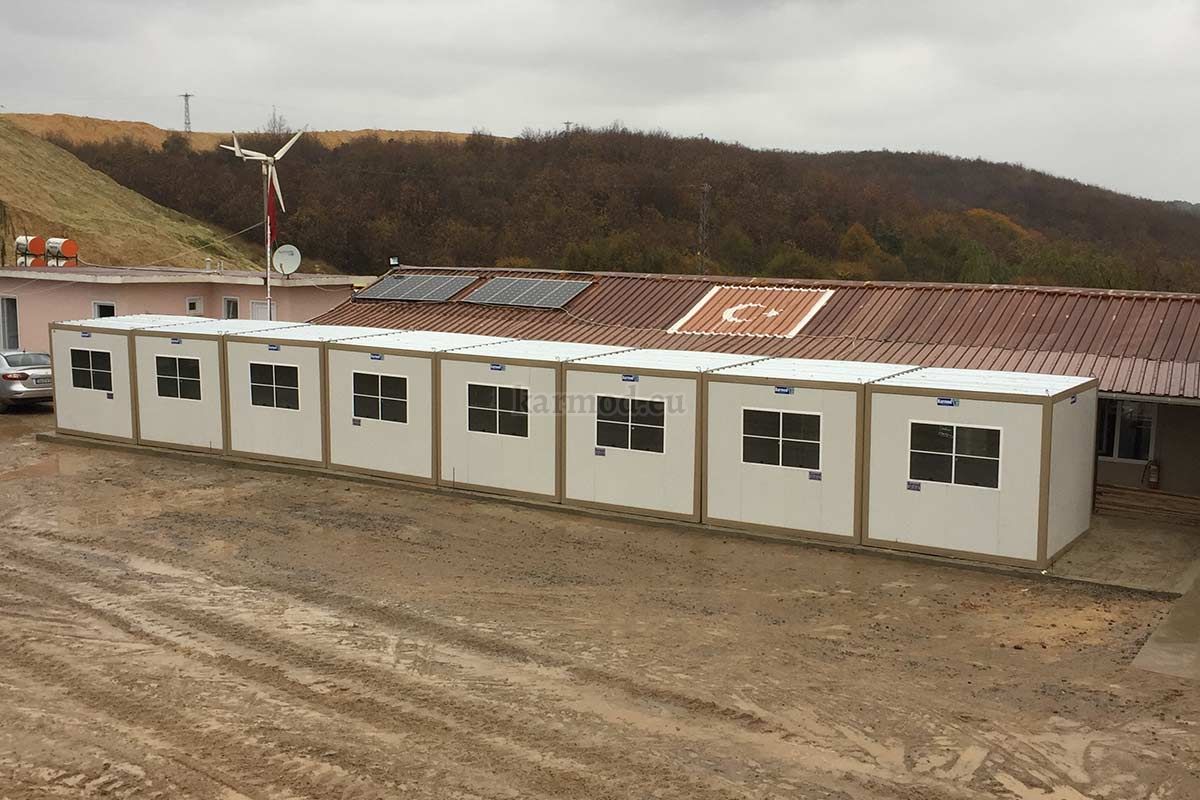
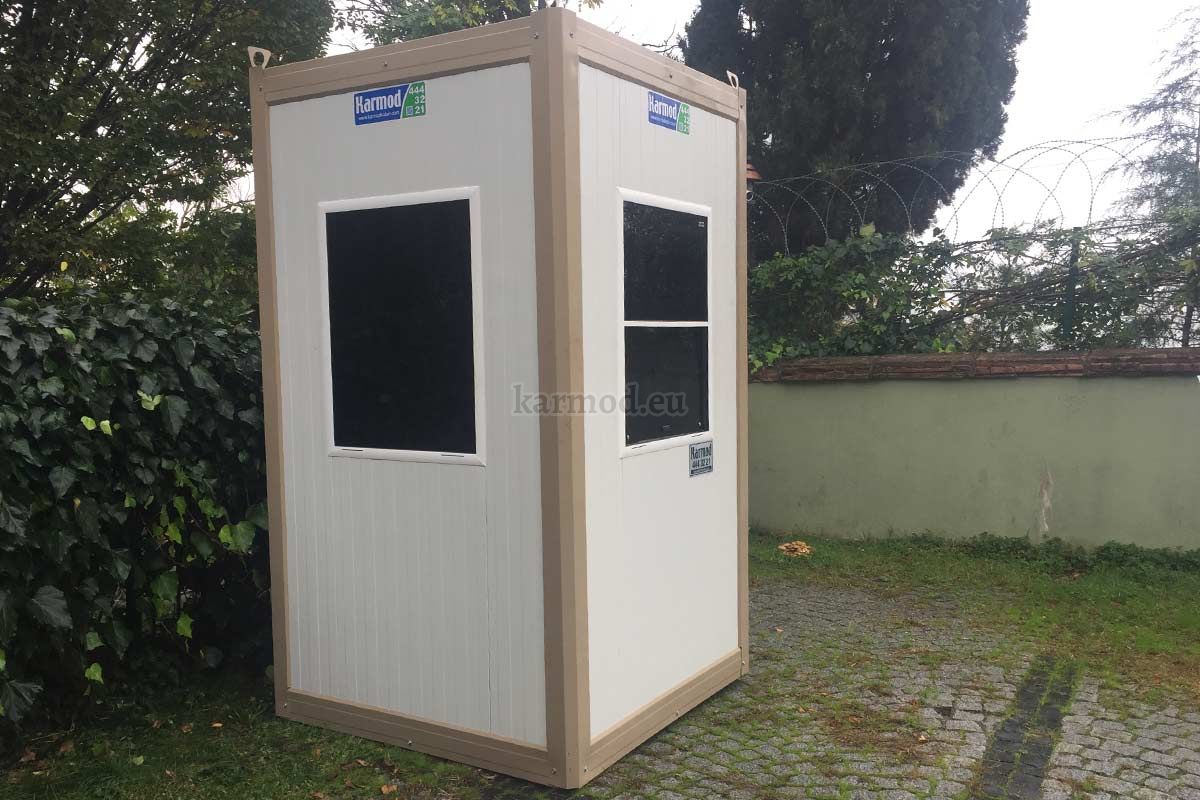
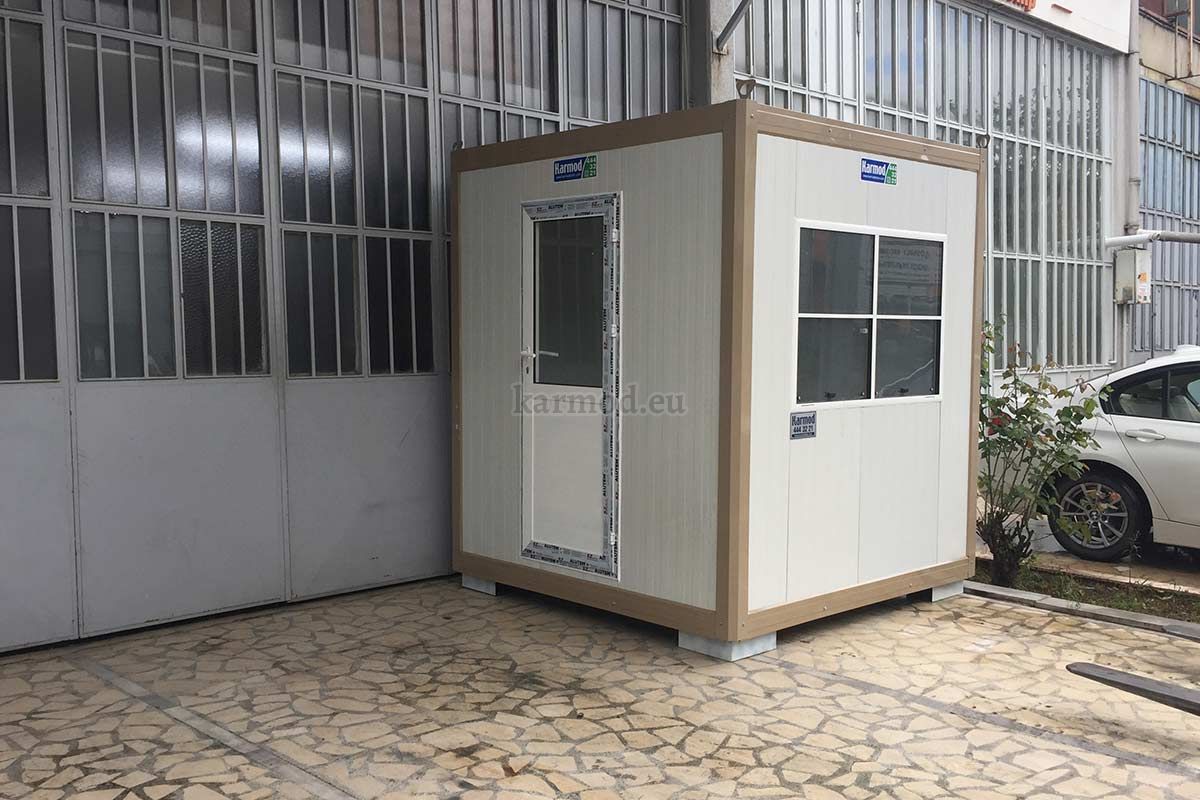
Material selection is another area where AI adds measurable value. Instead of choosing materials based only on past preferences or standard specifications, AI systems evaluate performance data related to insulation, durability, thermal behavior, and lifecycle costs.
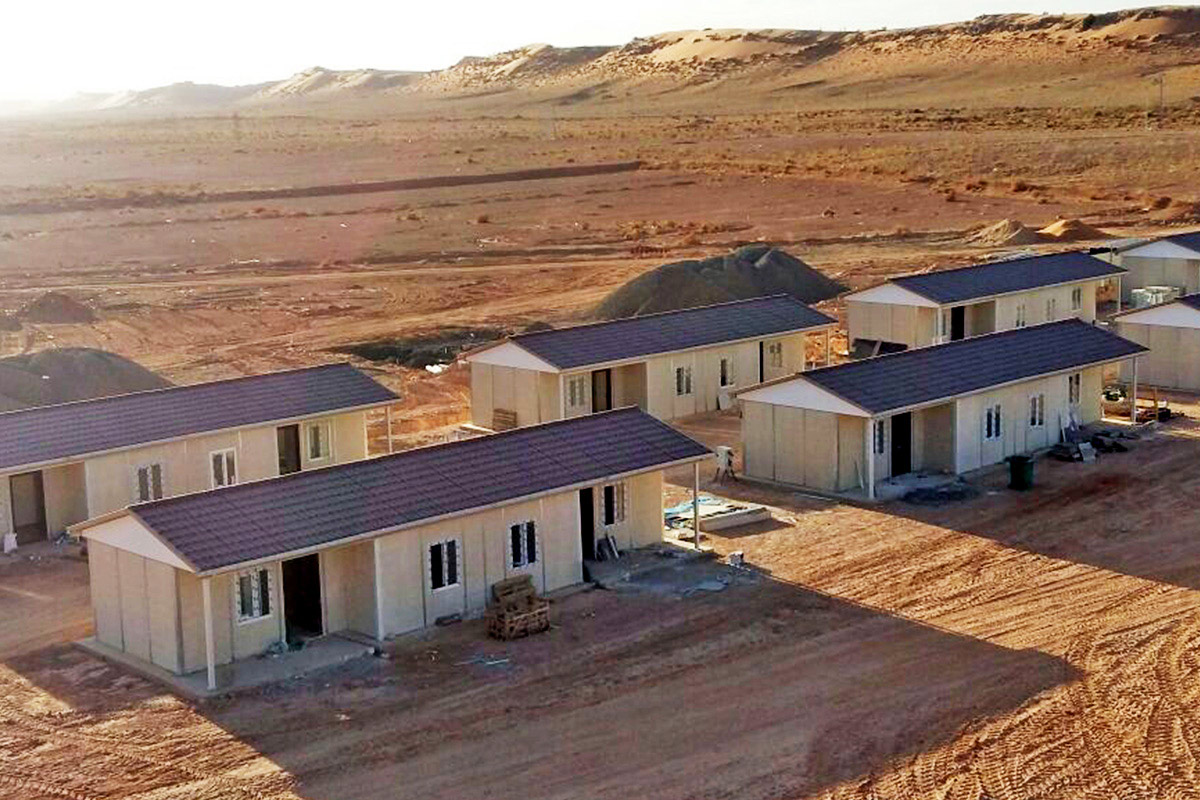
By simulating how different materials perform under specific climate conditions, AI helps designers select combinations that balance strength, energy efficiency, and long-term reliability. This is particularly important for modular cabins deployed in extreme environments, where small design choices can significantly affect comfort and operating costs.
AI-Assisted Energy and Environmental Modeling
Energy performance is no longer an afterthought in modular cabin design. AI-powered modeling tools can simulate how cabins respond to external temperatures, sunlight exposure, wind patterns, and occupancy levels, allowing designers to fine-tune insulation, ventilation, and energy systems accordingly.
These simulations support better integration of renewable energy systems, such as solar panels and battery storage, while ensuring that cabins maintain stable indoor conditions. By predicting energy demand more accurately, AI enables cabins to operate efficiently without overengineering systems or increasing unnecessary costs.
Customization at Scale Without Complexity
One of the traditional challenges of modular construction is balancing customization with standardization. AI helps resolve this tension by enabling mass customization without sacrificing production efficiency.
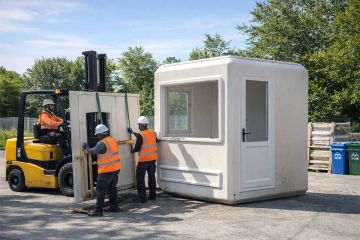
Through parametric design models, AI allows core cabin structures to remain standardized while adjusting dimensions, layouts, and features based on specific client requirements. This means manufacturers can offer tailored solutions without disrupting manufacturing workflows, delivery schedules, or quality control processes. For clients, customization becomes accessible rather than expensive or time-consuming.
Reducing Errors and Accelerating Time to Market
Design errors are among the most costly issues in modular construction, often leading to delays, rework, or compromised performance. AI significantly reduces these risks by identifying conflicts between systems, structural elements, and functional requirements during the early design stages.
By accelerating design validation and approval processes, AI shortens the overall time from concept to production. This speed is especially valuable for projects with tight deadlines, temporary installations, or rapidly changing operational needs. Faster design does not mean lower quality; it means better-informed decisions made earlier.
Collaboration Between Human Expertise and AI Intelligence
Despite its advanced capabilities, AI does not replace architects, engineers, or project planners. Instead, it acts as a collaborative tool that enhances human judgment with analytical depth and computational speed.
Design professionals remain responsible for creative vision, contextual understanding, and strategic decisions, while AI provides insights that would be difficult or time-consuming to obtain manually. This collaboration results in modular cabins that are both technically optimized and thoughtfully designed, combining human intuition with machine precision.
The Future of Modular Cabins Shaped by AI
As AI technologies continue to evolve, their role in modular cabin design will expand further. Future systems are expected to integrate real-time operational data from deployed cabins, allowing designs to improve continuously based on actual usage and performance feedback.
This creates a feedback loop where every new cabin benefits from the experience of previous ones. Over time, modular cabins become smarter, more efficient, and more aligned with real-world demands, reinforcing their value as flexible and future-ready building solutions.
Considering AI-Driven Modular Cabin Design for Your Project?
Choosing an AI-supported design approach means investing in accuracy, efficiency, and long-term performance from the very beginning. When design intelligence is embedded into the process, the resulting cabins are better prepared to meet operational challenges and evolving expectations.
If you are planning a modular cabin project and want to benefit from smarter design strategies, get in touch to explore how AI-driven design can support your functional, environmental, and business goals. The right design decisions today shape stronger modular solutions tomorrow.