








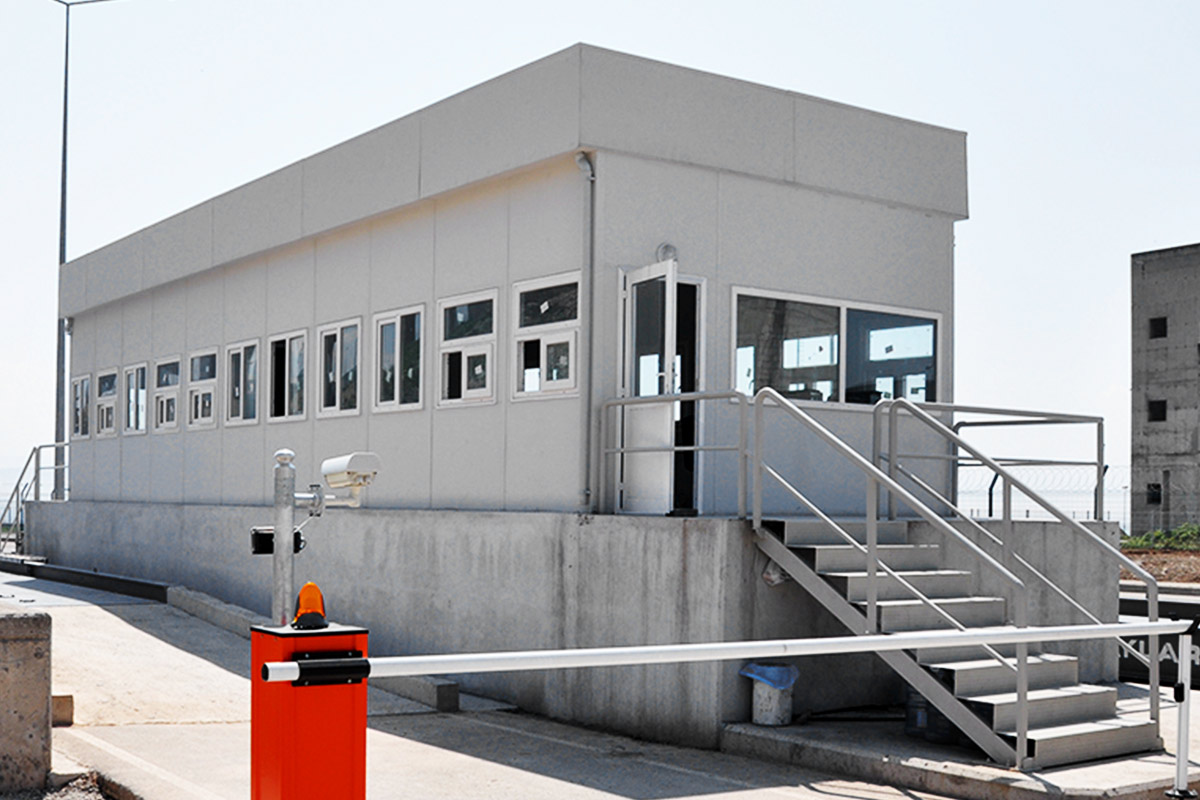
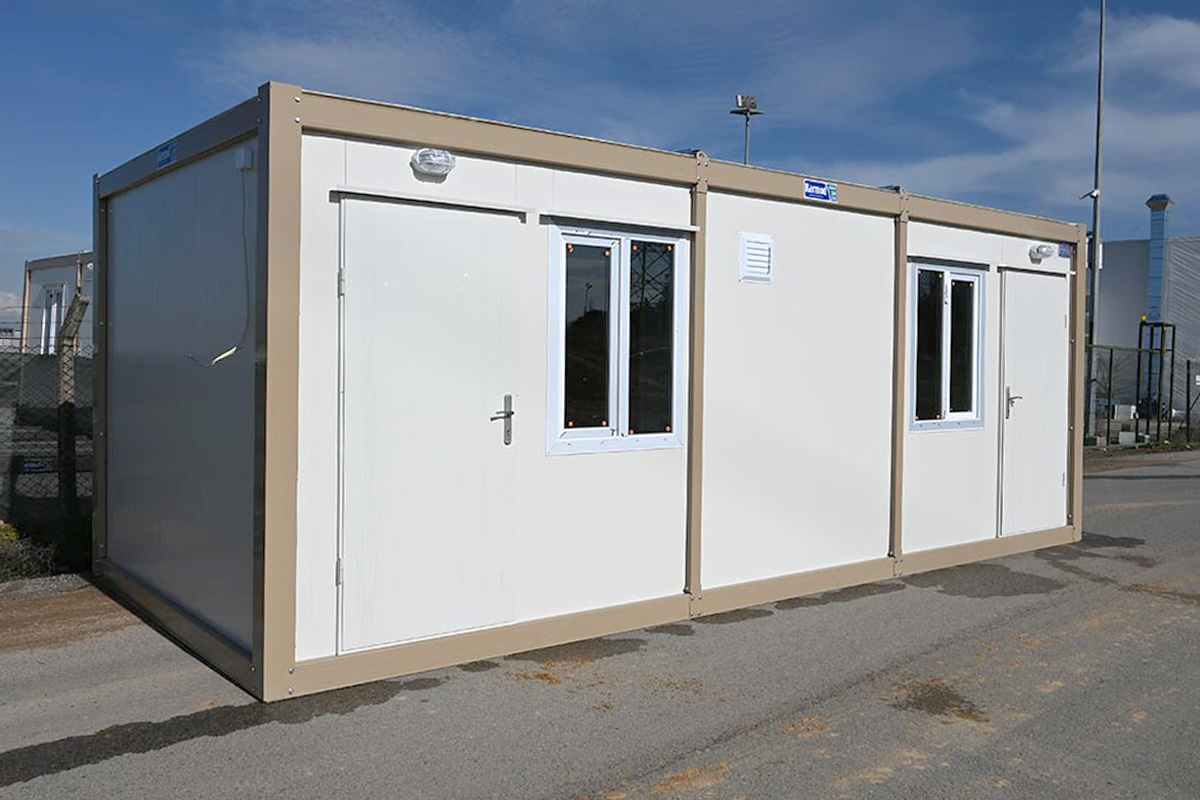



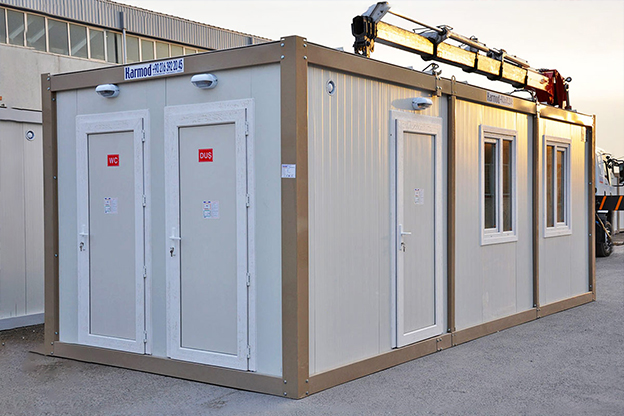
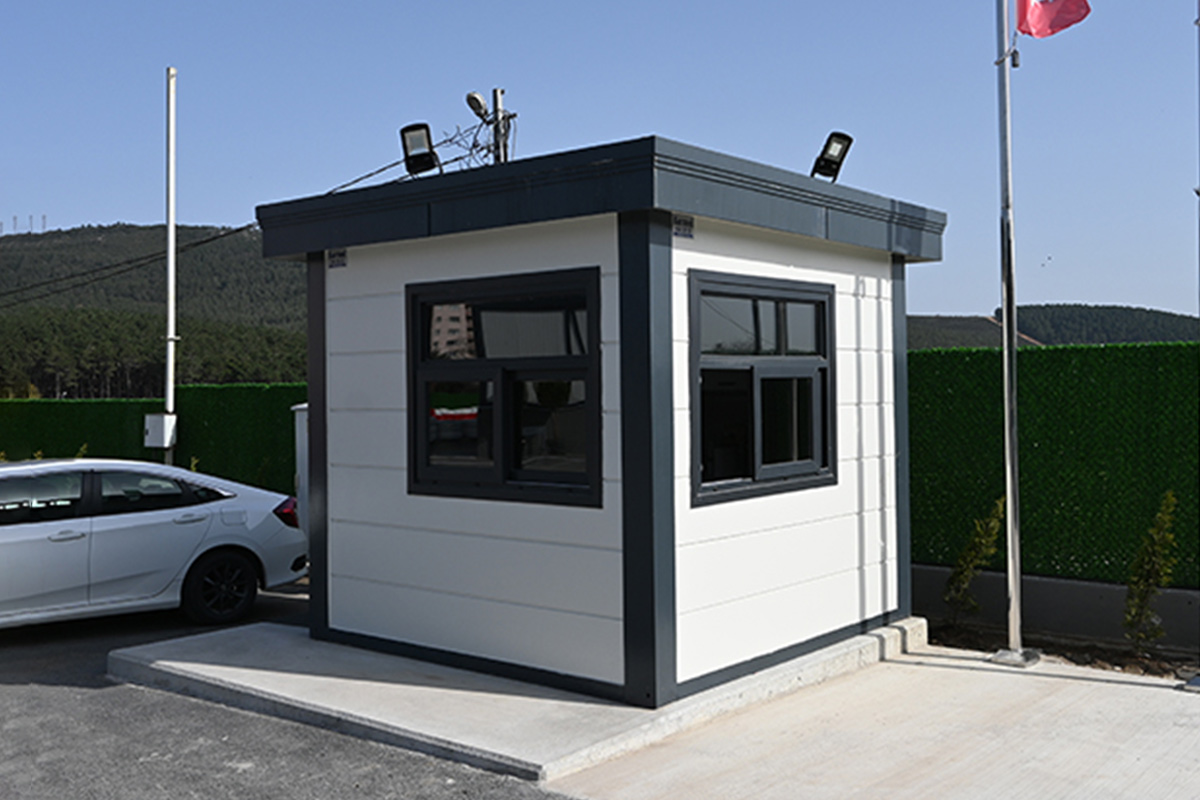

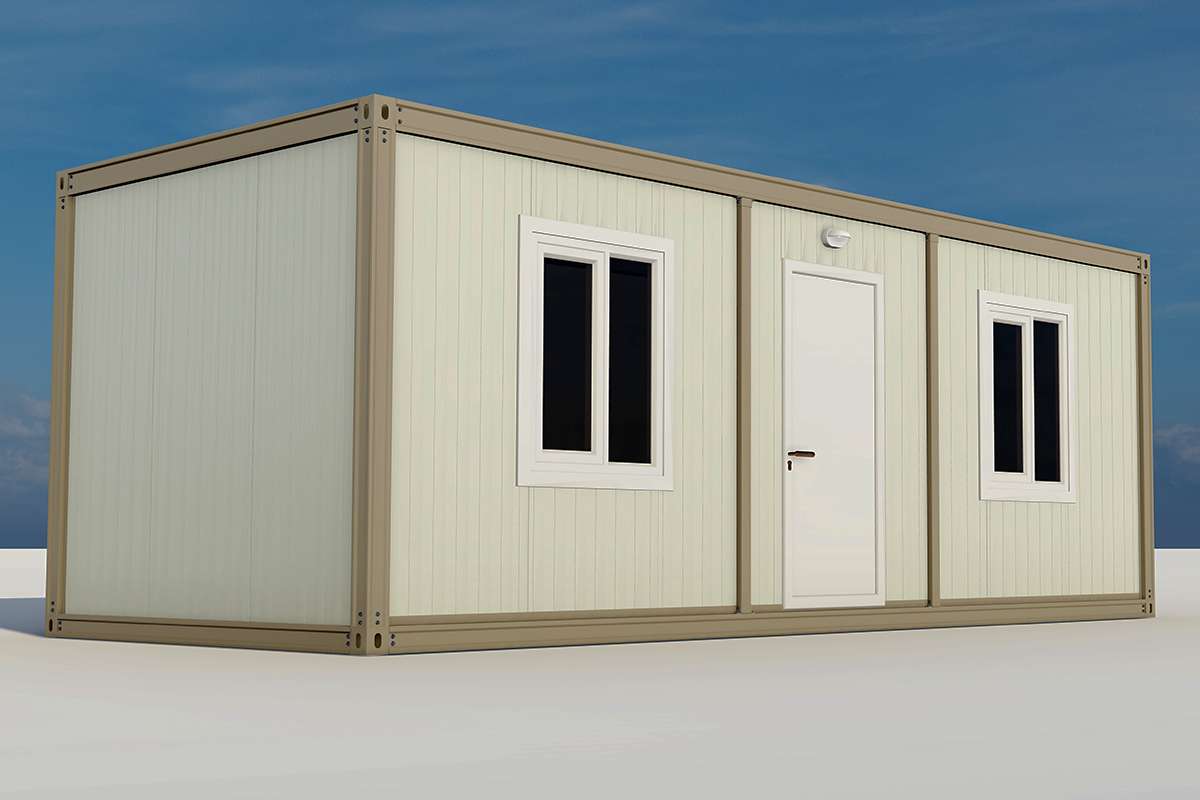

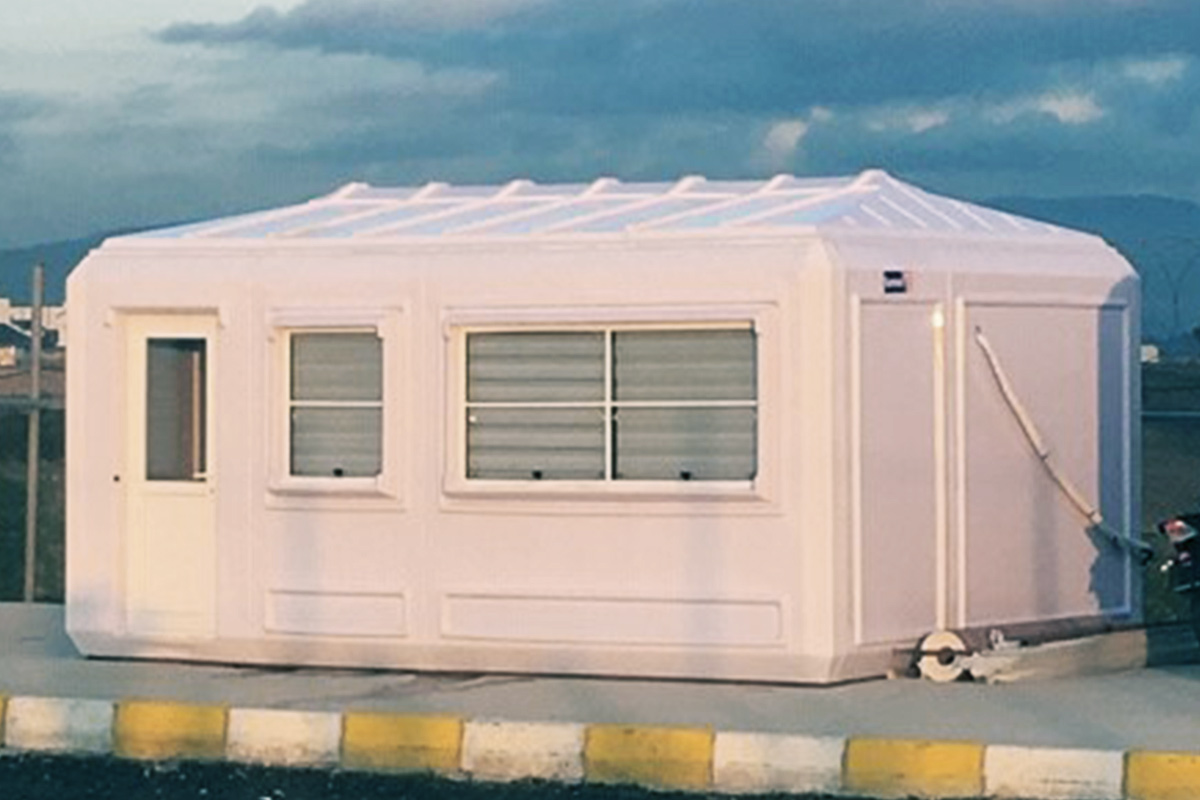
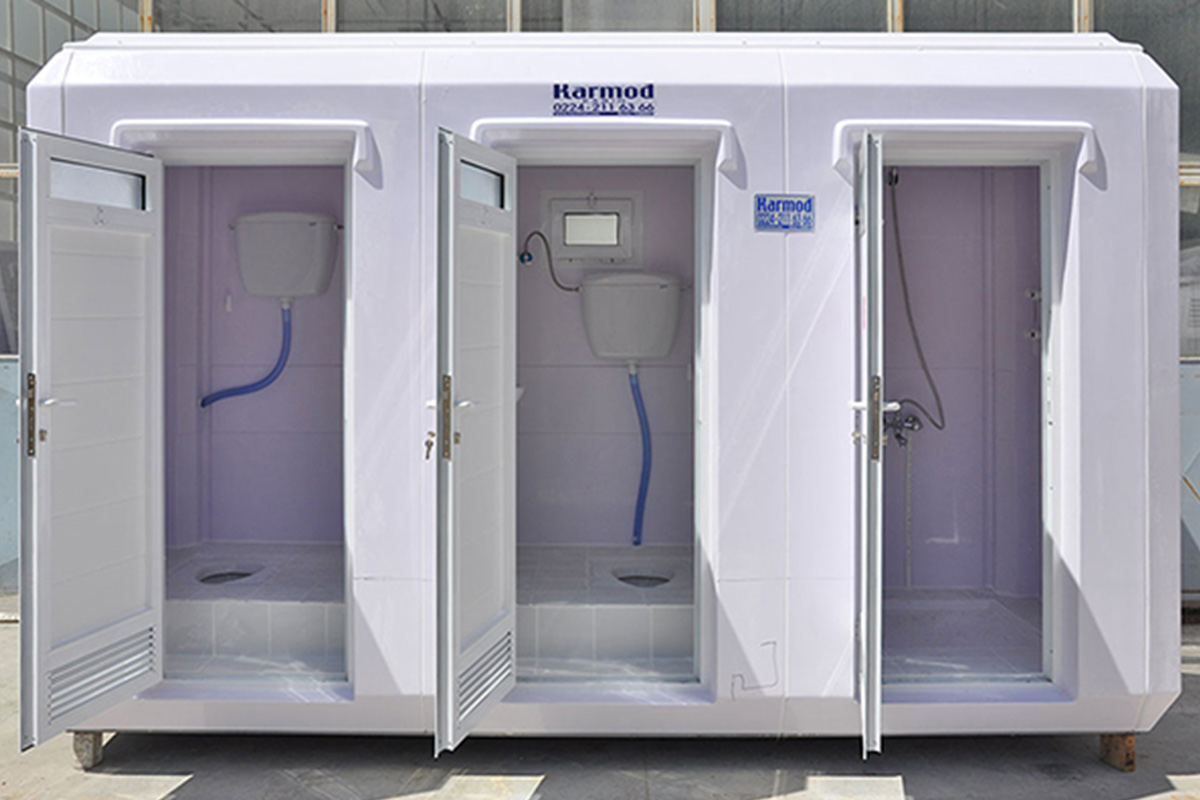
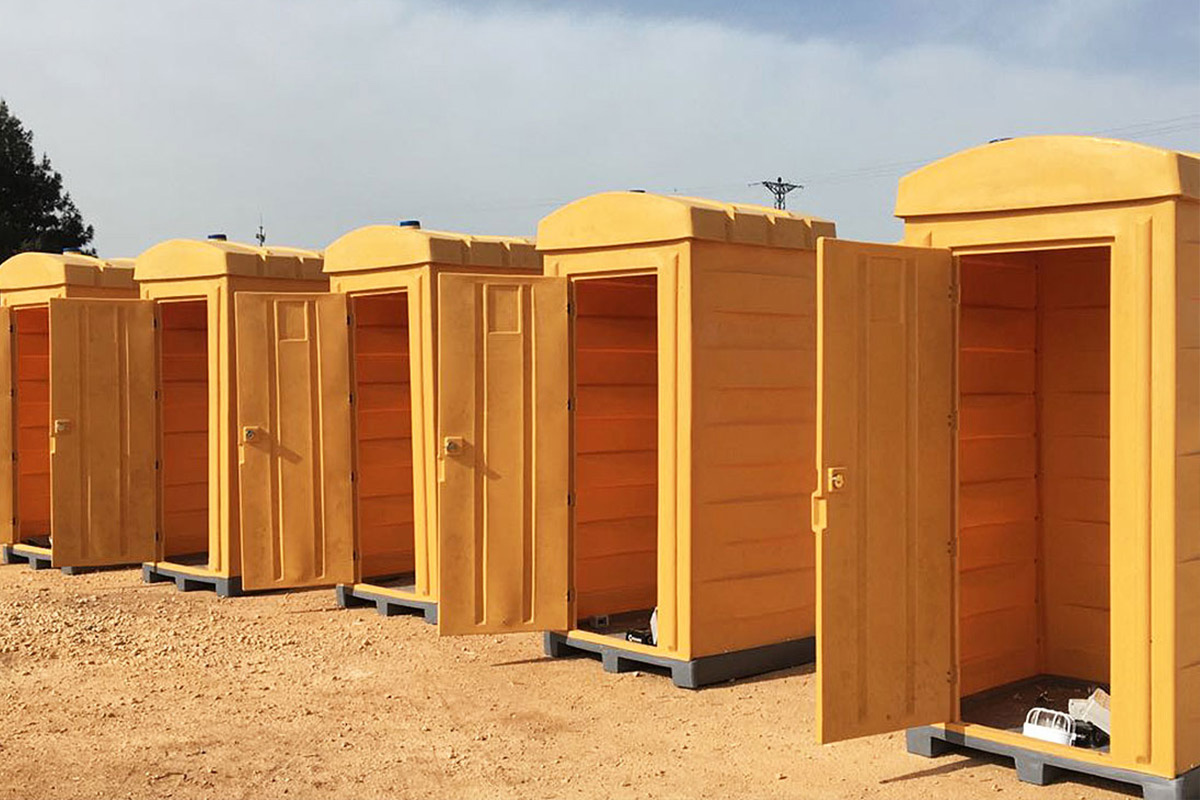
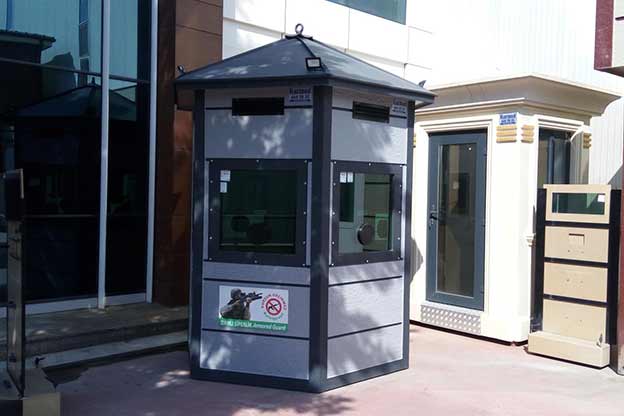
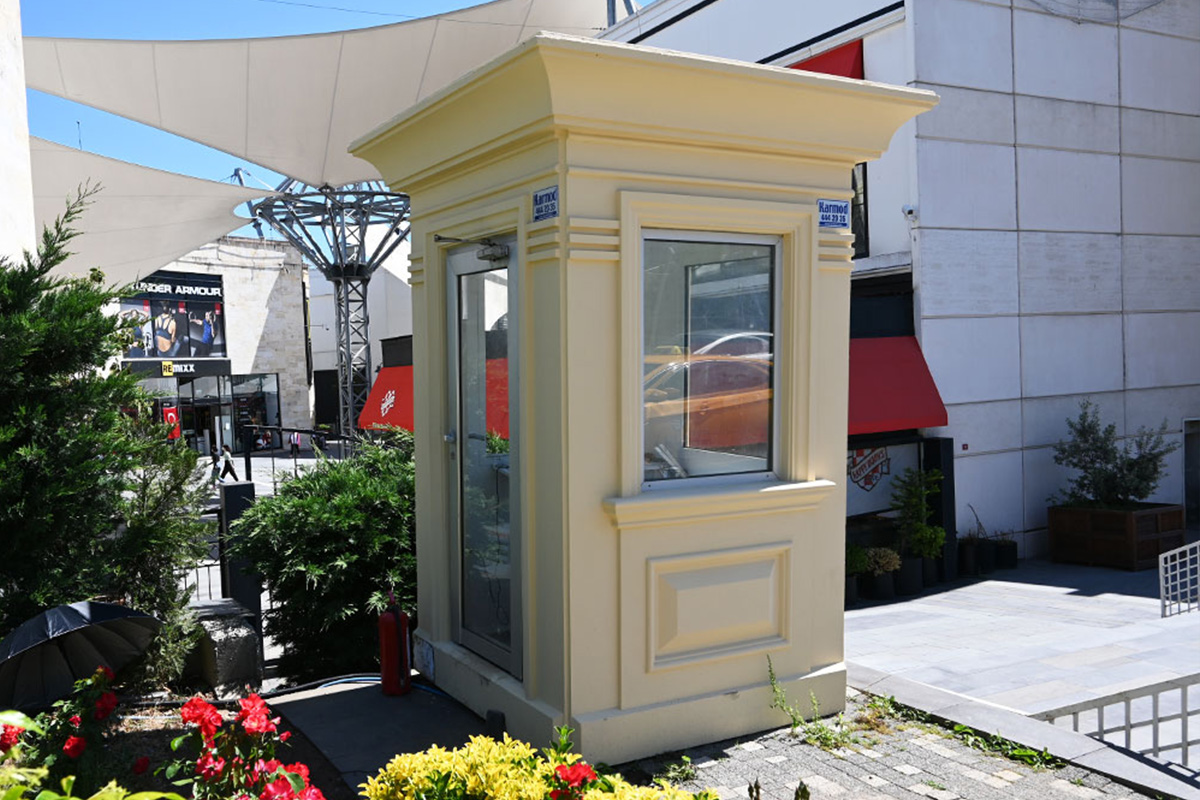
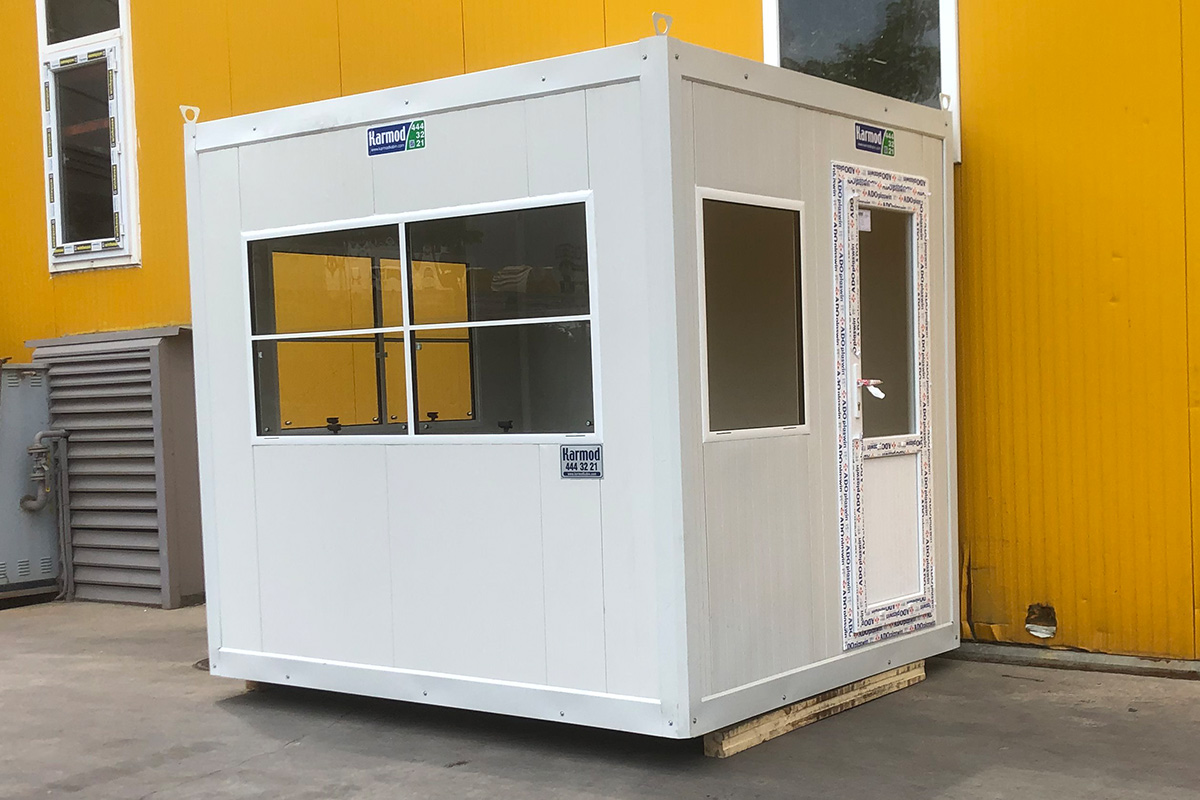
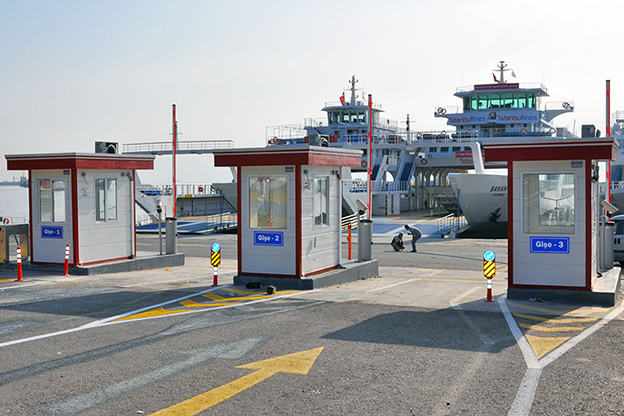









Every facility, regardless of its size or purpose, has a natural rhythm — people arriving early with a sense of urgency, deliveries rolling in at unpredictable hours, contractors seeking directions, and employees moving between buildings as part of their daily workflow. Without a structured entry point, this rhythm can quickly turn into a chaotic blend of uncertainty, hesitation, and unnecessary security risks. Guard booths help restore order by shaping how individuals enter, exit, and navigate the premises. They act as the physical and psychological anchor of a security system, a place where visitors pause, identify themselves, receive guidance, and understand that the environment they are stepping into is monitored, cared for, and built on principles of trust and responsibility.
A well-designed guard booth doesn’t just serve as a checkpoint; it reshapes the overall experience of accessing a facility. The presence of an attentive security team, protected within a comfortable and functional booth, sends a subtle but powerful message: someone is watching out for everyone’s safety. And this awareness — this gentle reminder of shared responsibility — creates a ripple effect throughout the entire site, encouraging employees, visitors, and contractors to behave more thoughtfully and follow established procedures with greater consistency.

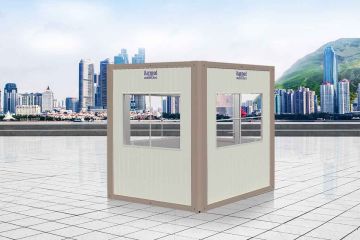
Why Access Control Begins with a Visible, Structured Checkpoint
Access control is most effective when it feels natural rather than forced. People tend to follow rules more willingly when the environment guides them clearly toward the right behavior. A guard booth provides the clarity needed at the very first moment of contact. Instead of confusion at the gate or uncertainty about where to go, individuals encounter a defined point that signals order, authority, and readiness.
Guards working inside the booth can assess entry requests, verify credentials, and ensure that only authorized individuals move beyond the perimeter. This simple process dramatically reduces the risk of unauthorized access, which is often one of the most overlooked yet dangerous vulnerabilities in any organization. When a facility has multiple departments, sensitive zones, and high-volume traffic, the guard booth becomes the stabilizing force that brings everything into alignment.
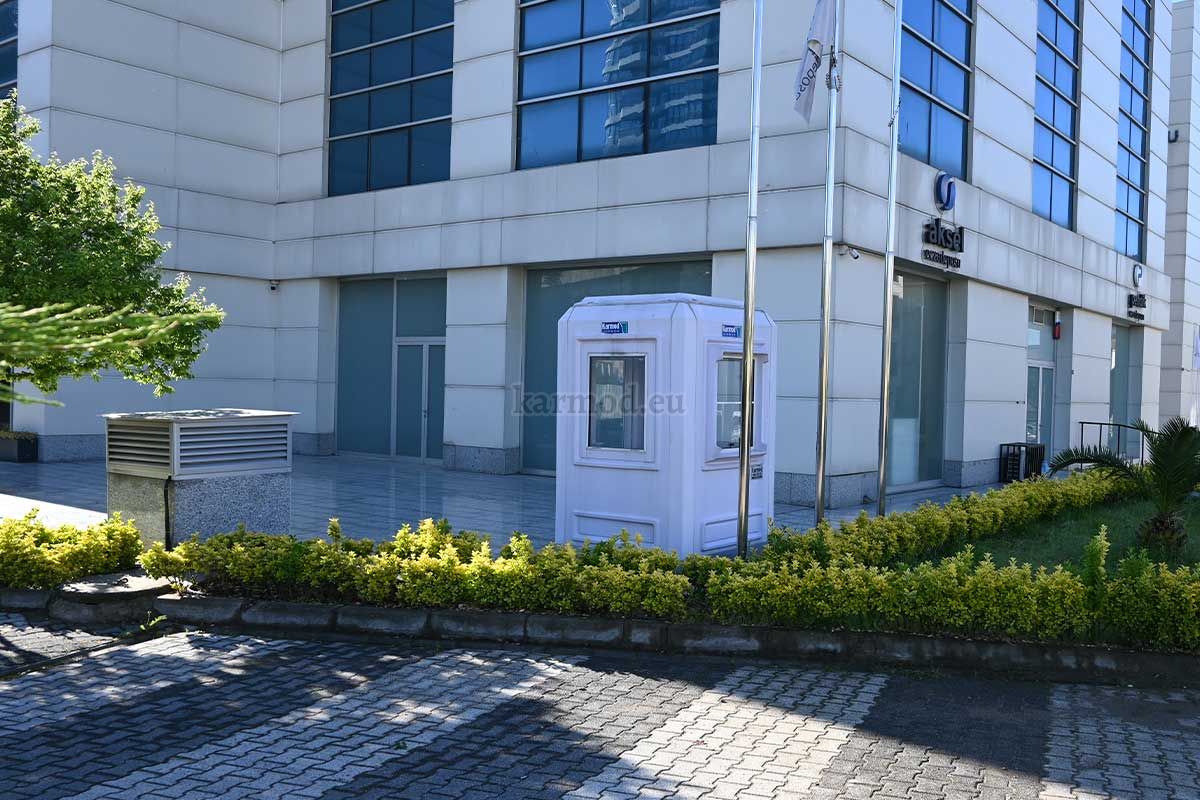
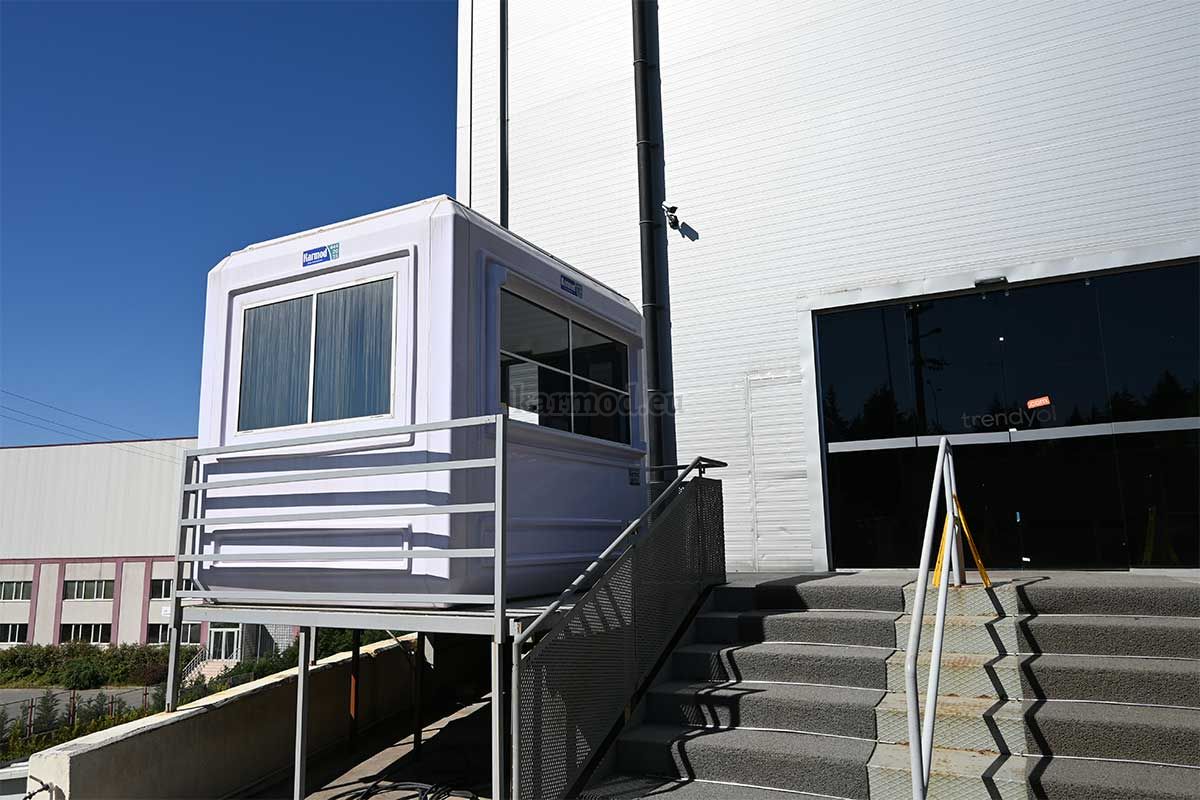
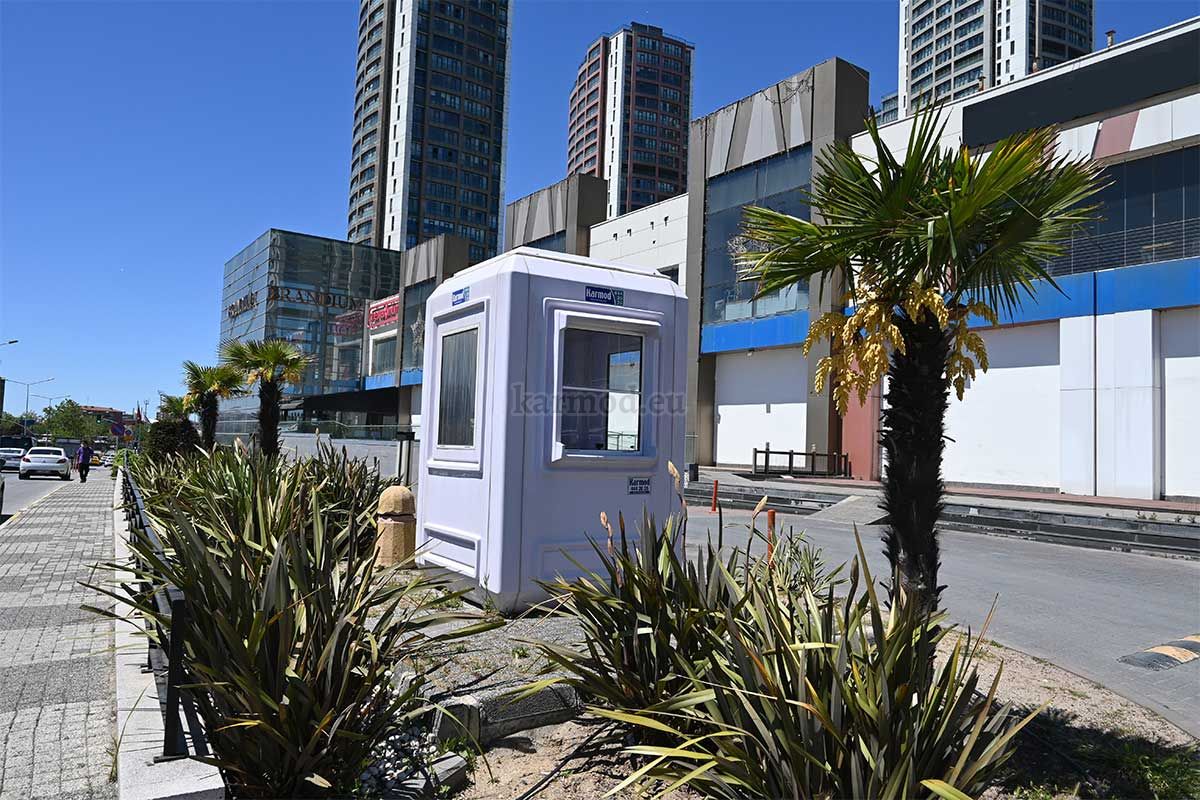
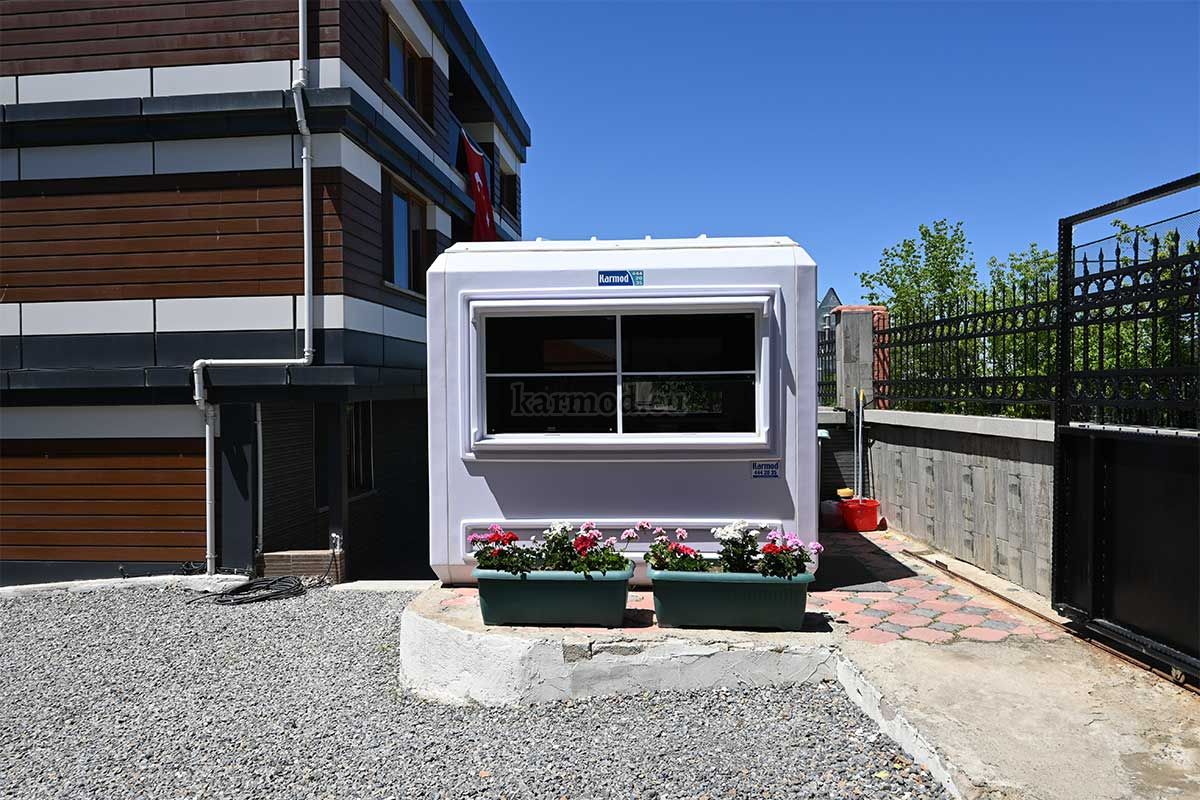
Creating a Predictable Flow for Vehicles and Pedestrians
One of the greatest strengths of a guard booth is its ability to transform unpredictable movement into a smooth and well-coordinated flow. On many sites, drivers arrive without knowing exactly where to park or unload, leading to hesitation that can cause congestion or even accidents. Pedestrians may wander toward restricted areas simply because signage is unclear. A guard booth, positioned strategically at the entrance, prevents these issues by offering immediate direction and clarification.
Guards can step out to guide vehicles, issue temporary passes, or explain safety protocols. Over time, this consistent guidance shapes the behavior of regular visitors and employees, creating a long-term culture of awareness. The booth becomes not just a place to check in, but a point of support that keeps operations running efficiently.
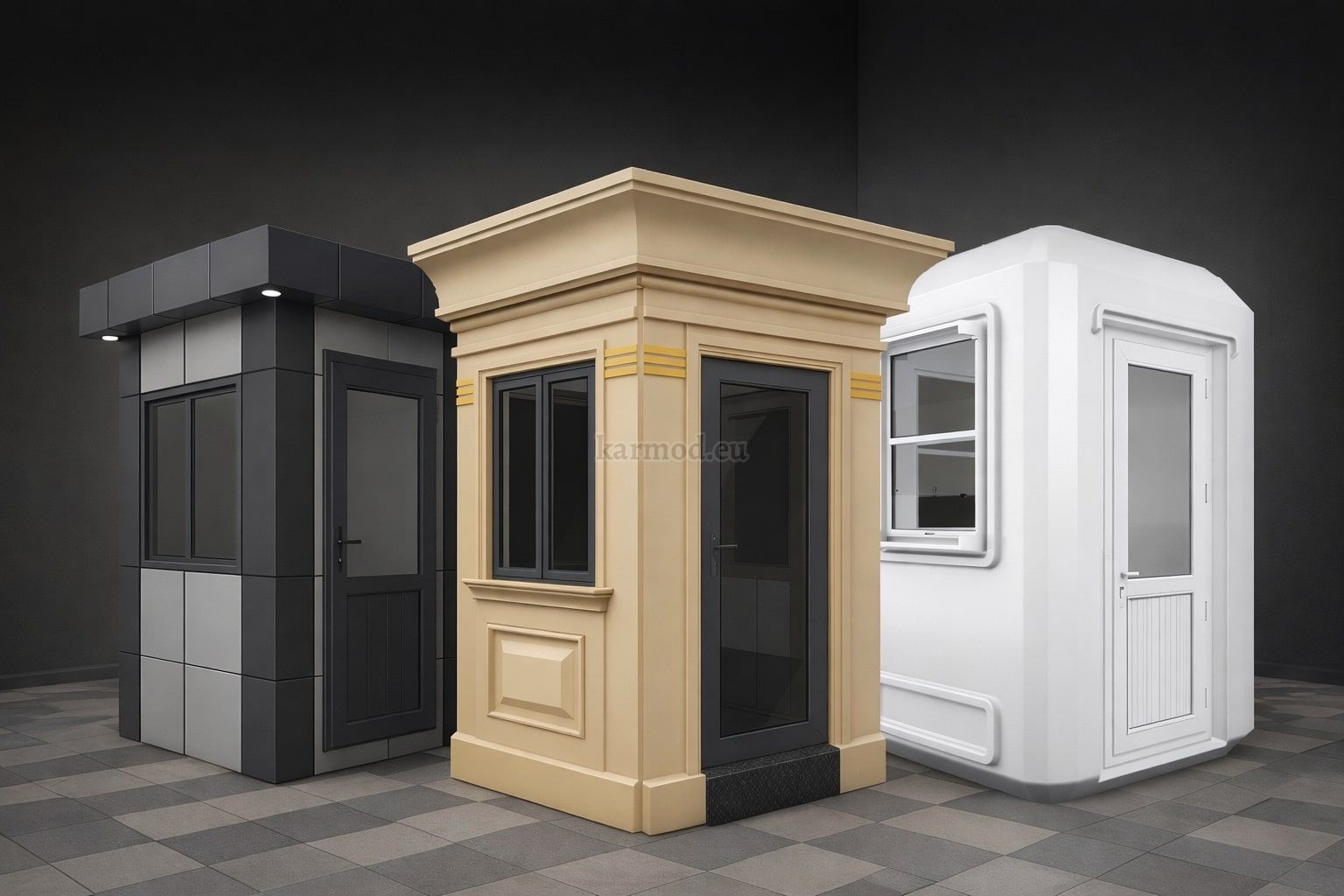
Strengthening Internal Accountability and Safety Culture
When employees know that movement in and out of the facility is monitored, they tend to adopt a more responsible attitude toward safety and compliance. A guard booth supports this shift by adding transparency to the access control process. Everyone entering is logged; everyone exiting is acknowledged. These small but meaningful interactions reinforce the idea that safety does not happen by accident — it is a shared effort supported by structure and clarity.
This visible oversight also reduces internal theft, misplaced inventory, and unauthorized visits to sensitive zones. Facilities with expensive equipment, valuable materials, or confidential operations benefit enormously from a guard b