





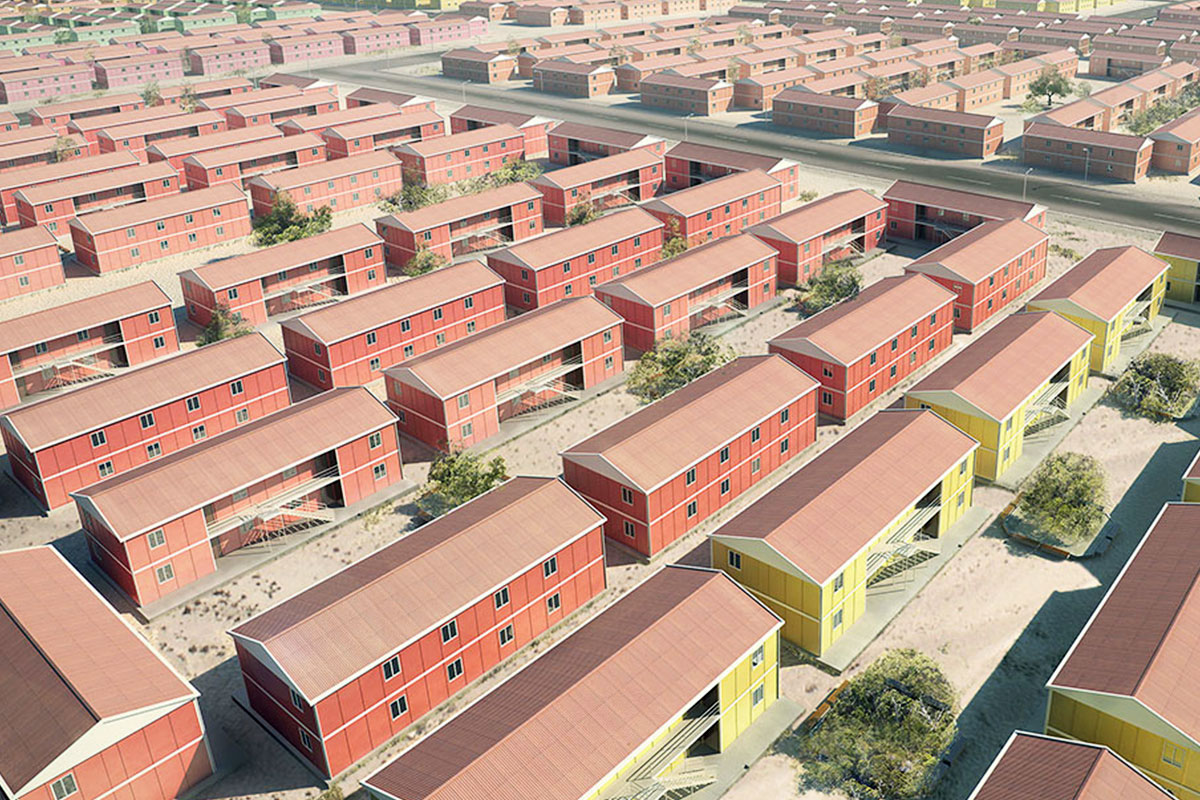
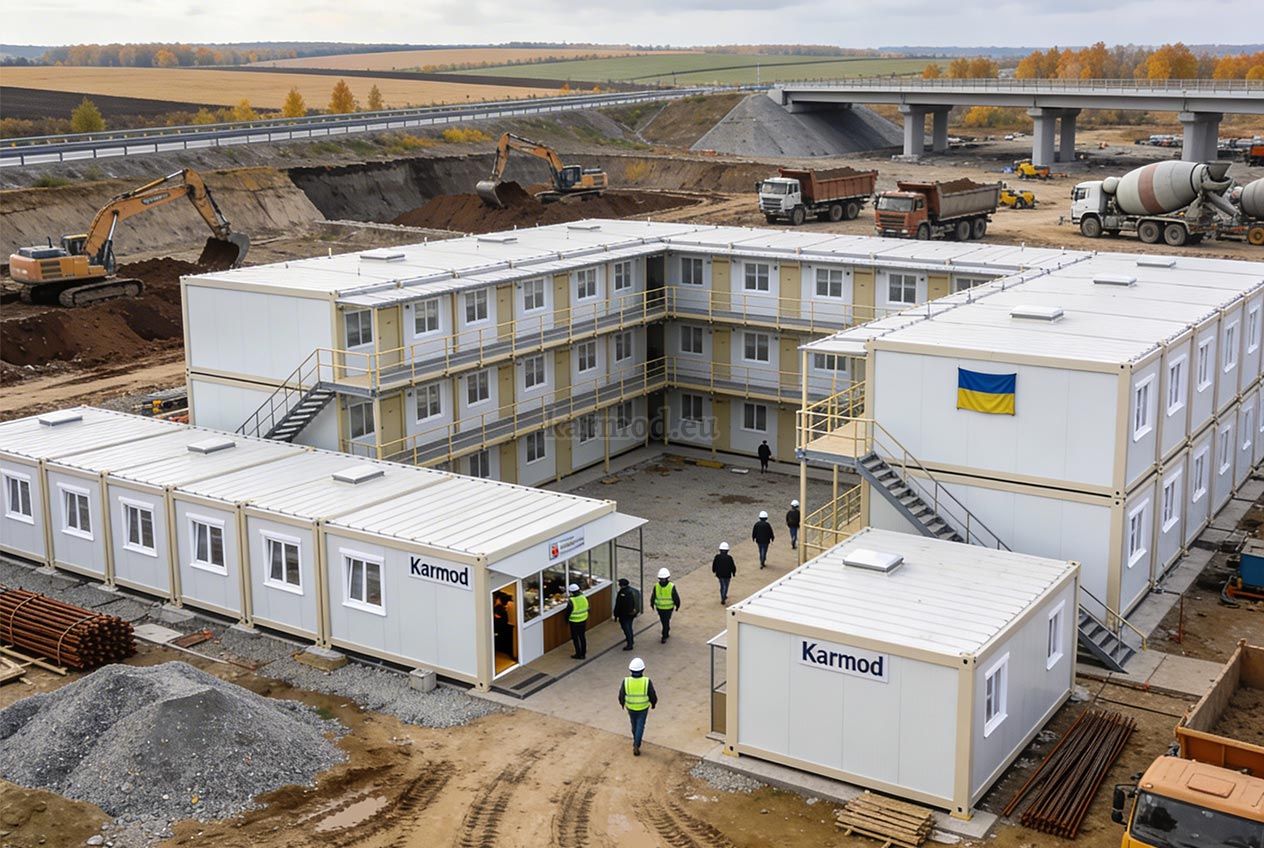
Ukraine has been undergoing a complex transformation in its built environment, driven by infrastructure renewal needs, industrial continuity requirements, and the necessity for fast, reliable construction methods. In this context, modern building approaches such as modular buildings and prefabricated building systems have become strategic tools rather than temporary alternatives. For public institutions, industrial investors, logistics operators, and international contractors active in Ukraine, these systems offer predictability, speed, and control—key factors in today’s construction planning.
Why Modular Buildings Are in High Demand in Ukraine
One of the primary drivers behind the growing demand for modular buildings in Ukraine is workforce efficiency. Traditional construction relies heavily on on-site labor, which can be difficult to mobilize consistently across regions. Modular systems reduce on-site labor requirements by shifting most of the work to controlled factory environments, allowing projects to move forward with fewer uncertainties related to labor availability and productivity.
Construction timelines also play a decisive role. In Ukraine, where many projects are time-sensitive—such as logistics hubs, infrastructure support buildings, and industrial facilities—the ability to shorten construction periods is critical. Modular construction enables parallel processes: site preparation and building production can progress simultaneously, significantly reducing overall project duration.
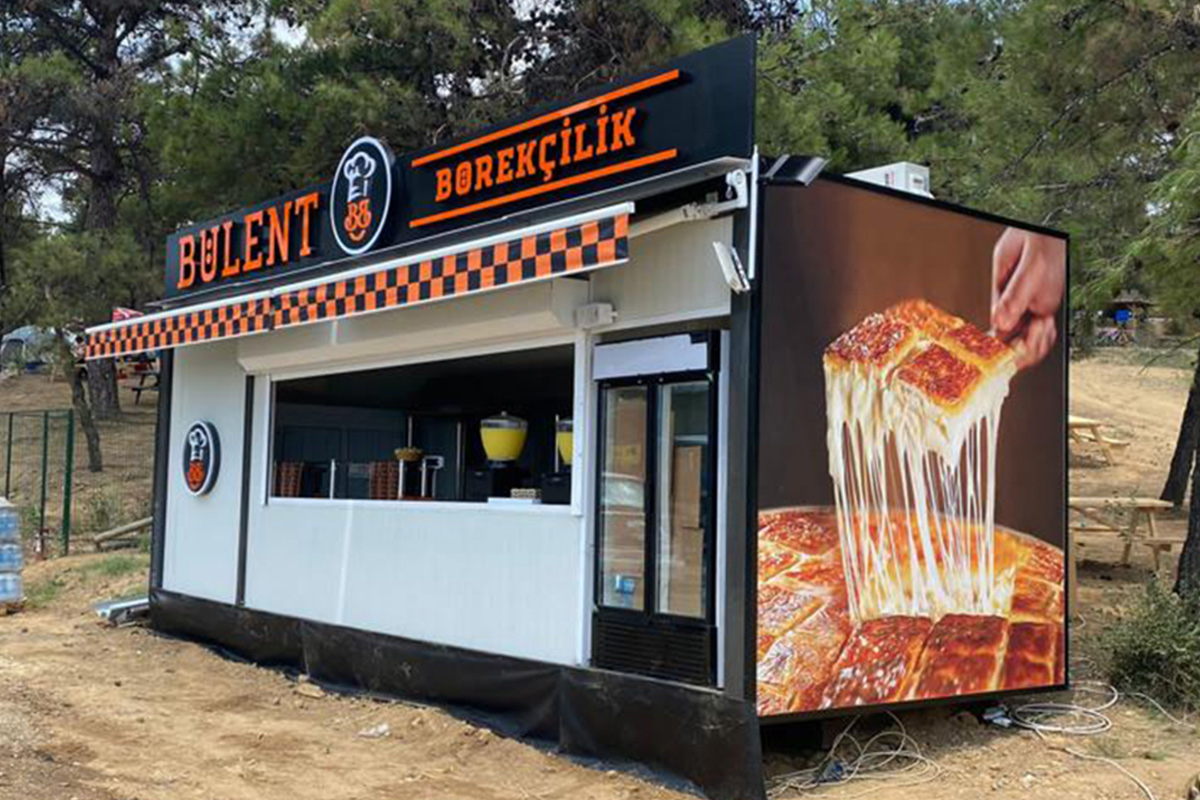
The balance between temporary and permanent building needs is another important factor. Ukraine requires a wide range of structures, from temporary facilities supporting infrastructure and industrial operations to long-term buildings for administration, accommodation, and public services. Modular buildings offer flexibility in this regard, as they can be relocated, expanded, or repurposed as project requirements evolve.
Sector-specific demand further strengthens this trend. Logistics and transportation corridors, industrial manufacturing zones, energy-related facilities, and public sector projects increasingly rely on fast-deployable structures. In these sectors, modular and prefabricated solutions align well with operational continuity and phased development strategies.
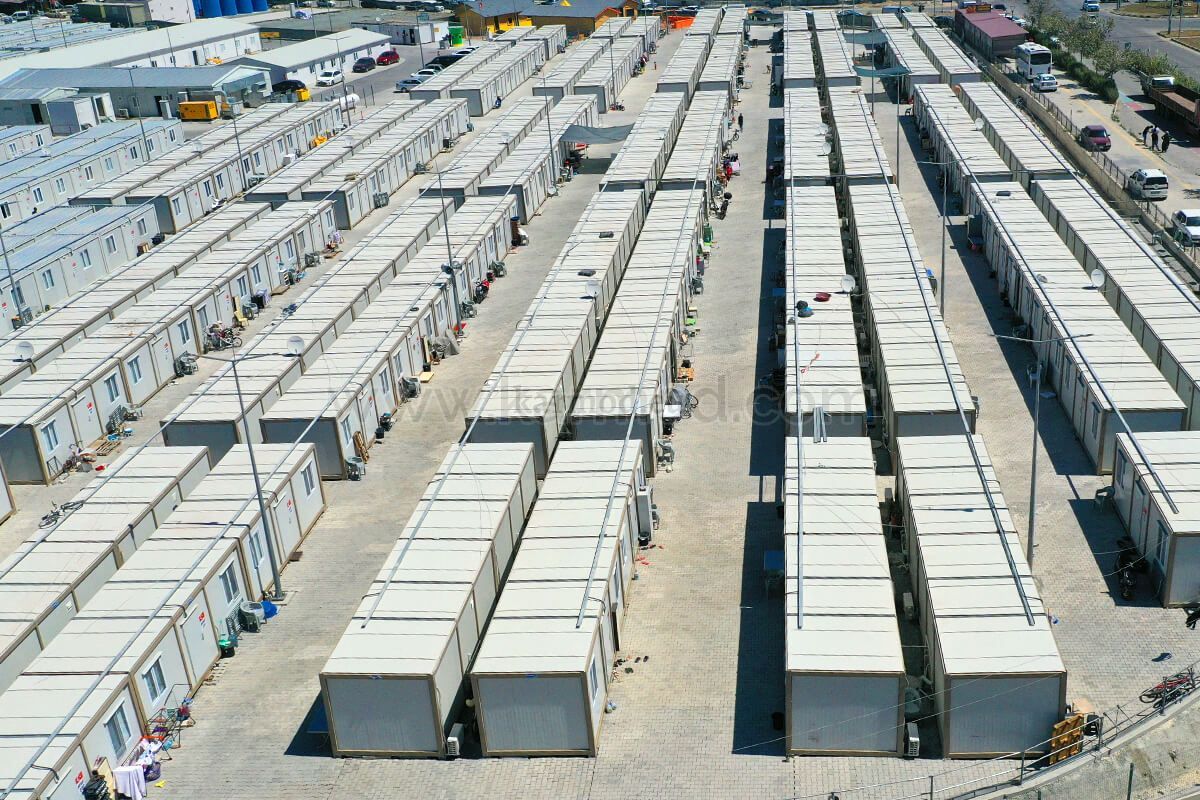
Modular Buildings vs. Prefabricated Building Systems
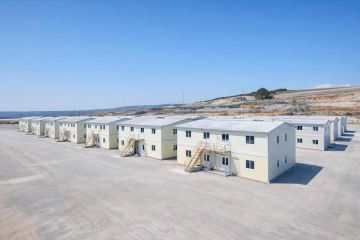
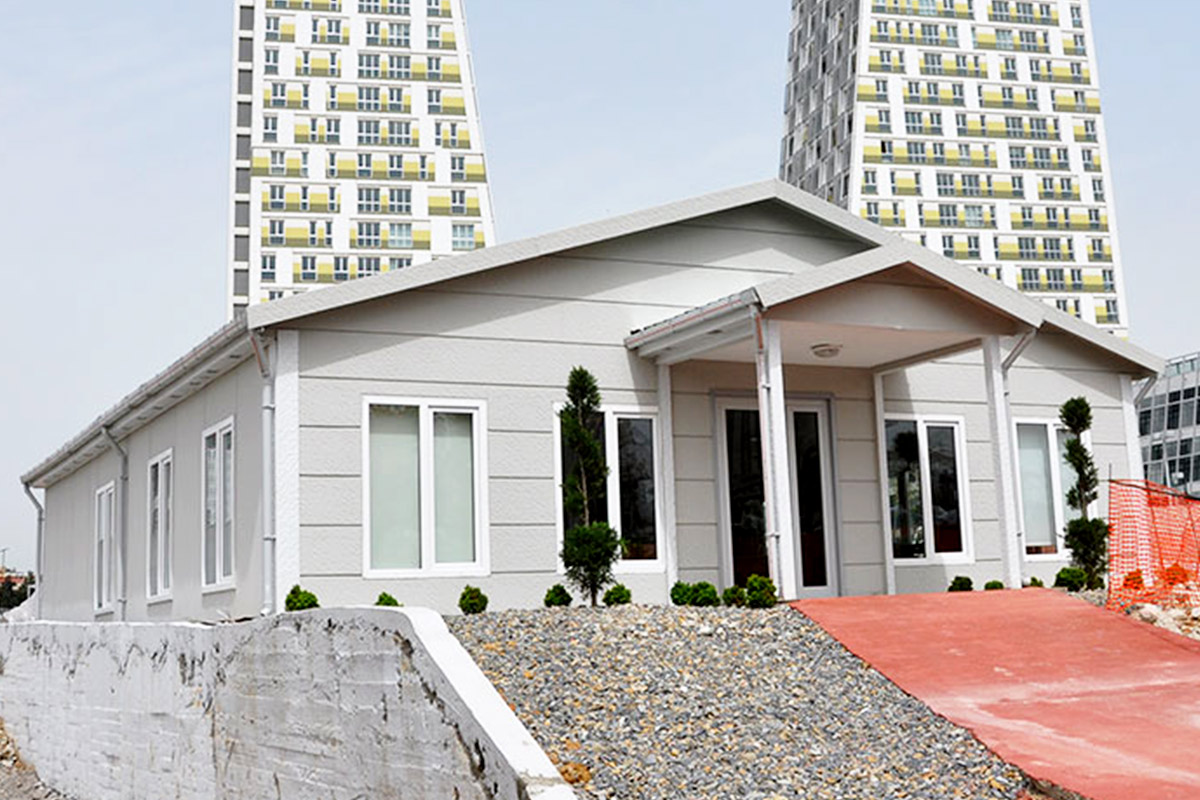
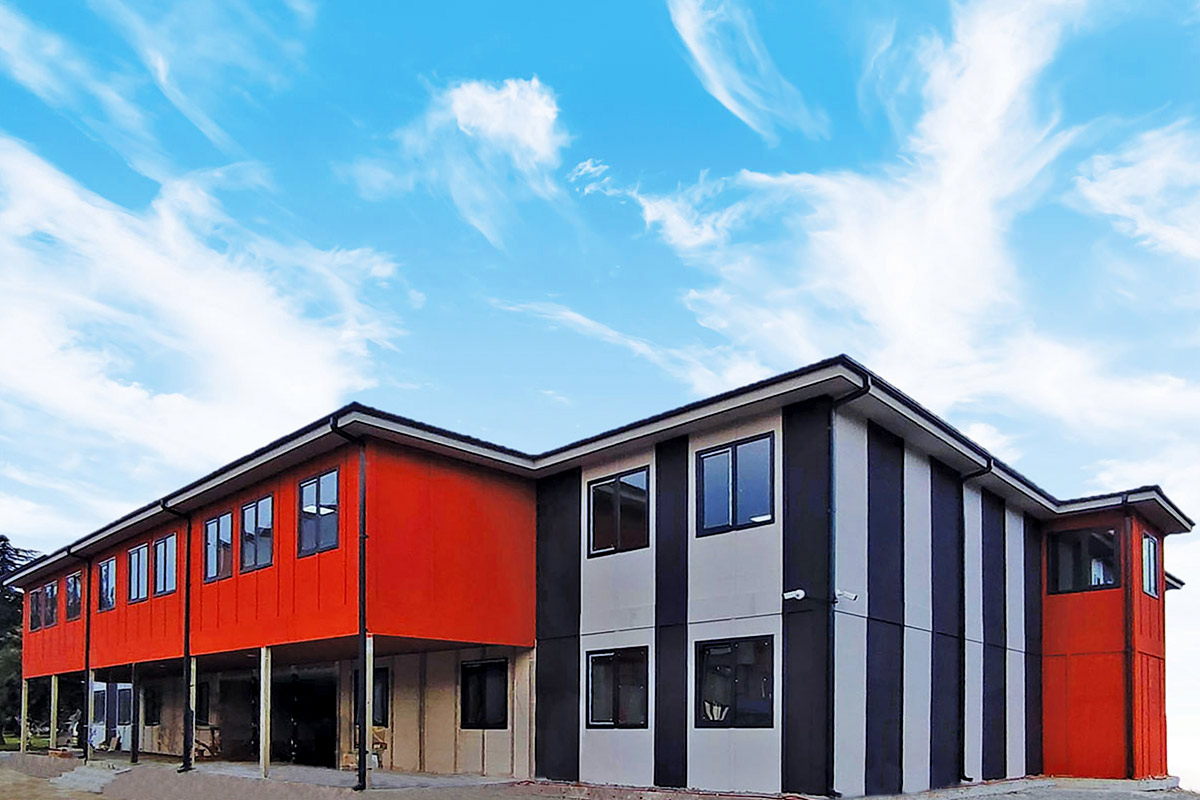
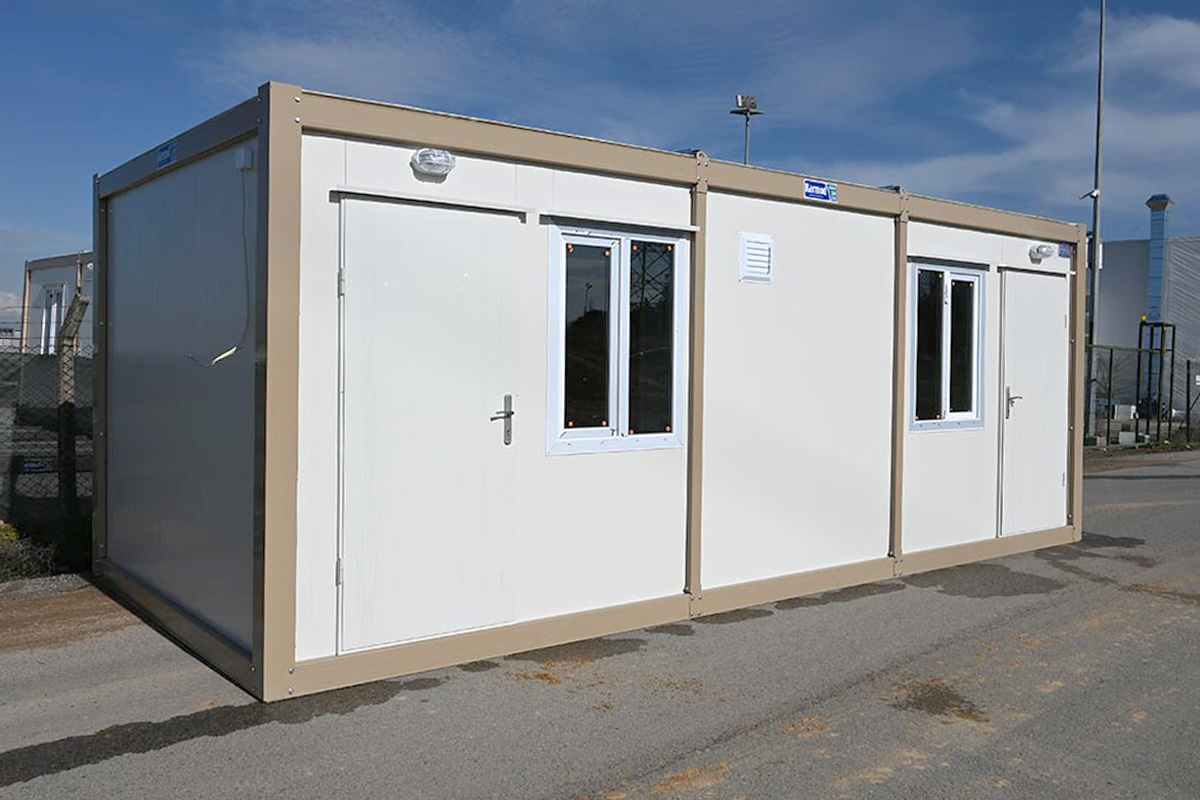
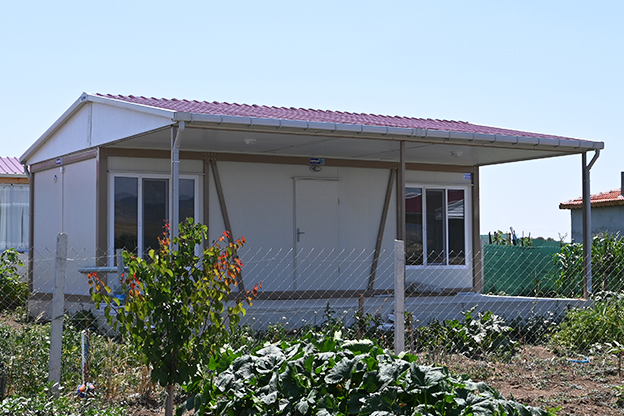
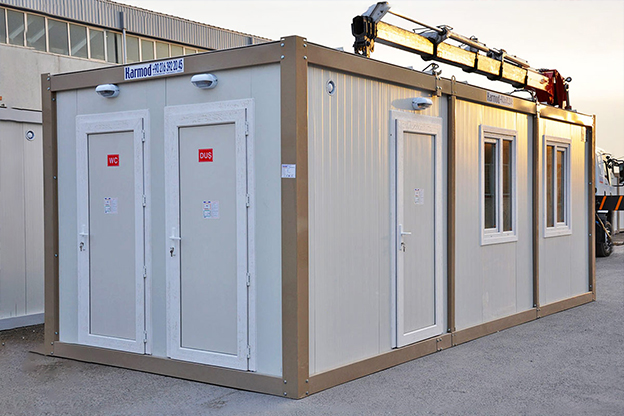
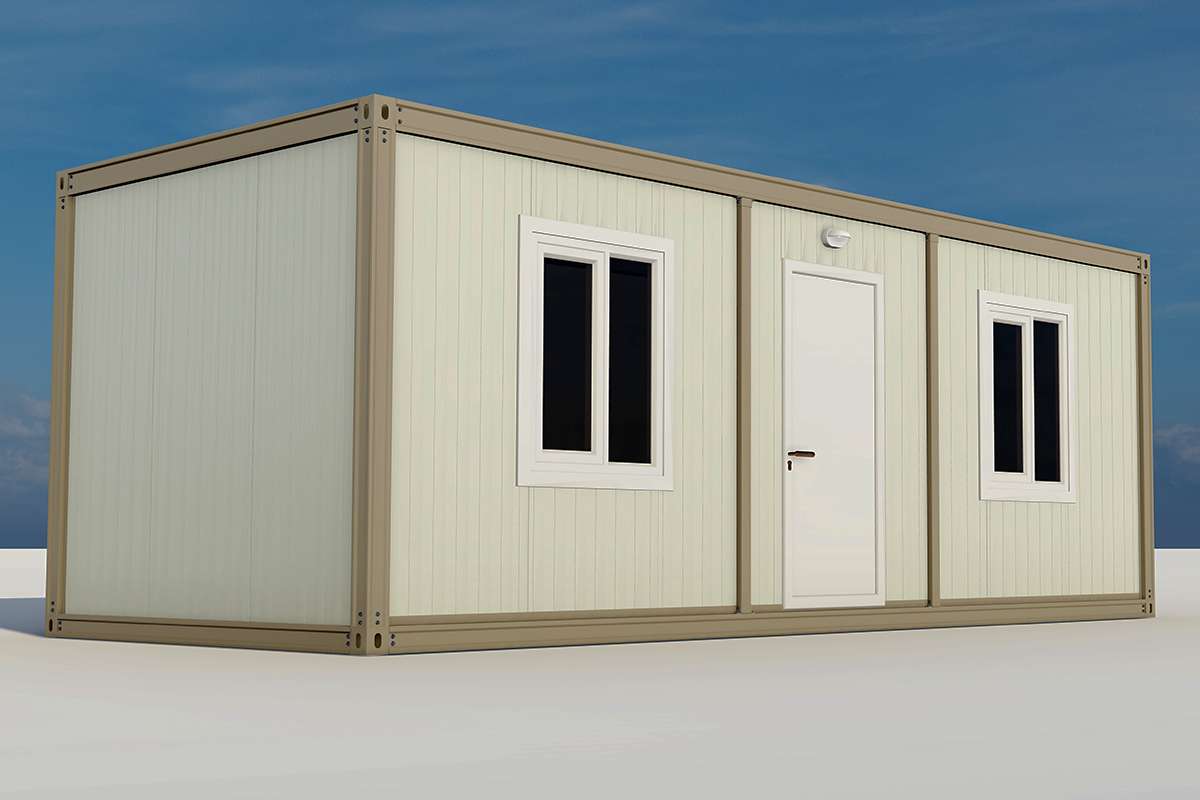
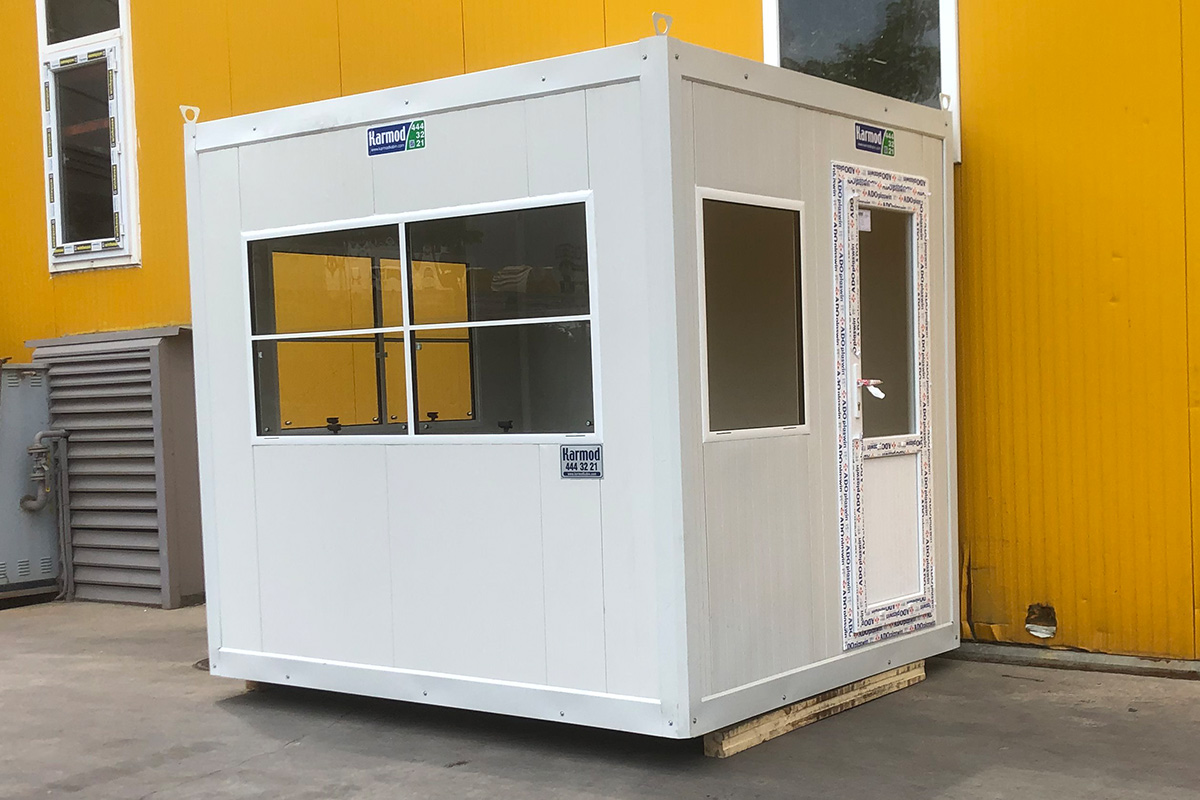
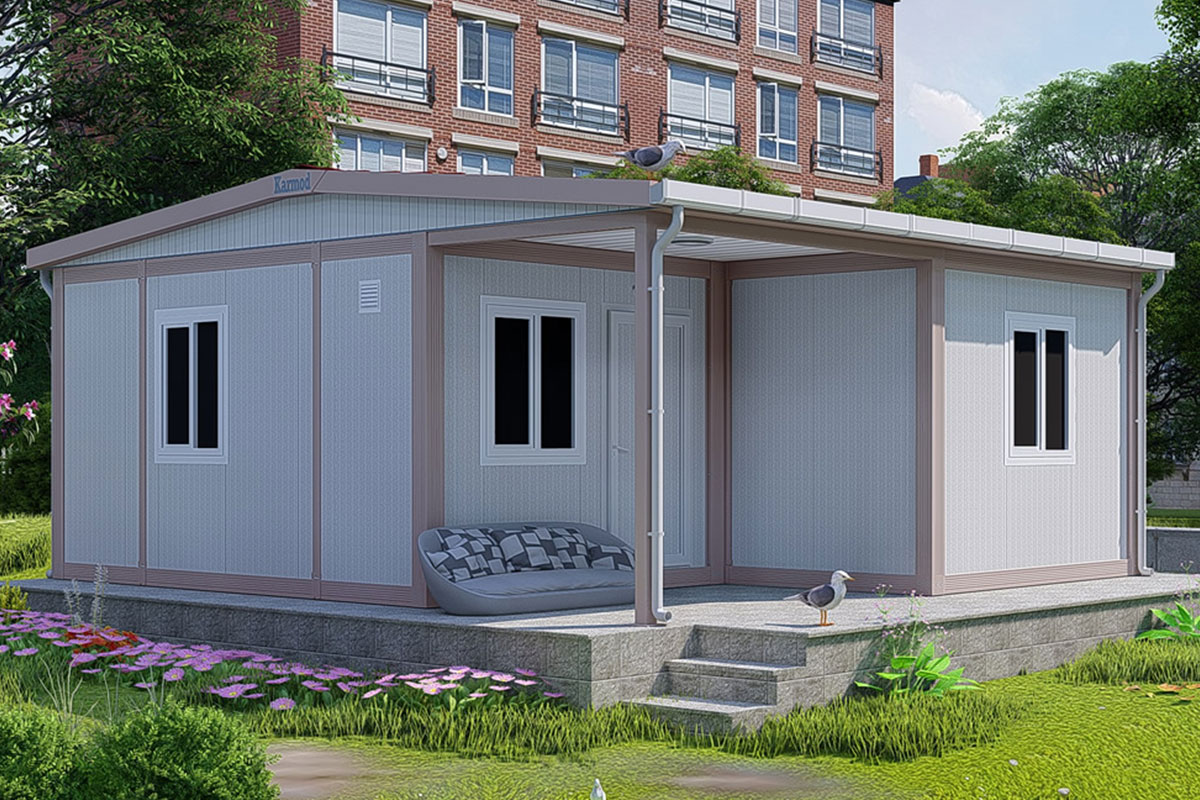
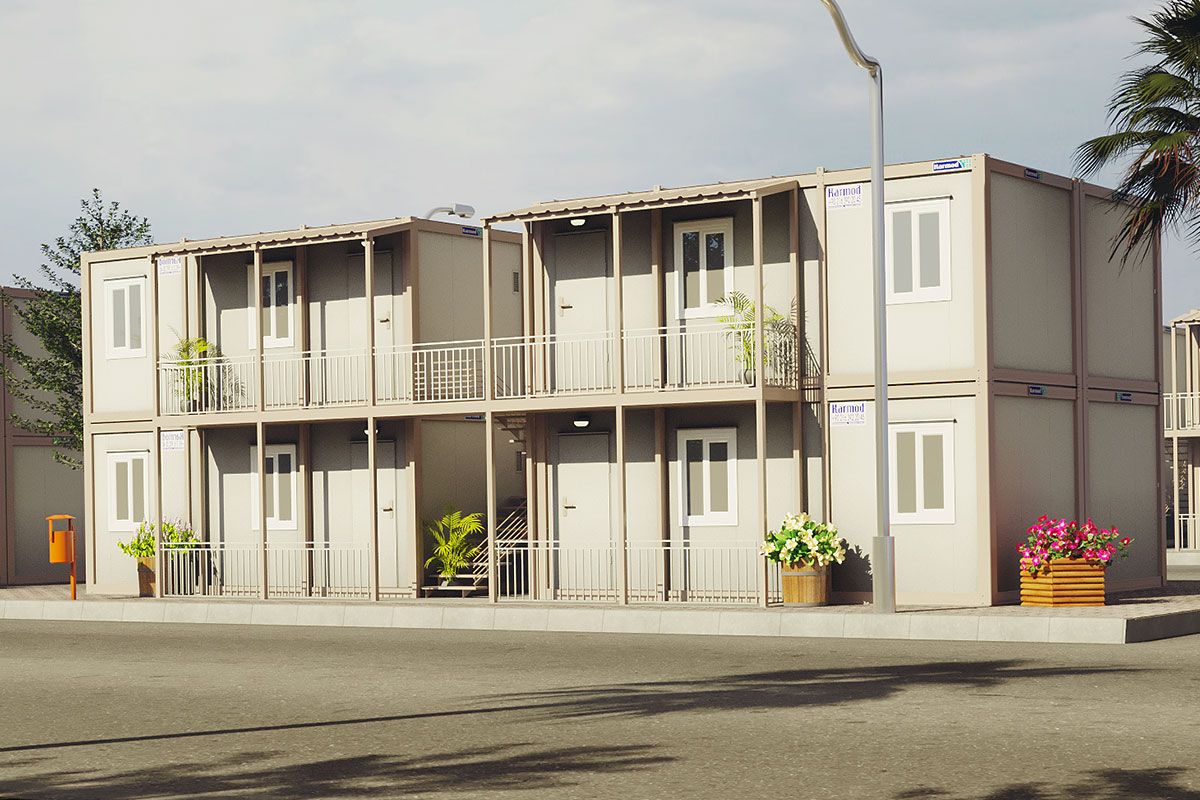
Although often mentioned together, modular buildings and prefabricated building systems serve different functional priorities in the Ukrainian market. Modular buildings are produced as volumetric units, fully or partially finished in the factory. These modules are transported to the site, installed quickly, and can be combined or expanded over time. Their mobility and adaptability make them particularly suitable for projects that may change in scale or location.
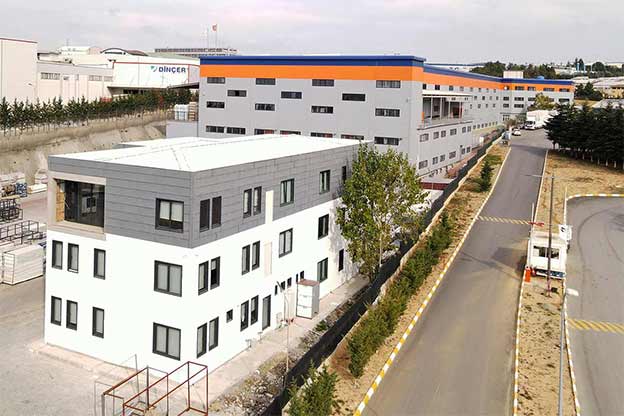
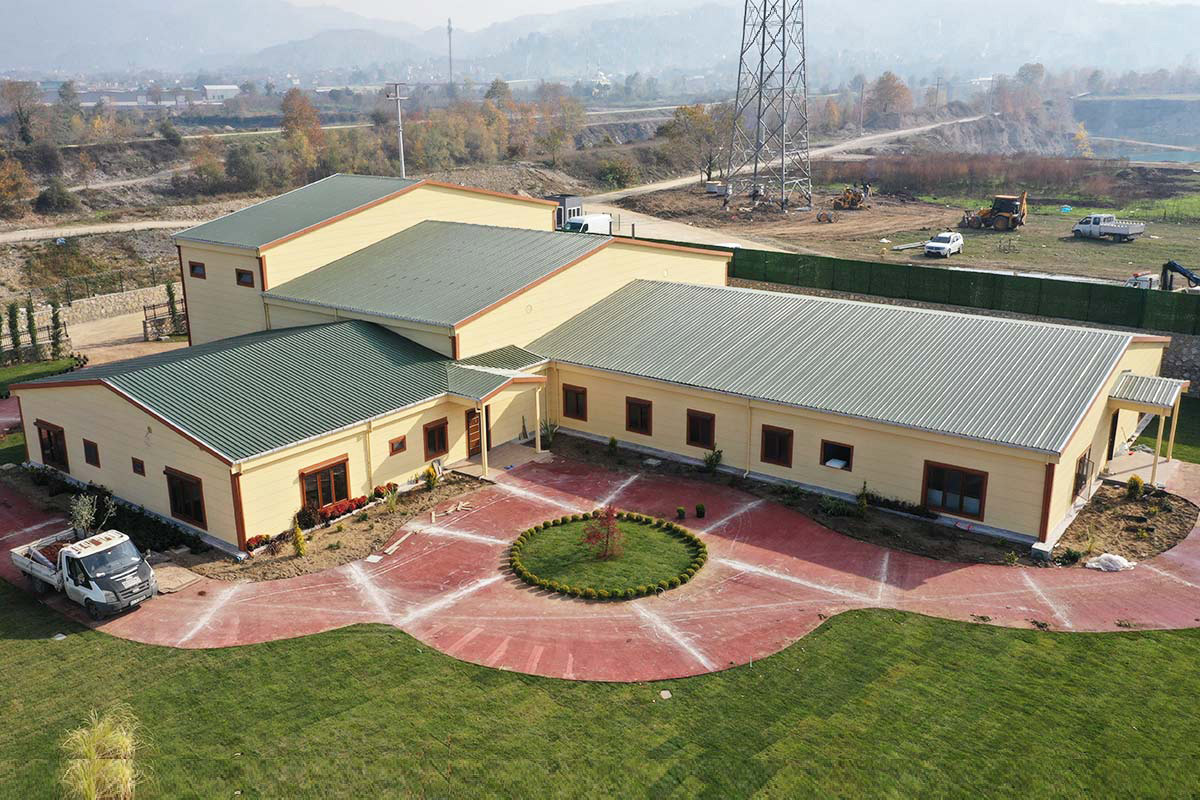
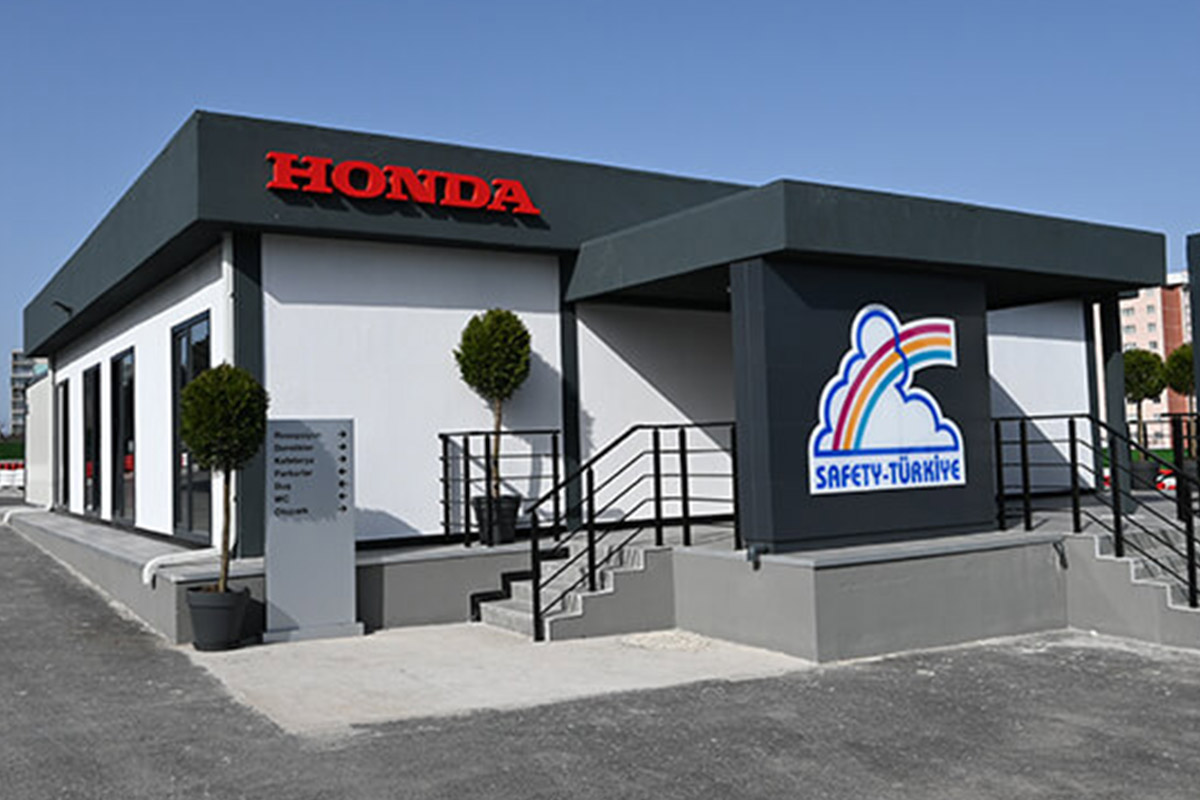
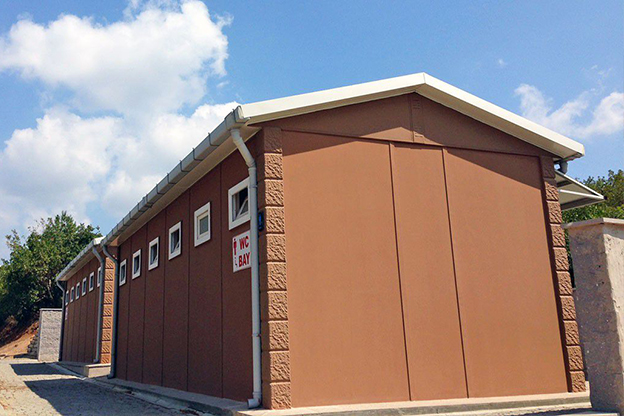
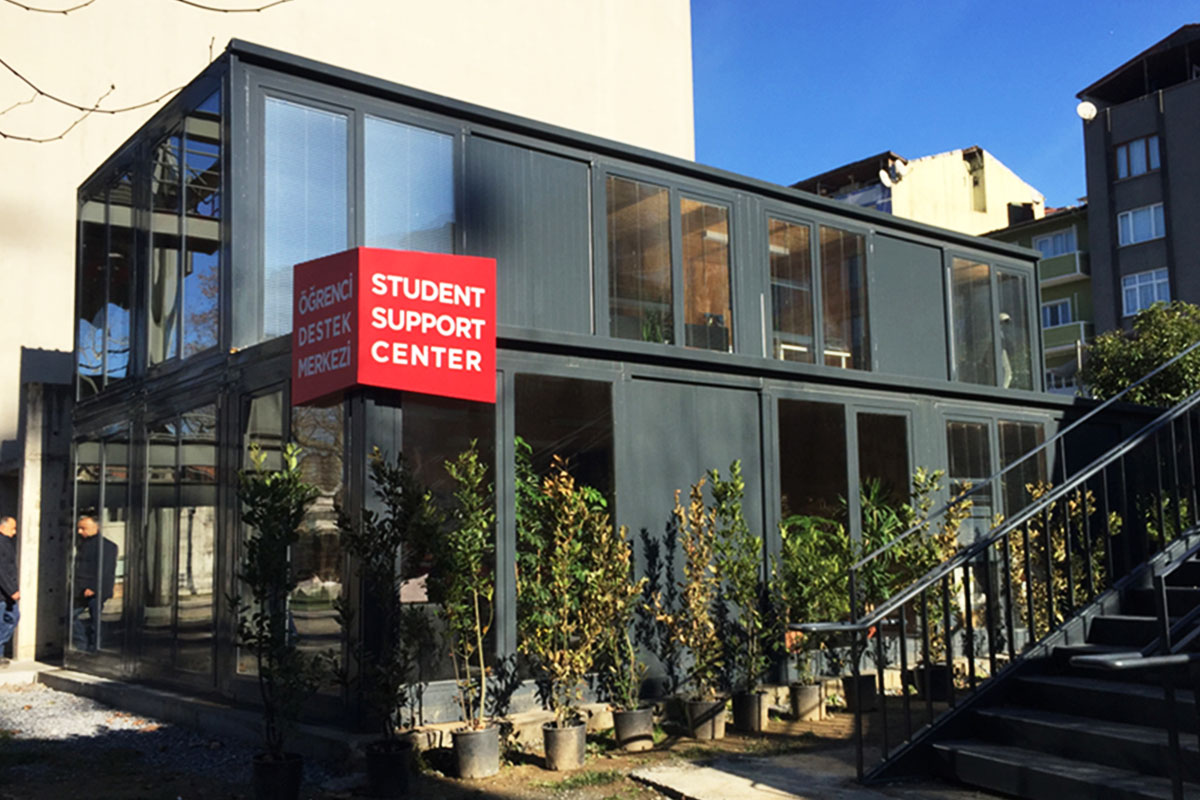
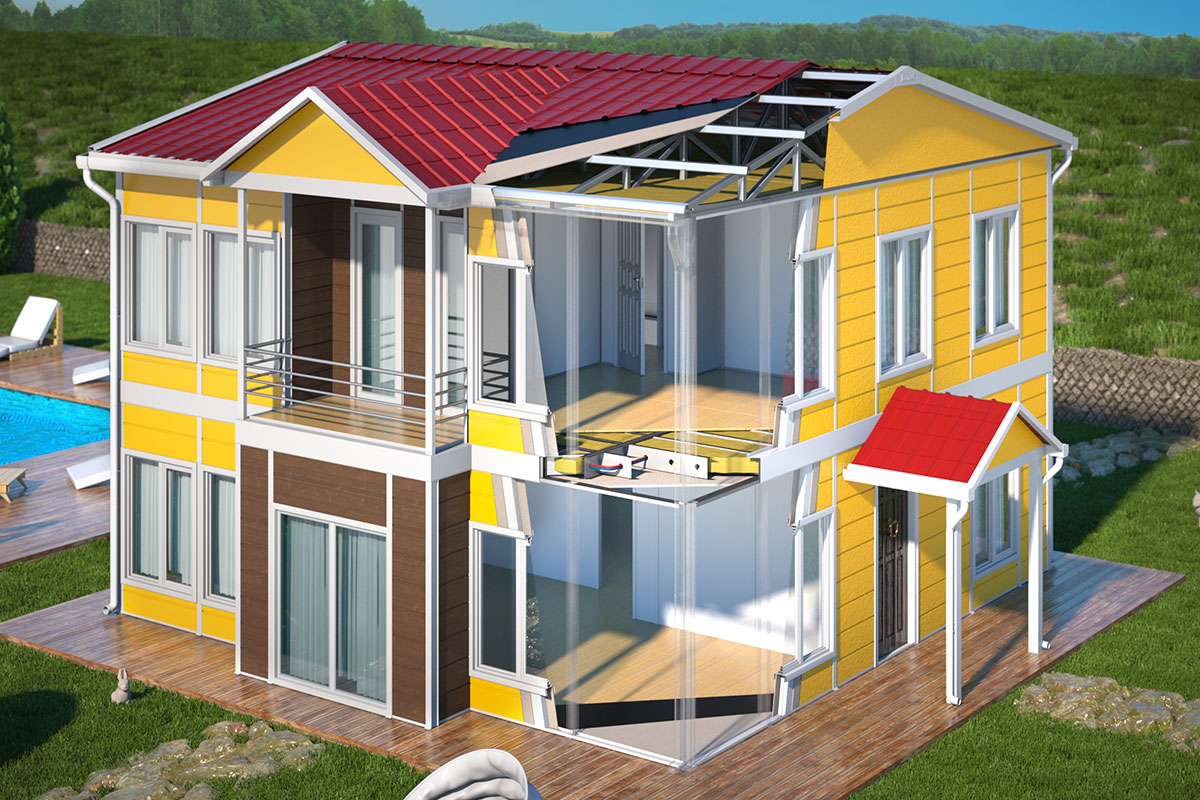
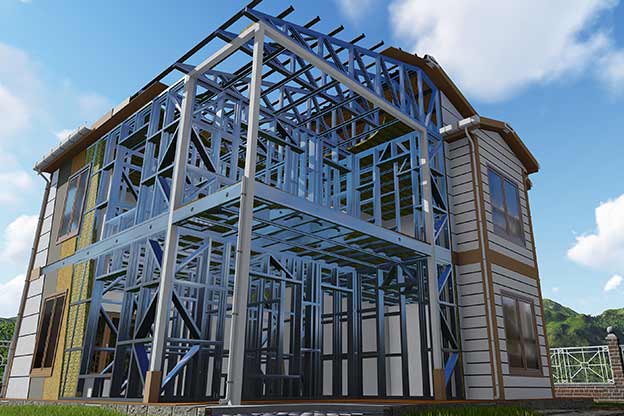
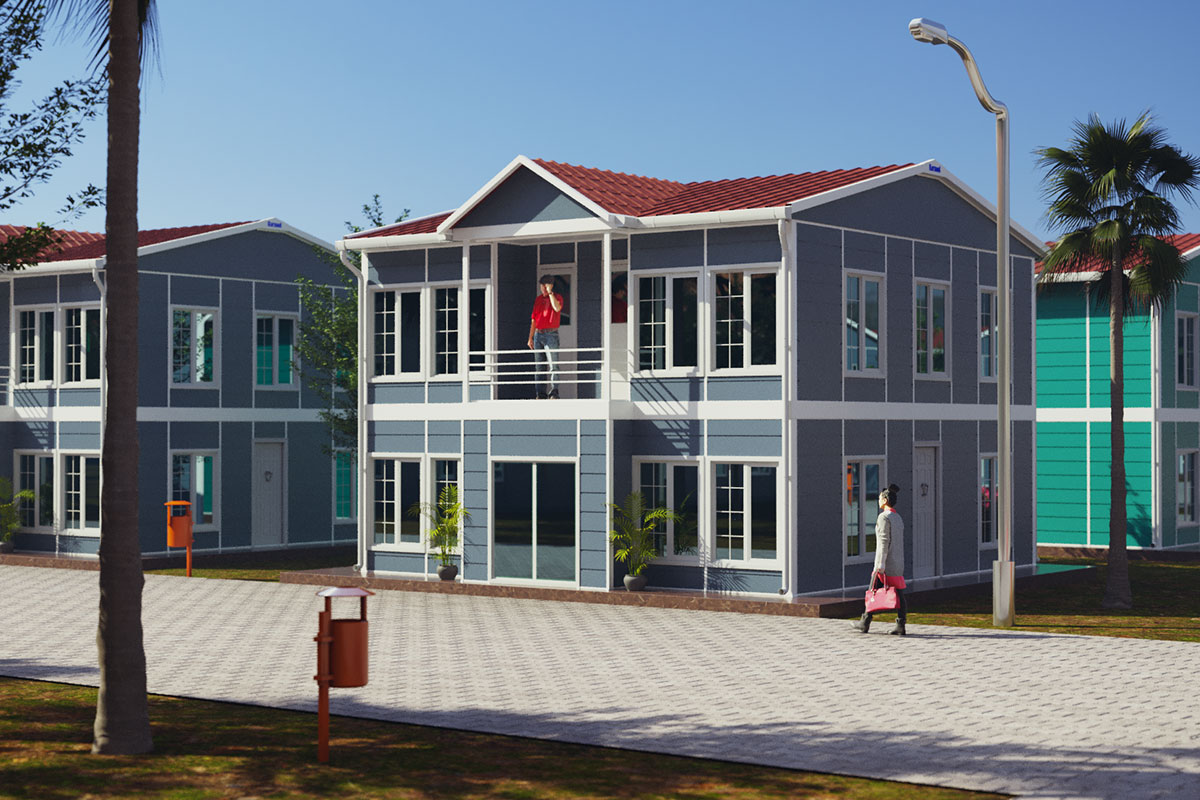
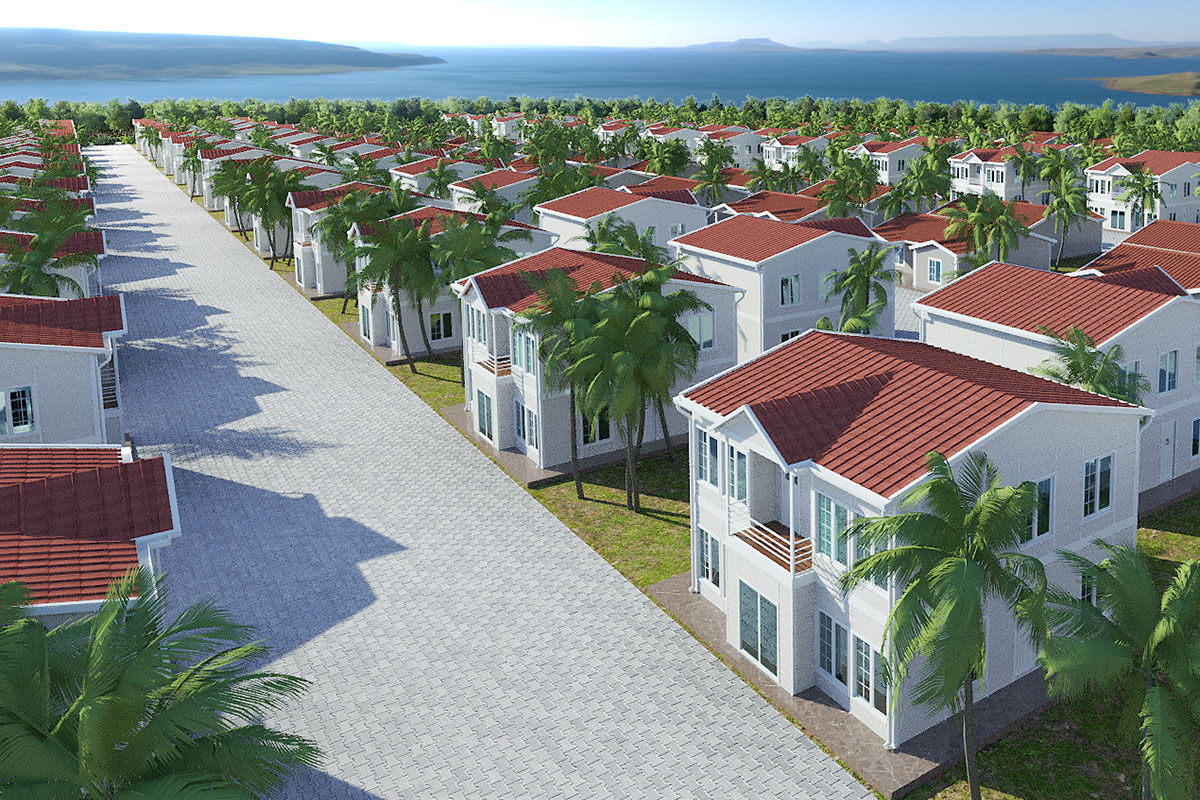
Prefabricated building systems, on the other hand, are based on panels or structural components manufactured off-site and assembled on location. These systems are typically chosen for permanent buildings where architectural integration, long-term use, and fixed layouts are priorities. In Ukraine, prefabricated building solutions are frequently used for permanent offices, educational facilities, and healthcare buildings where durability and compliance with national building standards are essential.
Choosing between these systems depends largely on project objectives. Modular buildings are often preferred for industrial support facilities, construction-related uses, and temporary public infrastructure. Prefabricated building systems are more commonly selected for permanent civic or institutional buildings where long-term investment value is a key consideration.
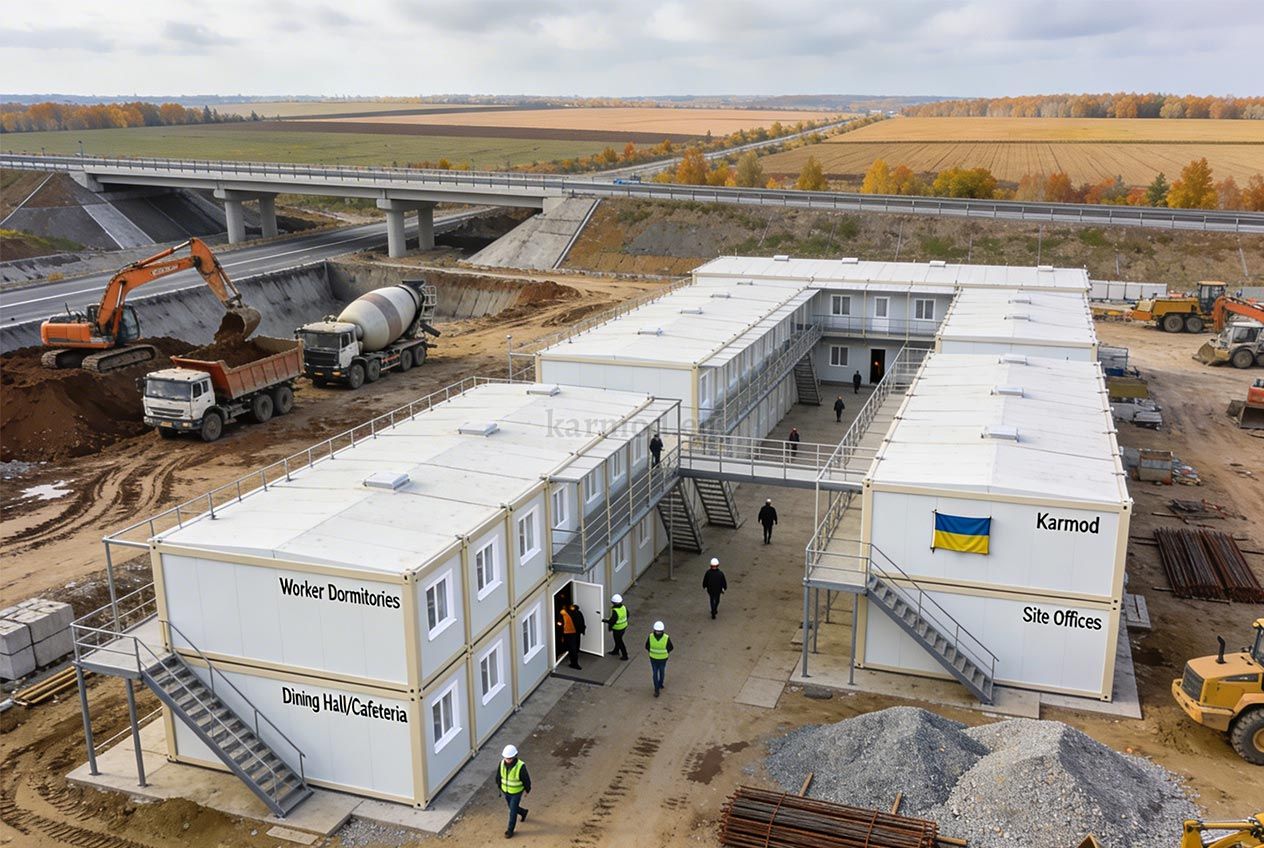
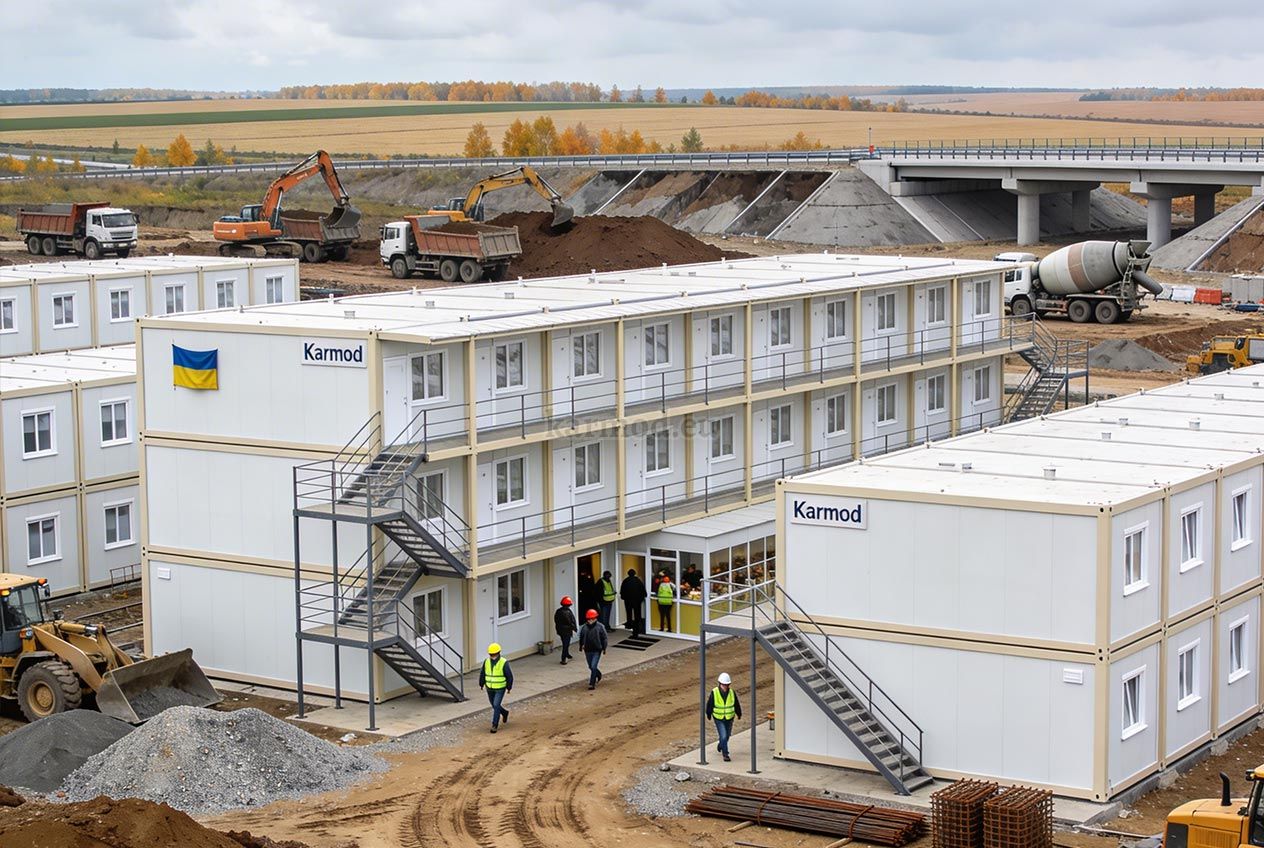
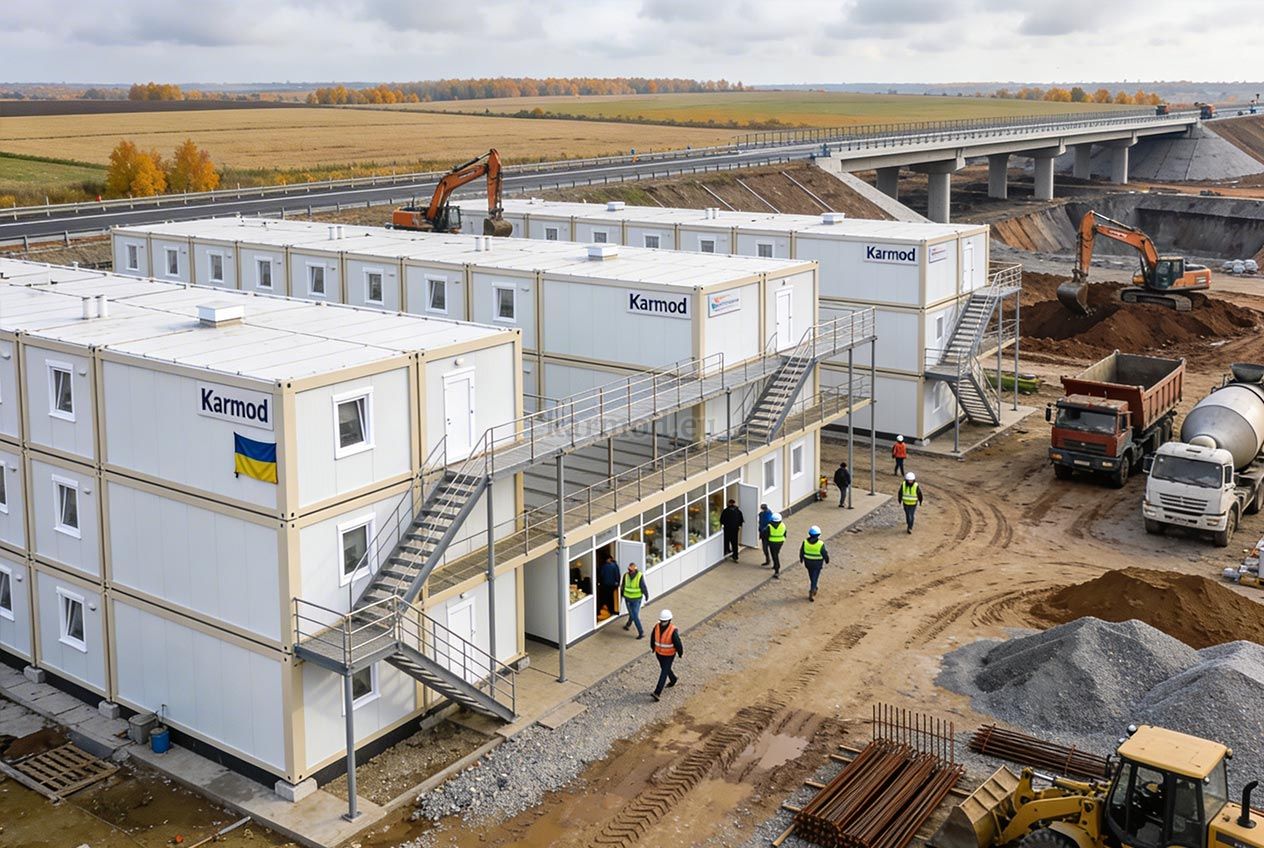
Applications of Modular and Prefabricated Buildings in Ukraine
The versatility of these construction systems allows them to be used across a broad range of applications in Ukraine:
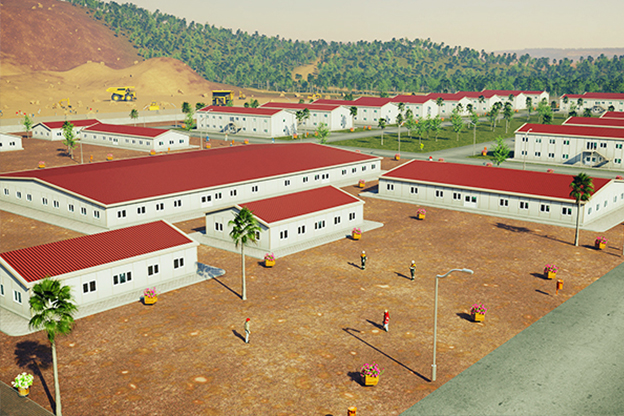
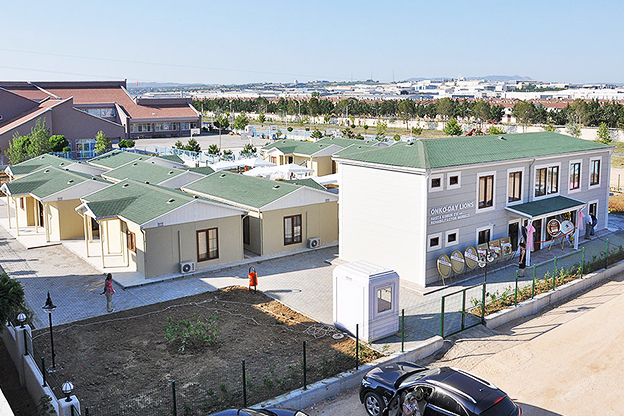
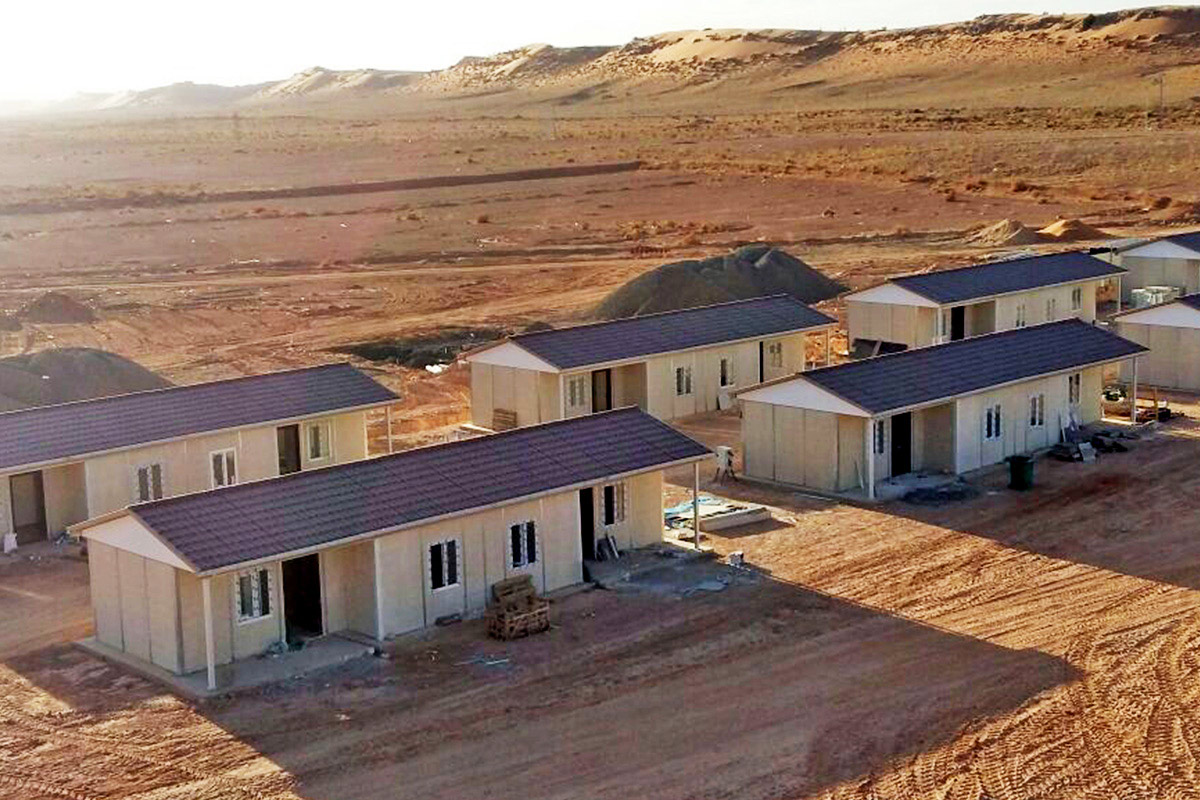
- Site offices & construction camps, supporting infrastructure, industrial, and energy projects
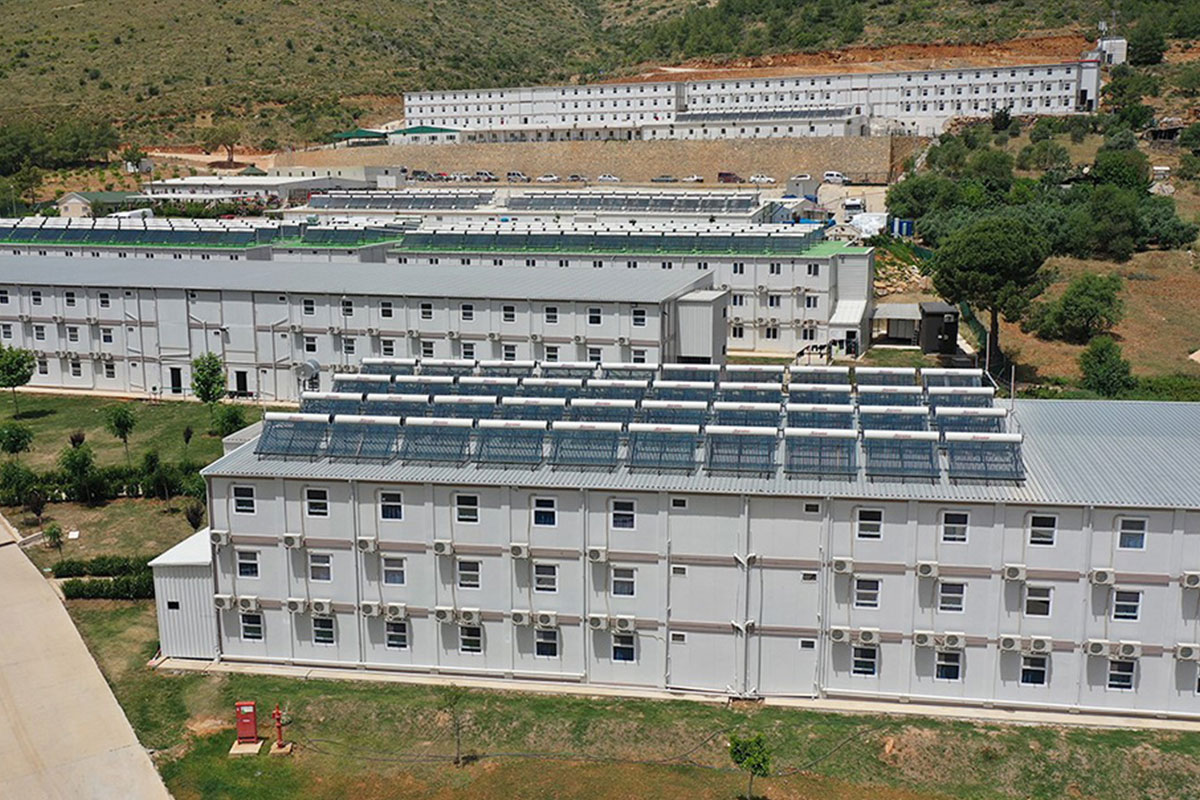
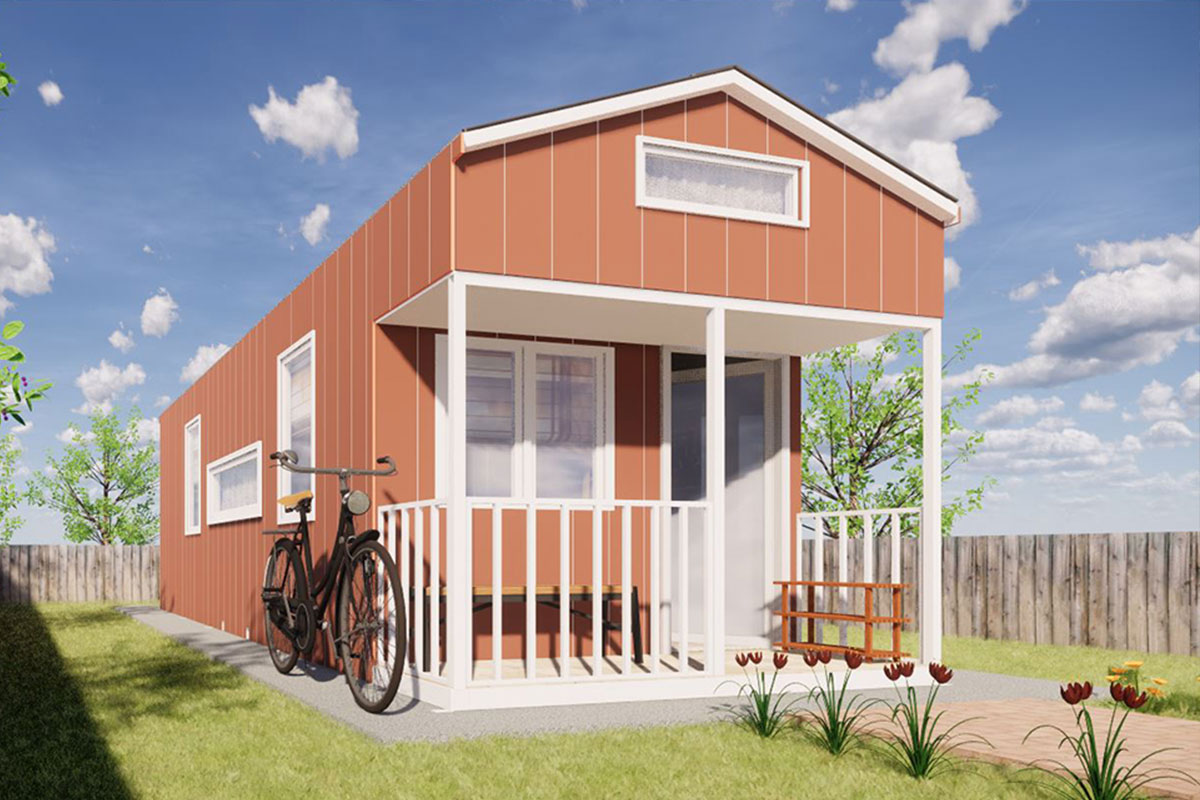
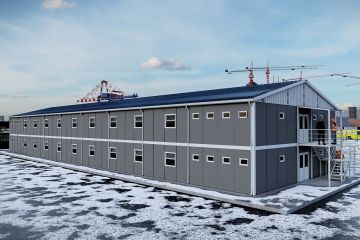
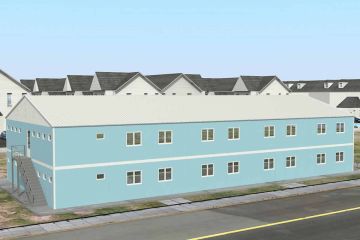
- Worker accommodation buildings, providing efficient housing solutions near operational sites
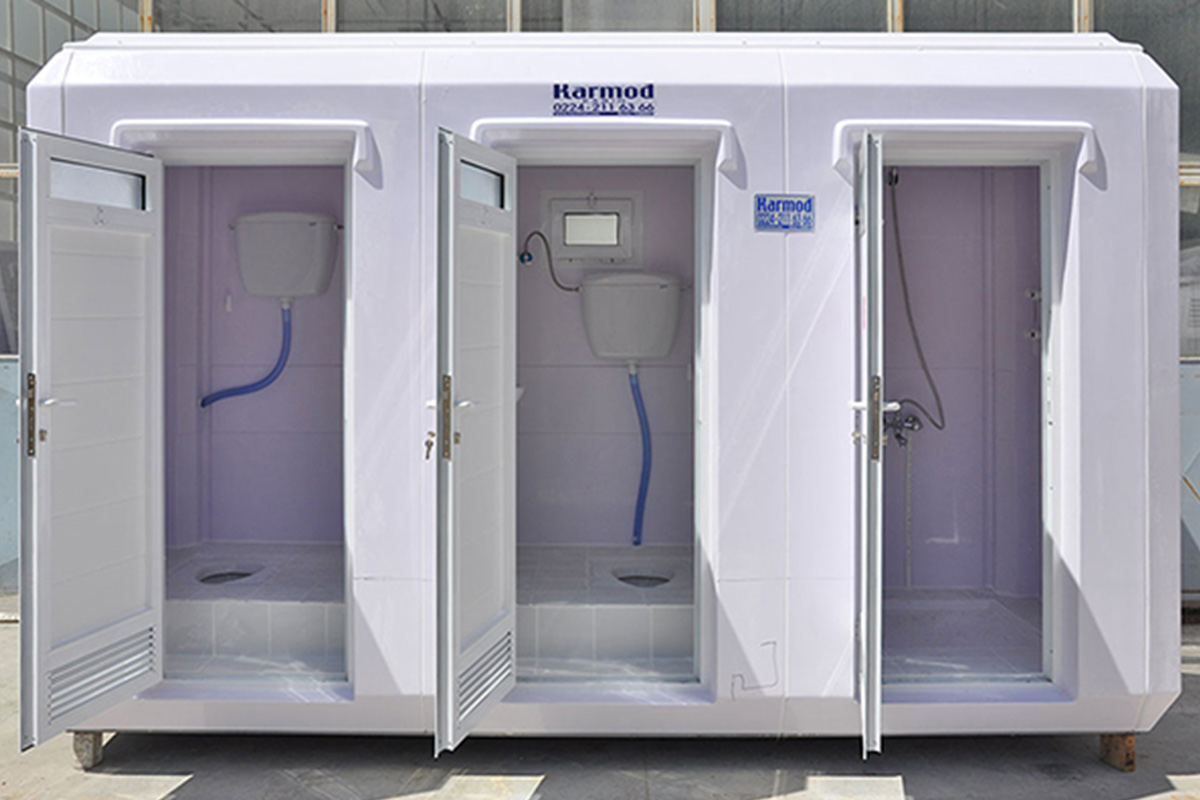
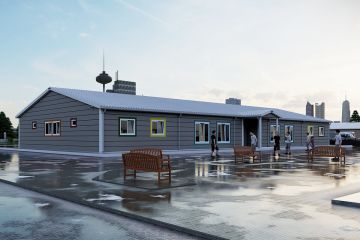
- Temporary schools & healthcare units, addressing urgent capacity needs with reliable standards
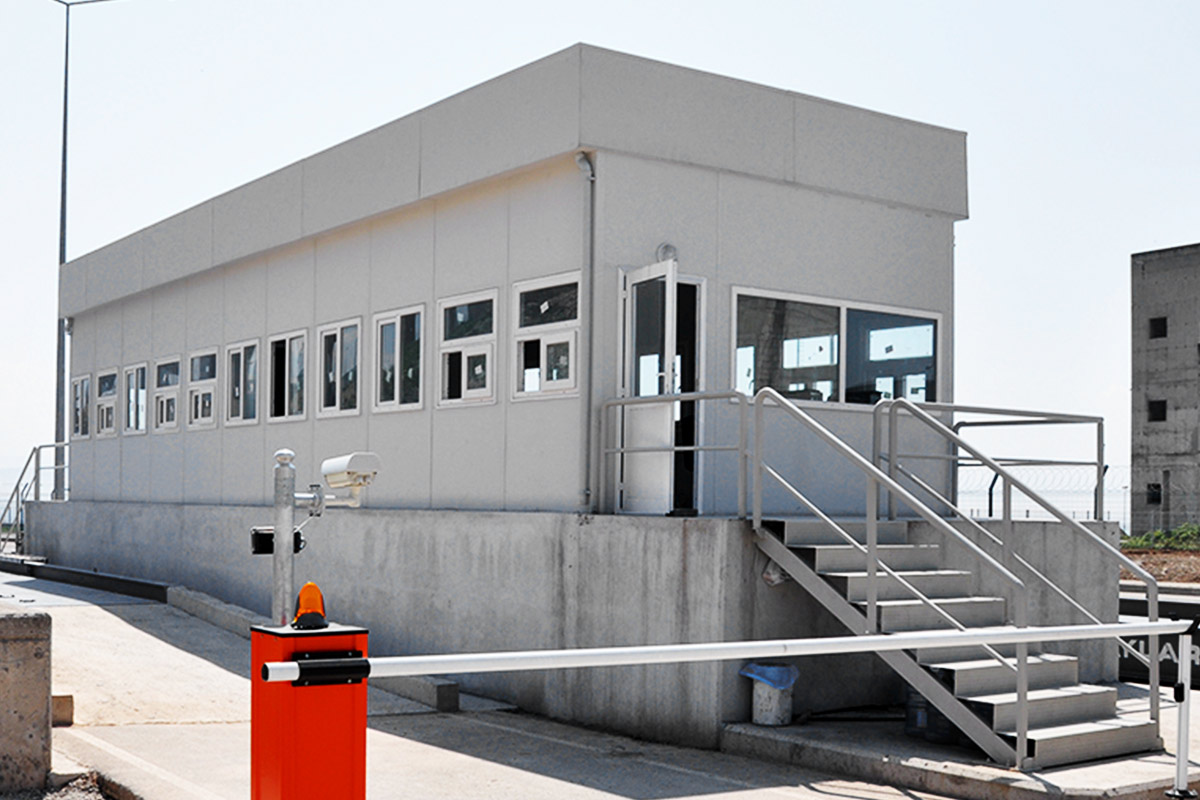
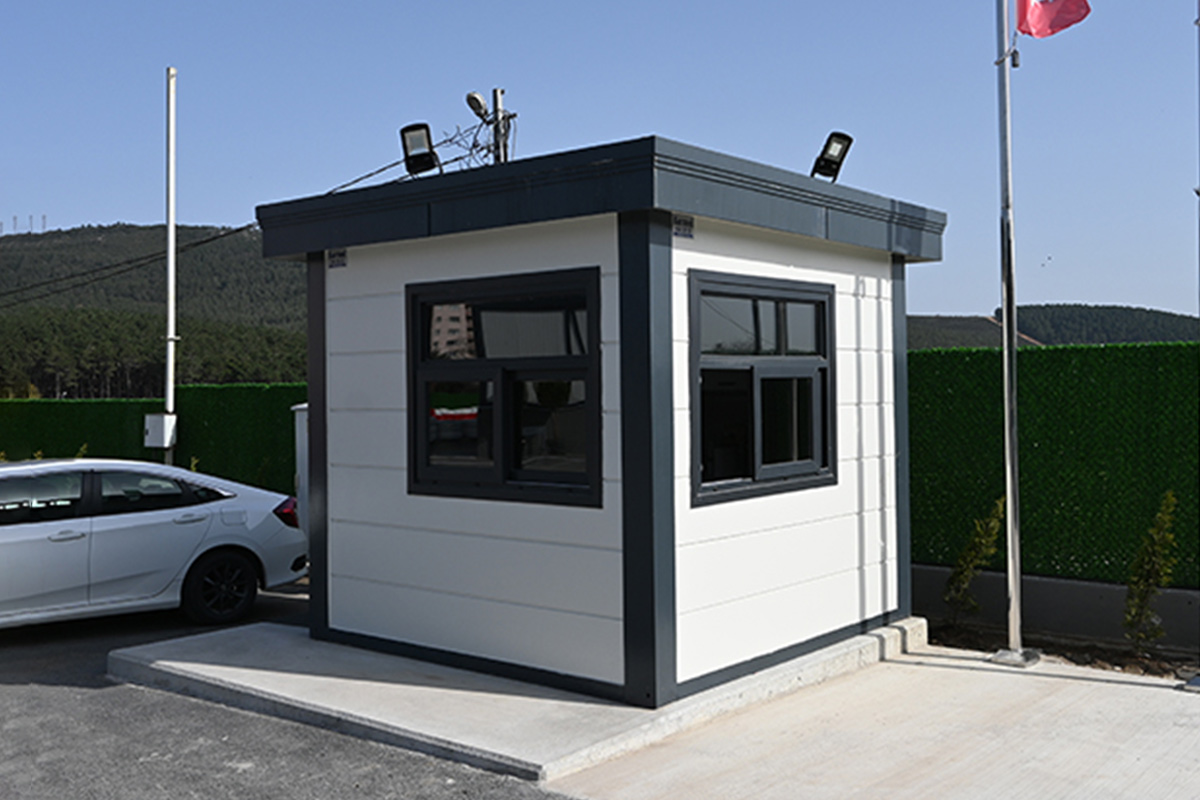
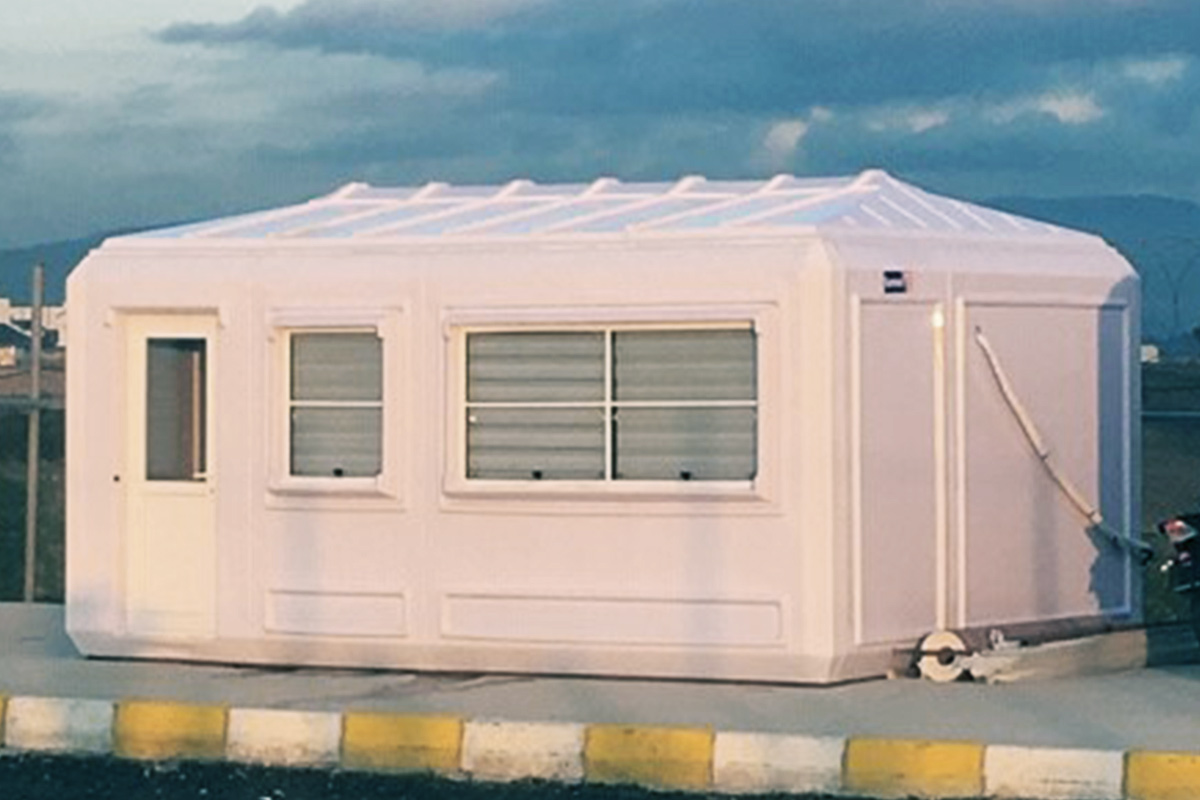
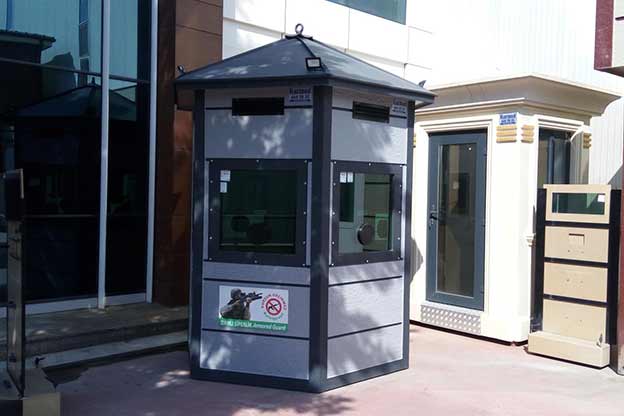
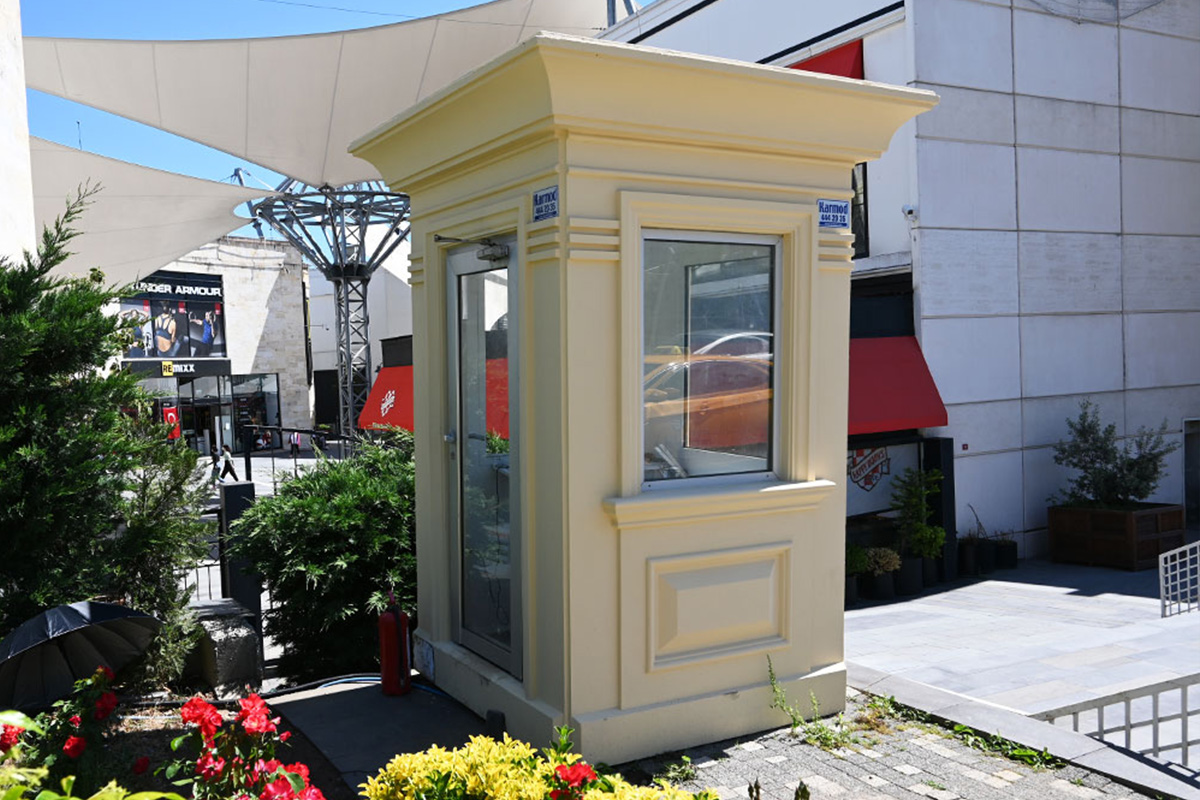
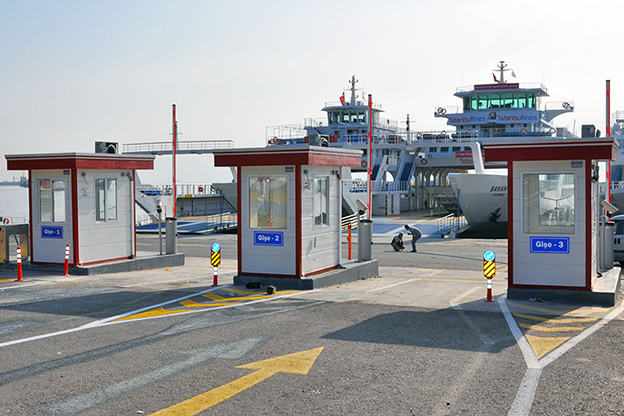
- Security buildings & technical units, including access control, monitoring, and operational hubs
- Storage and logistics facilities, enabling rapid expansion of supply chain infrastructure
These applications demonstrate how modular buildings and prefabricated building systems function as integral components of modern project planning rather than secondary structures.
From Design to Installation: How the Process Works
The process begins with a detailed project needs analysis. This stage defines functional requirements, capacity, regulatory constraints, and site conditions specific to Ukraine. Clear definition at this point ensures that the chosen system aligns with both operational and compliance expectations.
Custom design and technical specifications follow, translating project needs into optimized layouts and structural solutions. Factors such as insulation performance, load requirements, and internal configurations are addressed before production begins.
Factory production is a critical advantage of these systems. Controlled manufacturing environments ensure consistent quality, reduced material waste, and predictable timelines. Once production is completed, units or components are prepared for delivery to Ukraine, with logistics planning adapted to regional access and site conditions.
On-site installation is typically fast and organized, minimizing disruption and allowing facilities to become operational quickly. This efficiency is particularly valuable for projects operating under tight schedules or challenging environmental conditions.
Key Considerations for Modular Buildings in Ukraine
Thermal insulation is a primary consideration due to Ukraine’s seasonal temperature variations. Proper insulation systems ensure energy efficiency and comfortable interior environments throughout the year.
Fire safety standards must be addressed in line with both local regulations and international norms. High-quality modular and prefabricated systems integrate certified fire-resistant materials and structural solutions from the design stage.
Climate suitability goes beyond insulation, including moisture resistance, structural durability, and long-term performance under varying weather conditions. These factors directly affect lifecycle costs and operational reliability.
Custom layouts are essential for aligning buildings with specific operational workflows. Whether for industrial administration, accommodation, or public use, flexibility in interior planning enhances long-term usability.
As the construction environment continues to shift, organizations with demonstrated international expertise become increasingly influential. Karmod, drawing on its extensive background in modular construction across Europe and neighboring regions, brings a level of process discipline and quality focus that aligns well with Ukraine’s project-driven construction needs. Rather than positioning modular buildings as short-term fixes, Karmod approaches them as engineered systems designed for durability, compliance, and operational efficiency.
Developed through standardized yet adaptable production processes, Karmod modular building solutions are structured to address both immediate project requirements and longer-term planning considerations. This approach appeals to decision-makers seeking reliable partners capable of delivering consistent outcomes in complex environments.
In the Ukrainian market, modular buildings and prefabricated building systems offer organizations a strategic construction alternative. For organizations operating in Ukraine, modular buildings and prefabricated building systems represent a strategic construction choice—one that supports speed, flexibility, and controlled investment while maintaining the professional standards expected in modern projects.