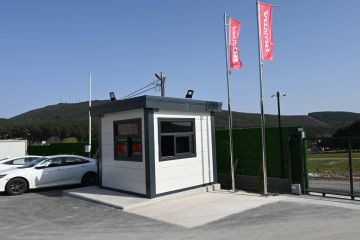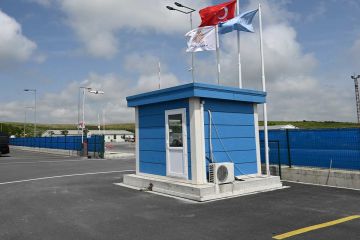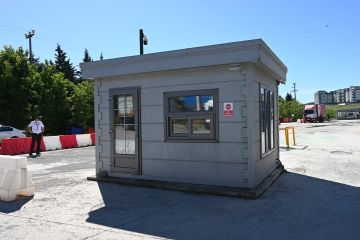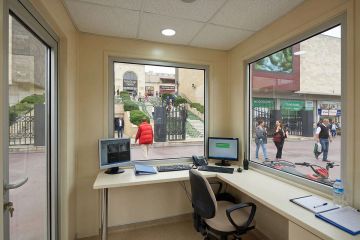

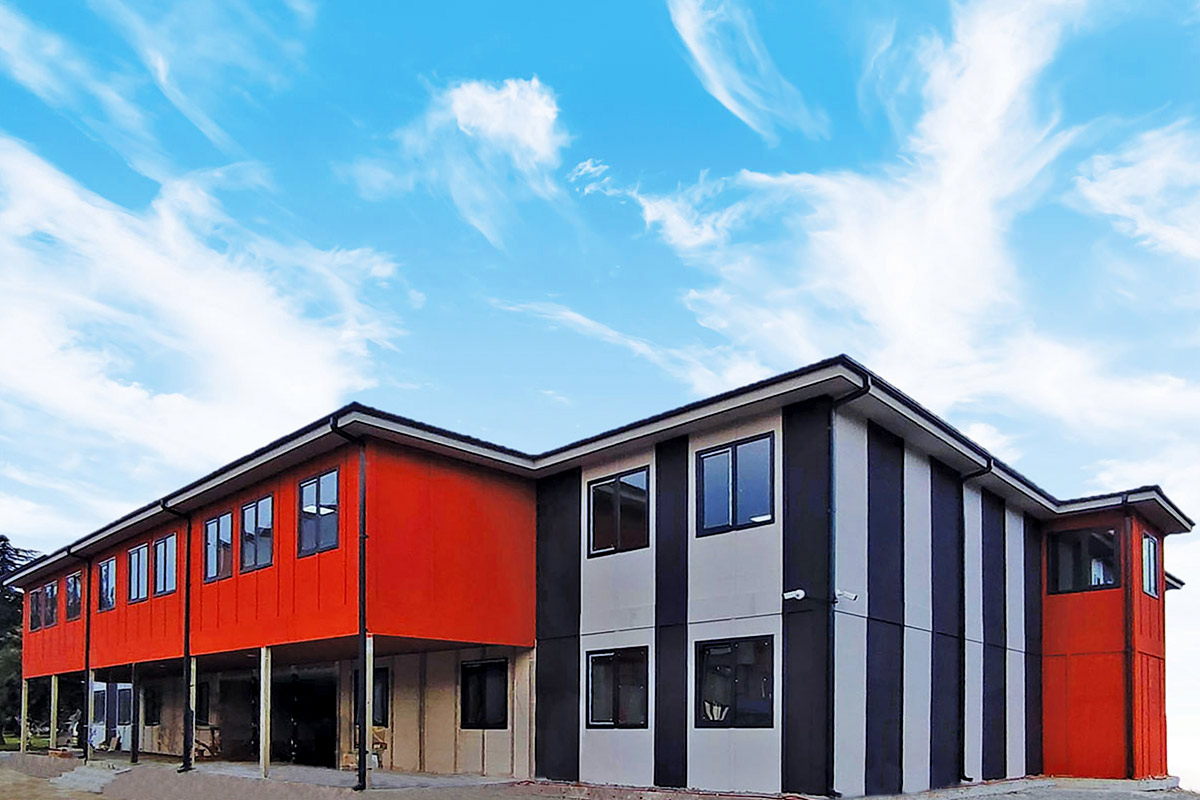
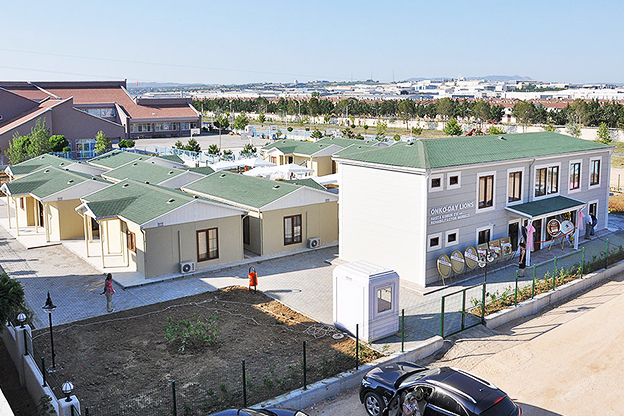
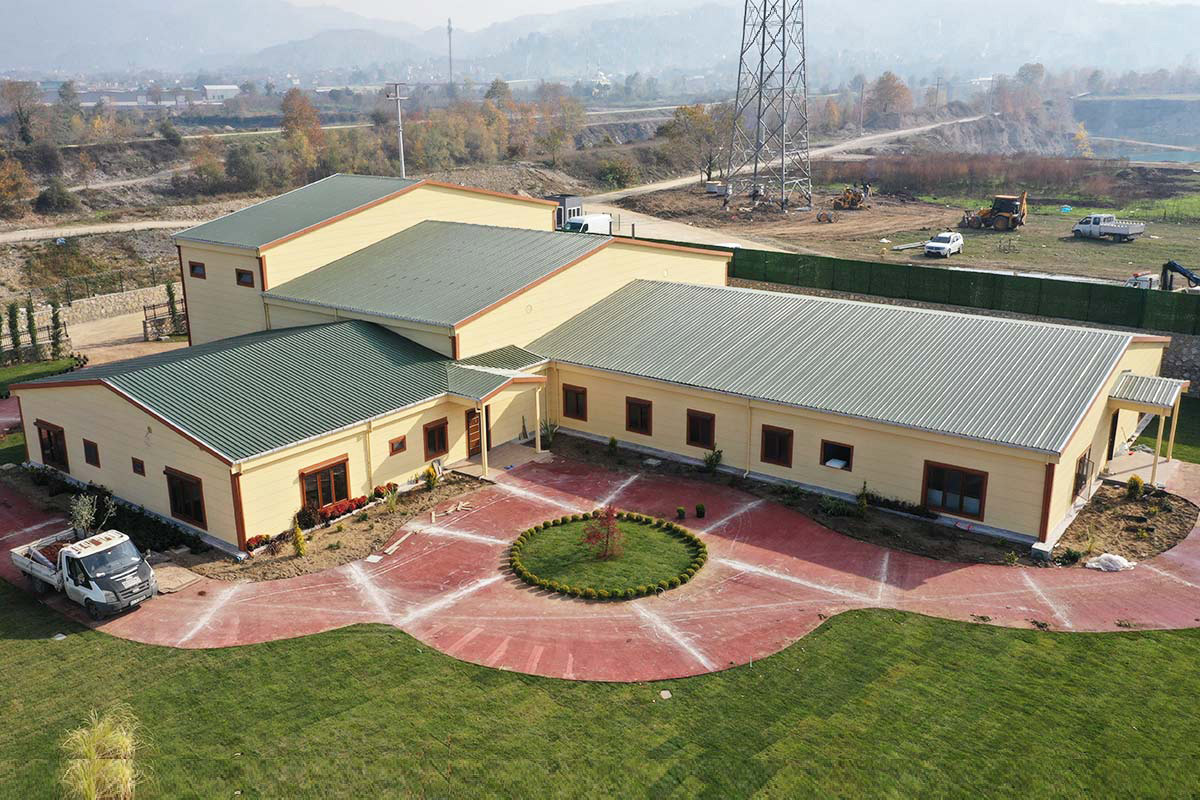
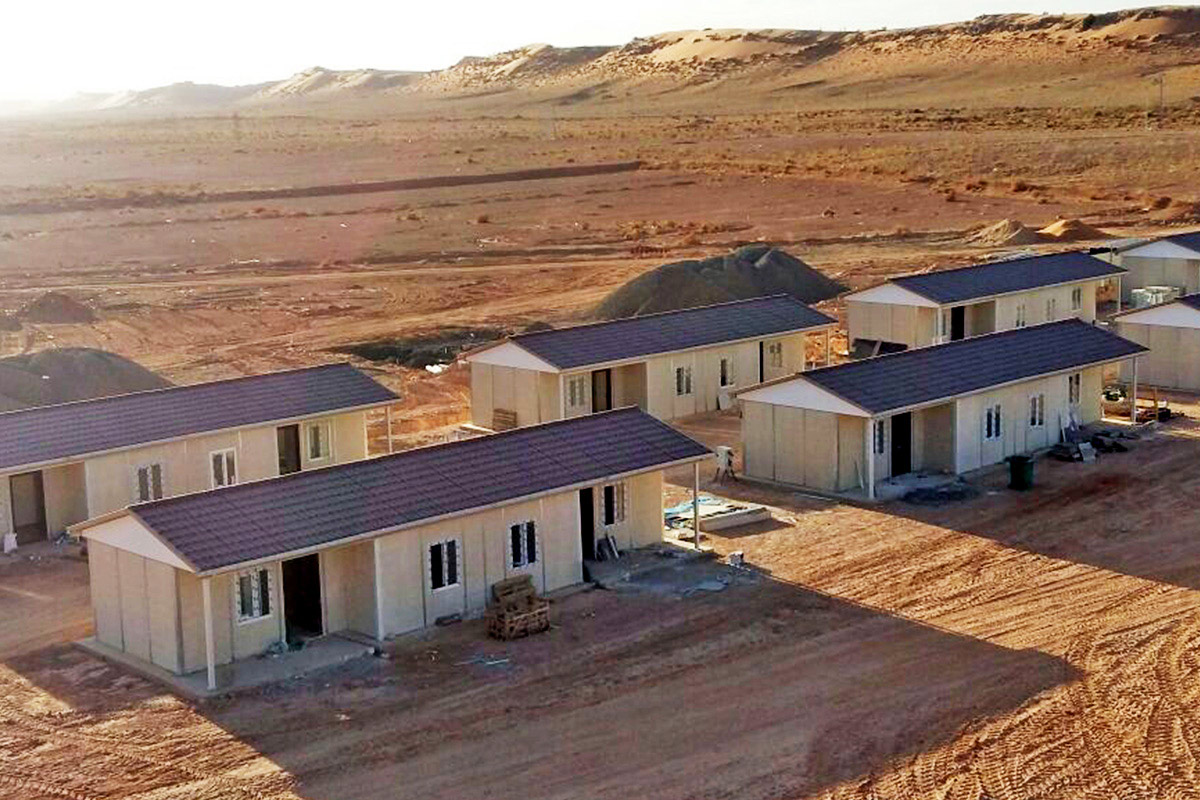
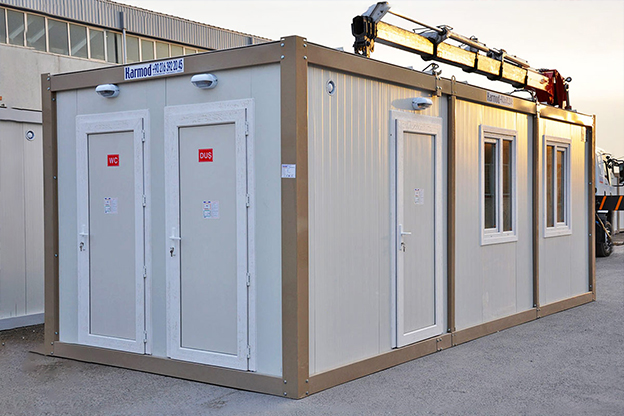
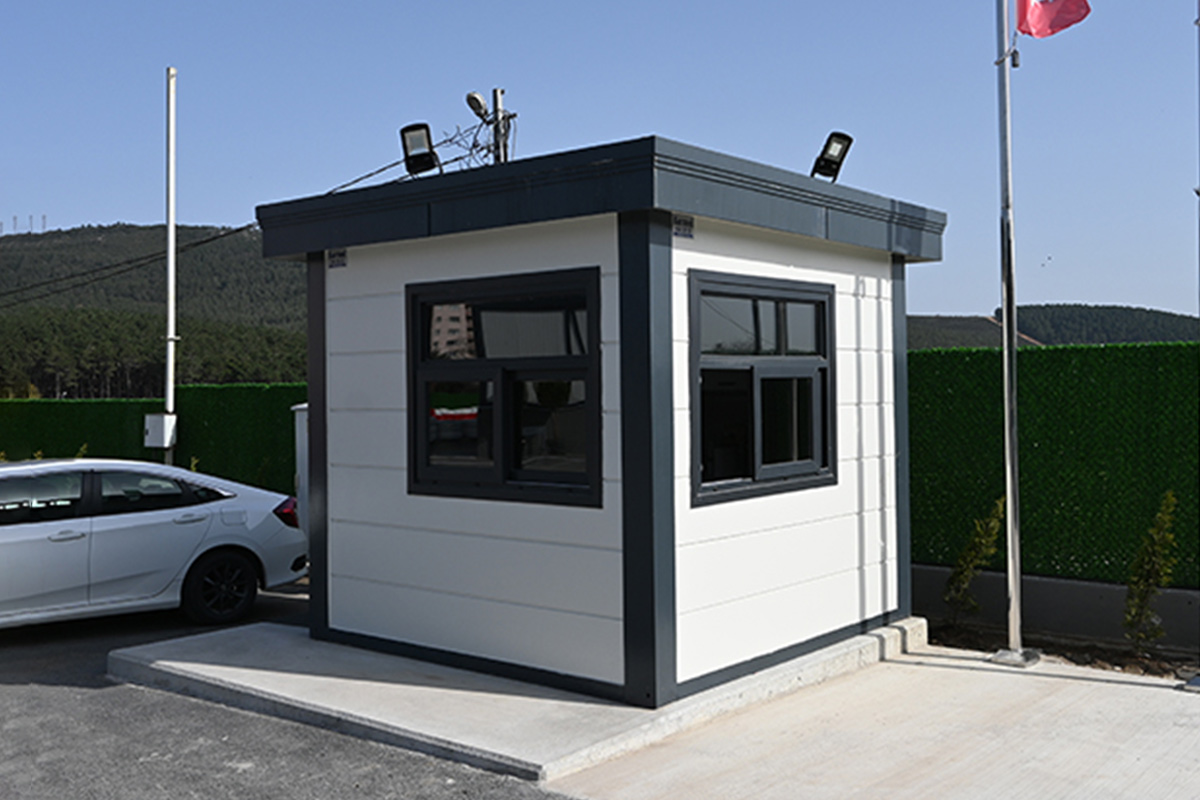
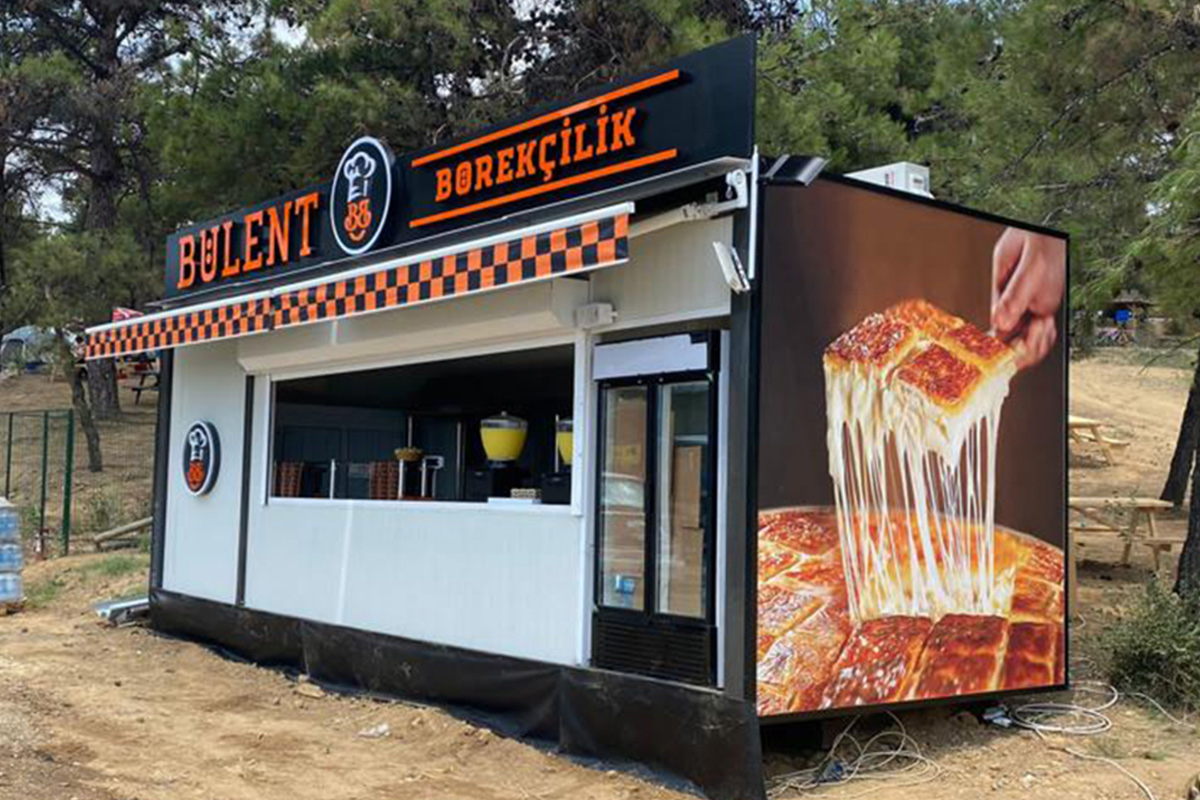
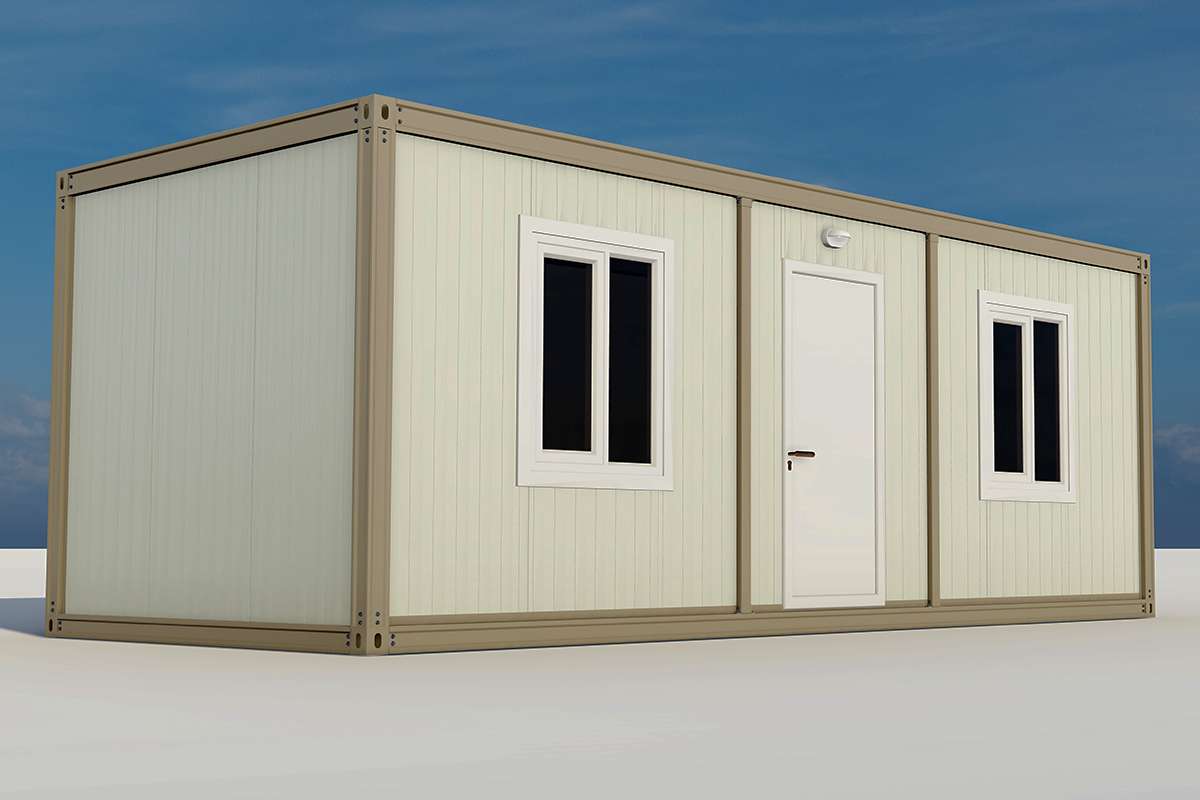
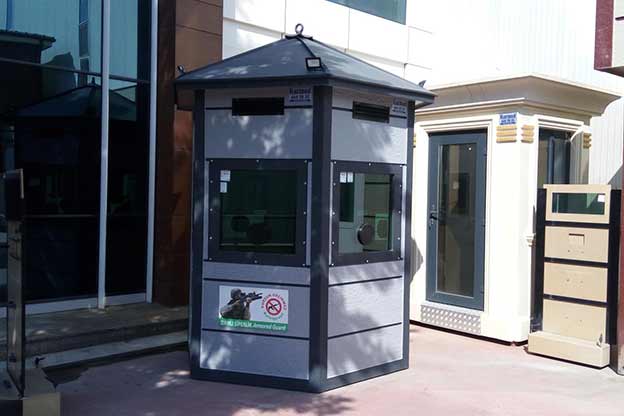
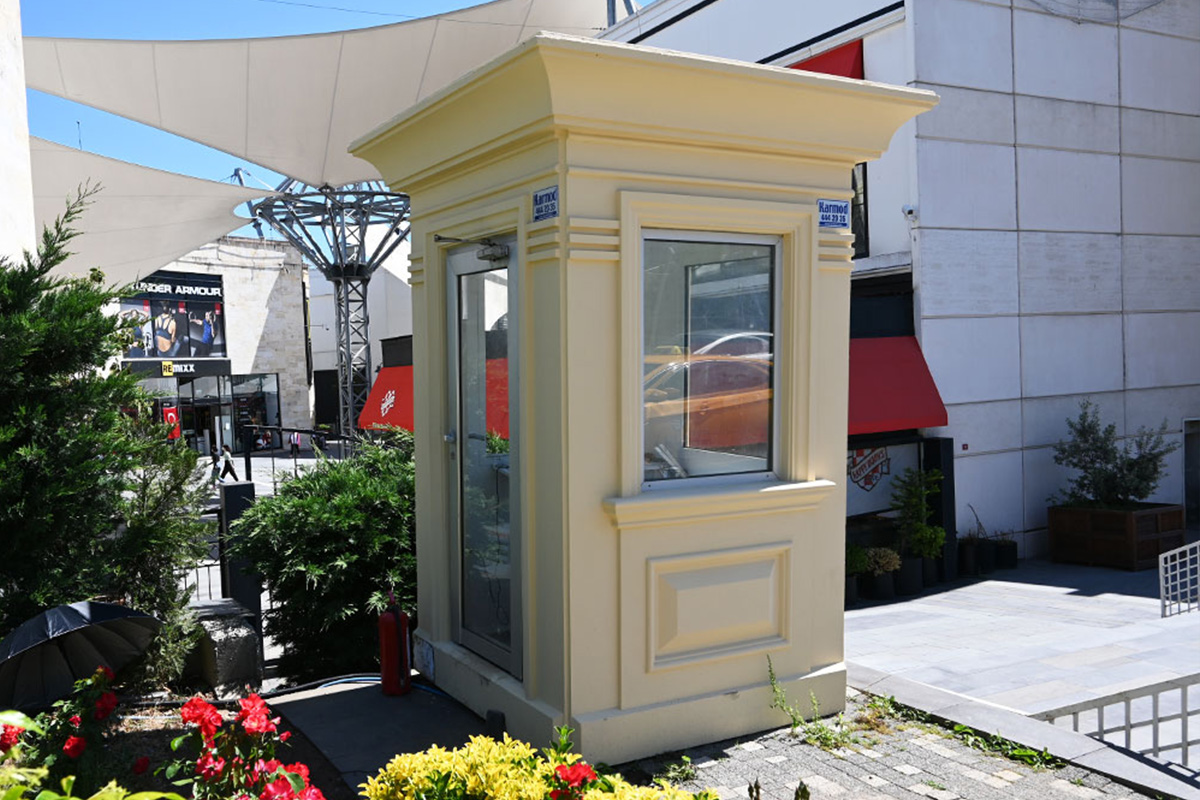
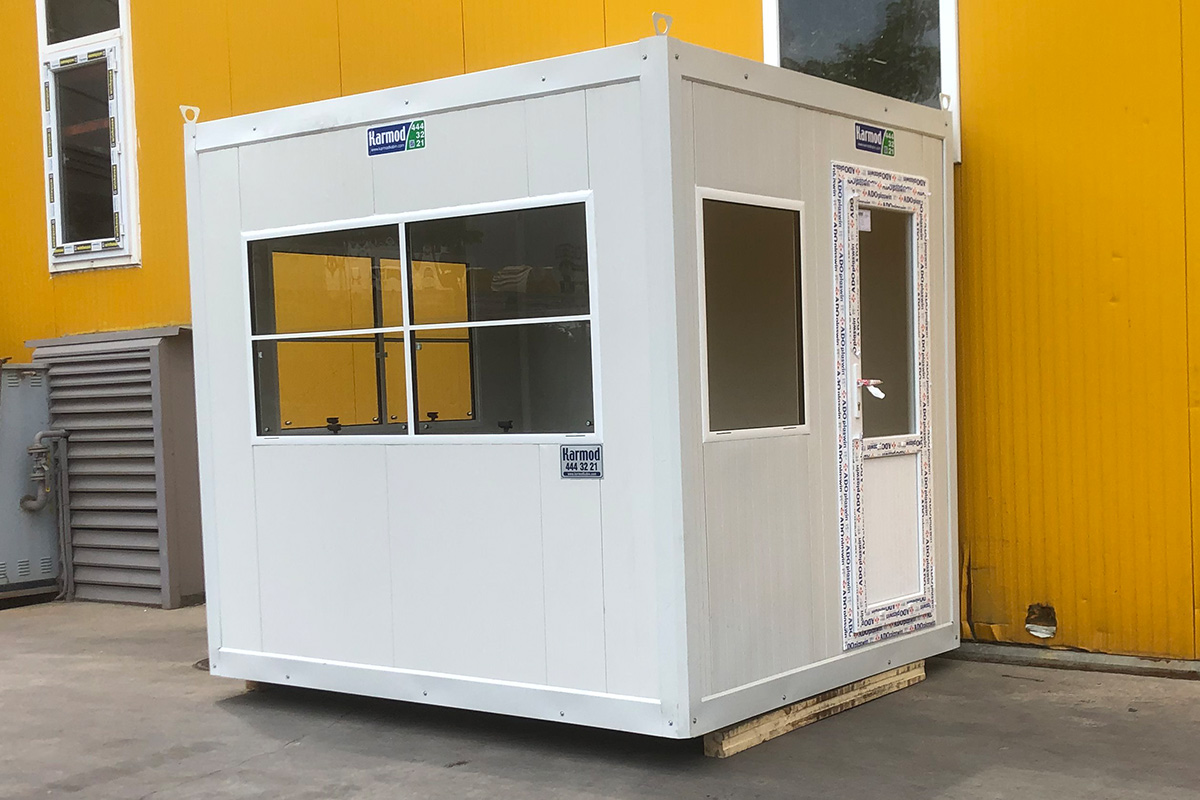
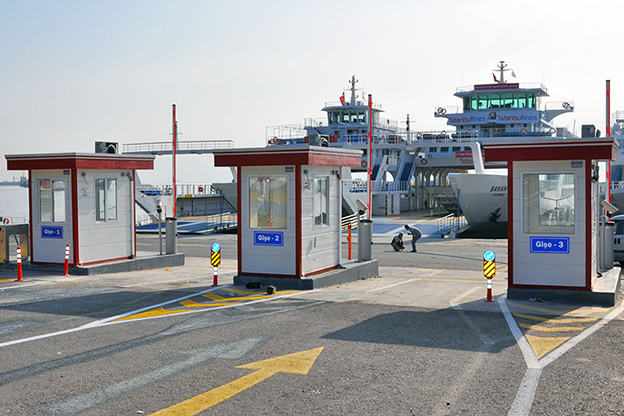
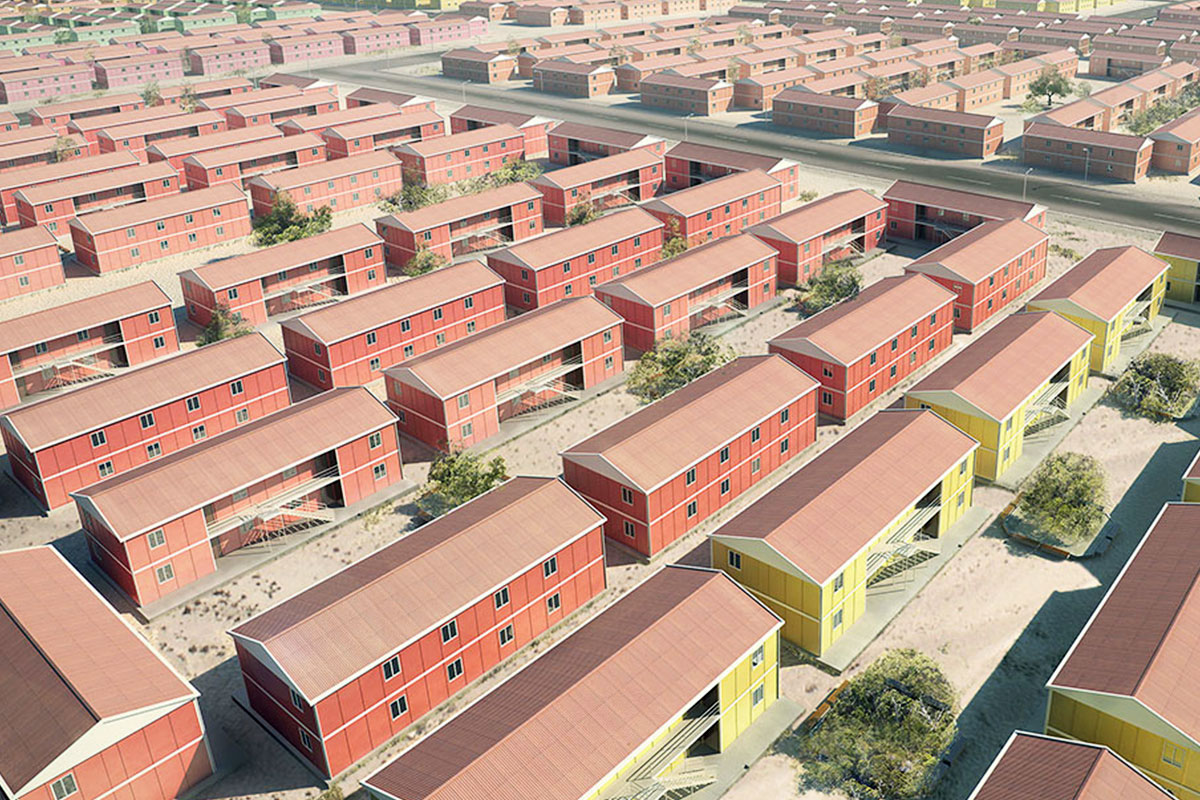
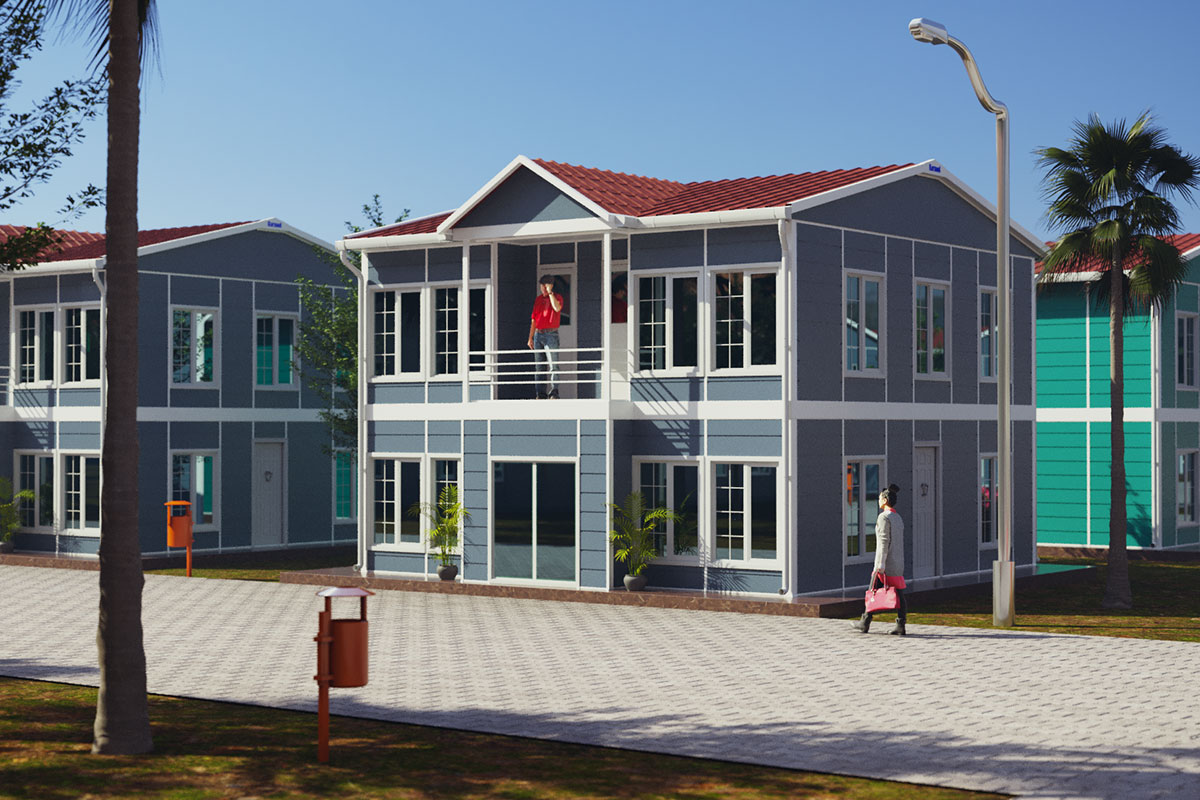
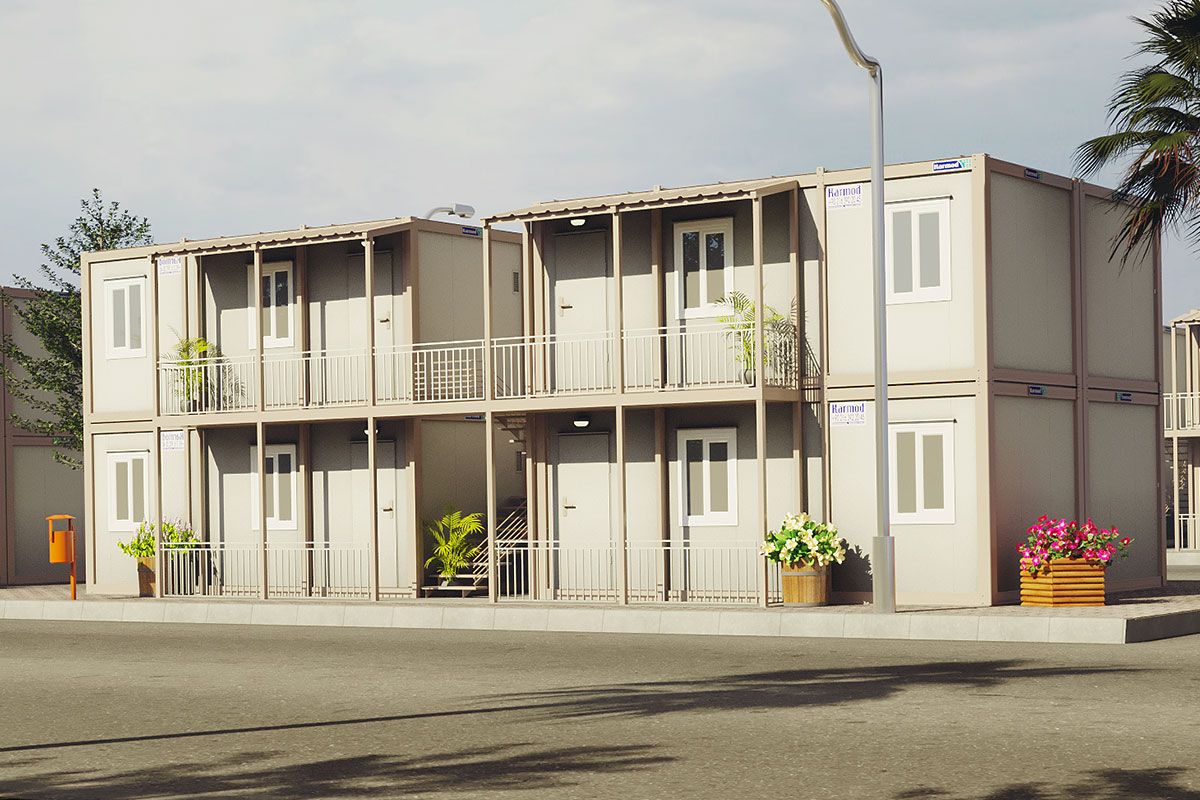
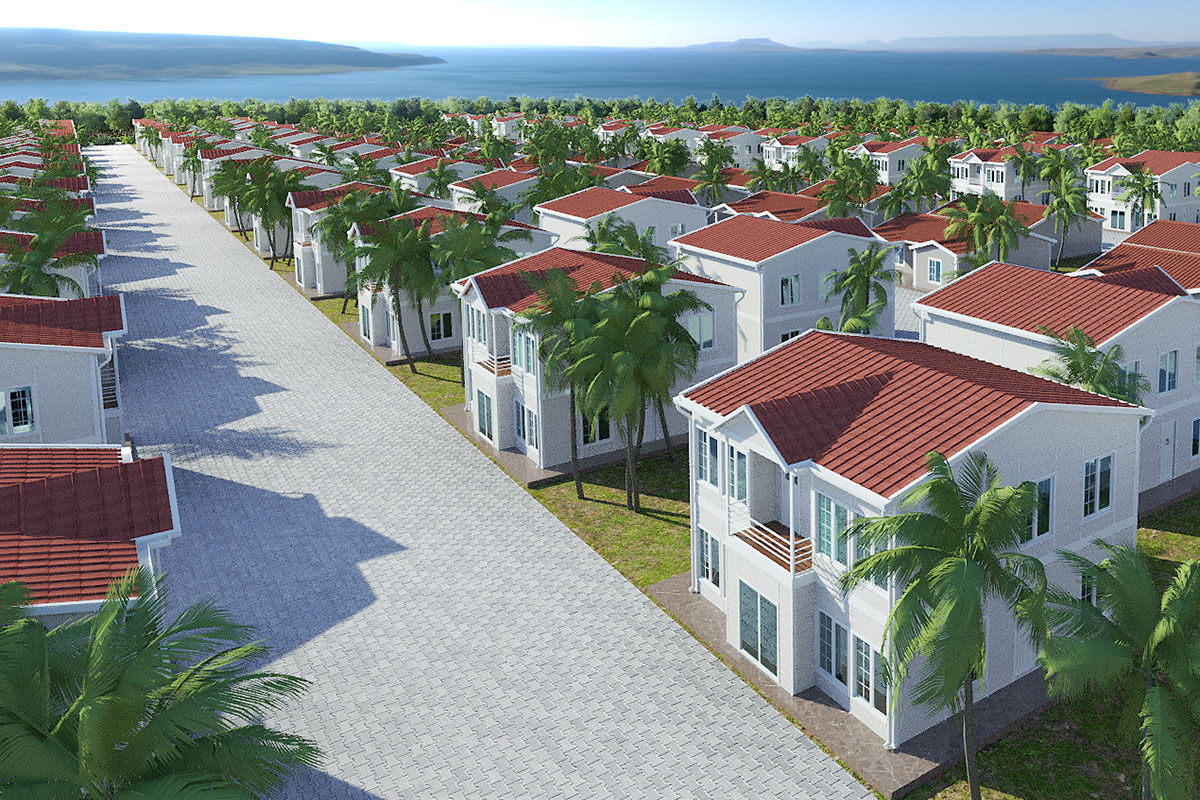
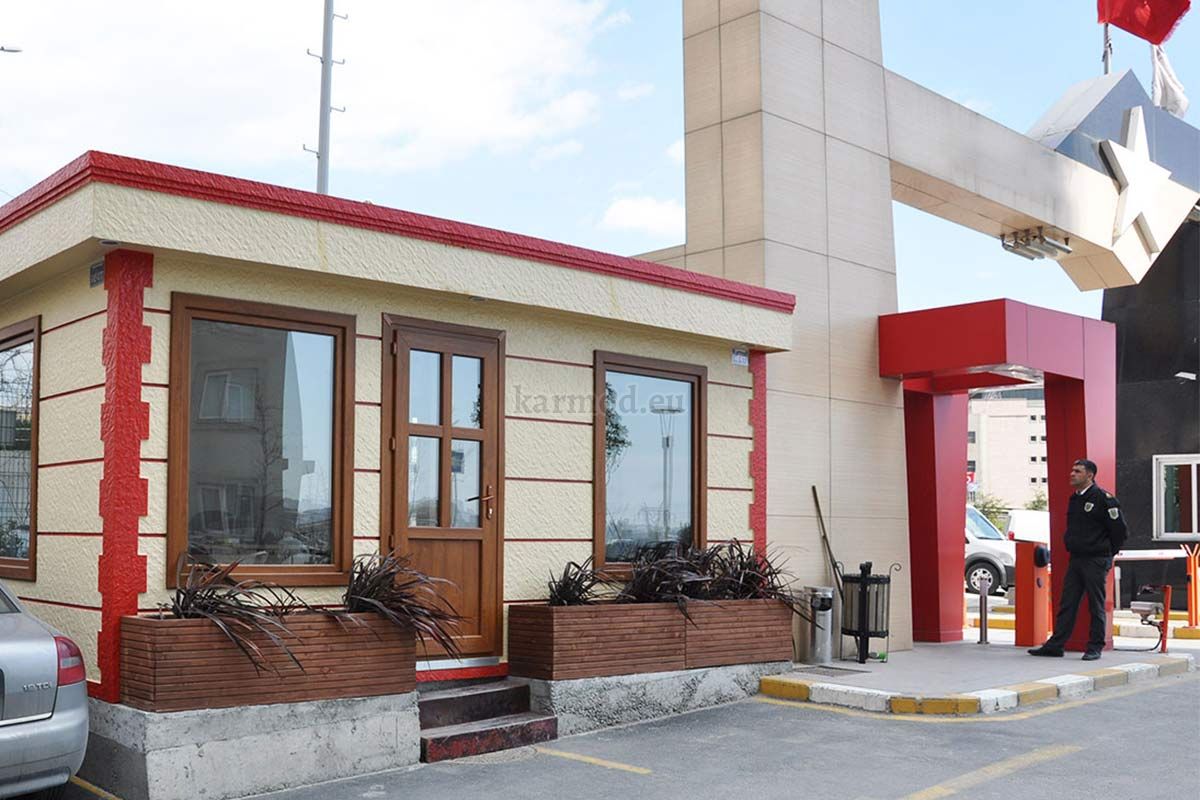
Modular cabins have gained remarkable attention in recent years, and not without reason. They offer a fresh approach to building—faster, cleaner and far more adaptable than the traditional cabin model many people are familiar with. While traditional cabins rely on on-site construction and fixed layouts, modular cabins introduce a new level of flexibility that appeals to homeowners, businesses and organisations alike. The contrast between the two becomes more noticeable the moment installation begins.
People who switch from traditional cabins to modular solutions often describe the experience as eye-opening. They discover that a cabin doesn’t have to take months to prepare nor require constant coordination with contractors. Instead, it can arrive nearly finished, customised to their purpose and ready to use in a fraction of the time. This shift in the building process changes the entire perception of what a cabin can be.
How Construction Methods Differ
Traditional cabins are typically built piece by piece on site. This requires a long preparation period, multiple tradespeople and continuous oversight. Weather delays, labour shortages and unexpected issues can easily extend the timeline. The entire process becomes a commitment that not everyone has the time or resources to manage.
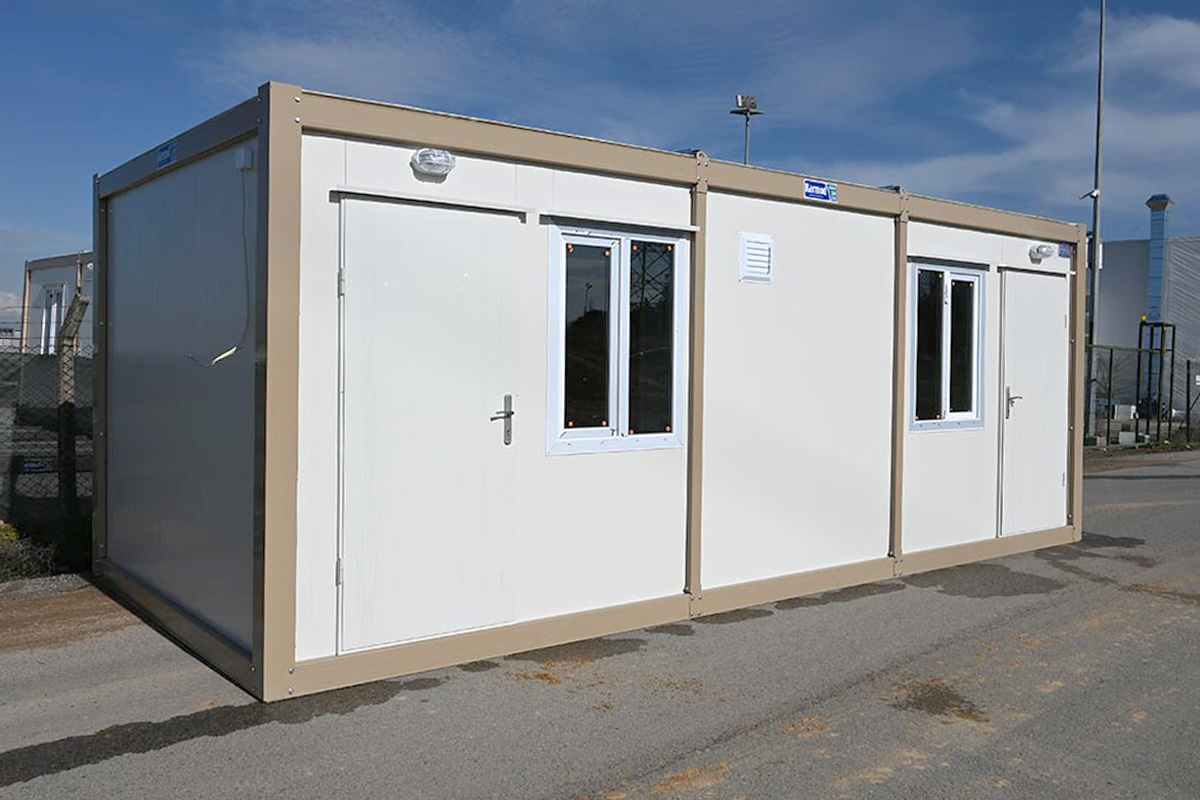
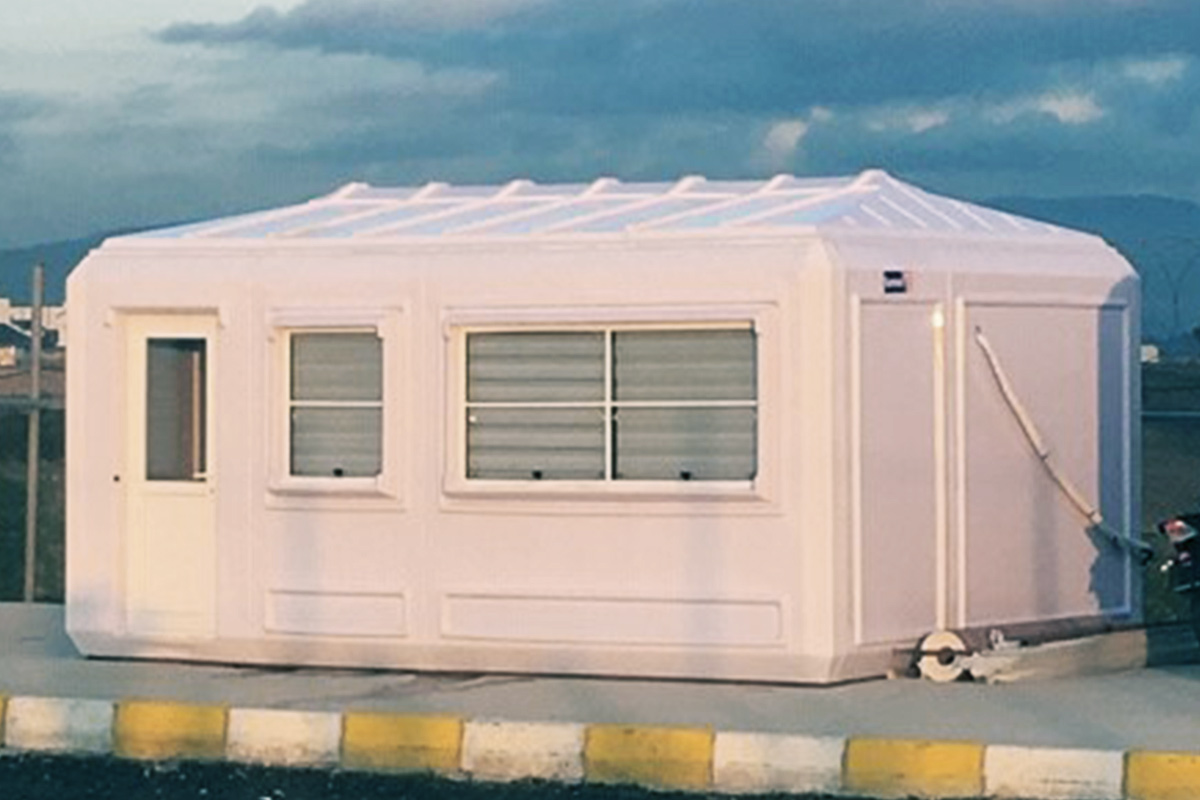
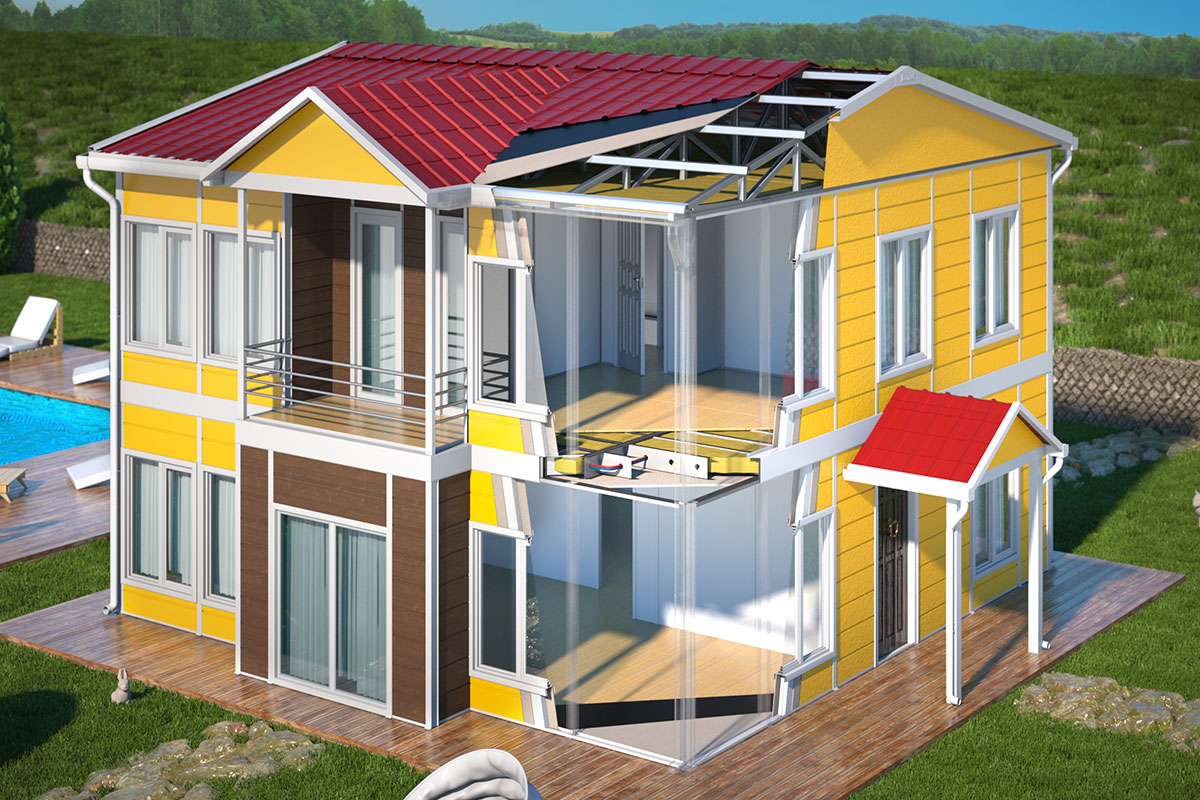
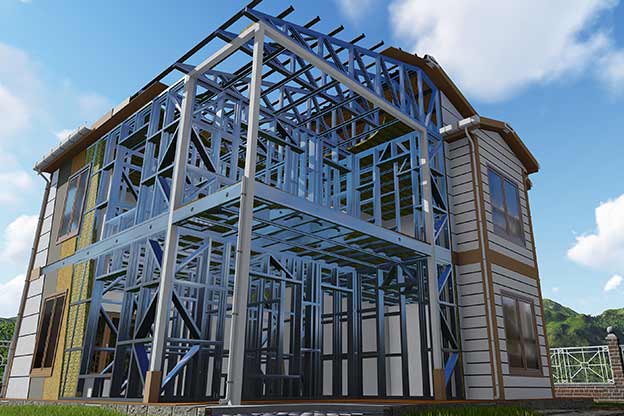
Modular cabins, however, are constructed in a controlled factory environment. Most of the work—framing, insulation, electrical installations, interior finishes—is completed before the structure ever arrives on your property. This approach shortens timelines significantly and results in consistent quality. When the cabin reaches the site, installation feels almost effortless.
Speed: The Most Noticeable Difference
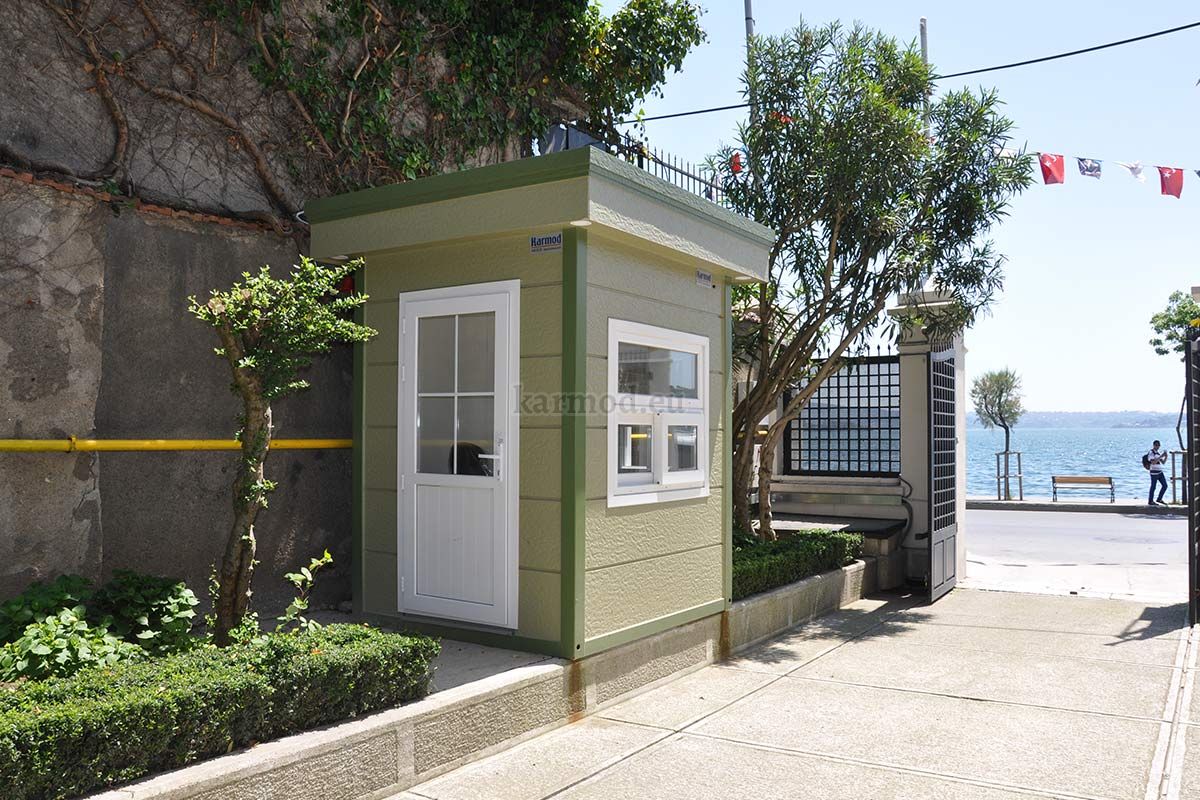
One of the biggest contrasts between modular and traditional cabins lies in how quickly they become usable. Traditional cabins may take months to complete, while modular cabins can be installed and ready within days. This speed benefits businesses that need immediate workspace and homeowners who simply want additional room without years of disruption.
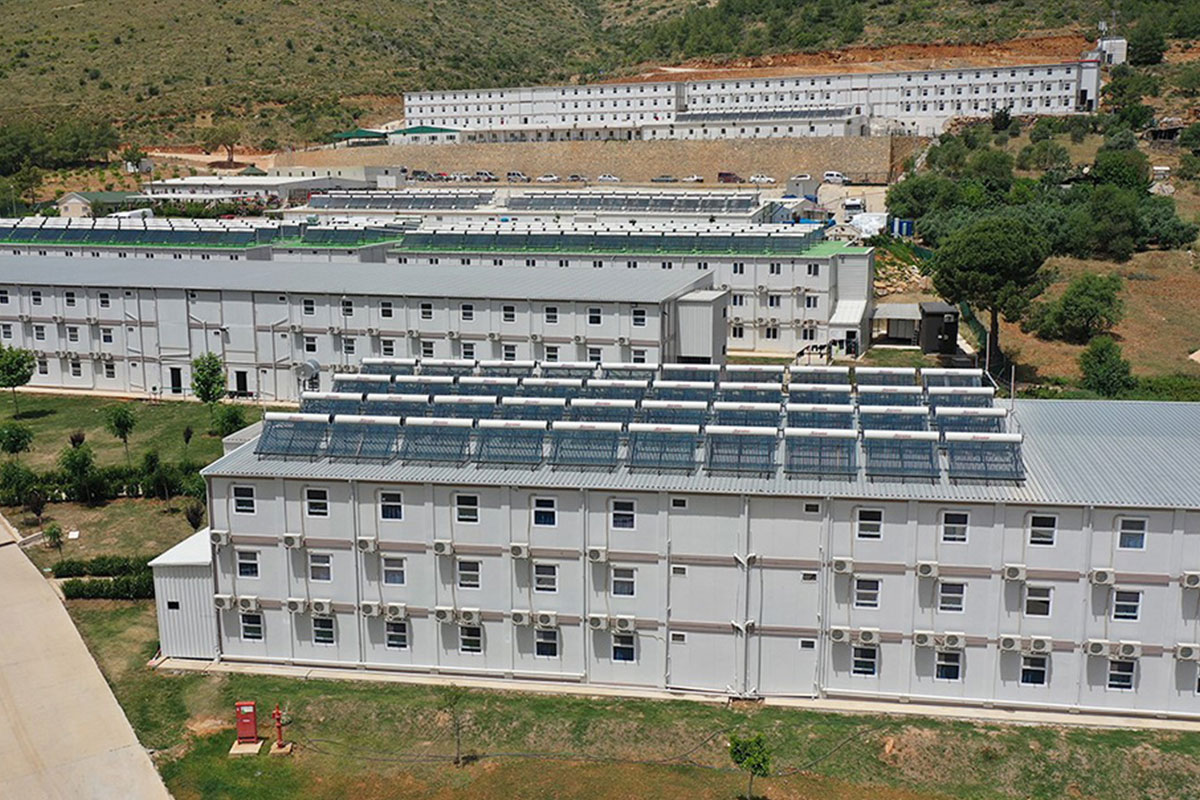
Moreover, fast installation reduces operational downtime. A school needing an extra classroom, a company requiring a temporary office or a project that demands a site cabin can all move forward without waiting for lengthy construction schedules. Time saved translates directly into increased productivity.
Flexibility in Design and Layout
Traditional cabins often follow a fixed blueprint. Changing the layout or upgrading the structure later can be costly, time-consuming and sometimes impractical. For those who want their space to evolve with changing needs, this becomes a limitation.
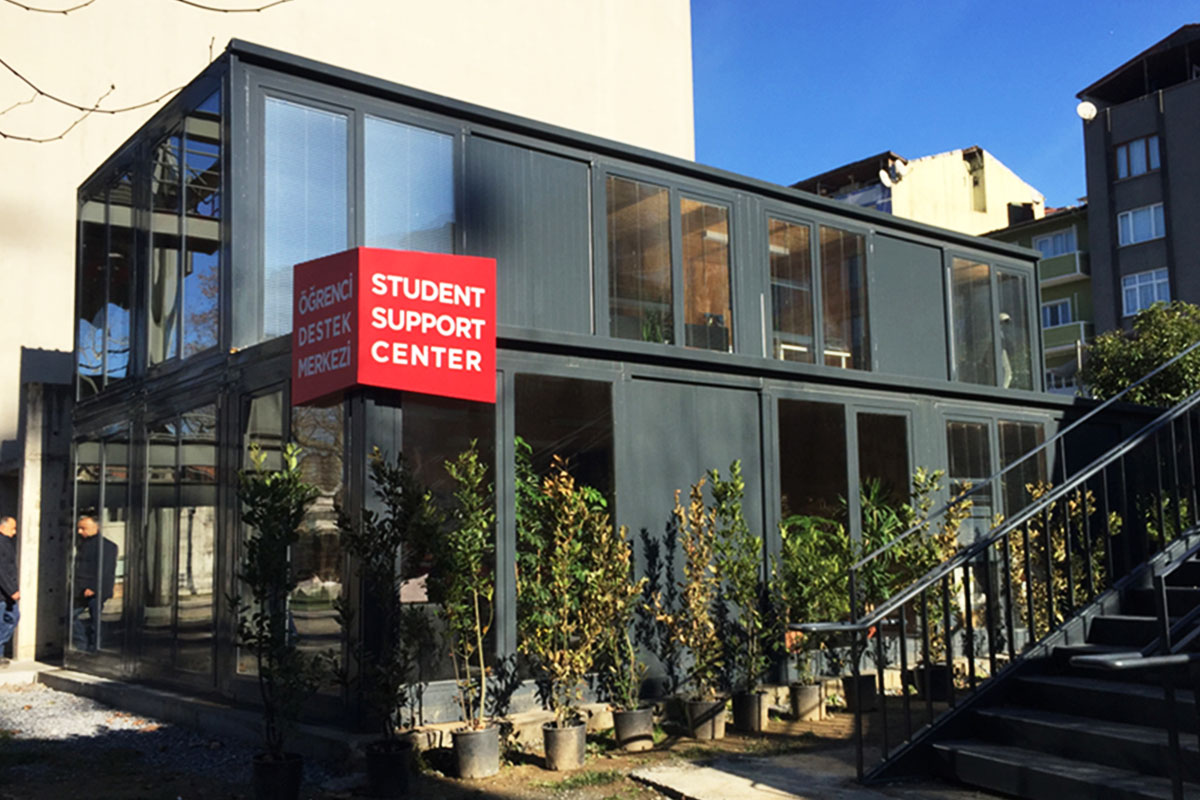
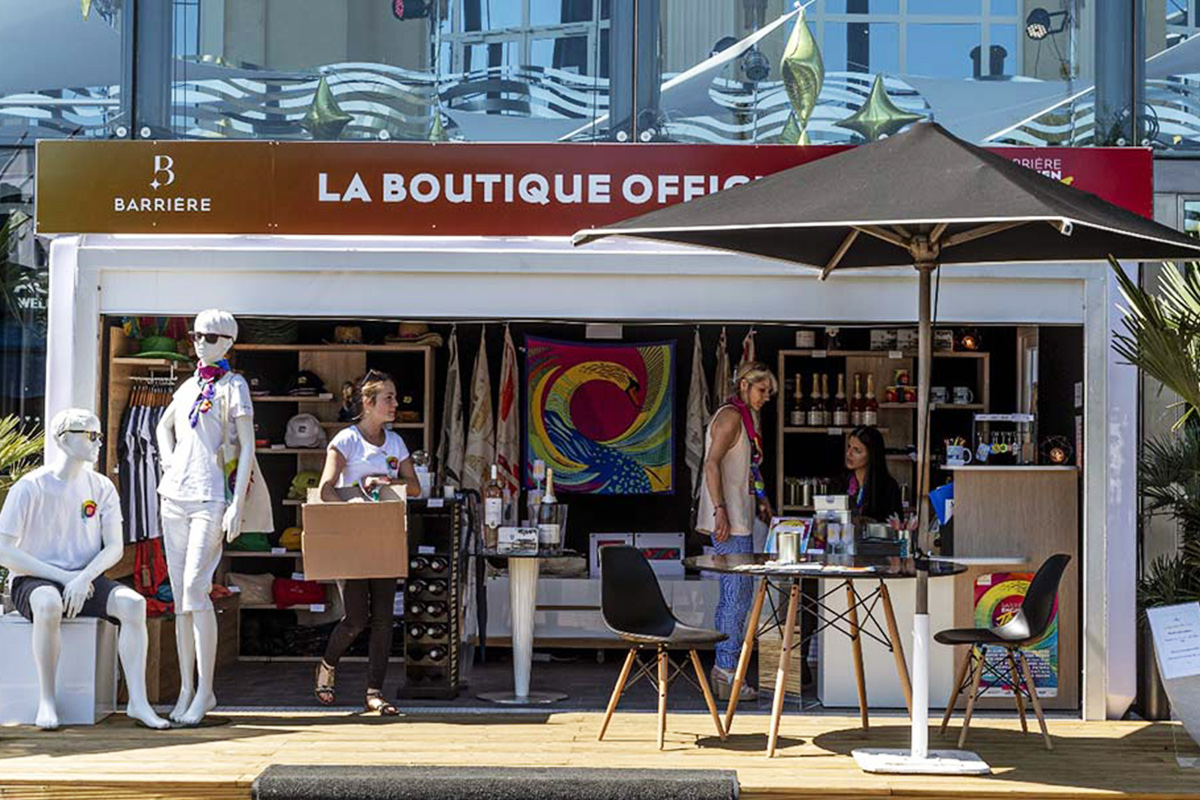
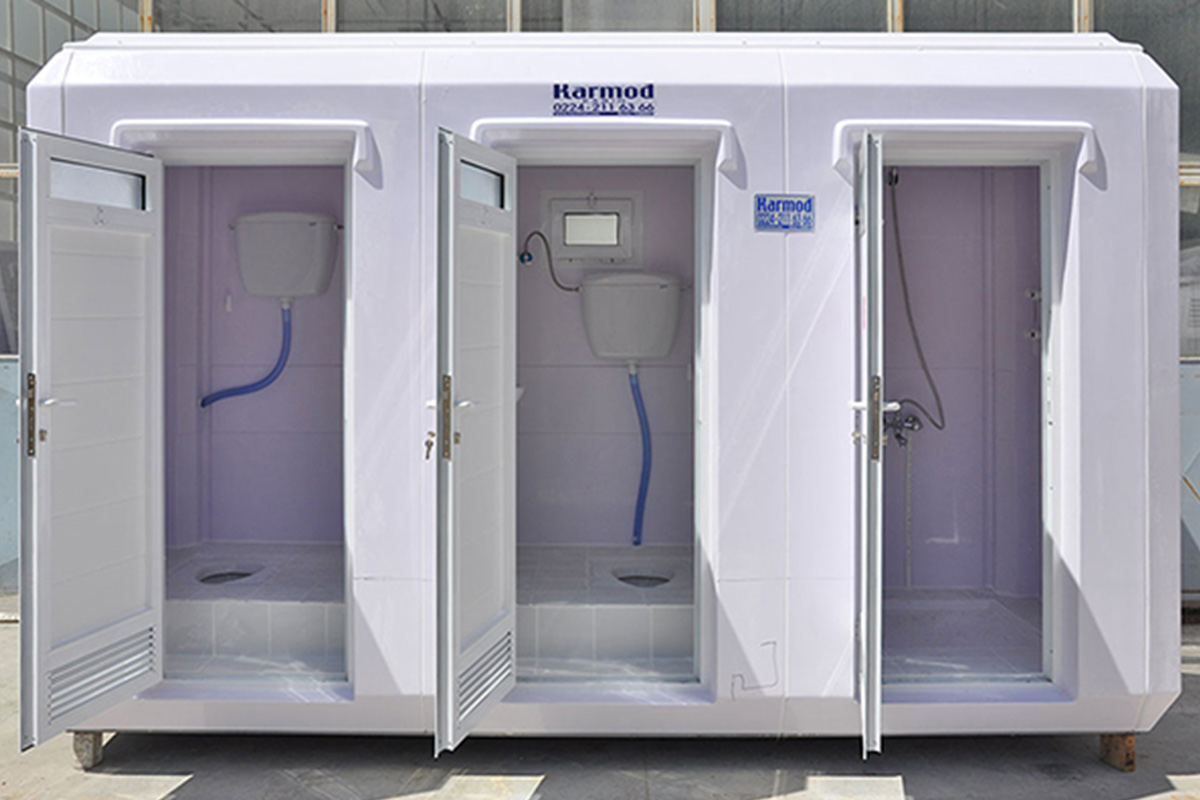
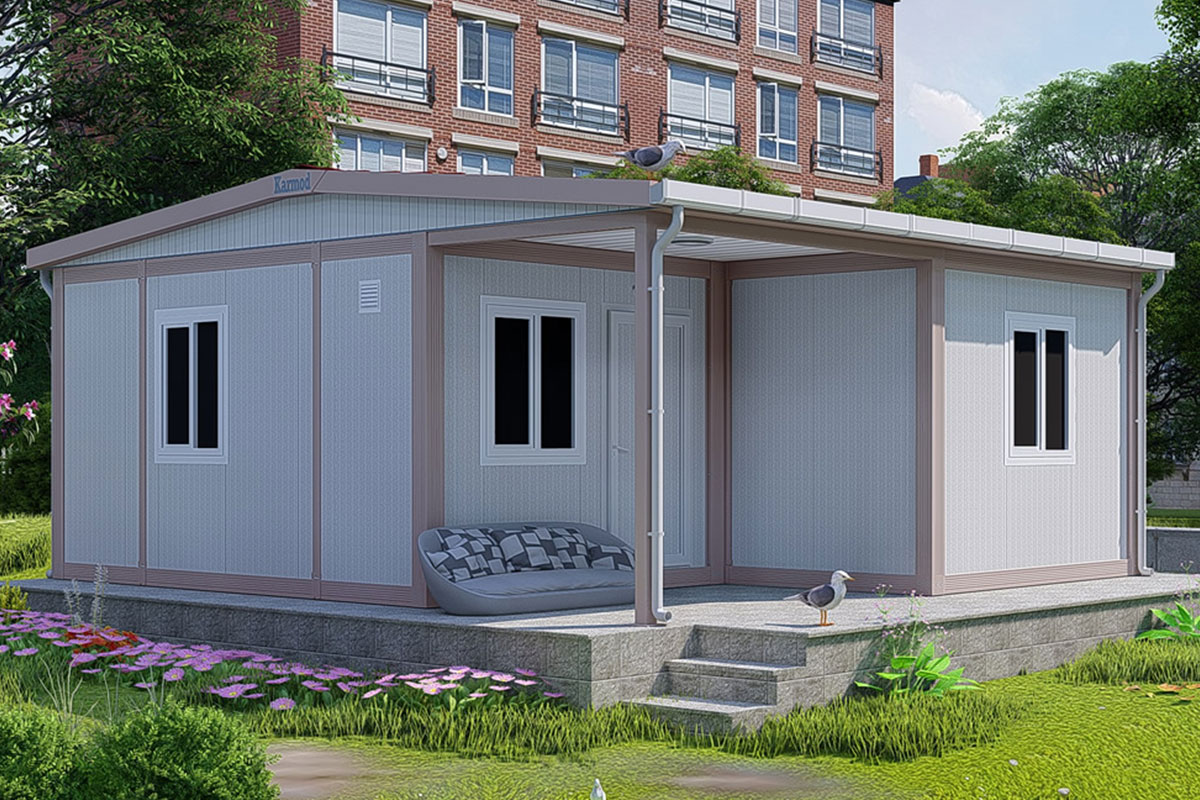
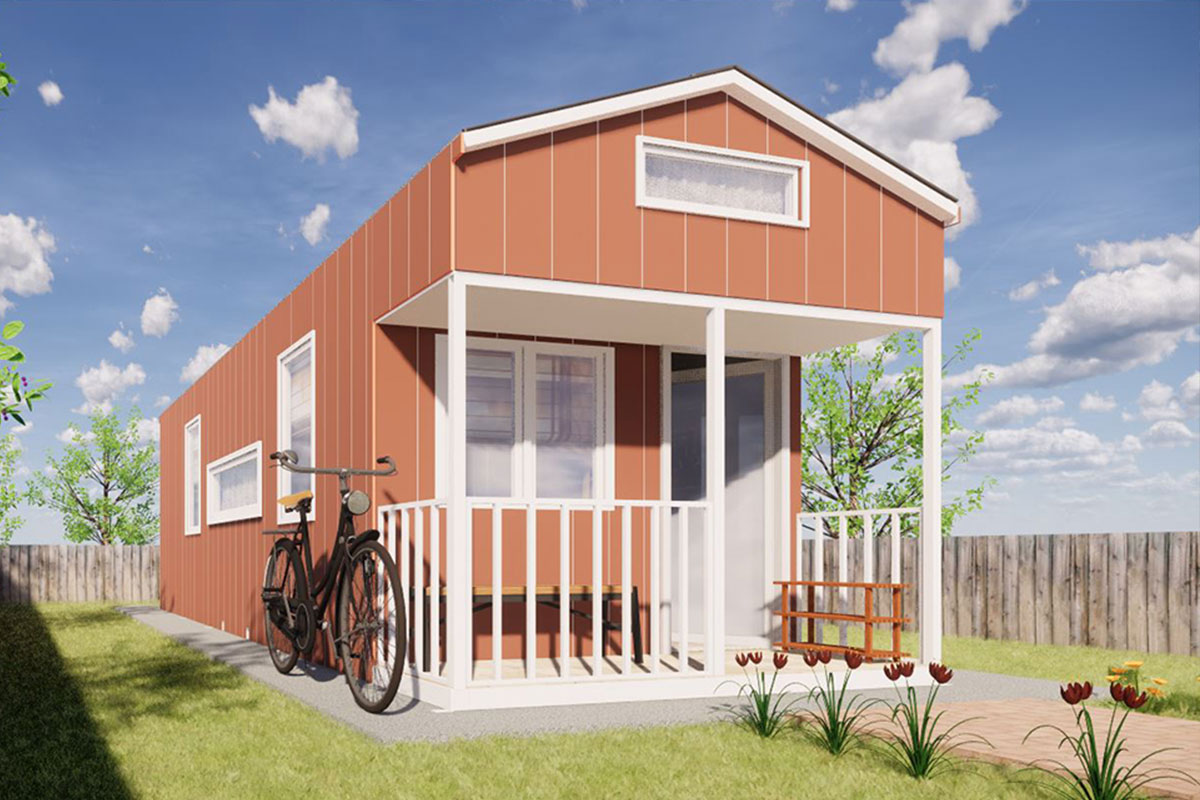
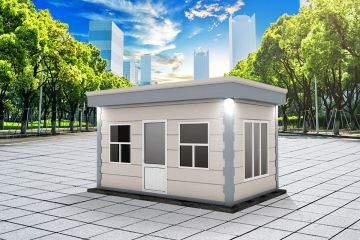
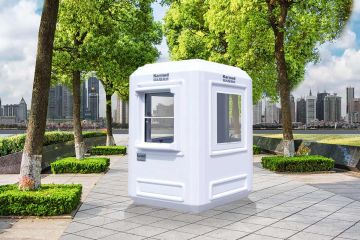
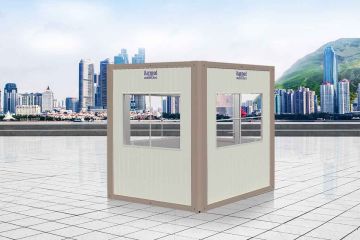
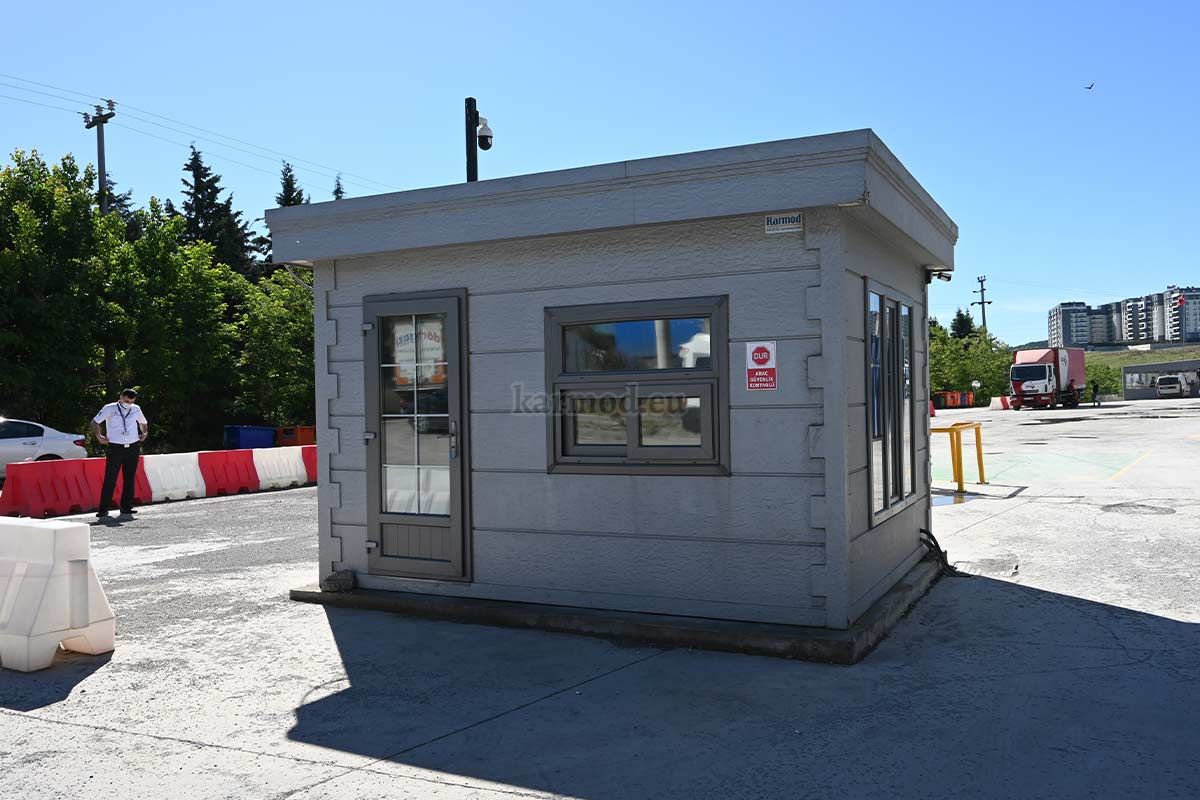
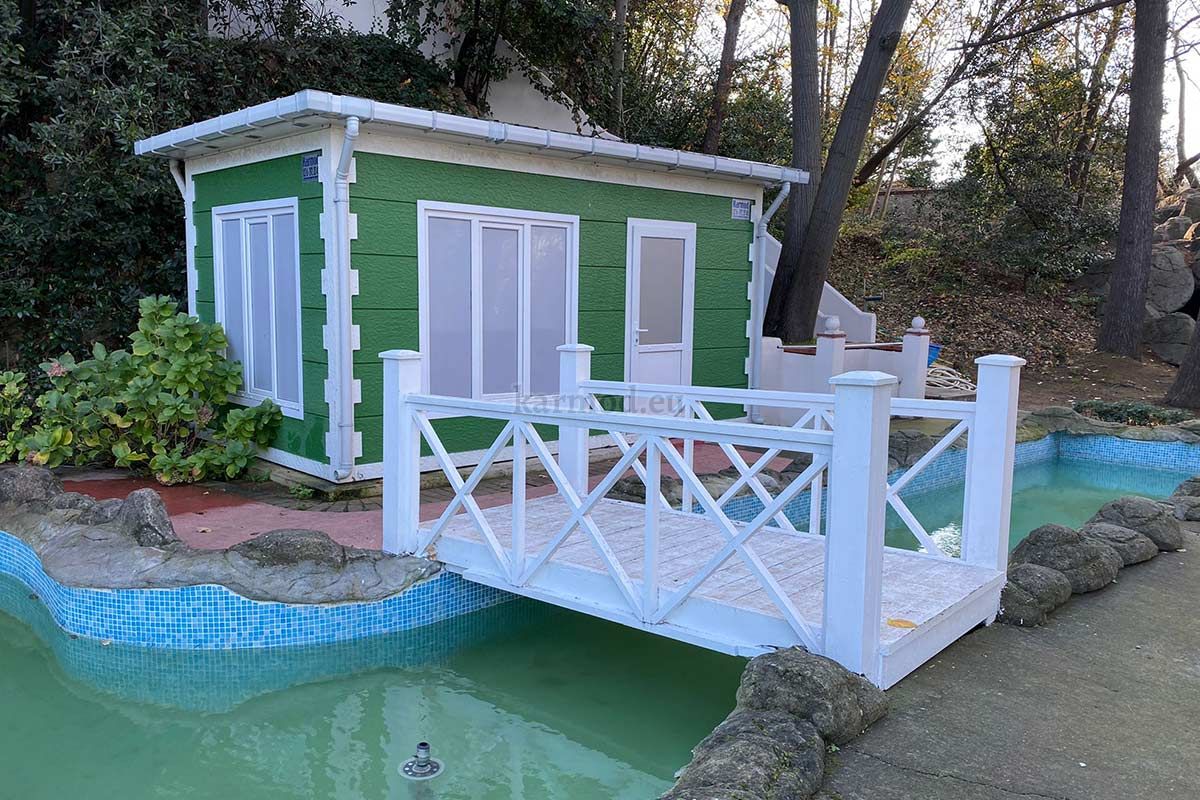
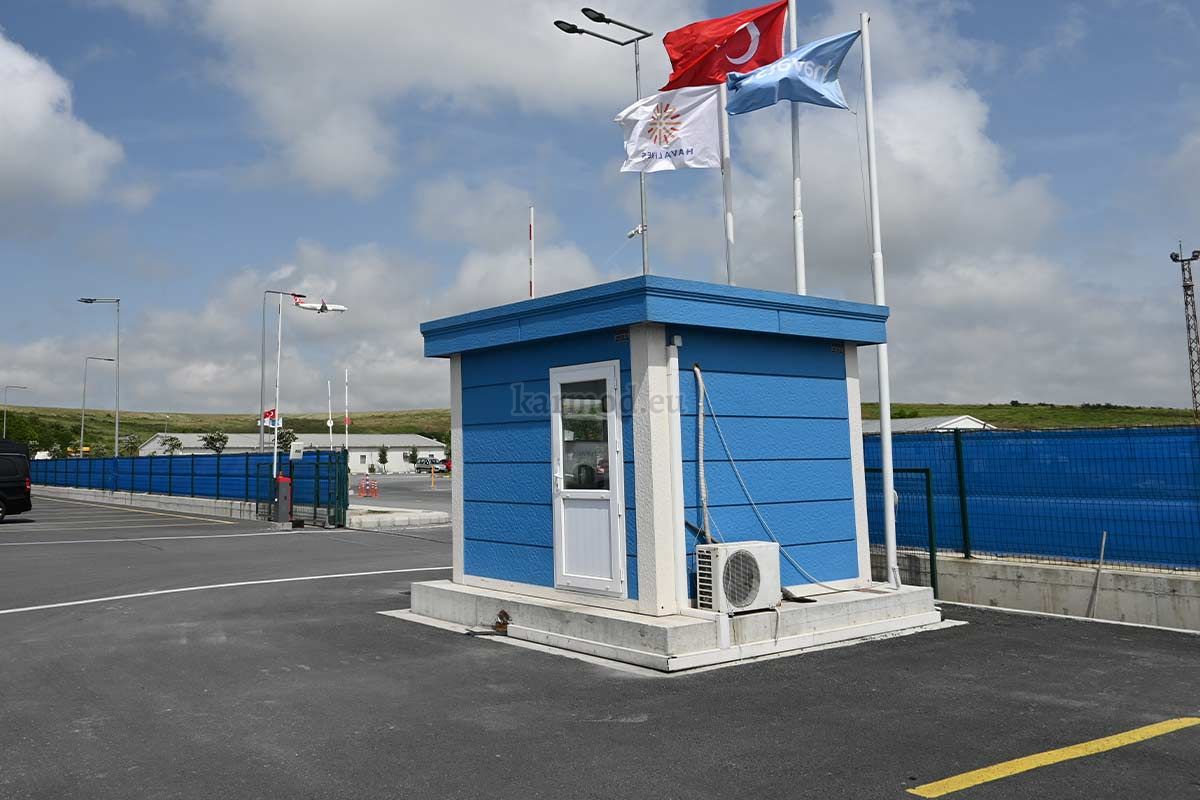
Modular cabins, on the other hand, are designed with adaptability in mind. Interior walls, window placements, door positions and overall dimensions can be customised before production. If expansion is needed later, additional modules can be attached seamlessly. This flexible nature makes modular cabins ideal for growing businesses, creative studios, home offices and temporary facilities.
Quality Control in a Controlled Environment
Building on-site exposes materials to weather changes, dust, humidity and other unpredictable conditions. These factors can affect quality and create inconsistencies between one cabin and the next. Traditional construction often relies on manual precision that varies from team to team.
Modular cabins avoid these issues by being manufactured indoors. Every step of the process is monitored, from the welding of the frame to the application of insulation. Because the environment is stable, quality remains consistent. This factory-controlled process produces cabins that meet reliable standards of strength, durability and thermal performance.
Mobility and Relocation Advantages
Once a traditional cabin is built, moving it is rarely an option. It is usually intended to stay exactly where it was first placed. This immobility becomes a disadvantage for businesses that operate on rotating sites or homeowners who want long-term flexibility.
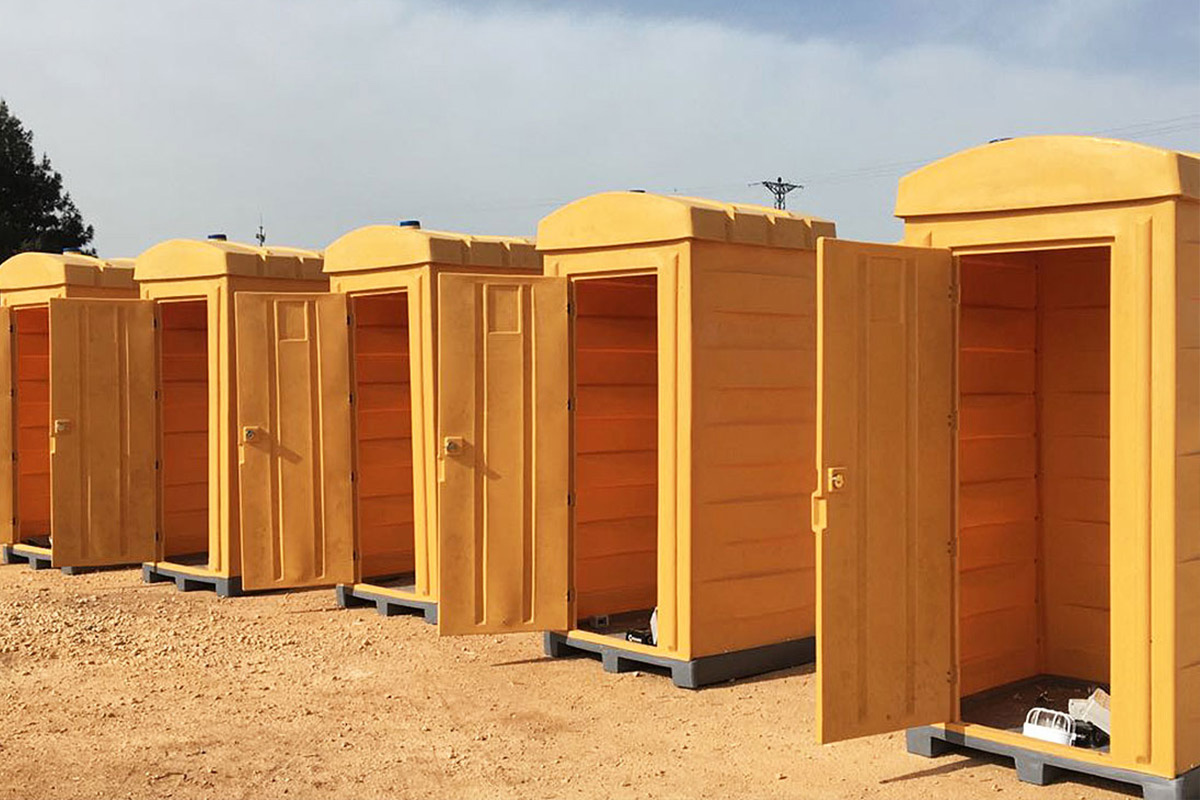
Modular cabins are inherently more mobile. They can be transported, relocated or repurposed easily, making them ideal for:
- Seasonal businesses
- Construction sites
- Remote work areas
- Temporary classrooms
- Event facilities
This mobility gives users freedom to shift locations without needing to rebuild from scratch.
Material Durability and Structural Strength
Traditional cabins are often associated with wood-based structures. Although wood is aesthetically pleasing, it requires regular maintenance and may weaken under harsh weather conditions. Moisture, pests and seasonal changes can lead to long-term deterioration.
Modular cabins typically use stronger structural materials such as steel framing, insulated sandwich panels and weather-resistant coatings. These materials provide long-lasting stability and reduced maintenance requirements. For users in demanding environments, this strength becomes a major advantage.
Energy Efficiency and Environmental Impact
Traditional cabin construction often leads to wasted materials due to cutting on-site and dealing with weather-damaged components. Energy efficiency can also vary significantly depending on how well the cabin is built.
Modular cabins excel in this area. They are engineered with insulation systems that promote energy savings and consistent temperature control. Factory production reduces material waste, making them a more environmentally friendly option. Many buyers appreciate this sustainable aspect as they strive toward greener solutions.
Cost Differences: Predictability vs. Variability
The costs associated with traditional cabin construction can fluctuate widely. Weather delays, contractor changes and unforeseen issues often lead to budget overruns. What begins as a “simple project” can quickly evolve into an expensive undertaking.
Modular cabins offer more predictable pricing. Since most work is completed in a factory, costs are calculated upfront and rarely change. This transparency helps homeowners and businesses plan with confidence. Lower labour requirements also reduce overall expenses.
Maintenance Requirements Over Time
Traditional cabins require ongoing upkeep—painting, sealing, repairing moisture damage and addressing structural wear. These tasks add to long-term ownership costs and demand continuous attention.
Modular cabins need far less maintenance. Their durable materials withstand weather conditions, and interior finishes remain intact longer. This reduced upkeep allows users to focus on their activities rather than dealing with constant repairs.
Suitability for Temporary vs. Permanent Use
Traditional cabins are typically built for permanent placement. Relocating or repurposing them is rarely feasible, limiting their lifespan to one specific use.
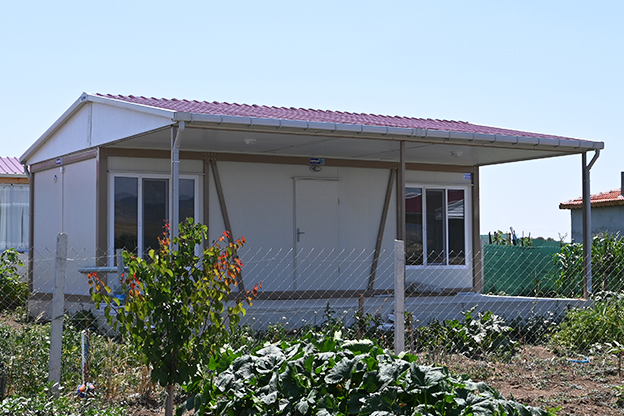
Modular cabins can serve as both temporary and long-term solutions. They can be used for short-term projects, then repositioned or expanded for future needs. This dual purpose appeals to organisations with changing workloads and individuals who value long-term adaptability.
Branding and Customisation Opportunities
With traditional cabins, branding often feels like an afterthought. Exterior modifications can be limited or expensive, and interior updates require significant effort.
Modular cabins provide far more creative freedom. Users can customise:
- Exterior colours
- Signage panels
- Window and door configurations
- Internal partitions
- Lighting and electrical layouts
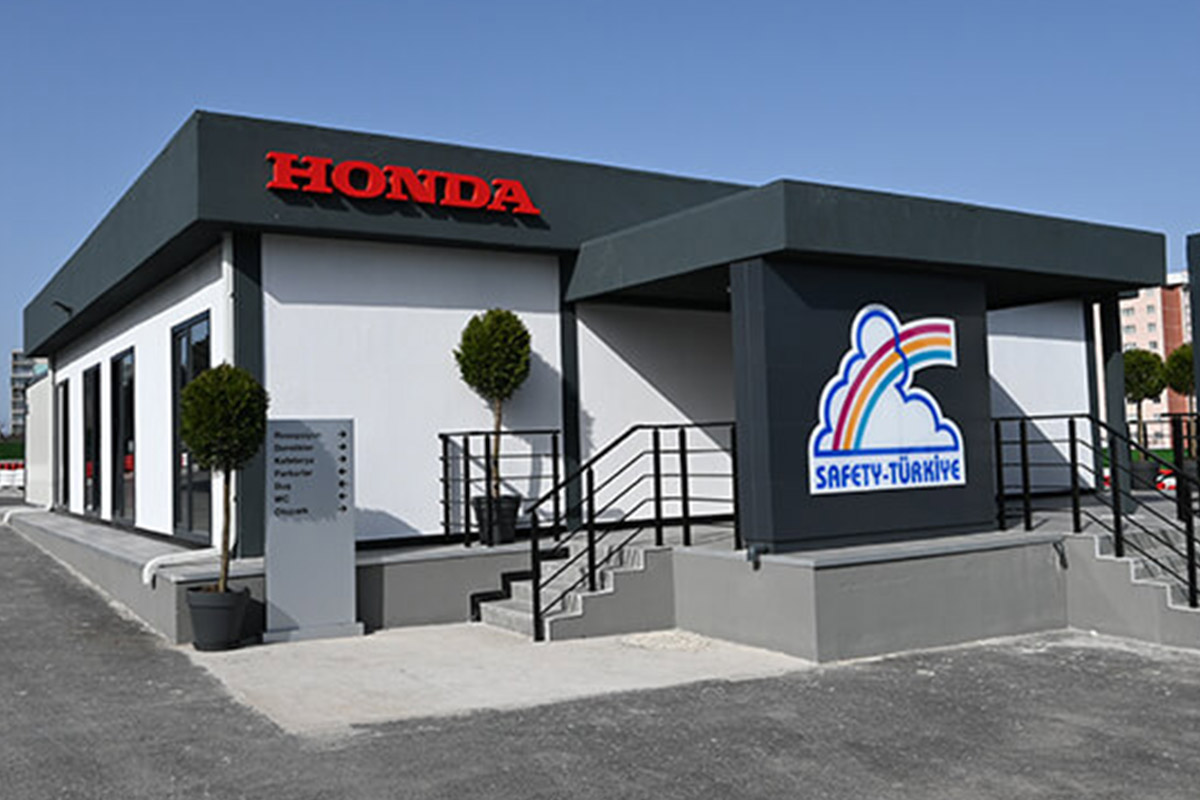
This allows the cabin to represent the brand or the user’s personality clearly and professionally.
Why Many Users Prefer Modular Solutions Today
The shift from traditional to modular cabins reflects a broader desire for simplicity, speed and flexibility. People want spaces that keep up with their changing goals—whether they’re expanding a business, creating new work environments or supporting temporary operations. Modular cabins offer this freedom without sacrificing durability or comfort.
For many buyers, the most compelling benefit is peace of mind. They know their investment will adapt, evolve and serve them for years, no matter how their circumstances change. This reliability explains why modular cabins continue to grow in popularity across various industries.
Interested in Exploring Modular Options?
Finding the right cabin starts with understanding what you need today—and what you may need in the future. Our team helps you compare styles, materials and configurations to ensure you choose a solution that grows with you. Whether you're replacing a traditional cabin or planning your very first build, we provide guidance every step of the way.
Reach out to us today. Let’s design a modular cabin that supports your vision, adapts to your lifestyle or business, and delivers lasting value from the moment it arrives.