
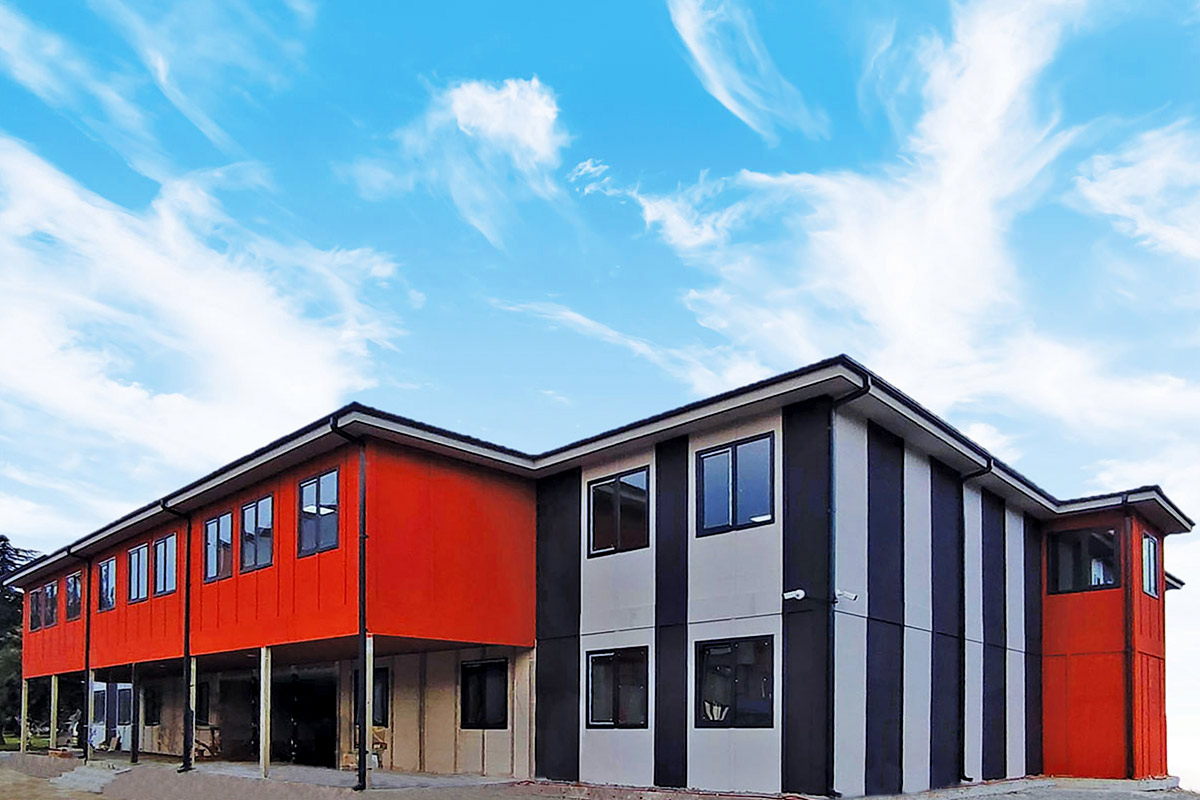
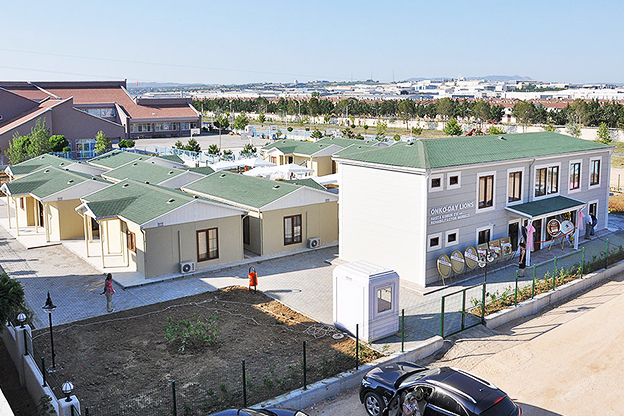
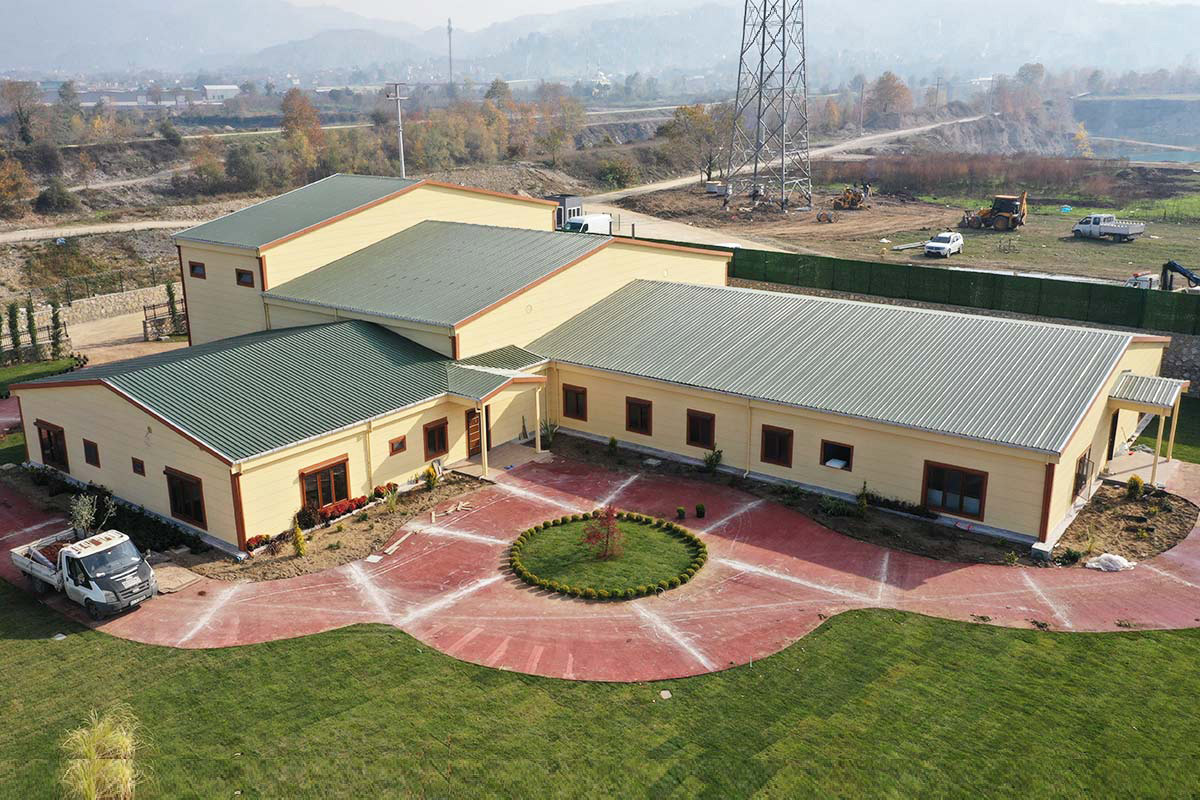
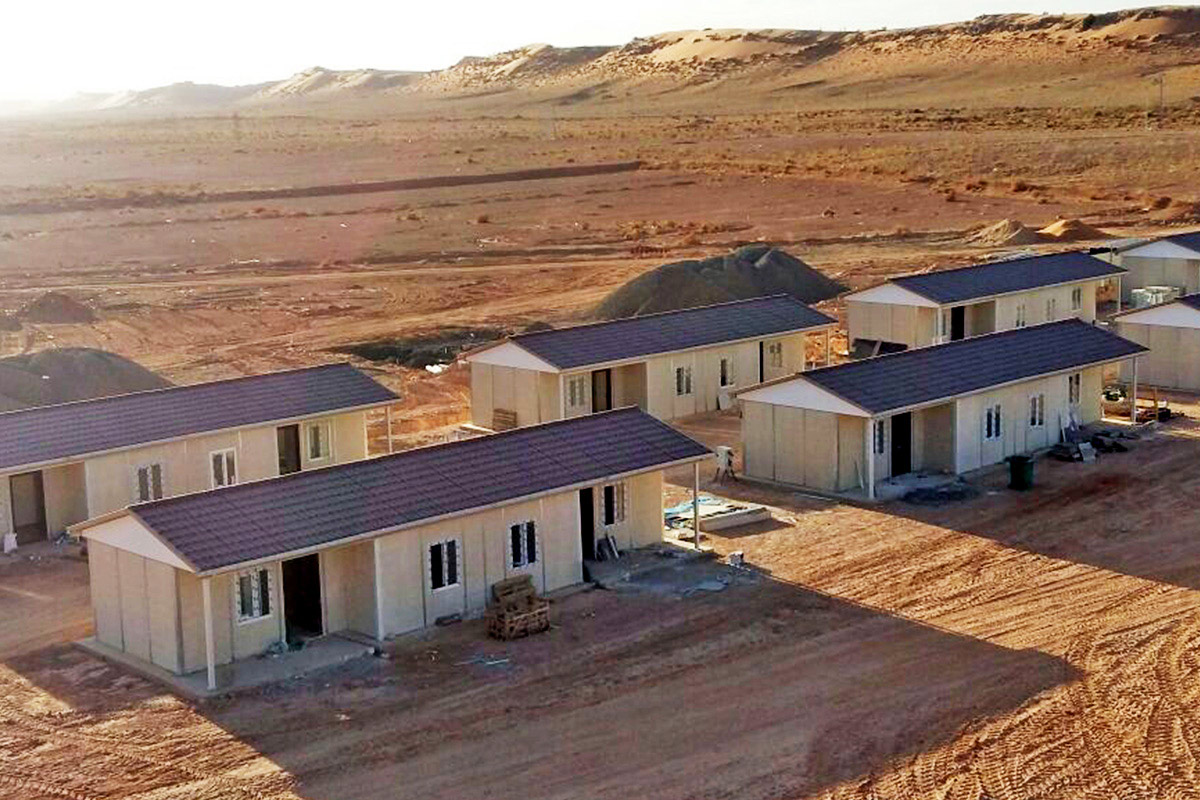

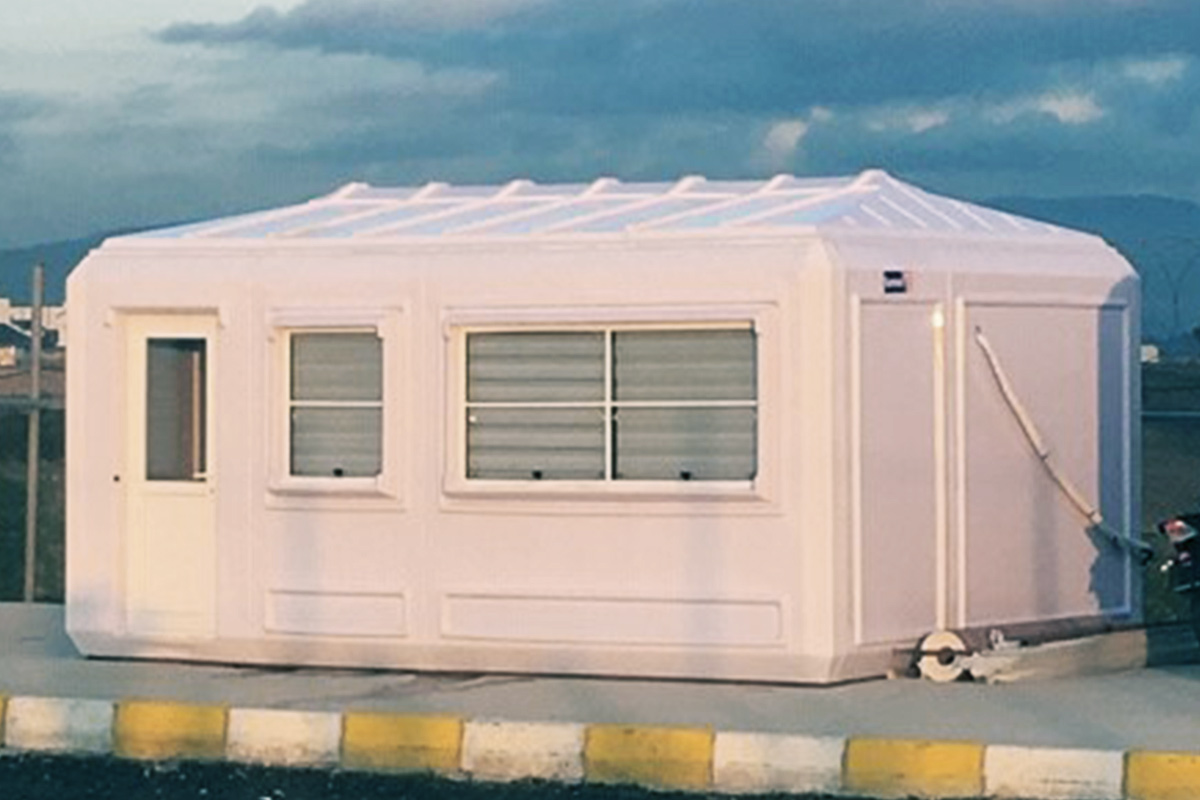
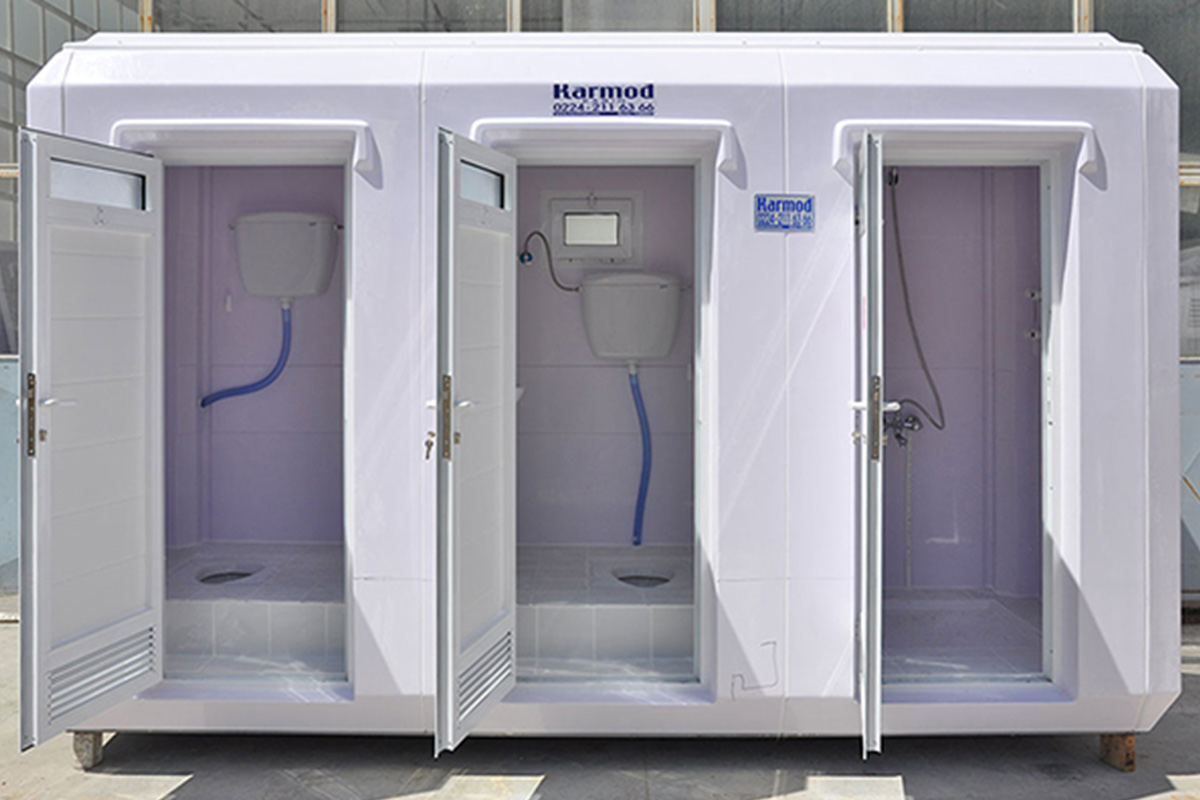
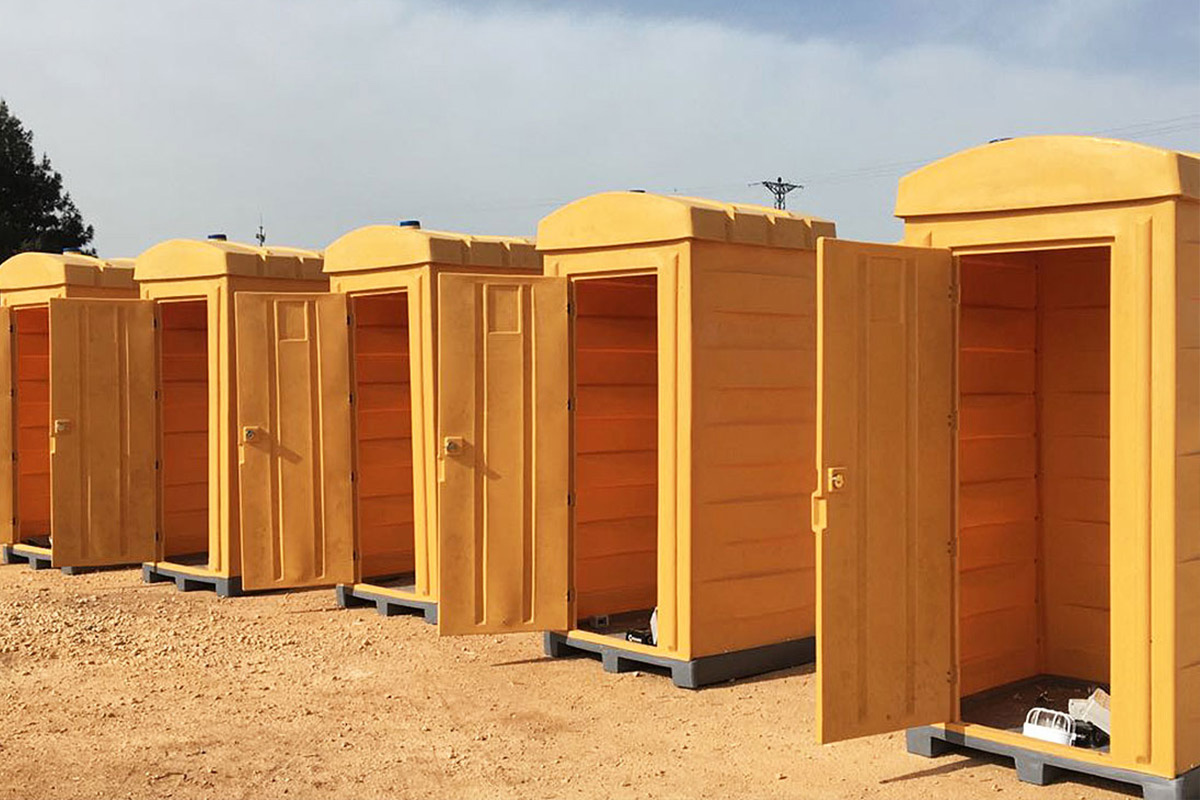
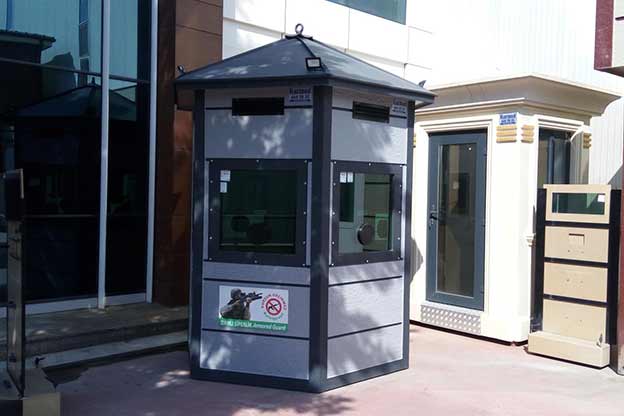
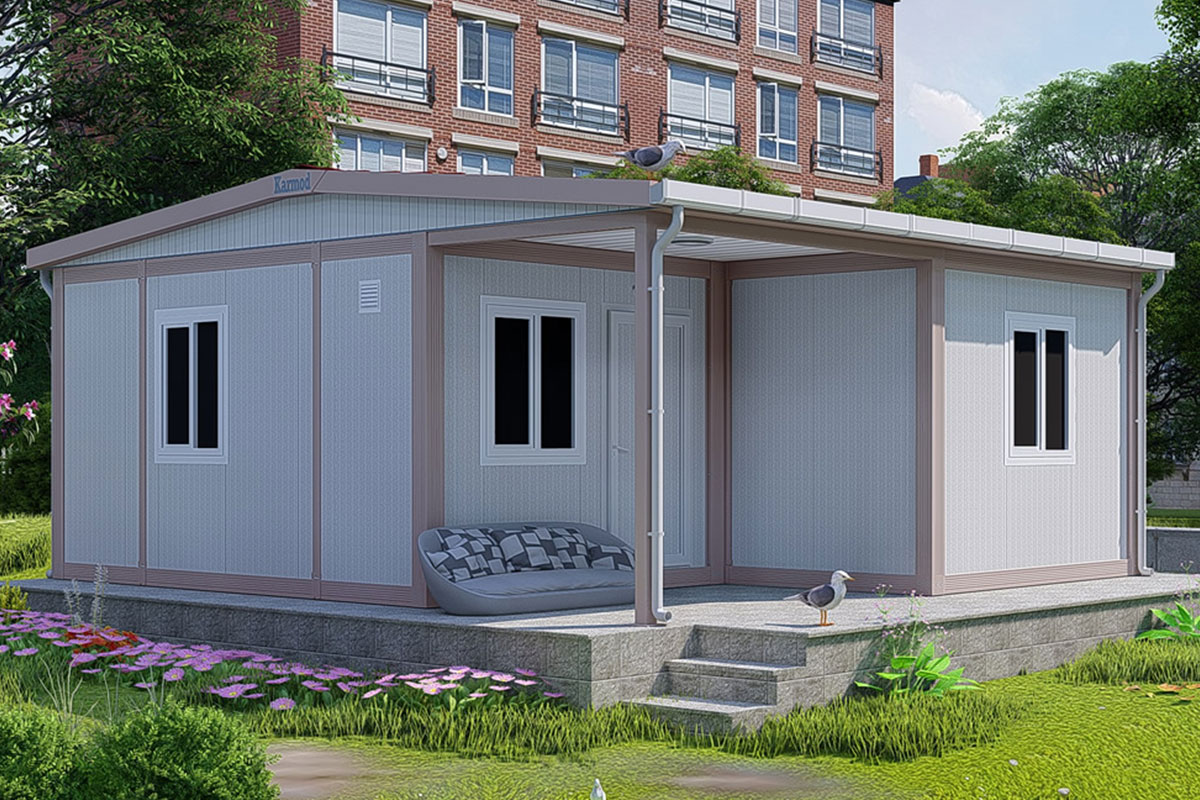
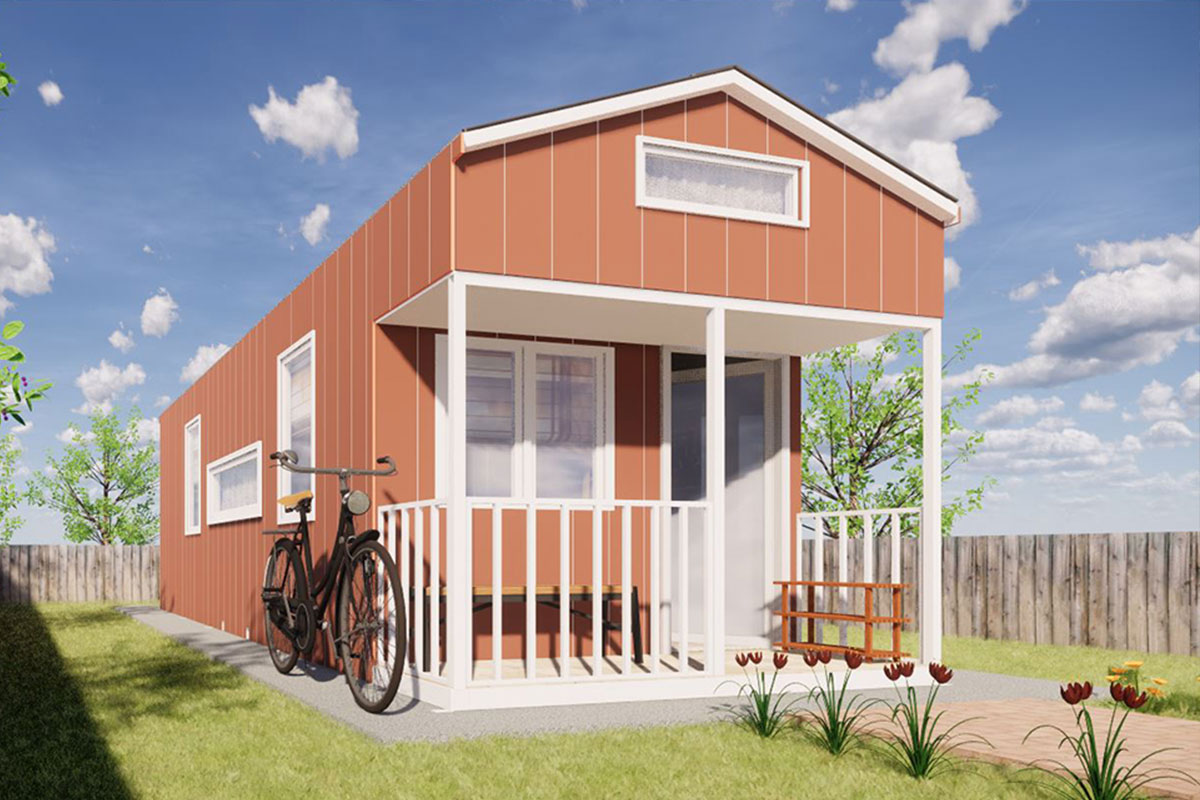
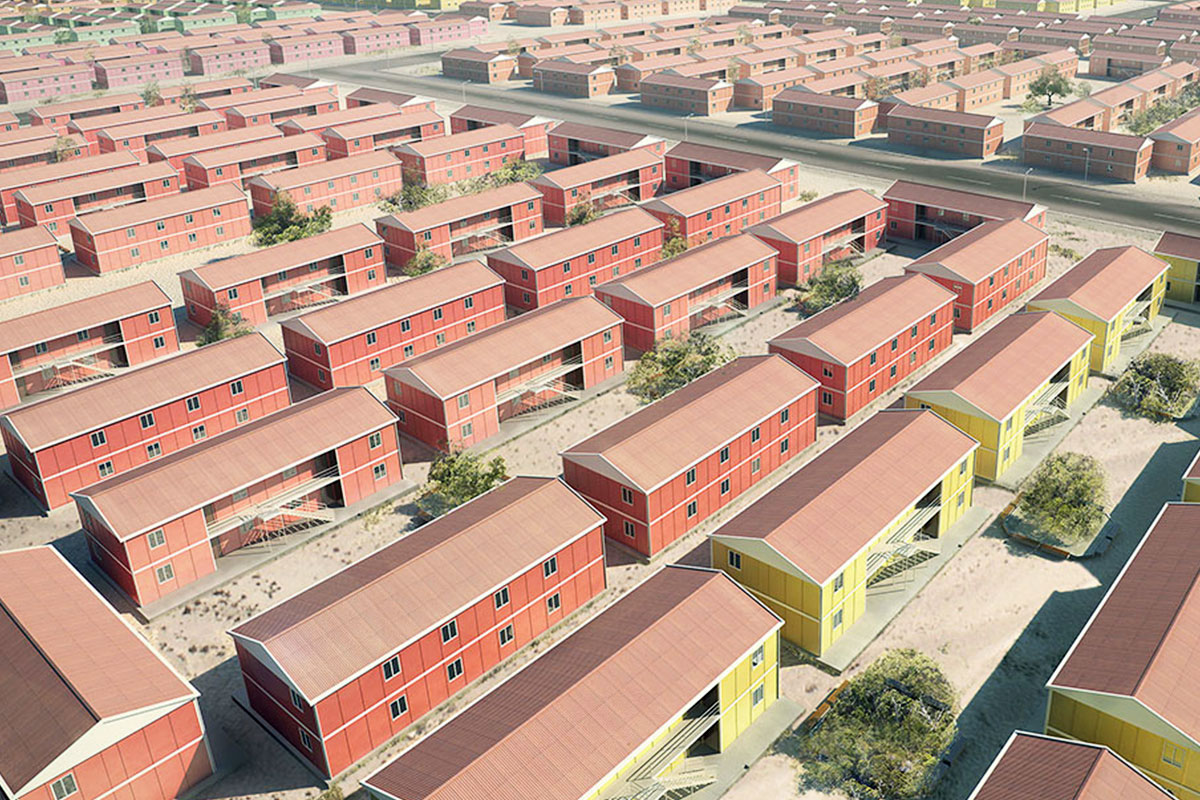

Choosing the right cabin is more than comparing sizes, colors, or material options—it’s a decision that ultimately defines how people feel and function inside the space. A cabin can be a workplace, a resting area, a security post, a small retail unit, or even a temporary shelter. In each case, comfort and safety are not just preferences; they are fundamental requirements that shape daily performance, overall well-being, and long-term satisfaction. When the cabin is thoughtfully designed, people settle in naturally, tasks flow more smoothly, and the environment feels stable even when the weather or workload becomes unpredictable.
Many buyers underestimate how dramatically a cabin’s quality affects user experience. The difference becomes clear only when someone steps inside: the temperature either stabilizes or fluctuates wildly, the window height either supports easy communication or forces awkward movements, the ventilation either refreshes the space or turns it into a stuffy pocket of air. These small yet powerful details show why the right cabin doesn’t just fill a space—it elevates it. And when comfort and safety are considered from the very beginning, the cabin becomes a reliable asset rather than a structure that constantly demands adjustments.
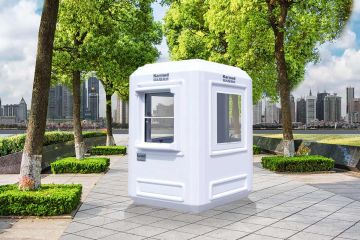
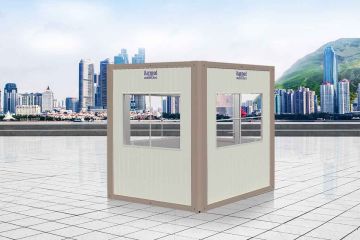
Comfort Starts with Structural Integrity and Smart Design
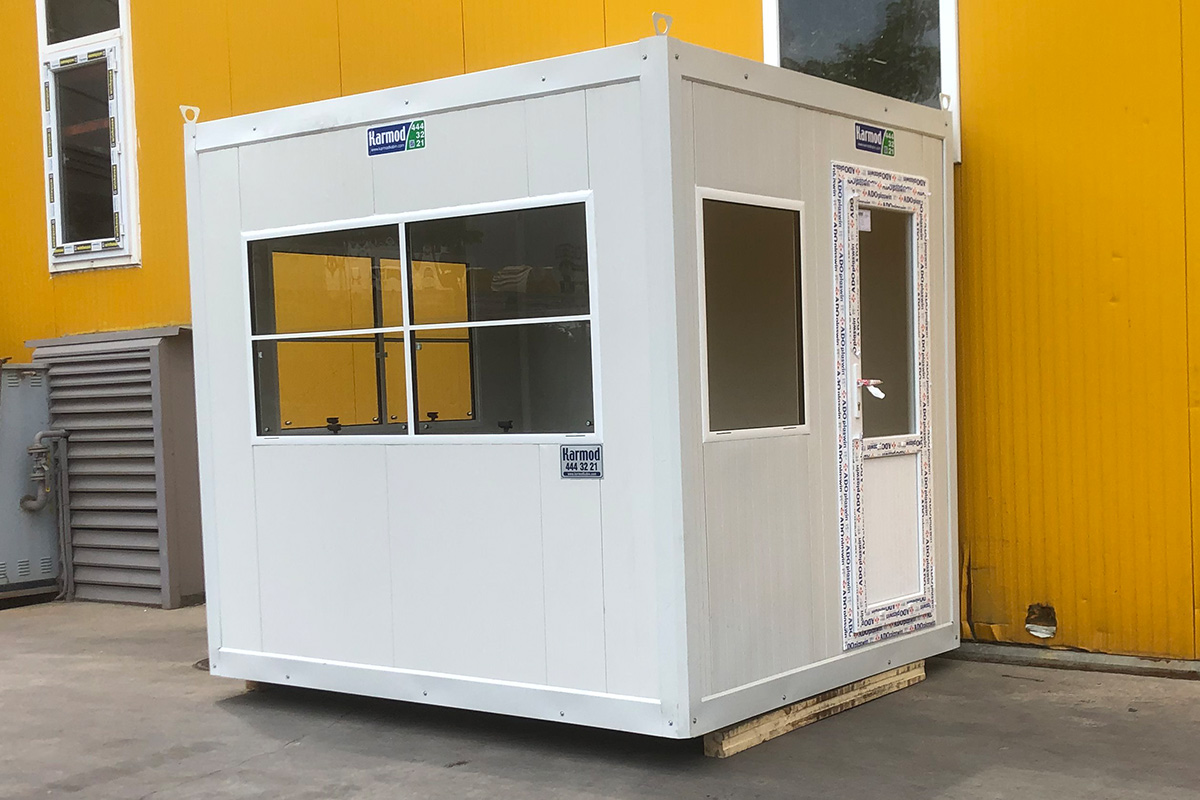
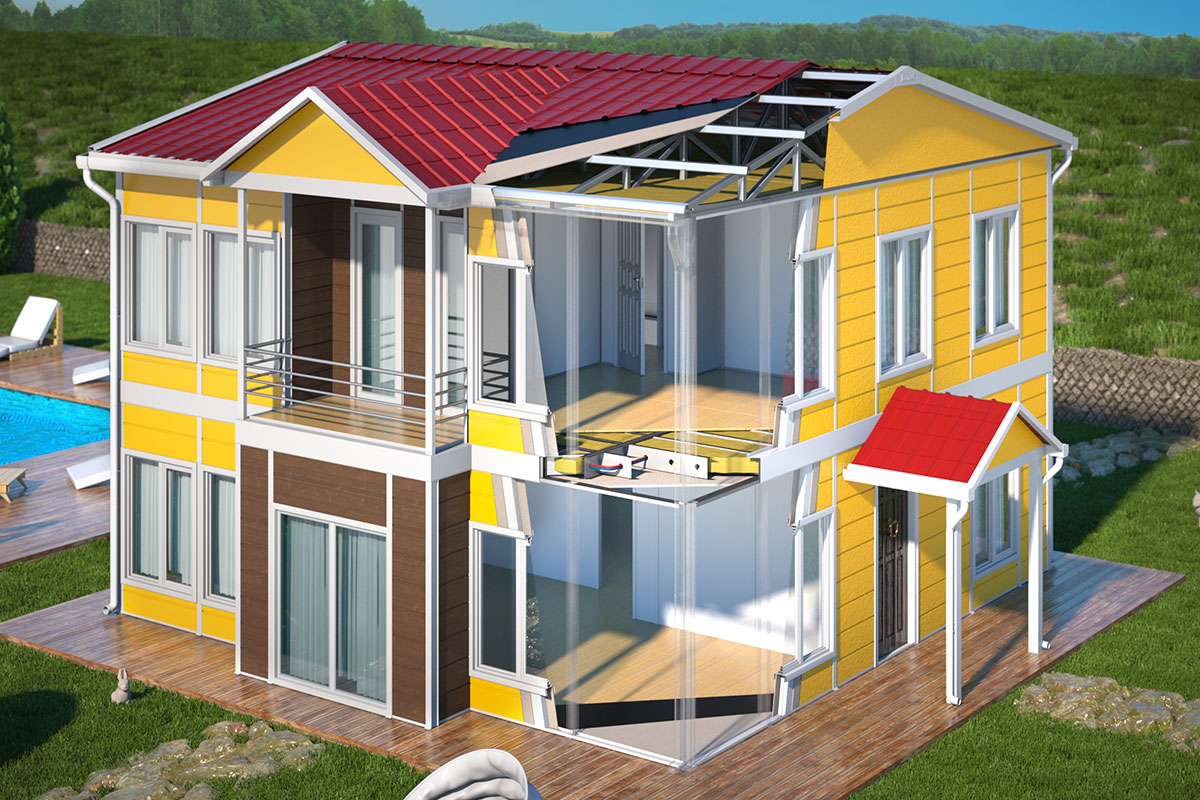
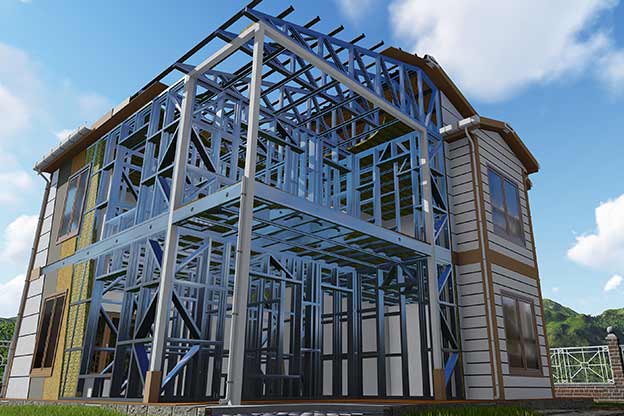
A well-built cabin is the foundation of a comfortable environment. It isn’t only about having strong walls; it’s about how those walls are engineered. Reinforced frames, weather-resistant materials, and quality insulation create a stable interior atmosphere that supports daily use. When a cabin is sturdy enough to handle wind, heat, rain, or heavy traffic, users feel the difference instantly. The space feels grounded and dependable, which in turn reduces stress and improves productivity.
Comfort is closely linked to thoughtful design decisions. A properly placed window allows natural light to enter without overheating the interior. A well-sized door provides easy access without feeling cramped. Even the thickness of the floor plays a role, affecting both noise levels and warmth underfoot. When these features work together, a cabin becomes an inviting environment—one that people don’t mind stepping into for hours at a time.
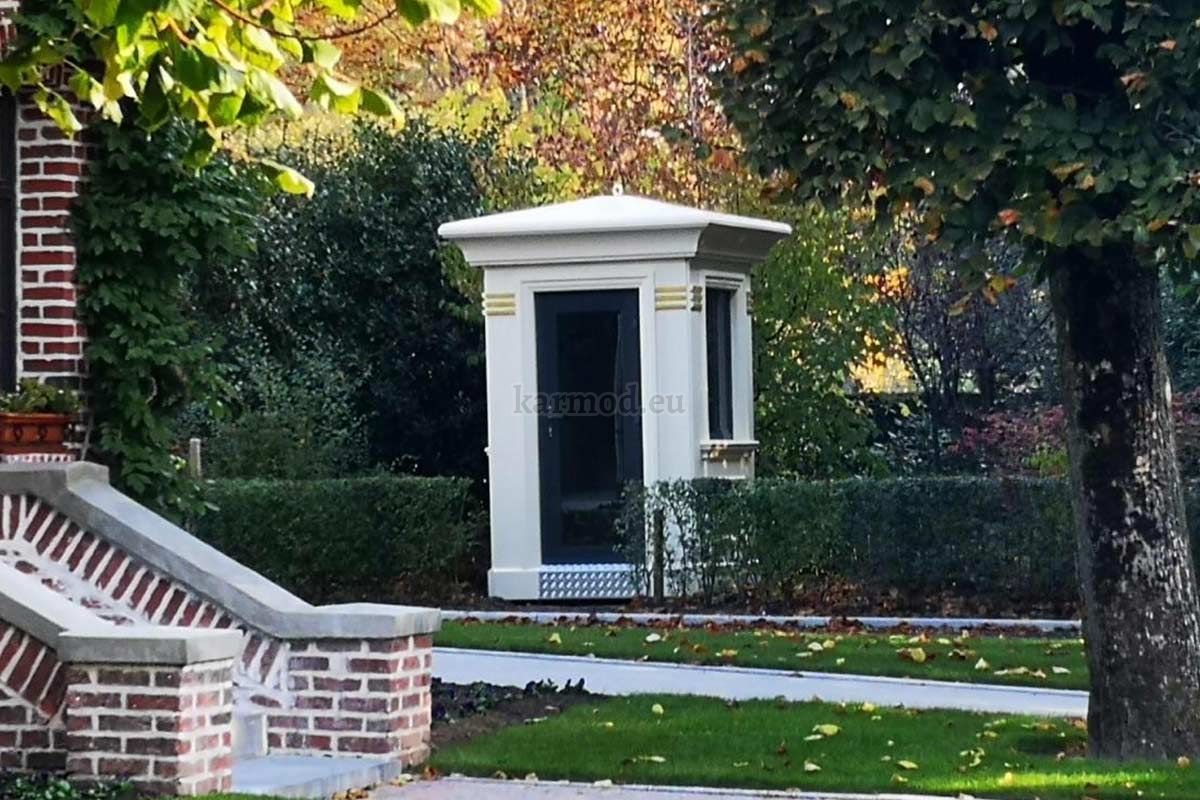
Safety Is More Than a Feature—It’s a Daily Necessity
Safety in a cabin is often invisible until a problem appears. That’s why choosing a structure built with protective elements is essential. High-impact wall panels, secure locks, fire-resistant materials, and tempered glass provide baseline protection for anyone inside. A cabin should never expose staff, customers, or equipment to unnecessary risk, especially in high-traffic or remote environments.
In addition, proper electrical planning is crucial. Cables must be concealed safely, outlets must be positioned away from moisture, and internal wiring should be protected by circuit breakers. These steps prevent accidents and keep operations running without disruption. When a cabin is engineered with safety in mind, it supports every part of the workflow—not through flashy features, but through quiet reliability.
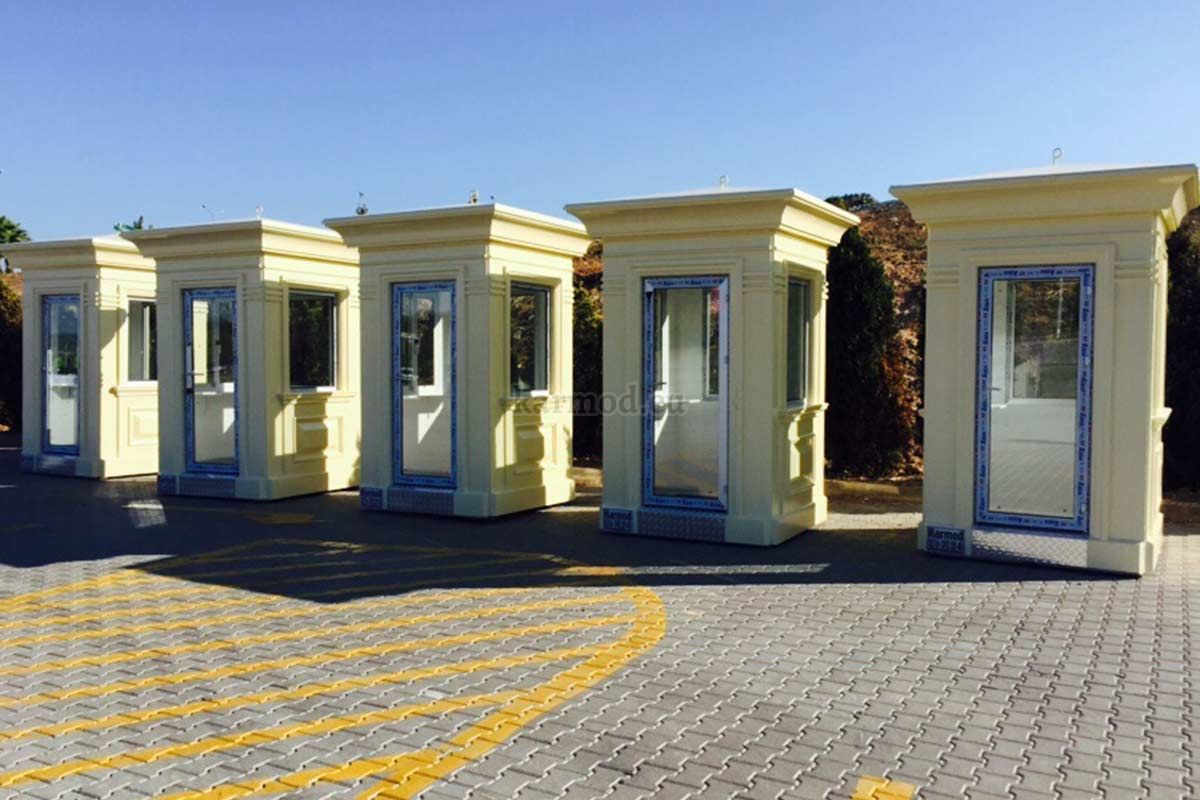
Temperature Control Defines Daily Comfort Levels
Too hot or too cold—these two simple discomforts can ruin productivity in an instant. The right cabin incorporates insulation and ventilation systems that maintain steady indoor conditions regardless of outdoor temperatures. High-density wall panels, proper roof insulation, and sealed window frames all contribute to a stable climate that reduces energy use while keeping people comfortable.
Ventilation matters just as much. Fresh air circulation prevents humidity buildup, removes stagnant air, and keeps equipment from overheating. With proper ventilation, staff feel more alert, customers feel more welcome, and the cabin remains pleasant even during long workdays. Temperature management isn’t just comfort—it’s part of safety, health, and operational efficiency.
Cabins That Support Workflow Improve Overall Performance
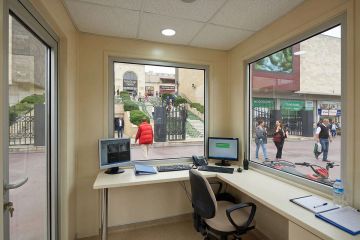
A cabin’s interior layout shapes how smoothly work unfolds. When counters, shelves, and equipment zones are thoughtfully arranged, the space feels effortless to navigate. Staff can move without bumping into objects, switch tasks quickly, and maintain a steady rhythm during busy hours.
An Effective Layout Reduces Stress
Small inconveniences—like a poorly placed window, a narrow counter, or insufficient storage—slow the workflow and create unnecessary tension. Over time, these issues accumulate and reduce efficiency. A cabin built with user behavior in mind eliminates these problems before they arise.
Good Design Encourages Better Service
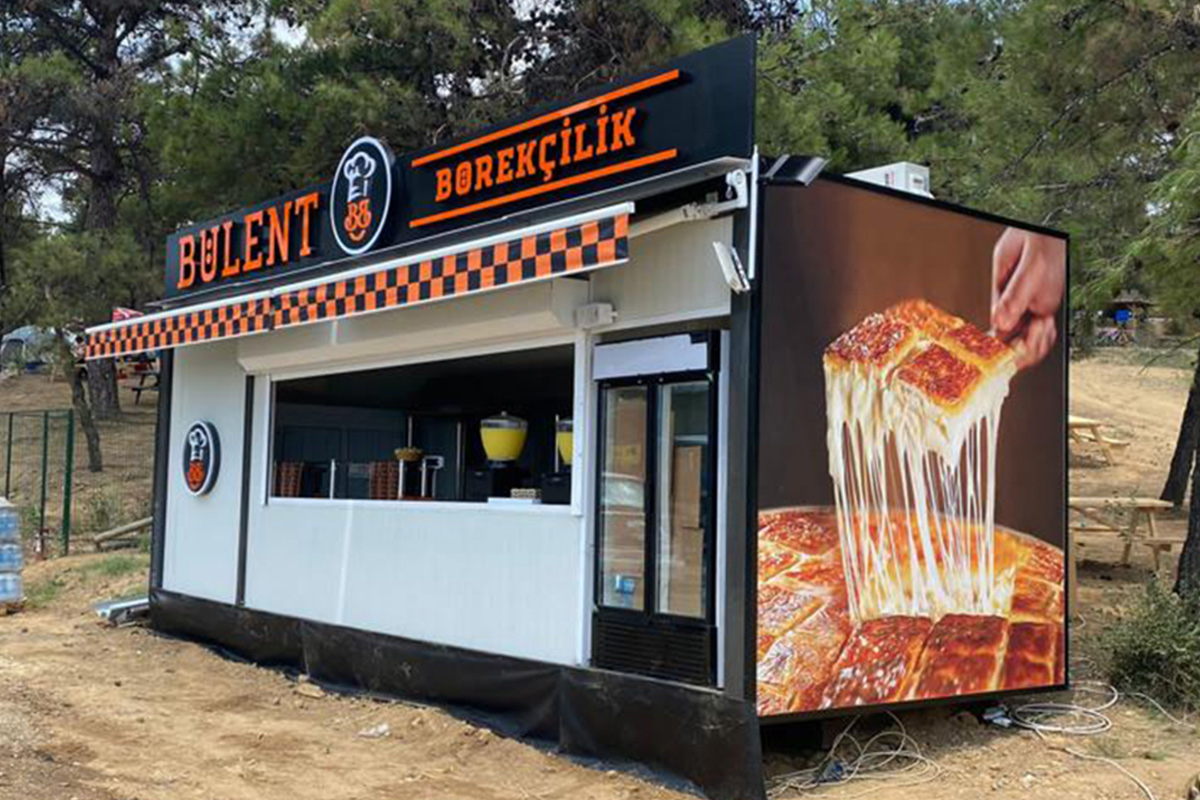
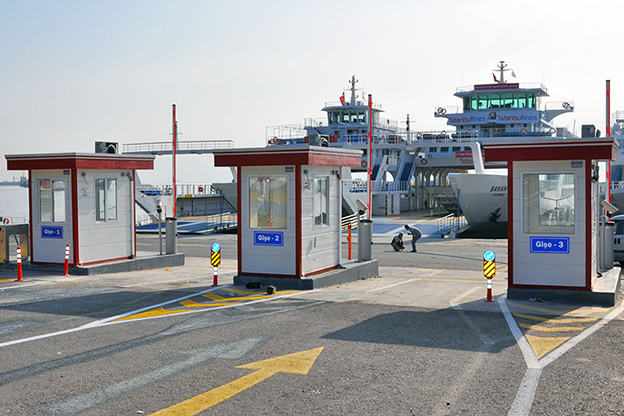
In public-facing cabins such as kiosks, ticket booths, or retail pods, the layout influences customer perception. Clear sightlines, organized counters, and easy communication points all help create a more professional and welcoming experience.
Material Selection Plays a Critical Role in Long-Term Safety
Heavy-duty steel frames, insulated sandwich panels, anti-rust coatings, tempered glass, and fire-resistant layers all contribute to a safer cabin environment. High-quality materials extend the cabin’s lifespan and reduce maintenance costs, making it far more cost-effective over time.
When choosing a cabin, pay attention to:
- Wall and roof durability
- Resistance to corrosion or weather damage
- Impact strength of windows and doors
- Fire safety ratings and certifications
- Moisture protection and anti-mold components
The Right Cabin Enhances Branding and Visitor Experience
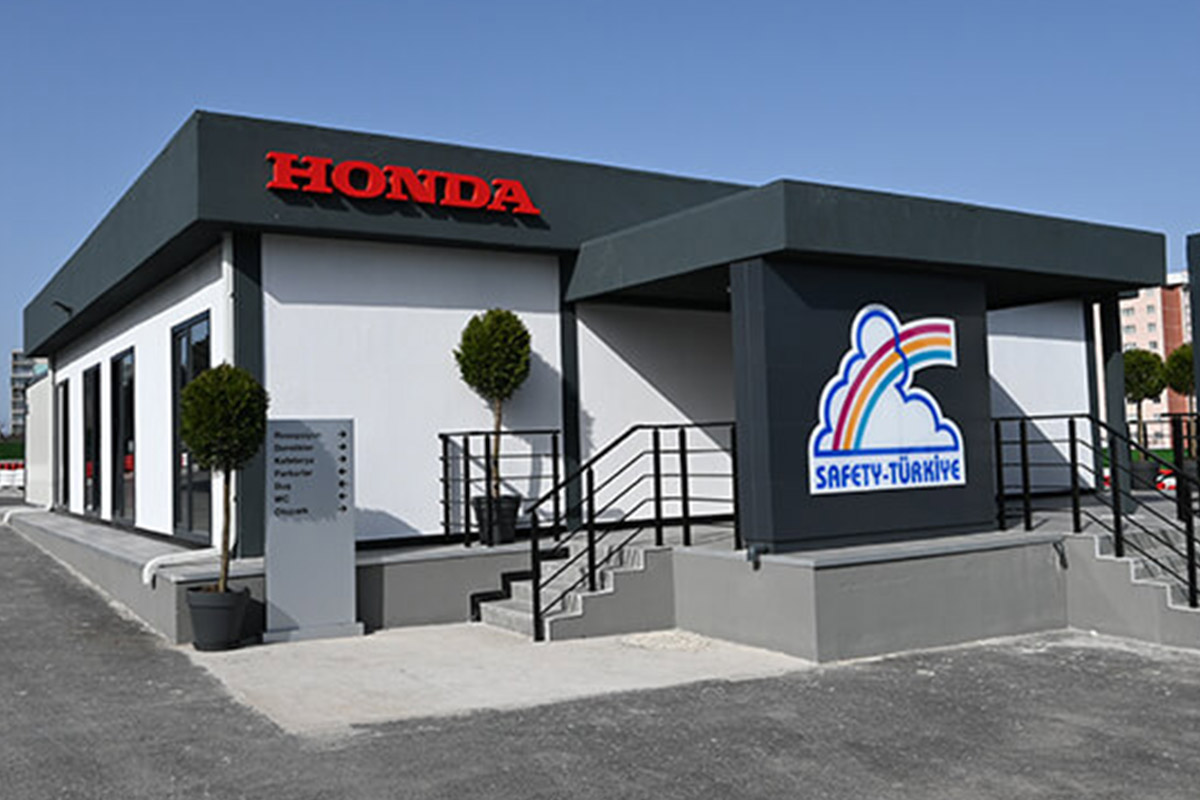
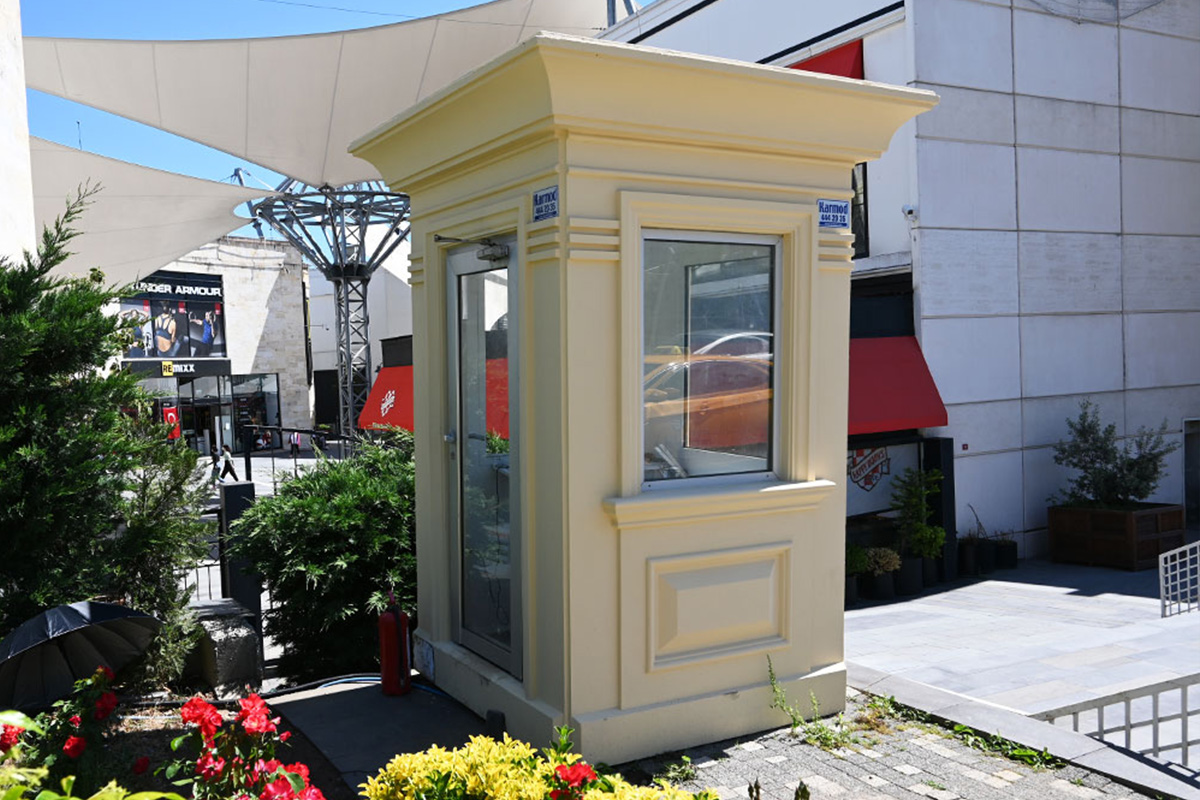
Cabins used in public settings often double as brand touchpoints. A stylish exterior finish, clean lines, cohesive colors, and well-integrated signage help the cabin become part of a company’s visual identity. A visitor approaching a cabin should instantly understand its purpose and feel confident in the service they’re about to receive.
A well-designed cabin sends the message: “This business pays attention to detail.” That sense of care builds trust and encourages positive engagement.
Cabins Serve Multiple Sectors—and Requirements Vary
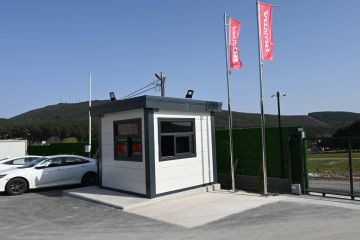
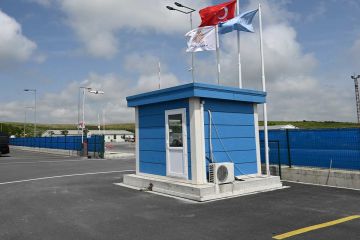
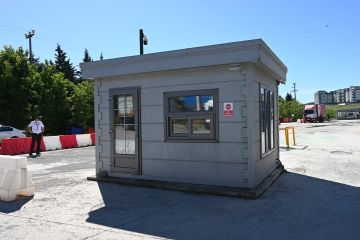
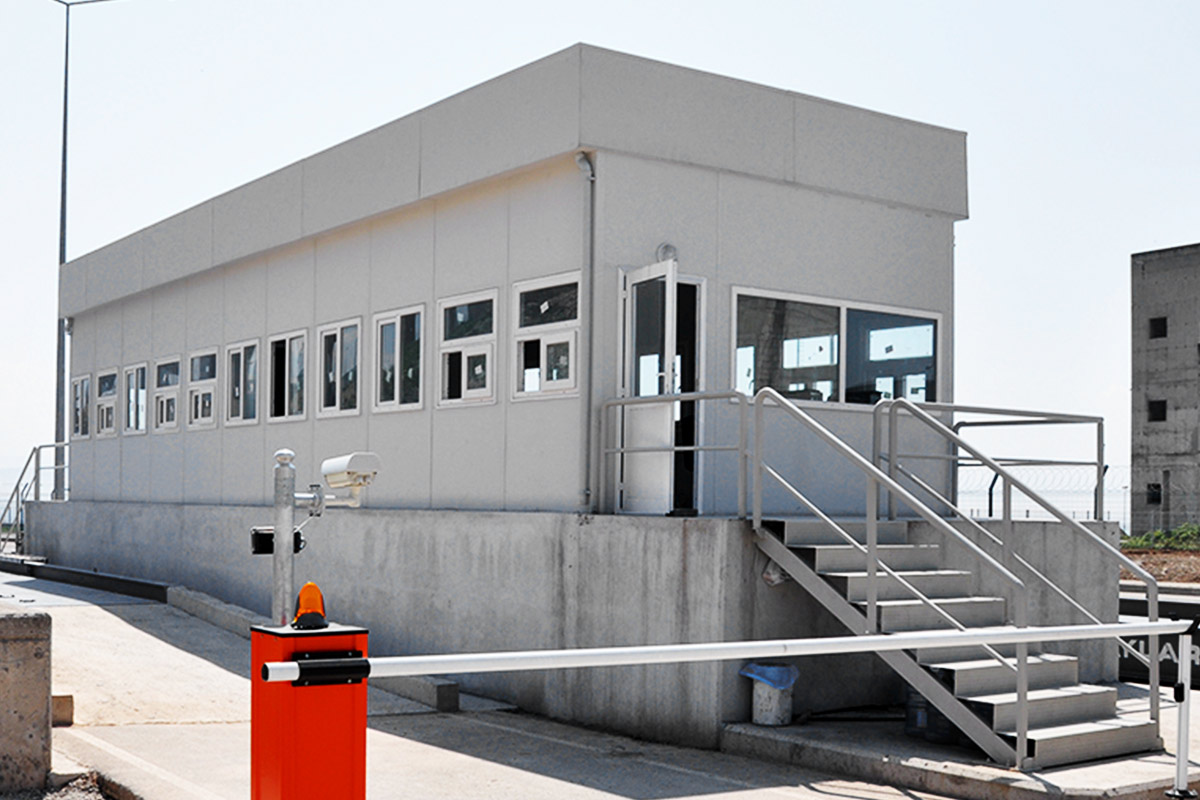
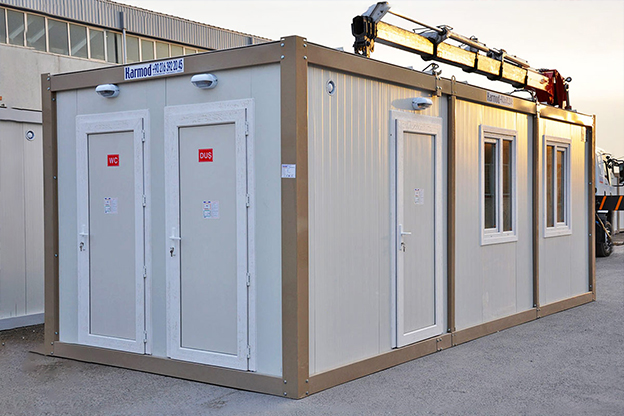
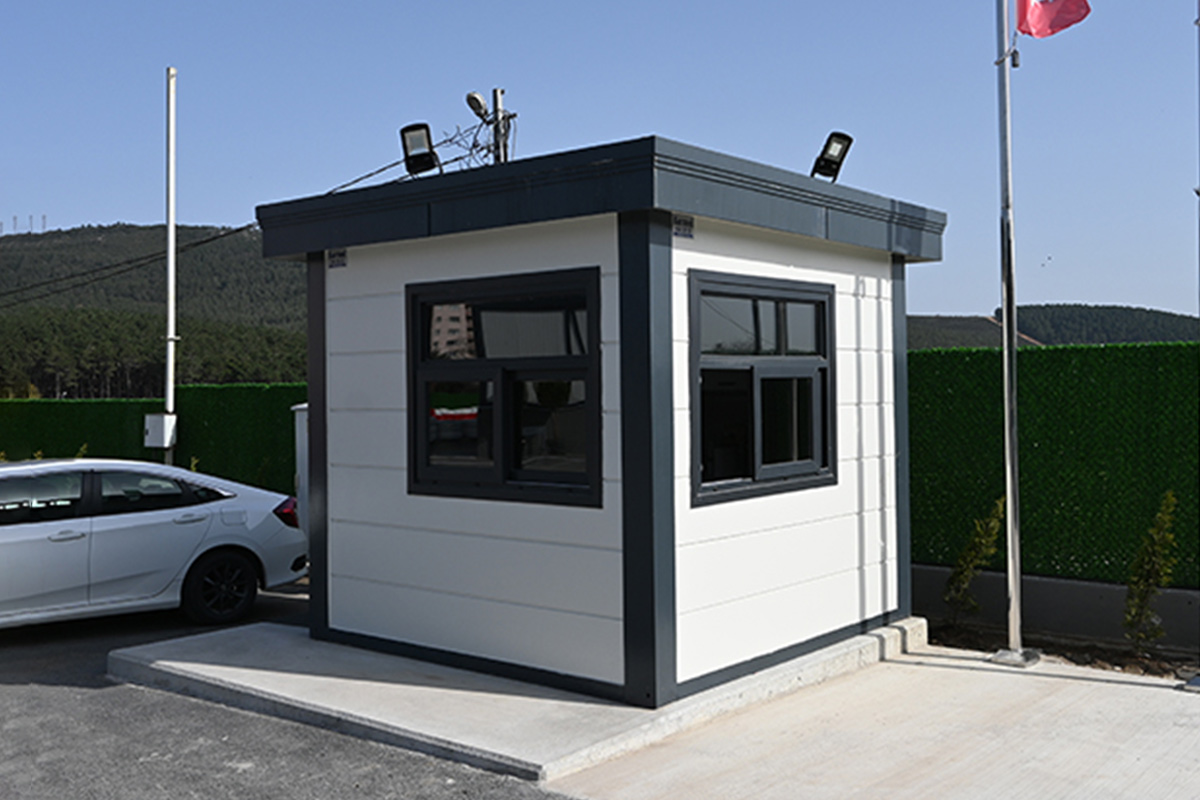
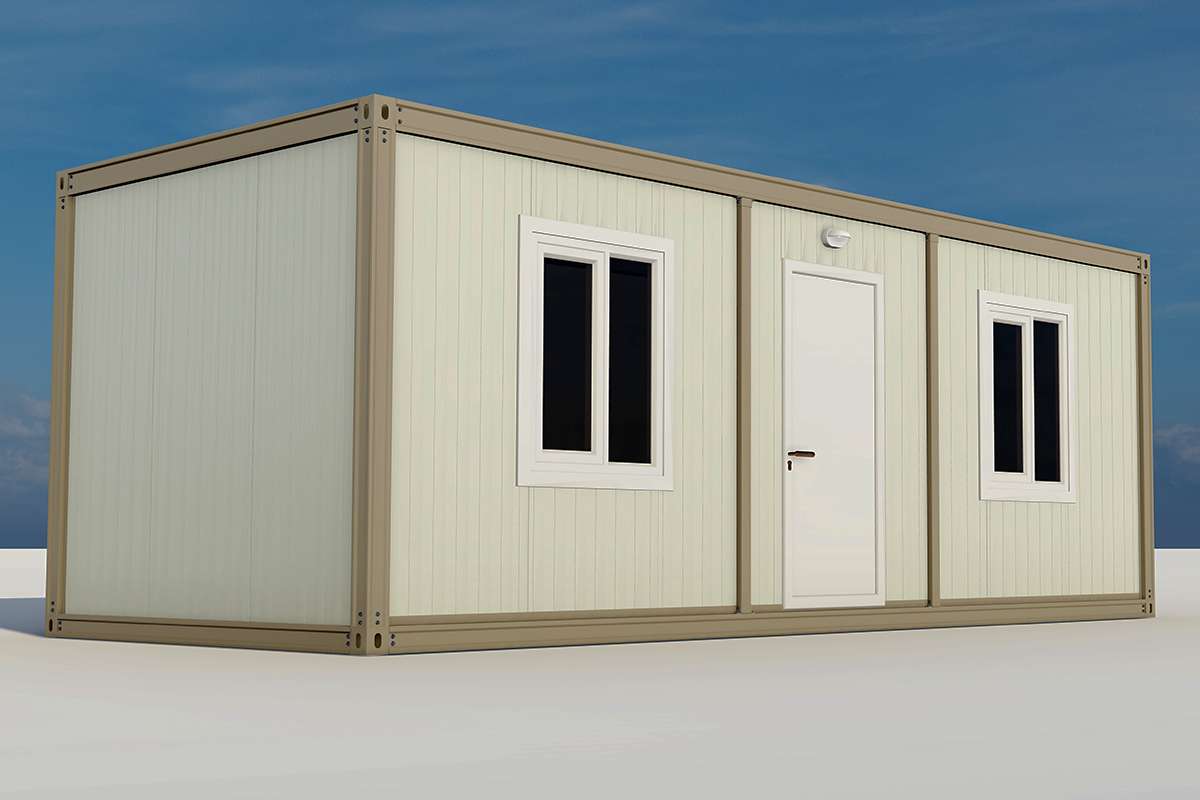
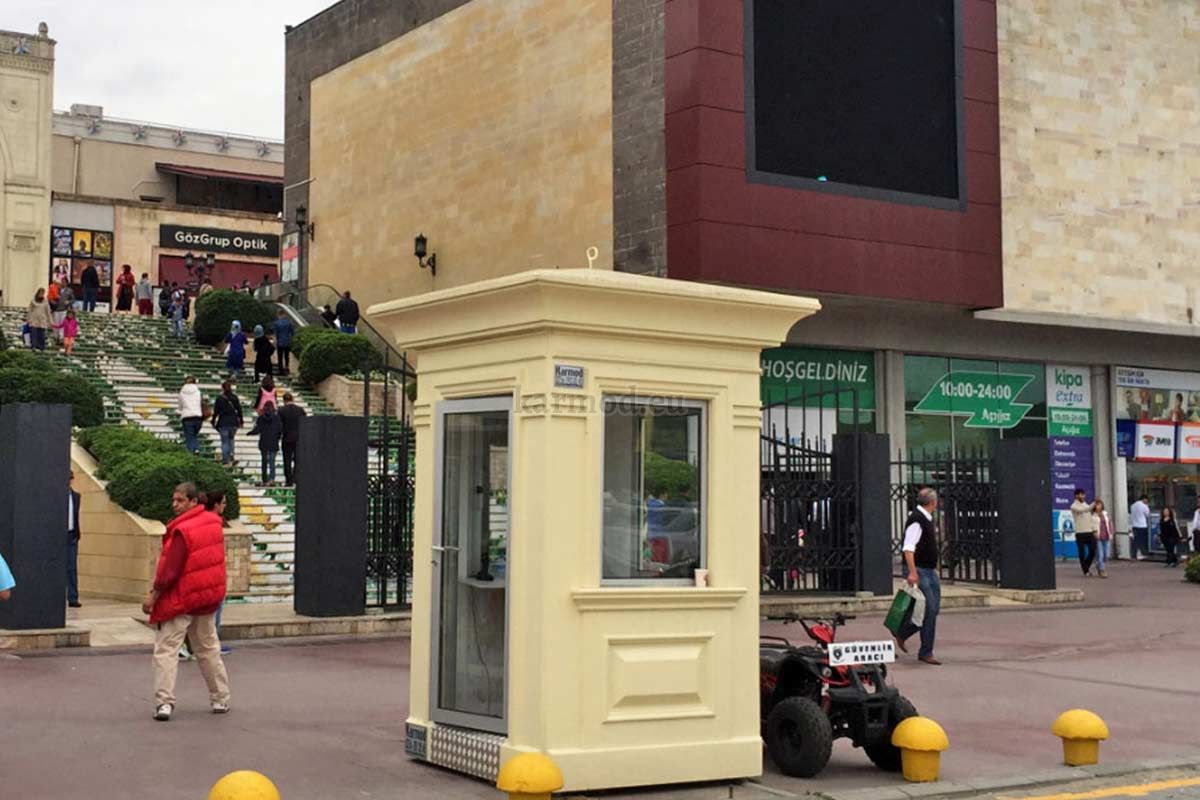
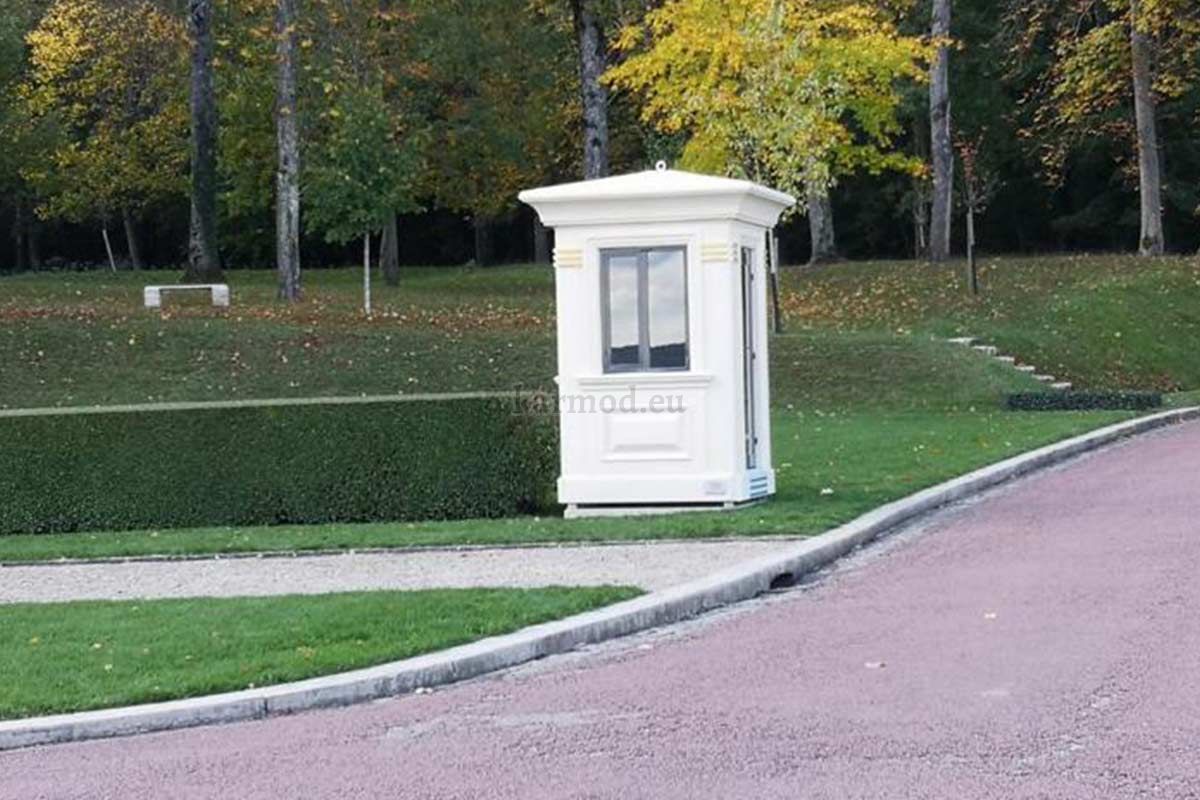
Every industry approaches cabin needs differently. A security booth prioritizes visibility and reinforced safety. A retail kiosk needs accessible counters and customer-friendly windows. A site office must offer enough room for paperwork, equipment, and comfortable seating. That’s why choosing a standard one-size-fits-all model rarely produces the best results.
Understanding how the cabin will be used helps manufacturers tailor the design. When the structure matches the environment and workload, the user experience becomes significantly better.
Customization Ensures That Every Need Is Met
No two businesses operate the same way, and cabins should reflect that. Customizations such as extra windows, special insulation, integrated wiring, shelving units, HVAC systems, and exterior branding elements help the cabin feel genuinely purpose-built.
- Adapt the cabin to weather challenges
- Improve internal organization
- Enhance workflow efficiency
- Strengthen security
- Create a more welcoming environment
Choose a Cabin That Protects People, Enhances Comfort, and Strengthens Your Operations
If you’re exploring cabin solutions, now is the ideal time to invest in a structure that elevates both comfort and safety. The right cabin doesn’t just stand in place; it supports your team, your customers, and your long-term goals. We focus on designs that balance strength, usability, and a welcoming atmosphere—so that every person who steps inside feels the difference immediately.
Reach out to our team whenever you’re ready. We’ll guide you through available models, offer tailored configurations, and help you select a cabin built for your environment and operational needs. With the right structure, you gain more than a workspace—you gain stability, reliability, and a lasting sense of comfort and protection.