





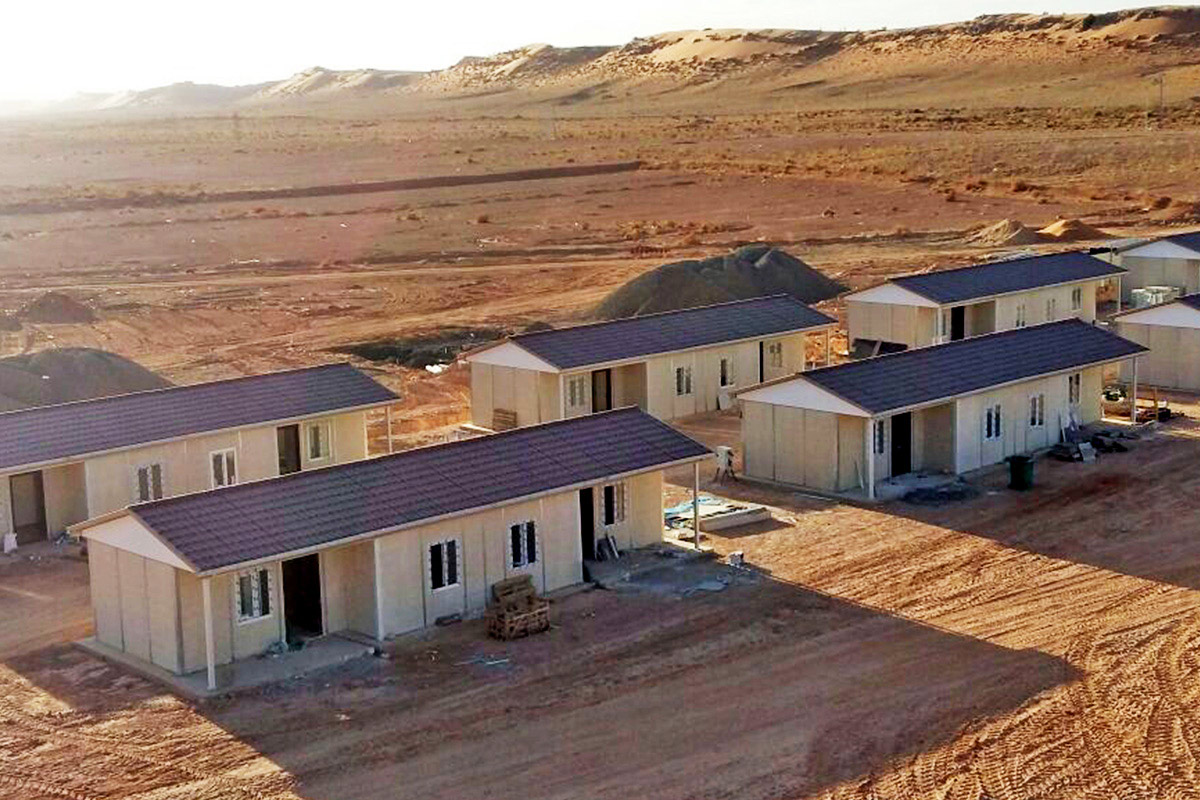
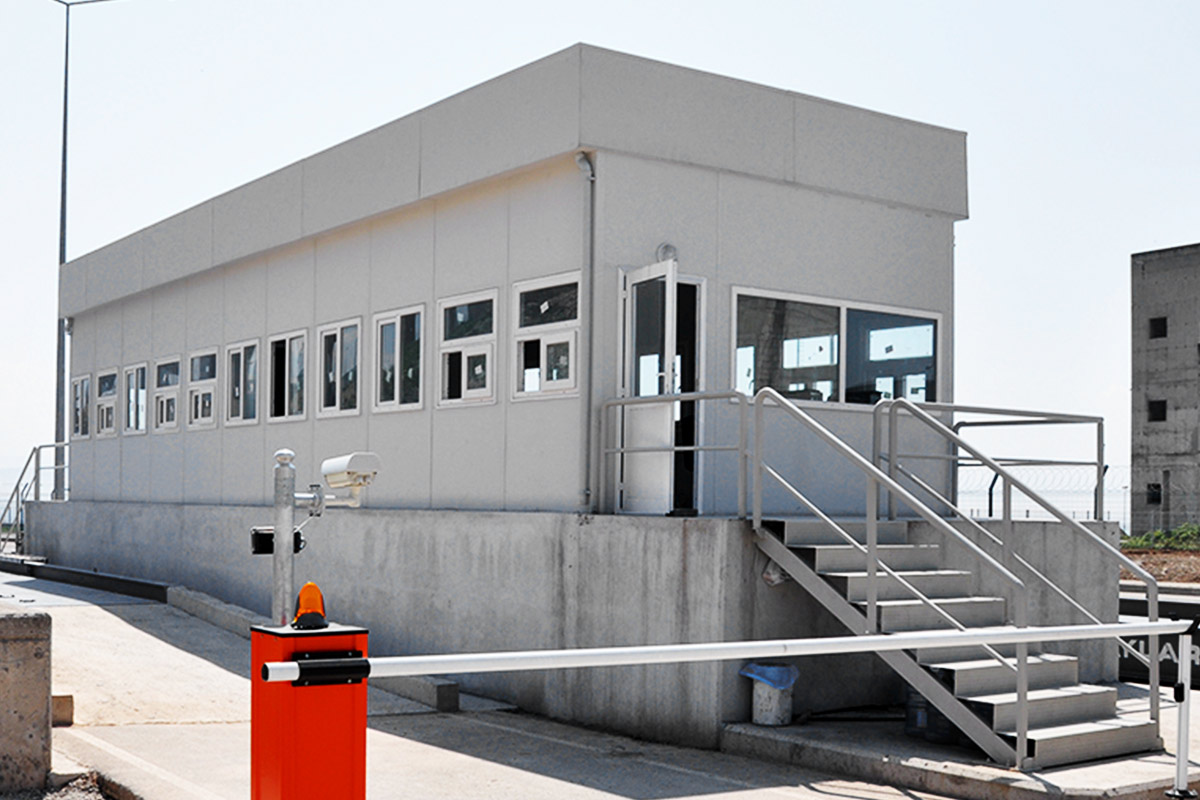
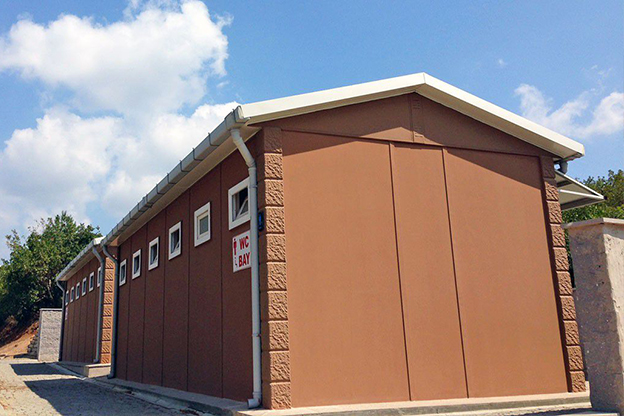
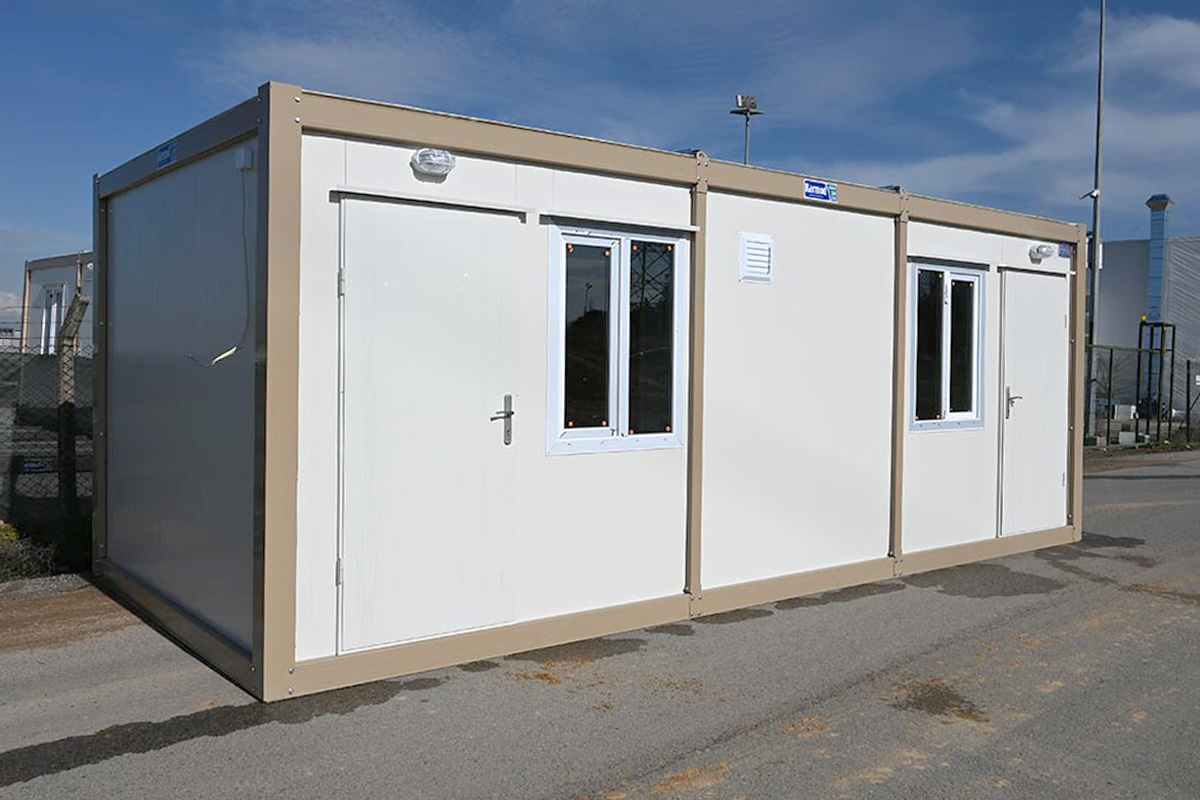

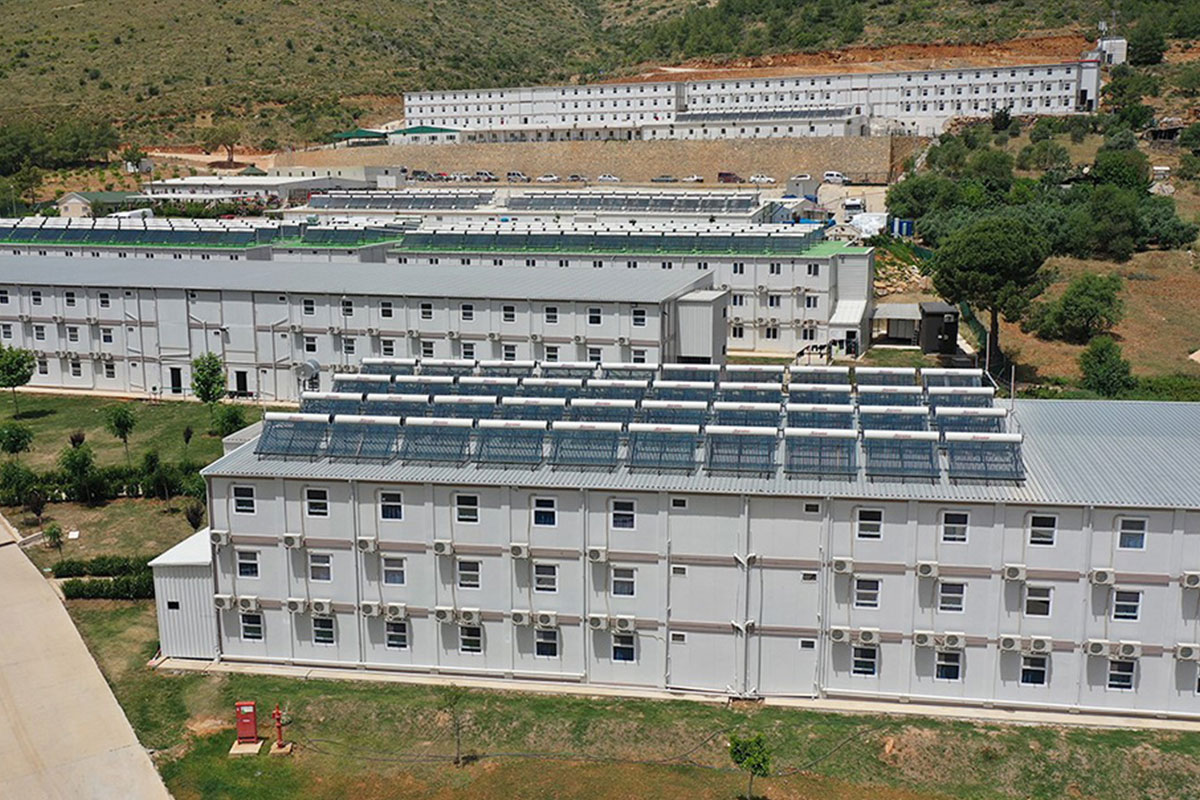
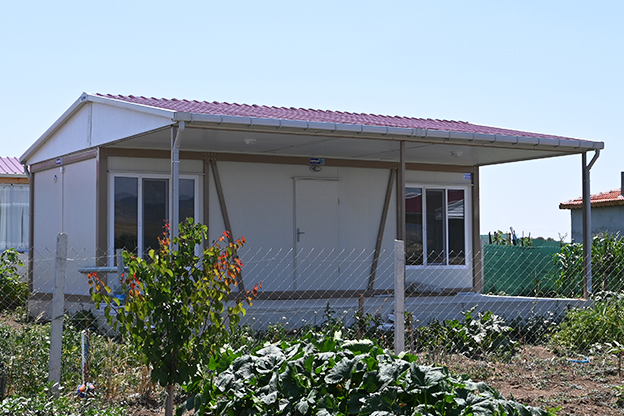
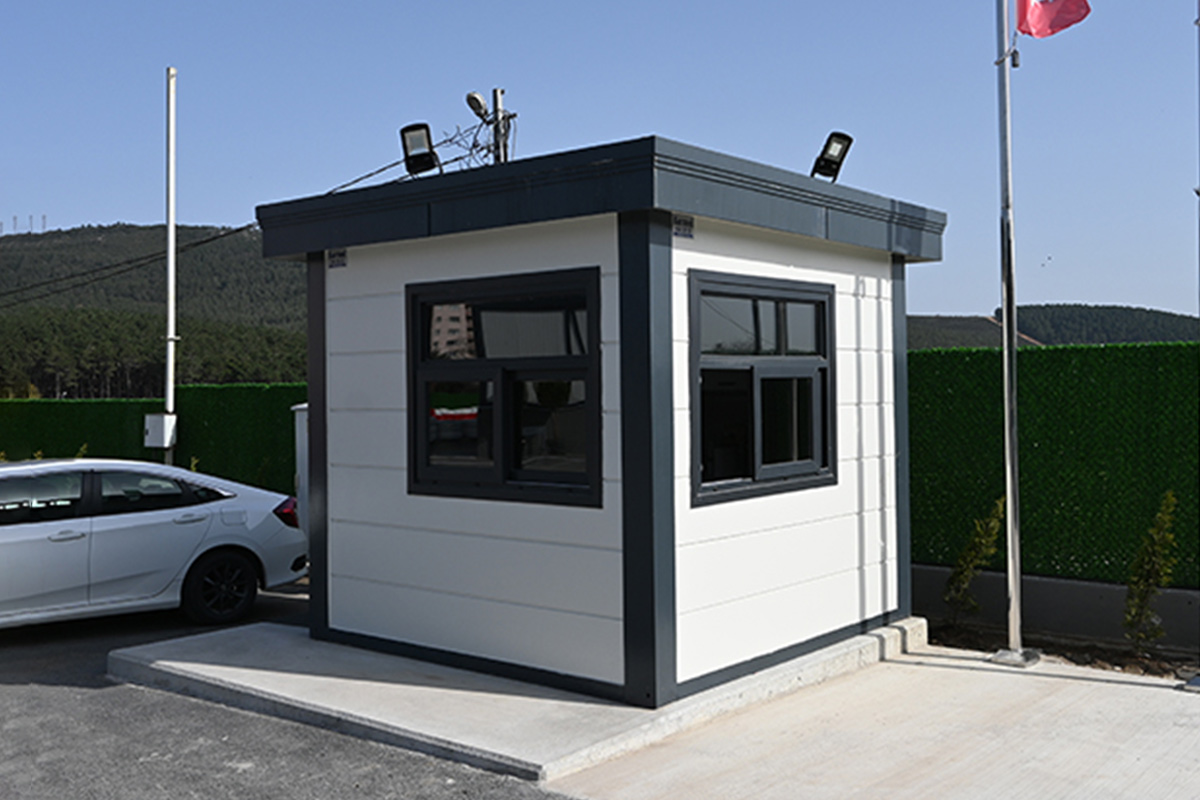

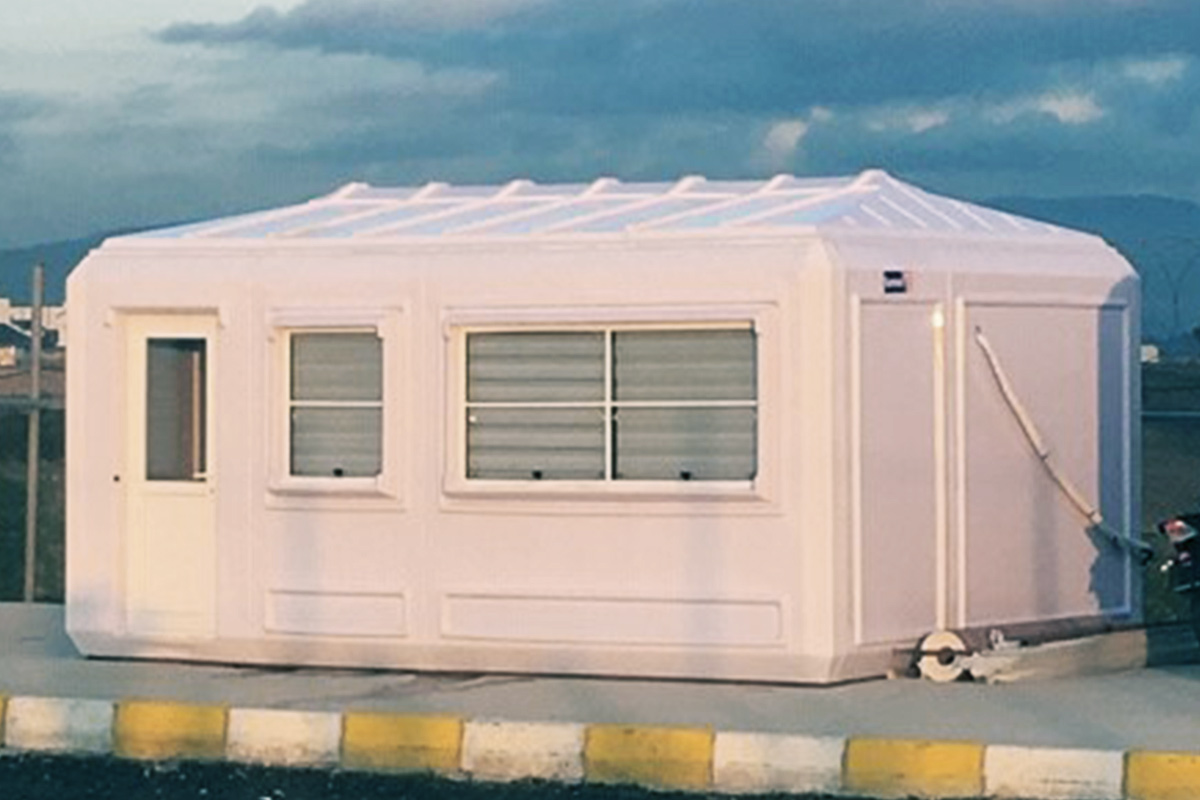
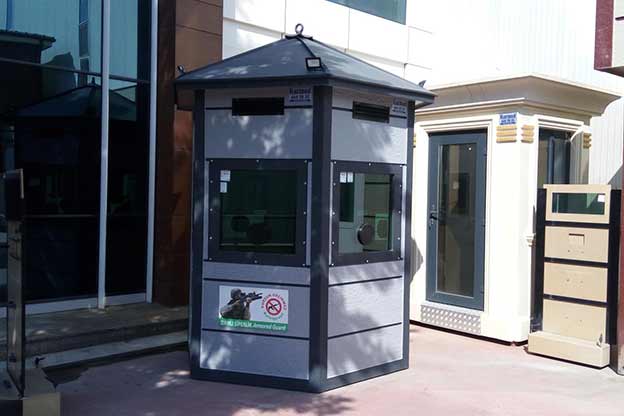



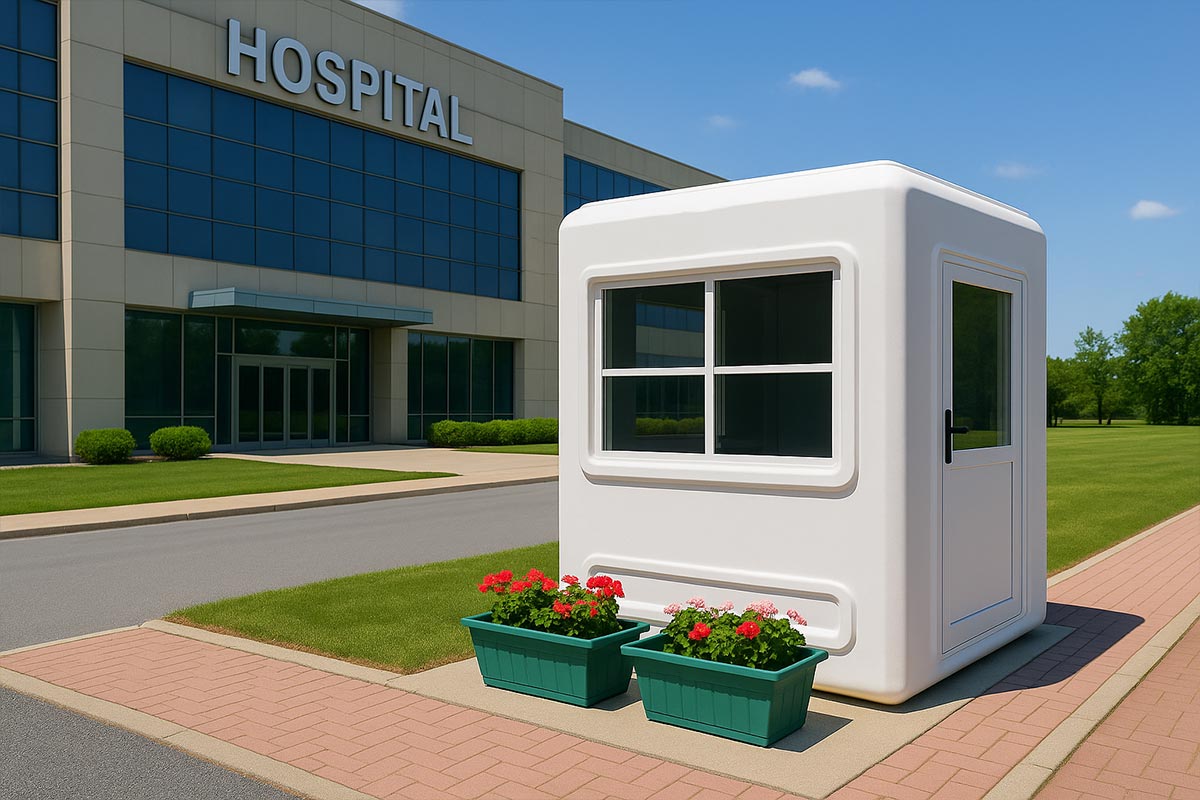
Remote locations come with their own rhythm — quieter, farther from city centers, yet often carrying responsibilities that are just as critical as urban sites. Whether it’s a mining field, an energy station, a construction zone, or an agricultural facility, these areas require a dependable system to keep people, equipment, and operations safe. A security hut becomes the anchor point of that system, offering a structured space where monitoring, communication, and control come together.

Many businesses underestimate how exposed remote sites truly are. Without neighboring buildings, natural surveillance, or passing foot traffic, risks can escalate quickly. Installing a dedicated security hut provides the essential foundation needed to manage access, support staff, and maintain order — even in the most isolated environments. It becomes not just a structure, but a reliable presence that brings stability to unpredictable surroundings.
Unique Challenges Faced in Remote and Hard-to-Reach Sites
Remote locations often lack the natural oversight present in busy environments. With fewer people around and wide stretches of unprotected space, visibility becomes limited, creating opportunities for unauthorized entry or unnoticed activity. A security hut acts as a dependable point where trained personnel can keep watch, track movements, and maintain regular updates about on-site activity. This helps businesses stay connected to what happens even when management teams work miles away.
Another challenge is the unpredictability of such areas. Weather changes abruptly, visibility drops at night, and terrain conditions may isolate teams for hours. A dedicated hut provides protection from these variables and offers a stable workspace where security staff can maintain their focus. Having a sheltered, equipped station prevents fatigue, which ultimately improves response times and overall site management.
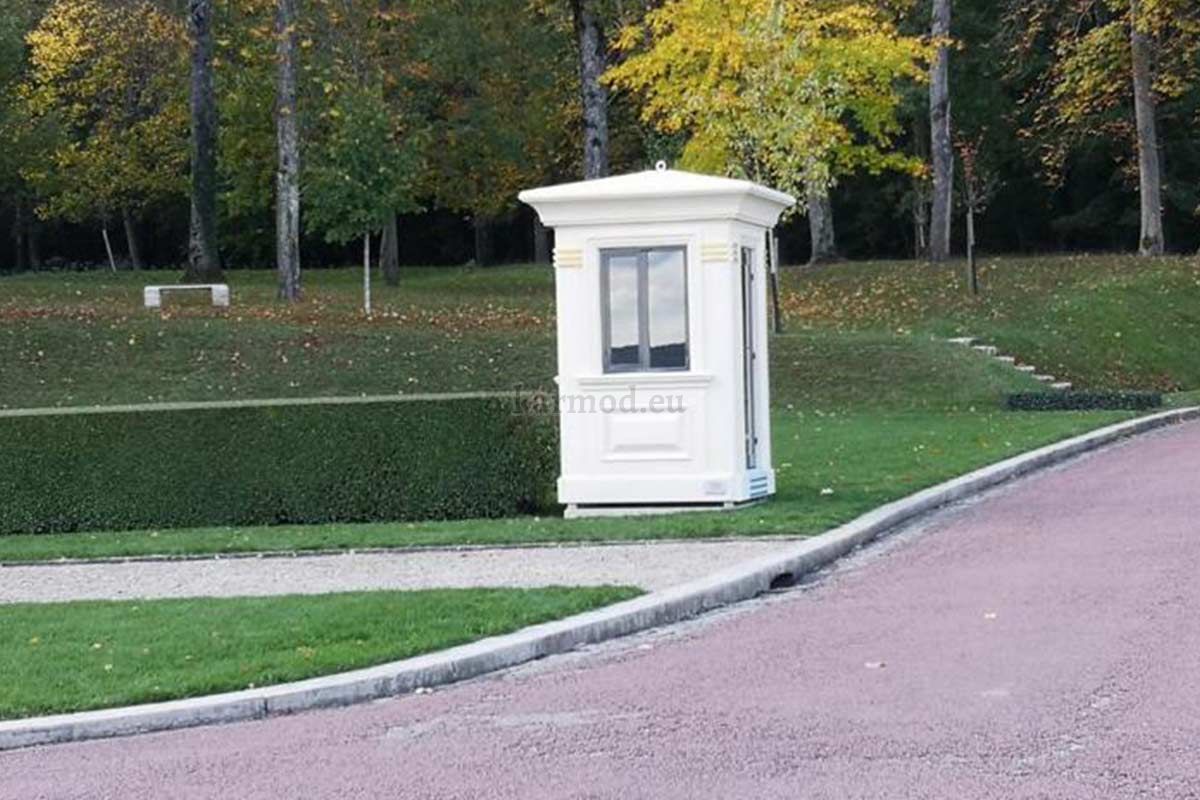
Limited Visibility and Higher Vulnerability in Isolated Areas
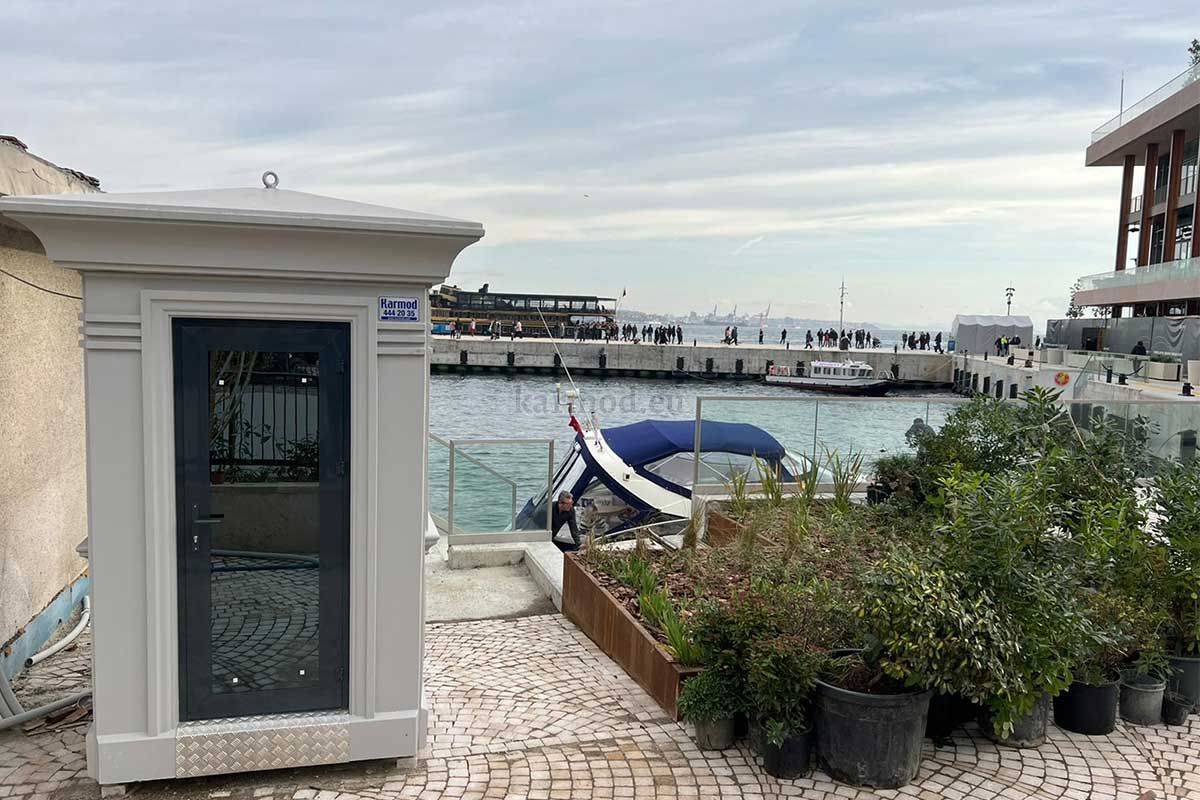
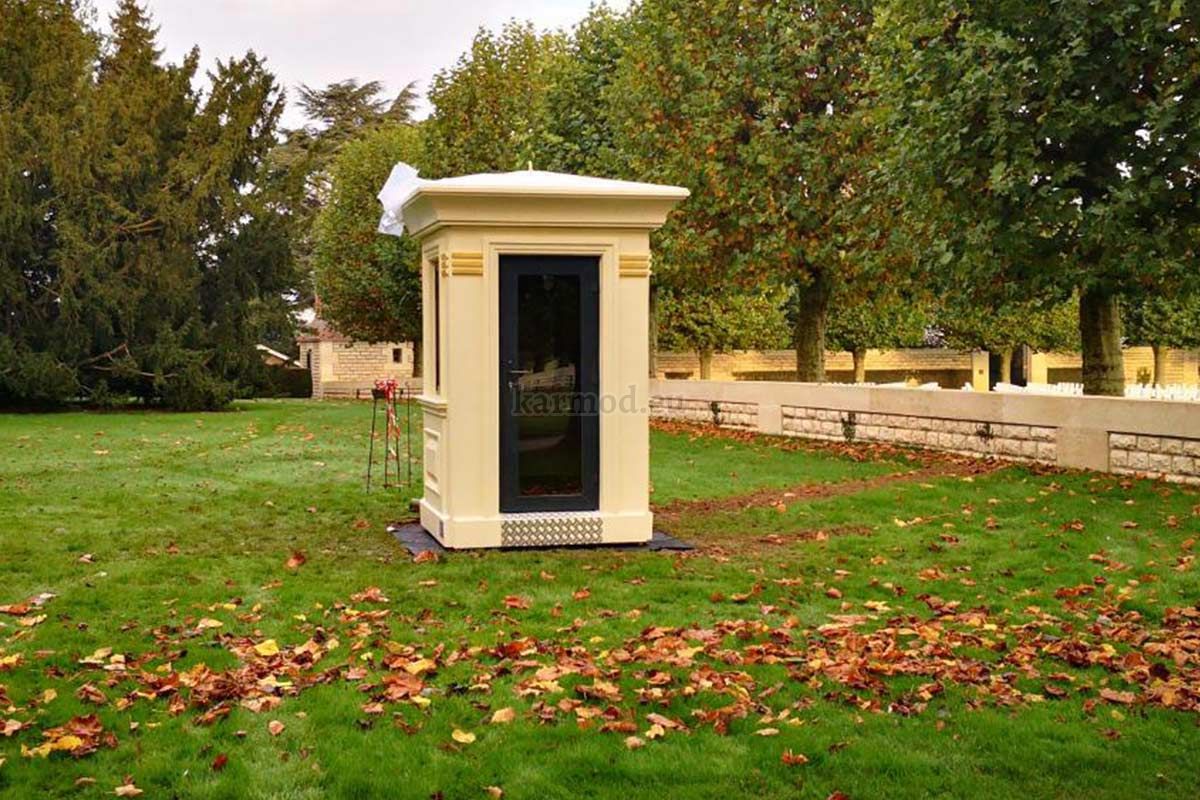
In remote areas, reduced visibility can create significant security blind spots. Without the presence of nearby structures or constant human activity, even small incidents can go unnoticed. A security hut positioned strategically increases real-time awareness, giving staff a vantage point that helps them track what happens throughout the day. This focused visibility is essential for preventing potential risks before they escalate.
The sense of vulnerability is also greater in places where support is far away. A dedicated hut helps compensate for that isolation by ensuring there is always a trained person on watch. Their presence alone deters intruders, minimizes reckless behavior, and provides a clear signal that the site is under active supervision.
Unpredictable Conditions Requiring Constant On-Site Presence
Remote sites often experience unexpected situations — sudden technical issues, severe weather, or wildlife intrusions. A security hut provides a base where staff can monitor conditions, communicate with teams, and act quickly in case of emergencies. This constant readiness is especially valuable when external help may take significant time to arrive.
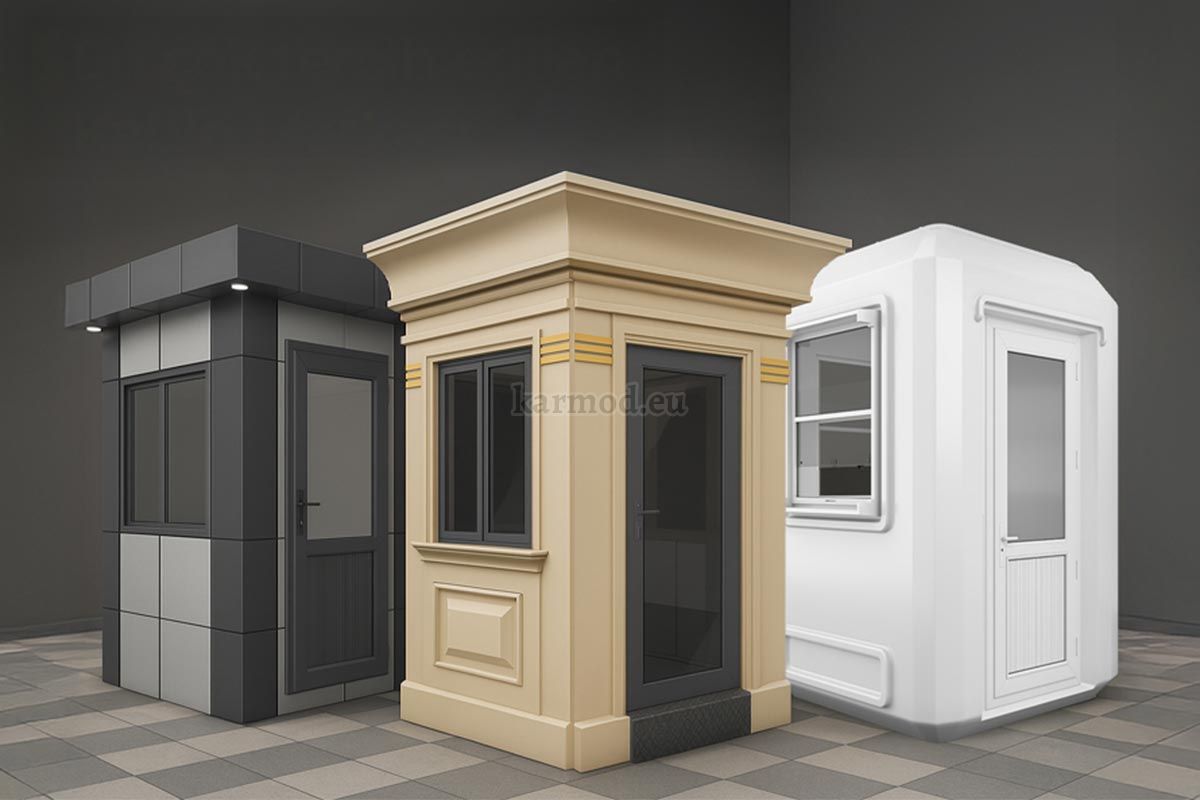
Having a permanent station also makes it easier to handle unpredictable human activity. Contractors, transport vehicles, and shift workers may arrive irregularly, and a staffed hut ensures that someone is always present to manage these movements. This structure reduces confusion and keeps operations running smoothly.
Strengthening Access Control in Areas Without Natural Boundaries
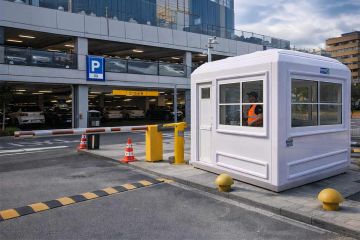
Unlike urban settings with fences, buildings, and controlled roads, remote locations rarely have natural boundaries. This leaves them more open to unauthorized access, accidental entry, or uncontrolled movement across the site. A security hut provides a clear checkpoint where all visitors, workers, and vehicles are logged and verified. This creates a consistent access protocol that enhances site organization and reduces risk.
The presence of a checkpoint also improves internal communication. Staff can direct teams more effectively, assign tasks as people enter the site, and manage the flow of vehicles and equipment. Over time, these improvements contribute to a more structured and efficient operation.

Managing Staff, Contractors, and Deliveries with Clear Entry Protocols
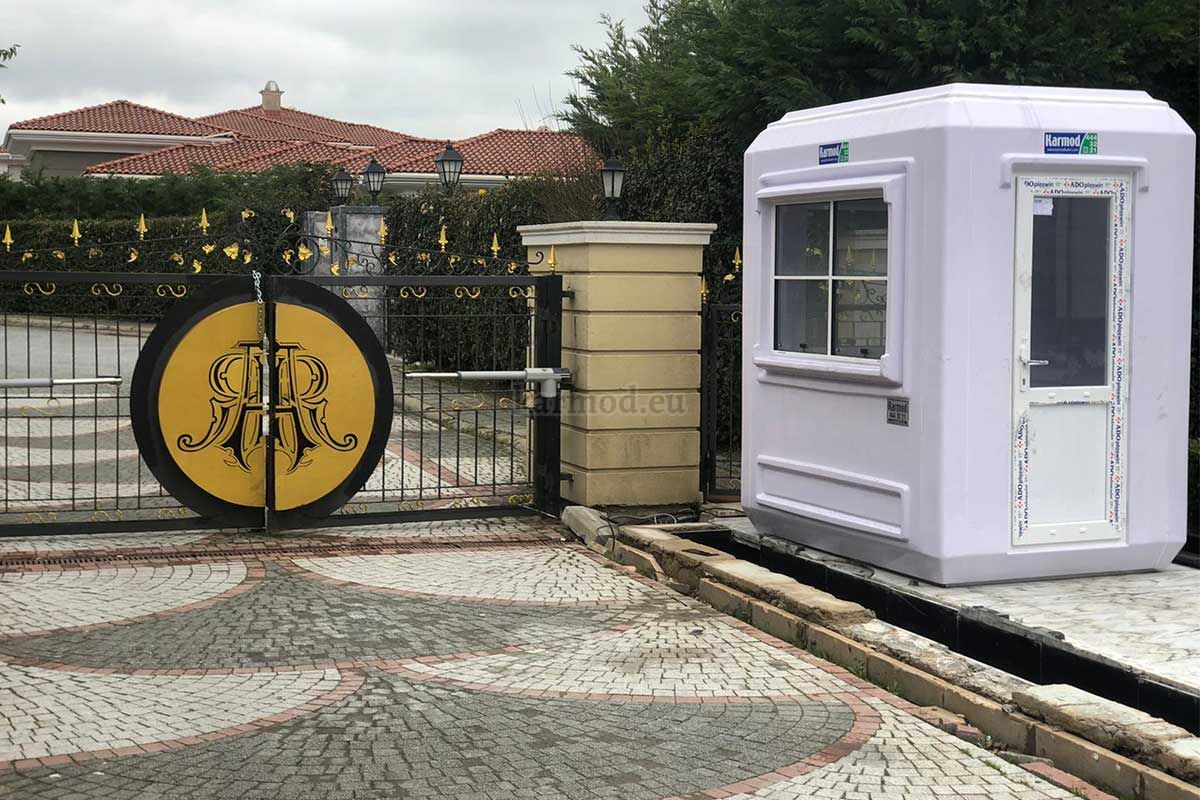
Scheduling in remote areas can be unpredictable. Deliveries may arrive early, late, or unannounced. Contractors might need access at unexpected hours. A dedicated security hut helps manage these variations by requiring all entries to be recorded and authorized. This ensures that nothing happens without oversight and reduces the risk of misplaced materials or unauthorized visits.
Clear entry procedures also improve worker safety. By tracking who is on-site and when, teams can respond quickly during emergencies and maintain accurate attendance logs. These records become especially important in industries such as mining, agriculture, or energy production, where safety compliance is essential.
Reducing Unauthorized Access Through a Dedicated Checkpoint
Unauthorized entry in remote zones can lead to theft, accidents, or operational disruption. A security hut acts as a controlled access point where guards can verify identification, inspect vehicles, and monitor the movement of goods. This active checkpoint dramatically reduces intrusion attempts.
The visual presence of a staffed hut also discourages trespassers. People are far less likely to approach a site when they see a professional structure equipped for monitoring. This layer of deterrence becomes invaluable in protecting expensive machinery, hazardous materials, and sensitive work areas.
Ensuring Employee Safety in Low-Populated or High-Risk Environments
Working in remote locations often means facing isolated conditions where help may not be immediately available. A security hut becomes an anchor of reassurance for on-site personnel. Knowing that trained staff are nearby gives employees confidence to perform their duties—even during early or late hours when visibility is limited and risks are higher.
The hut also serves as a safe haven during emergencies. Whether it’s extreme weather, a medical issue, or a technical malfunction, workers can reach the hut quickly and receive immediate assistance. This presence enhances overall safety culture and reduces the severity of unexpected incidents.
A Reliable Shelter for Guards in Extreme Weather Conditions
Remote environments can expose security personnel to harsh conditions such as scorching heat, heavy rain, strong winds, or freezing temperatures. A properly insulated hut with climate control keeps guards protected, ensuring they remain alert and able to perform their duties effectively. This directly impacts the quality of security on-site.
Comfort also affects job performance. When guards have a warm, dry place to work, their attention remains sharp, and their motivation stays high. Over long shifts, this consistent level of comfort contributes significantly to the reliability of your security operations.
Providing Immediate Assistance During Emergencies or Incidents
Emergencies in remote areas require quick decision-making. A security hut functions as a central point for coordinating responses, whether that involves contacting emergency services, managing evacuations, or assisting injured staff. This readiness can minimize downtime and prevent escalation.
Additionally, the hut stores essential equipment such as radios, first-aid kits, flashlights, and documentation. Having these tools readily accessible ensures that security personnel can act efficiently and guide others during stressful situations.
Centralized Monitoring and Communication for Remote Operations
Remote locations rely heavily on consistent communication to maintain workflow. A security hut works as a command center where monitoring tools and communication devices come together in one place. This integration helps teams stay connected even when they operate across wide or rugged terrain.
Because remote sites often face delayed response times, centralized oversight becomes essential. Security staff inside the hut can dispatch messages, assign tasks, or alert teams instantly, creating smoother coordination across the entire operation.
Integration of CCTV, Sensors, Radios, and Control Equipment
Modern security huts are designed to support advanced equipment, turning them into efficient monitoring stations. CCTV systems provide wide-angle coverage, motion sensors detect unwanted activity, and radios keep teams in constant communication. Having all these tools in one controlled environment improves decision-making and response time.
The centralized setup also protects sensitive equipment from outdoor conditions. Devices remain safe, functional, and easy to access—ensuring consistent monitoring regardless of weather or terrain challenges.
Creating a Stable Base for Coordinating Field Teams
Large remote sites often require teams to spread out across multiple zones. A security hut provides the stable foundation needed to coordinate these movements. Dispatchers can communicate routes, track progress, and direct workers to priority areas from one organized location.
This centralized command base also reduces confusion during shift changes or unexpected events. With clear oversight, employees always know where to report, what tasks await them, and who to contact for guidance.
Cost-Efficient Security Solution for Widely Dispersed Sites
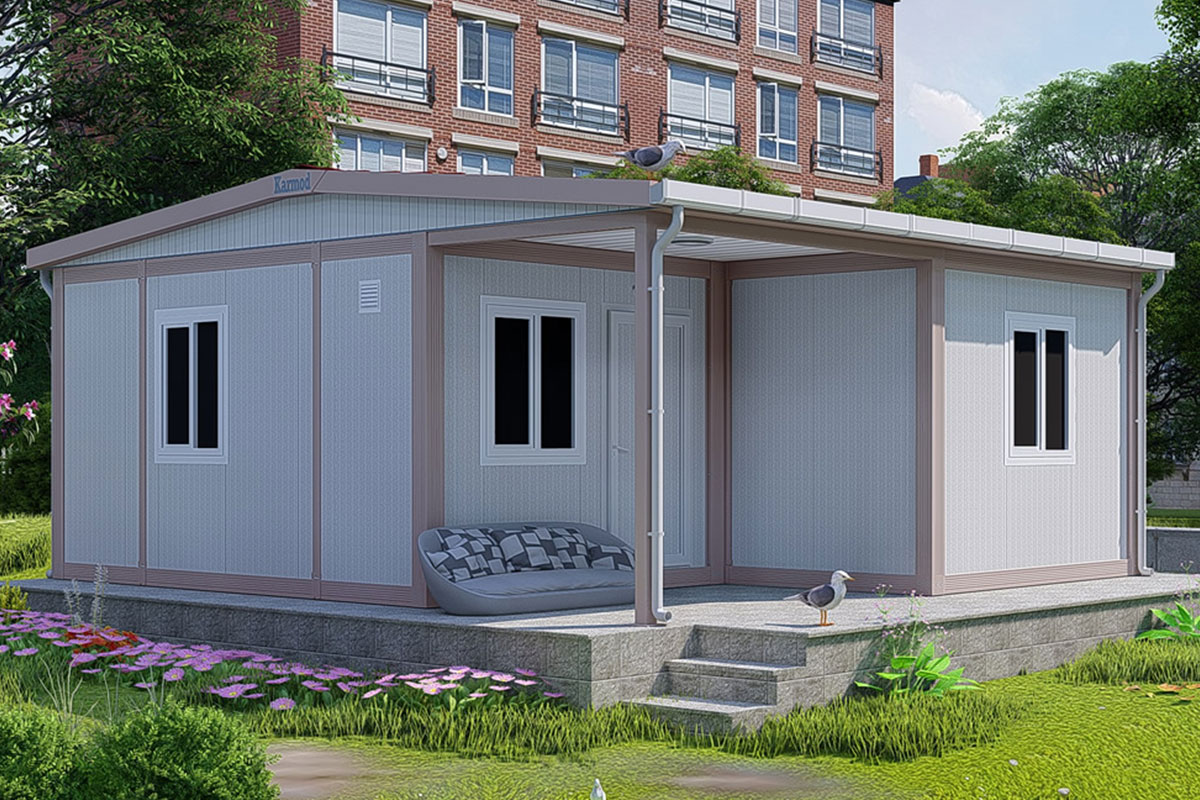
Budget efficiency is a significant advantage of modular security huts. Unlike permanent buildings, they require little site preparation and can be installed quickly without interrupting operations. This makes them a practical solution for remote environments where infrastructure is limited.
Long-term savings also arise from durability. Prefabricated huts are built to withstand harsh conditions, meaning fewer repairs, less downtime, and lower maintenance costs. Over time, these benefits accumulate, offering excellent return on investment.
Lower Installation and Maintenance Costs Compared to Permanent Buildings
Permanent structures require detailed engineering, labor-intensive installation, and significant investment. In contrast, a modular security hut arrives fully prepared and can be placed on-site without extensive groundwork. This reduces project timelines and overall costs.
Maintenance costs remain low because the materials used—such as steel frames, insulated panels, and weather-resistant coatings—are engineered to perform well in tough environments. This reliability is crucial for remote locations where accessing repair services may be difficult.
Long-Term Durability Designed for Tough Terrain and Harsh Climates
Remote sites may involve rocky ground, exposure to salt air, or extreme temperature shifts. Security huts are built with durable materials specifically chosen to withstand these challenges. This ensures your structure remains strong and functional year after year.
Their longevity also means less disruption. Once installed, the hut continues supporting your security operations without needing major upgrades or replacements.
Adaptable, Portable, and Scalable Structures for Dynamic Sites
Remote operations change constantly — work zones shift, new areas open, and old sections close down. A modular security hut can be moved easily to follow these transitions. This flexibility prevents wasted resources and ensures your team always maintains an effective vantage point.
Businesses that expand over time also benefit from the hut’s scalable design. Additional units, upgraded features, or reconfigured layouts can be added without starting from zero. This adaptability helps your security system evolve alongside your operations.
Easy Relocation When Work Zones Shift or Expand
Mobility is essential in industries like mining, energy exploration, and large-scale agriculture. Being able to reposition your hut allows security personnel to stay close to active work zones. This keeps oversight strong and minimizes gaps in monitoring.
The relocation process is quick and efficient, avoiding downtime or major logistical issues. This makes modular huts a practical long-term choice for dynamic work environments.
Customizable Interior Layouts to Support Different Operational Needs
Every remote site functions differently. Some require large desks and documentation storage, while others need equipment racks or additional viewing windows. Customizable hut interiors accommodate these variations easily, giving security personnel the tools and comfort they need to work effectively.
A tailored layout also boosts productivity. When equipment is arranged logically and space is optimized, guards can respond faster, manage tasks more efficiently, and maintain a cleaner, more organized environment.
Boosting Operational Efficiency and Professionalism
Security huts play a crucial role in shaping how a remote site is perceived — both internally and externally. Employees feel safer and more supported, which improves morale and reduces turnover. Visitors, partners, and suppliers see an organized, well-managed operation the moment they arrive.
By offering structure in an otherwise unstructured environment, the hut enhances the overall professionalism of the site. It becomes a physical representation of your commitment to safety, order, and responsible operations.
Creating Order in Remote Industrial, Mining, or Energy Sites
Remote sites can become chaotic when movement is not controlled. Heavy machinery, transport vehicles, and rotating teams require clear direction. A security hut becomes the first point of coordination, guiding traffic and ensuring all activity follows established protocols.
This structured workflow reduces delays, prevents accidents, and ensures that every action taken on the site is properly supervised.
Enhancing Trust Among Employees, Partners, and Local Communities
People naturally trust businesses that show they prioritize safety. A security hut demonstrates that you take risk management seriously, which helps build confidence among employees and improves relationships with local communities or regulatory bodies.
This trust supports smoother long-term operations and strengthens your reputation—an important advantage in industries where reliability is everything.
Ready to Secure Your Remote Location? Contact Our Team for Professional Guidance
Remote sites demand a higher level of protection, and a dedicated security hut provides exactly that. It becomes a stable base for monitoring, communication, access control, and emergency management—all essential components for safe and efficient operations. Whether you’re managing a mining field, an energy station, a construction zone, or a remote agricultural site, investing in a modular hut gives you confidence and control.
If you’re considering enhancing your remote-site security, reach out to our team for a personalized assessment. We help you choose the right hut design, materials, and features to match your environment and operational needs, ensuring long-lasting safety and performance wherever your business operates.